
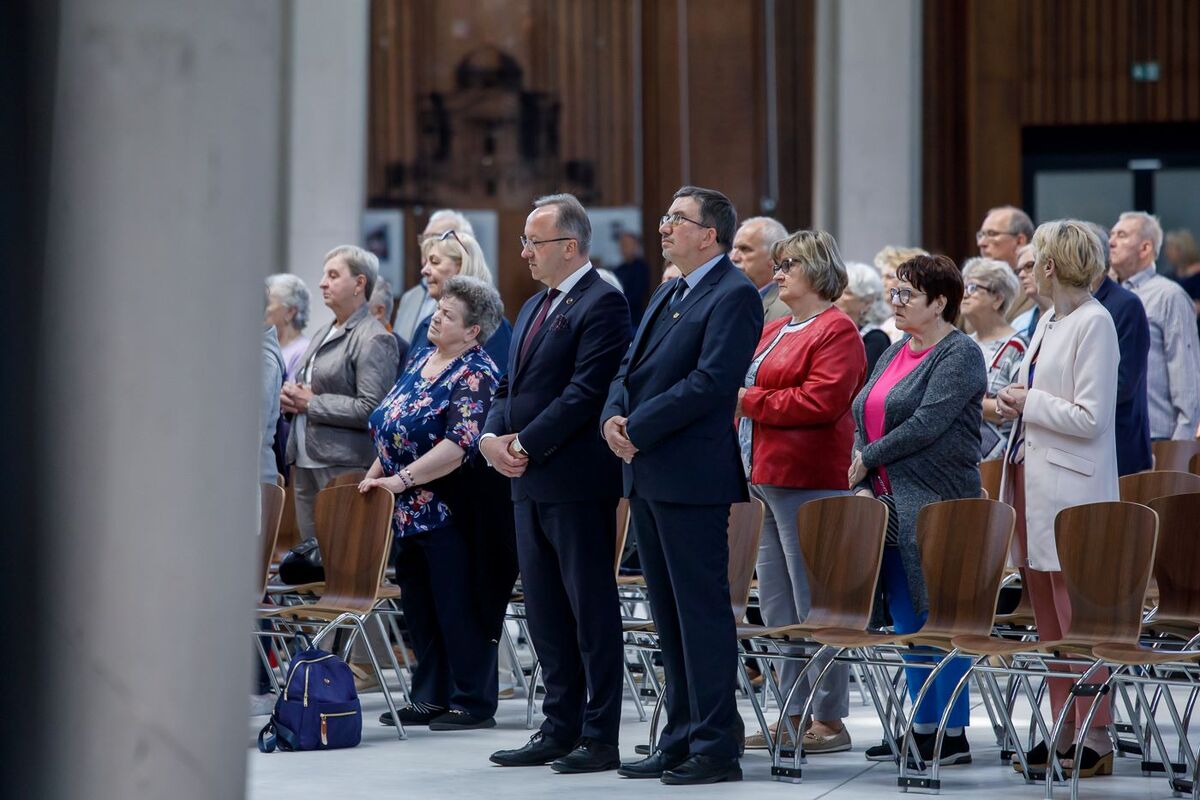
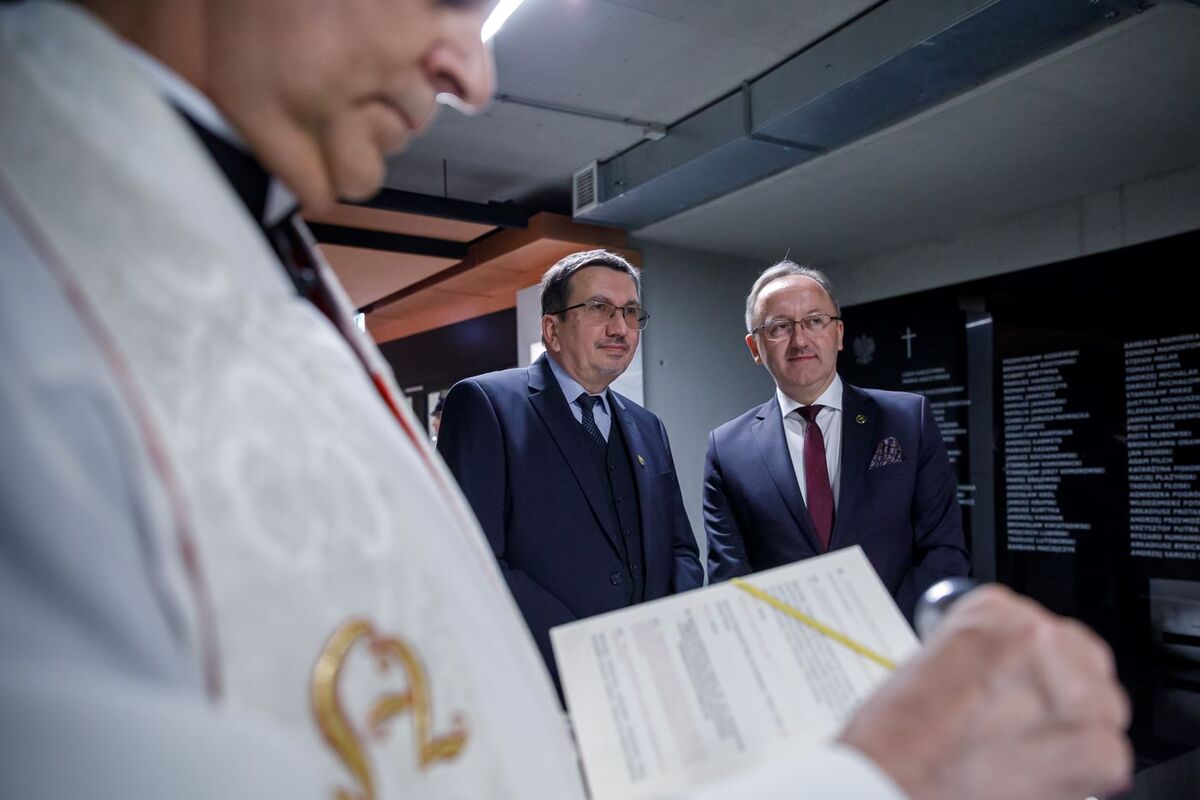
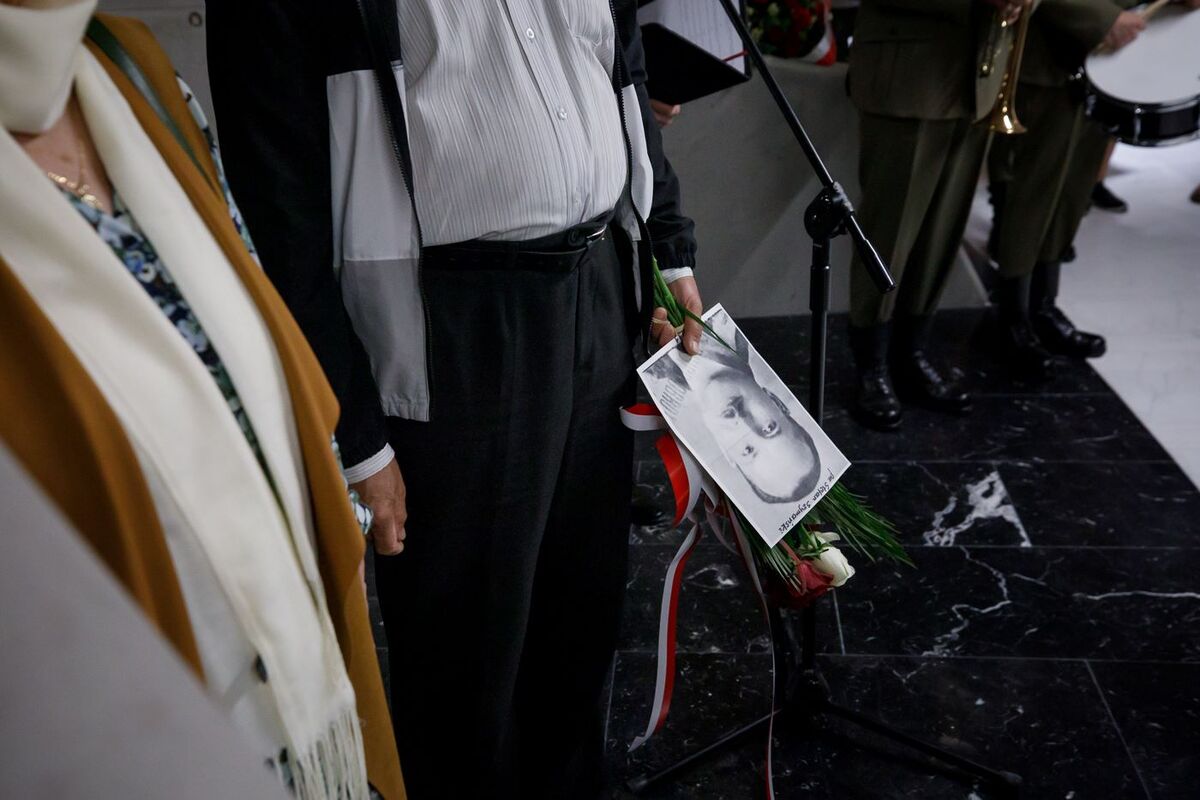
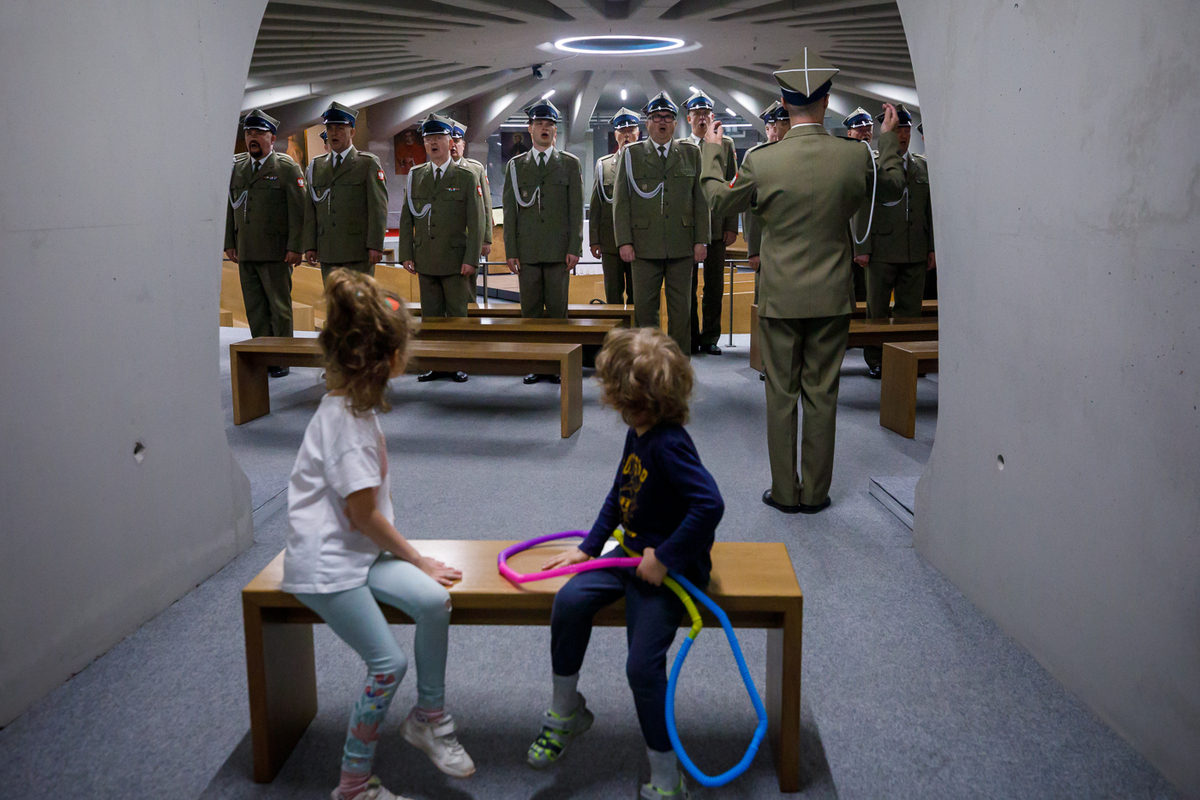
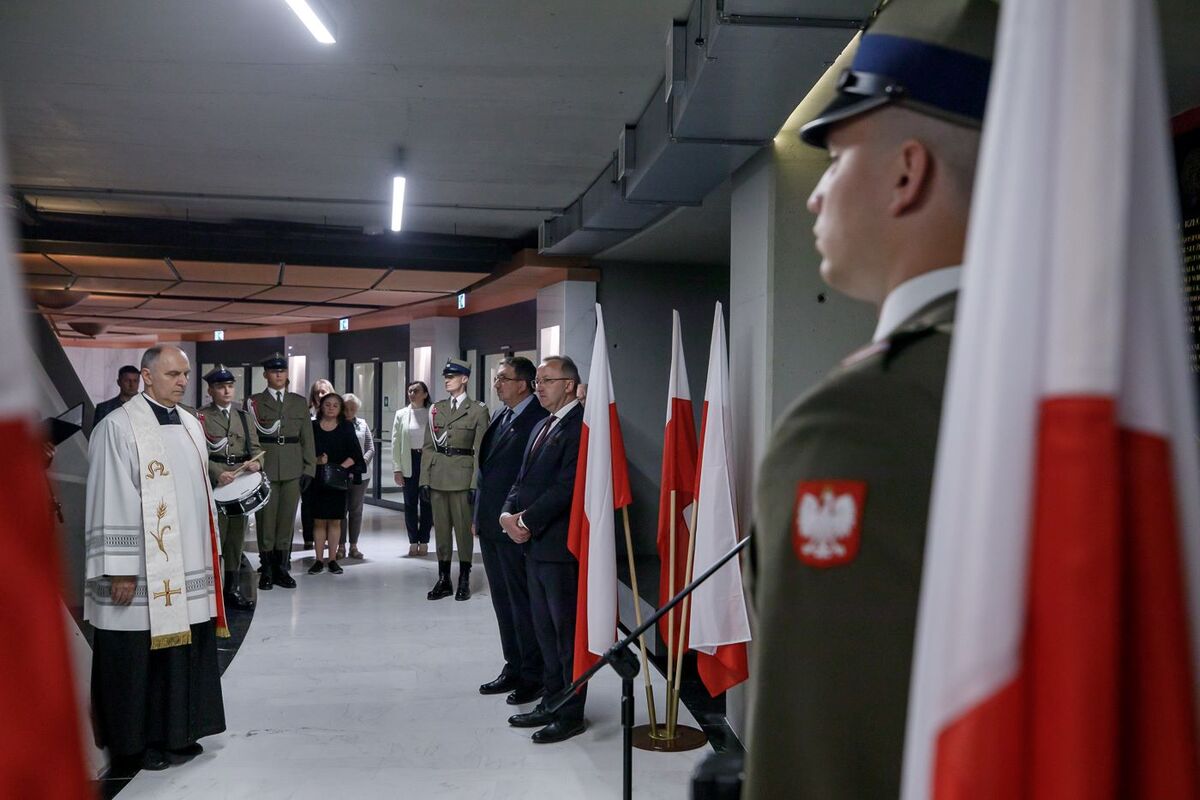
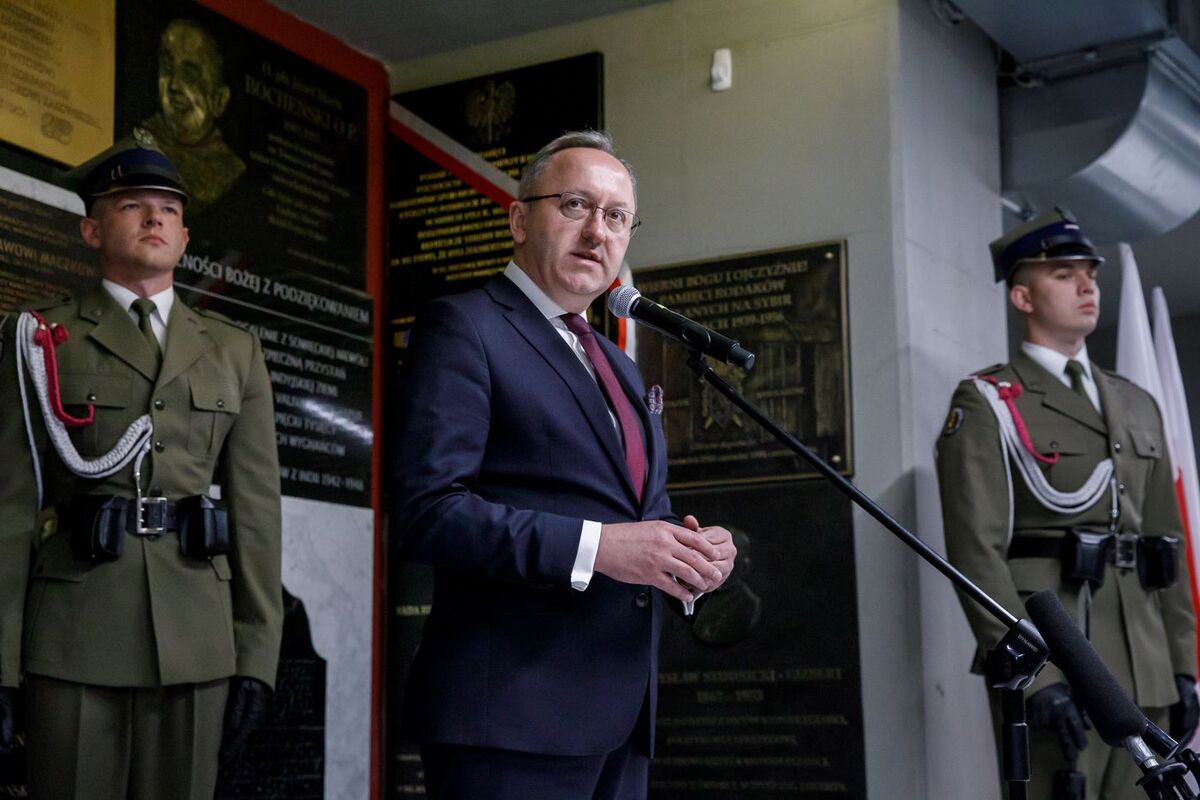
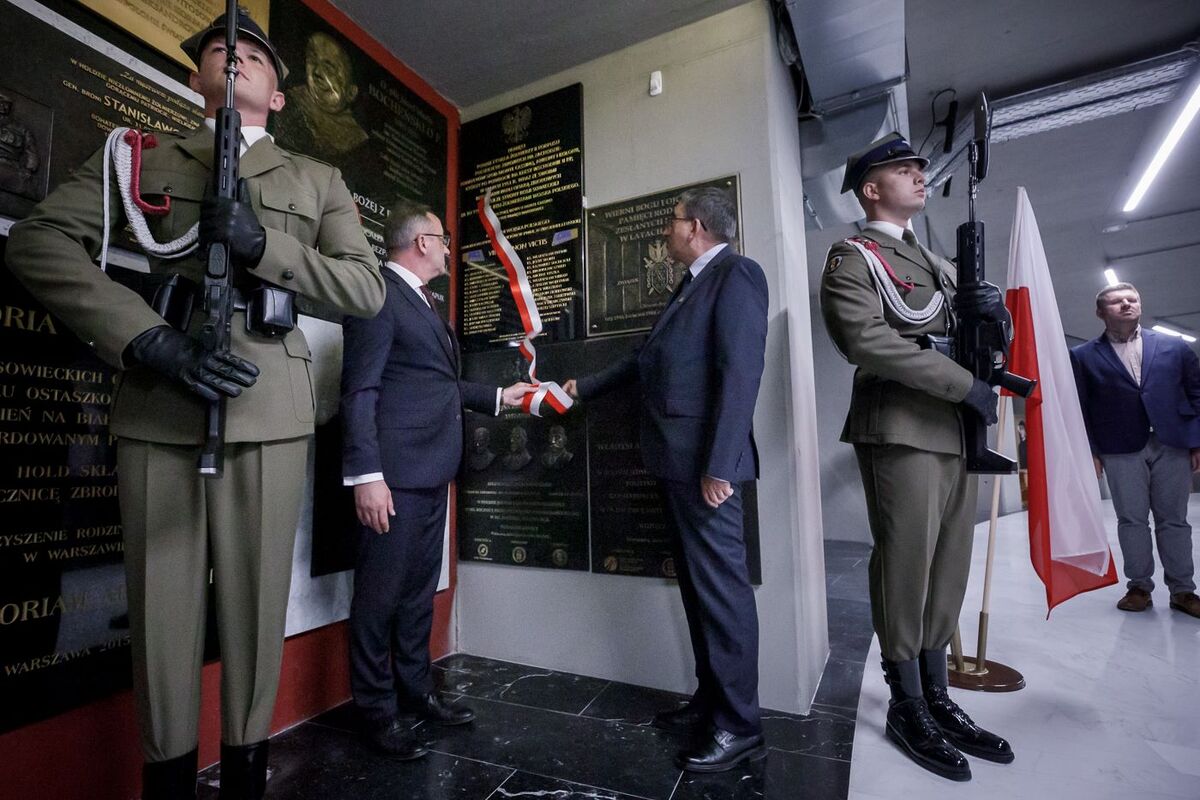
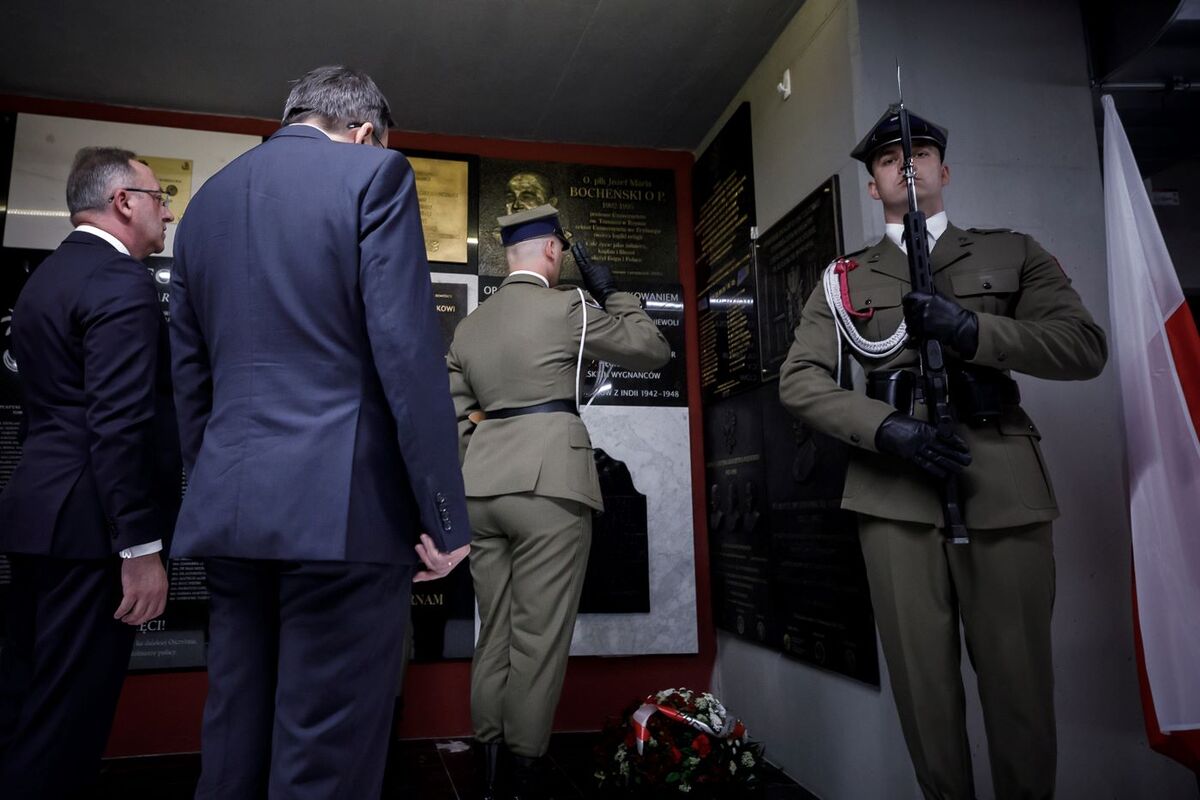
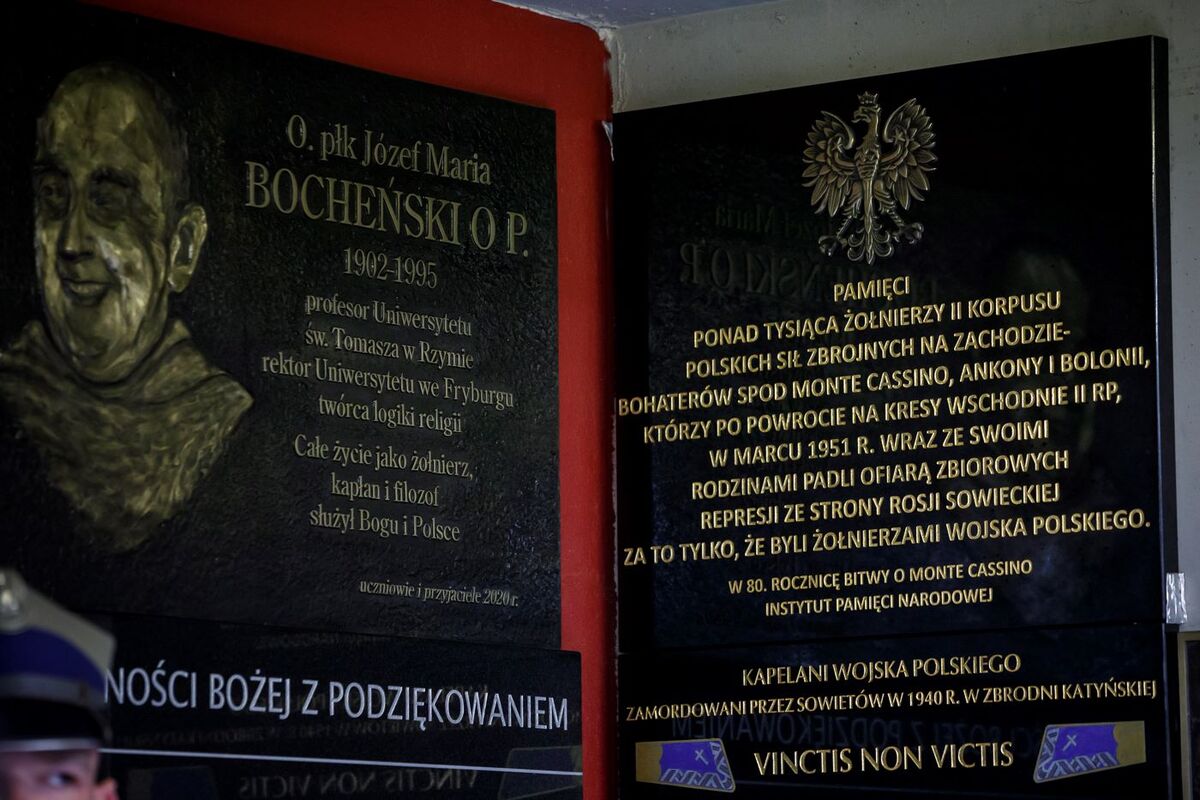
Prof. Karol Polejowski, the Deputy President of the IPN unveiled a plaque commemorating the soldiers of the Polish Armed Forces in the West - heroes from Monte Cassino, Ancona and Bologna, who were repressed by the Soviets after their return to the borderlands of the Second Republic in 1951. The event took place in the Temple of Divine Providence on 18 May.
We should remember what fate befell our compatriots, who loved their hometowns and families so much that they decided to return to the eastern lands of the Republic, which after 1945 were in the hands of the Soviets. There, they suffered persecution. Let the memory of their fate last within us. Let us pass on this memory to future generations. Honor and glory to the Heroes! - said Deputy President Polejowski.
The event was attended, among others, by Tomasz Łabuszewski Ph.D., the Director of the Warsaw Branch of the Institute of National Remembrance, Rev. Paweł Gwiazda Ph.D., the Pastor of the Temple of Divine Providence, the employees of the Warsaw Branch of the Institute of National Remembrance and the families of the heroes.
The plaque was created on the initiative of the Warsaw Branch of the IPN and was financed by the Institute.
The fate of the soldiers of the 2nd Corps - the heroes from Monte Cassino - was unenviable after the end of World War II. Despite the enormous bloodshed “for your freedom and ours,” they slowly became an unnecessary army, even troublesome for the existing allies.
They had three choices: emigration, a return to Poland under Soviet occupation (which in practice meant putting themselves at the mercy of the communist authorities) or a return to the eastern territories of the Second Republic illegally seized by the USSR.
Each of the aforementioned choices was associated with great risk, sacrifice and suffering. The most difficult, however, certainly involved voluntarily heading to Vilnius, Novogrudok, Grodno, Volhynia, Podolia or Polesie. However, these were no longer the homelands they remembered, but the Soviet “inhuman land.” Between 1,200 and 1,400 soldiers opted for this desperate act. The main reason for their decision was the desire to reunite with their long-lost families, with whom they had been forcibly separated as a result of the 1939-1941 Soviet repression.
The path of most of the soldiers who found their way to the USSR led through Poland. From the moment they arrived in the Soviet-occupied country, they were treated as a potentially dangerous group. They were sent to filtration camps, where they were subjected to verification and surveillance, and surrounded by agents who were supposed to report any manifestations of their iniquity.
Things only got worse in the USSR. They became victims of progressive Sovietization and collectivization leading to a significant impoverishment of their families.
However, the main blow of the Soviet security apparatus against the entire collective of former soldiers of the 2nd Corps did not come until the night of 31 March – 1 April 1951. By decision of the USSR Council of Ministers, they and their families were deported to the Irkutsk region and their property was confiscated.
In total, more than 4,600 people (including 1,236 to 1,222 former subordinates of General Władyslaw Anders) were subjected to this action. Transport by rail to the places of forced settlement lasted as long as 18 days, conditions were very harsh - the Siberian frosts still prevailed. As a result, it cost the lives of many of the youngest and oldest family members of the deported veterans.
As special resettlers, they were deprived of any rights and were forced to perform hard labor tasks in mines, construction sites and other industrial enterprises. The amnesties of 1956-1957 did not cover them, and it was not until 2 August 1958 that the Presidium of the highest body of the USSR issued a decree releasing them from forced settlement. Some of them tried to return to the People's Republic of Poland. However, only a few succeeded.