

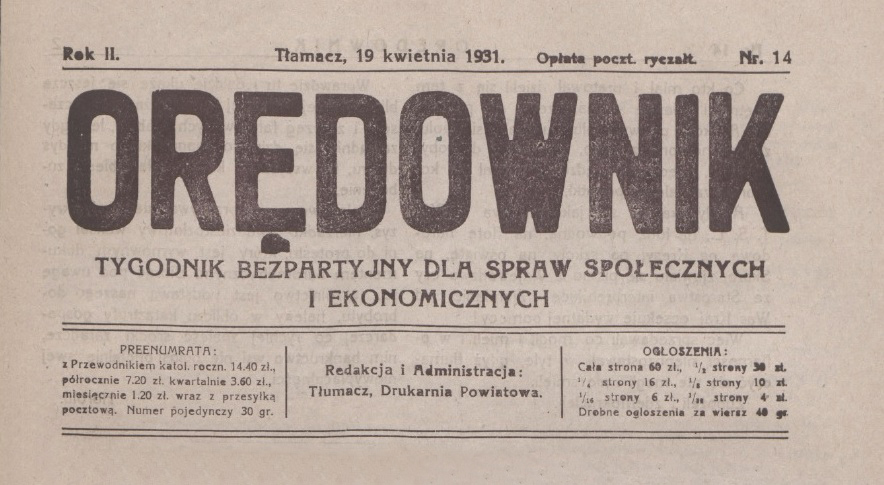
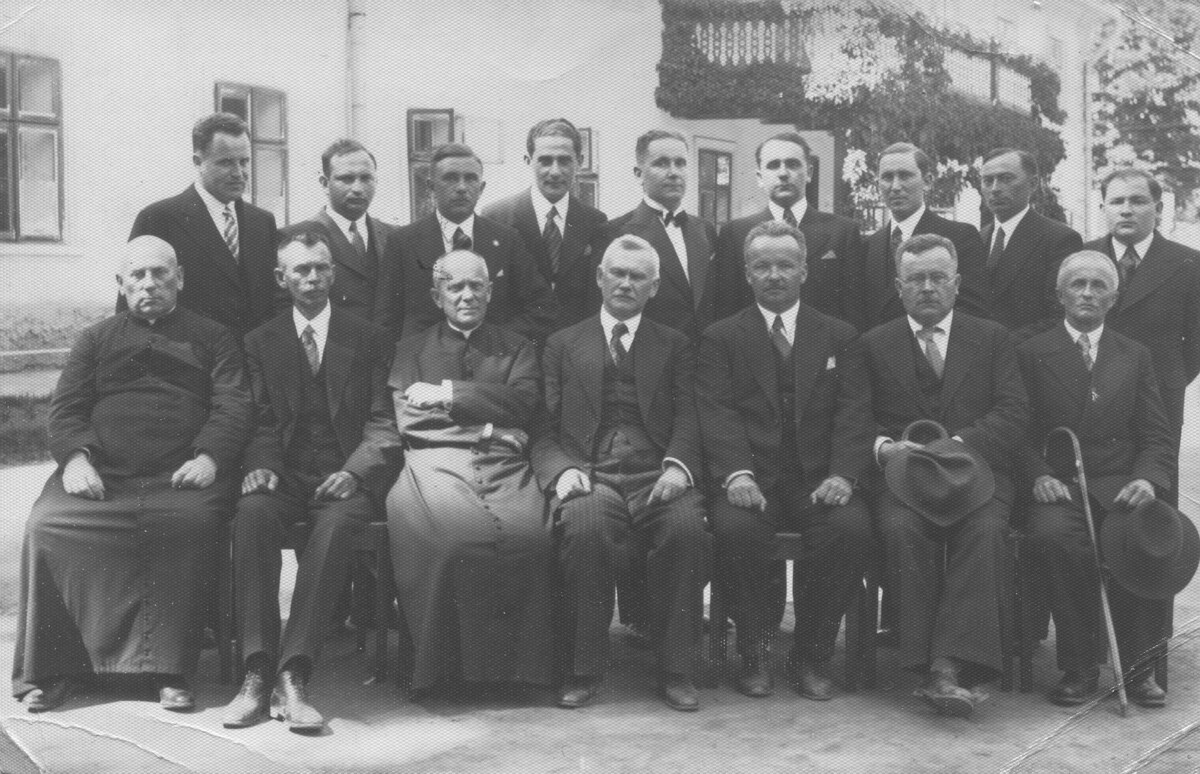
The 18th episode of film miniatures from the “Not just the Ulmas” series is now available on the IPNtv channel. “He Was Hiding a Jew on the Parish Premises” shows the story of Fr. Edward Tabaczkowski of St. Anne Roman Catholic Parish in Tłumacz, in the pre-war Stanisławów Voivodeship, which is located in the modern-day territory of Ukraine. This prominent priest and community worker helped those who were repressed by Soviet occupiers and then German ones. He was arrested for hiding a Jewish student, Leon Weiser, and murdered by the Germans in the prison in Stanisławów (today Ivano-Frankivsk in Ukraine) on 20 October.
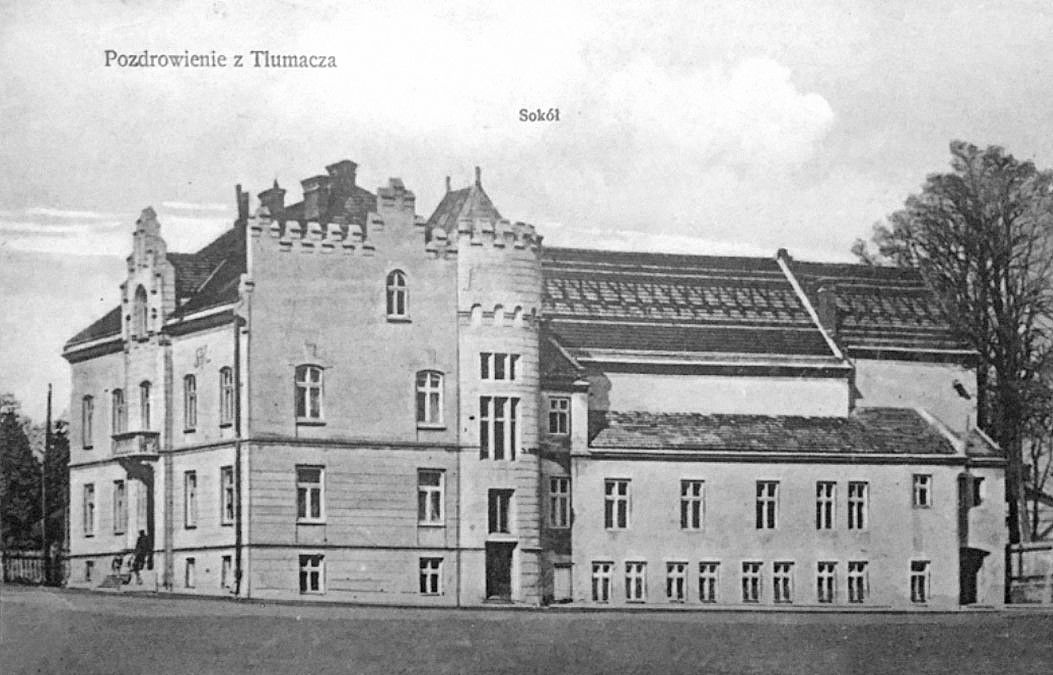
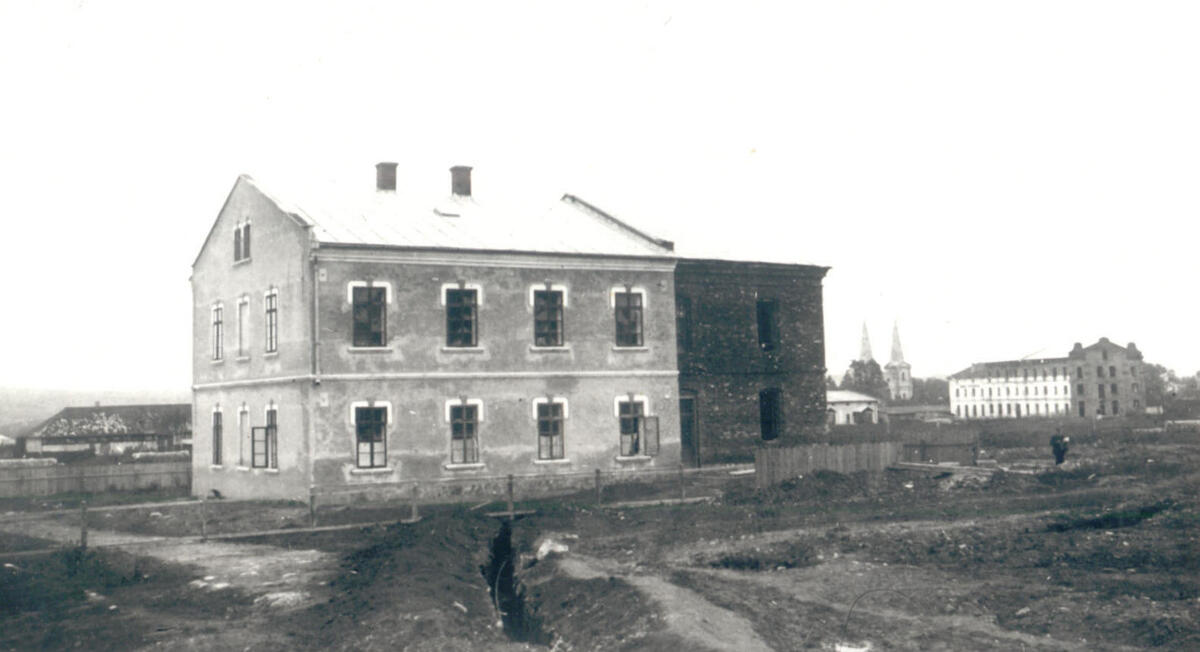
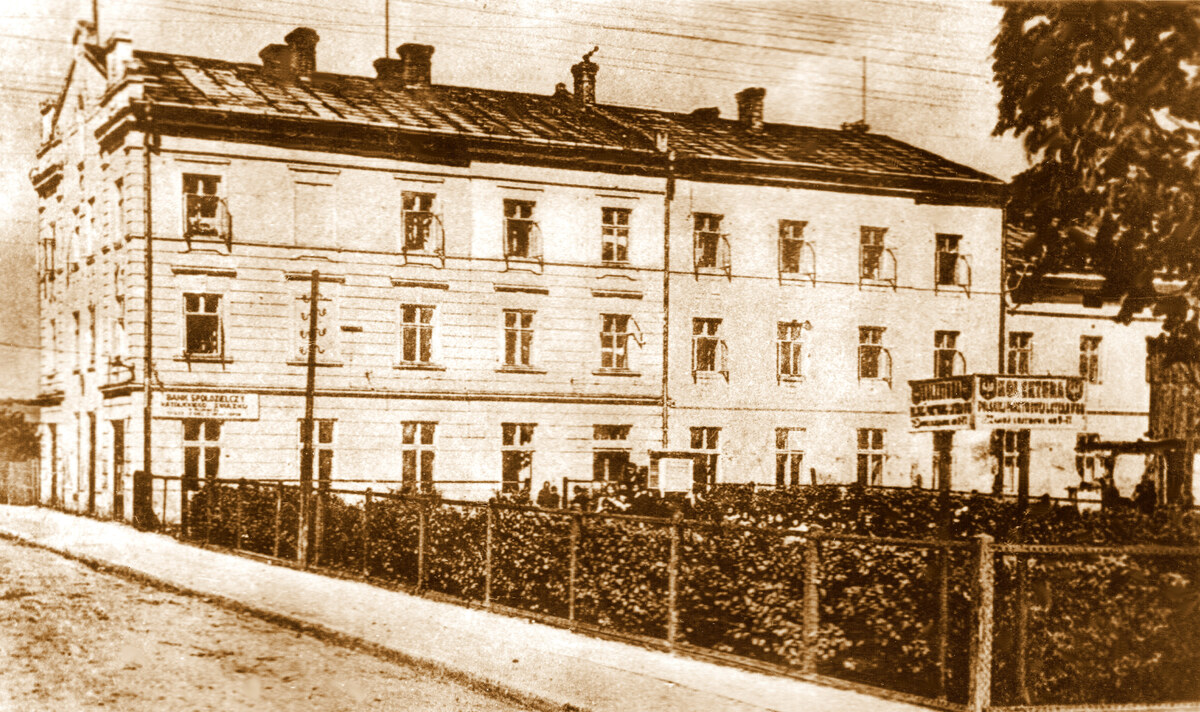
Father Edward Tabaczkowski was one of many Polish Catholic clergymen repressed by the Germans for helping Jews during the Second World War. He was born in Trembowla on 12 October 1872. From 1910, he was the parish priest at the parish of St. Anna in Tlumach. He distinguished himself as a local social activist and initiator of many charitable events. As surviving testimonies make clear, he was one of the priests whose sermons encouraged parishioners to support Jews. He did not limit himself to indirect assistance, but also became personally involved. Above all, he issued false documents to Jews. Those who received a baptism certificate from him included Leon Harlenstein, Żanetta Knobloch, Berta Opoczyńska and Ludwika Czechowicz. In addition, the clergyman participated in providing food aid to the ghetto in Tlumach. From the end of March 1942, the Jewish district in Tlumach functioned as an open ghetto, then from May of that year as a closed district. The ghetto was liquidated by the Germans in August or September 1942. At its most populous point, it contained no fewer than 3500 Jews. To survive, they relied on the assistance of people from the “Aryan side” of town. Unfortunately, the preserved source materials do not allow one to establish the scale of food aid provided by the priest or other Poles.


What we know for sure, however, is that Father Tabaczkowski sheltered a Jewish student, Leon Weiser, at the rectory. The Polish priest baptized him and employed him in the parish office at the rectory in Tlumach. Maria Kłodnicka, who was an extremely active participant of parish life, was also involved in looking after Leon. During the day, the hiding student stayed at the rectory, while in the evenings he usually went to a neighbouring farm belonging to the Volksdeutsche Falsinger family. After some time, in unknown circumstances, Leon Weiser was arrested by the Germans and executed in Stanisławów. Perhaps this is why the parish priest came to the attention of the German police formation – the Gestapo. Although people close to Edward Tabaczkowski urged him to leave the parish, he was unwilling to do so, explaining that he felt responsible for the parishioners. However, being aware of the impending danger, he did ask the curia in Lviv for permission to leave the parish a few days before his arrest, though he changed his mind the following day and confirmed his decision to remain at the rectory. Father Edward Tabaczkowski was arrested by the Gestapo a few days after the execution of the above-mentioned Leon Weiser, probably on 1 October 1942. It was likely a denunciation which led to his arrest. According to witness accounts, he was tortured during imprisonment in Stanisławów. He died in unknown circumstances, most likely on 20 October 1942. The death of the priest in the German prison was confirmed by a prisoner from Tlumach, Maria Korneluk-Petrus. While cleaning the rooms of the prison complex, she looked out the window into the courtyard and saw Tabaczkowski’s corpse. There were many more people like him in this region, both laymen and clergymen.
Watch previous episodes of the series "Not only about the Ulma's".