
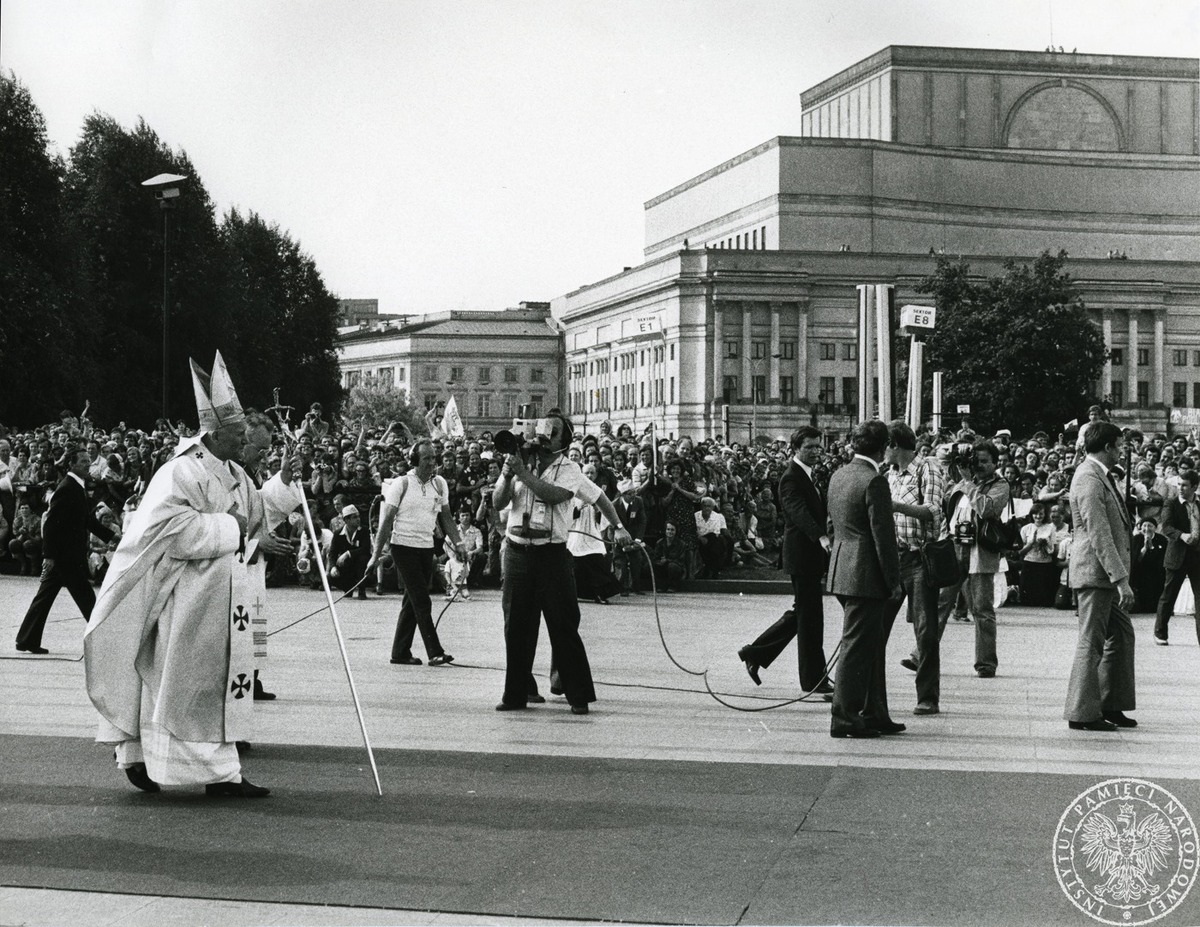
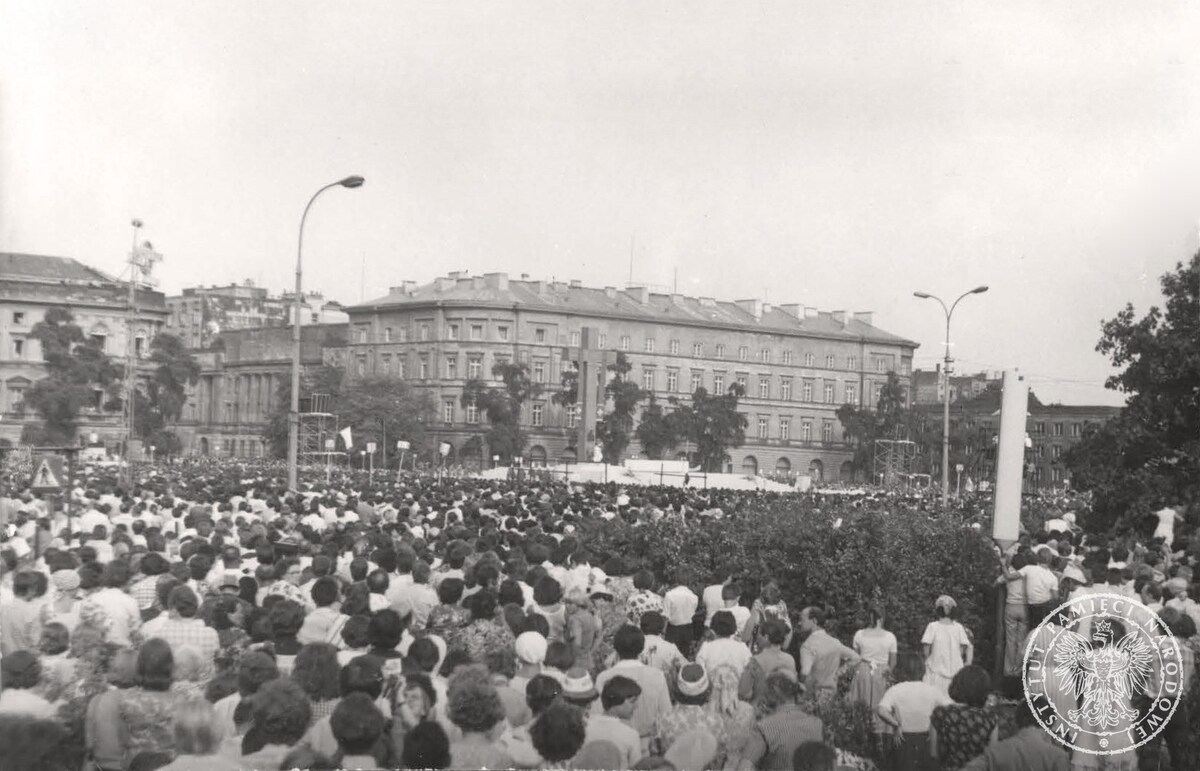
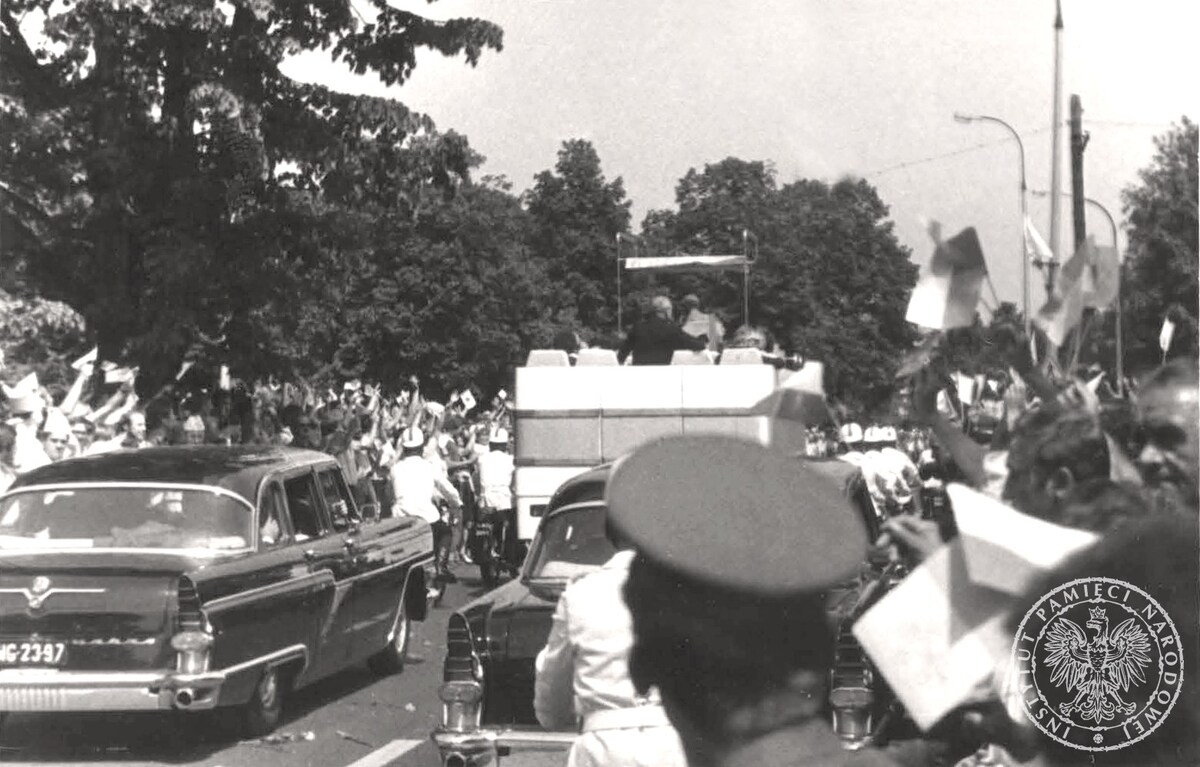
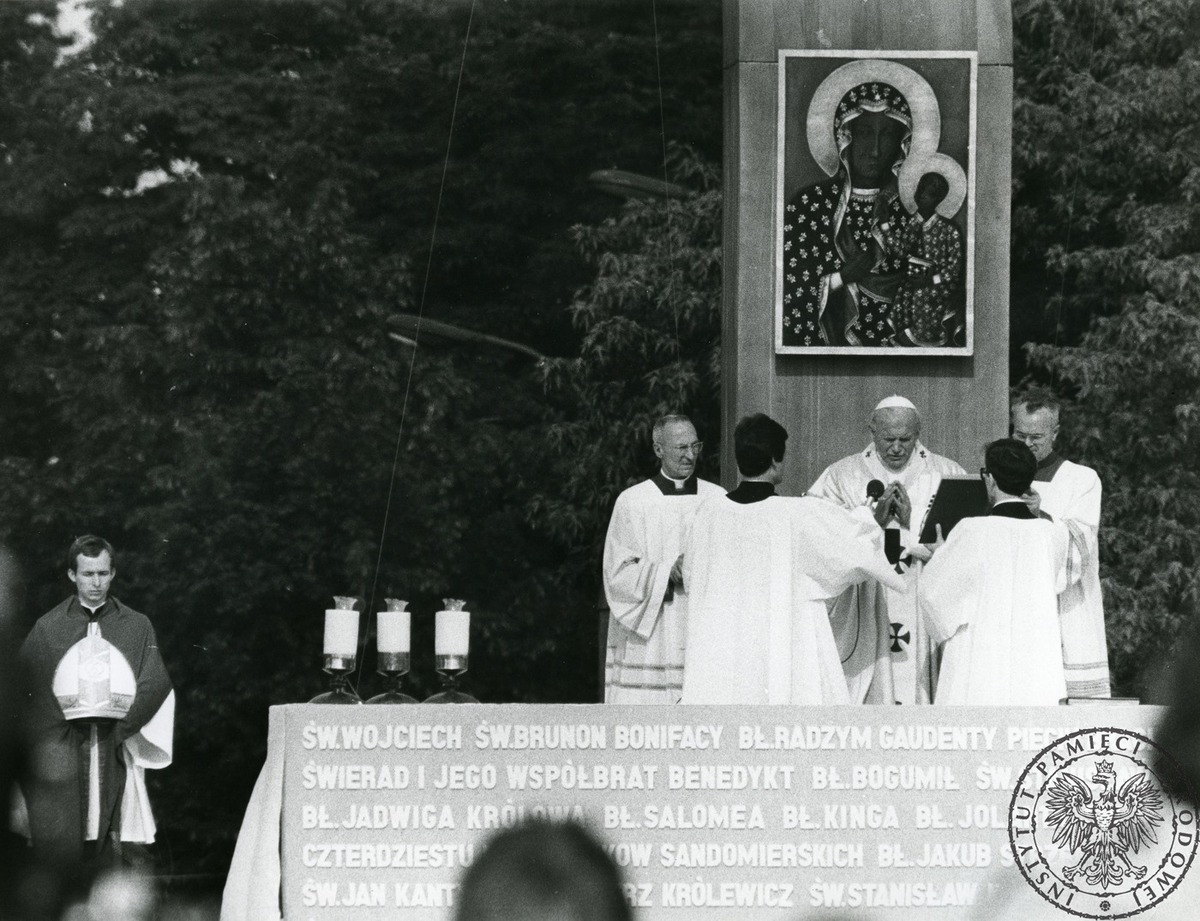
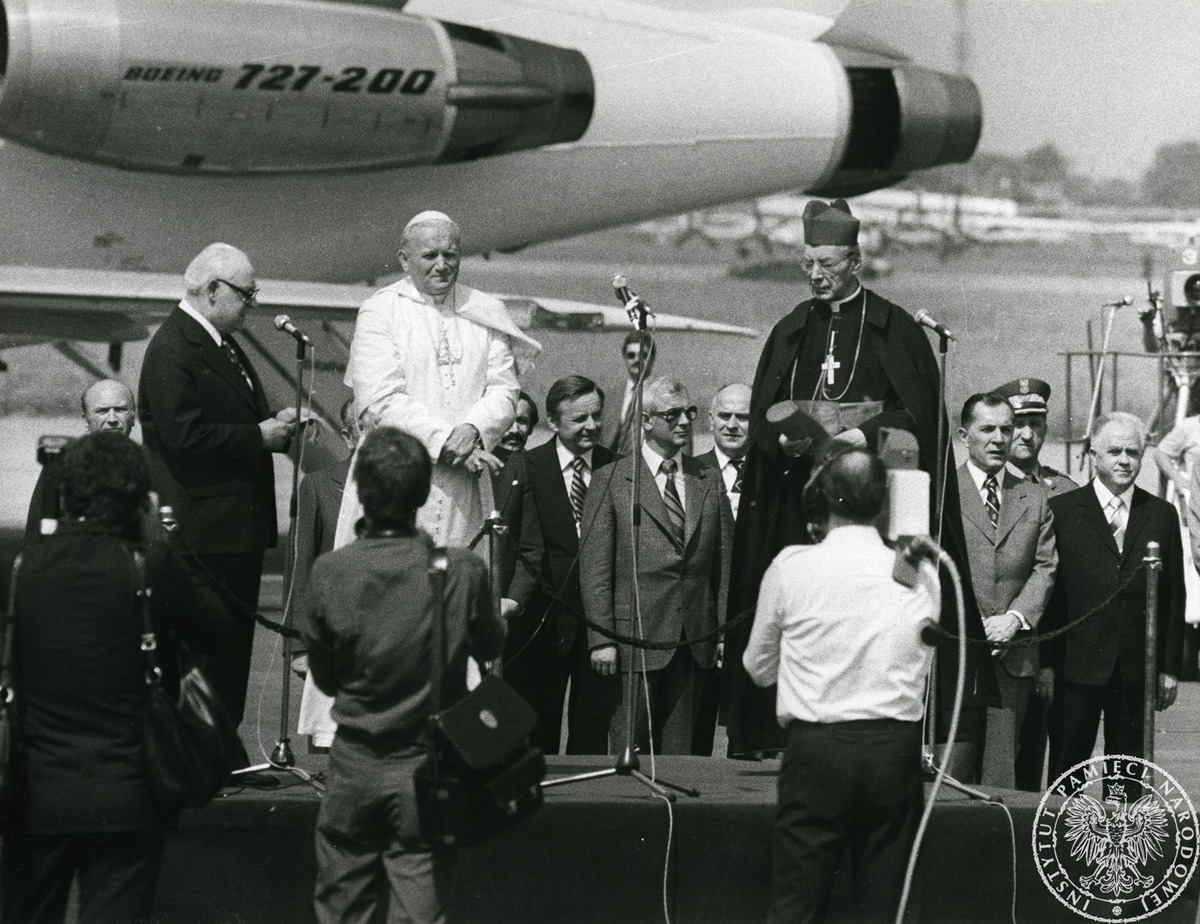
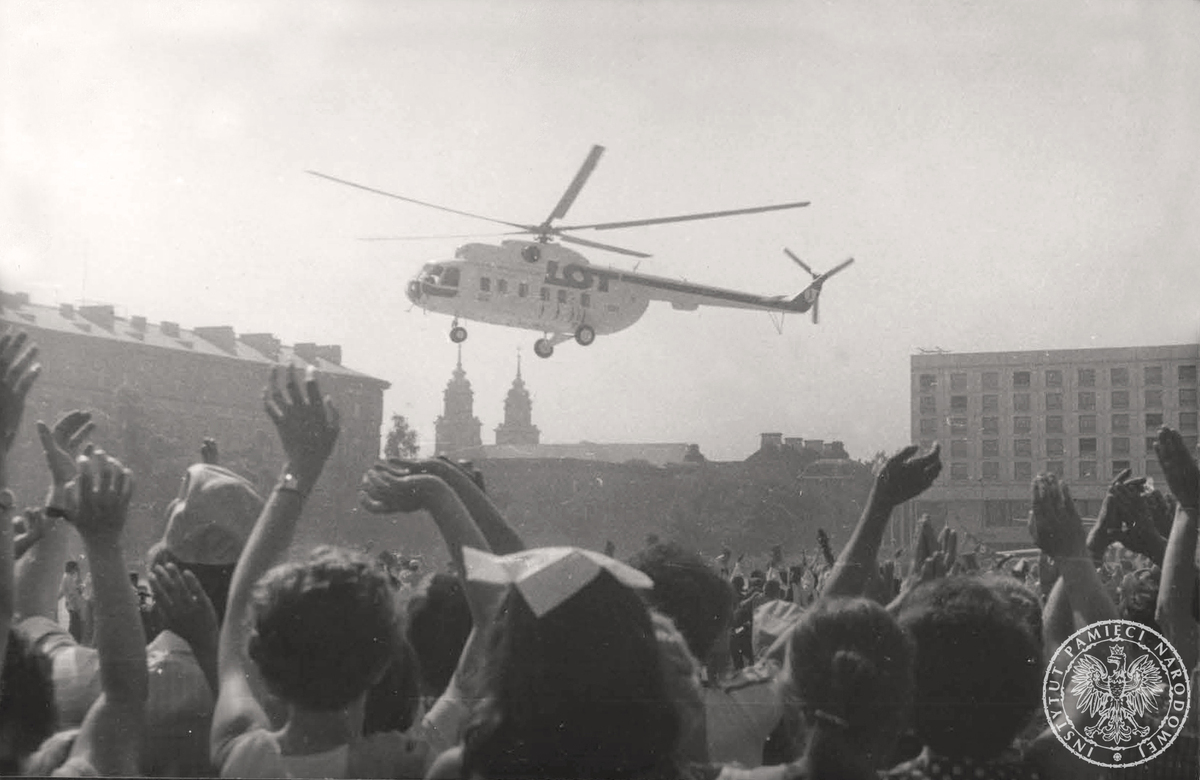
The communist authorities were displeased with the fact that the Pope was to visit Poland, fearing that it would awaken the Polish yearning for independence. It was during this pilgrimage that the Pope uttered the famous words: “And I cry out from the depths of this millennium – let your Spirit descend and renew the face of the earth. The face of this land."
For the Catholic Church in Poland and the communist government, the election of a Pole as Pope on 16 October 1978 immediately brought to the fore the issue of his visit to his homeland. As early as 6 November 1978, almost immediately after his return from Rome, Polish Primate Cardinal Stefan Wyszyński, in an address to the faithful congregated in the Warsaw cathedral, stated openly: "And there is hope that the Holy Father wants to come to Poland as soon as possible. The best opportunity is the celebration in honor of St. Stanislaus in Cracow, set for 13 May of next year.
Moscow categorically advised against approving the Pope's arrival, but Edward Gierek – finally – was given a free hand in the matter. In secret talks held from December 1978, the authorities consequently haggled over the date of the Holy Father's visit. They did not want to agree to the aforementioned May date, when the long-planned ceremonial celebration of the 900th anniversary of the martyrdom of St. Stanislaus, a patron of Poland, was to take place in Cracow.
The date of the pilgrimage was finally set for 2-10 June 1979. The official motto of the apostolic journey was taken from the opening words of a hymn in honor of St. Stanislaus of Szczepanów – ‘Gaude Mater Polonia’ (Rejoice, Mother Poland).
Along the whole route of the pilgrimage, which began in Warsaw, the Pope was greeted by vast assemblies of Catholics, as well as especially decorated homes and balconies. The Poles listened to the words of a man who spoke truthfully to a nation who had been living for years in the deception that reigned in the media, the work environment and even encroached into the family. The Holy Father spoke about the history of the nation, about human rights.
The visit of John Paul II to Poland in June 1979 was the foundation of all subsequent systemic changes that took place in the nineteen-eighties, including the creation of the 10-million member Solidarity movement, and the regaining of freedom and independence by Poland and countries of the entire Soviet bloc.
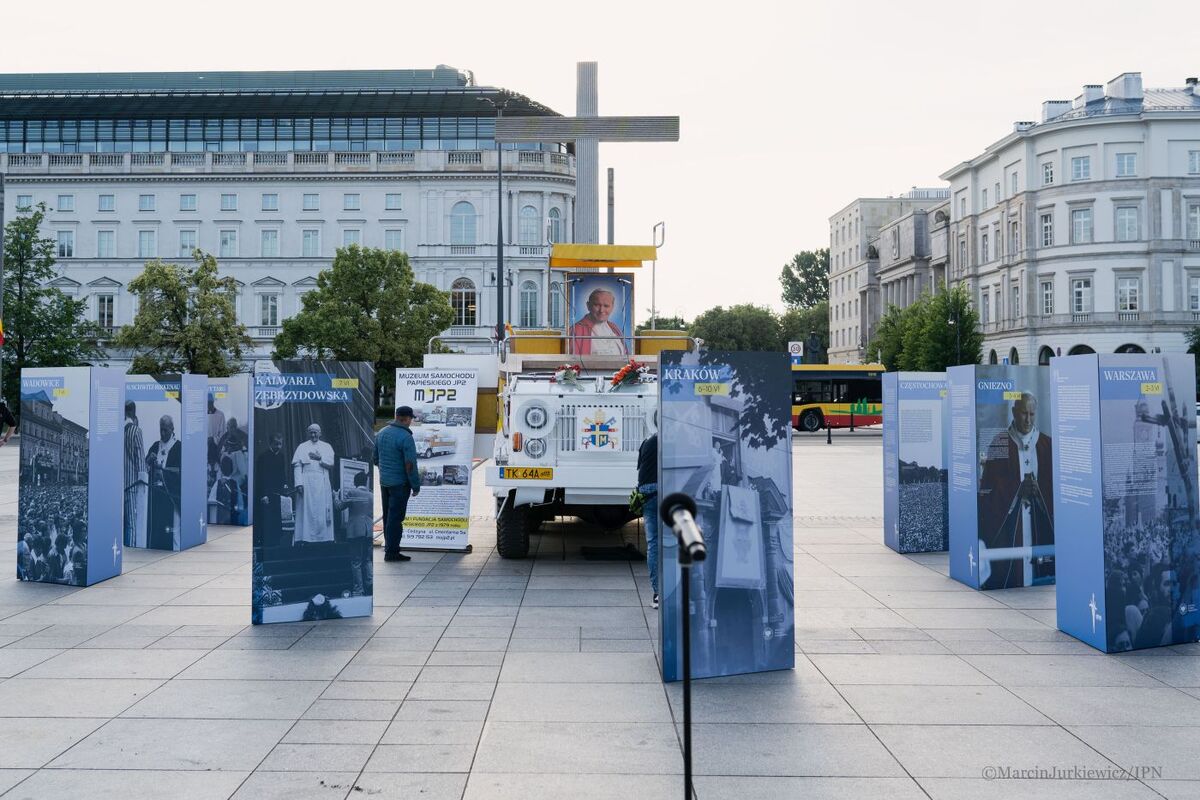
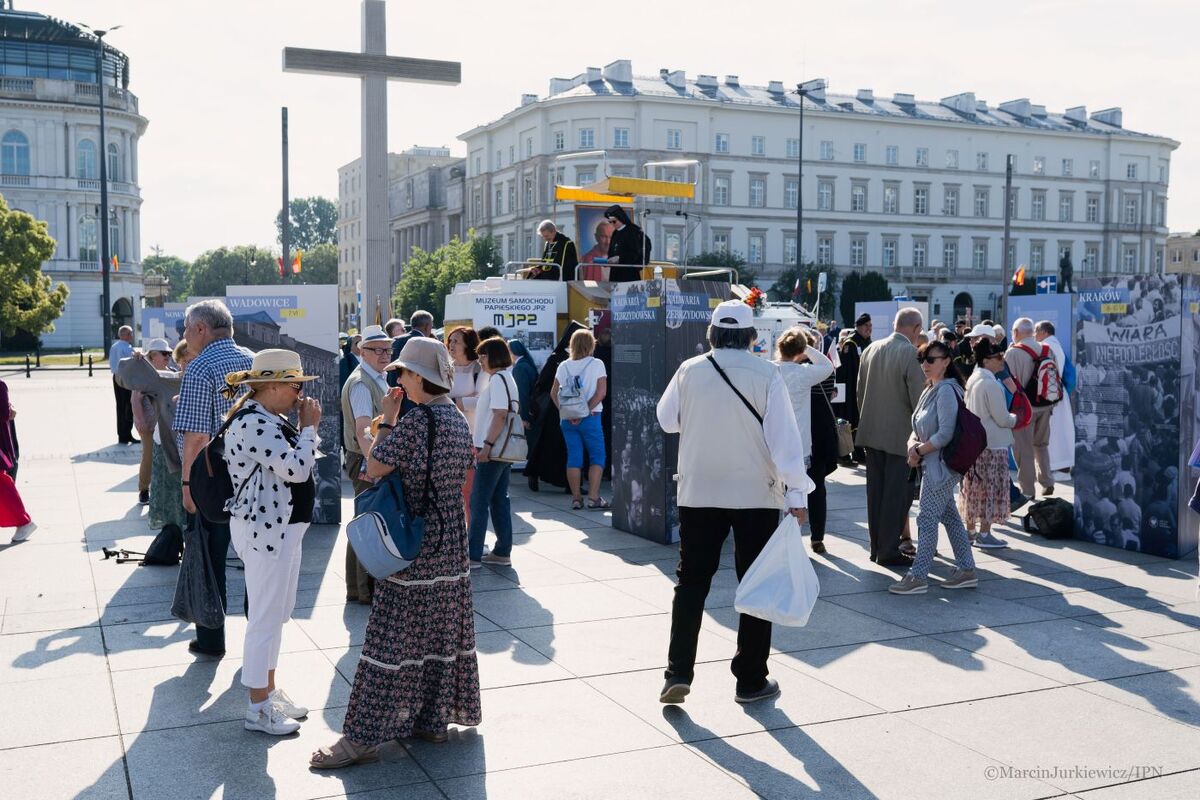
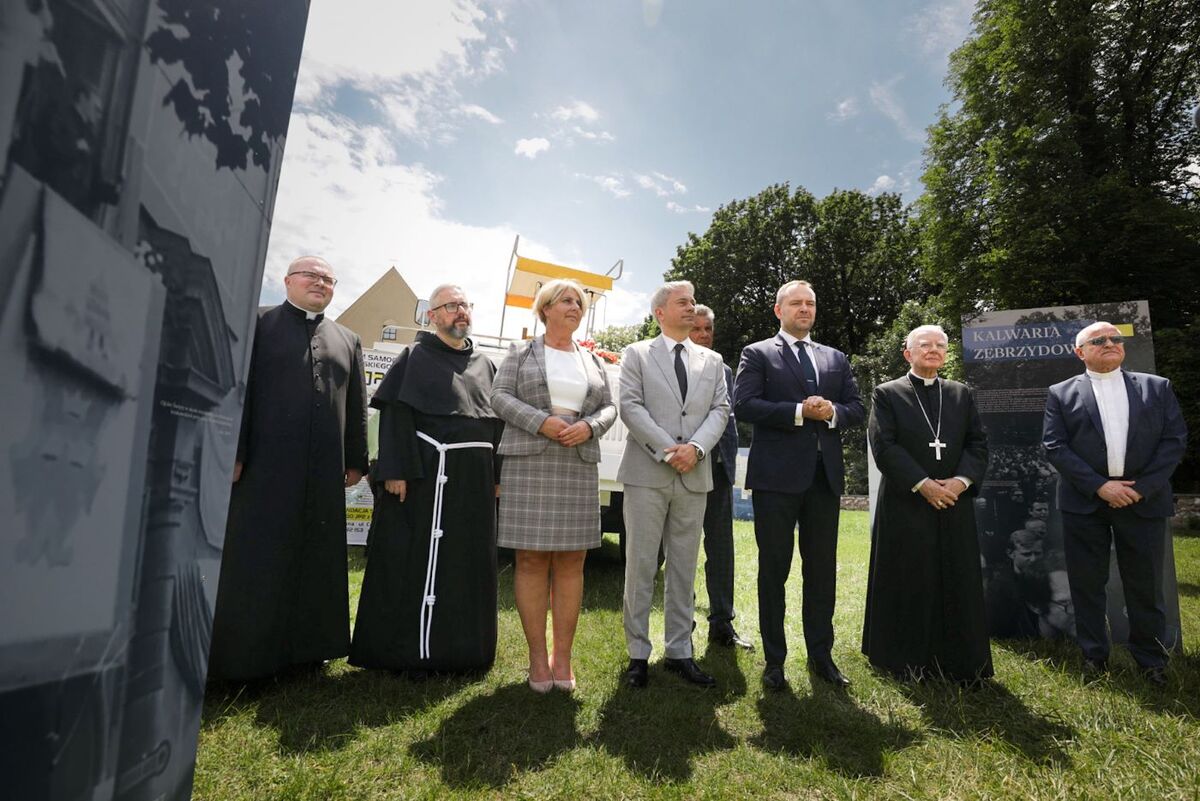
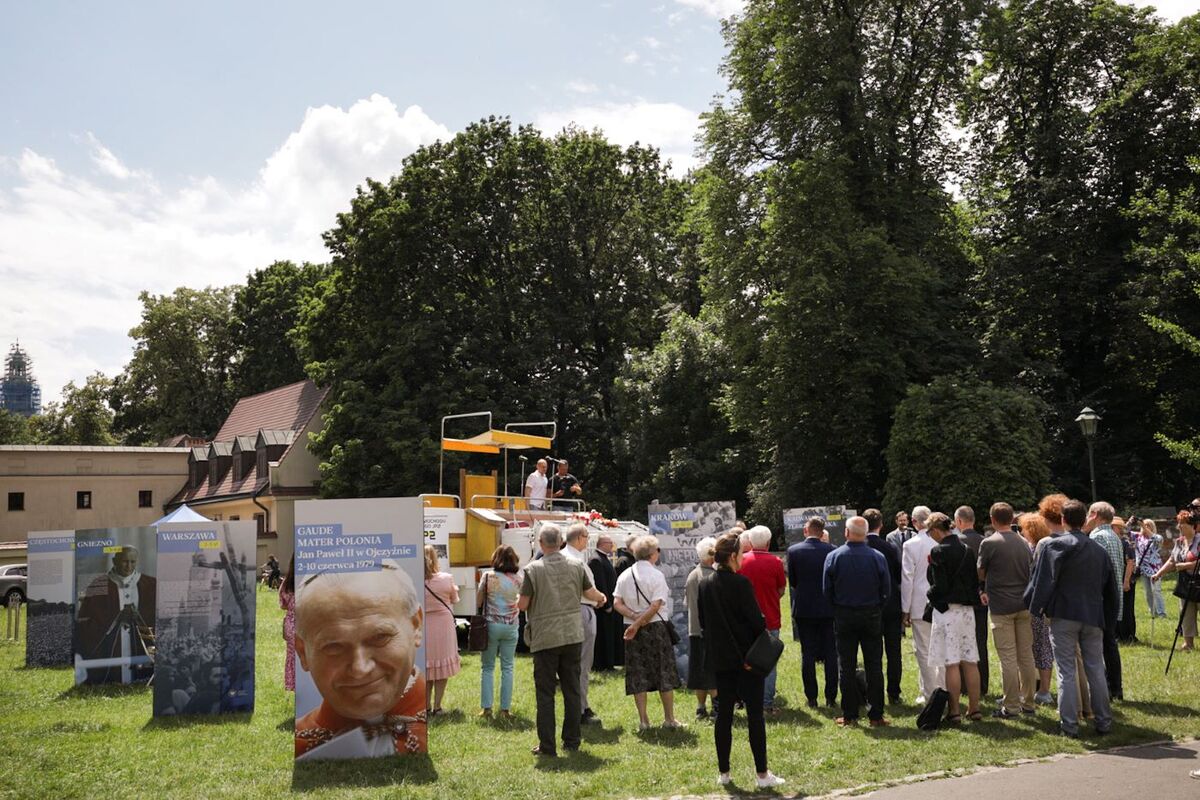
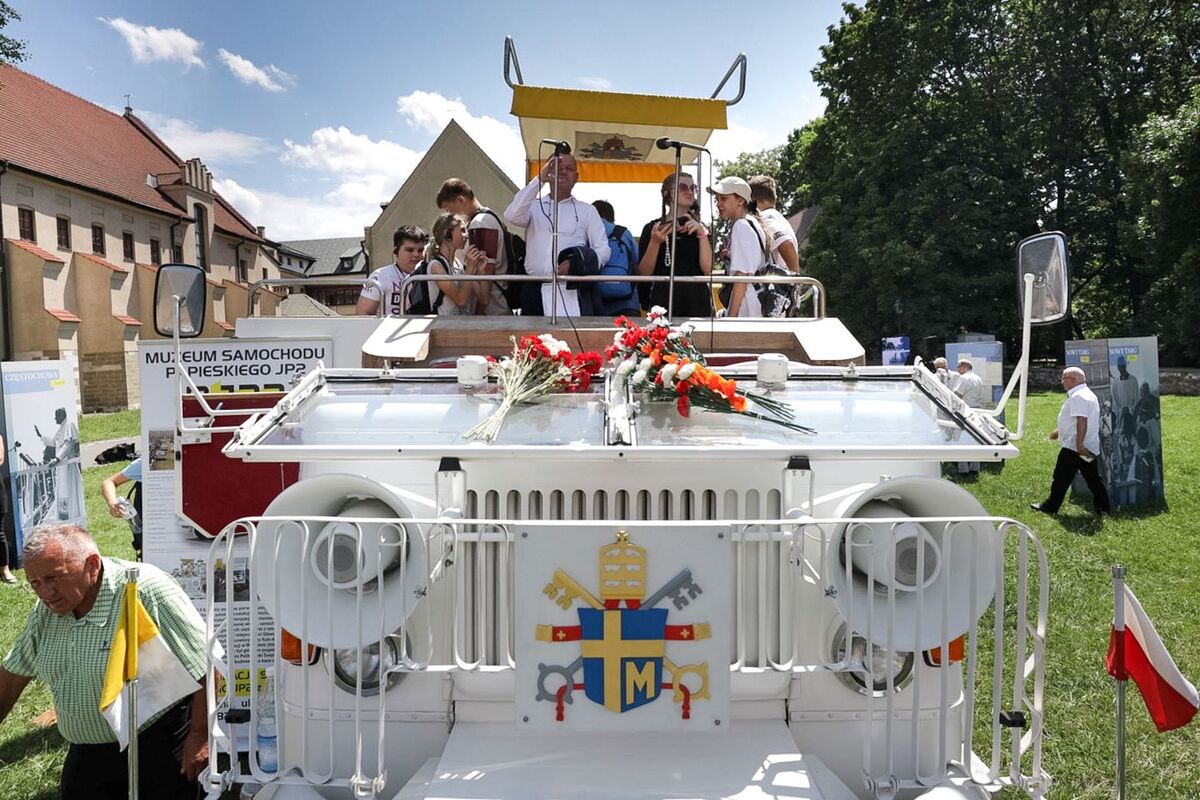
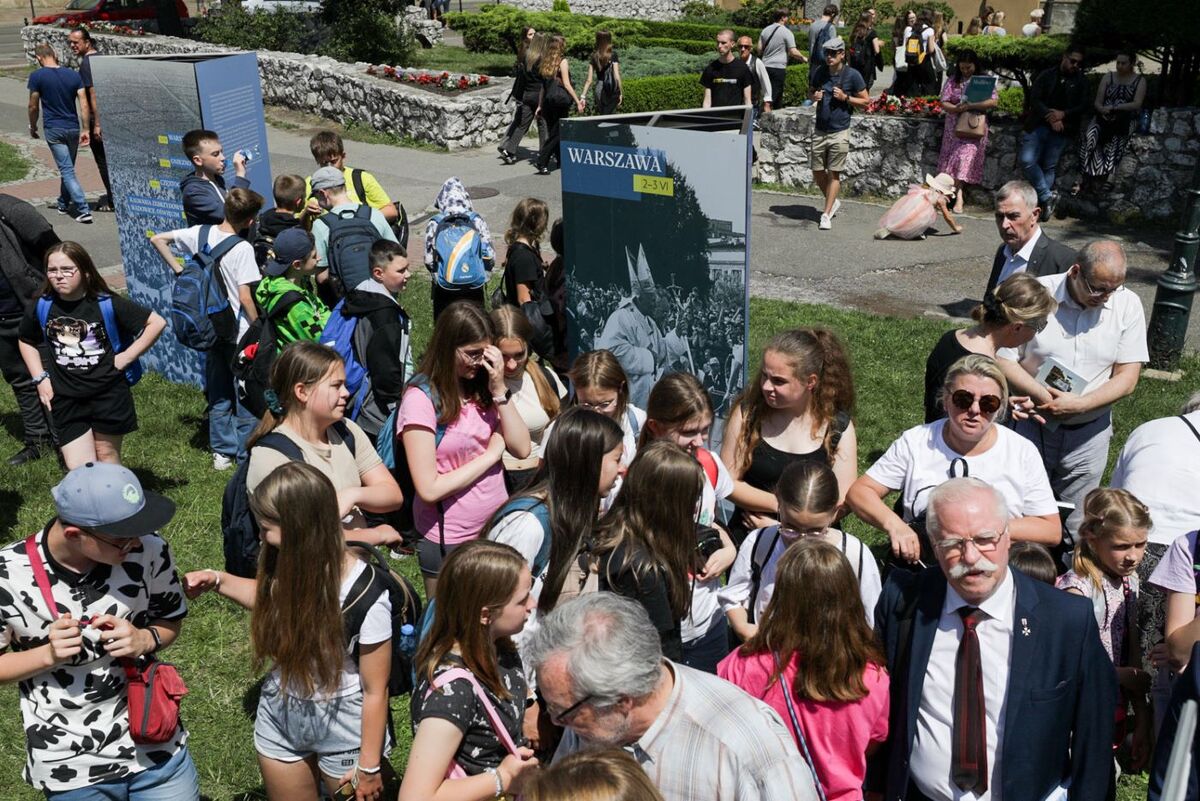
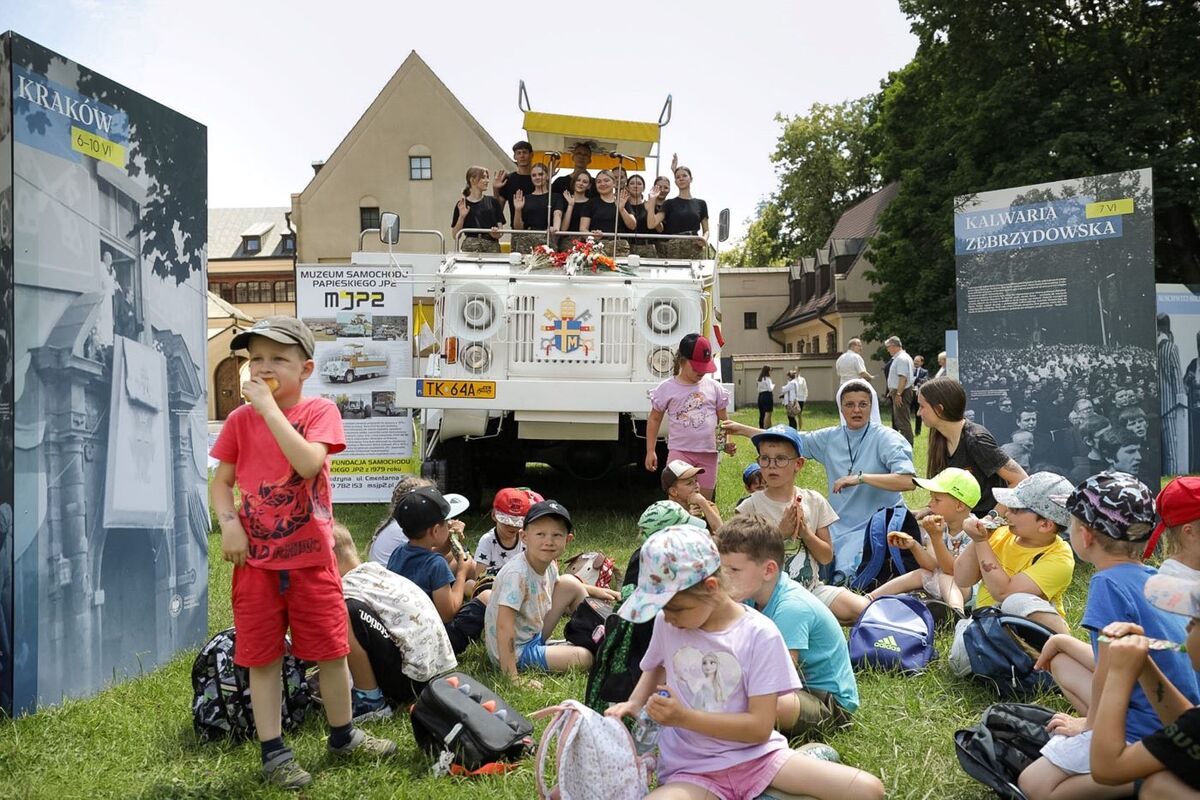
The exhibition “Gaude Mater Polonia. John Paul II in the Homeland. 2-10 June 1979” prepared by the Institute of National Remembrance presents not only the pilgrimage itself, its historical context, but also the consequences and impact on the socio-political changes which took place in Poland. The exhibition will be on display in 5 Polish cities - Warsaw, Gniezno, Częstochowa, Cracow and Nowy Targ - which were visited by the pope almost half a century ago. An interesting feature accompanying the exhibit will be the presentation of the papamobile - a vehicley built especially to transport the Holy Father during his travels around Poland. The vehicle is a faithful reconstruction of the papamobile,and has been constructed from original parts,
Visit our website devoted to John Paul II pastoral visits to communist Poland. The collected materials constitute not only a unique testimony of those times, the social moods and details of the activities of the communist services, but also proof of the high hopes and expectations Poles placed in the Pope.
***
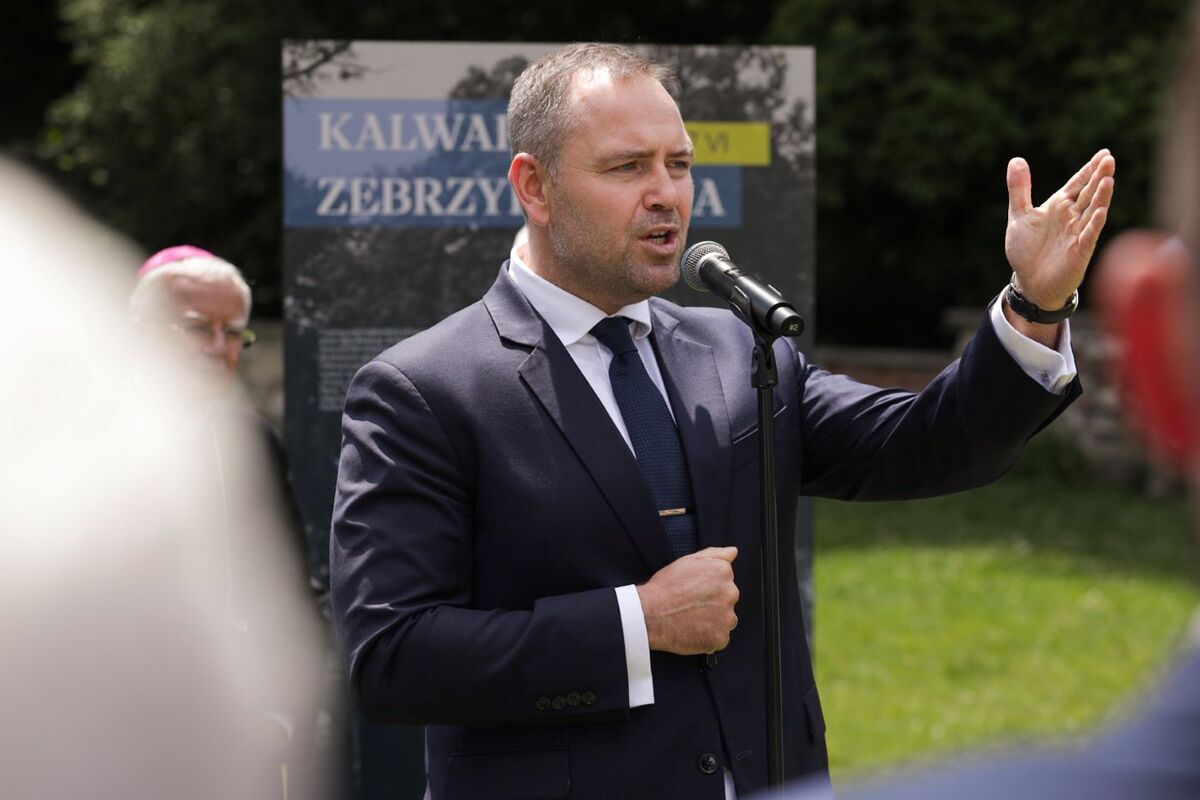
During his speech in Cracow, the IPN President Karol Nawrocki emphasized the enormous power that John Paul II, one of the greatest Poles of the 20th century, had. He pointed out that huge forces of the communist Security Services were directed against the Pope, a testament to his power and importance. In June 1979, in the archdiocese of Cracow alone, 1,037 security officers, 67,000 policemen and hundreds of agents were deployed to monitor his activities.
The President emphasized that John Paul II defied the communist regime with his faith, love for others, mercy intellect and the power of his words. Despite the brutal actions of the Communists who betrayed Poland, set it back and murdered innocent Poles, the Pope responded with love and faith. During his 1979 pilgrimage to Poland, he inspired Poles to persevere and hope, saying in Cracow: "You must be strong with the power of faith. You must be strong with the power of hope."
Concluding his speech, the IPN President recalled the Pope's request of 10 June 1979:
He asked us not to let ourselves be torn away from this love, which is enclosed in the symbol of the cross. For without this love, human life has neither roots nor hope. Let us still listen to the Pope, let us not let the cross be taken away from us, let us not let the beautiful spiritual heritage whose name is Poland be taken away from us.
You can download IPN’s concise biographical brochure about John Paul II.