
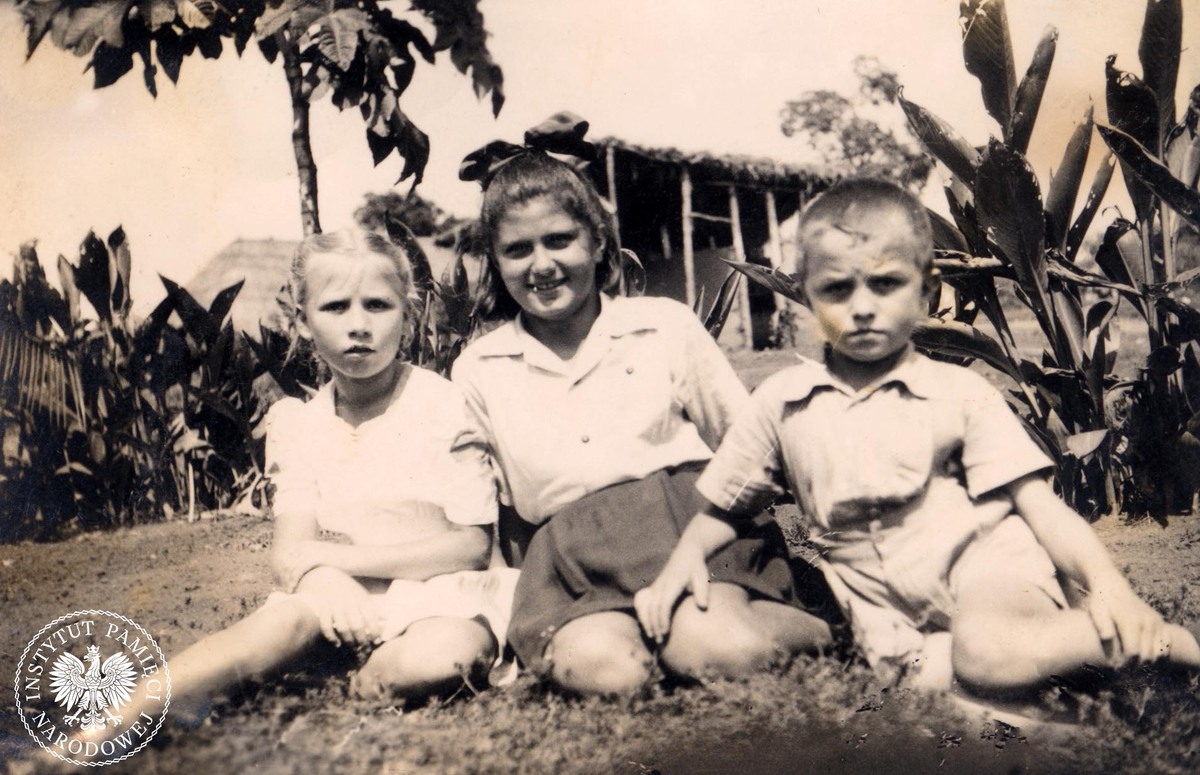
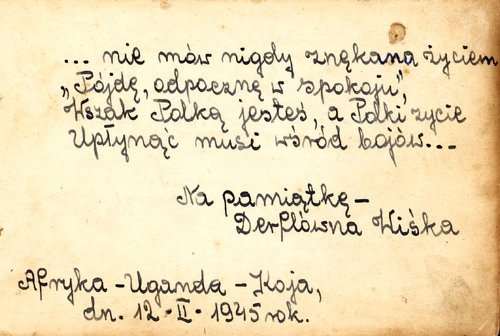
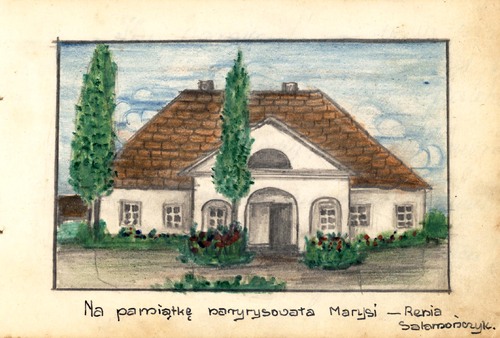
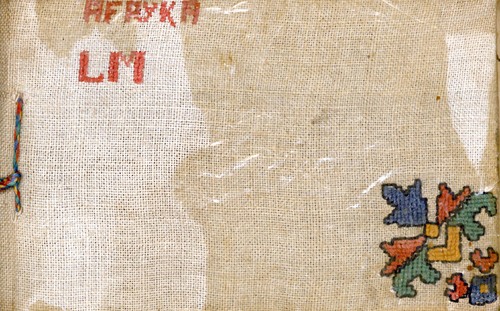
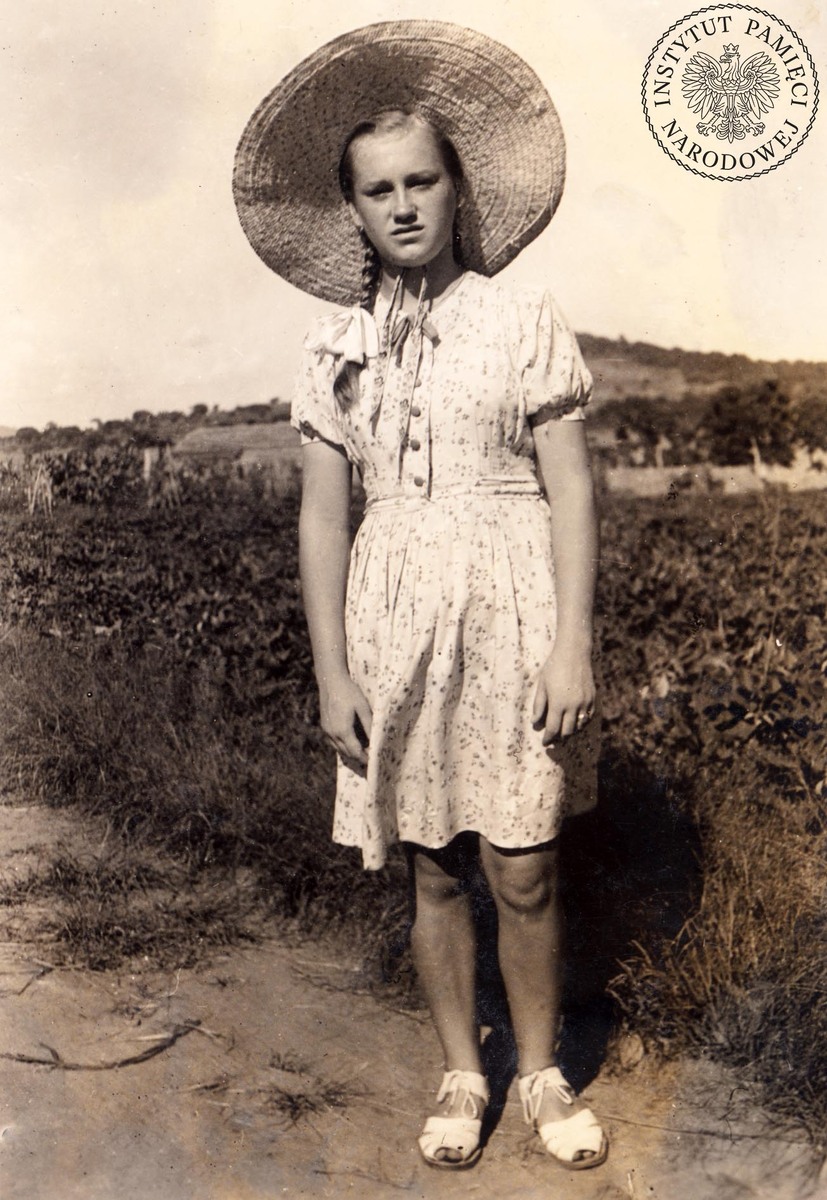
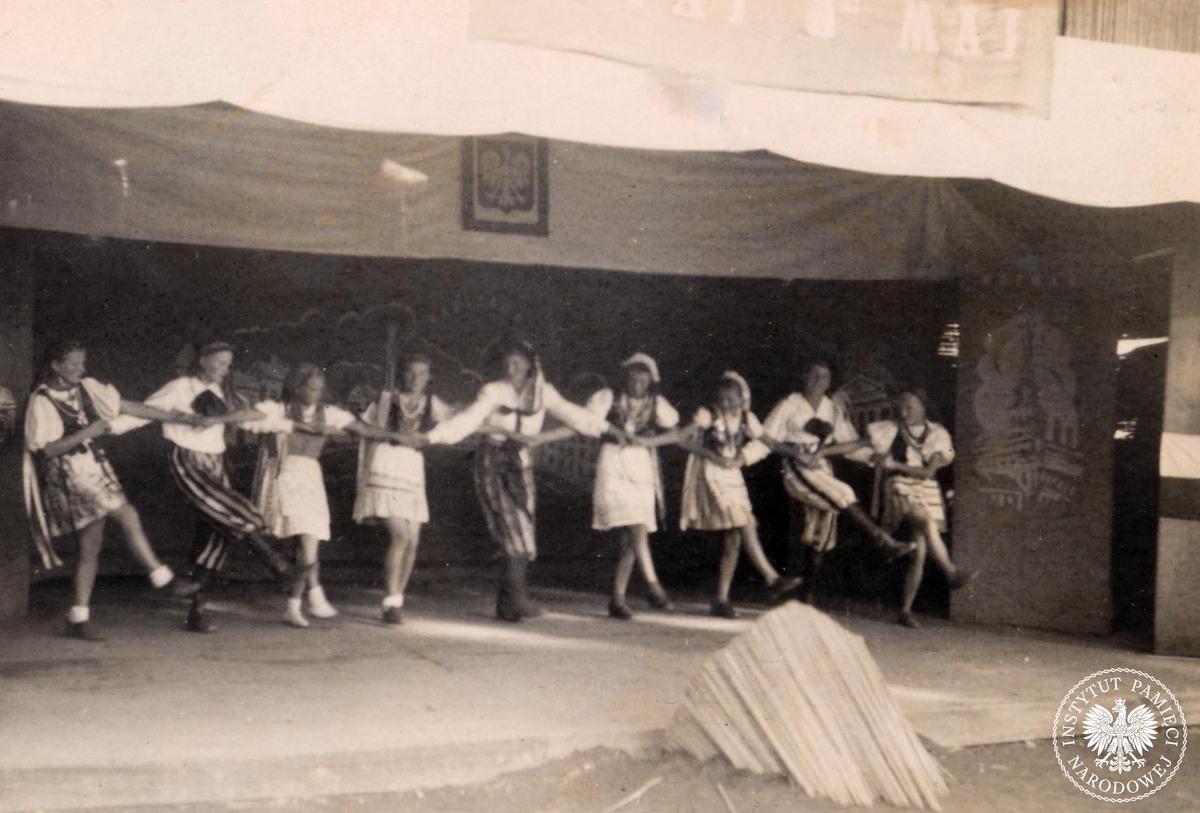
Maria Leszczełowska, like thousands of her peers, managed to leave the Soviet Union thanks to General Anders' army. She then ended up in British East Africa. A diary which she kept, containing commemorative quotes, aphorisms and poems, inscribed by her classmates, constitutes a testimony of the several-year-long stay of Polish children in Africa. IPN Archive users have gained access to this unique souvenir from Africa thanks to the Archive Full of Remembrance project being carried out at the Institute of National Remembrance.
Poland outside Poland
In 1942, thousands of Poles deported and forced to carry out extremely hard labor in the USSR were evacuated to Iran with the army of General Władysław Anders. Among them were around 40,000 women and children.
Since Iran was to be only a temporary location for Polish refugees, and the areas bordering the Caspian Sea could become the arena of military operations, the Polish emigration authorities looked outside Europe for areas that would provide suitable living conditions for such a large number of people. One of such locations was British East Africa.
A diary belonging to Maria Leszczelowska (later Ostrowska), containing commemorative quotes, aphorisms and poems inscribed by her peers constitutes a testimony to the difficult several-year- long stay of Polish children in Africa. Maria Ostrowska's daughter lent the IPN Archive the family heirlooms and agreed to have their digital copies included in the IPN's archival holdings.
Maria Leszczełowska's wartime path
Maria Leszczełowska was born on September 6, 1929 in Brześć. Her father worked in the Polesie Provincial Office as a counterintelligence clerk during the interwar period. In 1940 he was arrested by the Germans in Warsaw, from where he was deported in the first transport to the German Auschwitz-Birkenau concentration camp, where he died a year later.
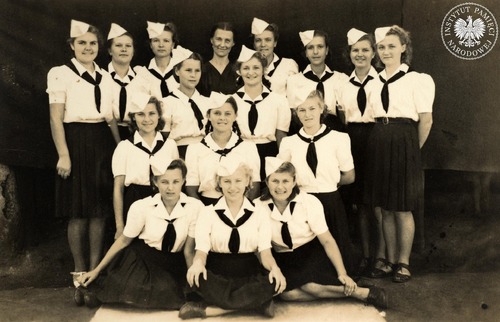
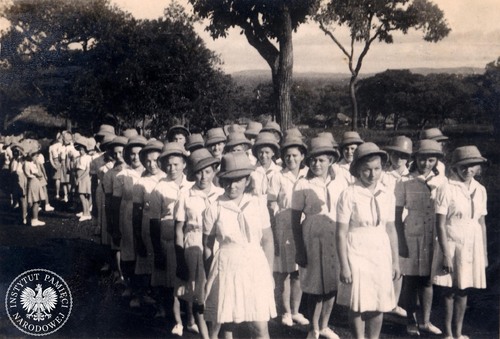
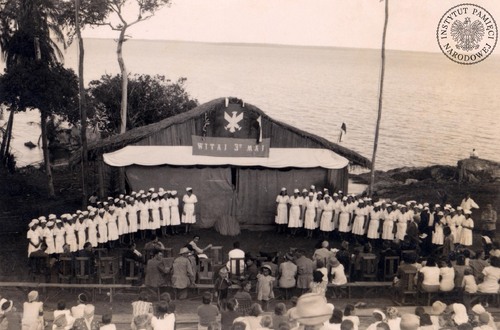
After being evacuated from the USSR and leaving Iran, Maria, along with her mother Bronisława and sister Wanda, stayed in Uganda from November 1942 to August 1948, in two settlements for Polish refugees - in Koja on the shores of Lake Victoria and in Masindi, more than 90 miles away. She attended school there and was also a member of a scout group. Her mother took part in organizing and running a kindergarten for Polish children in the Koja settlement from 1943, while in March 1945 she took over as a kindergarten teacher in the Masindi camp.
After leaving Africa, Maria Leszczełowska settled in Britain. In the post-war period she stayed in a Polish resettlement camp near the village of Husbands Bosworth in Leicestershire. There, she took part in the life of the Polish community, and was active, among other things, in a theater group which also performed during national ceremonies.
Krzysztof Pawluczuk