
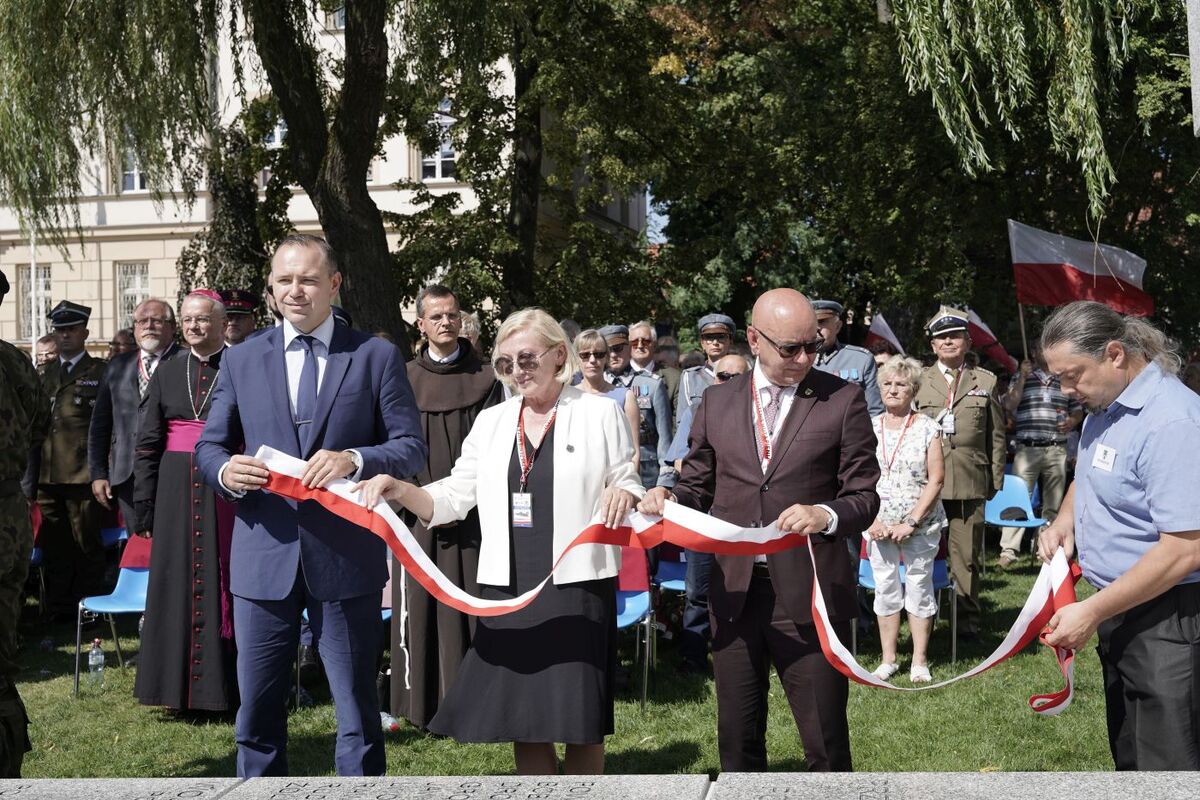
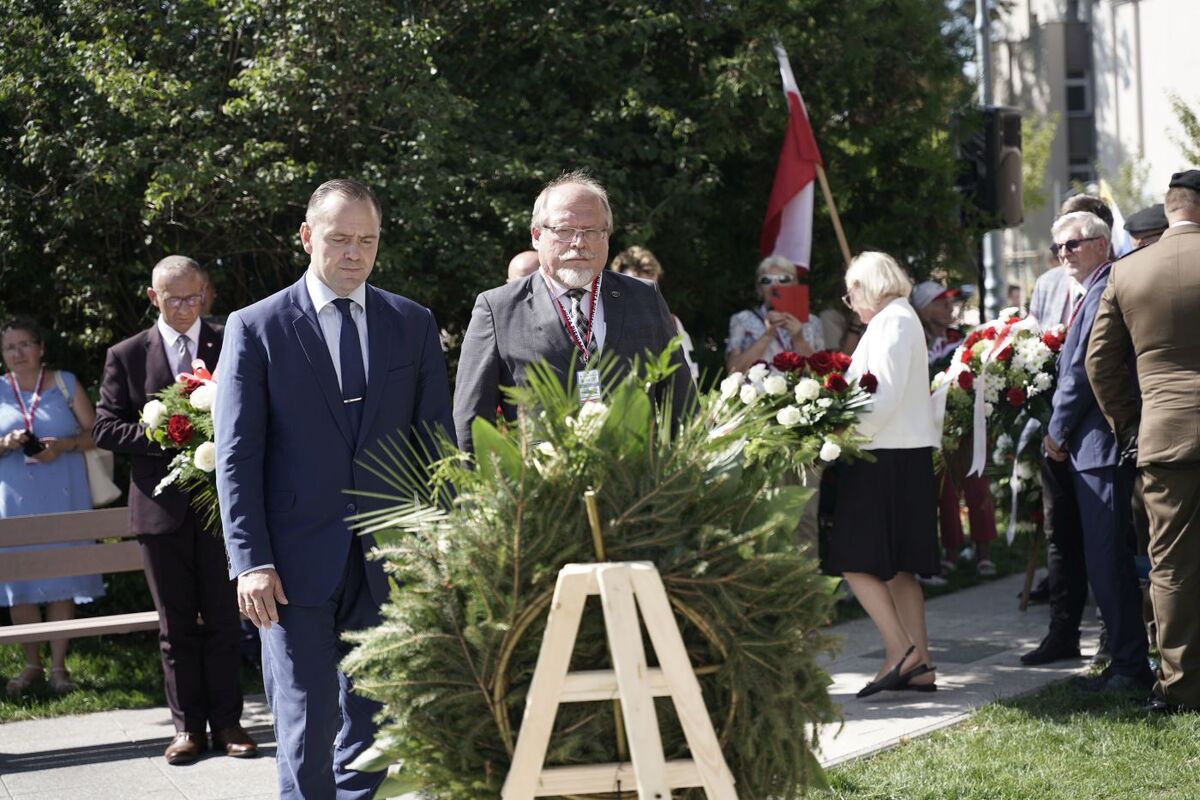
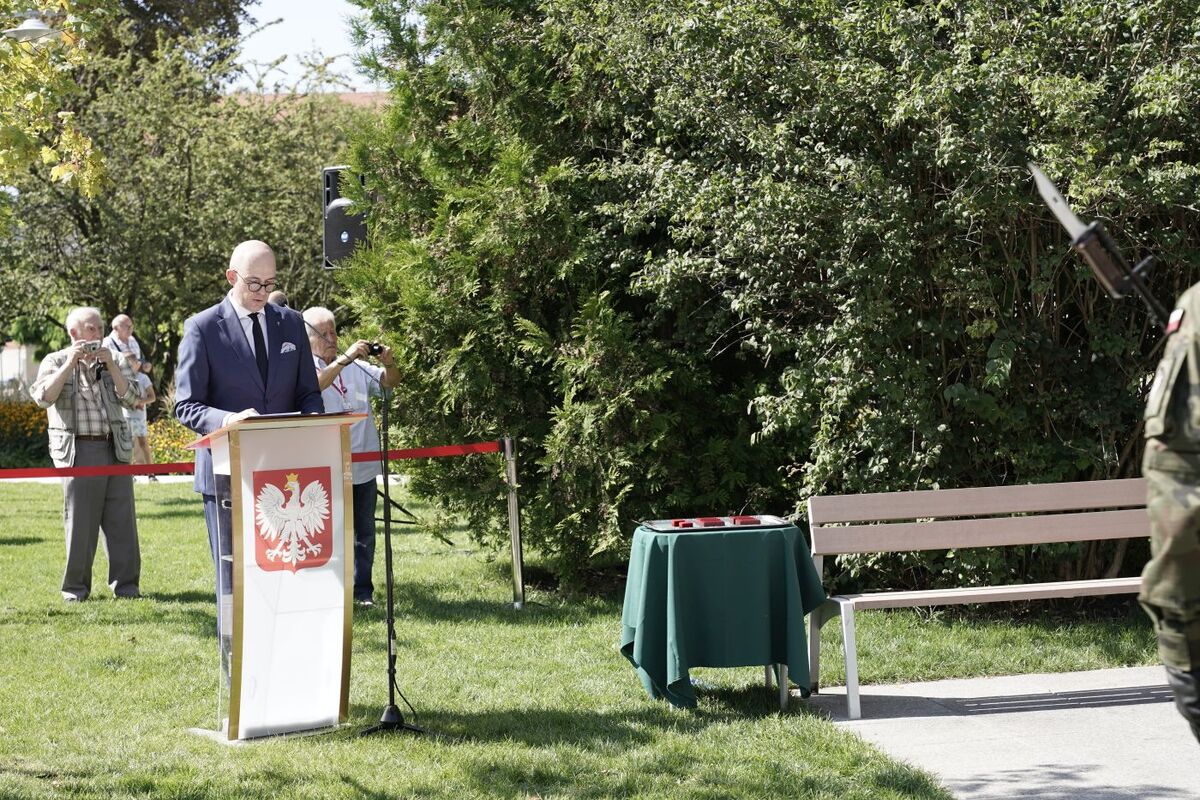
„It was a planned crime, born out of hatred of Poland and Polishness. As a result, 1,500 towns and villages, inhabited by Poles, disappeared”, commented Karol Nawrocki during the unveiling ceremony.
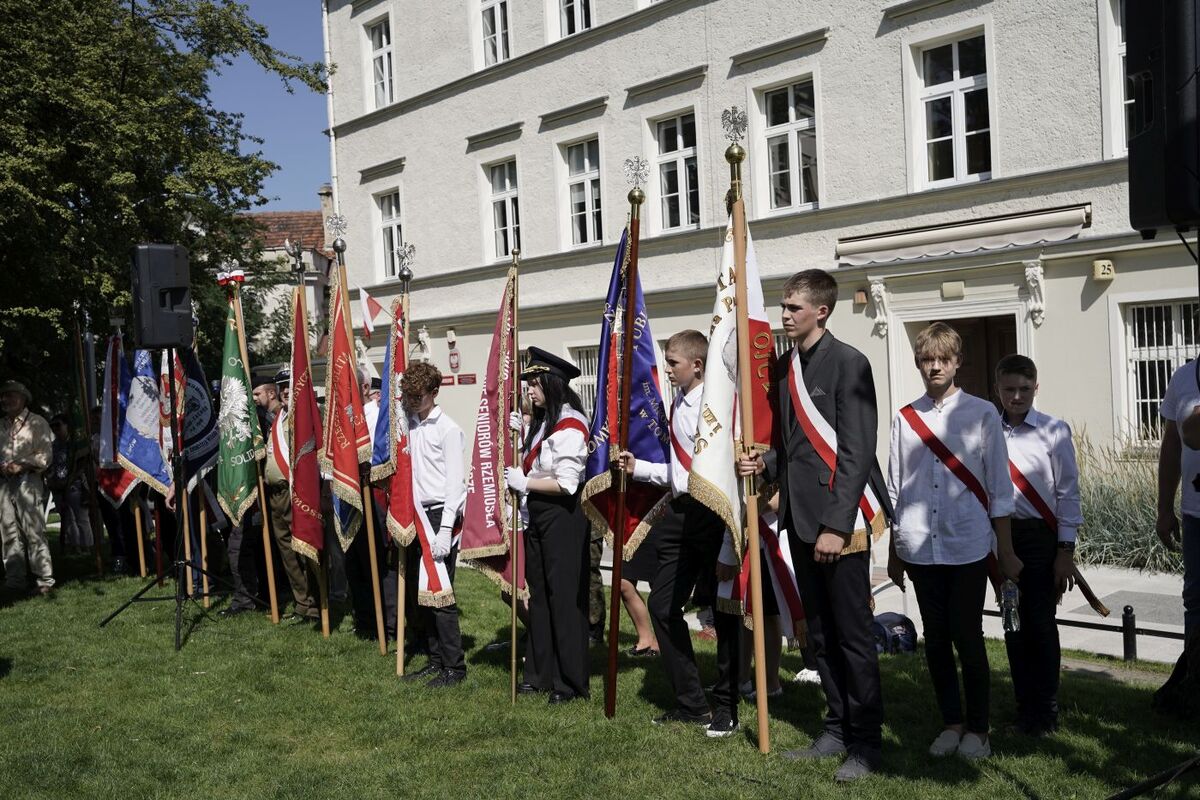
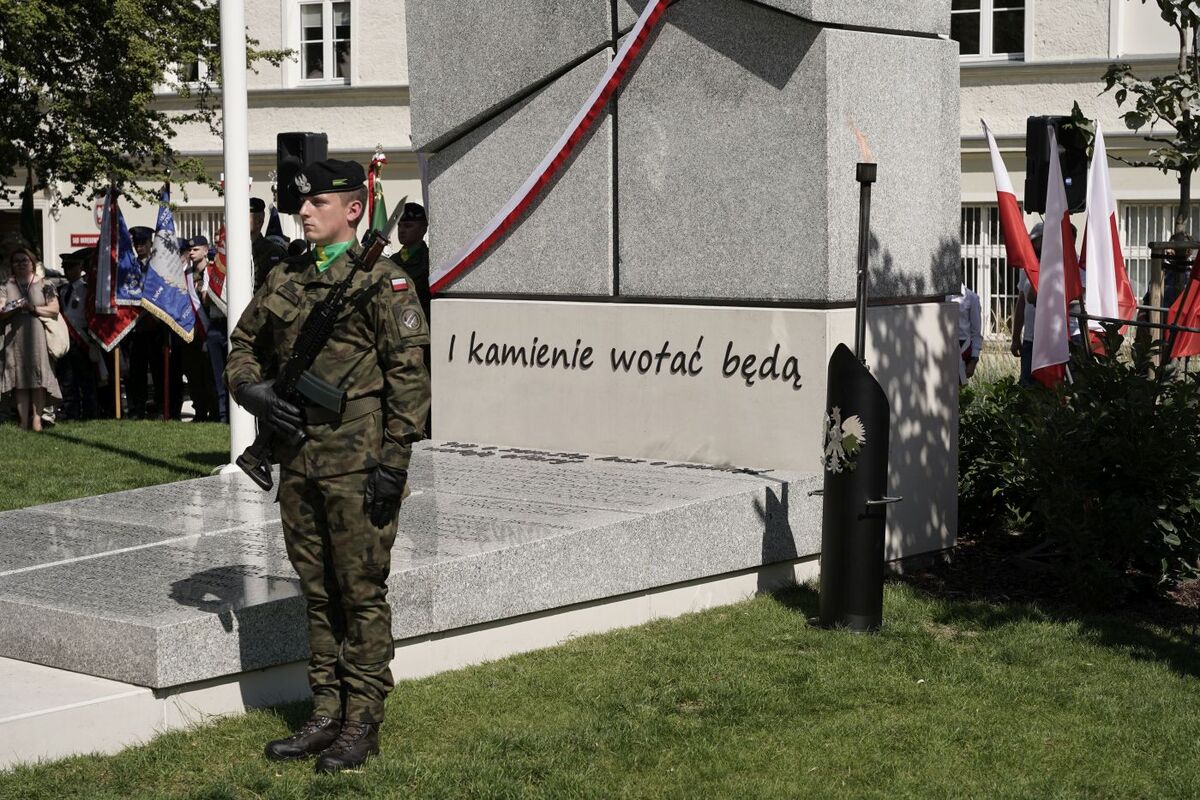
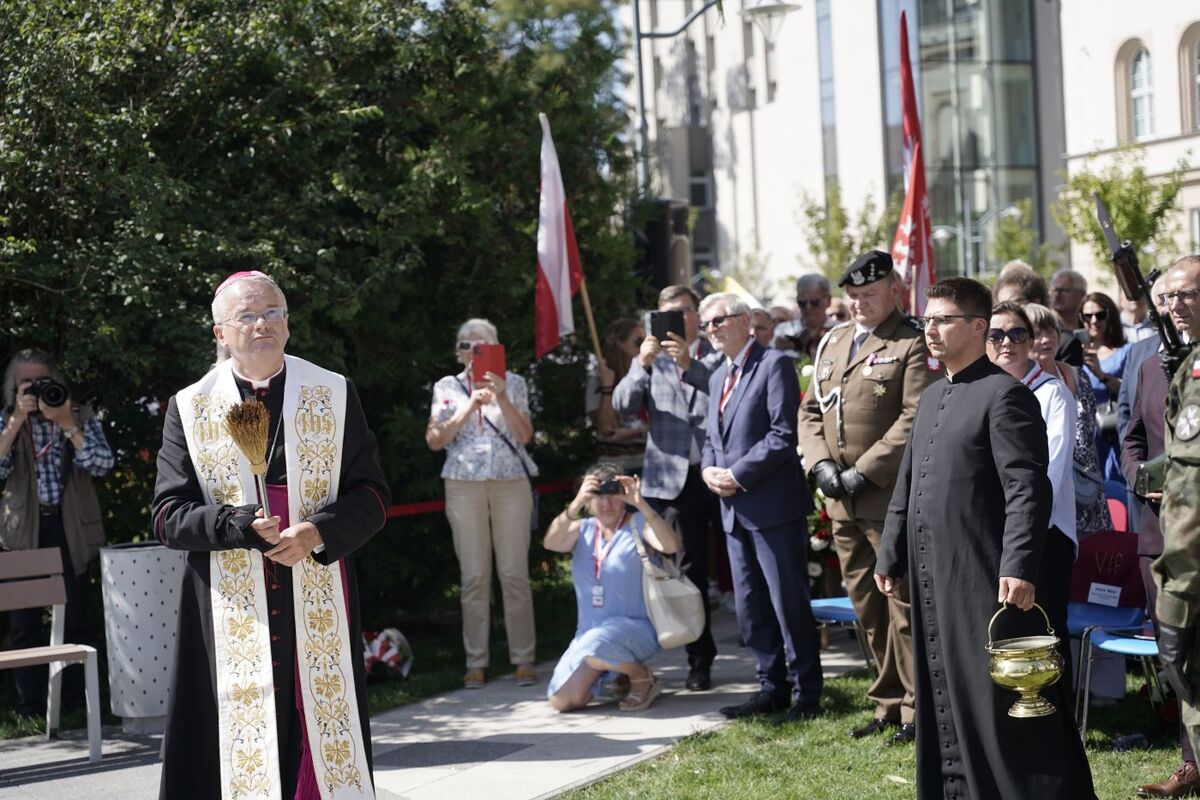
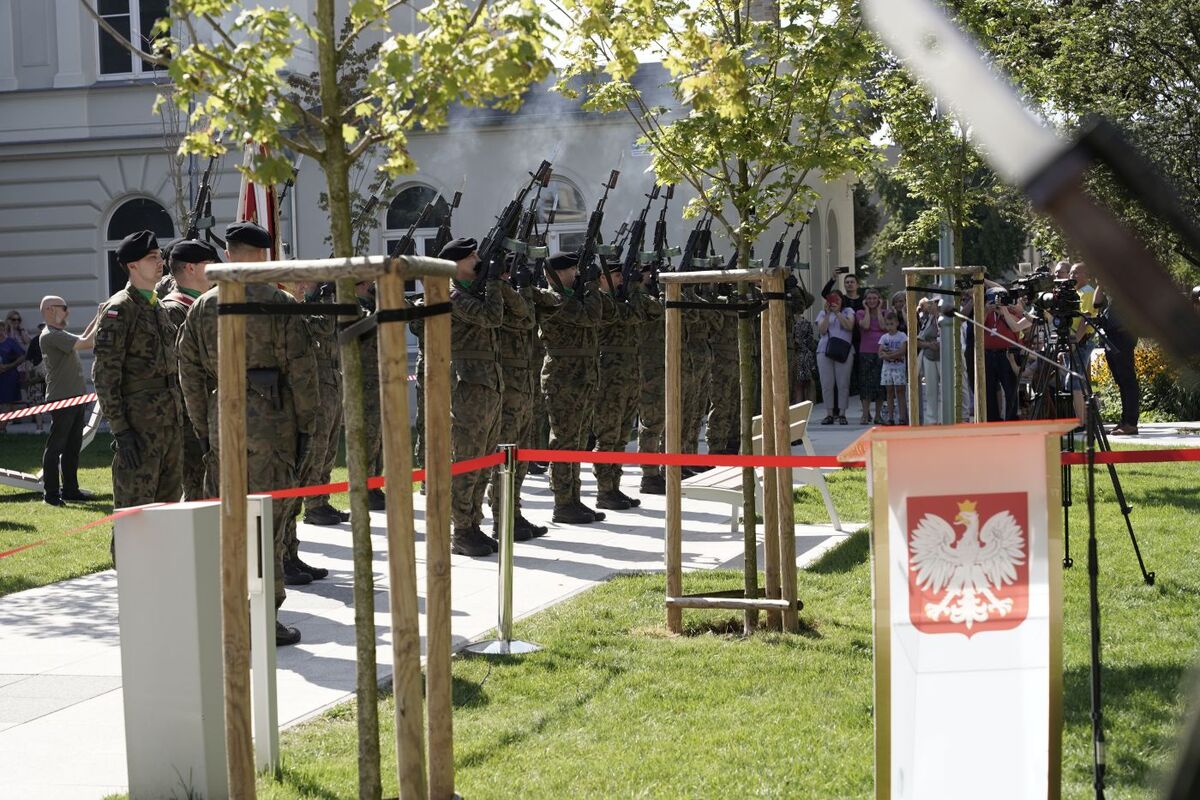
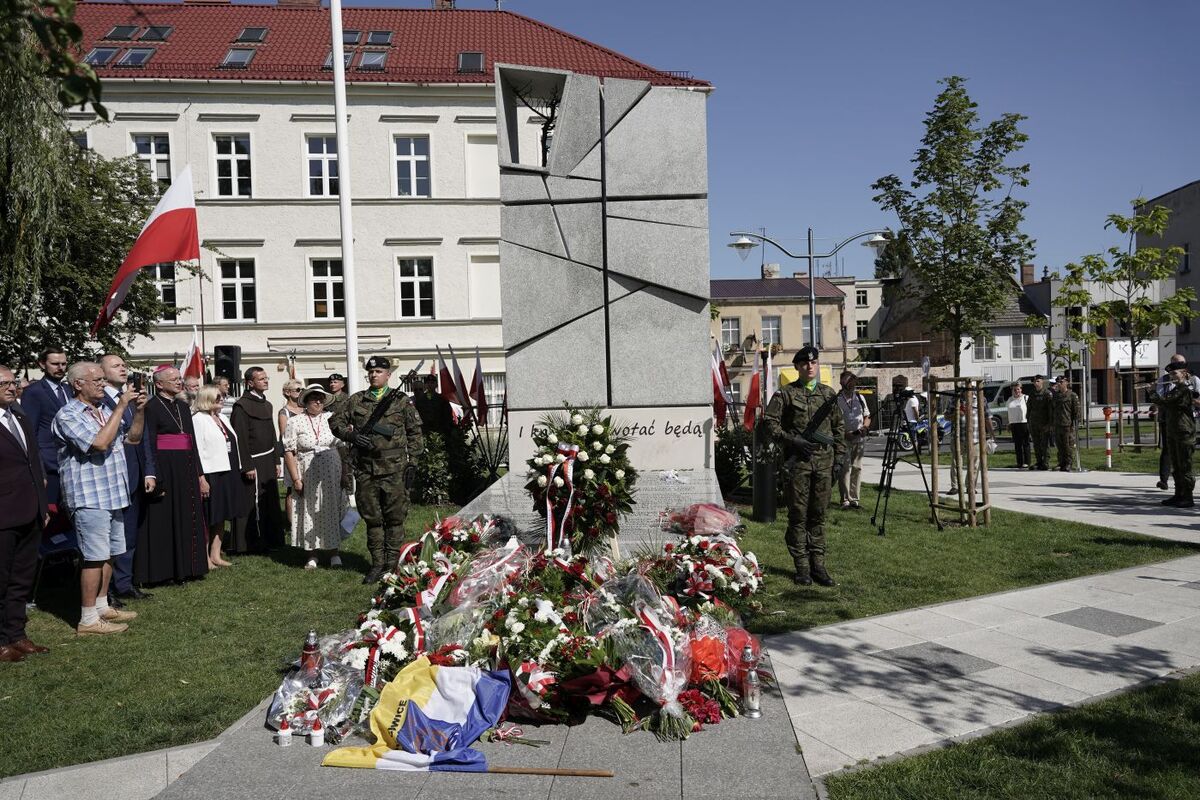
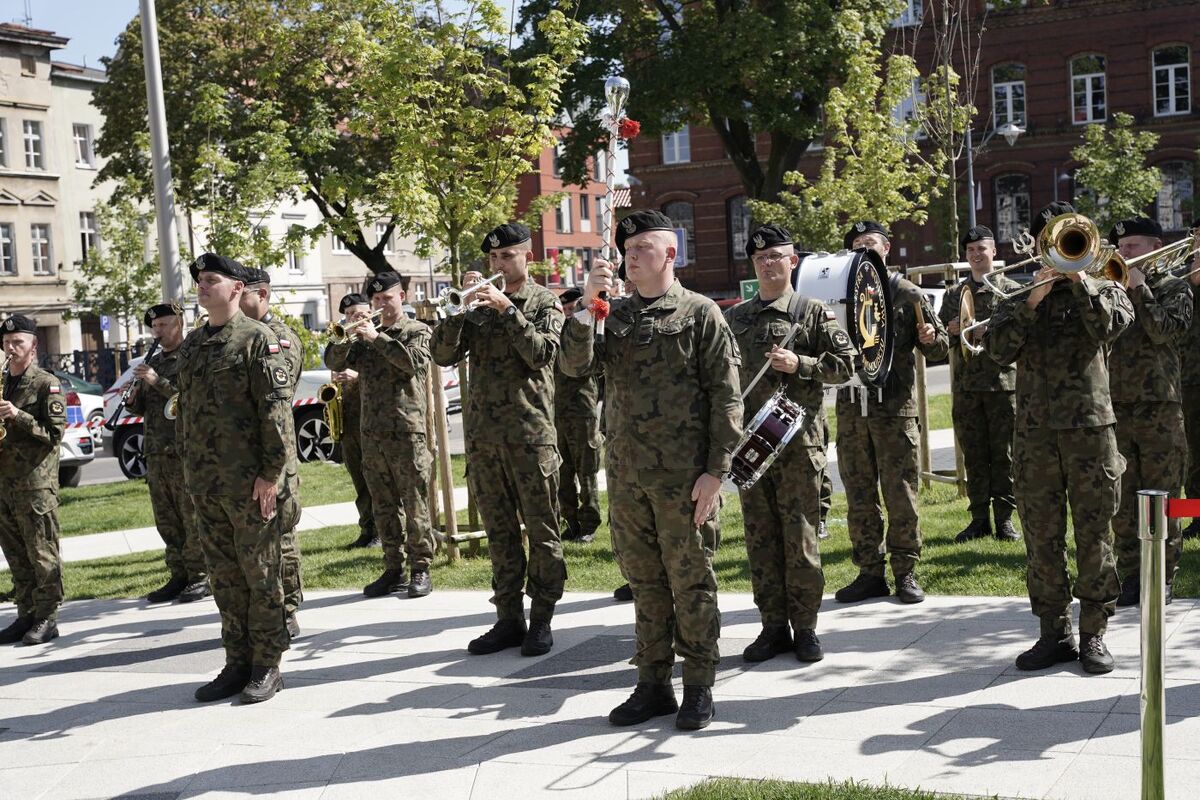
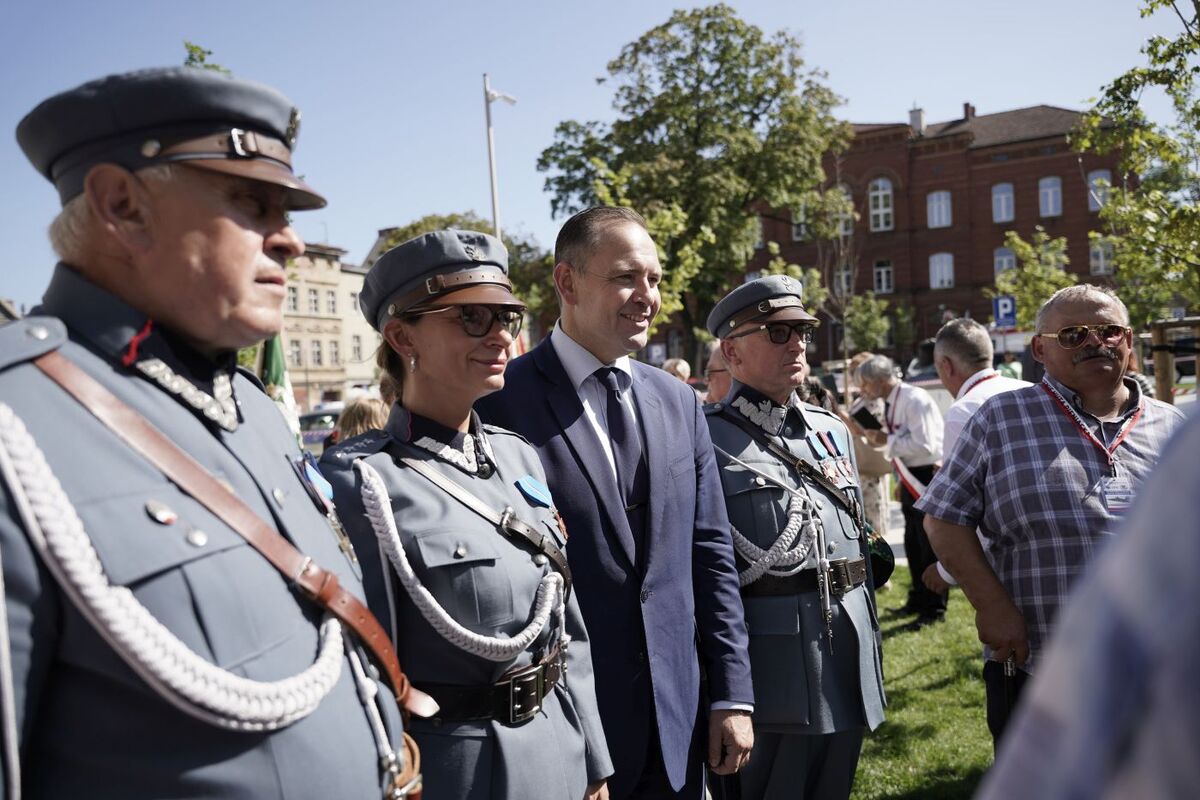
24 August in Zielona Góra (western Poland), the IPN commemorated the victims of the Volhynia Massacres. The city witnessed the unveiling of a monument commemorating Poles who fell victim to the ethnic cleansing in Polish pre-World War II Eastern Borderlands.
The fact that the monument to the victims of the Volhynian Massacre was erected in Zielona Góra is no coincidence. Many residents of the Lubuskie region, whose ancestors came to the area after 1945, have Easter Borderlands roots. Departure to an unfamiliar place was often preceded by tragic events, hence the memory of the Borderlands' heritage and the tragedy of its inhabitants are still alive in many parts of that region.
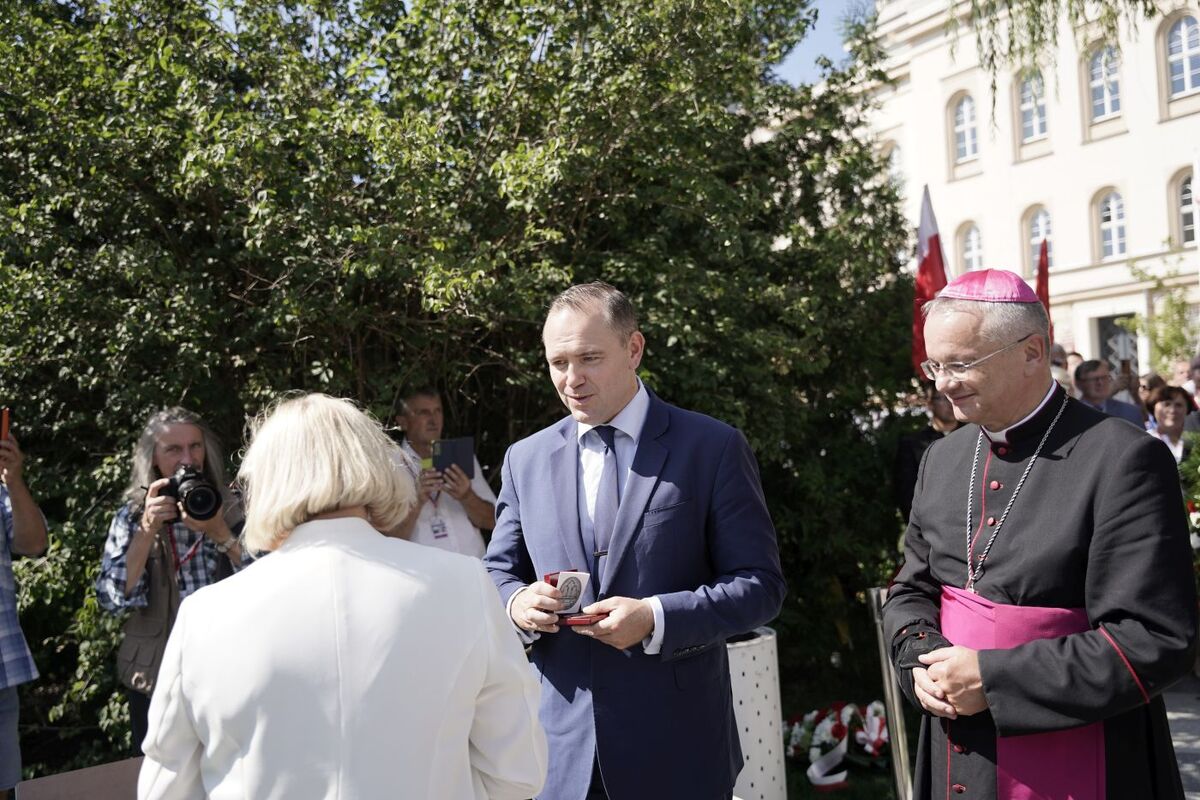
The culmination of the event was the presentation of commemorative medals and badges funded by the Huta Pieniacka Association - the initiator of the monument's creation. In 2018 the organization was awarded the IPN's prestigious Custodian of National Memory prize.
„Justice requires the courage to condemn the perpetrators and compensate the victims. It is with deep pain and incomprehension we accept the decision of the Ukrainian authorities not to start exhuming the victims of the Volhynian genocide,” said the IPN President.
"This is why memorials such as this one are so significant.This is a cry not for revenge, but for graves, for crosses and for justice,” stressed Karol Nawrocki.
The Volhynian massacres were anti-Polish genocidal ethnic cleansings conducted by Ukrainian nationalists. The massacres took place within Poland’s borders as of the outbreak of World War II, not only in Volhynia, but also in other areas with a mixed Polish-Ukrainian population, especially the Lviv, Tarnopol, and Stanisławów voivodeships that is, in Eastern Galicia, as well as in some voivodeships bordering on Volhynia (the western part of the Lublin Voivodeship and the northern part of the Polesie Voivodeship).
The time frame of these massacres was 1943−1945. The perpetrators were the Organization of Ukrainian Nationalists−Bandera faction (OUN-B) and its military wing, called the Ukrainian Insurgent Army (UPA). Their documents show that the planned extermination of the Polish population was called an “anti-Polish operation.” They pointed at the Poles as an element to be destroyed. It is estimated that in total the Ukrainian nationalists murdered about 100,000 Poles. The terror the UPA brought, caused hundreds of thousands of Poles to leave their homes, fleeing westward.
More:
http://volhyniamassacre.eu/
Download the IPN digital exhibition "Neighbors' Blood" - Genocide in Volhynia and Galicia 1943 - 1945 - https://bit.ly/3yUwLqg
Download the IPN publication „1943 Volhynian Massacres. Truth and Remembrance” - https://bit.ly/3PdzrEr