
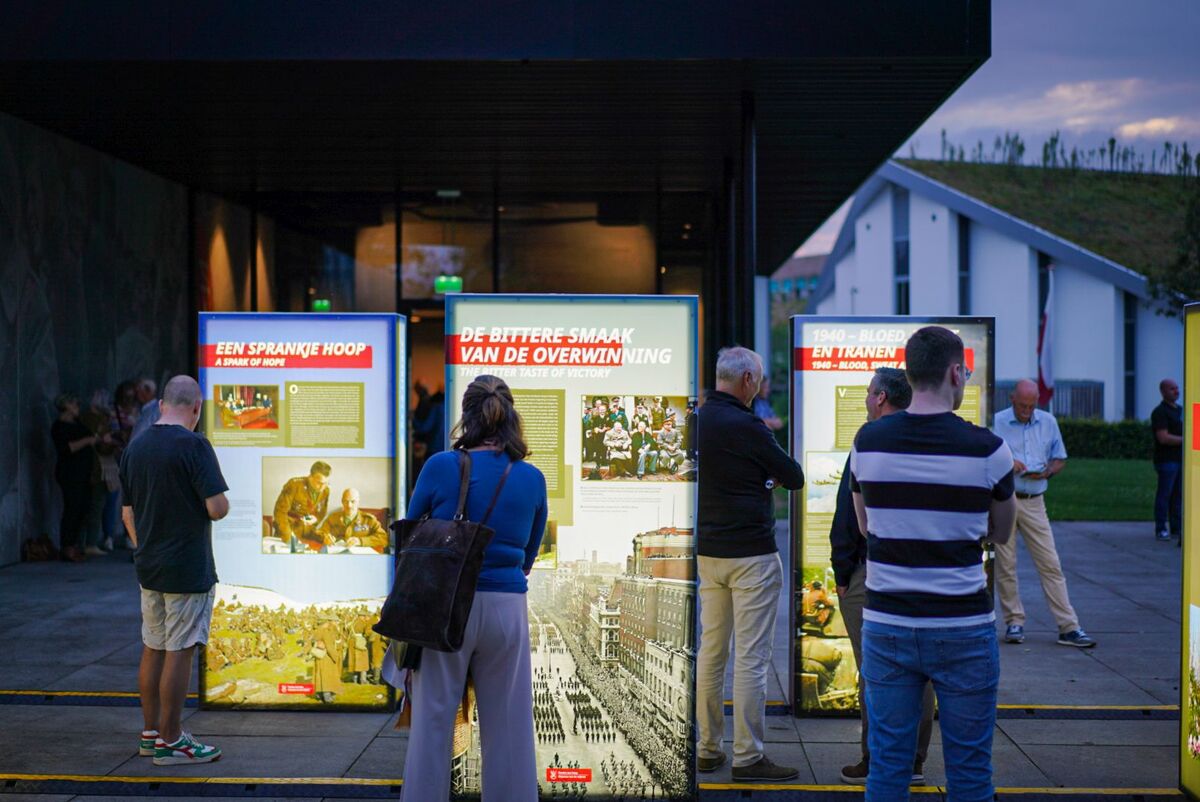
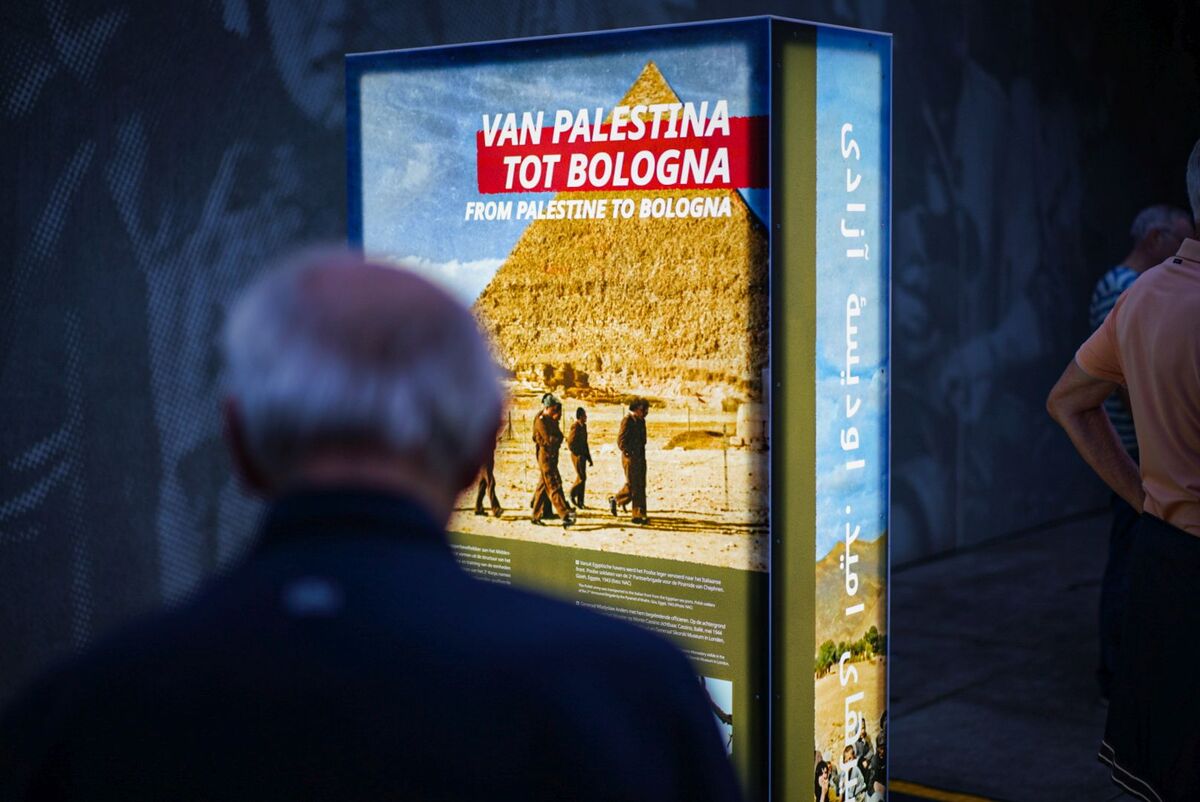
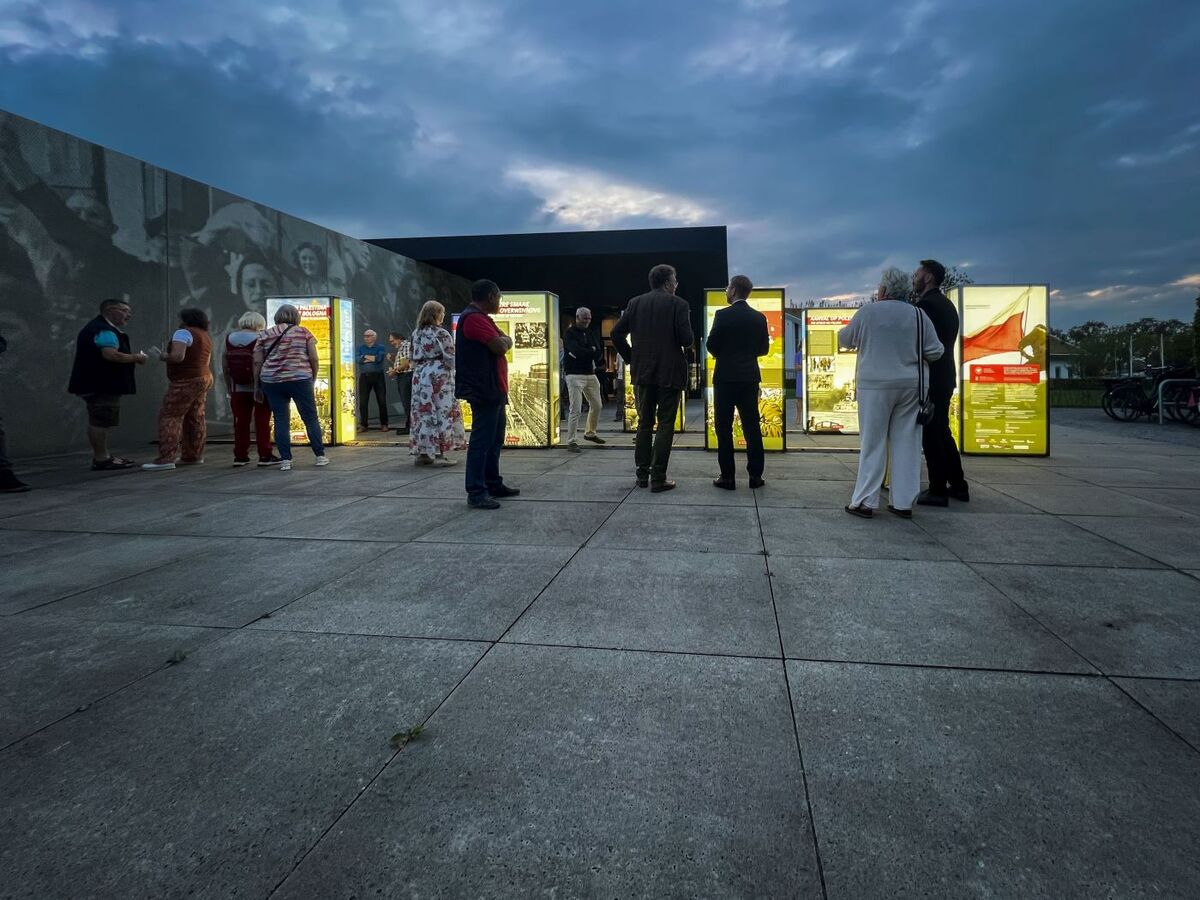
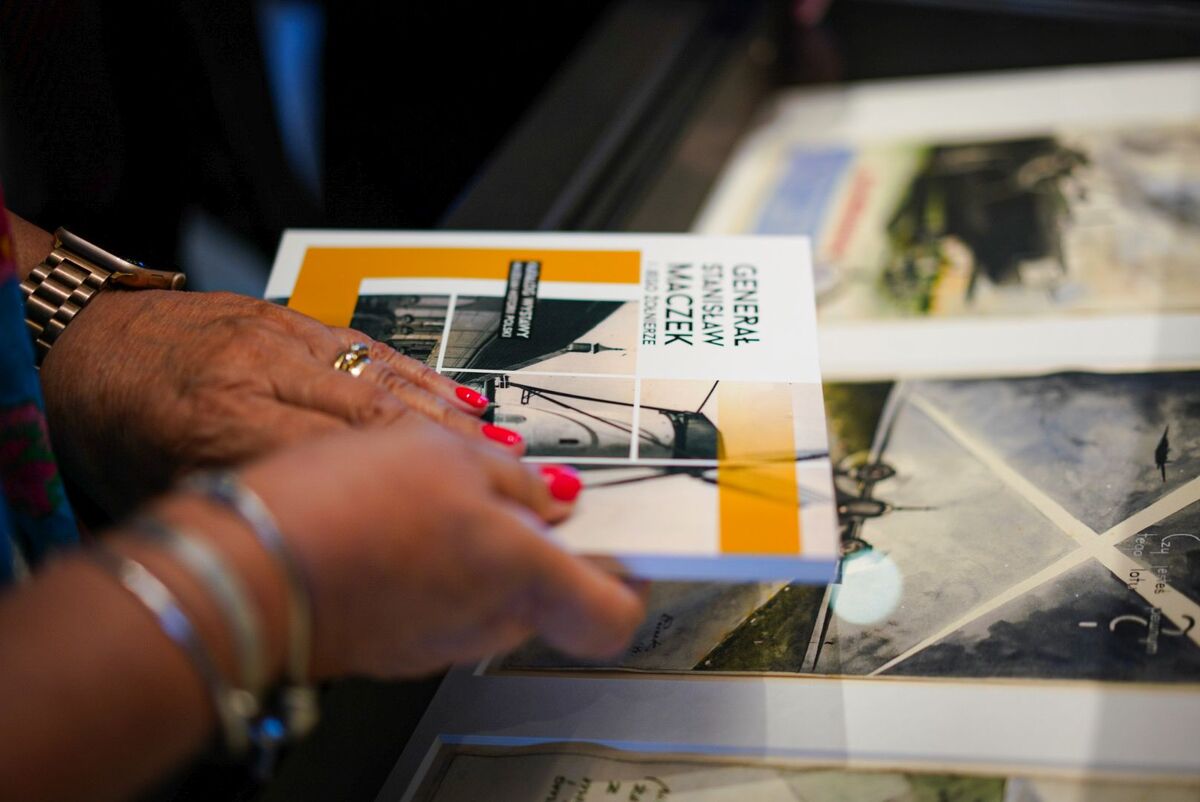
The opening inaugurated the celebration of the 80th anniversary of the liberation of Breda by the 1st Armored Division of the Polish Armed Forces under the command of General Stanisław Maczek.
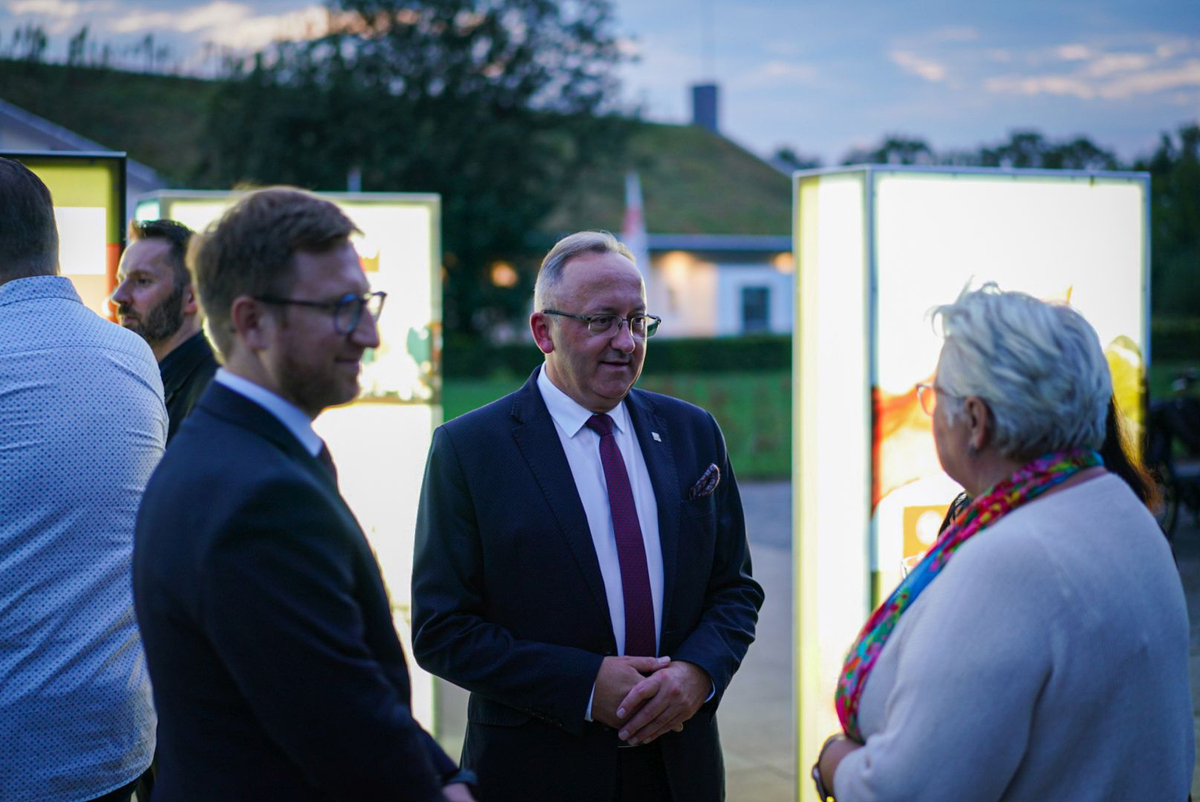
The ceremony was attended by a large gathering of the local community, including descendants of Gen. Maczek's soldiers, representatives of the Polish Embassy in The Hague and local authorities.
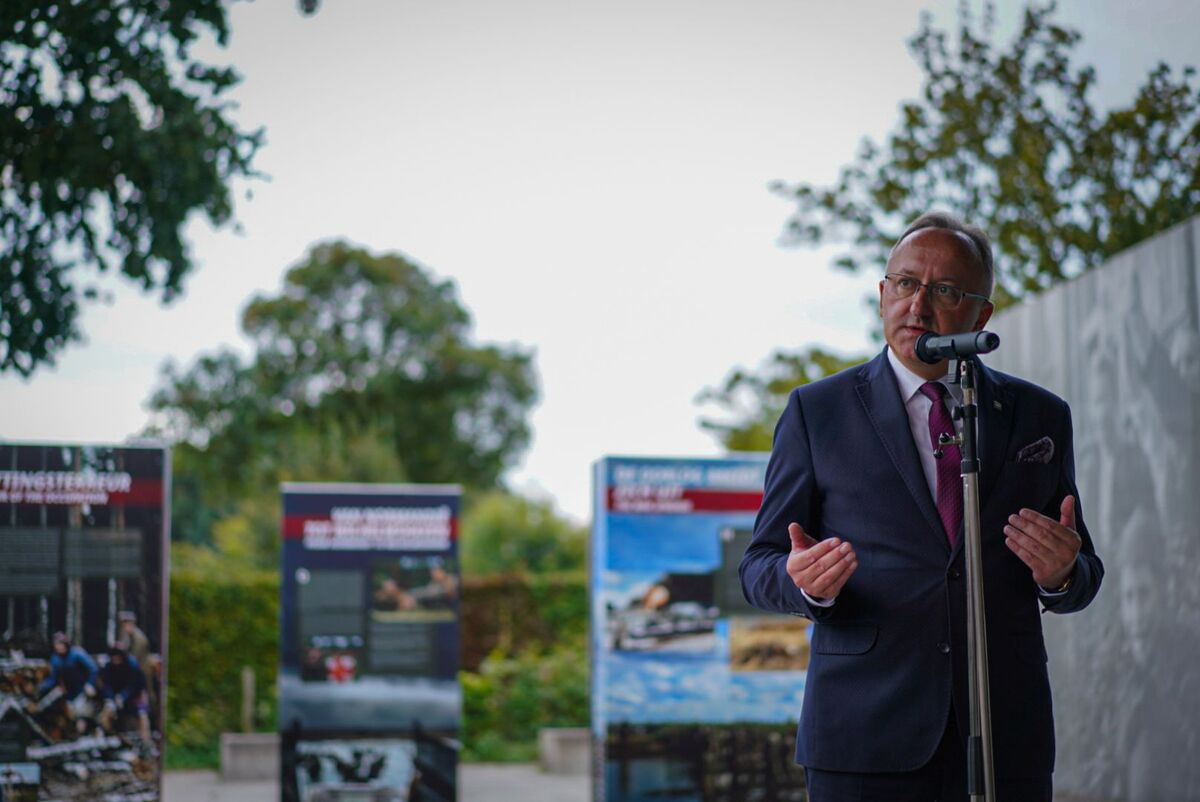
The Deputy President of the IPN, Prof. Karol Polejowski addressed the hosts and the community during the opening: On behalf of the President of the Institute of National Remembrance, Karol Nawrocki, Ph.D., let me express my gratitude for your hospitality and for your efforts to preserve the memory of the Polish soldiers who liberated your country
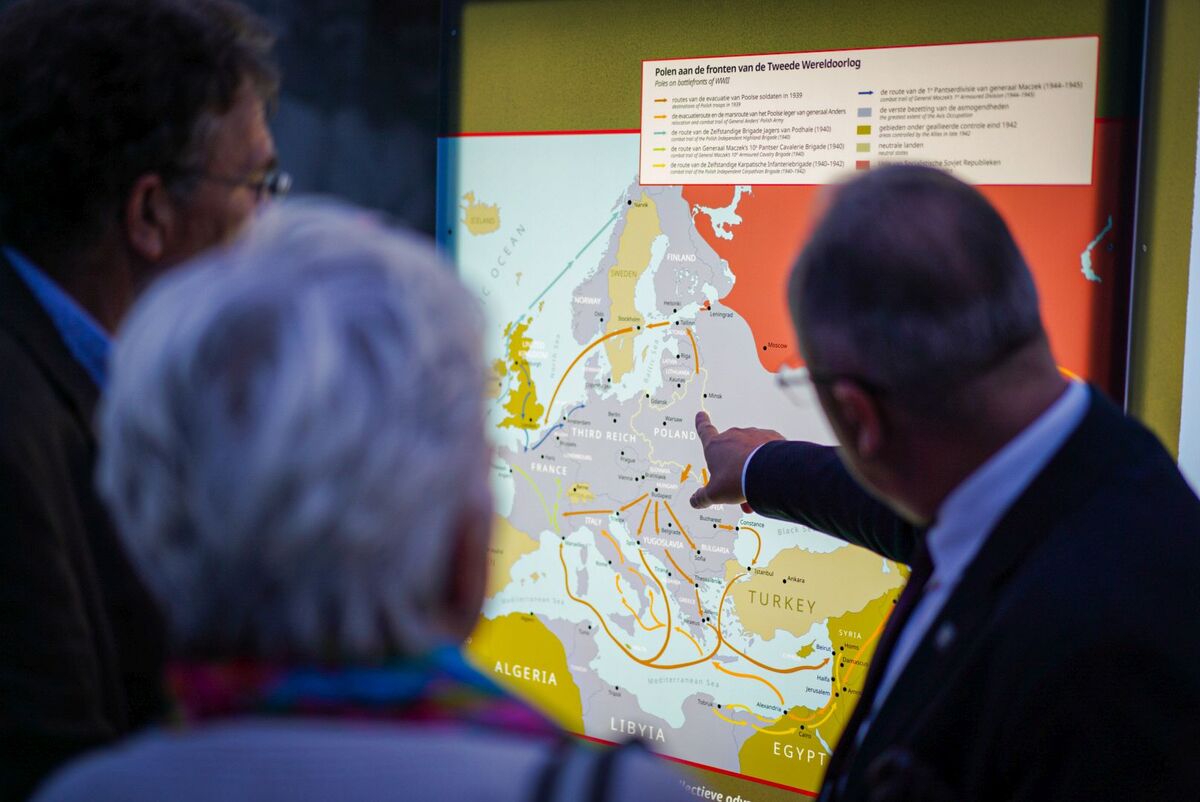
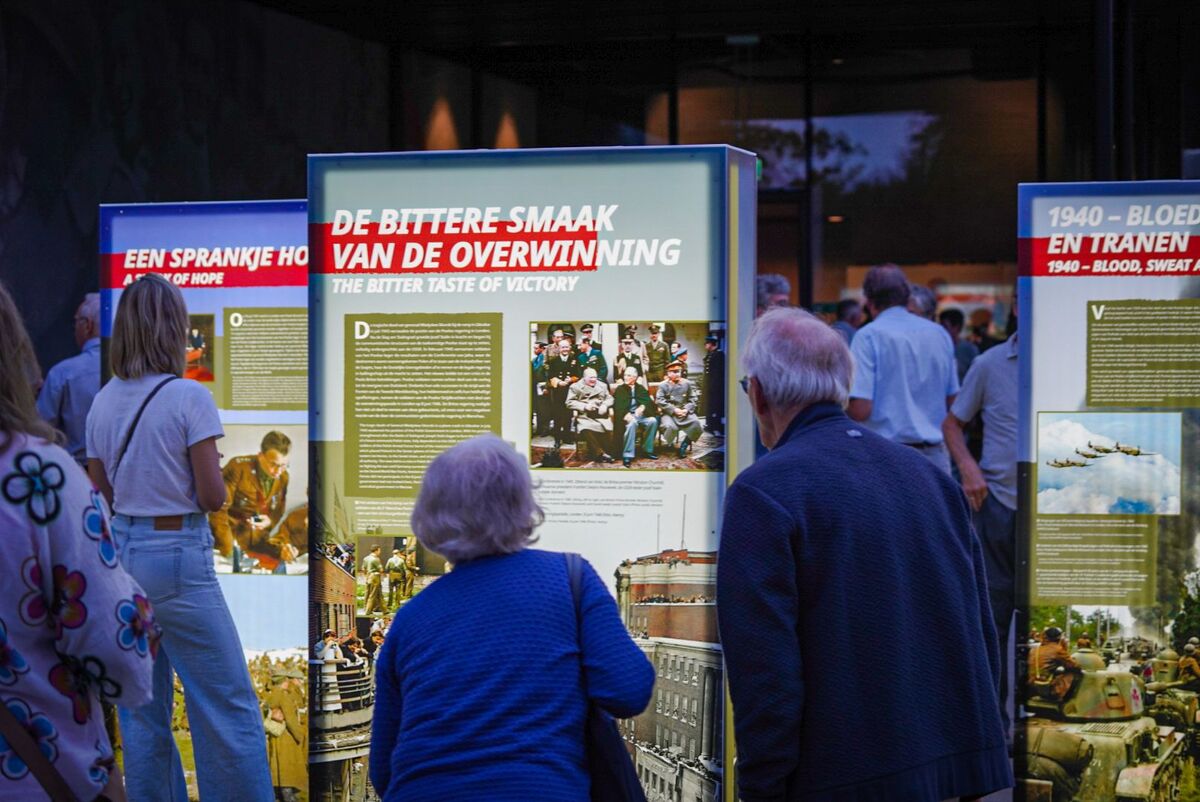
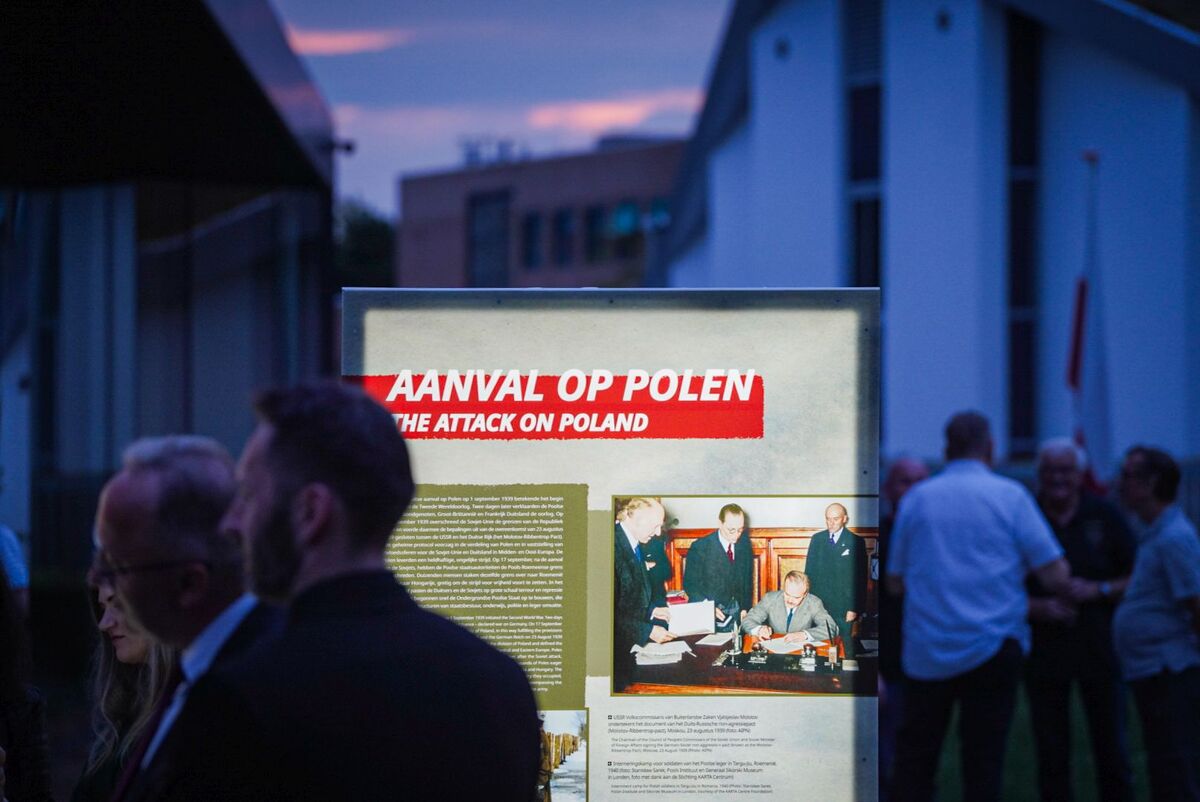
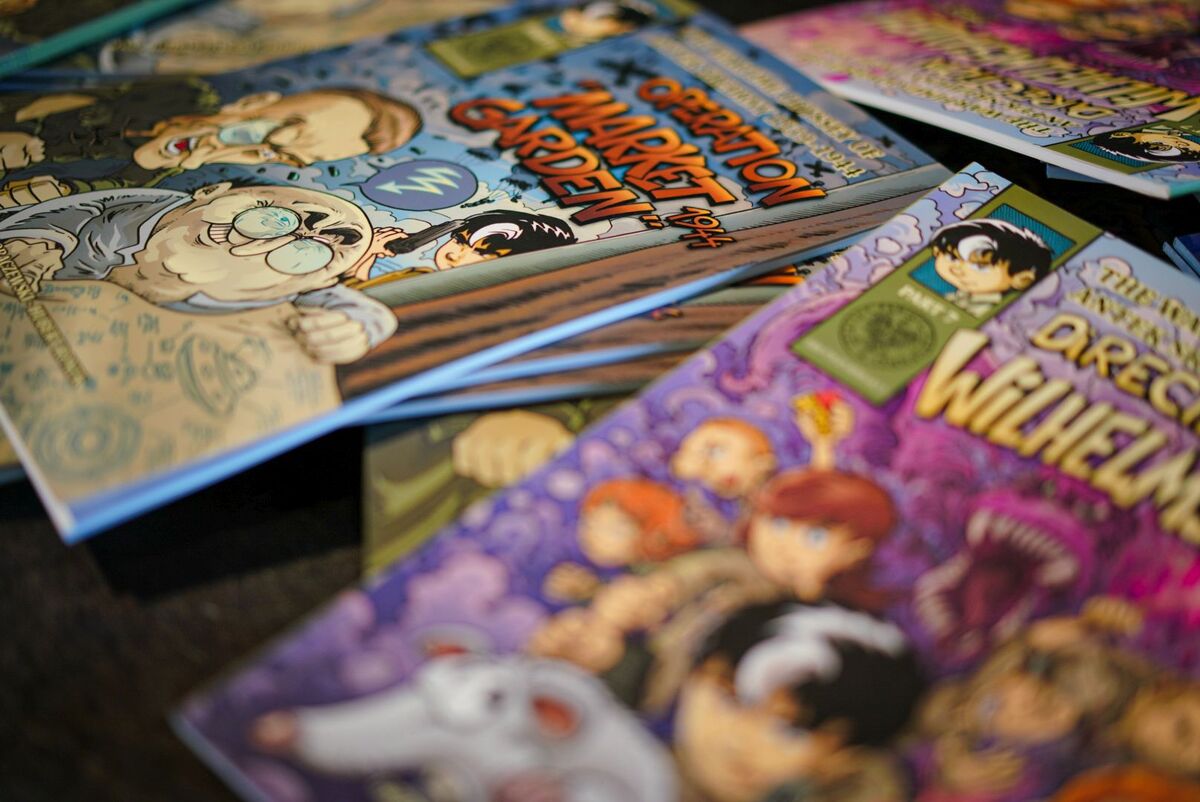
The participants were also welcomed by the Deputy Mayor of Breda, Carla Kranenborg-Van Eerd: the Institute of National Remembrance has prepared this exhibition and this project especially for local residents, for people from various countries where Polish soldiers and Polish citizens have found their place, including eternal resting place, such as here in the Netherlands. And this project is presented for the first time here in the Netherlands in Breda. And it is a great honor for us to be here with you and to open this exhibition, which depicts the diversity of the Polish fate, the fate of the Polish people during World War II.
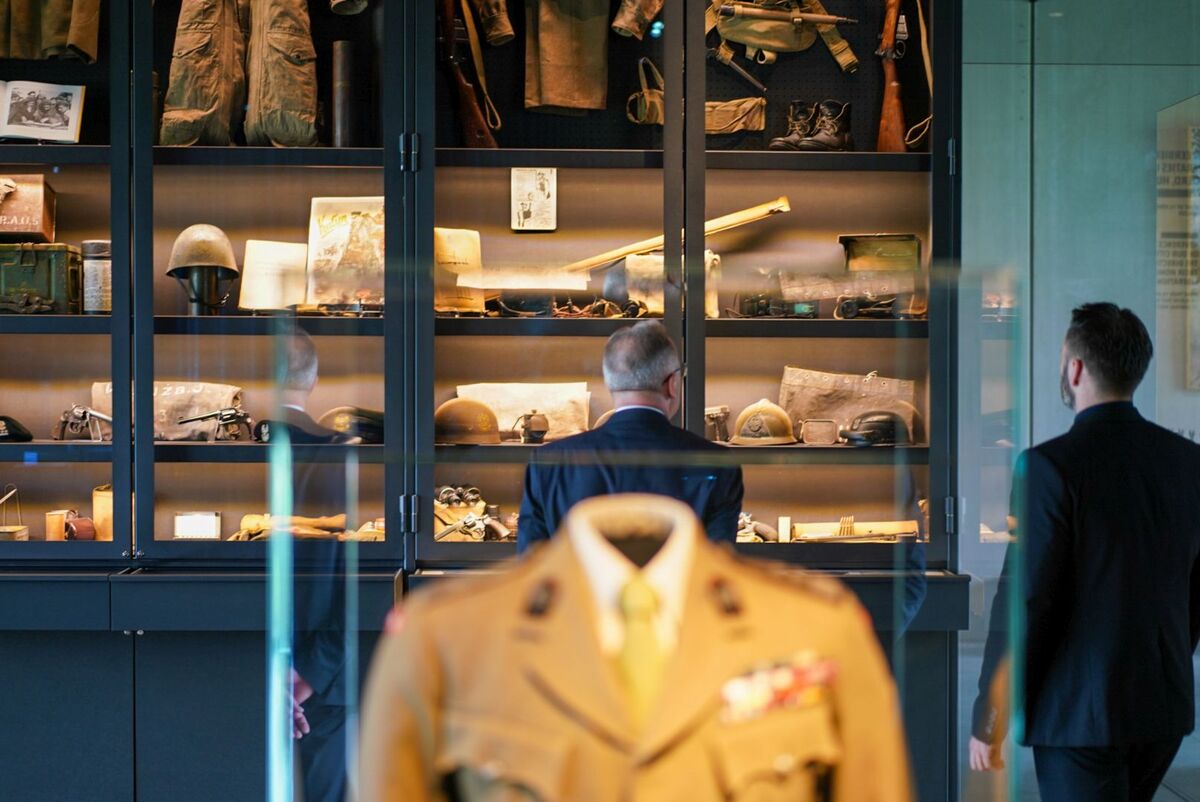
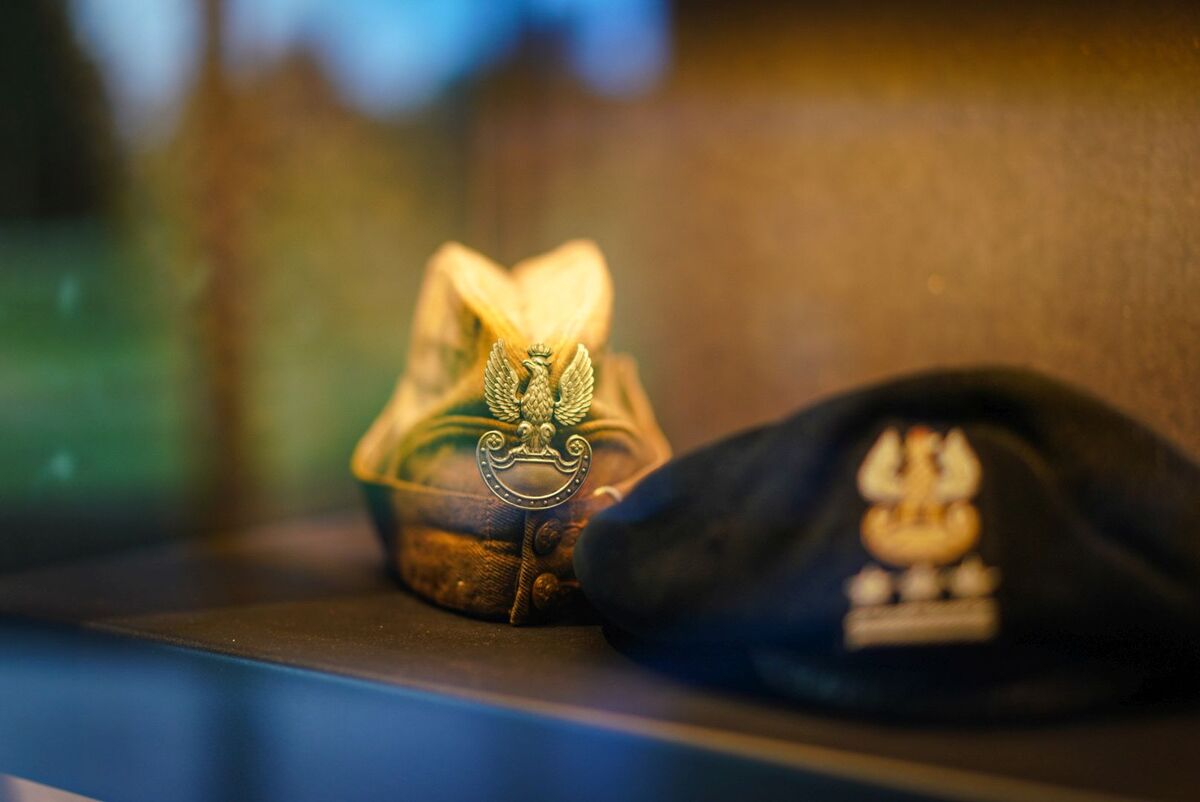
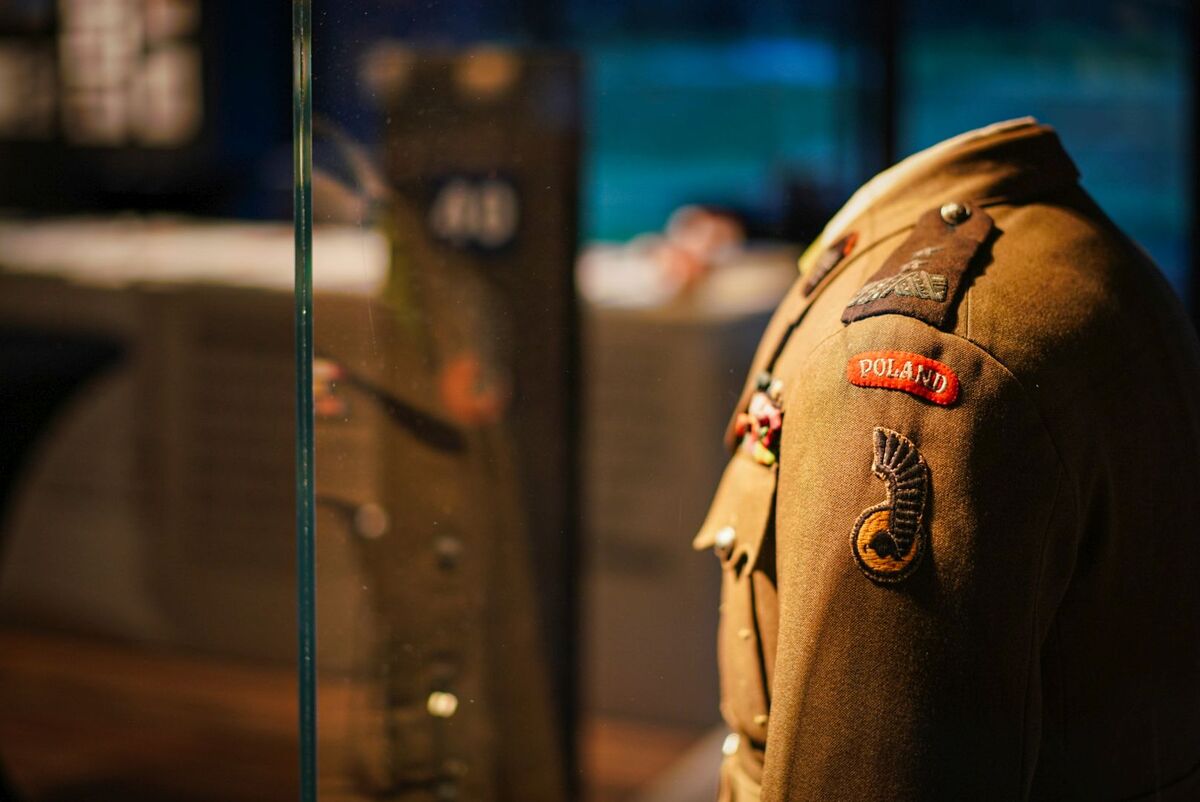
The Maczek Memorial Museum Breda occupies 500 sq. m. and its space is divided into an exhibition and cinema area and an educational area. The display tells the story of General Stanislaw Maczek's soldiers – from their mobilization in September 1939 in Poland to the capture of the German naval base at Wilhelmshaven on 5 May 1945 in northwestern Germany.
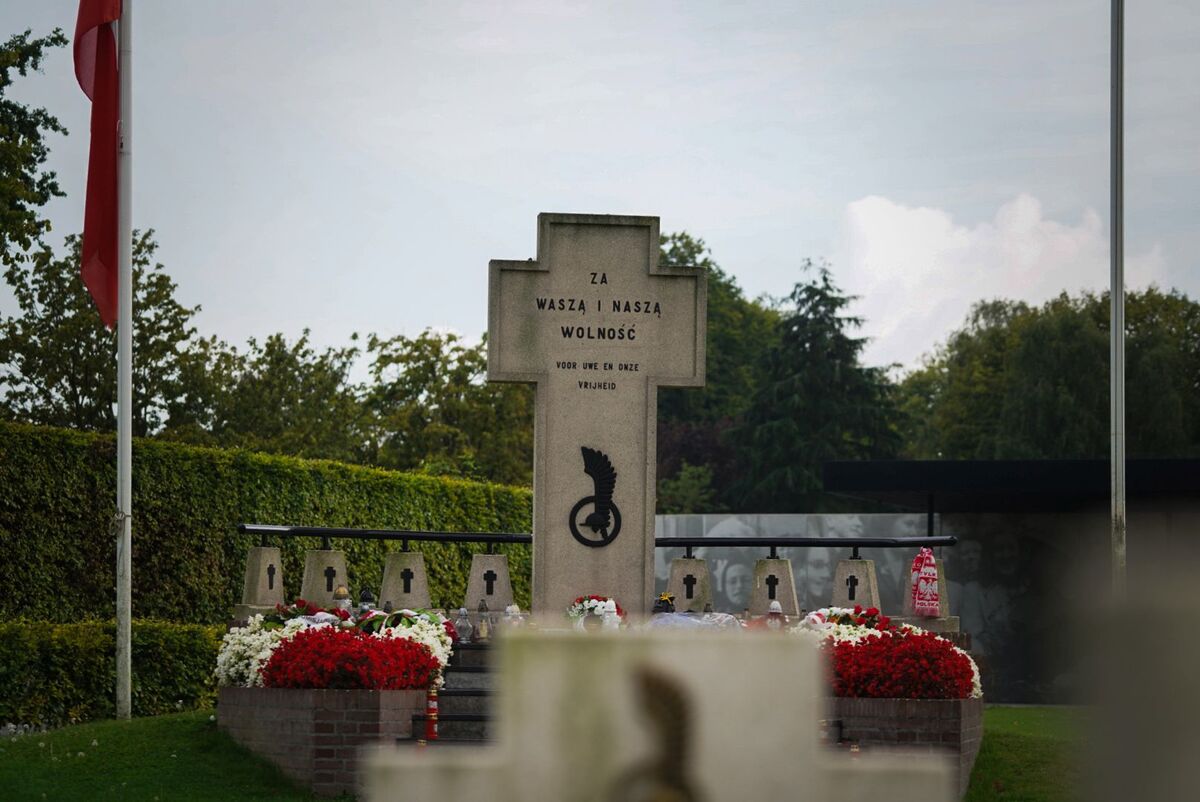
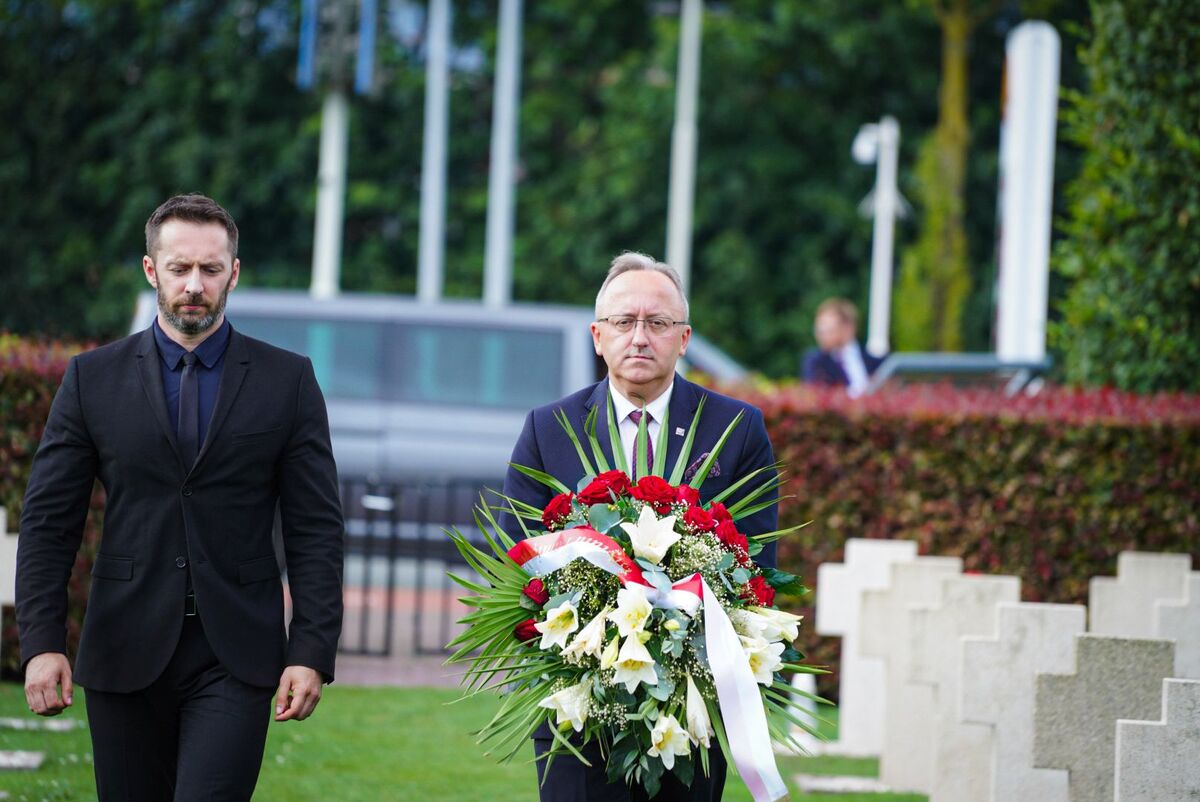
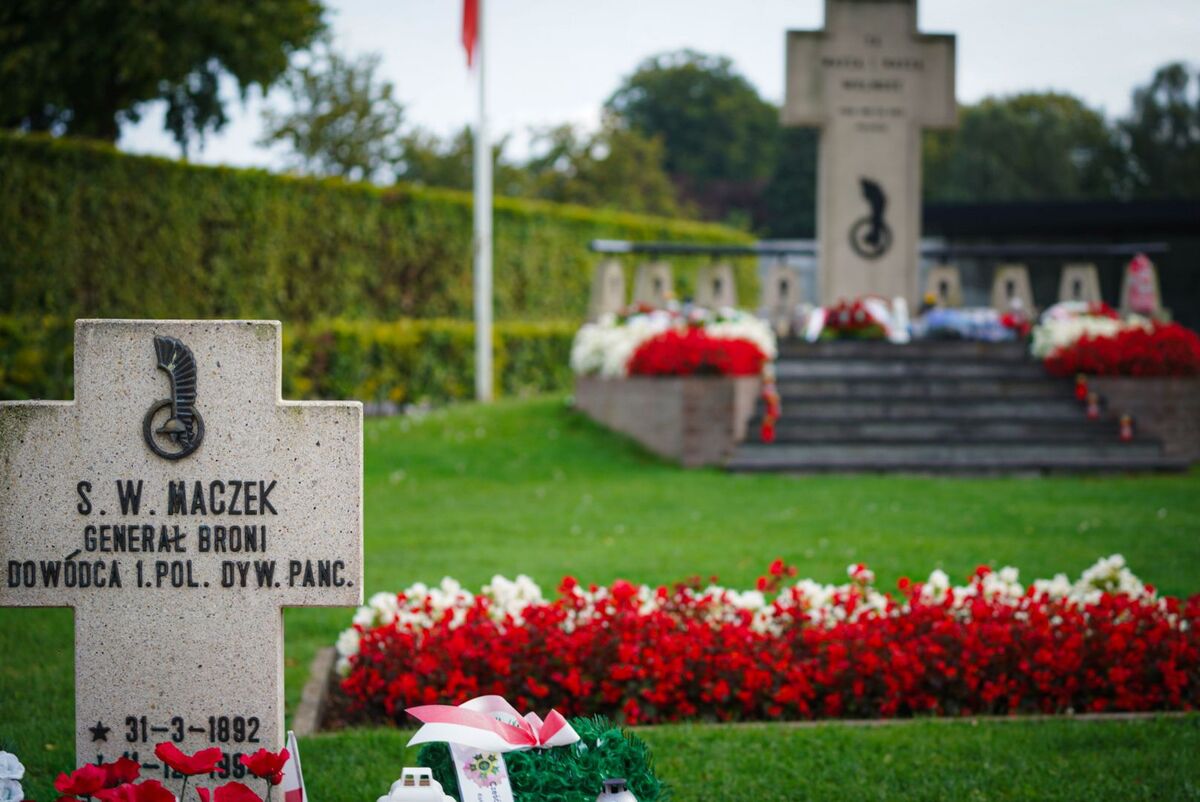
Prior to the opening of the exhibition, the IPN Deputy President Prof. Karol Polejowski and Deputy Director of the Office of International Cooperation Mateusz Marek, Ph.D., laid wreaths at the Polish Honorary Military Cemetery in Breda, where soldiers of the 1st Armored Division and their commander, General Stanislaw Maczek, are buried.
***
In late July and early August 1944. The 1st Armored Division landed on the beaches of Arromanches in Normandy, where it was assigned to the 2nd Corps of the 1st Canadian Army. General Maczek's division was the only one out of the five armored divisions of the 21st Army Group to take part in heavy fighting a few days after being transported to Normandy. For almost two weeks it continuously conducted operations to close the path of retreat to units of the German 5th Panzer Army and 7th Field Army. These battles, referred to in Polish historiography as the Battle of Falaise, concern the last two phases of the Battle of Normandy, lasting from 7 to 10 August 1944.
On 30 August 1944, the division liberated many towns in northern France, including Abbeville and Saint-Omer. On 6 September, it crossed the Belgian border, liberating Poperinge, Leper, Roeselare, Tielt, part of Ghent, Lokeren, Beveren-Waas and Sint-Niklaas.
At the end of September 1944. The 1st Armored Division was operationally subordinated to the British 1st Corps. After a three-week break, the division began operations, which culminated in the capture of Breda on 29 October.
The enthusiasm of the liberated inhabitants at the sight of the Polish soldiers was indescribable: In spite of such a great difference in personalities and customs, unfamiliarity with the Dutch language, the Polish soldier was welcomed with joy and enthusiasm, surpassing anything he had encountered not only in France, but also in hospitable Flanders; he felt as if he were in his own country and paid for everything with true affection and sacrifice when needed, General Maczek recalled.
The Netherlands, along with Belgium, became a new homeland for several hundred Polish soldiers after the war. Many of them received honorary citizenships of the cities to which they restored freedom after the war. In recognition of their service, the 1st Armored Division was honored with the Military Order of William, which is the oldest and highest decoration of the Kingdom of the Netherlands. The division's commander was awarded honorary citizenship of the Netherlands at the request of the people of Breda. The special ties of Polish armored soldiers with the Dutch city are recalled by the Gen. Maczek Memorial Breda Museum, located there.