
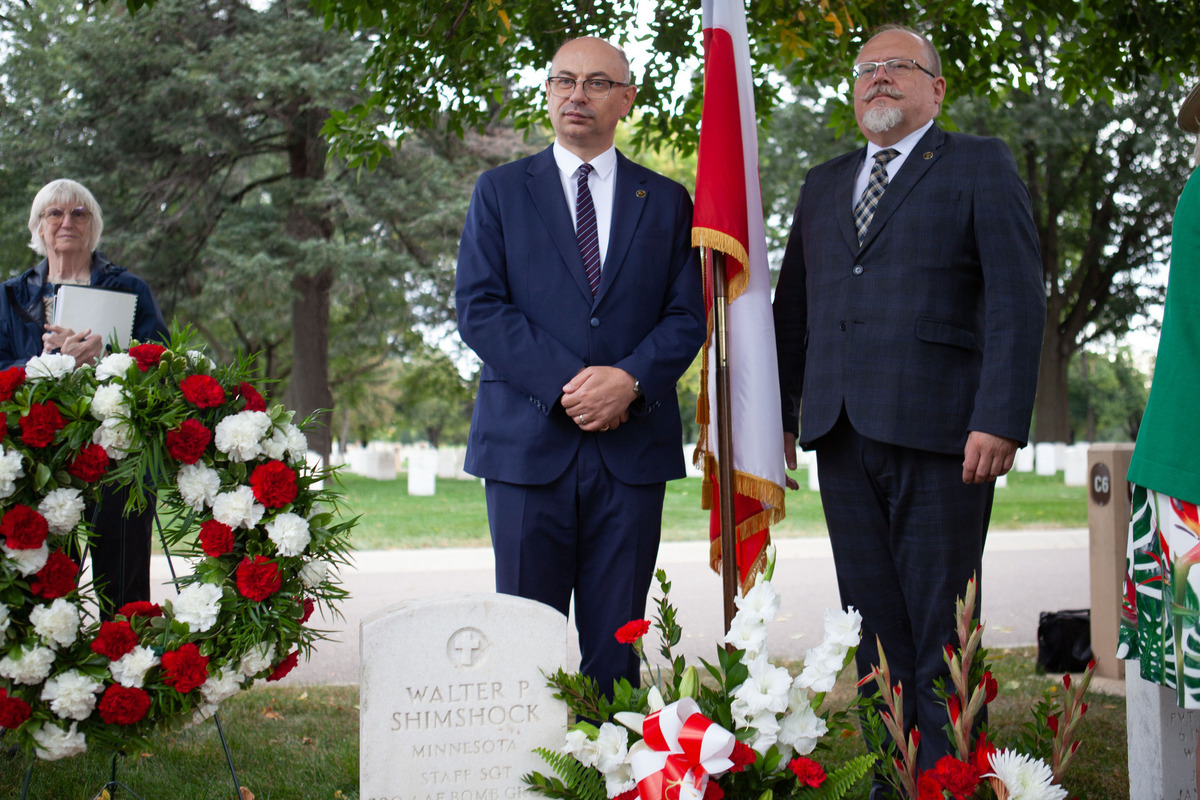
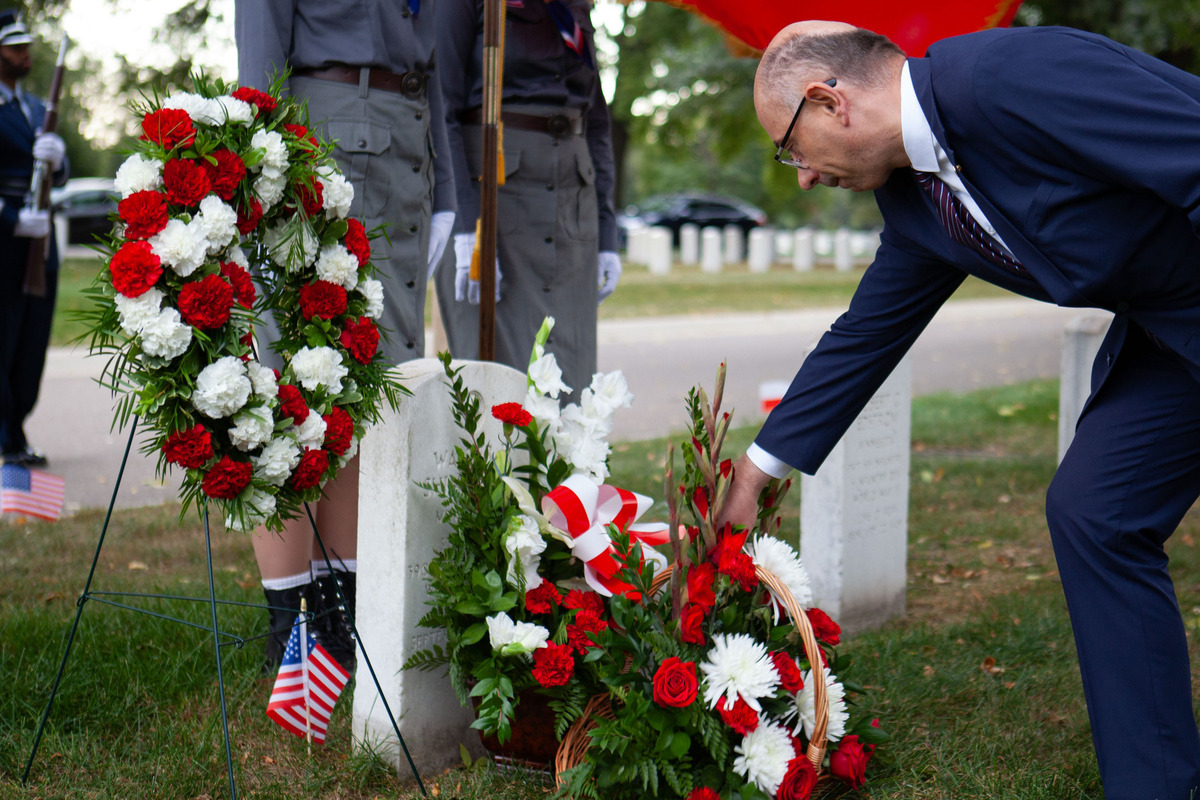
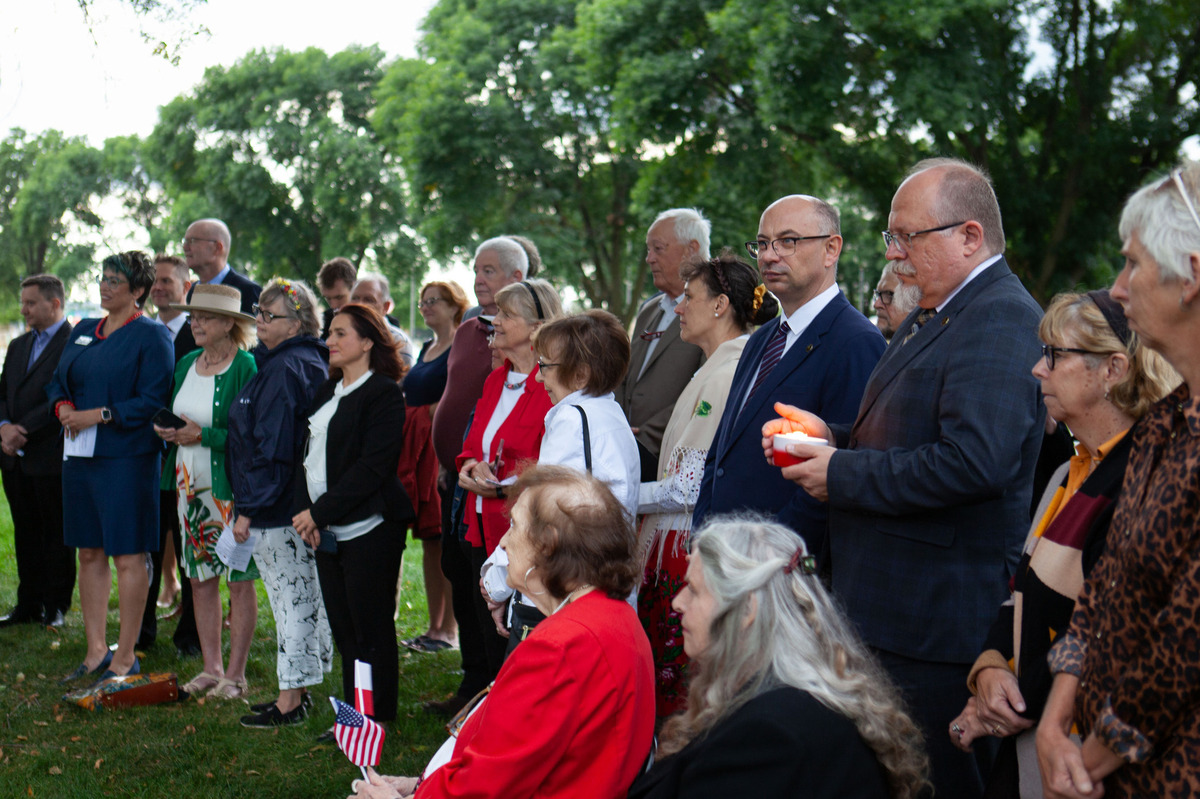
On 21 September 2024, at the Fort Snelling National Military Cemetery in Minneapolis and at Huset Park in Columbia Heights (USA), IPN Deputy President Mateusz Szpytma Ph.D., took part in ceremonies honoring the bravery and sacrifice of American airmen.
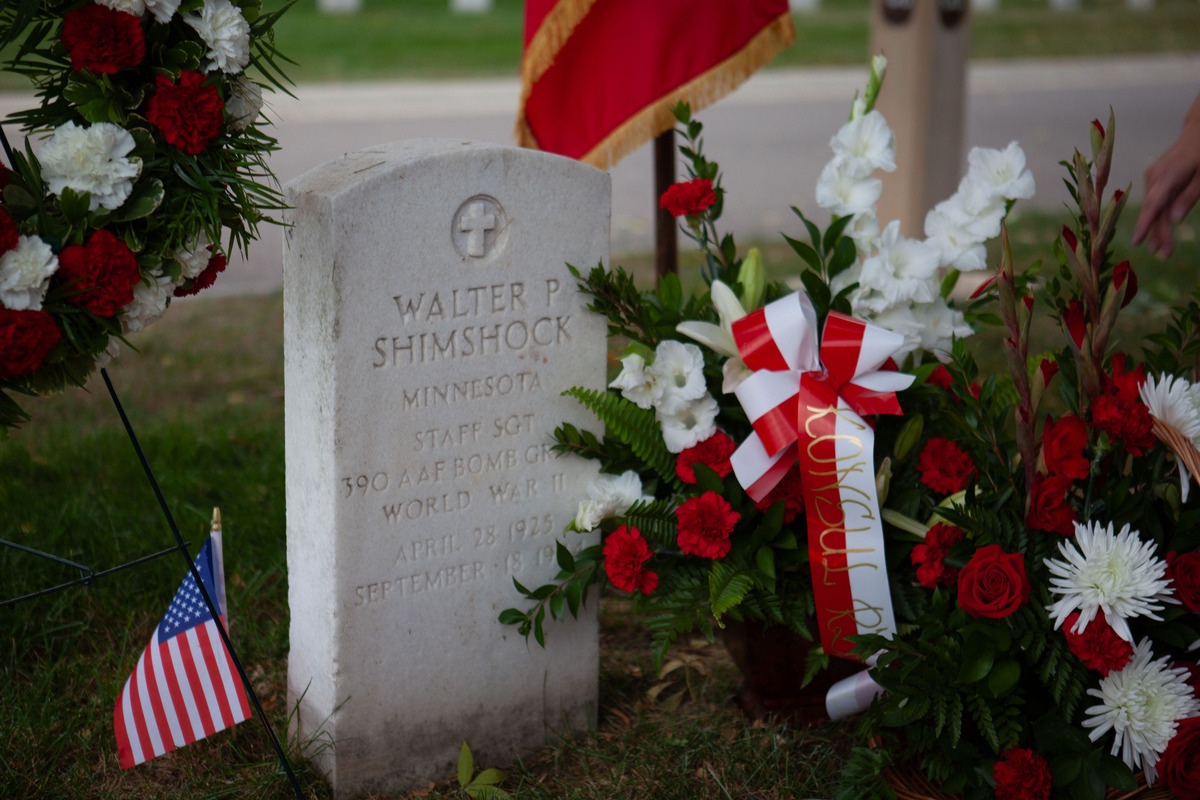
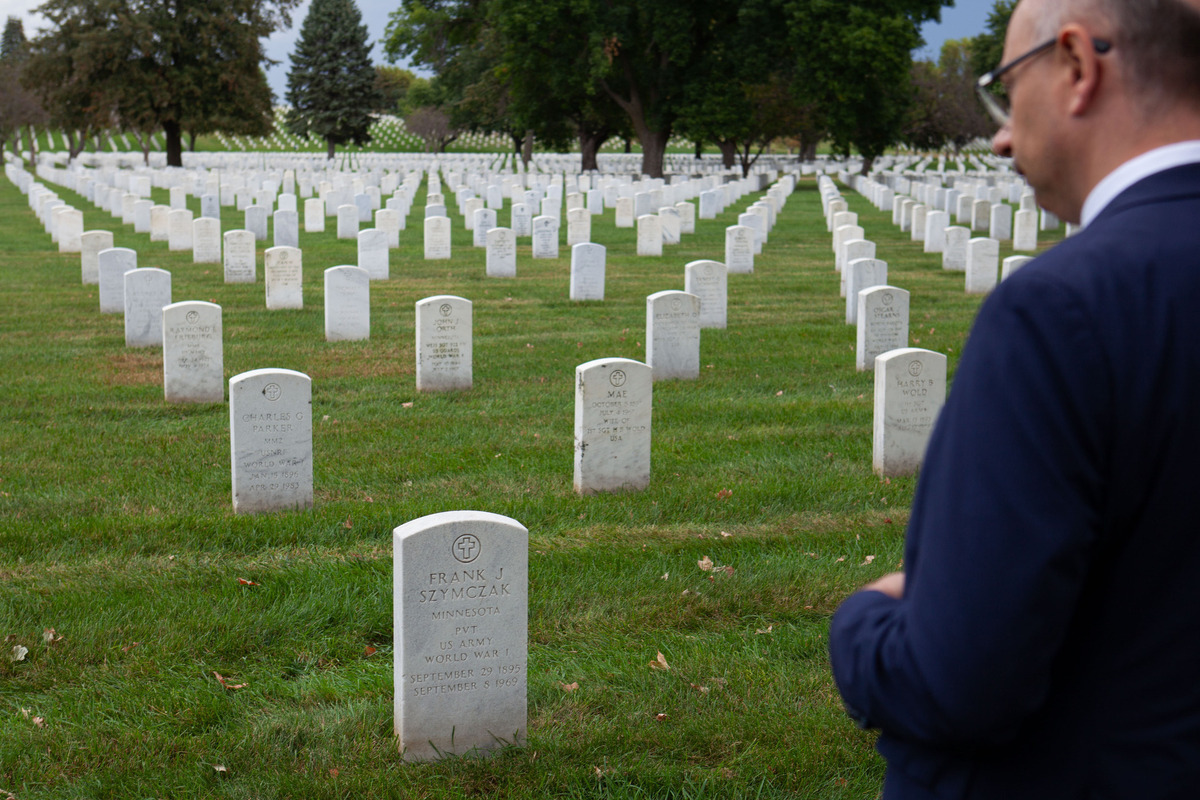
The IPN Deputy President Mateusz Szpytma and the Director of the Office of Commemorating the Struggle and Martyrdom Adam Siwek Ph.D., laid wreaths on the grave of Sergeant Władysław Szymczak (Walter P. Shimshock) a Minnesota man of Polish descent, who served as "I’ll Be Seeing You" tailgunner, and whose body was brought back from Poland after World War II and laid to rest in Columbia Heights.
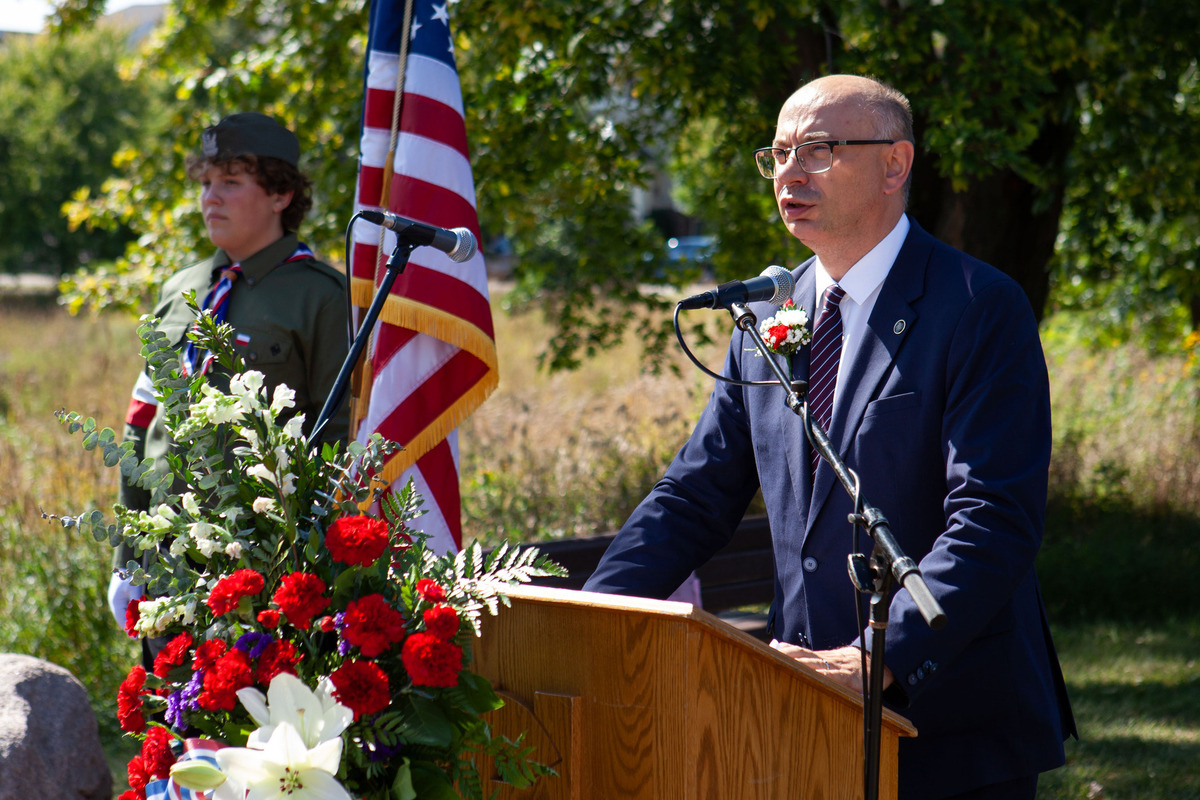
- The Polish and American nations are united by their shared commitment to the highest values: independence and freedom - understood as the right to live in accordance with their traditions and professed faith. In defense of these values we have often taken up arms together. Our common fathers of independence: Kazimierz Pułaski and Tadeusz Kosciuszko are symbols of that shared struggle- said IPN Deputy President Szpytma.
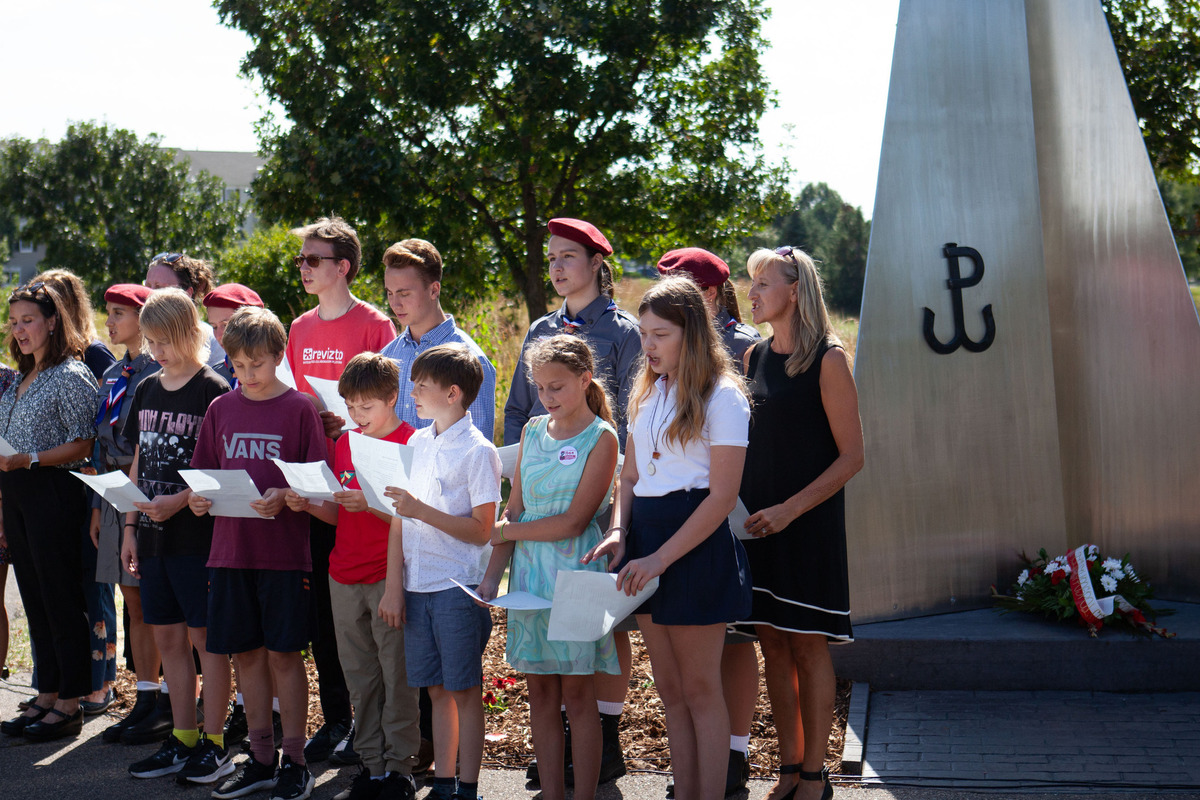
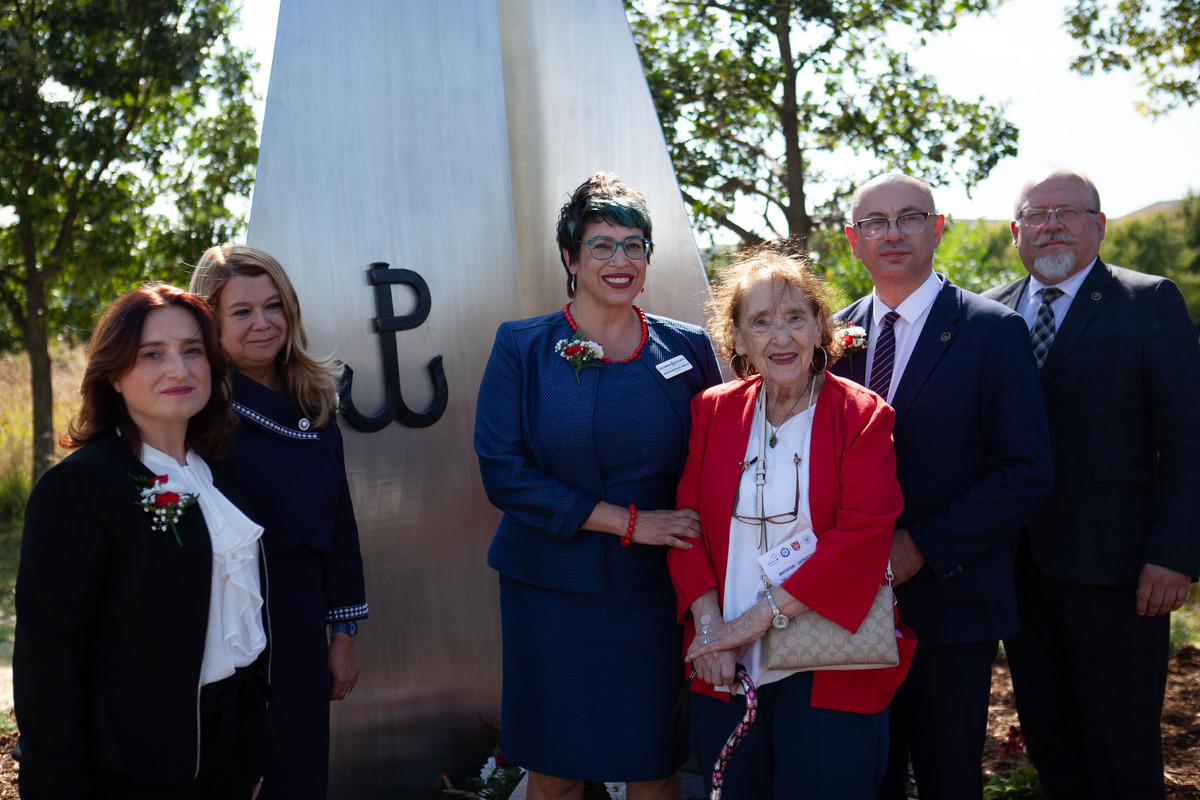
The Deputy President unveiled a monument commemorating the Heroic B-17 Aircraft Crew in Huset Park in Columbia Heights. The participants of the event also had the opportunity to listen to a concert of Polish classical music performed by the local band Sonora Winds. The ceremonies ended with a Mass at the Holy Cross Church, celebrated in memory of the heroic airmen.
The monument in honour of American airmen who died in September 1944 while bringing aid to fighting Warsaw during the Warsaw Uprising was erected in Huset Park, Columbia Heights in Minneapolis.The erection of the monument was initiated by the Polish American Cultural Institute of Minnesota (PACIM), based in Saint Paul, Minnesota and headed by President Edyta Dudek.The monument's prototype is a memorial dedicated to American airmen in Łomianki, Poland.
The Warsaw Uprising, which began on 1 August 1944, was a major World War II operation by the Polish Resistance Home Army to liberate Warsaw from German occupation. It was the largest military effort undertaken by any European resistance movement during the war. The uprising was a desperate bid to reclaim the capital as Soviet forces approached from the east.
One of the critical support operations for the uprising was Operation Frantic 7. On 18 September 1944, this U.S. Army Air Force mission involved a massive airdrop of supplies to the besieged Polish fighters. The mission saw B-17 Flying Fortresses flying from bases in Italy to deliver weapons, ammunition, food, and medical supplies.
PACIM, Sister Cities International Columbia Heights – Łomianki, the Institute of National Remembrance in Poland, the City of Columbia Heights, MN, the Consulate General of the Republic of Poland in Chicago, and many individual and organizational donors joined efforts to commemorate the heroic crew of the B-17 Flying Fortress named “I’ll Be Seeing You” that took part in Operation Frantic 7 and was shot down by Germans over the suburbs of Warsaw on 18 September 1944. A rear gunner of the plane was Staff Sergeant Walter Shimshock, a Polish-American resident of Northeast Minneapolis. He was able to parachute from the crashing airplane but was captured and executed by the Germans.
Despite the courage and sacrifice demonstrated by both the Polish resistance fighters and the Allied aircrews, the uprising ultimately failed due to a lack of sufficient external support and the overwhelming strength of the German forces. The city was devastated, and the resistance suffered heavy casualties. However, the valor displayed during the Warsaw Uprising and operations like Frantic 7 remains a poignant symbol of resistance against oppression.