
It’s been 35 years since the Eastern Bloc collapsed, the Iron Curtain was melted and hundreds of millions Eastern and Central Europeans could breathe freely. Once the totalitarian experience ended, investigation and researching of the regimes began. Collapsing, they destroyed a lot of their records because the records were incriminating evidence, but what remained paints a grim picture. Parts of the picture are now being examined in Bucharest.
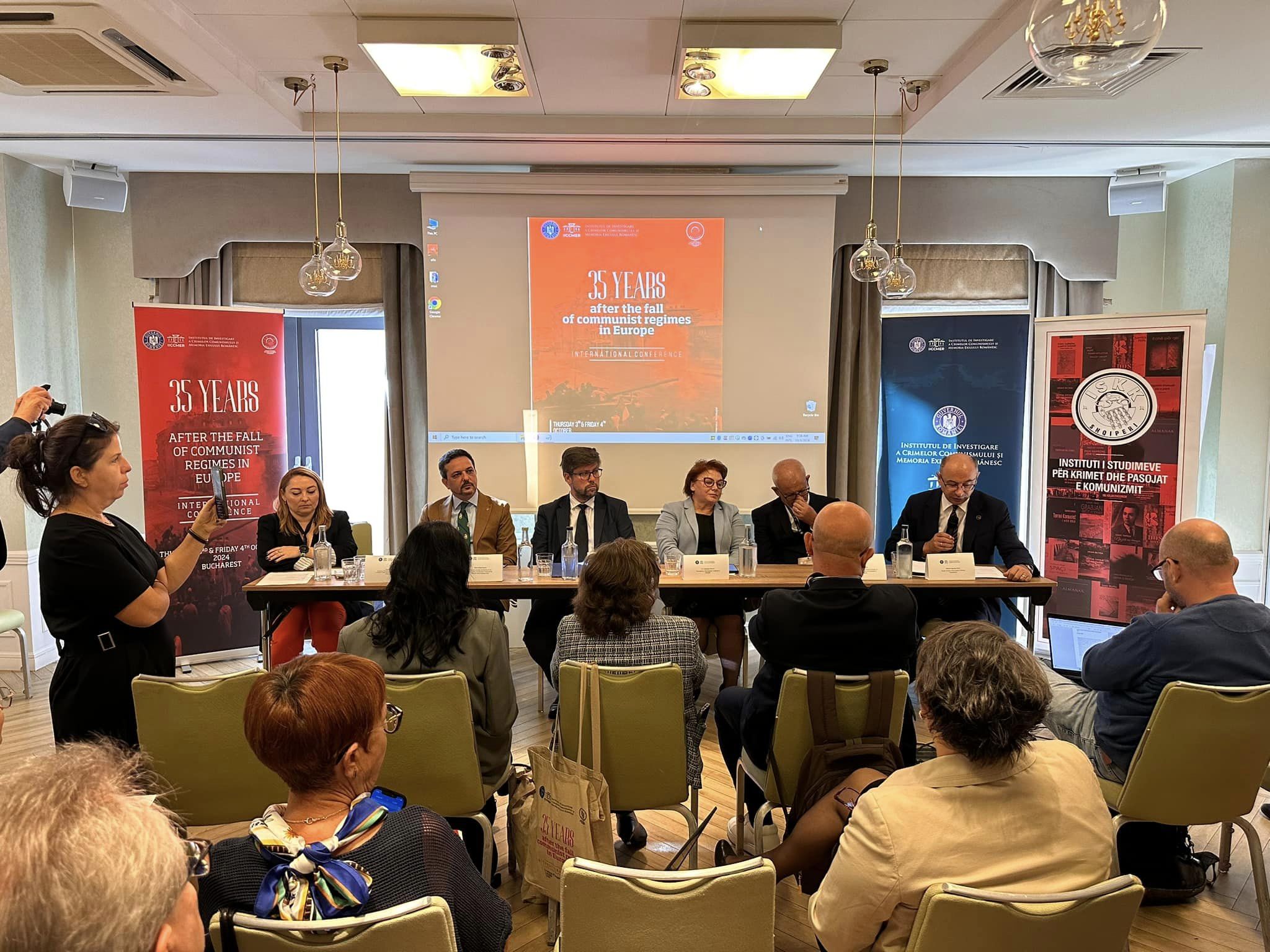
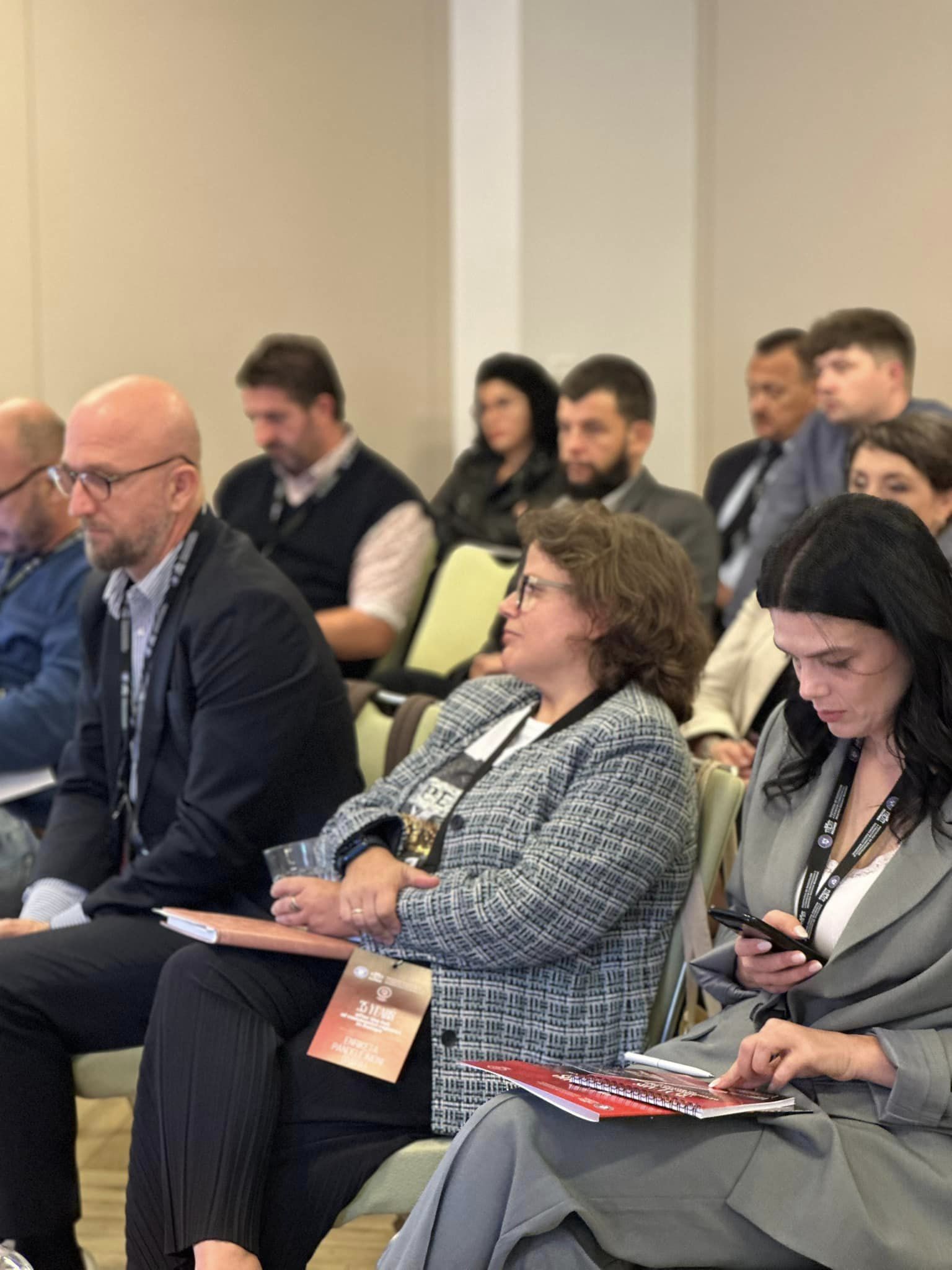
The "35 years After the Fall of Communist Regimes in Europe" conference, jointly organized by the Institute for the Investigation of Communist Crimes and the Memory of the Romanian Exile (IICCMER) and the Institute for the Studies of Communist Crimes and Consequences (ISKK) of Albania, is exploring key historical events and their impact on European societies, focusing on illegal border crossings, the prosecution of perpetrators, and transitional justice. The event brings together experts from across Europe, discussing the fall of communist regimes, the human rights activism during the Helsinki Process, and the role of museums and memorials in preserving memory. The conference also features film screenings and a book presentation.
Representing the Institute are Deputy President Mateusz Szpytma and the IPN Spokesman Rafał Leśkiewicz, who will outline the Polish experience of the political transformation.
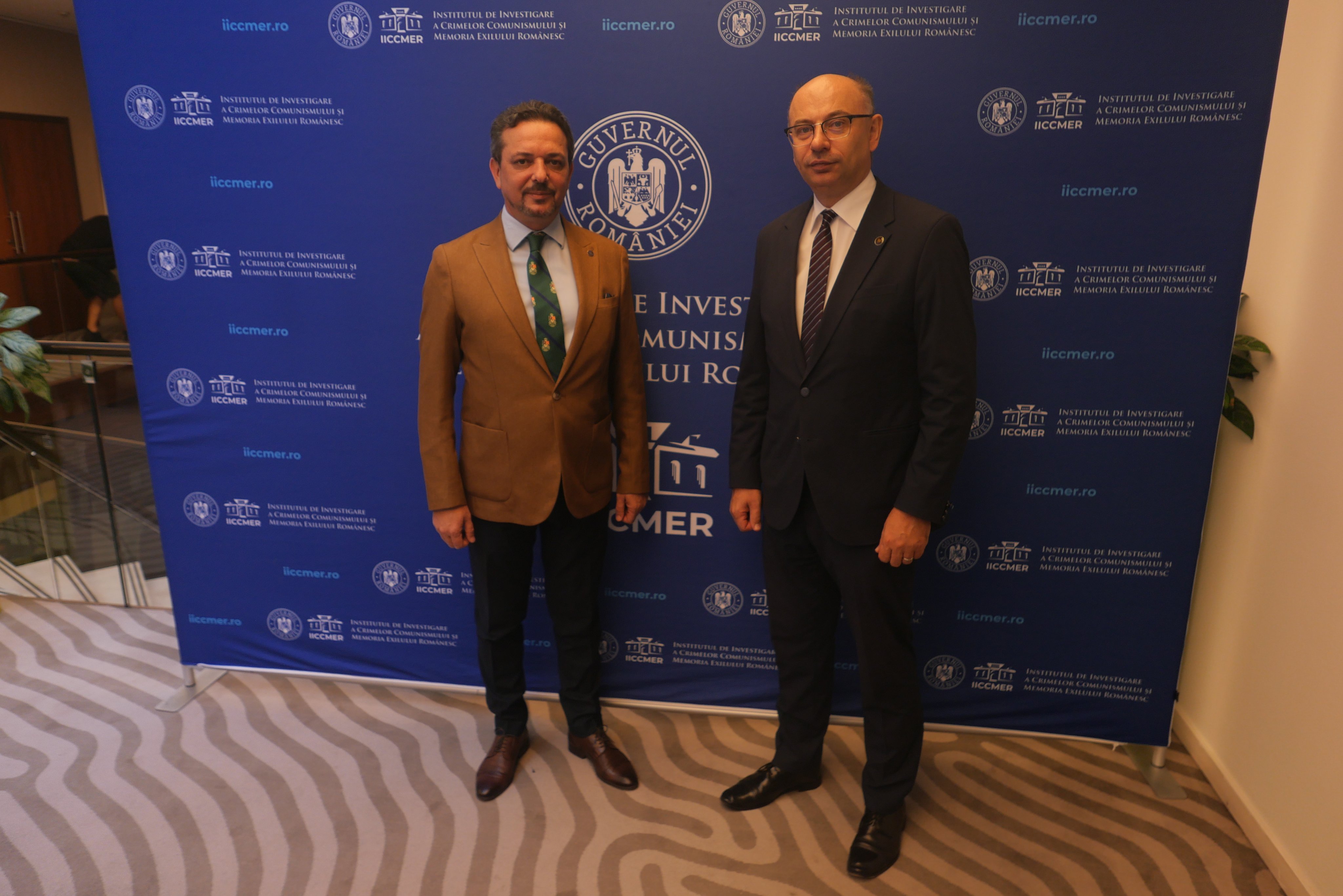
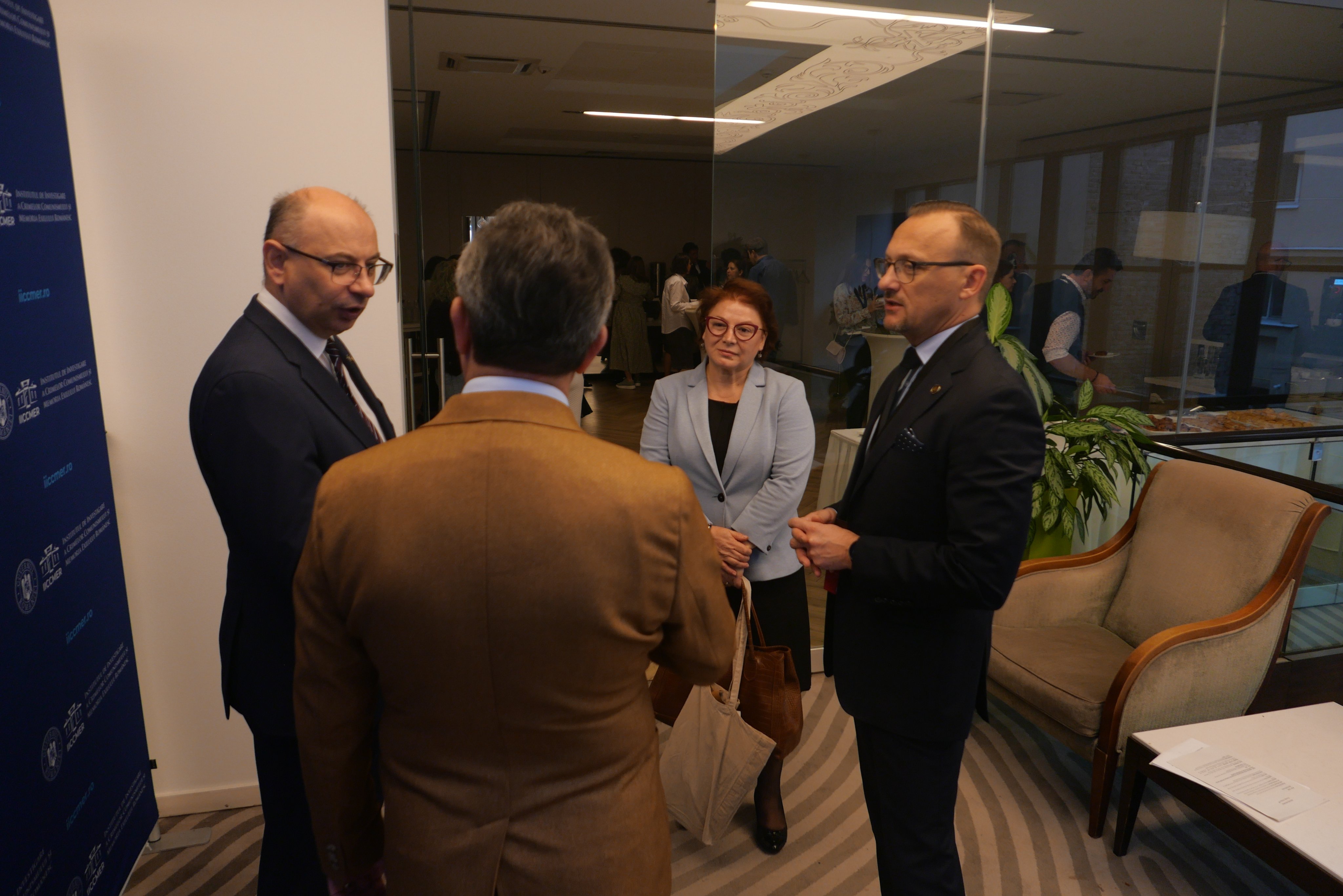
The IPN Deputy President Mateusz Szpytma Ph.D. co-opened the conference along the Dragoș Hotea, Secretary of State from Romanian PM Chancellery, Albanian Ambassador Enkeleda Mërkuri, Çelo Hoxha, ISKK Executive Director, and the IICCMER Executive President Florin-Daniel Șandru, saying,
Our cooperation is being constantly manifested in scholarly and publishing fields, to mention international conferences such as this one, for the organization of which I would like to thank our Romanian and Albanian colleagues. In my opinion, such events contribute a great deal to raising social awareness about the similarities and differences in the functioning of the communist dictatorships in East-Central European countries and the complex processes of coming to terms with the past and bringing transitional justice.