
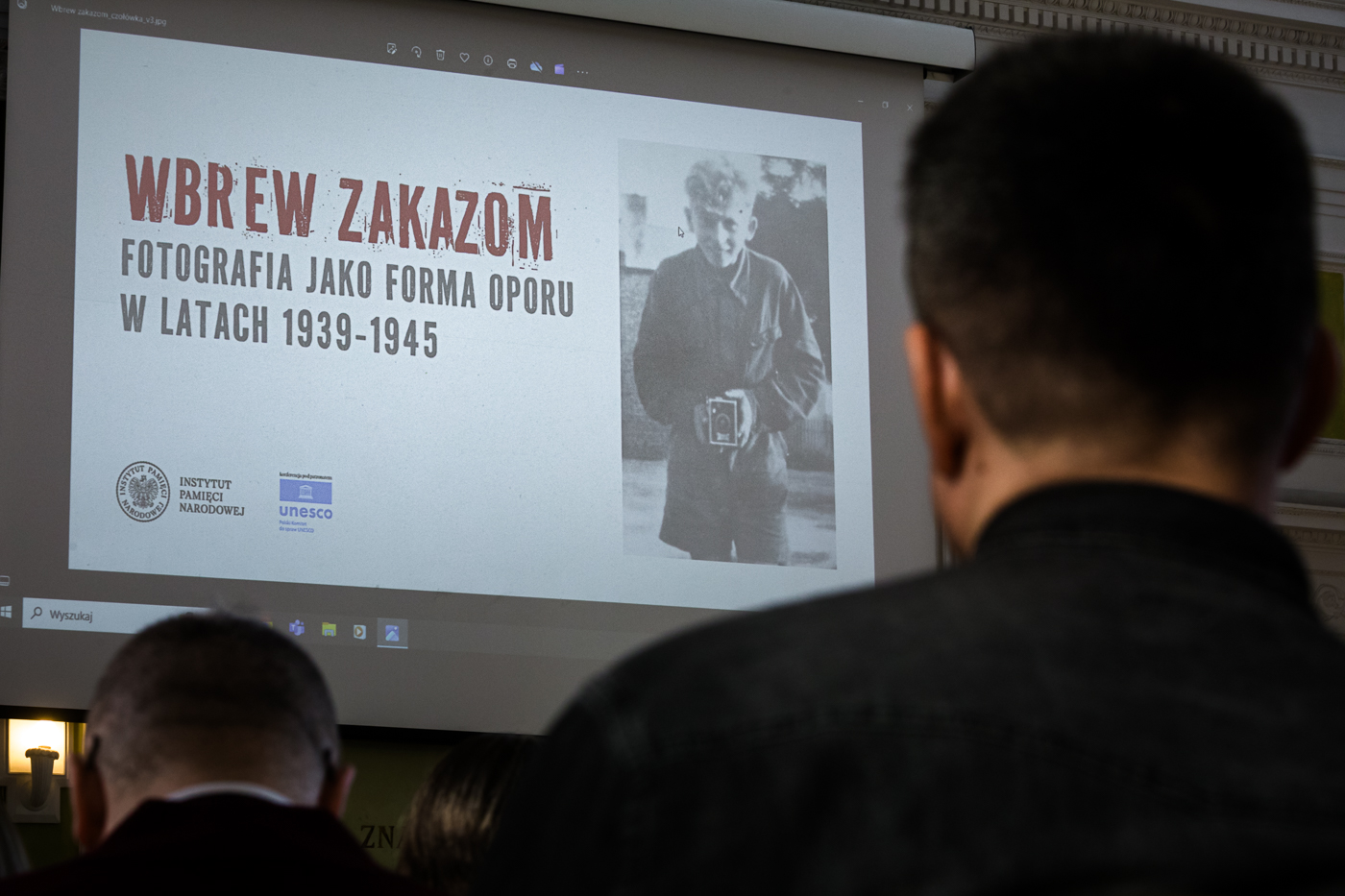
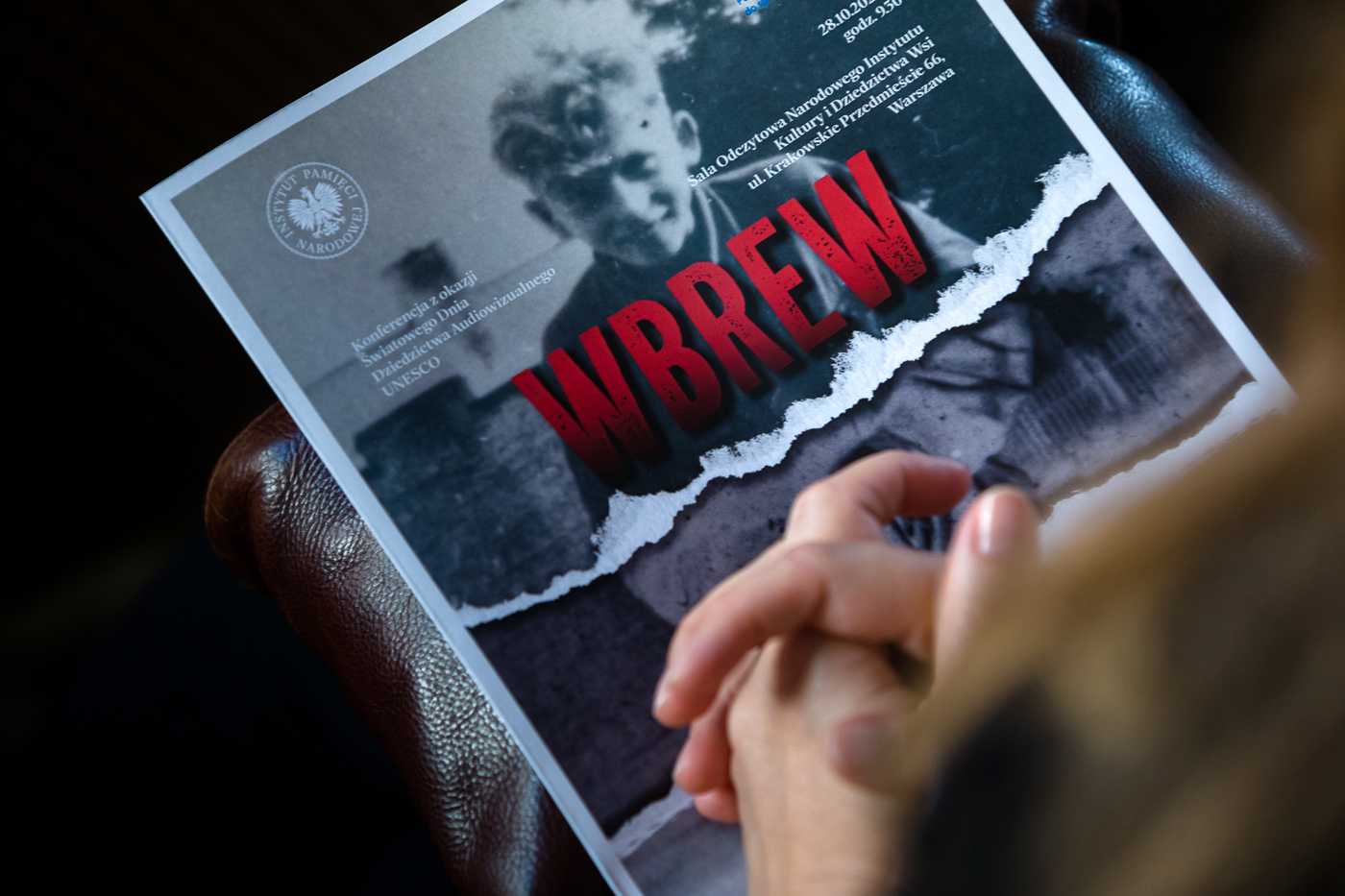
In connection with the UNESCO World Day for Audiovisual Heritage, the IPN Archive is holding a conference on photography under German occupation.
"In Defiance of Bans" brings together a number of researchers – both independent and associated with Polish museums and historical institutes – interested in wartime photography. They will be presenting papers on how snapshots by unaffiliated amateurs and underground professionals recorded life under occupation, fuelled resistance, hindered German policies and exposed crimes.
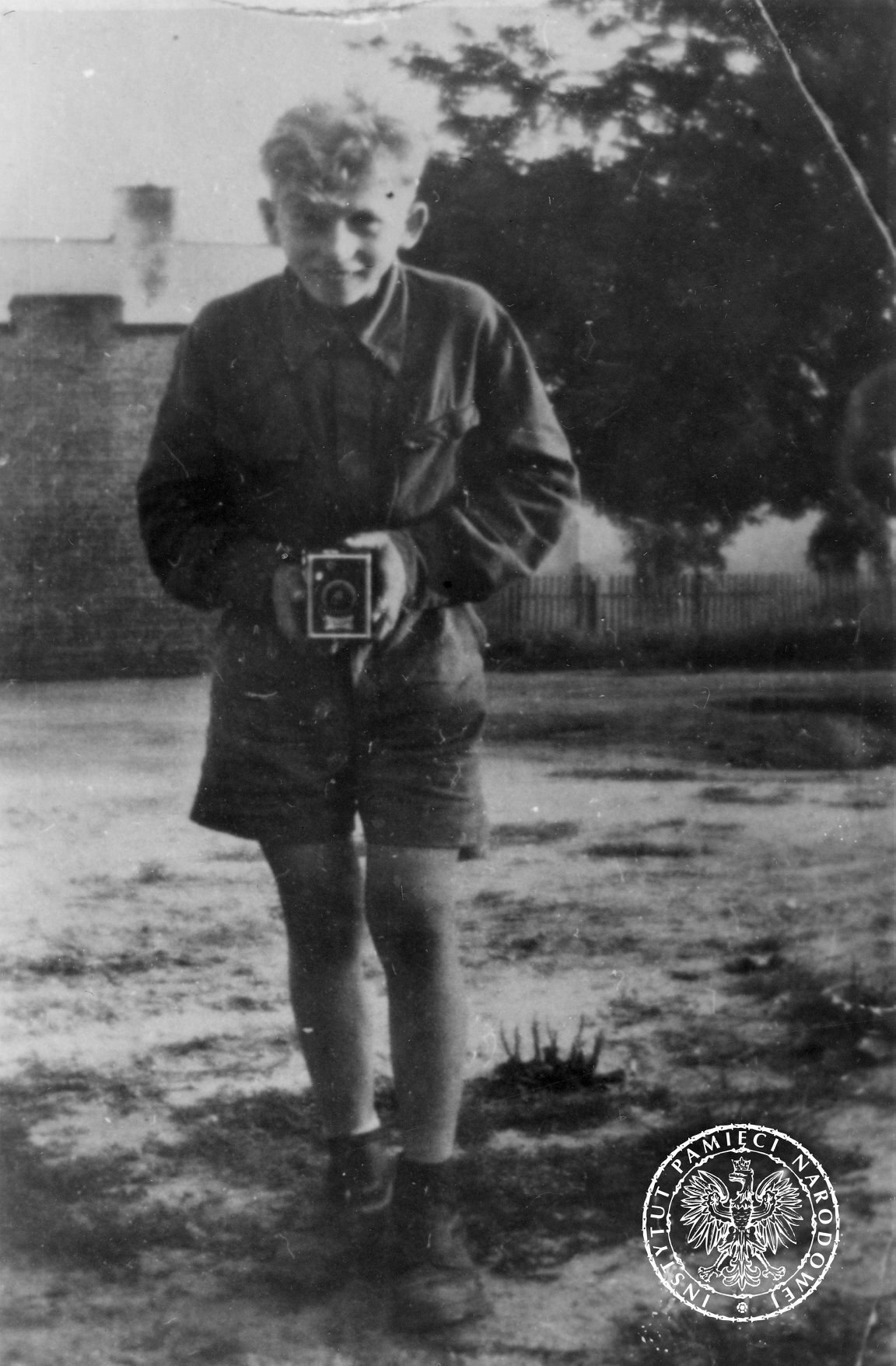
The conference is about the efforts of the people like eleven-year-old Zygmunt Ludwiczak, who took candid pictures of an execution in Rembertów, Edward Buczek, photo-copying German documents and documenting partisan life, Eugeniusz Lokajski, photographer of the Warsaw Uprising, or that unnamed Warsaw resident on a moving tram, who took shots of Pawiak inmates hanging from storefront balconies. In the panels, all these aspects of photography under occupation, and not just occupation of Poland, will be discussed.
The 85th anniversary of the outbreak of World War II and the 80th anniversary of the outbreak of the Warsaw Uprising constitute a good opportunity to consider what role photography played in the lives of the societies of countries occupied by the Third Reich. It is known that the invaders used it as a tool of direct control - for example, in Gestapo and concentration camp files; as an element of propaganda - in numerous illustrated publications and as a means of symbolically subjugating conquered territories and their inhabitants, which thousands of German soldiers did by photographing executions. Less well recognized is the subject of photography as a means of resistance against occupation policies yet, both in Poland and other European countries, it was used for this purpose. Suffice to say that the Polish Government-in-Exile ordered the gathering of photographs documenting German atrocities as early as 1939; in May 1942, the Office of Information and Propaganda of the Home Army Headquarters created photographic and film departments. During the Warsaw Uprising, at least 140 photographers took pictures, many of which were unfortunately destroyed.
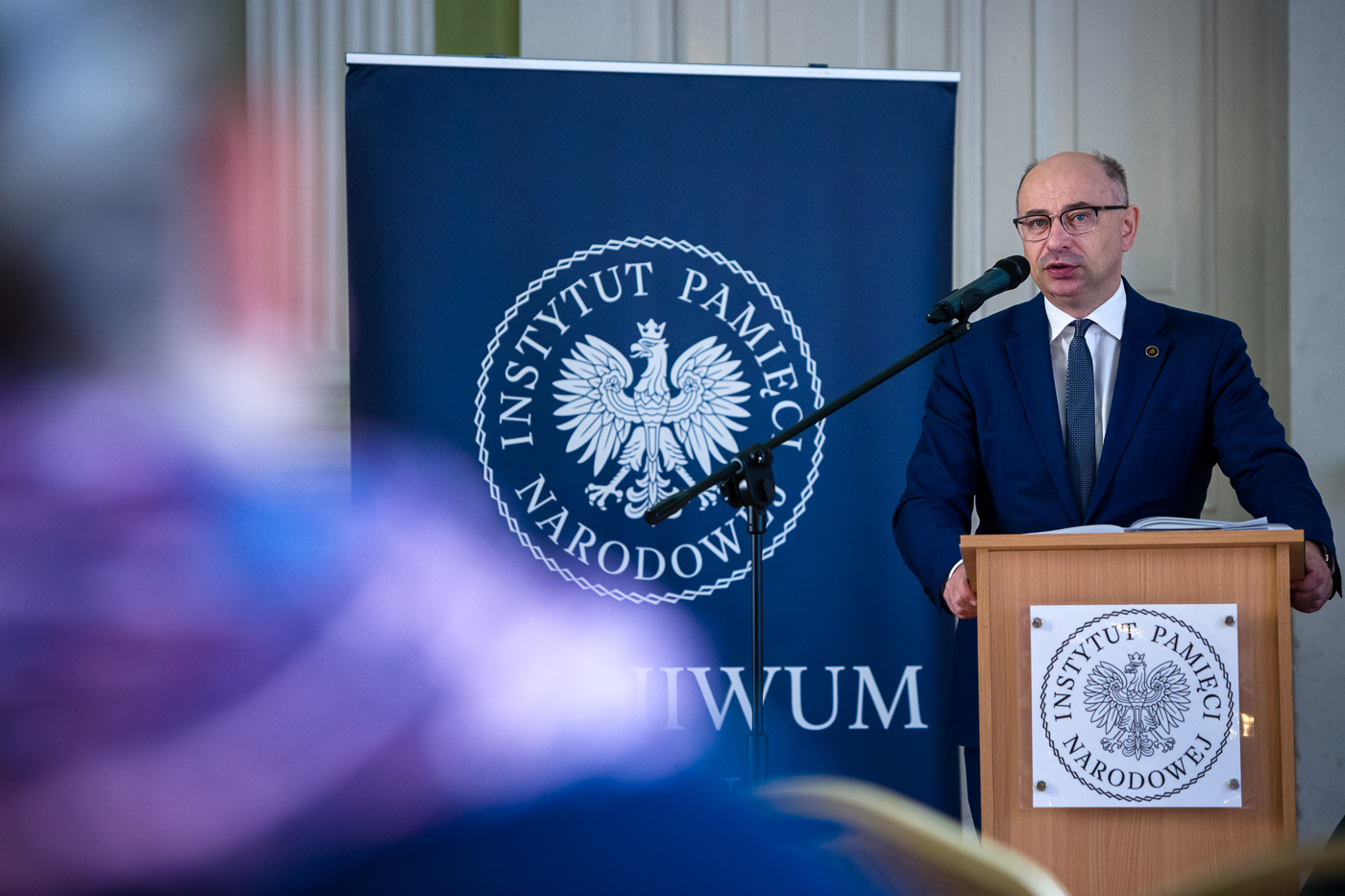
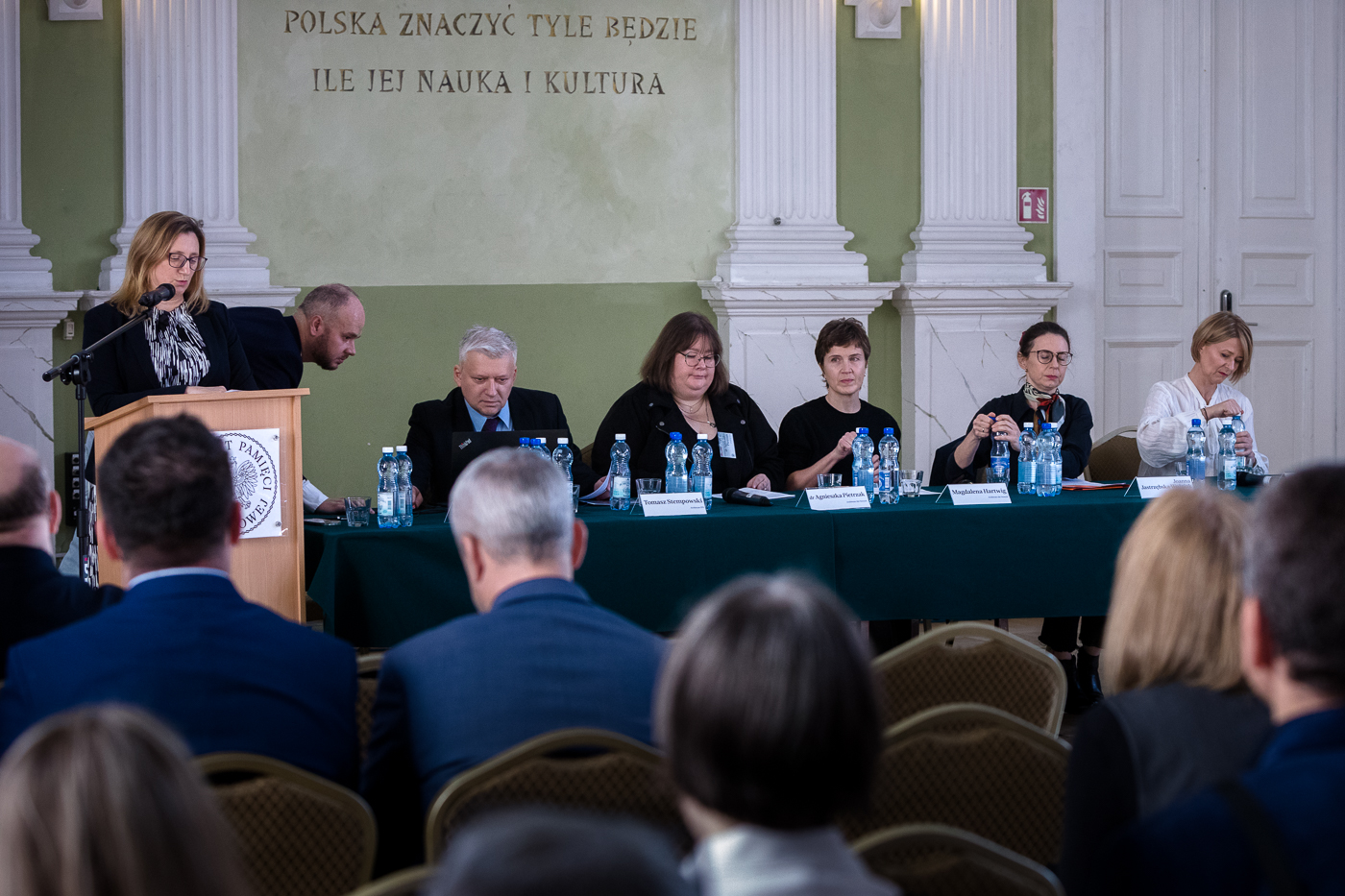
The conference was opened by the IPN Deputy President Mateusz Szpytma Ph.D., and the IPN Archive Director Marzena Kruk, who chaired the first panel.