




WATCH THE TRAILER OF THE MOVIE: THREE DEATH OF MERIAN COOPER [english subtitles]
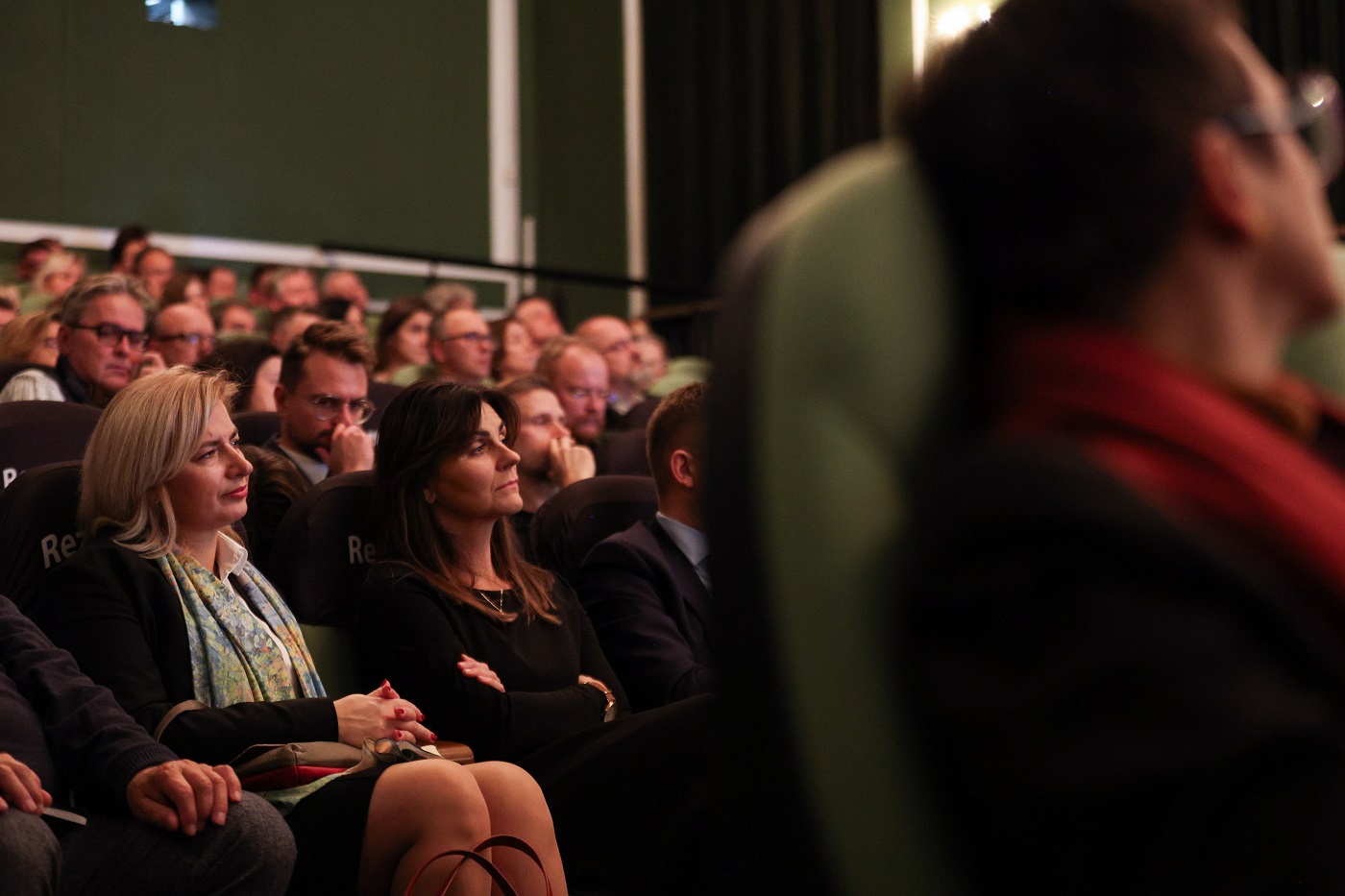
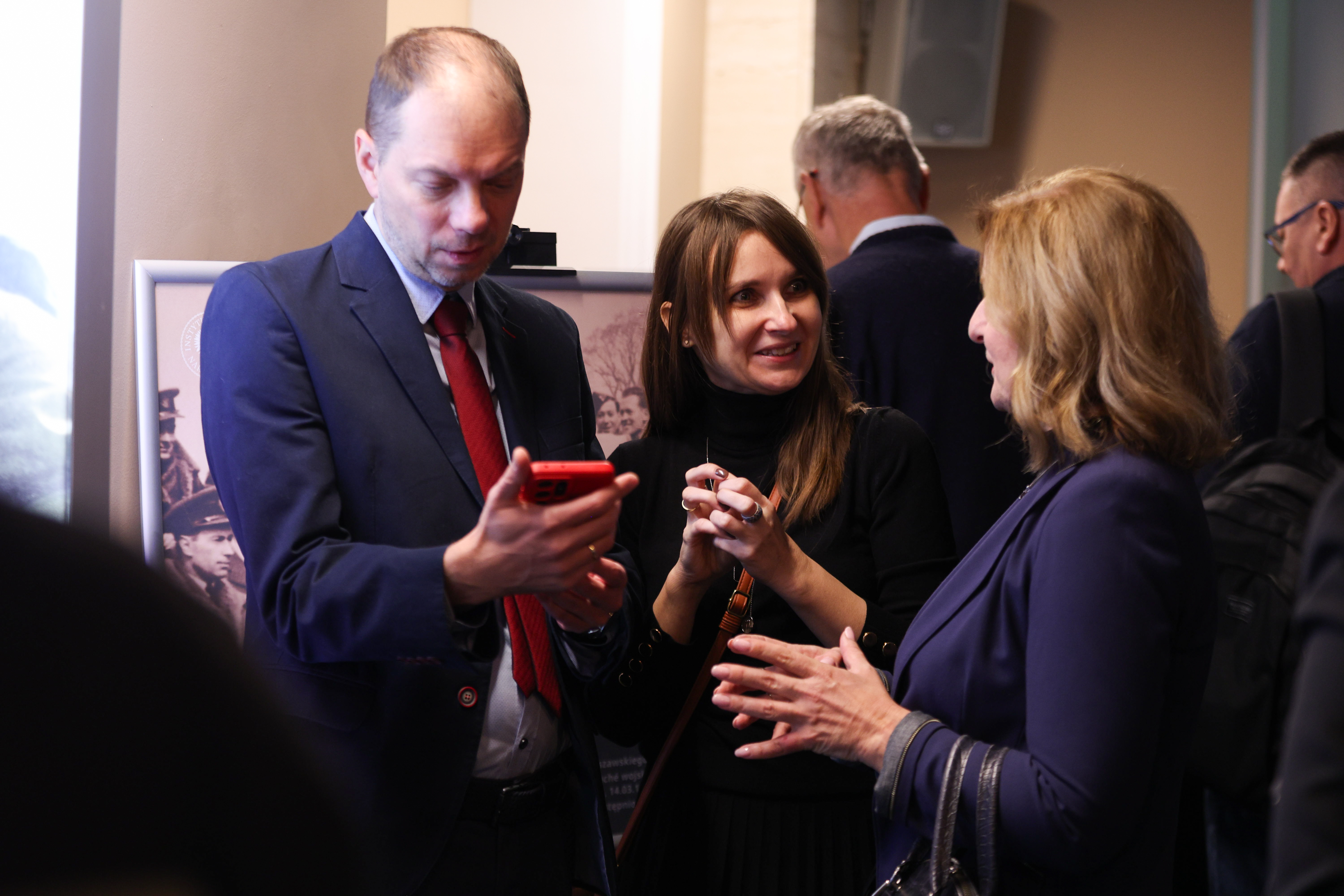
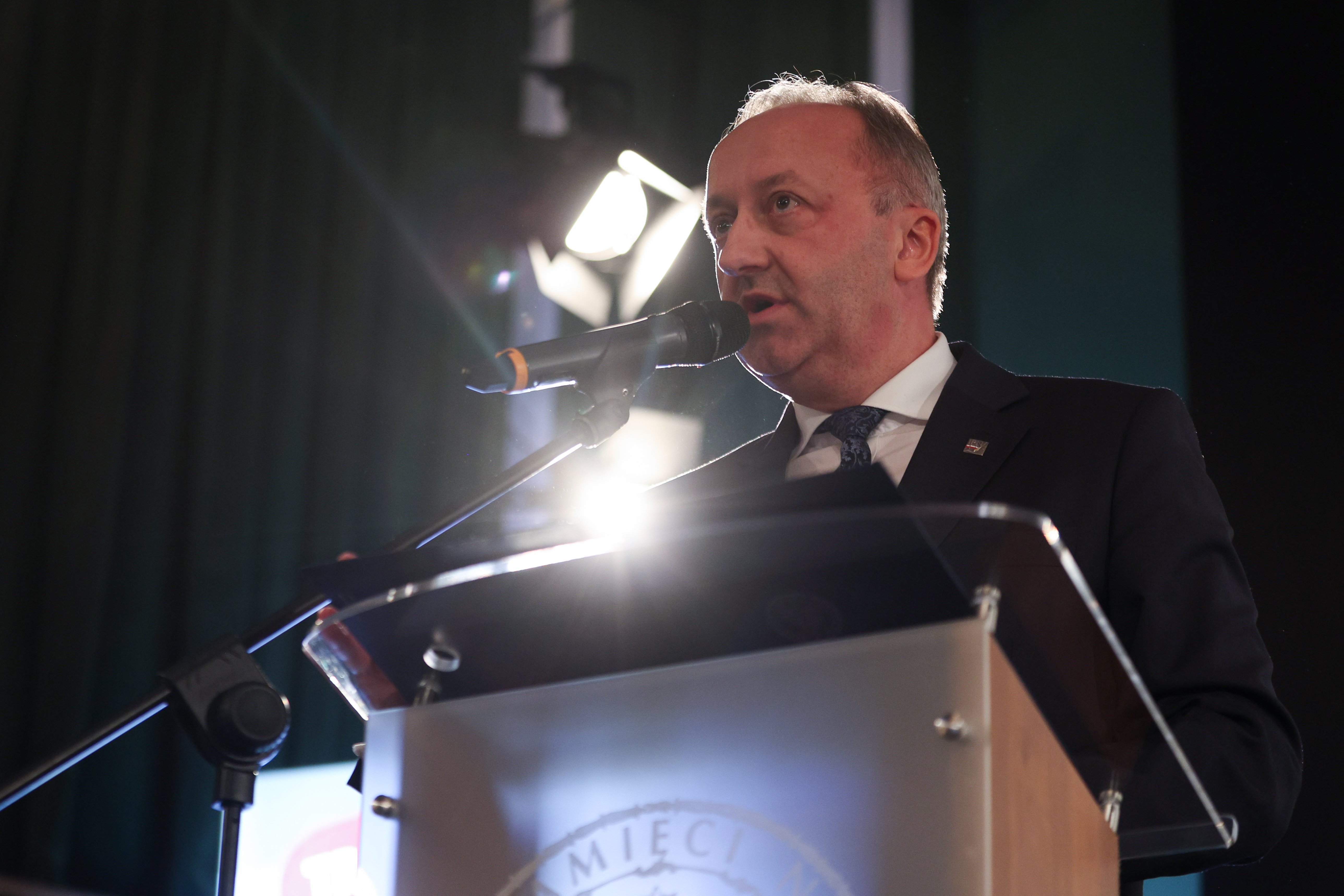
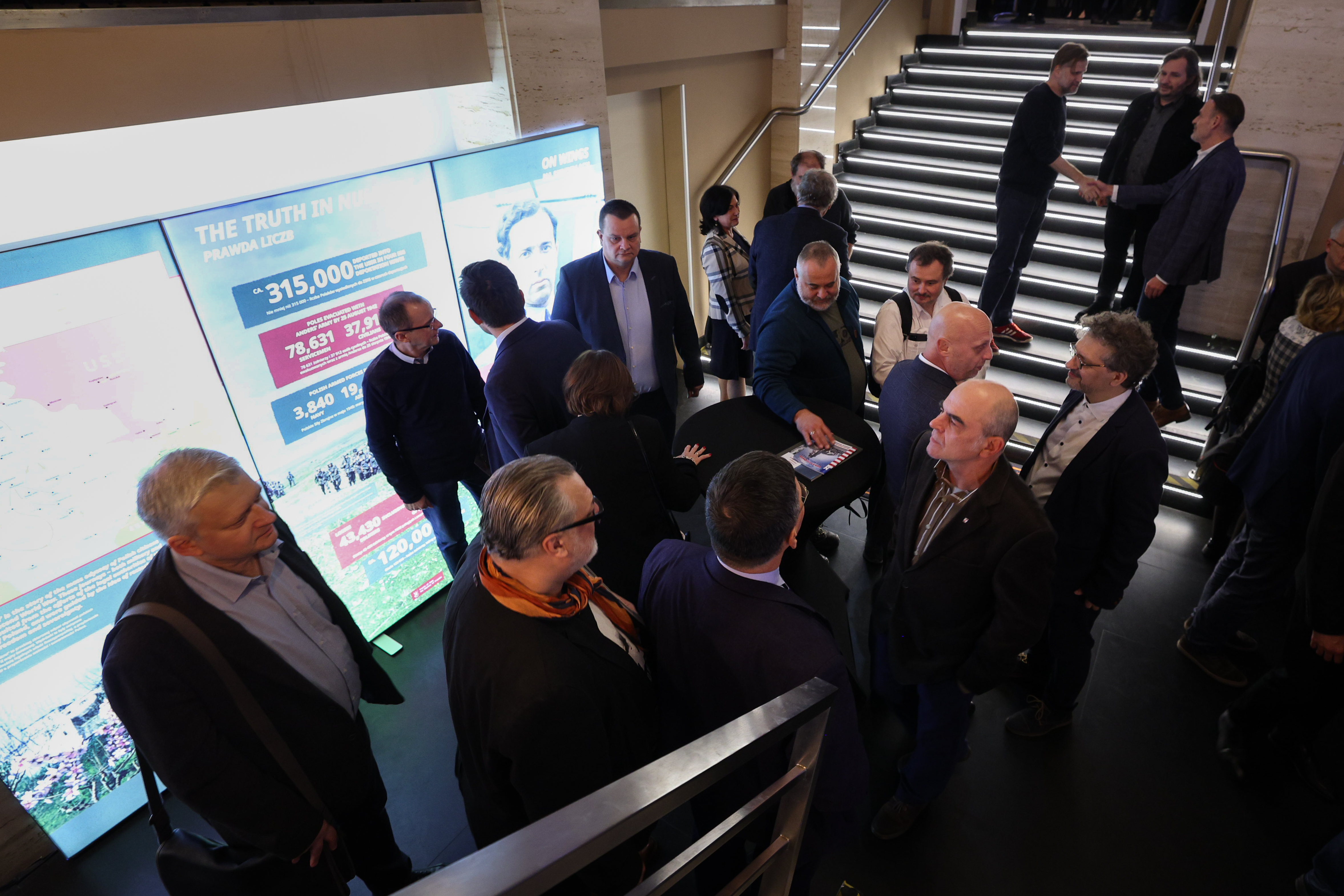
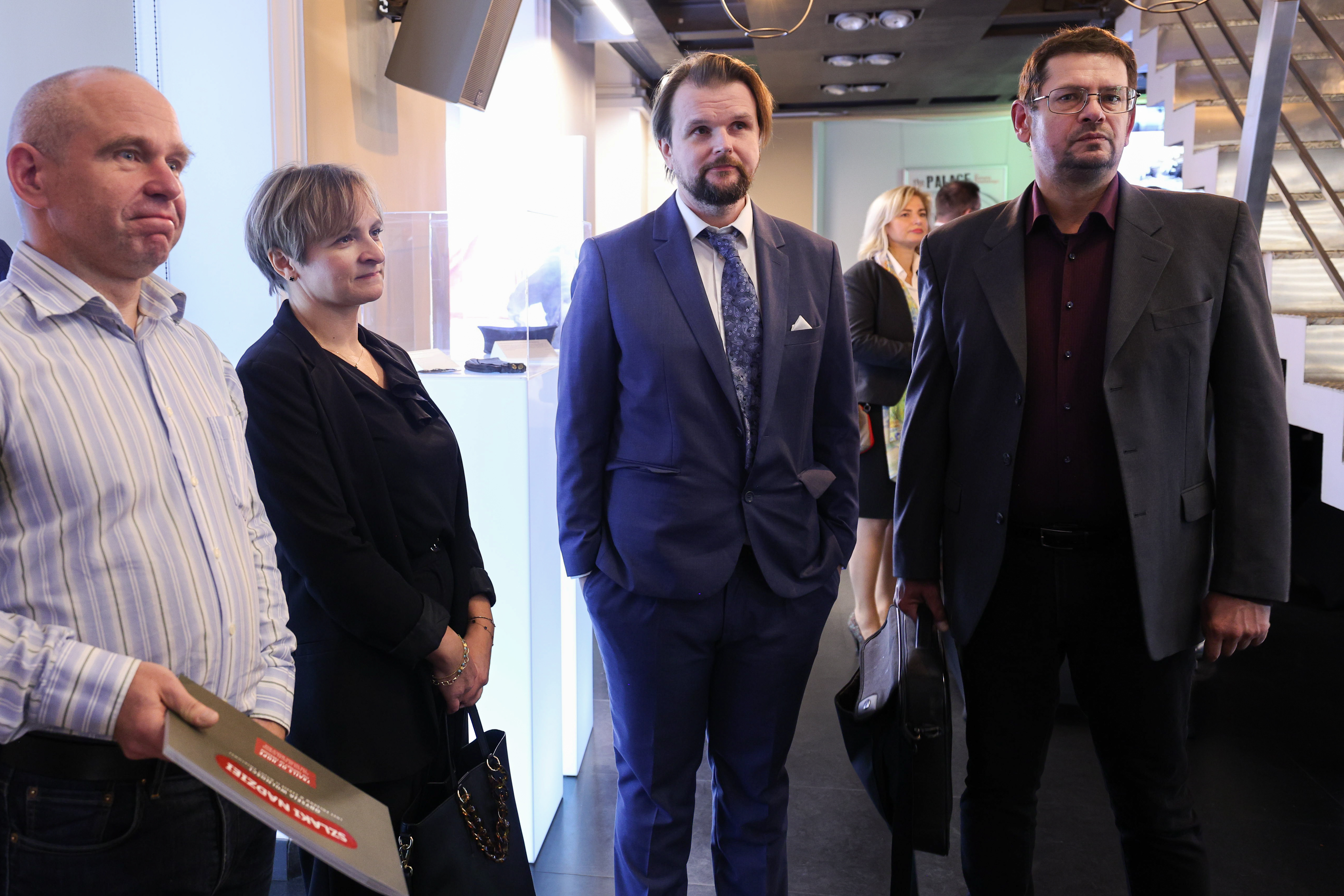
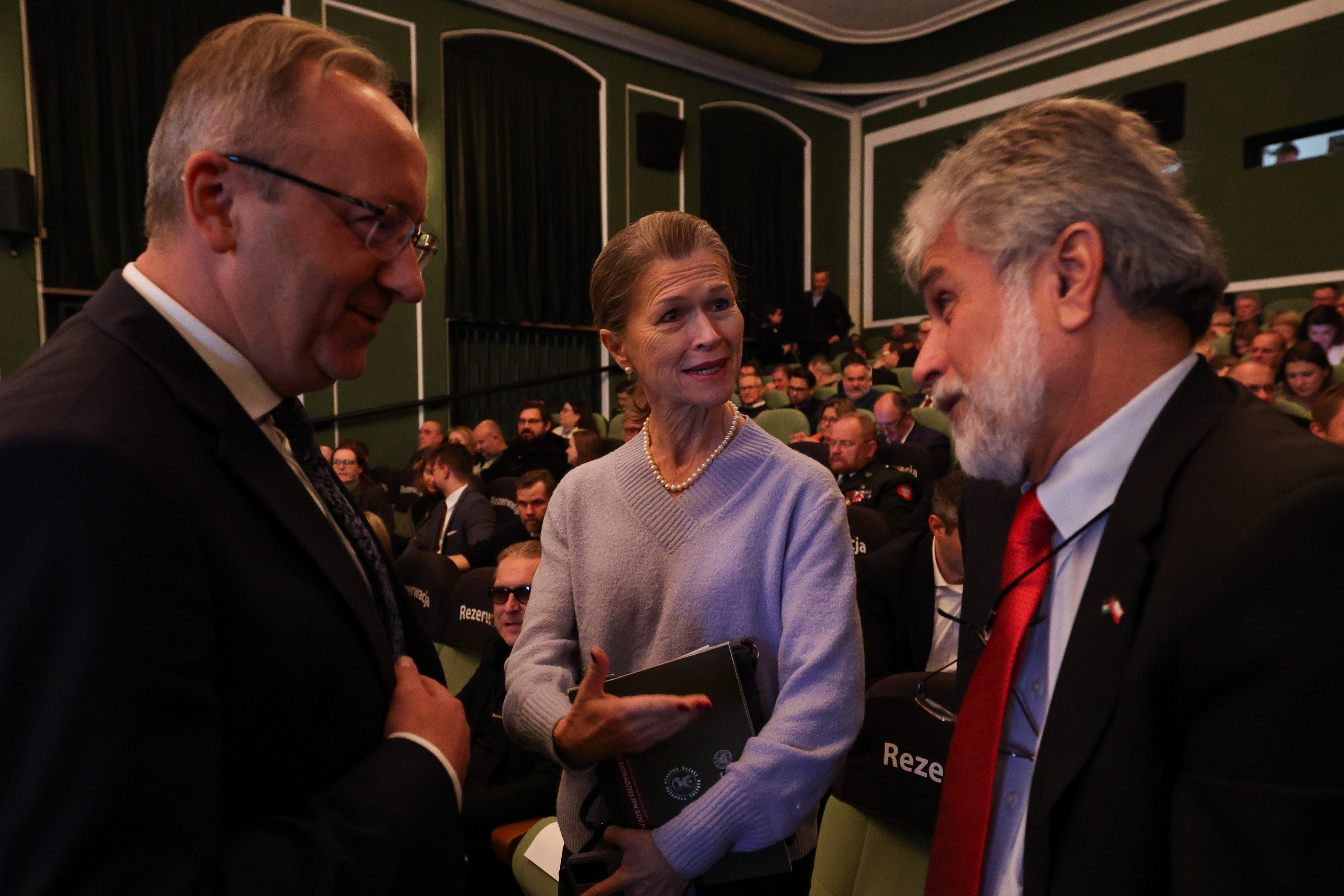
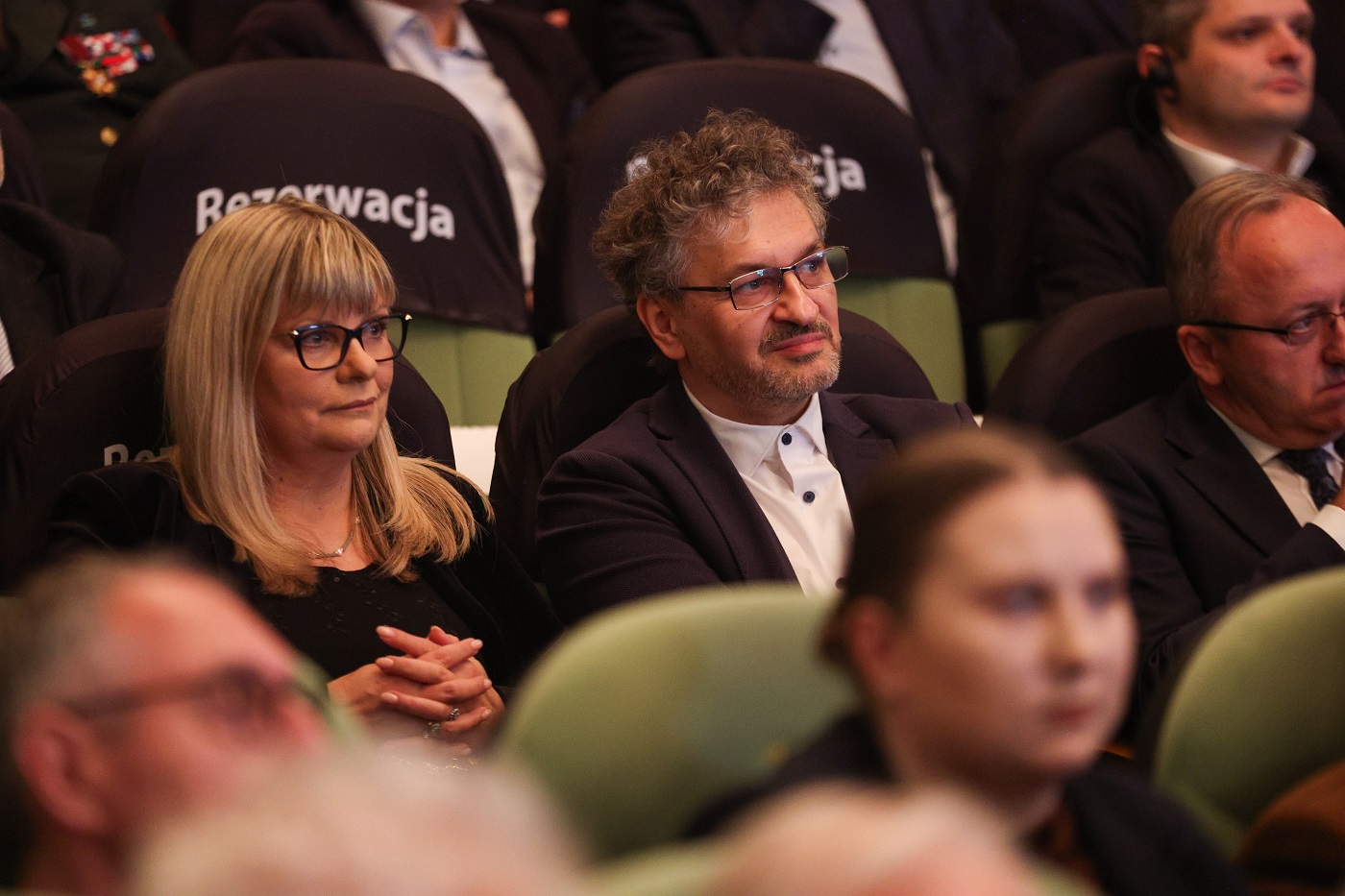
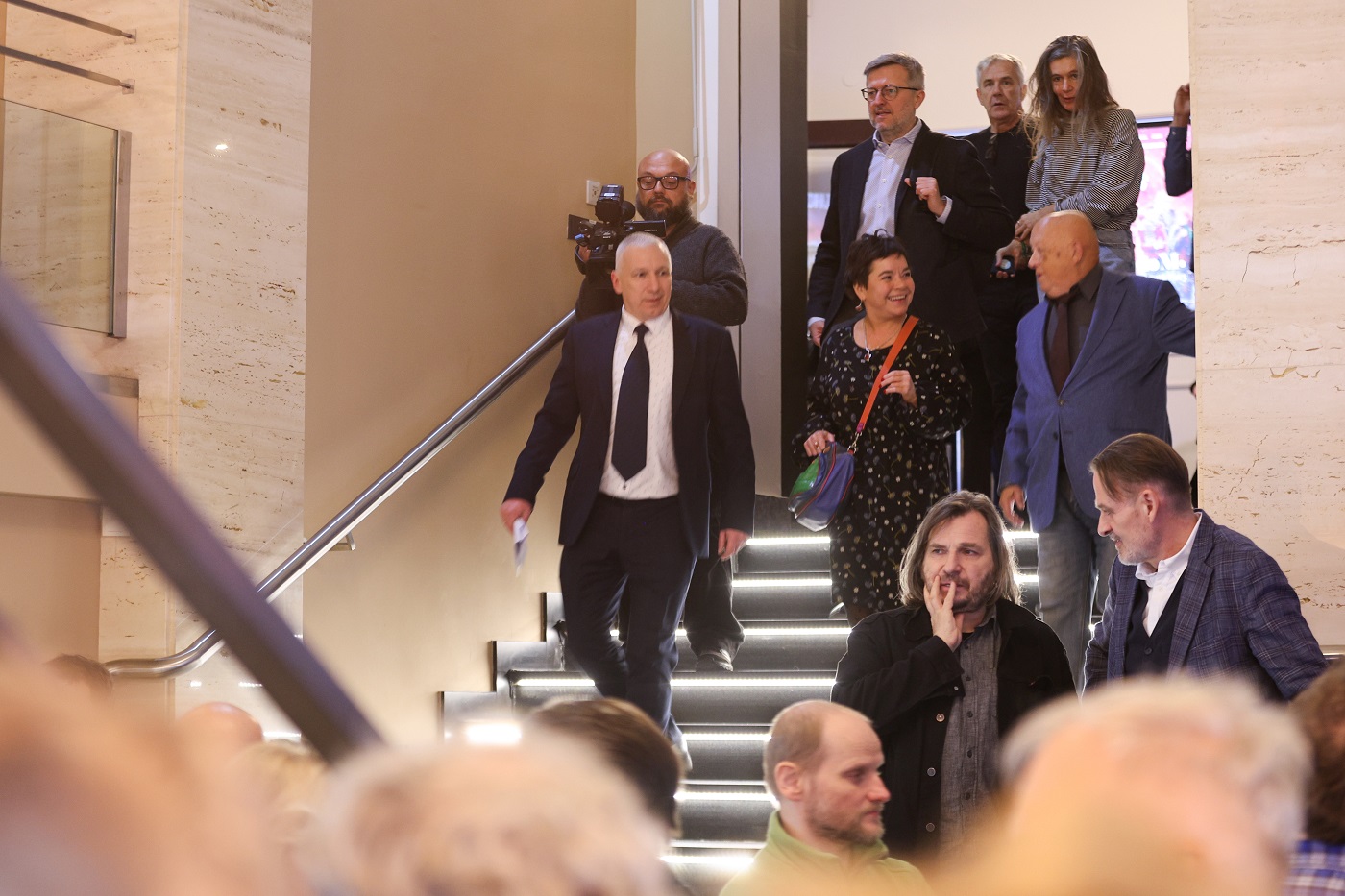
The premiere screening of “TheThree Deaths of Merian Cooper” produced by Anita Gargas Media, presented as part of the IPN “Trails of Hope. The Odyssey of Freedom” flagship project took place on 8 November 2024 at the Kultura Cinema. The event was attended by numerous guests, including representatives of the diplomatic corps accredited in Poland and representatives of many institutions, organizations and associations. The Institute of National Remembrance was represented by its Deputy President, Prof. Karol Polejowski. The event was organised by the IPN Office of International Cooperation.
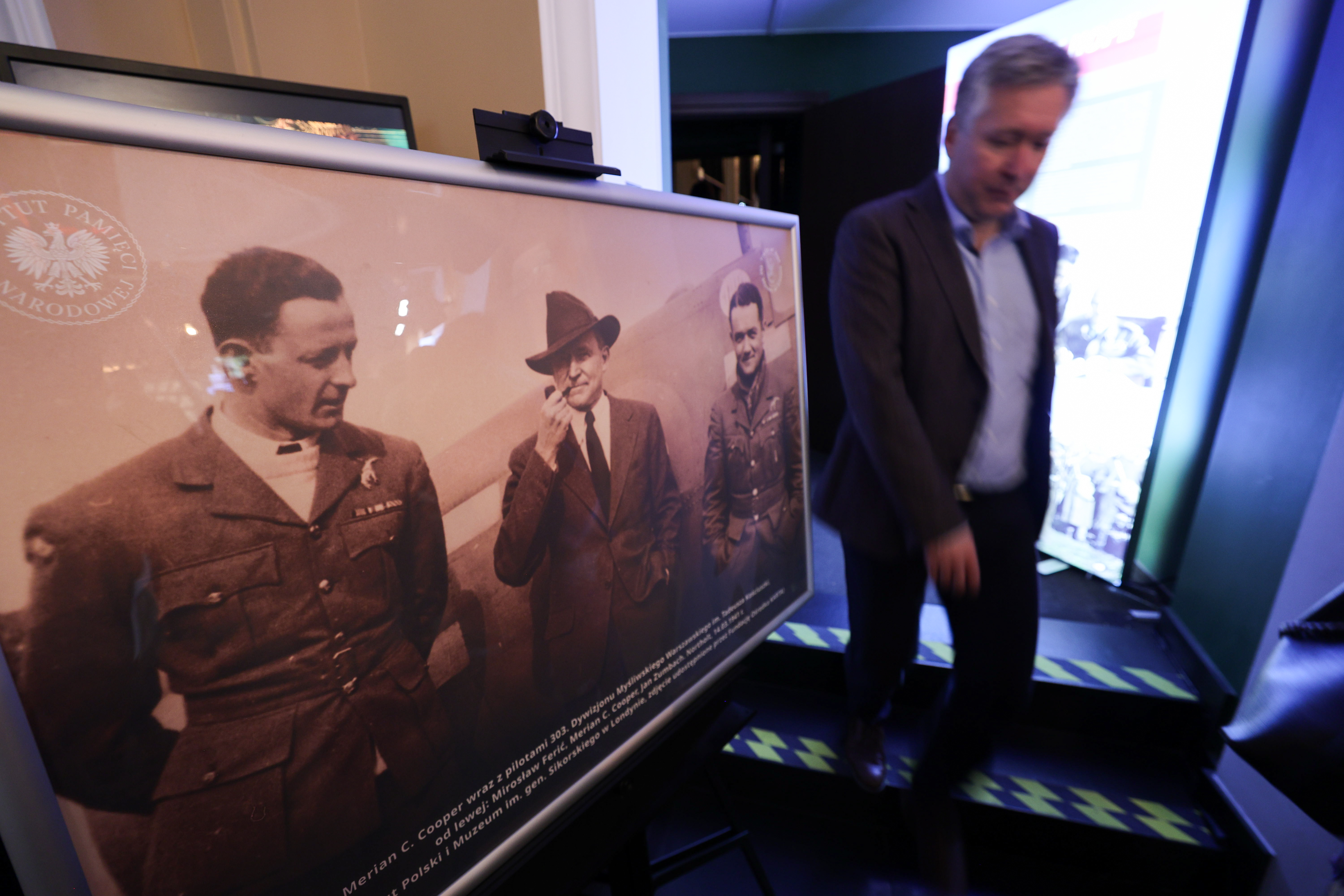
In 1919-1921, the war with Bolshevik Russia continued. Military aviation played a major role in this conflict, the Polish army was supported by American airmen from the "Kościuszko Squadron". One of them was Merian Cooper. The squadron's greatest achievement was its participation in the victorious battle for Lwów in August 1920," (...) The founder of the Kosciuszko Squadron, Merian Cooper, and later a prominent filmmaker, director, screenwriter, general of the United States Army and lieutenant colonel pilot of the Polish Army, was awarded the Silver Cross of the Order of Virtuti Militari for his participation in the Polish-Bolshevik War. He received it from the hands of Marshal Jozef Piłsudski, one of the fathers of Polish independence, said Karol Polejowski introducing the Polish-American cooperation during the Polish-Bolshevik war and the second world war.
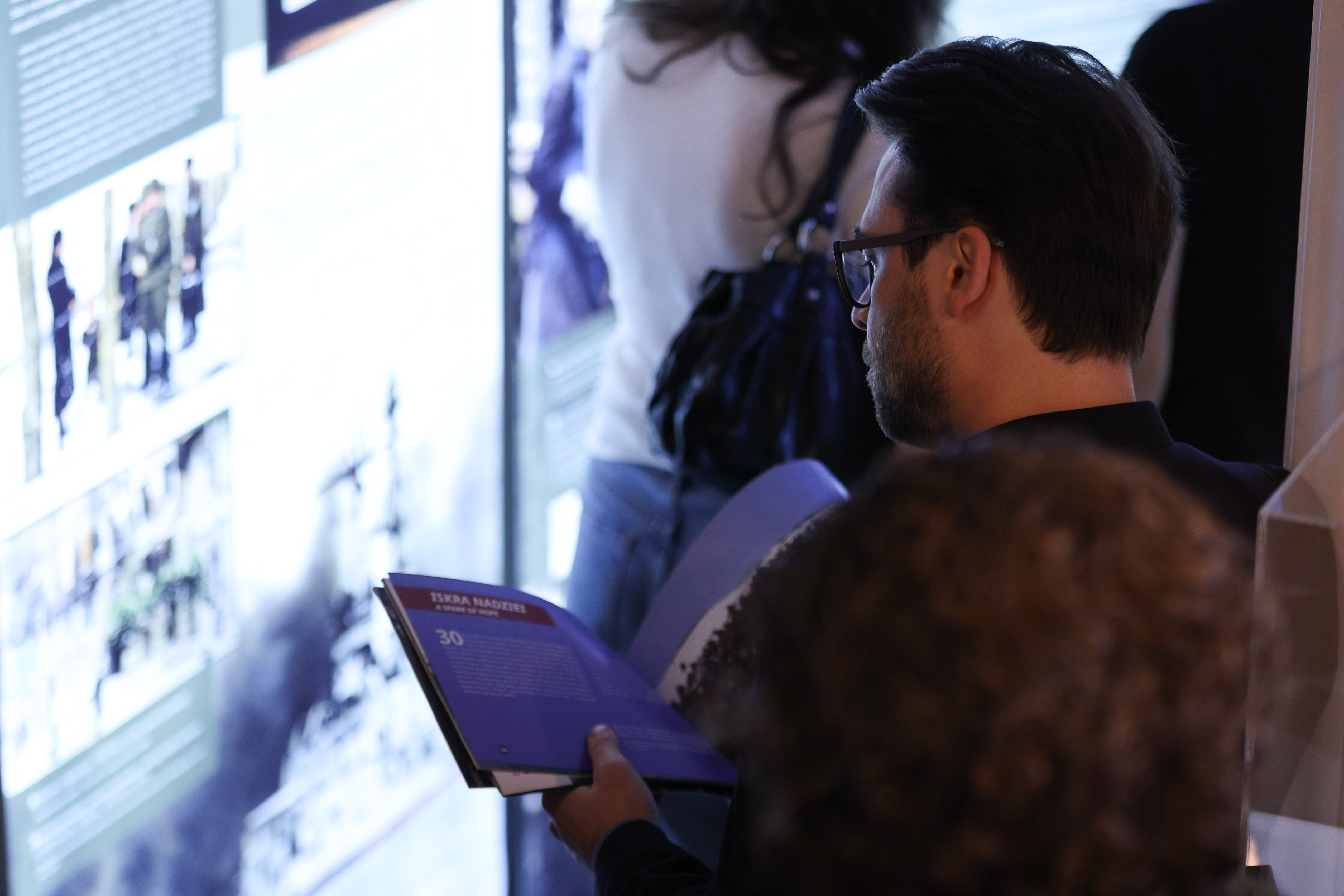
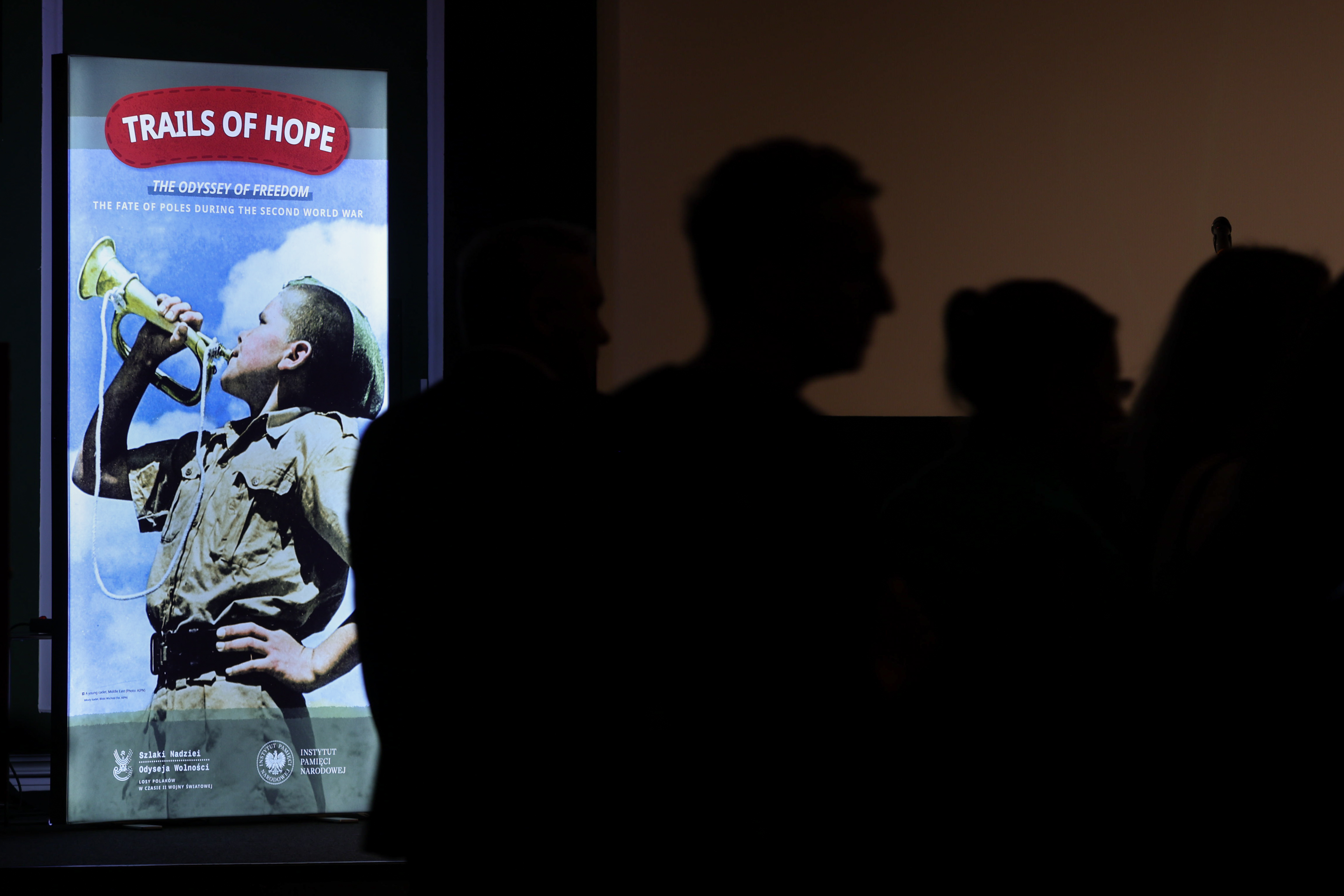
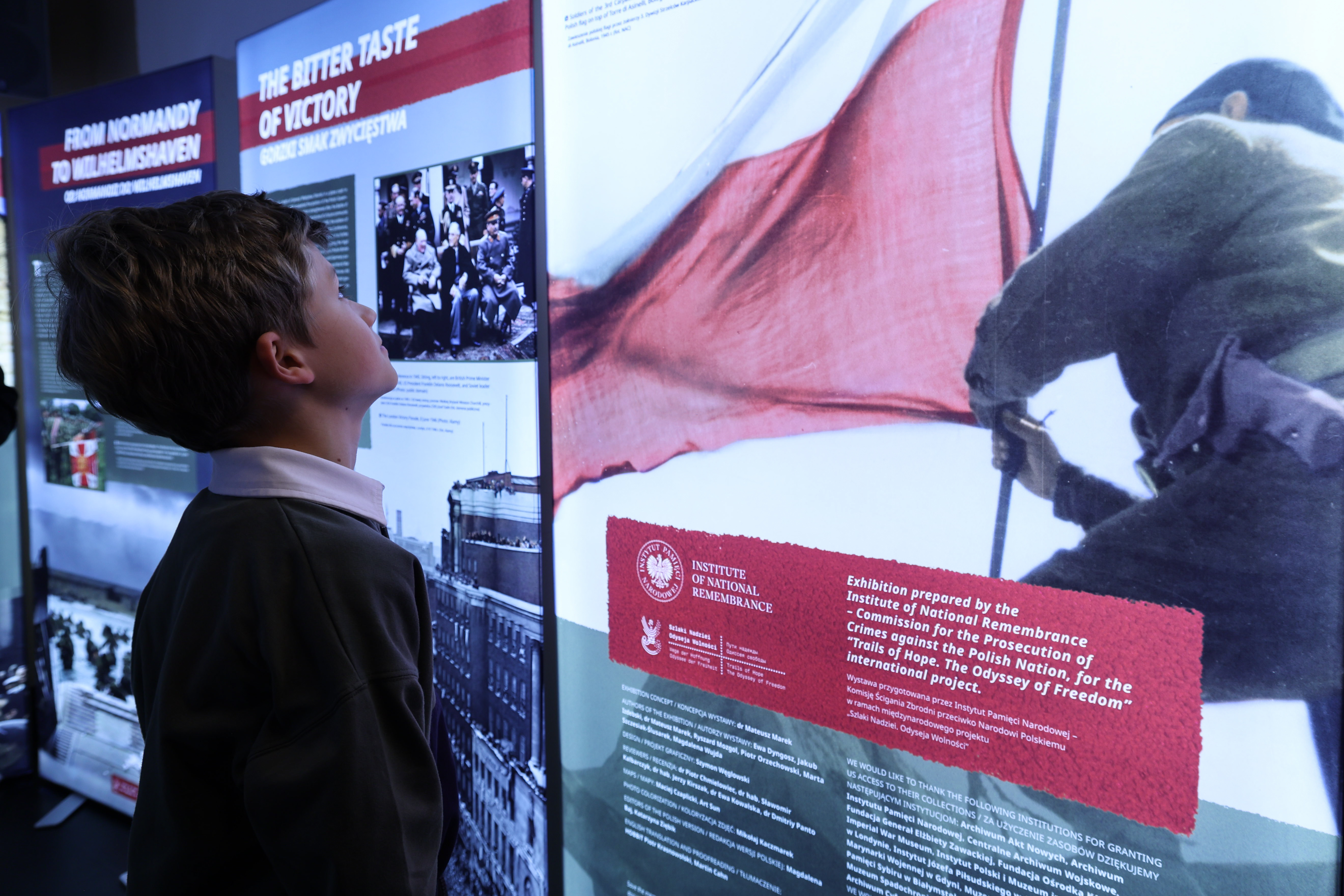
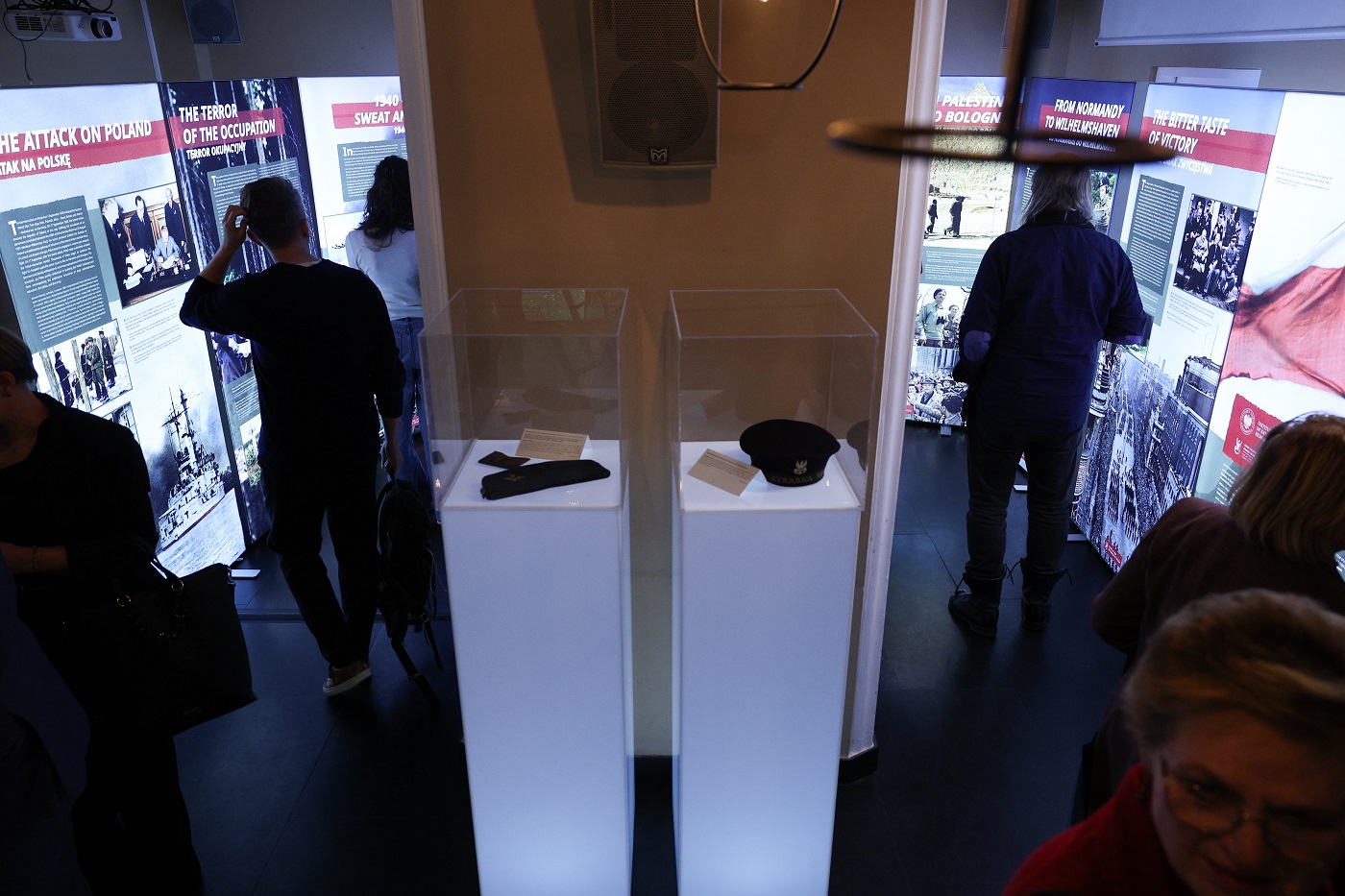
Apart from the film itself, featuring the unique story of Merian Caldwell Cooper who went down in history as an individual ready to put his own life at risk whilst fighting for Poland’s independence, our guests also had the opportunity to see the “Trails of Hope. The Odyssey of Freedom” exhibition presenting the effort of the Polish Armed Forces during World War II and the fate of Polish civilians scattered all over the world. The message of both the exhibition and the film, depicting the strength of the brotherhood of arms against Soviet totalitarianism is not only universal, but also very relevant today.
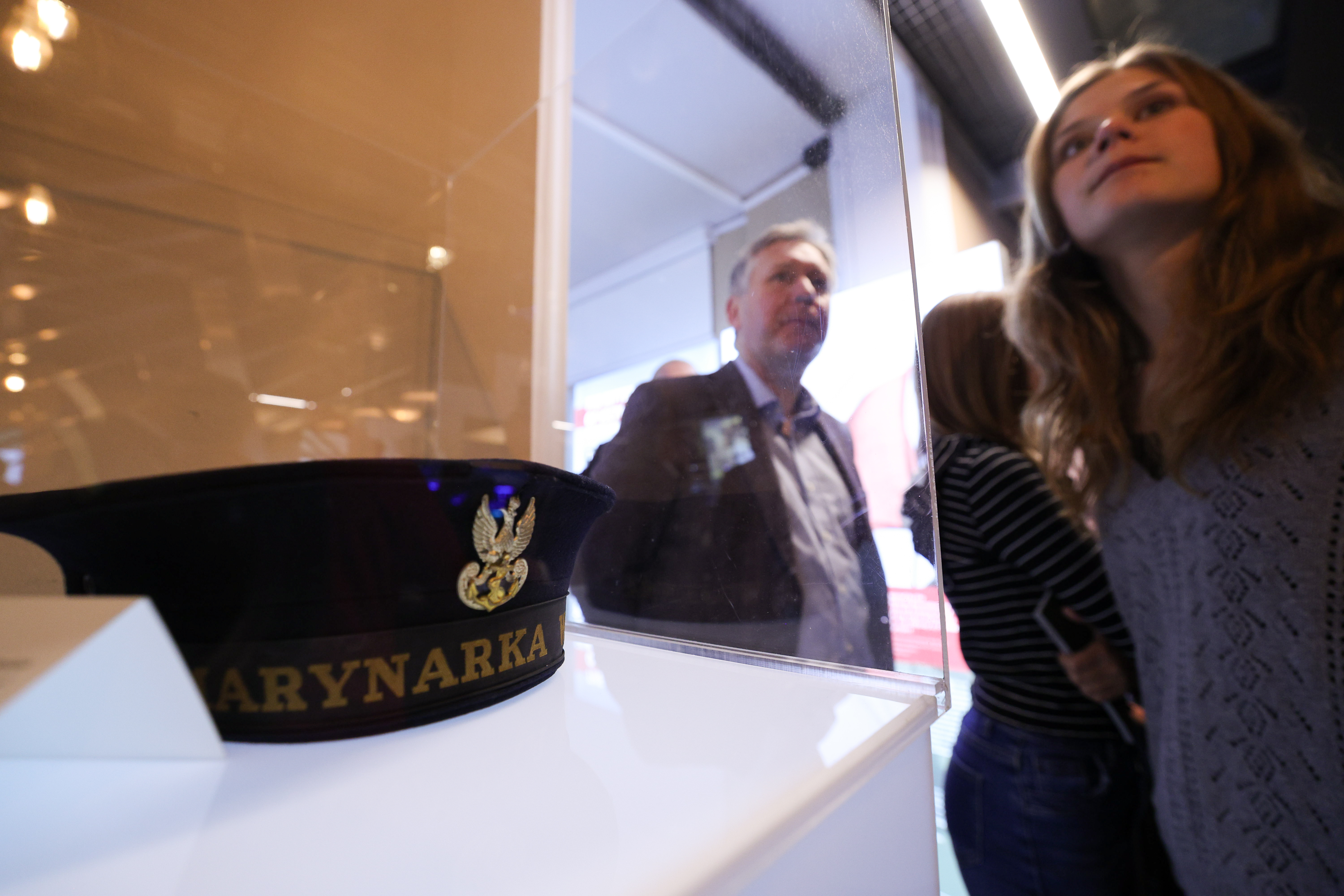
The Institute also prepared a very special display of unique artefacts from the IPN Archive dating back to those times donated as party of the Archive Full of Remembrance project by family members of the soldiers serving in the Polish Armed Forces in the West., such as an Armoured Train Badge belonging to Tadeusz Starzyński of the 2nd Infantry Rifle Division , a Polish Navy cap from the archives of Henryk Kołodyński, a fragment of a military blanket belonging to 2nd Polish Corps soldier Pawel Szryt, or a collection of memorabilia from Polish bomber pilot in the UK Capt. Zygmunt Radecki
The event was a chance to watch a set of three short films prepared by the IPN Office of International cooperation highlighting various aspects of cooperation between Polish and American airmen during World War II, including one devoted specifically to Merian Cooper, IPN thematic publications as well as archival photographs portraying the founder of the “Kościuszko Squadron”.
The evening was not only an immersion into broadly understood history but also an opportunity to network and discuss the possibilities of upcoming cooperation, as well as a symbolic start to celebrating Poland’s National Independence Day.
The aim of the Institute’s project is to show the effort of the Polish Armed Forces during World War II and the fate of Polish civilians scattered all over the world. The implementation of the project has been planned for the years 2021—2025, and has, so far, covered a number of countries on several continents (e.g. Africa, the US, Canada, Israel, Argentina, Mexico, Kazakhstan, Georgia, the UK). The exhibition consists of two parts: a general one, telling the story of the war struggles, and a local one, devoted to the history of Poles in a given country or region and their relations with the local inhabitants. A total of 79 openings have so far taken place both in Poland and abroad. The exhibition has been seen by approx. 950,000 people The project includes more than 250 boards with regional themes in 29 languages; 20 publications related to the project, published by the IPN and over 250 articles on various websites.
The exhibition is often accompanied by a series of research-based and educational activities, including the publication of books, educational materials, and the organization of concerts, competitions, meetings and conferences. It also entails testimonies of Poles' wartime migration: photographs, documents, as well as the restoration of forgotten memorials such as monuments or cemeteries located worldwide.
More:
Trails of Hope. The Odyssey of Freedom
***
Atrefacts from the IPN Archive:
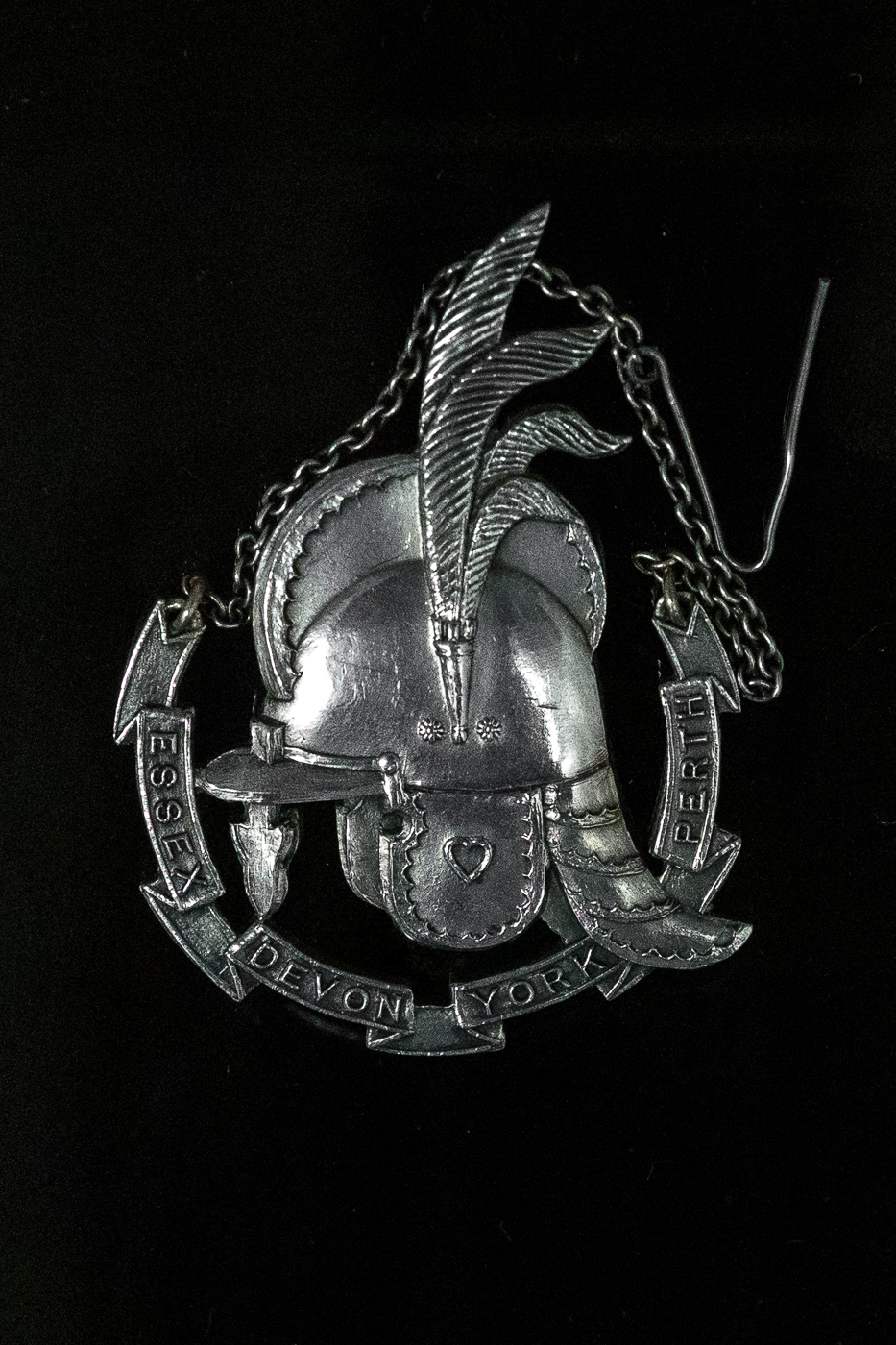
Armoured Train Badge belonging to Tadeusz Starzyński.
Tadeusz Starzyński – a pre-war policeman, evacuated to the south-eastern territories of the Second Polish Republic in September 1939. On 21 September, he crossed the border into Hungary, where he was interned. After making his way to France, he served in the 2nd Infantry Rifle Division. In October 1940, he was transferred to the UK. There, he was assigned to the 1st Armoured Train Division and later the 1st Column of Ambulance Cars. He volunteered to serve in occupied Poland. After clandestine training, he was sworn into the Special Branch of the Supreme Commander's Staff in December 1942. He made his combat jump into German-occupied Poland on the night of 8-9 April 1944, and began to operate in conspiracy. During the Warsaw Uprising, he remained at the disposal of the Division Commander and, after the capitulation, he was to be responsible for securing counter-intelligence documents.
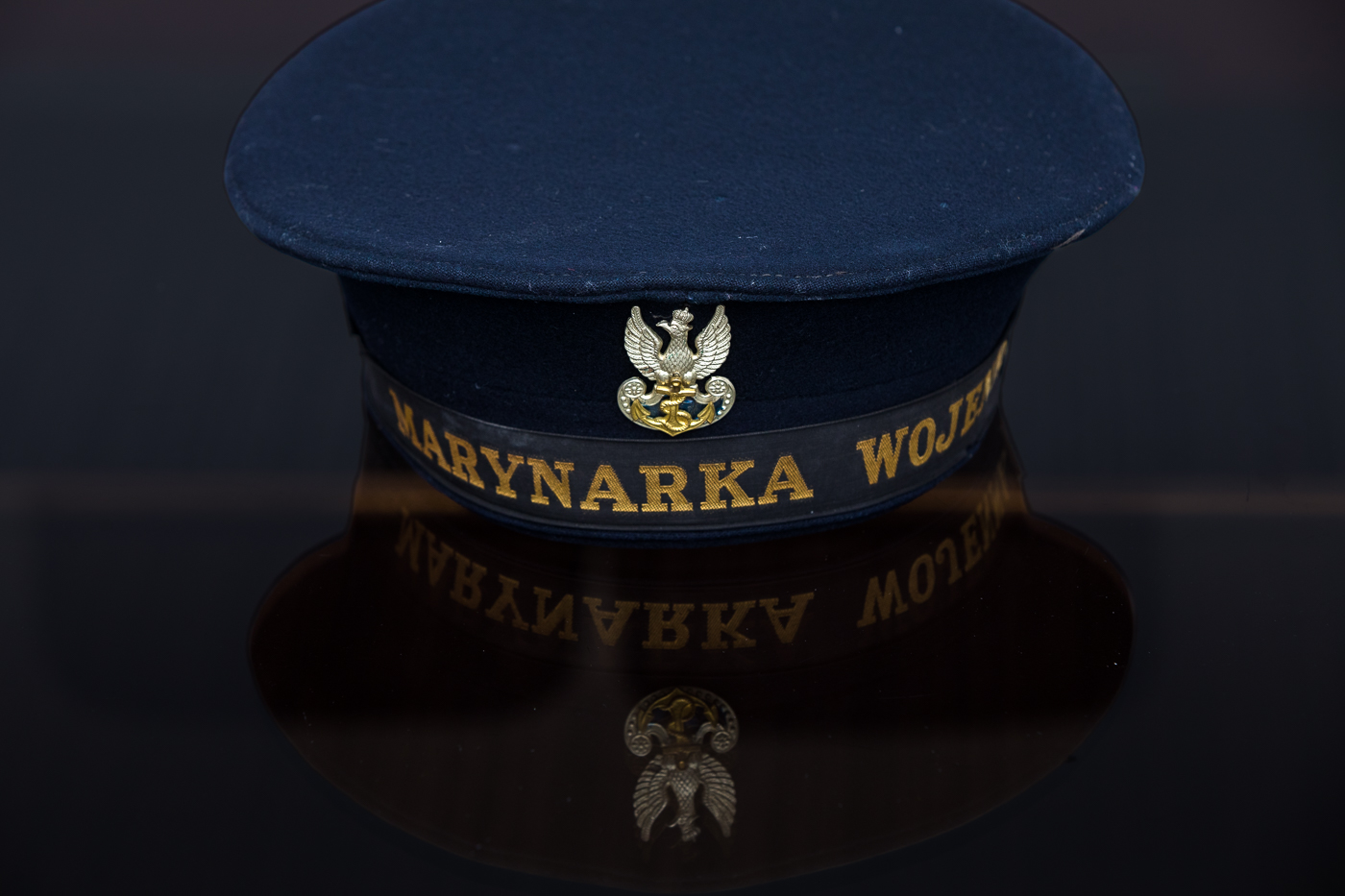
Polish Navy cap from the archives of Henryk Kołodyński
Henryk Kołodyński – lieutenant of the Polish Navy, deported with his family in February 1940 from the Eastern Borderlands into the depths of the USSR. After the conclusion of the Sikorski-Majski Agreement and the announcement of an “amnesty” for Poles, Henryk Kołodyński reached the concentration point of the Polish Army in the USSR in Buzuluk and with it, via Krasnovodsk, reached Pahlevi in Iran. Later, in the years 1942-1945, he served in the Polish Navy.
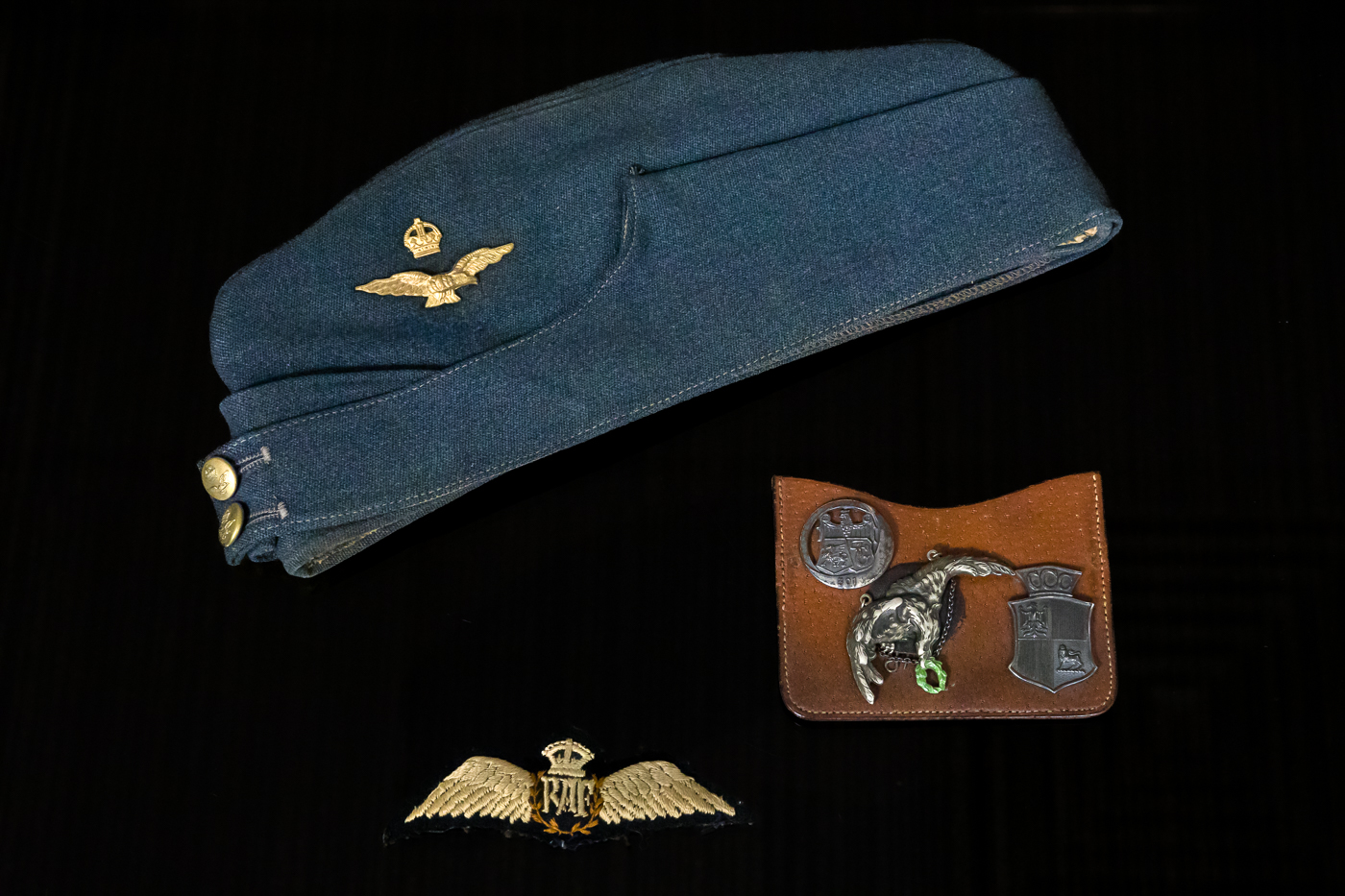
RAF Forage Cap and three badges: No. 300 “Land of Mazovia" Bomber Squadron, No. 301 "Land of Pomerania” Polish Bomber Squadron, Polish Air Force pilot’s badge with a green laurel wreath.
Zygmunt Radecki (1910-1970). After the start of World War II, during the September campaign, he was evacuated with his parent unit to Romania, from where he was transported to France in late autumn of 1939. In the spring of 1940, he was assigned to an Air Base in Morocco for training in flying bomber planes, before being evacuated to the UK with other soldiers. He was assigned to the Polish Armed Forces (RAF registration number P-1395) and was given the British rank of Pilot Officer.He took part in numerous bombing operations in the Third Reich and carried out airdrops over Warsaw during the Warsaw Uprising. Collection of Capt. Zygmunt Radecki’s memorabilia (donated by Rev. Włodzimierz Torbus)
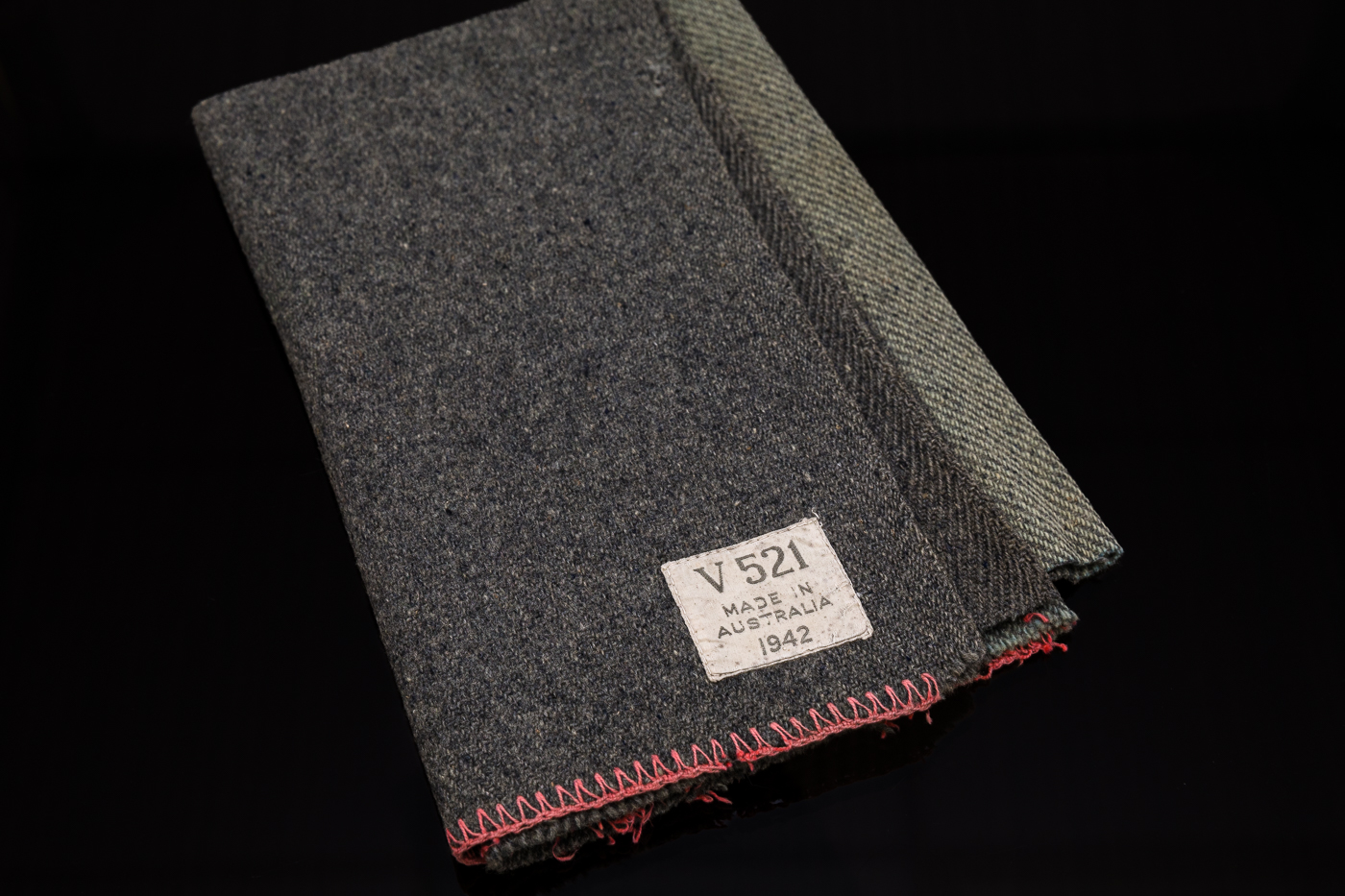
Fragment of a military blanket belonging to Pawel Szryt, a soldier of the 2nd Polish Corps
Pawel Szryt was born 27 June 1924. During the German occupation he was included in the 3rd group of the Deutsche Volksliste - German nationality list. In 1942, he was drafted into the German army. In 1945, he was taken prisoner in the United States, then joined the Polish Armed Forces. He returned to Poland on 8 December 1946.