
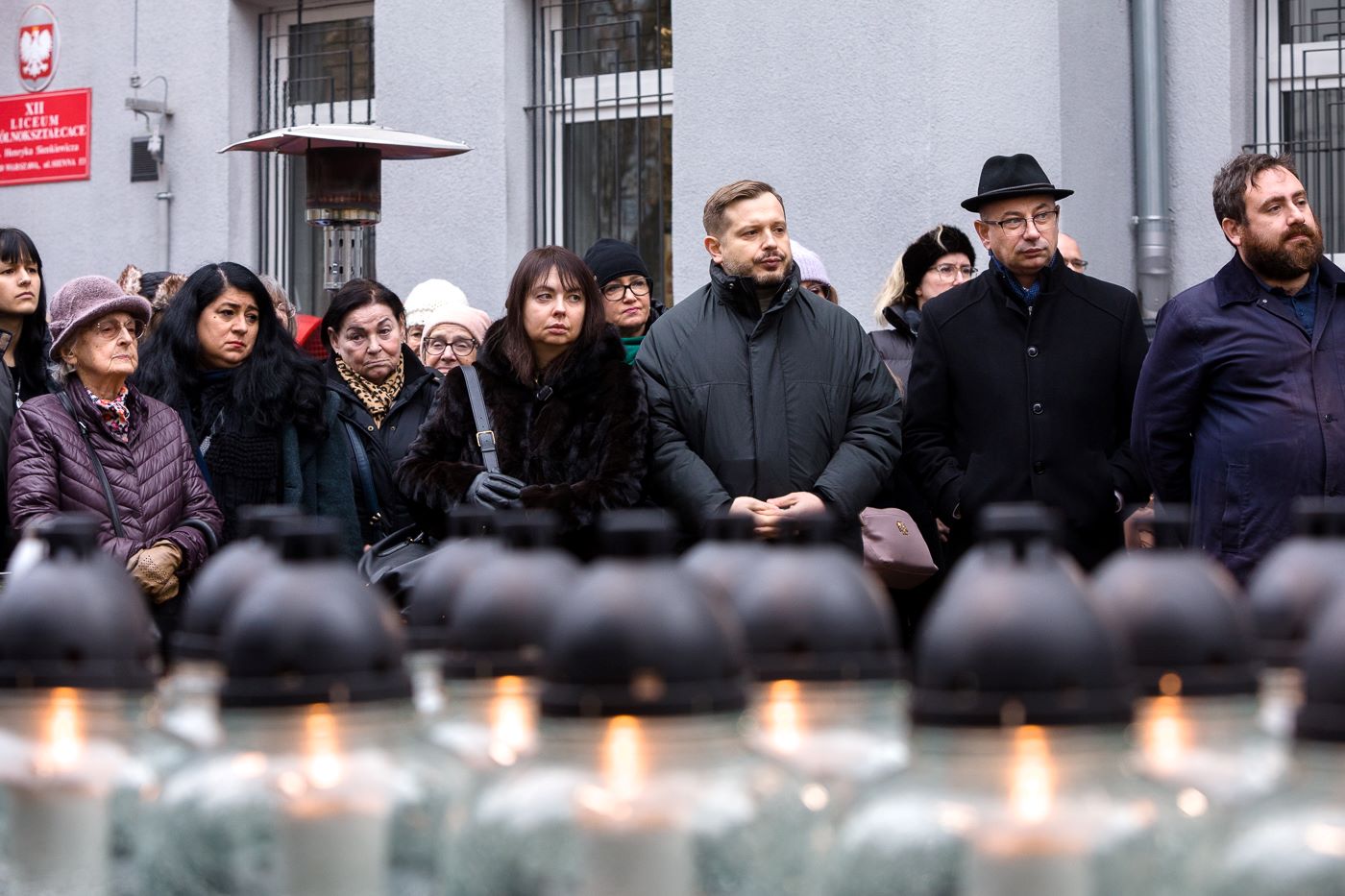
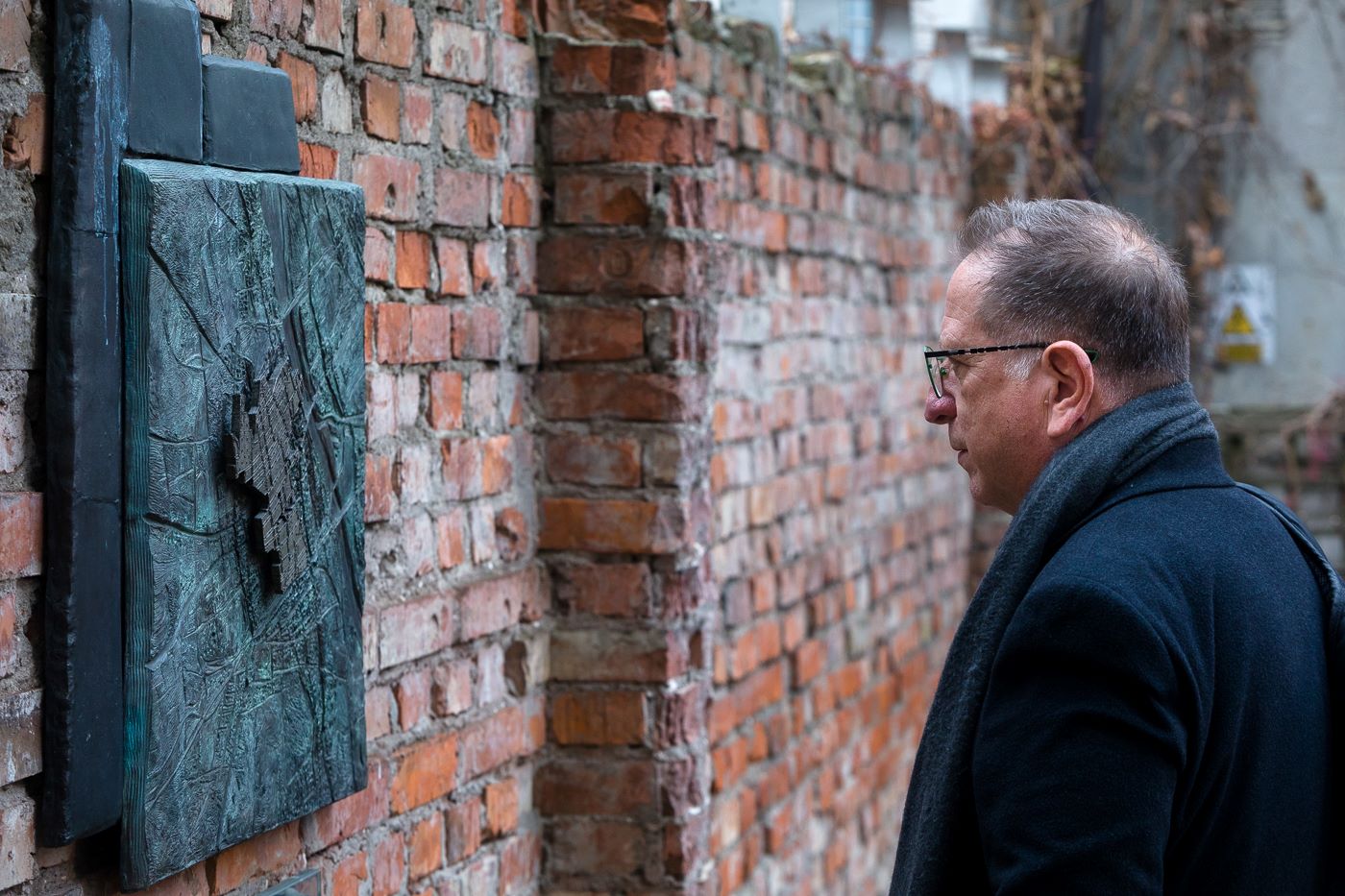
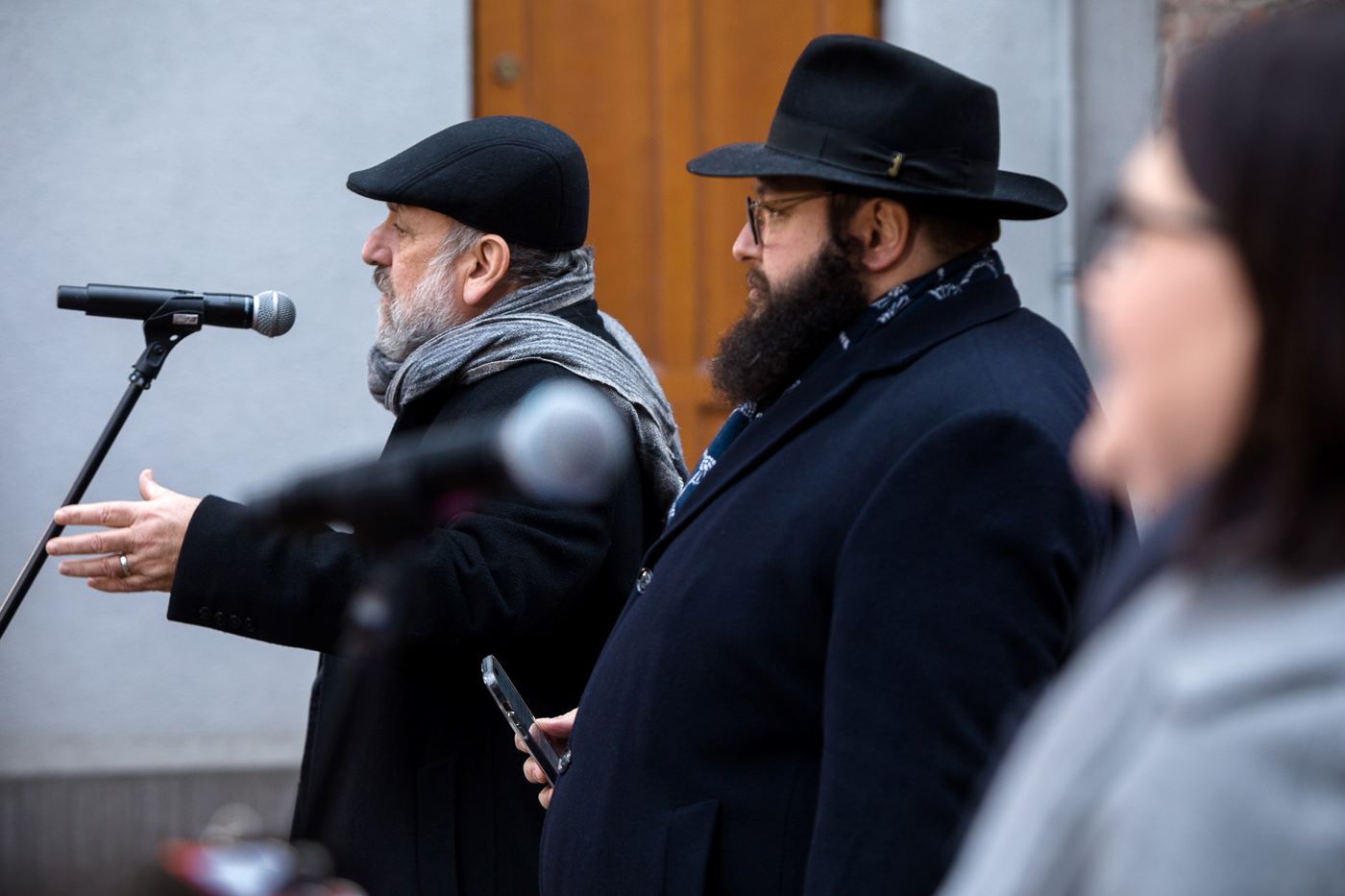
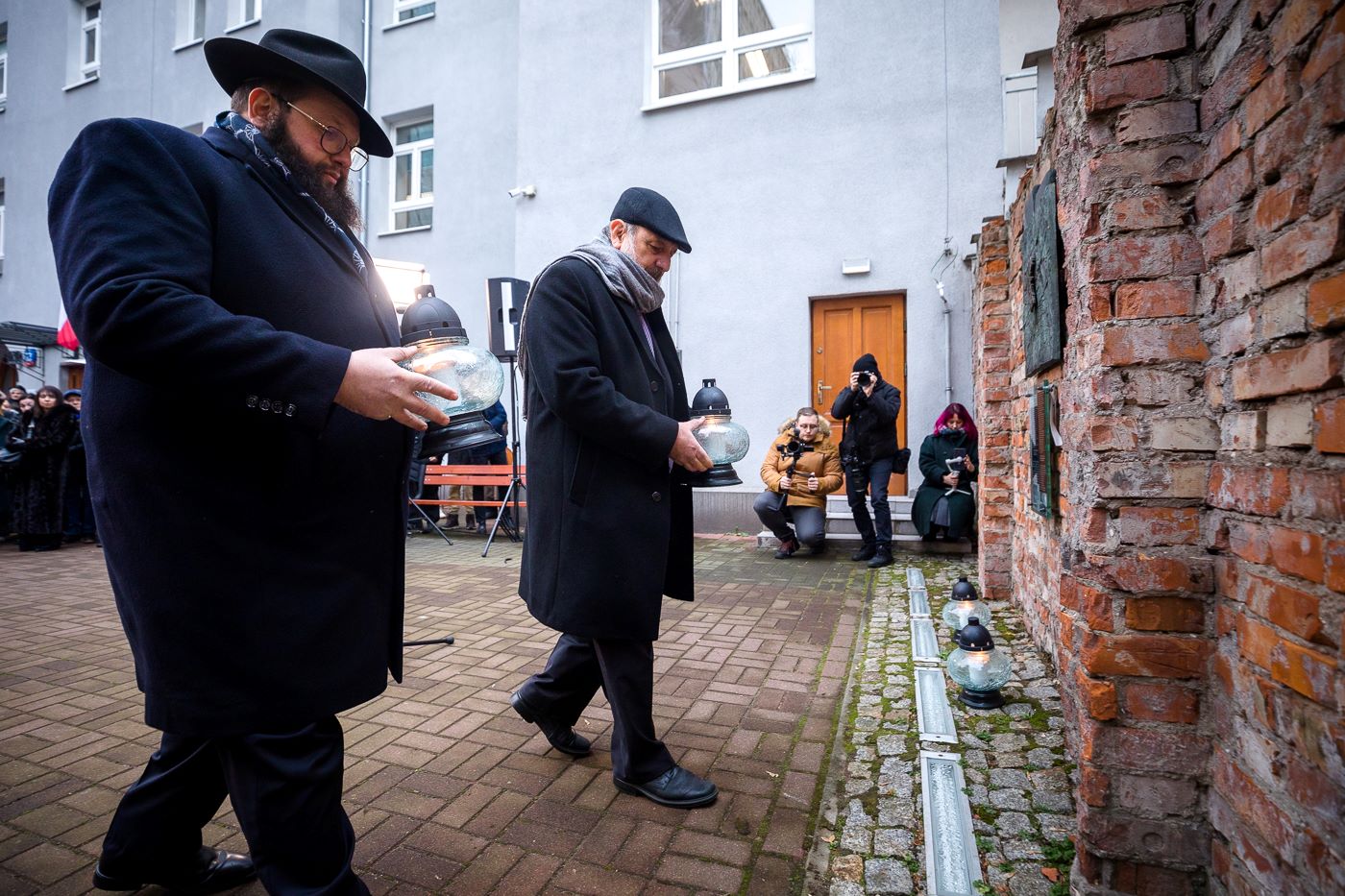
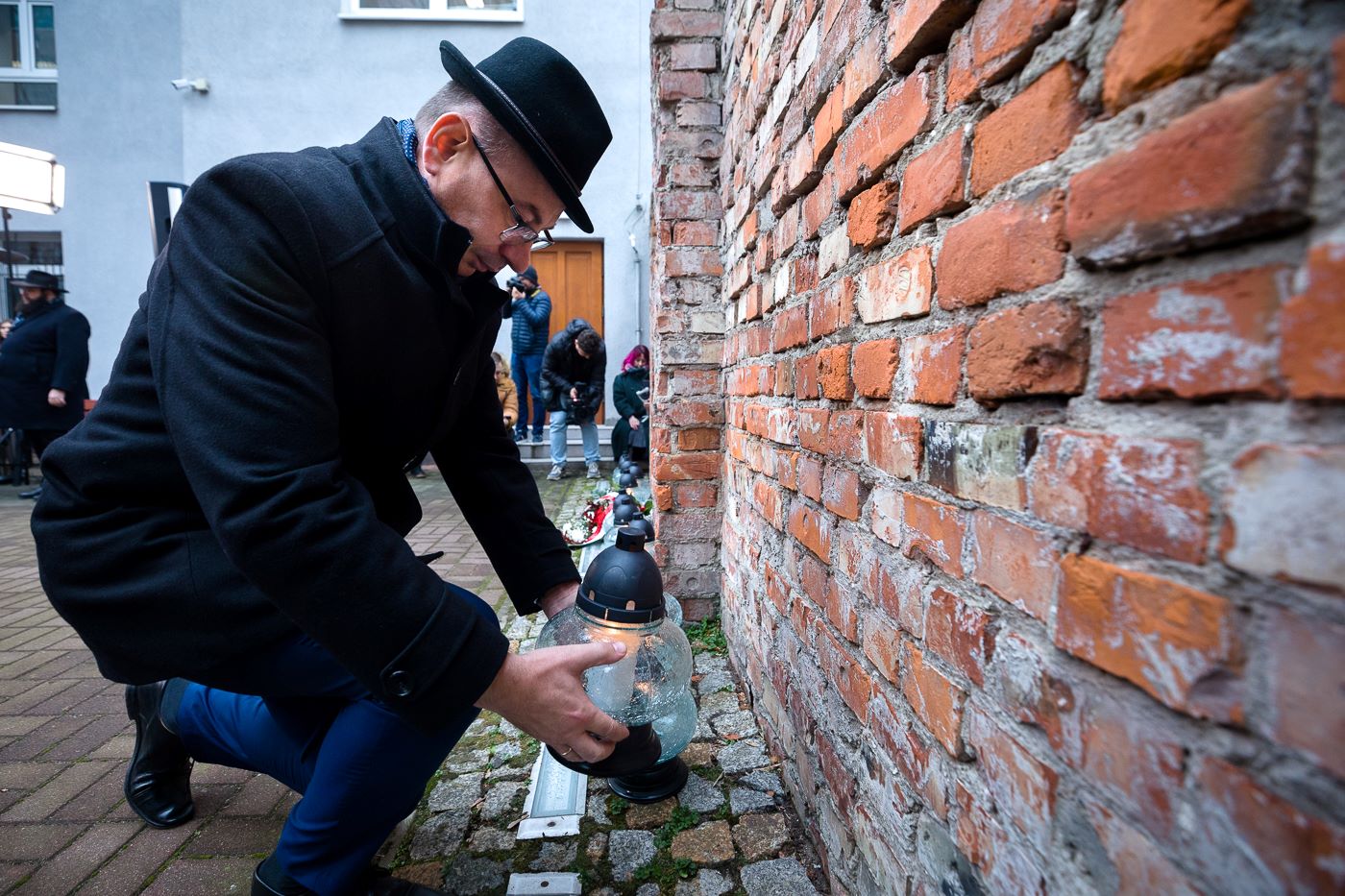
On 16 November 1940, German authorities sealed off the ghetto area in occupied Warsaw, cutting off Warsaw's Jews from the rest of the city. The decision to build walls around the Warsaw Jewish quarter was made in March 1940, and by mid-November the ghetto, known as the Jüdische Wohnbezirk (Jewish Residential District), was established in the heart of Warsaw. The closing of its borders took place on the night of 15–16 November 1940.
The 760 acres area (about nine-tenths the size of Central Park) housed some 400,000 people, initially only Warsaw residents. Later, when Jews from suburbs of the city and also from Germany were relocated to the Warsaw ghetto, the number rose to about 450,000. The Warsaw ghetto functioned for more than two and a half years. According to estimates, between 1940 and 1942, some 92,000 people died in the "Jewish quarter" as a result of starvation, disease and cold, as well as German terror. The rest were murdered in the gas chambers of Treblinka and other camps. Only a few survived. The destruction of the Great Synagogue in Tłomackie became the symbolic end of the Warsaw ghetto.
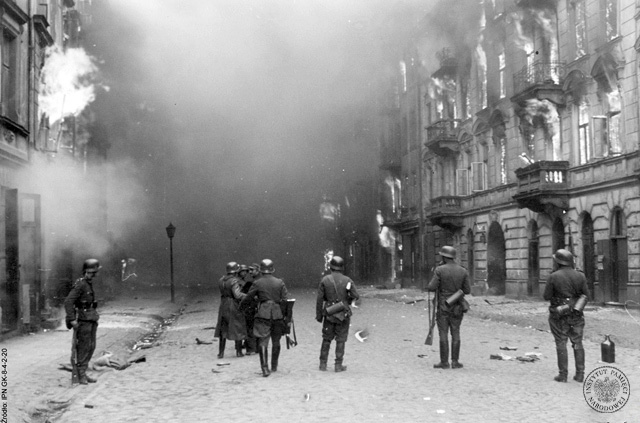
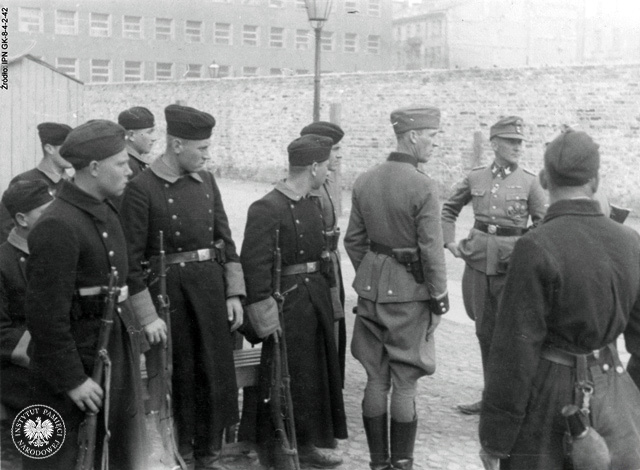
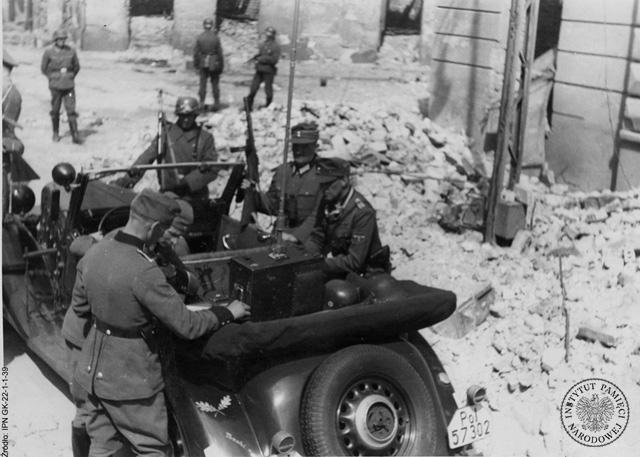
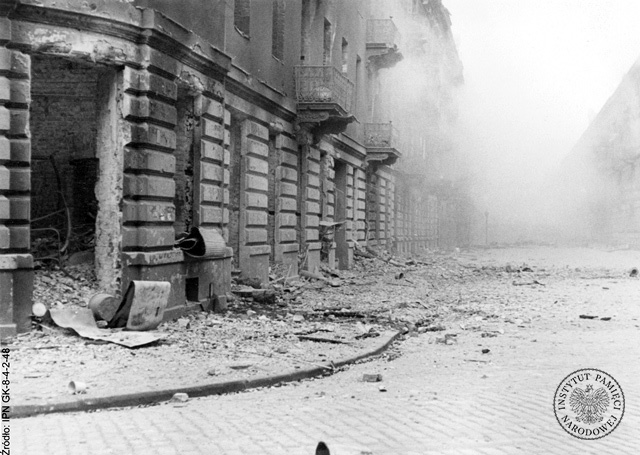
Everyone knows the picture of a little Jewish boy in a large cap standing with raised hands among terrified people at whom German soldiers point their barrels - it comes from The Stroop Report, originally entitled The Jewish Quarter of Warsaw is No More!, which was prepared for Heinrich Himmler after the destruction of the Warsaw ghetto in 1943. Dozens of photographs form an integral part of the document. They are terrifying and unforgettable.
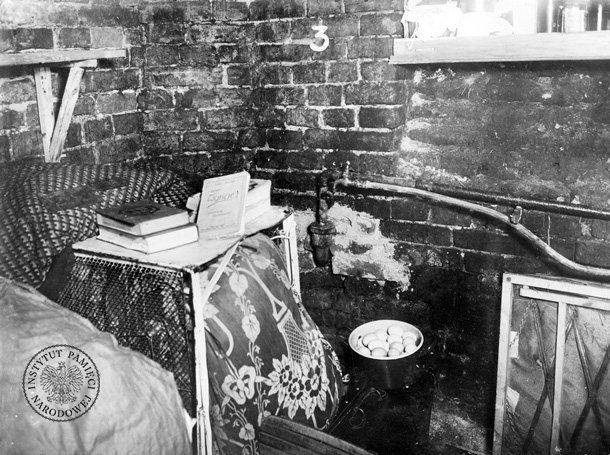
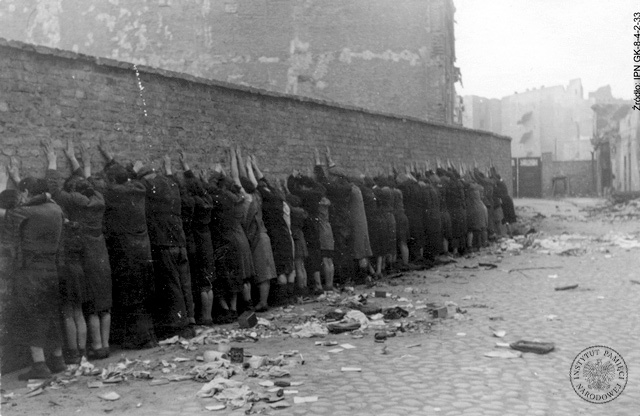
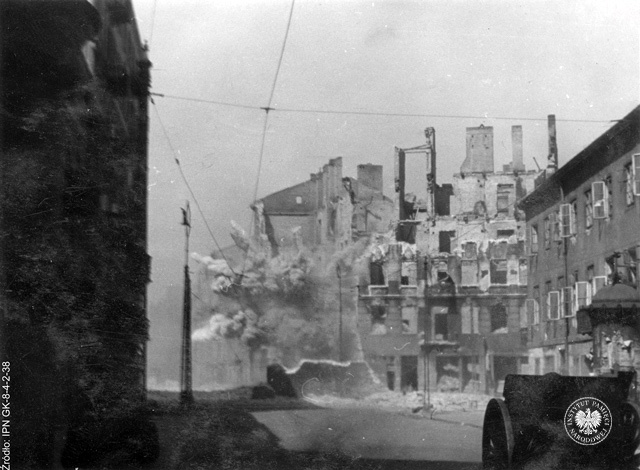
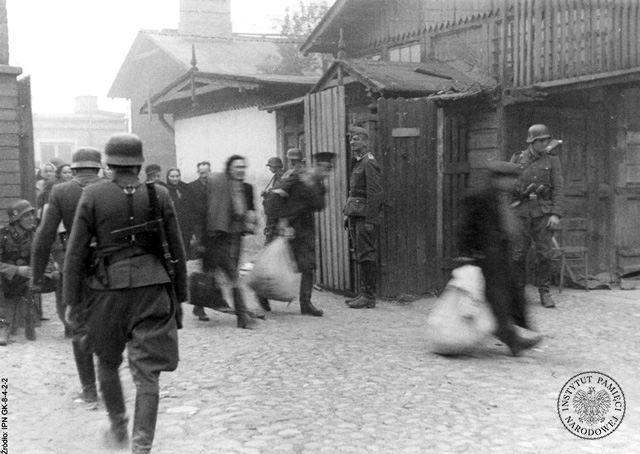
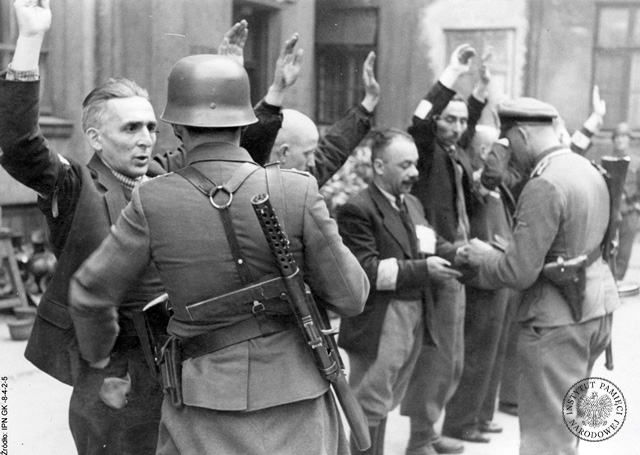
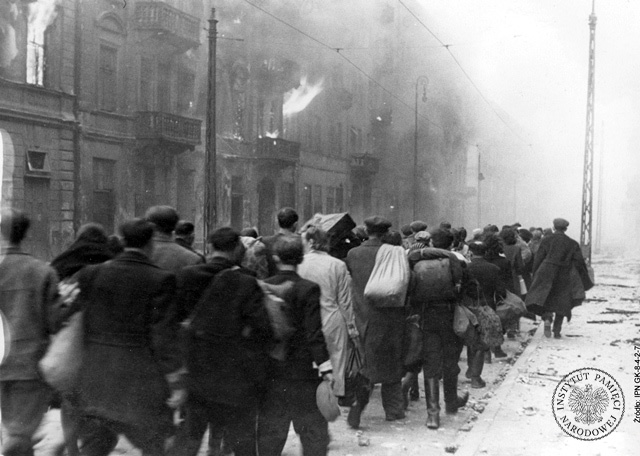
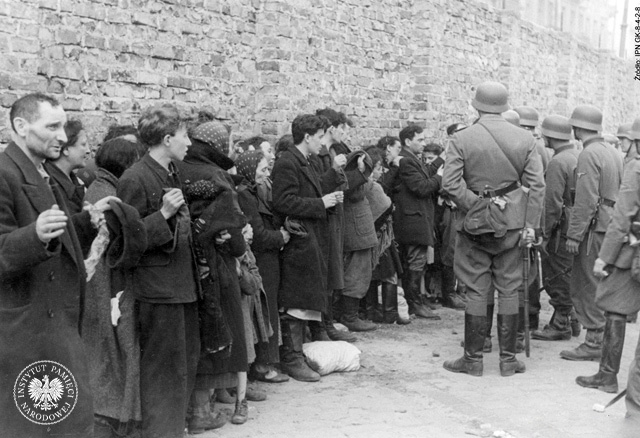
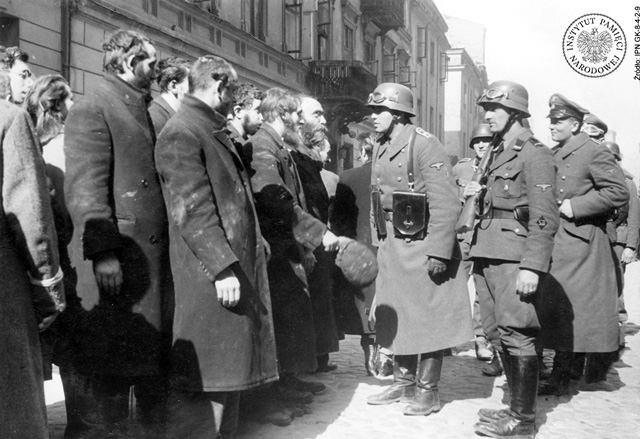
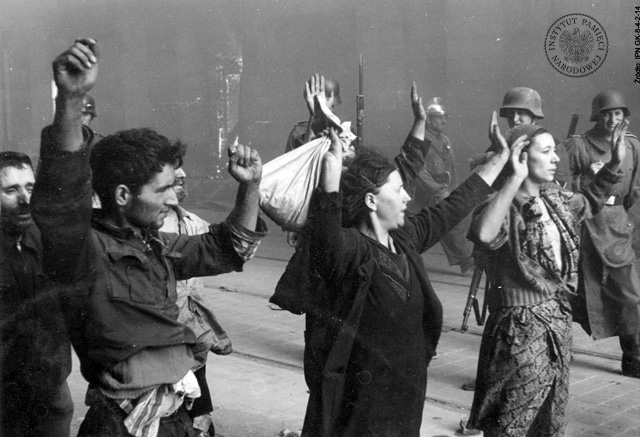
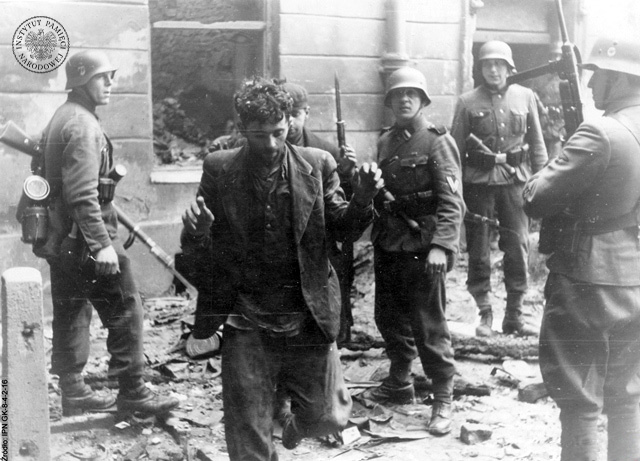
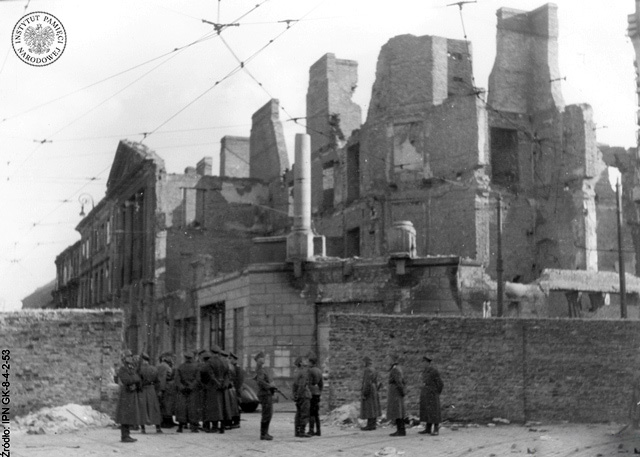
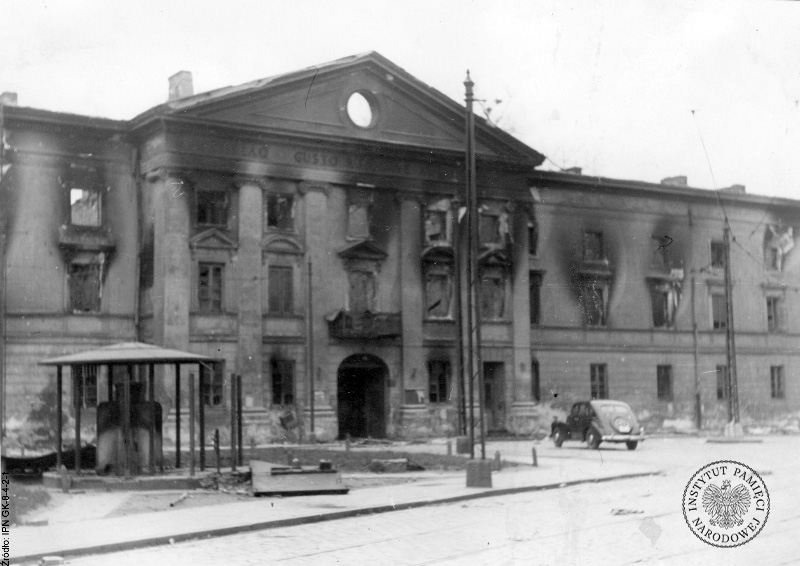
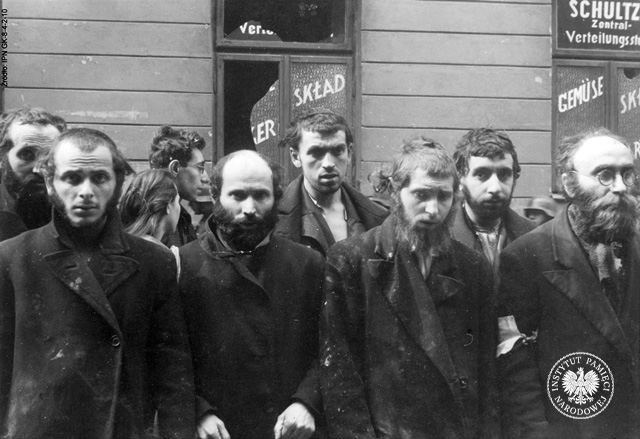
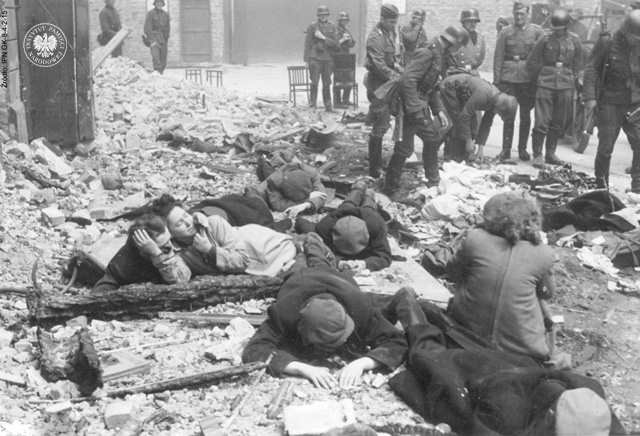
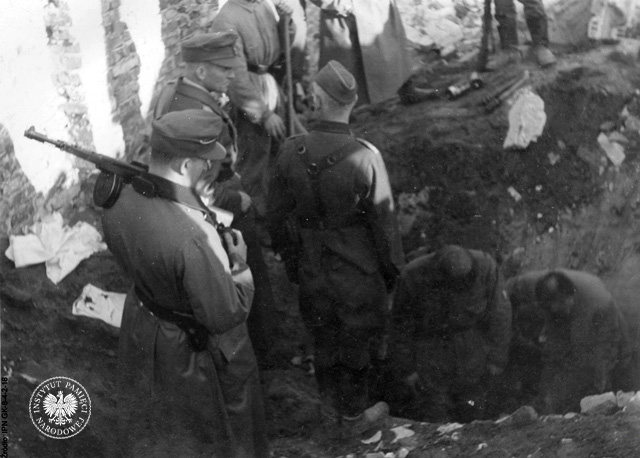
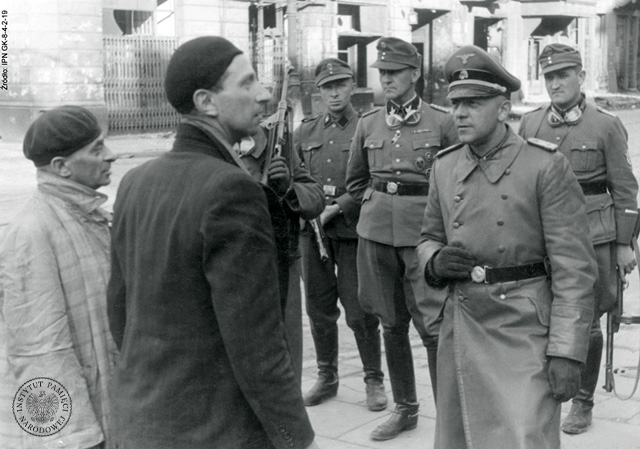
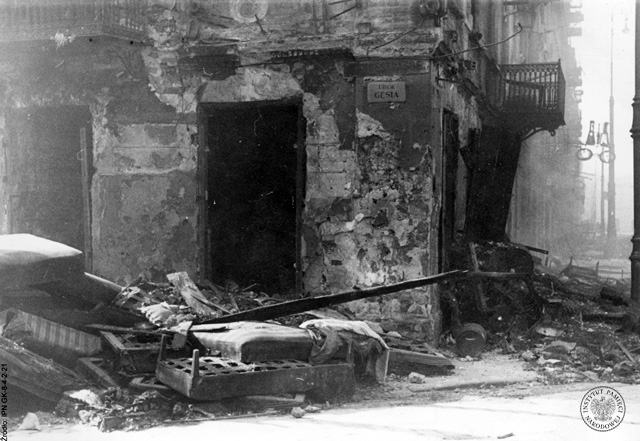
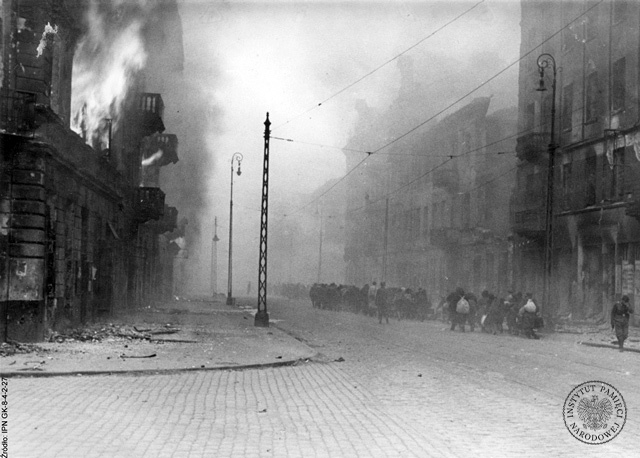
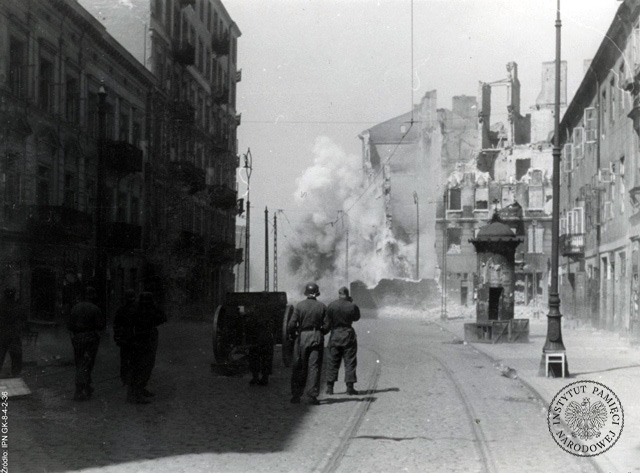
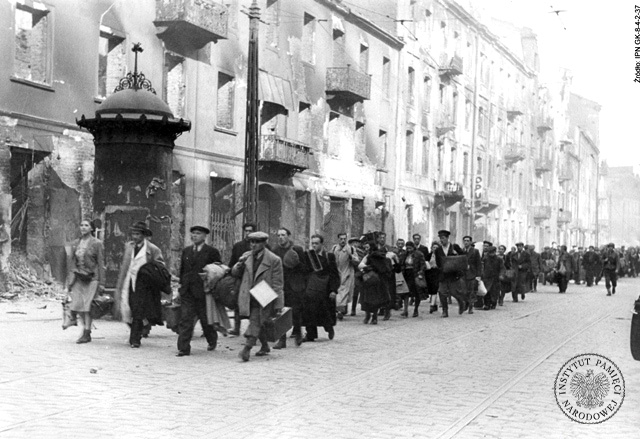
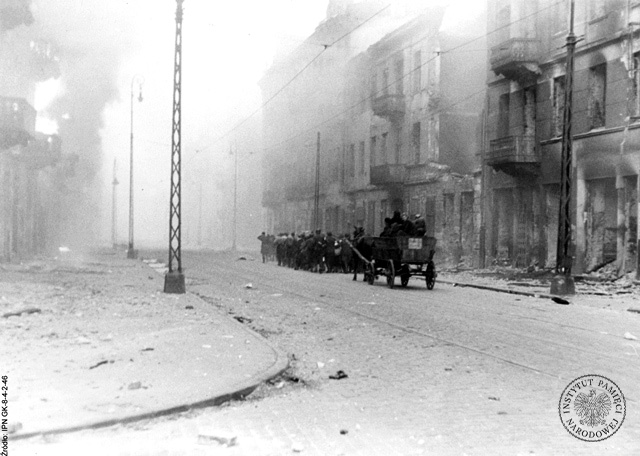
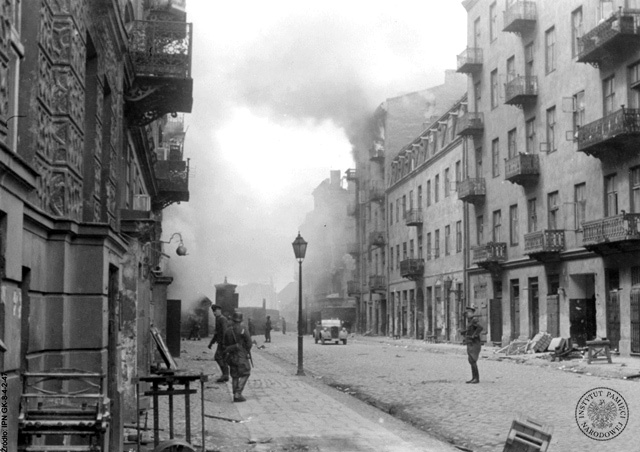
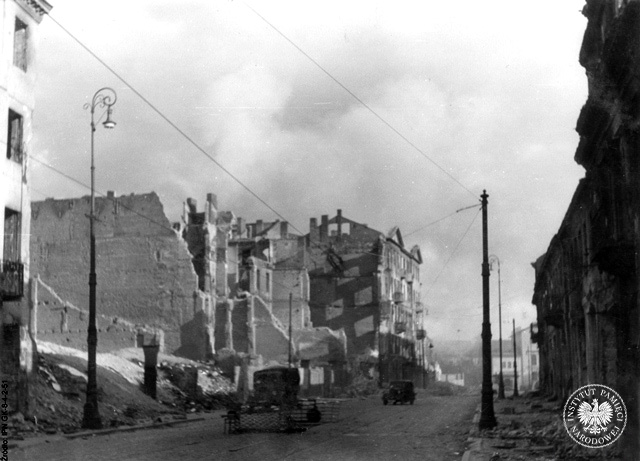
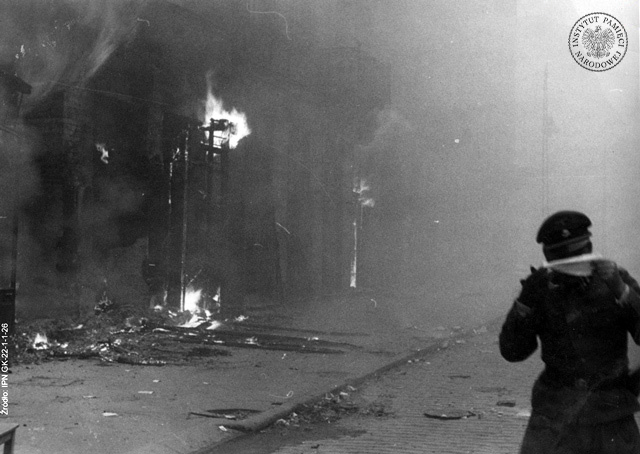
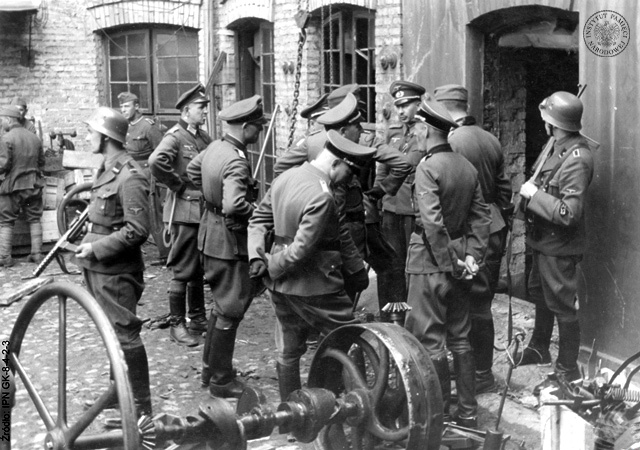

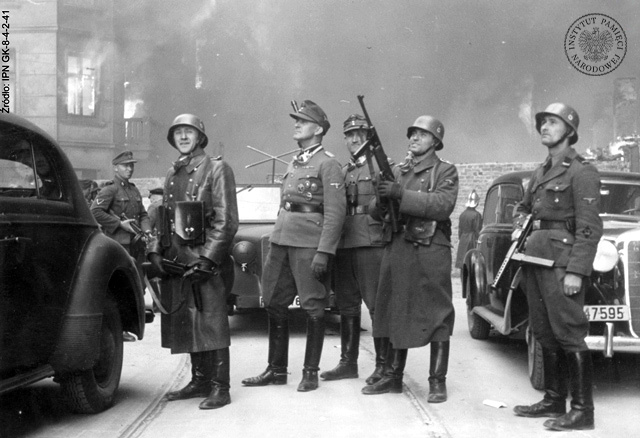
The material presented below contains unique images of the Warsaw ghetto filmed from the outside - Chłodna Street, groups of Jews marching down the street, traffic observed from behind the barbed wire, a boy and men entering the ghetto being searched, people entering the ghetto, a group of children with guardians entering the ghetto.