
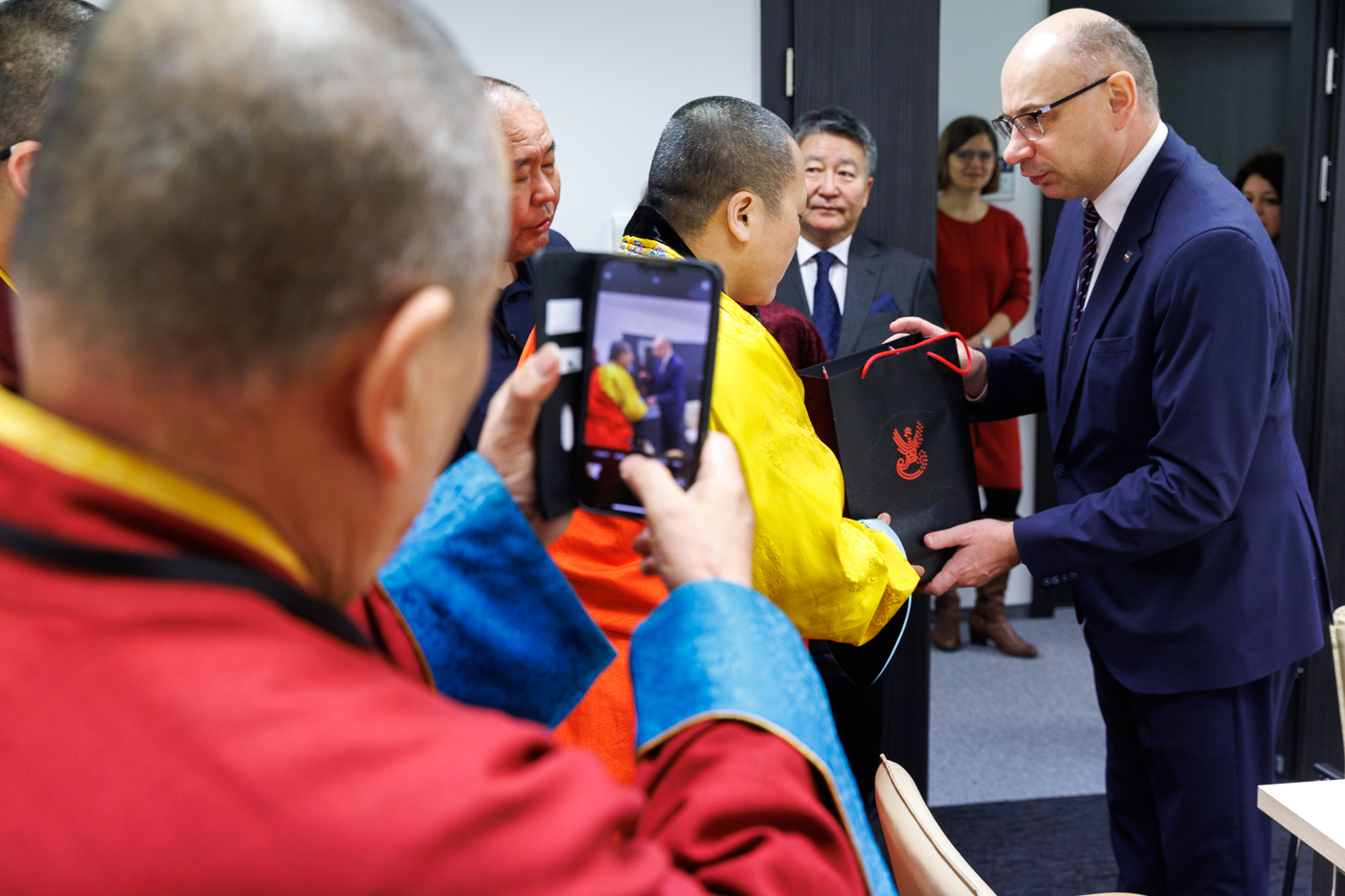
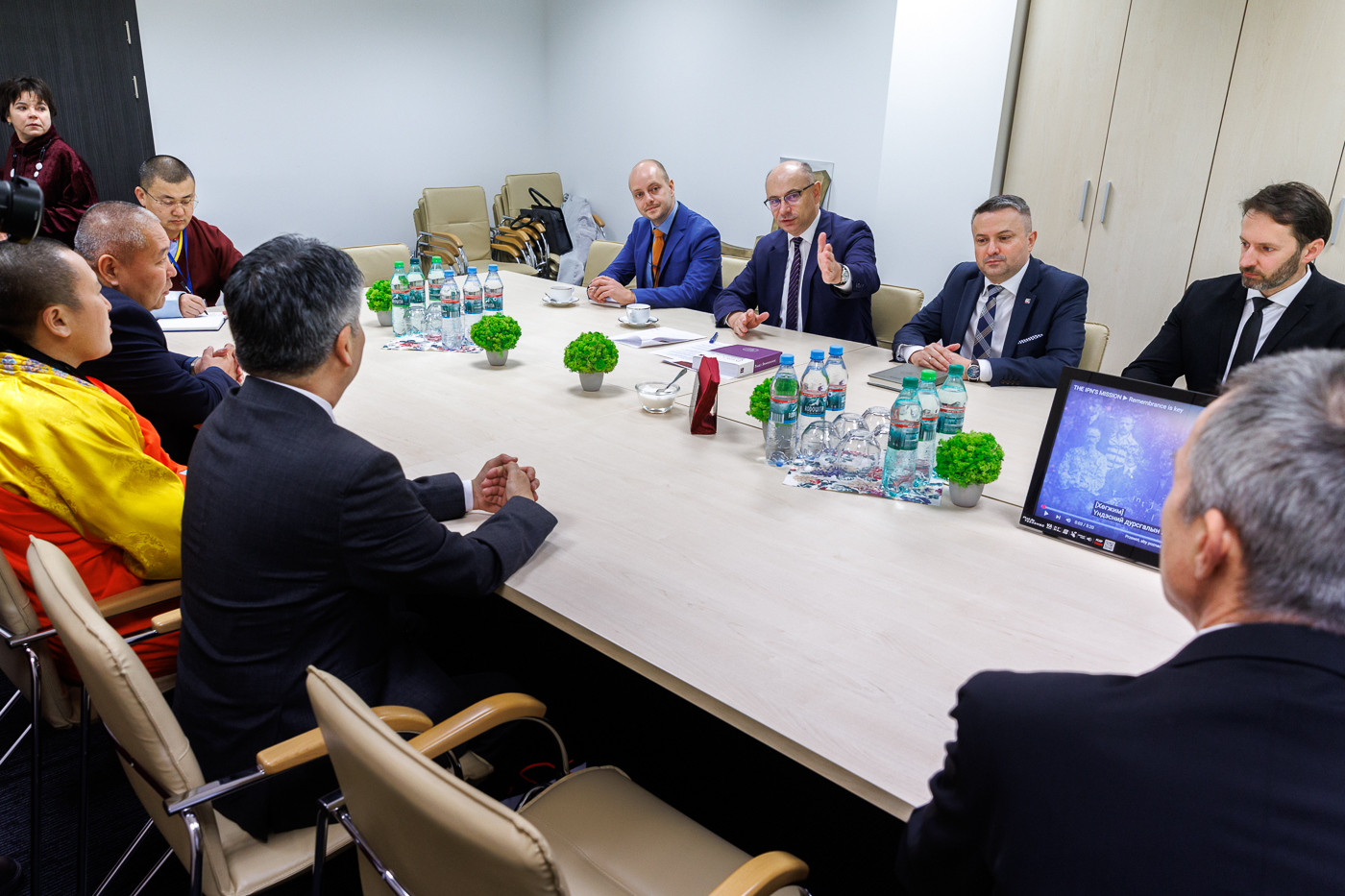
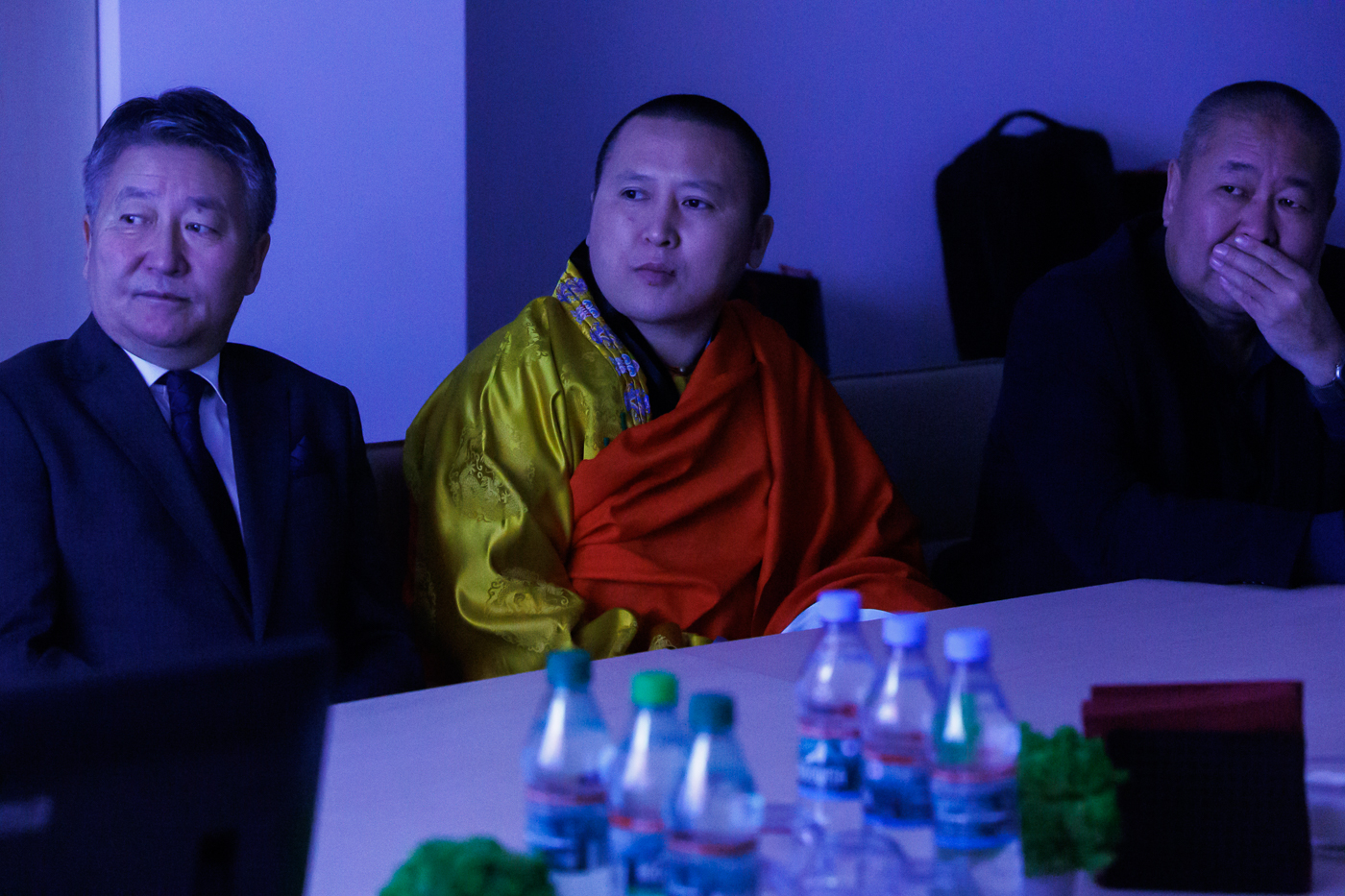
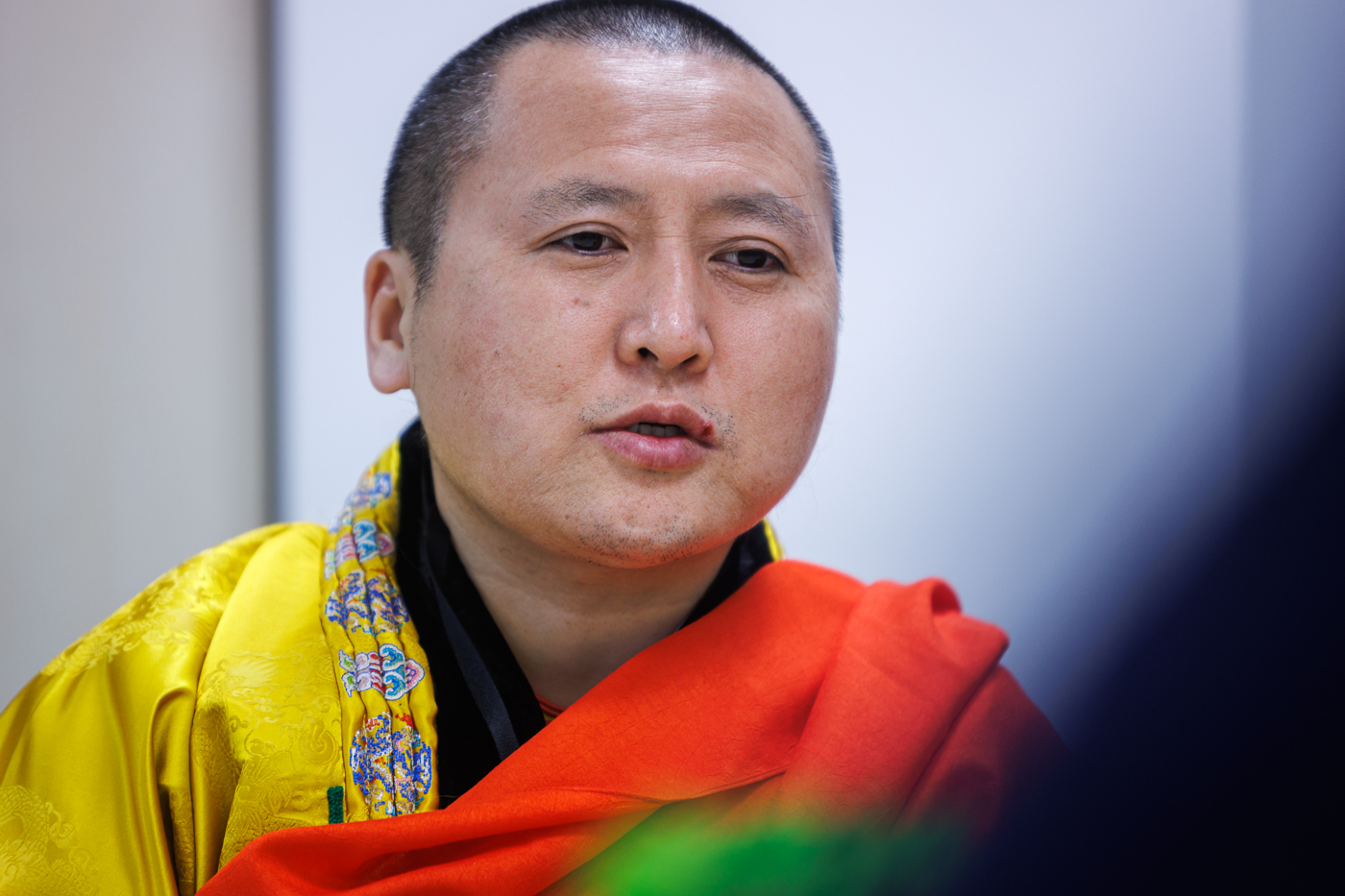
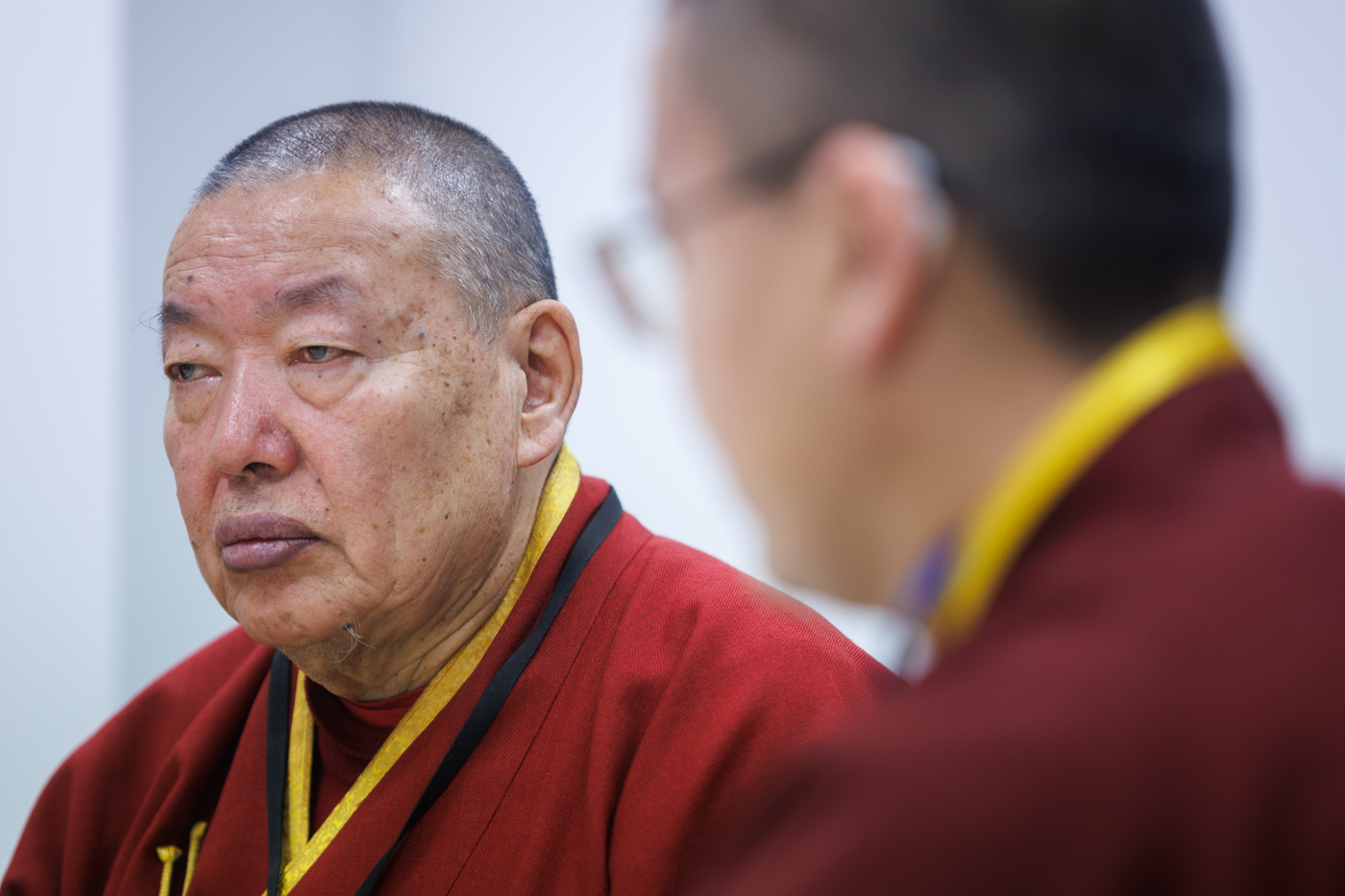
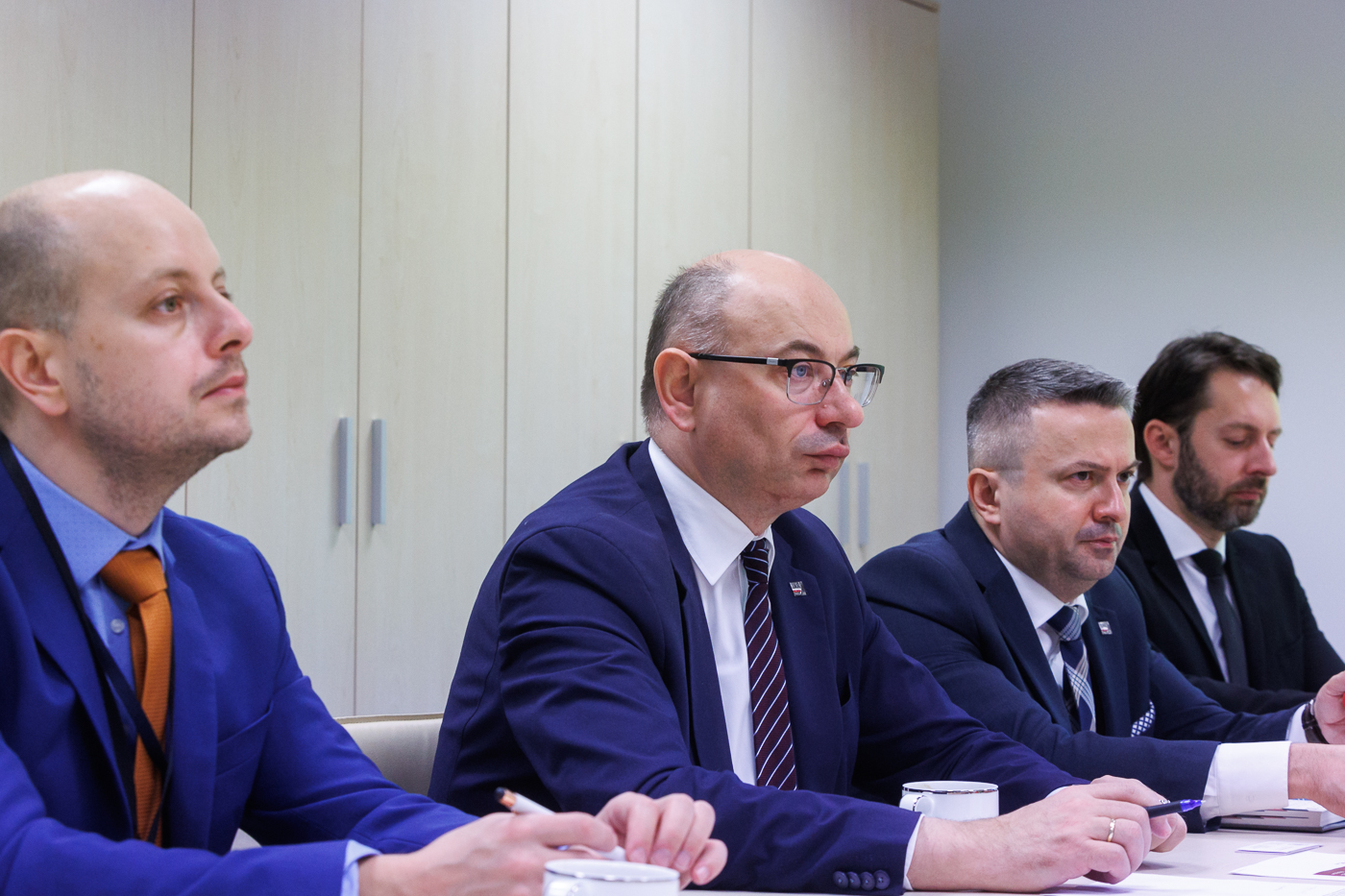
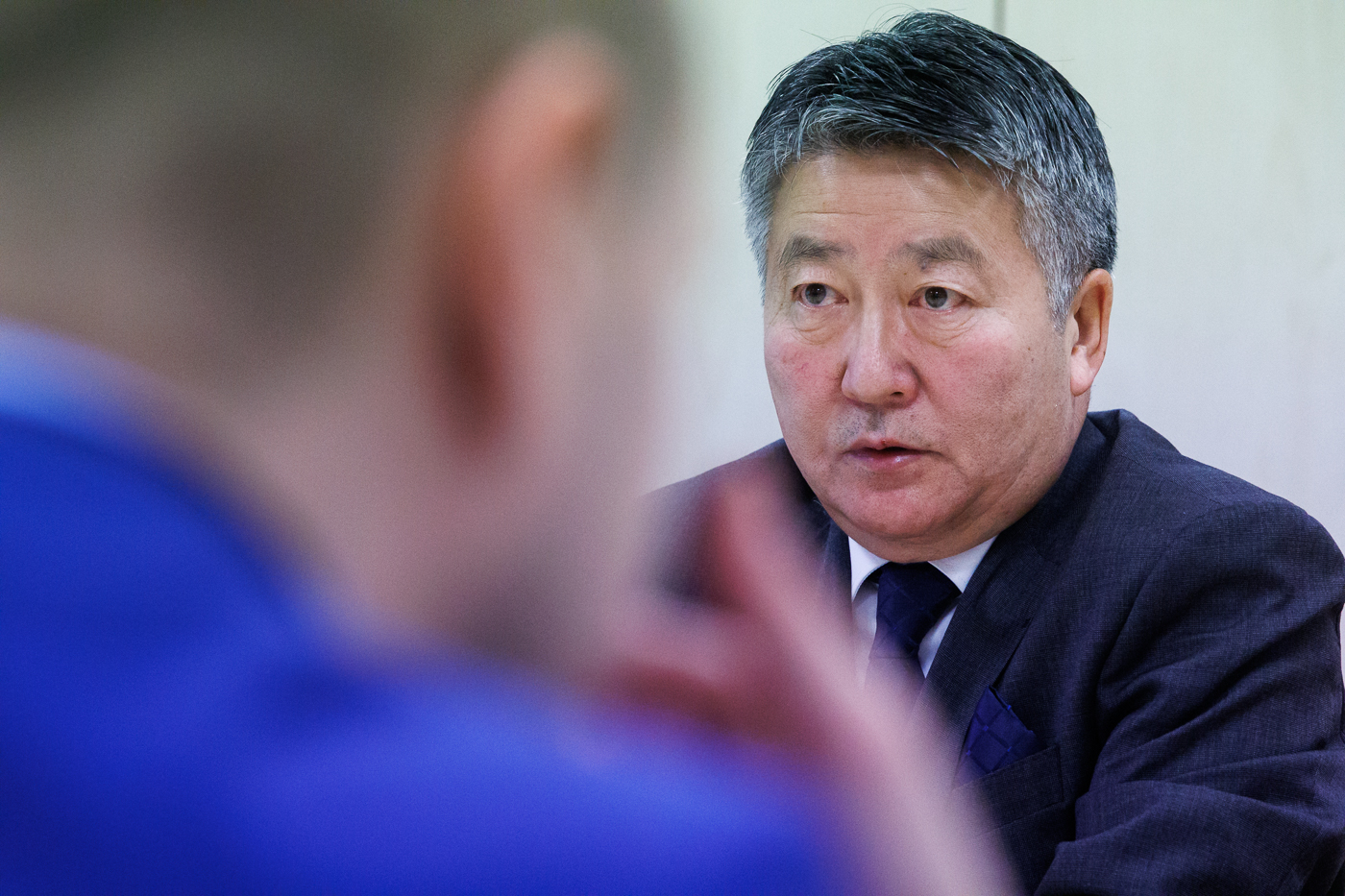
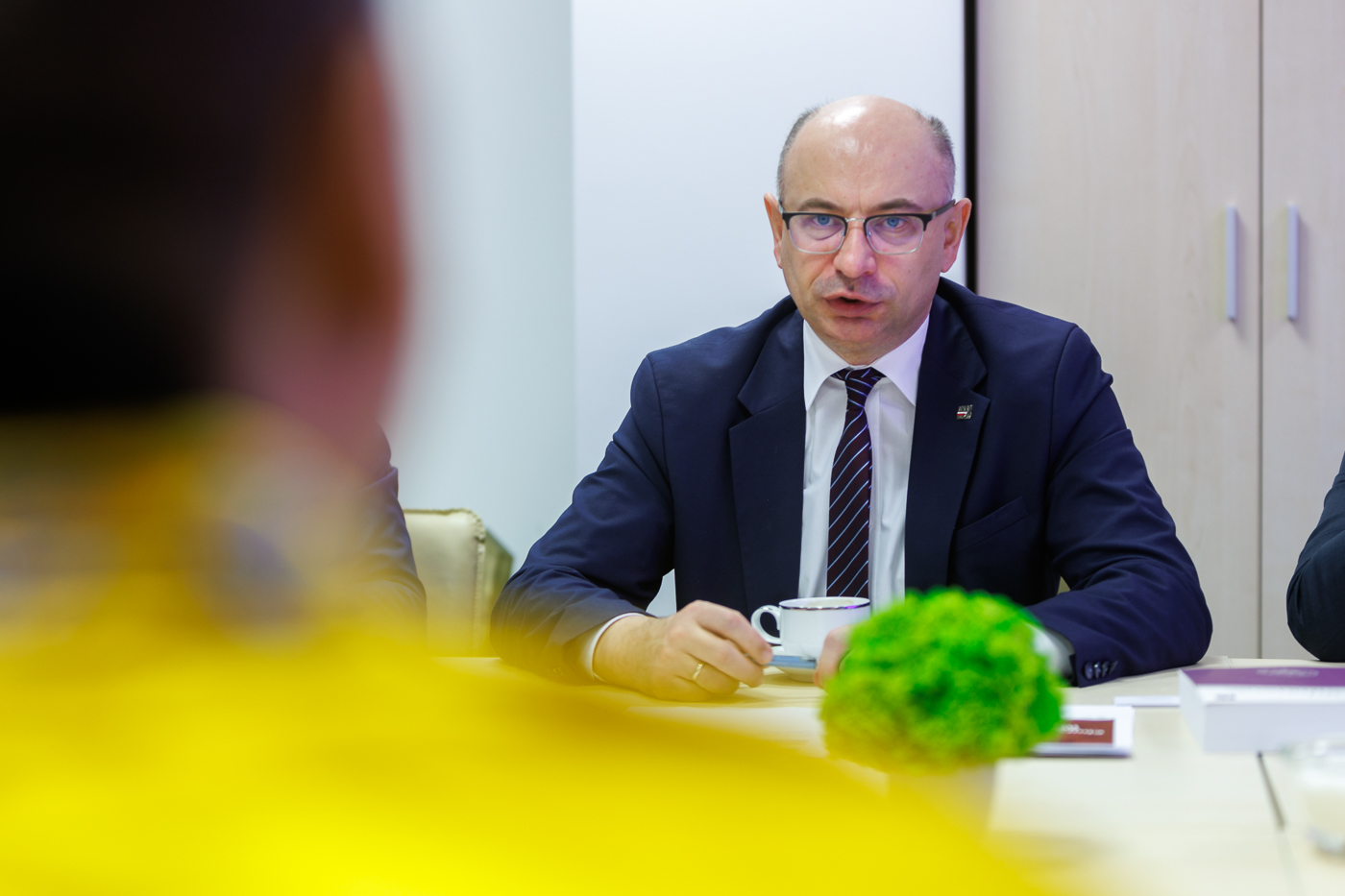
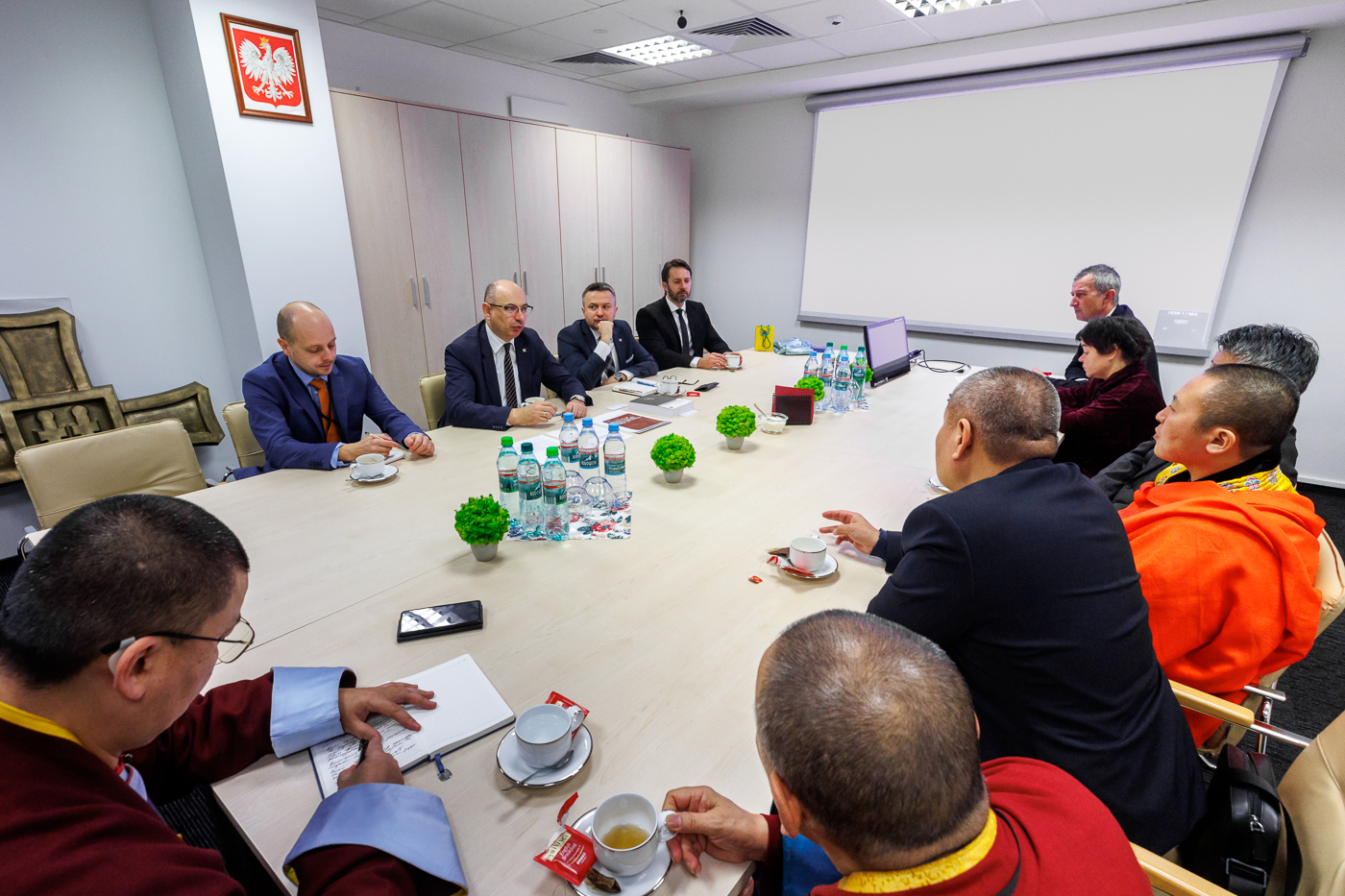
On the initiative of Khamba Lama (Javzandorj Dulamragchaa) – the head of the Centre of Mongolian Buddhists - a visit by representatives of the Gandan monastery to the IPN was organized. Khamba Lama was accompanied by the chargé d'affaires of the Mongolian Embassy in Warsaw Dorj Barkhas and four Buddhist monks. The meeting was attended by IPN Deputy President Mateusz Szpytma, Ph.D., Director of the IPN Historical Research Office Sebastian Pilarski, Ph.D., Deputy Director of the IPN Office of International Cooperation Mateusz Marek, Ph.D. and 1st Secretary of the Department of Asia and the Pacific of the Polish Ministry of Foreign Affairs Karol Bronicki.
The visit of the guests from Mongolia was part of their tour of Europe, which began with a meeting with Pope Francis in Rome, where they also paid tribute to St. John Paul II at his tomb. From Warsaw, the Buddhist monks traveled to Cracow, where they are going to give a lecture at Jagiellonian University.
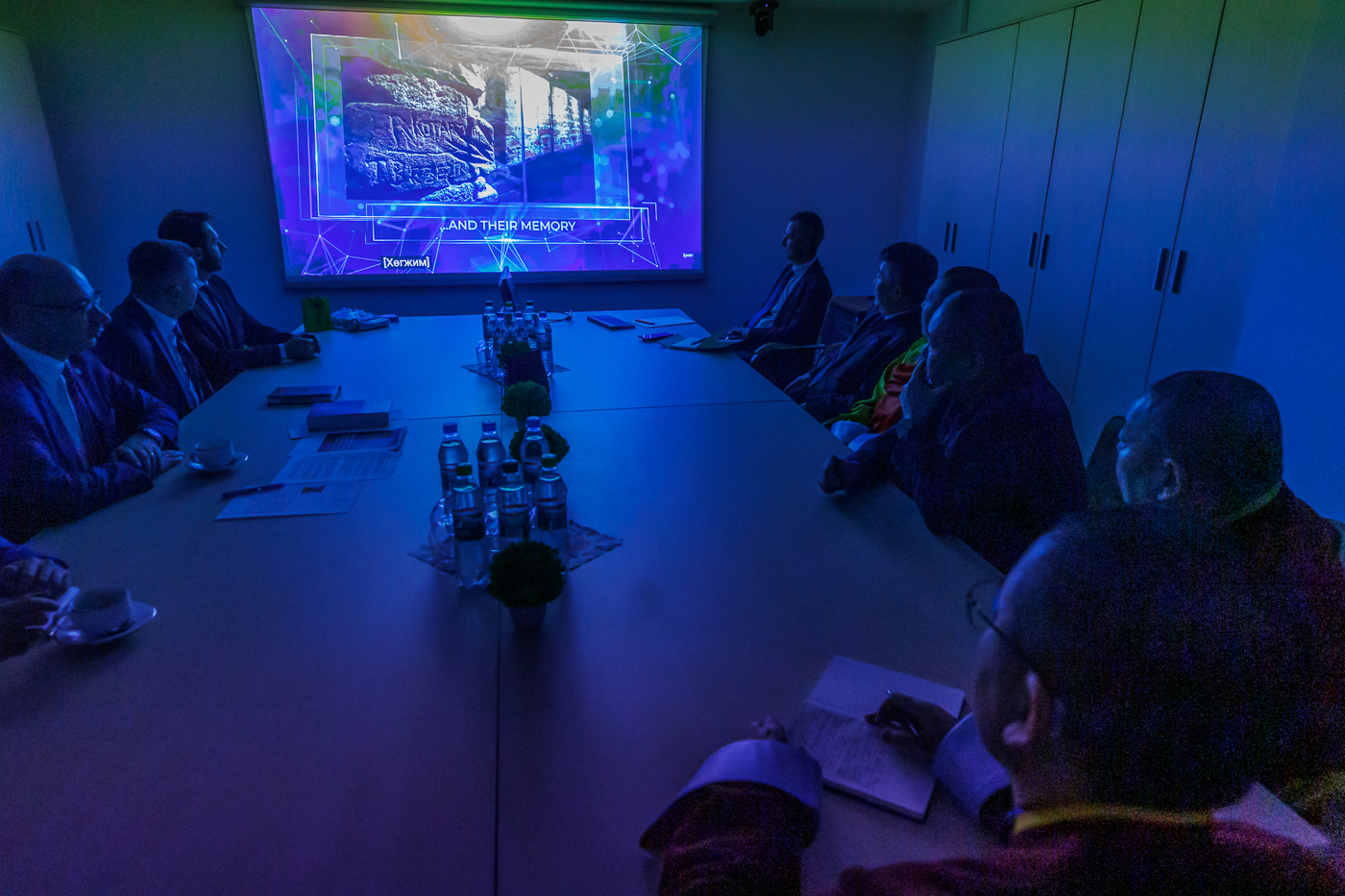
During the meeting at the IPN headquarters, the prospects and plans for cooperation with the Gandan Monastery and the Mongolian Academy of Sciences, which works closely with it, were discussed in the context of research on the history of religious persecution under communist totalitarianism, which is a common aspect of the latest history of Poland and Mongolia. Mateusz Szpytma, Ph.D., invited the guests to participate in upcoming historical conferences on the persecution of the clergy, and mentioned the Institute's mission on international level. The IPN remains a leading institution in terms of archival activities, historical research and education.
We sometimes complain that the world knows so little about the Polish victims of the communist regime, while the scale of the system's crimes in Mongolia was even greater. About 15% of the population there was murdered and almost all Buddhist monasteries were destroyed, said Mateusz Szpytma, Ph.D.
Khamba Lama expressed his willingness to benefit from the IPN's experience and cooperation in the area of historical research and publications, as well as the methods developed by the Institute for transferring historical knowledge to younger generations, including the use of new technologies.
In connection with the planned visit of the Mongolian President to Poland and the planned signing of a Memorandum of Understanding between the IPN and the Mongolian Rehabilitation Commision during the visit, formal cooperation with the Gandan Monastery and the Mongolian Academy of Sciences would commence.