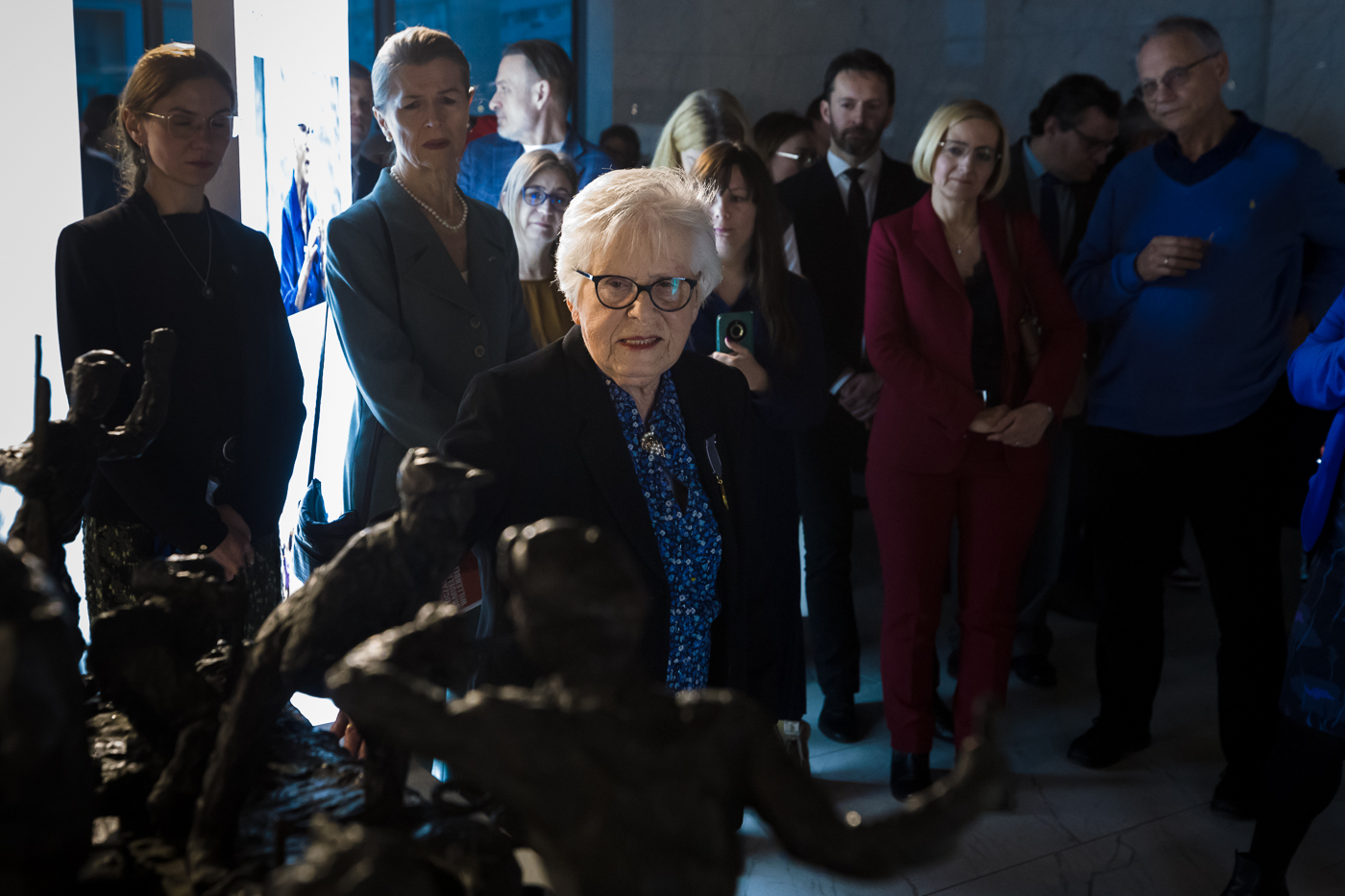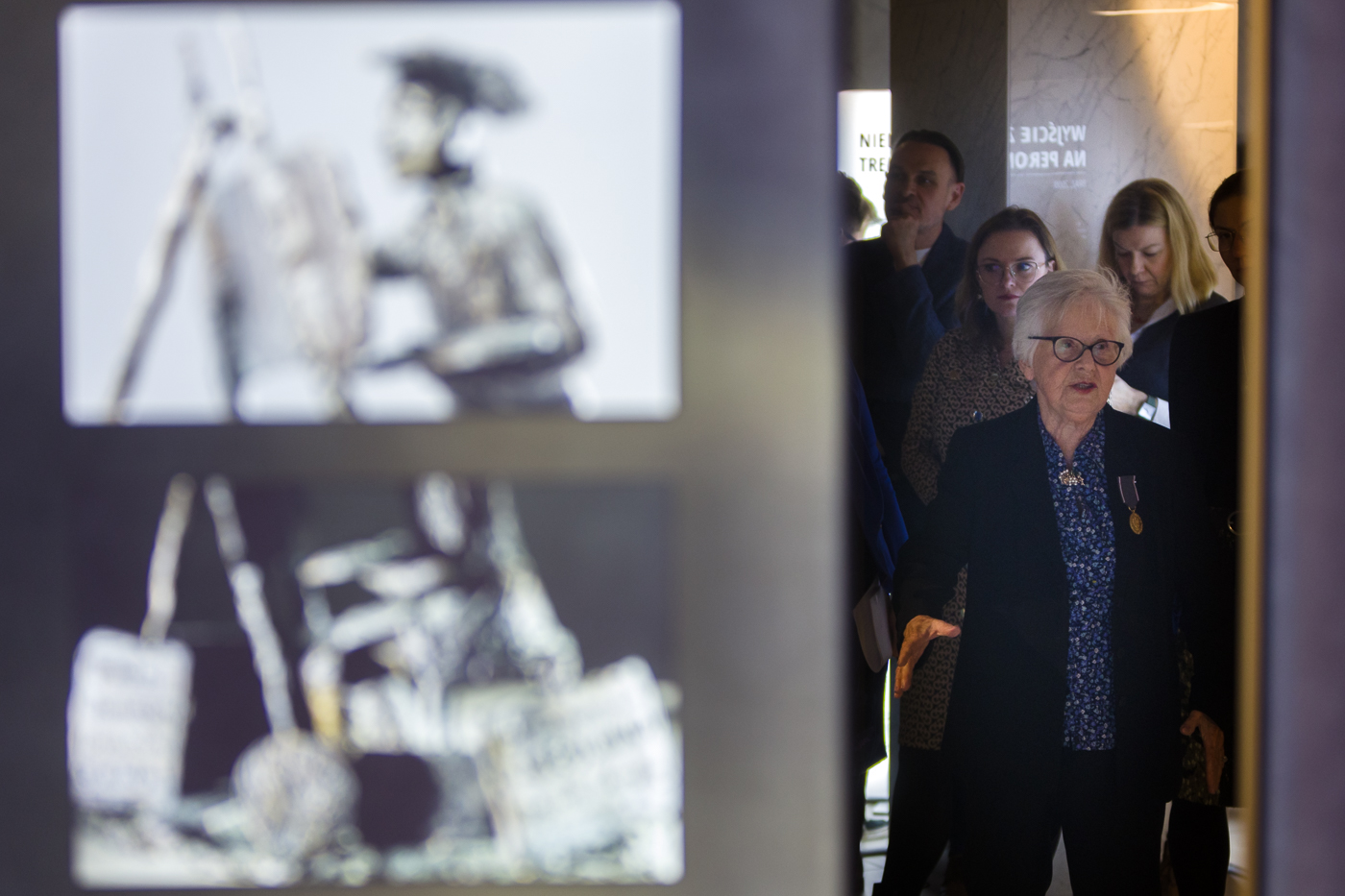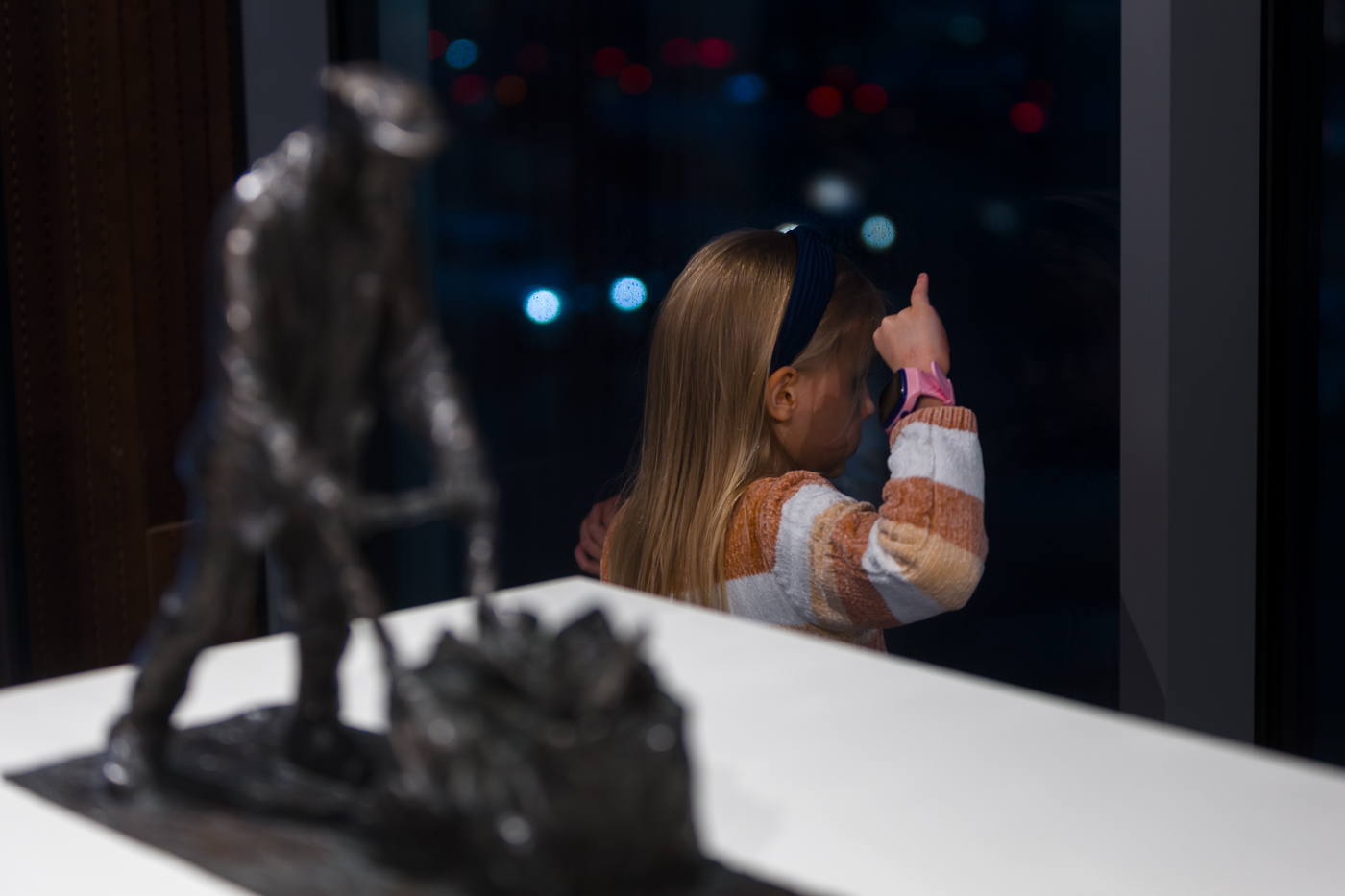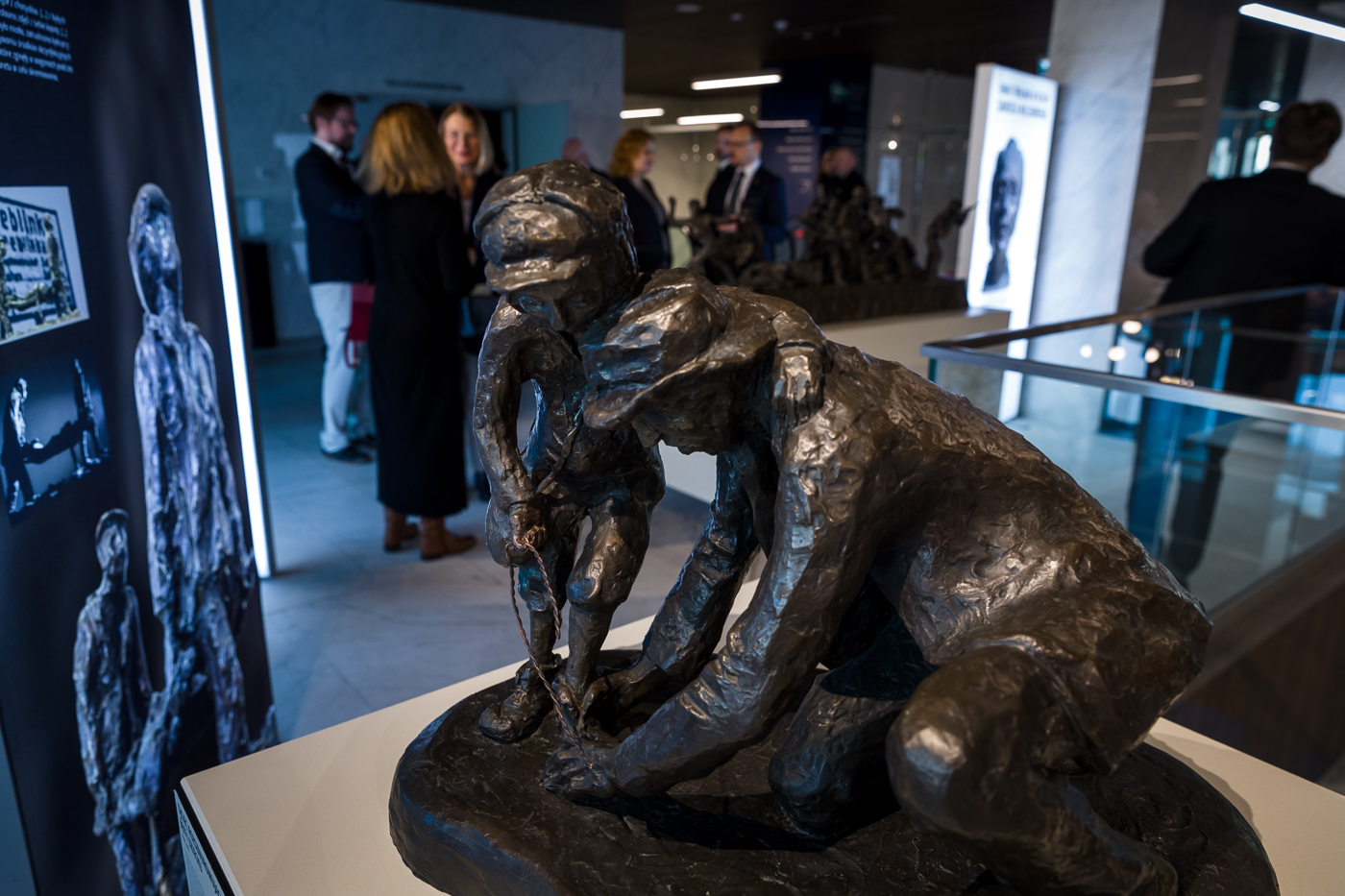
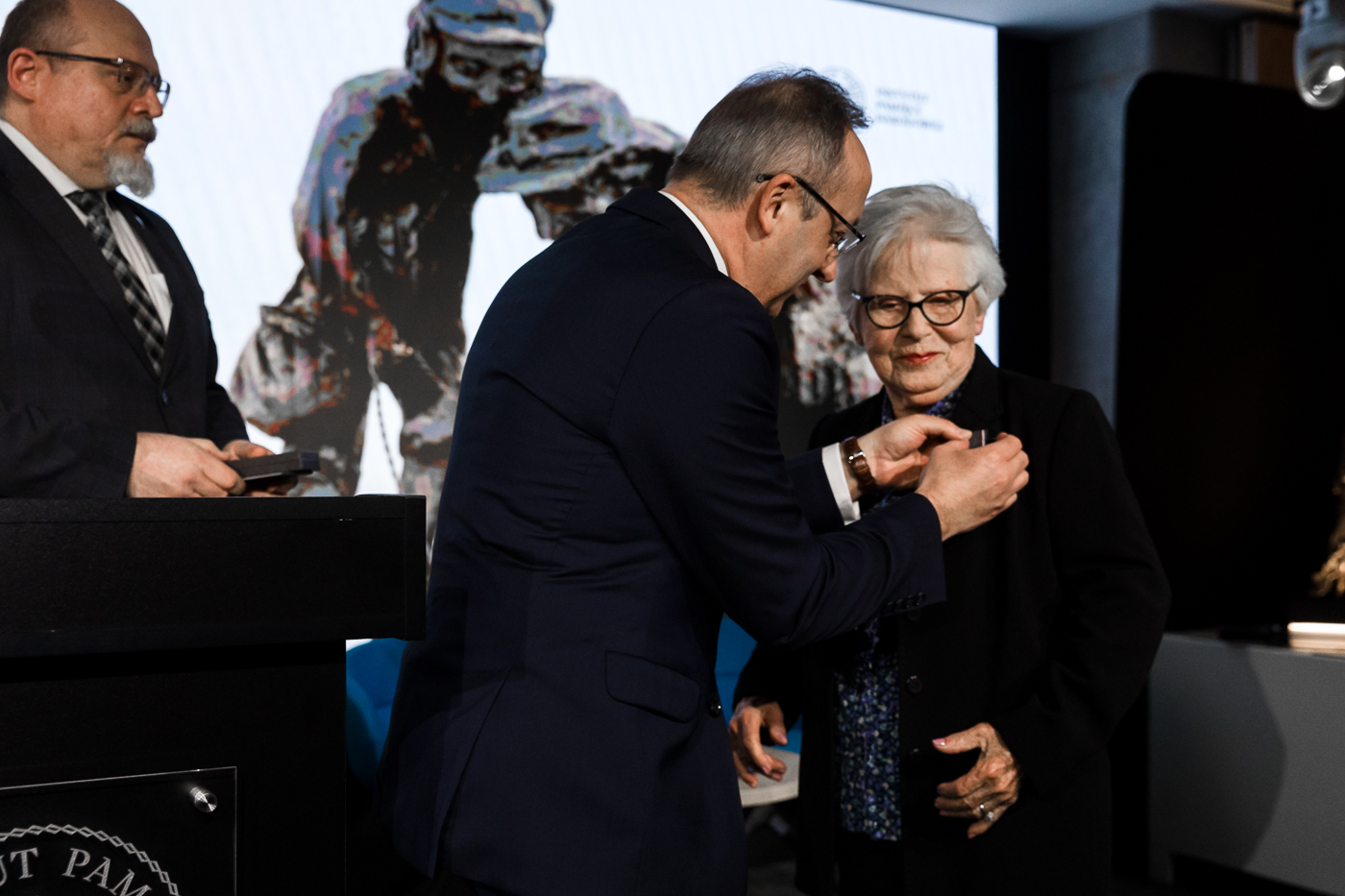
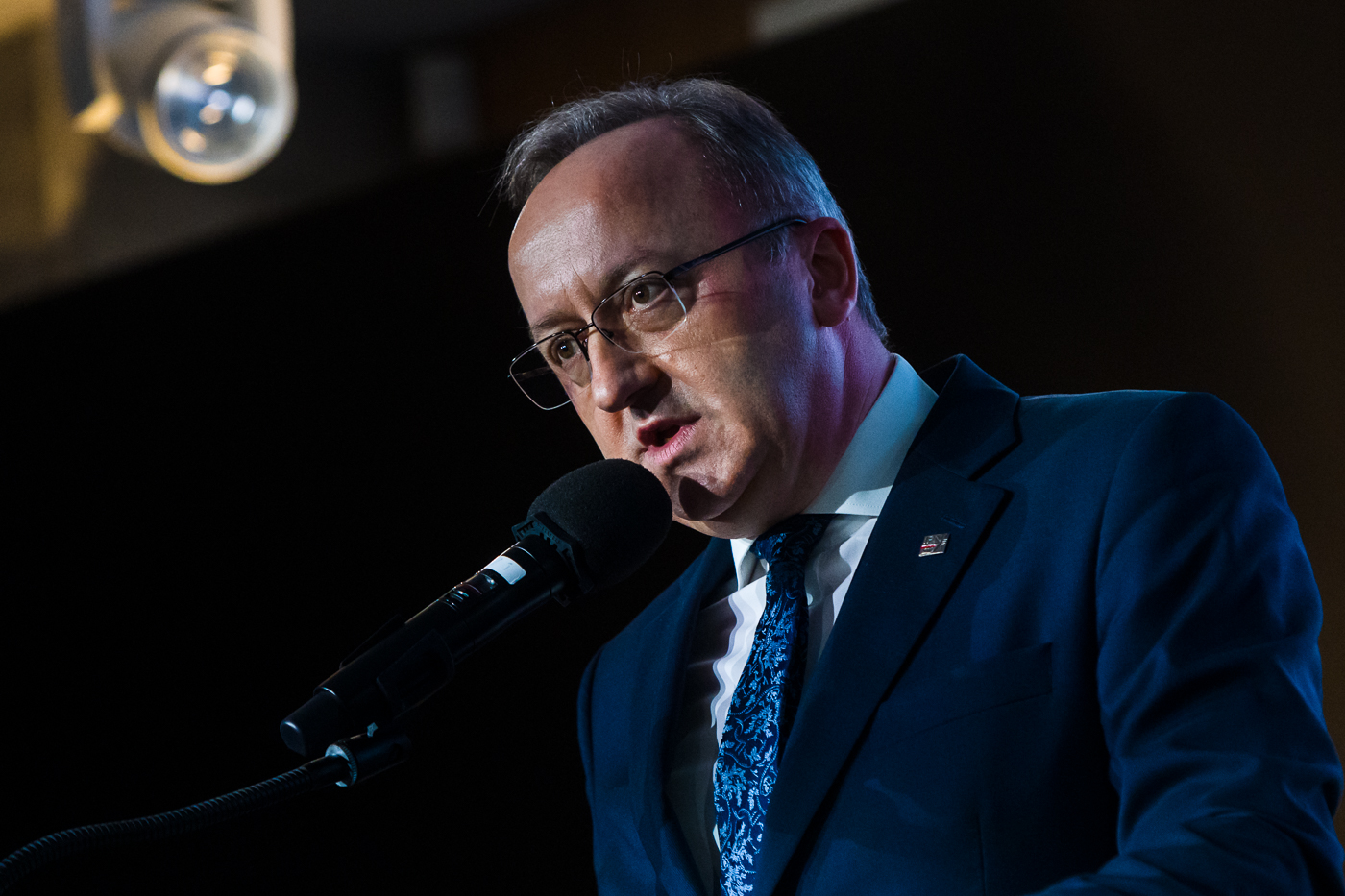
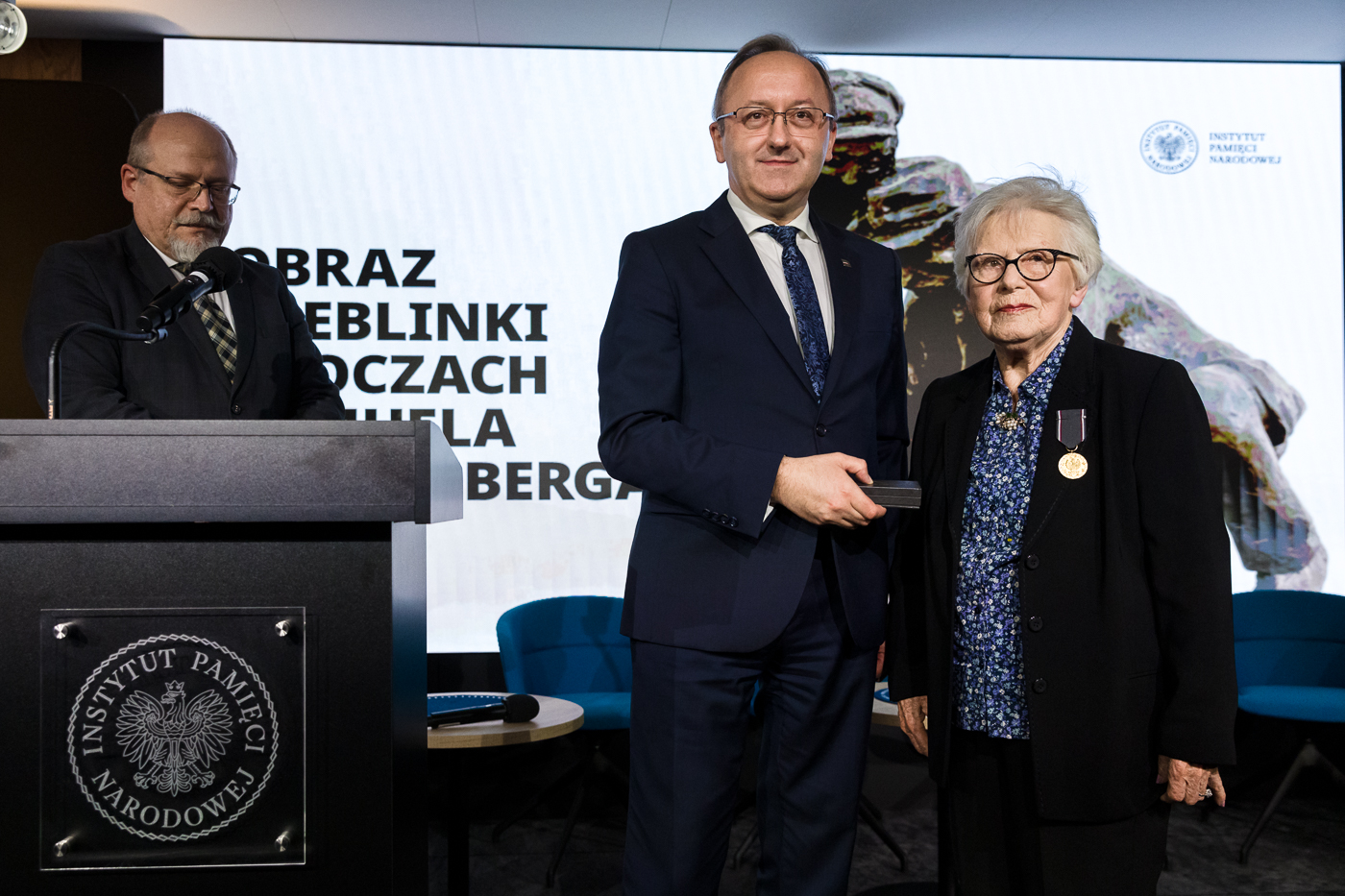
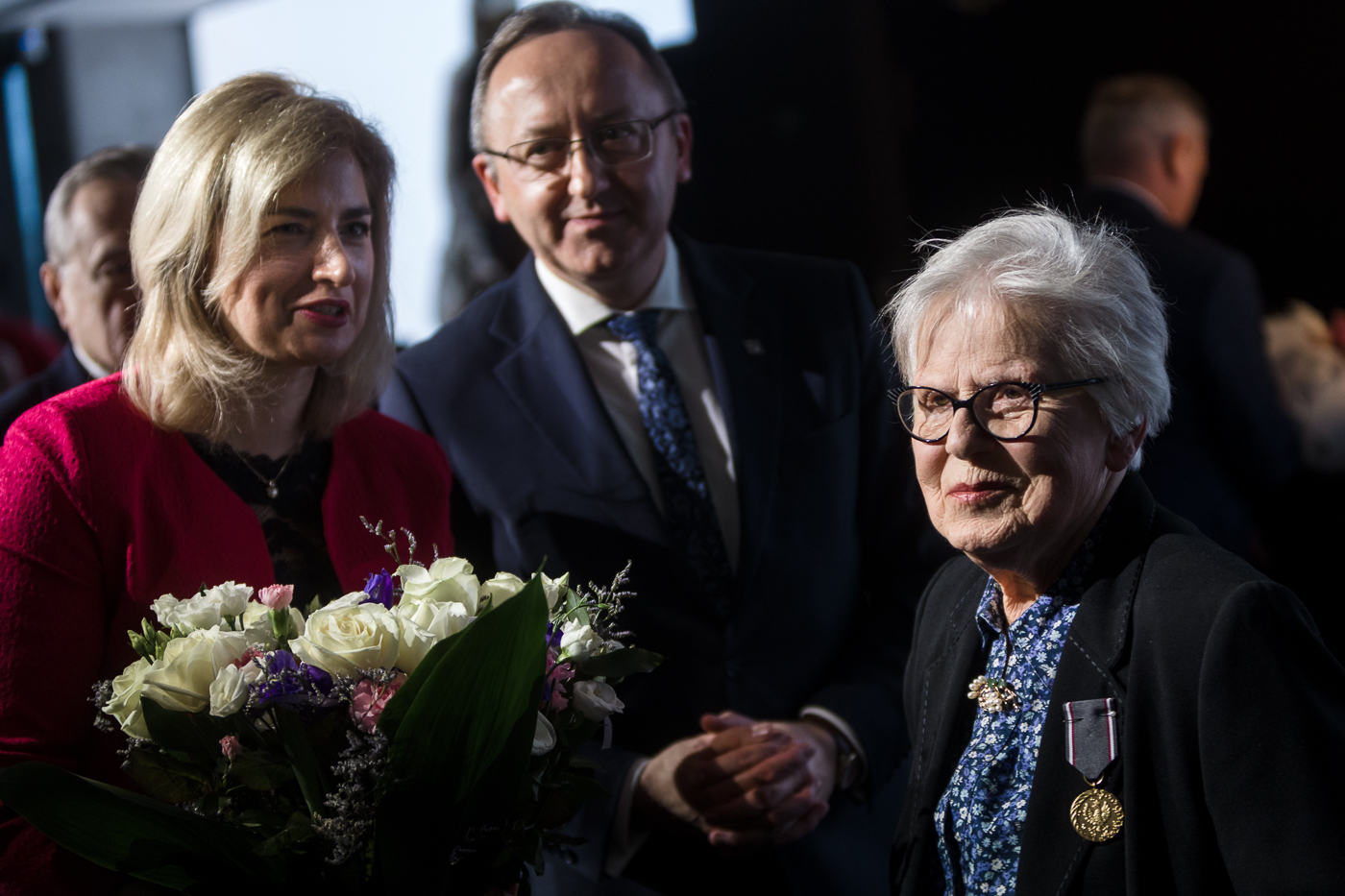
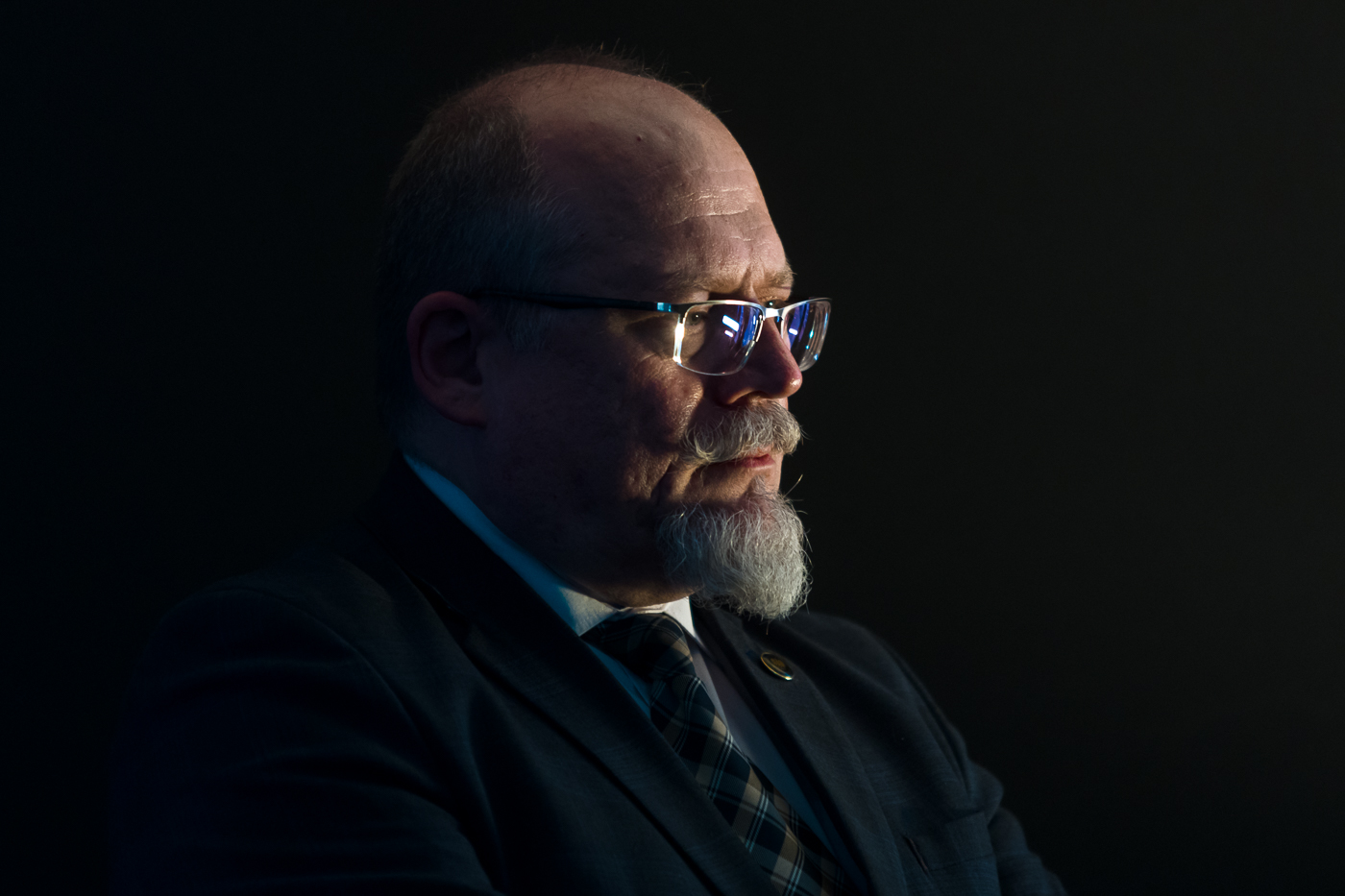
During the ceremony Deputy President of the Institute of National Remembrance Prof. Karol Polejowski presented Samuel Willenberg’s story and emphasized that:
"Five years ago, our International Cooperation Office brought these sculptures, Samuel Willenberg's lasting testimony, to Poland. They testify to what kind of hell a German Nazi death camp, established for the sole purpose of exterminating Jews, was."
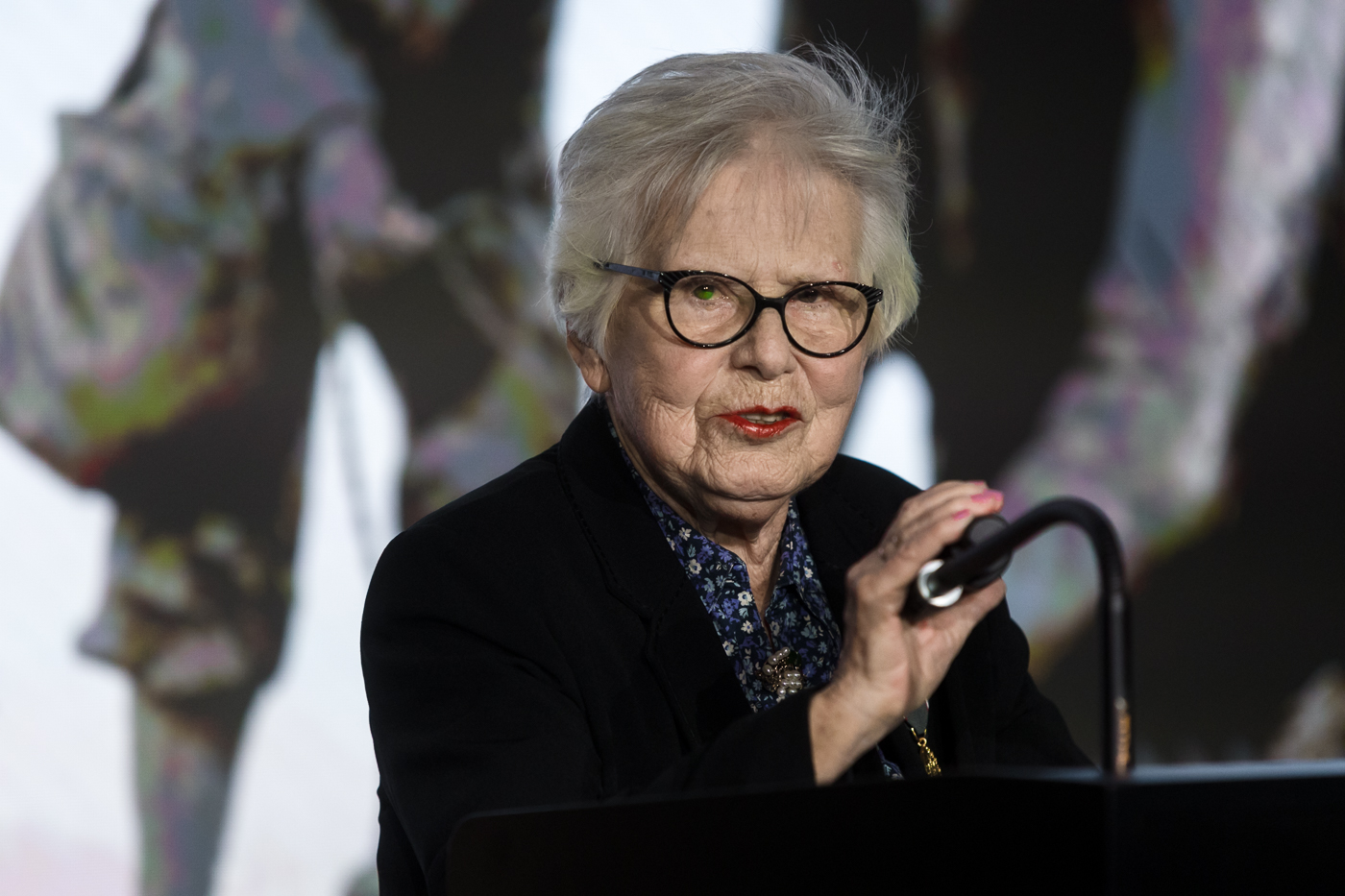
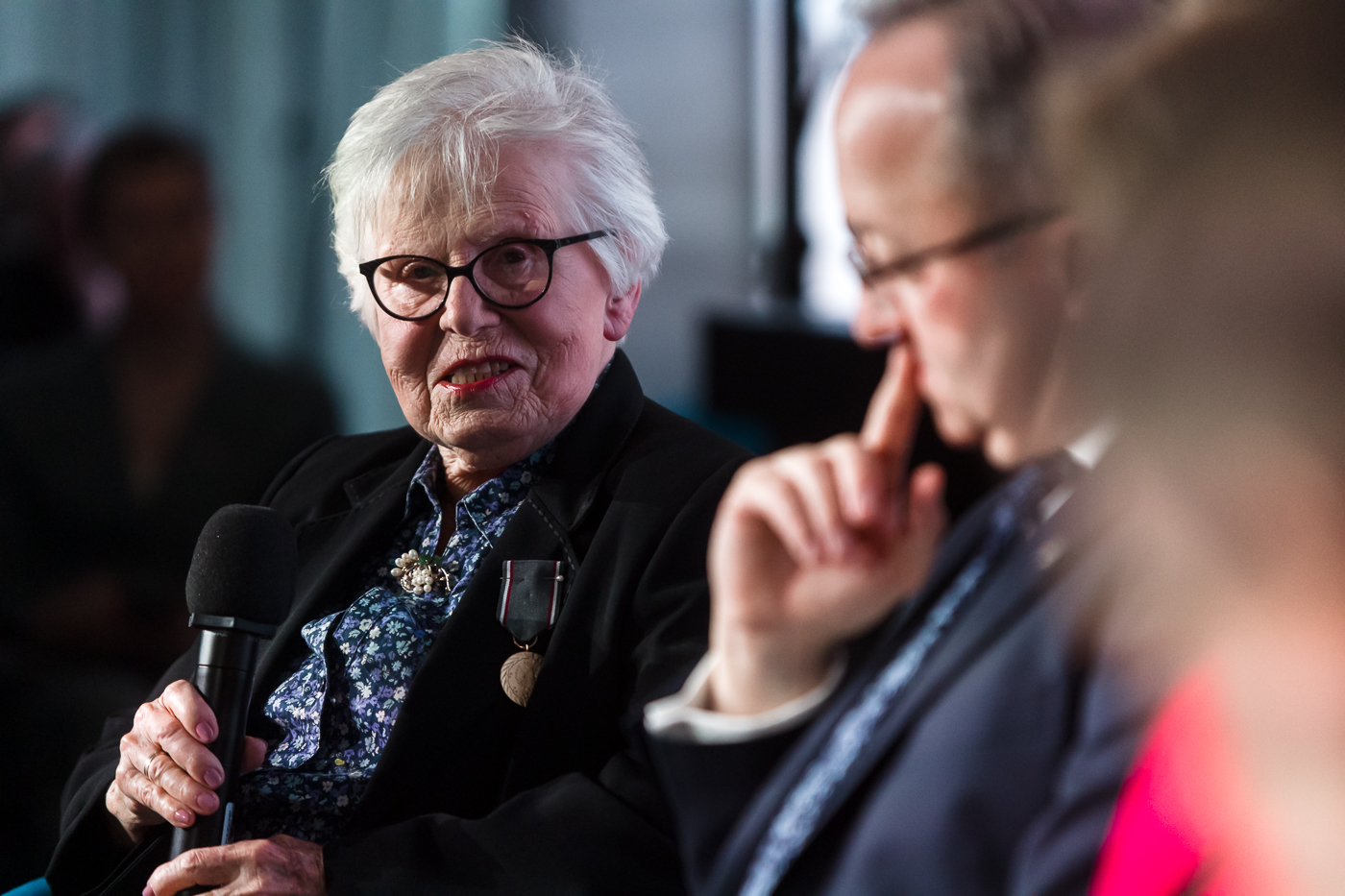
With the Reipublicae Memoriae Meritum Medal, the Institute of National Remembrance honors those who work to commemorate events and figures in the history of the Polish Nation from 1917 to 1990, and support the IPN in educational, scientific and publishing activities. Ada Willenberg, who was honored with the award, continues the work of her husband Samuel in the name of preserving the memory of the Holocaust, especially among younger generations.
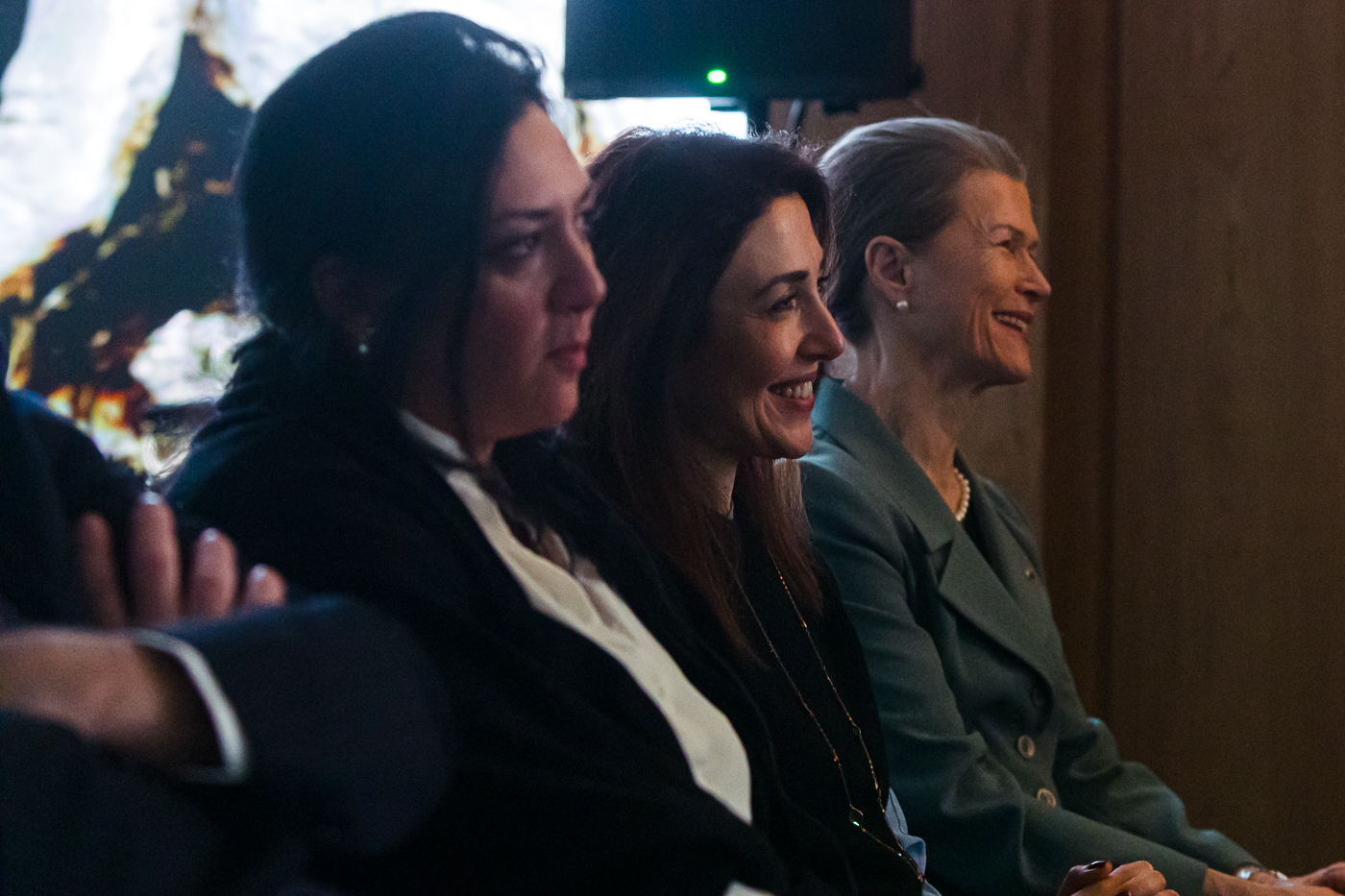
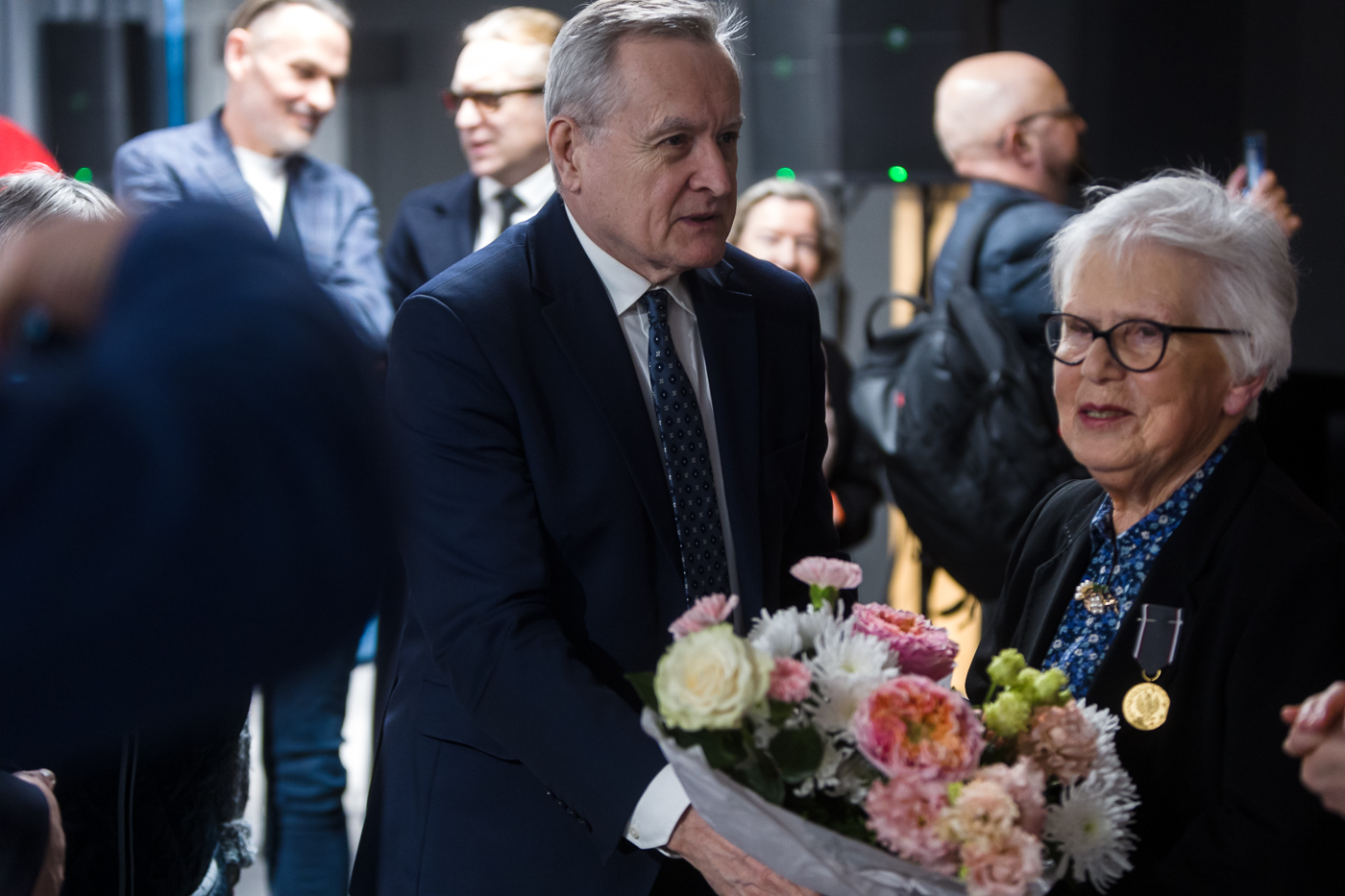
The ceremony of awarding the Reipublicae Memoriae Meritum Medal was attended, among others, by Argentine Ambassador to Poland Alicia Irene Falkowski and Israeli Ambassador to Poland Dr. Yacov Livne as well as the Ambassadors of Austria, France, Azerbaijan, Georgia, the Deputy Ambassador of Hungary and the General Representative of Flanders. Professor Piotr Gliński, Member of the Polish Parliament, was also present.
Krystyna (Ada) Willenberg, née Lubelczyk, was born in 1929 in Warsaw, on Franciszkańska Street, to a Jewish family. During the war she found herself in the Warsaw ghetto, from which she escaped to the Aryan side thanks to the help of her family in 1942. Under a false name, she stayed in Helena Majewska’s home. She met her husband Samuel Willenberg, a prisoner of the Treblinka death camp, participant in the revolt and later author of a series of sculptures depicting the horror of the Holocaust, in Łódz in 1946. They married in 1948 and emigrated to Israel together in 1950. Krystyna Willenberg is the author of the book “Skok do życia” [Leap to Life], describing her memories of the war. She accompanied her husband in his educational activities, and now continues this work. She is a well-known figure in Polish social and political life, including working to build the Treblinka Museum's educational pavilion, where, according to Samuel Willenberg's last will, his sculptures are going to stand.
The IPN is grateful for her involvement in the project, as part of which she agreed to lend her husband's sculptures to the Institute free of charge, as well as to appear at the opening ceremony of the 2020 exhibition as a guest of honor. Krystyna Willenberg guided official guests through the exhibition, and also took part in an educational workshop for Polish youth. Her short stay in Warsaw was also an opportunity to give numerous press statements, in which she spoke about both her wartime experiences and those of her late husband. Mrs. Willenberg also took an active part in subsequent installments of the project in various locations across Poland, including the 2023 commemoration of the anniversary of the Treblinka revolt, where the exhibition was presented in an outdoor version.
Ada Willenberg remains a great authority for many circles in Poland and Israel, with her presence and extraordinary charisma building bridges of understanding between nations.
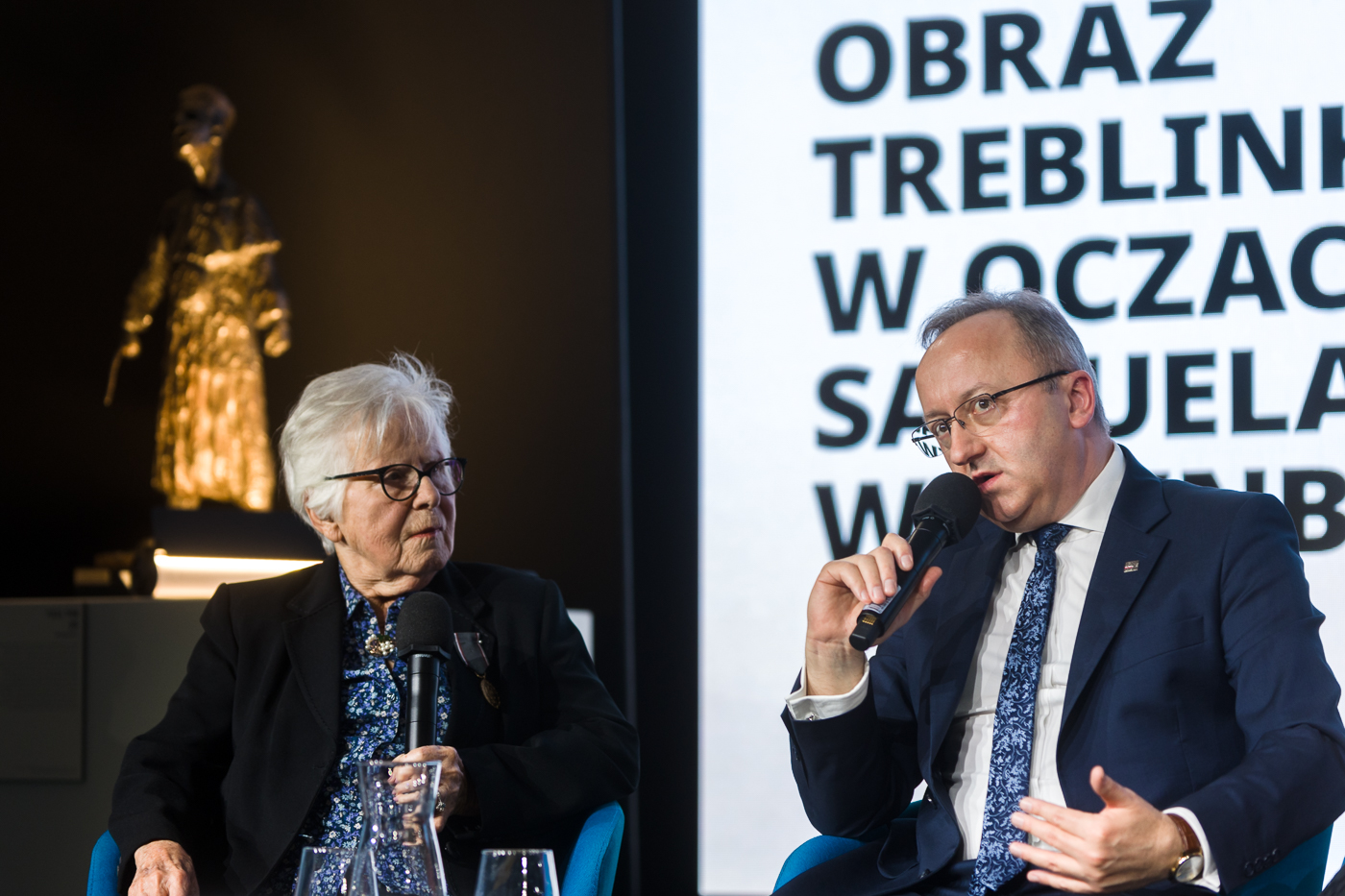
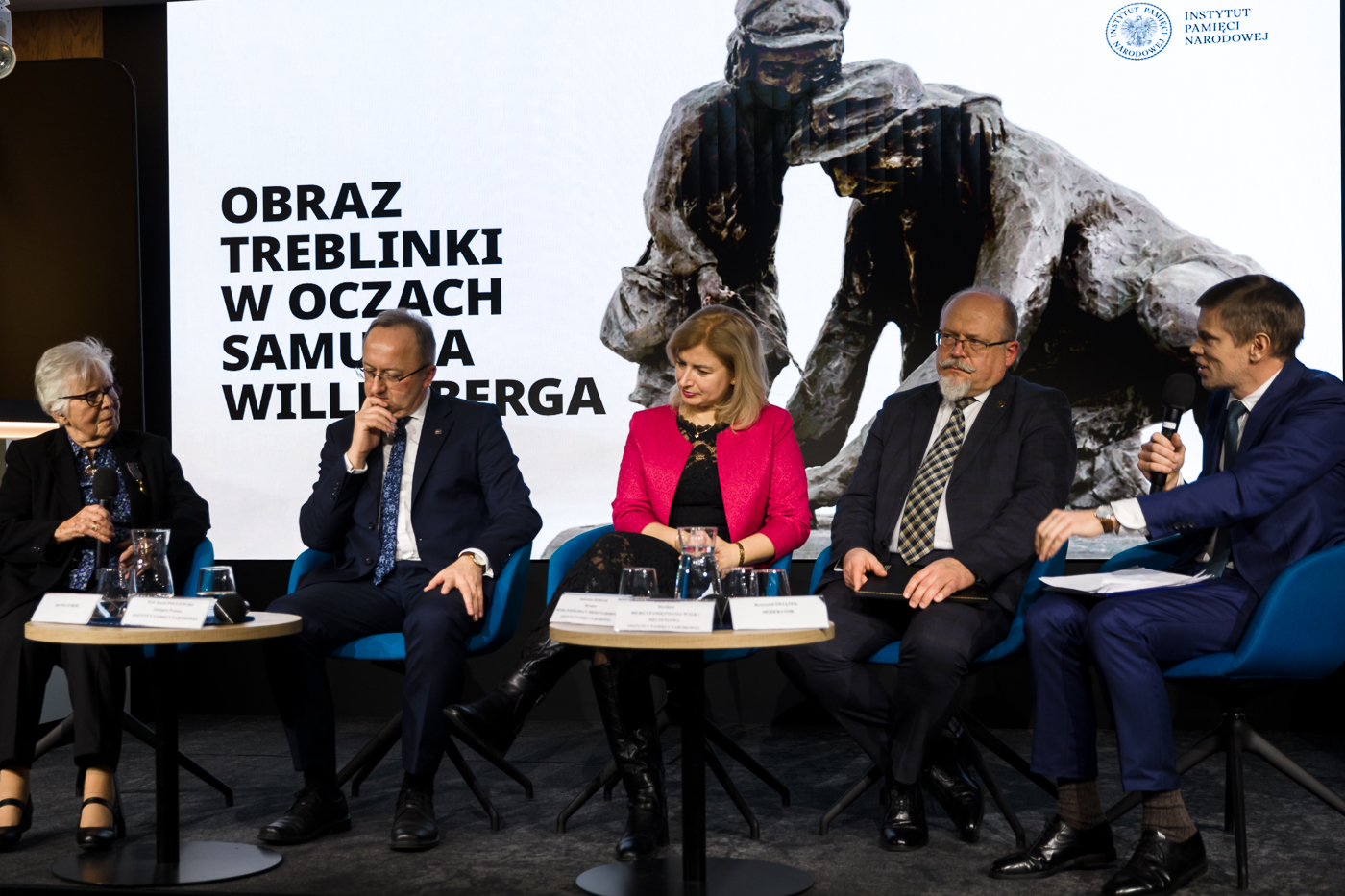
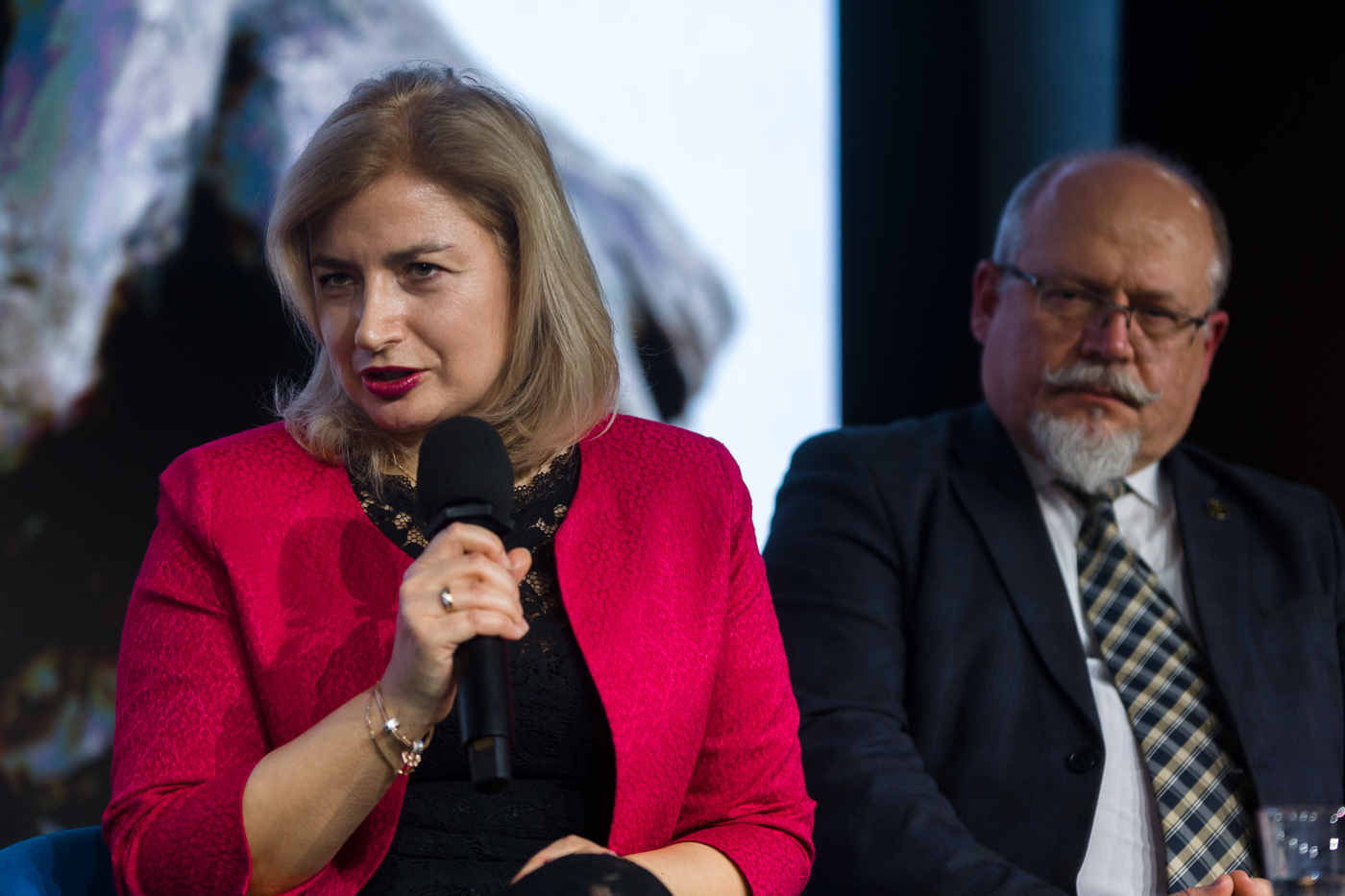
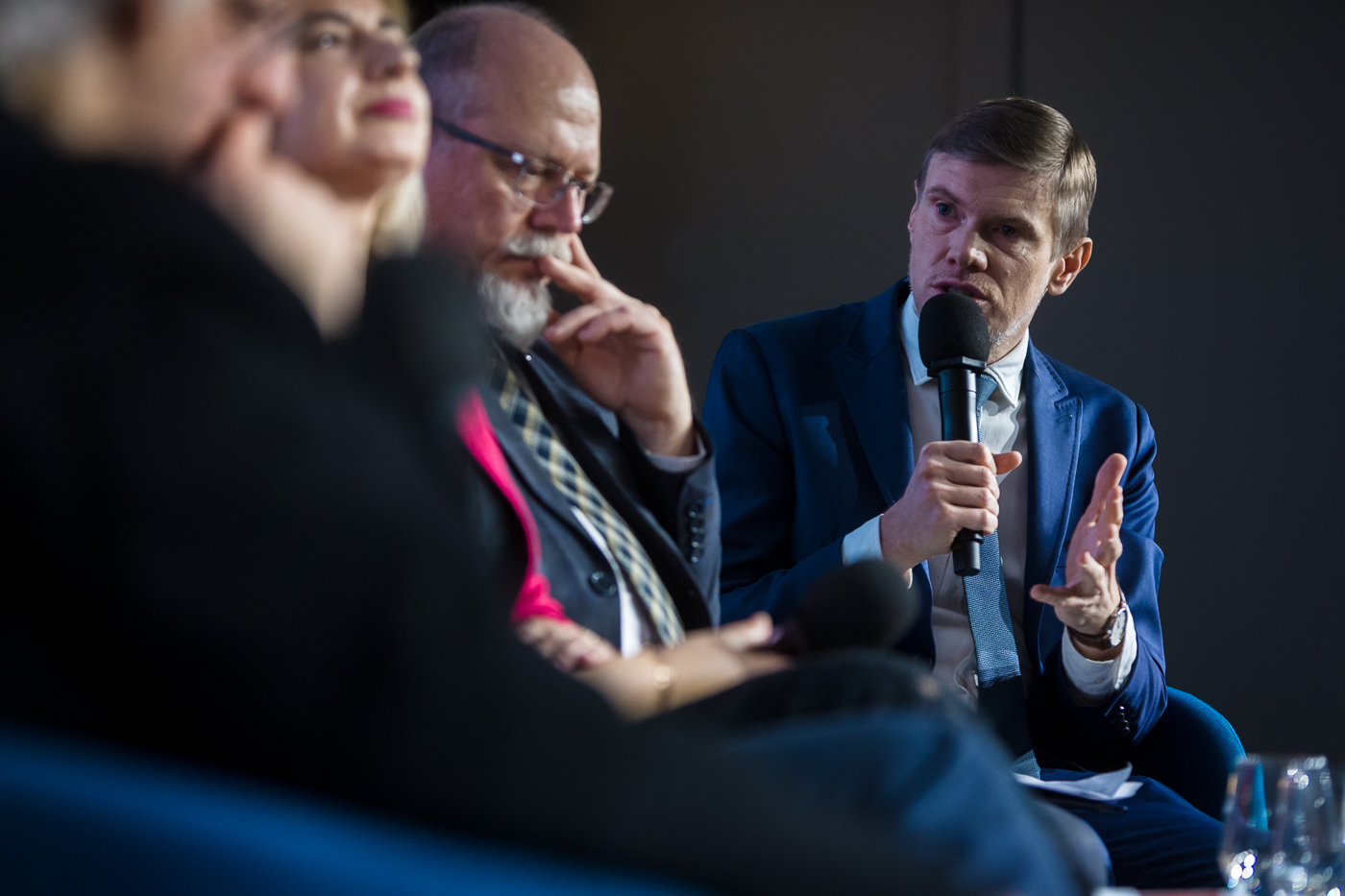
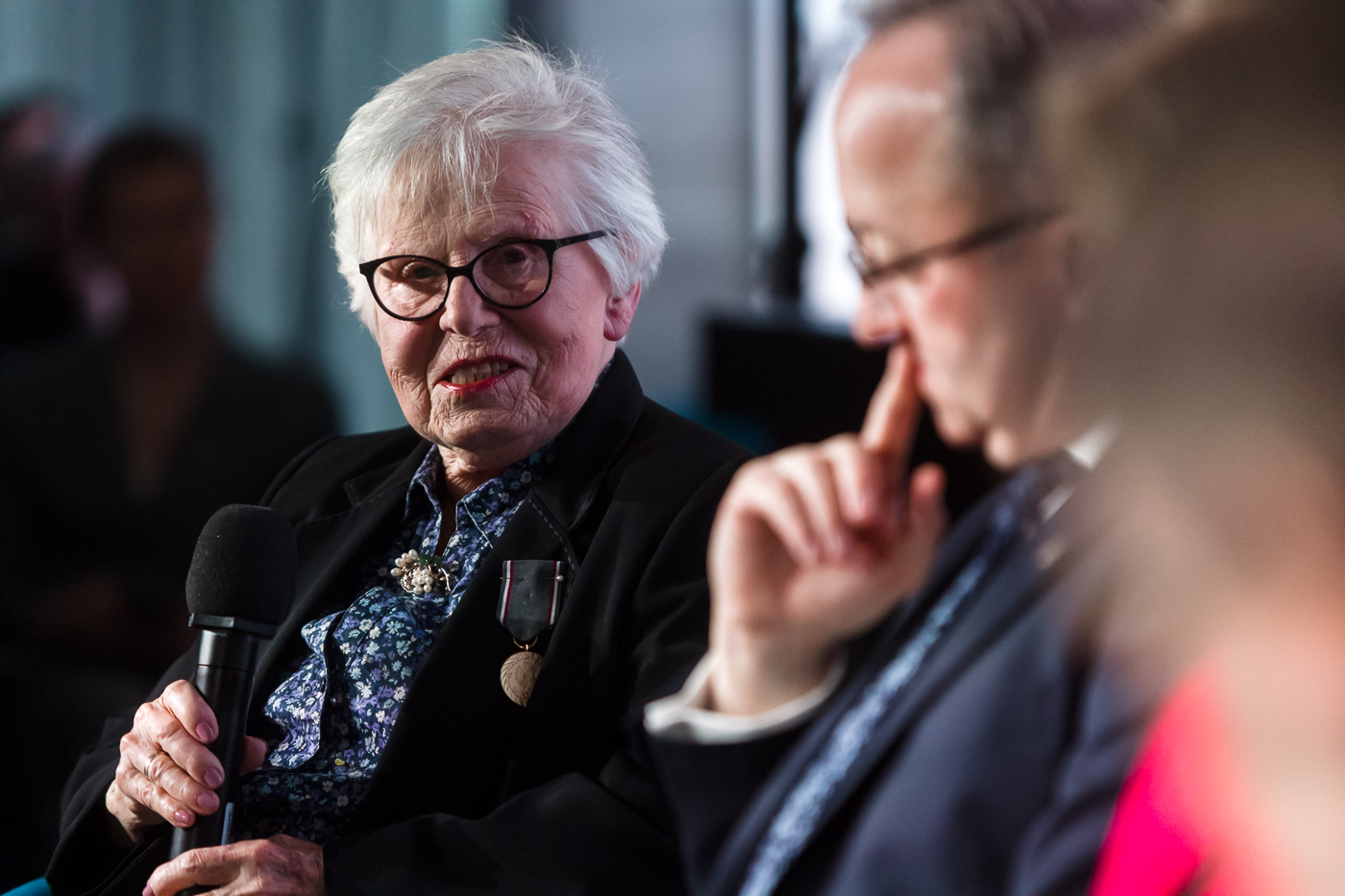
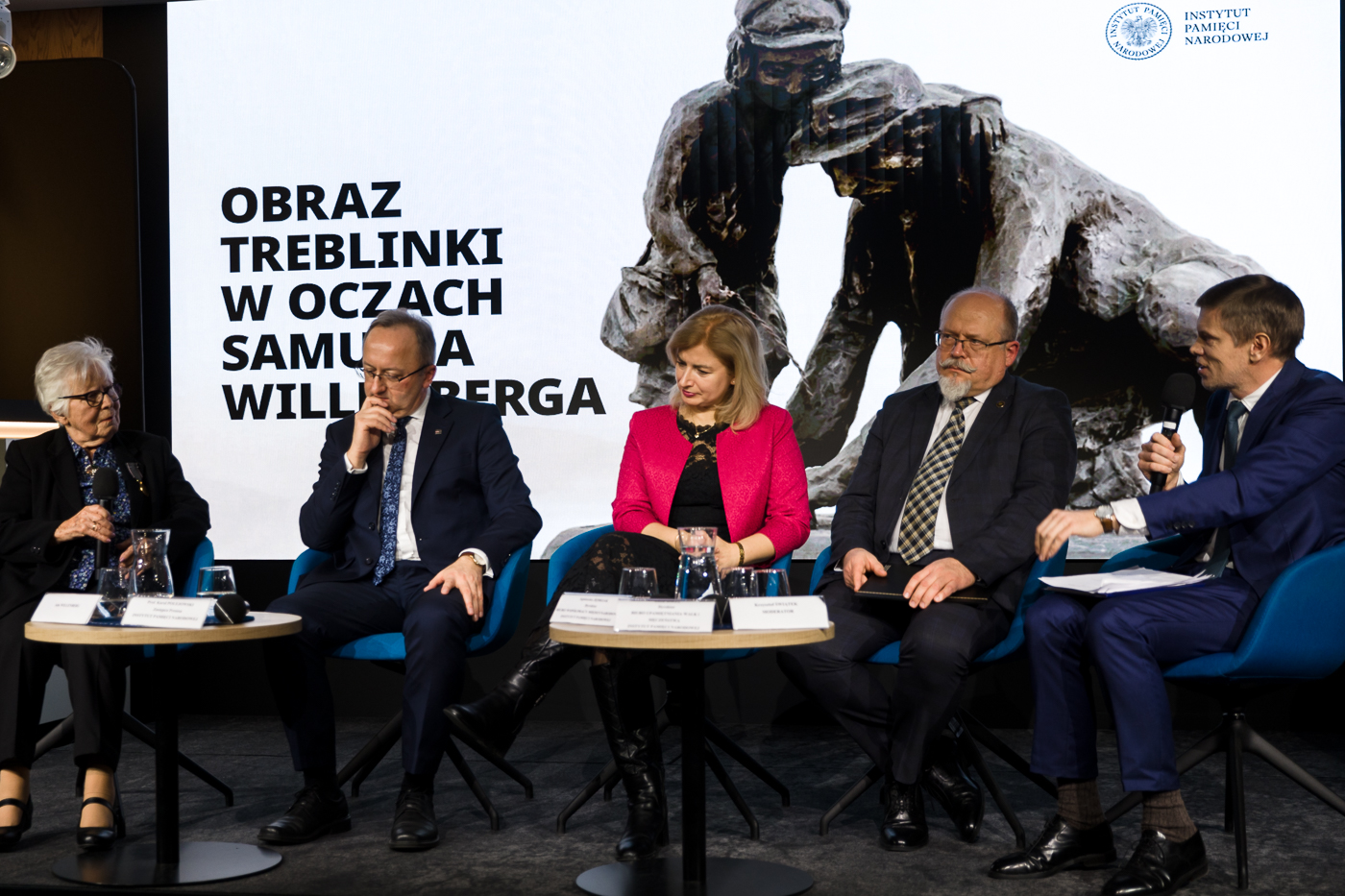
The discussion, moderated by Krzysztof Świątek, was attended by: Ada Willenberg, Deputy President of the IPN Prof. Karol Polejowski, Director of the Office for Commemorating the Struggle and Martyrdom Adam Siwek, and the Director of the IPN International Cooperation Office Agnieszka Jędrzak.
They discussed, among other things, how material things, works of art and commemorations contribute to building a community of memory, as well as the role of witnesses of history or the works they created in shaping the consciousness of the youngest generations.
In addition, the participants of the discussion considered such questions as the significance of Samuel Willenberg's message and post-war activities for contemporary Polish-Jewish dialogue, of which Samuel Willenberg and his wife were great advocates. Prof. Karol Polejowski, shared his reflections on not only the moral, but also the historical significance of the Treblinka prisoner uprising, which took place on 2 August 1943.
On the basis of personal experiences and observations, the panelists answered the question of what they perceive as the greatest difficulty, and what, in turn, brings hope that knowledge of the Holocaust and German crimes in the 20th century will remain an important lesson about the nature of evil in the consciousness of future generations.
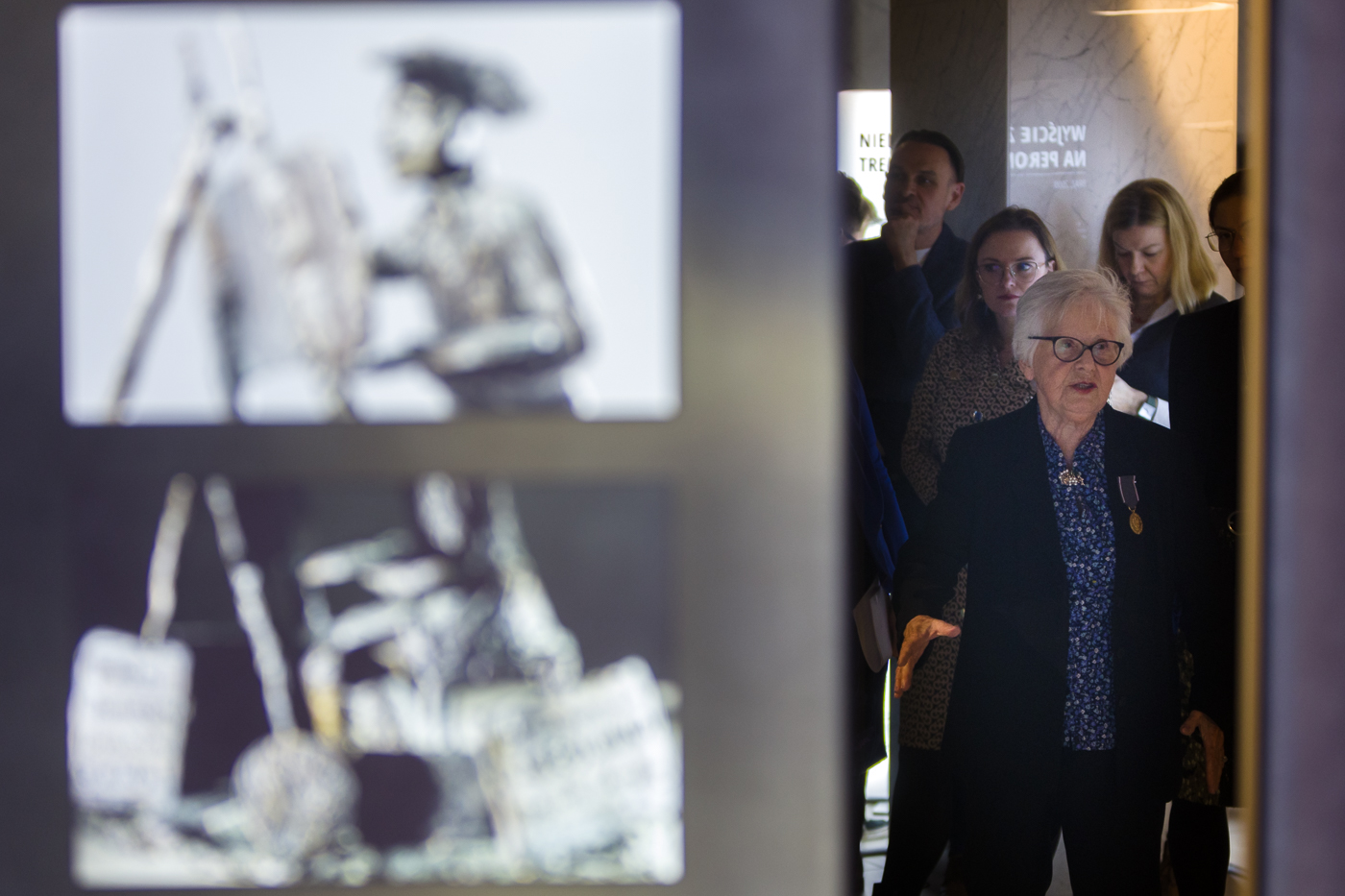
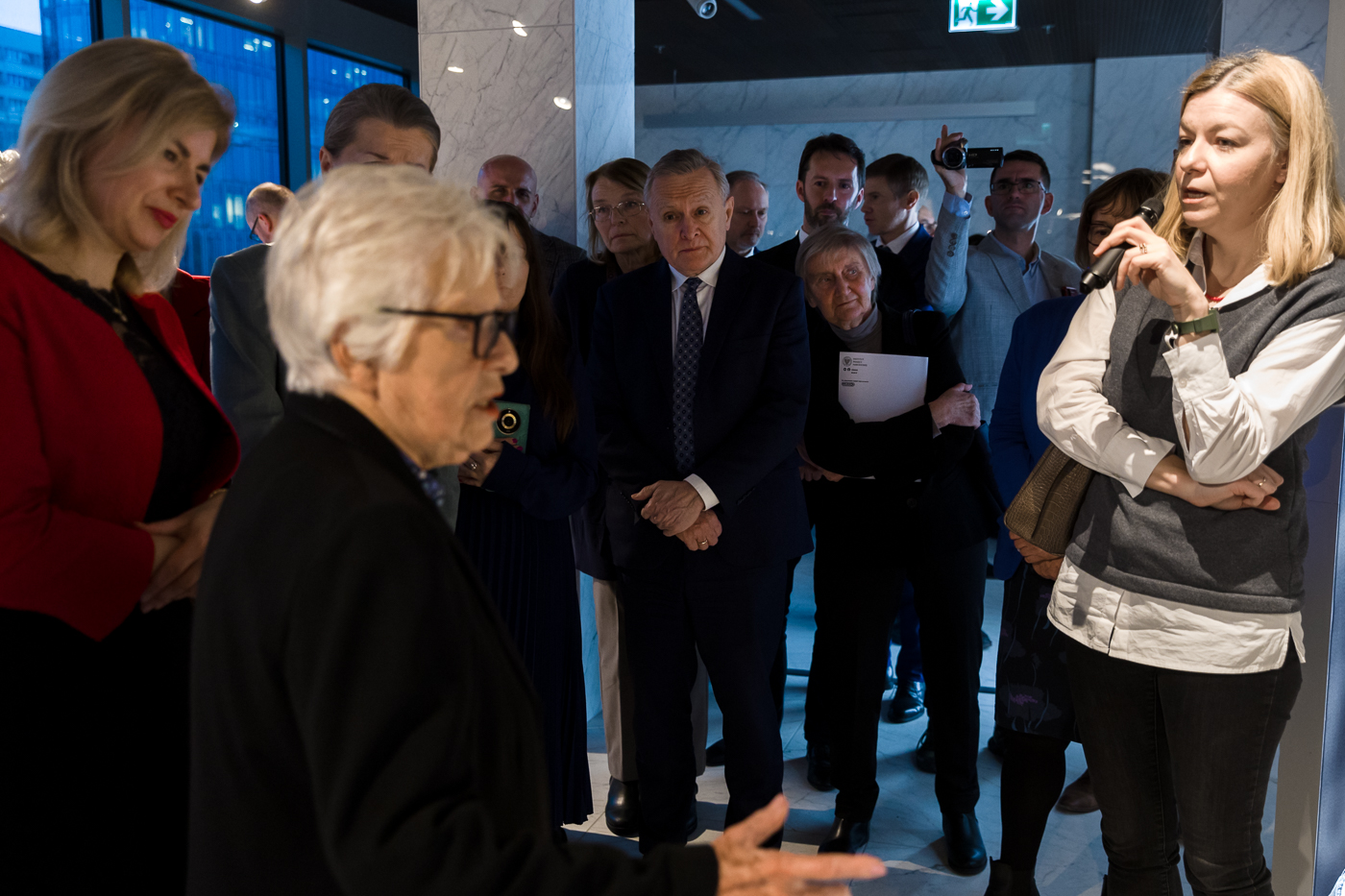
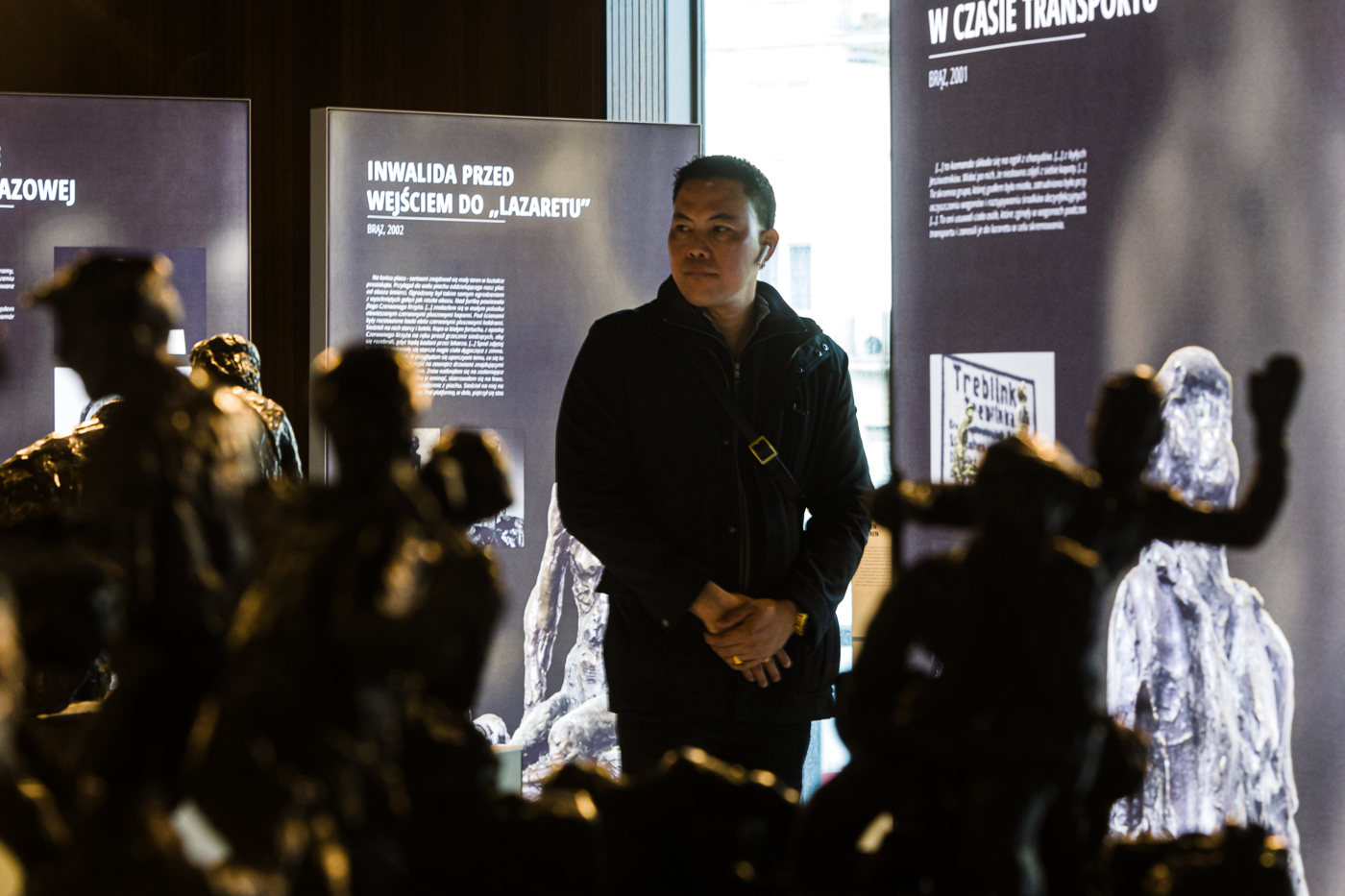
One of the highlights of the event was when Ada Willenberg guided the participants through “The Image of Treblinka in the Eyes of Samuel Willenberg” exhibition currently on display at IPN's Central Point in Warsaw. The participants also had the opportunity to hear about the process of Samuel Willenberg's sculptures 'coming to life' as described by his daughter Orit Willenberg.