


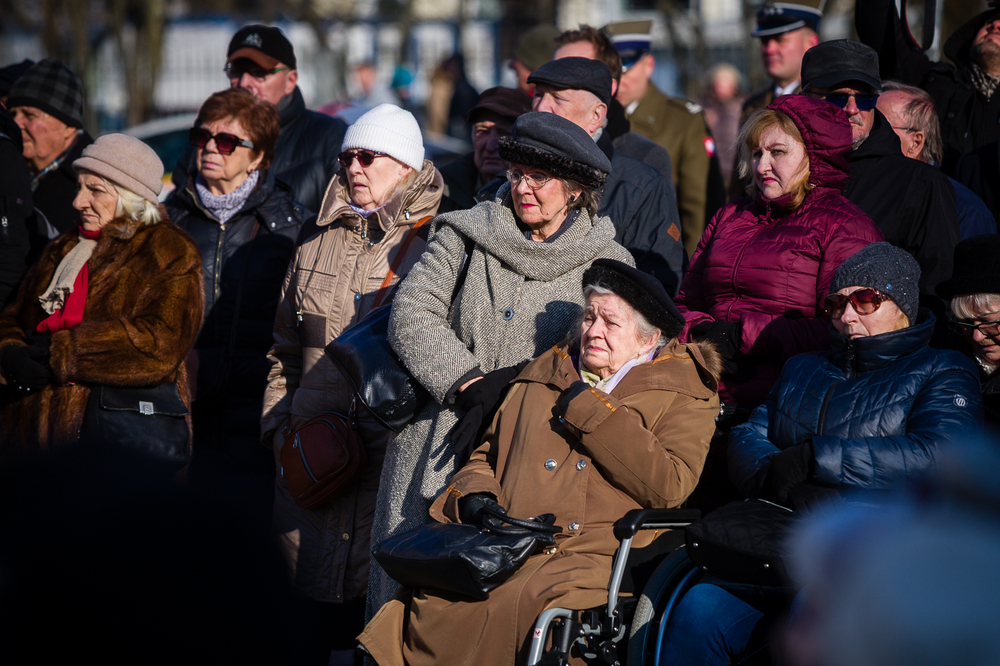
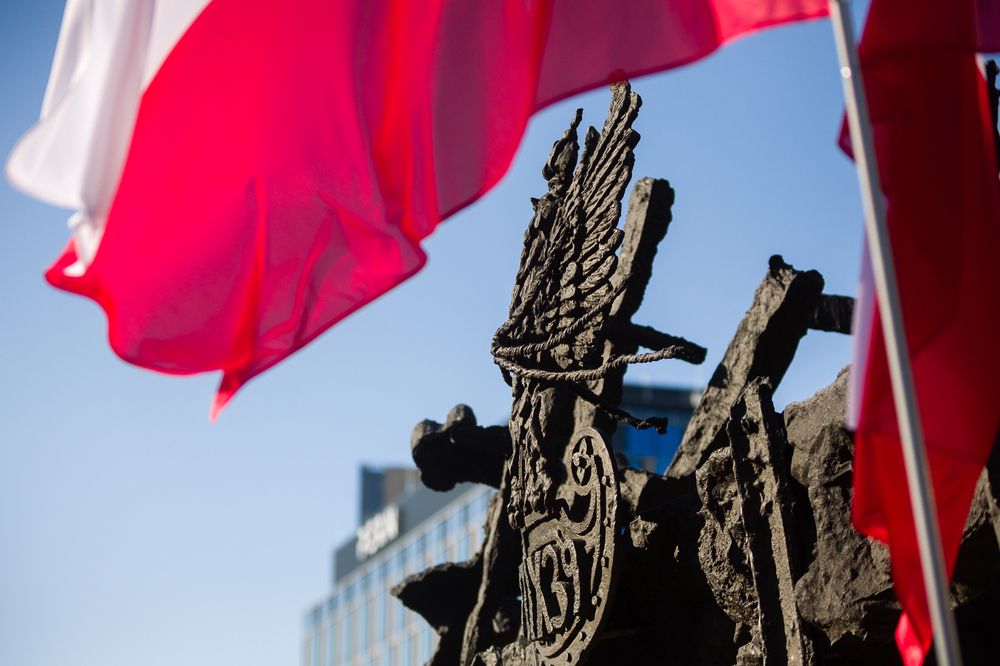
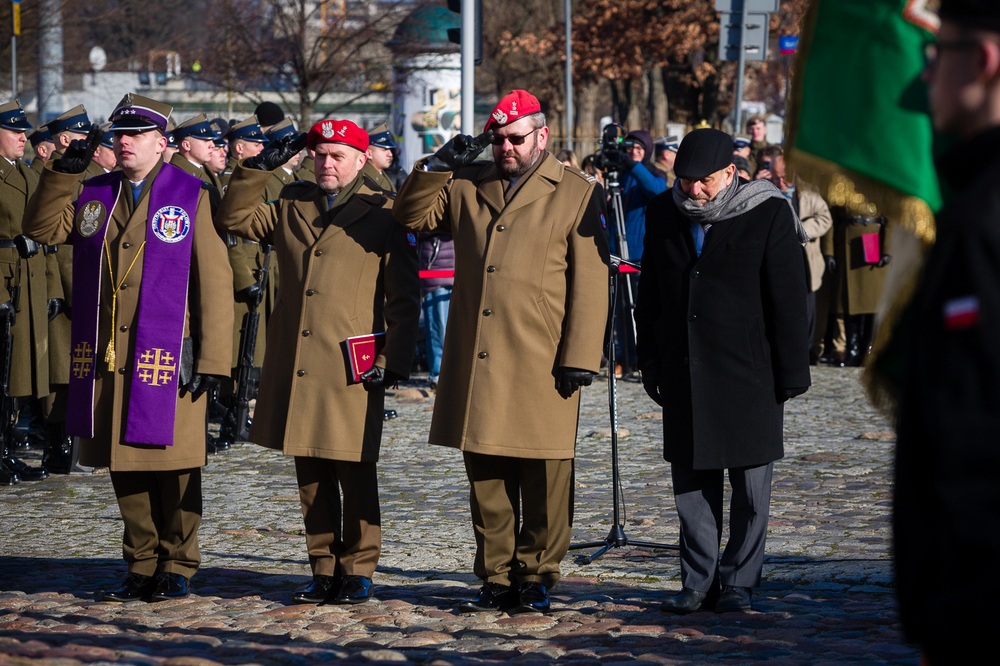
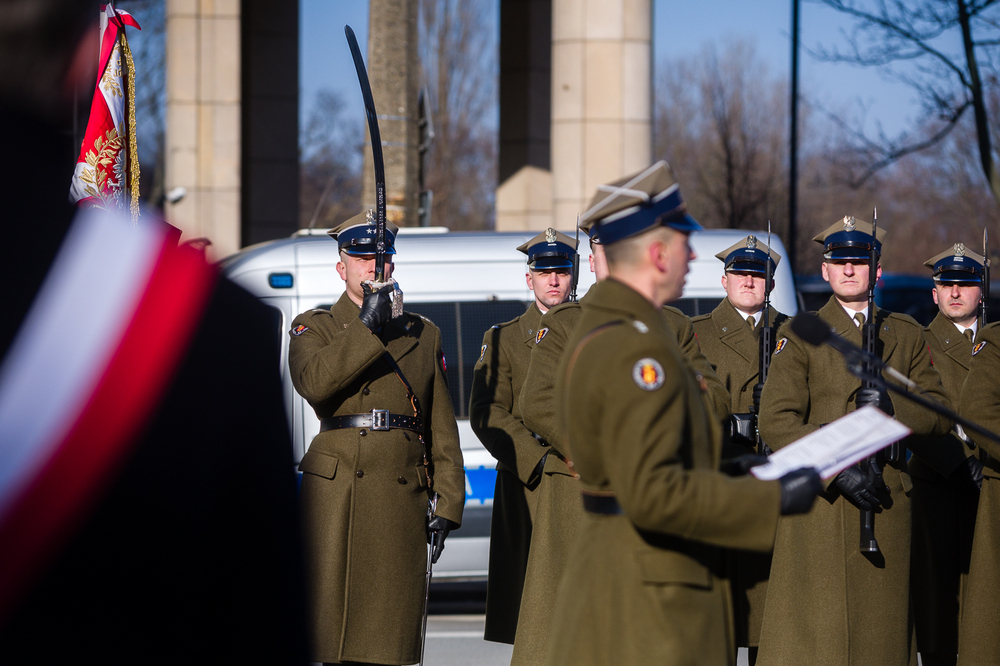
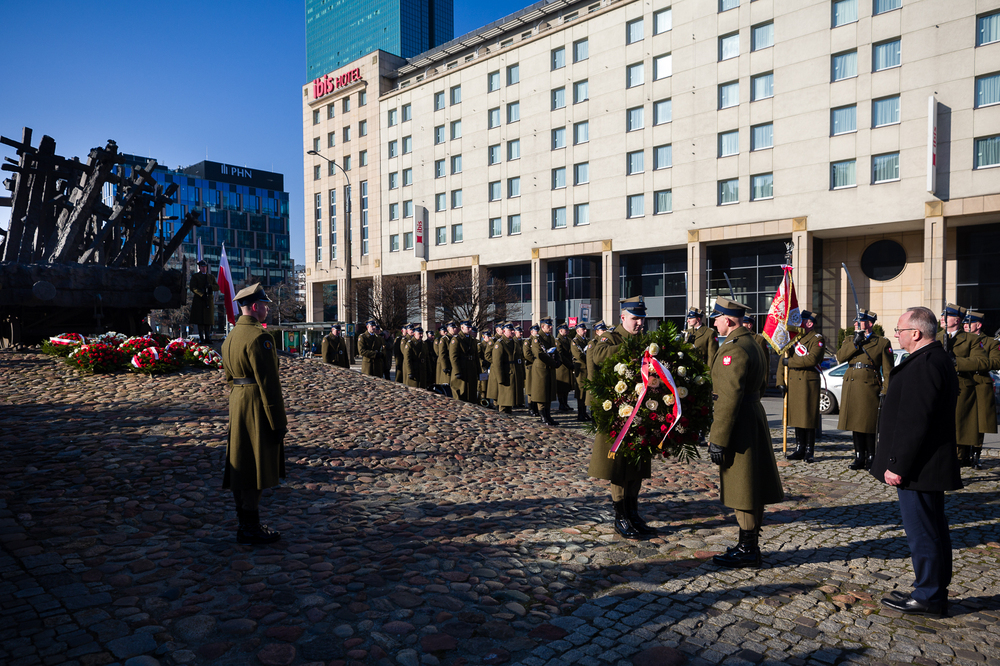
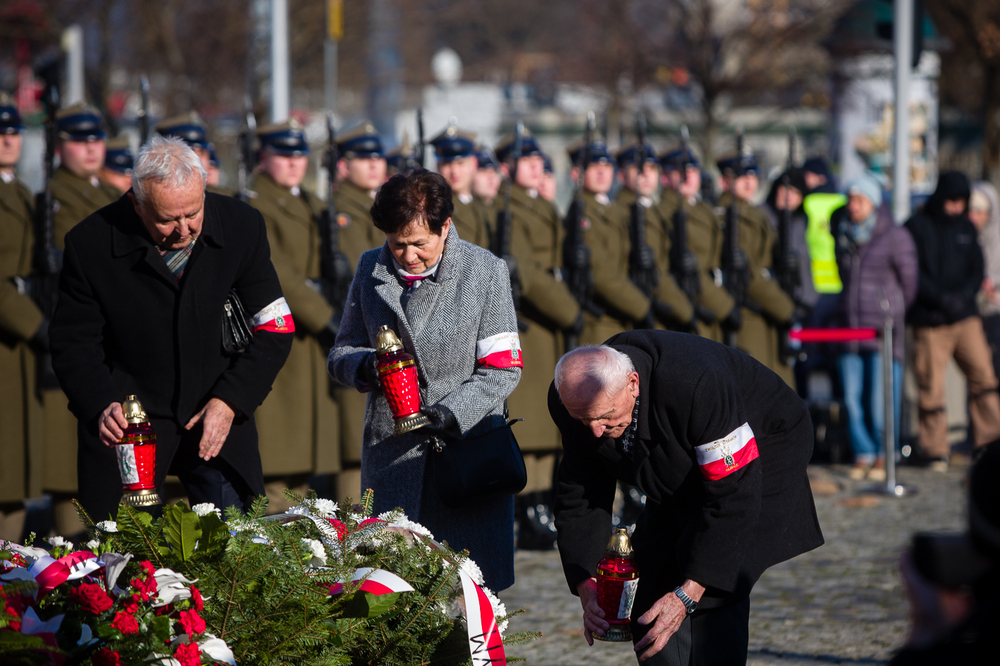
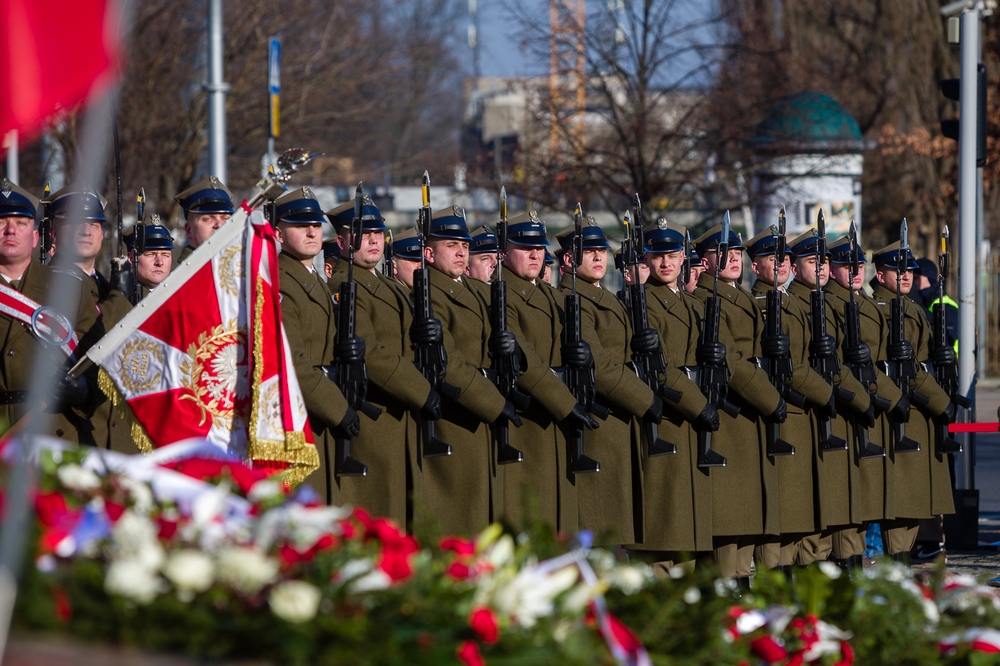

On 10 February 2025, on the 85th anniversary of the first mass deportation of Polish citizens deep into the USSR, a ceremony commemorating the victims of this crime took place in front of the Monument to the Fallen and Murdered in the East on Muranowska Street in Warsaw.
The event, organized by the Office for War Veterans and Victims of Repression and the Sybiraks' Association, brought together representatives of state and local governments, war veterans and Warsaw residents. The Institute of National Remembrance was represented by the Deputy President of the Institute of National Remembrance Prof. Karol Polejowski.
The celebration began with a mass at the Field Cathedral of the Polish Army. The service was celebrated in the intention of those who were sent to Siberia, victims of communist repression and their families.
At 12:00 the participants gathered at the Monument to the Fallen and Murdered in the East. During the ceremony, the dramatic events of 85 years ago were recalled, followed by a prayer for the victims of repression. The culmination of the celebration was the laying of wreaths and paying tribute to those who did not return from exile.
***
As a result of the Soviet aggression against Poland on 17 September 1939, the eastern areas of the Polish Republic found themselves within the borders of the Soviet Union. For the Poles living there, this meant facing a new power that sought by all means to denationalize and Russify Polish citizens. The methods the Soviets used were varied: Sovietization of education, promotion of secular upbringing, forced passportization that stripped Poles of their previous citizenship. This was accompanied by terror and arrests. The physical elimination of those who, against all odds, refused to forget that they were Poles, was an essential part of the Sovietization of the seized lands.
The four deportations of 1940-1941 were therefore not an end in themselves, but were intended to lead to the destruction of traces of Polish statehood in the seized territories and their unification with the Soviet Union. The deportations primarily targeted the Polish elite, which was the part of society most aware of its nationality and statehood. The deportees were treated as a “counter-revolutionary element,” destabilizing the Soviet order in the occupied territories. The elimination of the intellectual and cultural elite was thus a basic condition for the successful Sovietization and full annexation of the Borderlands.