
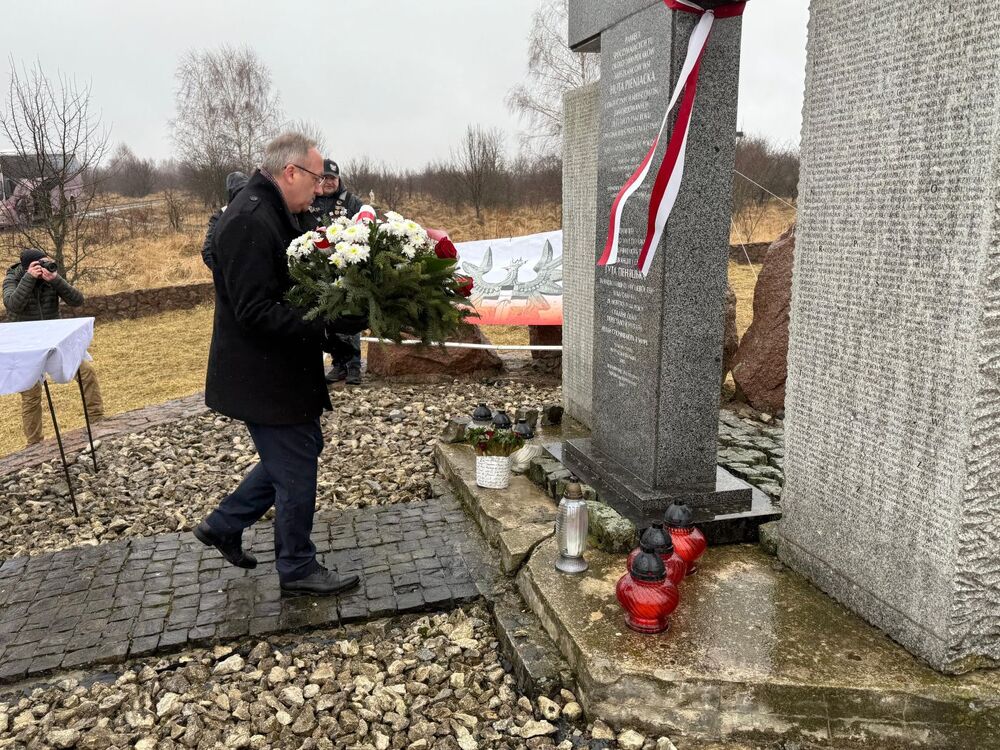
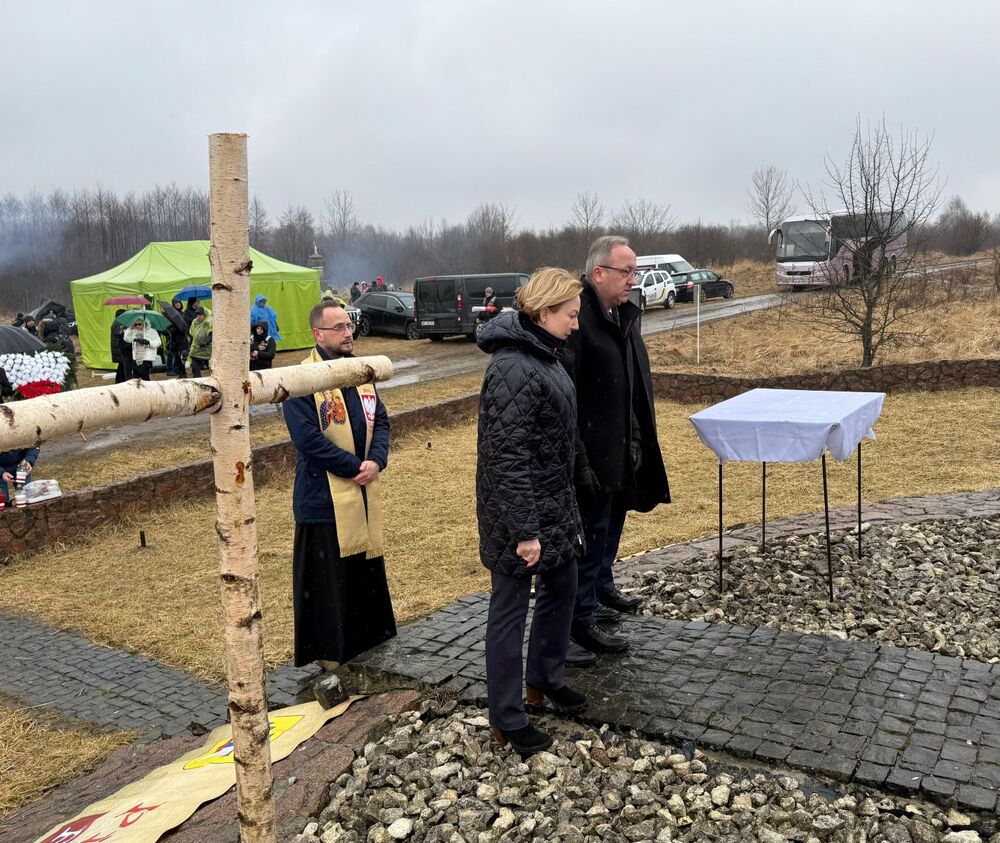
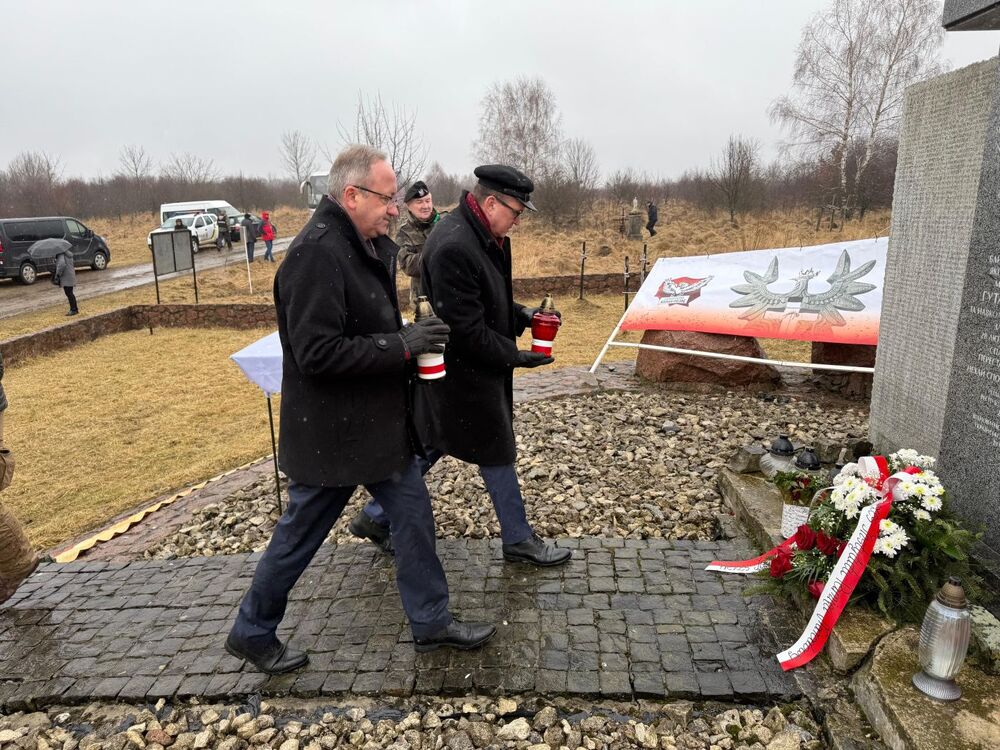
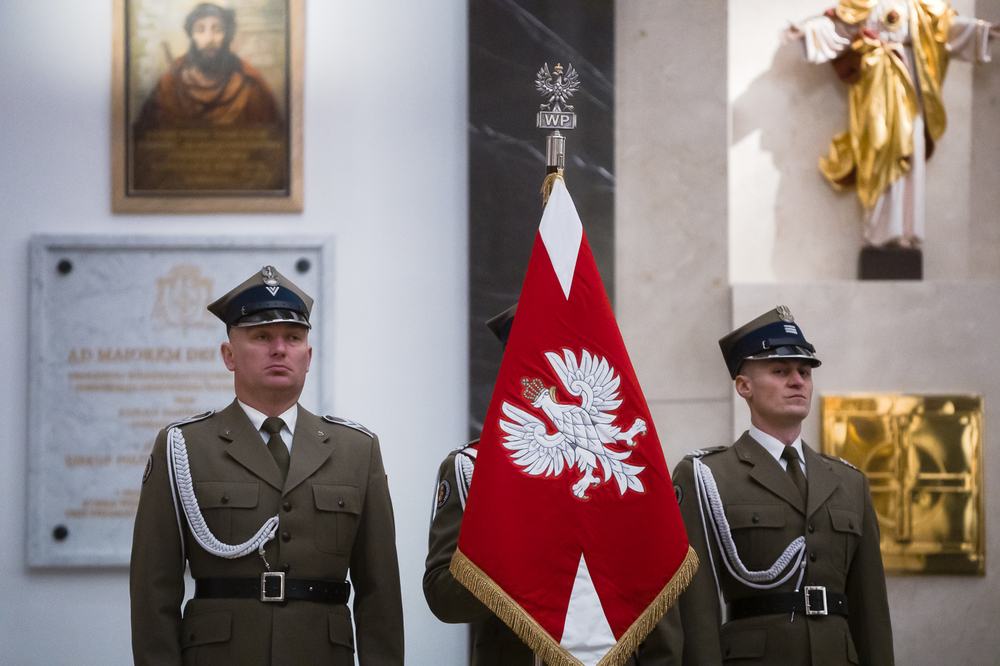
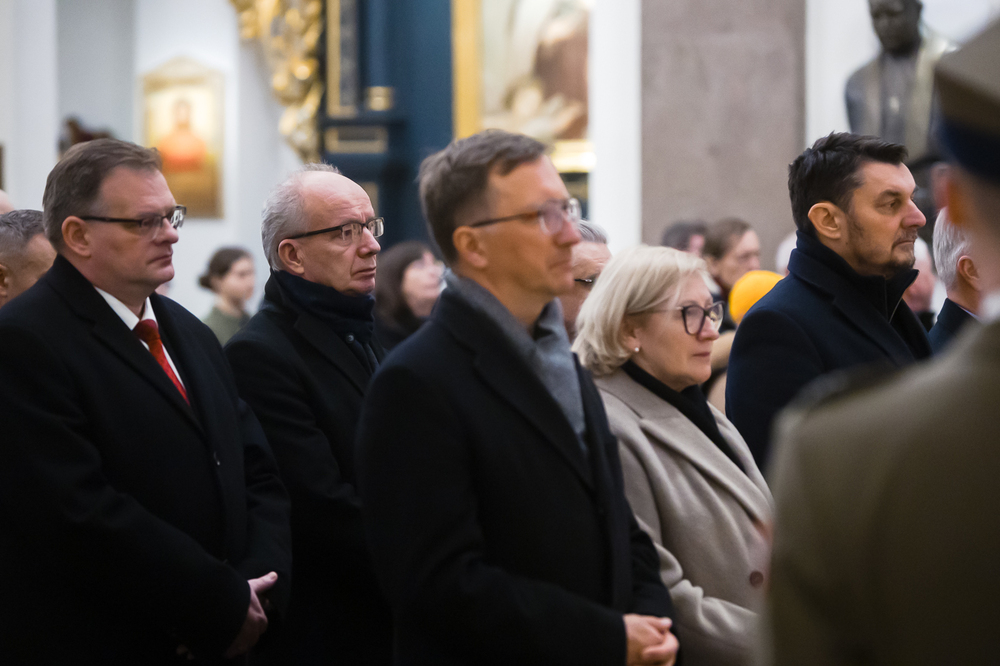
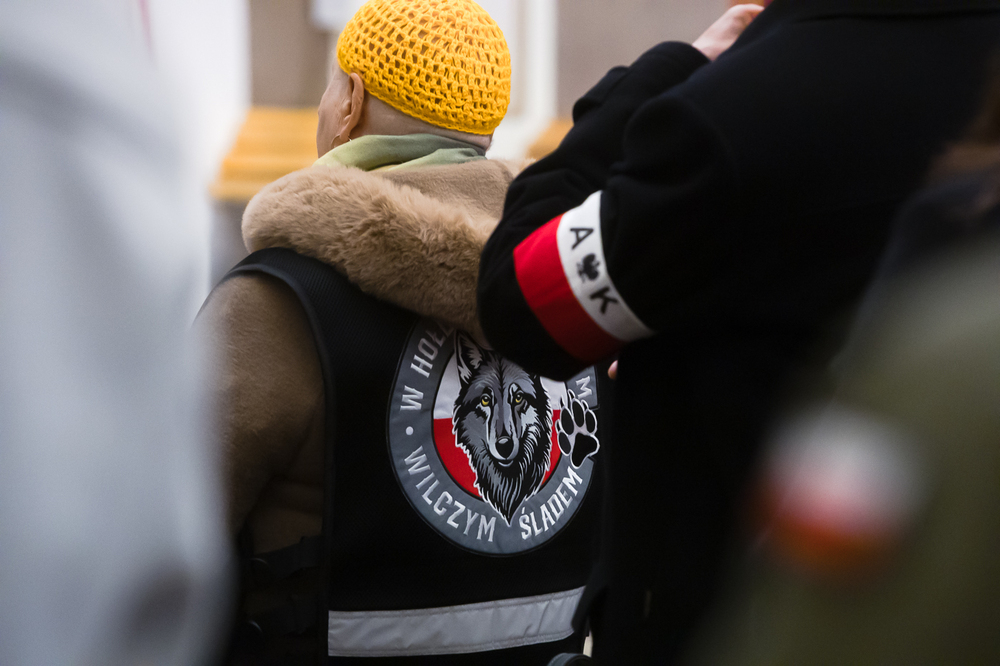
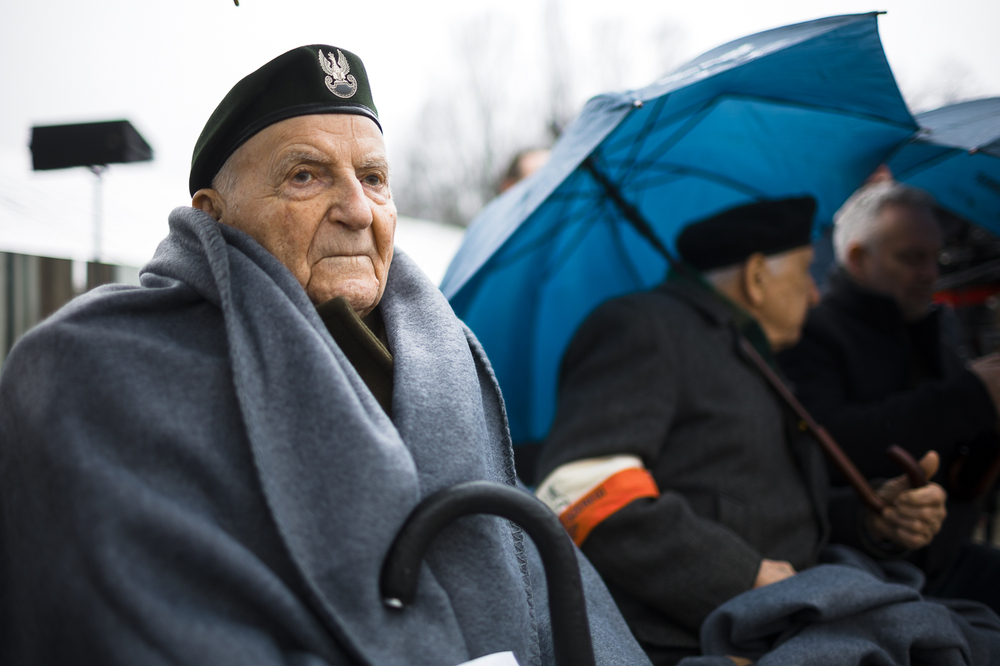
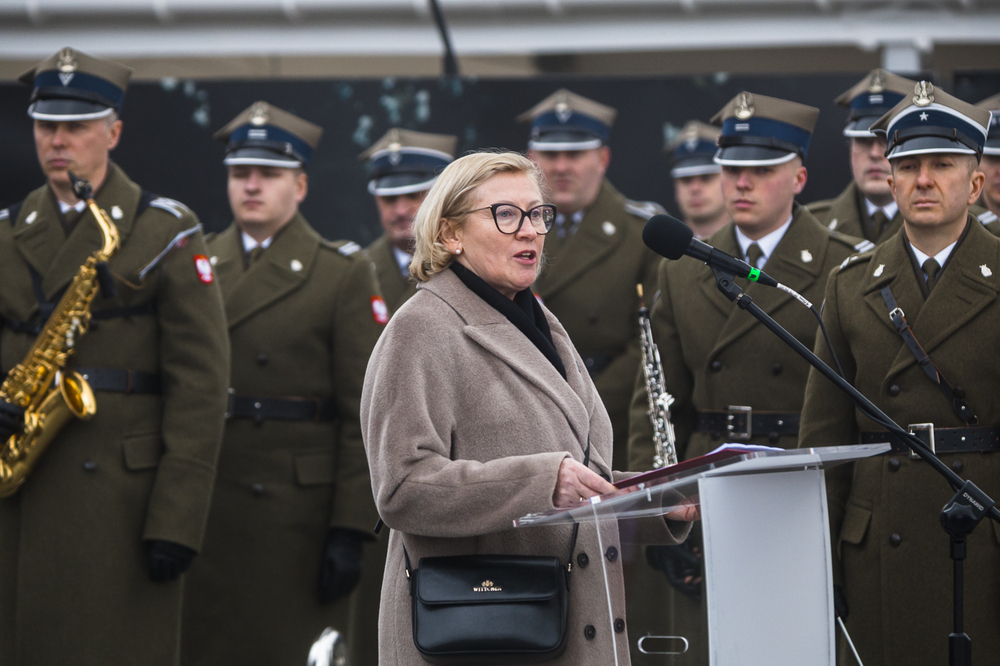
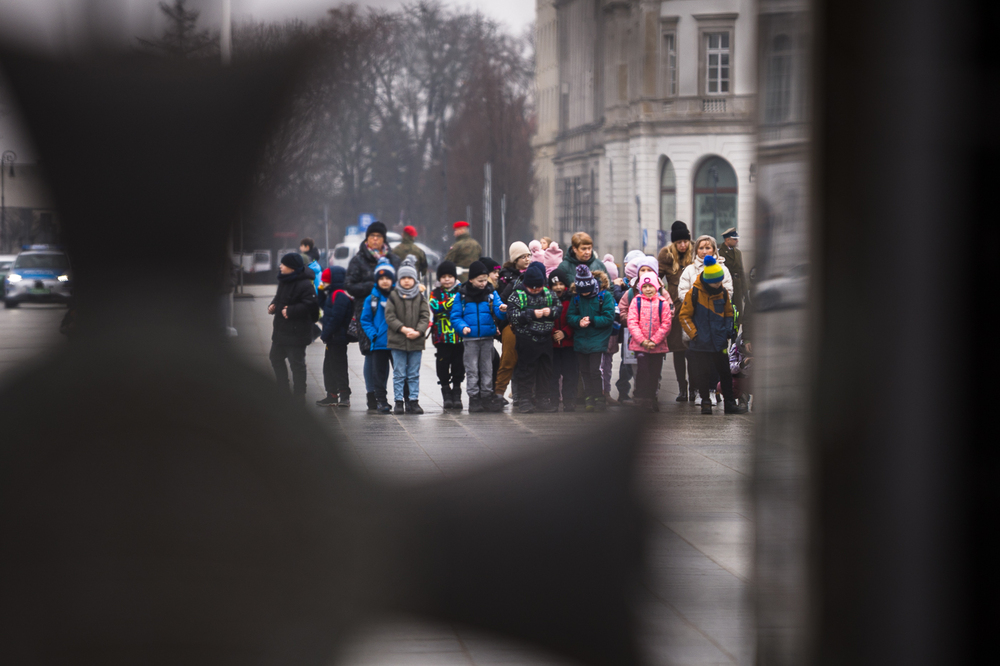
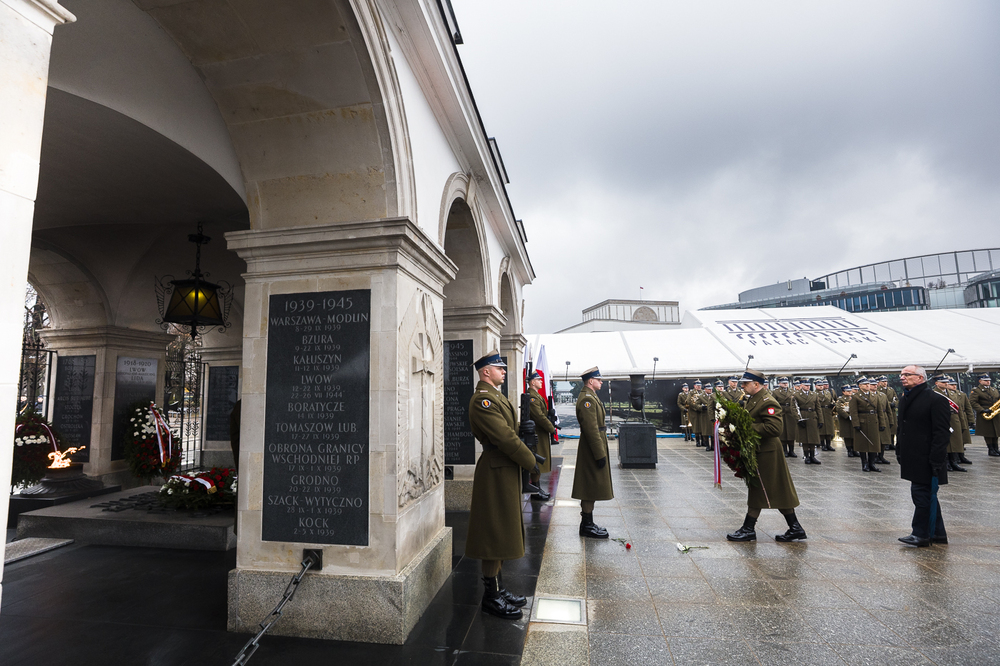
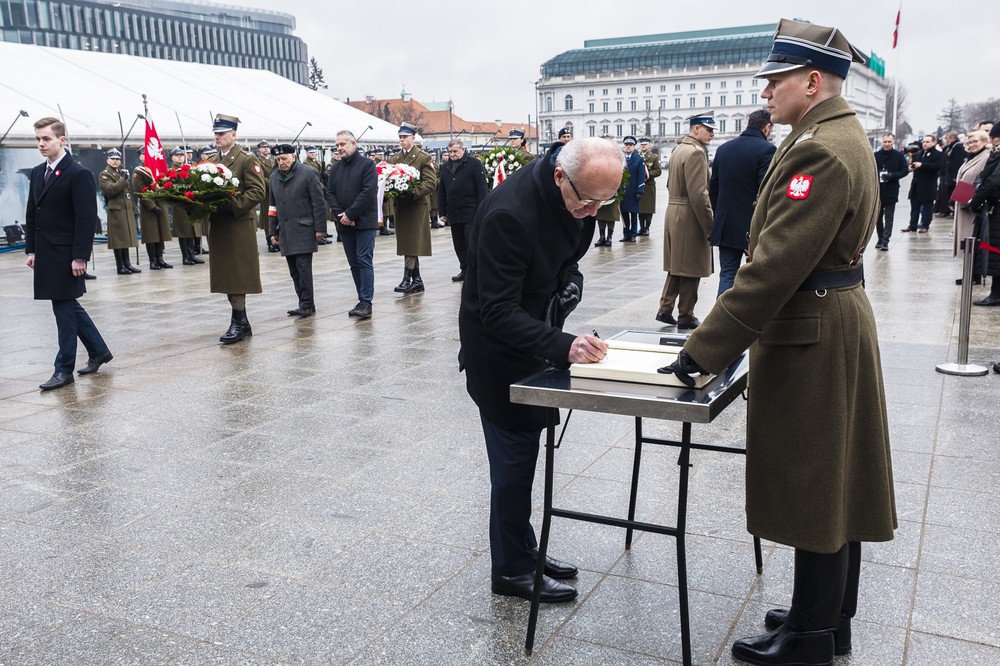
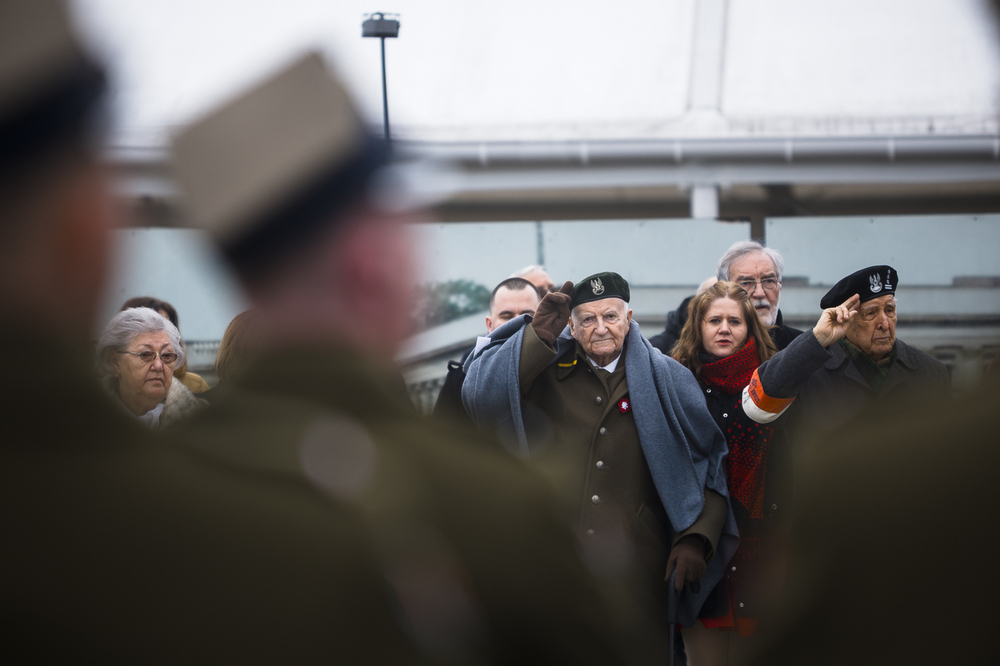
On 28 February 2025 IPN representatives, including the Deputy Presidents of the IPN Prof. Karol Polejowski and Prof. Krzysztof Szwagrzyk honored the Polish victims of the 1944 Ukrainian mass murder.
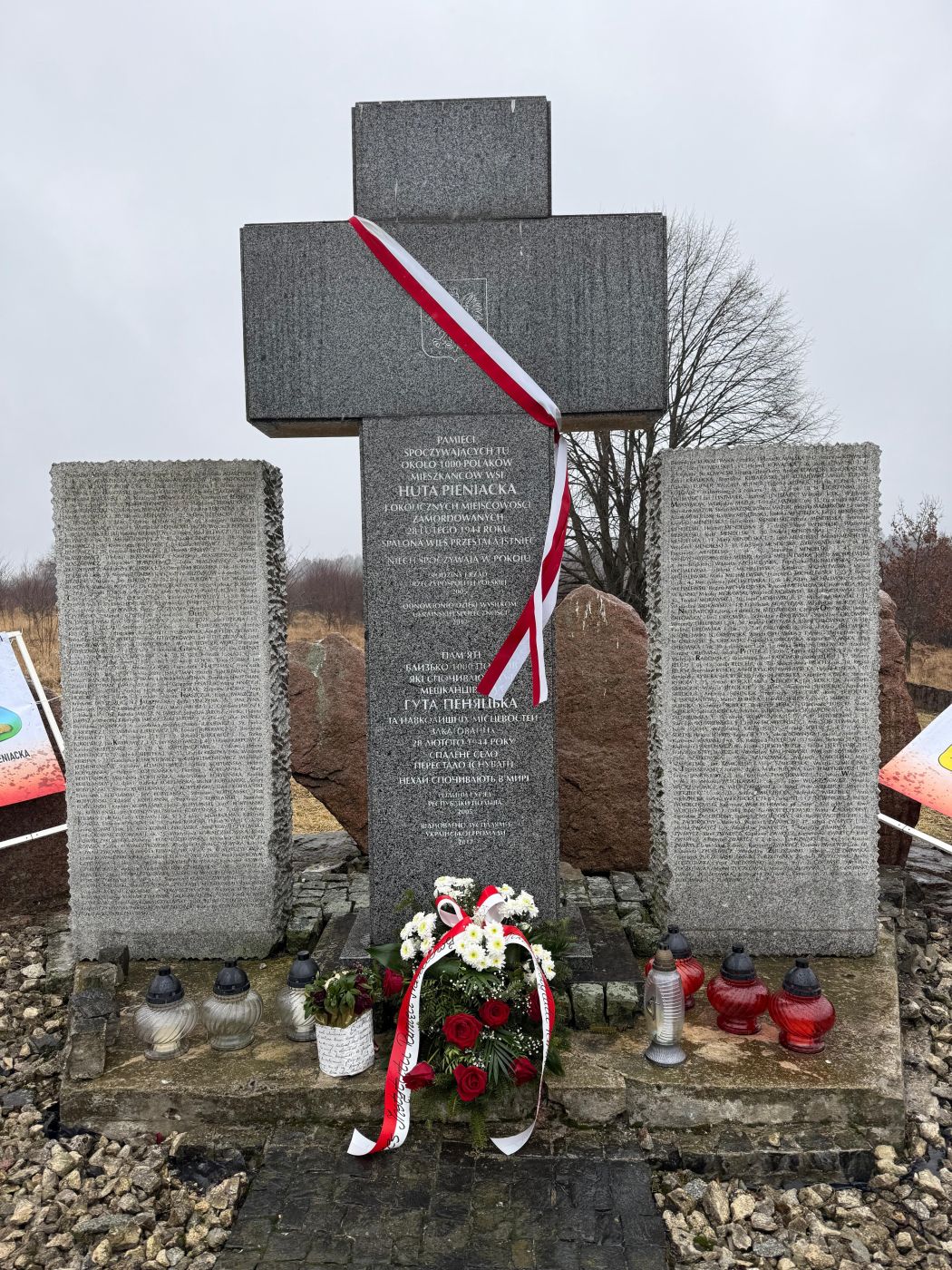
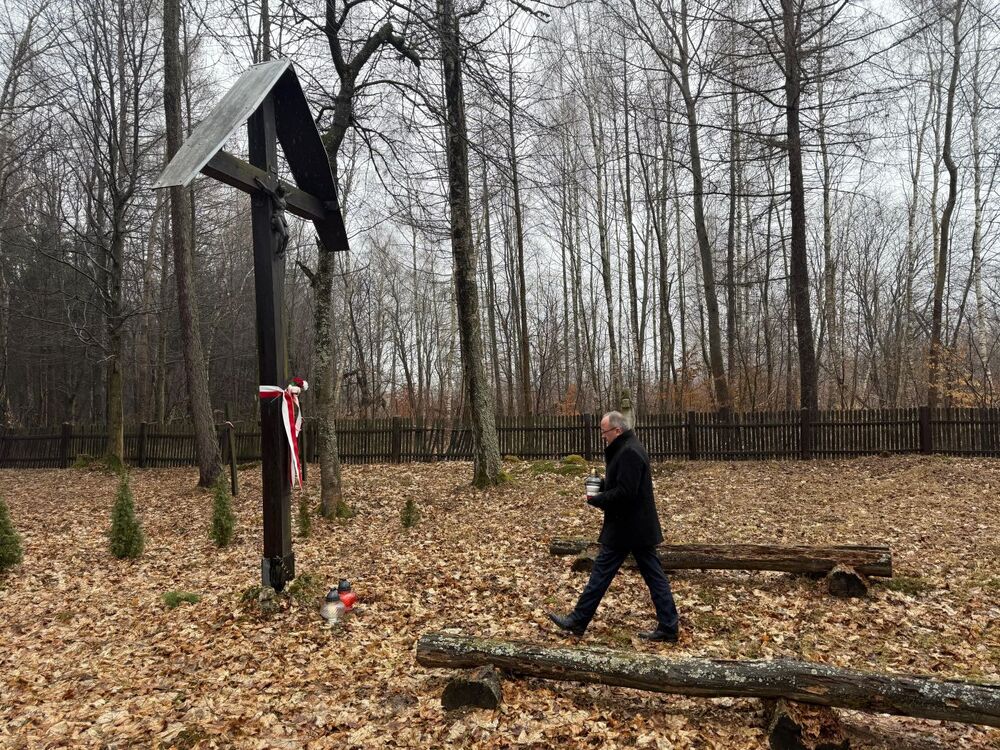
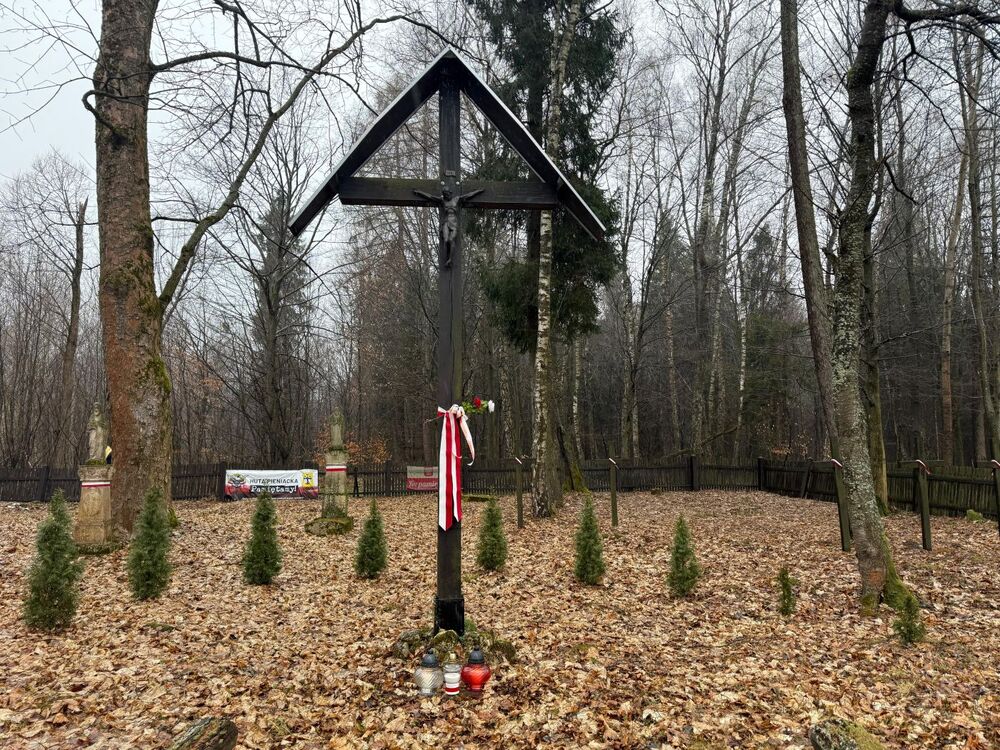
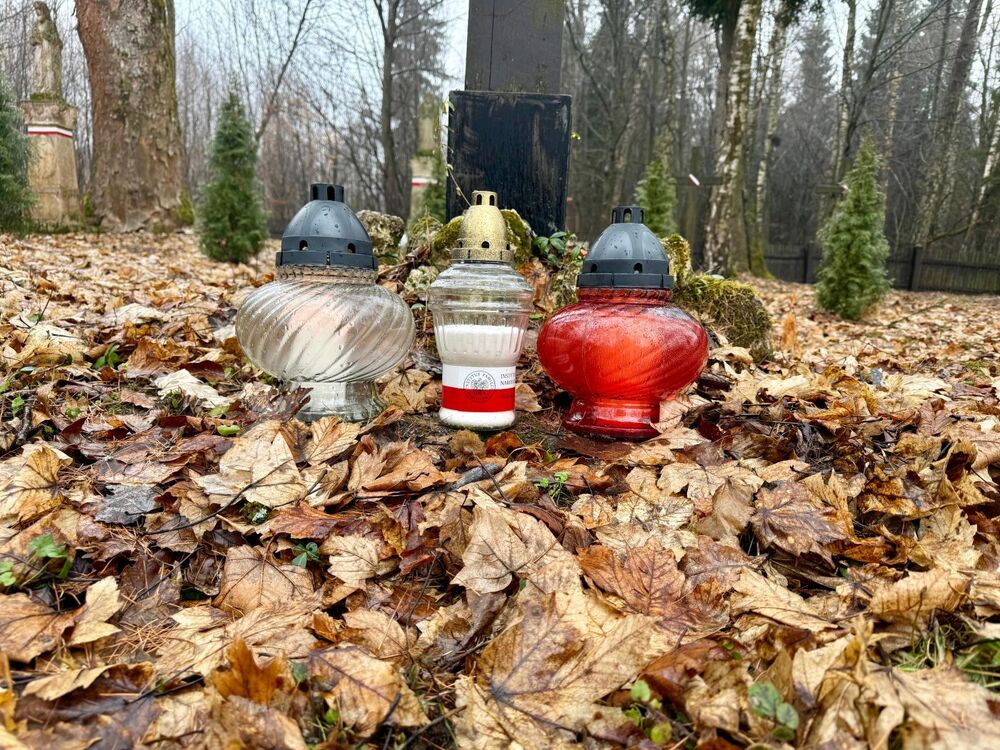
On February 28, 1944, Ukrainian nationalists murdered several hundred residents of the village of Huta Pieniacka. On the 81st anniversary of this crime, representatives of the Institute of National Remembrance headed by Prof. Karol Polejowski, Deputy President of the Institute of National Remembrance, Dariusz Iwaneczko Ph.D., the Director of the IPN Branch in Rzeszów, and Rafał Leśkiewicz Ph.D., the Director of the Spokesman's Office, laid wreaths at the monument to the victims of the crime in Huta Pieniacka in the Lviv region of Ukraine. They also visited the local cemetery, where they lit candles at the few remaining tombstones of the victims. Rev. Tomasz Trzaska of the IPN's Office of Search and Identification said a prayer in memory of the victims.
28 February 1944, 4th SS Police Regiment, formed out of Ukrainian volunteers to the "Galizien" Division, reinforced by local Ukrainian Insurgent Army unit and Ukrainian peasants from nearby settlements, raided the Polish village of Huta Pieniacka in Galicia and murdered 850 out of 1,000 villagers. It was part of Ukrainian full-scale ethnic cleansing campaign, launched in mid-1943 and targeting Volhynian and Galician Poles.
In 2005, the victims’ relatives and Poland’s Council for the Protection of Struggle and Martyrdom Sites erected a memorial on the murder scene, and in 2008, the Huta Pieniacka Association was founded to preserve the memory of the people who perished in the massacre.
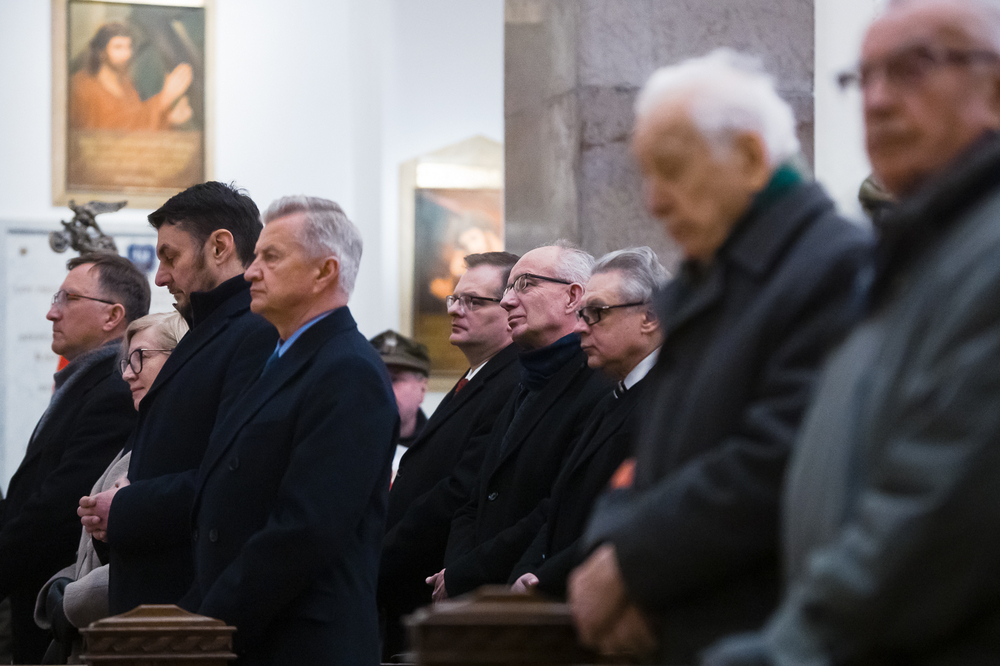
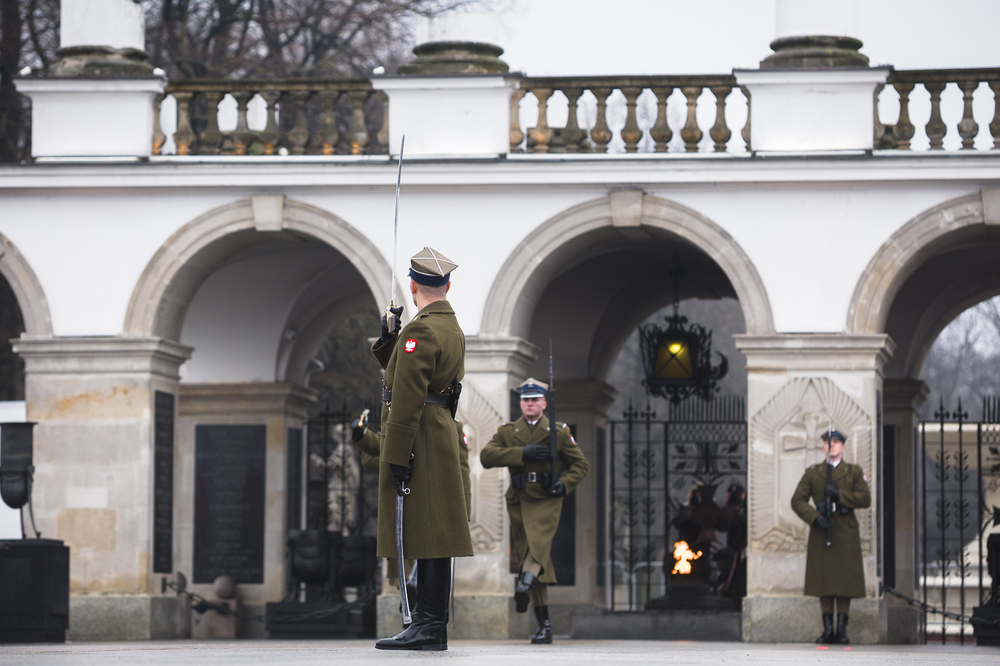
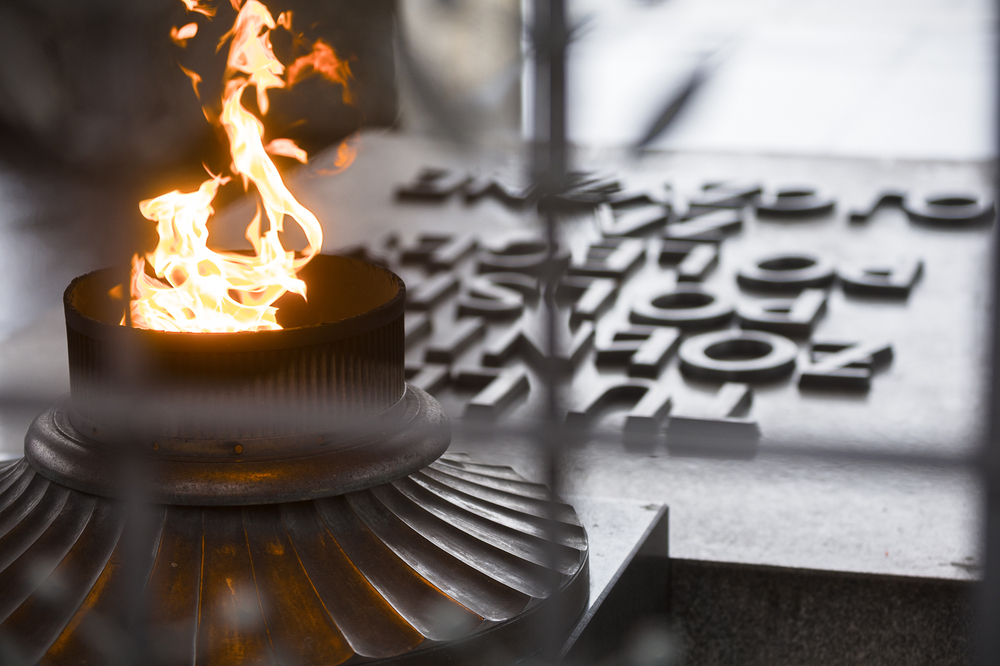
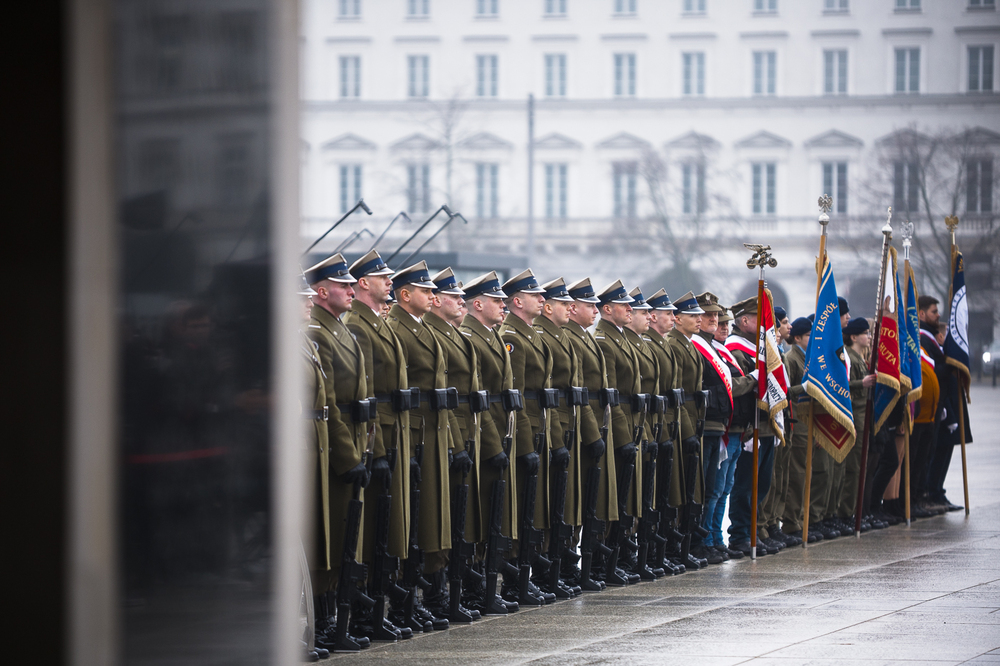
The IPN Deputy President Karol Polejowski traveled to Huta Pieniacka, Ukraine, to lay flowers and pray on the scene of one of the largest Volhynian Genocide massacres, while Deputy President Krzysztof Szwagrzyk paid tribute to the village residents at the official state event held at the Tomb of the Unknown Soldier in Warsaw Piłsudski Square.
***
Weeks into 1944, the Volhynian Genocide reached Huta Pieniacka, Galicia.
Late on 27 February, a messenger from Polish Home Army Złoczów Inspectorate arrived in the village. He brought a warning of approaching elements of the 14th SS "Galizien" Division, and orders for the local self-defence to mount no resistance and retreat: a nearby settlement raided a few days before was extensively searched for weapons but otherwise suffered no harm.
Towards the end of the Second World War, the villages in the eastern Polish territories under German occupation did not fear the Germans as much as Ukrainians: for several months, the genocide campaign by the Ukrainian Insurgent Army, aided by Ukrainian peasantry, had been decimating Volhynian Poles. So far, Huta Pieniacka had not suffered it, but was not optimistic.
A few days before, local self defence ran into a patrol of the 4th SS Police Regiment. A few such regiments had been formed out of Ukrainian volunteers to the "Galizien" Division, and entrusted with anti-partisan operations and protecting the rear of the Wehrmacht troops fighting the Red Army. In the shootout near Huta Pieniacka, two 4th Regiment policemen were killed.
Early on 28 February, the village was surrounded by at least 500 more, as well as a Ukrainian Insurgent Army unit and Ukrainian peasants from nearby settlements. The villagers were herded into the school and church, their homes searched, looted and put to the torch. A few dozen people who had hidden inside and ran out of flames were cut down with machine-gun fire.
The bulk of the population, kept in the school and church buildings, waited. From time to time, 4th Regiment policemen took someone for questioning, which usually ended with death. The interrogators wanted information about Soviet partisans.
Having completed the questioning and executed a few Soviets found in a shelter in one of the houses, the 4th Regiment locked the residents in groups of 20 to 50 in several barns and set them on fire. Those who tried to escape, but were shot. The rest, over 800 Polish men, women and children, burned to death.
Other attempts at ethnic cleansing of Eastern Galicia would follow, both under German occupation and then Soviet domination, and the Polish death toll of the genocide would go over the 100,000 mark.
Read more about the Volhynian genocide on our dedicated website: https://volhyniamassacre.eu/
See our downloadable exhibition: https://tinyurl.com/k39ez9ta