
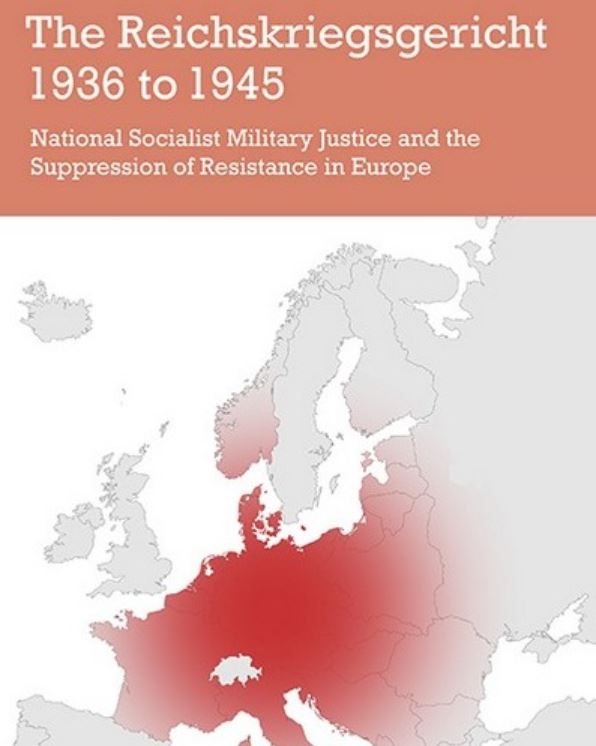
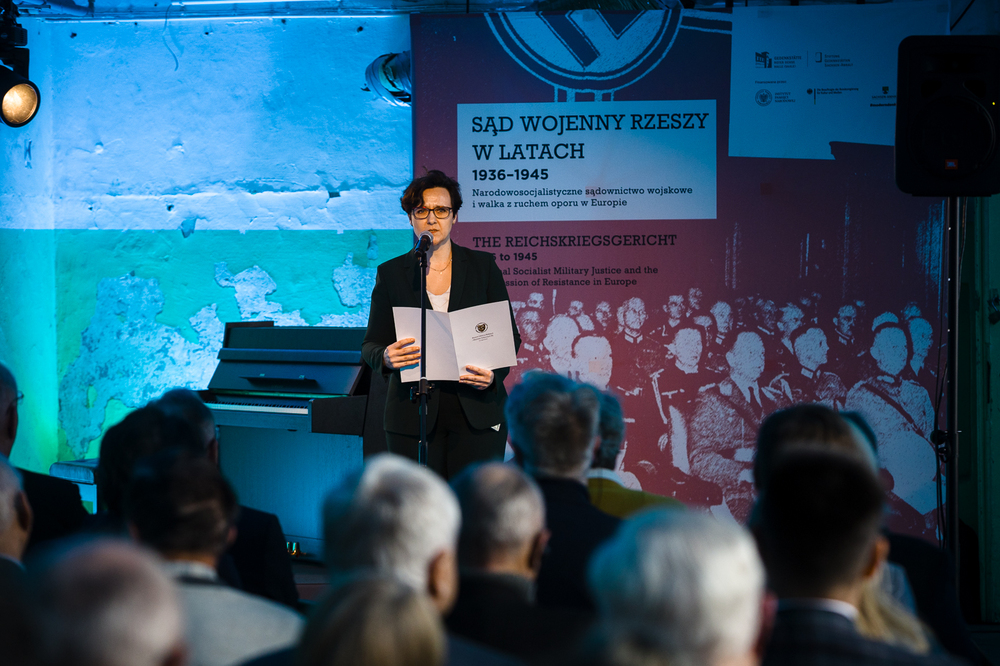
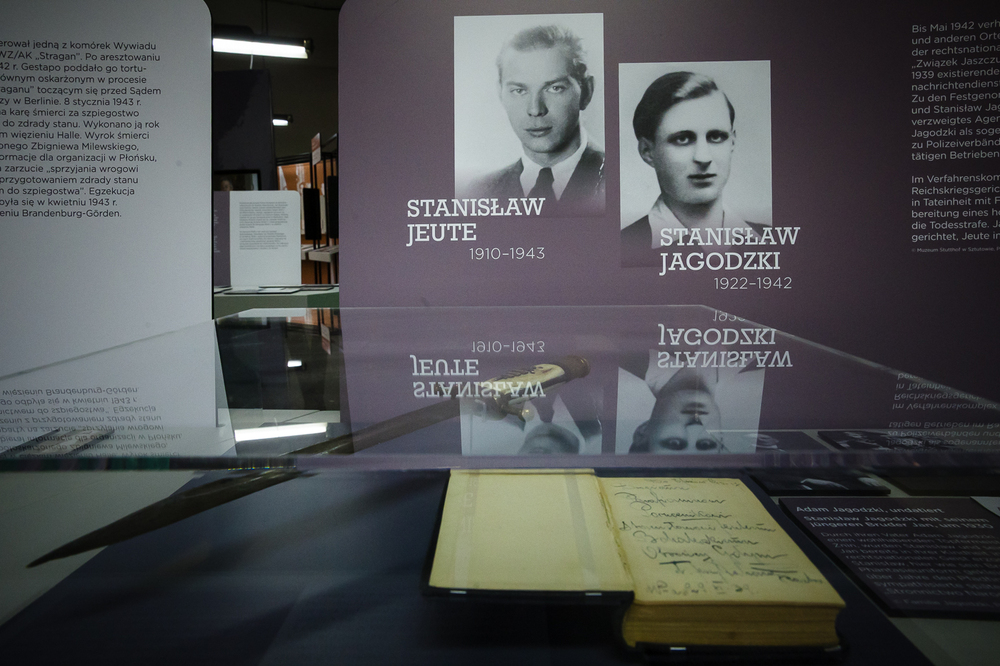
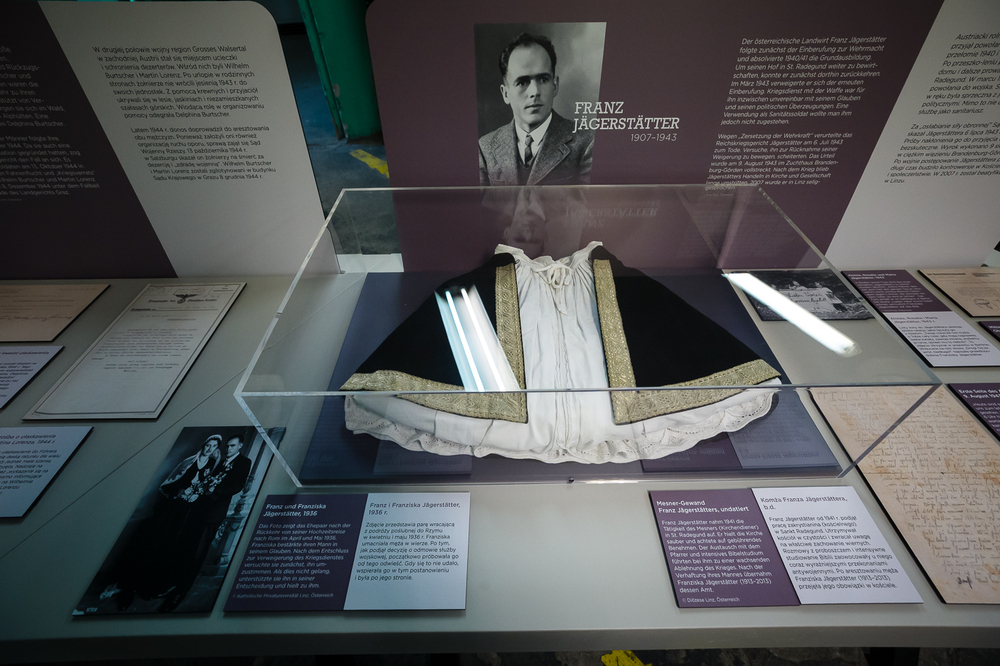
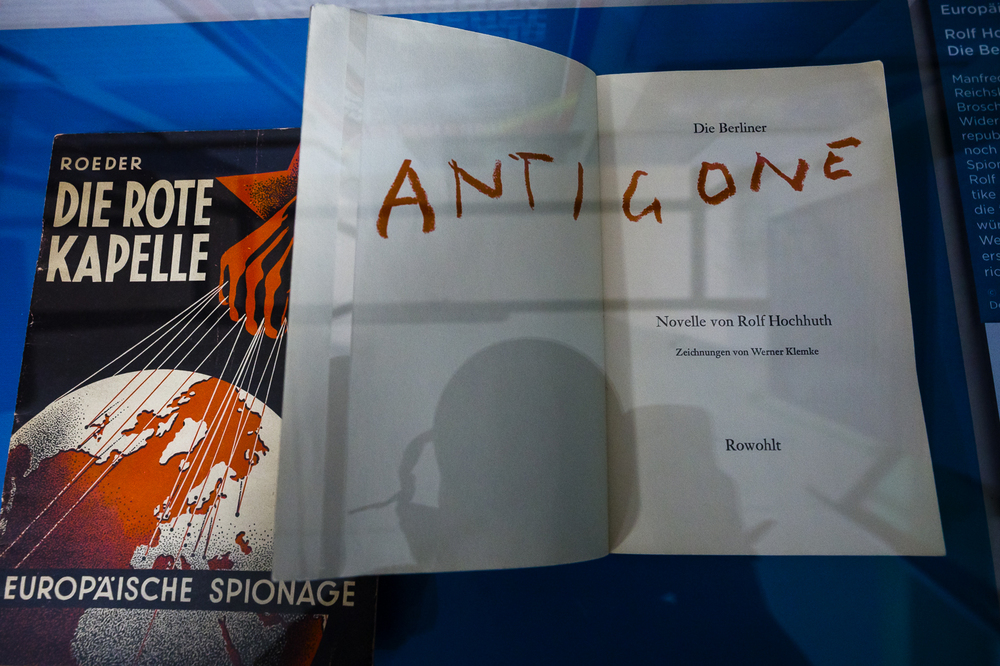
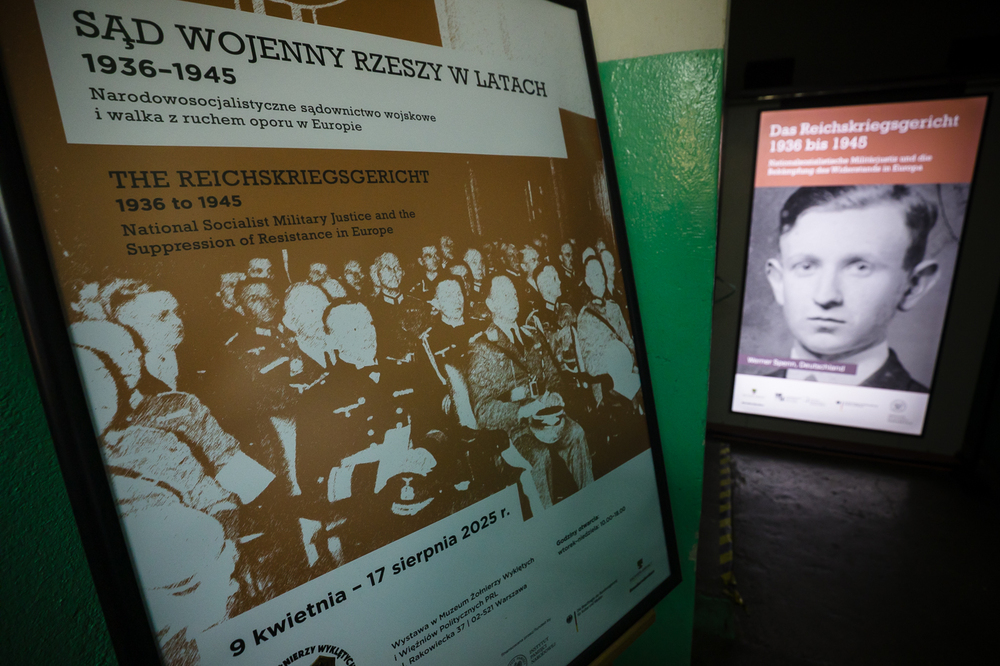
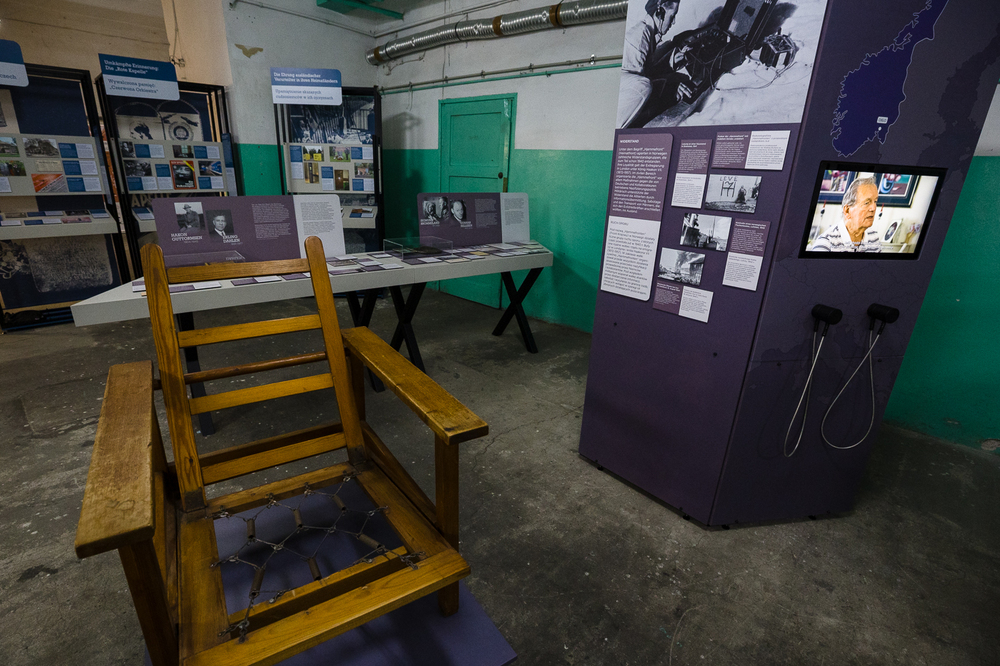
The event took place at the Warsaw Museum of Cursed Soldiers and Political Prisoners of the Polish People's Republic (37 Rakowiecka Street), on 9 April 2025 at 3 p.m. The exhibition was prepared by an international team led by Lars Skowronski of the ROTER OCHSE Memorial in Halle. It will be open to the public until 17 August 2025 (Tuesday through Friday 10.00 a.m.– 6.00 p.m.) at the Museum of Cursed Soldiers and Political Prisoners of the Polish People's Republic in Warsaw.
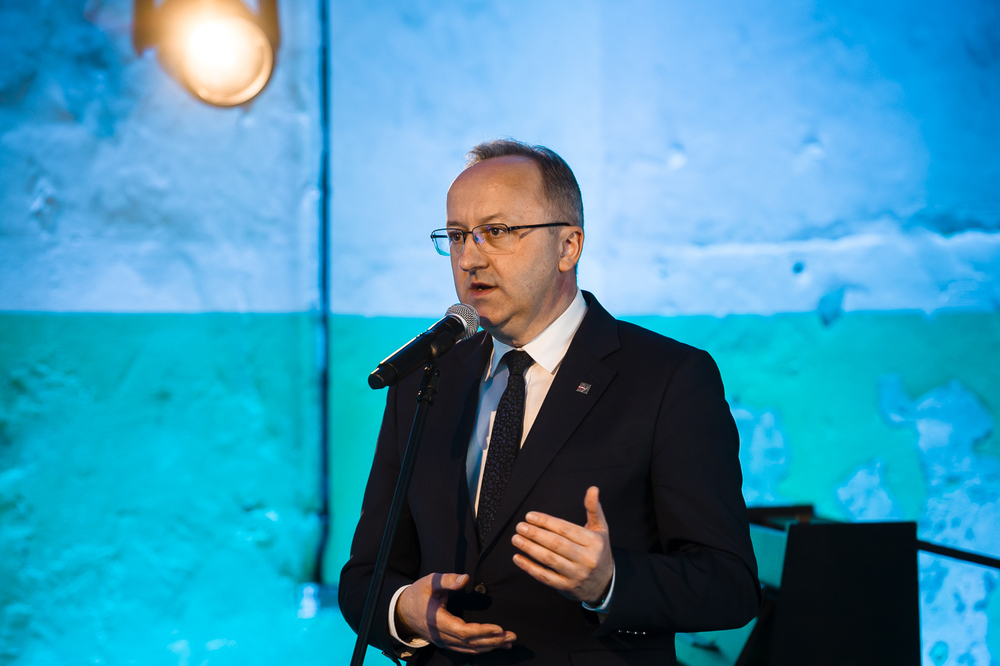
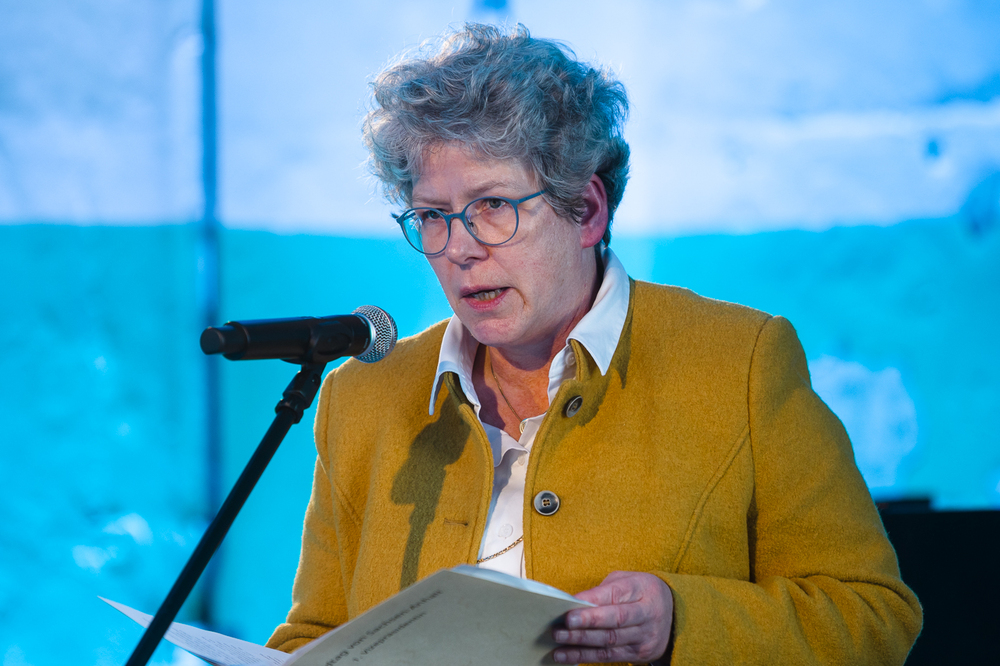
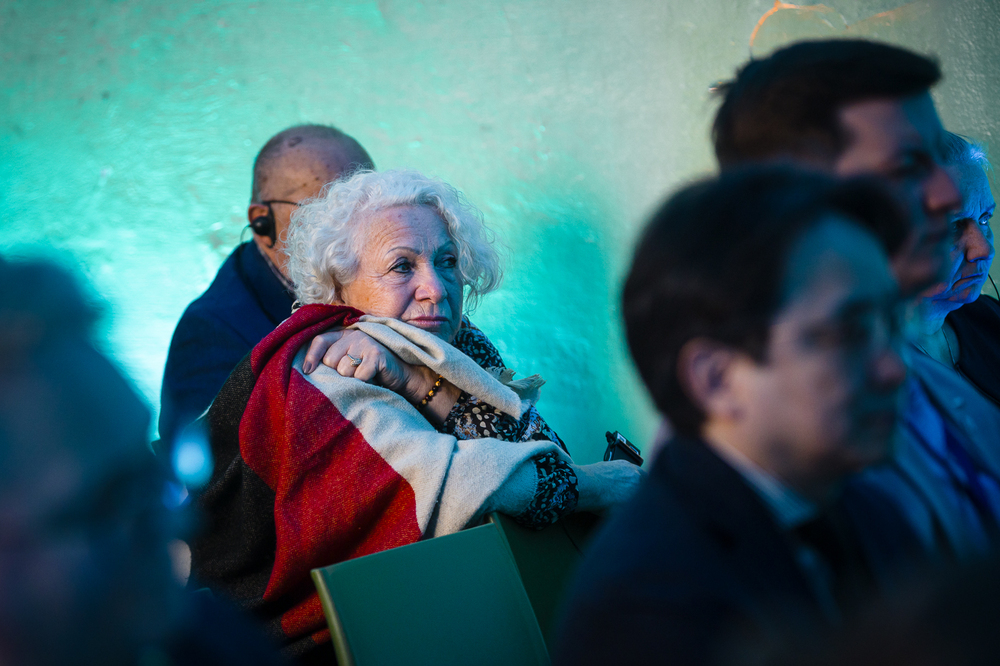
The official opening of the exhibition, hosted by the Museum Head Adrianna Garnik, featured the IPN Deputy President Karol Polejowski, Deputy President of the Saxony-Anhalt Landtag (parliament) Anne-Marie Keding, the exhibit creators from the Gedenkstätte ROTER OCHSE Halle and the IPN, relatives of the Reichskriegsgericht victims and foreign diplomats based in Warsaw.
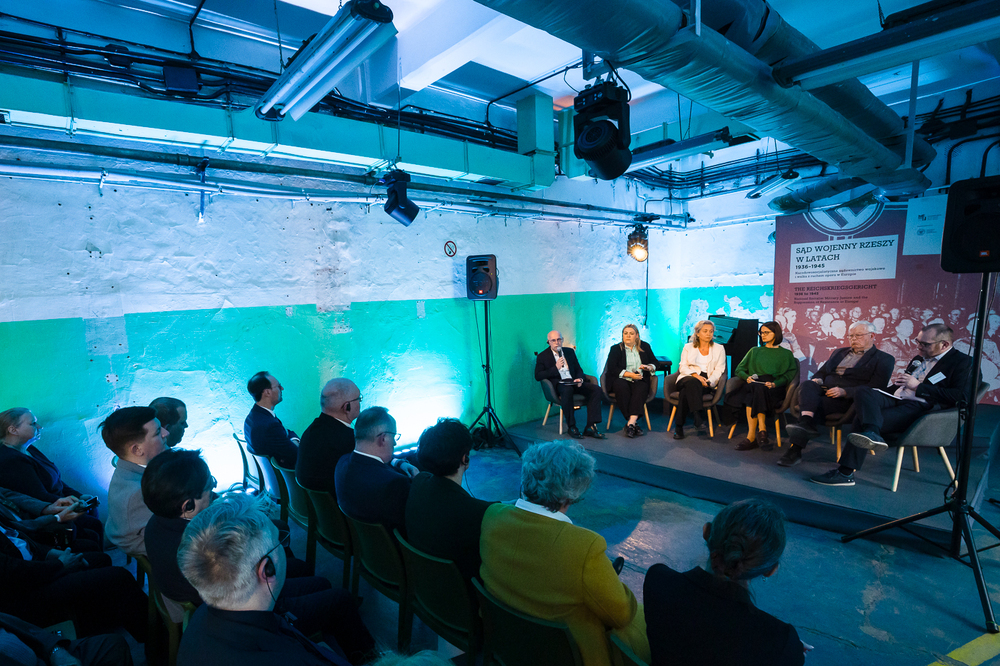
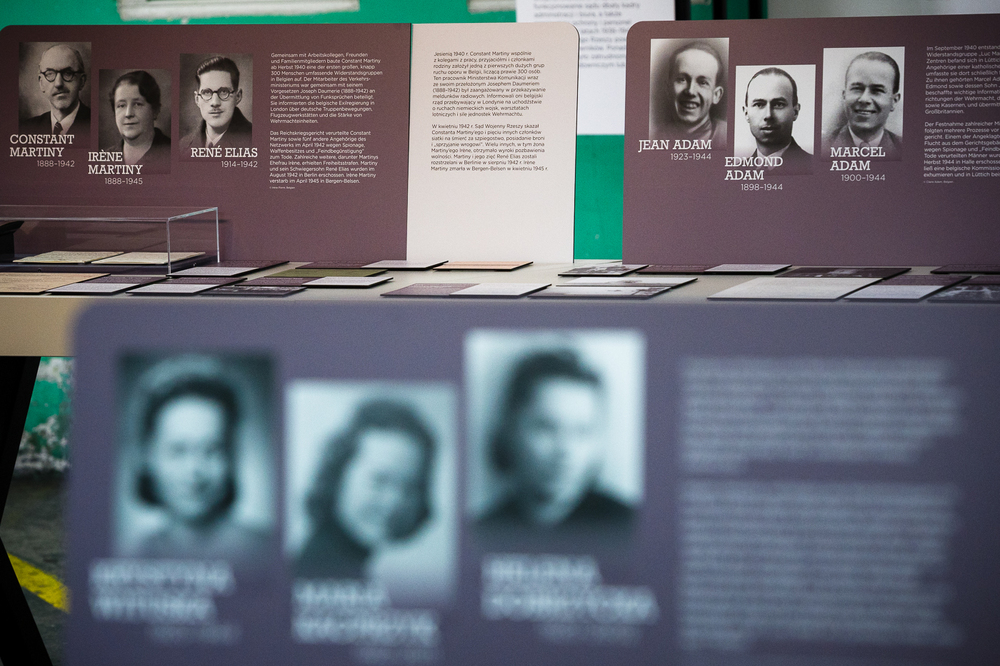
The event included a discussion on the Reich Court-Martial cases, procedures and defendants, members of wartime resistance in German-occupied Europe, whose stories are included in the exhibit, and culminated with its curators, Lars Skowronski and Paweł Kosiński, giving the audience a bilingual, Polish-German tour and historical background.
Adrianna Garnik, the Director of the Museum, was the first to welcome the guests, emphasizing the uniqueness of the location where the exhibition is presented:
We are in an exceptional place. The prison on Rakowiecka Street in Warsaw was the site of many crimes, including judicial crimes, both during the German occupation and during the communist regime.
The Deputy President of the Institute of National Remembrance, Prof. Karol Polejowski, also welcomed our guests:
The exhibition being presented today has a unique educational and social value, as it not only commemorates the victims of totalitarian repression, but also reminds us of the responsibility of elites for complicity in the crimes of totalitarian systems.This exhibition not only evokes the memory of the victims, but it is also a warning to us and to future generations that even those who constitute the elite can become part of the construction of a totalitarian system. It is a warning that is always worth remembering.
***
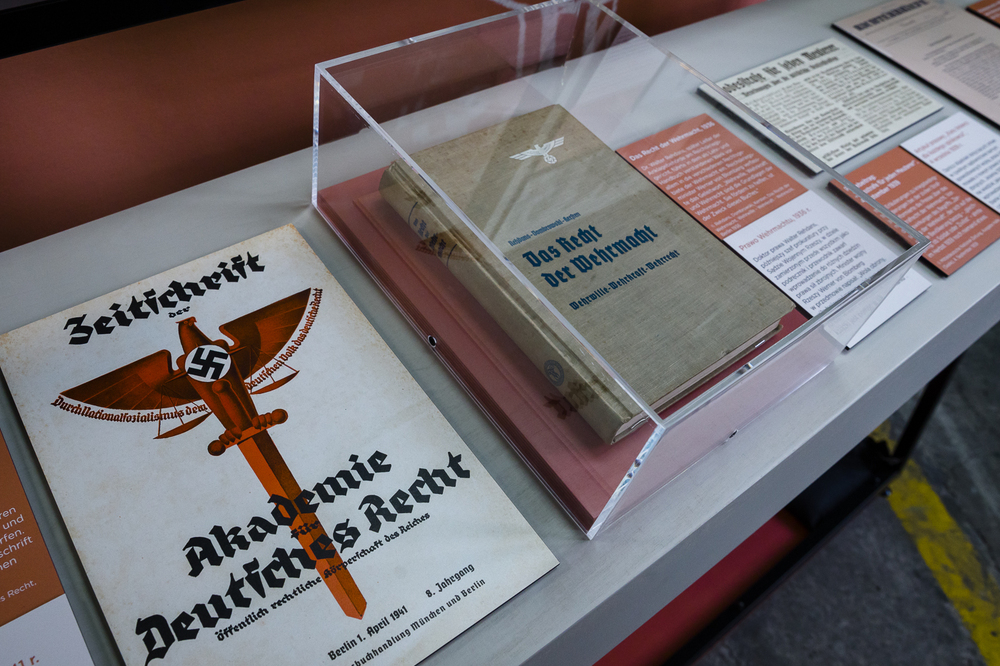
Established as part of the criminal preparations for the war, the Reich Military Court was the highest military tribunal of Nazi Germany. Until 1939, it tried Wehrmacht soldiers accused of political crimes, and served as a military appeals court. Since the beginning of World War II, it also convicted members of resistance movements throughout German-occupied Europe. By the spring of 1945, the Reich Military Court had delivered verdicts in nearly 4,000 cases, the death penalty being pronounced in over a thousand of them. Despite being an extremely important element of the National Socialist system of repression, the Reich Military Court’s activities are not widely known to the public.
The exhibition, prepared by the ROTER OCHSE Memorial in Halle, in cooperation with foreign partners was funded by the German federal government and the state government of Saxony-Anhalt with the support of the Institute of National Remembrance. It is a milestone as to the commemoration, in Germany and countries occupied by the Third Reich during World War II, of the criminal activities of the court and the martyrdom of its heroic victims.
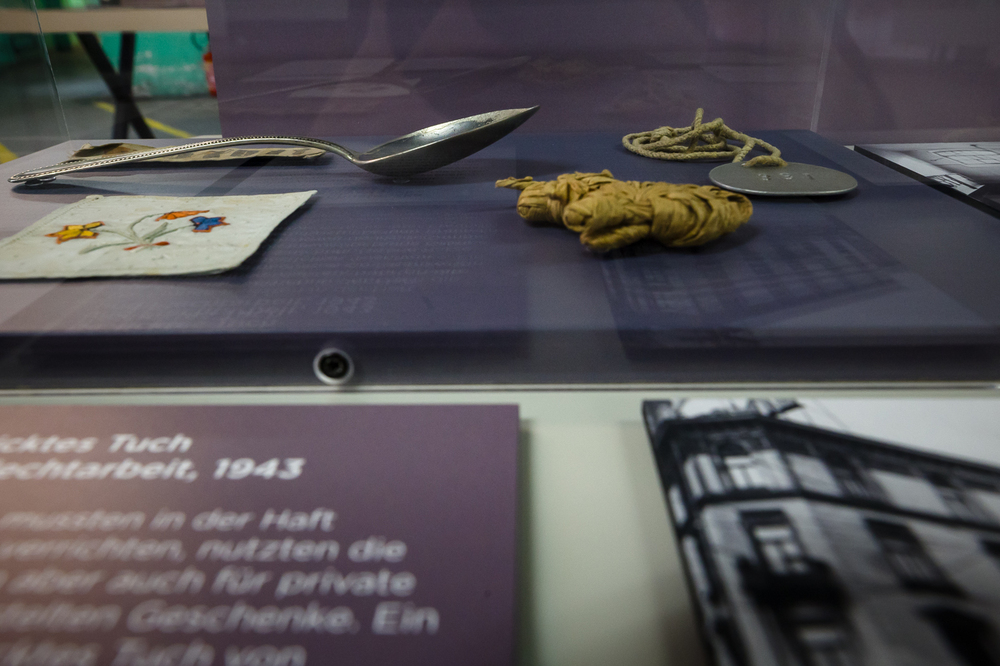
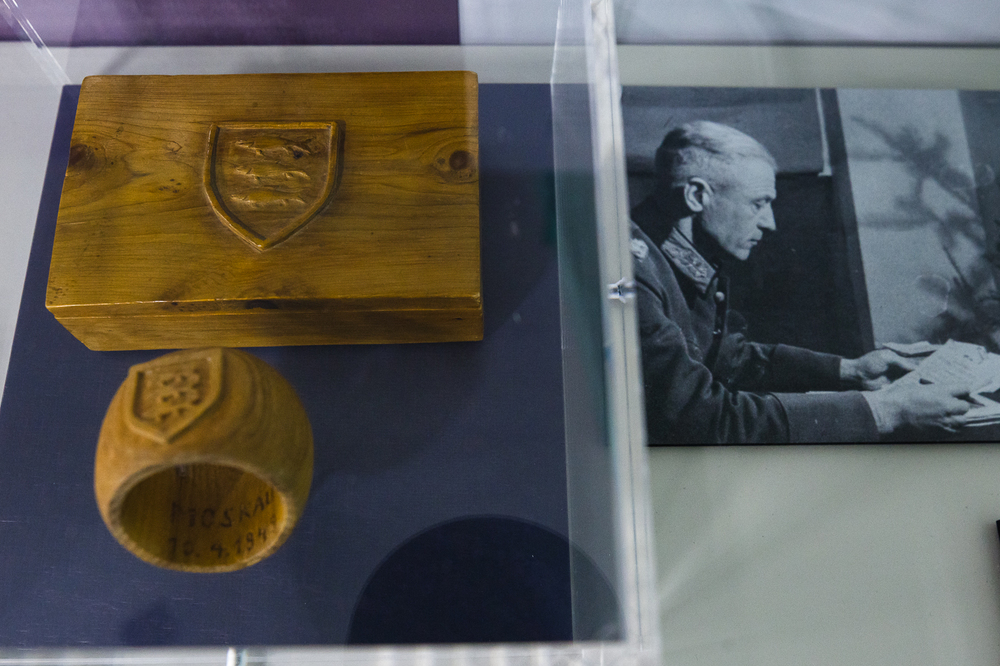
The exhibition, which will be presented in Warsaw until mid-August 2025, will shed light on the circumstances of the establishment of the Reich Military Court and its position in the National Socialist legal system, the legal basis on which it ruled, the biographies of the sentenced, the topography of the sites were the trials, executions and imprisonments took place, and the rehabilitation and compensation policy towards the victims and their families. The exhibition also provides an opportunity to reflect on the culture and politics of remembrance of the Court and its victims in Germany and Europe.
More:
https://eng.ipn.gov.pl/en/news/11445,The-opening-of-a-travelling-exhibition-on-the-Reichskriegsgericht-Reich-Court-Ma.html