
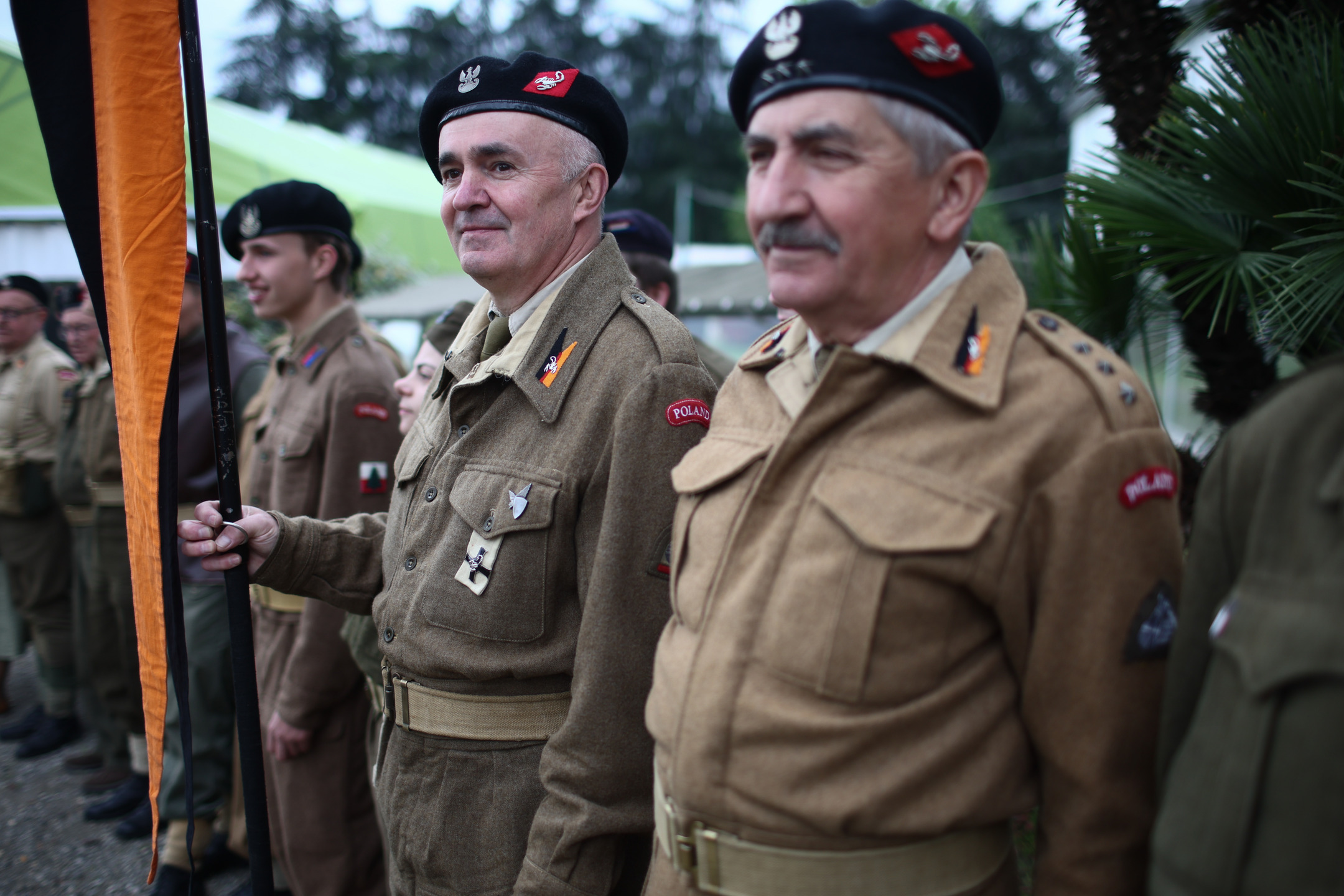
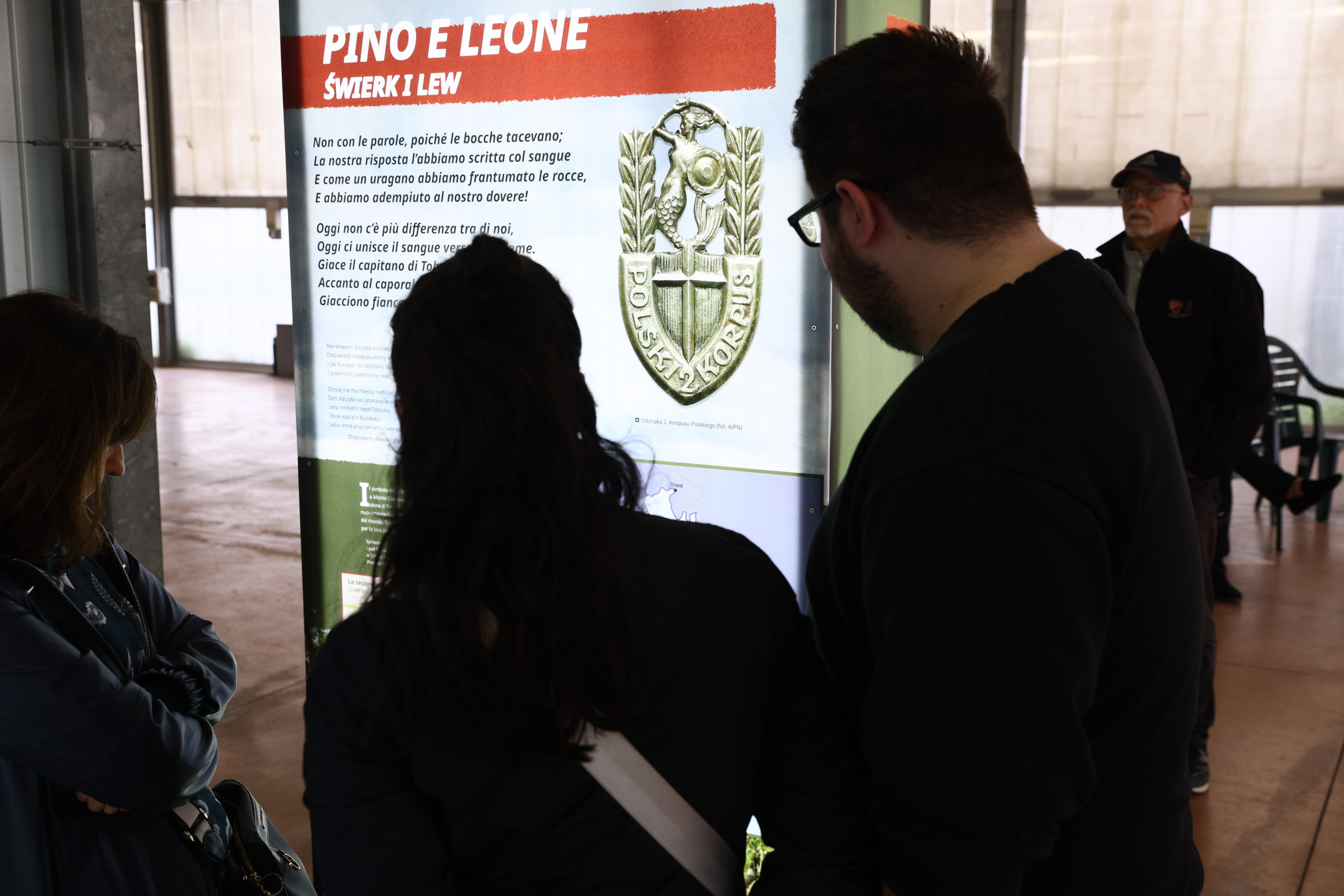
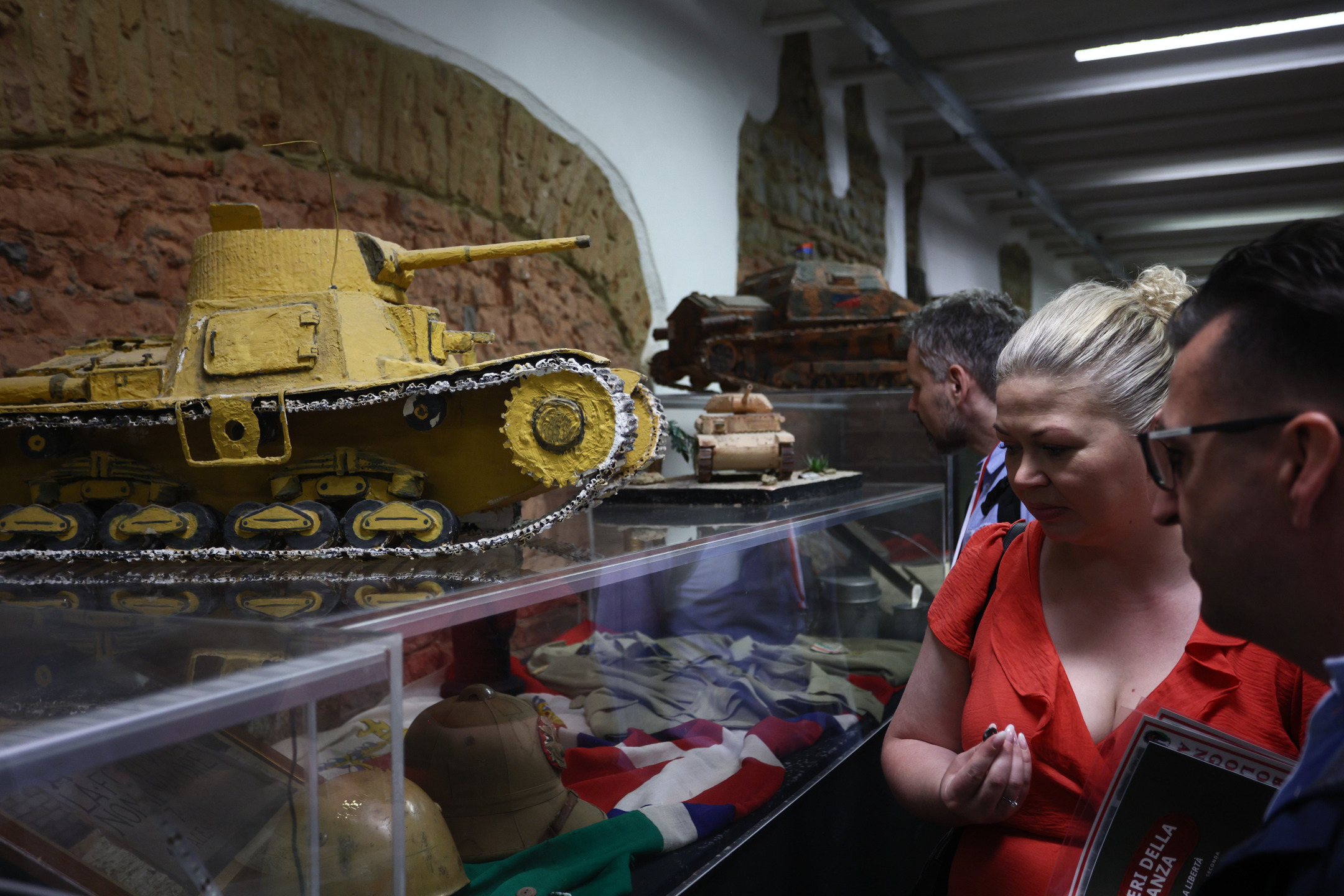
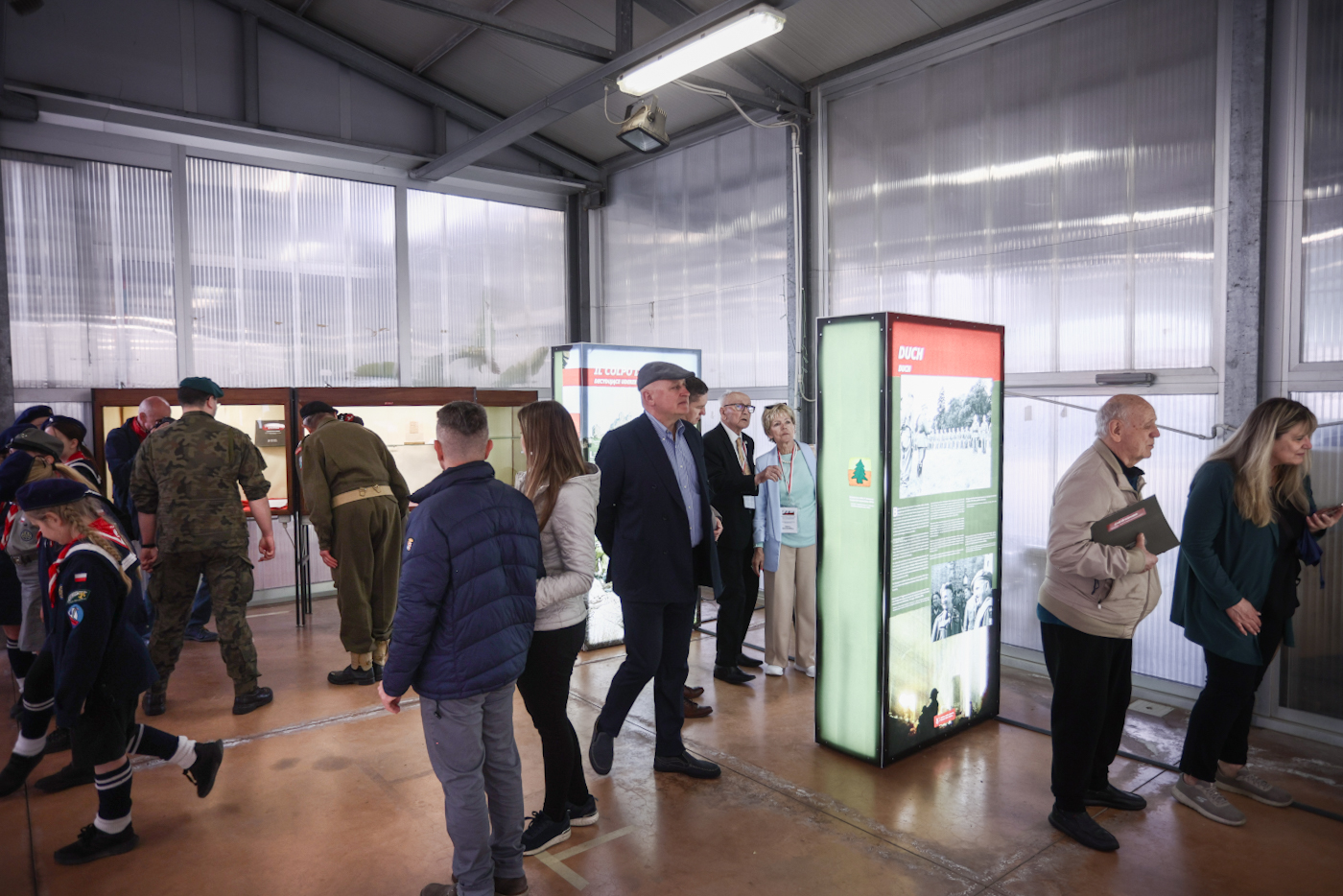
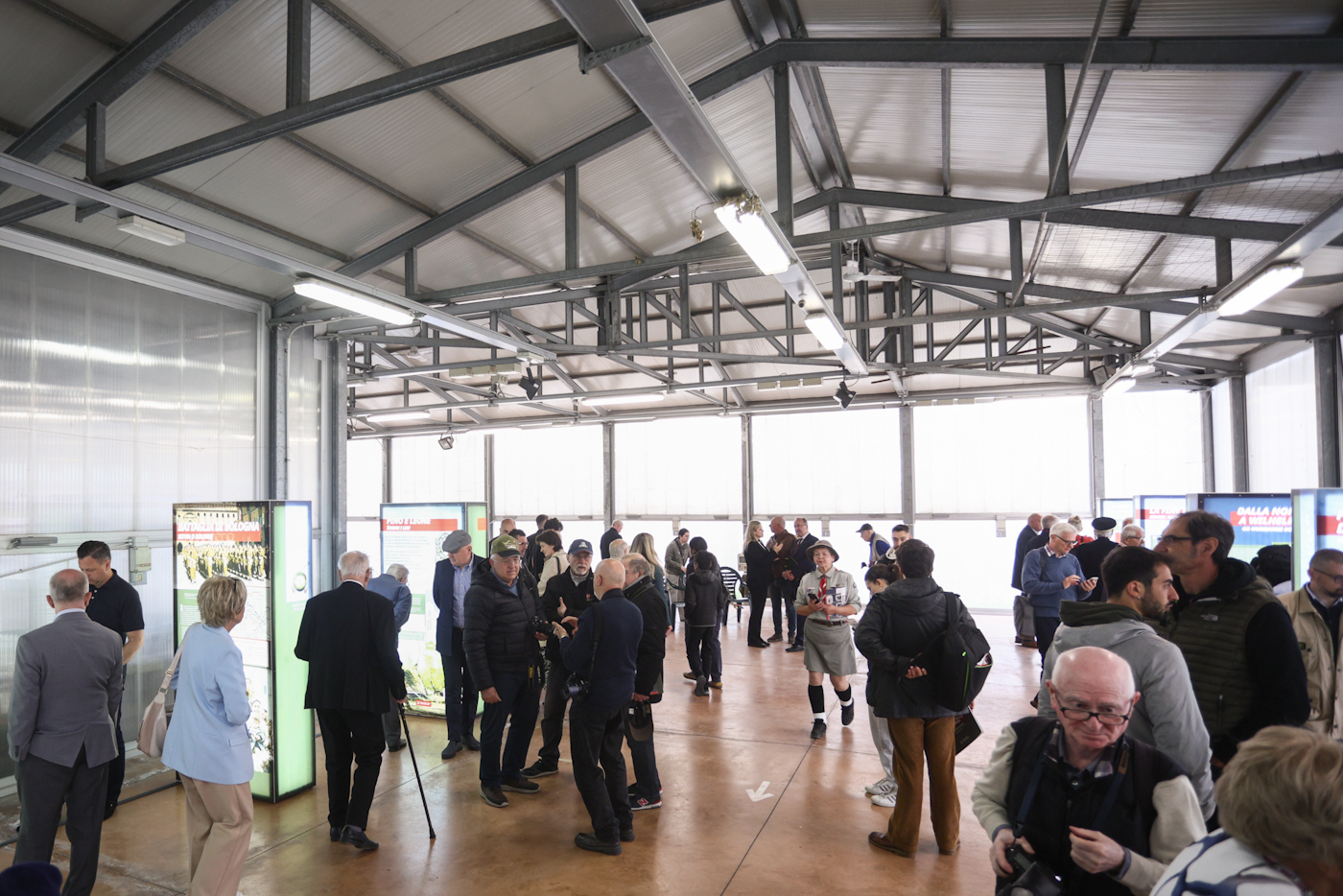
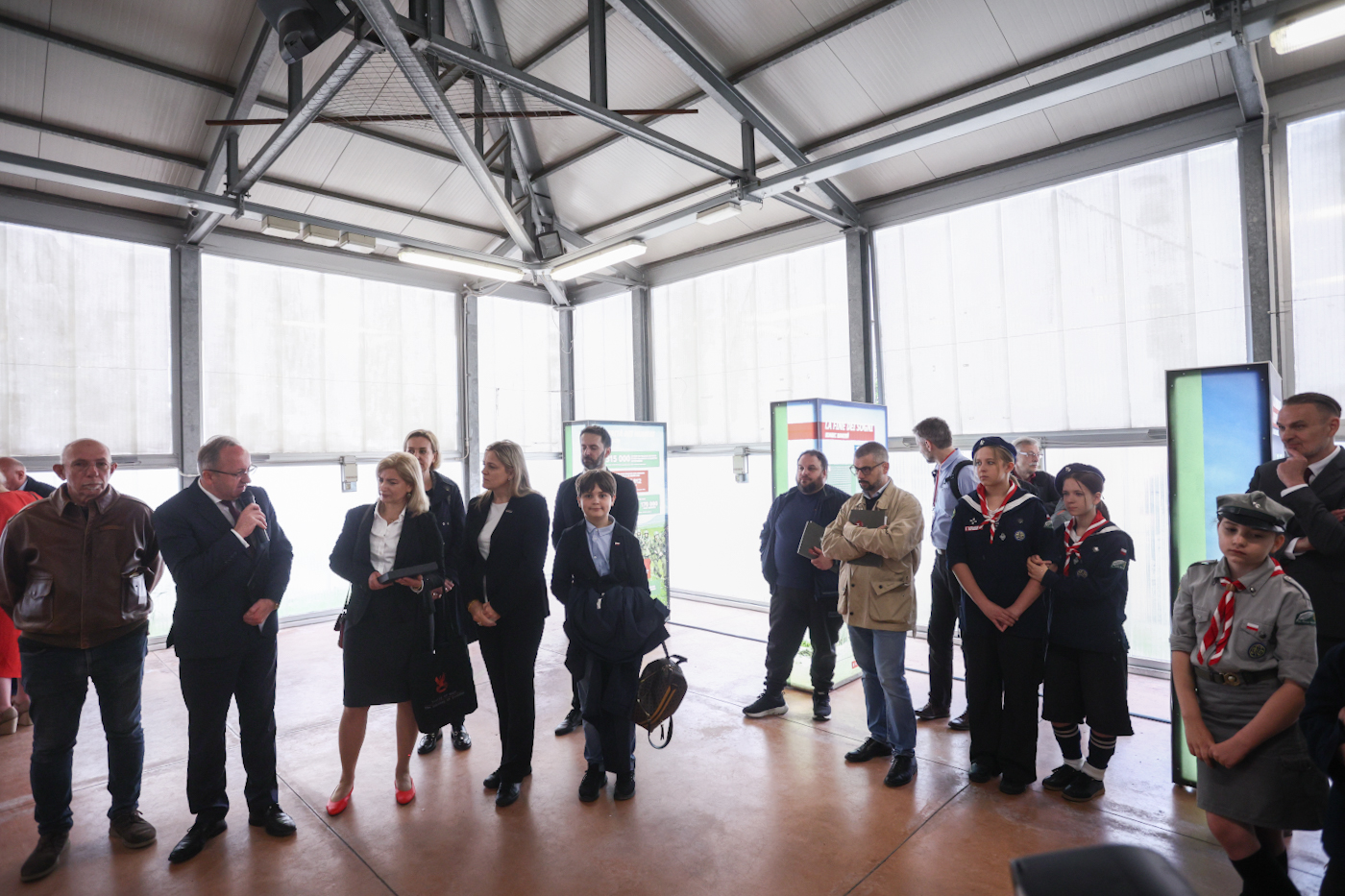
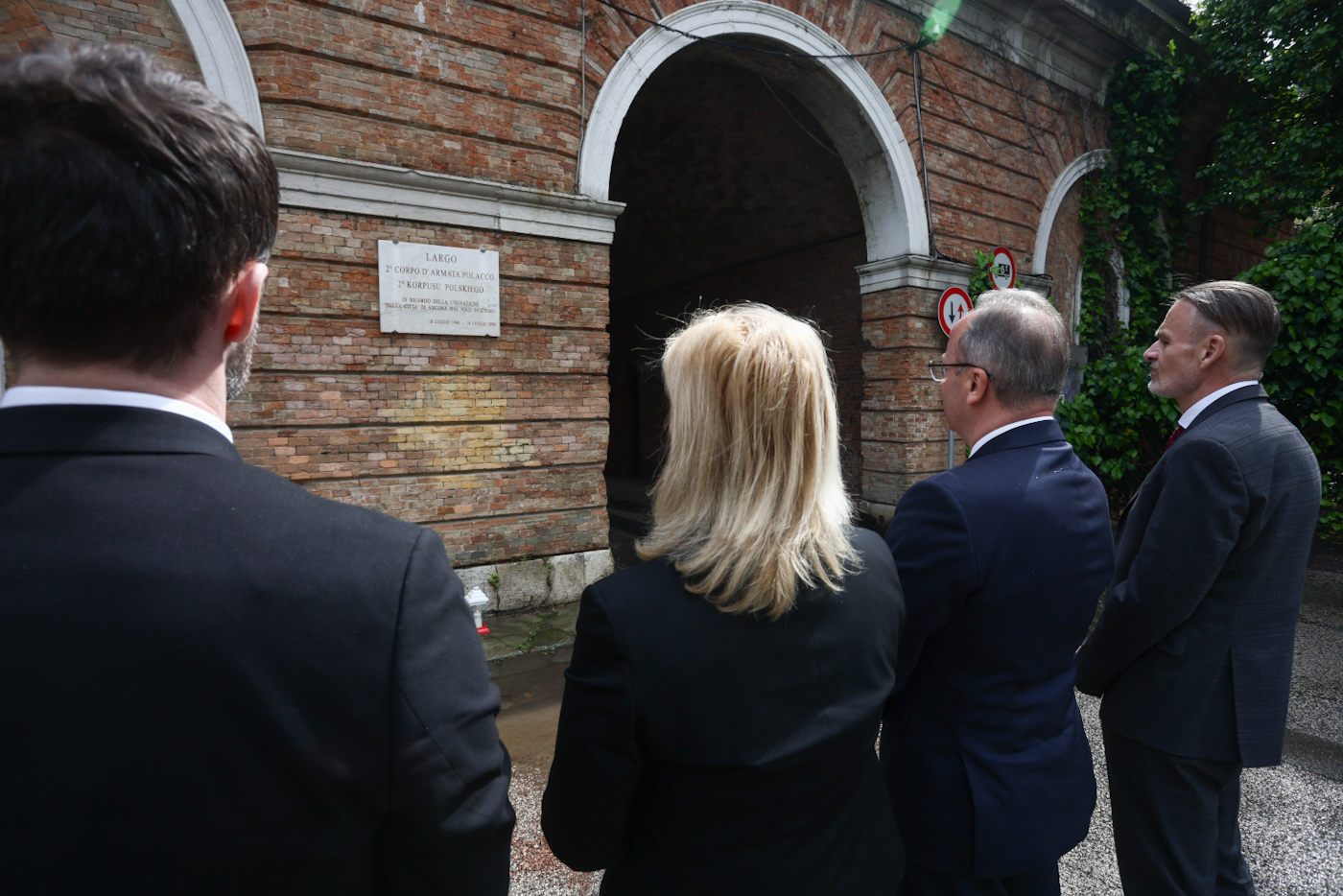
Eighty years after Polish soldiers removed German Wehrmacht from Bologna, Italy, the Institute of National Remembrance opened an exhibit celebrating the liberation and liberators at the local Museo Memoriale della Liberta.
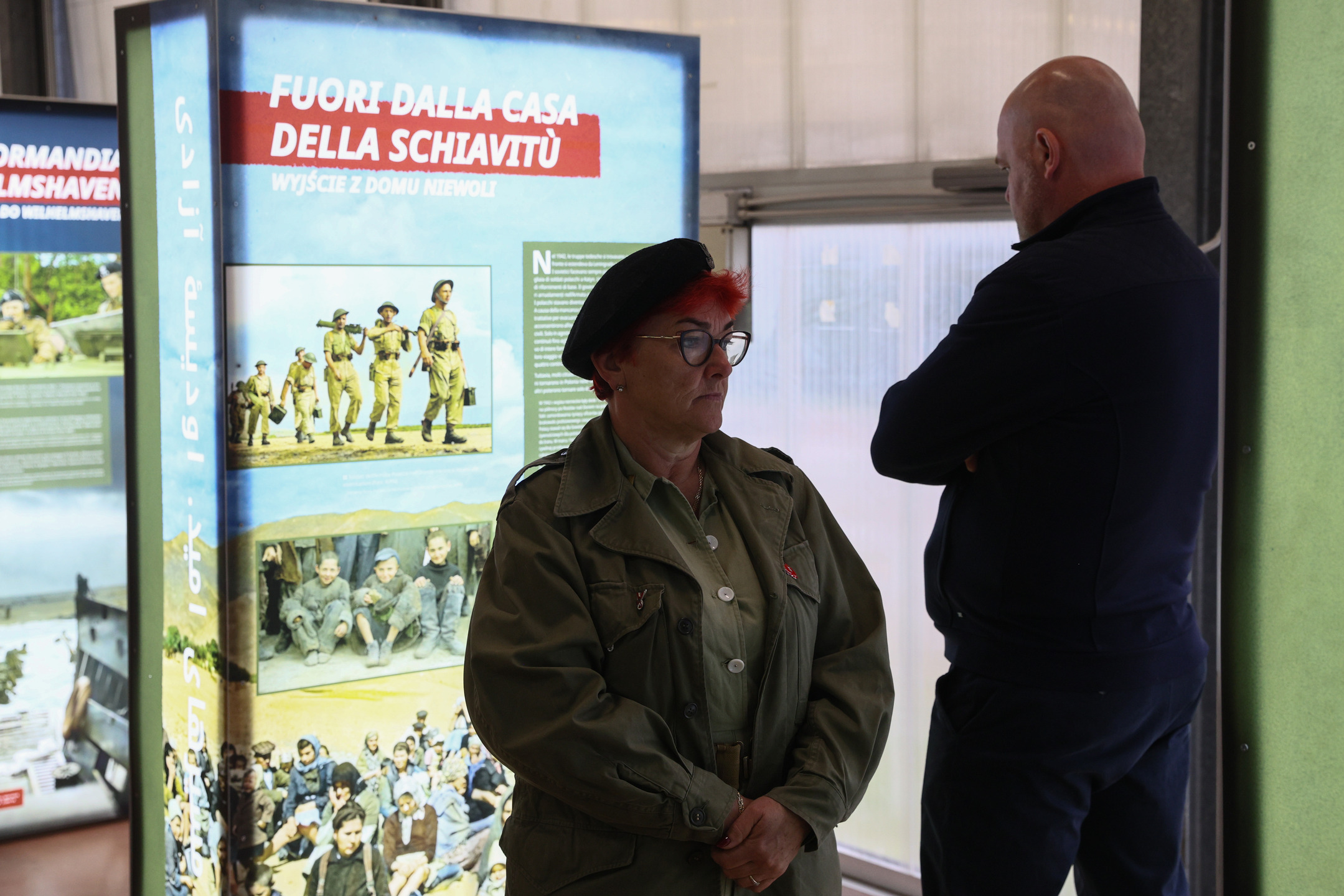
The "Trails of Hope. The Odyssey of Freedom," our flagship project, educates the international community on Polish determination and commitment to free Europe from totalitarian regimes. Launched in 2022, it will have covered three continents that the Anders’ soldiers went through, as well as two more where they settled, by the time of its finale later this year.
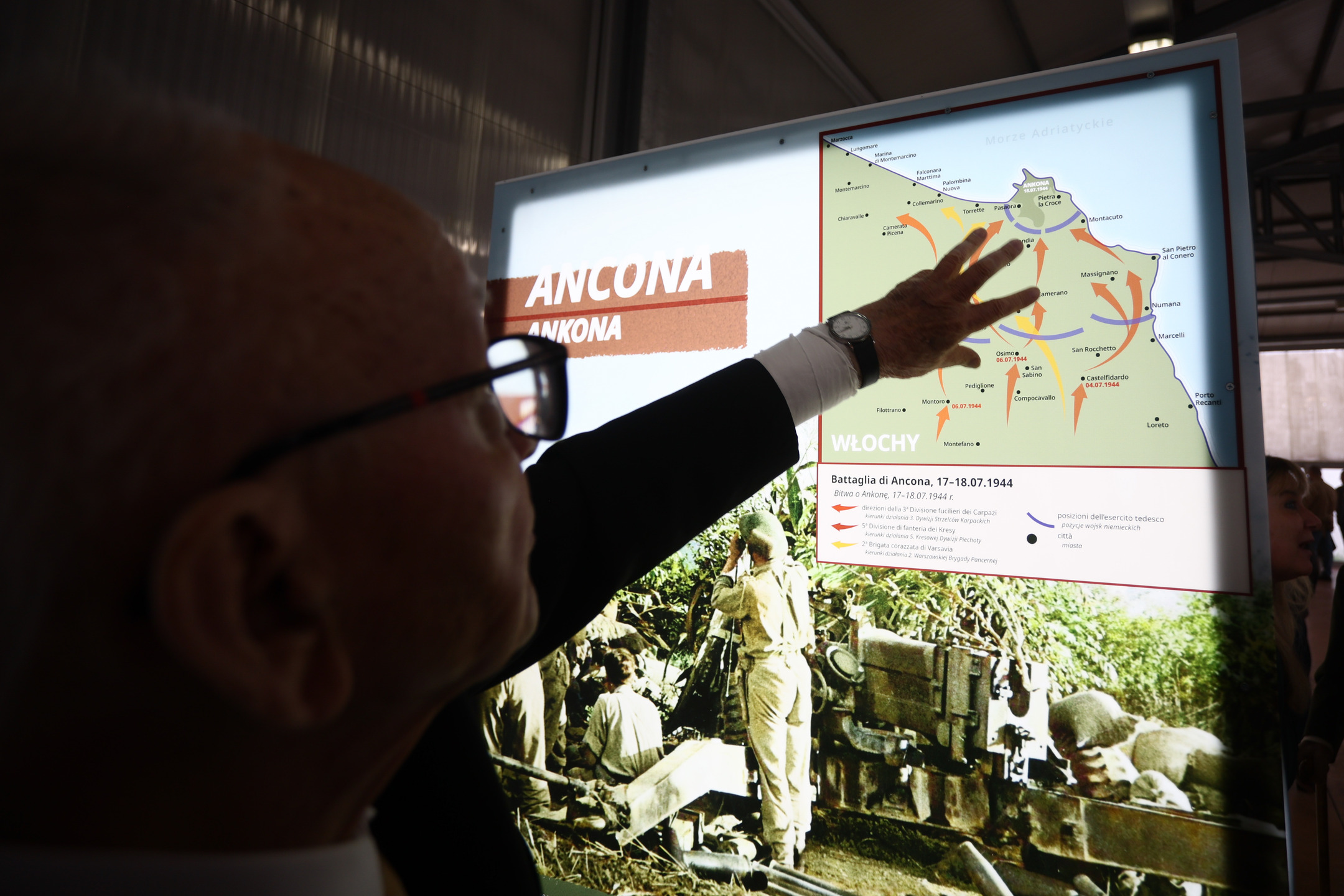
The project encompasses workshops, conferences, publications, performances and concerts, but its key element is an exhibit showcasing Polish exploits on the frontlines of World War II. It’s made up of two parts: a general account of the war from the Polish perspective, and a more specific one, telling local chapters of the story.
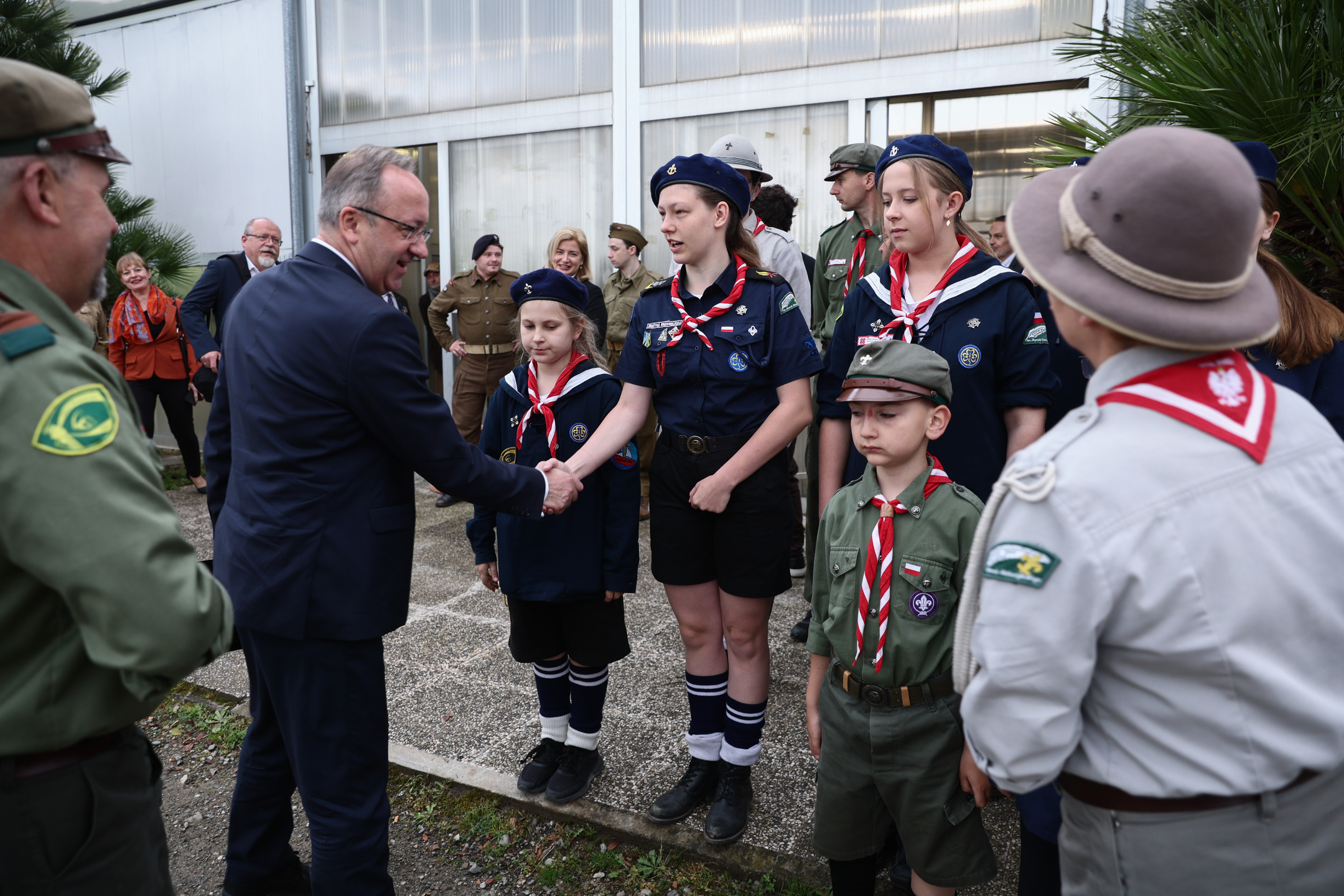
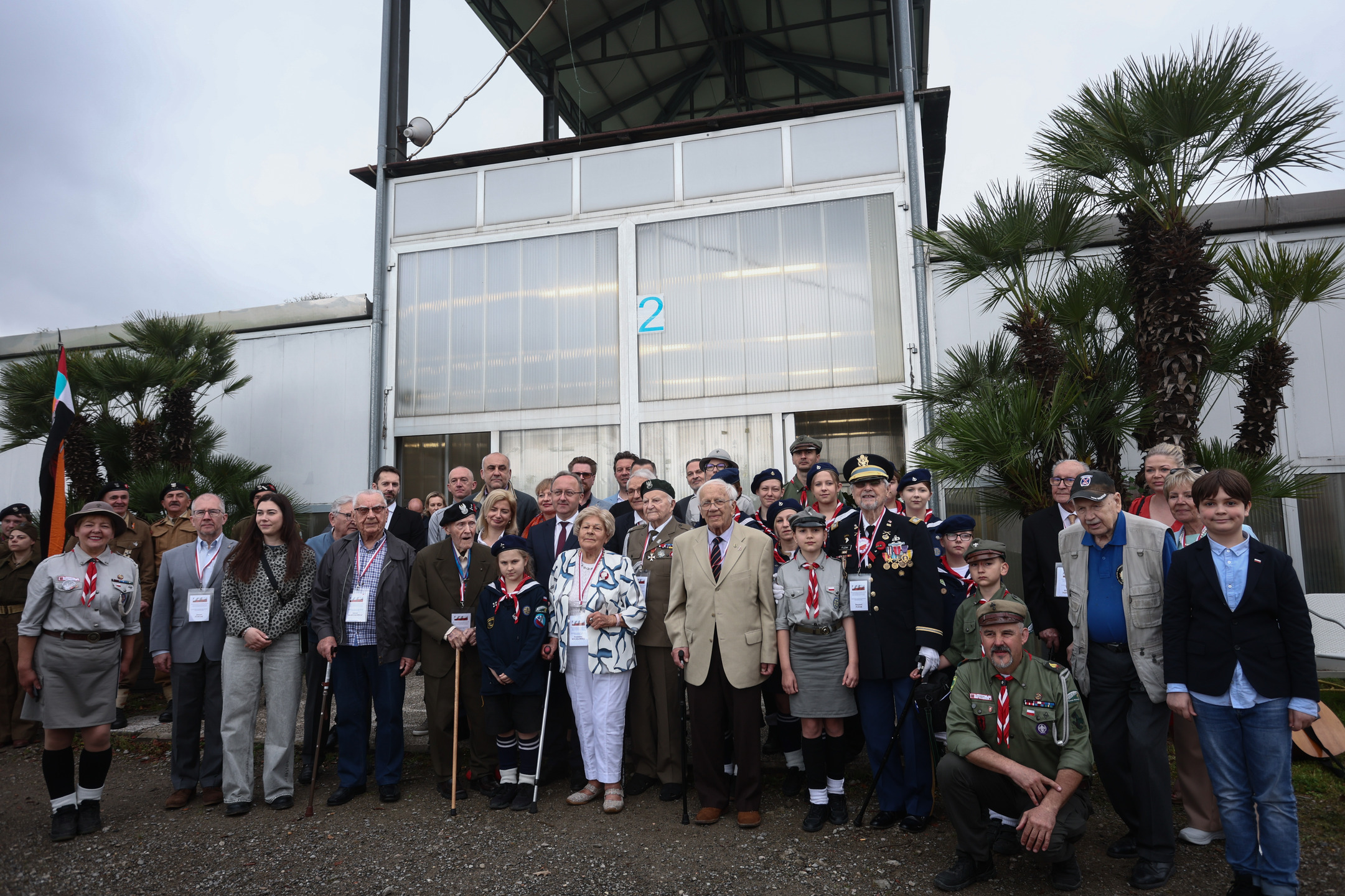
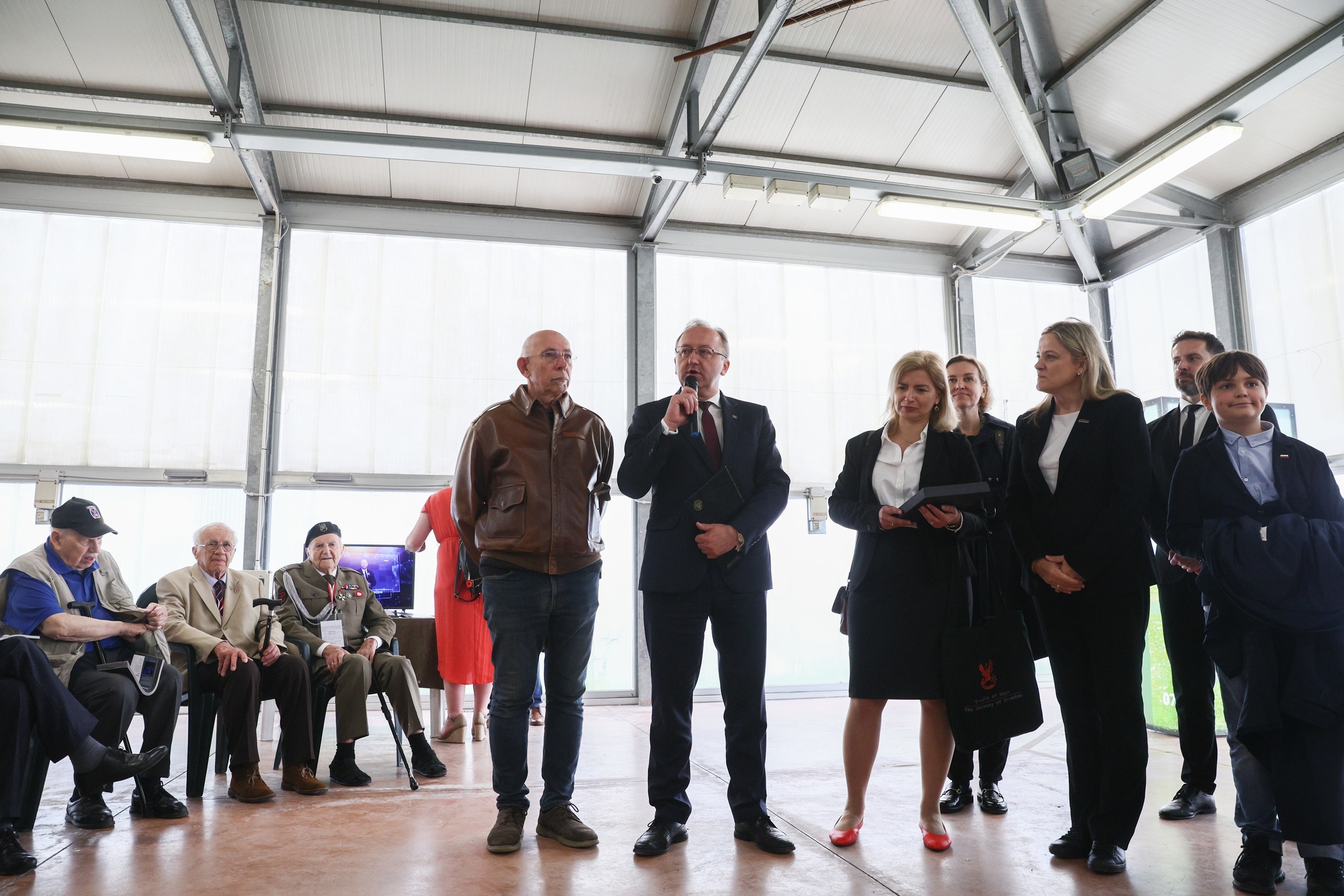
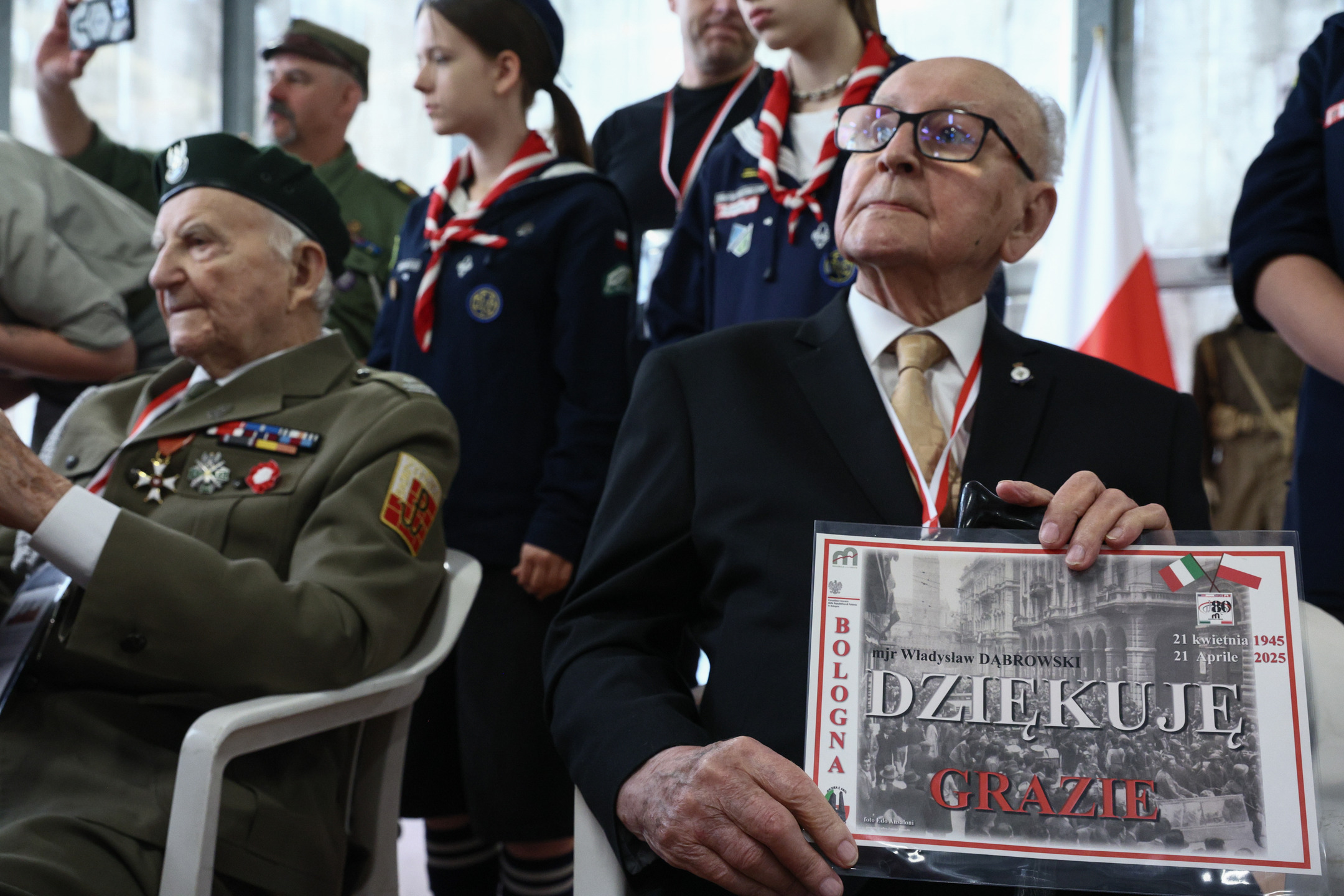
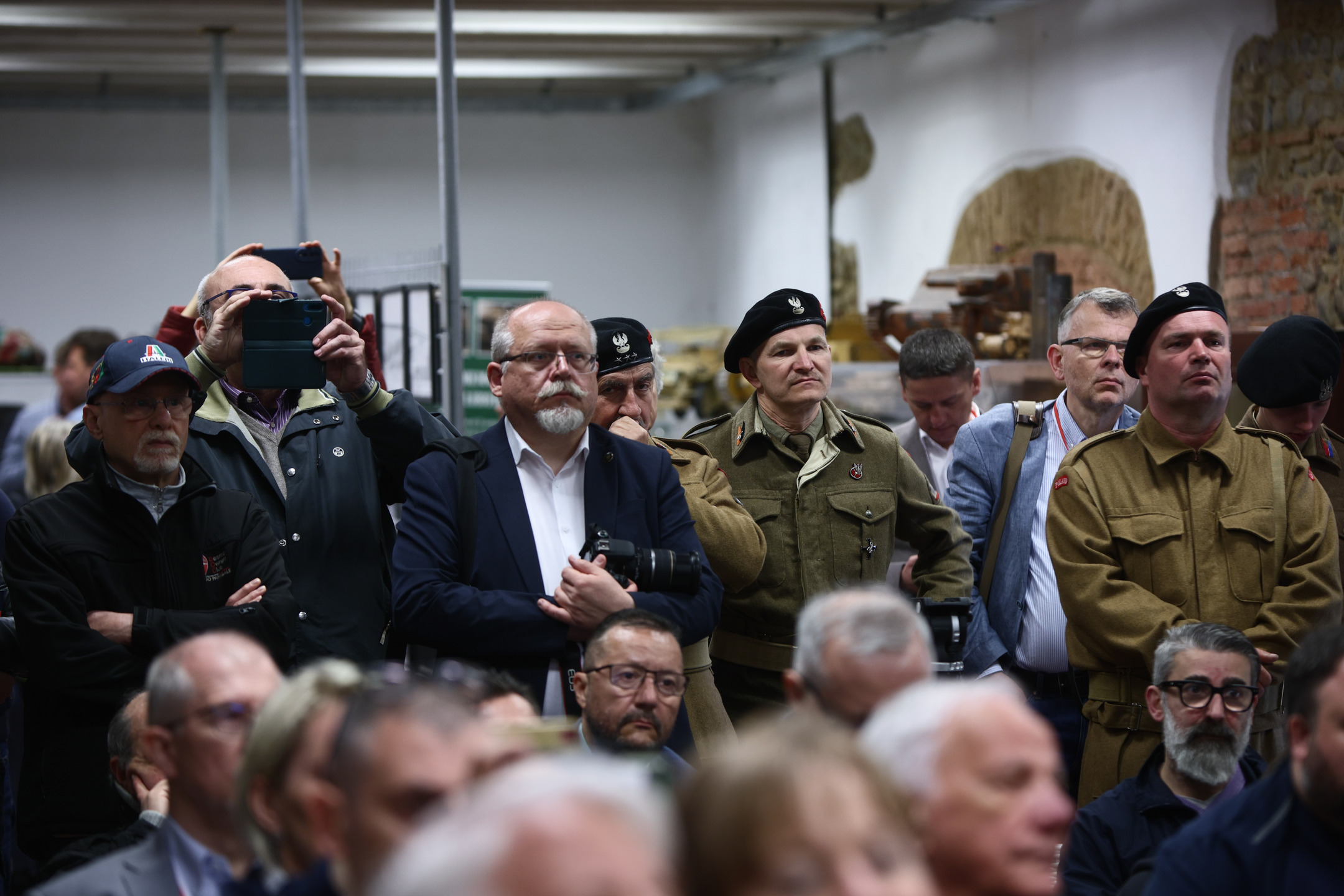
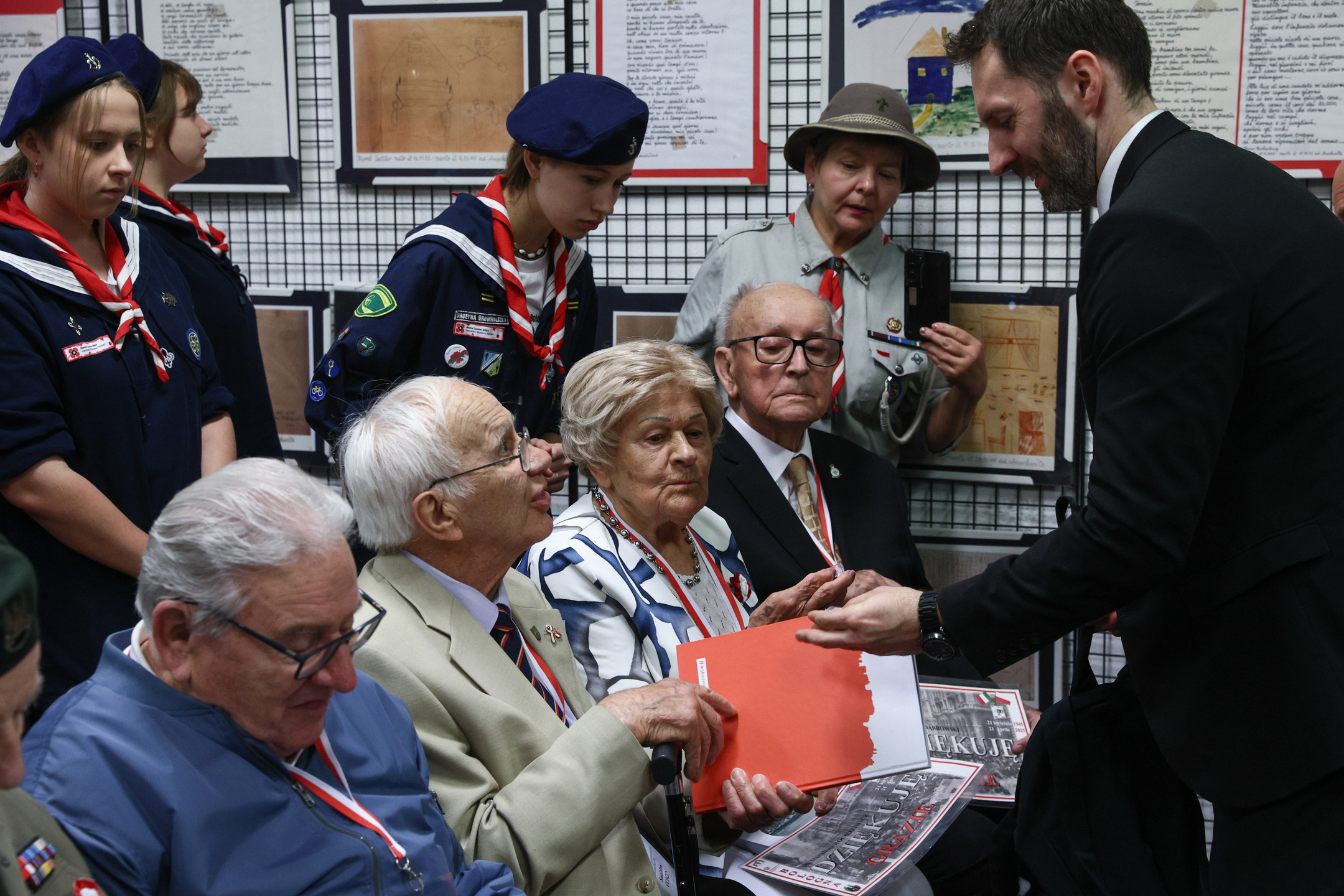
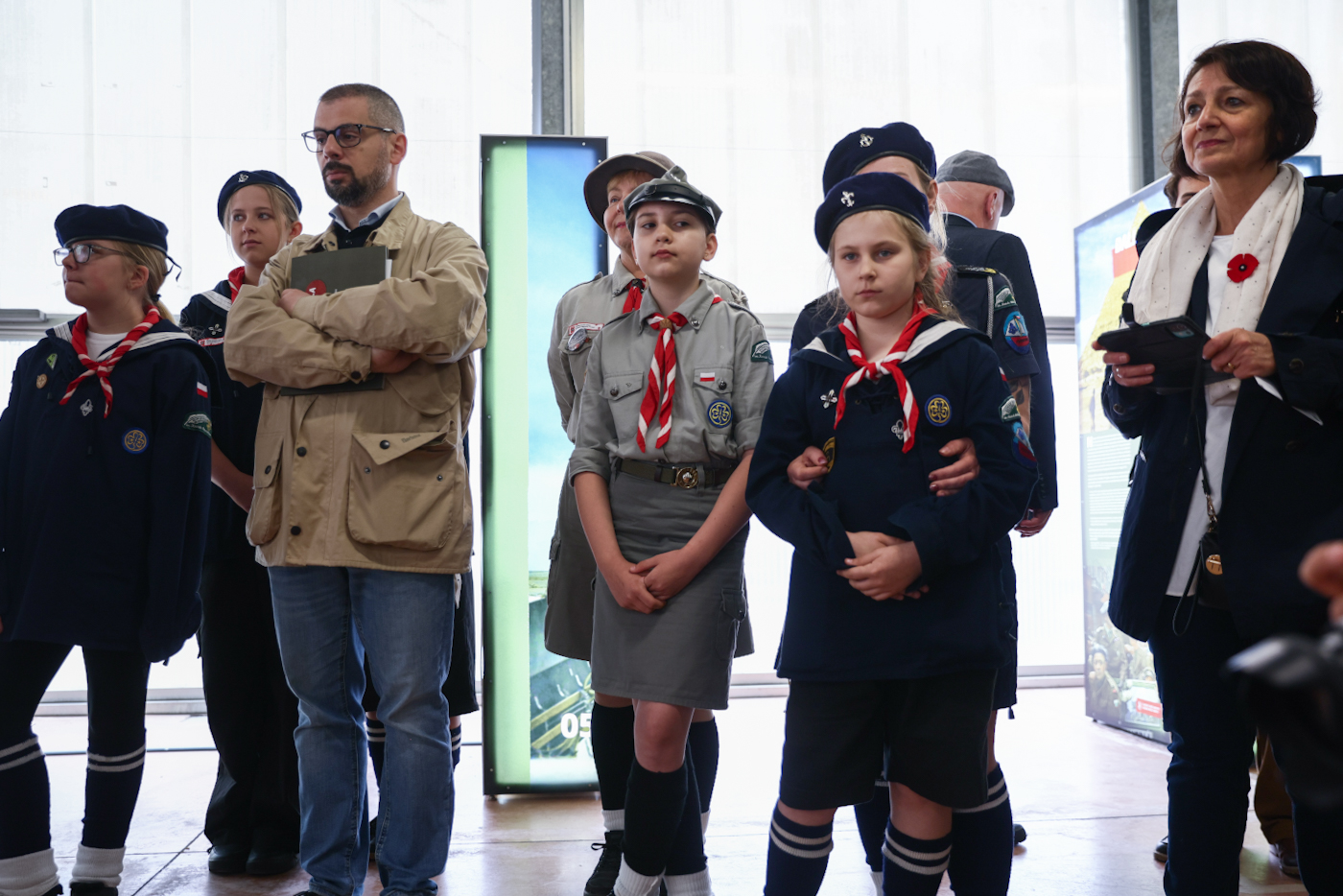
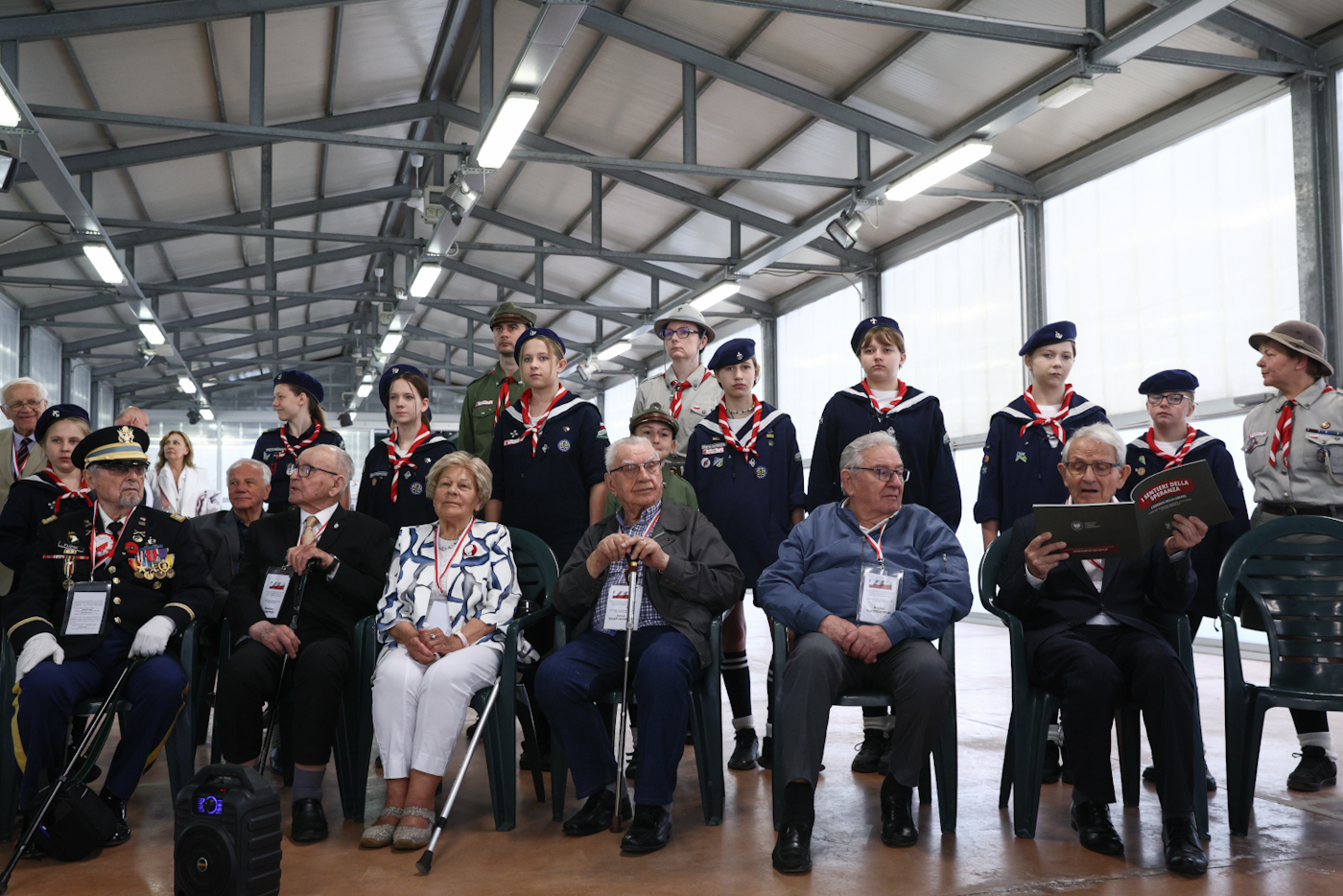
Representing the IPN in Bolonia is the IPN delegation with Deputy President Prof. Karol Polejowski, International Relations Office Director Agnieszka Jędrzak, her deputy Mateusz Marek and the Director of the Office for Commemorating the Struggle and Martyrdom, Adam Siwek. Opening the exhibit in the presence of 2nd Corps veterans and local residents, Deputy President Polejowski, said:
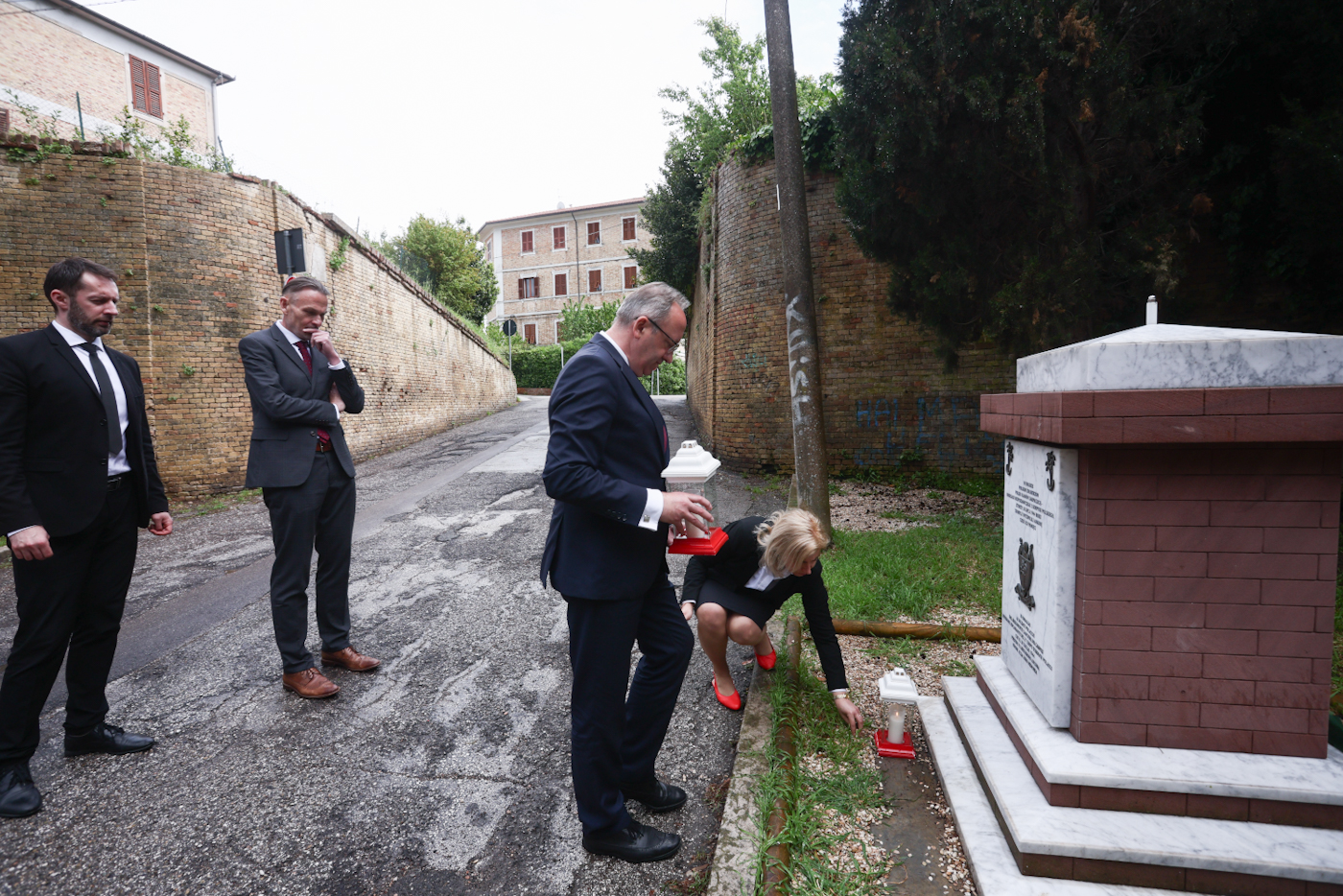
"Bologna was the last battle for Polish 2nd Corps officers and rank and file. Many of them stayed here forever: the Polish Military Cemetery is a resting place for 1,432 2nd Corps servicemen, fallen for your freedom and ours," and, addressing the veterans, added,
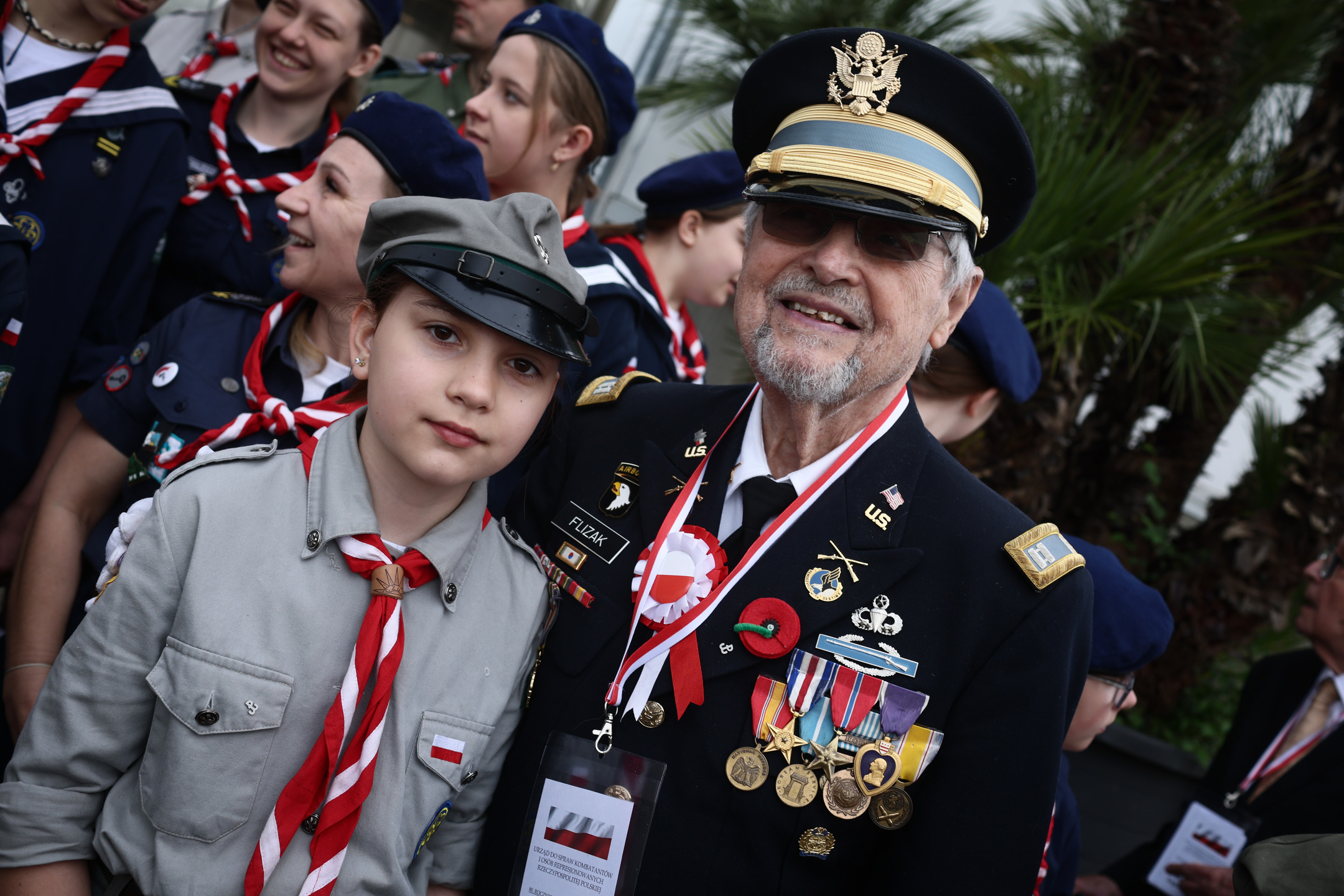
"Thank you so much for being here. Your presence is a living testimony, remembrance incarnated, and a warning to all generations, now and in the future, against the horrors of war."
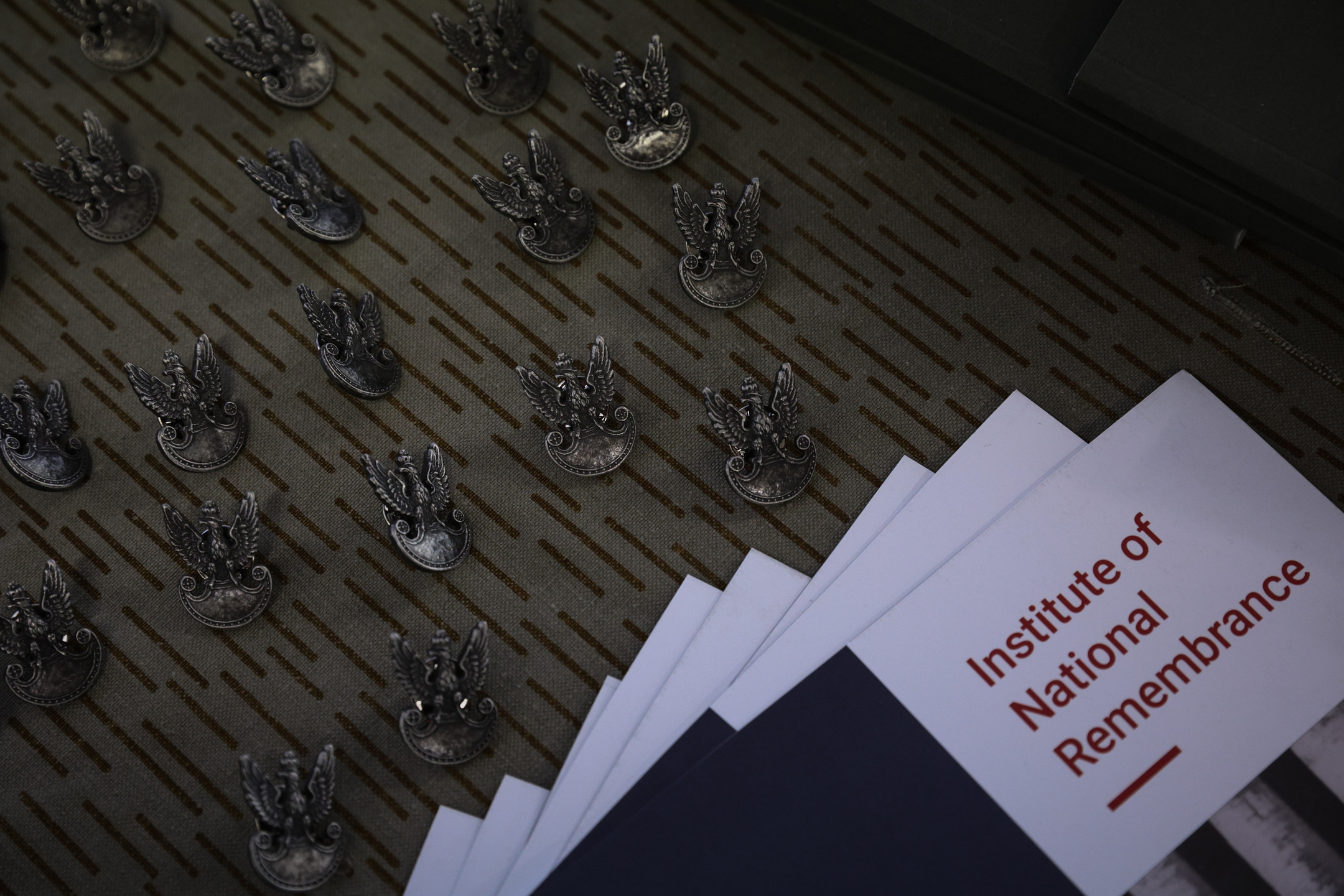
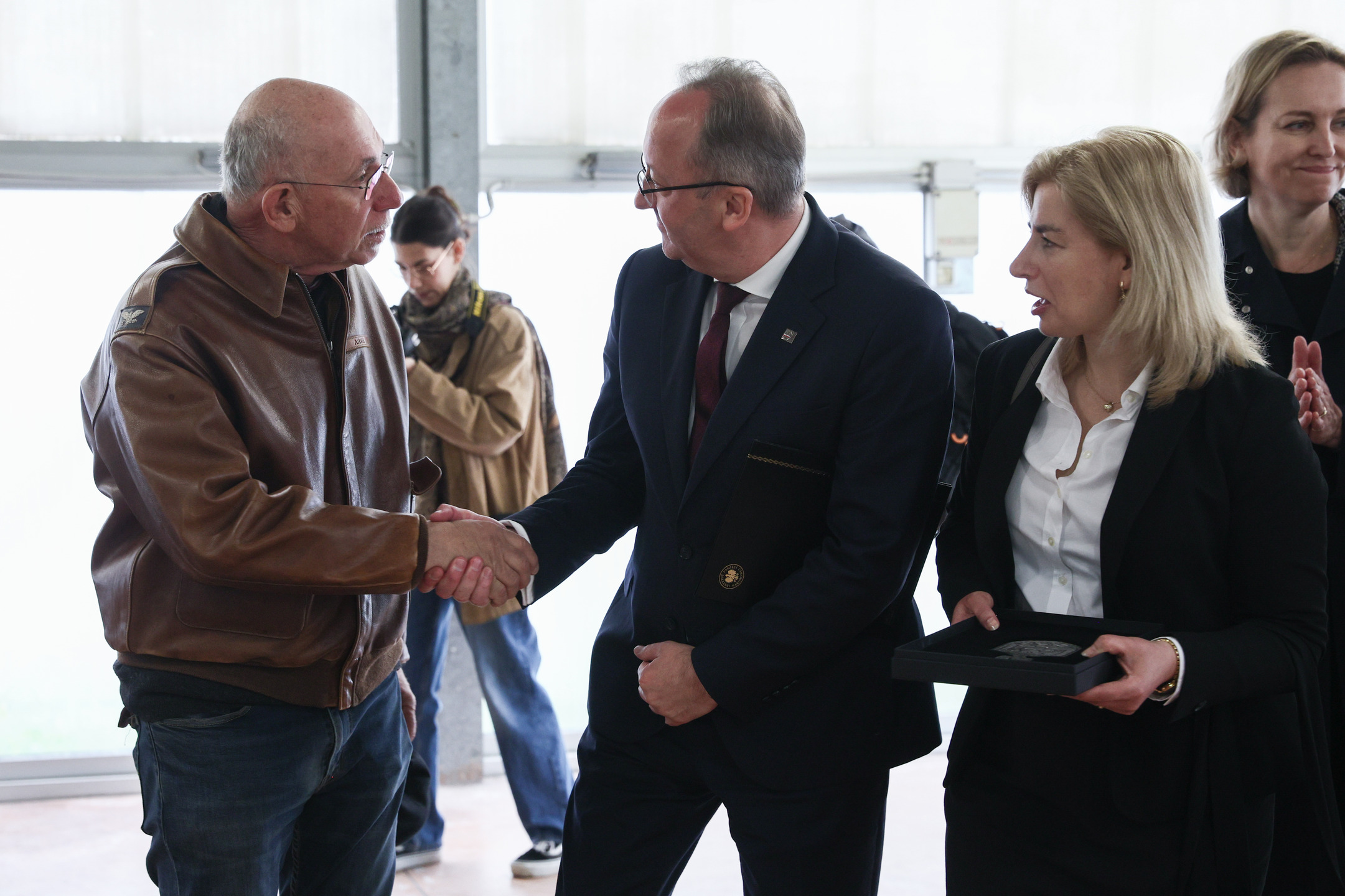
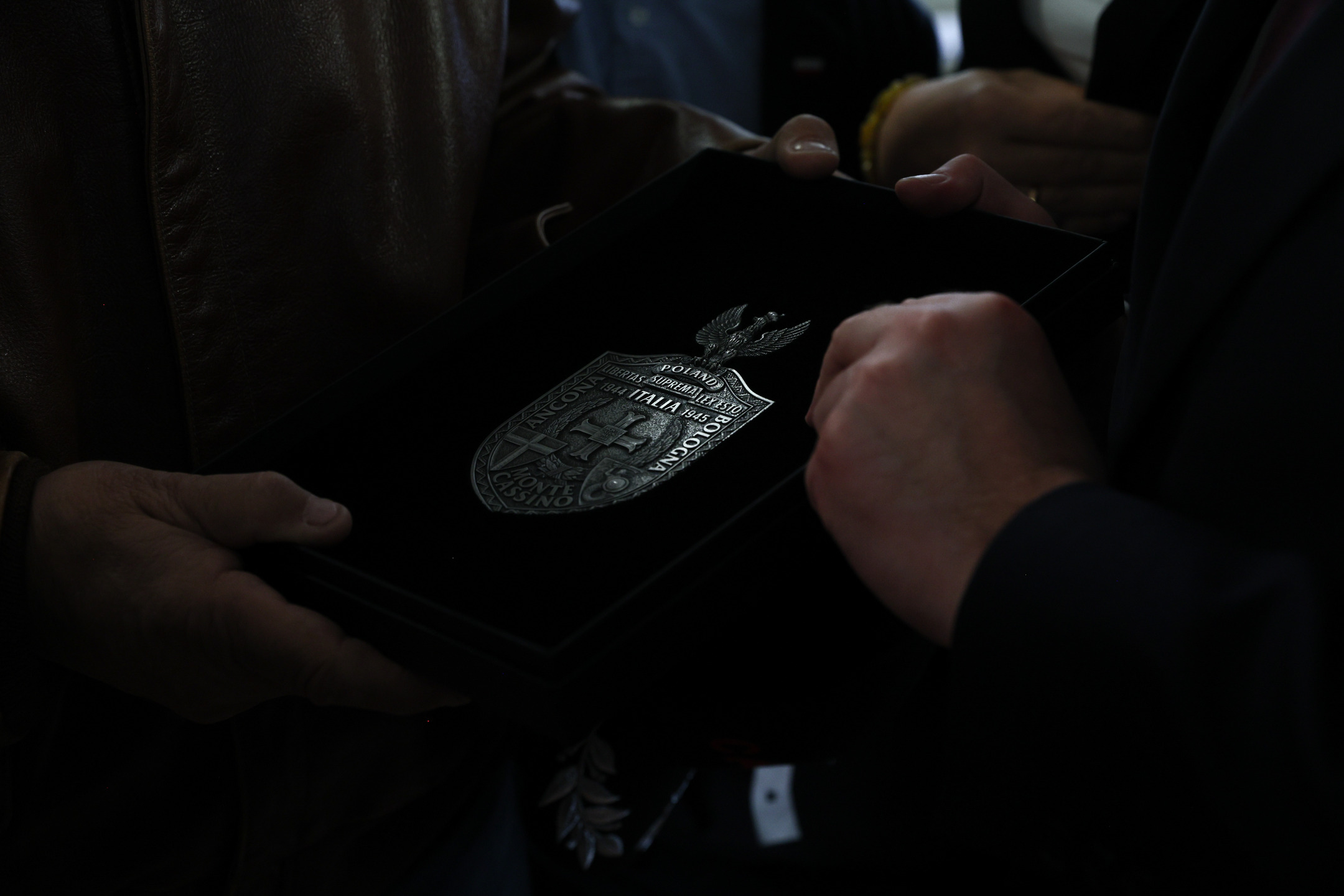
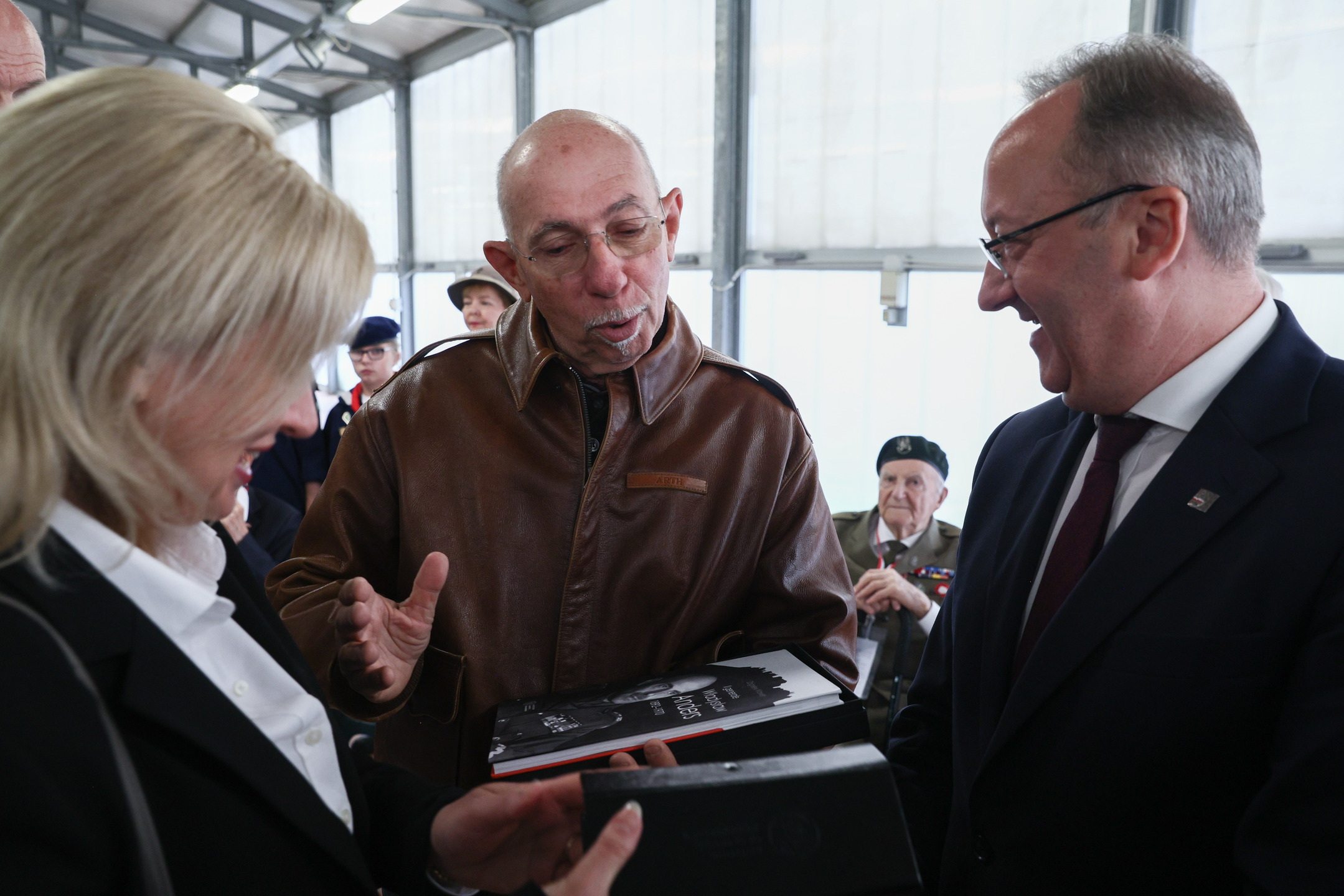
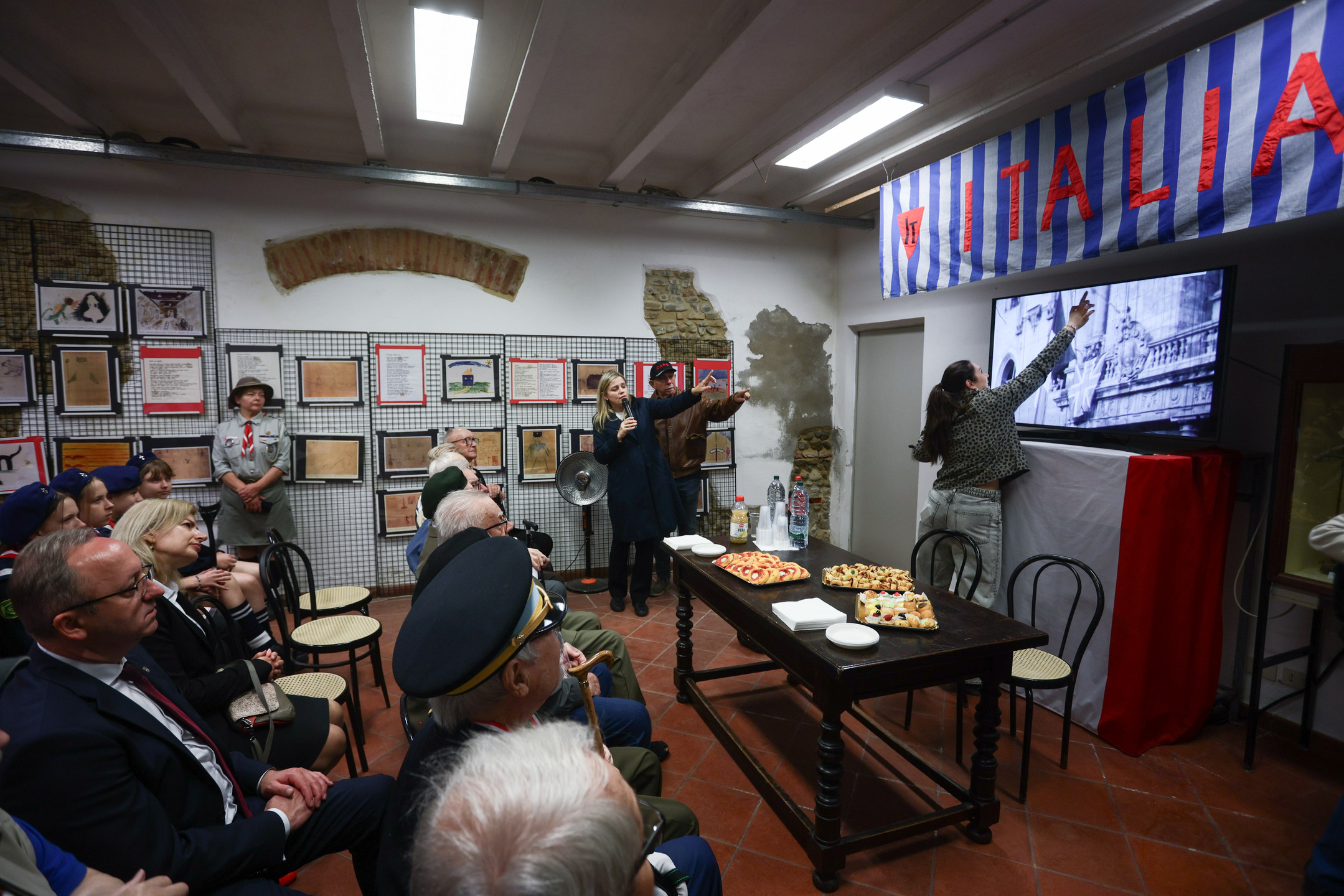
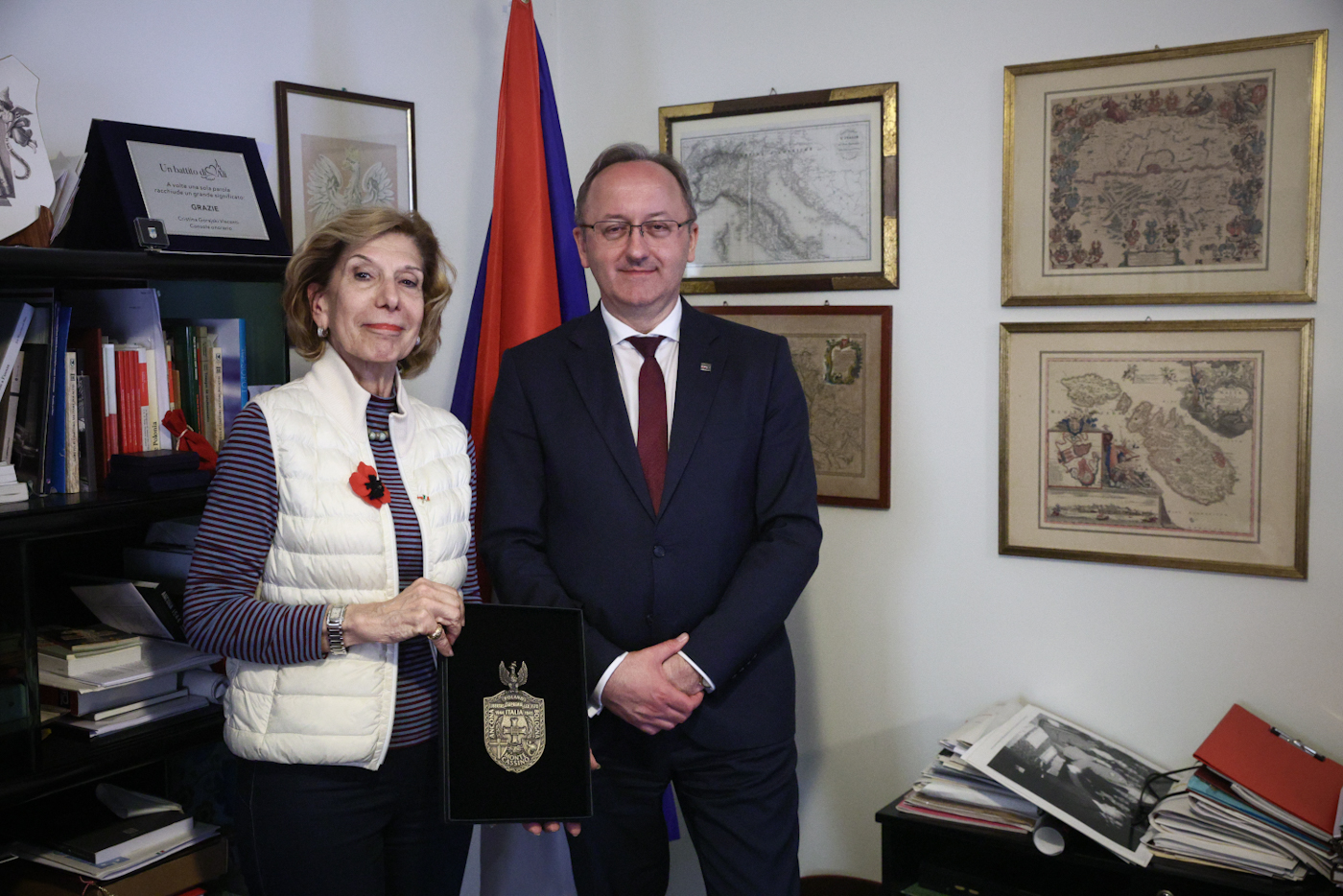
As a token of gratitude for the opportunity to present the exhibition, Museum Director Arturo Ansaloni received a commemorative gorget from the IPN President. The opening was accompanied by a show of amateur film stills by Edo Ansaloni, who has always had a passion for cinematography. On 21 April 1945, he filmed the entry of the first Polish troops into Bologna. He didn't realize it at the time, but that day his camera recorded scenes of great historical significance.
Mr. Arturo Ansaloni's father filmed the entrance of the Poles into Bologna. This is a great historical achievement, because thanks to Mr. Arturo's father, today we can look back on those who brought freedom to Italy - added Prof. Polejowski.