
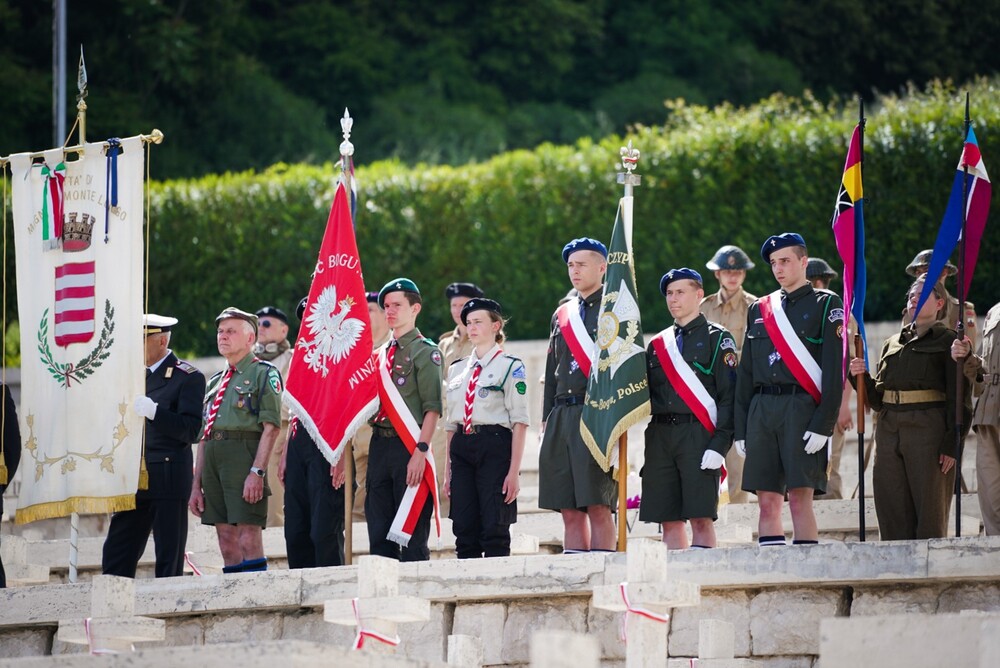
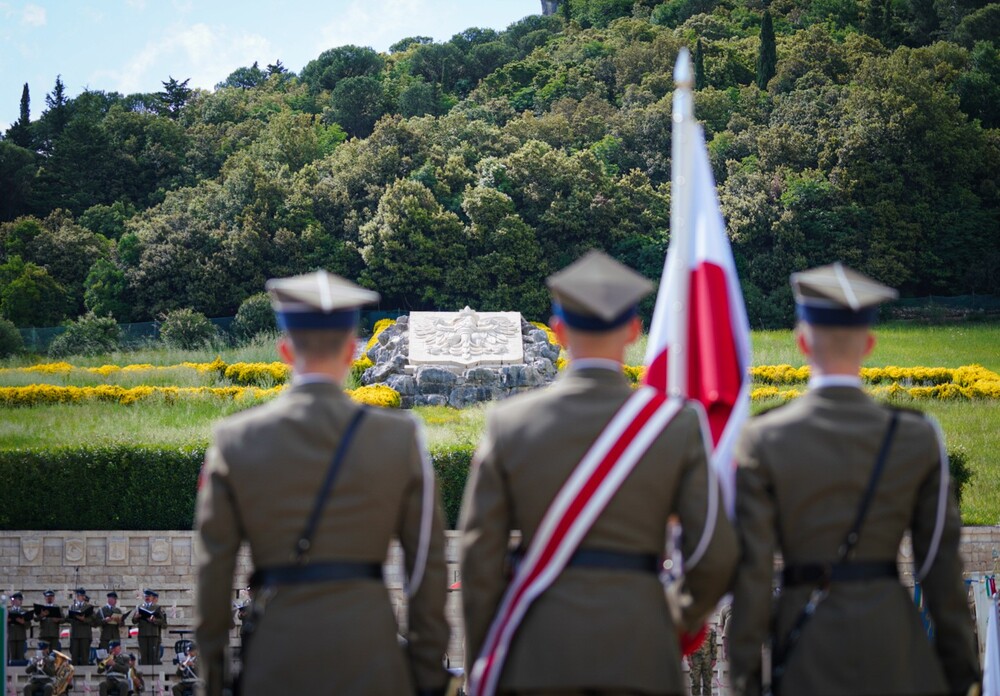
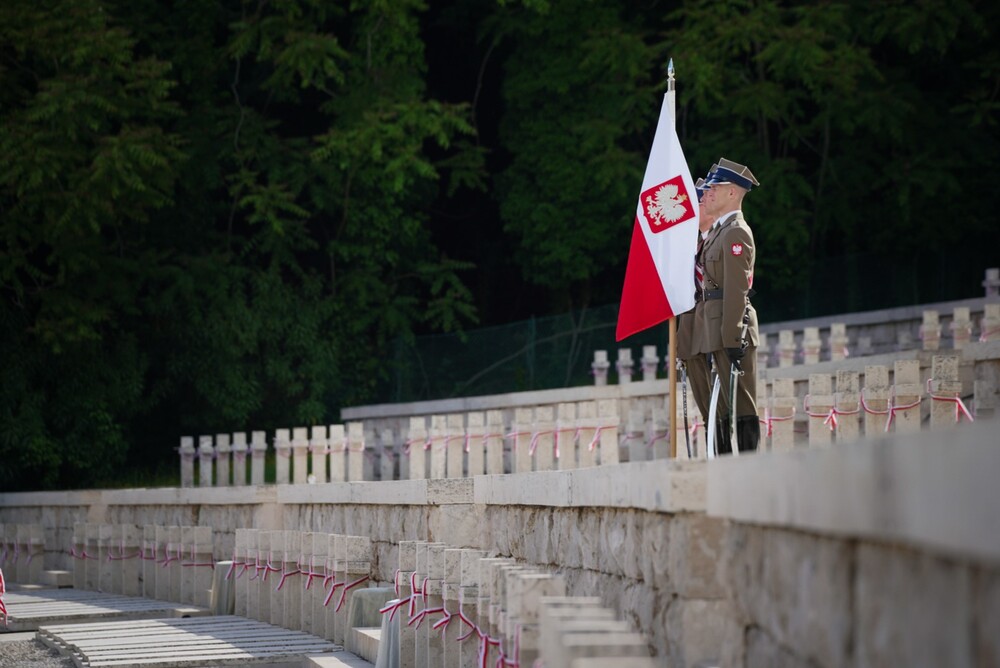
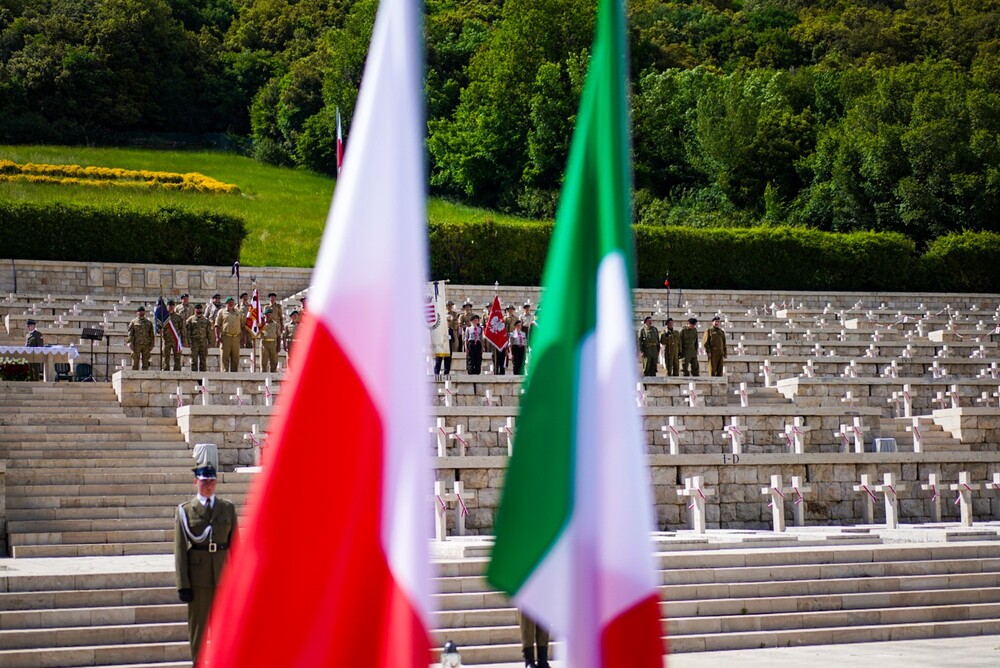
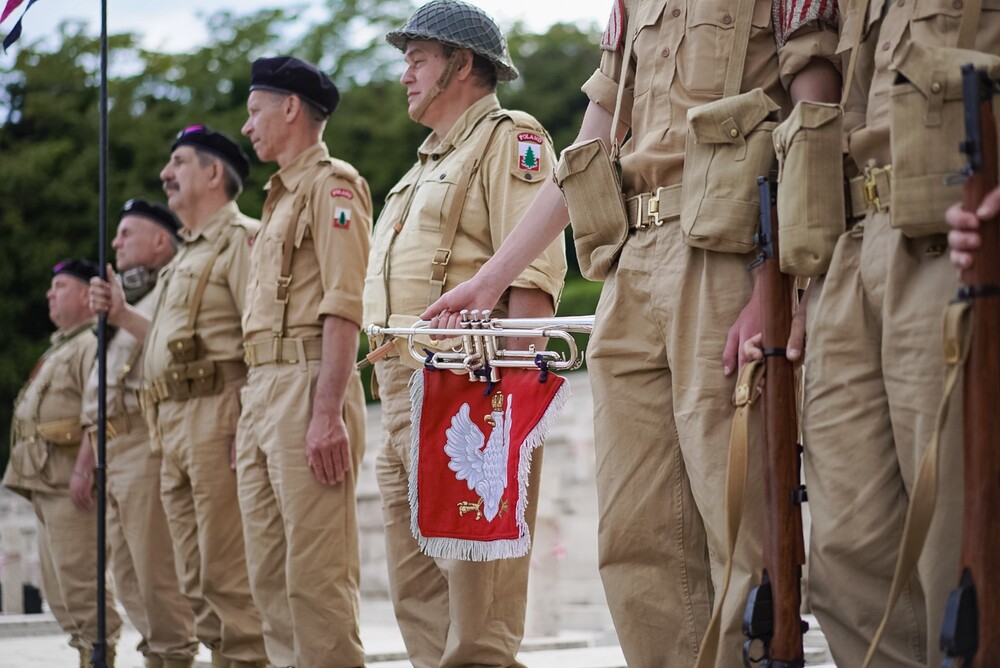
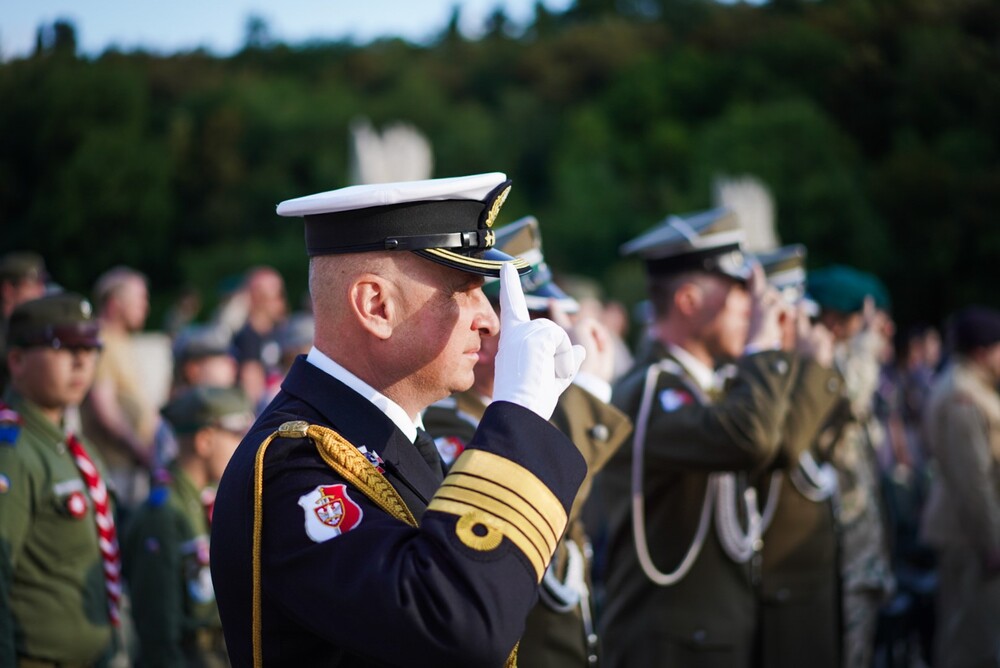

Commemorations were held at the Polish War Cemetery at Monte Cassino to mark the 81st anniversary of one of the most important battles fought by soldiers of the Polish 2nd Corps under the command of Gen. Władysław Anders.
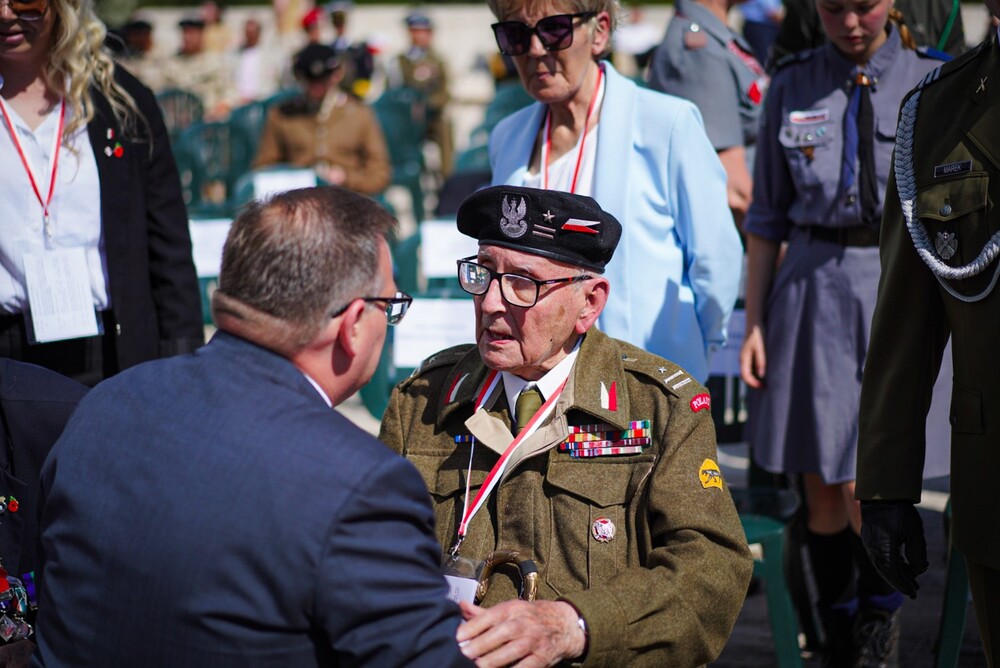
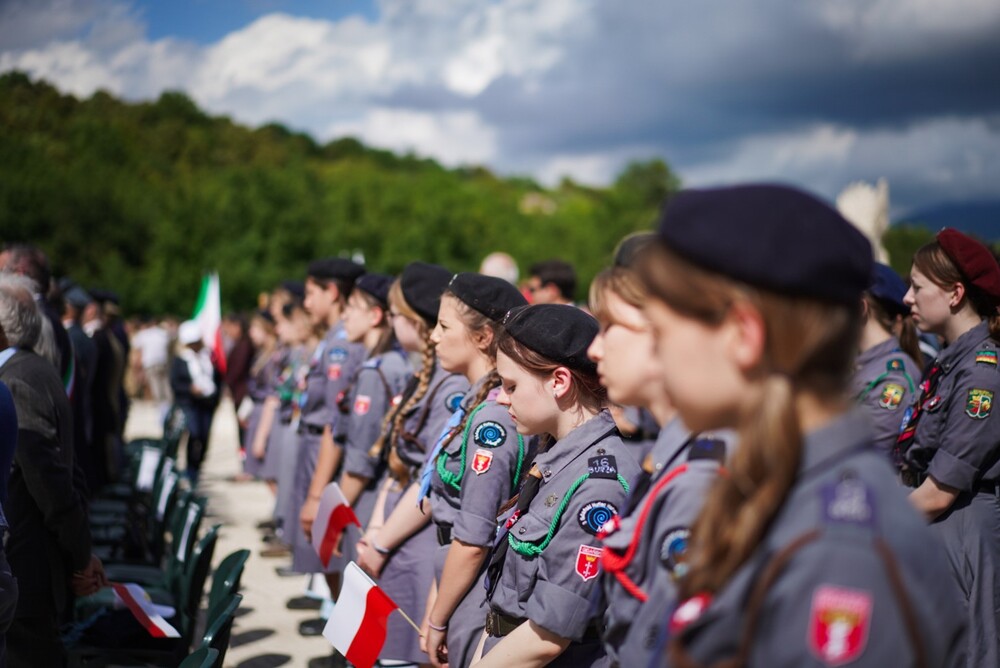
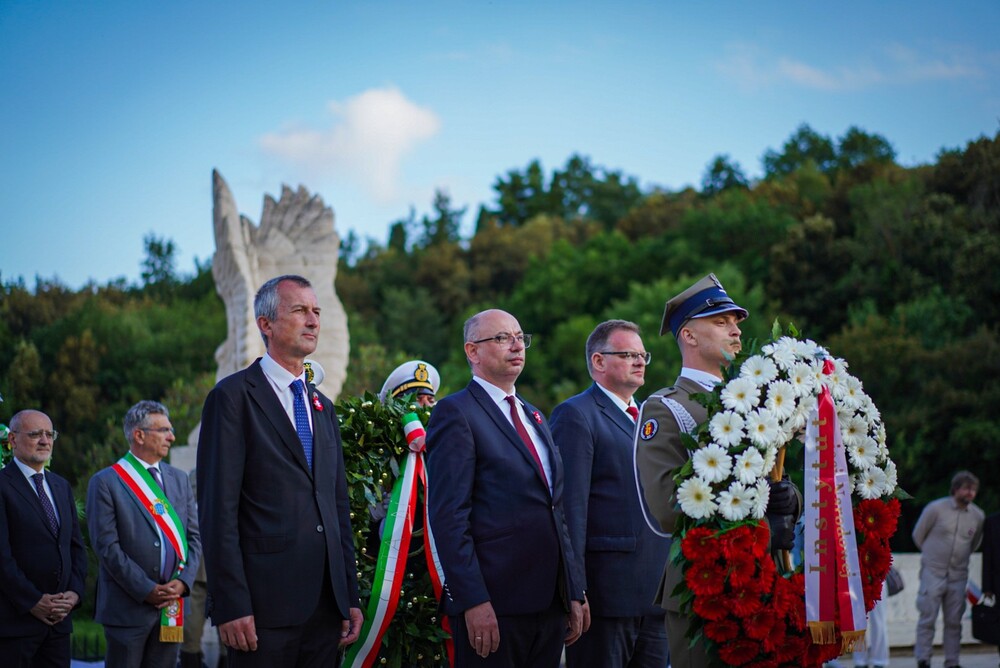
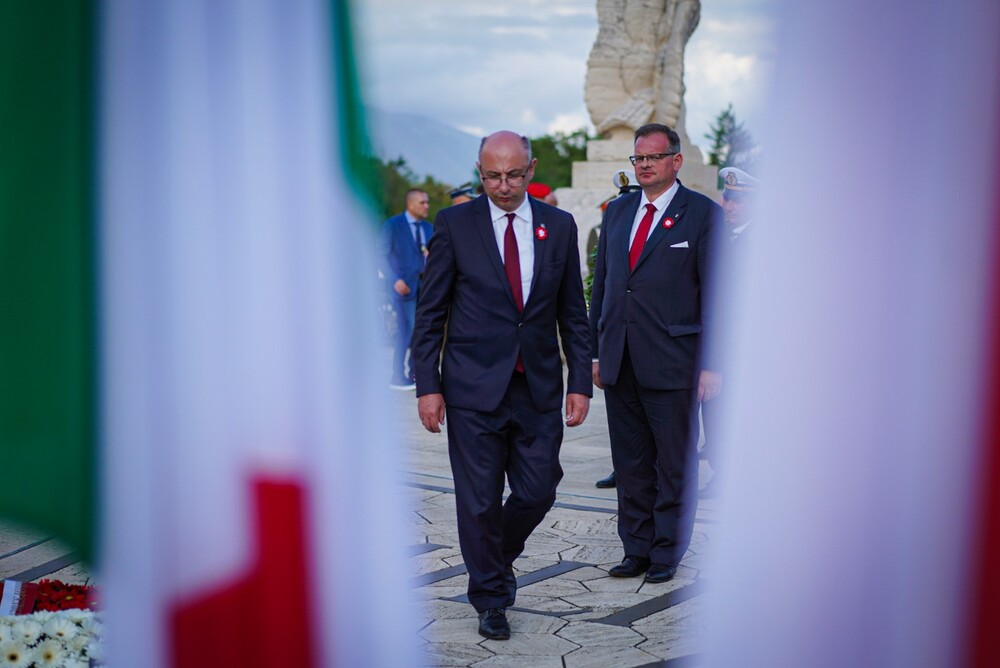
The ceremony was attended by representatives of the Polish government, the Polish Armed Forces, veterans' organizations, scouts, and the Polish diaspora. The Institute of National Remembrance was represented by Deputy President Mateusz Szpytma and Jan Józef Kasprzyk was organized by the Polish Embassy in Rome and the Office for War Veterans and Victims of Oppression. The celebrations were attended by veterans and state officials who paid tribute to General Władysław Anders and his soldiers.
The commemorations included a prayer held at the Polish War Cemetery on Monte Cassino and the laying of flowers at the grave of General Władysław Anders and his wife Irena Anders.
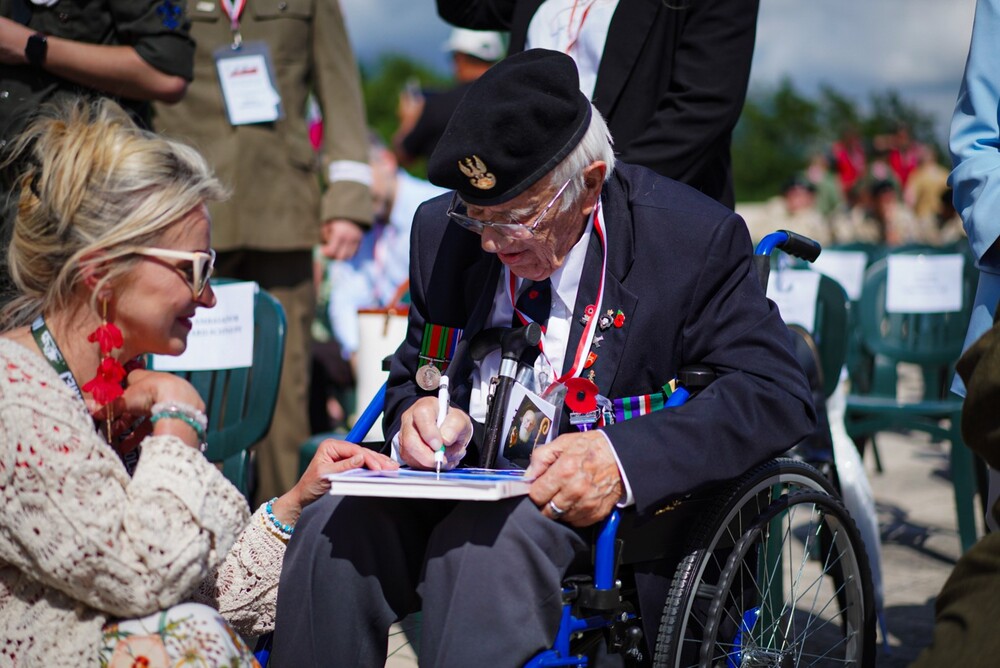
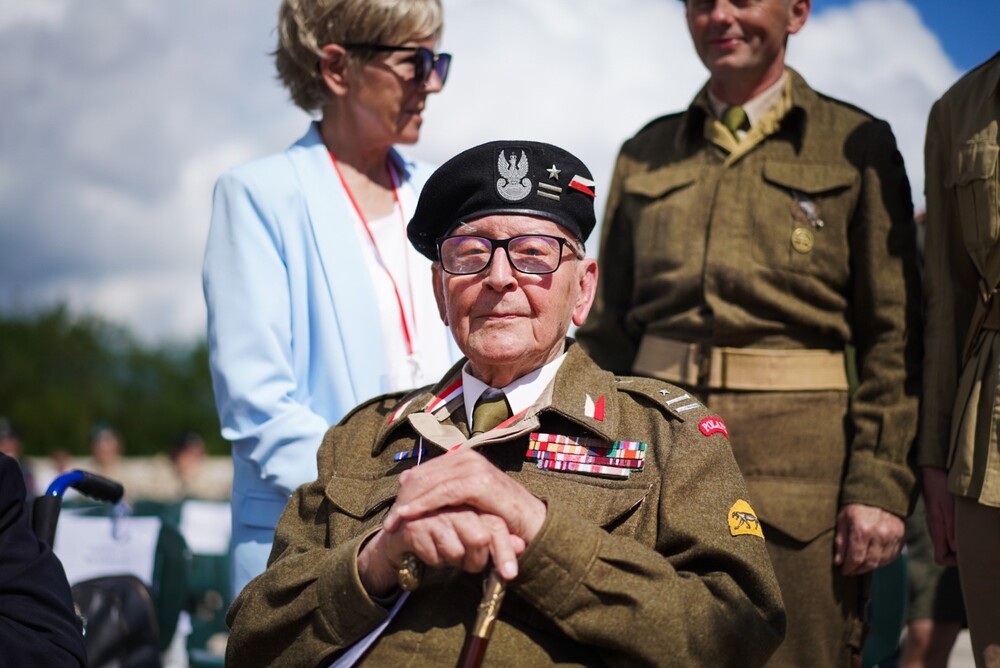
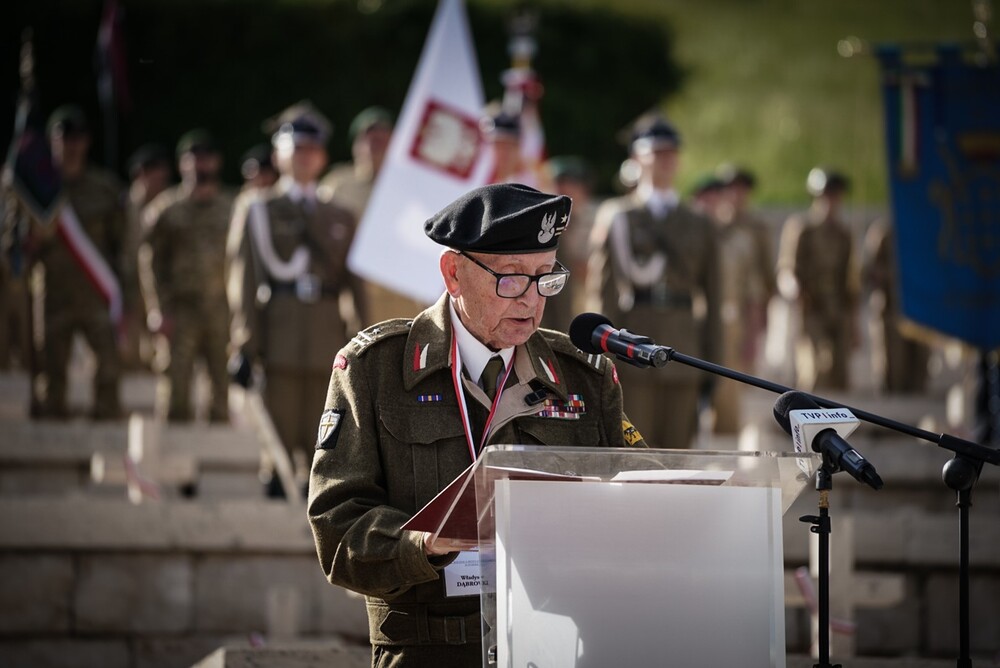
"There are few of us left. That’s why I come here once a year to honor the memory of my fallen comrades and General Anders,"
-said Major Władysław Dąbrowski, a veteran of the Polish 2nd Corps, during the ceremony.
On 18 May 1944, soldiers of the Polish 2nd Corps under General Władysław Anders placed the Polish national flag on the ruins of the Monte Cassino Monastery ending a series of assaults by the Allies against the Winter Line in Italy held by the Axis forces during the Italian Campaign of World War II. Then the path to retake Rome from German hands was open.
The Battle of Monte Cassino [VIDEO]
The IPN launched the “Trails of Hope. The Odyssey of Freedom” project in order to remember the soldiers of Anders’ Army and their contribution to the victory over Germany during the World War II.
Read about the "Trails of Hope. The Odyssey of Freedom" project
81 years ago today, the Polish flag was raised over the ruins of the Monte Cassino Abbey. This symbolic event marked the end of a bloody series of battles which cost the lives of 55,000 Allied soldiers.
“It was a day of great glory for Poland when you conquered this fortress, which the Germans themselves considered impossible to conquer [...]. Soldiers of the 2nd Polish Corps! If I were given a choice between any soldiers I wanted to have under my command, I would choose you, Poles,” declared General Harold Alexander, commander of the 15th Army Group that operated during the WW2 Italian campaign.
This army group had numerous units subordinate to their commander, including the Polish II Corps under General Władysław Anders. The 50,000 men-strong Polish corps was an independent part of the British 8th Army. The Polish soldiers were successfully evacuated from the Soviet Union to Persia and the Middle East and later sent to fight in the Apennine Peninsula. In the spring of 1944, the Polish corps had found itself in the 8th Army reserve, ready for combat. The baptism of fire that awaited the soldiers was of the highest order.
Since January 1944 the British 8th Army together with the U.S. 5th Army were involved with a series of offensives aiming at breaking through the so-called Gustav Line that spanned from the Tyrrhenian Sea to the Adriatic Sea running along the Gargliano and Rapido rivers on the west and the Sangro River on the eastern side of the peninsula. To reach Rome, the Allies had to break through this fortified line defended by 15 German divisions, minefields, dugouts, pillboxes, machine gun nests and concealed artillery positions. The three battles carried out in order to break the Gustav Line, fought between January 1944 and March 1944, resulted in a stalemate and huge losses.
The 8th Army was about to open the road to Rome once again, and this required capturing the monastery hills and crossing the Rapido River south of the Monte Cassino Abbey. The Fourth Battle of Monte Cassino (Operation Diadem) began at 11 p.m. on 11 May 1944 with a shelling of the German positions, after which the Polish II Corps entered combat. The first attack on the ‘Phantom Hill’ and the Massa Albaneta farm proved unsuccessful, with the 5th Carpathian Rifle Division losing 20 per cent of its soldiers.
The second attack was launched by the Polish troops on 16 May 1944. The 16th Lviv Rifle Battalion captured and held the ‘Phantom Hill’. At that time, the British and French Corps successfully fought in the Liri valley. The enemy withdrew from Monte Cassino for fear of becoming encircled.
On 18 May 1944, a patrol of the 12th Regiment of the Podolian Lancers under the command of 2nd Lt. Kazimierz Gurbiel entered the ruins of the monastery. First, the pennant of the 12th Regiment of the Podolian Lancers was hoisted on its walls, then the Polish flag. At noon, on the ruins of the Monte Cassino monastery, master corporal Emil Czech played St. Mary’s bugle call. In the following days the enemy troops were removed from the vicinity of the monastery, and several villages were liberated. The road to Rome was open.
In 13 days and 20 hours of fighting, the II Polish Corps suffered heavy losses. 923 Polish soldiers were killed, 2931 were wounded, and 345 were reported missing. In late 1944 and early 1945, a Polish war cemetery was erected on the hillside between Monte Cassino and Hill ‘593’. The project was designed by architects Wacław Hryniewicz and Jerzy Skolimowski. Currently, 1,072 soldiers of the II Polish Corps are buried there, including General Władysław Anders.