
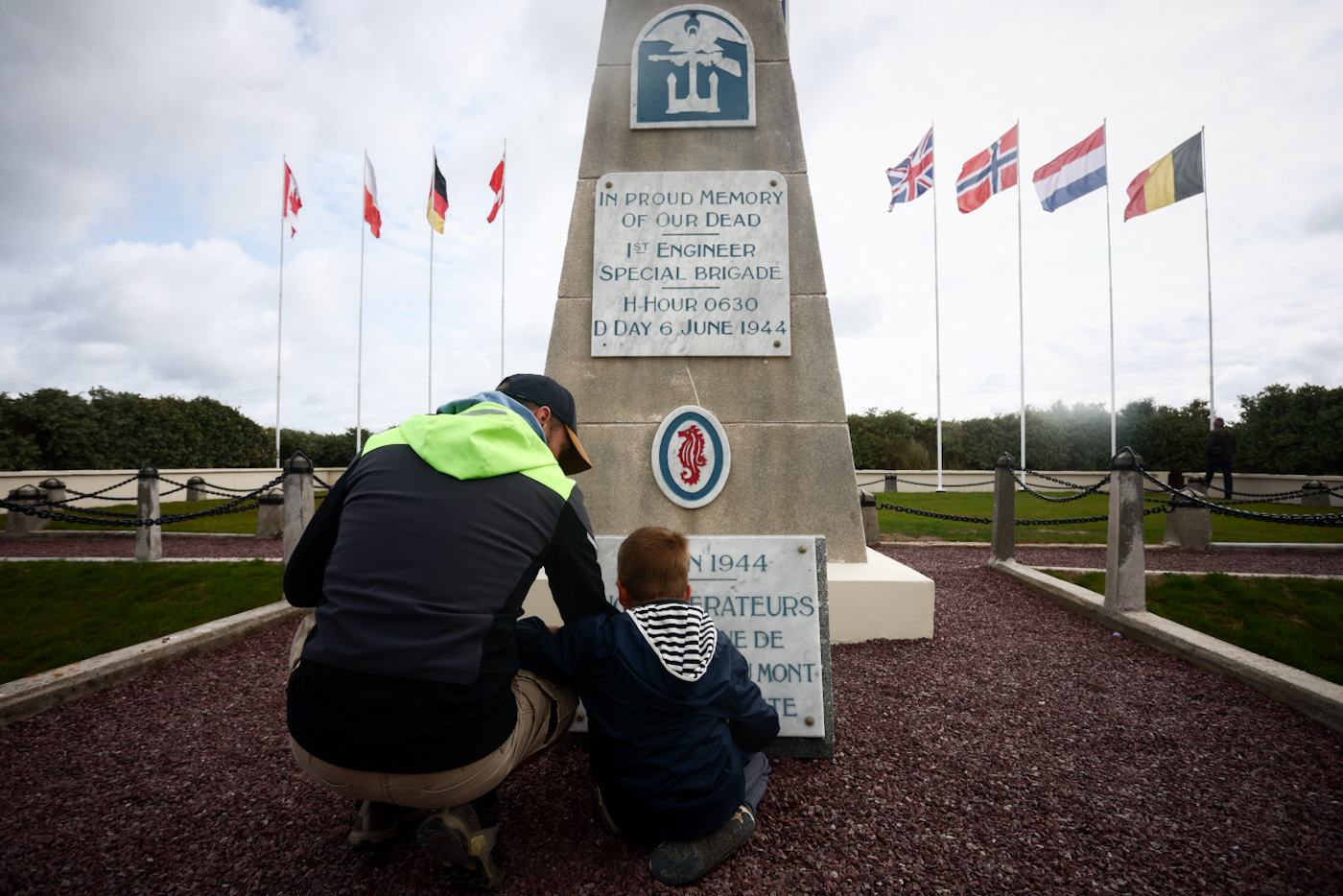
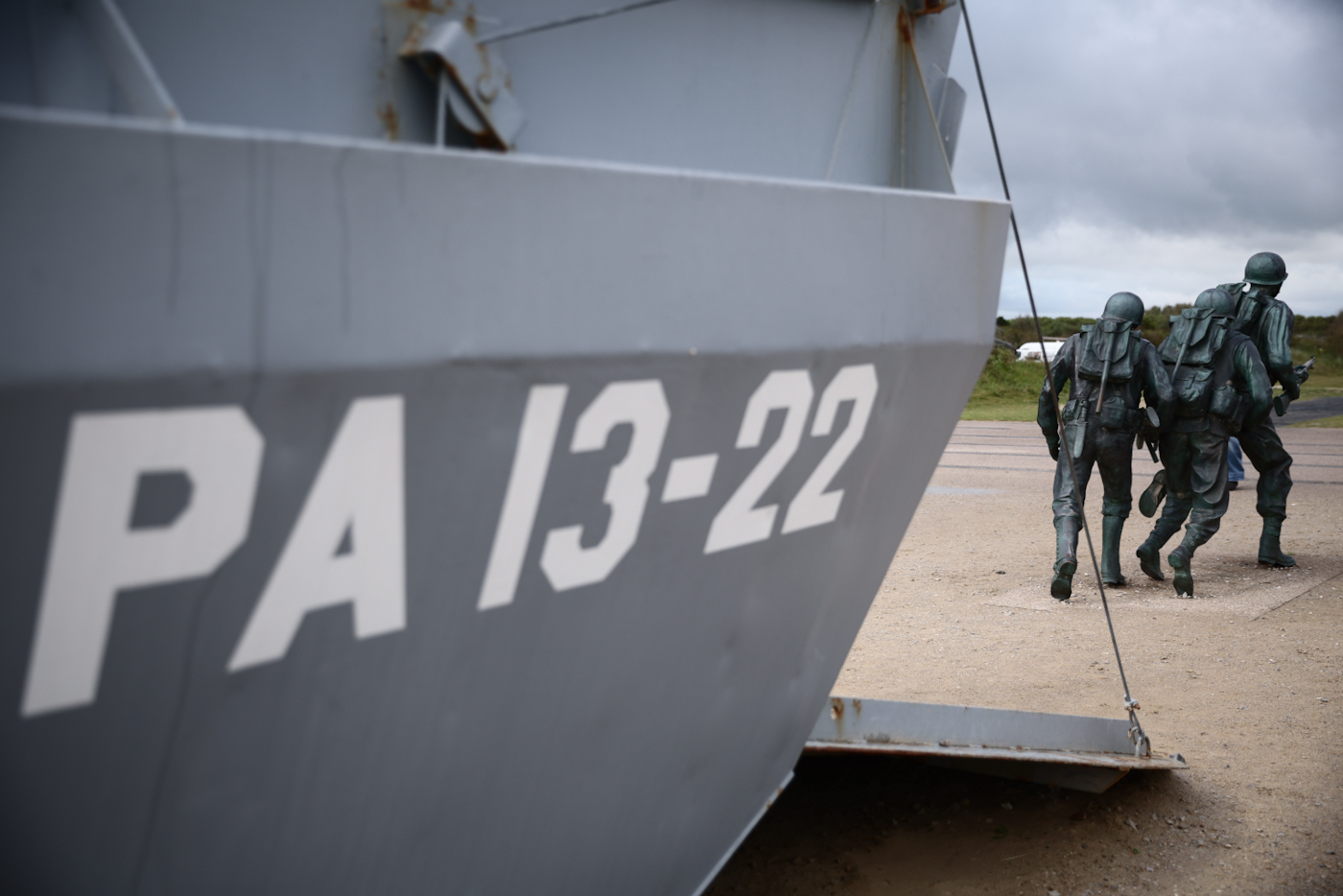
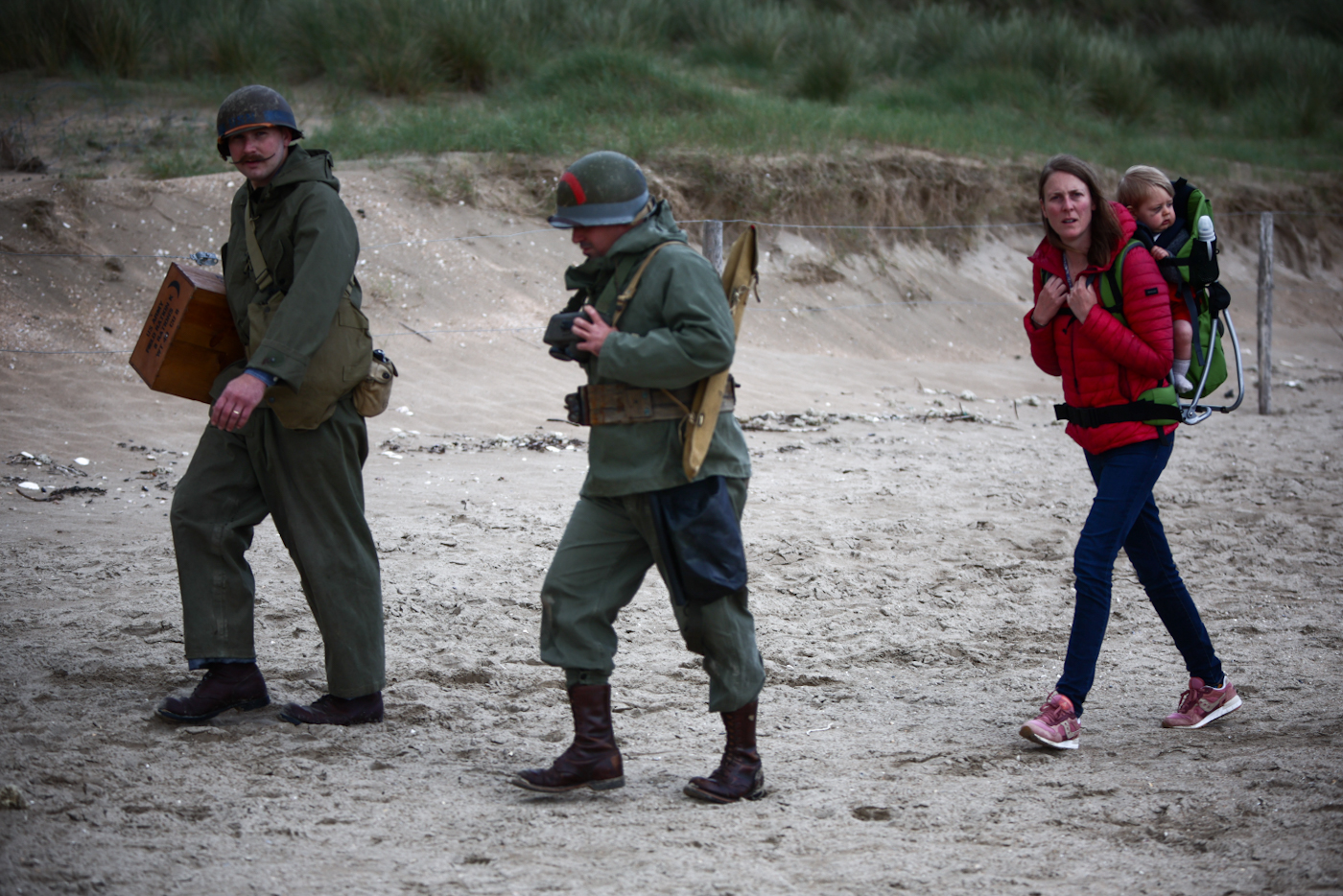
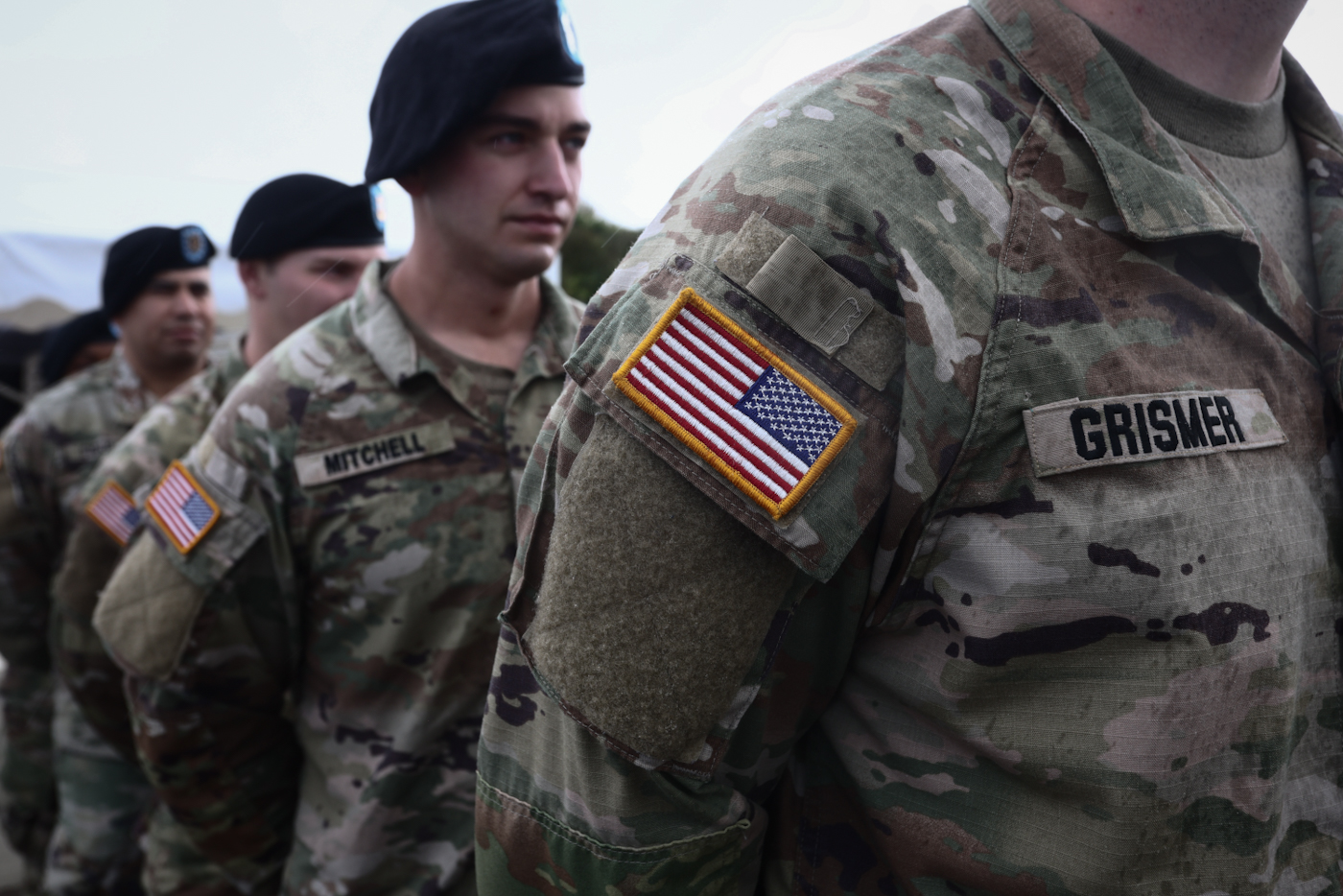
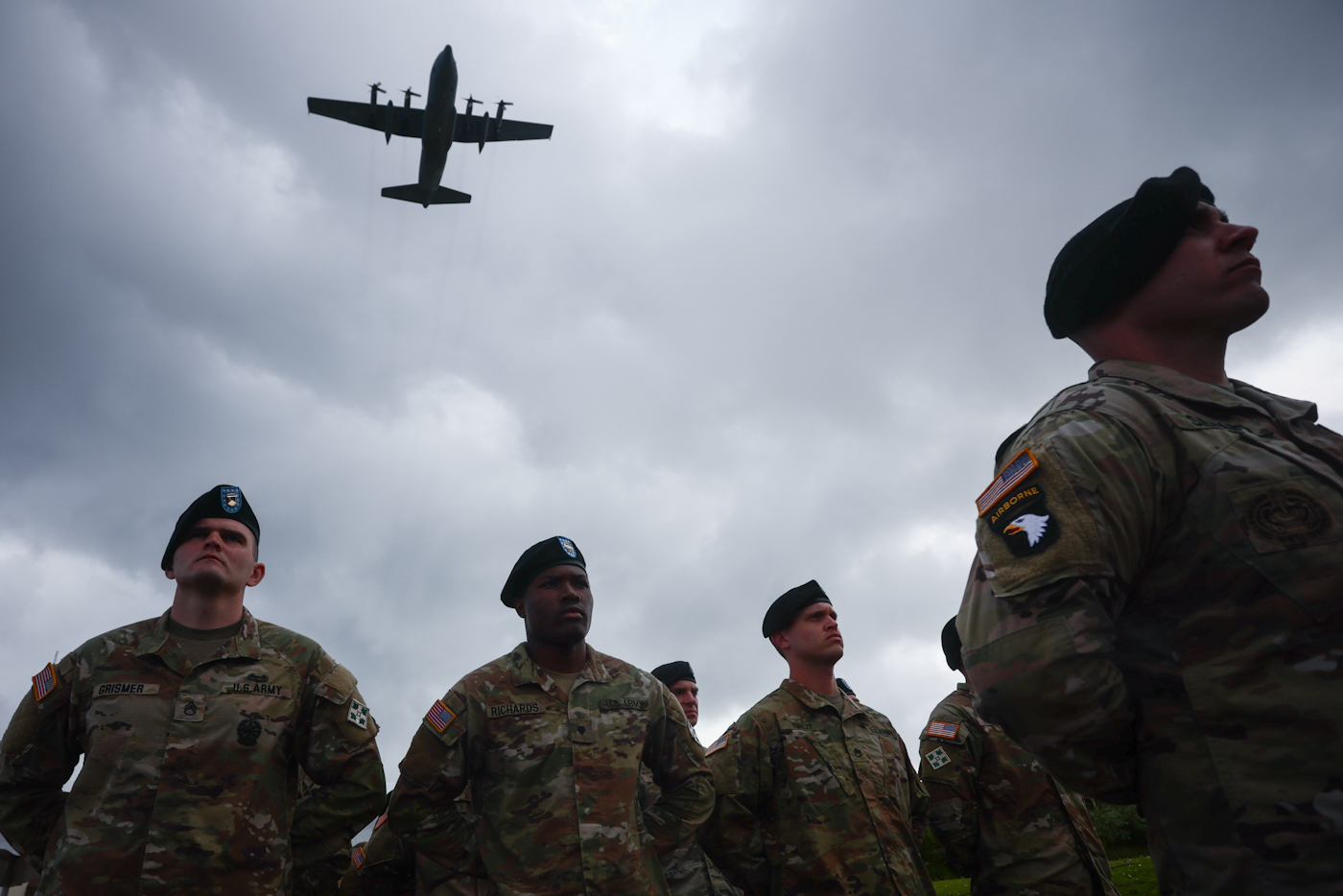
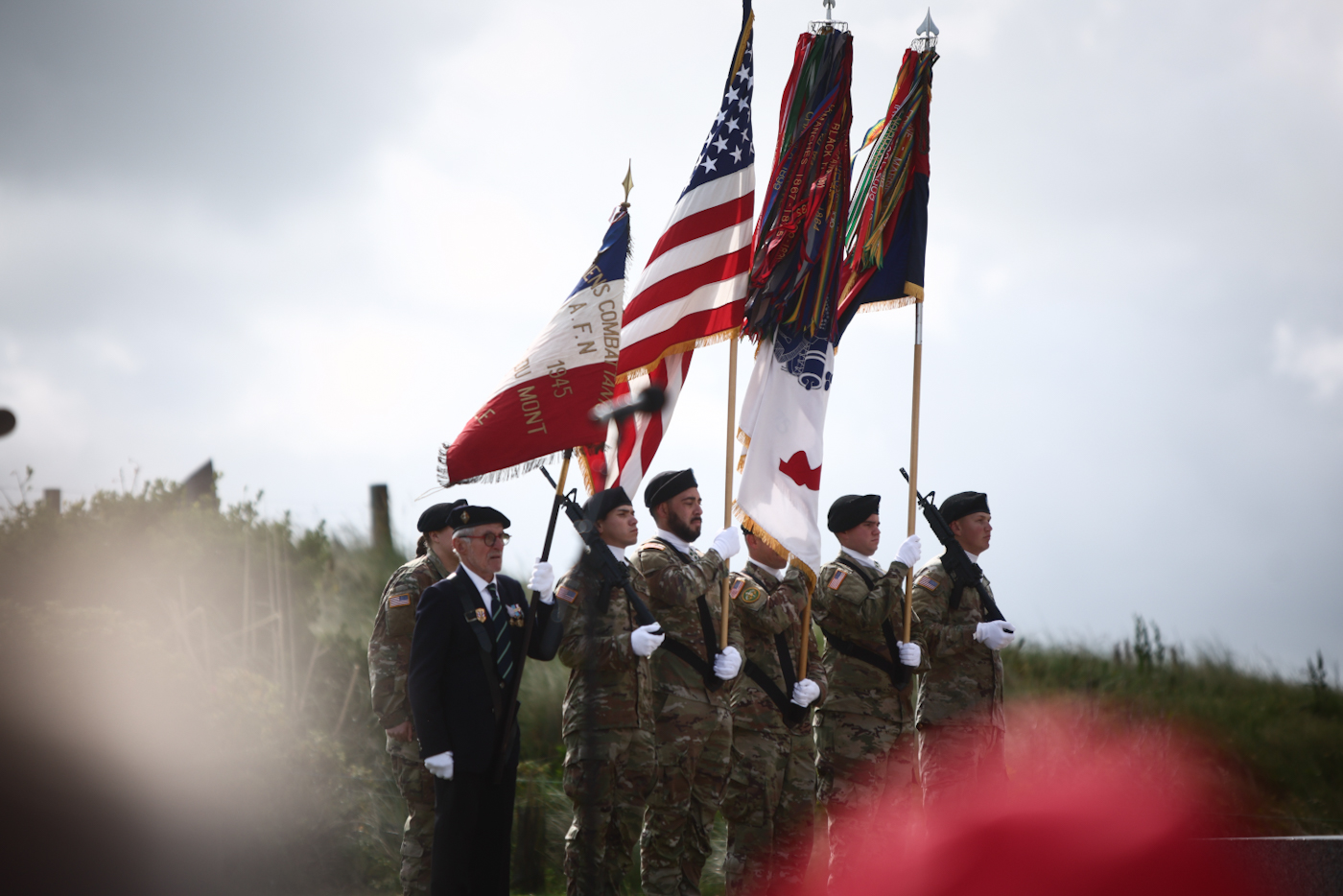
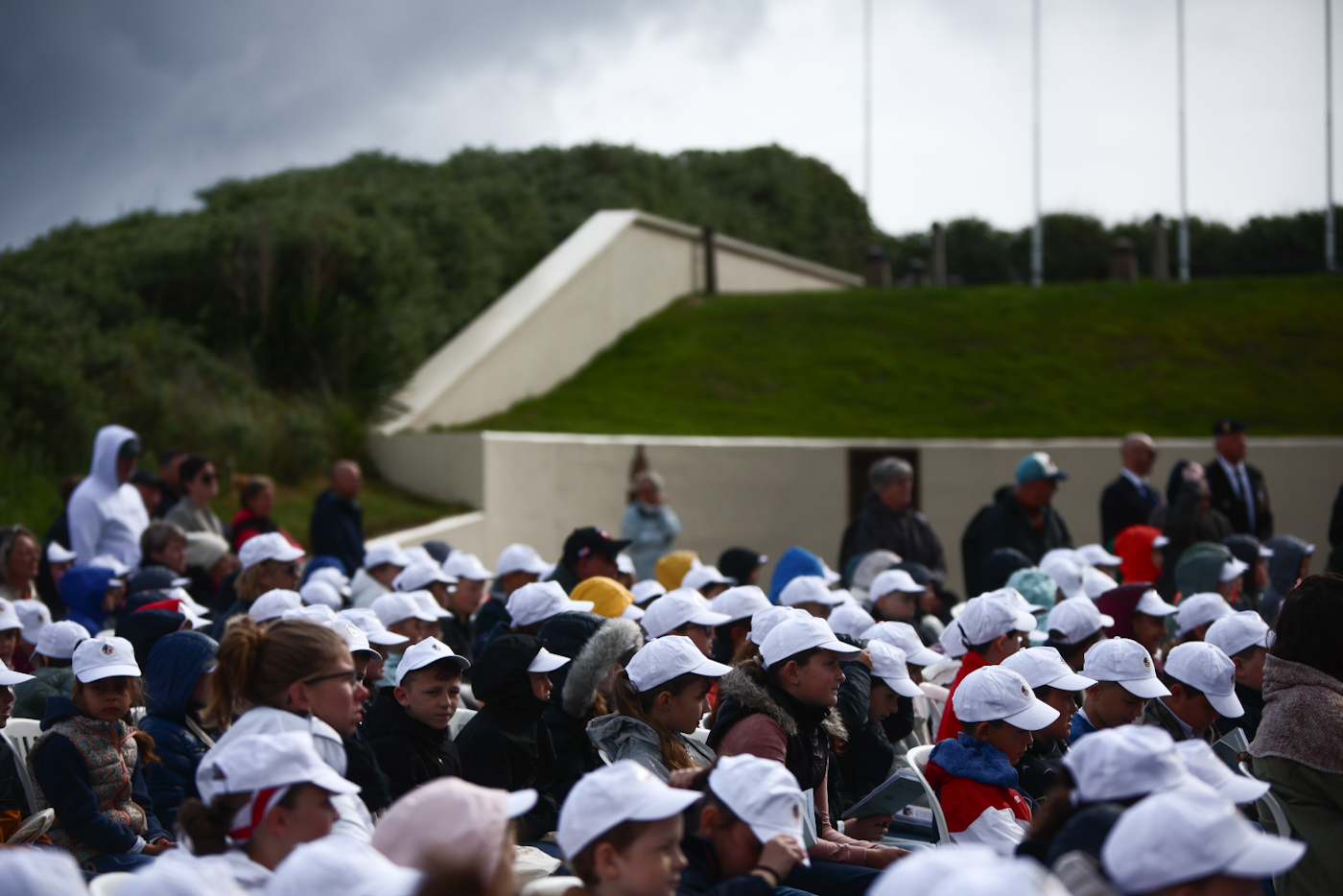
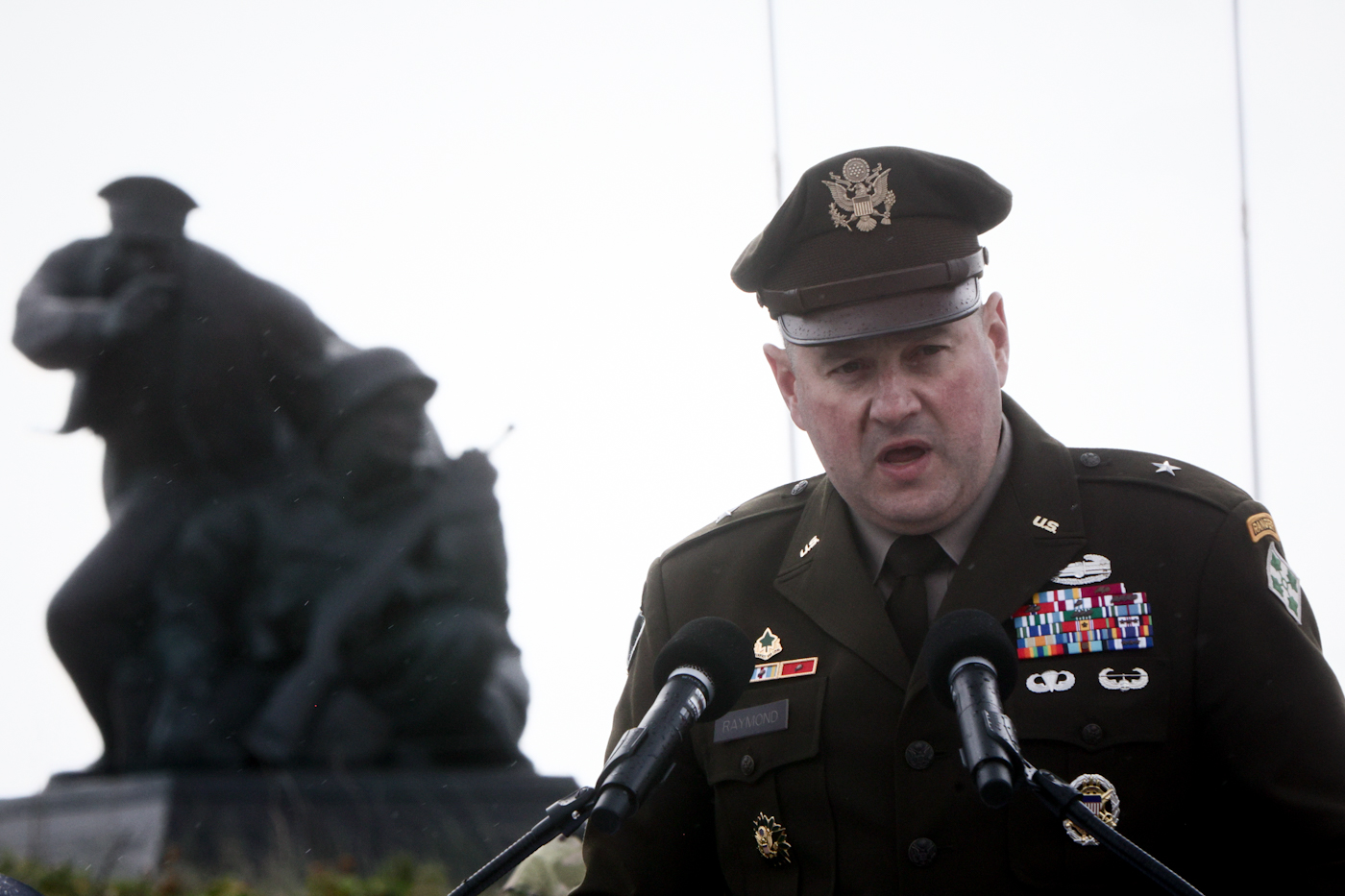
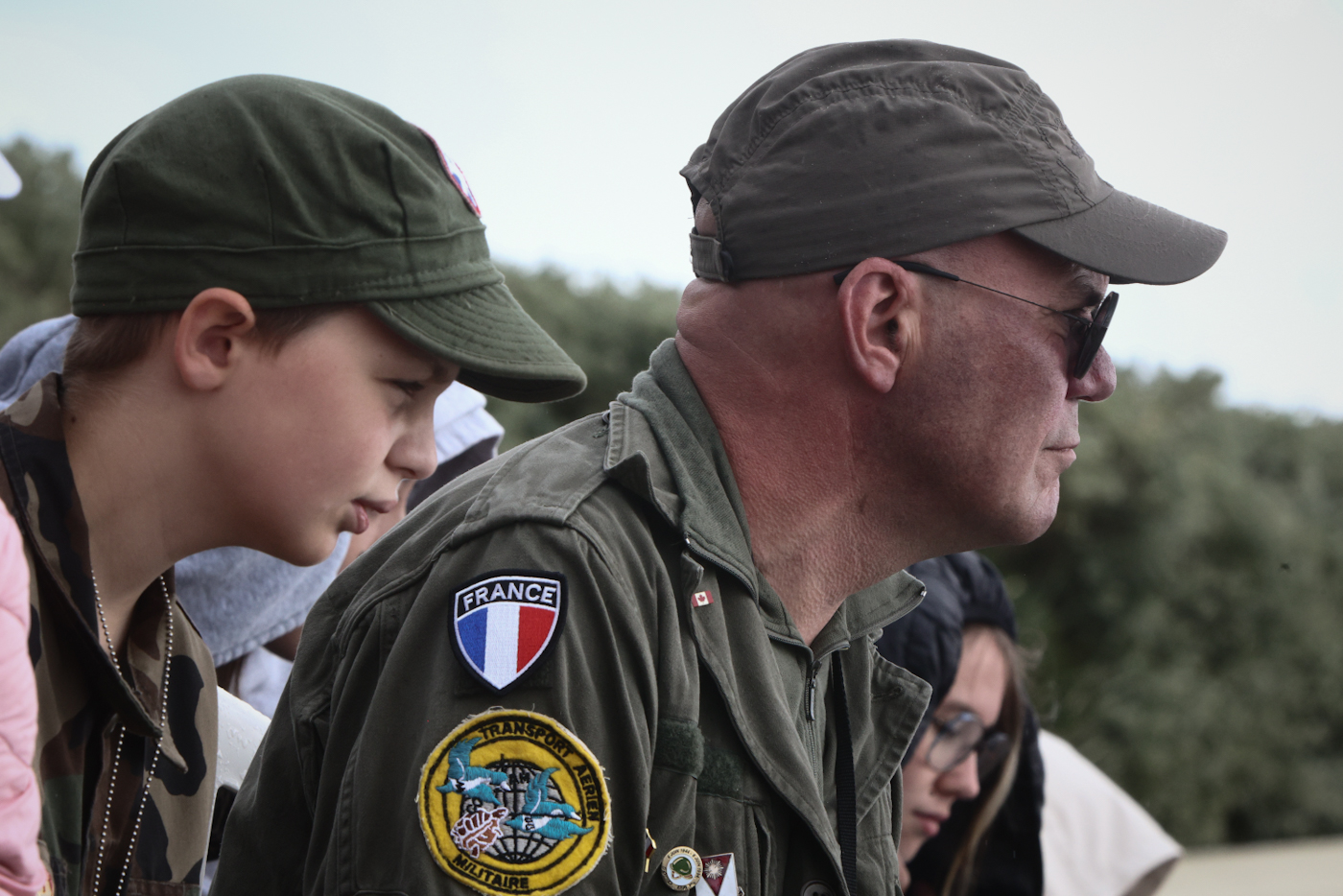
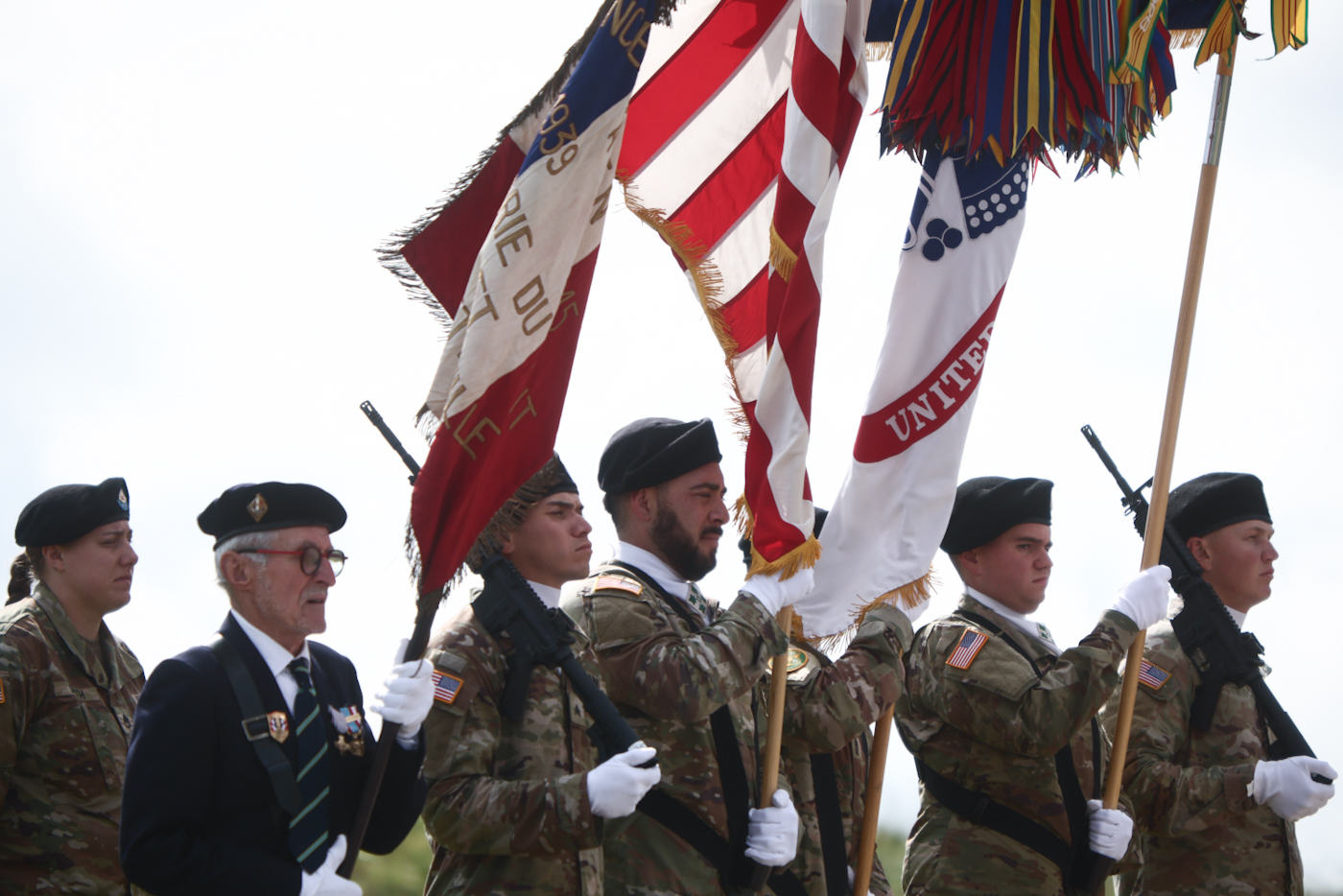
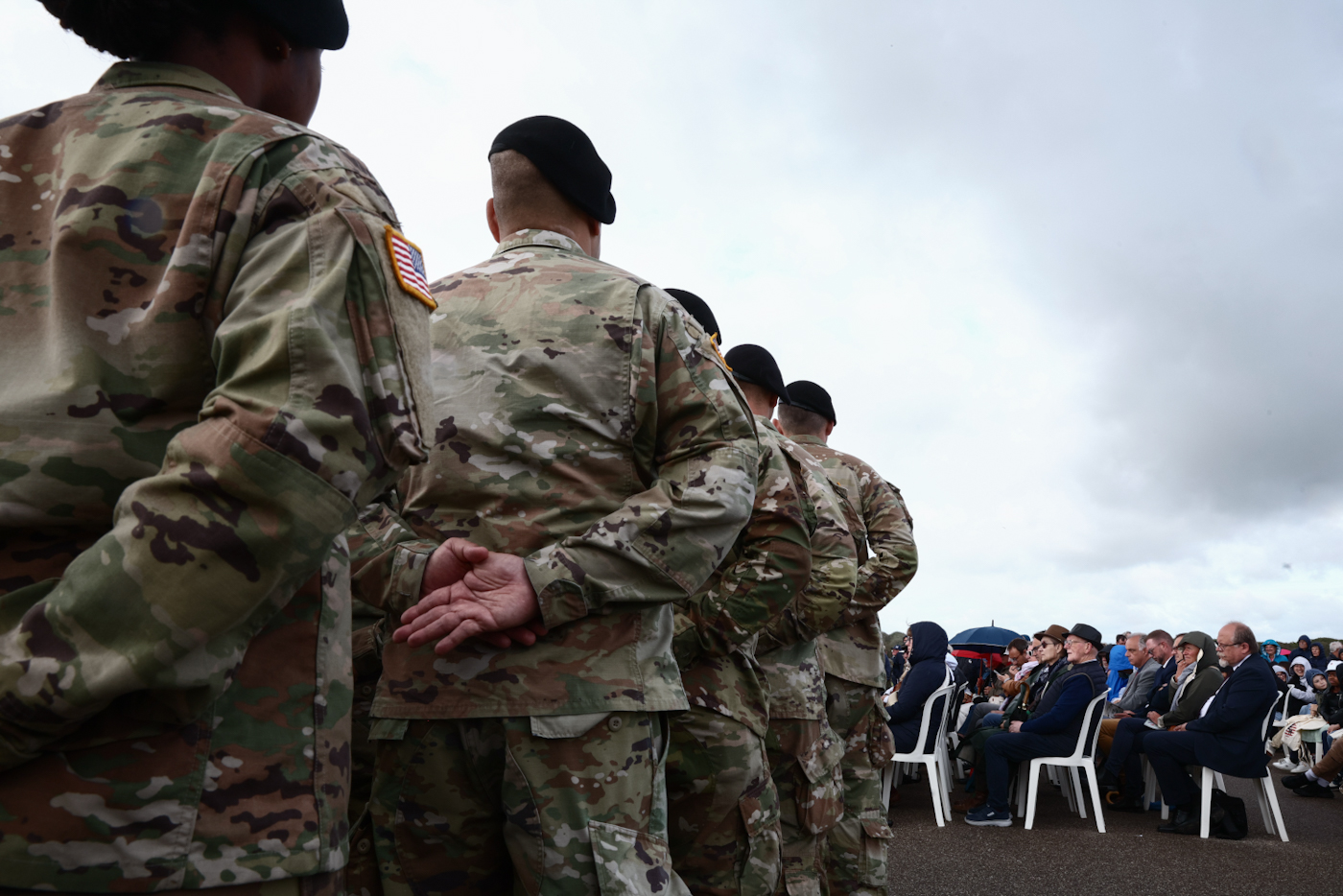
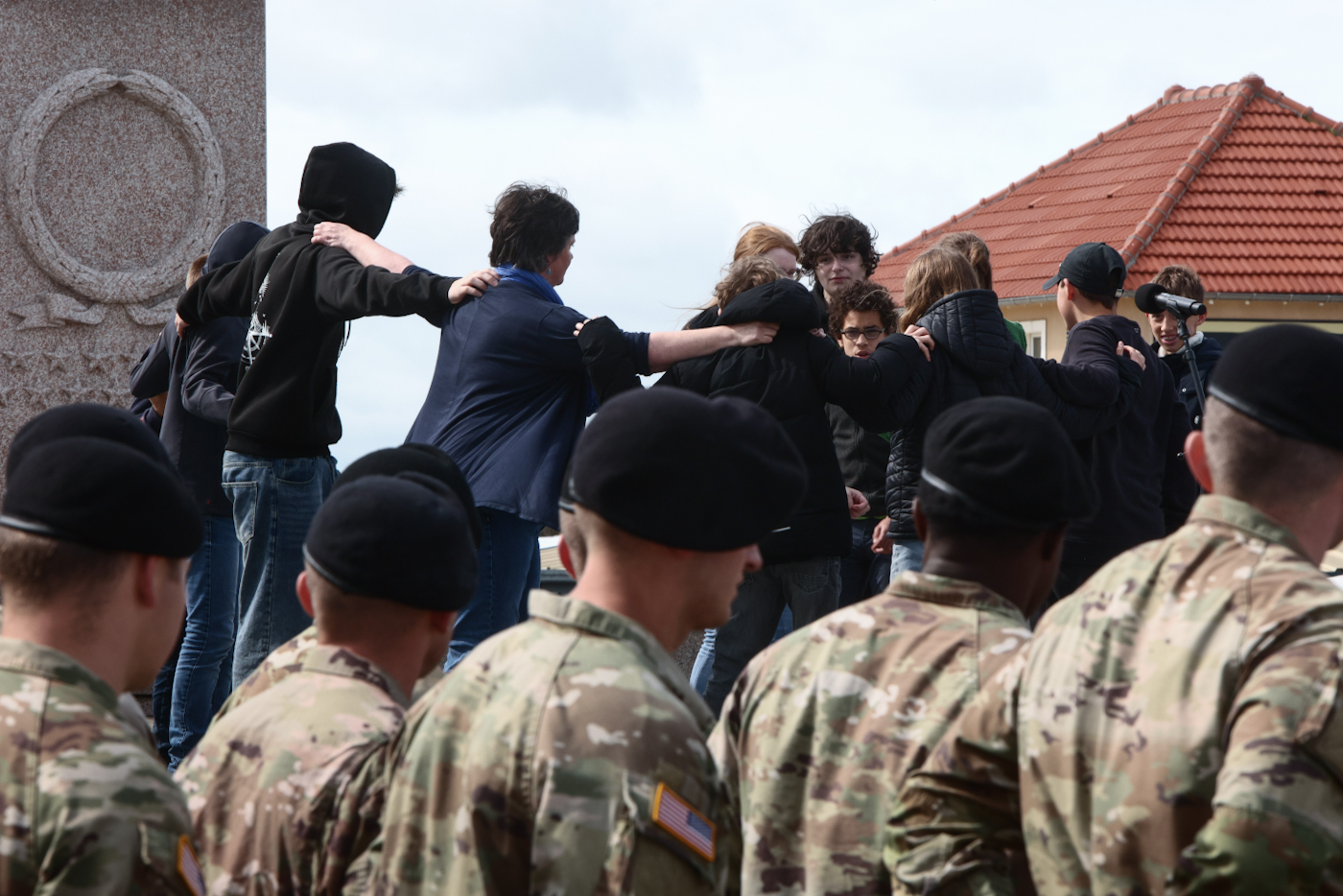
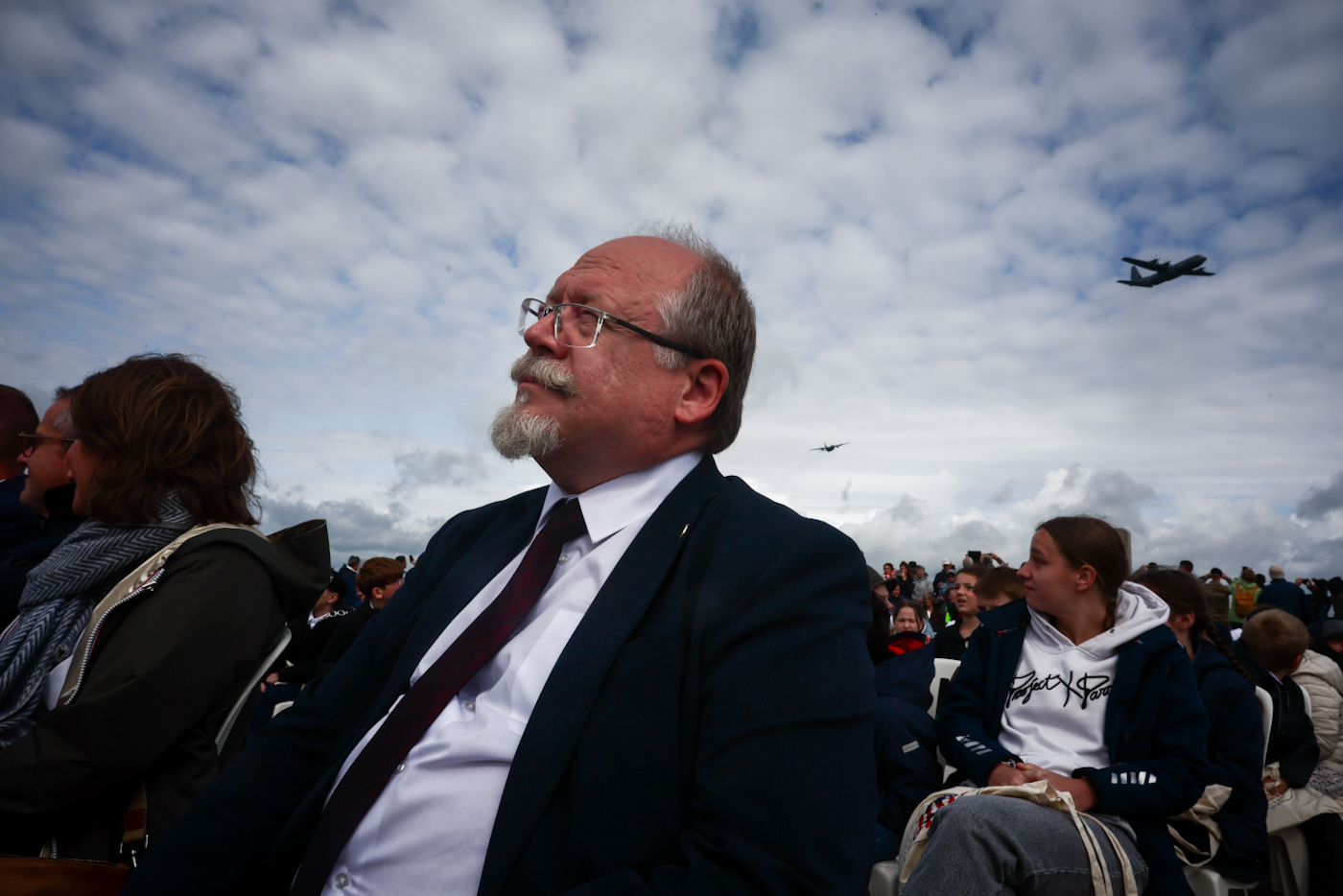
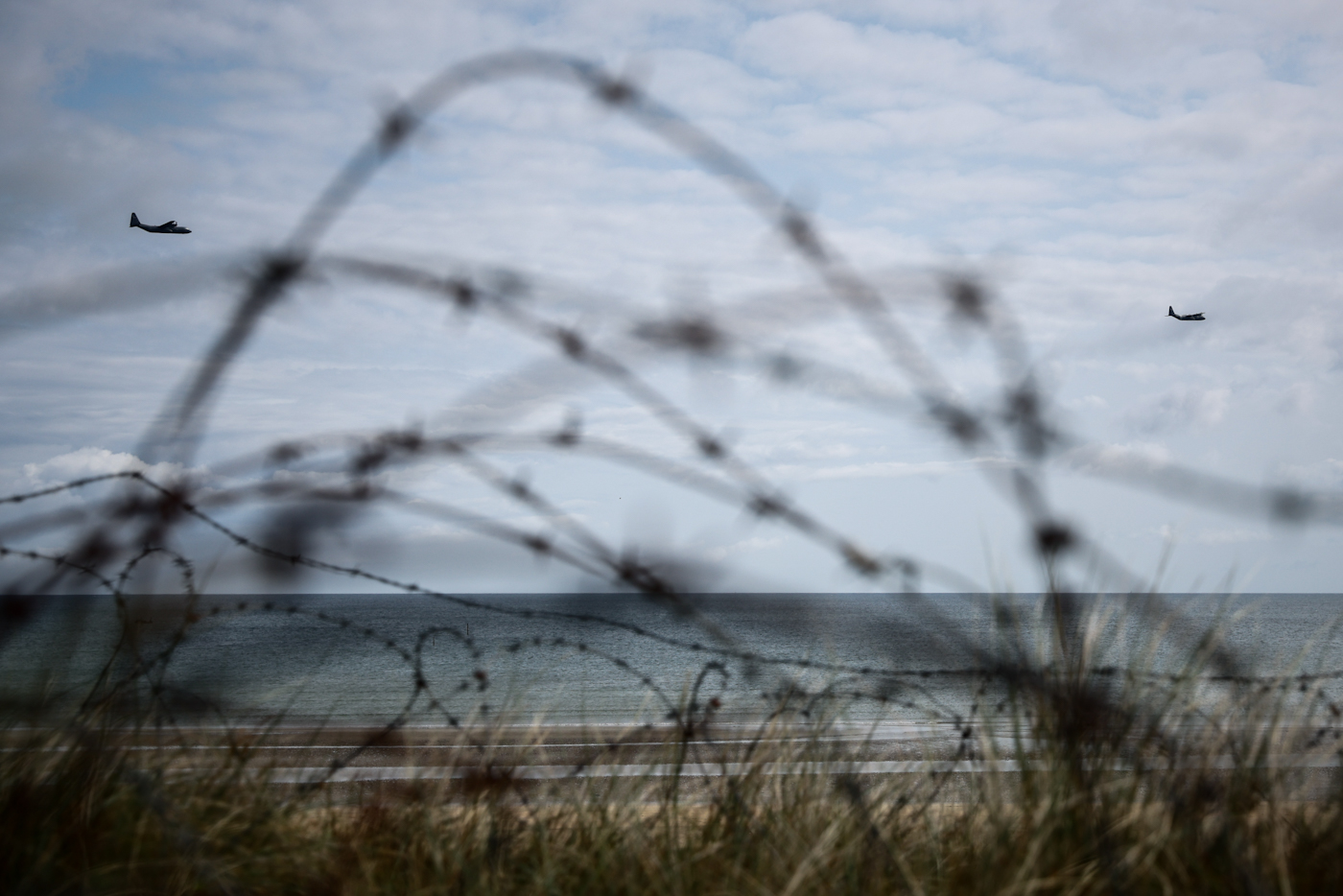
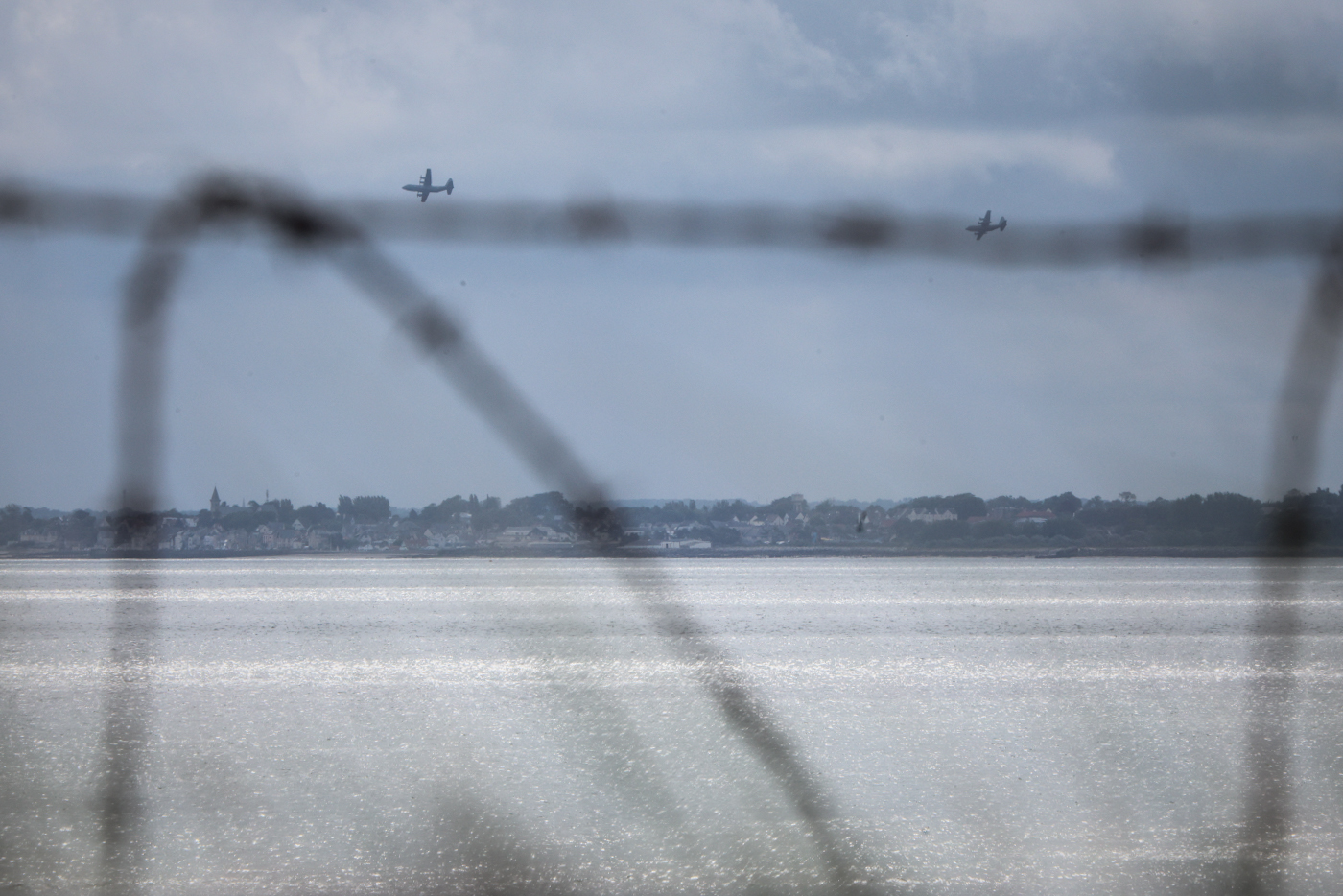
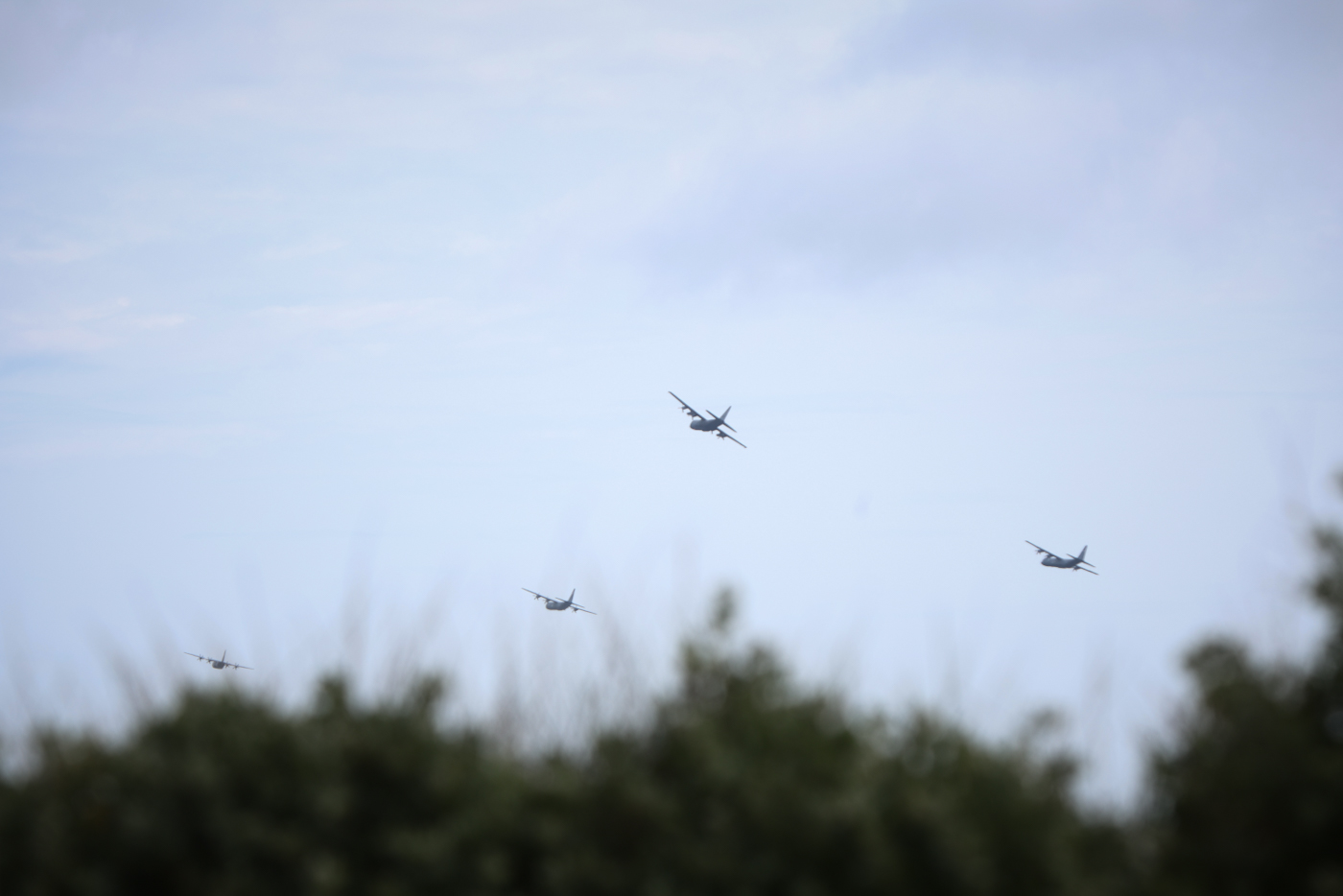
This historic event paid tribute to the heroes of 6 June 1944, through a rich and meaningful program: official ceremonies, musical performances, immersive guided tours, sports matches, conferences and fireworks. The IPN was represented by Adam Siwek, Director of the Office for Commemorating the Struggle and Martyrdom and Prof. Patryk Pleskot, Head of the Historical Research Office of IPN Warsaw Branch.
***
The invasion of Normandy in 1944, gave hope to thousands of Poles in Western Europe. For Polish POWs, concentration camp inmates and forced labourers, the presence of the Allied soldiers was a sign that freedom was within reach. ln Occupied Poland, the opening of the second front was greeted with enthusiasm, but the proximity of the Red Army meant that instead of Western Allies, it was the Soviets who would get the “privilege” of defeating the Germans on Polish soil.
On 6 June 1944, on a mission codenamed “Ramrod 976”, pilots from the 133 Polish Fighter Wing under the command of Stanislaw Skalski escorted Stirling glider tugs that towed aircraft packed with paratroopers. On that day, the Poles also provided close support and air cover for the American 82nd and 101st airborne divisions. The German Luftwaffe was taken by surprise that day and no air combat was reported, but Polish pilots flying their Mk III Mustangs, adorned with black and white invasion stripes, had the privilege of participating in the most decisive event of WW2 – the opening stages of Operation Overlord. Overall, 11 Polish Squadrons were used on 6 June 1944.
Although no Polish units were used on land on the day of invasion, the 1st Polish Armoured Division landed in Northern France two months later, participating in the final act of “Operation Overlord”, the Battle of Falaise. Commanded by Gen. Maczek, the unit played a crucial role in closing the so-called “Falaise pocket”, which led to the encirclement of massive German forces.