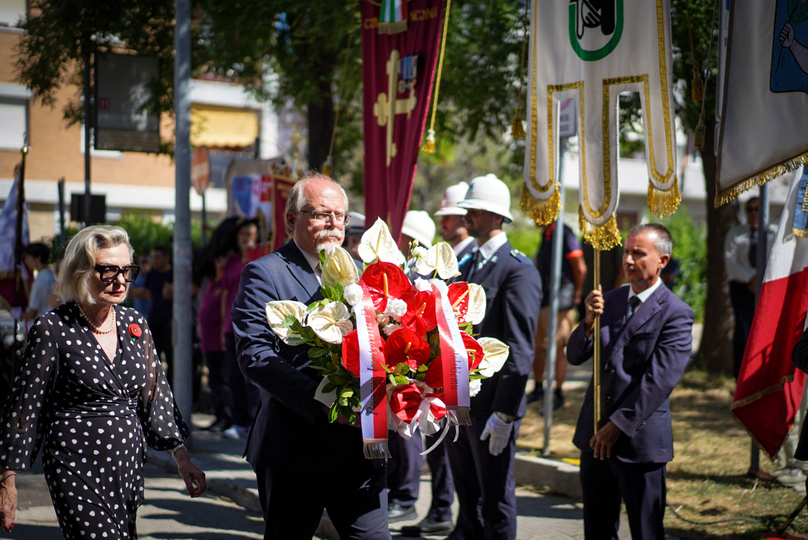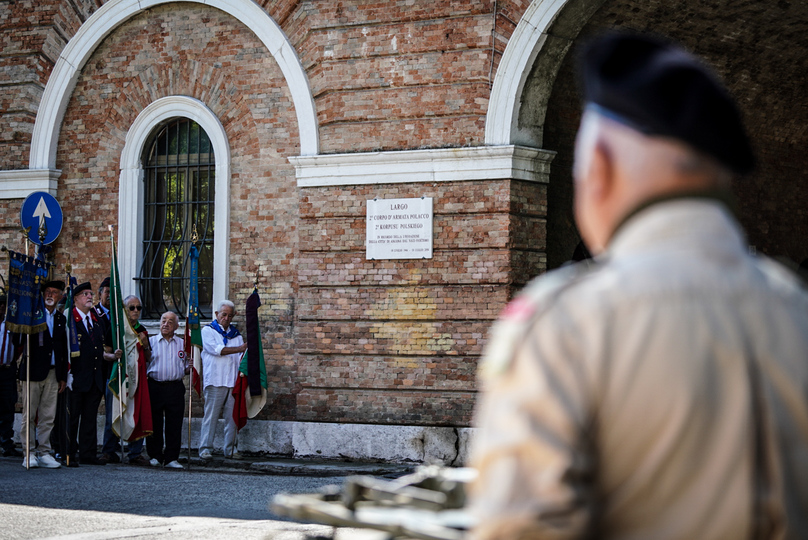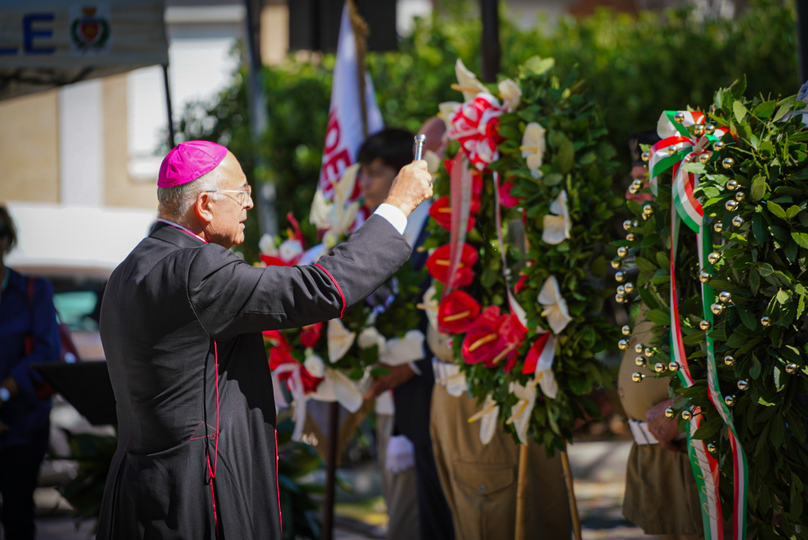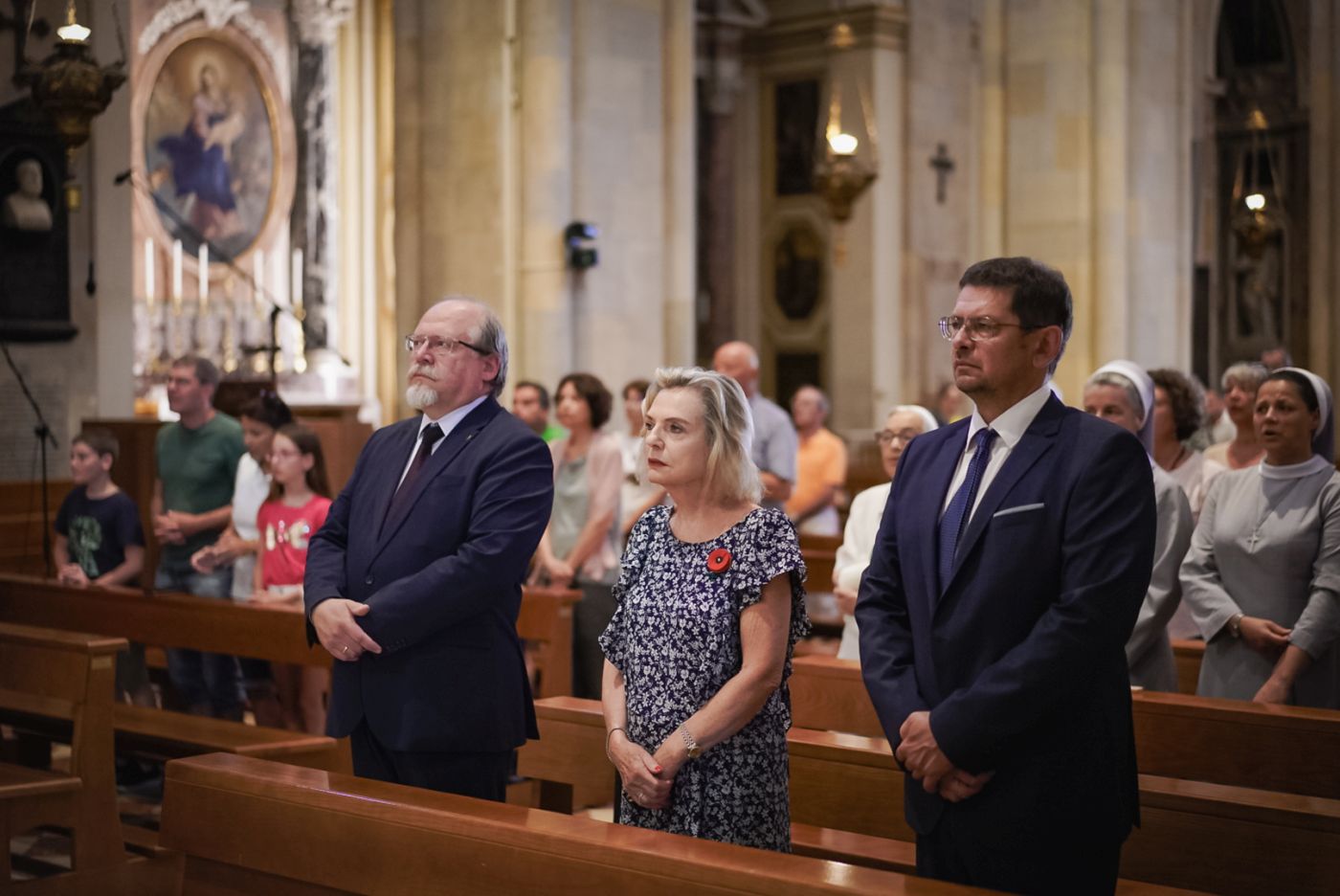
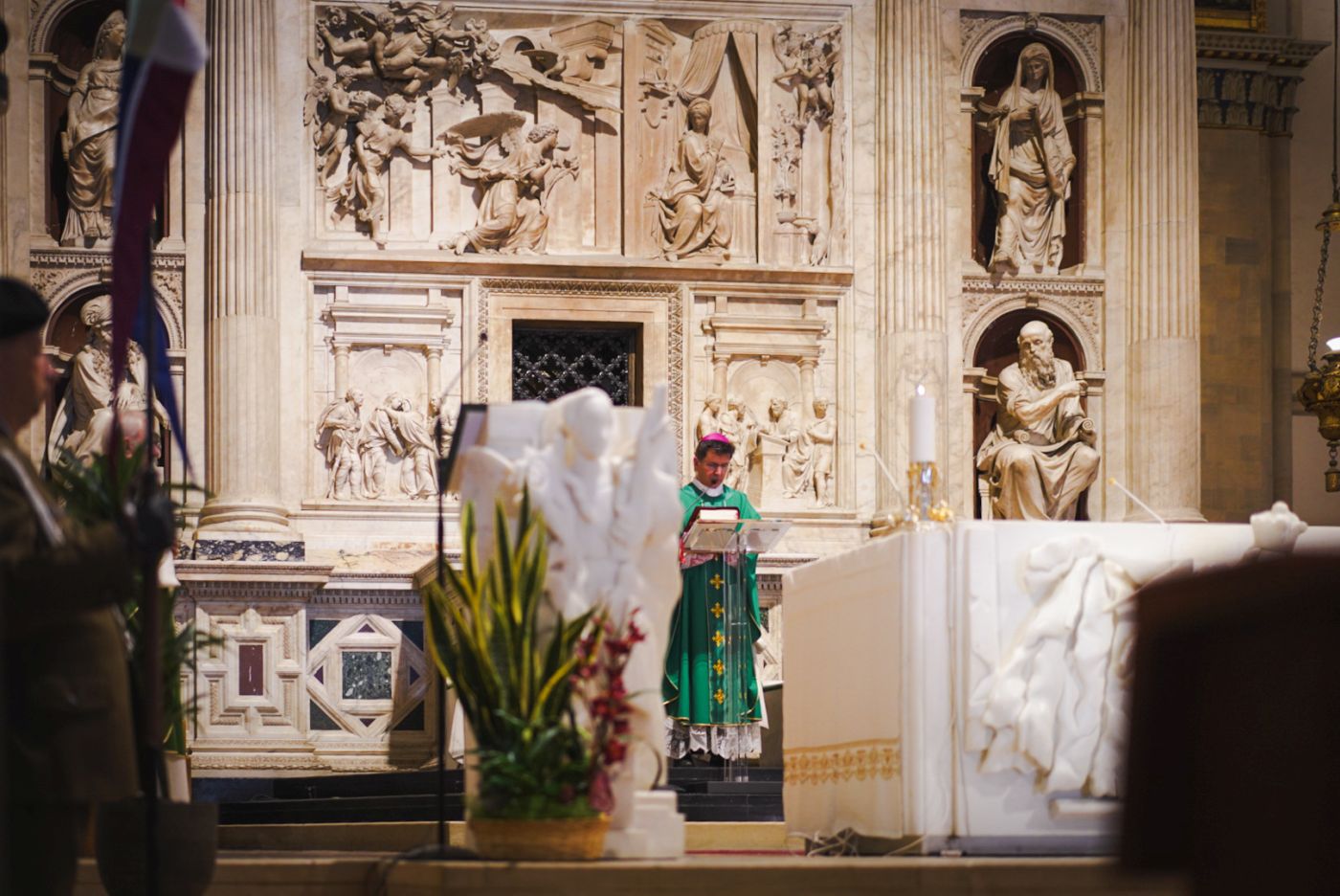
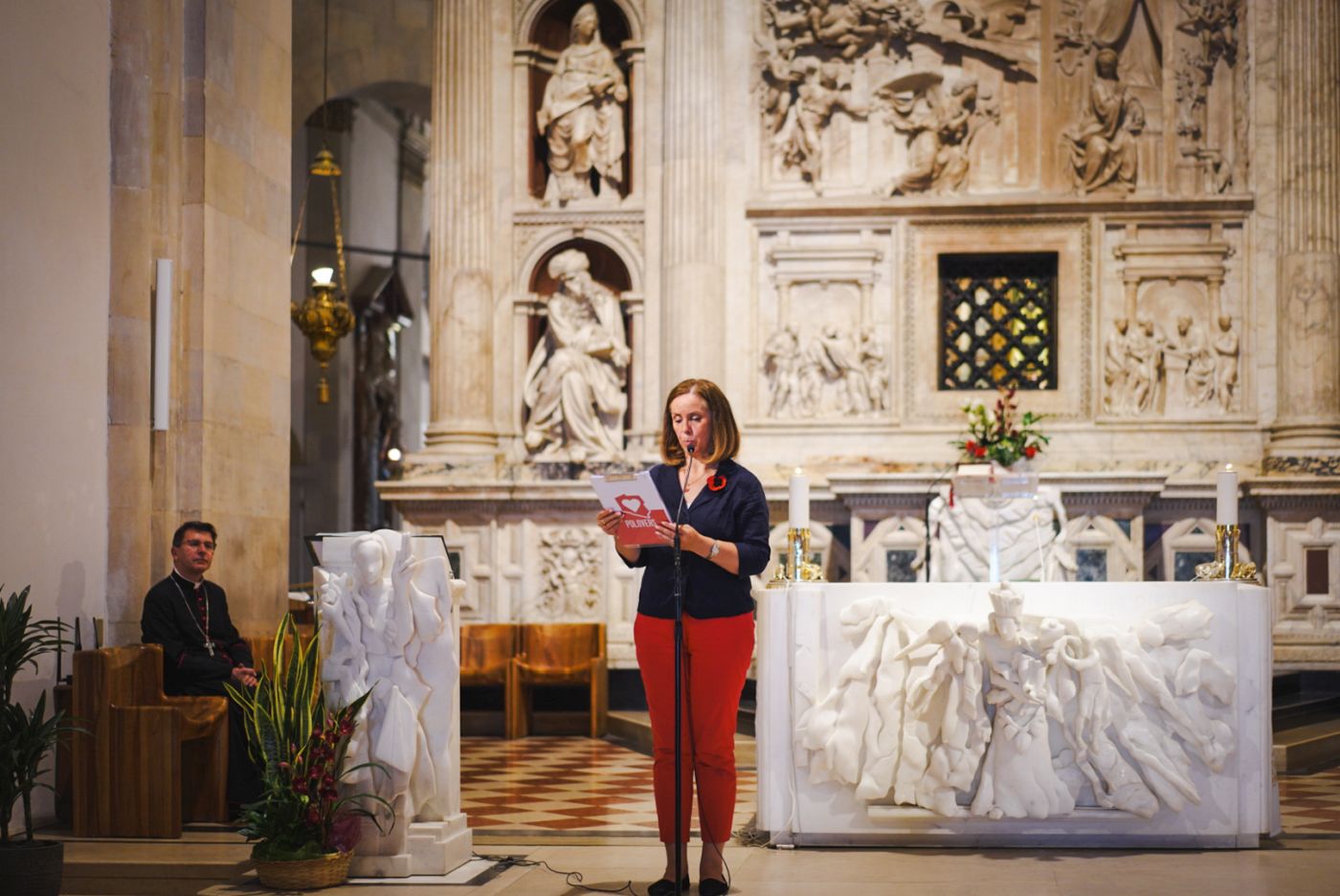
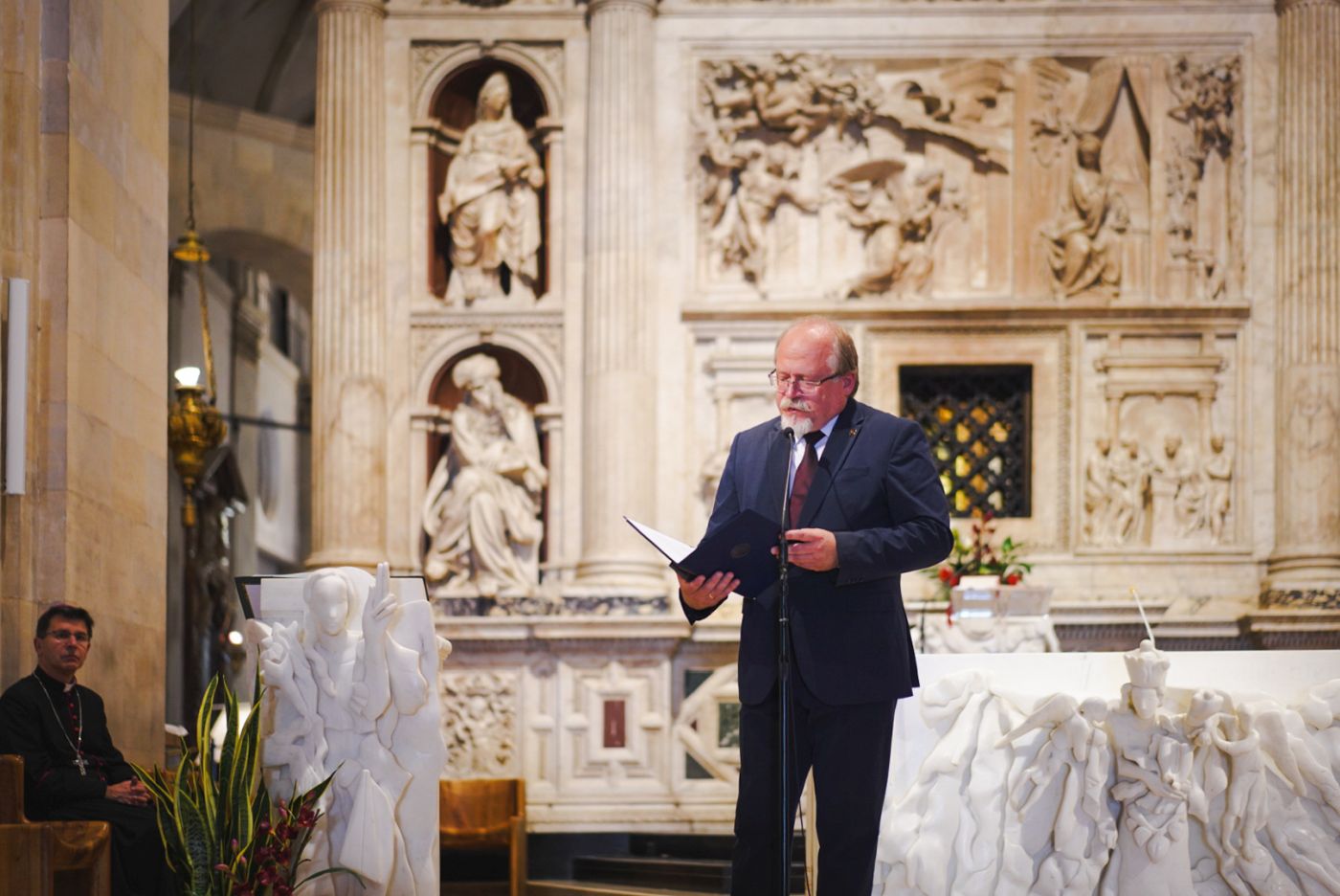
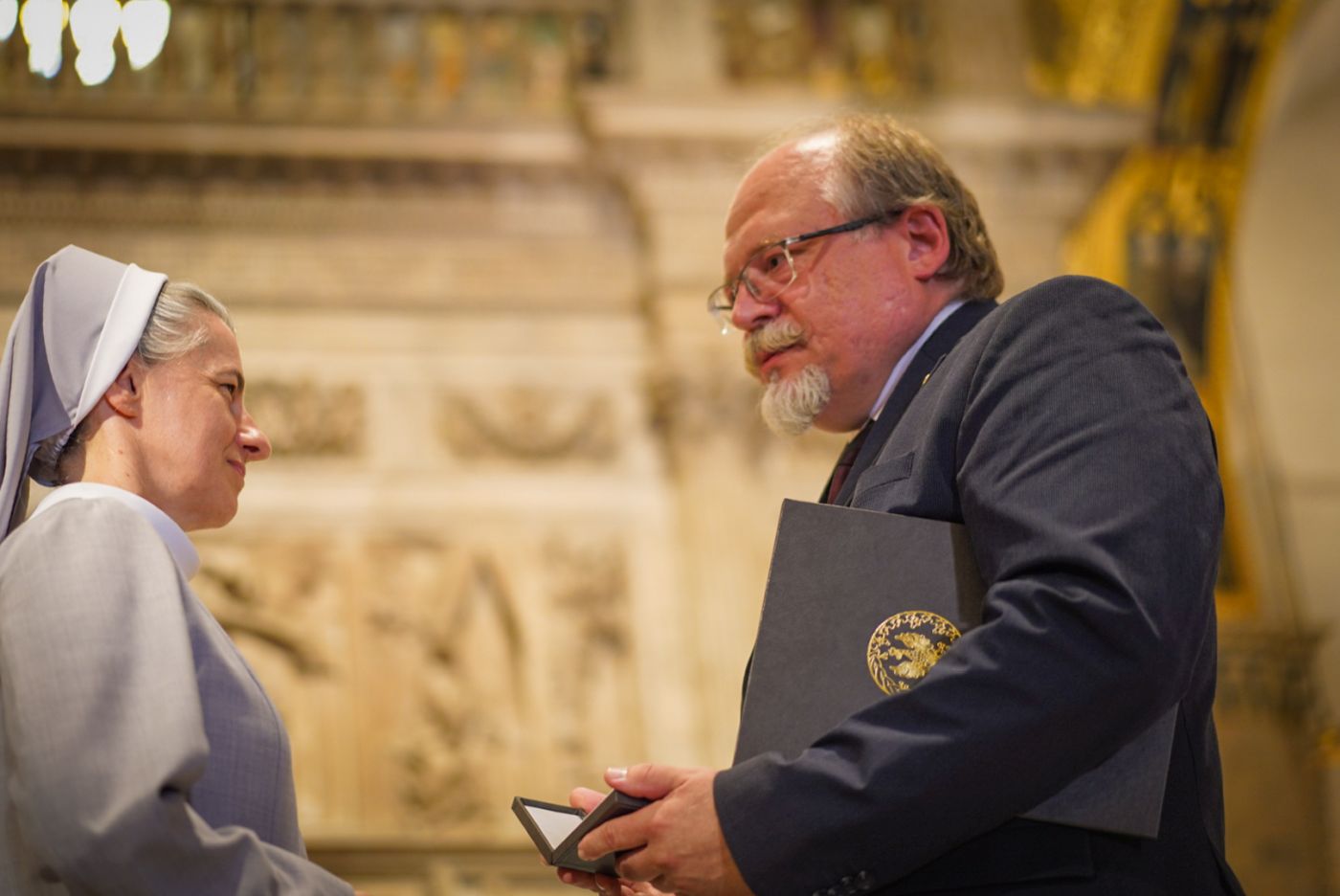
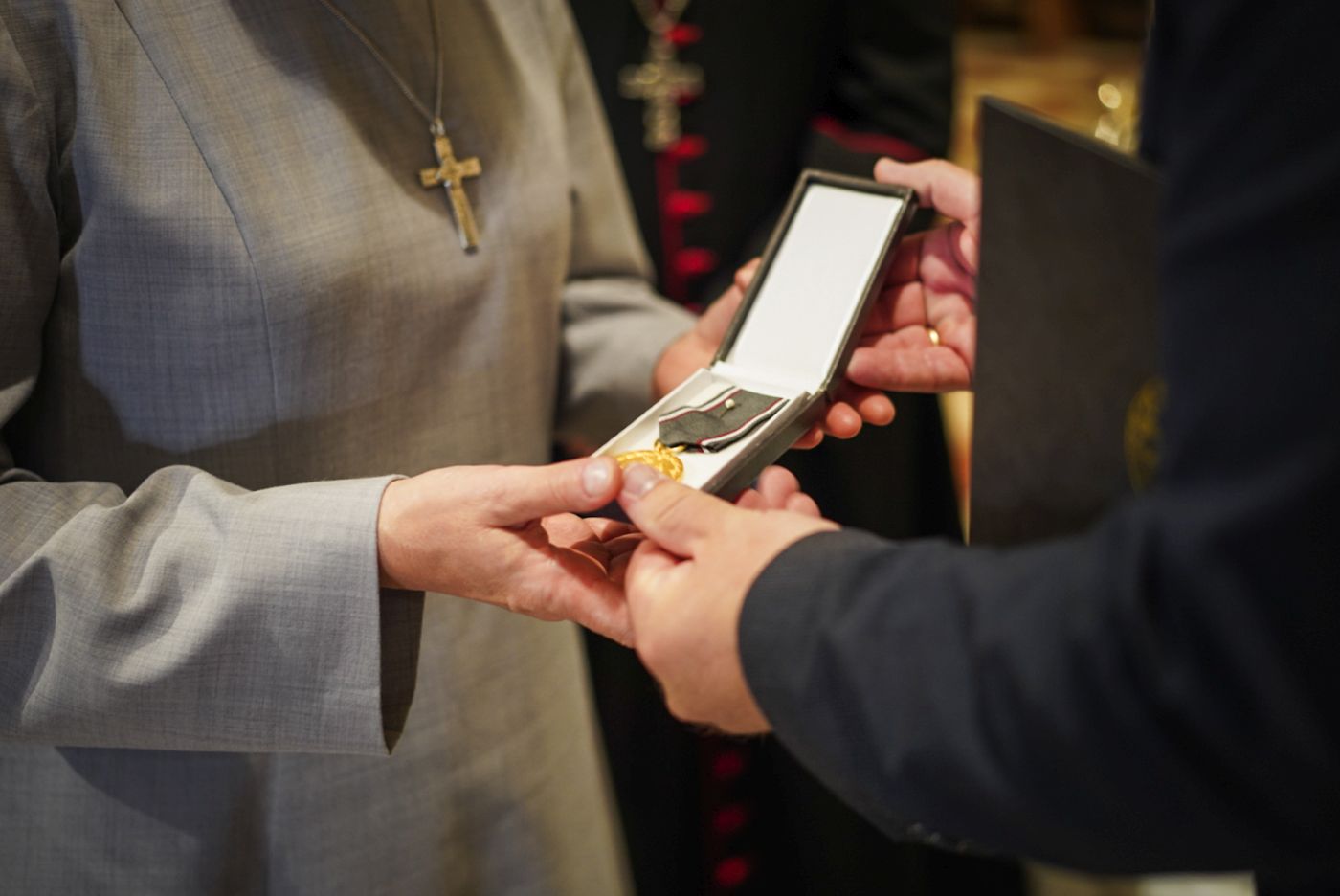
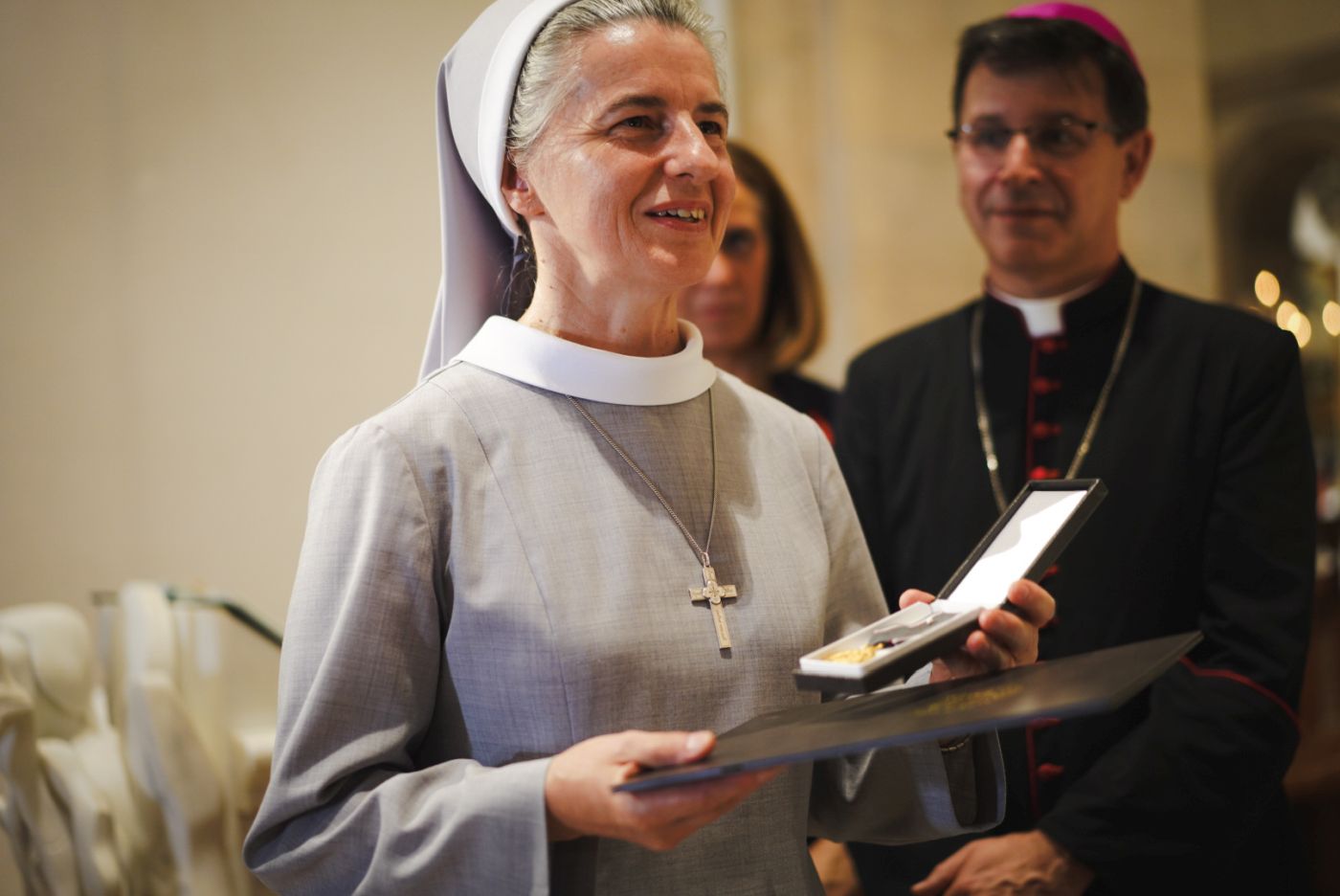
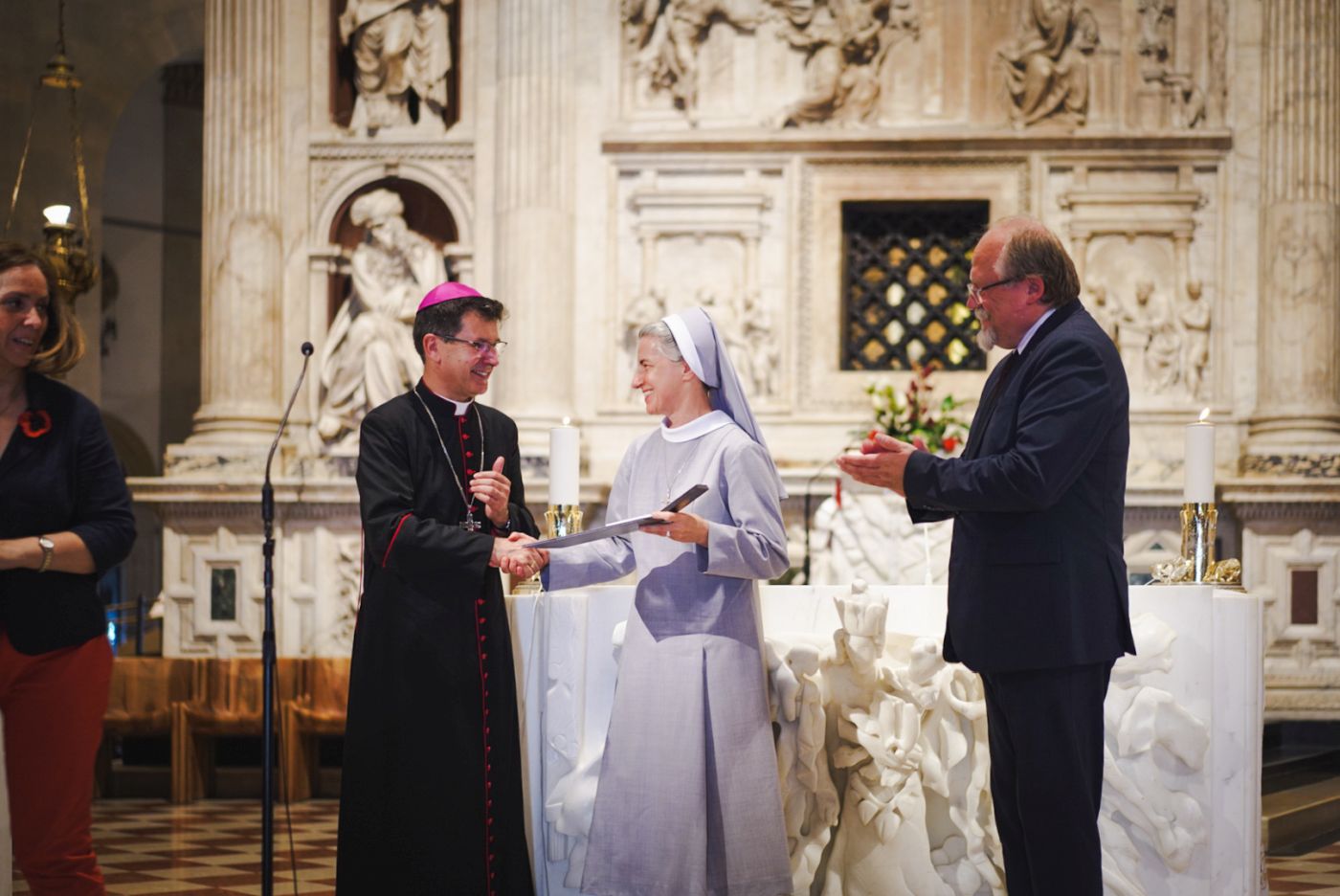
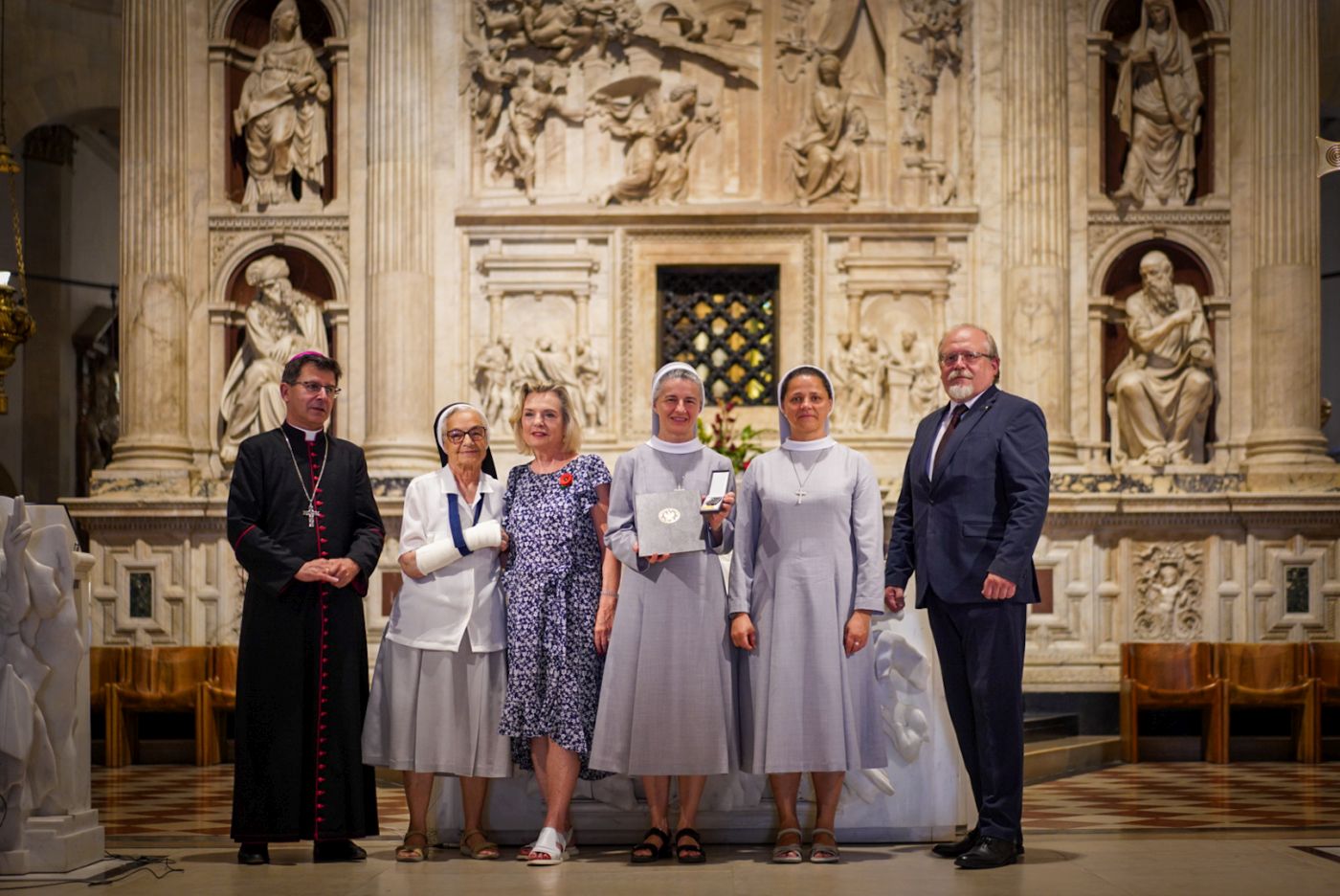
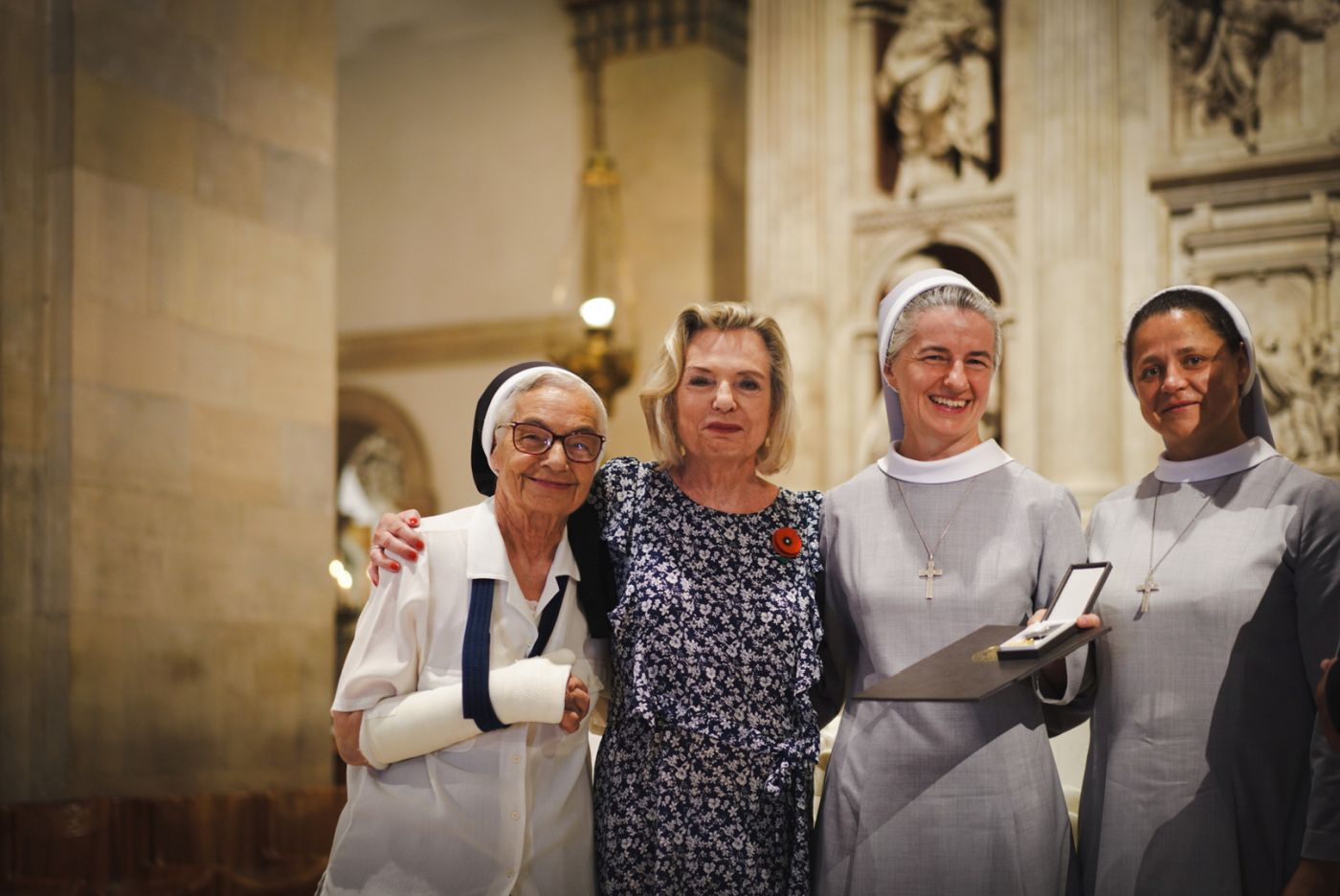
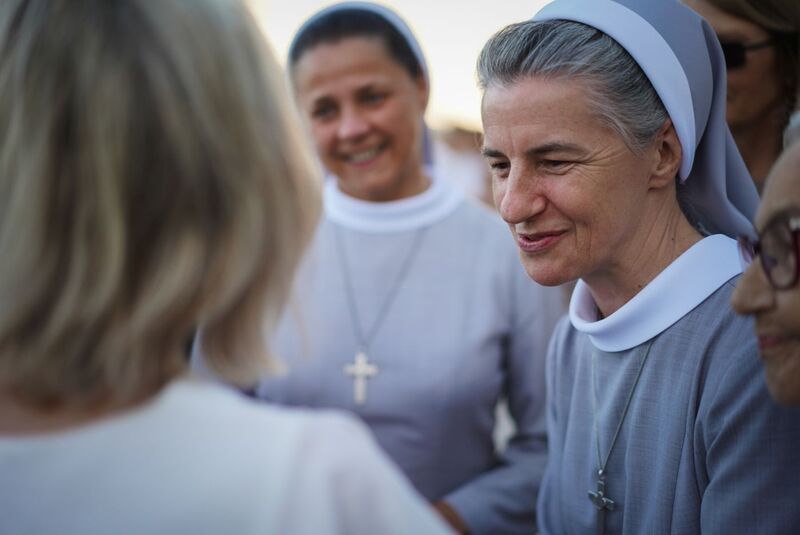
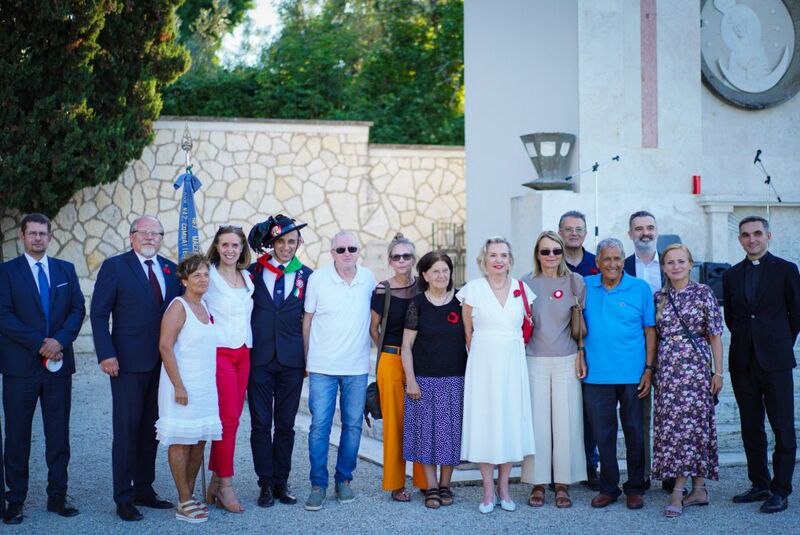
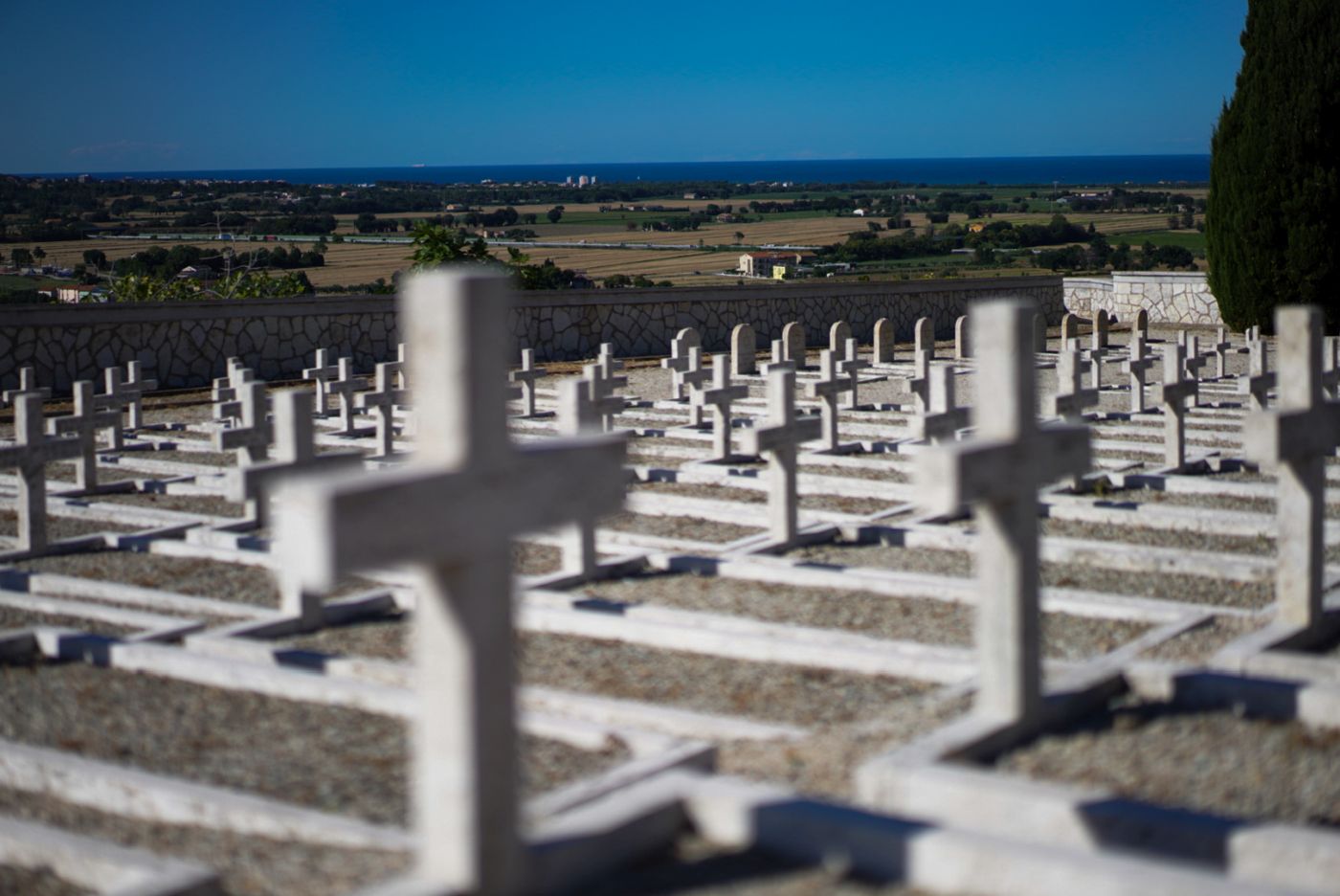
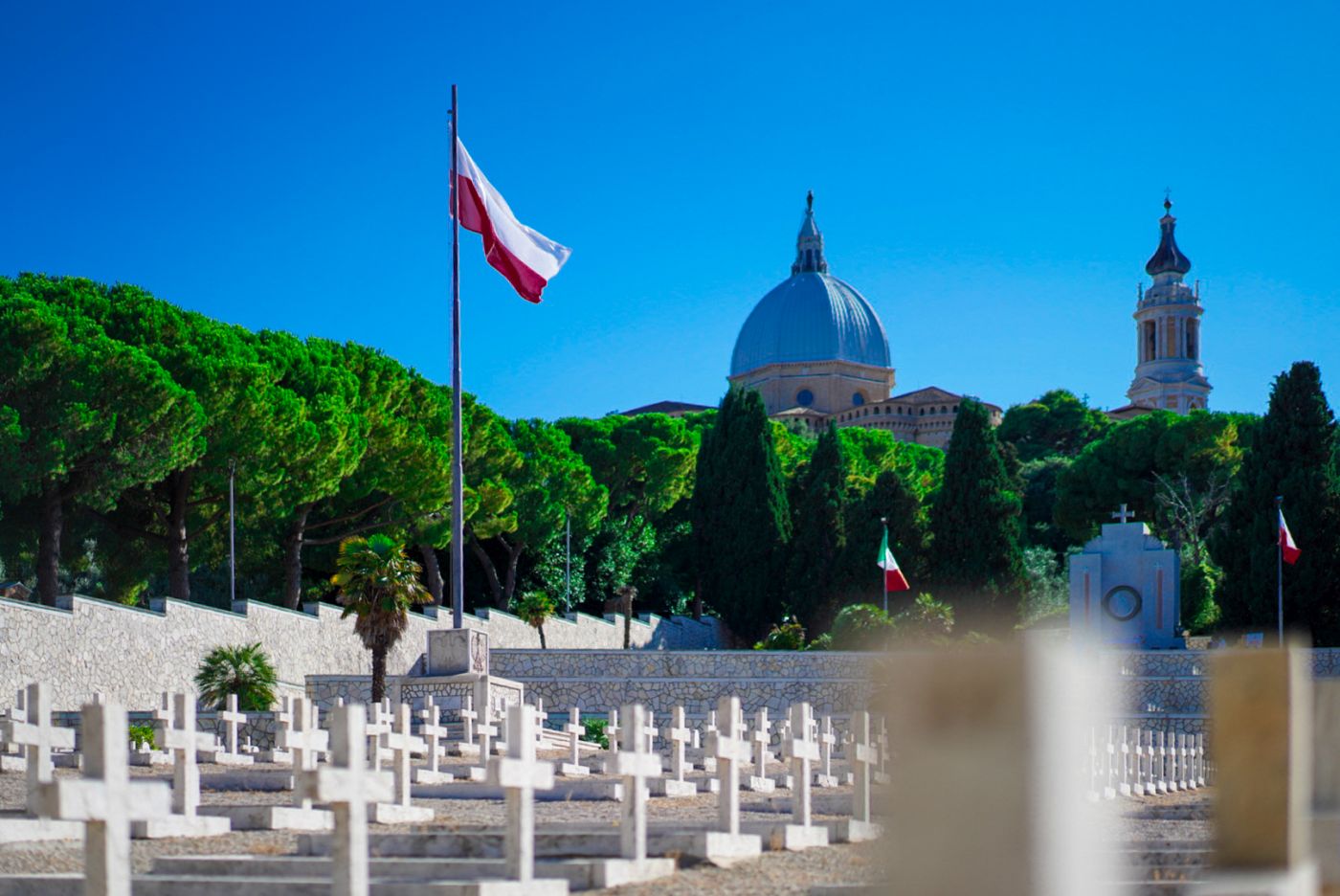
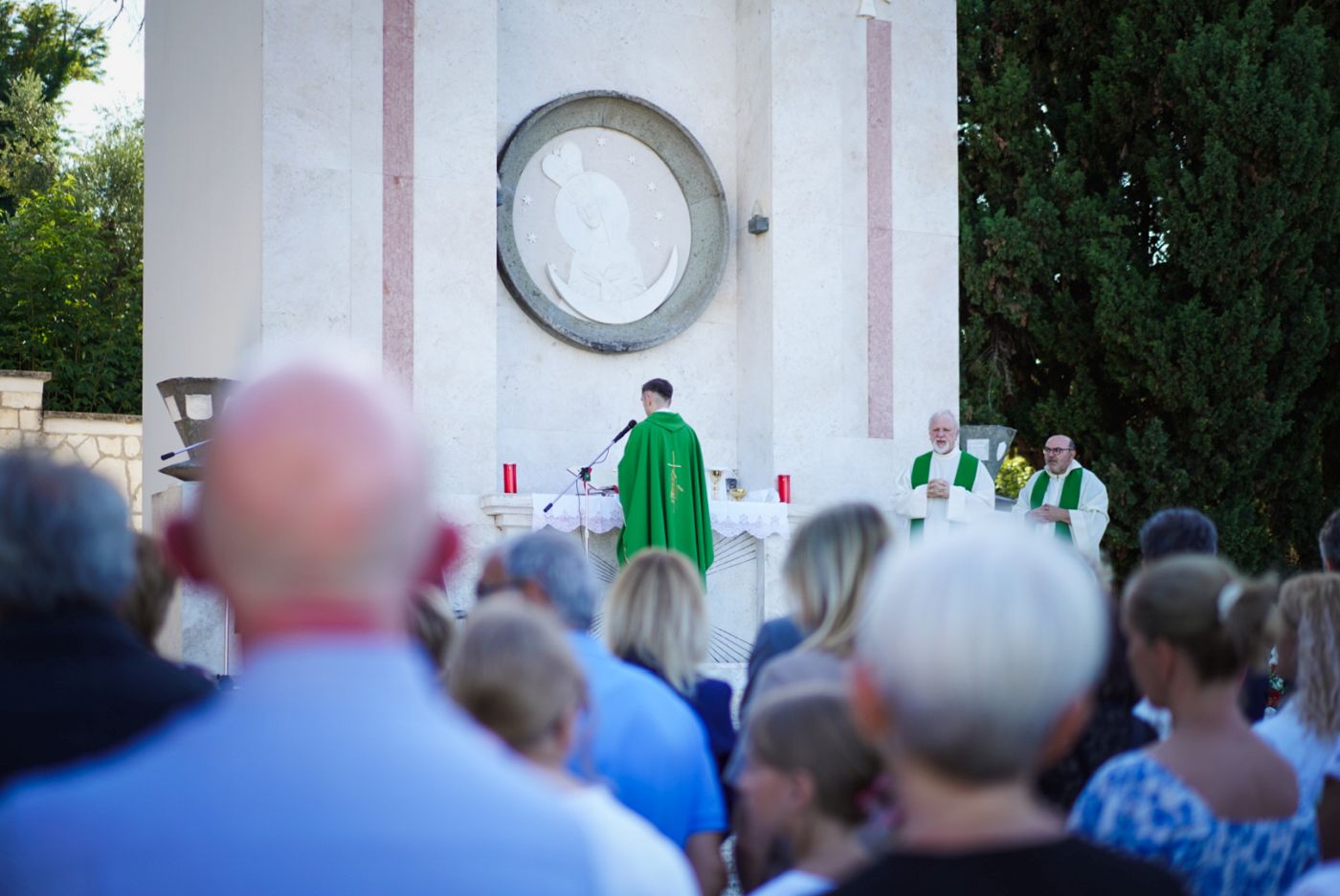
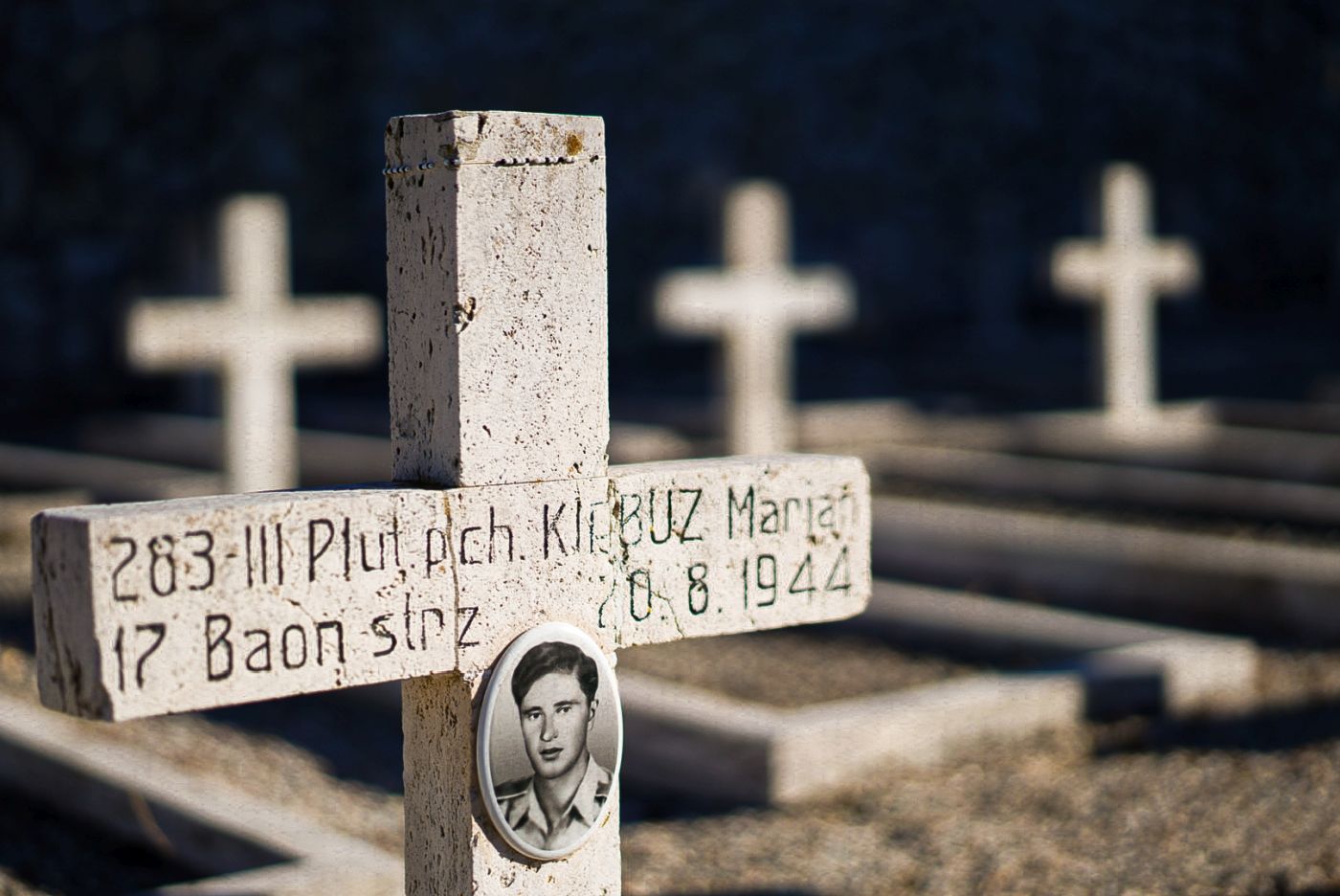
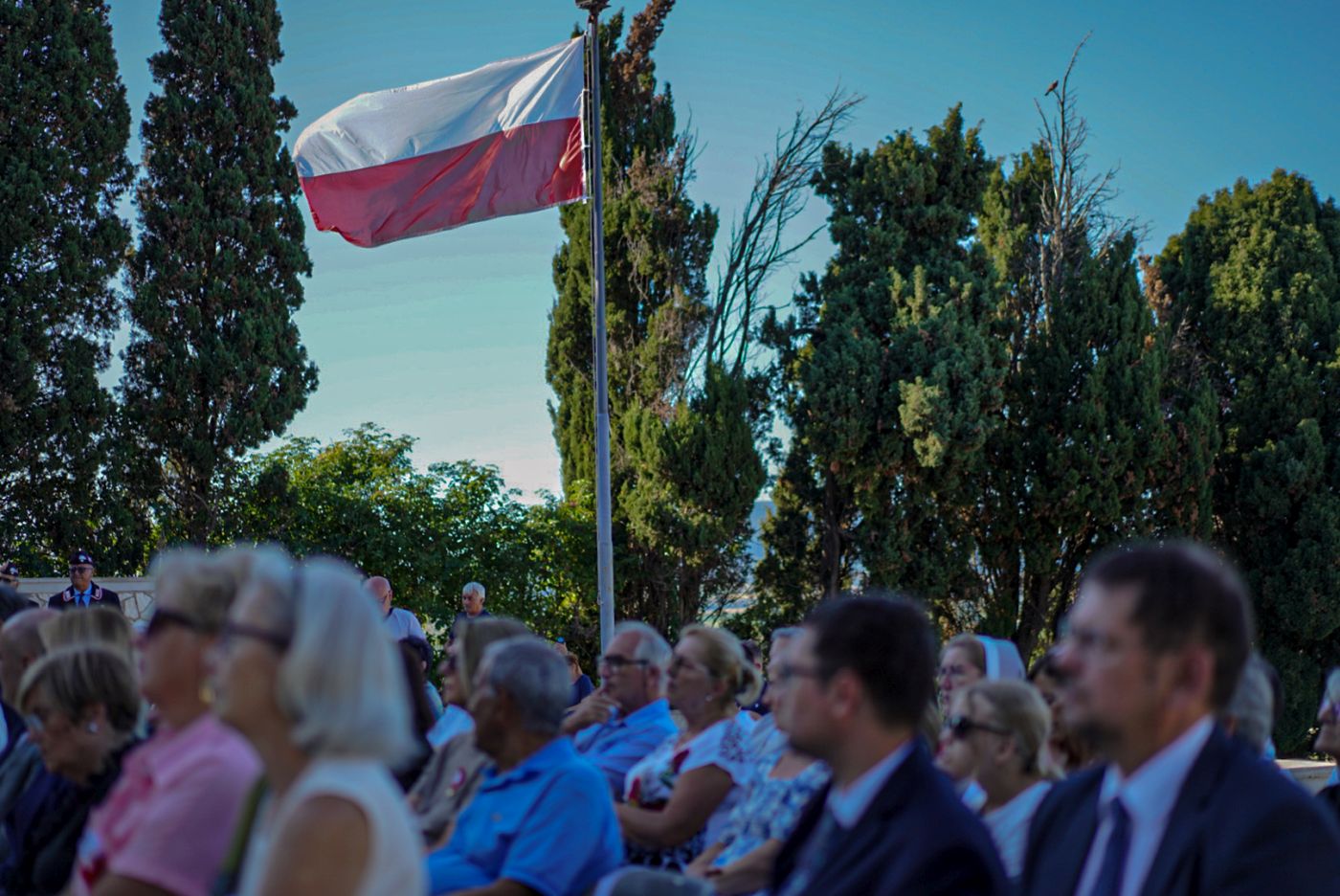
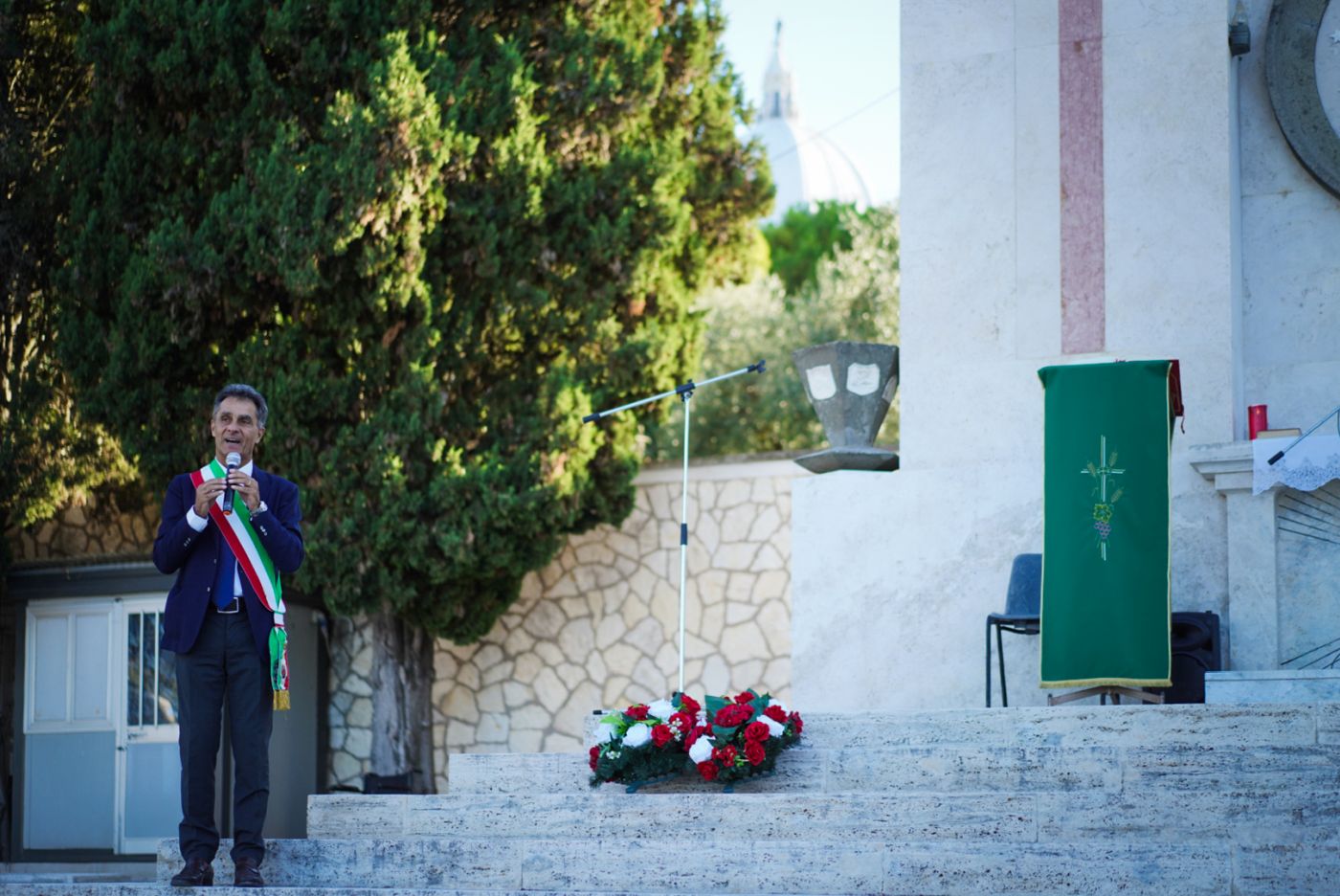
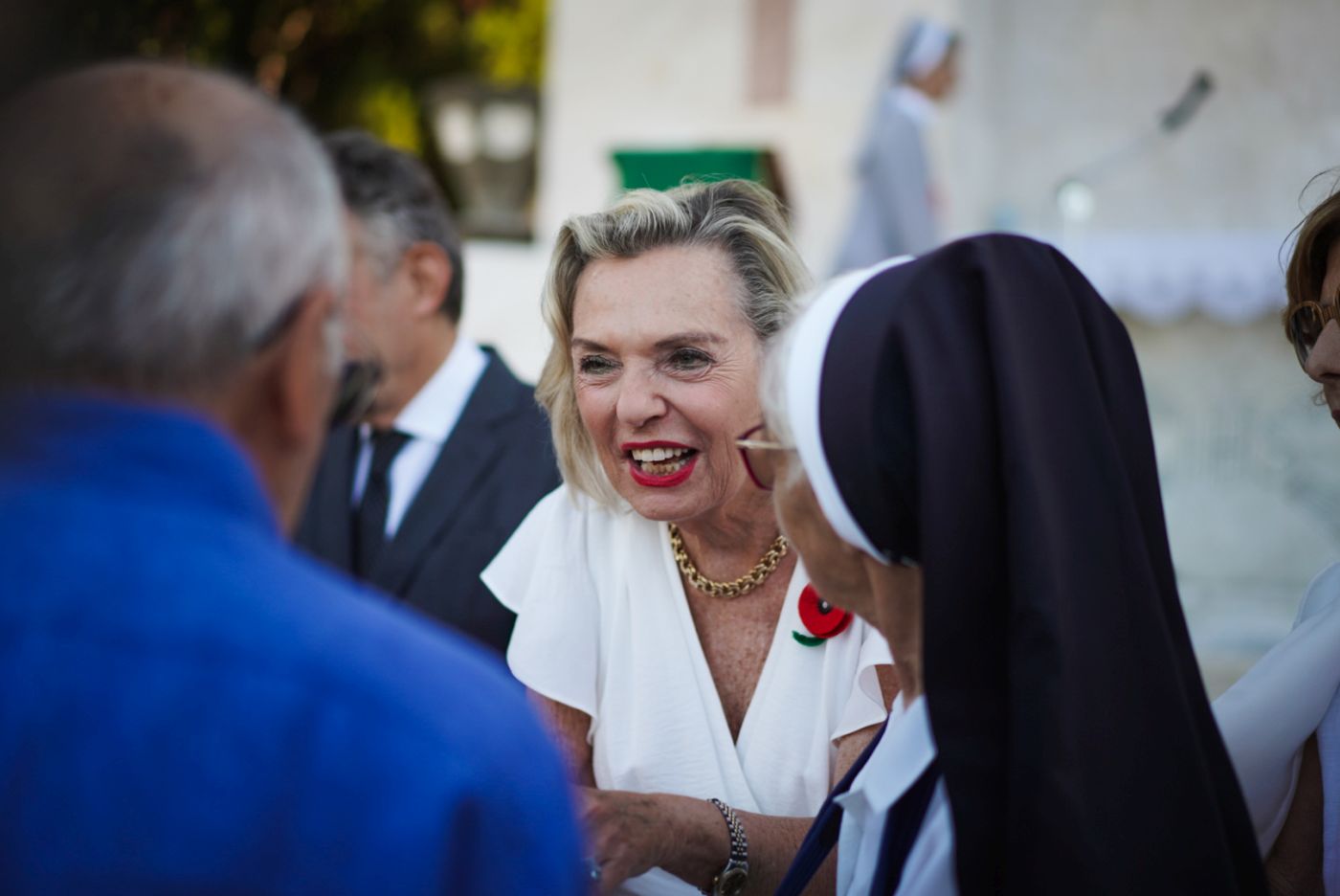
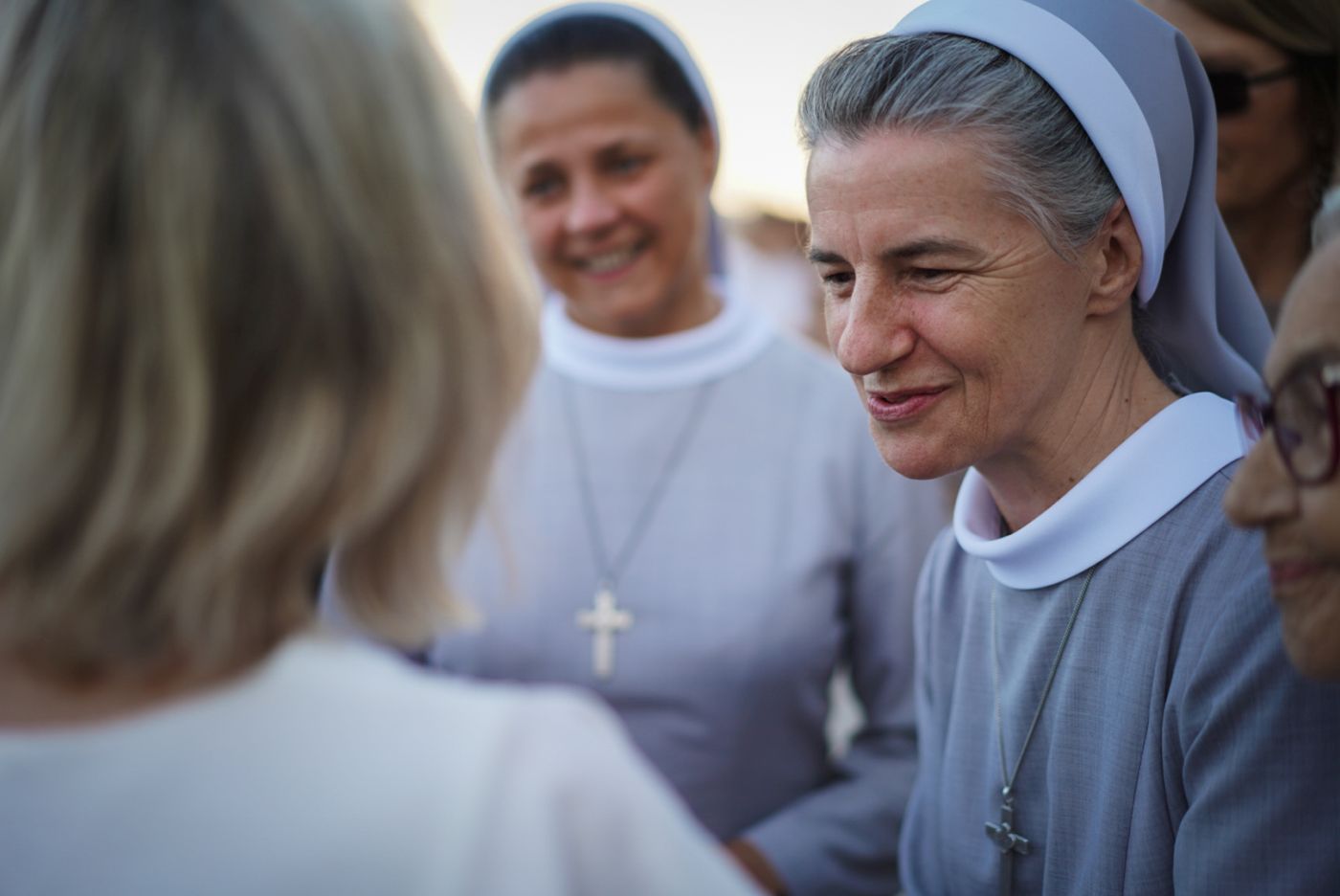
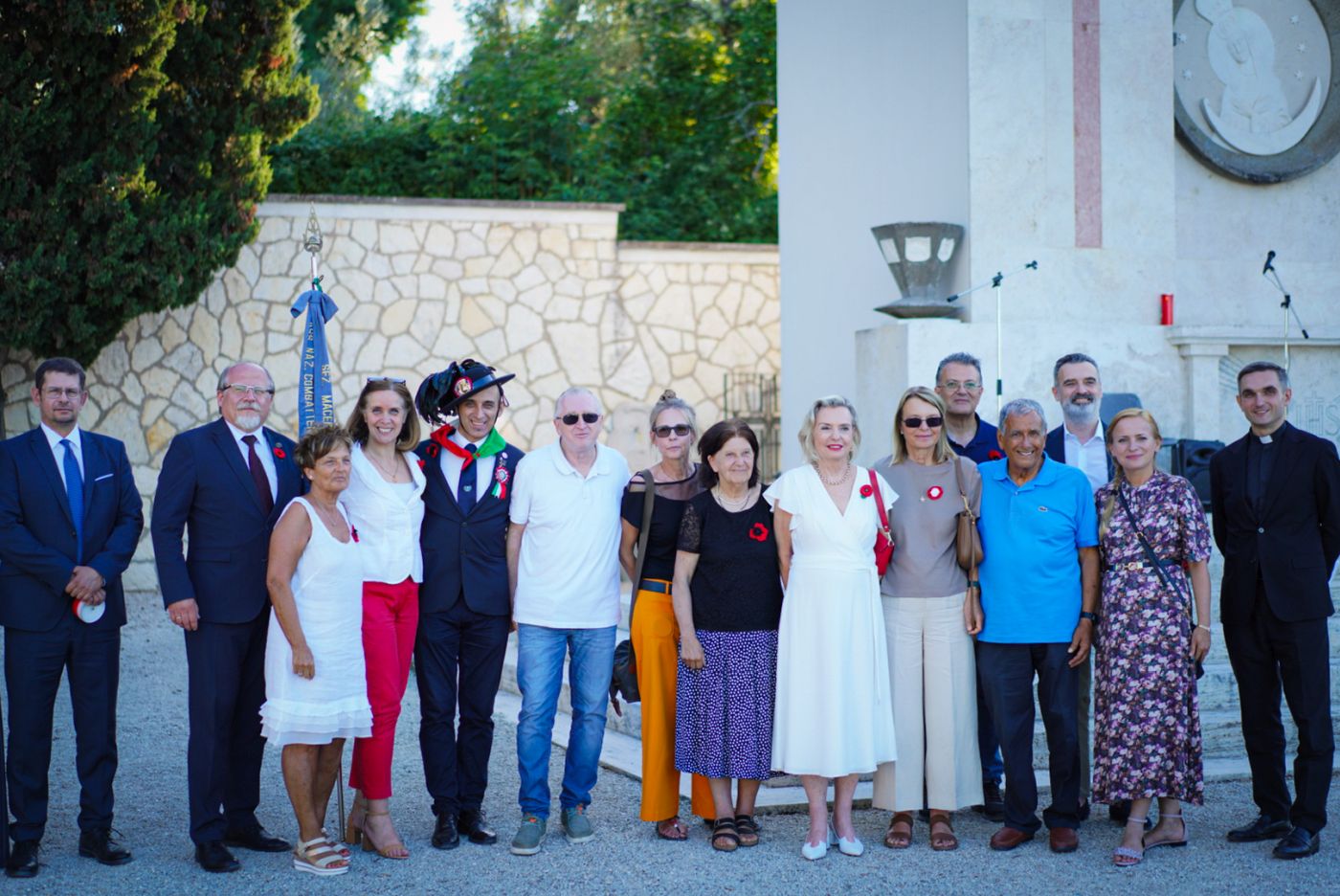
The heroes of the battles for Ancona rest in the Polish War Cemetery in Loreto, which is cared for by the Nazareth sisters. In gratitude for their work in promoting the history of the soldiers of the 2nd Polish Corps and cultivating Polish national traditions and patriotic attitudes, on 17 July 2025, in Loreto, we honored them with the “Reipublicae Memoriae Meritum” gold medal .The ceremony, attended by Anna Maria Anders – General Władysław Anders’ daughter – and Adam Siwek – the Director of the IPN Office for Commemorating the Struggle and Martyrdom, was preceded by a Mass in the Loreto Basilica, presided over by Bishop Fabio Dal Cin.
The Congregation of the Sisters of the Holy Family of Nazareth - Loreto Religious House Community has for many years supported the statutory mission of the Institute of National Remembrance by, among others, taking care of the Polish cemetery in Loreto. As Adam Siwek, the Director of the IPN Office for Commemorating the Struggle and Martyrdom, recalled during the ceremony, in 1946 General Anders addressed a request to the then Mother Superior of the Congregation, Bożena Staczyńska to take care of the Polish war cemetery in Loreto. Until 1972, the cemetery remained solely under the care of the sisters, who strove to raise funds needed for the necessary maintenance and repairs. They had also been taking care of the beautiful rose bushes for which the cemetery was famous. Sister Christophora, who died in 1967 after 21 years of faithful and persistent service to the soldiers resting in the cemetery, was the first to take care of the Polish War Cemetery in Loreto.
The Reipublicae Memoriae Meritum medal presented here today, is an expression of gratitude to Sister Christophora and her successors - all the sisters of the Loreto House, who still exercise spiritual care over the graves of our heroes.
This is a special year for the Sisters of the Nazareth, as it marks the 150th anniversary of the founding of the Congregation, as well as the 100th anniversary of the establishment of the Congregation's Warsaw Province, which the Institute of National Remembrance had the honour of celebrating by funding a monument on the grounds of the religious house in Warsaw - Director Adam Siwek said at the ceremony, thanking all those caring for Polish graves in Italy.
The Congregation of the Sisters of the Holy Family of Nazareth was founded in 1875 in Rome by Blessed Francesca Siedliska (known as Mother Mary of the Lord Jesus the Good Shepherd). Focused on imitating the life of the Holy Family of Nazareth, promoting family values and serving the Church, it operates in many countries, including Poland, the US, France, England, Russia, Israel and Italy.
In Loreto, Italy, the Nazareth nuns run a religious house and minister at the Santa Casa (Holy House) Shrine. They are engaged in spiritual accompaniment of pilgrims coming from all over the world. They organize prayers, adoration, vocation and family ministry, and live a spirituality based on contemplation of the lives of Jesus, Mary and Joseph.
Loreto is one of the most important Marian sites - according to tradition, the home of Our Lady, transferred from Nazareth, is located there. The nuns, whose charism is to live the spirituality of the Holy Family, feel particularly connected to this place and its message.
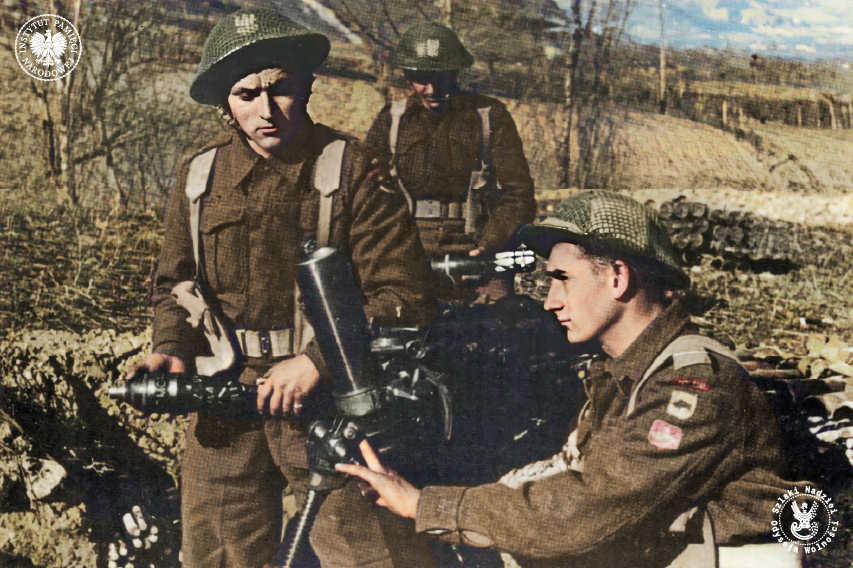
The Polish II Corps began operations over the Adriatic Sea from 15 June 1944. German divisions resisted in successive positions, taking advantage of the flowing rivers. In early July 1944 the Poles captured Loreto, Recanati, Osimo, Castelfidardo and San Pietro Hill and approached Ancona.
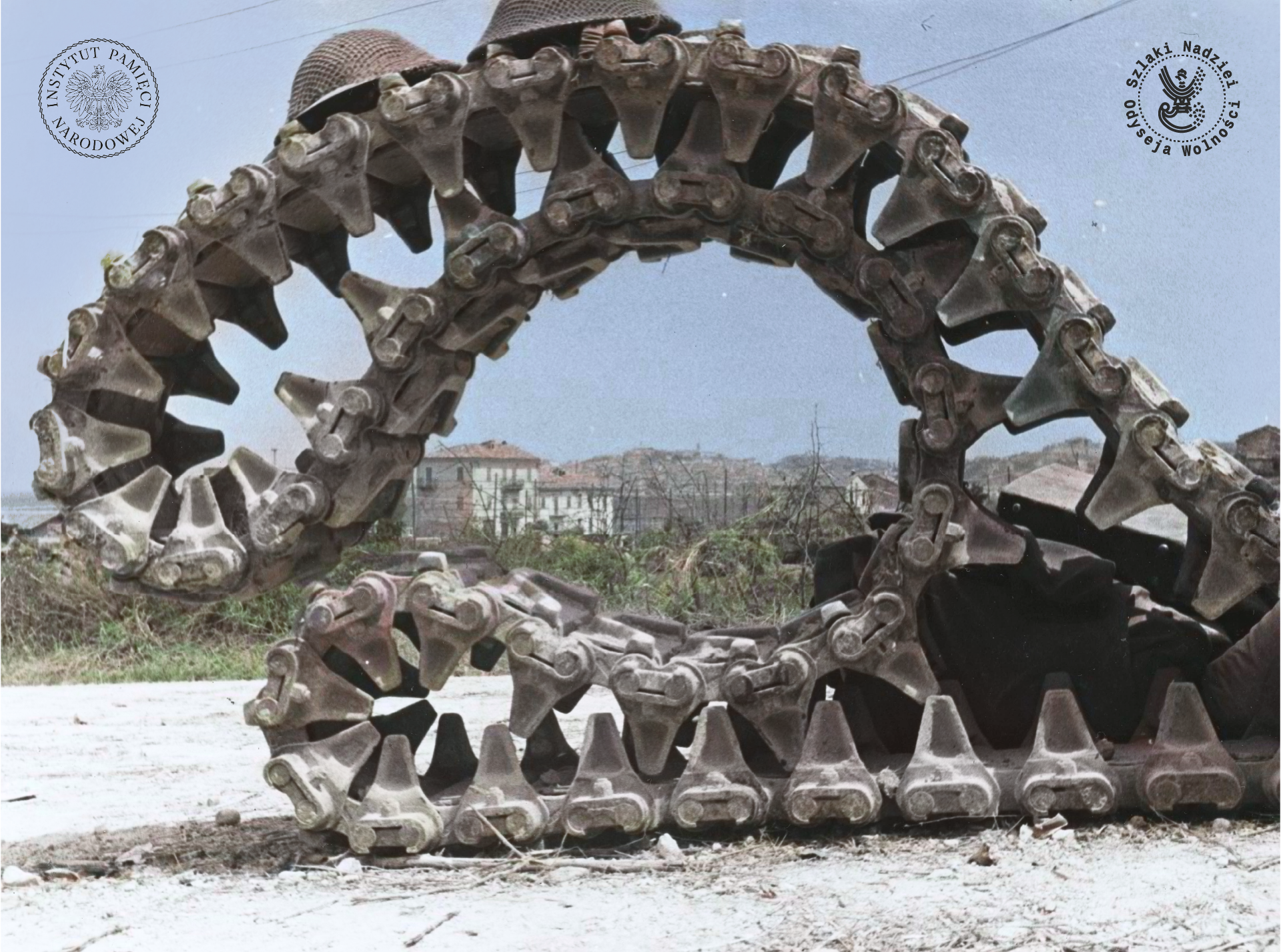
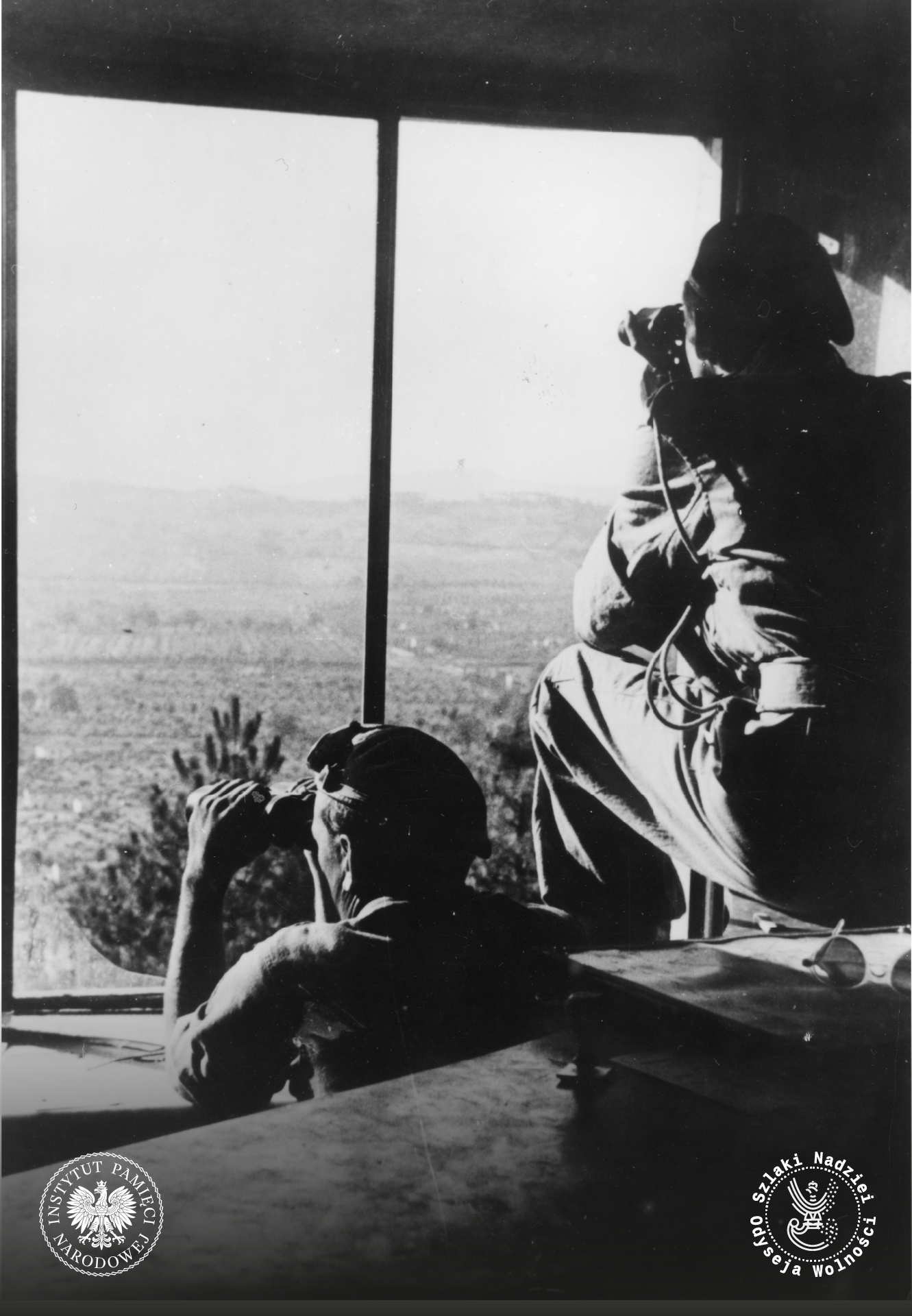
On 17 July 1944, at 6:00 a.m., the attack on Ancona began - it was preceded by artillery attacks. On the outskirts of the town, gen. Władysław Anders decided to launch the main attack with the forces of the 5th “Kresowa” Infantry Division, which was entrusted with the task of capturing the hills in the area of Paterniano - Monte della Crescia - Monte Tarto. In the coastal strip, enemy units were to be tied up in combat by the 3rd Carpathian Rifle Division. From the Offagna area the Germans led counterattacks. The enemy attacks were repelled, and the town was captured. The Polish infantry units managed to bypass the German positions and come out to the enemy's rear. On 18 July, the Poles entered the town. The Polish soldiers who fell and died of their wounds were buried in the Loreto cemetery.
During the battles for Ancona, the German air force carried out nightly bombardments mainly of the coastal area. On 6 July 1944, one of the bombs damaged the dome of the Basilica of Santa Casa di Loreto but did not penetrate the inside of the church. There was a fire. The basilica was extinguished by soldiers of the 3rd Carpathian Rifle Division. No Polish soldiers were killed or wounded during the action. At the foot of the basilica is a Polish cemetery where soldiers of the Polish II Corps were buried.
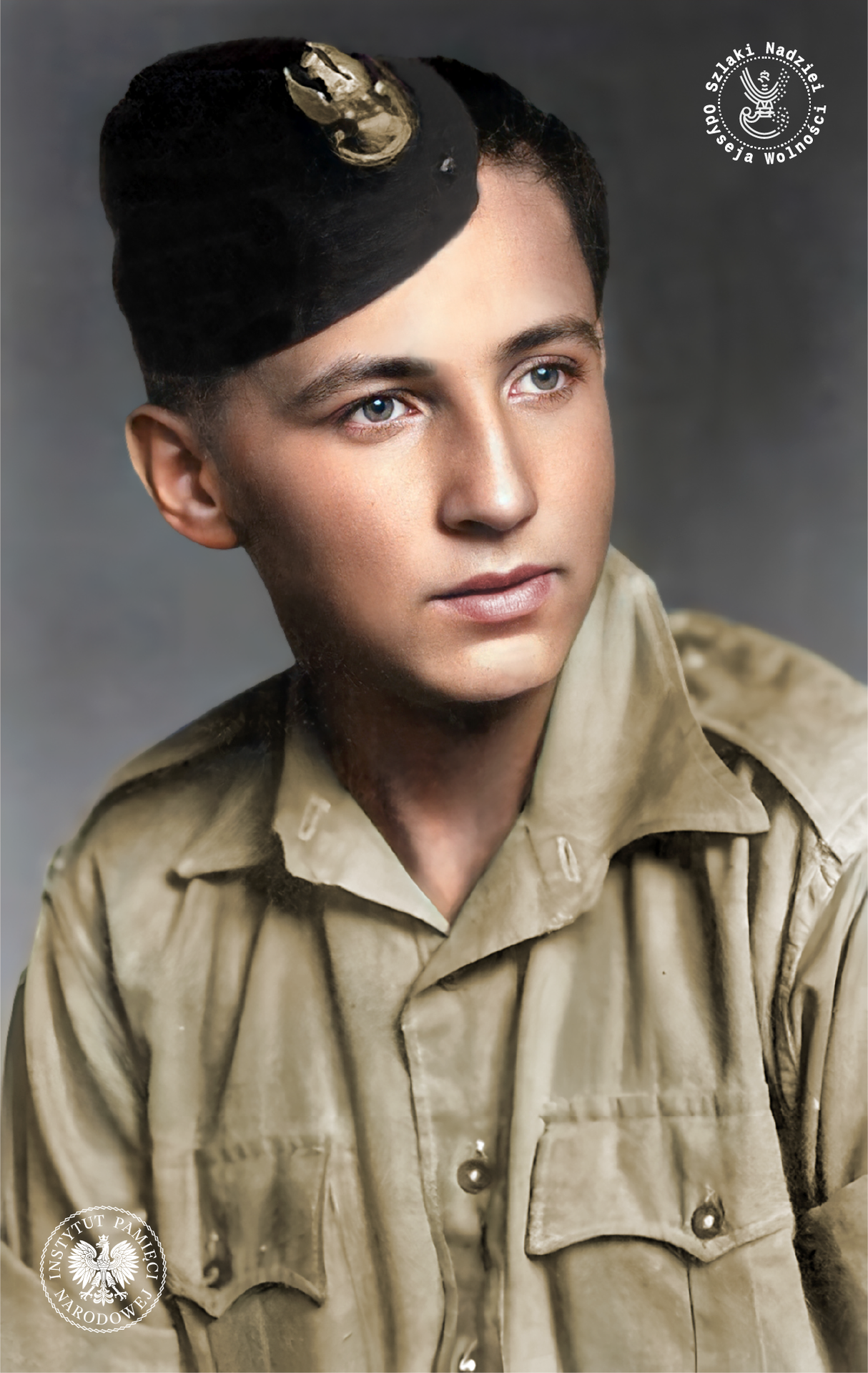
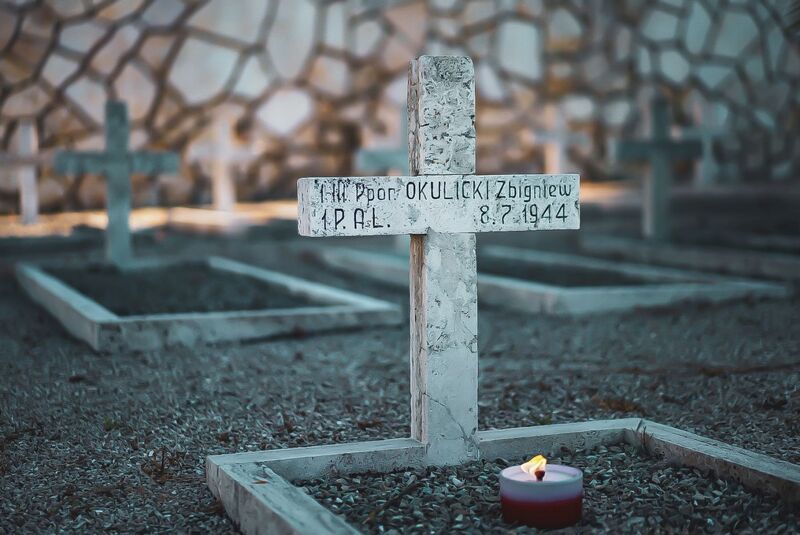
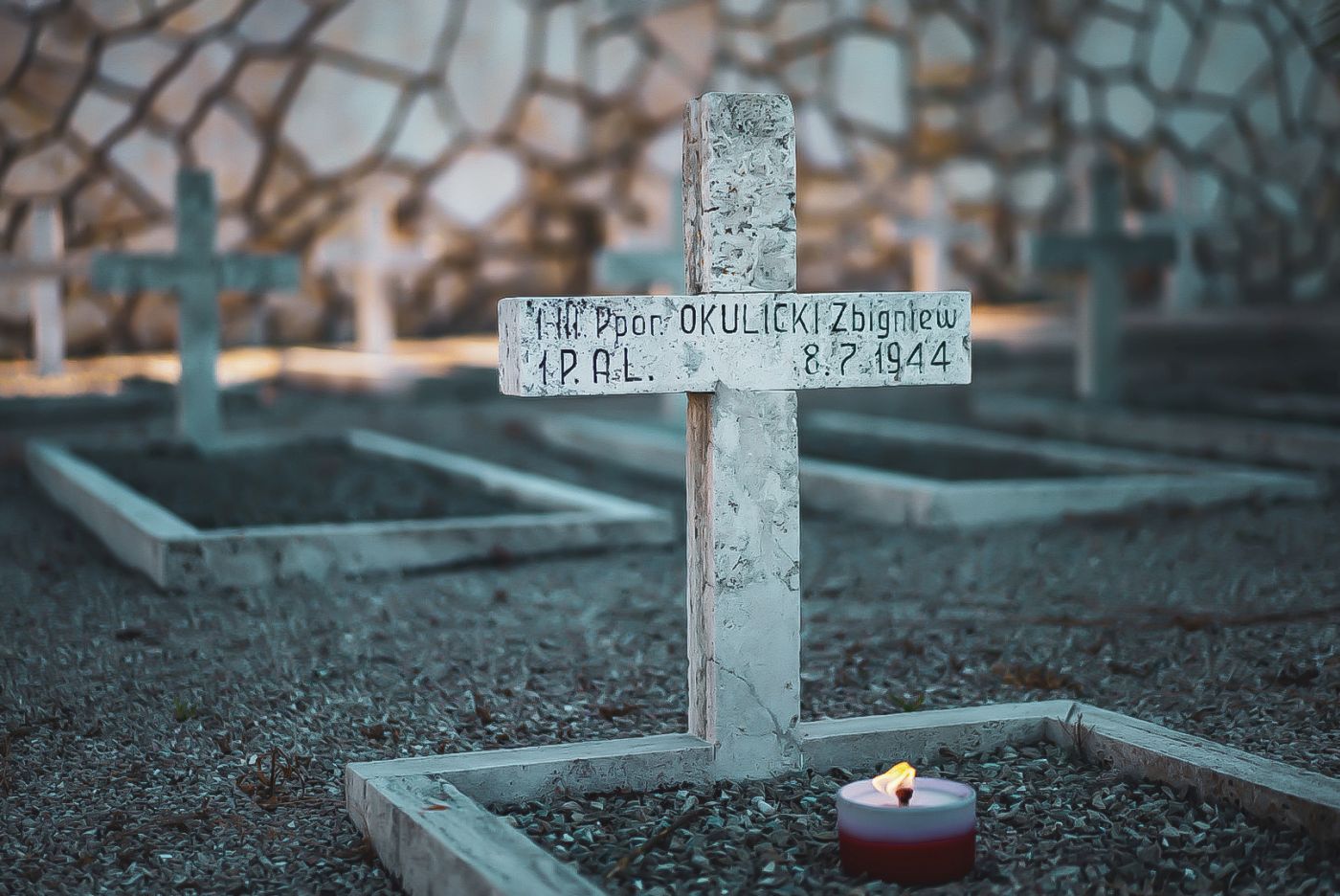
On 8 July 1944, Zbigniew Okulicki (born on 17 February 1924 in Kielce), son of General Leopold Okulicki a.k.a. Niedźwiadek, died in the fighting at Osimo near Ancona. He was buried in the cemetery of Loreto.
“He was twenty years old. To this day I’ve been under the illusion that it’s not true.I have never loved anyone in my life as much as I loved him.”
General Leopold Okulicki on the death of his only son Zbigniew, December 1944.
“They gave their spirit to God, their bodies to Italy and their hearts to Poland”.
Inscription in the Polish cemetery in Loreto.
Read more about the IPN „Trails of Hope. The Odyssey of Freedom” project at https://szlakinadziei.ipn.gov.pl/sne
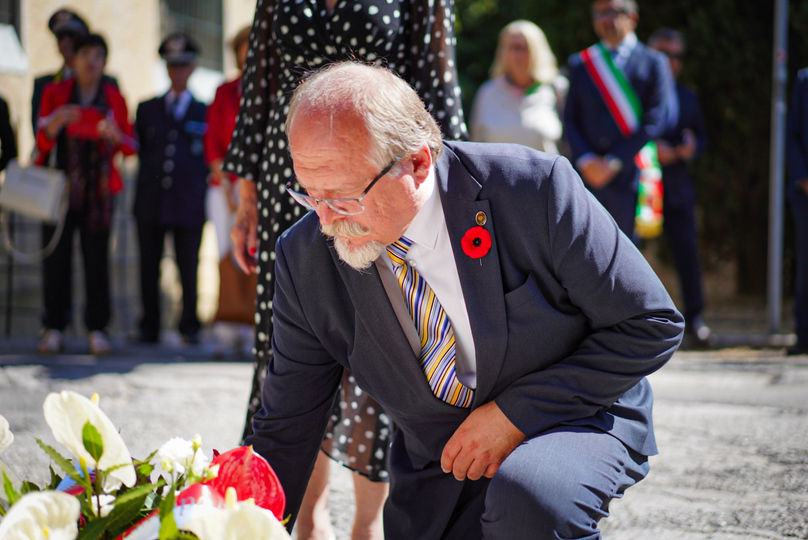
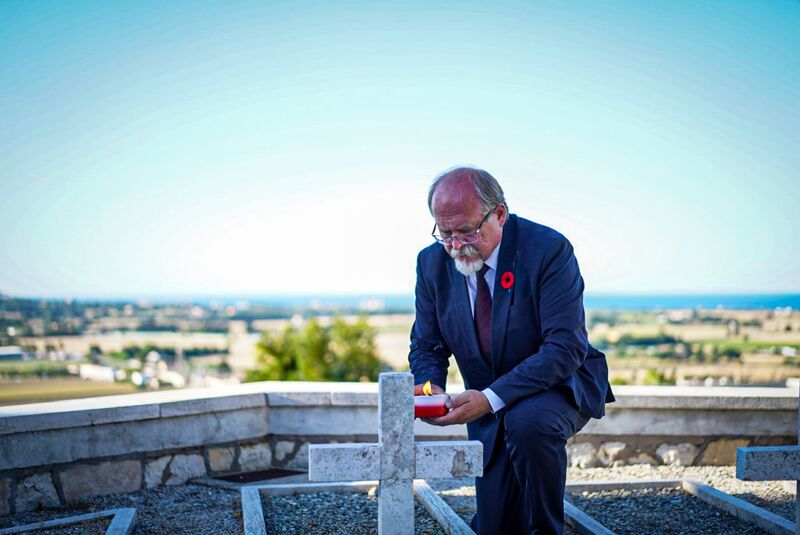
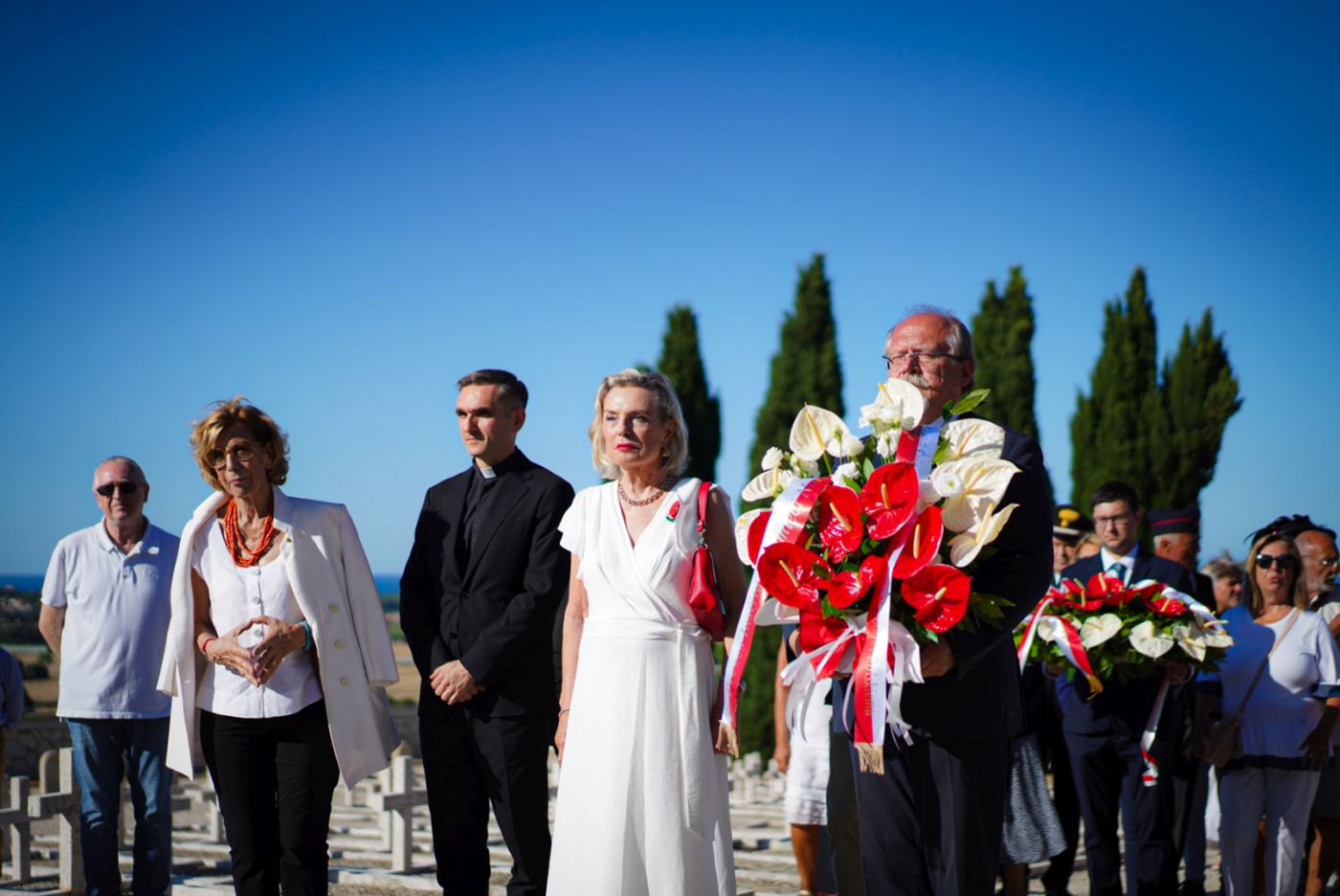
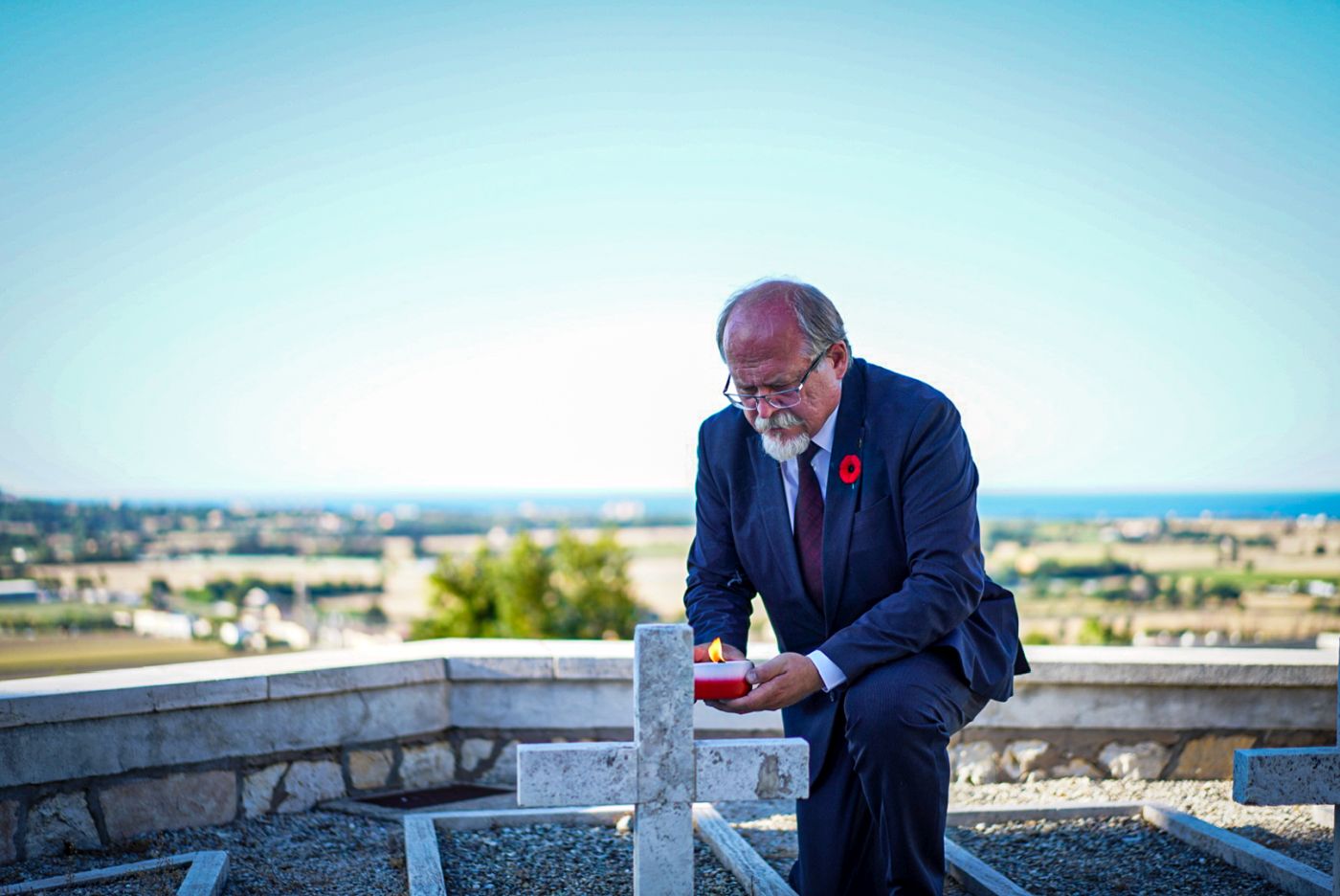
Later that day, General Anders' daughter, Anna Maria Anders and the Director of the IPN Office for Commemorating the Struggle and Martyrdom, Adam Siwek paid tribute to the heroes resting in Loreto.He lit a candle to 2nd Lt. Zbigniew Okulicki of the underground Home Army Command. Thirty months after the son had been killed in action, the father, captured by the Soviets taking over Poland, would perishin their prison.
-
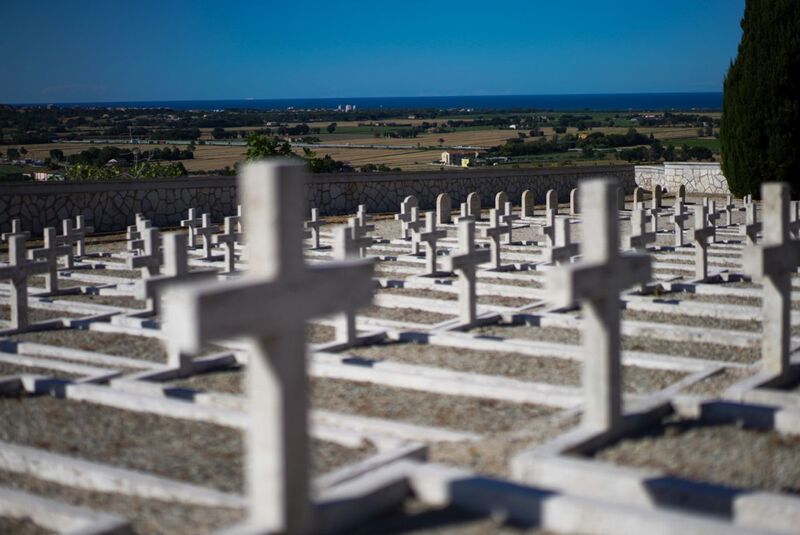
In honour of Polish soldiers – the liberators of Ancona; photo: Mateusz Niegowski (IPN) -
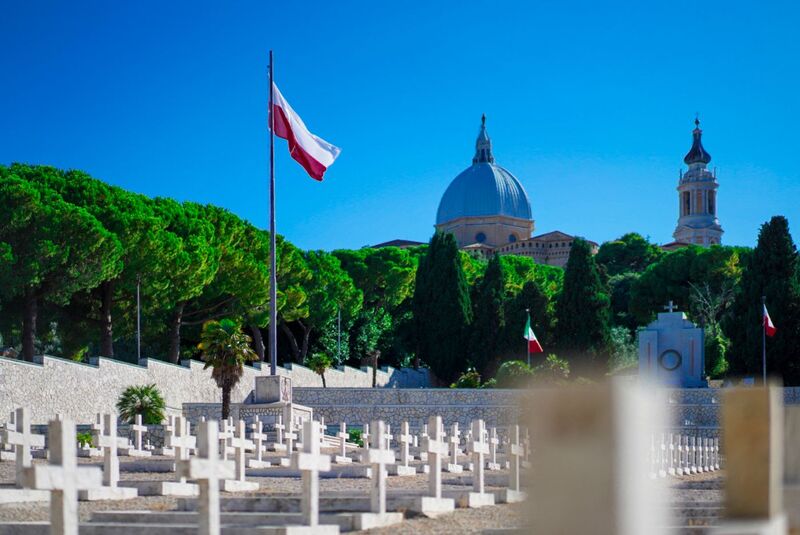
In honour of Polish soldiers – the liberators of Ancona; photo: Mateusz Niegowski (IPN) -
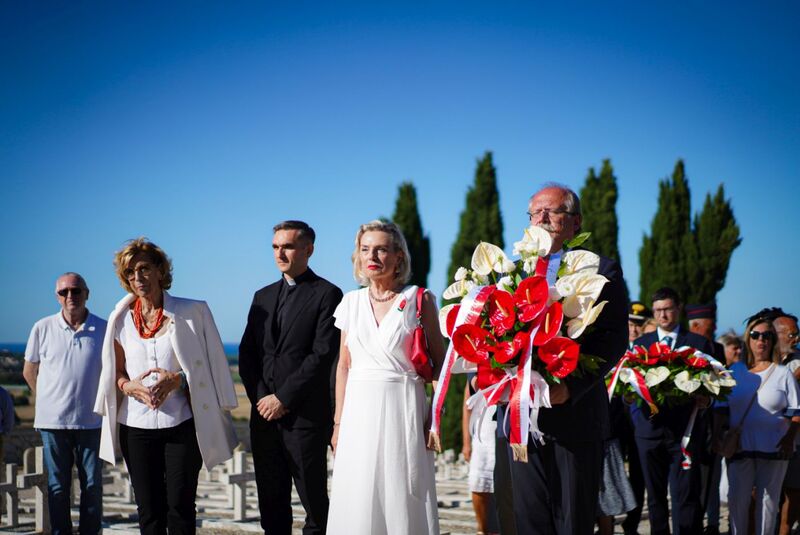
In honour of Polish soldiers – the liberators of Ancona; photo: Mateusz Niegowski (IPN) -
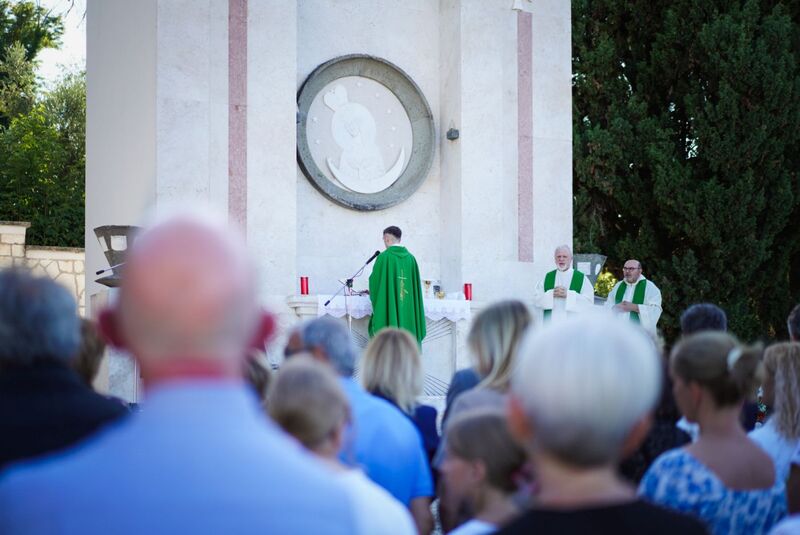
In honour of Polish soldiers – the liberators of Ancona; photo: Mateusz Niegowski (IPN) -
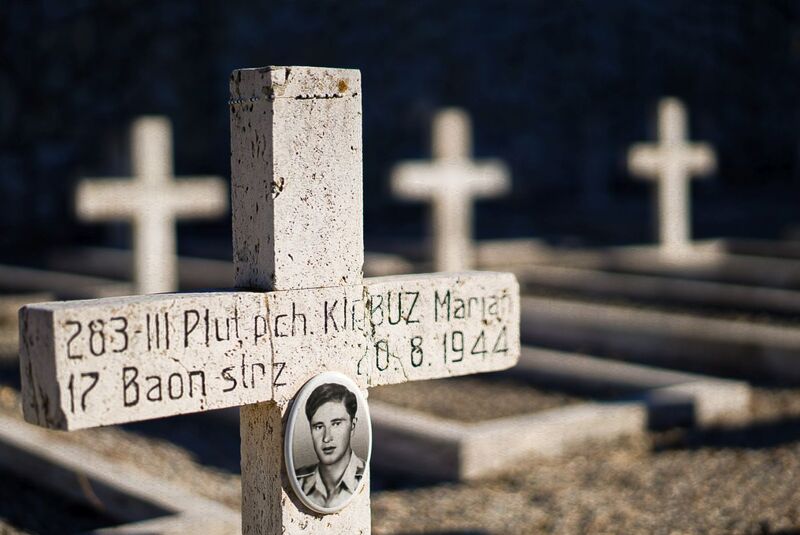
In honour of Polish soldiers – the liberators of Ancona; photo: Mateusz Niegowski (IPN) -
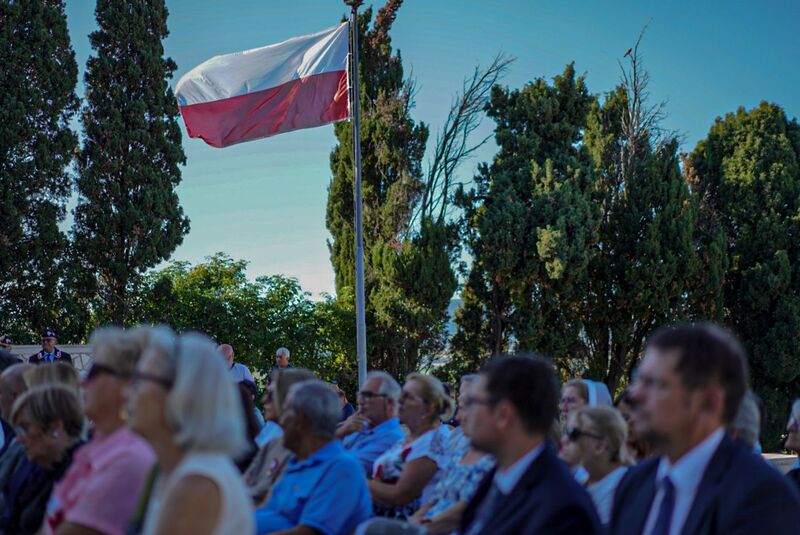
In honour of Polish soldiers – the liberators of Ancona; photo: Mateusz Niegowski (IPN) -
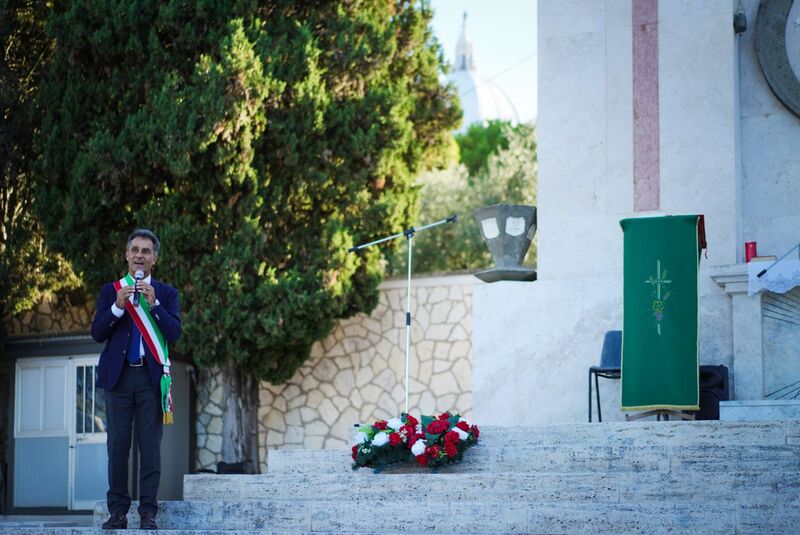
In honour of Polish soldiers – the liberators of Ancona; photo: Mateusz Niegowski (IPN) -
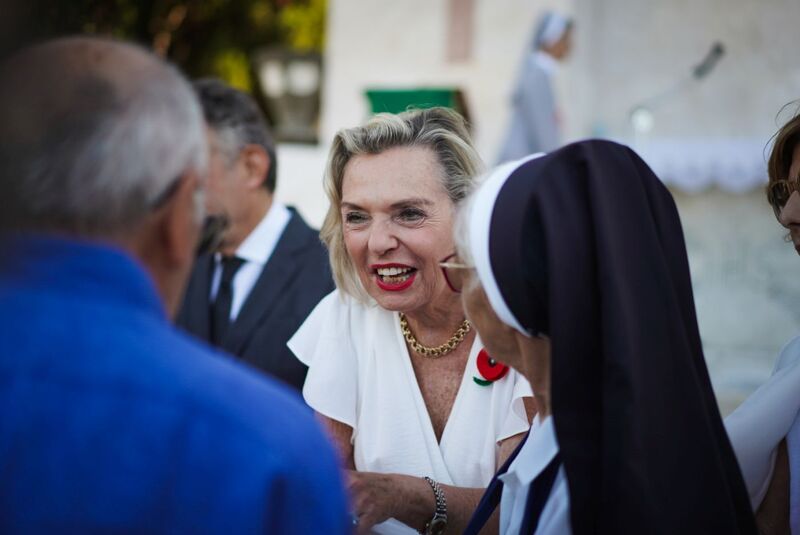
In honour of Polish soldiers – the liberators of Ancona; photo: Mateusz Niegowski (IPN) -
In honour of Polish soldiers – the liberators of Ancona; photo: Mateusz Niegowski (IPN) -
In honour of Polish soldiers – the liberators of Ancona; photo: Mateusz Niegowski (IPN) -
In honour of Polish soldiers – the liberators of Ancona; photo: Mateusz Niegowski (IPN) -
In honour of Polish soldiers – the liberators of Ancona; photo: Mateusz Niegowski (IPN)
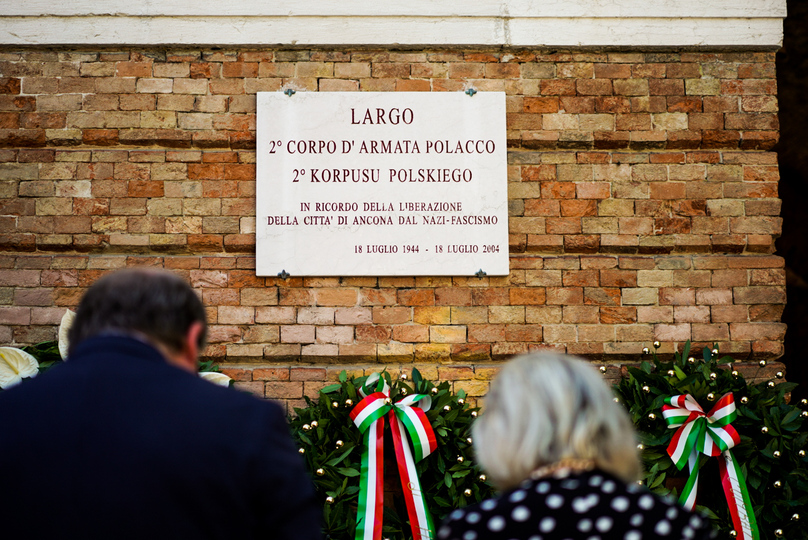
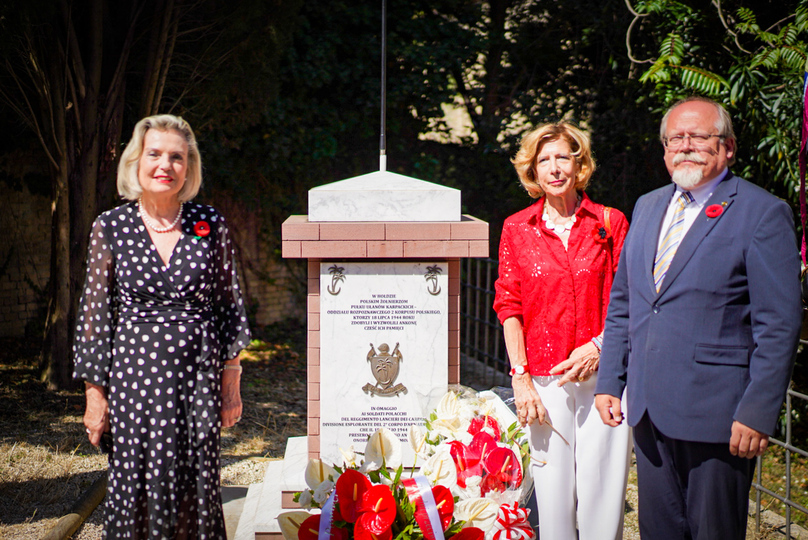
On 18 July 2025, Director Adam Siwek and Anna Maria Anders, together with a delegation of Ancona city authorities, laid wreaths at Porta di Santo Stefano - in front of the plaque commemorating the liberation of the city by the 2nd Polish Corps and at the monument to the Carpathians.