×
Search this website for:
06.08.2025

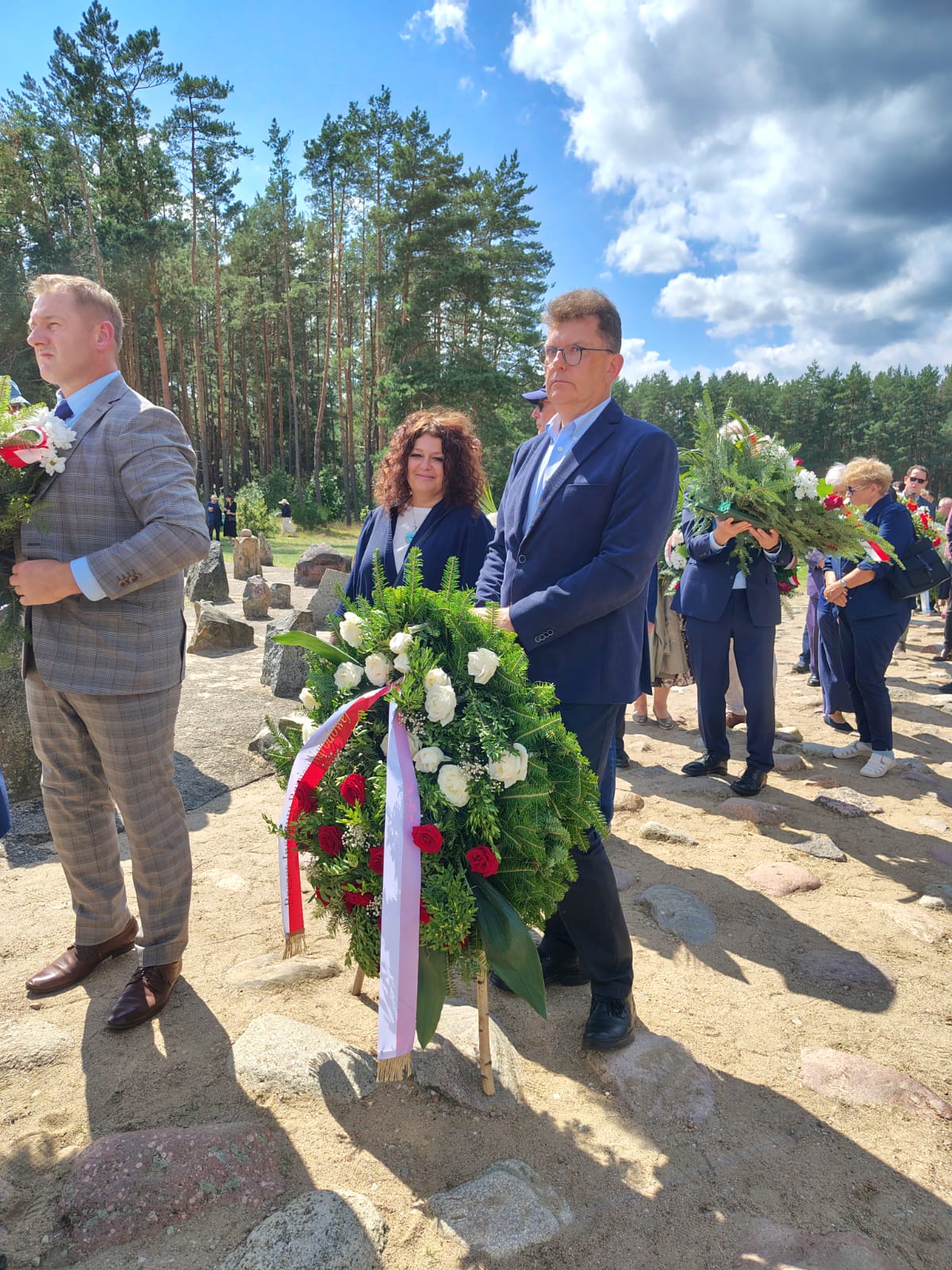
We paid tribute to Perec and Samuel Willenberg on the recent anniversaries of the Warsaw Uprising and the Treblinka revolt. Warsaw 4 August 2025
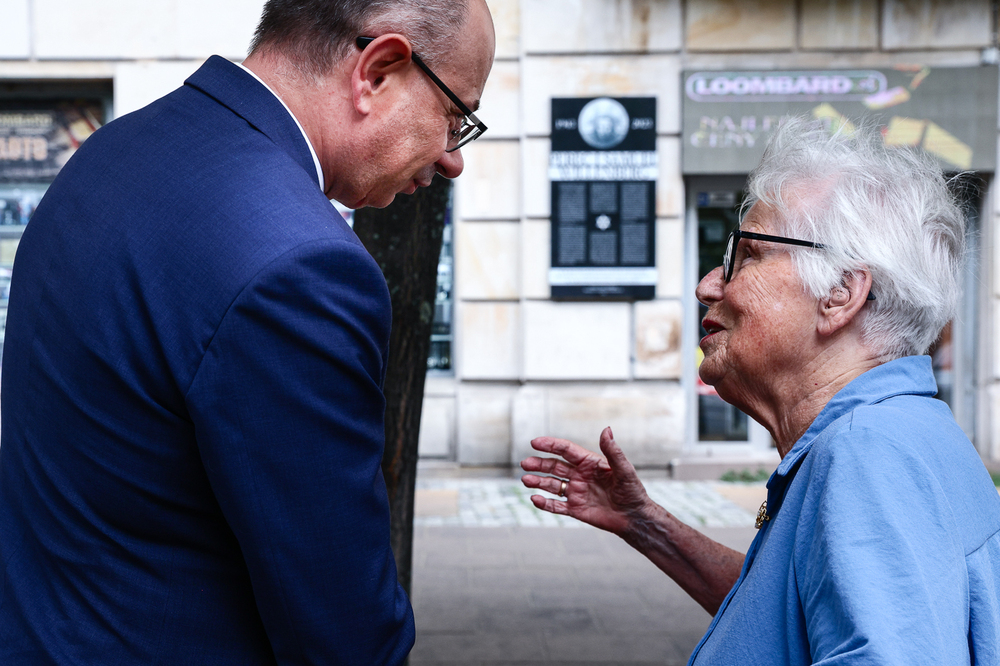
We paid tribute to Perec and Samuel Willenberg on the recent anniversaries of the Warsaw Uprising and the Treblinka revolt. Warsaw 4 August 2025
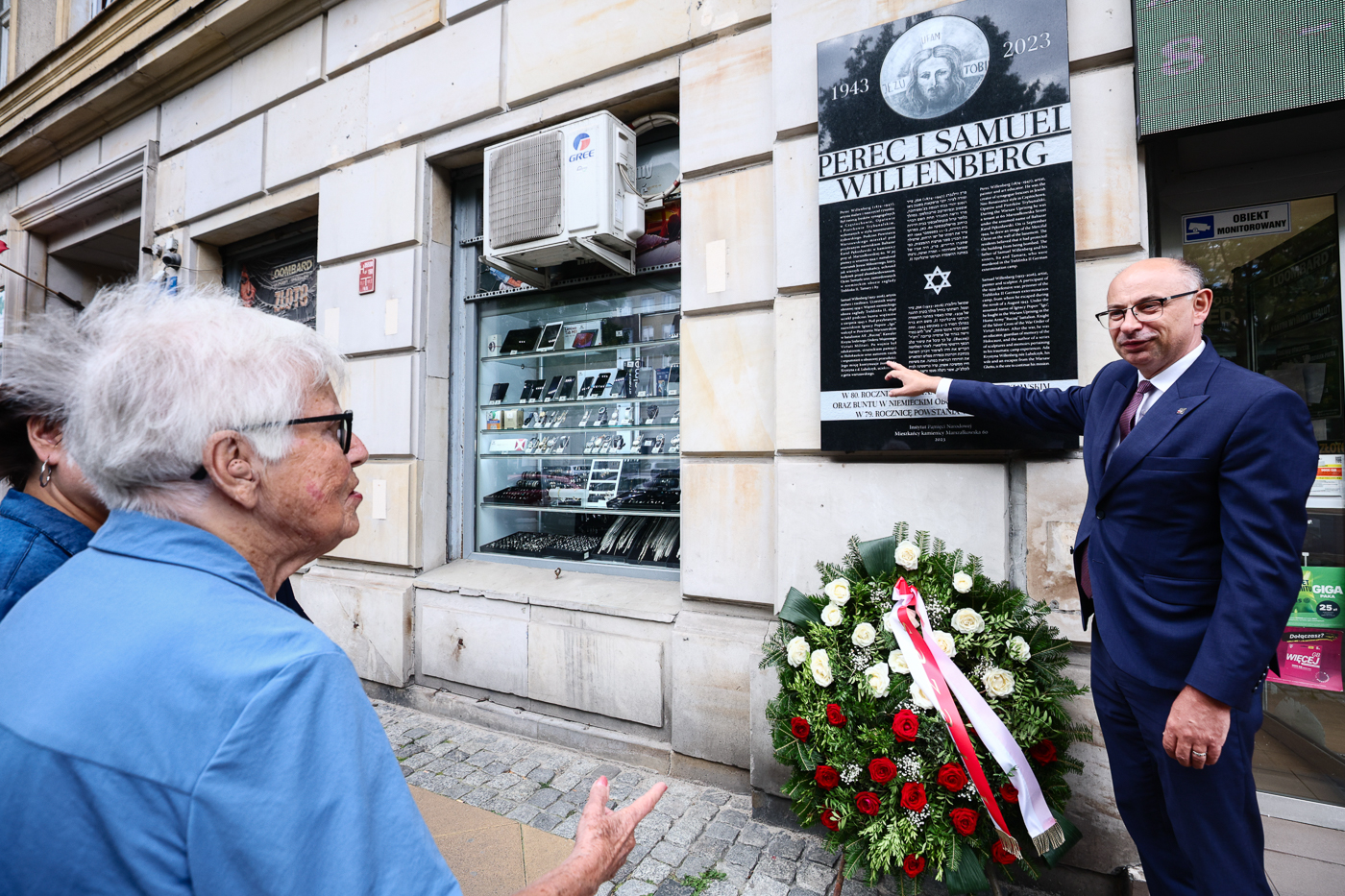
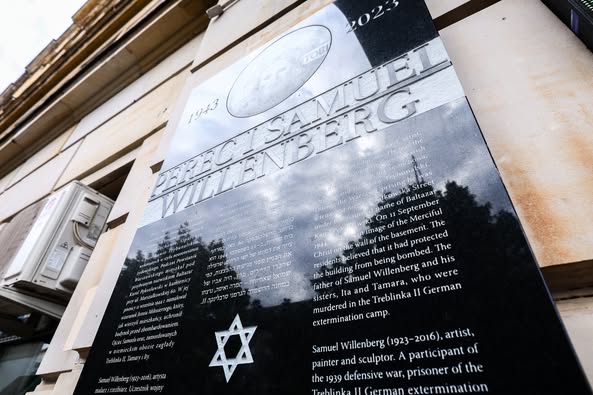
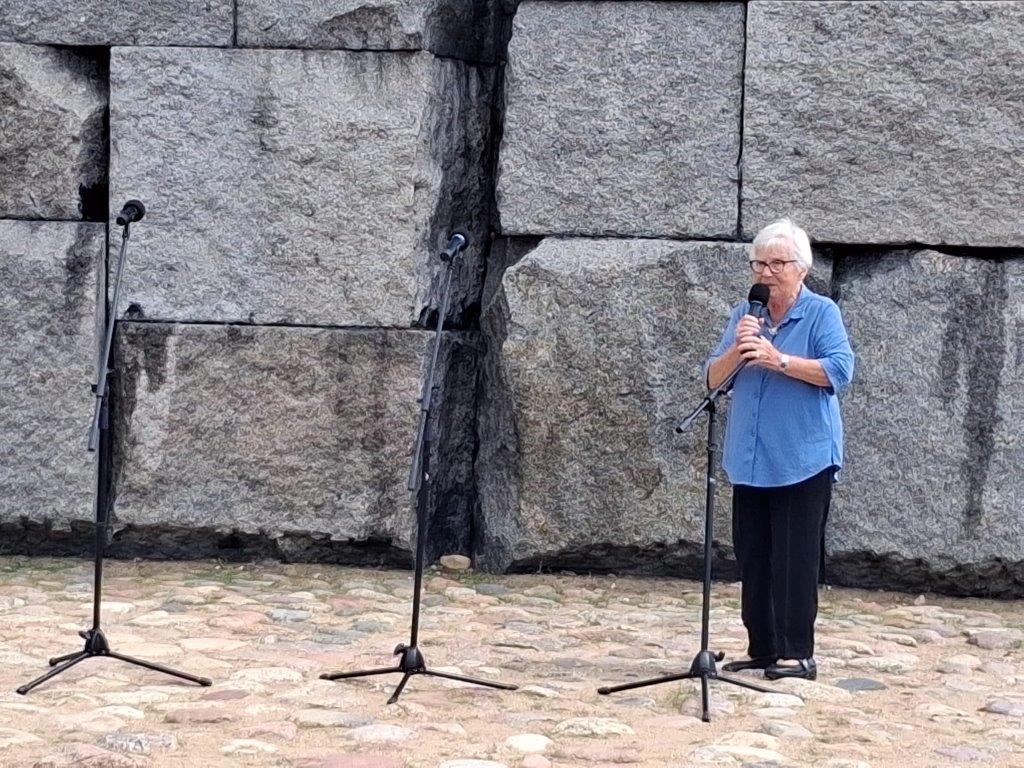
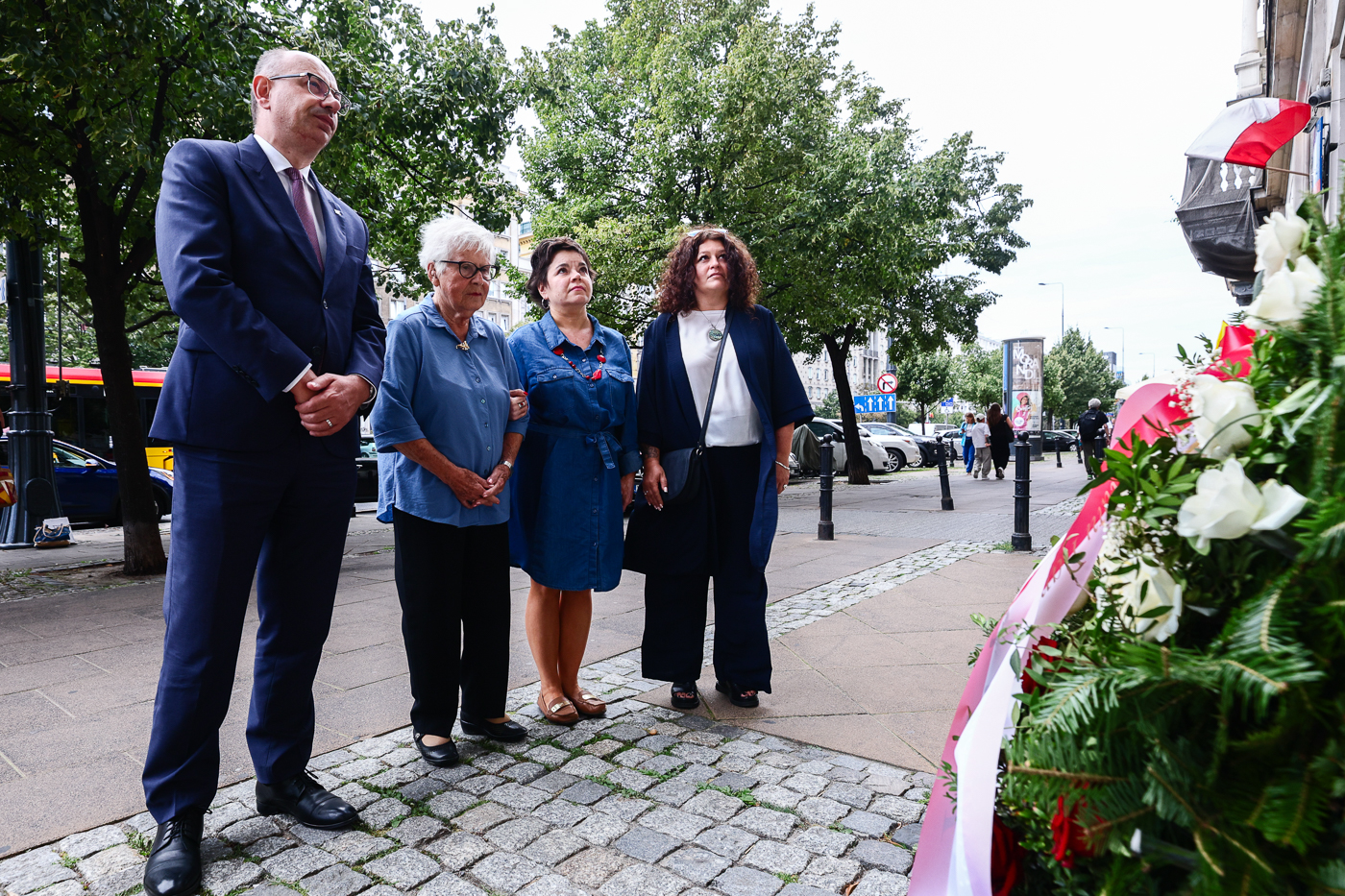
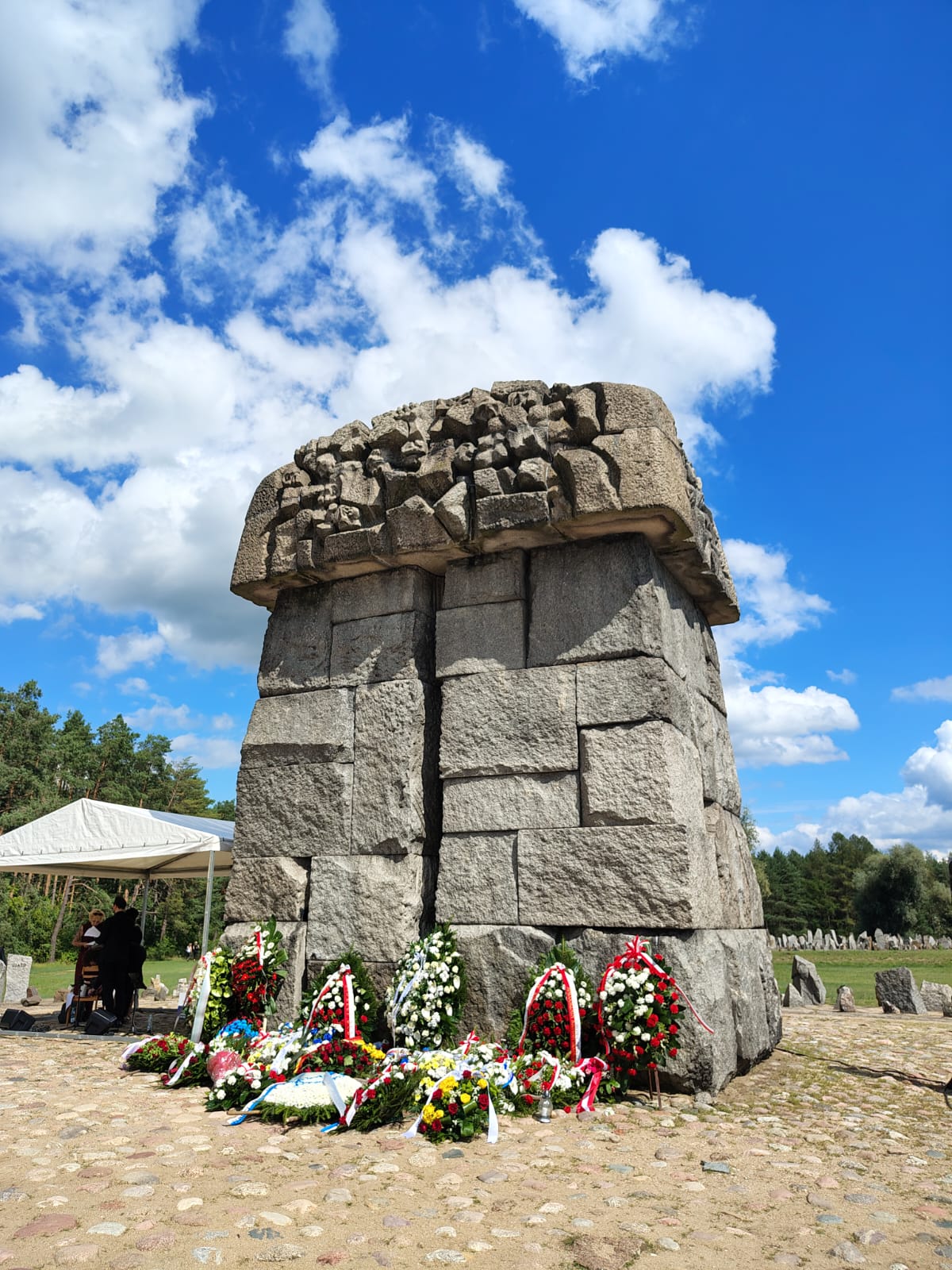
We paid tribute to Perec and Samuel Willenberg on the recent anniversaries of the Warsaw Uprising and the Treblinka revolt.

On 4 August 2025, we paid tribute to Perec Willenberg – a painter and to his son, Samuel – a sculptor, Holocaust survivor, participant of the 1943 Treblinka revolt, and the veteran of the Warsaw Uprising.

Flowers were laid at the plaque commemorating Perec and Samuel Willenberg by the Deputy President of the IPN, Mateusz Szpytma, the representatives of the IPN Office of International Cooperation and Ada Krystyna Willenberg, Samuel's widow.

The ceremony was held as part of the commemorative events marking the 81st anniversary of the outbreak of the Warsaw Uprising and the 82nd anniversary of the rebellion of prisoners at the Treblinka death camp. On 2 August 1943, prisoners of Treblinka II German extermination camp made an attempt to set the camp on fire, and get free. It was one of the most important acts of resistance by Jews during the Holocaust. Ada Willenberg and the IPN representatives also attended an event commemorating the revolt held on the grounds of the former Treblinka death camp.

The plaque on 60 Marszałkowska Street in Warsaw was funded by the IPN and unveiled in 2023. In this building a Polish-Jewish painter Perec Willenberg stayed during the Warsaw Uprising. Some of the tenants believed that the drawing he created, the head of Jesus Christ with the words "Jesus, I Trust In You” had something to do with the fact that 60 Marszałkowska Street was the only house in the immediate vicinity to remain intact.

At that time his son, Samuel Willenberg was fighting against the Germans during the Warsaw Uprising, and in this house, he had met with his father a year earlier following his escape from Treblinka. Decades later Samuel, an artist in his own right created a series of moving sculptures depicting scenes and people he had witnessed in Treblinka.

In 2020, the IPN initiated an exhibition and educational project on the basis of sculptures by Samuel Willenberg, depicting people and situations he remembered particularly vividly during his imprisonment at Treblinka. These unique sculptures, constituting the world heritage of the Holocaust, were brought by the IPN from Israel for the purposes of the project.


***

Władysław Szpilman, the Pianist, hiding in German-occupied Warsaw, practiced his art without a piano, so no sound came out. Perec Willenberg, the artist, practiced his art with brush and paint, and traces of it remained.
Perec, just like Szpilman, had made a name for himself long before WWII, only in visual arts, not music. He was a renowned creator of synagogue frescoes in so-called "Jewish Neo-Renaissance" style he developed, and also a husband and father of three. Then, the Germans came, and they closed or burned synagogues, while the Jews they closed in ghettos and burned them in death camps; they did that with two of three Willenberg children.
Perec lost touch with his family, but not with reality. He went into hiding, painting commissioned scenes and portraits to make a living, and frequently changing addresses. When the Warsaw Uprising broke out, he was holed up at 60 Marszałkowska Street, while his only surviving child, Samuel, having gone through a 10-month spell in Treblinka and broken free, was taking his payback as a soldier of the underground, fighting in that very uprising.
"I was on a barricade in Mokotowska street," remembered Samuel, "during an artillery barrage targeting the city center. I saw four heavy shells land near the house where my father was hiding. I ran there ... found him in bed, covered with dust and rubble, and told him to go to the basement. Before we left, he grabbed his drawing kit ... stopped at the basement door and wouldn’t go down. On the ceiling, he began sketching Christ’s head with charcoal."
The portrait came with words "Jesus, I Trust In You” – and trust was what it put in the hearts of the tenants. Some of them even believed that the drawing had something to do with the fact that 60 Marszałkowska Street was the only house in the immediate vicinity to remain intact. True or not, this is a heartwarming story of survival: Willenberg father and son survived the Uprising and the war, the house survived, and so did the portrait inside.
Like father, like son: fifty years went by, and Samuel himself became an artist, reaching into his soul, pulling out horrible Treblinka scenes and casting them in bronze. The sculptures were made into an educational project by the IPN International Cooperation Office, and sent on a tour of Poland to carry a message from a survivor. Meanwhile, a message from another survivor, left on a wall of a Warsaw house, has been patiently waiting for its turn.
➡ This message calls for action, but not only as a trace of life in hiding, more palpable that Szpilman’s soundless music; it’s a reminder of an uprising by people who rose against all odds; it’s a remainder of a talent doomed to extermination just because it was Jewish; it’s a memento of German destruction of Warsaw, preserved in a house that stood while so many others around crumbled. It’s a message that ought to be carried on.


🔎 Visit our collected content on that subject: https://tiny.pl/qmwvh8pn


Subscribe to our newsletter

Sign up for a fresh look at history: stay up to date with the latest events, get new texts by our researchers, follow the IPN’s projects