
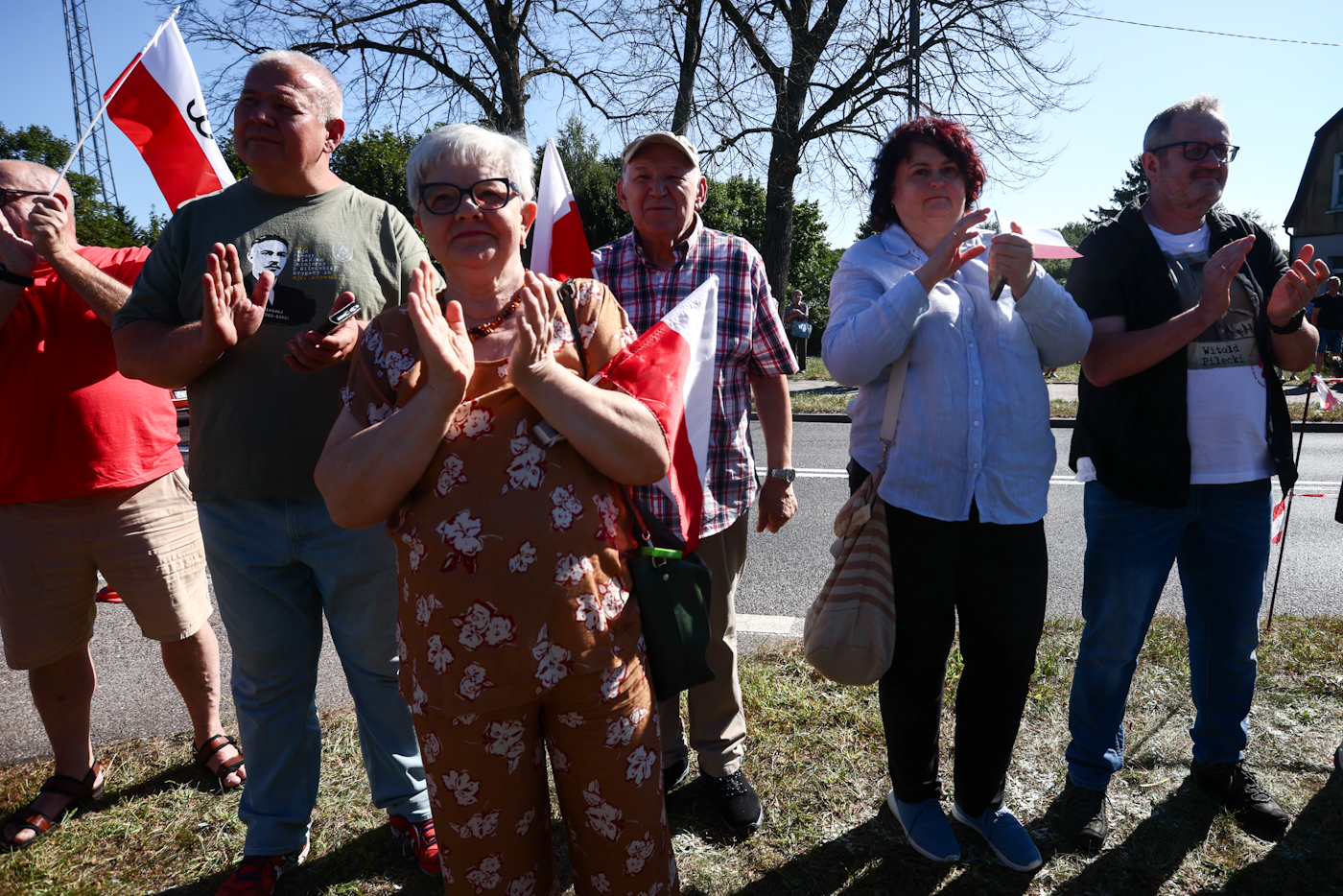
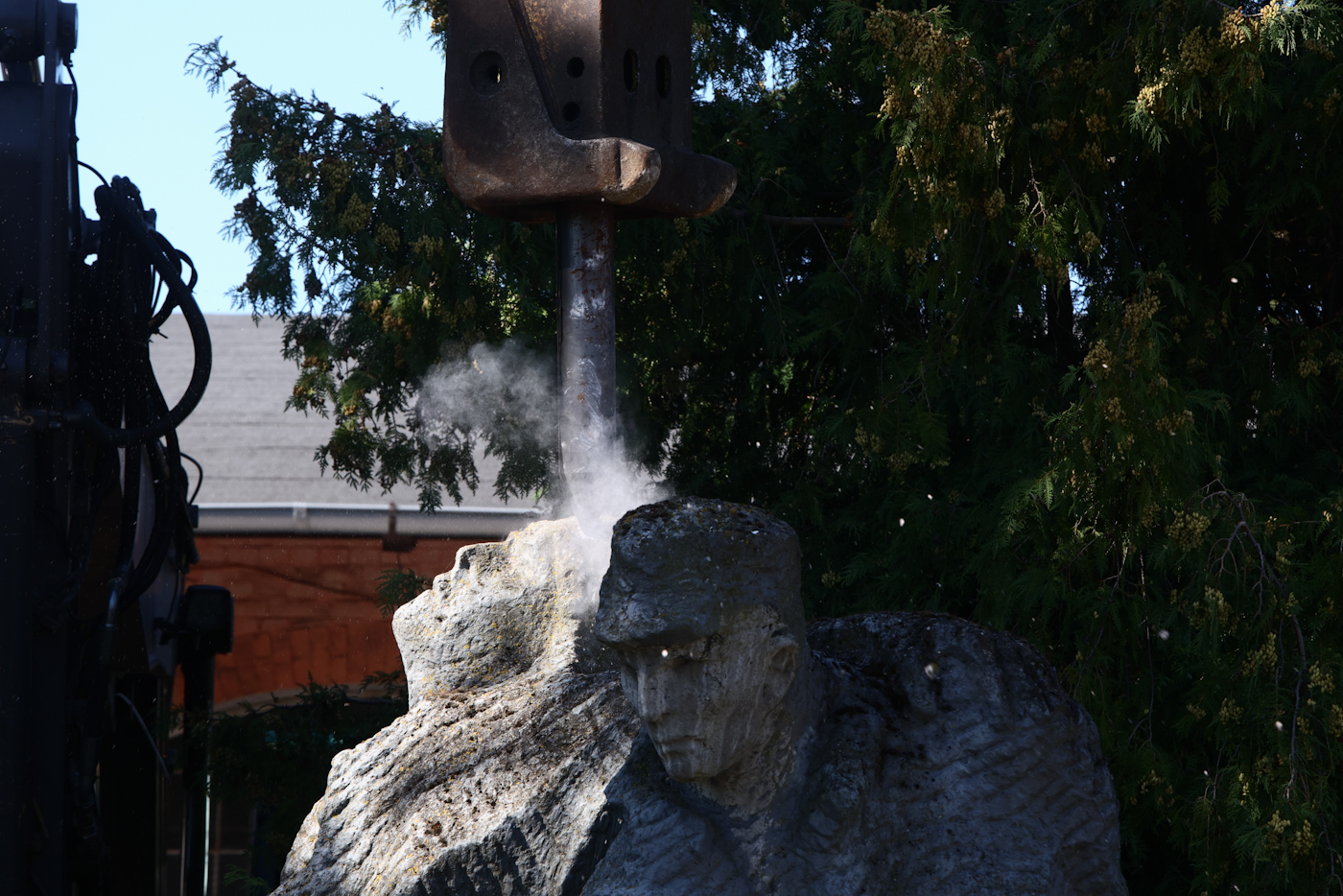
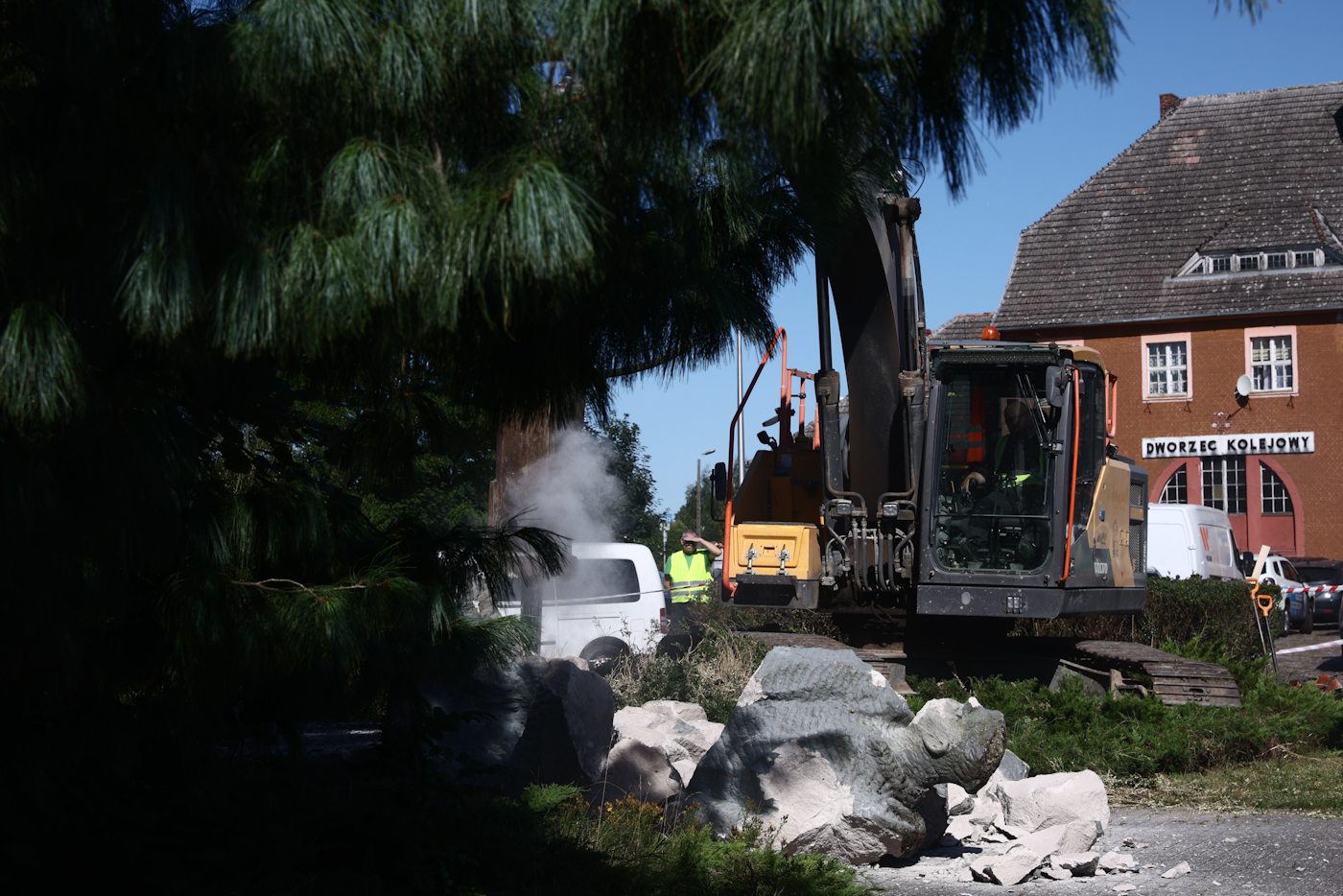
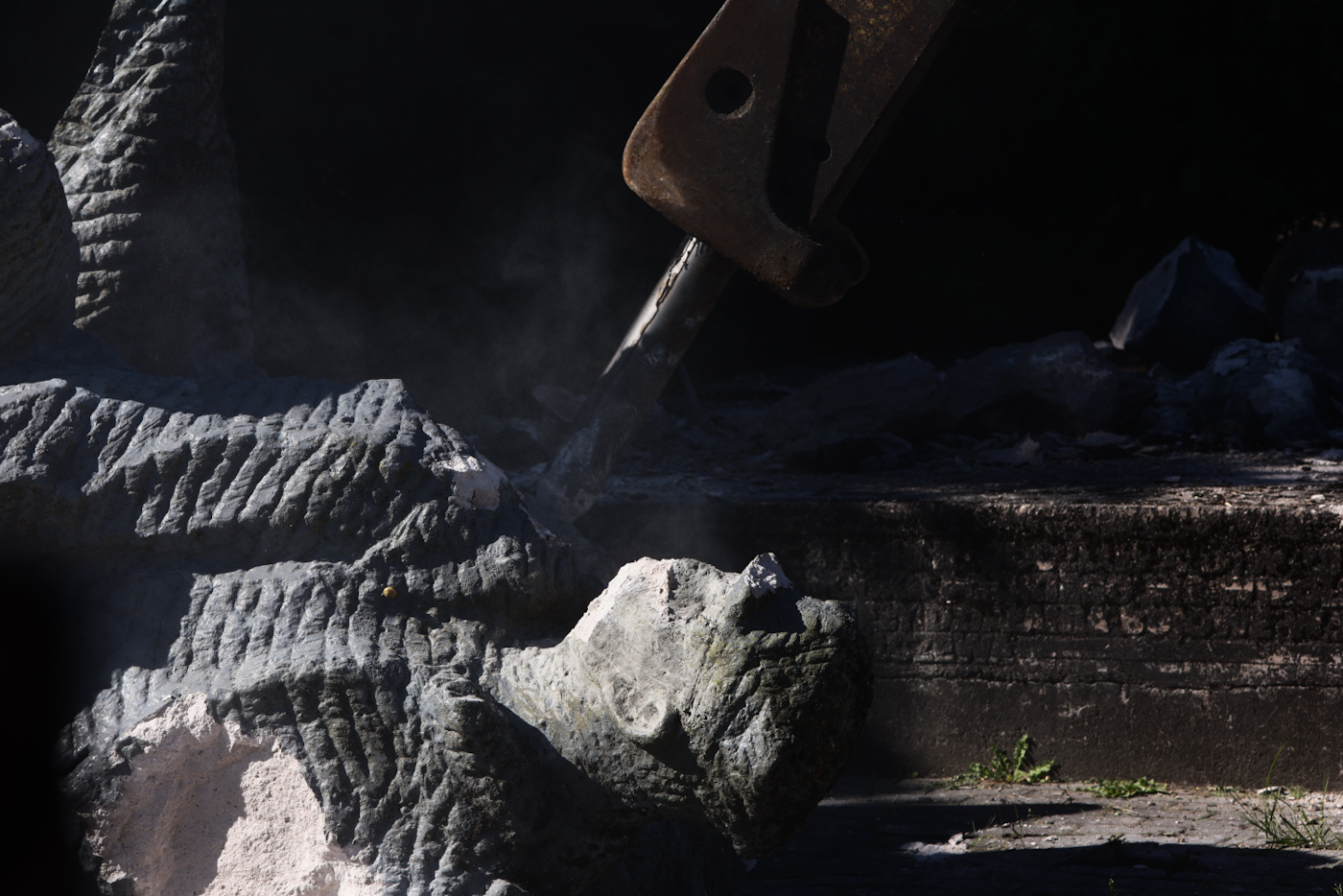
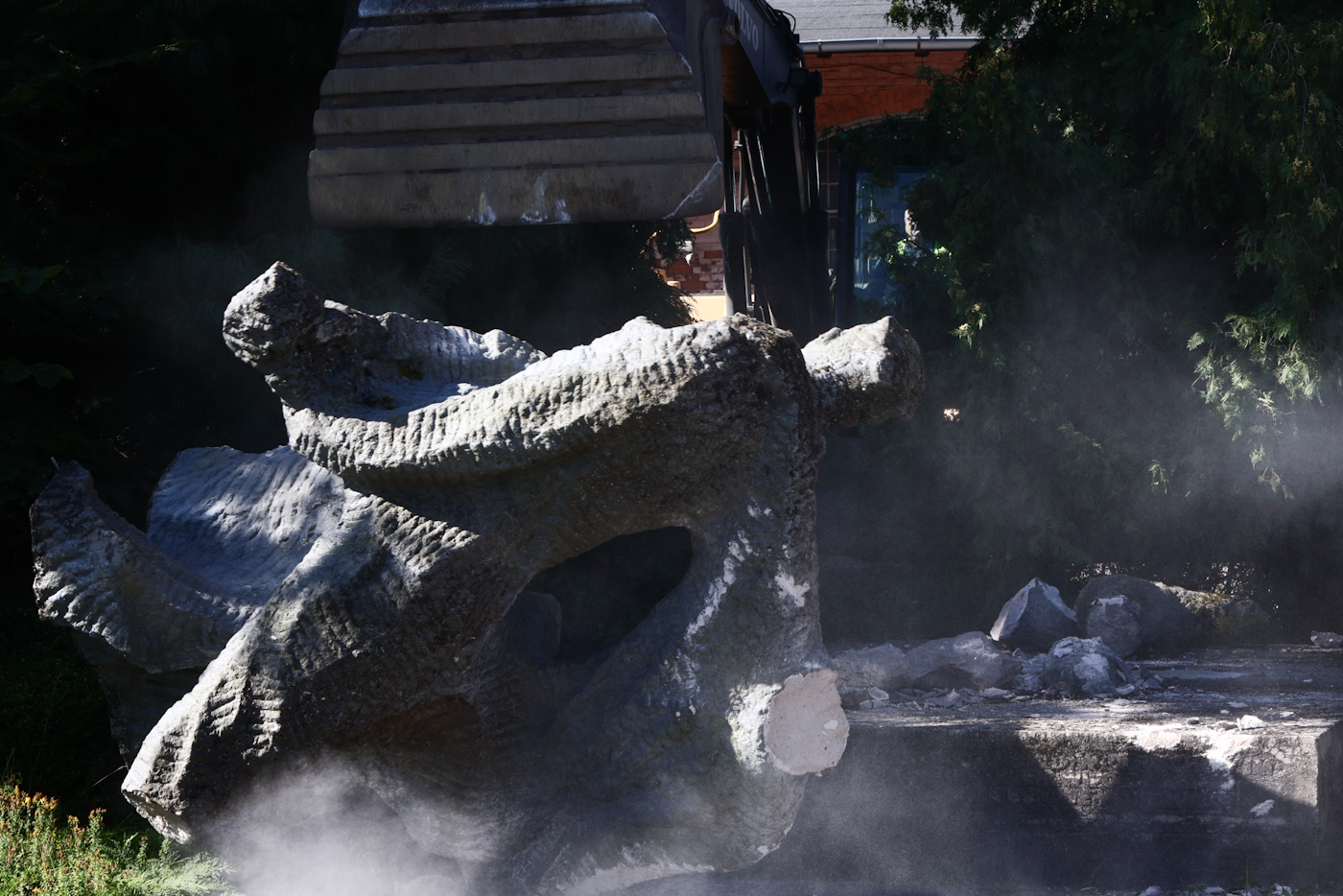
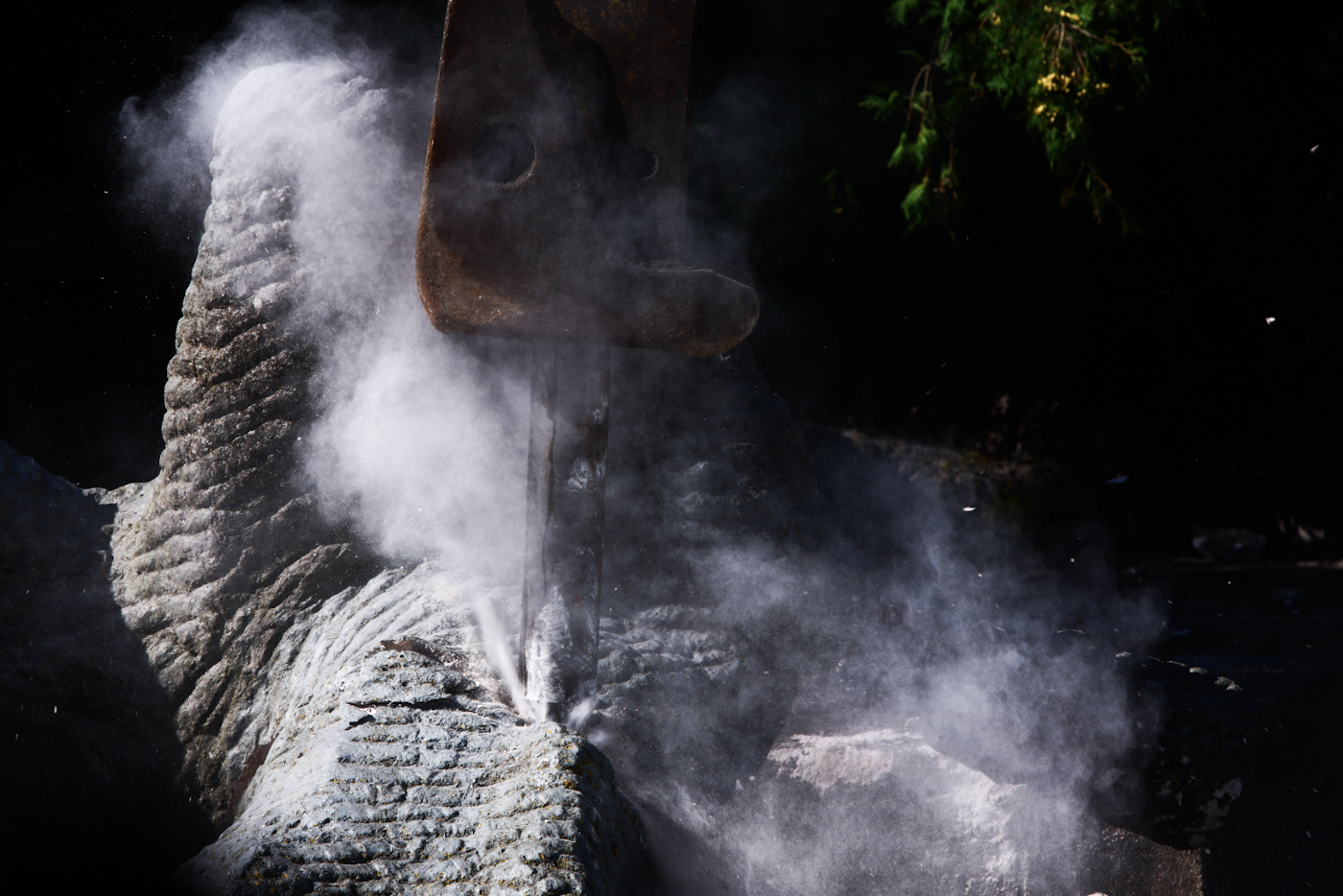
One of the last symbols of communist propaganda in Western Pomerania was removed in Płoty (Gryfice County). This decision was a response to public expectations and the result of a consistent policy of local authorities seeking to rid public spaces of totalitarian symbols.
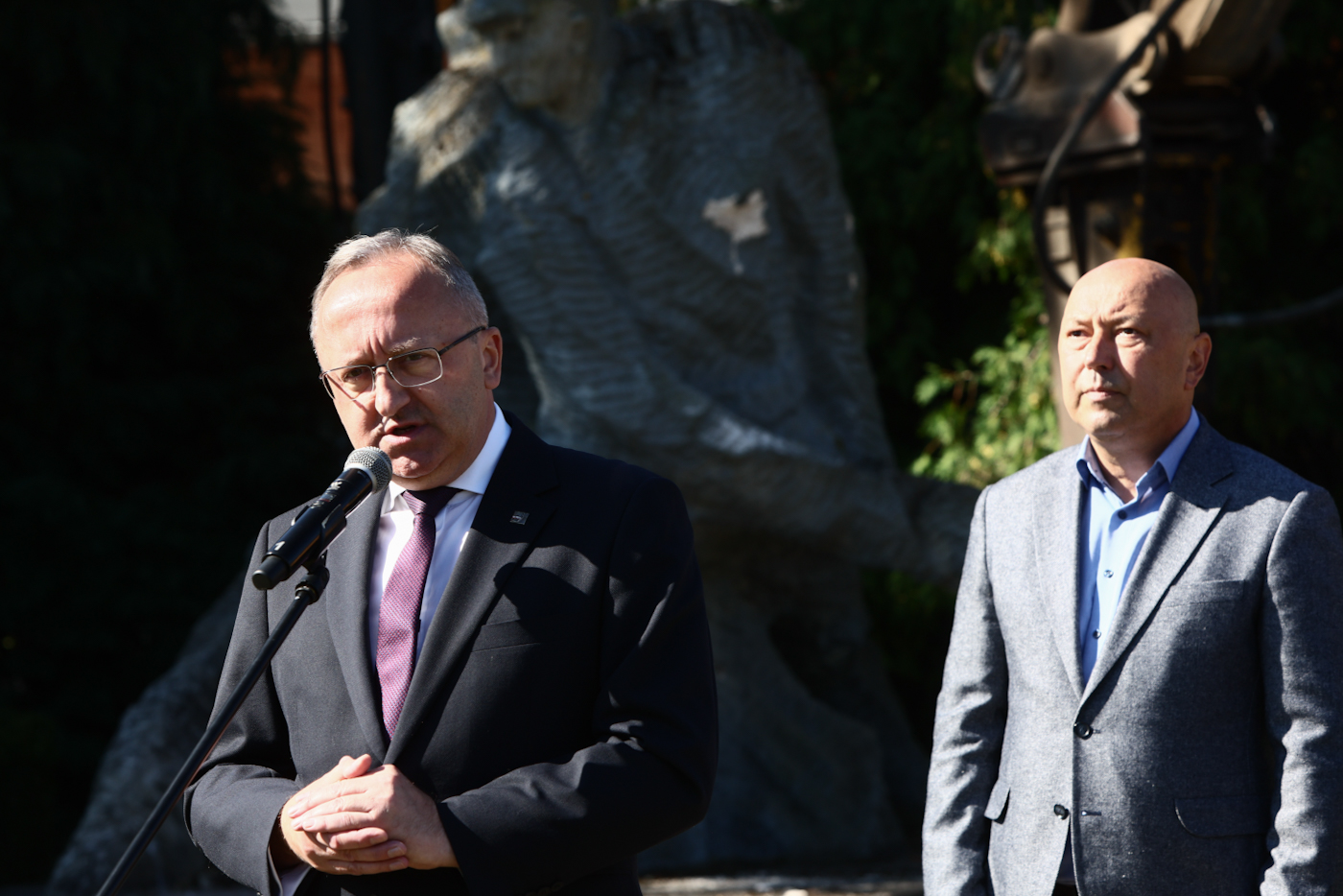
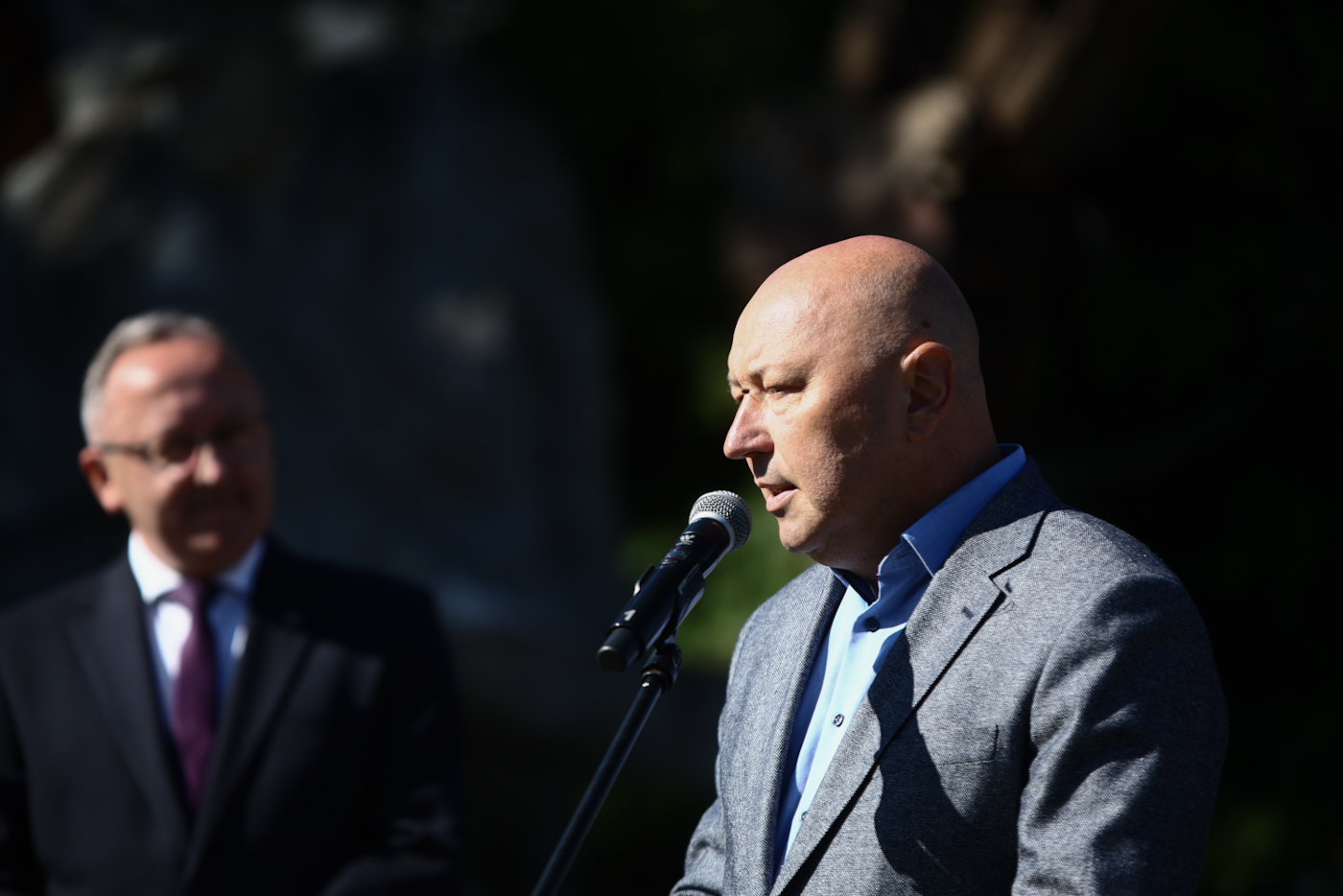
– It is unacceptable that in free Poland, 36 years after the fall of communism, relics of Soviet rule still haunt us. This structure is not a monument, it is a symbol of Soviet rule over this area – emphasized Prof. Karol Polejowski, Deputy President of the Institute of National Remembrance, during a press conference.
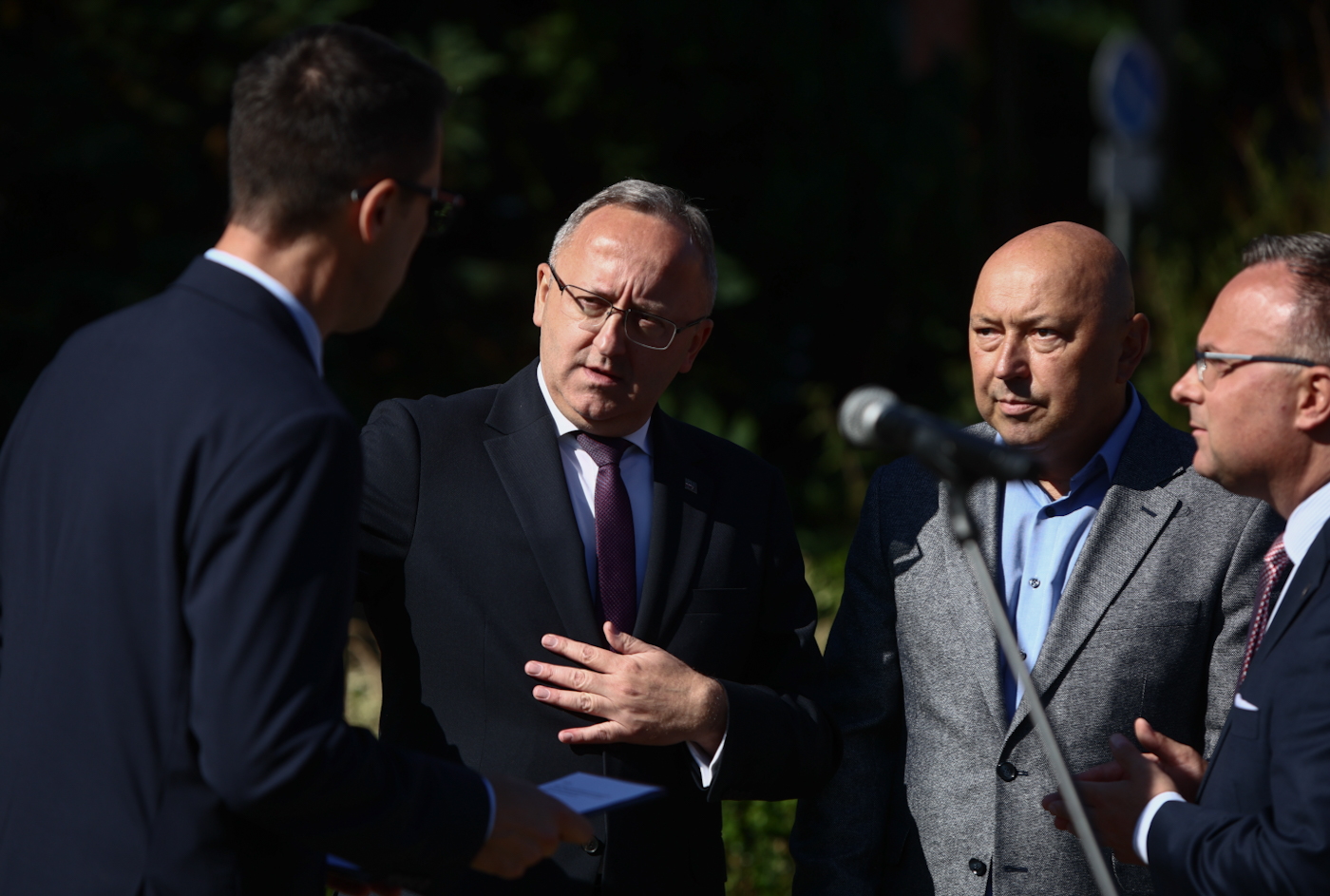
The dismantling of the monument, organized by the Institute of National Remembrance, is the fulfillment of a request made by the Mayor of Płoty and the City Council. In November 2024, the IPN signed an agreement with the municipality of Płoty, in accordance to which the Institute would not only cover the costs of dismantling but also the establishment of a new commemoration.
Prof. Karol Polejowski also recalled the appeal of Karol Nawrocki, Ph.D., the then President of the IPN and now the President of the Republic of Poland, regarding the decommunization of public space, and appealed to local authorities in the West Pomeranian Province that have not yet decided to remove Soviet propaganda objects:
I would like to express my sincere gratitude to the Mayor for his cooperation and to the residents of Płoty for agreeing with this decision. I also appeal to local authorities in Western Pomerania: there are places in this beautiful Polish land where such objects still haunt us. Be brave!
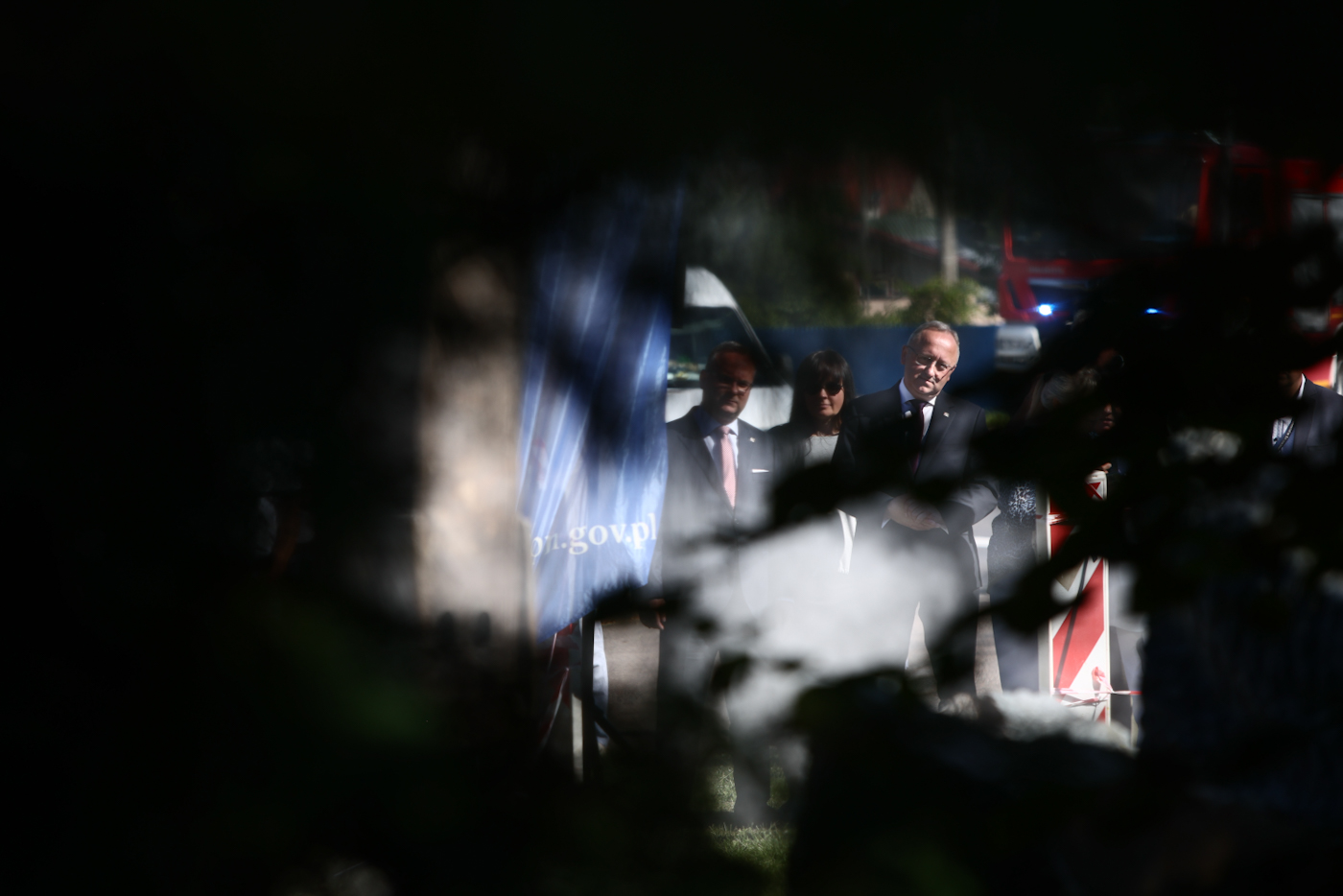
The event was attended by the Mayor of Płoty, Szymon Klimko, the Director of the Szczecin IPN branch, Krzysztof Męciński, and the Deputy Director of the Institute's Office for Commemorating the Struggle and Martyrdom, Joanna Sulej-Piskorz.
We cannot say that the Soviet army brought us freedom. The Soviets defeated the Germans, but they did not bring any freedom to the Poles. They initiated a new period – a period of Soviet occupation, later Soviet domination, creating a puppet state that was under the complete control of Moscow, noted Prof. Karol Polejowski.
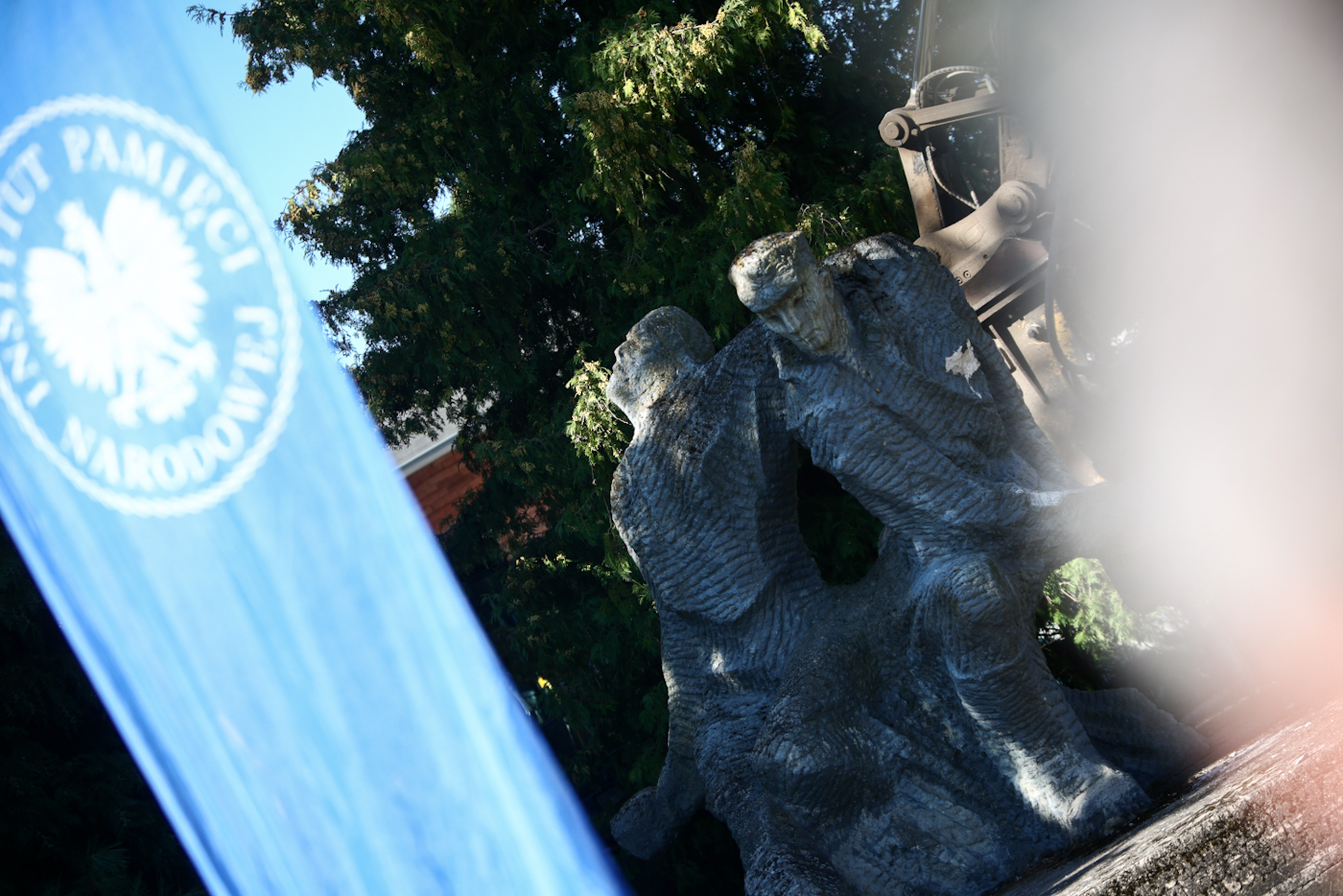
The so-called “Monument to Polish-Soviet Brotherhood in Arms” commemorated an event that never took place. The monument was dedicated to the Red Army, which on 5 March 1945, captured Płoty without the participation of Polish soldiers. This object had been present in public space for decades and was a symbol of Soviet power over the region. Its removal was an important step in the process of decommunization, as well as a way of reckoning with the past.
The propaganda object was located on Dworcowa Street, on the square in front of the railway and bus stations. According to documents in the New Records Archive, the first Red Army monument was erected at this location in 1955 on the initiative of the railway authorities. It was a brick, plastered, cone-shaped structure, approximately 3 m high, with a red star attached to it.
The “Monument to Polish-Soviet Brotherhood in Arms” was erected in 1977, on the occasion of the 700th anniversary of Płoty being granted city rights. It was funded by the provincial authorities at the time, with financial support from the municipality. It belonged to a group of similar memorials erected along the battle route of the Second Polish Army, related to the 1945 offensive towards Berlin. It was also dedicated to the entry into Płoty on 5 March 1945, of the 1st Tank Army of the Belorussian Front. The sculpture depicted a soldier carrying a wounded comrade on his shoulder, holding a grenade in his hand. The inscription on read: “On 10 March 1945, troops of the 4th Infantry Division named after Jan Kiliński of the 1st Polish Army, in cooperation with the Soviet Army, began combat operations towards Golczewo from the Płoty region.”
After the capture of Płoty in 1945, the town was taken over by the Polish administration, which initiated an influx of Polish settlers and the displacement of the existing inhabitants to Germany. The damage caused by the war was relatively minor, amounting to about 22% of the town's infrastructure. However, by 1946, it had increased to about 40%, mainly as a result of looting and devastation and moving Red Army troops, who took everything of value from the town.
Watch IPNtvPL coverage of the event (Polish):
Watch our video spot “Decommunization of Public Space” (English):