
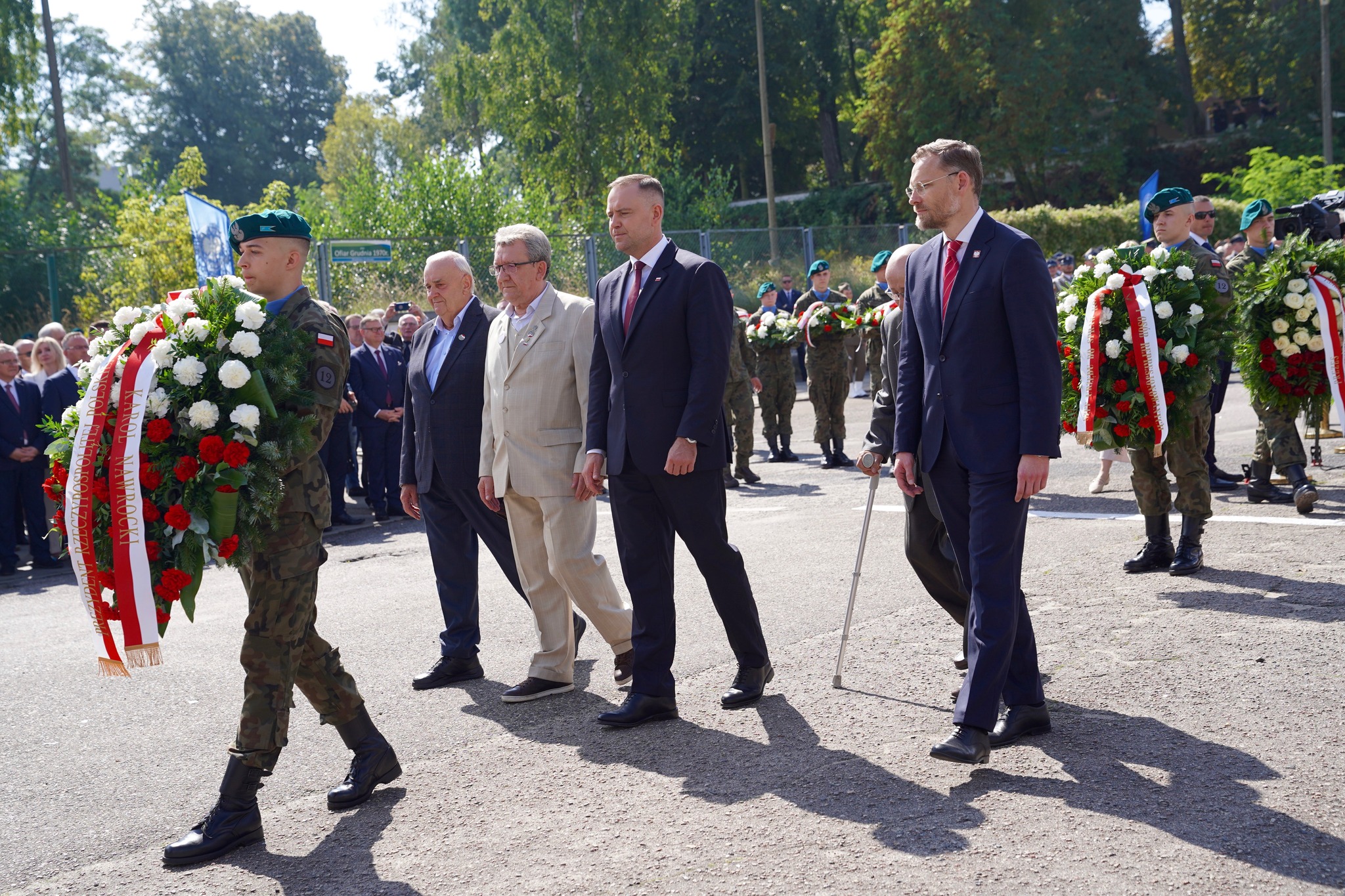
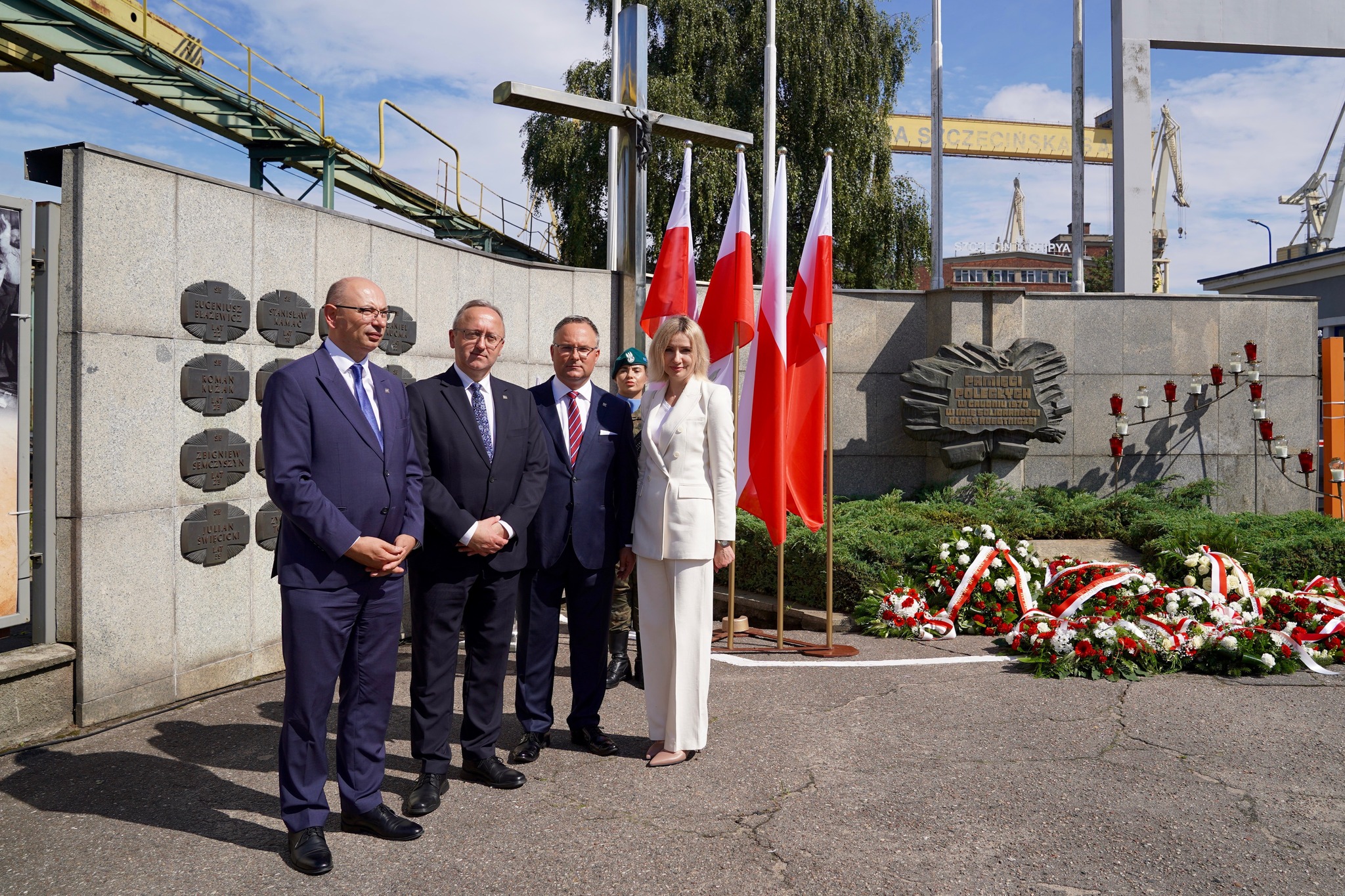
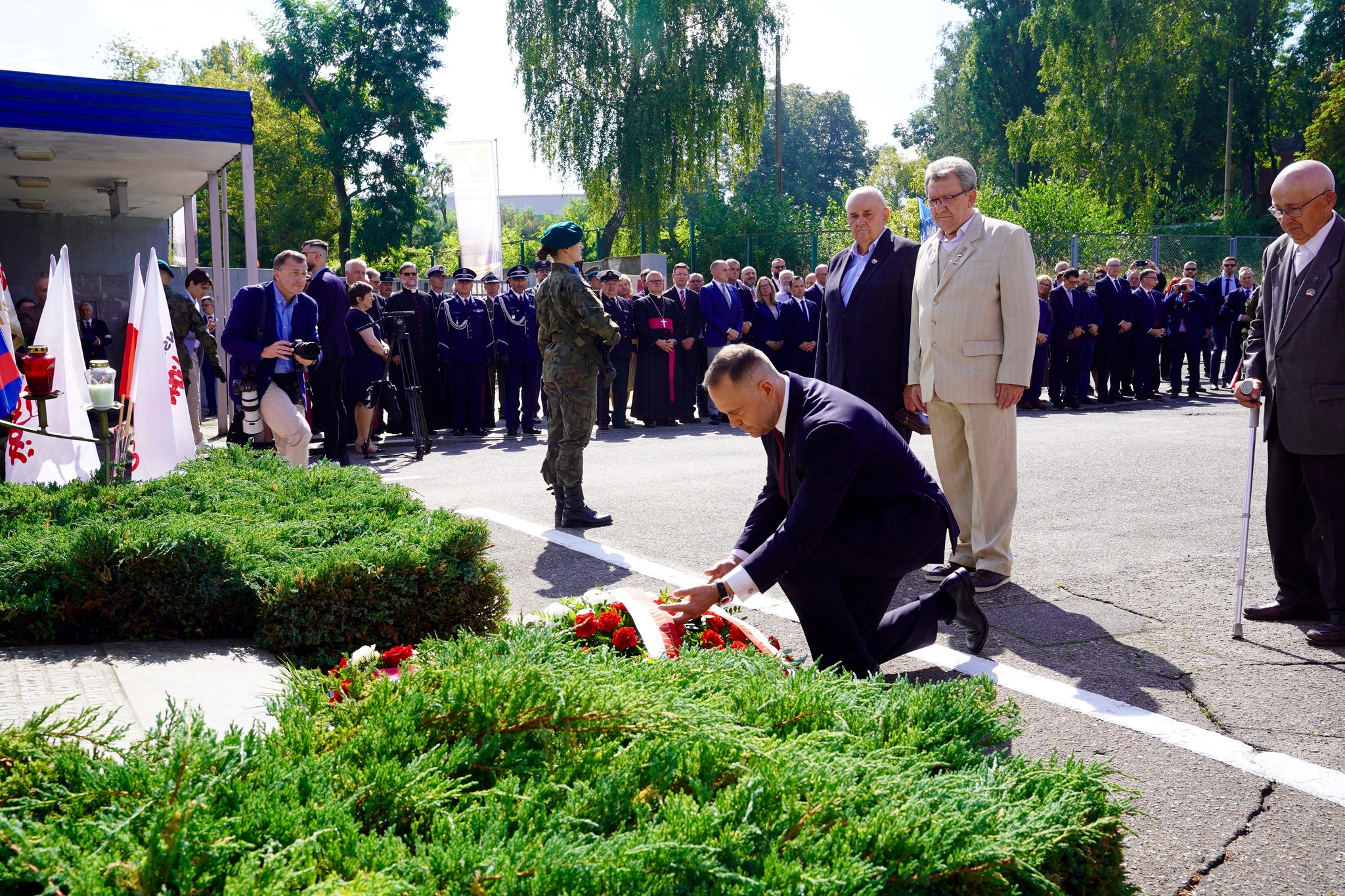
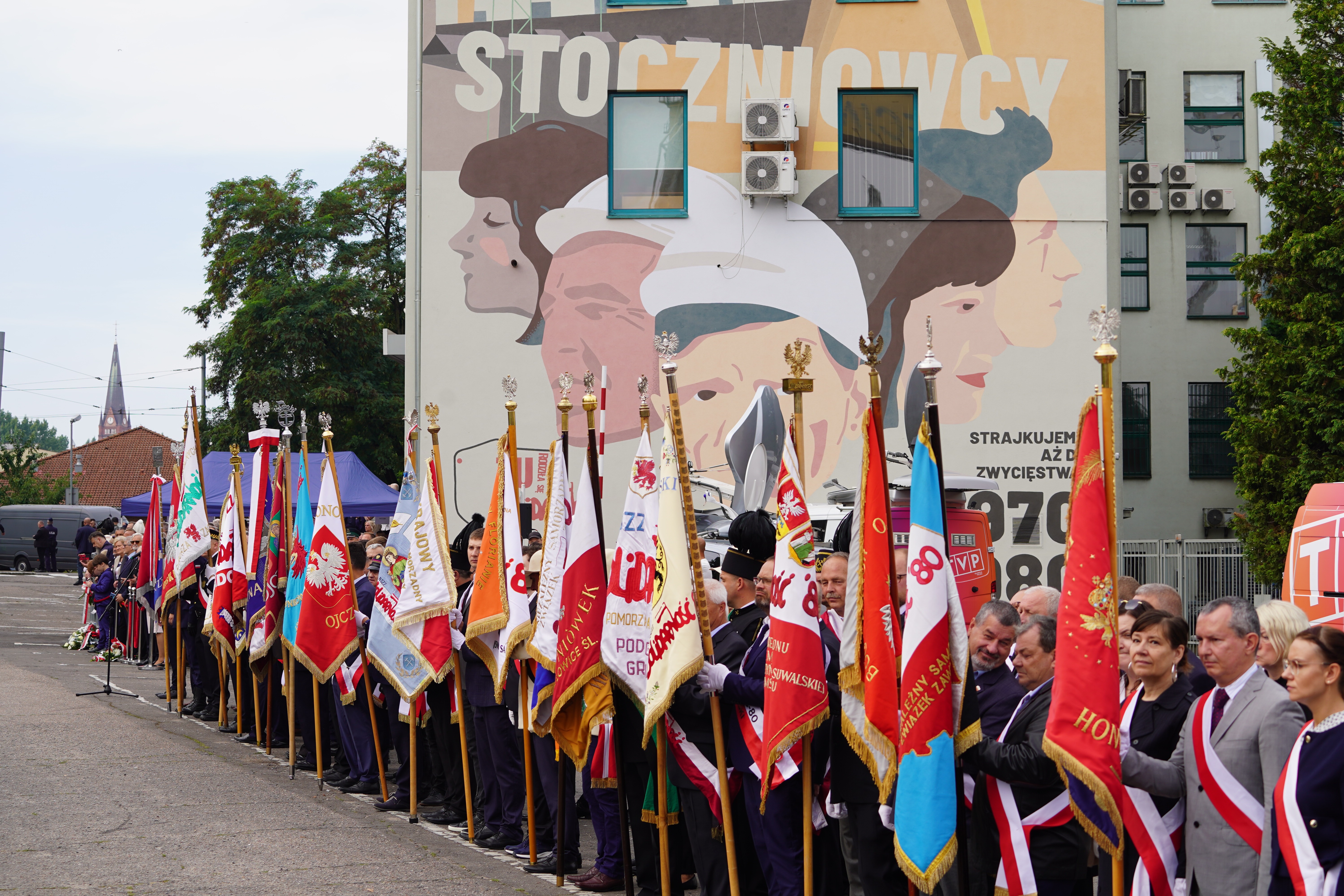
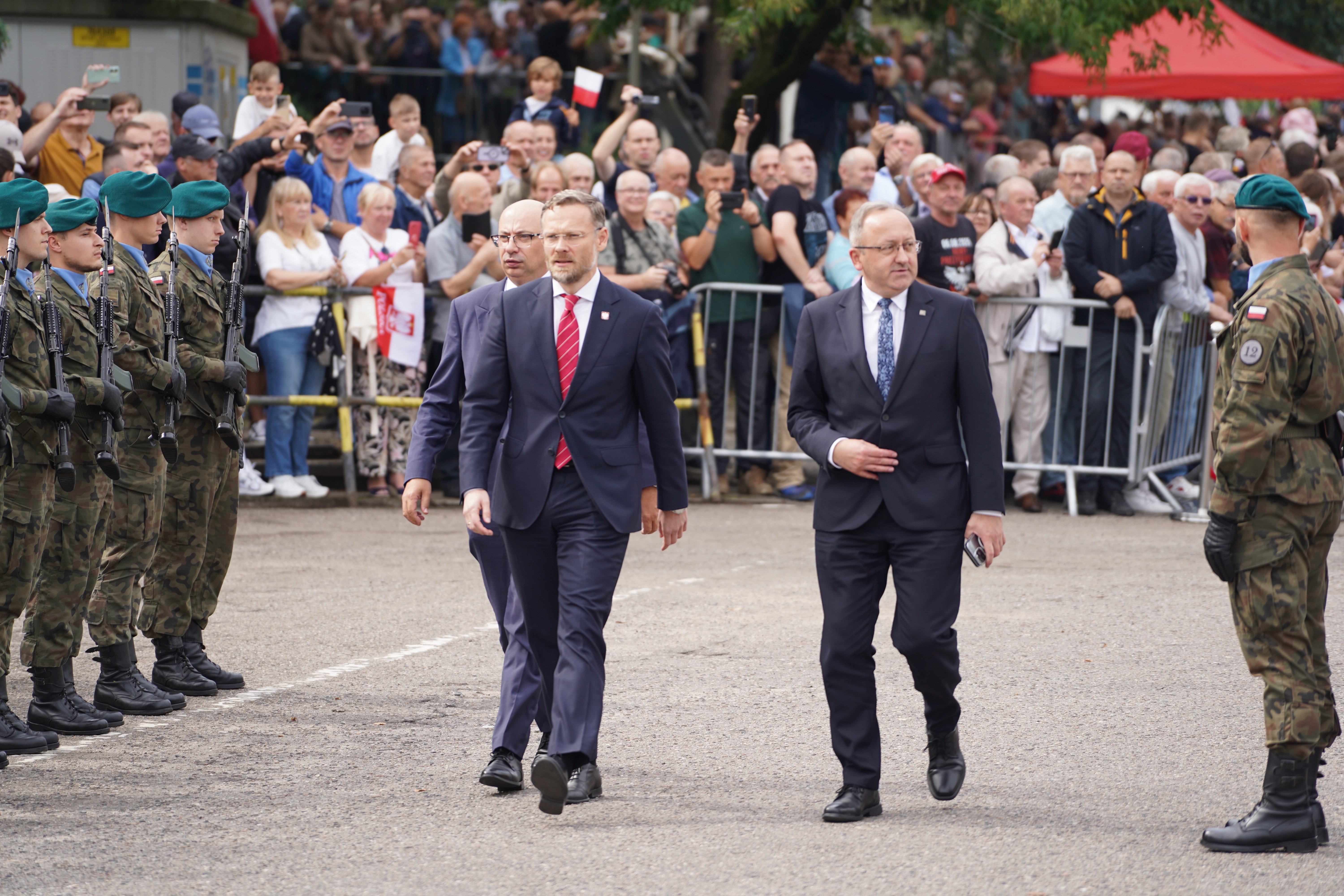
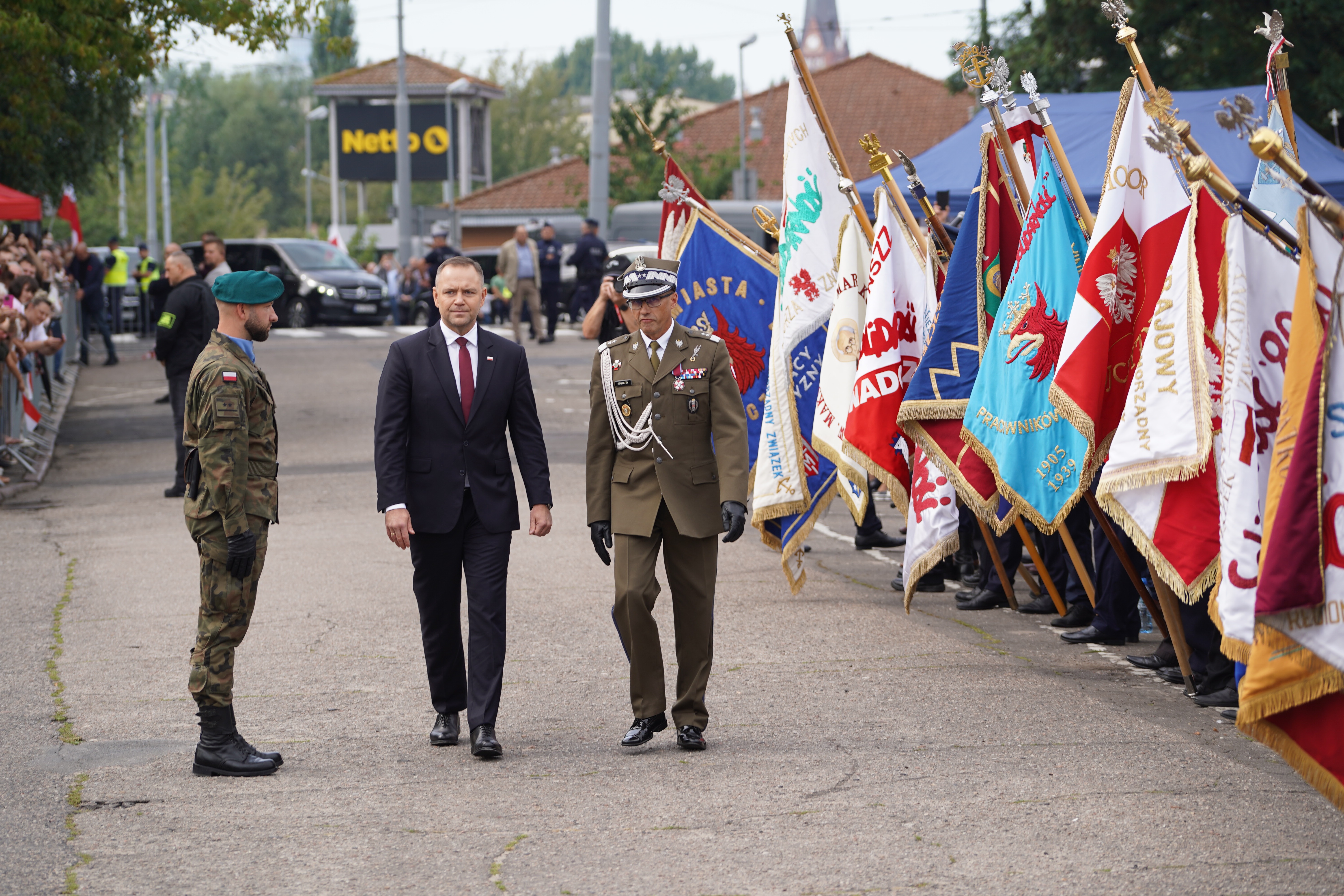
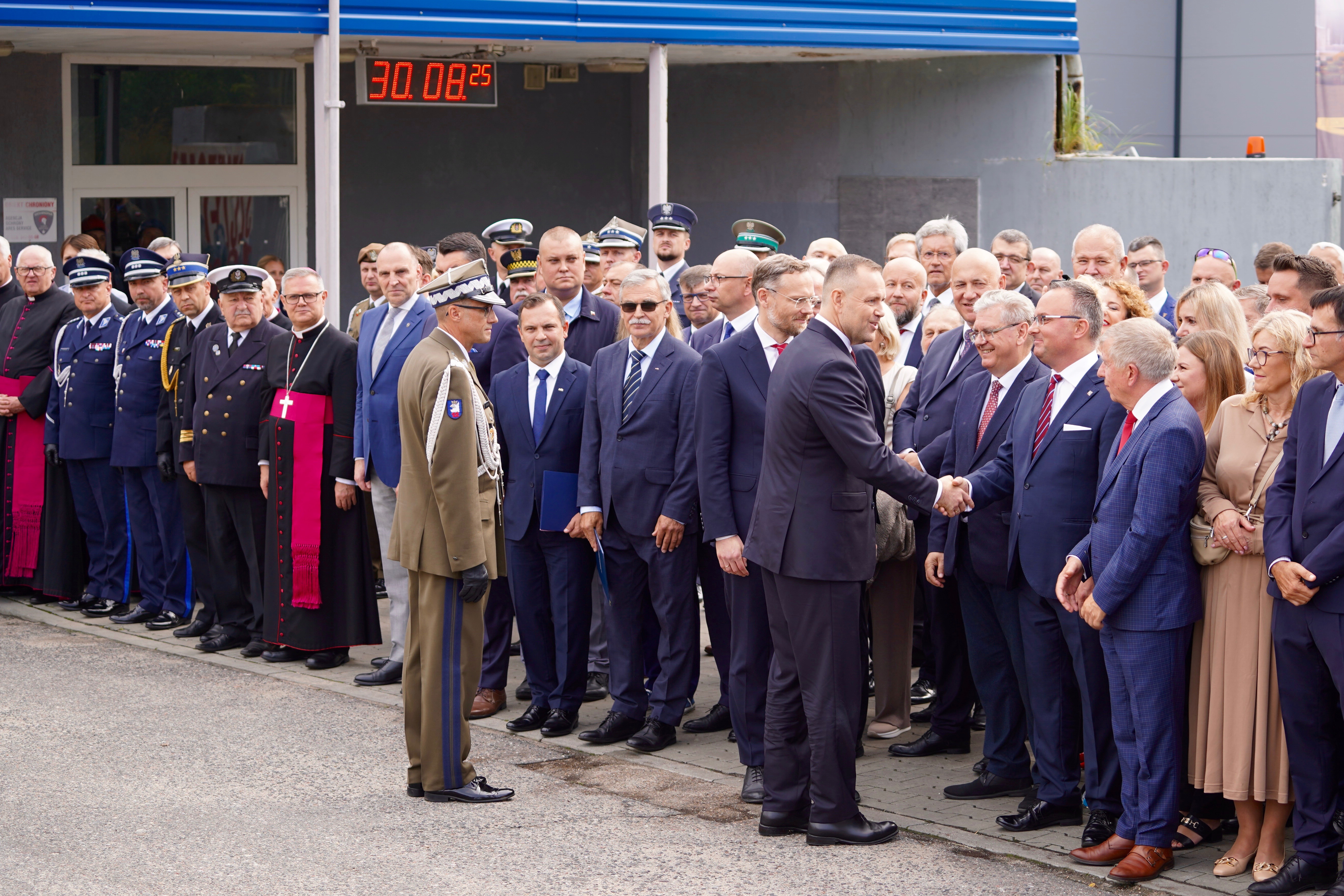
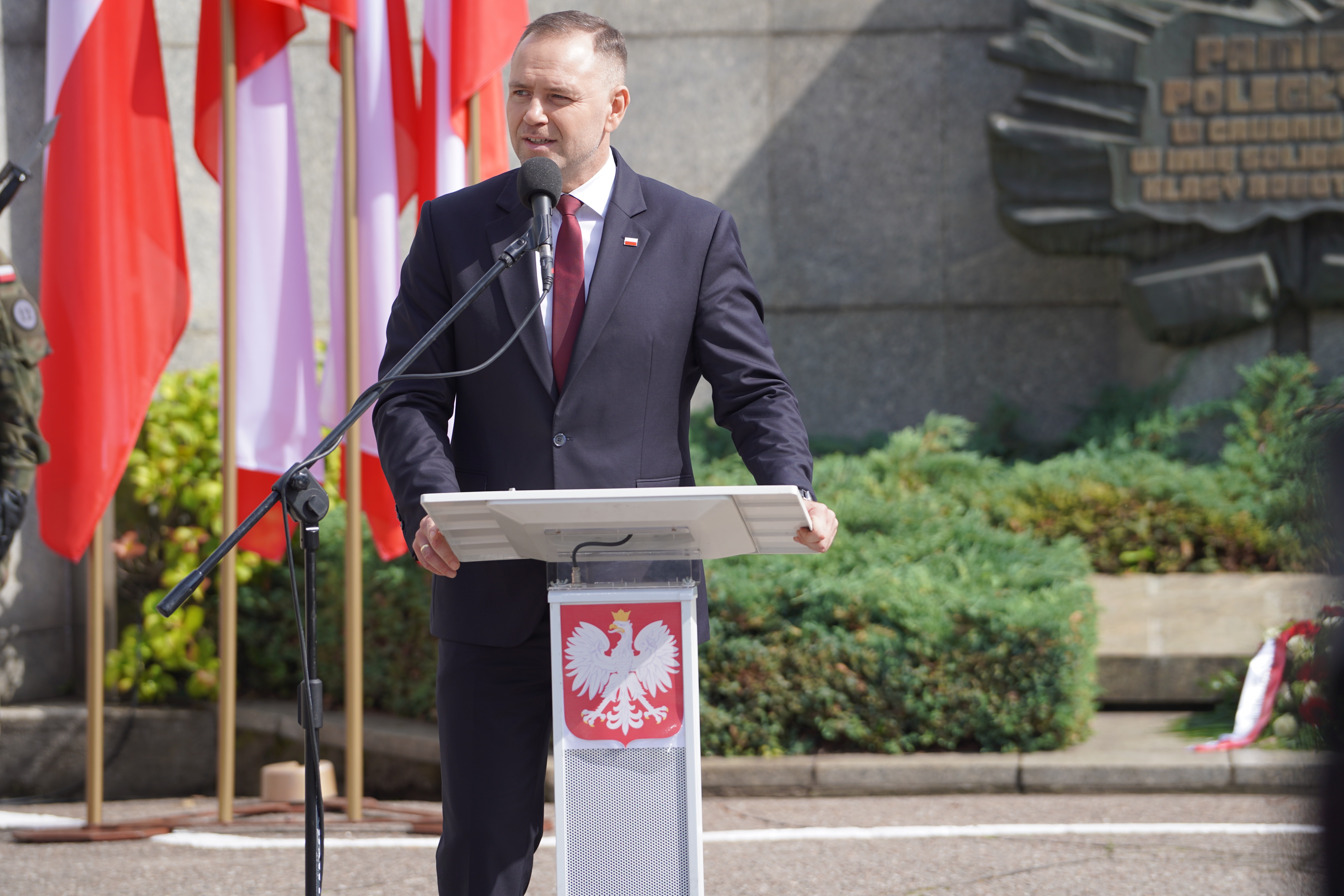
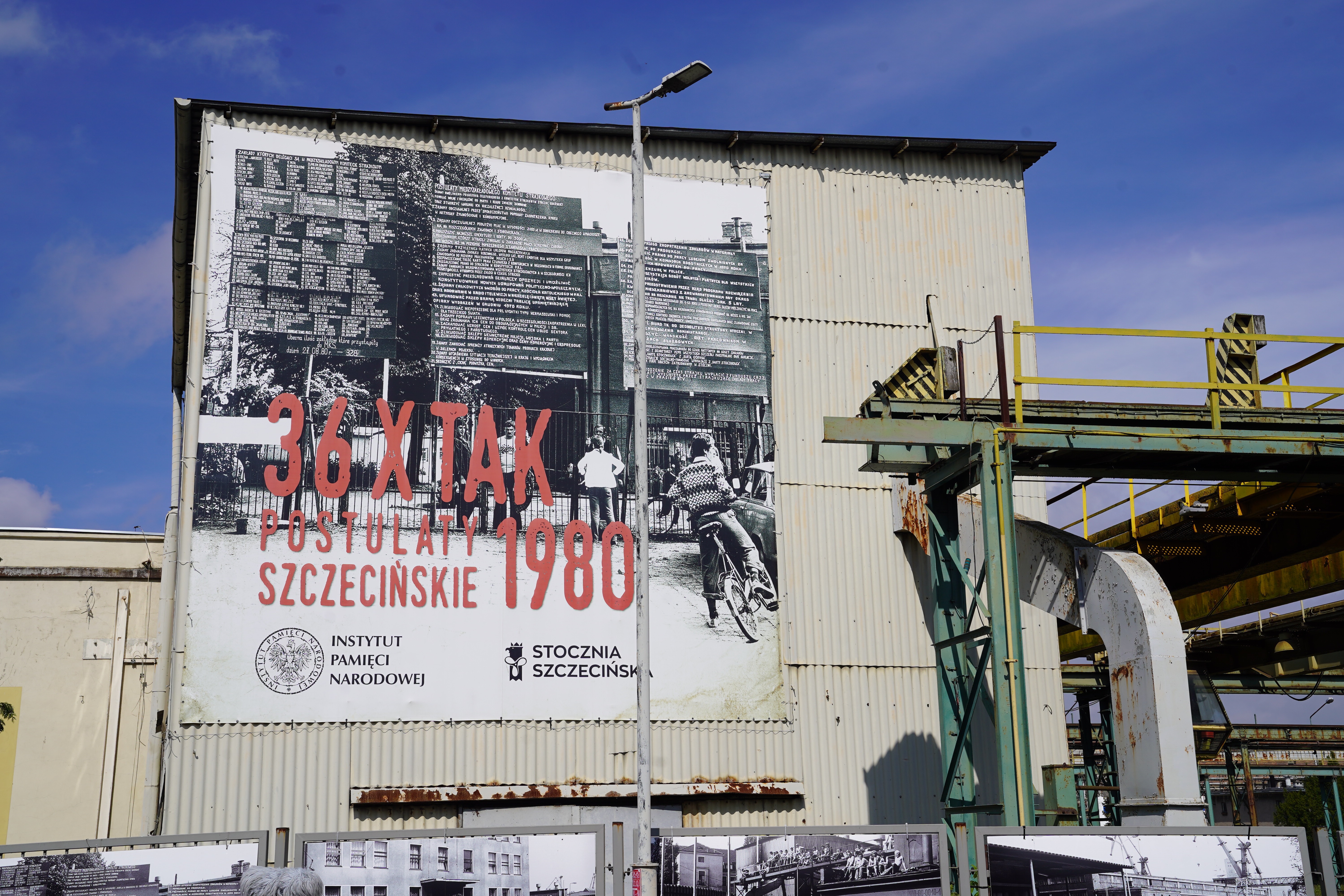
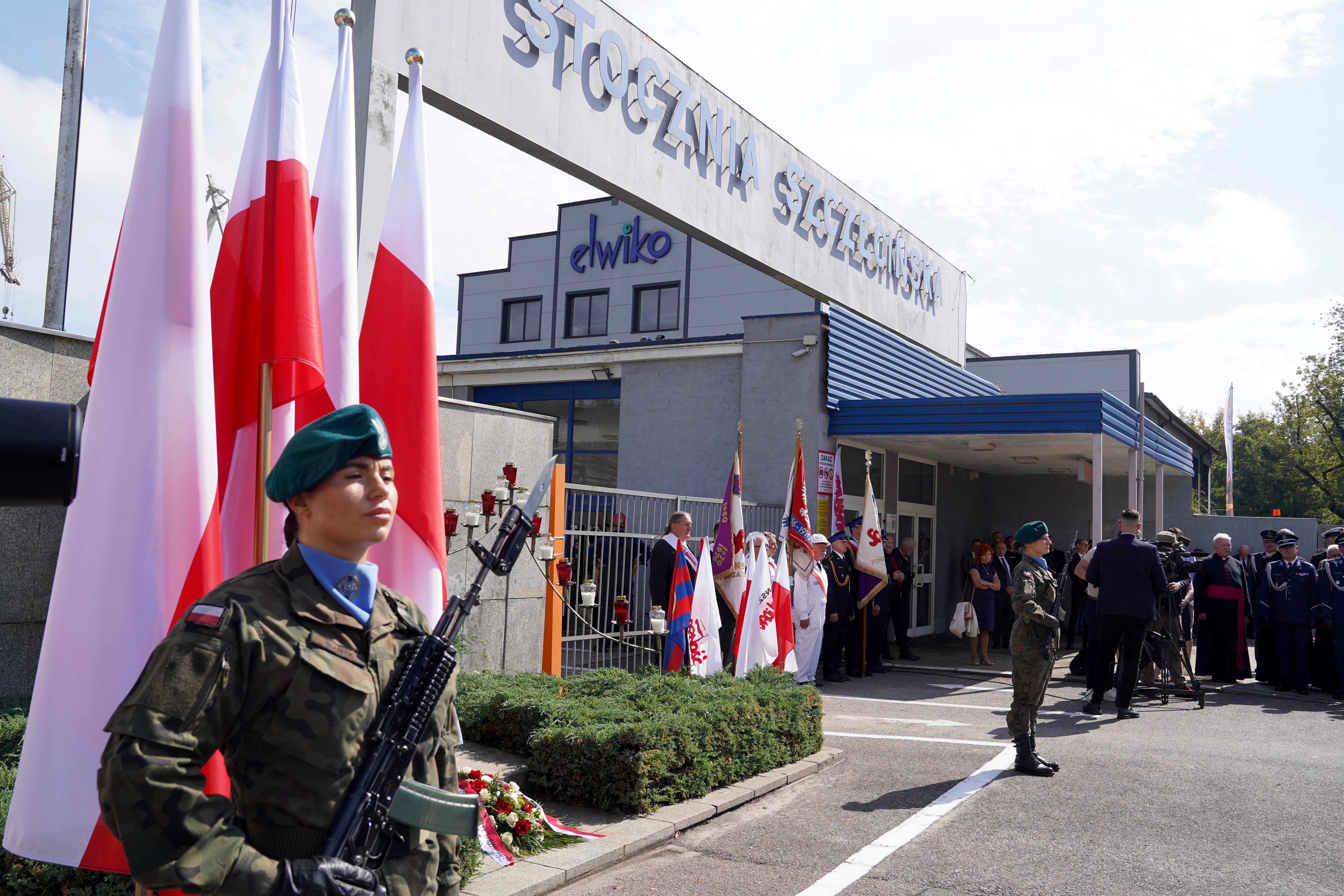
On 30 August 2025, a commemorative event marking the founding of the Solidarity trade union was organised in Szczecin, attended by the Polish President Karol Nawrocki and the deputy heads of the IPN, Karol Polejowski and Mateusz Szpytma.
The commemoration of the 45th anniversary of the Solidarity founding began with a Holy Mass at St. Stanislaus Kostka Church, followed by a meeting held at the gate of the Szczecin Shipyard.
”If it weren't for December 1970 and the great sacrifice of all the workers who protested for bread, wanting to live in a normal country, if it weren't for their deaths, we would never have won in August 1980,” said Polish President Karol Nawrocki, referring to the December 1970 Polish Coast Massacre in the context of the emergence of the Solidarity movement in the summer of 1980.
The emergence of “Solidarity” — the largest social movement in Polish history — was influenced by many factors, the decisive one being the worsening economic situation in the country. John Paul II’s first pastoral visit to his homeland in June 1979, when millions of people enthusiastically reacted to his words, made Poles realise that there is strength in numbers. The existence of small opposition groups, which issued uncensored, illegal publications (bibuła), caused an ‘awakening’ and facilitated the self-organisation of workers in factories, which became the main protest centres. John Paul II’s appeal “Let your Spirit descend and renew the face of the earth…” flared up Poles’ hopes for changing the fate of their country.
The increase in food prices introduced by the communist authorities on 1 July 1980 triggered a wave of short, spontaneous strikes, some of which lasted only a few hours. In July, they were concentrated in the Lublin region. The authorities met the local workers’ demands, but the protests spread to other centres. The Gdańsk Shipyard workers went on strike in mid-August. The Inter-Enterprise Strike Committee, established on 16 August 1980, announced 21 demands, including the right to form free trade unions, which were supported by hundreds of enterprises across Poland.
The number of enterprises in Poland which went on strike between July and September 1980 exceeded 700. The strikes in Gdańsk, Gdynia, Sopot, Szczecin and Upper Silesia, where four agreements were signed, have remained vivid in social memory. Apart from the Coast, the largest wave of protests in August 1980 swept across Lower and Upper Silesia.