
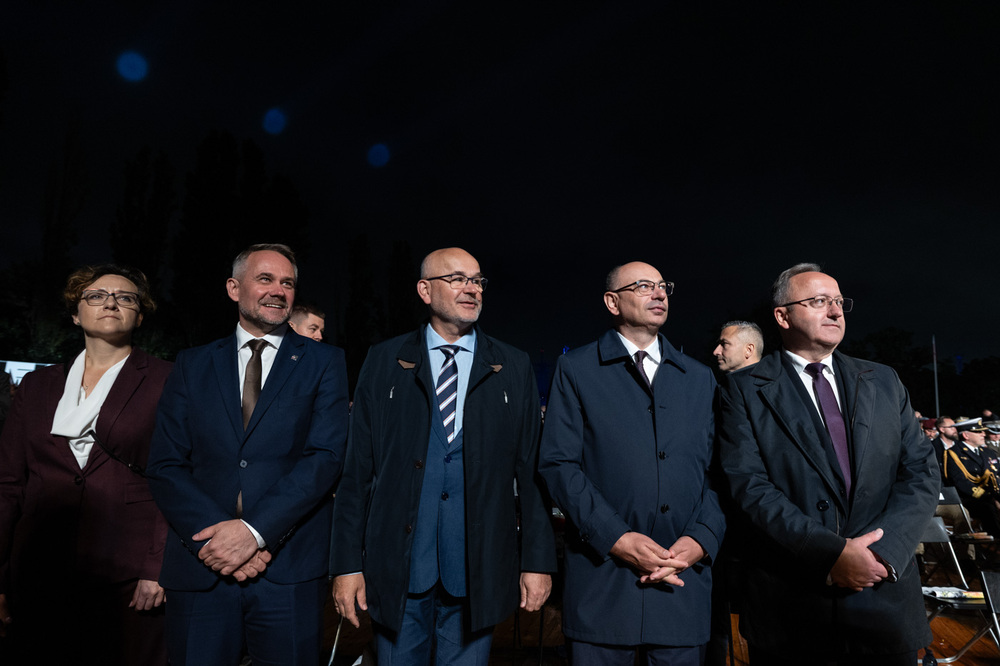
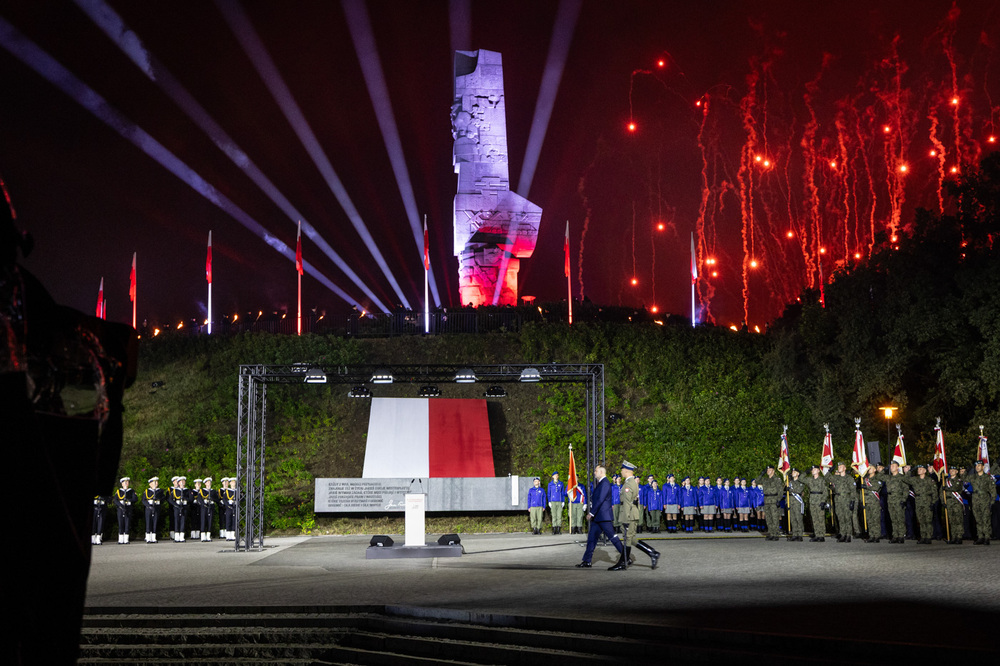
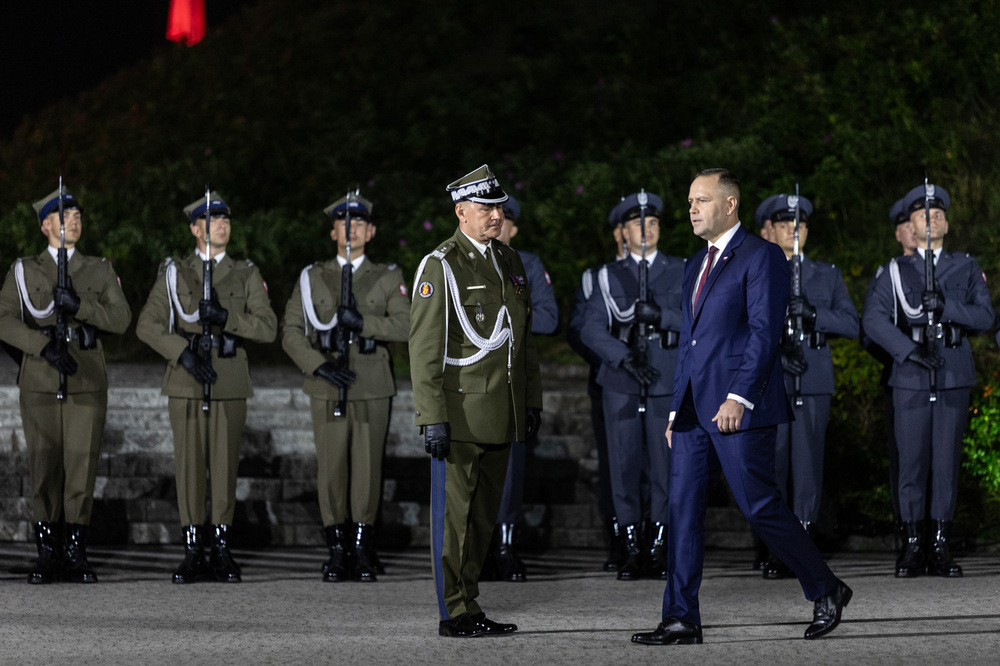
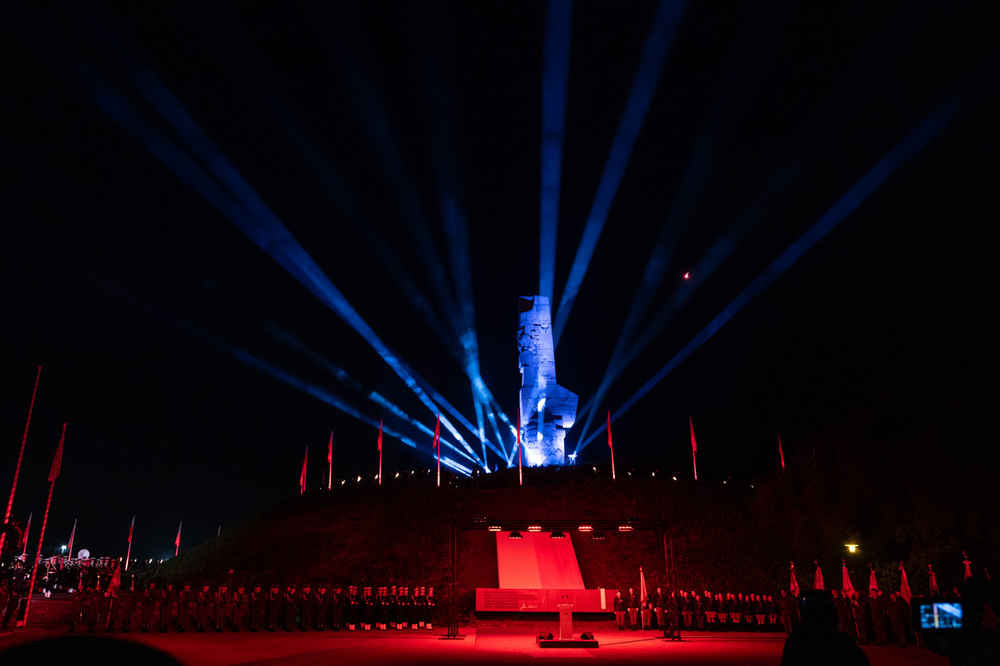
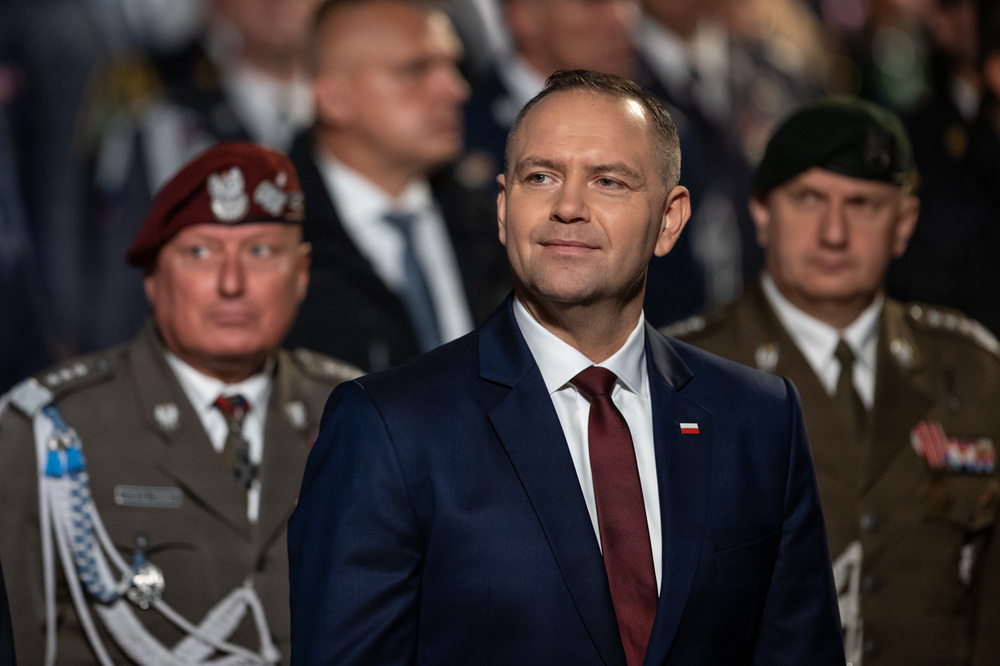
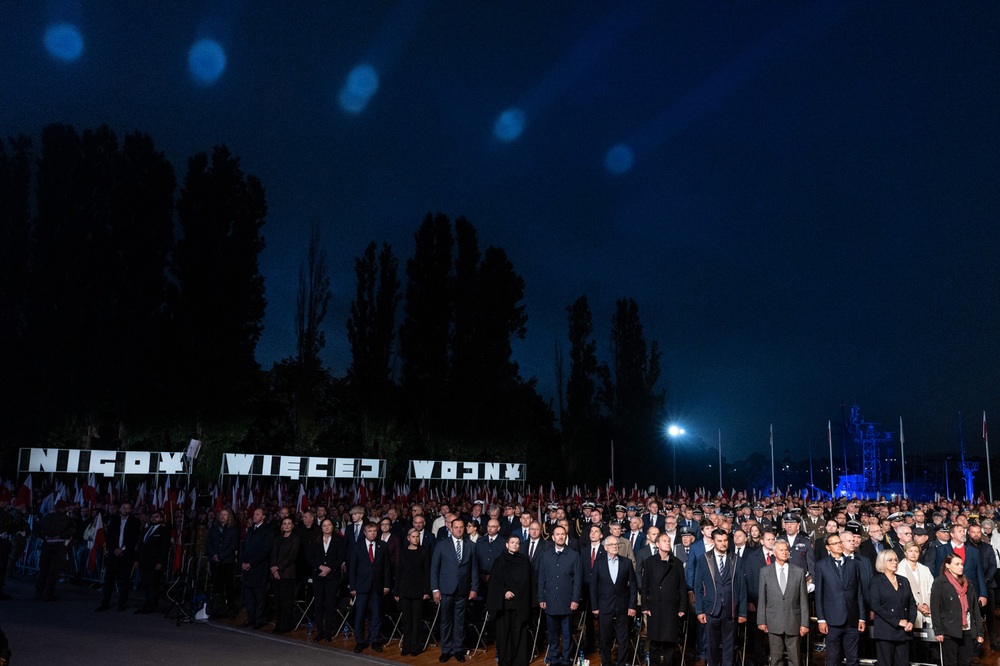
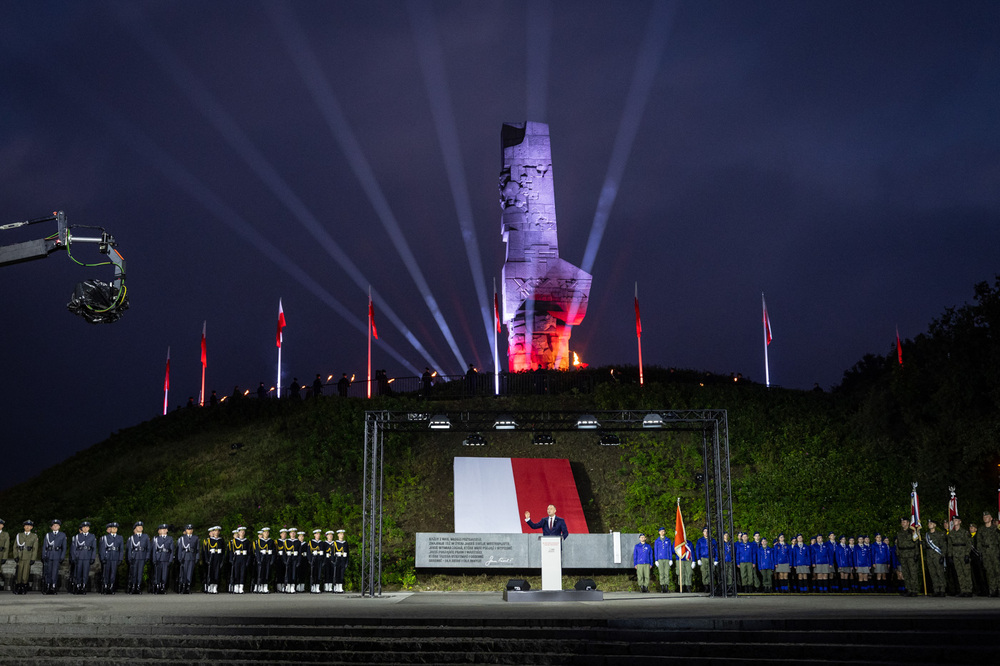
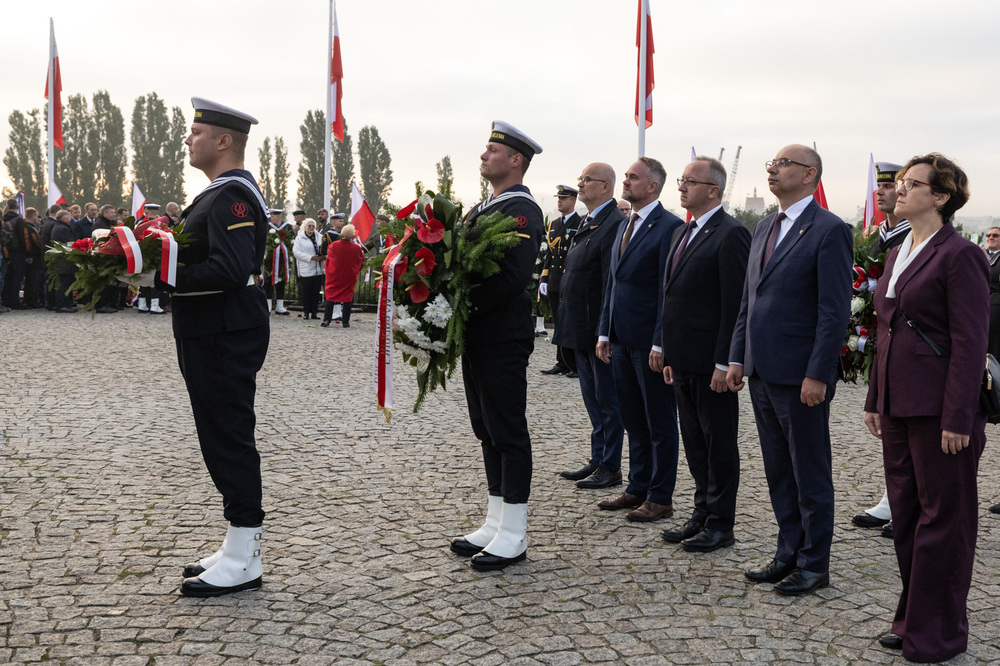
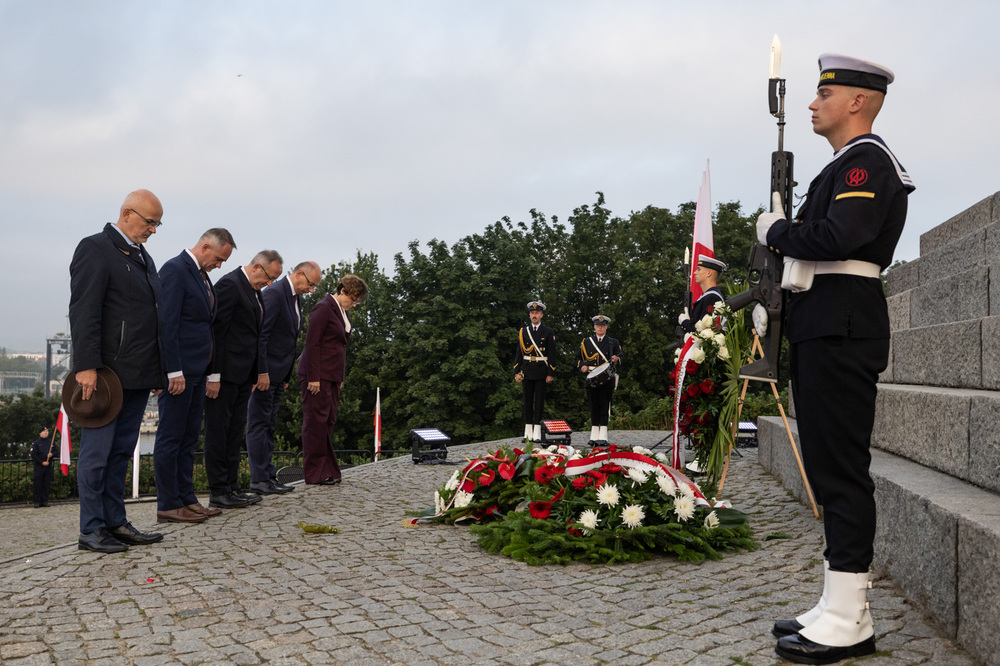
Celebrations marking the 86th anniversary of the outbreak of World War II began at 4:45 a.m. at Westerplatte. Polish President Karol Nawrocki took part in the ceremony. It was also attended by Deputy Presidents of the Institute of National Remembrance, Prof. Karol Polejowski and Mateusz Szpytma, Ph.D.
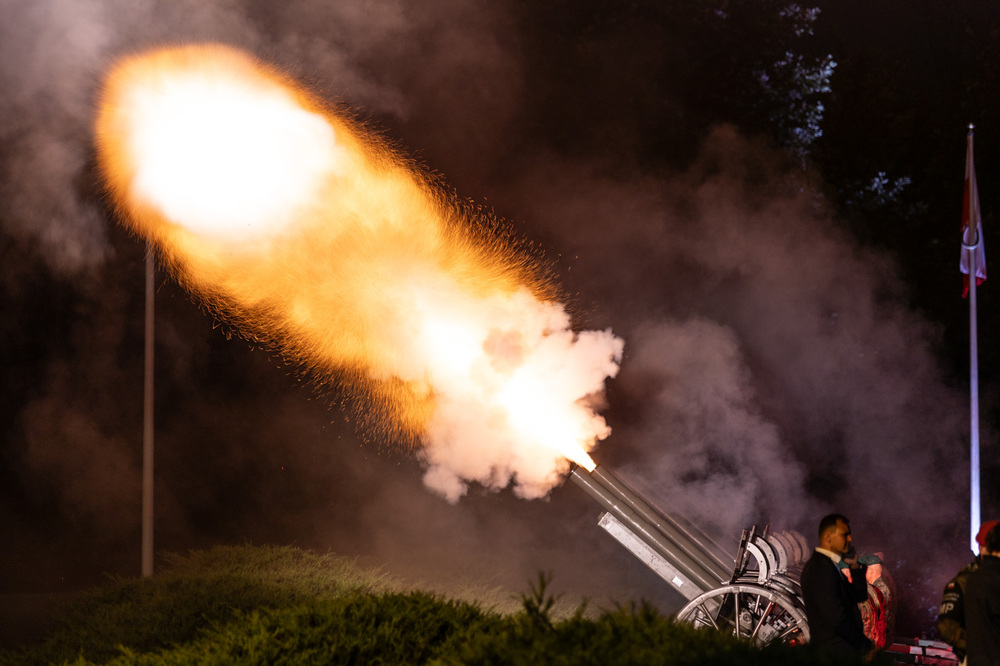
The celebrations began at 4:45 a.m. with the sound of alarm sirens and the singing of the national anthem, followed by the reading out of the Roll Call of Remembrance and 12 cannon salutes. Scouts from the ZHR and ZHP read out the “Message of Westerplatte,” and a prayer was said.
“Our duty, our common cause to seek truth and honesty on behalf of our western neighbours,”said President Karol Nawrocki during the ceremony.
“In order to build a partnership with our western neighbour based on truth and good relations, we must finally settle the issue of reparations from the German state, which, as President of Poland, I unequivocally demand for the common good! For our future,” said the President of Poland.
The celebrations ended with the laying of a wreath from the Nation at the Monument to the Defenders of the Coast. The event was attended by, among others, members of the Polish Parliament, senators, representatives of the government, local government, clergy, veterans, Polish Army soldiers, and scouts.
The delegation from the Institute of National Remembrance also paid tribute to those buried in the Polish Army Cemetery at Westerplatte.
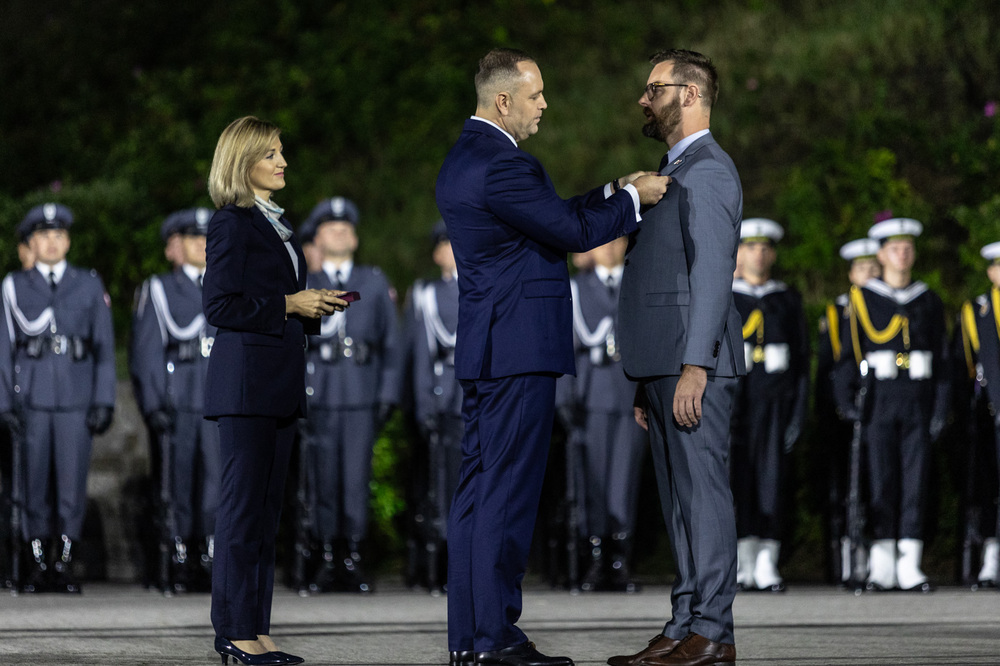
During the celebrations, Polish President Karol Nawrocki awarded state decorations to distinguished archaeologists, members of the team conducting archaeological and research works on the battlefield at Westerplatte.
***
The German attack on Poland and the beginning of the Second World War. At 4.45 am, the German battleship Schleswig-Holstein began shelling Westerplatte, the Military Transit Depot in the Free City of Gdańsk, defended by a garrison (about 200 soldiers) under the command of Maj. Henryk Sucharski and Cpt. Franciszek Dąbrowski. For seven days, the Poles heroically repelled repeated German attacks from the sea, land and air, becoming a symbol of Polish resistance.
The defense of the Polish Post in Gdańsk (commanded by Konrad Guderski). The Poles surrender in the afternoon, when the mail building is set on fire. A month later they are shot by the Germans.
Operation "Tannenberg". The organized and planned German murder of civilians, especially the Polish elite in the western territories of the Republic of Poland, is carried out by the Selbstschutz (sabotage units recruited from members of German minority living in Poland) and security police (the so-called Einsatzgruppen).
The bombing of Wieluń. One of the first attacked towns is Wieluń, bombed by the Luftwaffe - the number of victims is estimated at around 1,200 civilians.
More:
https://1september39.com/39e/calendar/2065,1-SEPTEMBER.html