
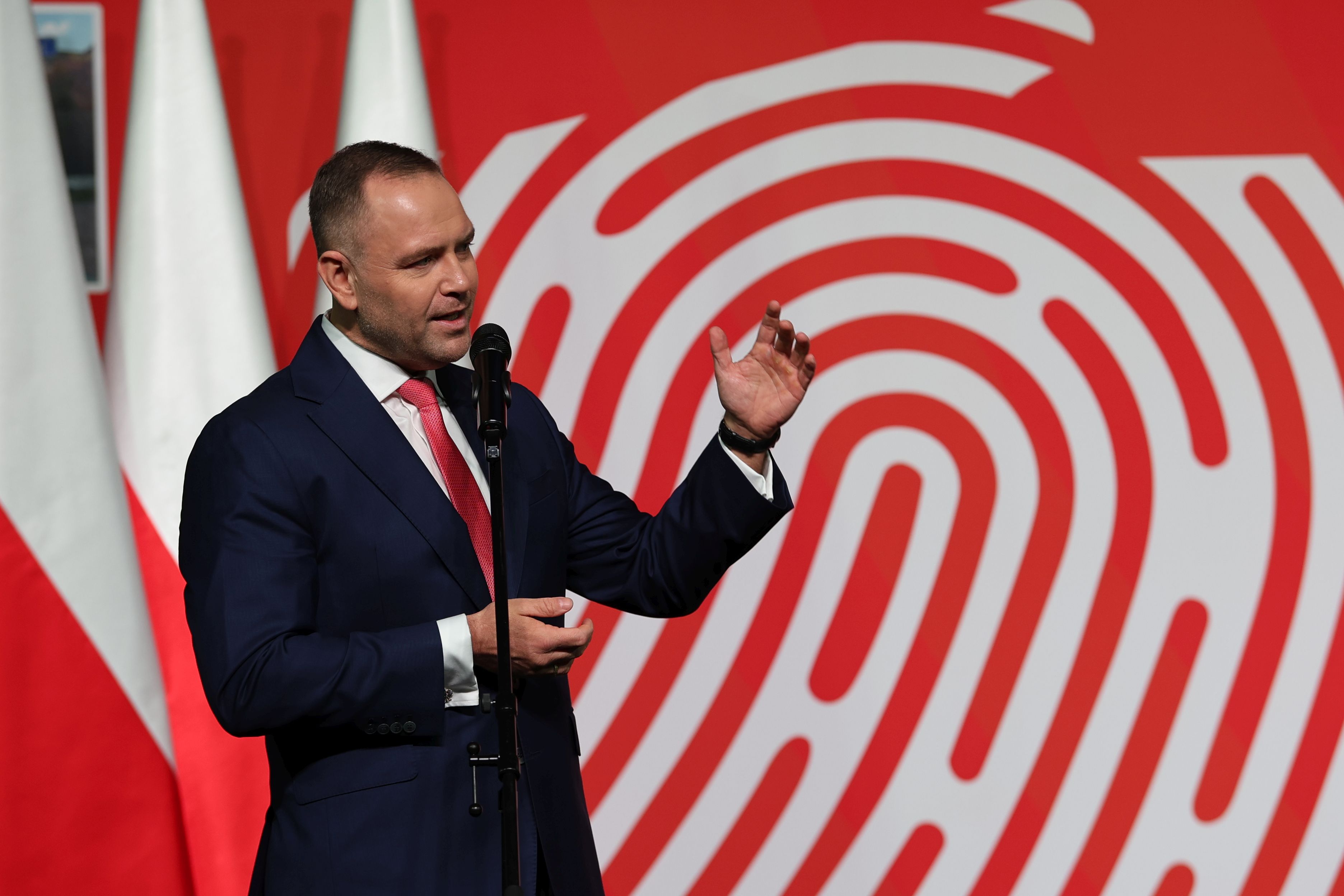
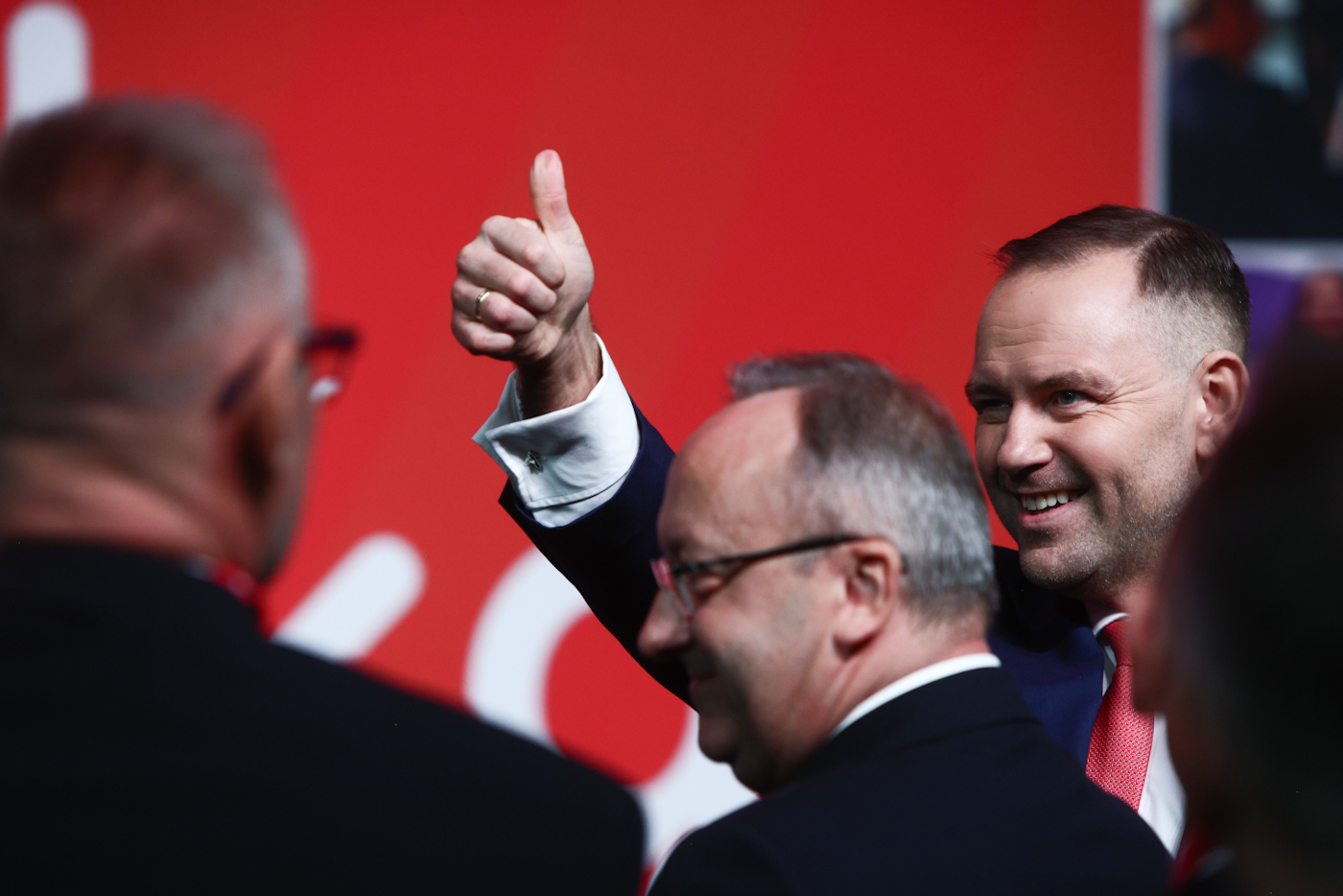
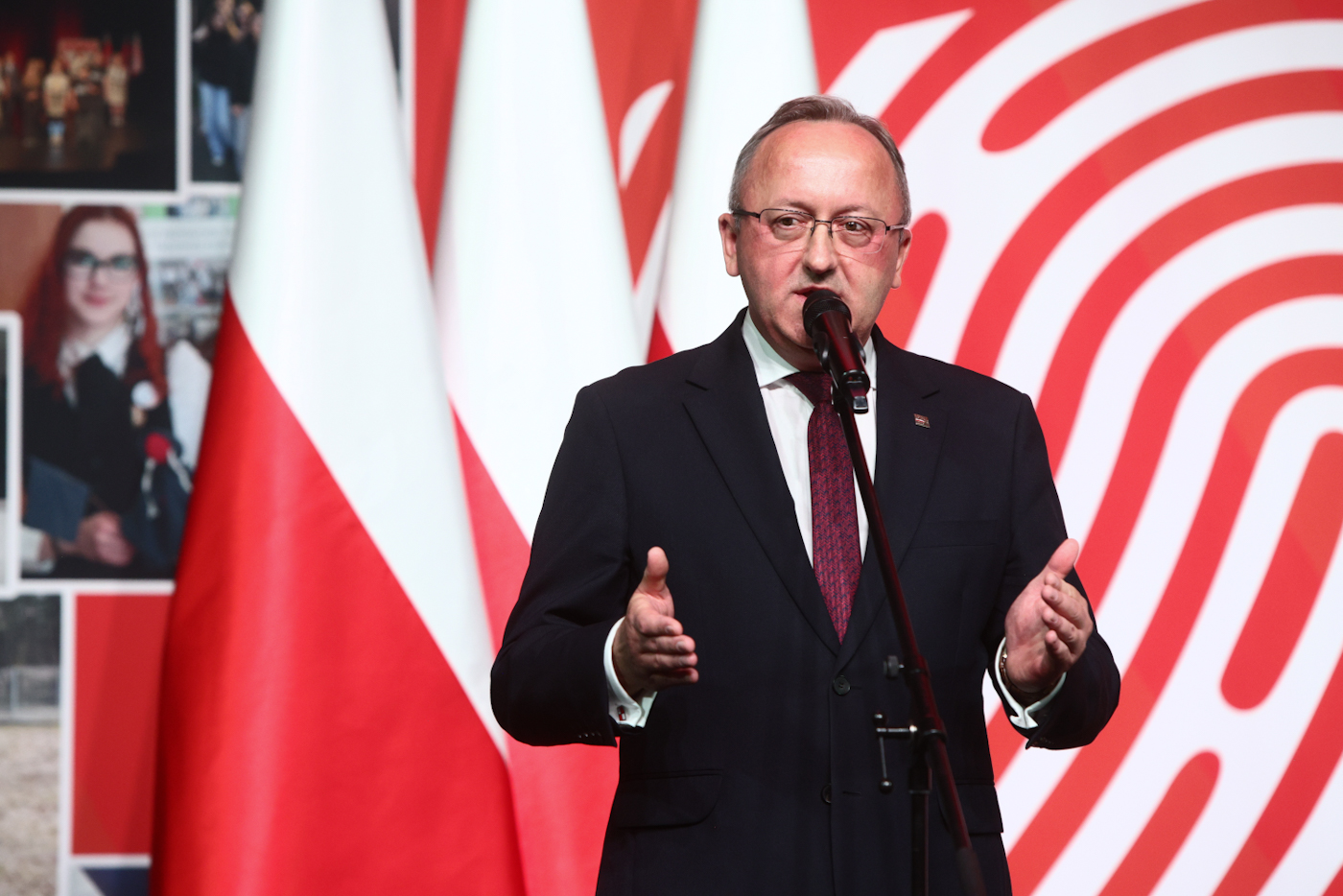
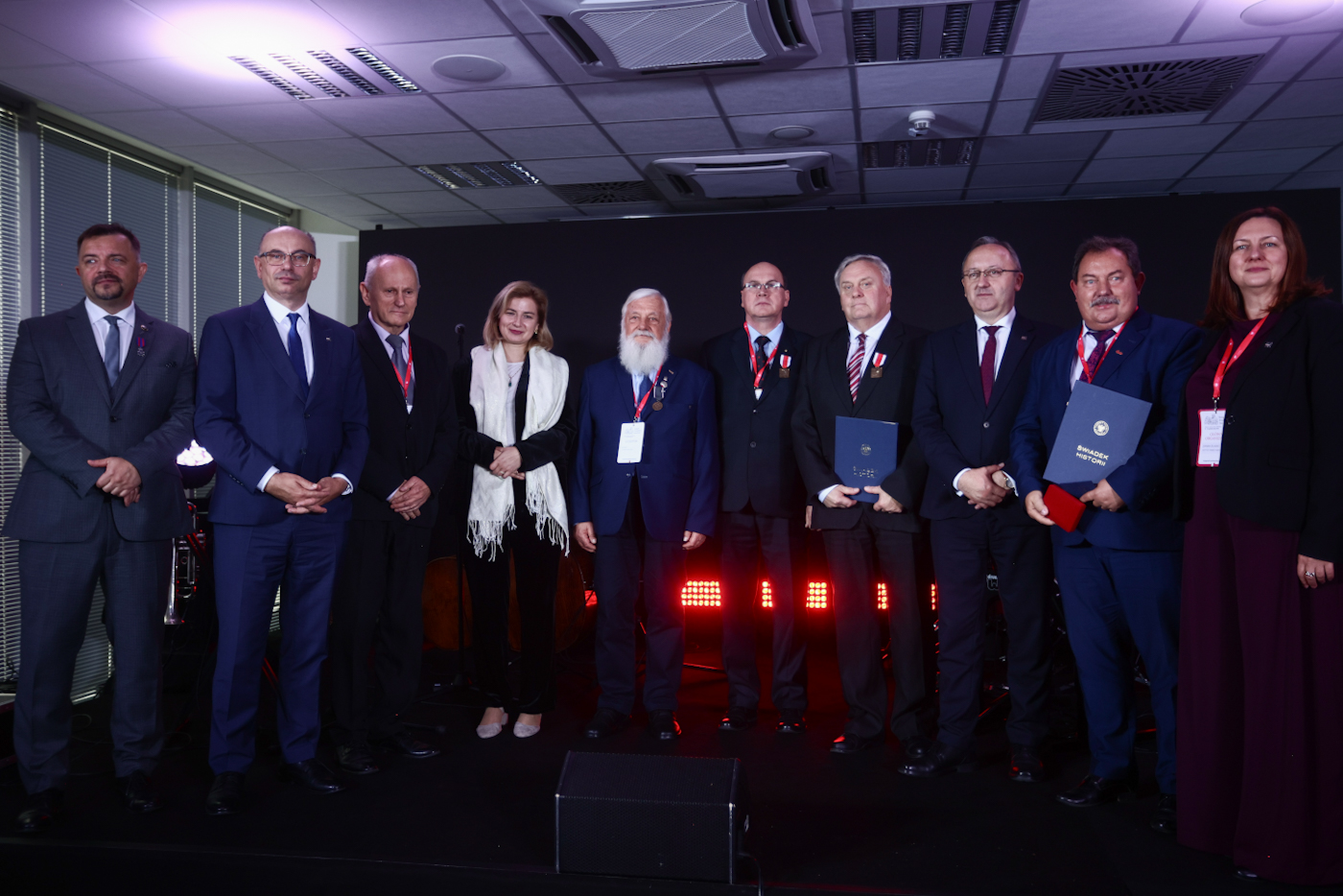
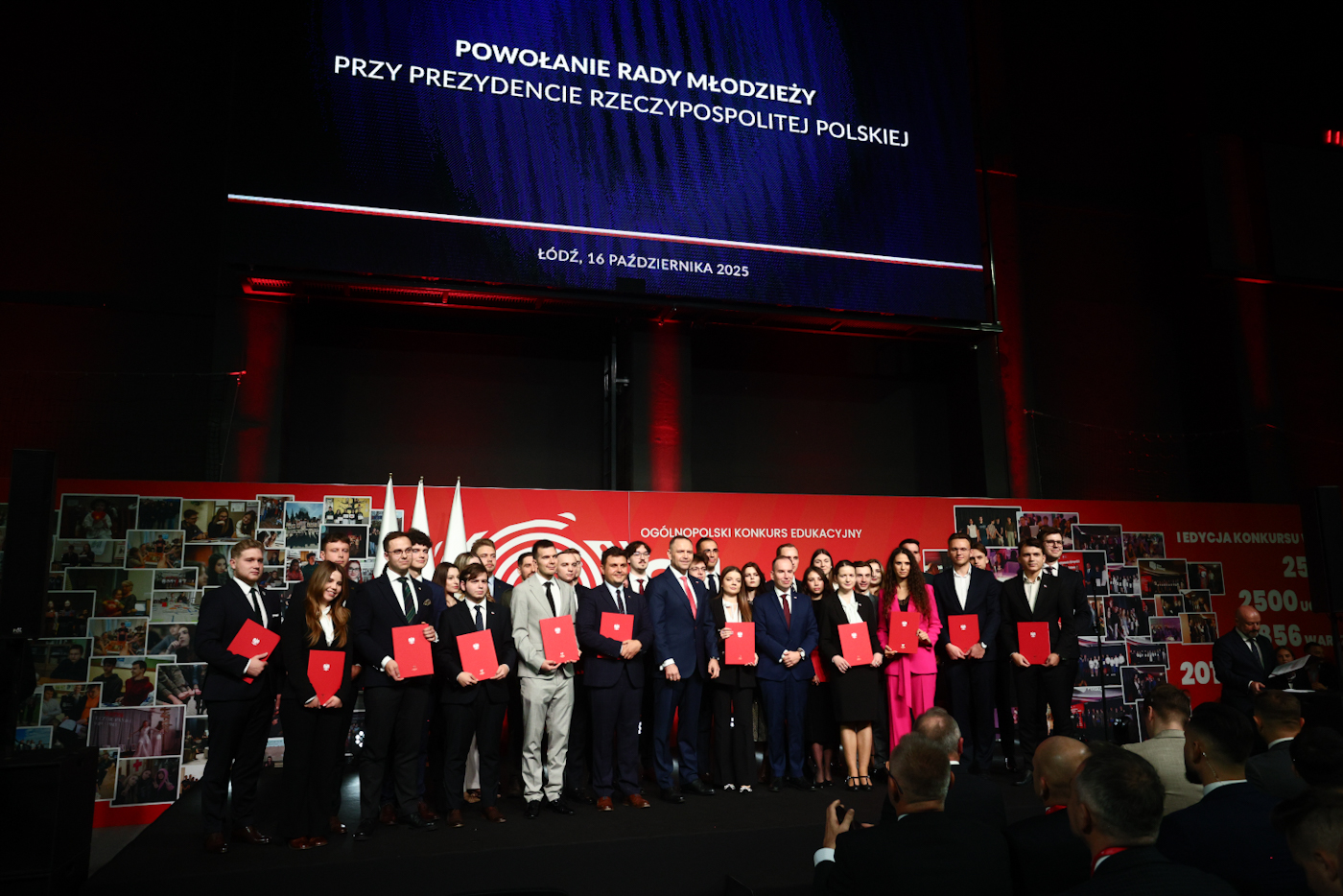
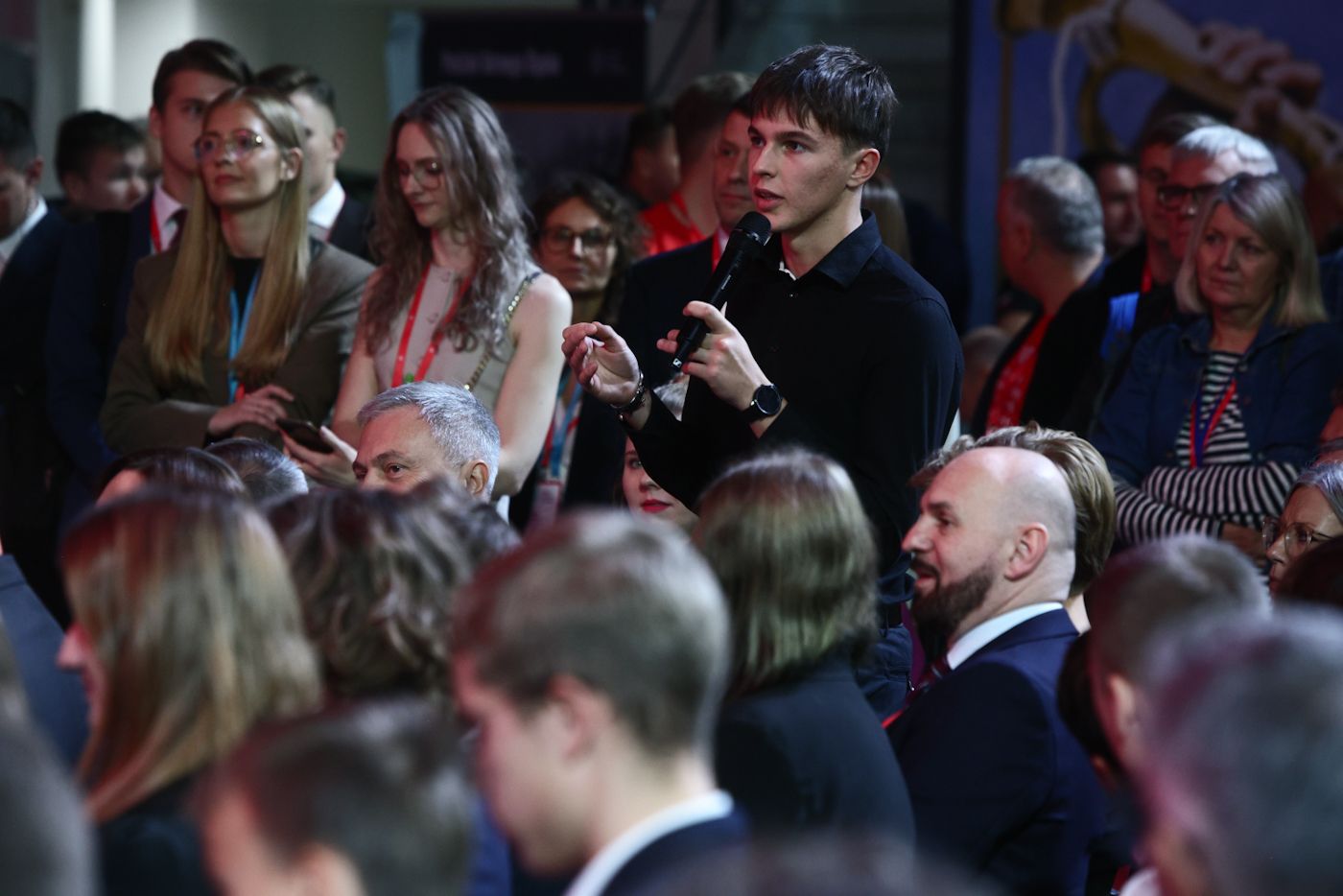
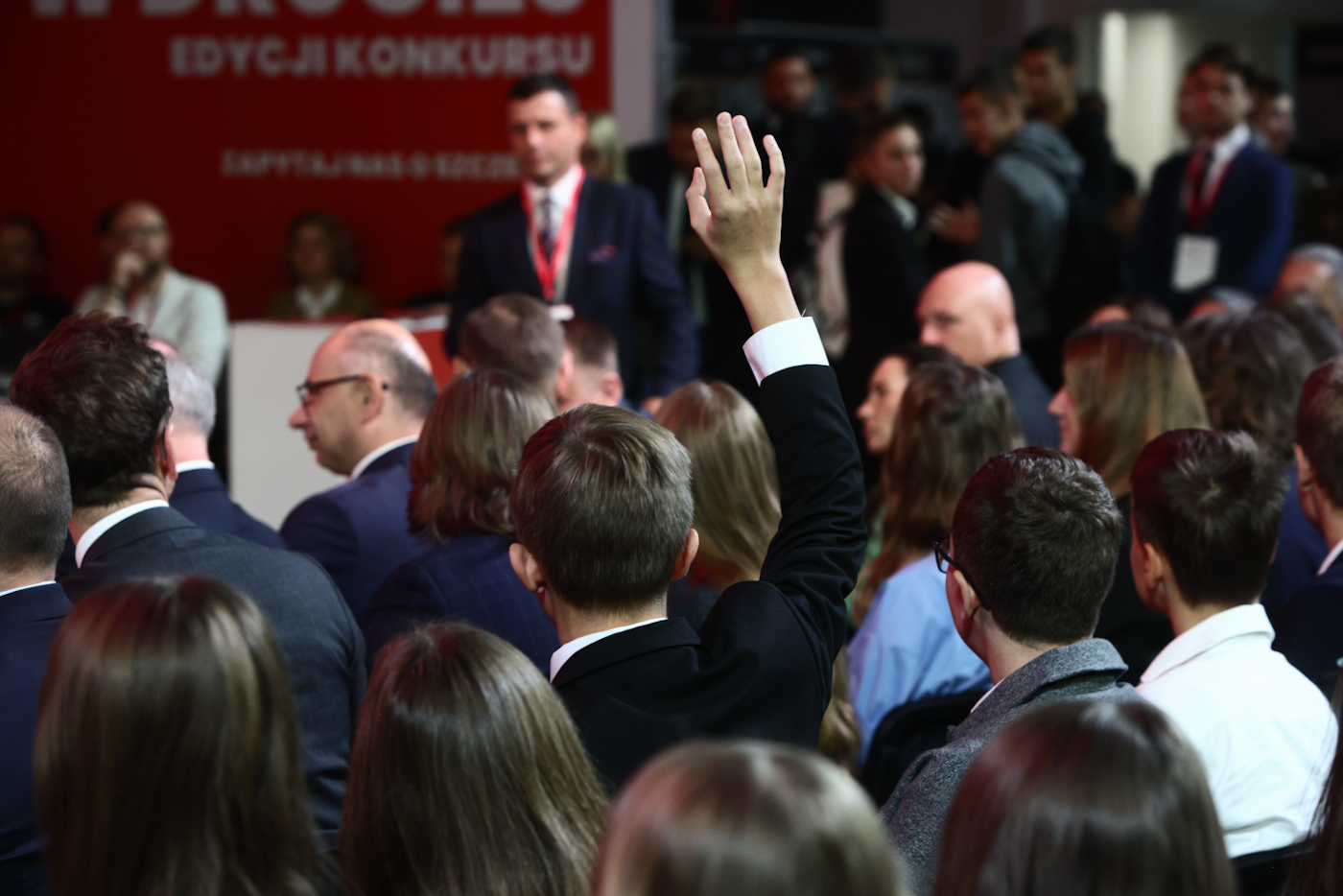
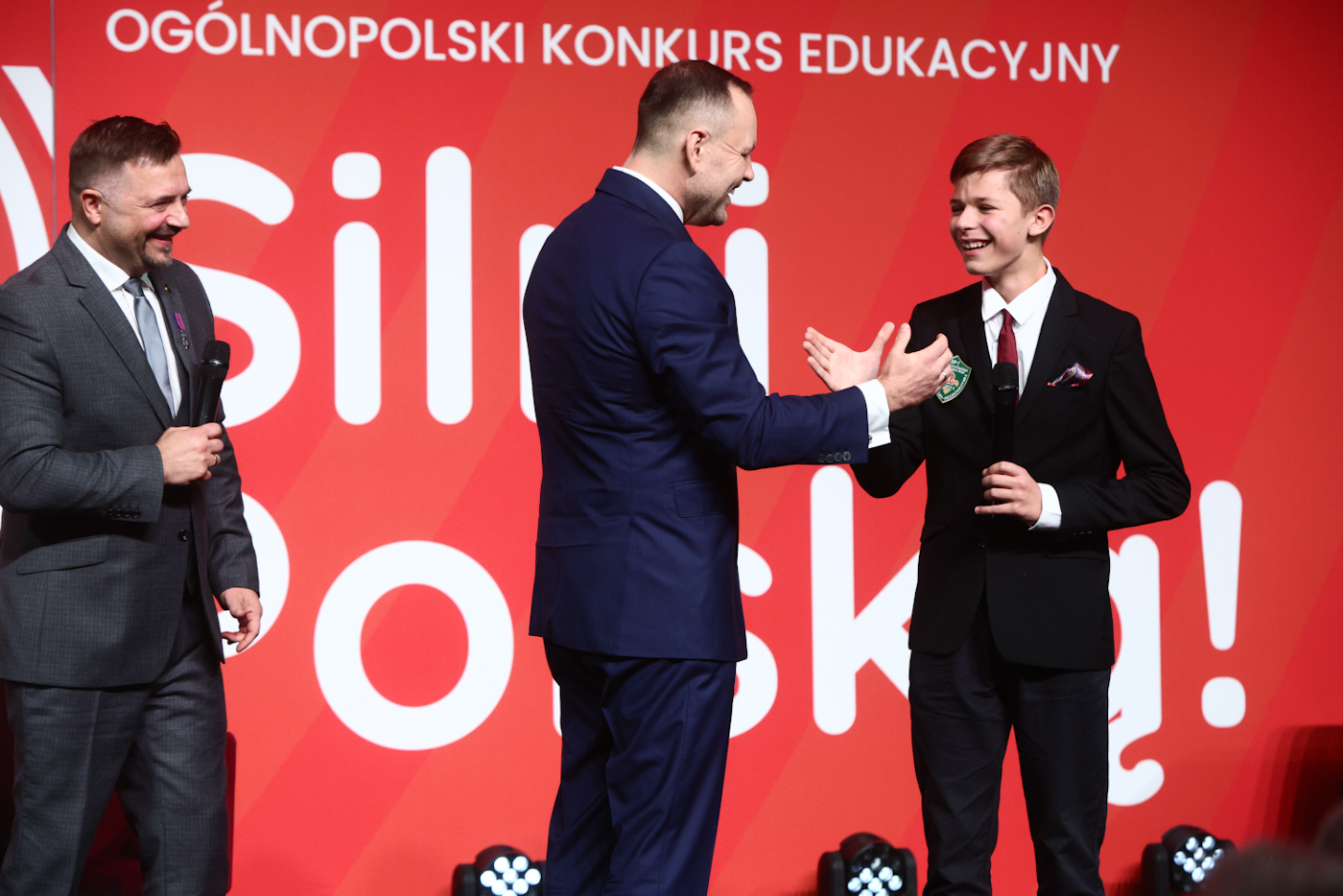
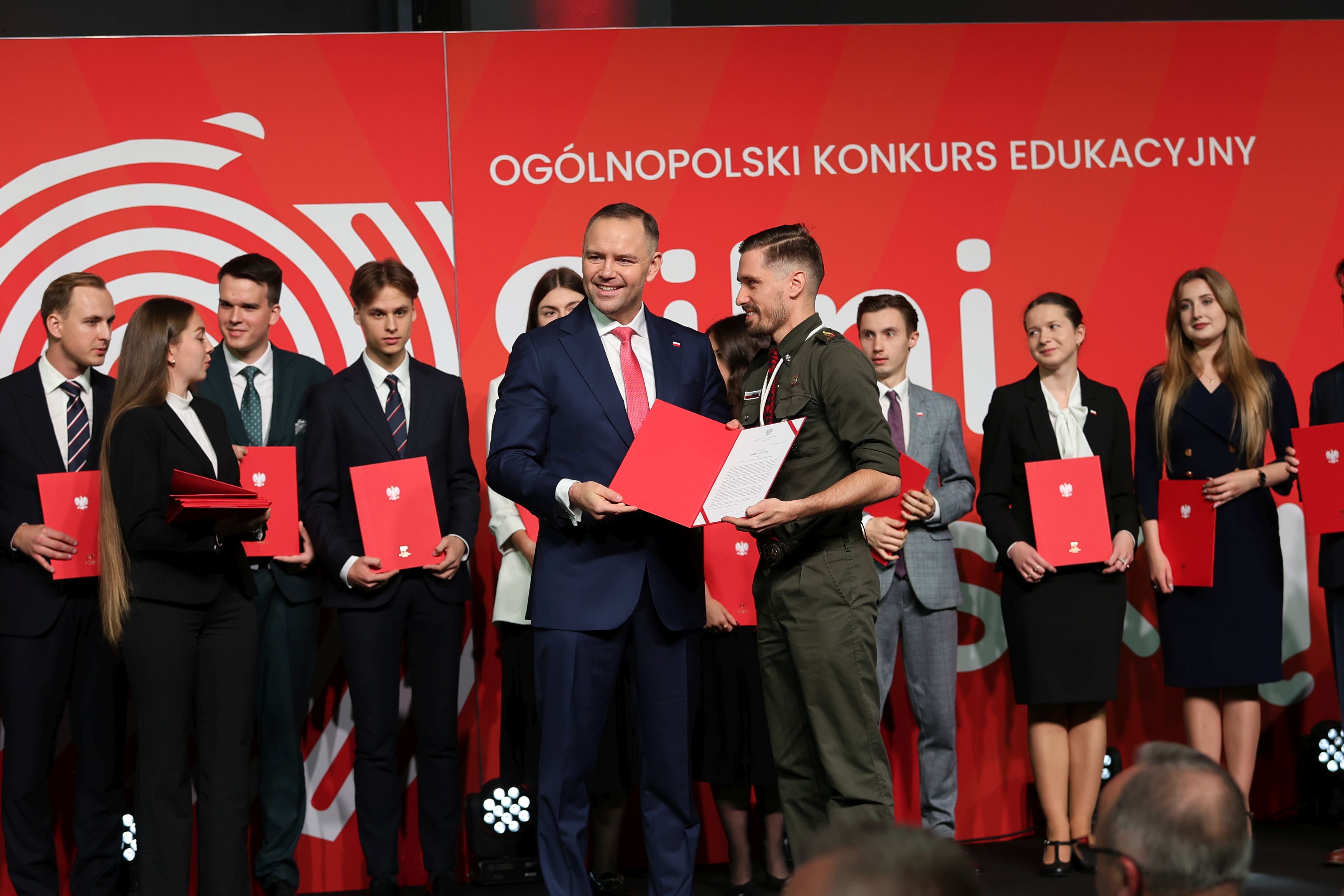
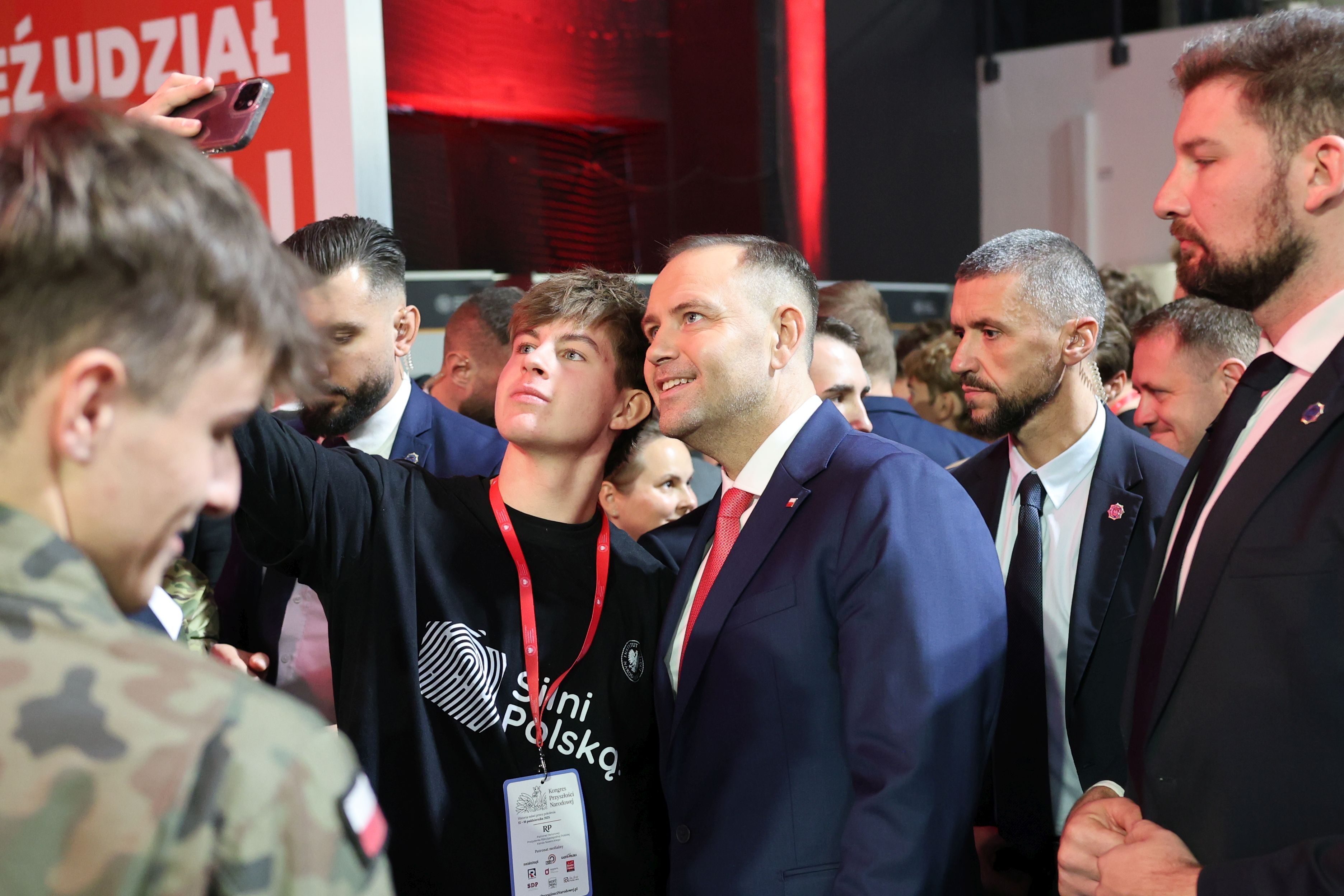
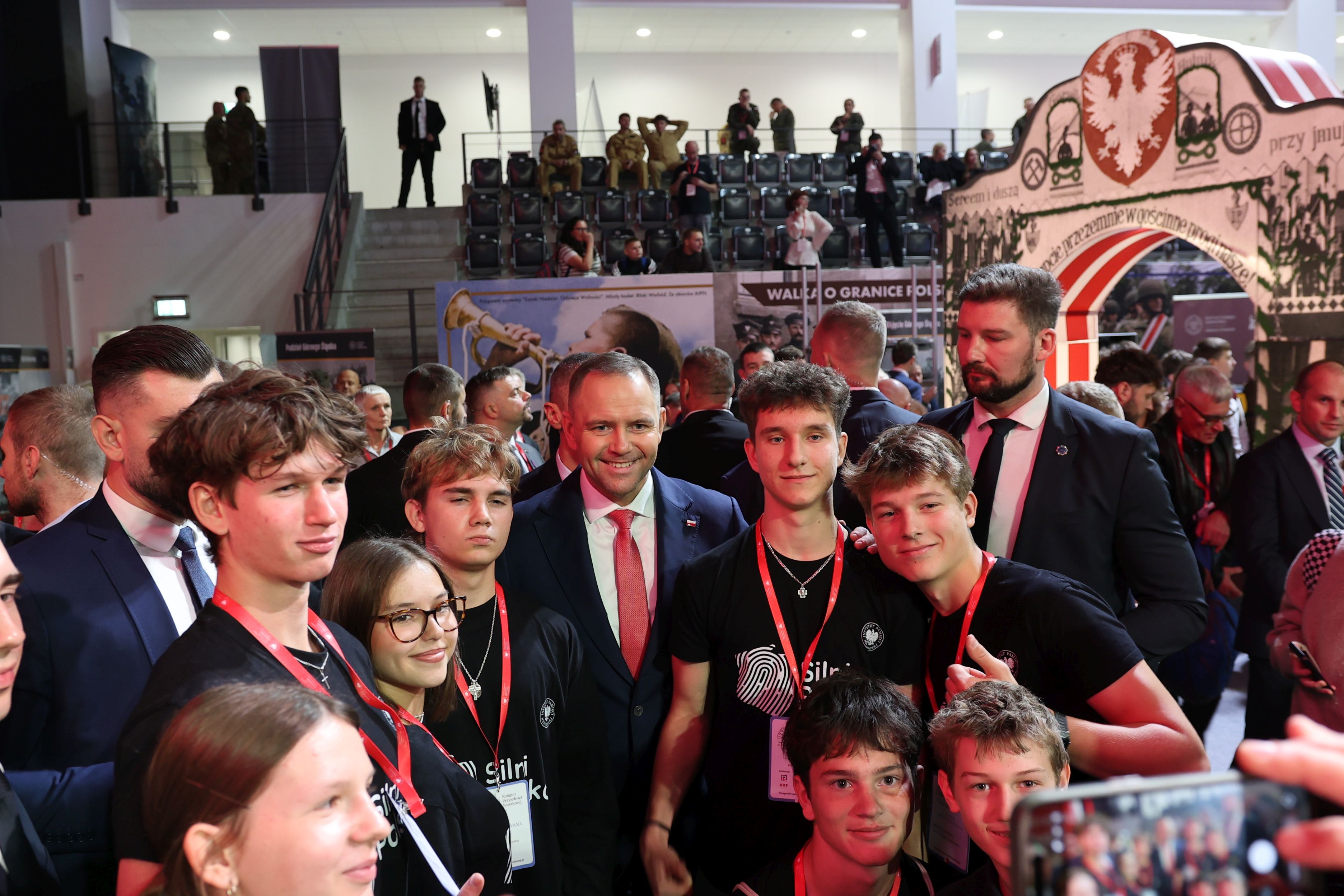
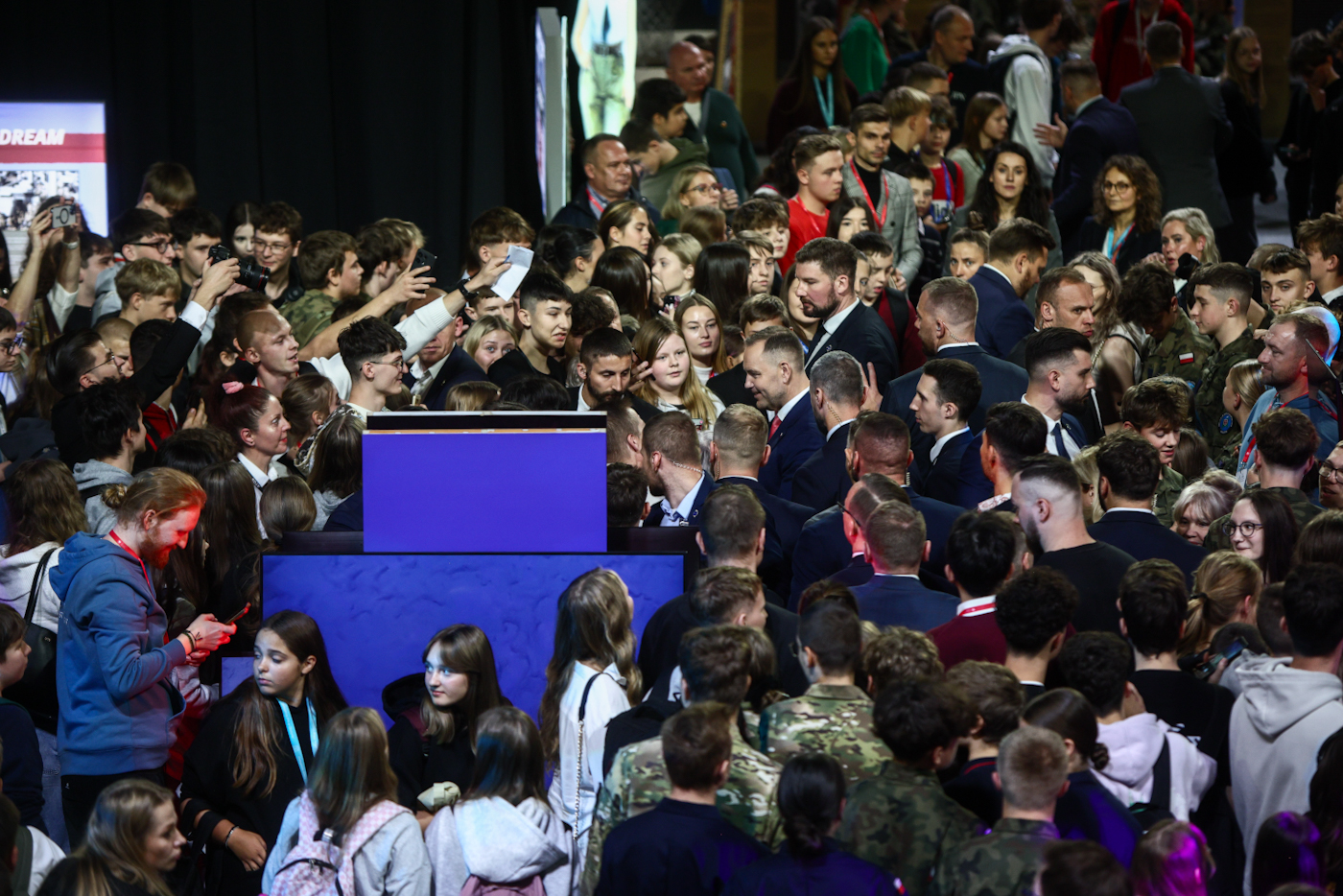
One of the highlights of the Congress of National Future was the meeting between the President of Poland and young people – a debate devoted to patriotism, responsibility, and the contemporary challenges the younger generation is facing.
At the beginning of the meeting, Prof. Karol Polejowski, Deputy President of the Institute of National Remembrance emphasized that memory of the past shapes our identity and future: All our actions are focused at you, because it is obvious to us that memory determines who we are today, but also shapes us for the future. You are just starting your adult lives. Many of you have already decided what you want to do in the future, but I ask you to always remember that Poland is your homeland, and everything you achieve, you achieve because you can live in a free and independent Poland.
The President of the Republic of Poland spoke about the importance of courage, self-confidence, and shared responsibility for the future of our country.
We have wonderful young people in Poland. I am convinced of this not only through working with you and getting to know you, but also through reading analyses, surveys, and opinions that clearly indicate that Polish youth are well-educated and well-adapted to the 21st century. They are ready to pursue careers in Poland, Europe, and around the world. I ask you to have faith in our beloved Republic, in our Poland, and in the fact that Poland must always be strong, great, and ambitious. Be bold, ambitious, striving for your goals, and, when necessary, changing the reality that surrounds us, said Polish President Karol Nawrocki.
The event concluded with a debate between the young people and the President of Poland, during which the participants asked questions about, among other things, what patriotism is, how it can be shaped with the help of new technologies, which historical figures inspire the President, how to preserve Polish identity in an open world, and how the President would behave if Poland were to be occupied.
***
Education for Remembrance Report
More than six thousand people participated in the research project, and the selected results are included in this publication. In three random and representative surveys, the attitudes of Polish society towards the past were analysed. The focus was on categories of crucial importance for the design of educational policy: secondary school students, history teachers, and Poles aged 20 and over. Such extensive quantitative research was complemented by in-depth qualitative research employing focus group interviews.
The research scale, unprecedented for this issue, reflected the research concept adopted, which aims to describe the structure of attitudes to history. It is intended to enable the design of the most effective actions in the history of didactics, i.e., targeting educational content to the most precisely profiled audiences. To this end, an attempt was made to re-enact the multidimensional perspective of the respondents' perceptions of the past and identify issues for understanding contemporary Poles' memory of their history.
Issues related to historical culture, i.e., how society relates to the past, were analysed. A test of Polish historical knowledge was conducted among the respondents, and it was verified whether knowledge of what had happened evokes reflection and is conducive to explaining contemporary events. The study's novelty also consisted in juxtaposing the ways of teaching history preferred by teachers with students' opinions, which determines the space for intervention and corrective actions.
The result of the presented project is material which is beneficial not only for theoretical studies of the collective memory of Poles but also for practical activities in the field of history education and its promotion by all institutions which are faced with the task of shaping the collective memory of subsequent generations of Poles.