
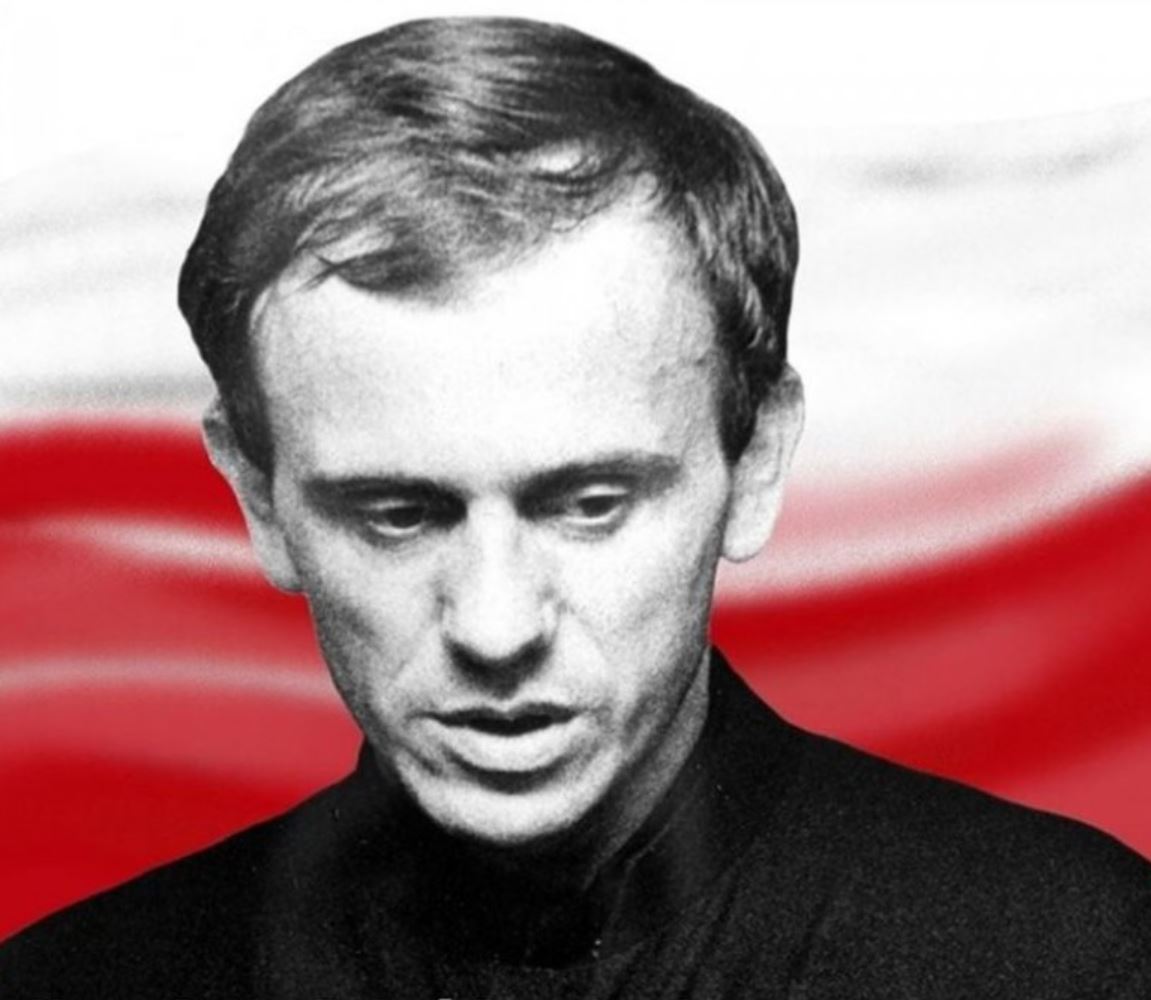
The date of their commemoration – 19 October – was chosen intentionally, as it was on that day in 1984 that the Security Service officers abducted Father Jerzy Popiełuszko, whom they later cruelly tortured and murdered.
On that day, Fr. Jerzy celebrated Mass in the All Saints Parish run by the Martyr Brothers in Bydgoszcz. On his way back to Warsaw, Popiełuszko and his driver, Waldemar Chrostowski, were stopped in the village of Górsk and then abducted by the Security Service officers – Grzegorz Piotrowski, Leszek Pękala and Waldemar Chmielewski.
The Catholic Church in Poland was the mainstay of the "Solidarity" movement in the 1980s. Masses for the homeland celebrated in churches gave their participants a sense of community, power and hope. One of the most famous and active chaplains of "Solidarity" was Jerzy Popiełuszko from Warsaw.
The communists saw Fr. Jerzy Popiełuszko as an enemy of the system. Many people flocked around him and therefore the authorities deemed him a threat to the communist regime in Poland. Popiełuszko – by performing his pastoral ministry – gave people hope to change the daily routine of communist Poland so that they would be able to preserve dignity in their own country.
A few days after the kidnapping and murder of Father Jerzy, the "Trybuna Ludu" (one of the largest newspapers in communist Poland) published a communication on 31 October 1984 that "The Ministry of Internal Affairs informs that on 30 October 1984 in the late afternoon the body of Fr. Jerzy Popiełuszko was found in the water reservoir near Wloclawek as a result of an intensive search with the participation of the Militia divers."
The funeral of Fr. Popiełuszko, murdered by the Security Service functionaries, took place in Warsaw on 3 November 1984.It gathered thousands of faithful from all over Poland and turned into a great manifestation of underground "Solidarity".
Father Jerzy Popiełuszko, the Servant of God murdered in 1984, was beatified on 6 June 2010.
Polish Priests Murdered by Communists (1944–1989)
After WWII, when Poland fell under Soviet domination, the Communist regime viewed the Catholic Church as the main obstacle to ideological control. Many priests were arrested, tortured, or murdered by NKVD , UB (Security Office) , and later SB (Security Service) .
Key facts:
Over 100 priests were killed or died due to torture in communist prisons (1944–1956).
Several others were assassinated by secret police in the 1970s–1980s for supporting Solidarity or the anti-communist opposition.
Notable Martyrs:


Fr. Władysław Gurgacz SJ („Sem”) (1914–1949). Born on 2 April 1914 in Jabłonica. Jesuit, chaplain of anti-communist underground. Chaplain of the Żandarmeria detachment of the Polish Underground Independence Army. After WWII, he served in hospitals and parishes in Gorlice and Krynica, providing pastoral care to anti-communist partisans. Arrested in Kraków in July 1949. After a show trial, he was sentenced to death. Executed on 14 September 1949, at the Montelupich Prison in Kraków. In 2018, IPN archaeologists identified his remains. In 2021 he was solemnly reburied in the Cemetery of Kraków–Rakowice, in the Section of the Independence Underground (1939–1963).

Fr. Roman Kotlarz (1928–1976). Born on 17 October 1928 in Koniemłoty (Diocese of Sandomierz). Ordained on 30 May 1954 by Bishop Jan Kanty Lorek. Served in several parishes as vicar and later as parish priest in Pelagów (1961–1976). During the Radom workers’ protests in June 1976, he blessed the demonstrators and later preached sermons defending them, which drew the attention of the communist secret police. He was subjected to beatings by “unknown perpetrators”. Collapsed during Mass on 15 August 1976 and died from injuries sustained in beatings on 18 August 1976 in a hospital.
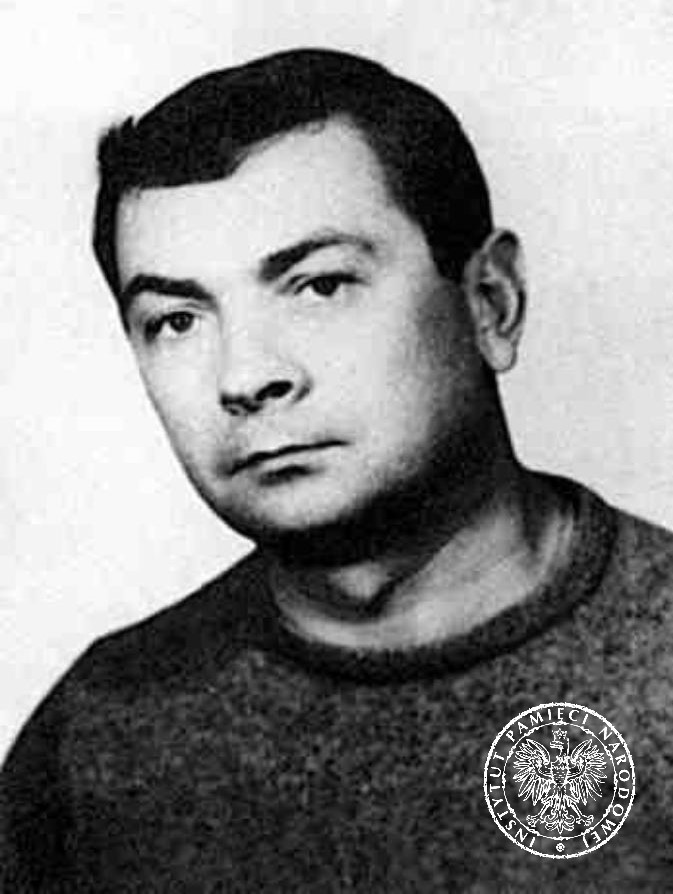
Fr. Sylwester Zych (1950–1989). Born on 19 May 1950. From 1981 he served as a parish priest at St. Anne’s Church in Grodzisk Mazowiecki. He criticized martial law and supported members of the Solidarity movement. He provided shelter to members of the underground youth organization. Arrested and charged with illegal possession of a firearm used in an attack on a police oficer. He was sentenced to 6 years in prison. He was released under amnesty on 10 October 1986. He was murdered in 1989. His body was found on 11 July 1989, at the bus station in Krynica Morska. The autopsy showed signs of severe beating.
Blessed Fr. Michał Rapacz (1904–1946) Pastor of Płoki, Murdered by communist partisans in 1946; beatified in 2024.
Fr. Antoni Dąbrowski (1913–1945), Pastor of Myszyniec, Killed by NKVD/UB agents in 1945.
Fr. Jan Niedzielak (1917–1946), Home Army chaplain. Died under torture by communist security officers in 1946.
Fr. Antoni Zapała (1915–1946), Vicar in Płoki. Murdered by security officers in 1946.
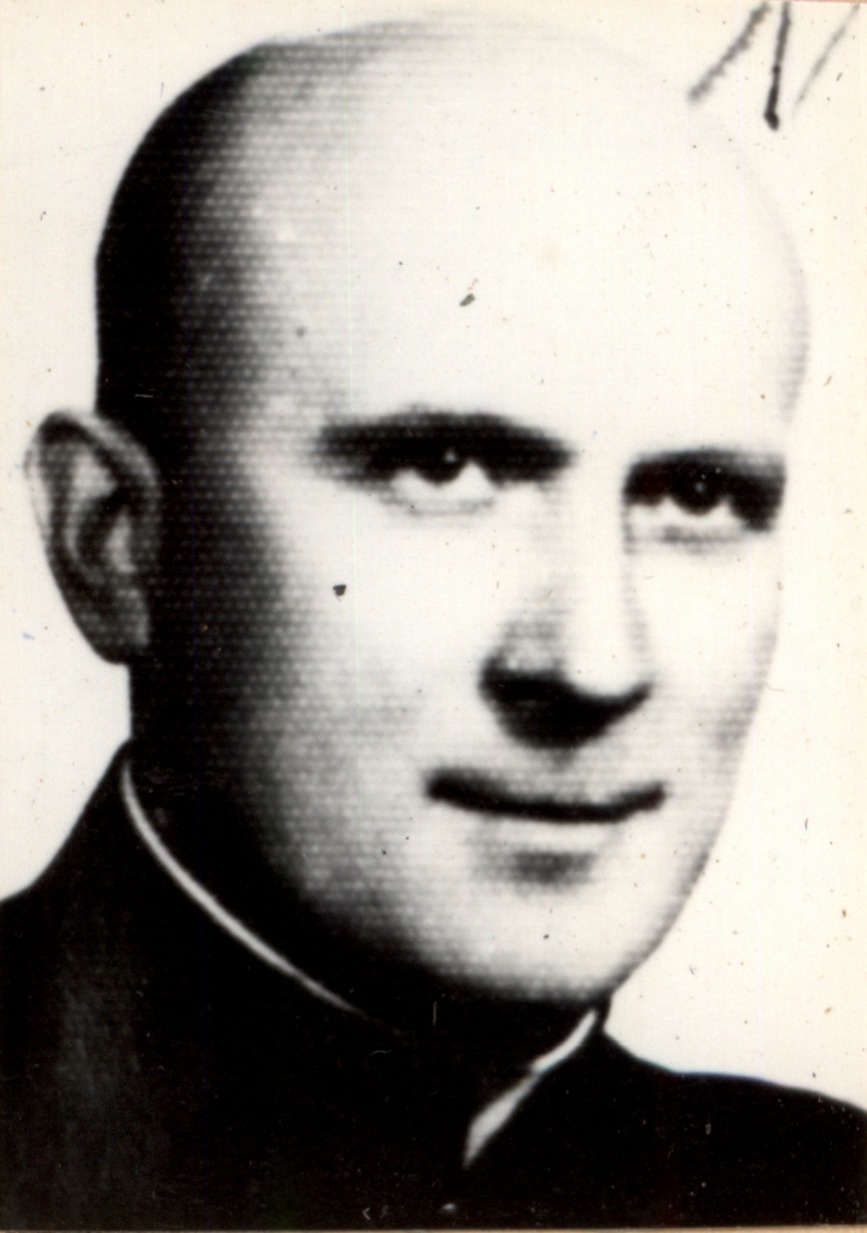
Fr. Stefan Niedzielak (1914–1989), founder of Katyn Families’ movement. Murdered in his office in Warsaw in 1989.
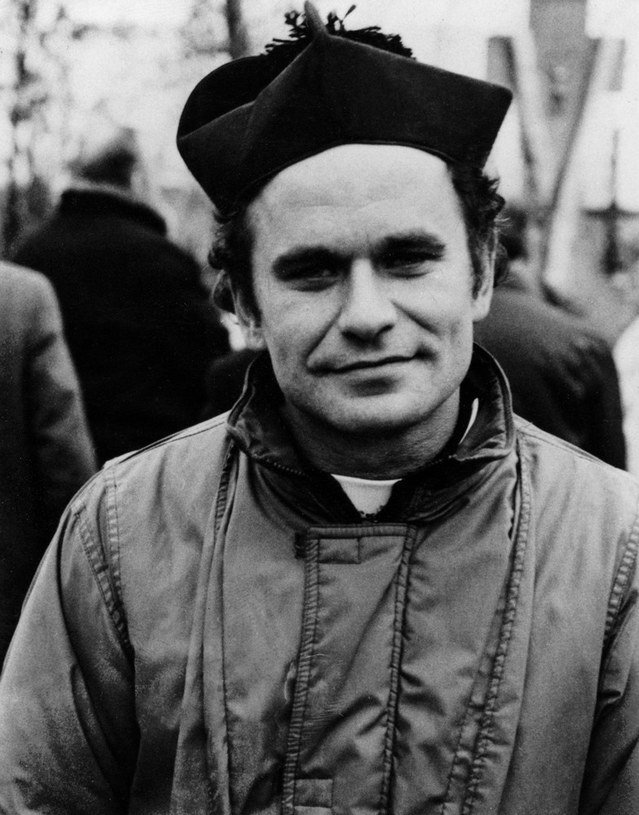
Fr. Stanisław Suchowolec (1958–1989), friend of Fr. Popiełuszko. Died in suspicious “fire” caused by communist security officers in 1989.
Both priests – Fr. Stefan Niedzielak and Fr. Stanisław Suchowolec – were murdered in 1989 under mysterious circumstances officially described as acts of “unknown perpetrators.” IPN research points to probable involvement of communist security services.
These priests represent a broader group of over 100 Polish clergy who were murdered, tortured, or persecuted by the communist regime between 1944 and 1989 . Their stories, preserved by the Institute of National Remembrance (IPN), testify to the Church’s resistance to totalitarianism and its role in defending truth, freedom, and human dignity in postwar Poland.
Polish Priests Murdered by Nazi Germans (1939–1945)
During the German occupation, the Catholic Church in Poland was seen as a pillar of Polish national identity. Nazi policy aimed to destroy Polish culture and leadership , and priests were among the first targeted.
Key facts:
Over 2,800 Polish Catholic clergy were killed during WWII.
Around 1,900–2,000 were murdered by Nazi Germans .
More than 1,000 priests died in concentration camps , especially Dachau , which was known as “the priests’ camp.”
Notable Martyrs:
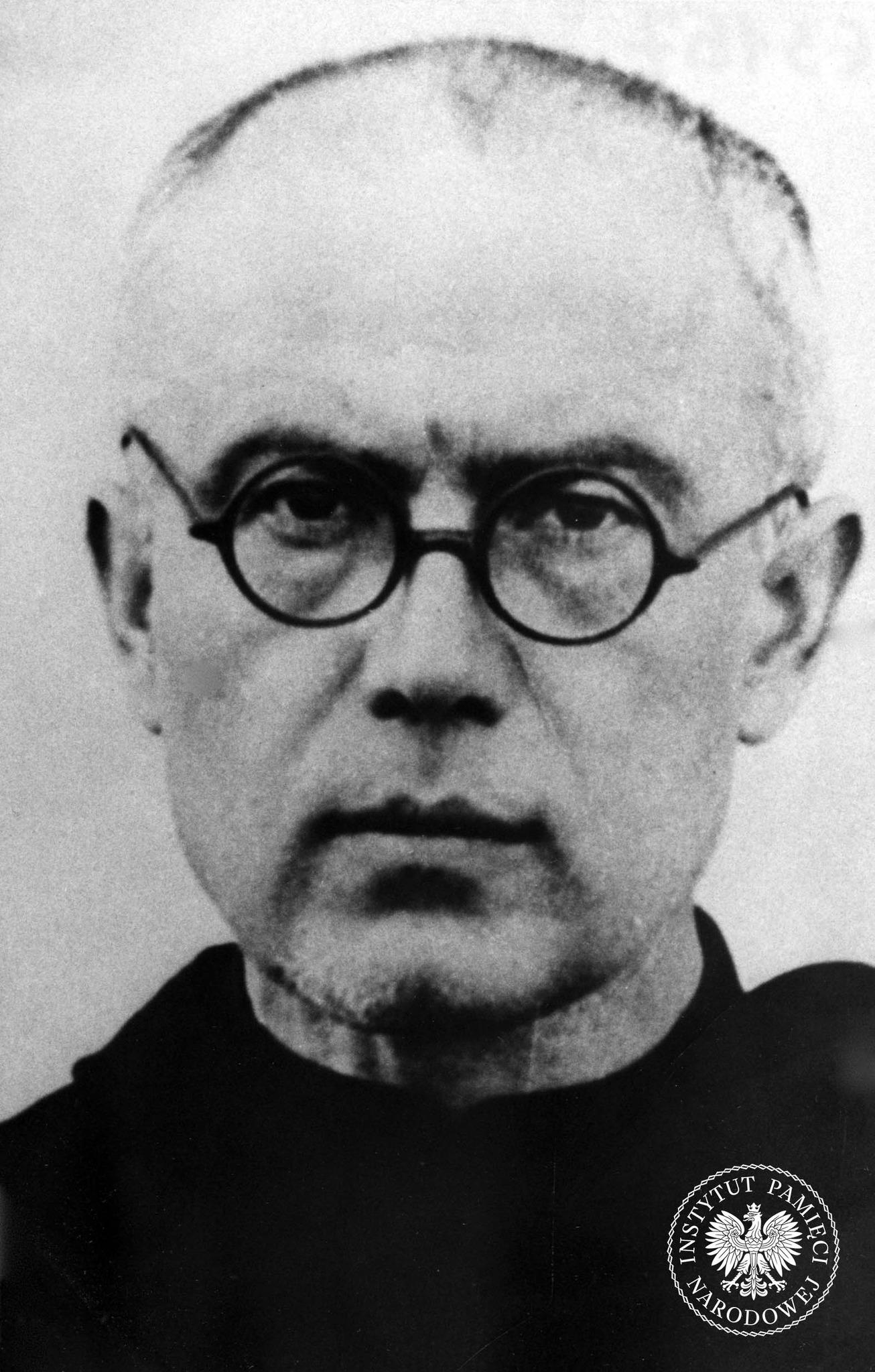
St. Maximilian Maria Kolbe (1894–1941) Franciscan, founder of Niepokalanów monastery Auschwitz. Voluntarily gave his life for another prisoner; canonized in 1982.
Blessed Bishop Michał Kozal (1893–1943). Auxiliary Bishop of Włocławek. Died after lethal injection in Dachau Concentration Camp; beatified in 1987.
Blessed Antoni Julian Nowowiejski (1858–1941). Archbishop of Płock. Tortured and killed for refusing to profane sacred objects in Soldau camp in Działdowo.
Blessed Leon Wetmański (1886–1941). Auxiliary Bishop of Płock. Died of exhaustion and starvation in Działdowo.
Blessed Bronisław Komorowski (1889–1940). Pastor in Gdańsk-Wrzeszcz. Executed during Intelligenzaktion in Stutthof.
Blessed Marian Górecki (1903–1940). Chaplain, Gdańsk. Executed with other priests in Stutthof.
Blessed Stefan Wincenty Frelichowski (1913–1945) Priest from Toruń, scout chaplain. Died of typhus while caring for fellow prisoners in Dachau.
Blessed Ludwik Mzyk SVD (1905–1940), missionary; tortured and murdered by Gestapo.
Blessed Józef Kowalski SDB (1911–1942), Salesian. Beaten to death for defending his rosary in Auschwitz.
Blessed Piotr Edward Dankowski (1908–1942). Priest from Zakopane. Died after brutal torturę in Auschwitz.
Dachau concentration camp imprisoned 2,794 clergymen — 1,773 were Polish, and about 860 were killed.
See also: “The world's largest cemetery of the clergy”.
More information:
The IPN website devoted to Father Jerzy Popiełuszko.
The 10th anniversary of the beatification of Father Jerzy Popiełuszko