
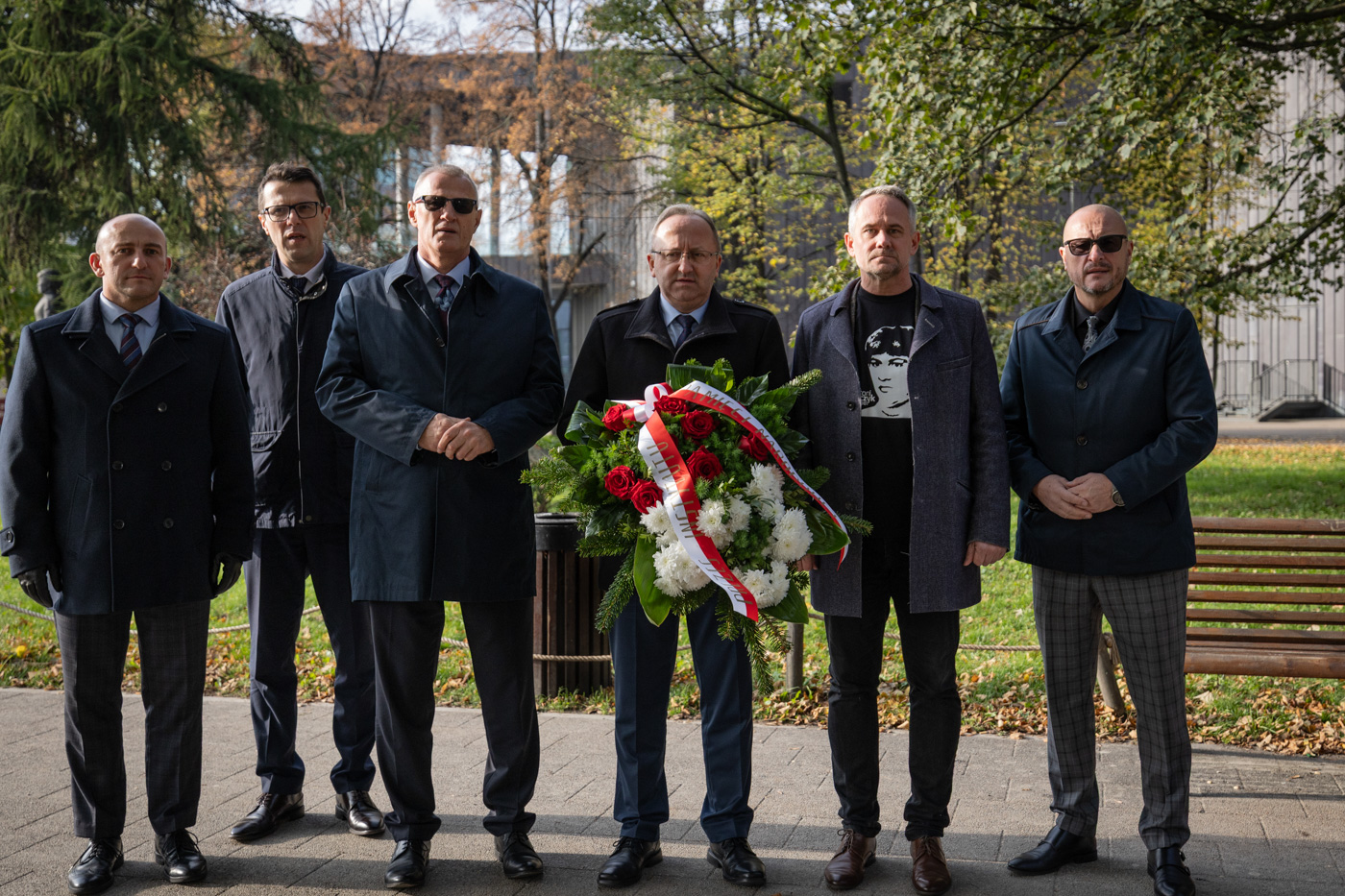
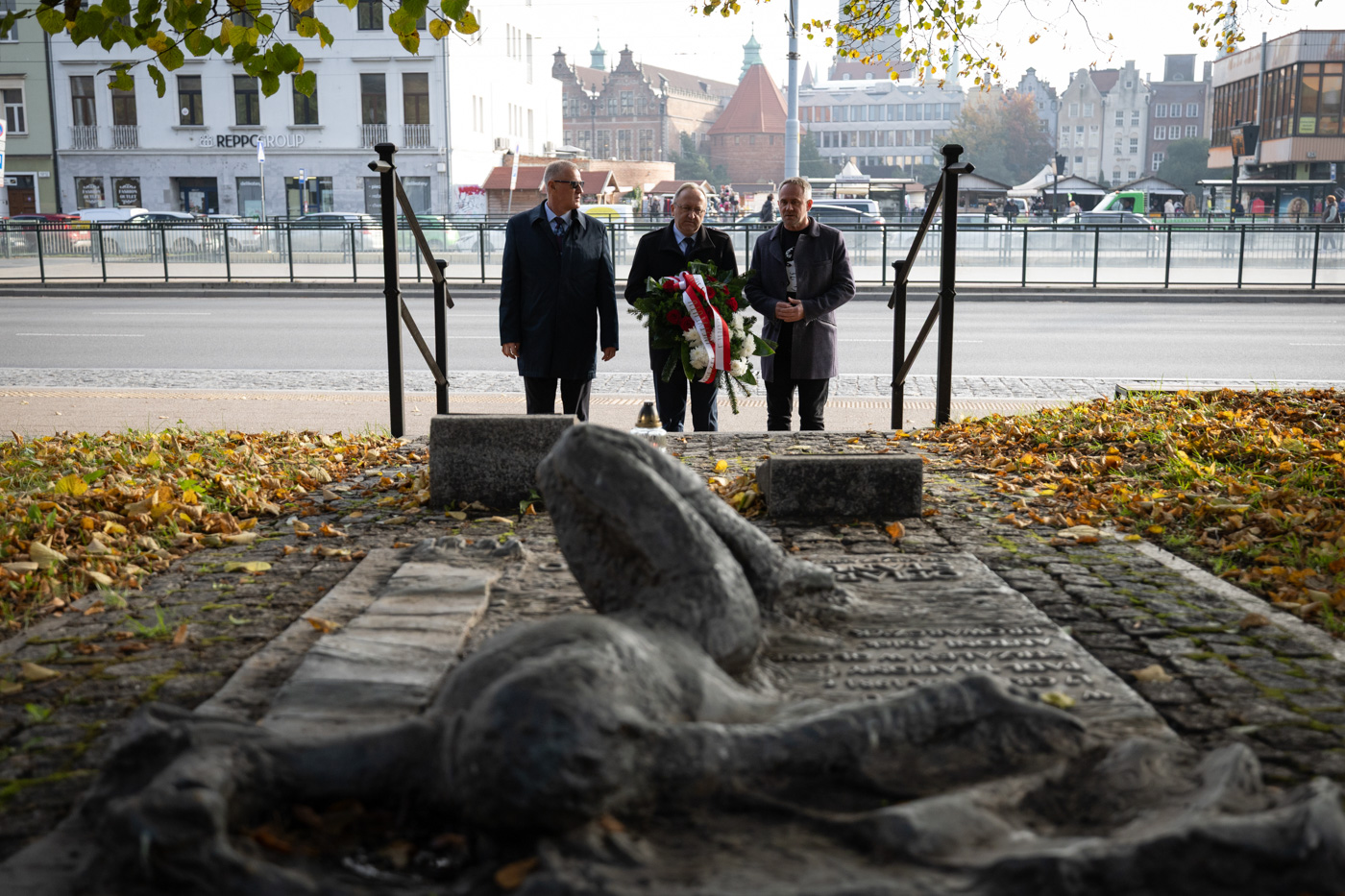
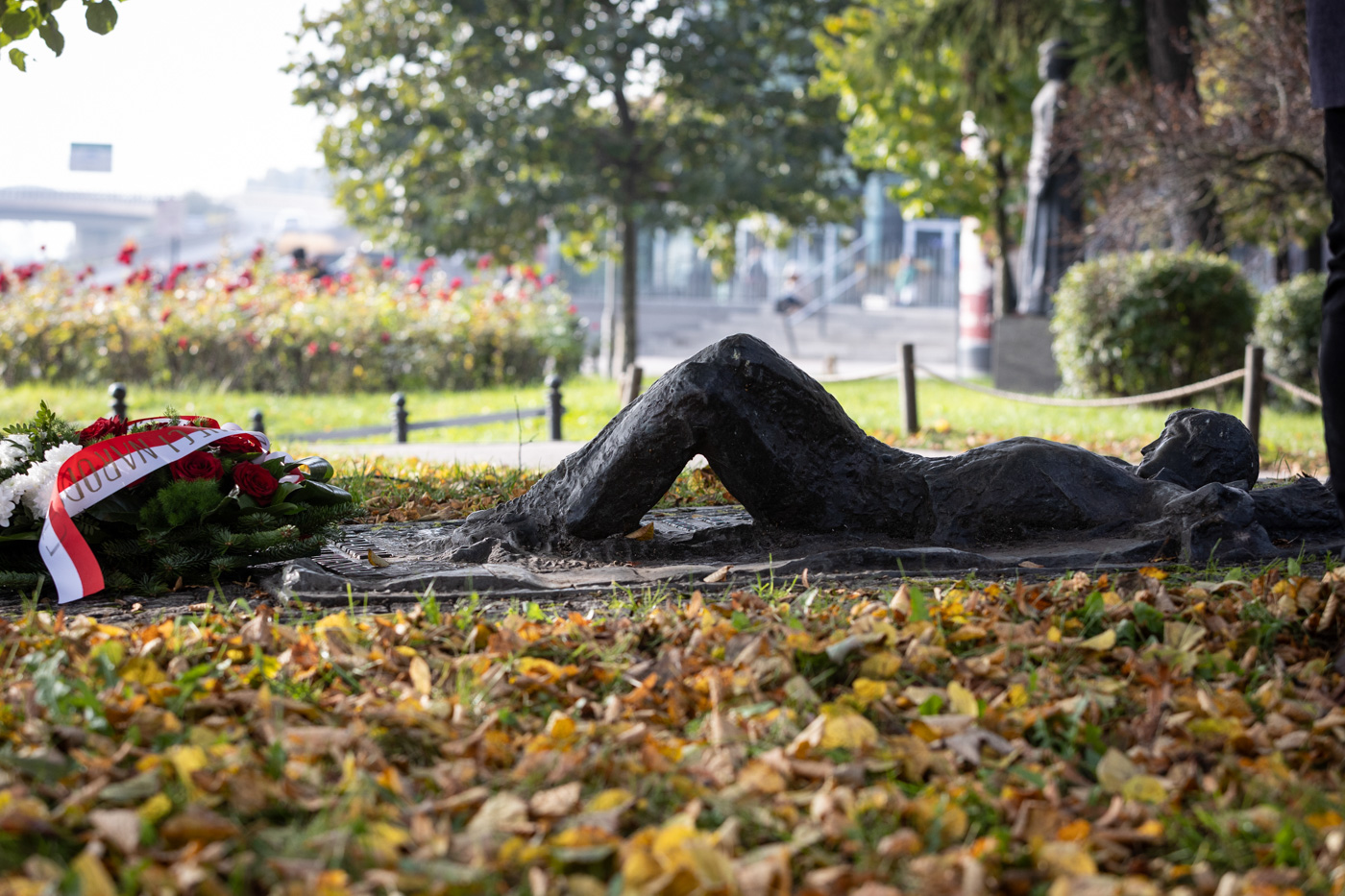
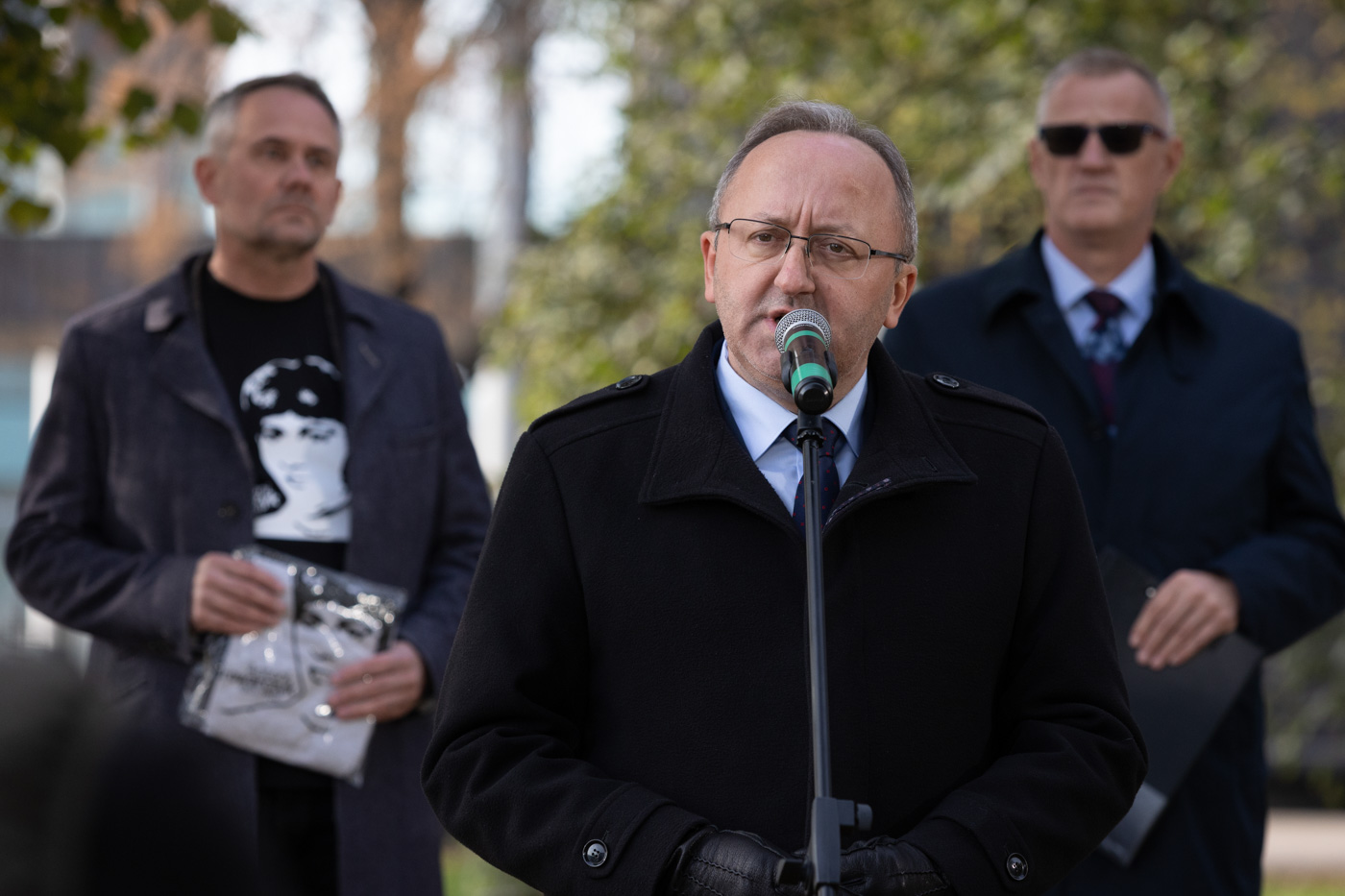
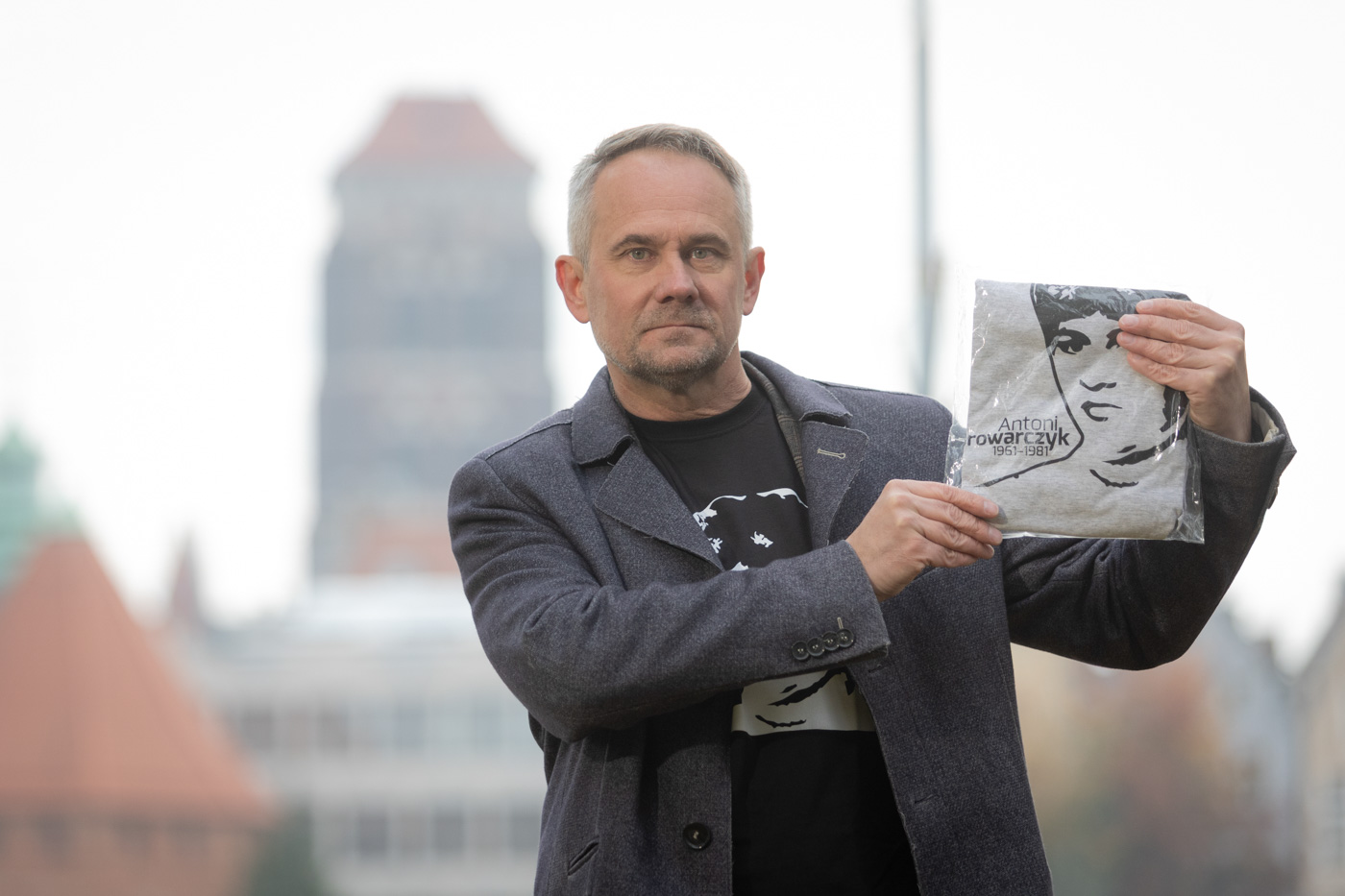
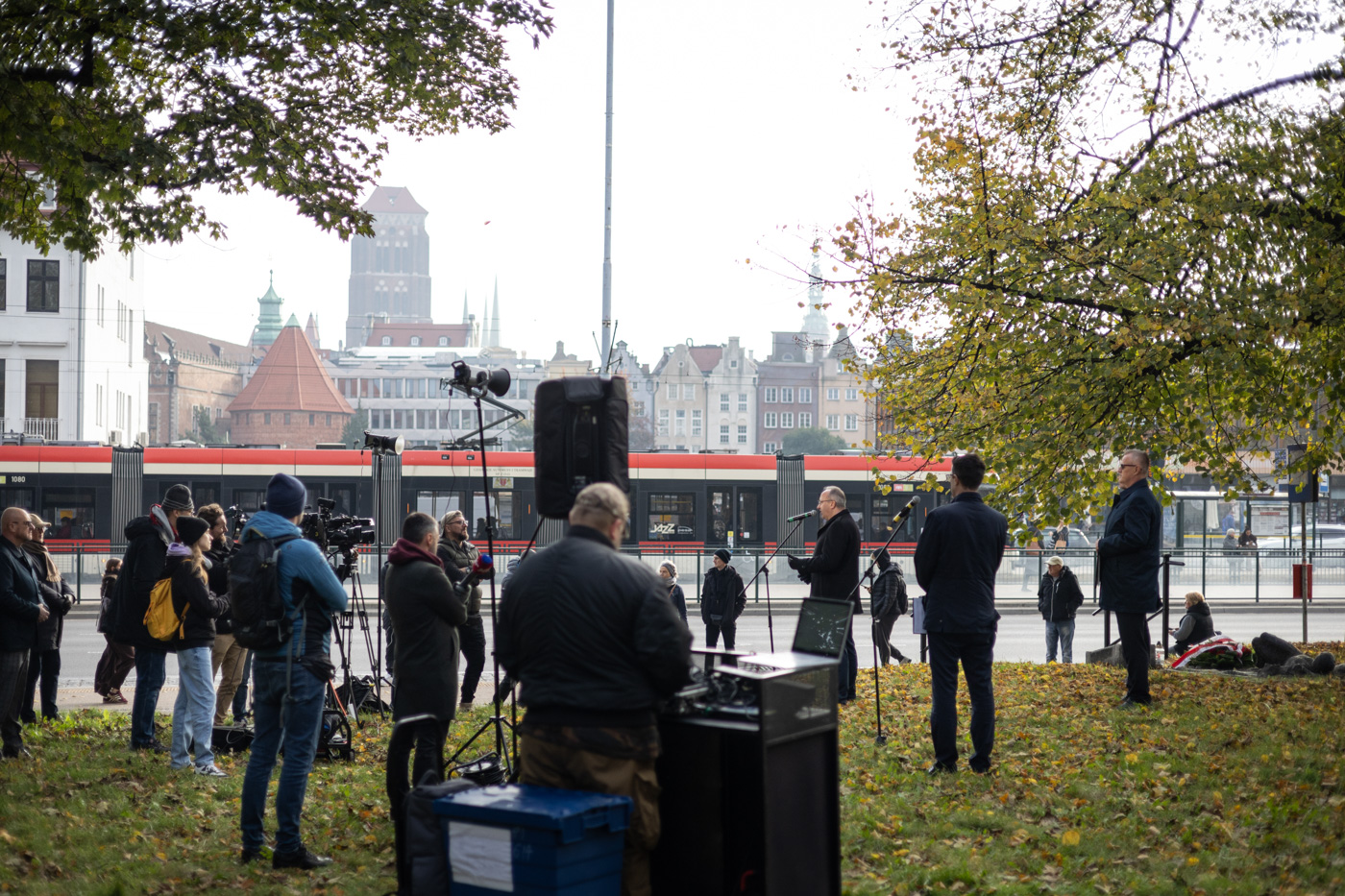
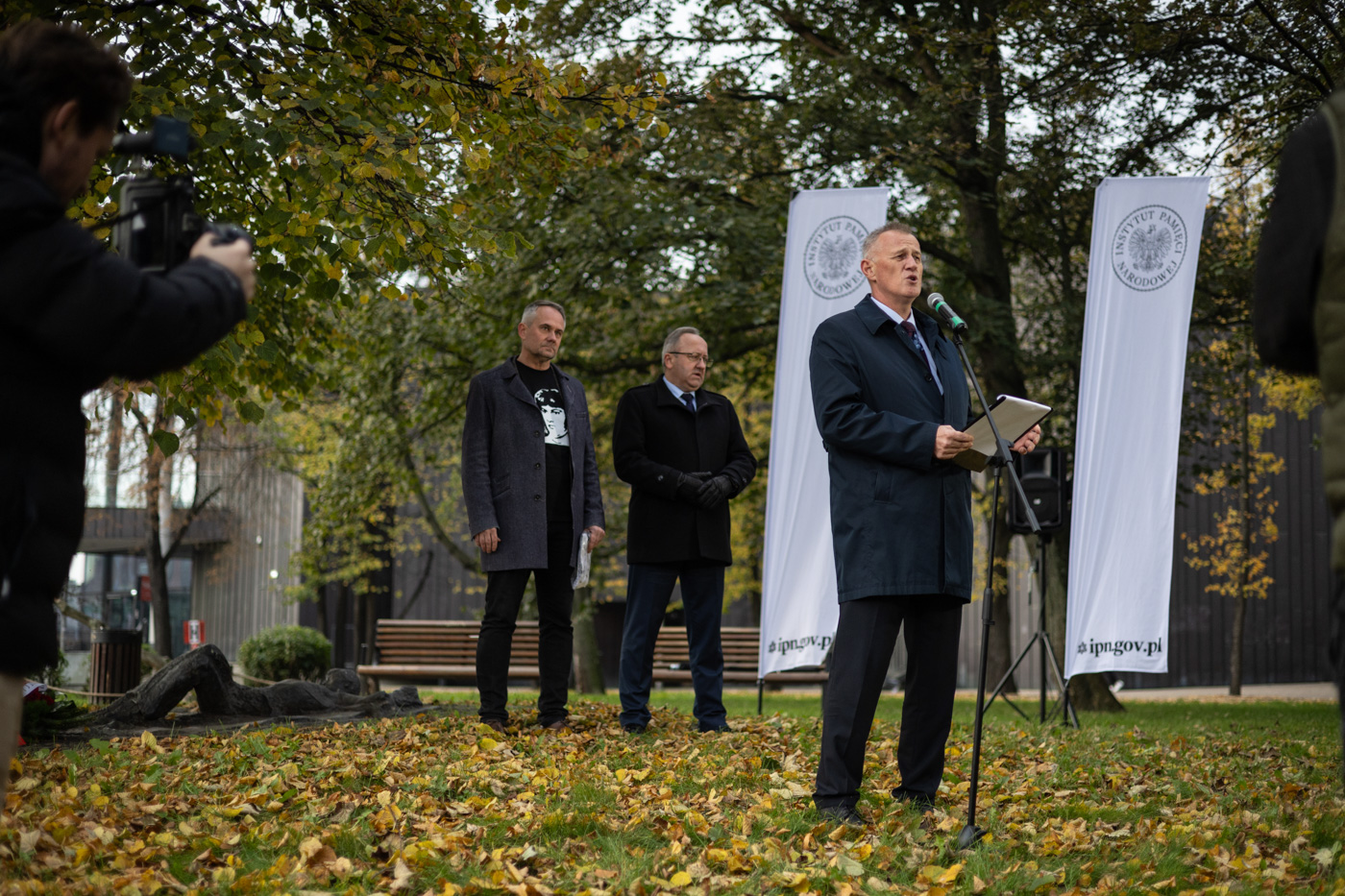
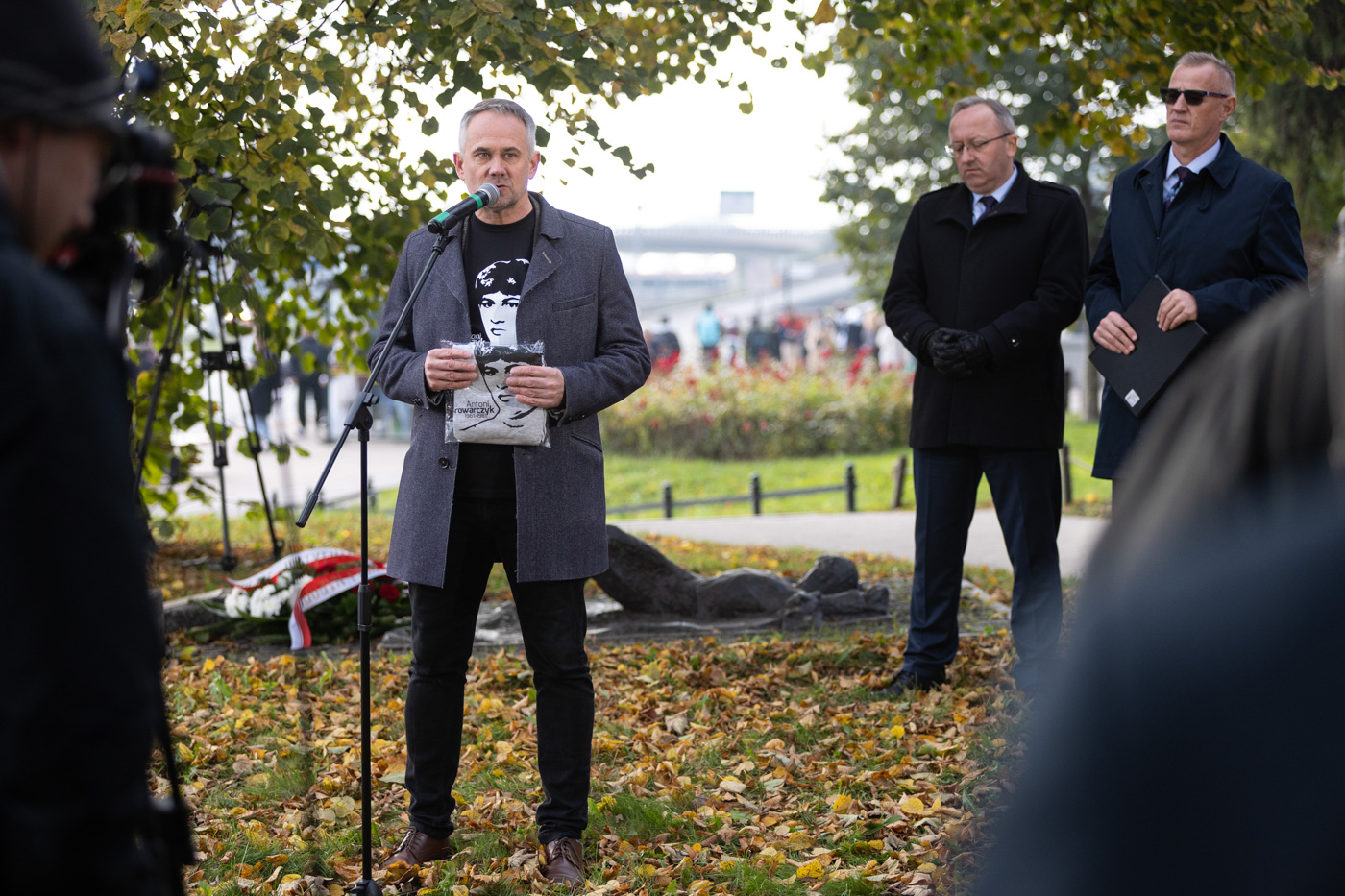
On 22 October, a press conference on the topic was organised by the IPN. It was announced that the investigation into the fatal shooting of Antoni Browarczyk by Citizens' Militia officers during Martial Law would be reopened.
The IPN Deputy President, Prof. Karol Polejowski, and the Director of the Chief Commission for the Prosecution of Crimes against the Polish Nation, and Poland’s Deputy Prosecutor General, Andrzej Pozorski took part in the conference on behalf of the Institute.
"We are here to inform you that, as a result of the discovery of new archival materials, which have been added as evidence in the case, this investigation is being reopened. It will be continued until those responsible for the killing of Antoni Browarczyk and the serious wounding of three other people during the events of 17 December 1981 are identified,” said Deputy President Karol Polejowski.
On 16 December 1981, 20-year-old Antoni Browarczyk took part in street clashes in Gdańsk. The following day, he was fatally shot by a Citizens’ Militia officer, becoming one of the youngest victims of Martial Law in Poland.
To date, IPN investigators have launched 19 proceedings, some of which have already resulted in final court verdicts – for example, against ZOMO officers in Szczecin. Preparations are underway to bring to justice those who abused internees in Kwidzyn. There are also ongoing investigations and initial outcomes regarding the so-called Lubin crime. Furthermore, the IPN Chief Commission for the Prosecution of Crimes against the Polish Nation has reopened investigations into the suppression of the June 1976 protests in Poland.
It is impossible to determine the exact number of people who died as a result of Martial Law in Poland. The number of those who lost their lives due to a lack of timely medical assistance remains unknown. By the end of the 1980s, at least several dozen people had died as a result of the authorities' actions. These victims included those killed during the pacification of workplaces, the suppression of demonstrations, and the targeted assassinations of opposition activists and supporters (such as Piotr Bartoszcze and Father Jerzy Popiełuszko) carried out by so-called “unknown perpetrators,” as well as victims of the brutality of Ministry of Internal Affairs officers, emboldened by a sense of impunity.