
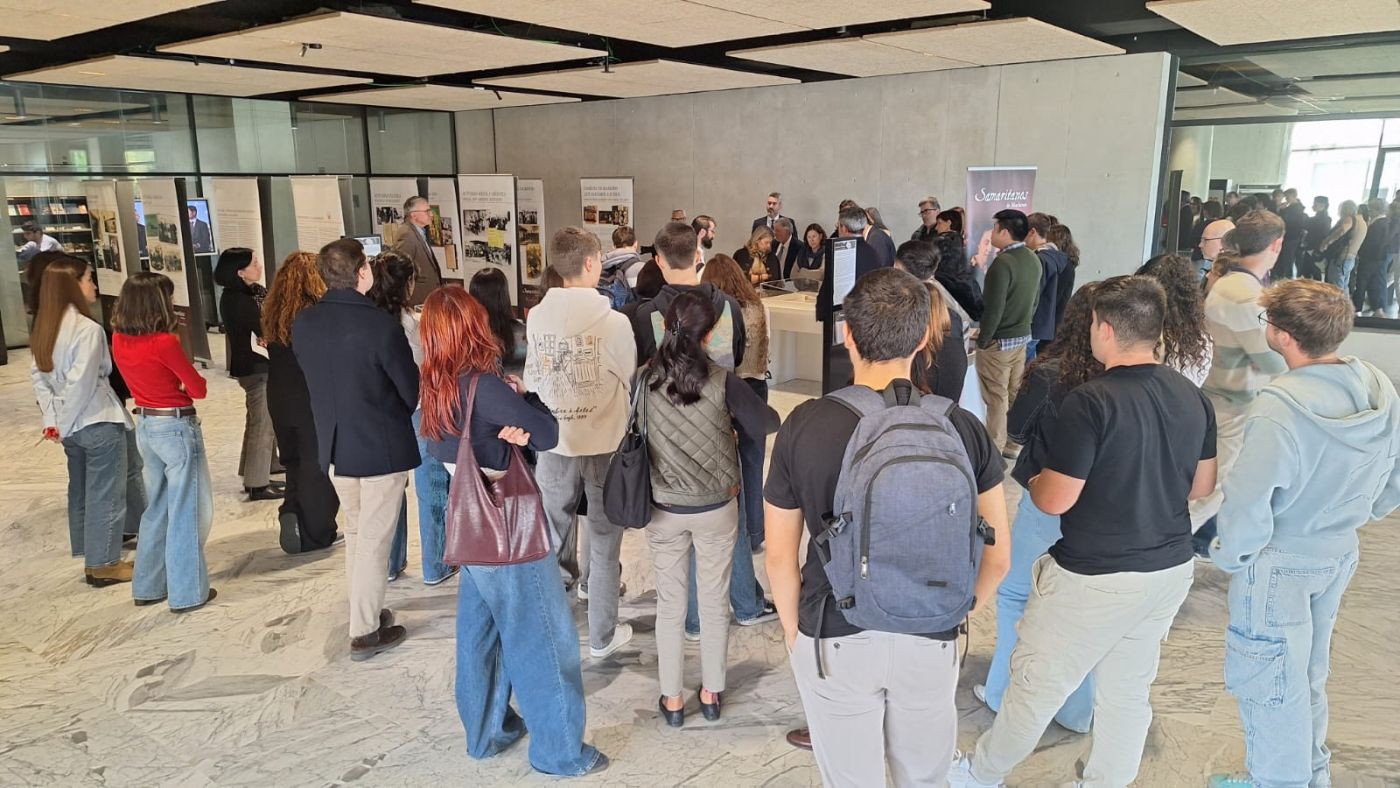
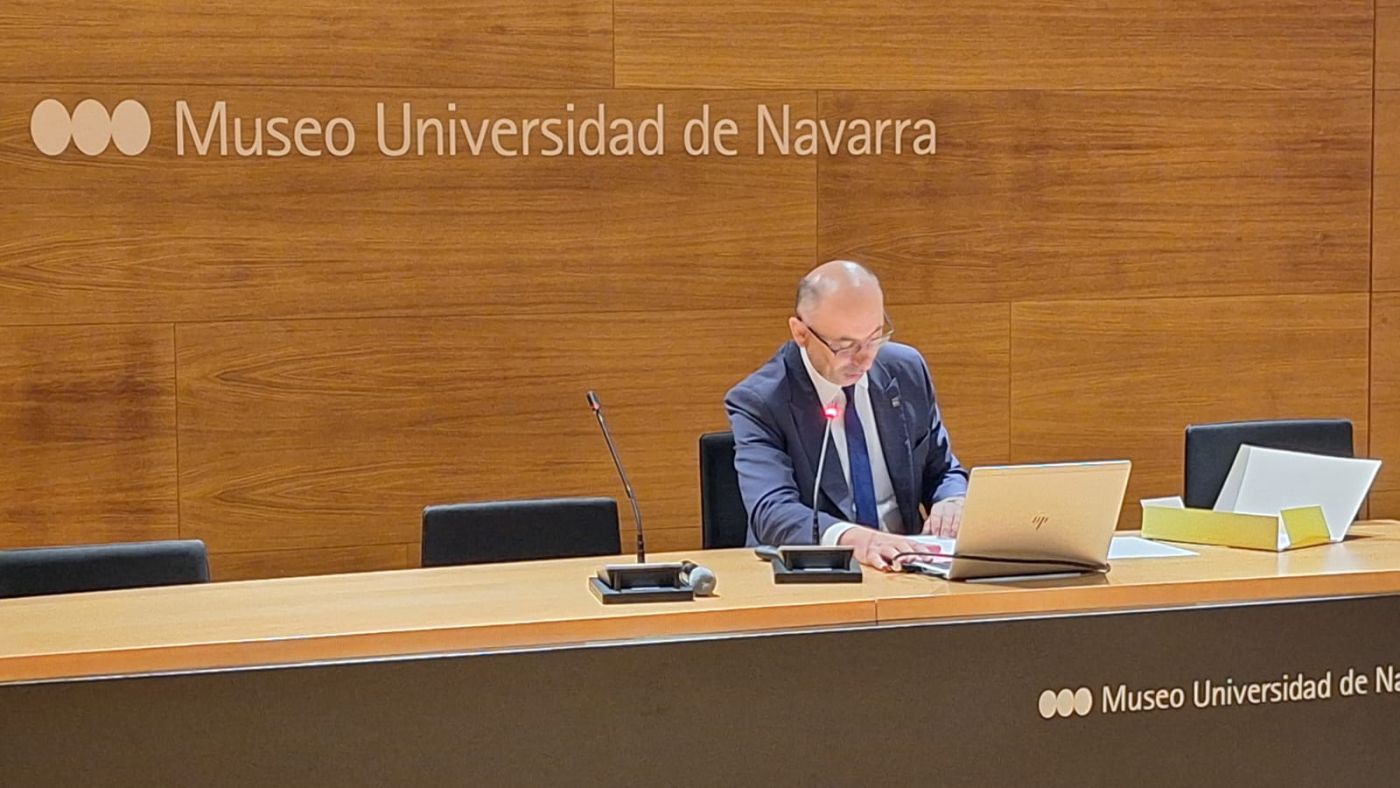
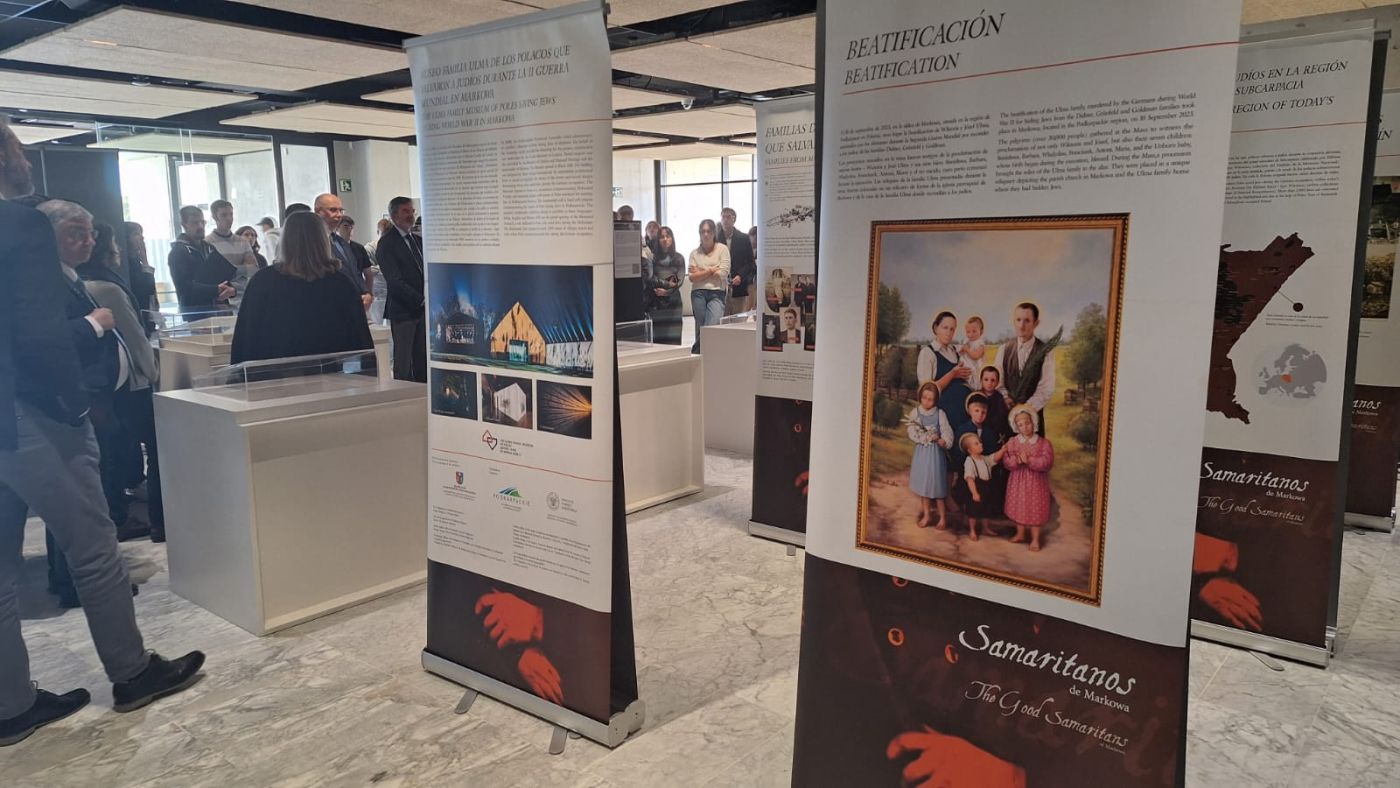
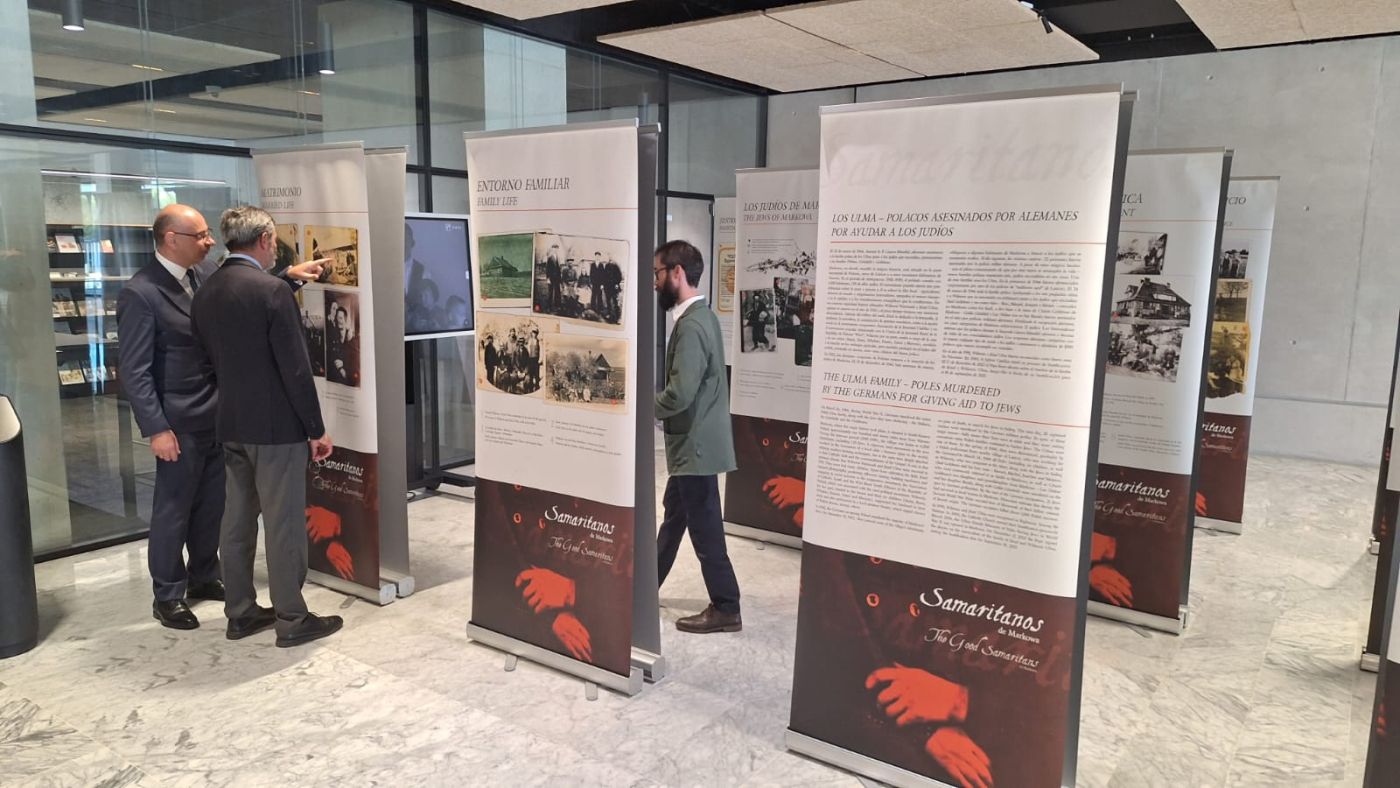
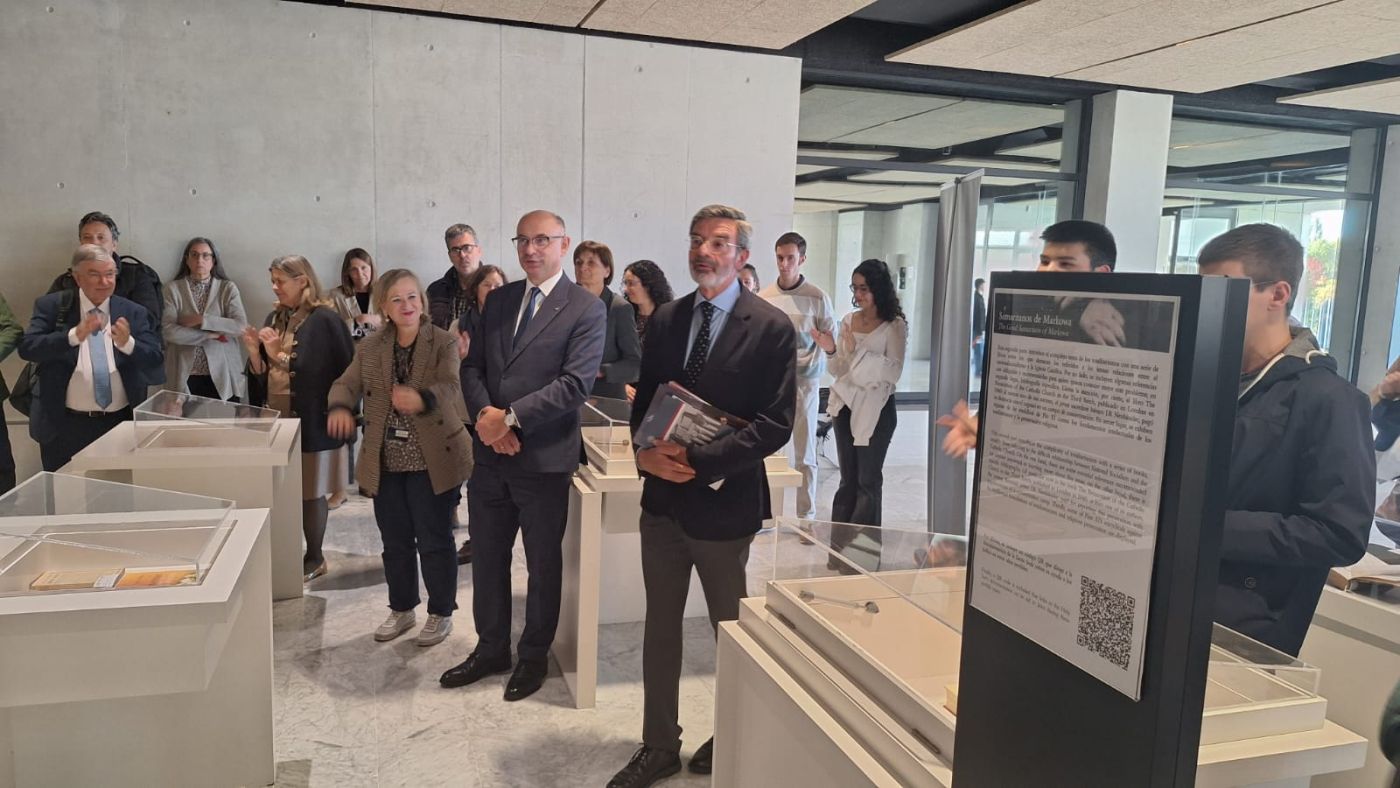
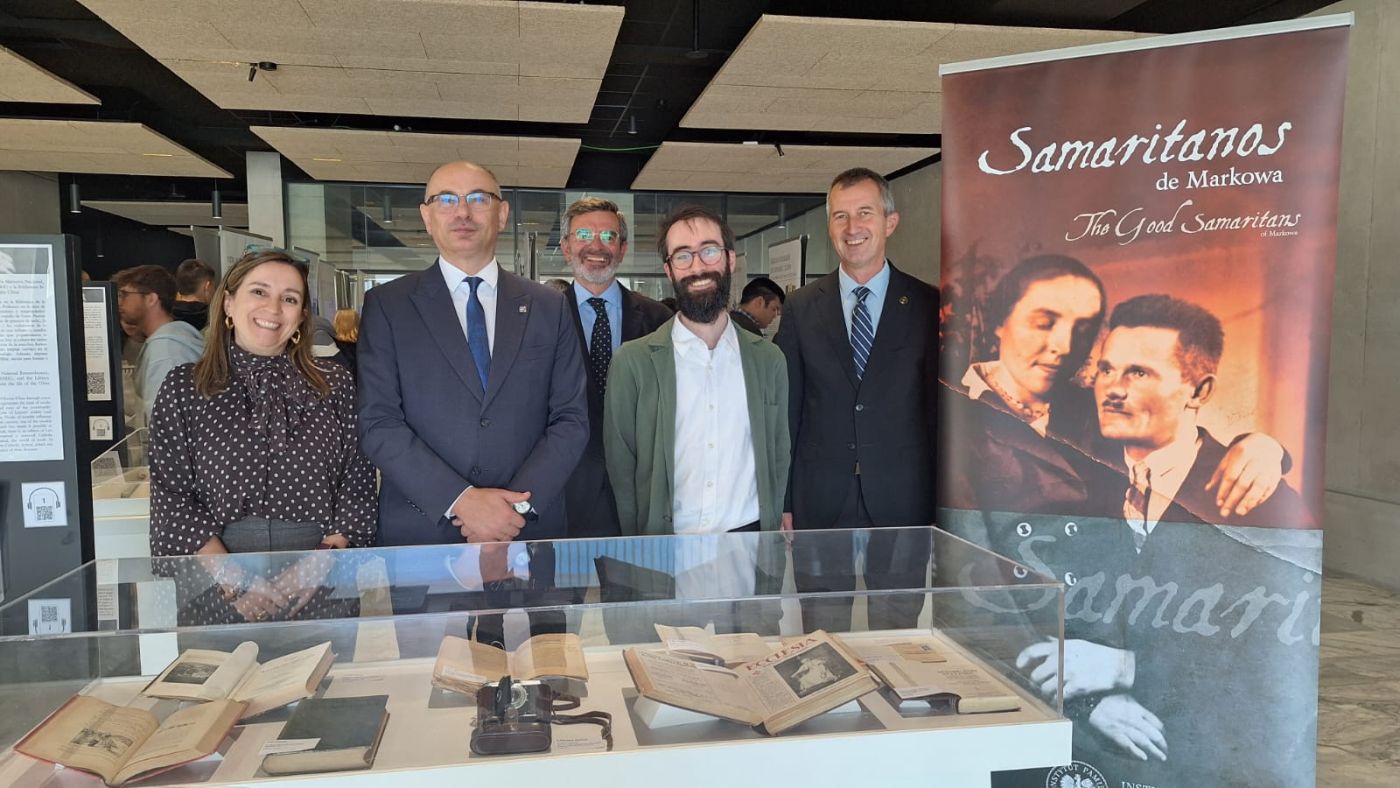
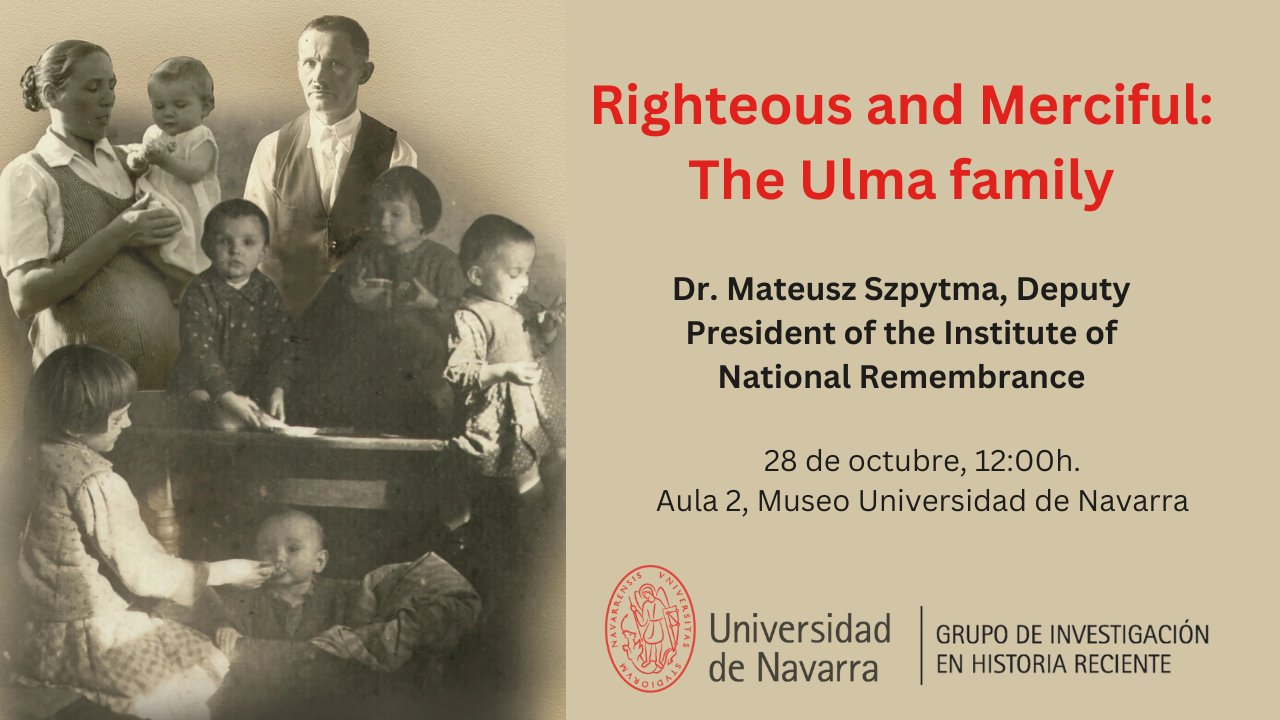
On 28 October 2025, at the University of Navarra in Pamplona, Spain, we recalled the story of the Blessed Ulma Family, murdered for sheltering Jews during the Second World War. The story of the Samaritans of Markowa was presented by Mateusz Szpytma Ph.D., the Deputy President of the Institute of National Remembrance, during the opening of the Institute’s exhibition.
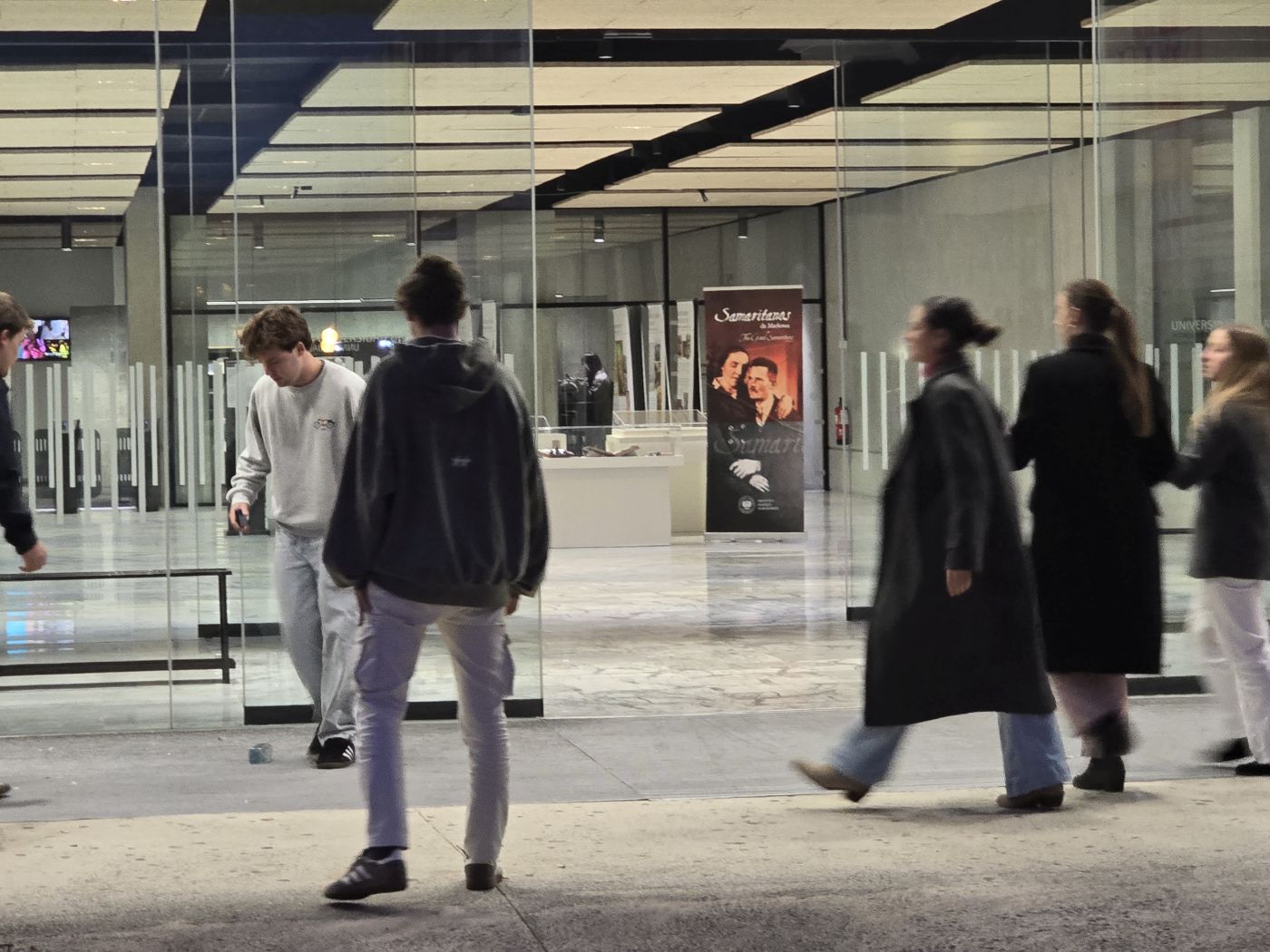
The IPN exhibition, “The Good Samaritans of Markowa. The Ulmas – Poles Murdered by the Germans for Helping Jews,” was displayed in the Central Library of the University of Navarra. The event was officially opened by Mateusz Szpytma Ph.D., the Deputy President of the Institute of National Remembrance, Professor Pablo Pérez López, Professor Carlos Veci Lavin and the Library Director, Isabel Iribarren.
“The Institute of National Remembrance is honored to preserve the memory of the Ulma Family and of the thousands of Poles who, under German occupation, risked their lives to aid Jews. Many of them were executed for this act of solidarity,” emphasized Deputy President Szpytma.
“Today’s gathering in Pamplona also holds a deeper meaning. We are united by a set of shared values - faith, dignity, truth, and remembrance. The choice of the University of Navarra as the venue is deeply meaningful, for it is an institution where knowledge is guided by ethics, enlightened by spirituality, and directed toward truth and the pursuit of good. May the story of the Blessed Ulma Family inspire us all to act courageously, to stand firmly in defence of the truth, to show compassion towards those who suffer, and to build a future grounded in remembrance.
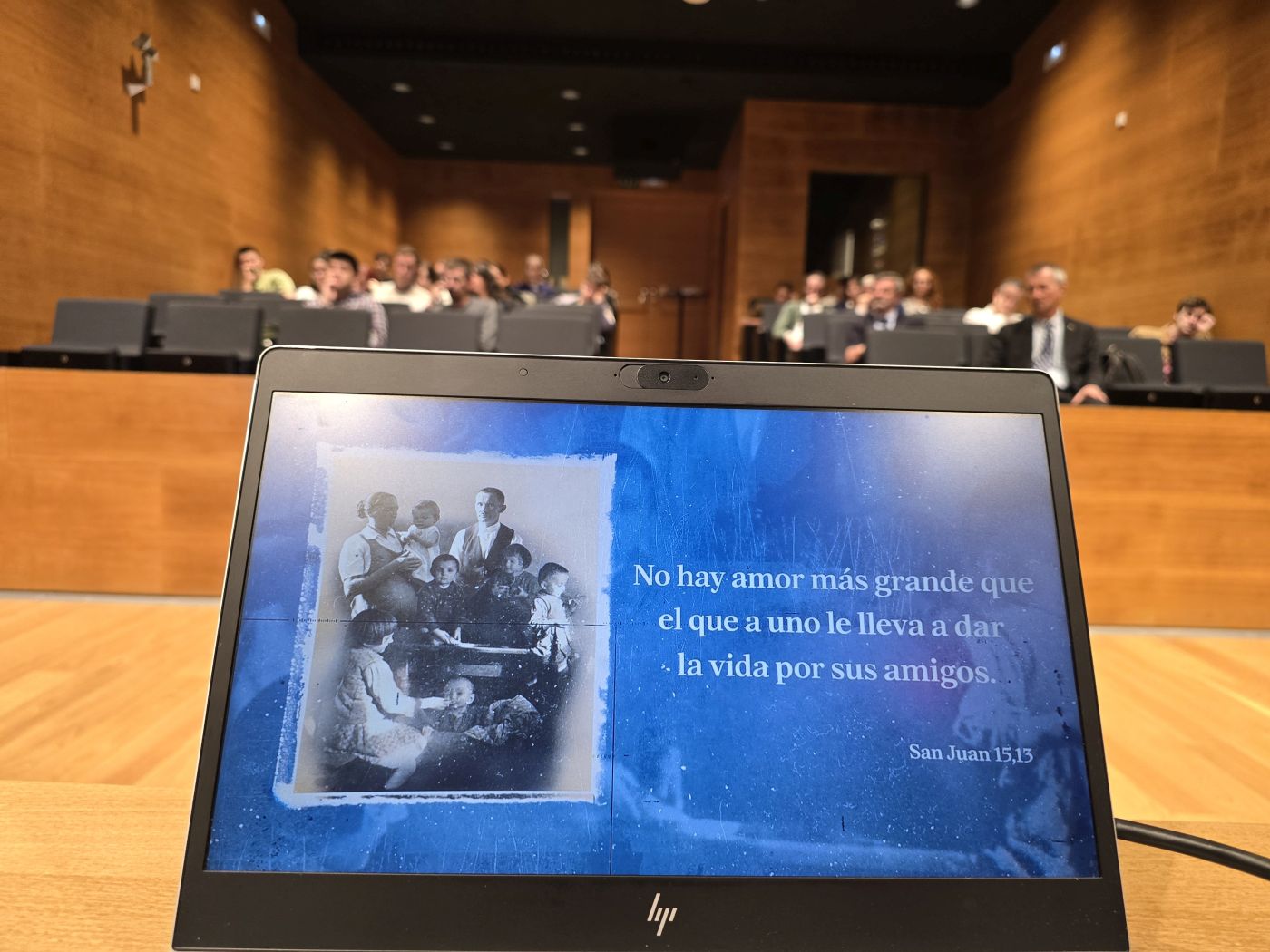
The opening of the exhibition was preceded by a lecture by Mateusz Szpytma Ph.D., on the Ulma Family, presented in the broader context of the situation of Jews in occupied Poland. A short film, The Samaritans of Markowa, produced by the IPN Office of International Cooperation, was also screened.
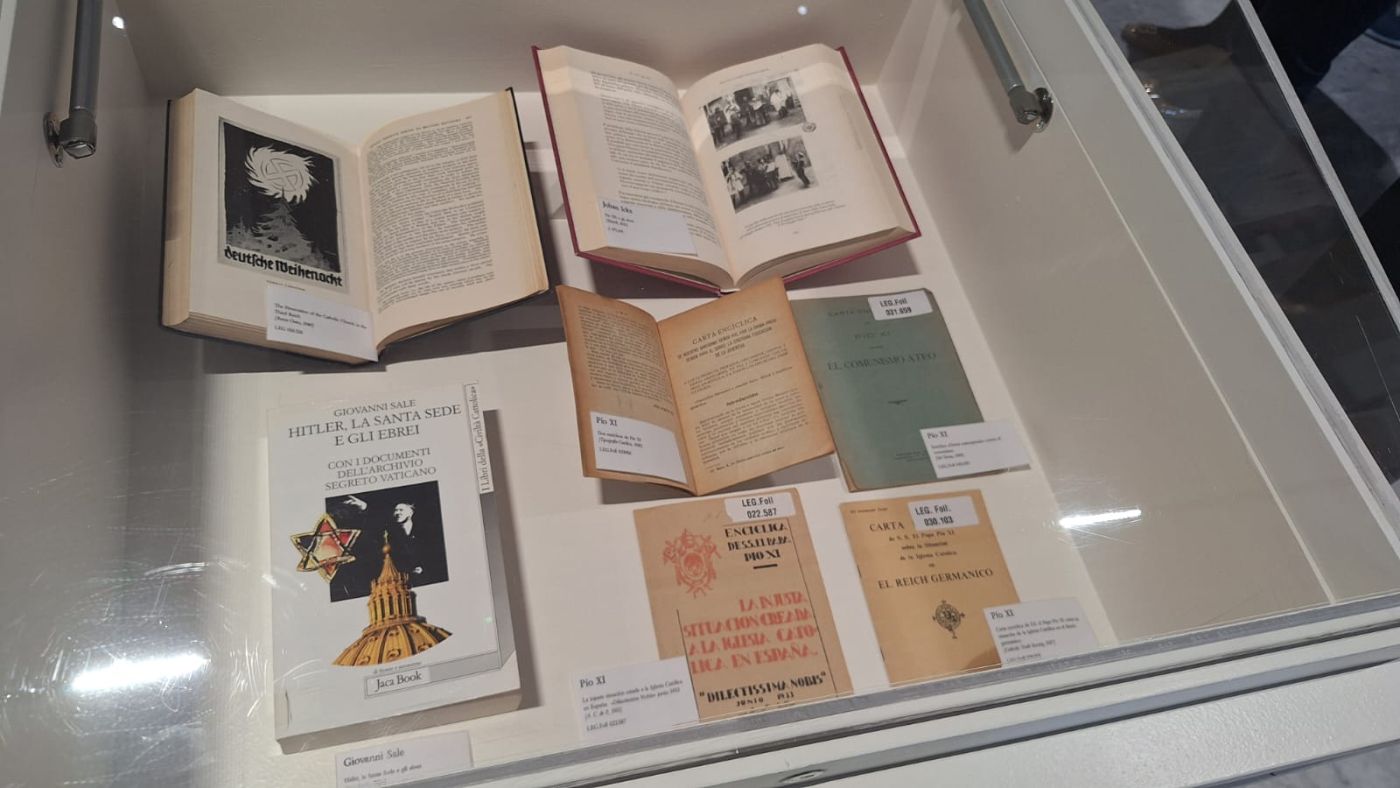
The lecture drew considerable interest among the attending students, as reflected in the questions and lively discussion that followed. The guests attending the event received English-language versions of the Institute’s publications as well as exhibition catalogues.
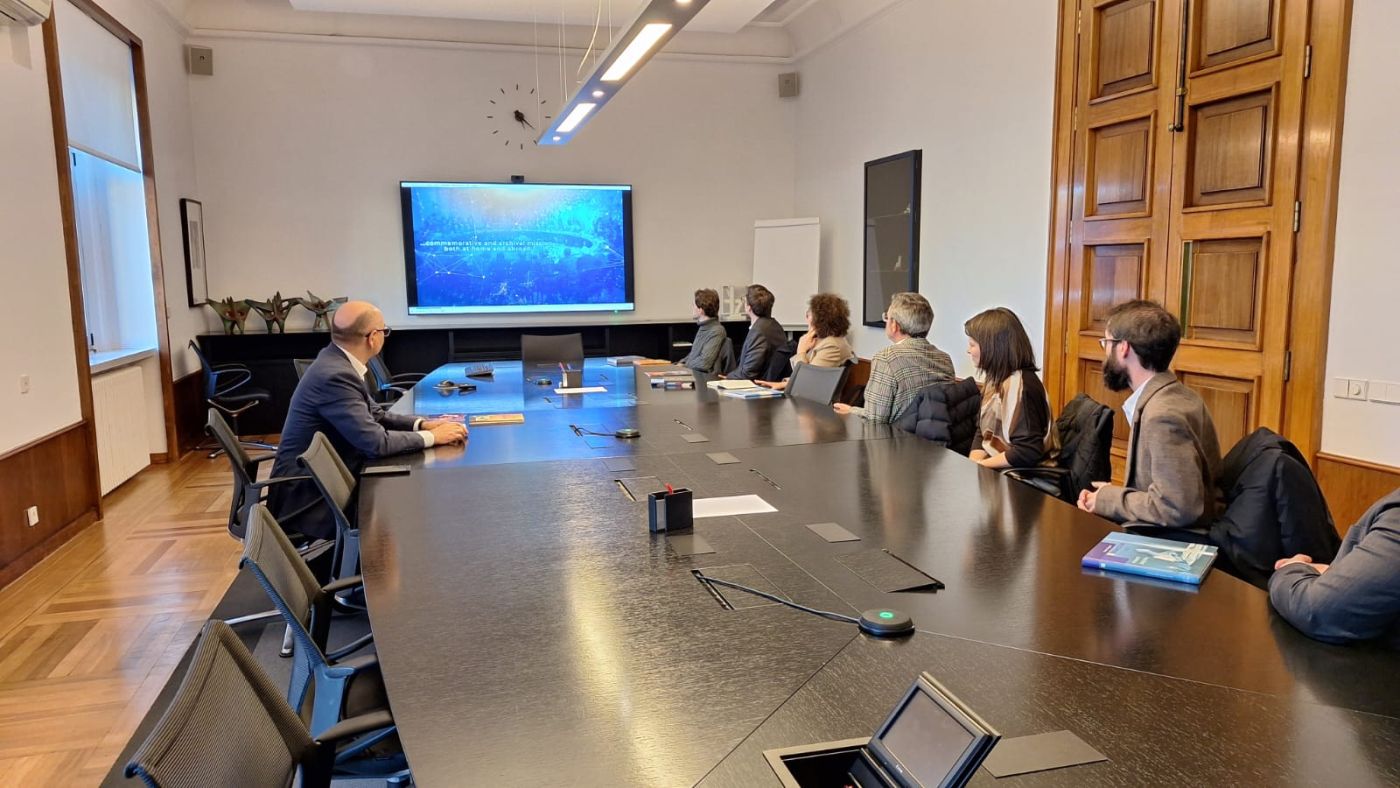
On 27 October, Deputy President Szpytma, met with representatives of the Department of Contemporary History at the University of Navarra, including Professor Pablo Pérez López, the Dean of the Faculty. After presenting the key areas of the Institute’s activities, the conversation focused on opportunities for academic, publishing, and exhibition-related collaboration between the Institute and this prestigious university.
Józef Ulma (2 March 1900 – 24 March 1944)
He was the son of Marcin and Franciszka (née Kluz). His parents had a three-hectare farm, which he helped with from a very young age, He completed a four-grade primary school and was called up for military service in 1921. In 1929, he began studying at the agricultural school in Pilzno, which he graduated with very good results.
He set up the first fruit tree nursery in Markowa and soon began to make a living from the sale of saplings. It was probably thanks to him that grafted apple trees appeared in the area. In addition to horticulture, Józef Ulma was a promoter of fruit and vegetable cultivation; he was also involved in beekeeping and silkworm breeding. His ingenuity and commitment in this area were rewarded at the District Agricultural Show in Przeworsk, which was organised by the Regional Agricultural Society in 1933.
He was a man with broad horizons: part of his book collection, bearing the ex-libris "Home Library – Józef Ulma", has been preserved to this day. The books included an electrical engineering handbook, a photography handbook, a book on the use of wind in the economy, and a publication on the people of Australia. He subscribed to the "Wiedza i Życie" [Knowledge and Life] monthly and was able to construct a bookbinding machine and a home wind turbine, making him the first person in the village to light his house with electricity rather than a paraffin lamp.
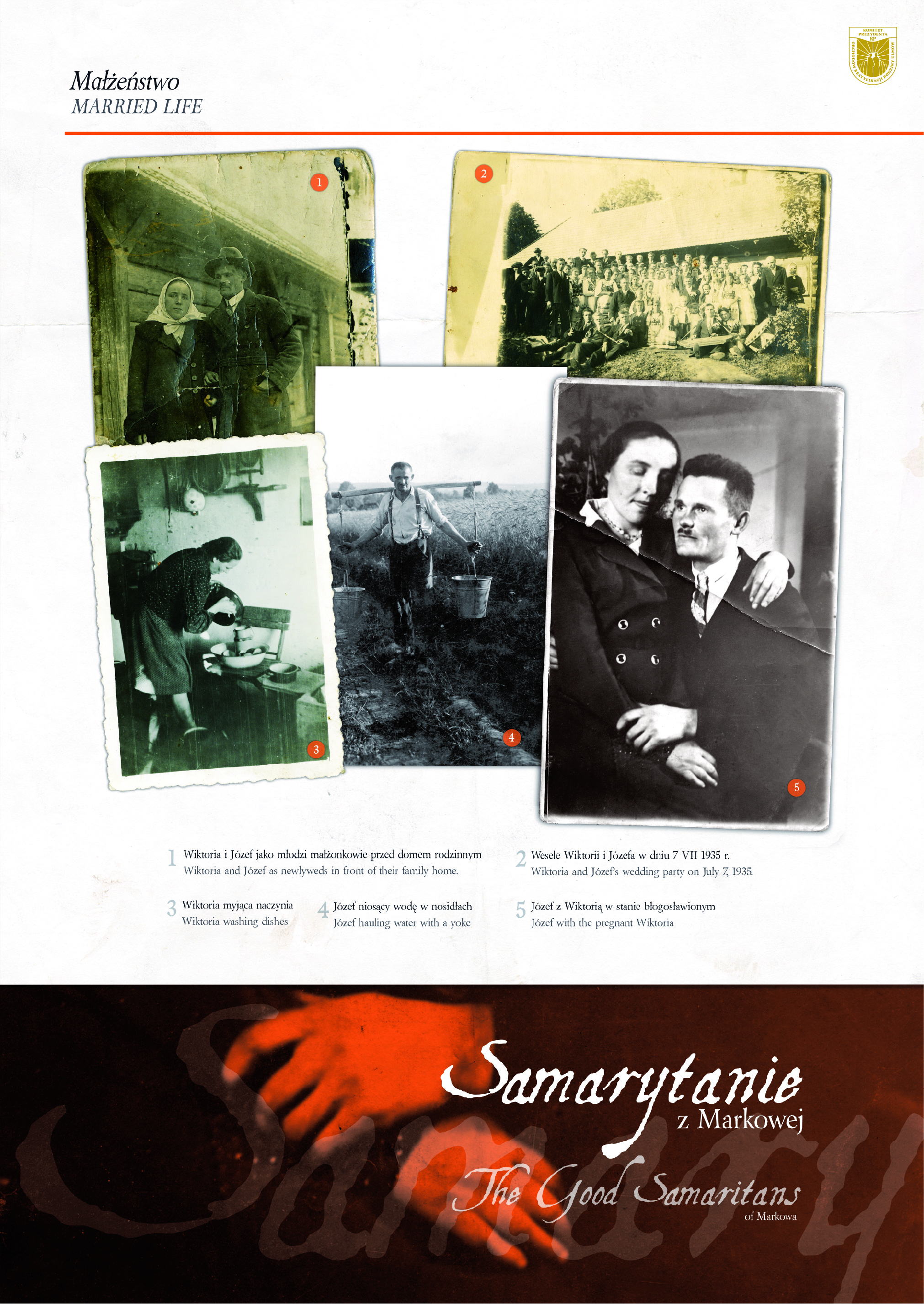
Józef's greatest passion was photography. At first, he used a self-assembled camera, but with time he started to use professional equipment, thanks to which he documented the everyday life of Markowa's inhabitants. Many of the photographs have survived to this day – some of them are presented on this website.
He was a keen community worker. He was active in the Catholic Men's Youth Association and later in the Polish Rural Youth Union, where he served as librarian and Chairman of the Agricultural Education Committee at the District Board. For some time he was also the manager of the Dairy Cooperative in Markowa.
After his marriage to a 12 years his younger Wiktoria, and after the birth of subsequent children, he decided to move with his family to the eastern edge of the Lwów Voivodeship, where landed estates were being parcelled out. In 1938, the Ulmas bought 5 ha. of black soil land in Wojsławice near Sokal. However, the move did not happen due to the outbreak of war. In September 1939, Józef took part in the defensive war.
Wiktoria Ulma, née Niemczak (10 December 1912 – 24 March 1944)
She was born as the seventh child of John and Franciszka, née Homa. Her mother died when she was six years old, and a year before her marriage she was orphaned by her father. Like Józef, she was socially engaged. She played in the village theatre and attended courses organised by the People's University in Gać.
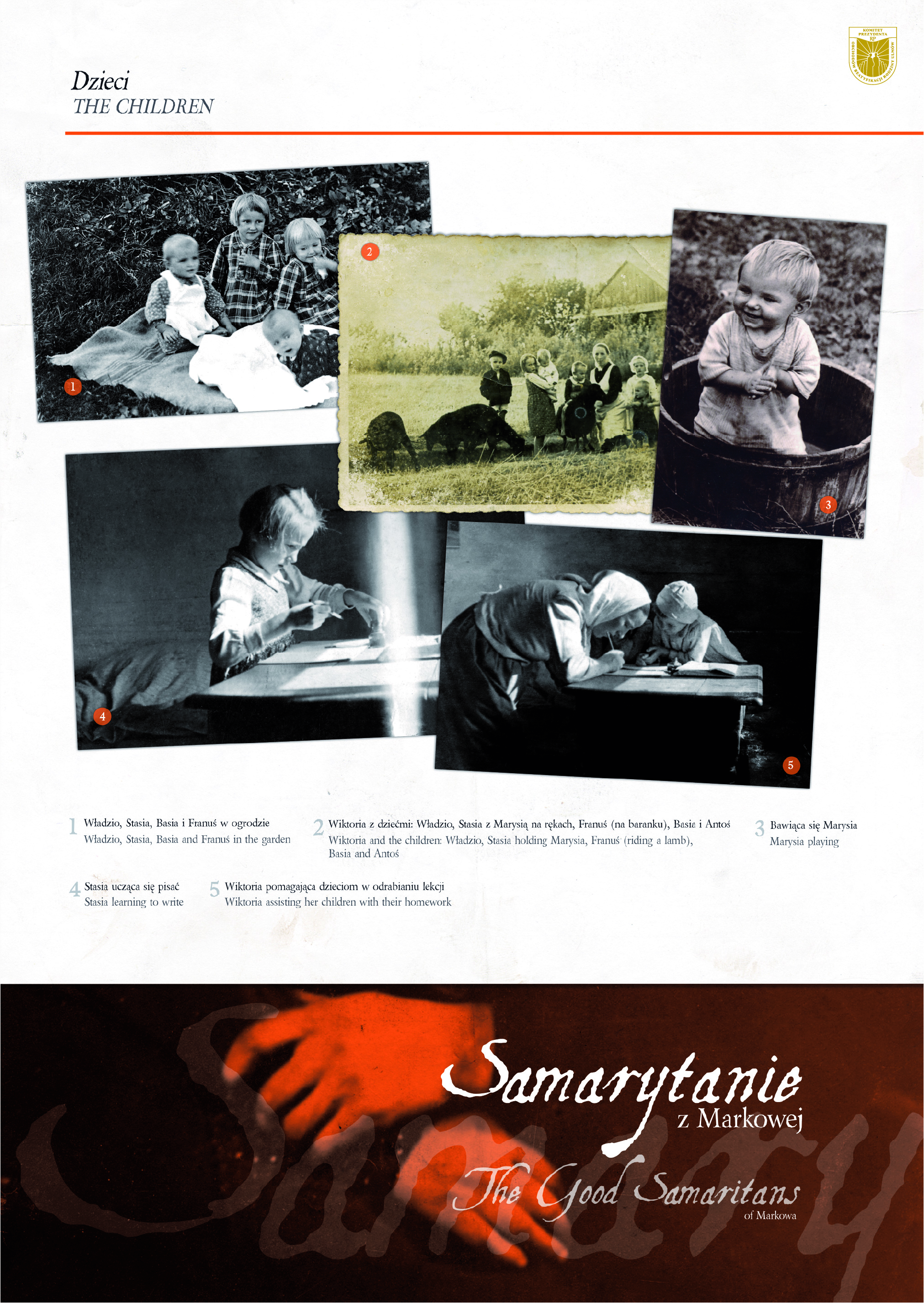
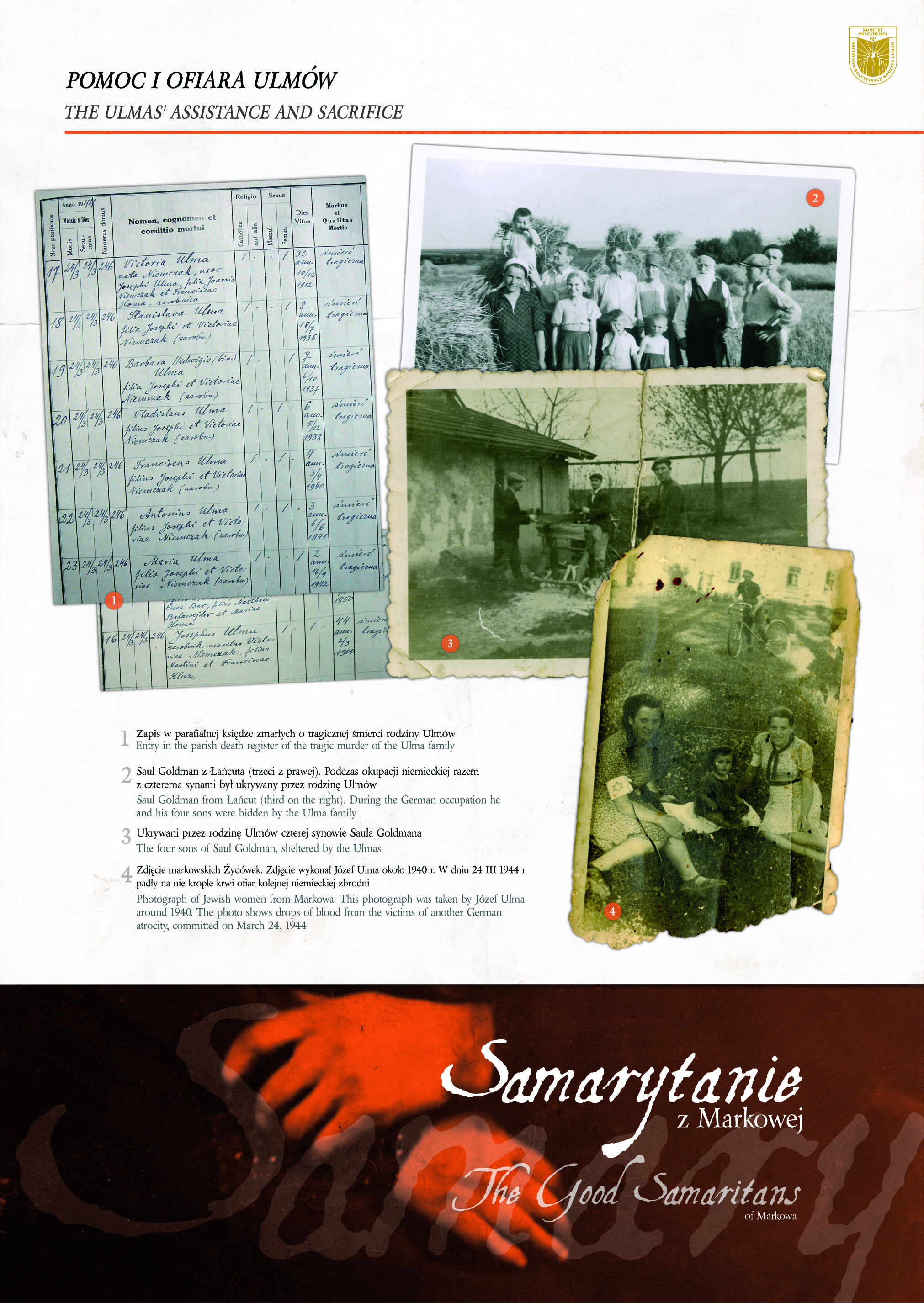
In 1935, she married Józef and one by one their children were quickly born: Stanisława (born 18 July 1936), Barbara (born 6 October 1937), Władysław (born 5 December 1938), Franciszek (born 3 April 1940), Antoni (born 6 June 1941) and Maria (born 16 September 1942). At the time of her death, she was heavily pregnant with her seventh child, which she began to deliver as a result of the tragic situation.
The Markowa massacre
Before the outbreak of the Second World War, there were at least 120,000 Jews living in the Subcarpathian region. There were around 120 people of the Mosaic faith in the almost 4,500-strong town of Markowa alone. Their houses did not form a compact cluster but were scattered throughout the village. They also had three prayer houses, and for major holidays they attended the synagogue in Łańcut. The Markowa Jews made their living mainly from trade, and only a few were farmers.
Józef Ulma was on very good terms with the Jews even before the war. Several Jewish families lived next door to him, and he traded the vegetables he grew with others.
The wartime terror began to take its toll very quickly. On 23 November 1939, an order came into force that all Jews over the age of 10 should wear armbands with a Star of David on their arms. Other restrictions soon followed: compulsory work, a ban on using means of transport or leaving the place of residence without permission. Jews were placed in ghettos or sent to labour camps.
In 1941, the Germans decided on a "final solution to the Jewish question" and the fate of the Jews became tragic. Almost 6 million European Jews died in the death camps, as a result of shootings, in gas chambers, and from exhaustion. By the end of 1942, German Reich functionaries had murdered almost 1.3 million Jews from the Warsaw, Radom, Lublin and Kraków districts, more than half a million from the Galicia district and about 130,000 from the Białystok district. Still in 1941, the Germans – as opposed to the situation in the occupied countries in Western Europe – introduced the death penalty in the Polish lands for providing any kind of help to Jews. About a thousand Poles were murdered for this reason.
Operation "Reinhardt," which had been in progress since March 1942 and aimed at the extermination of all Jews in the General Government and the Białystok District, began to be implemented in and around Łańcut in late July and early August 1942. The Germans banned Jews from the Markowa area and began deporting them to the labour camp in Pełkinie and then to the extermination camp in Belzec.
At that time, some of the Markowa Jews asked the Ulmas for help. Initially, Józef helped them build dugouts on the outskirts of the village. We know of a family of four, called the Ryfkas, whom he helped build a shelter in a ravine near a stream. However, this was not an effective way to survive – the German gendarmes, together with the blue policemen, conducted ad hoc searches for Jews: both in the village and in the surrounding area.
On 13 December 1942, the Germans ordered the village head of Markowa to organise a search operation. The latter informed the villagers of the planned operation before noon, thus enabling those in hiding to better secure their hideouts. At least 26 residents, mostly coerced, found 25 of the approximately 54 Jews in hiding
Those captured were locked up in the so-called municipal jail located at the main crossroads in the village. On 14 December 1942, they were all shot by the German gendarmerie from Łańcut. Despite this operation, 29 Jews continued to be hidden in Markowa after December 1942, 21 of whom lived to see the end of the occupation.
Eight were murdered along with the Ulma family on 24 March 1944.
Jews were hidden in Markowa by several families, but the Ulmas took in the largest group. This took place most likely in December 1942. They were friends of the Ulmas from Łańcut: Saul Goldman with his sons Baruch, Mechel, Joachim and Mojżesz, and the Ulmas' neighbours from Markowa – Gołda Grünfeld and Lea Didner, daughters of Chaim Goldman – a relative of the aforementioned Saul. Lea was in hiding with her little daughter named Reszla.
Lea and Gołda's parents were Chaim and Estera Goldman, one of the few Jews who were both farmers and traders, running a shop in Markowa.
We know that Józef Ulma, together with the Goldmans, was involved in tanning hides and skins, which he sold to earn a living. This was made possible by the location of the Ulmas' house on the outskirts of the village. The Jews who hid at their house probably paid for their upkeep; however, there is no reason to believe that the Ulmas helped them in return for financial gratification. Even at the end of the occupation, Gołda Grünfeld still had the gold valuables, which were found next to her corpse by German gendarmes.
However, the large quantities of food that Wiktoria was buying drew the attention of those around them and suggested that family members were not the only people living in the house. Who and when reported the hiding Jews to the Germans remains a mystery. It was probably Włodzimierz Leś – a constable of the Polnische Polizei, i.e. a blue policeman from Łańcut. According to the underground's findings, he was an exceptionally zealous collaborator with the German occupiers. The documents also suggest that before the Goldmans turned to the Ulmas for help it was Leś who, for money, helped them hide in Łańcut and later drove them out, while keeping their property.