
The Institute of National Remembrance remains an important point of reference for institutions worldwide engaged in the study of human rights, totalitarian systems, transitional justice and the process of democratization.
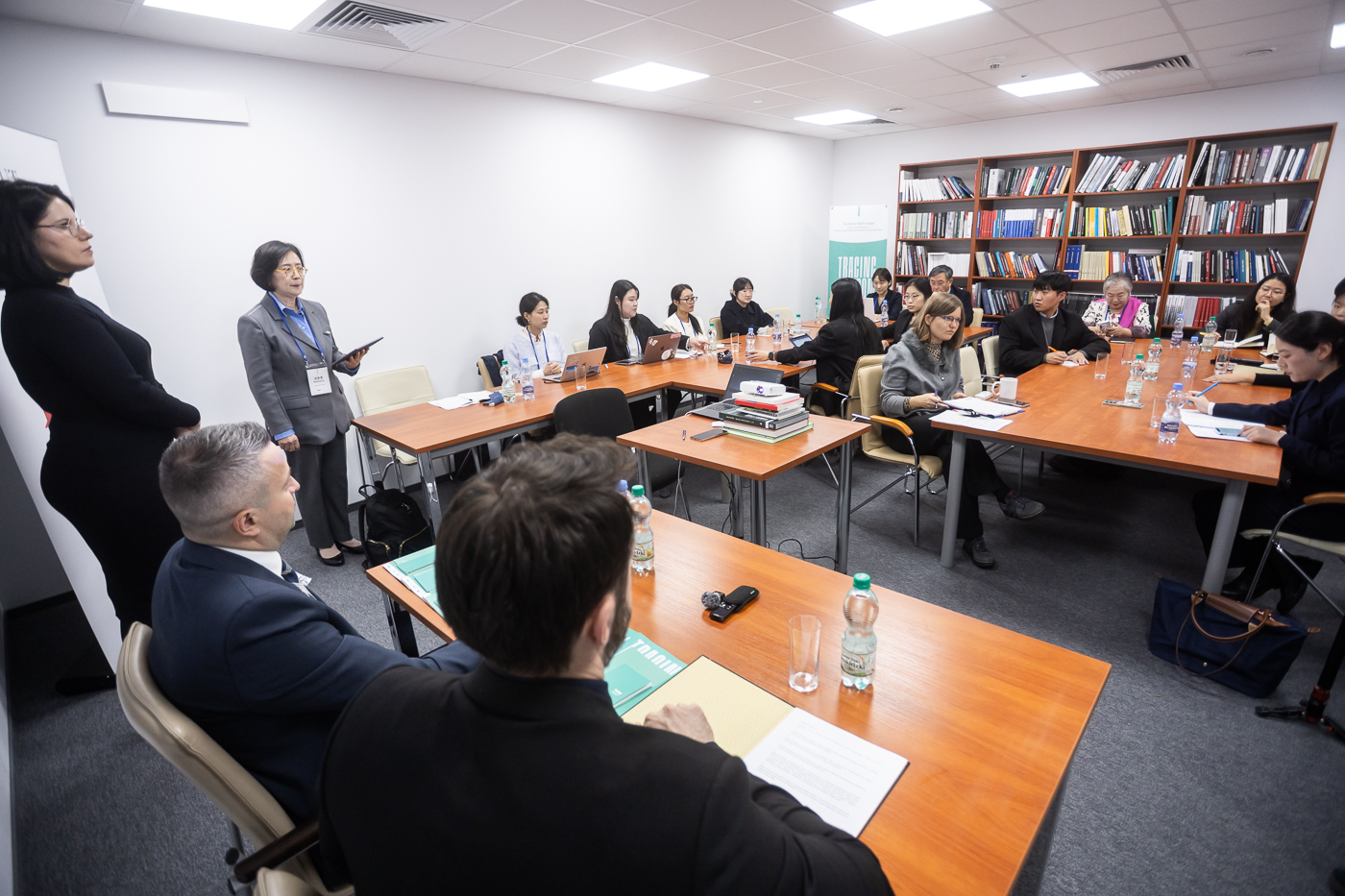
On 28 October 2025, the IPN hosted a delegation from the South Korean non-governmental organization THINK – The Human Rights in North Korea, which advocates for the protection of human rights in the Democratic People’s Republic of Korea. Established on 1 January 2019 in Seoul as a non-profit organization, THINK is dedicated to advocating for the protection of human rights in North Korea and safeguarding the rights of those who have fled the country and found refuge in other countries. The organization also works to raise international awareness of the extent of human rights violations in North Korea through campaigns, exhibitions, film screenings, symposia, and study visits abroad.
In support of those who have fled from North Korea, particularly young people, THINK runs educational and development programs, including language courses, vocational training, and international study visits.
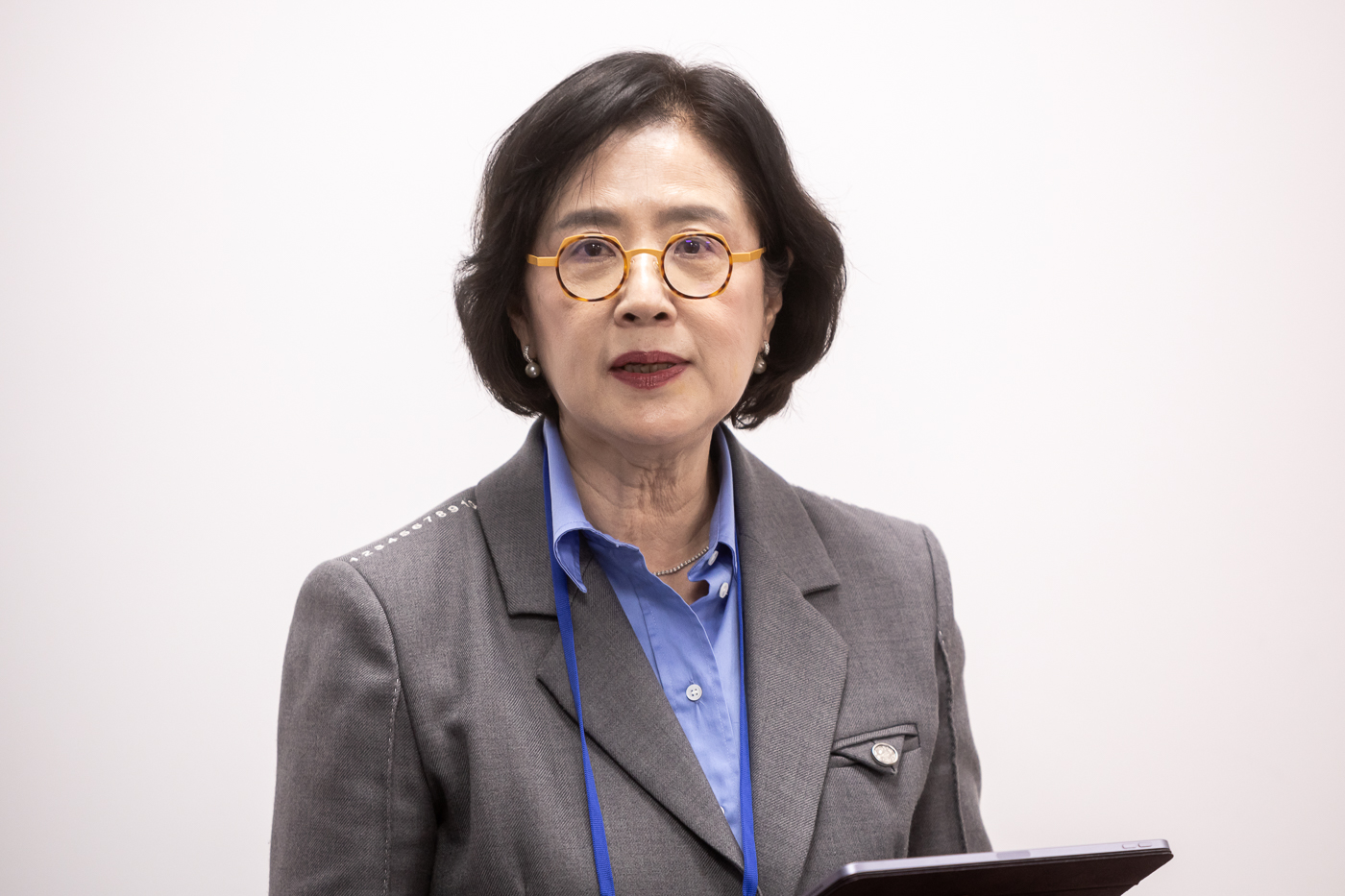
The delegation - comprising six members of THINK and ten students from two leading South Korean universities, Korea University and Ewha Womans University in Seoul - was headed by Ms. Moonkyung Son, Chairperson of THINK – The Human Rights in North Korea.
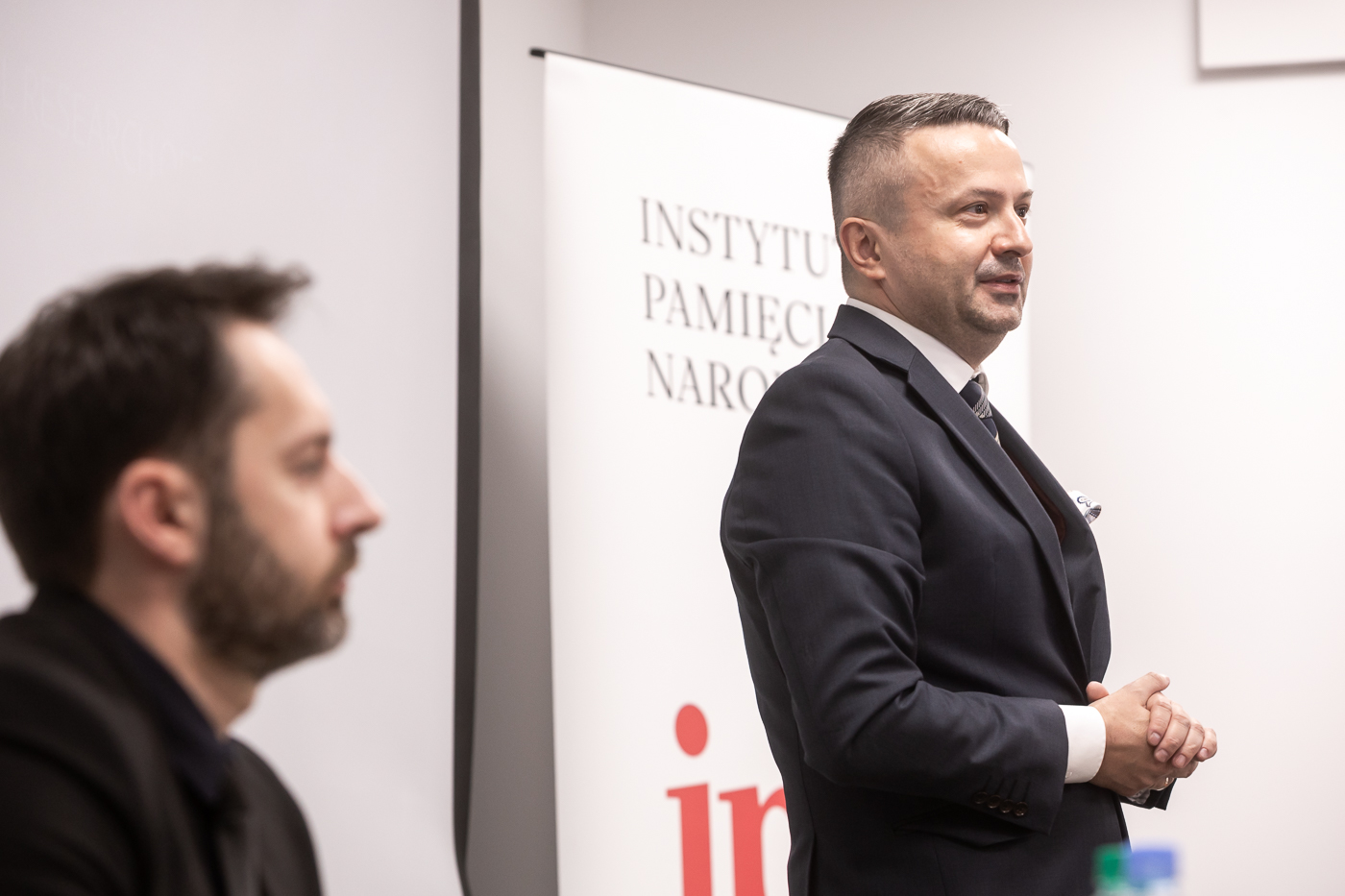
During the meeting, Sebastian Pilarski Ph.D., the Director of the IPN Historical Research Office, presented ongoing research projects. Mateusz Marek Ph.D., the Deputy Director of the International Cooperation Office, discussed the mission of the Institute and highlighted the international aspects of its work.
The program continued with three presentations by researchers from the IPN’s Historical Research Office, focusing on key aspects of Poland’s history in the second half of the twentieth century.
Prof. Rafał Łatka delivered a lecture on the role of the Catholic Church and religious communities in the Polish People’s Republic (PRL), emphasizing that the Church was among the few institutions able to maintain autonomy from the state and played a vital role in shaping resistance to the totalitarian regime. Grzegorz Wołk Ph.D., outlined the activities of the opposition in the Polish People’s Republic, presenting various forms of resistance to communist rule - from intellectual and publishing initiatives to underground organizations and the “Solidarity” movement. Finally, Tomasz Kozłowski Ph.D., analyzed the course of Poland’s systemic transformation, discussing the key political, social, and international factors that made the peaceful transition to democracy possible.
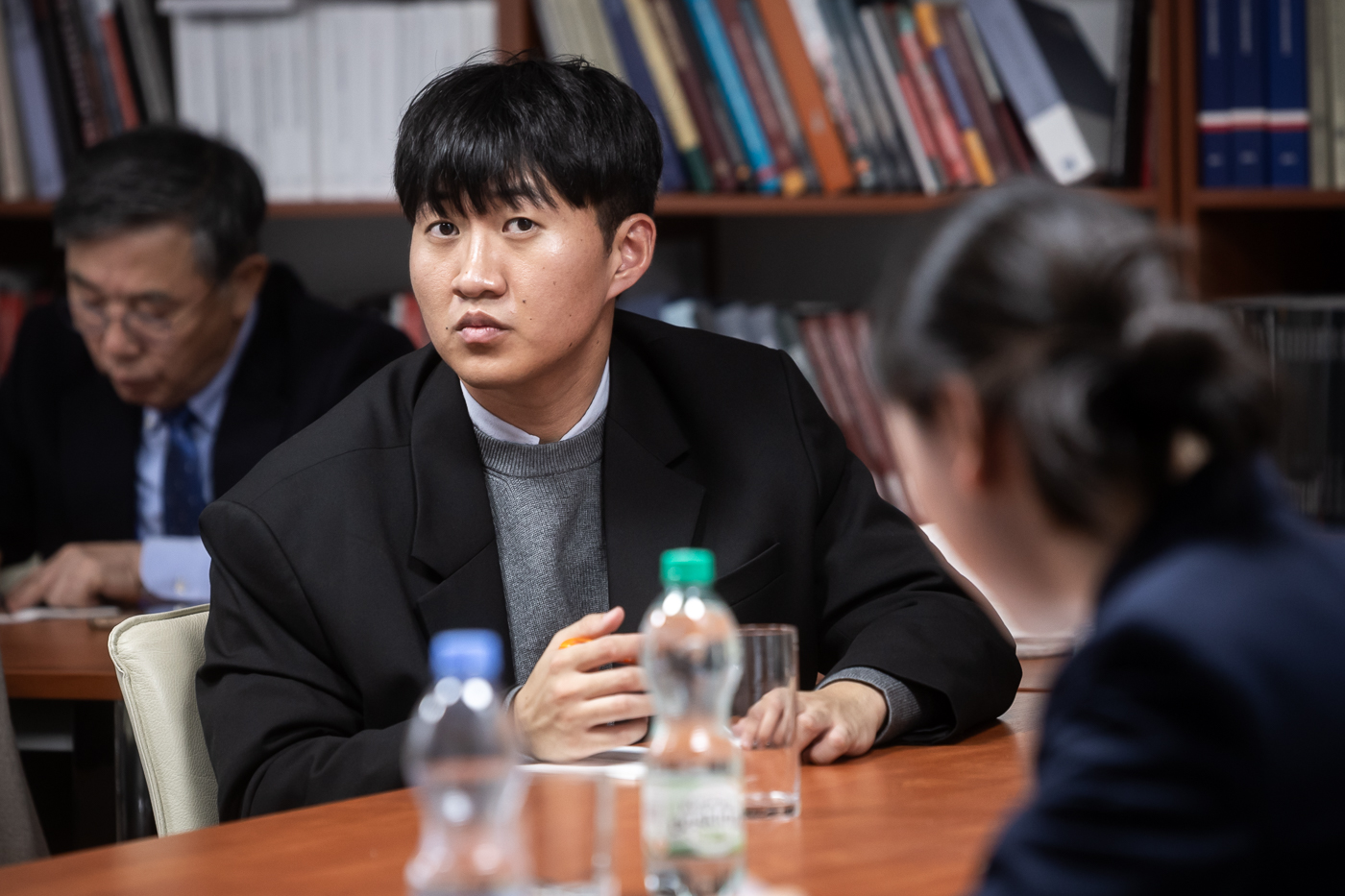
The presentations by Polish historians aroused considerable interest among the guests, who posed numerous questions concerning both mechanisms of resistance under communism and the role of civil society in democratic change.
The meeting was organized by the IPN Historical Research Office.