
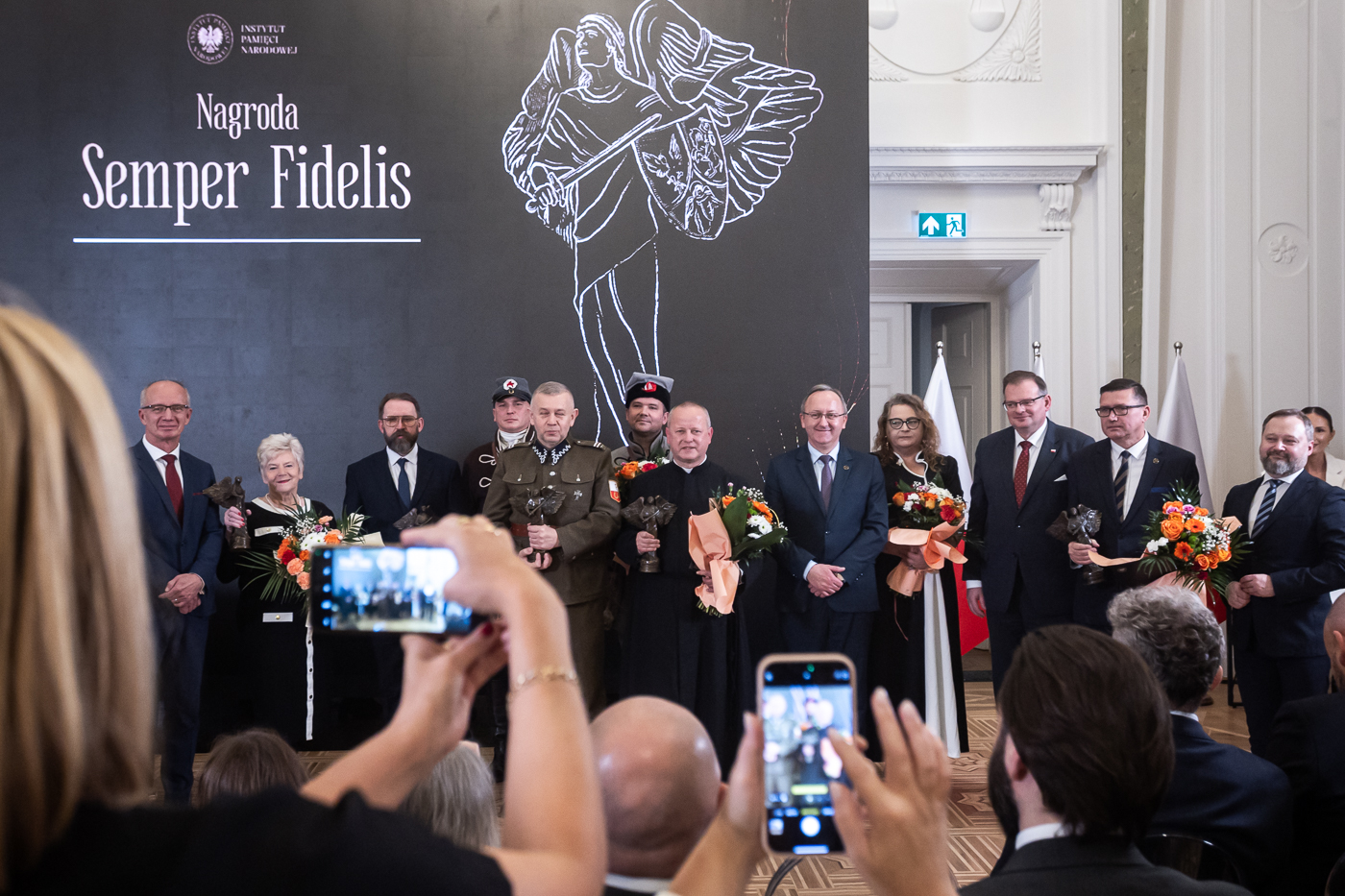
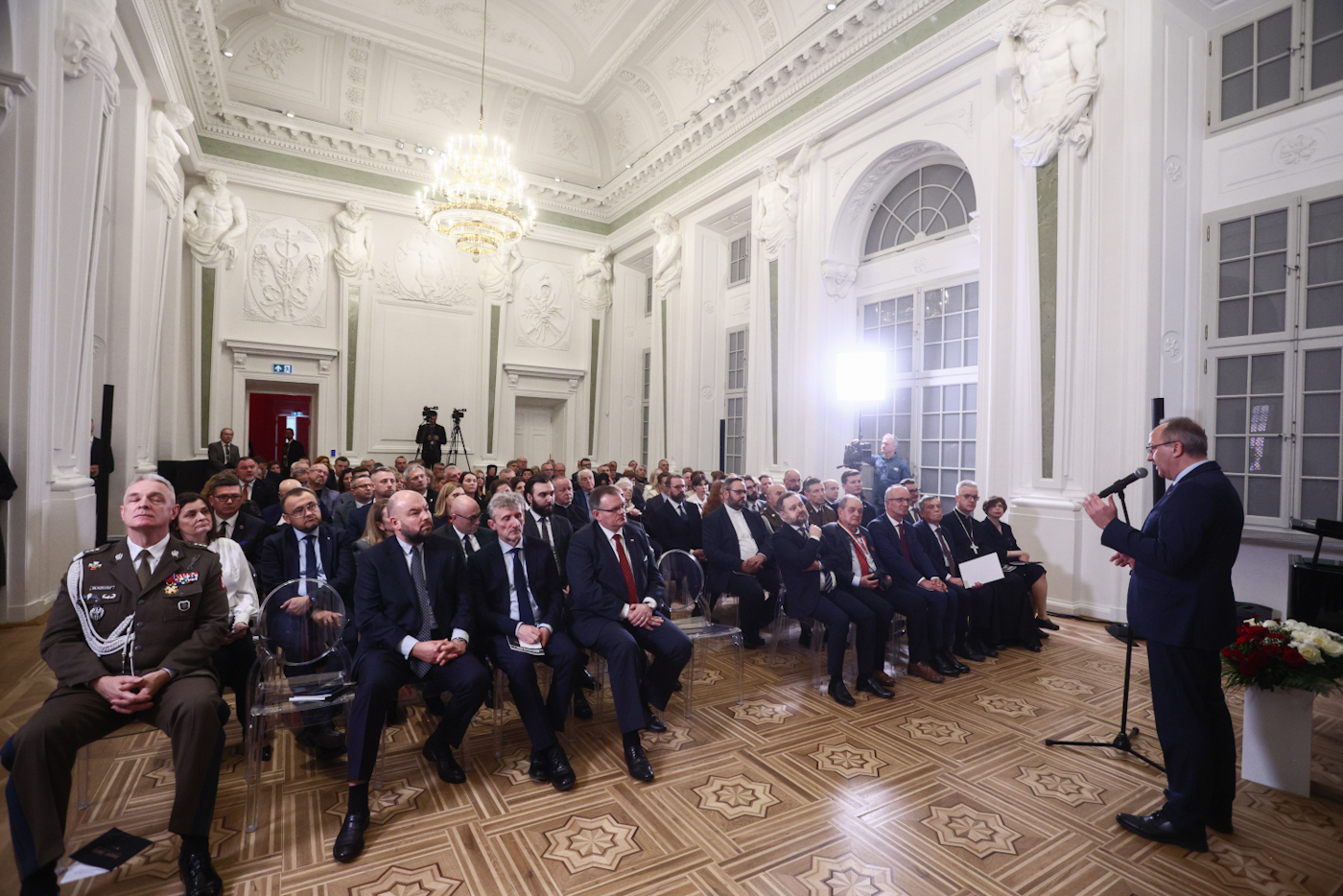
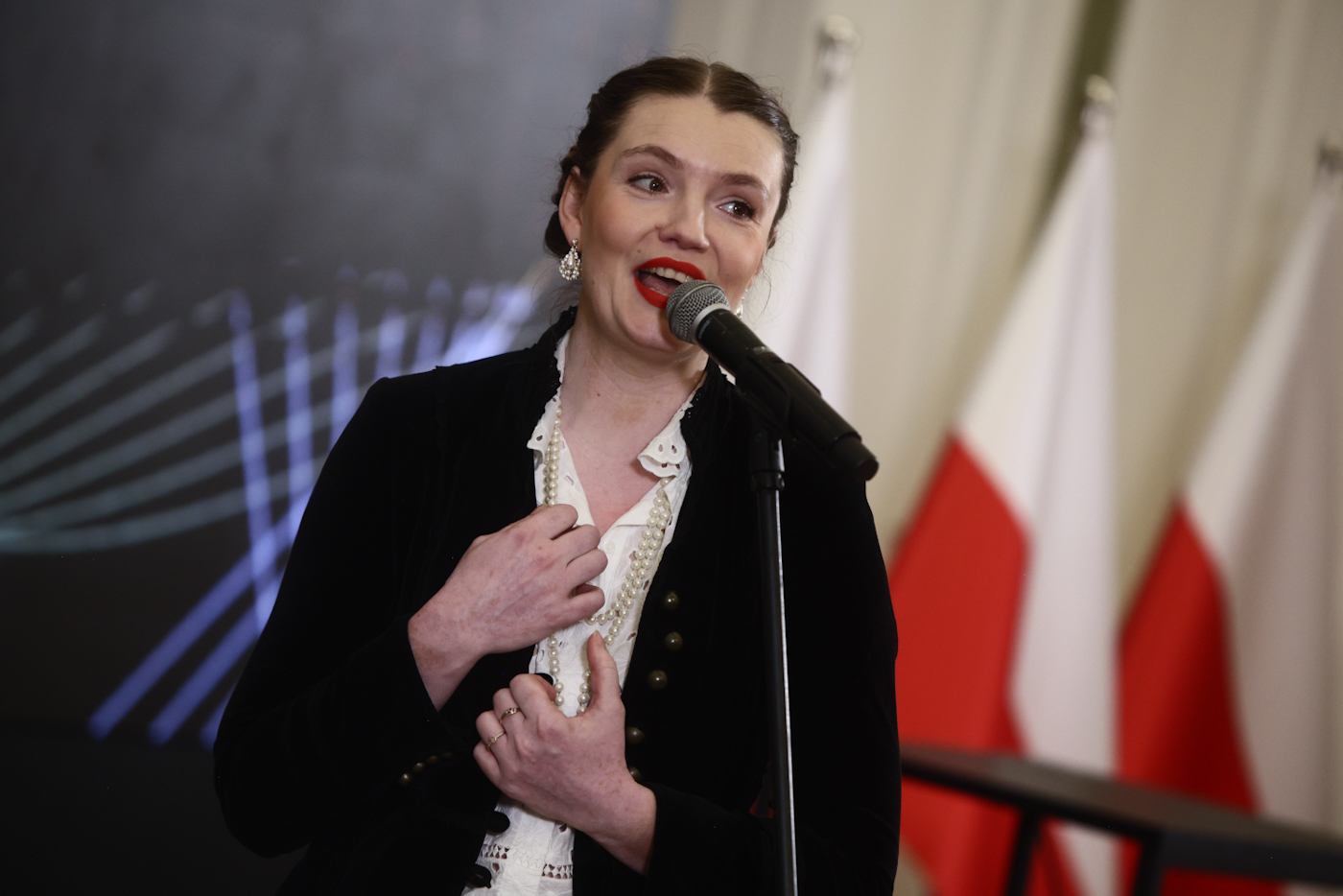
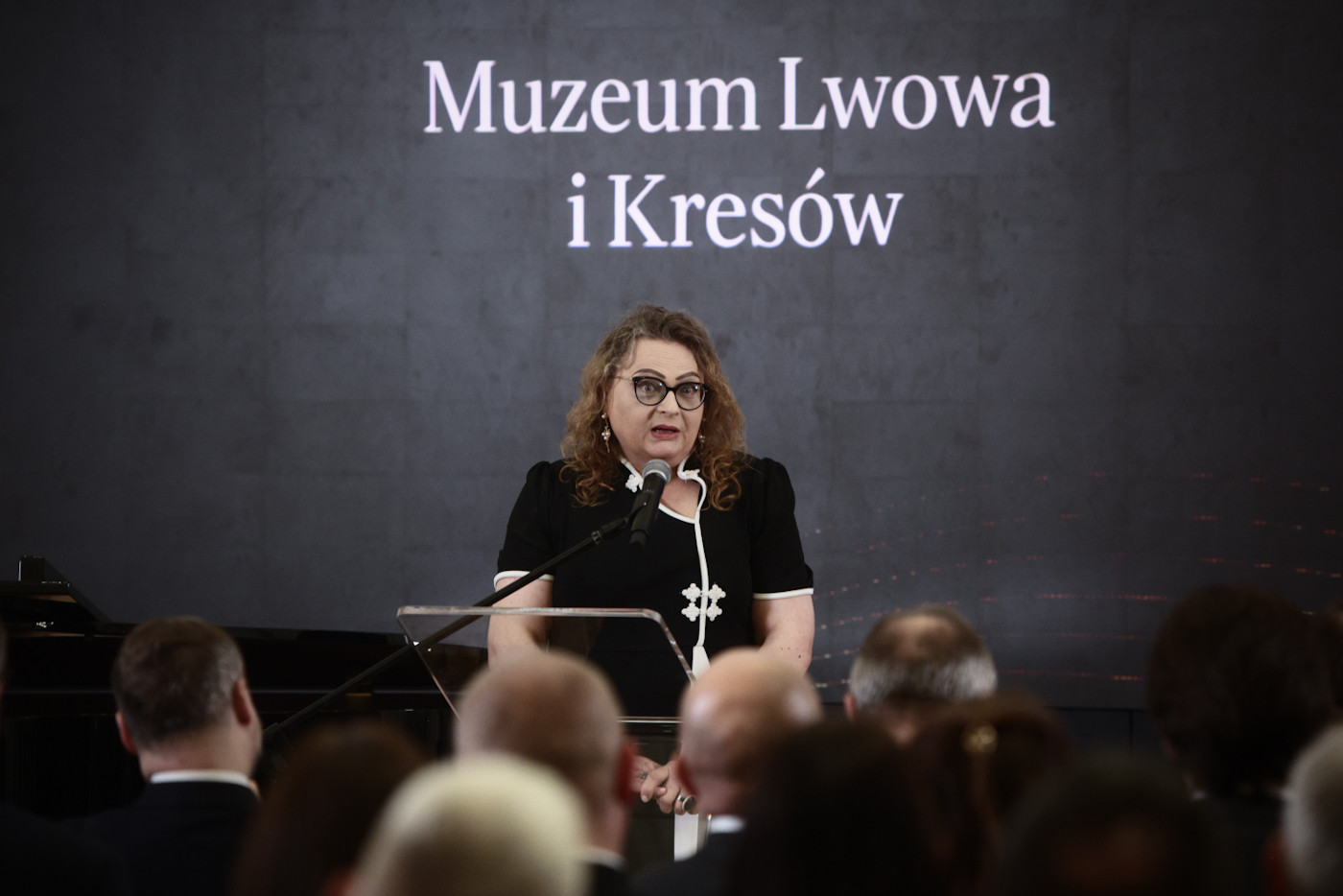
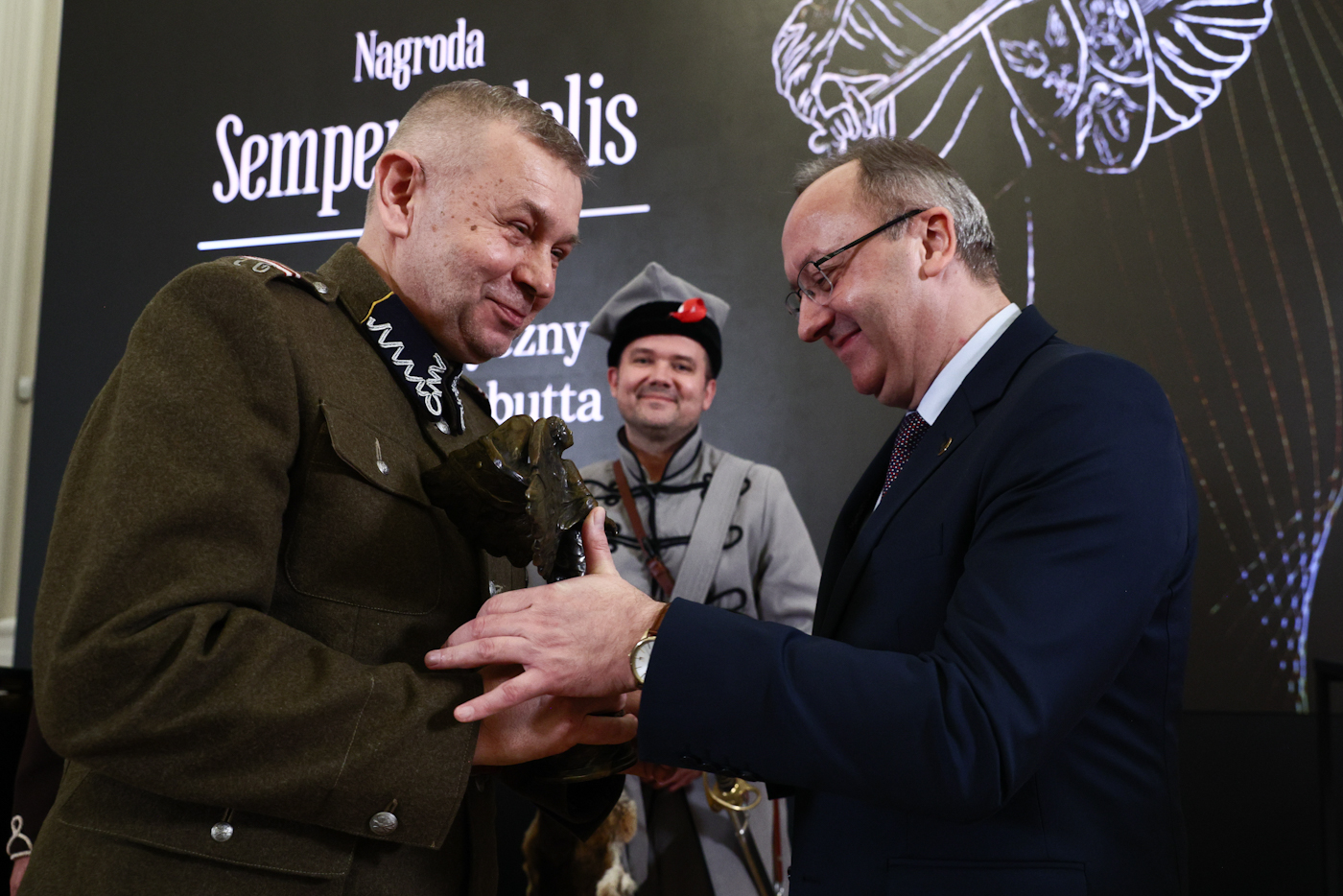
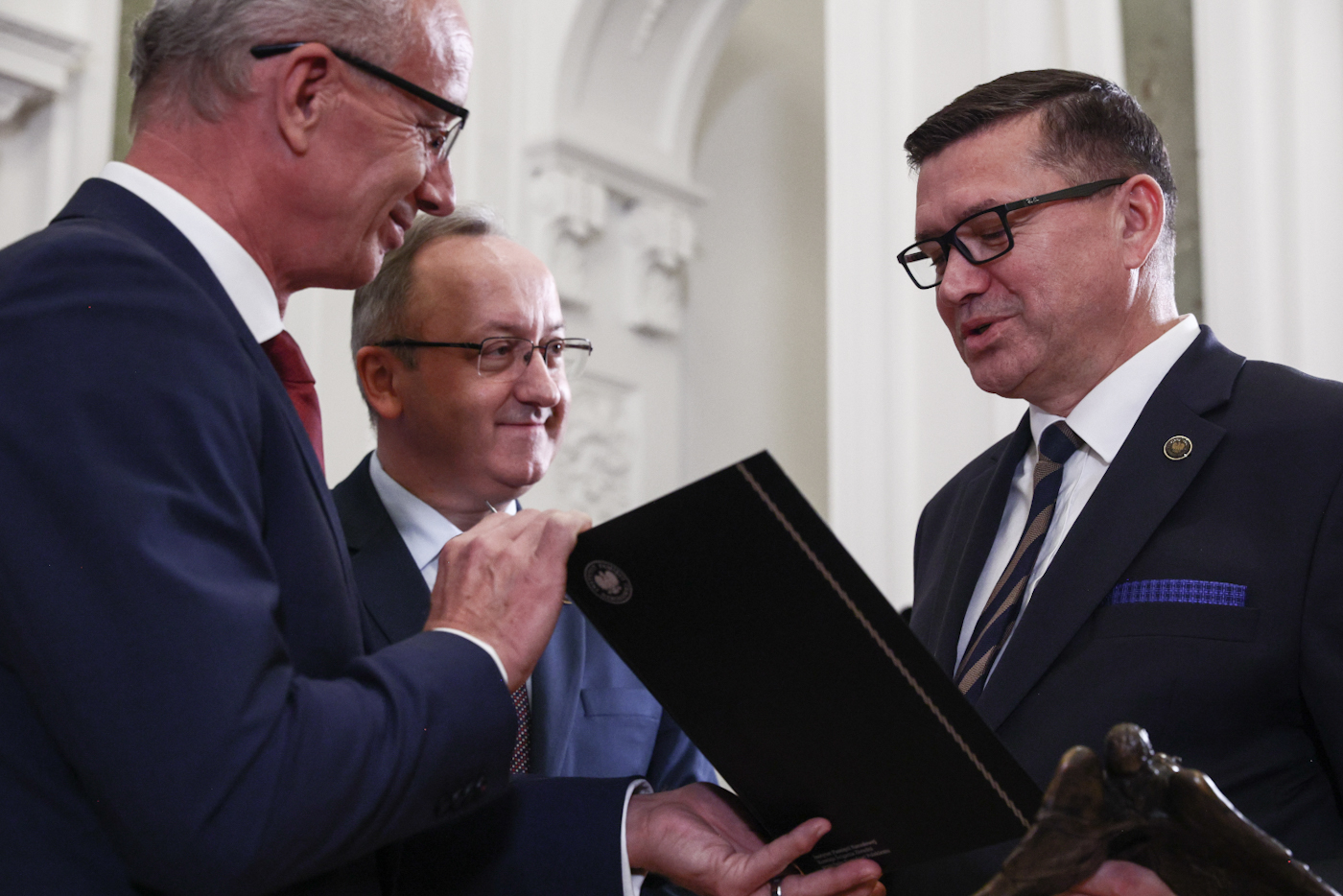
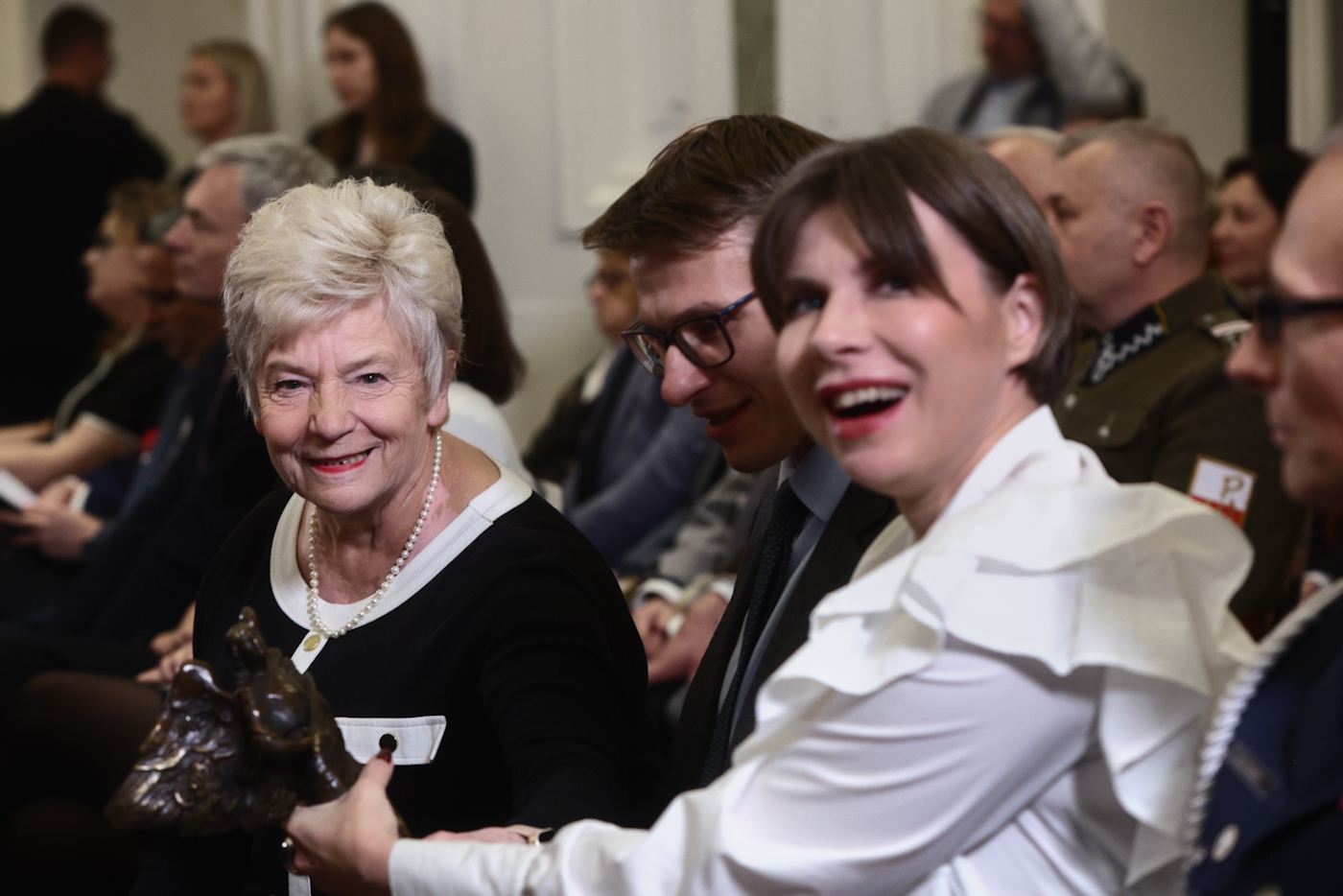
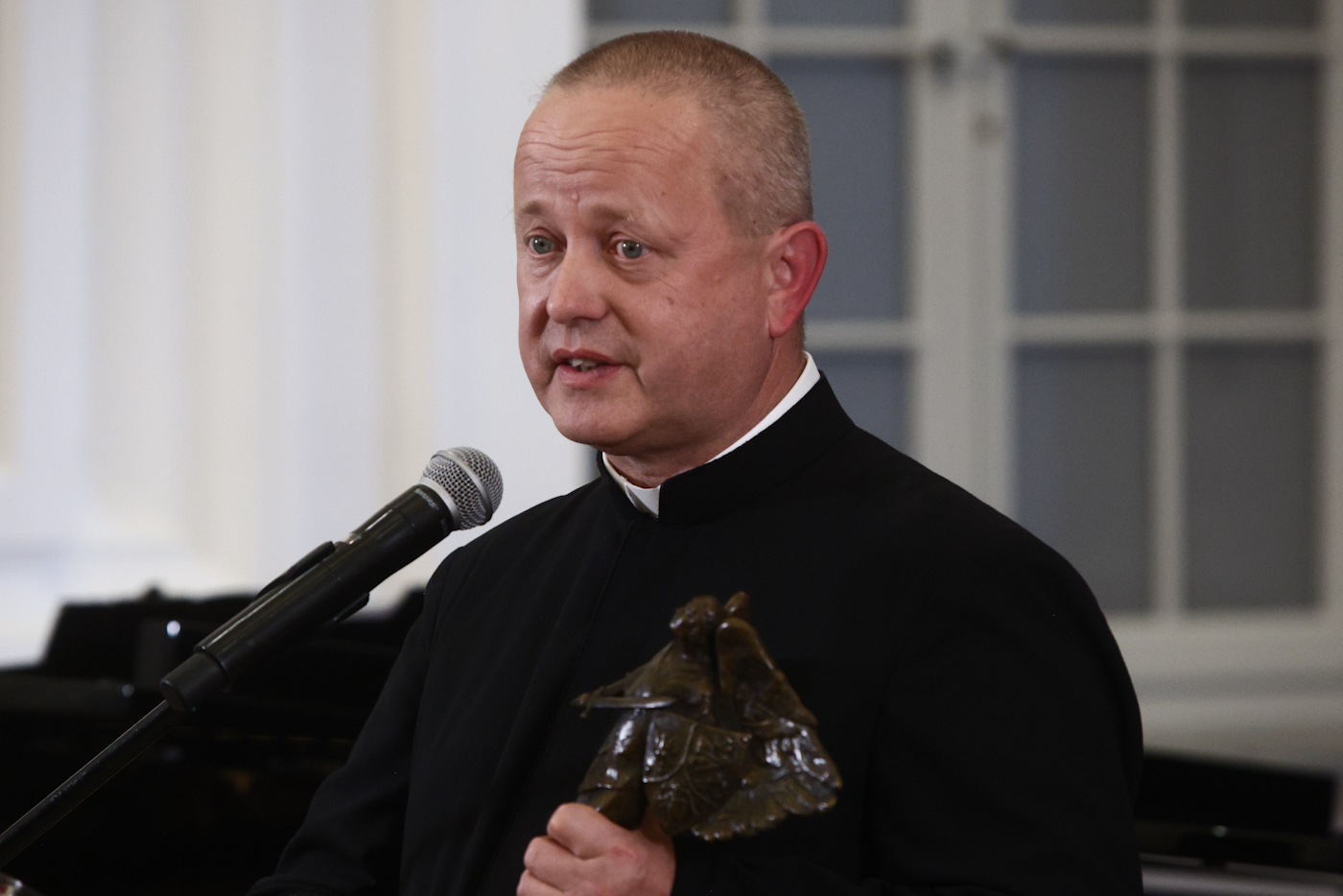
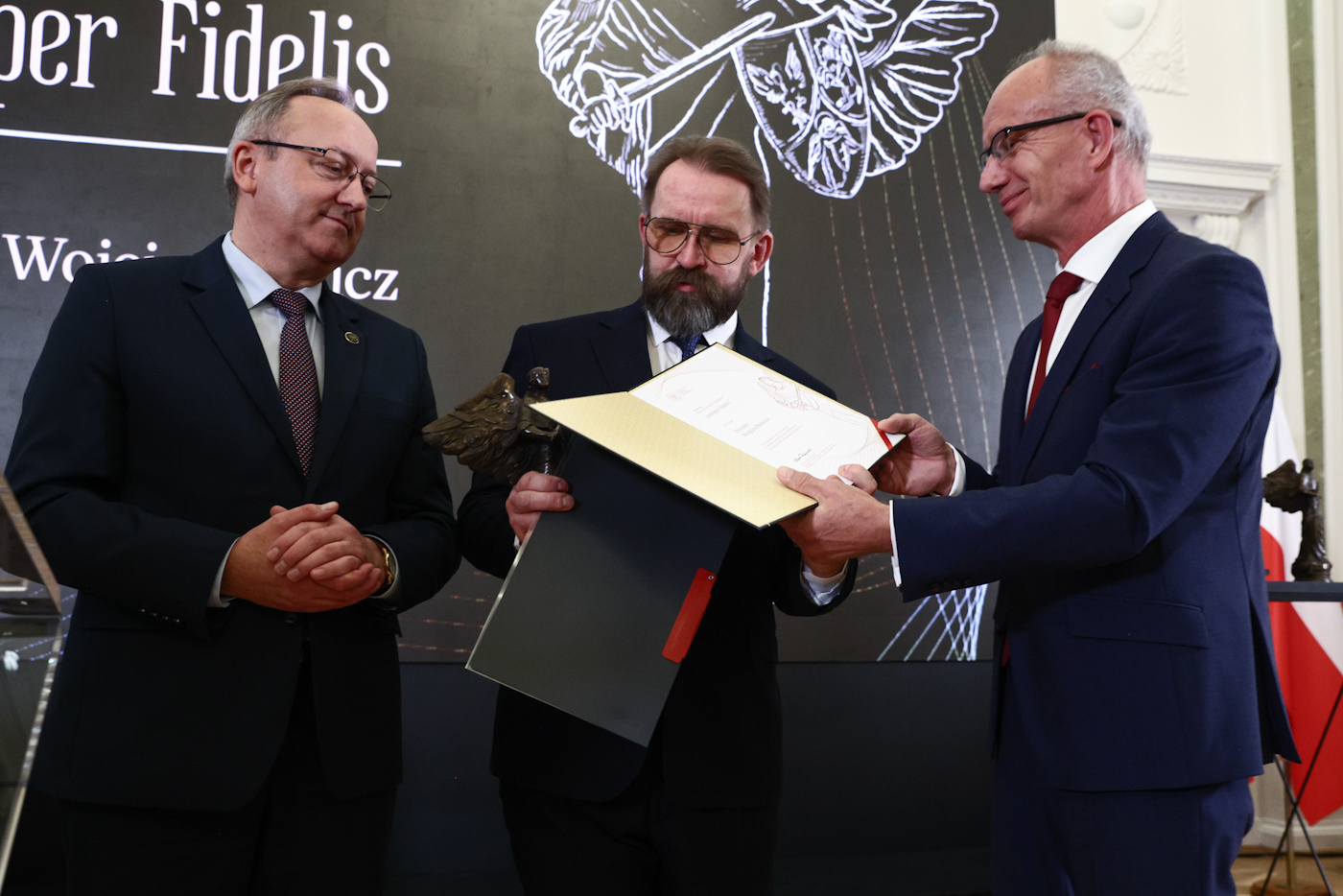
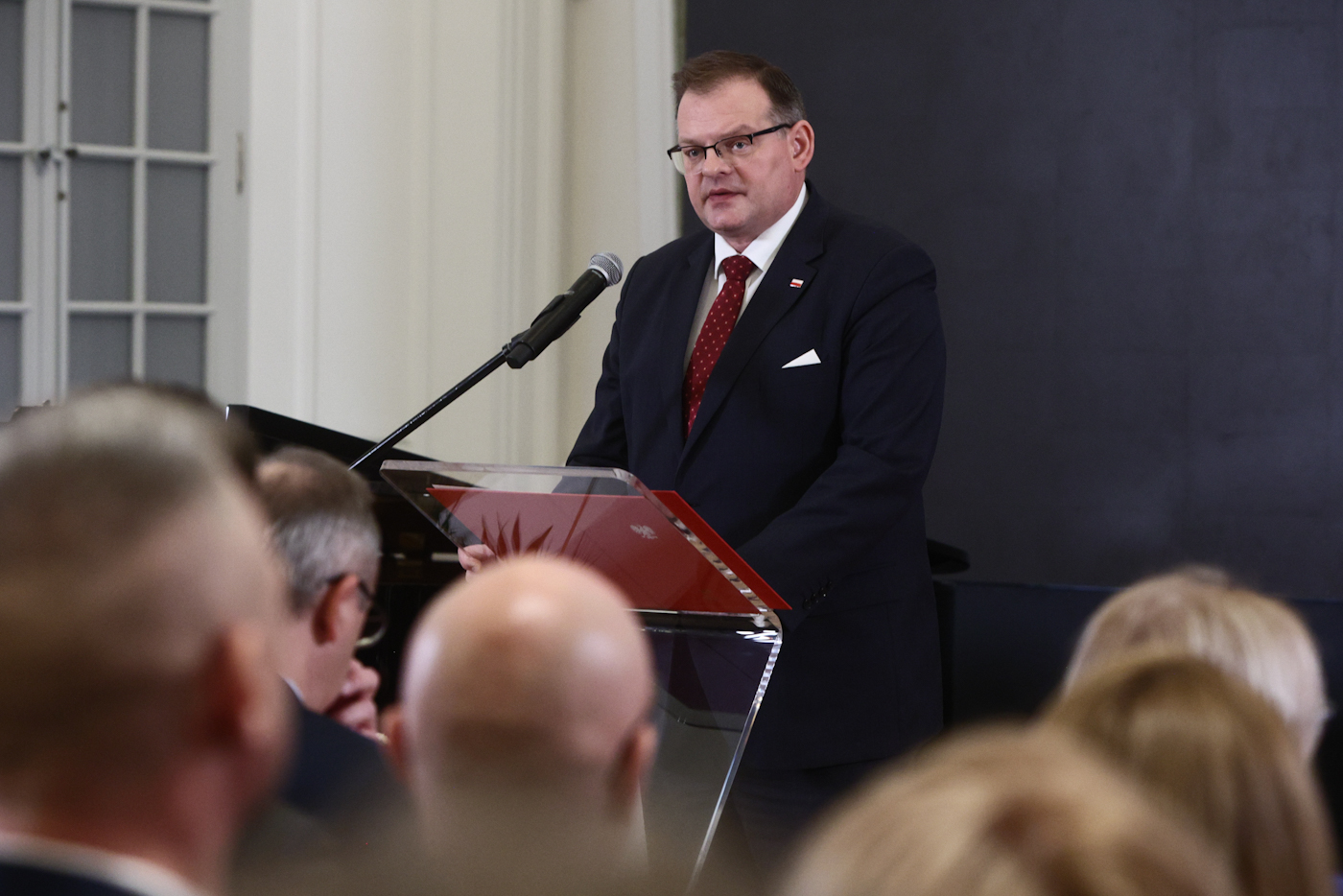
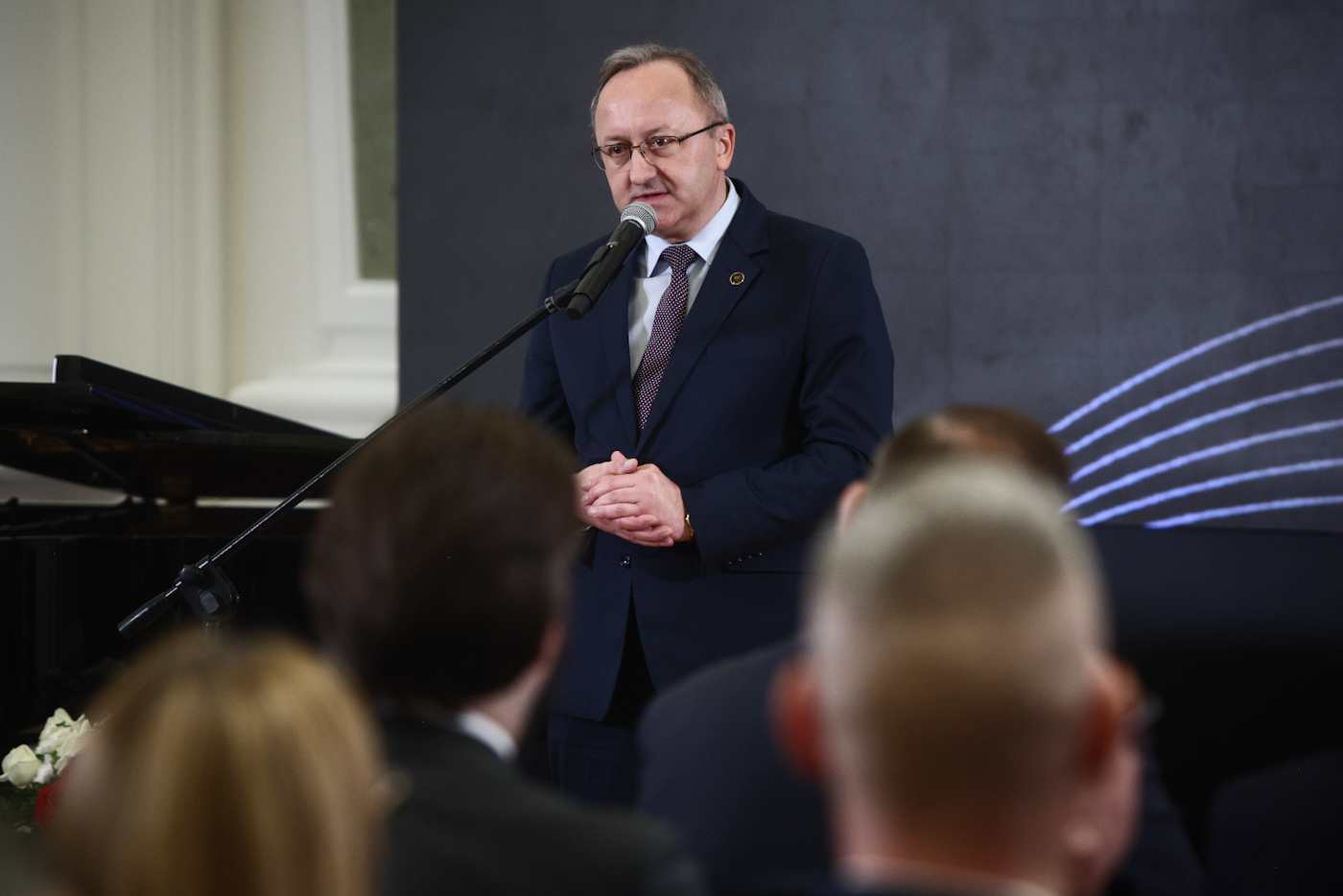
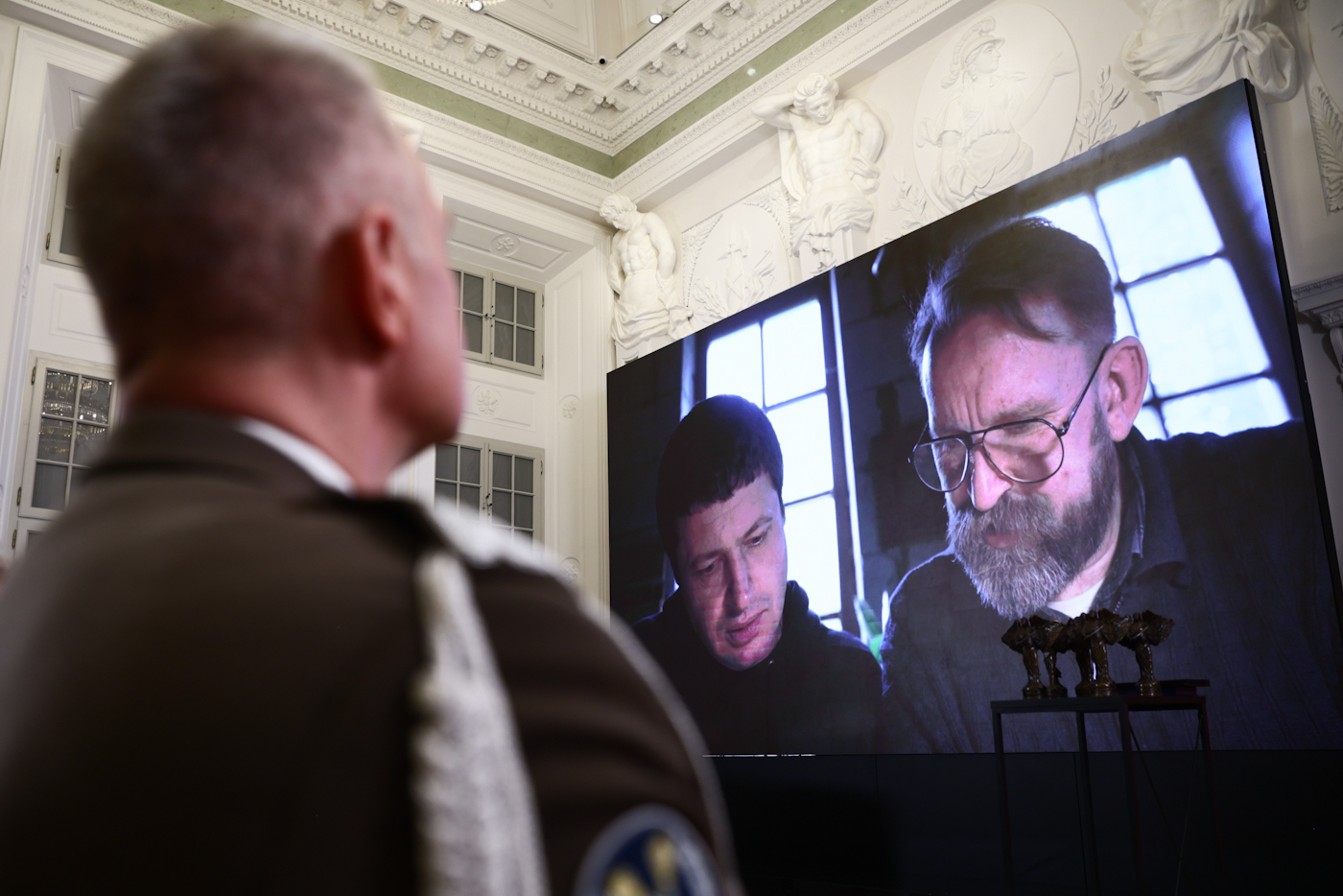
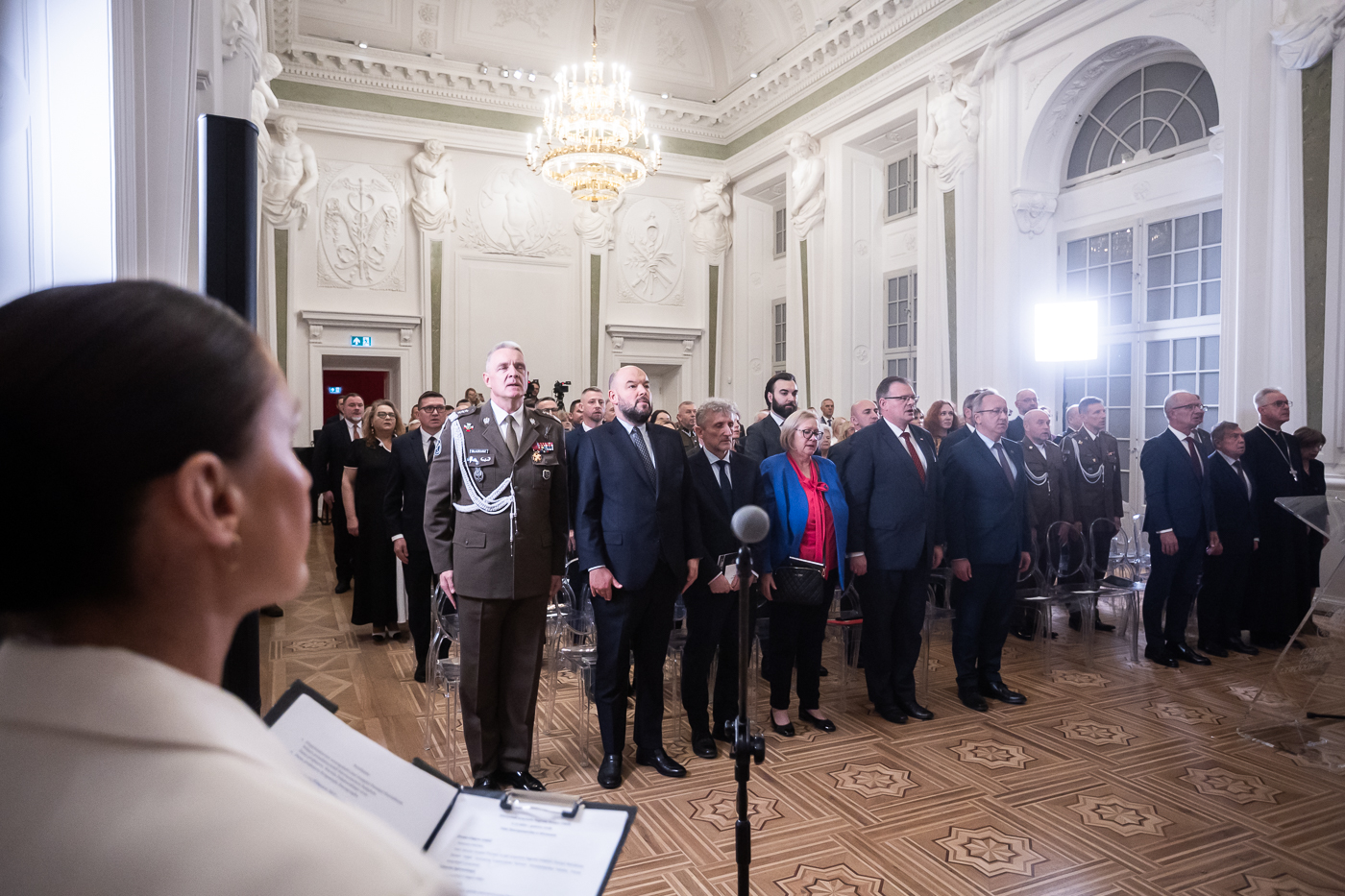
The ceremony of awarding the "Semper Fidelis" Prize, 5 November 2025, Warsaw
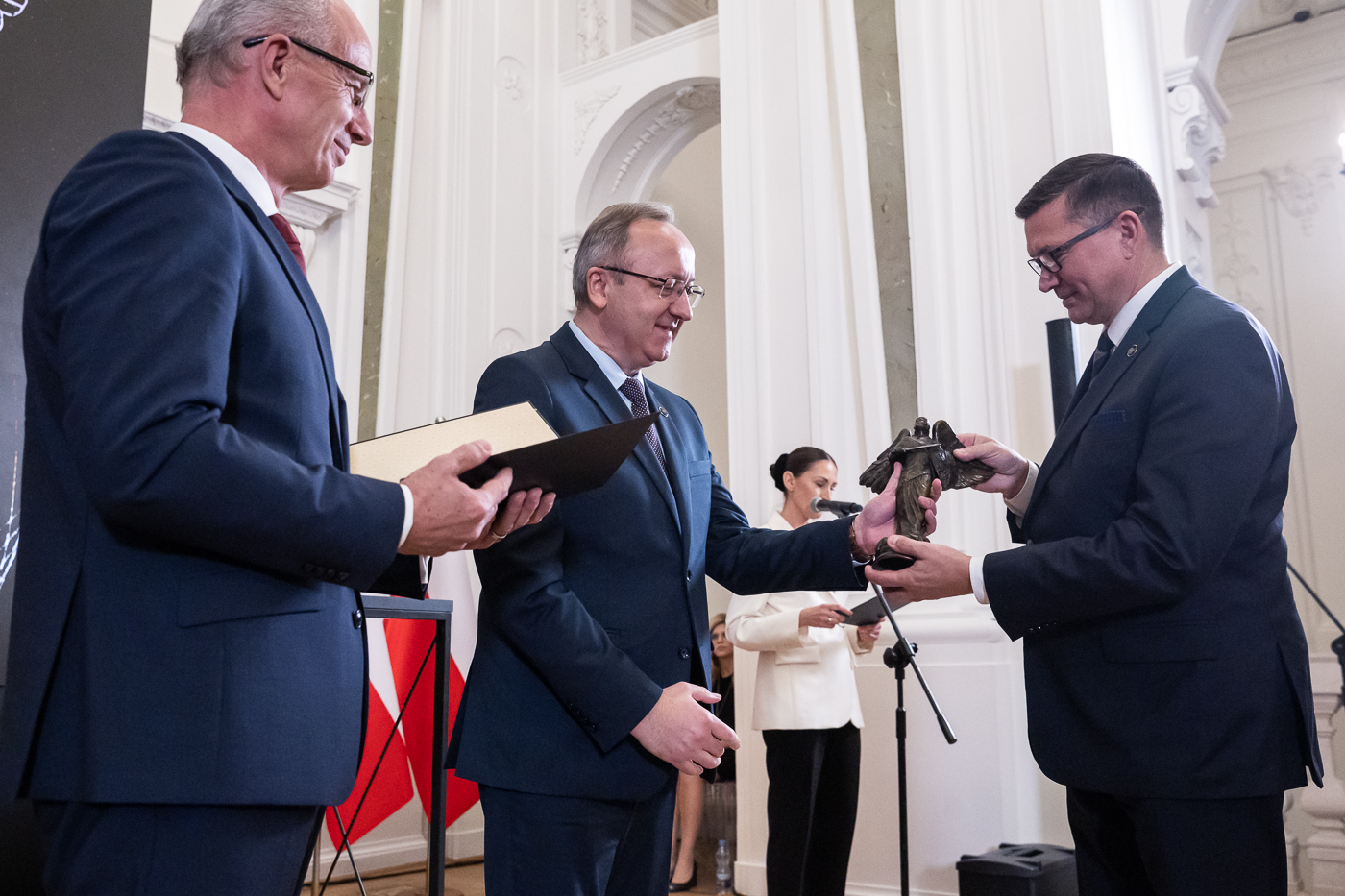
"Semper Fidelis" is an IPN prize, honouring the custodians of national memory of Poland’s Eastern Borderlands. On 5 November, we announced the winners of the seventh edition during a gala held in the Palace of the Commonwealth in Warsaw.
The award ceremony commenced with the reading out of a letter from the President of the Republic of Poland, Karol Nawrocki, addressed to the participants of the event:
“The history of the Eastern Borderlands resounds with a harrowing cry. Our compatriots who lived in those lands endured grievous suffering. Poles fell victim to crimes committed by both the Soviets and the Germans, as well as to the genocidal massacres carried out by Ukrainian chauvinists. Confronting the testimonies of the past is no easy task - not only because they fade with the passage of time, but also because they are often deliberately distorted, concealed, and thus rendered difficult to access. The Semper Fidelis Prize expresses the deepest gratitude to those who, remaining steadfast in their Polish identity, devote themselves with great dedication and reverence to preserving and commemorating the heritage of the Eastern Borderlands, both in Poland and abroad.”
The letter from the President of the Republic of Poland, Karol Nawrocki, was readout by Jan Józef Kasprzyk.
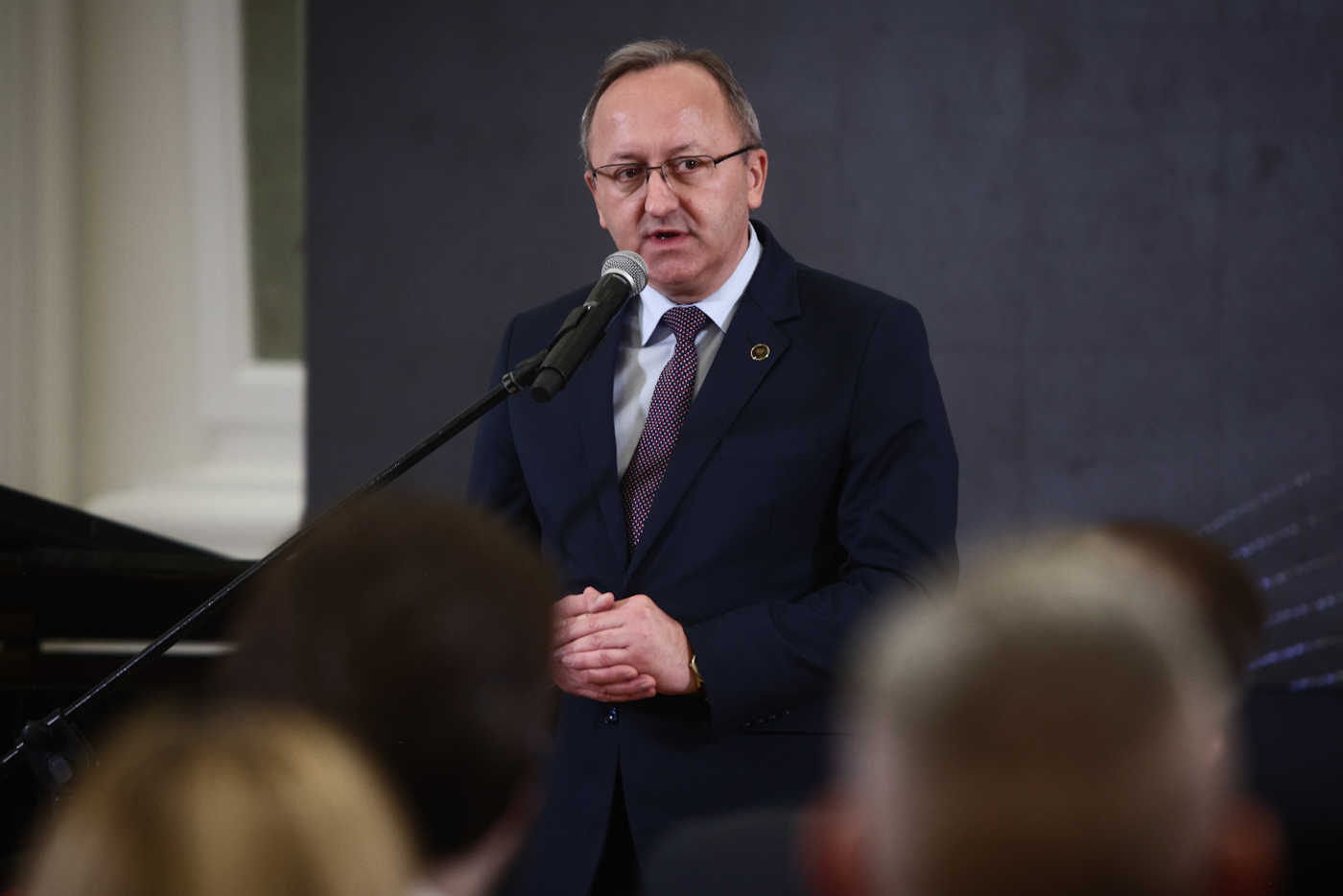
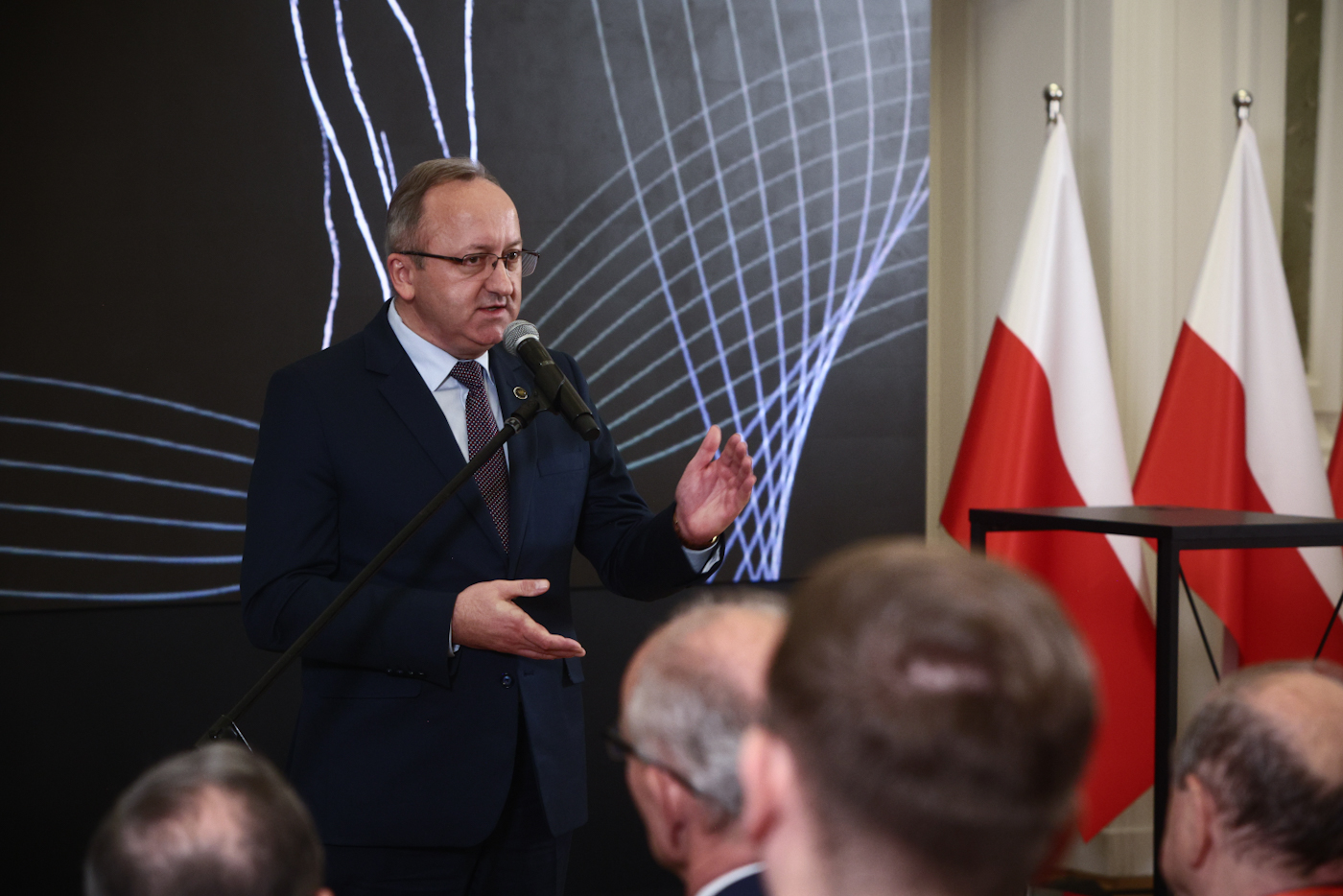
The Deputy President of the Institute of National Remembrance, Professor Karol Polejowski, also took the floor. In his address, he emphasized the significance of the Semper Fidelis Prize as a symbol of fidelity to God, the Homeland, and the memory of one’s ancestors:
“Semper Fidelis - always faithful - is a motto which appears on the coats of arms of cities, military units, and institutions. It has a long and noble tradition, but what does it truly mean? Always faithful: to God and the Homeland, to Poland, to the memory of our ancestors, to our friends, and to those who will come after us. Today, you - the recipients of this award - ensure that by your work and devotion, you carry Poland with you wherever you are. Cemeteries, graves, churches, homes, and city streets remain the lasting traces of our past, places marked by Polish blood and history.”
The Semper Fidelis Prize established by the IPN in 2019 it’s an honorary distinction annually awarded to individuals, institutions and social organizations whose public activity coincides with the statutory objectives of the IPN, for their particularly active participation in commemorating the heritage of the Polish Eastern Borderlands both in the Republic of Poland and abroad.
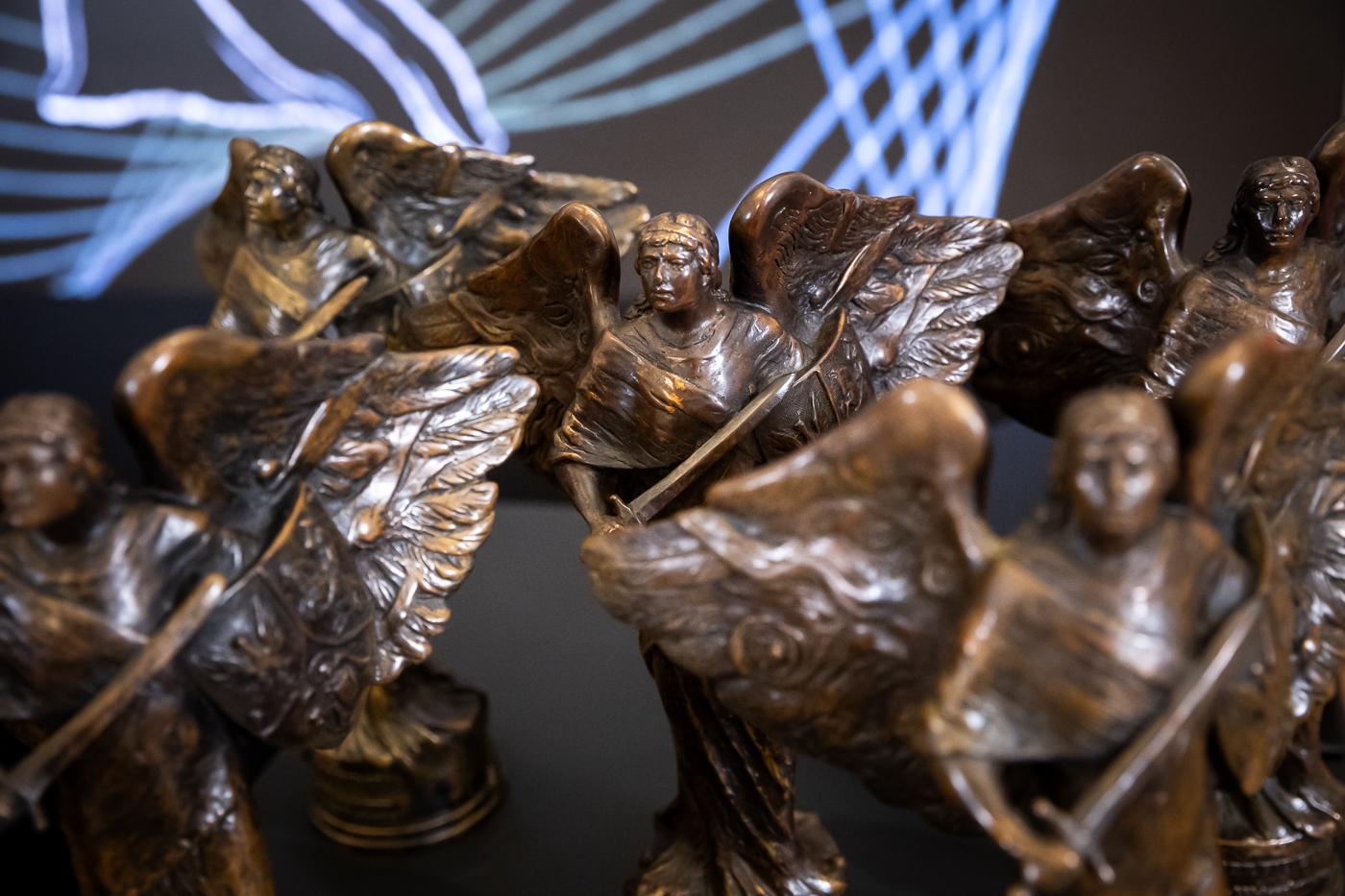
The winners are selected by the Prize Committee chaired by the President of the Institute of National Remembrance. During the award ceremony, the laureates receive a commemorative statuette and a diploma. The committee also may award one post-mortem prize each year.
The change of borders after 1945 meant that part of the centuries-old heritage of the Republic of Poland was included into the territories of today's Ukraine, Belarus and Lithuania. These lands, however, are still the source of our national identity, tradition and culture. Persons devoted to restoring and preserving the memory of the history of the Borderlands deserve special recognition and gratitude on the part of not only present but also future generations of Poles.
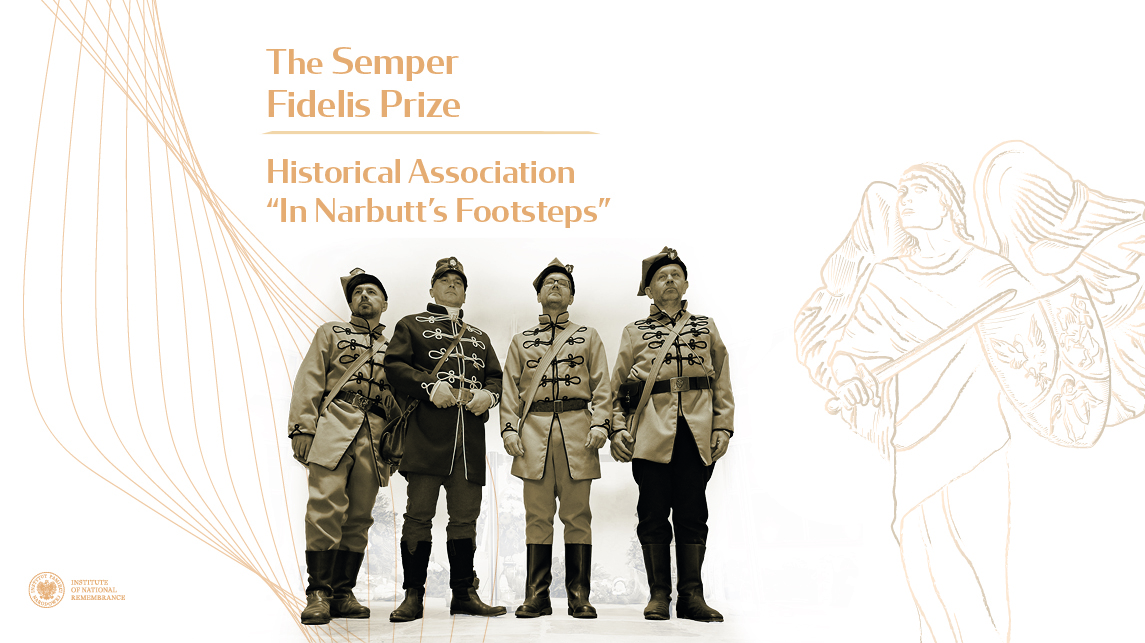
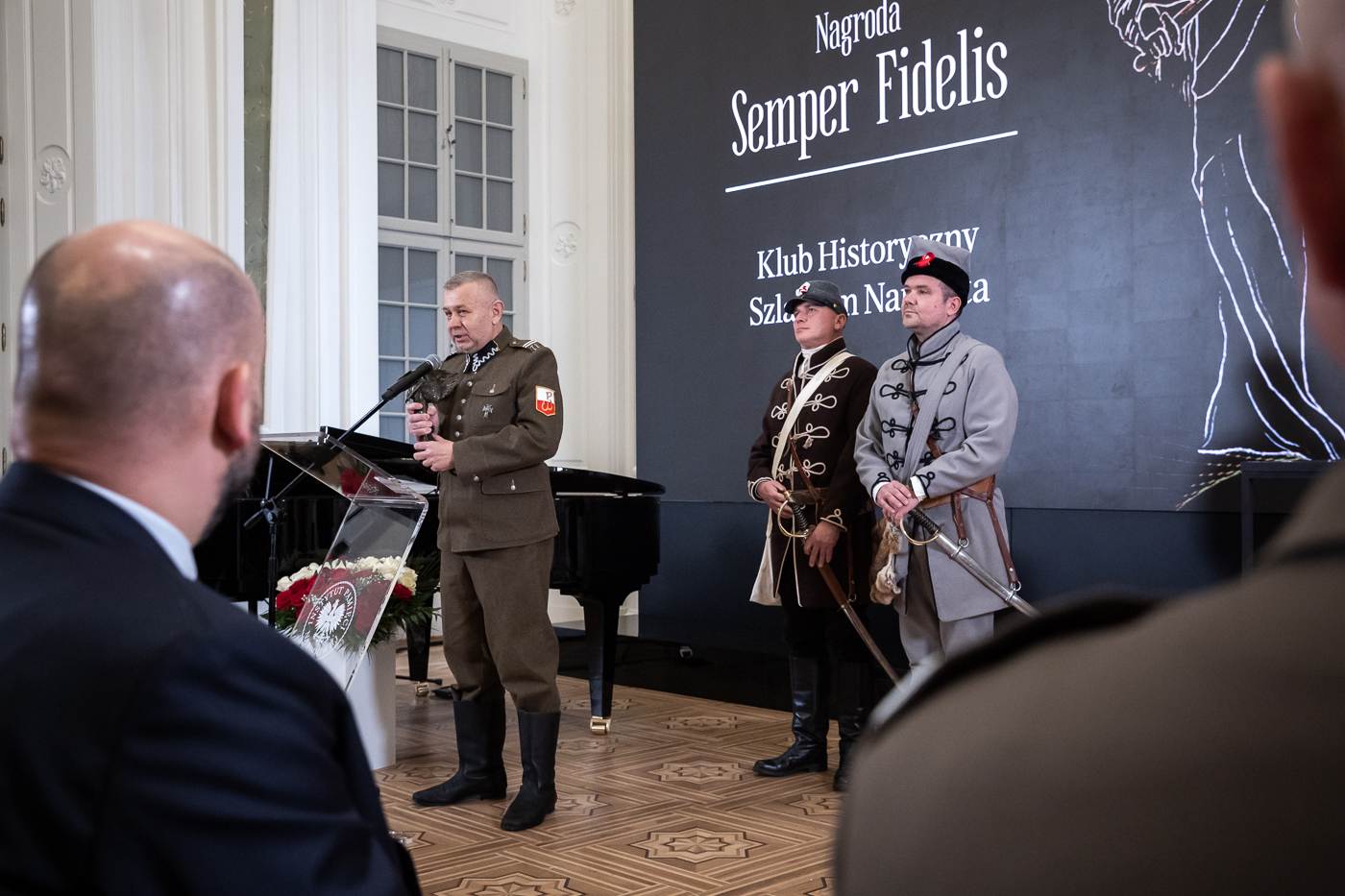
HISTORICAL ASSOCIATION “IN NARBUTT’S FOOTSTEPS”
This Historical Association is a community of individuals from diverse backgrounds and professions, united by their shared devotion to the history of the former eastern territories of the Second Polish Republic. The Club’s patron is Ludwik Narbutt, a hero of the January Uprising. Its members also honour the memory of the soldiers of the Home Army from the Vilnius and Nowogródek regions.
TheAssociation’s activities encompass the preservation and restoration of historical memorial sites, the commemoration of the heroes of the January Uprising and the Home Army, the organisation of patriotic ceremonies and gatherings, as well as the defence of historical truth against distortion and oblivion.
Among the initiatives undertaken by the Association, it is worth noting the installation of a commemorative plaque at the site of Narbutt’s and his soldiers’death in the so-called “Święte Błota” (“Holy Marshes”) near Dubicze in Lithuania, along with the planting of memorial oaks there on the anniversary of the Union of Lublin, which established the Polish–Lithuanian Commonwealth.. Members of the Club are regularly invited to participate in ceremonies dedicated to the heroes of the January Uprising and the Home Army units from the borderlands. In January 2025, they took part in the official state commemorations of the 162nd anniversary of the January Uprising in Vilnius, and in September, they attended the funeral of Edward Borkowski and five unidentified Home Army soldiers from the unit commanded by Sergiusz Zyndram-Kościałkowski, aka Fakir, as well as the ceremonies commemorating the Ponary Massacre. The group also delivers lectures and historical presentations in schools across Poland and Lithuania.
The Association has additionally undertaken the task of commemorating the heroic commanders of the Vilnius Home Army - Jan Borysewicz (aka “Krysia”) and Czesław Zajączkowski (aka “Ragner”). A commemorative plaque dedicated to them was unveiled on 6 July 2025 in the Church of Our Lady of the Gate of Dawn in Szczecin. A unique element of this memorial is the inclusion of rifle casings filled with soil collected by members of the Association from the sites of “Krysia’s” and “Ragner’s” deaths, located respectively in Lithuania and Belarus.
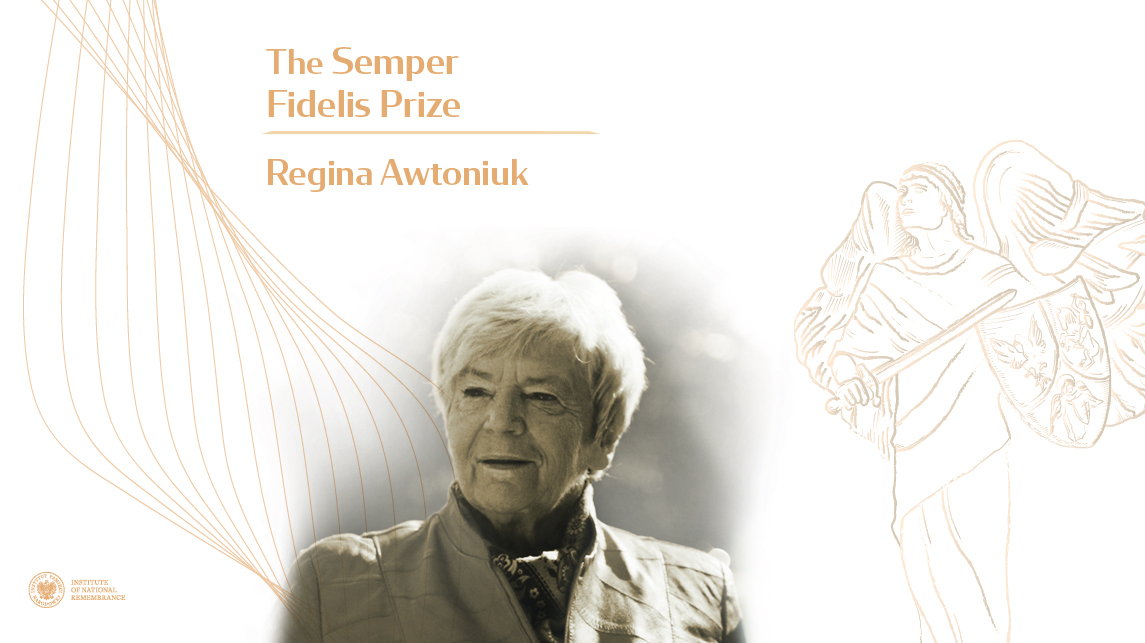
REGINA AWTONIUK
After World War II, Regina Awtoniuk's family moved from Volhynia to the Chełm region. Cultivating the legacy of her ancestors, Regina Awtoniuk has been caring for Polish memorial sites in Volhynia for many years. She engages schoolchildren, Border Guard officers, and family members of soldiers from the 27th Volhynian Infantry Division of the Home Army in restoring and care of material evidence of our history.
Every year, she organizes several trips to cemeteries in Ostrówki, Wola Ostrowiecka, Rymacze, Lubomla, Zasmyki, Binduga, Bielin, Kisielin, and Włodzimierz. After the necessary maintenance works, the tombstones are decorated with flowers and candles are lit by Polish volunteers.
Regina Awtoniuk is also involved in initiatives aimed at supporting people of Polish descent living in Ukraine. As part of the nationwide campaign Rodacy Bohaterom (Compatriots for Heroes), she actively participates in providing humanitarian aid to Poles living in Ukraine, organizing fundraising events, and providing care for Polish children during their summer trips to their homeland. Since the beginning of the Russian Federation’s full-scale aggression against Ukraine, Regina Awtoniuk has been supporting her compatriots in Ukraine, as well as those who found refuge in Poland.
Regina Awtoniuk is a member of Audit Committees of the Main Board of the World Association of Home Army Soldiers and the Odra-Niemen Association.
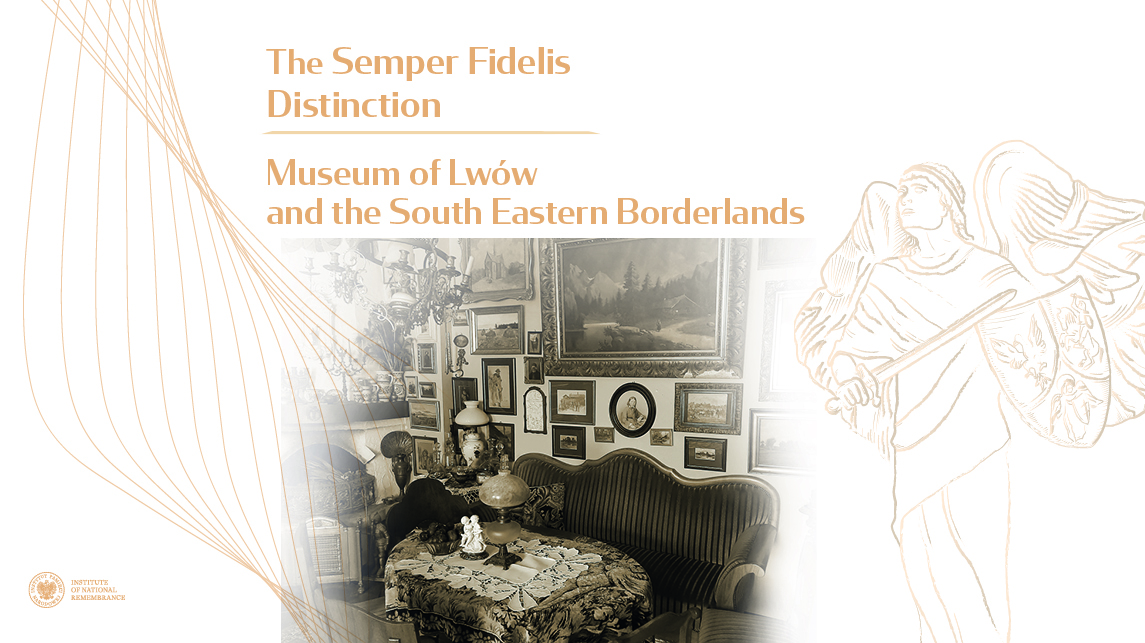
THE MUSEUM OF LWÓW AND THE SOUTH EASTERN BORDERLANDS
The Museum of Lwów and the South Eastern Borderlands was founded in 2007 by Aleksandra and Bogdan Biniszewski. They were inspired to create the museum by Prof. Tadeusz Łodziana and Jerzy Janicki, who were deeply impressed by the Biniszewski family manor. The institution has the status of a private museum and, since 2011, has been supervised by the Polish Ministry of Culture and National Heritage.The museum is housed in a faithfully reconstructed replica of an 1827 borderland manor — the ancestral home of Mrs Biniszewska’s great-grandparents. Both the façade and the interiors, including the historical layout of the rooms, have been carefully recreated. Visitors can explore the ground floor of the building.
Inside the manor is a unique collection of artifacts, including draperies from the catafalque of Prince Józef Poniatowski, proclamations addressed to the residents of Lwów dating back to 1918, an original kerosene lamp designed by Ignacy Łukasiewicz, as well as a collection of porcelain, sculptures, paintings, and wartime memorabilia. The highlight of the museum is its library, which holds around 8,000 volumes.For many years, the owners have been bringing to Kuklówka Radziejowicka remarkable objects related to the history of Poles in the Eastern Borderlands. As a result, the museum grounds now include a barn designed by sculptor Jan Szczepkowski in 1916, a henhouse, Hutsul-style stables, and two cottages of Polish exilees brought from Tunka in Siberia.
As part of an educational programme called “Secret Classes” , the Biniszewskis introduce children and young people to those preserving the traditions and culture of the South Eastern Borderlands. The participants of such meetings have the opportunity to watch reenactments such as the farewell of the January Uprising insurgents, to take part in quill-writing and strategic games workshops, and to engage in collective readings of classic Polish literary works written by authors born in the former South Eastern Borderlands.
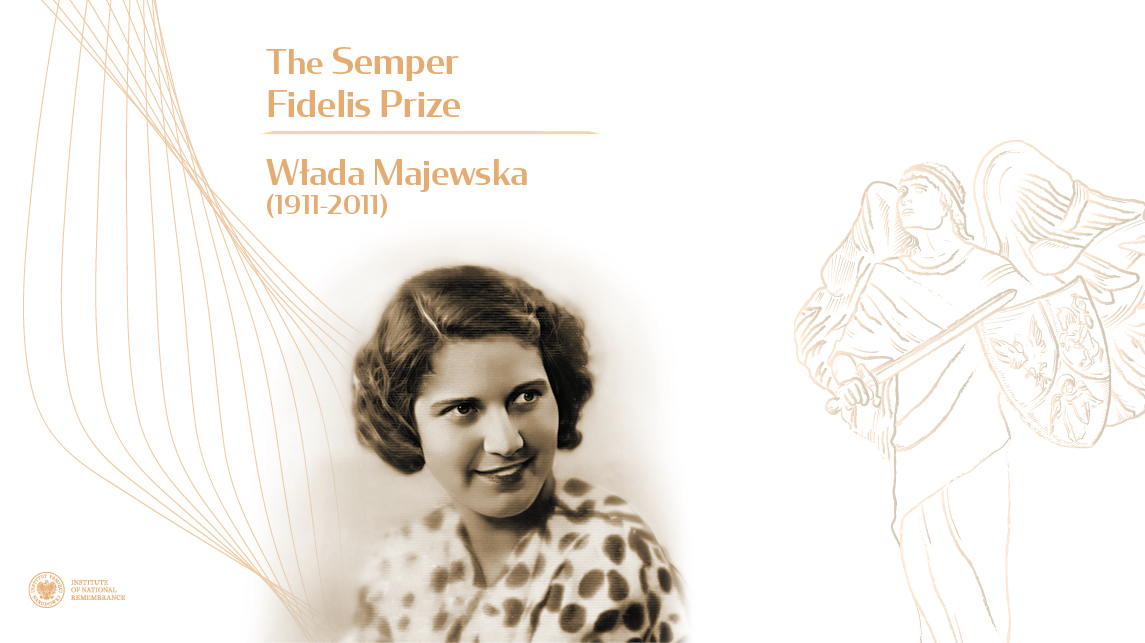
WŁADA MAJEWSKA (1911-2011)
Włada Majewska was born in 1911 in today’s Lviv. The city was her home, a source of her identity, and an inspiration. Although she was a law graduate at the Jan Kazimierz University, she began working at the Polish Radio station in Lwów before World War II. From the very beginning, she was affiliated with the popular pre-war Polish radio programme Wesoła Lwowska Fala (The Merry Lwów Wave), created by Wiktor Budzyński. The outbreak of war forced Włada to leave Poland. Together with the “Lwowska Fala” band, accompanying the soldiers of the Polish Armed Forces in the West, she gave over eight hundred performances in Great Britain, France, the Netherlands, and Belgium.
After the war, she settled in London, where she was hired by Marian Hemar's theatre. Hemar wrote over sixty songs for her. Many of them resonated with a note of longing for her beloved Lwów. Songs such as Chlib kulikowski and Rozmowa z księżycem performed by Włada Majewska, became classics of Polish émigré art.
In 1951, Włada Majewska was hired by Radio Free Europe's Polish Service. She cooperated with its London office for forty years. She produced many programmes, including interviews with prominent figures of the Polish emigration. Some of the recordings were devoted to pre-war Lwów.
In her will, she donated her London home to the Polish Institute and the General Sikorski Museum in London, and also allocated part of her funds to the Society of Lwów Enthusiasts in Warsaw and London. She donated her documents to the Leopolis Collection at the Museum of Independence in Warsaw and to the archives of the Polish Institute in London. She donated the London archives of Radio Free Europe with audio recordings of Marian Hemar's work to Polish Radio.
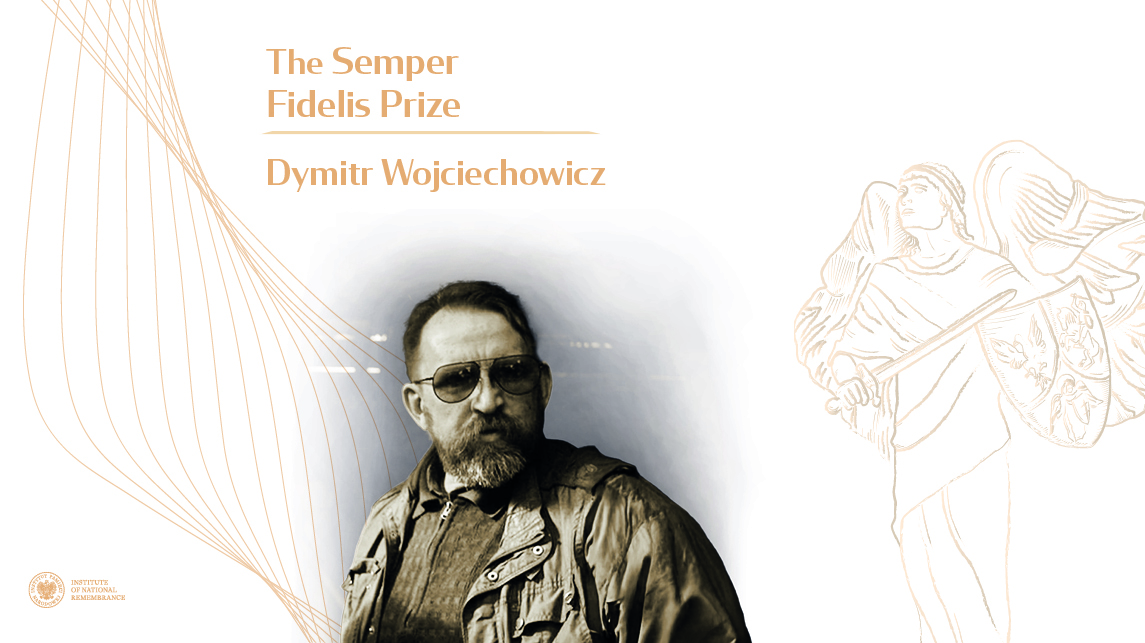
DYMITR WOJCIECHOWICZ
As a result of the provisions of the 1569 Union of Lublin, the area of present-day Belarus, then belonging to the Grand Duchy of Lithuania, became part of the Polish-Lithuanian Commonwealth. In the following centuries, Polish culture had a powerful influence on the local elites. The lands that today make up the Belarusian state are the homeland of, among others, Adam Mickiewicz, Eliza Orzeszkowa, Melchior Wańkowicz, as well as Tadeusz Kościuszko and Witold Pilecki. In the aftermath of World War II, Poland lost its territories known as the Eastern Borderlands. Although most of the Poles who inhabited these areas had left, to this day, almost 300,000 citizens of Belarus declare Polish descent, constituting the second largest national minority in that country. Beyond the Bug River, numerous remnants of Polish heritage can still be found, including invaluable monuments. For years, Dymitr Wojciechowicz has devoted himself to the challenging work of uncovering them.
A historian by education, Dymitr Wojciechowicz carries out projects focused on preserving Polish traditions and heritage sites. He organizes cultural and educational initiatives aimed at the Polish community in Belarus, supporting its efforts to maintain its national identity.
He is also involved in locating Polish memorial sites in Belarus through archival research and field studies. Thanks to his efforts, twenty-seven graves and memorials have been discovered and restored. Among them are the resting places of nineteenth-century Polish insurgents, military personnel and officials of the Second Polish Republic, as well as writers, exiles, and many others who made significant contributions to the Polish nation.
Dymitr Wojciechowicz also searches for and, whenever possible, collects memorabilia connected with Polish people and culture. His goal is to create a collection that could one day serve as the foundation for a Polish museum in Belarus.
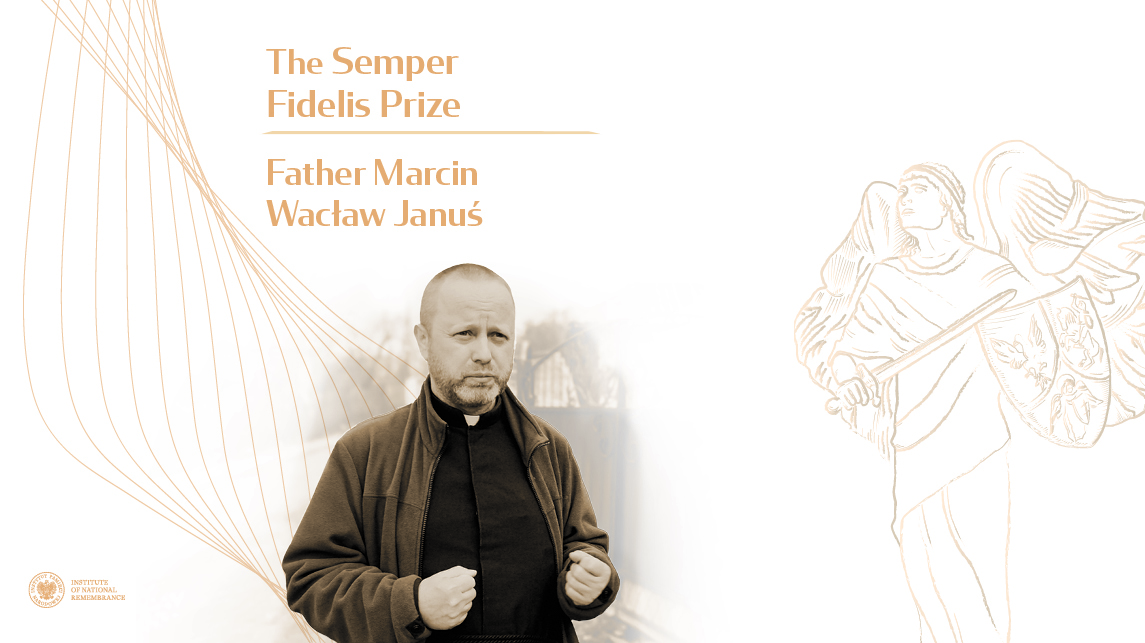
FATHER MARCIN WACŁAW JANUŚ
Transnistria is a region in Eastern Europe, situated between Ukraine and Moldova along the Dniester River. The area has historical and cultural ties to Poland — part of it belonged to the Polish–Lithuanian Commonwealth until the Second Partition of Poland in 1793. Today, around 1,800 Poles live in Transnistria, mainly in the towns of Sloboda-Raszków and Rybnica.
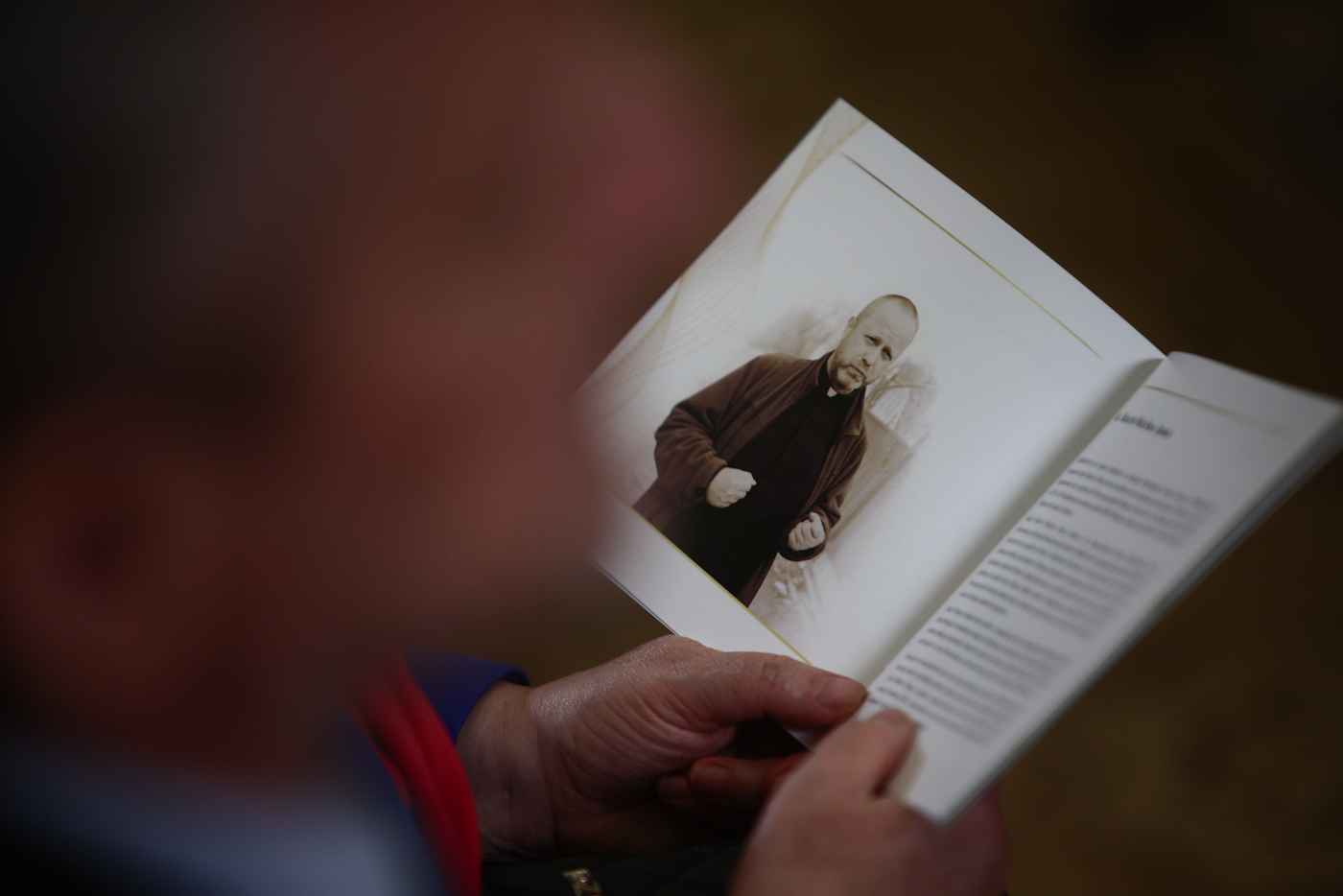
Father Marcin Wacław Januś, a member of the Congregation of the Priests of the Sacred Heart of Jesus, has been serving in Transnistria for more than twenty years. He is currently the parish priest of St. Martha’s Parish in Sloboda-Raszków, where nearly half of the residents identify as being of Polish descent. He assists locals in tracing their Polish roots and encourages them to explore their family histories. Thanks to his efforts, many young people have begun learning Polish and obtained the Pole’s Card. Several students from Transnistria have taken up studies in Poland. In his parish, he celebrates Polish holidays and is often invited to lead services in towns that lack a Catholic priest.
Father Januś devotes considerable effort to organizing humanitarian aid and providing support for those in need across the region. He works closely with the Consul of the Republic of Poland to assist people of Polish descent and has actively participated in initiatives run by the Jan Olszewski “Aid to Poles in the East” Foundation, distributing and delivering aid packages to Transnistria.
By commemorating the struggle to preserve the local church during the communist era and tending to Polish graves, Father Januś sets an example of pride in Polish identity for his parishioners. Committed to preserving historical memory and truth, he does not shy away from difficult topics. In April 2024, he presided over the reburial ceremony of Poles who were victims of Stalinist repression in 1937–1938 in Raszków.