
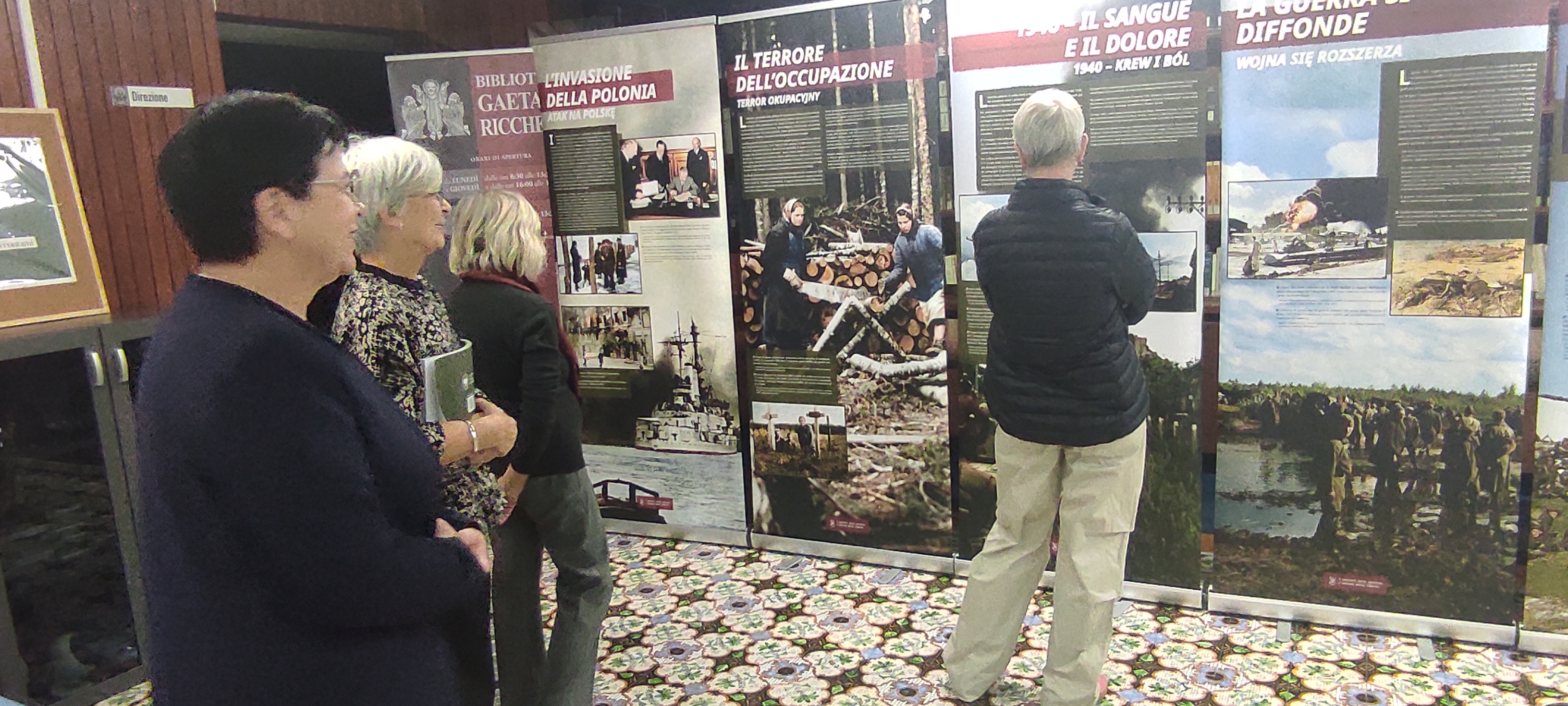
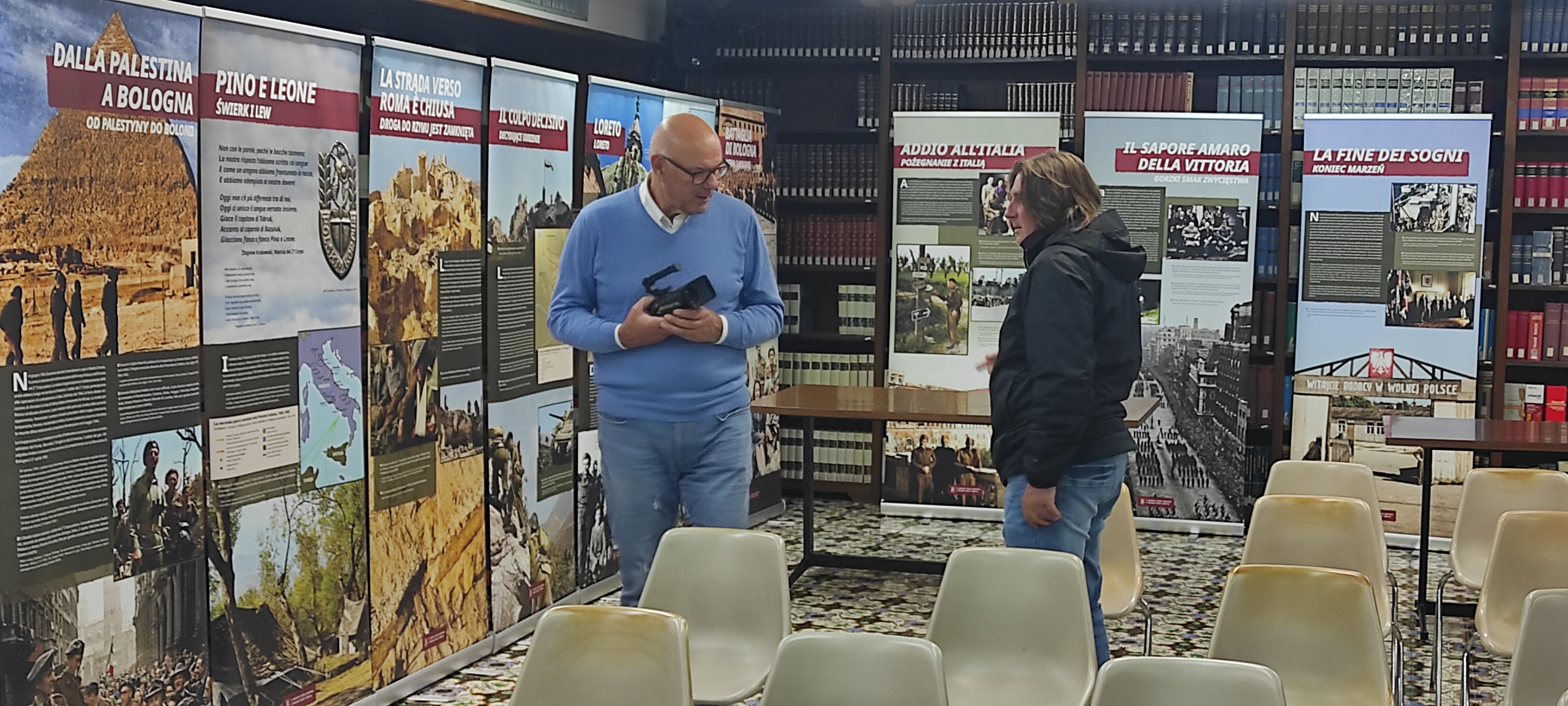
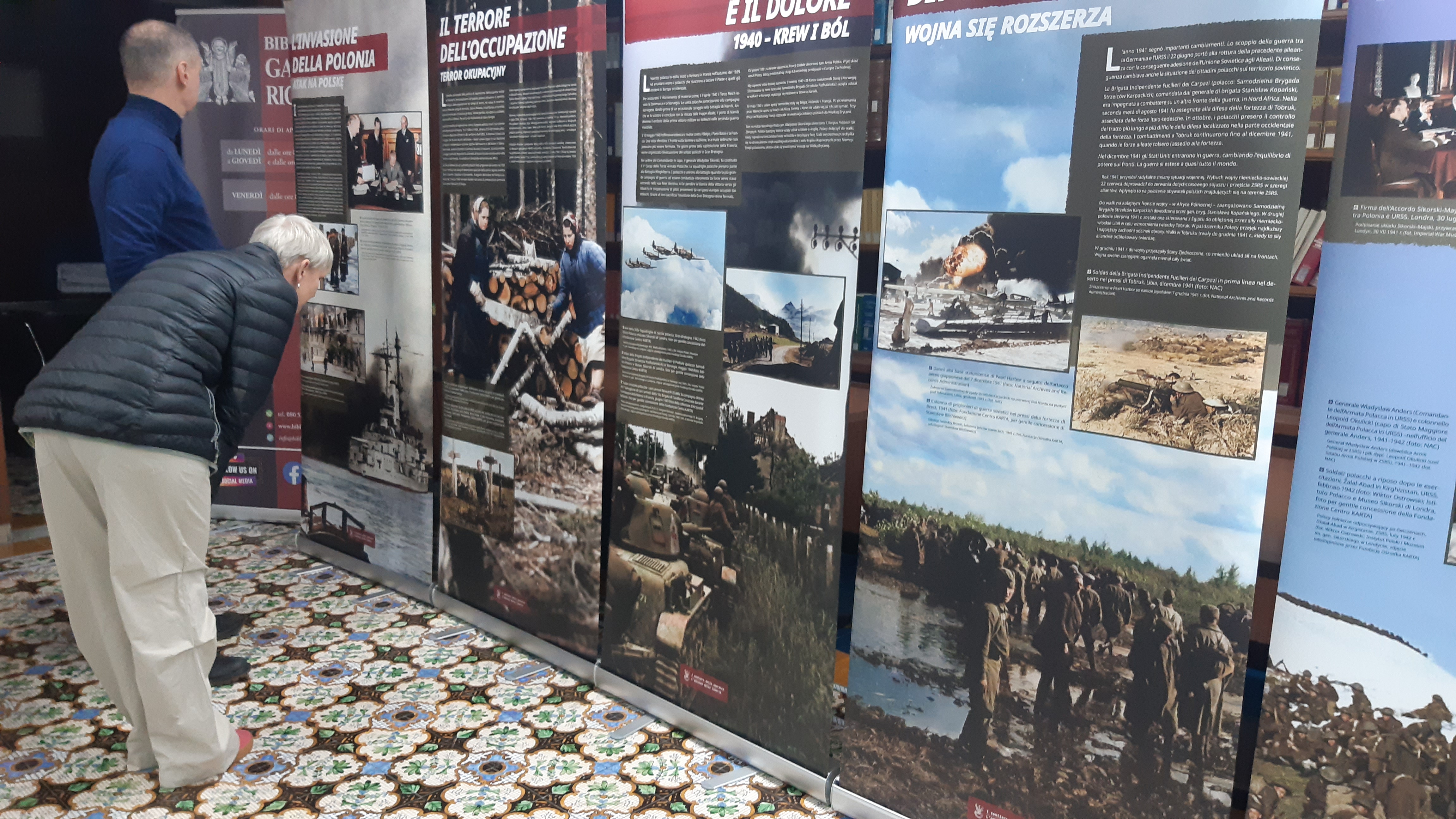
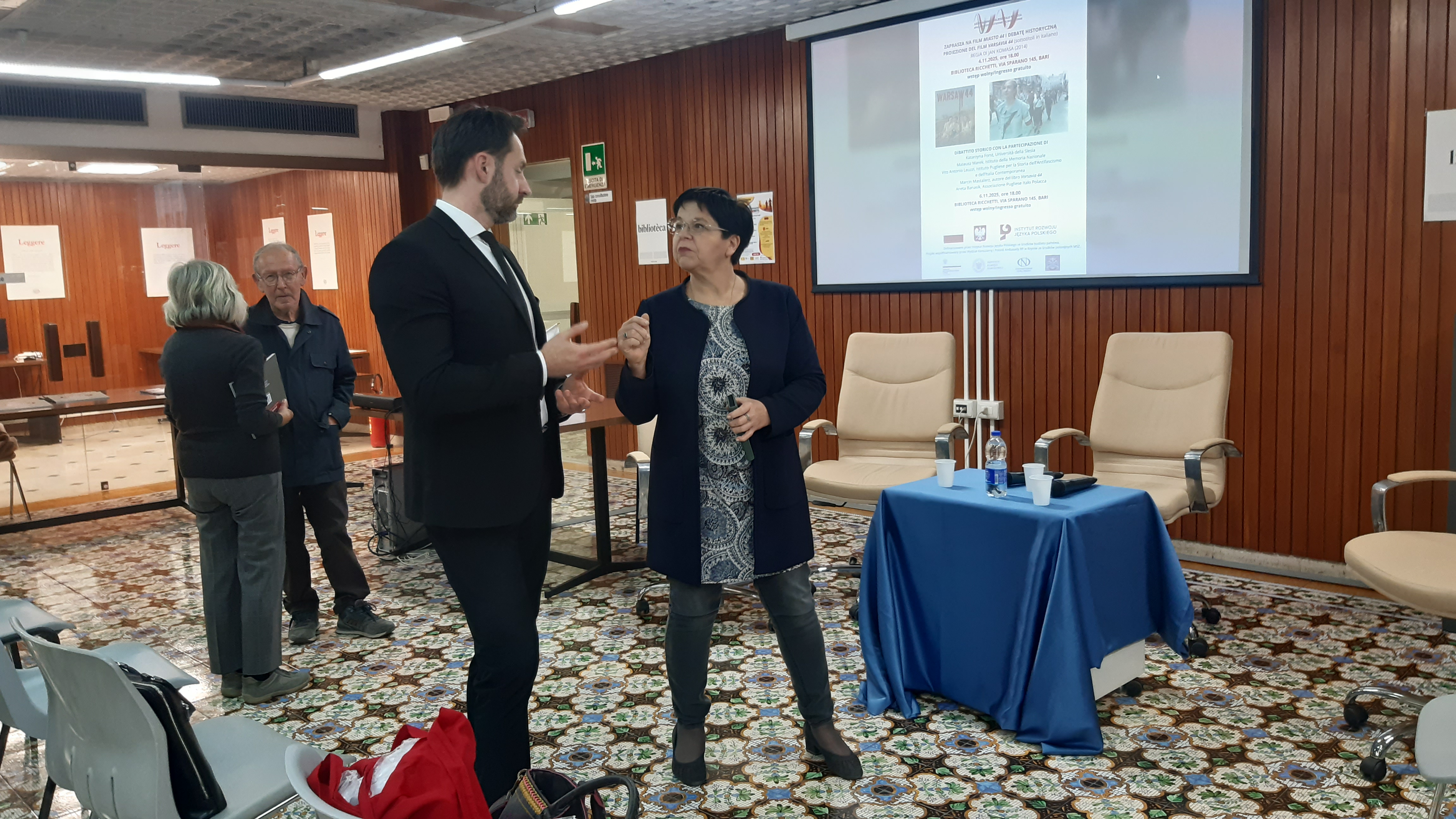
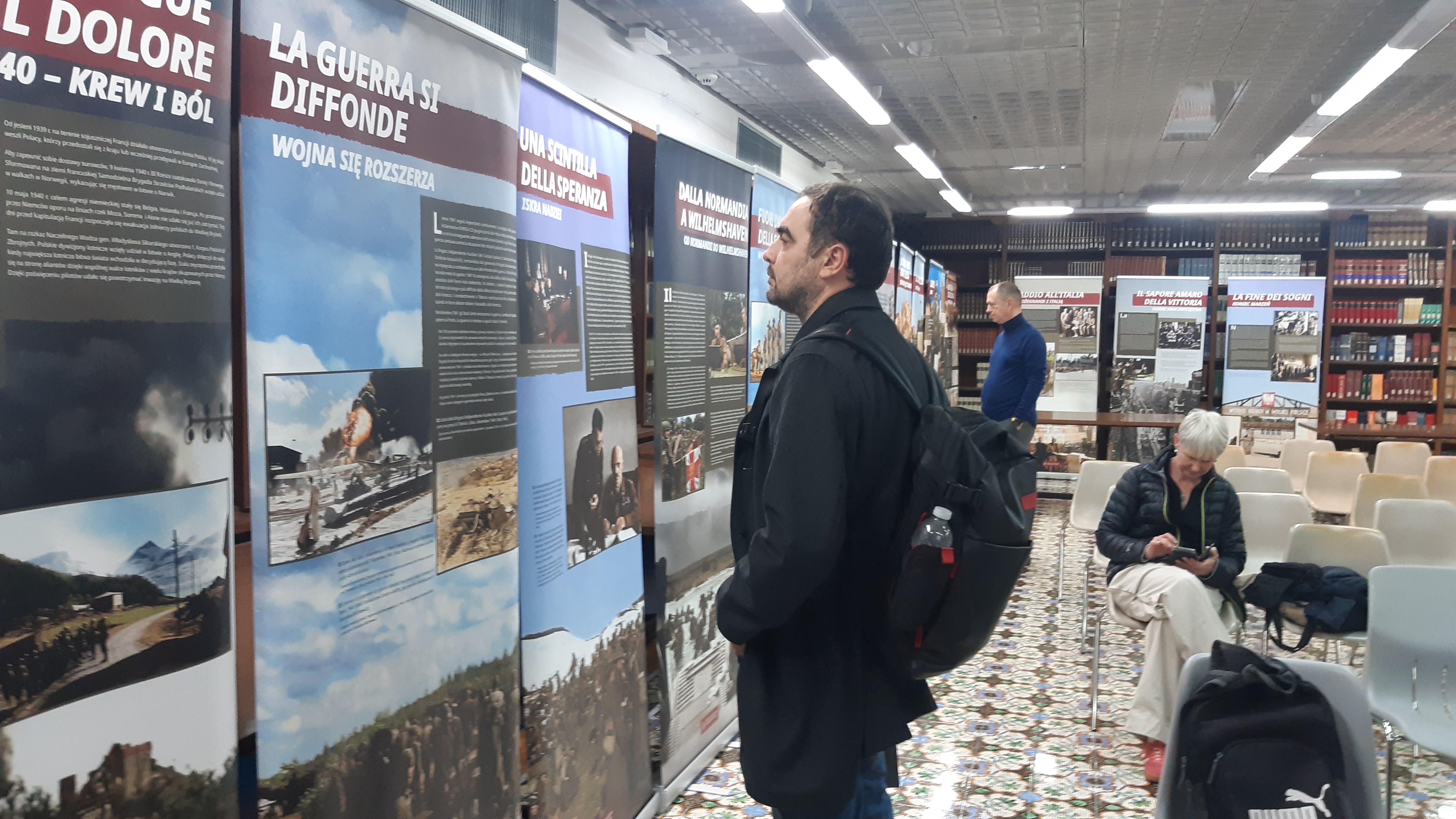
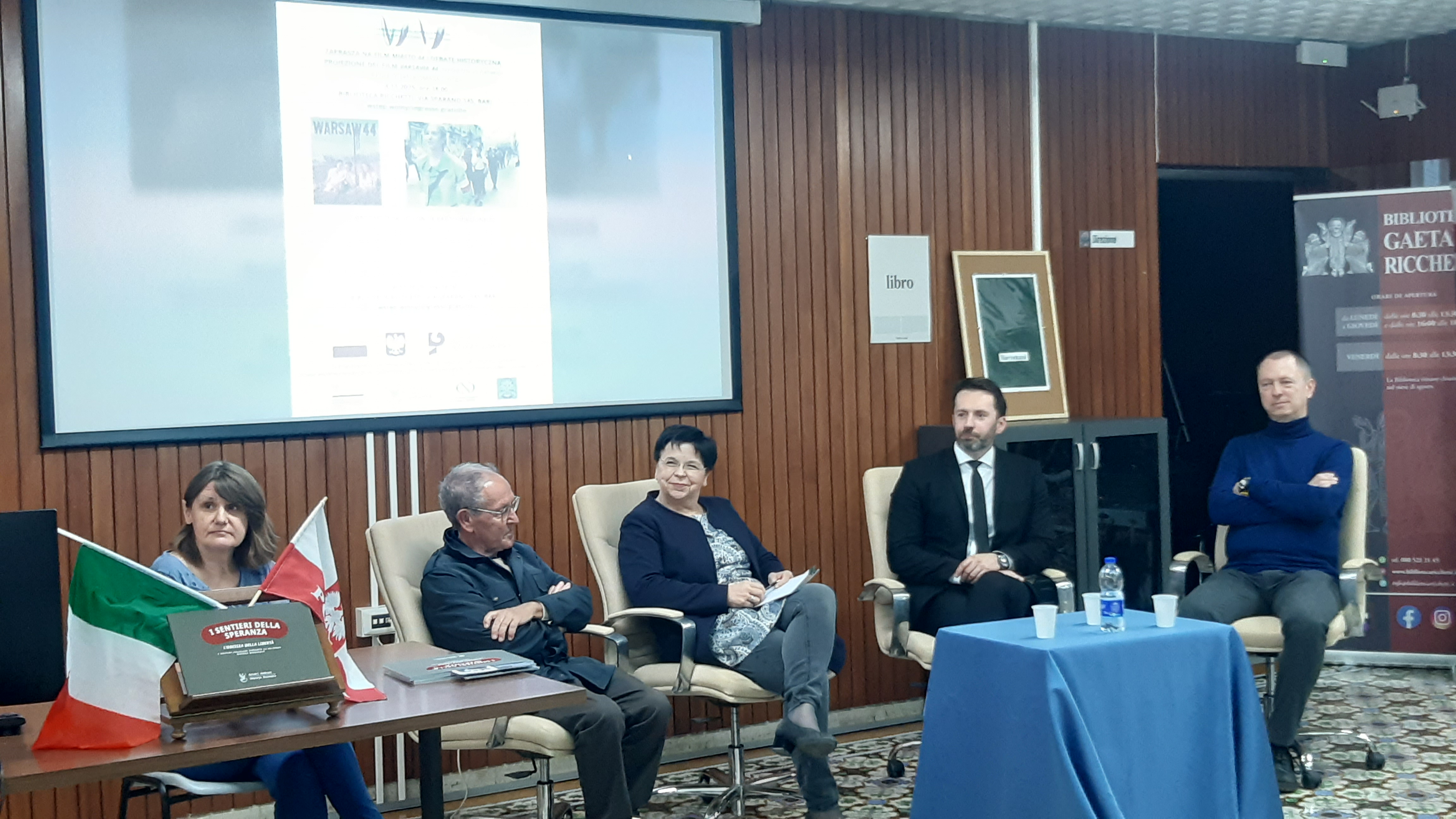
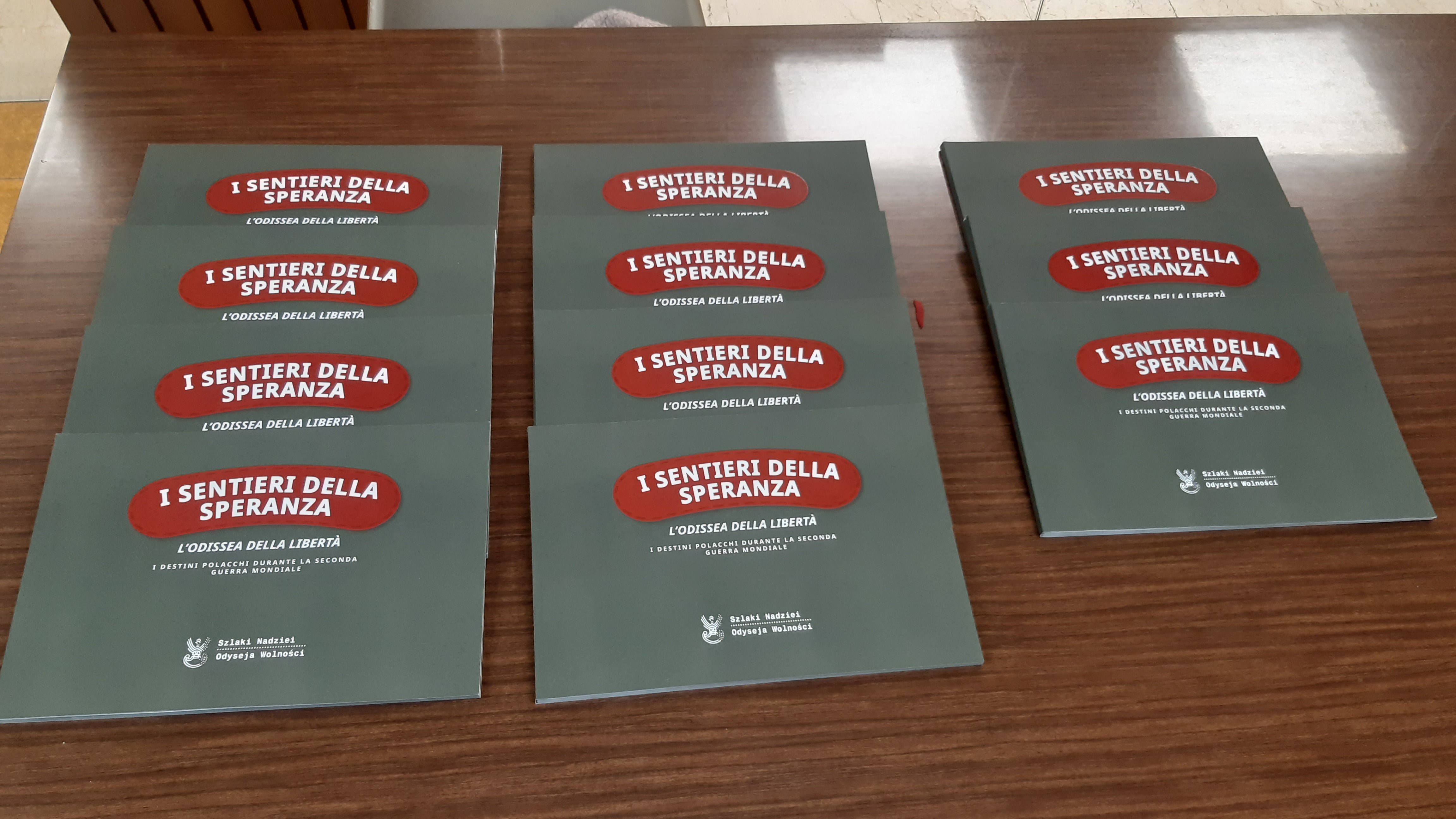
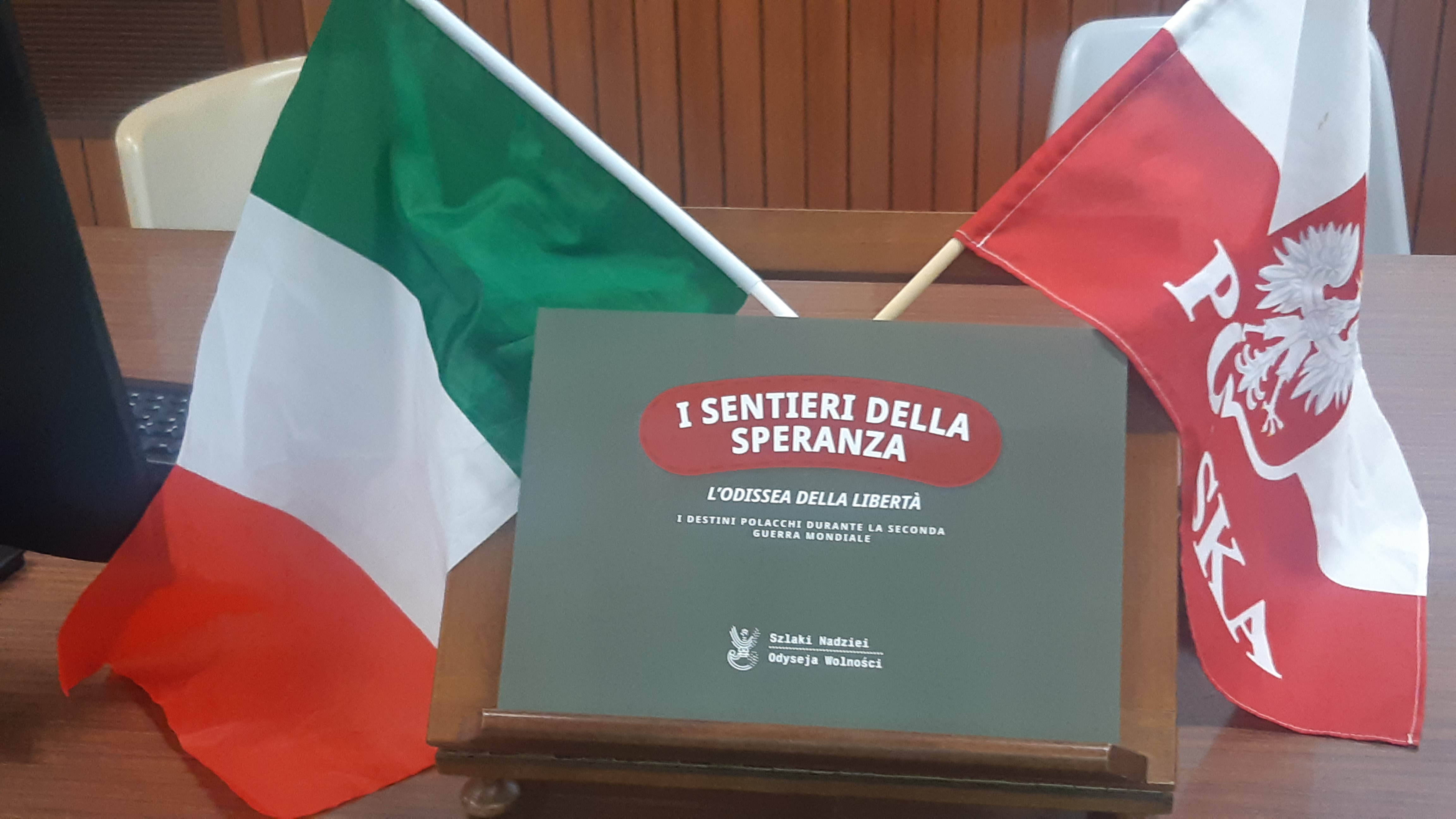
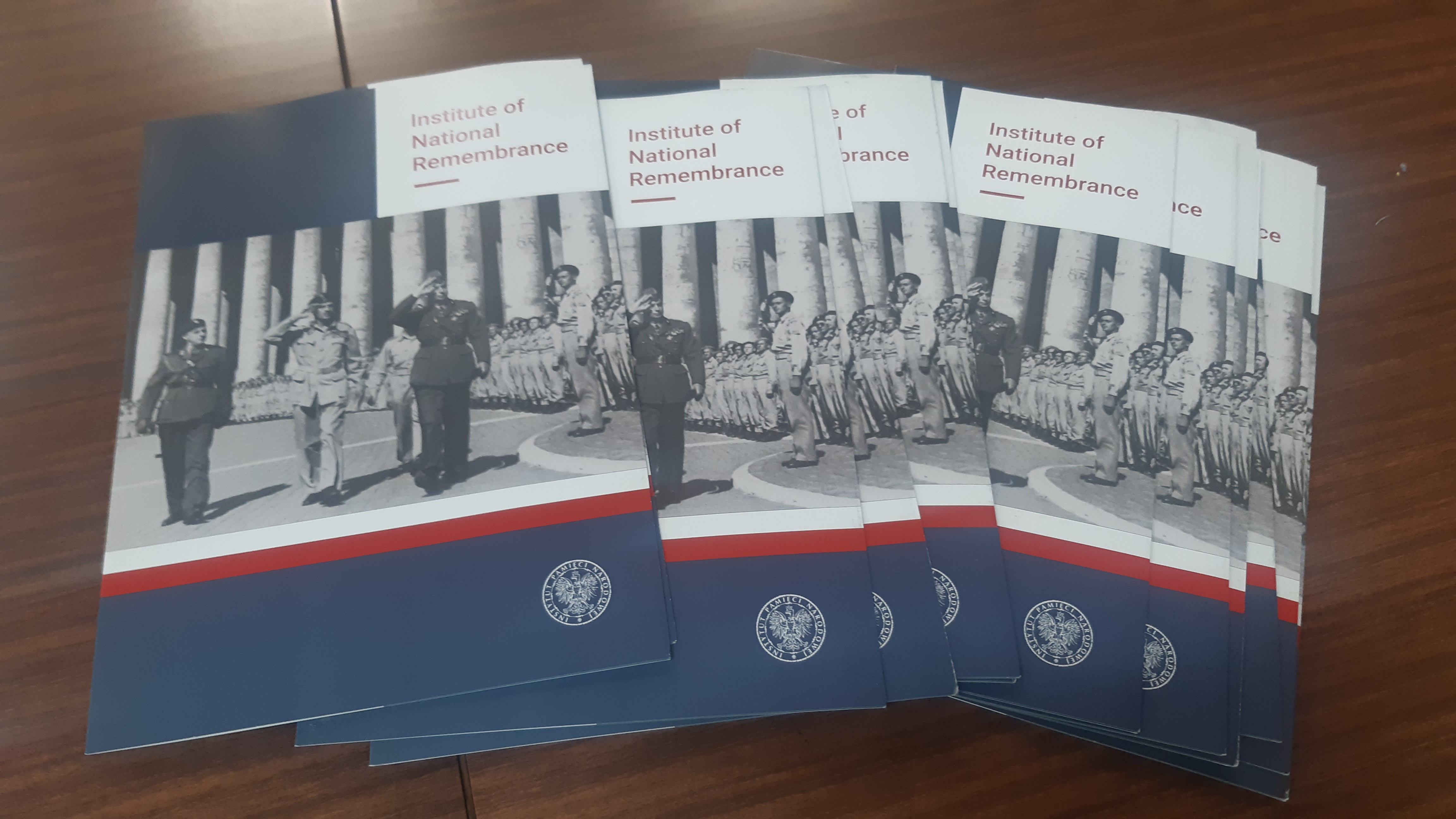
On 6 November 2025, the Institute of National Remembrance officially opened the “Trails of Hope. The Odyssey of Freedom” exhibition at the Biblioteca Ricchetti in Bari, Italy. The event was followed by a historical debate with the participation of Dr Katarzyna Forst (University of Silesia), Dr Mateusz Marek (Institute of National Remembrance), Professor Vito Antonio Leuzzi (Institute for the Study of Antifascism and Contemporary Italy in Puglia), Marcin Mastalerz, the author of the book Miasto 44, and Dr Aneta Banasik (Italian–Polish Association in Puglia).
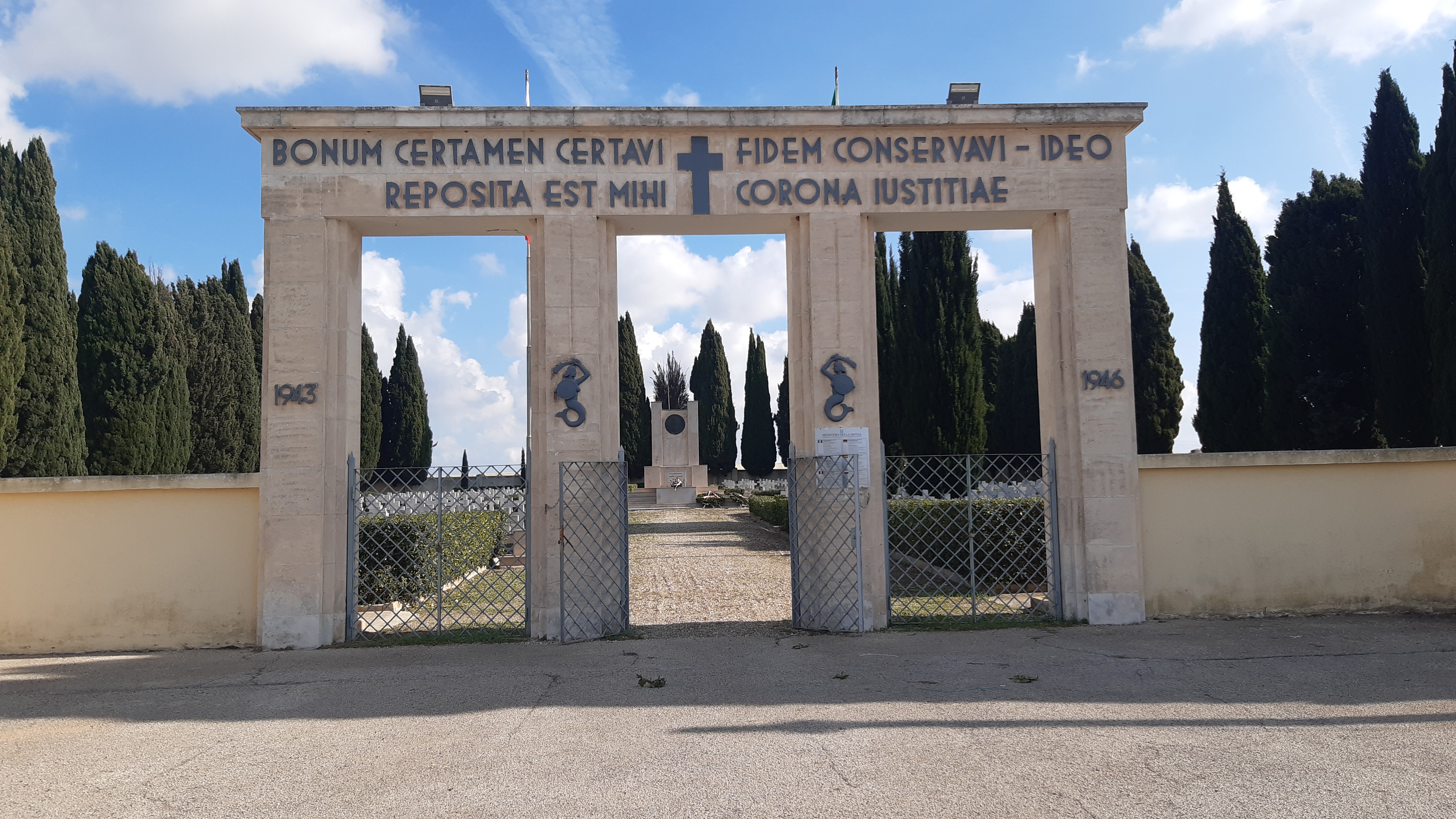
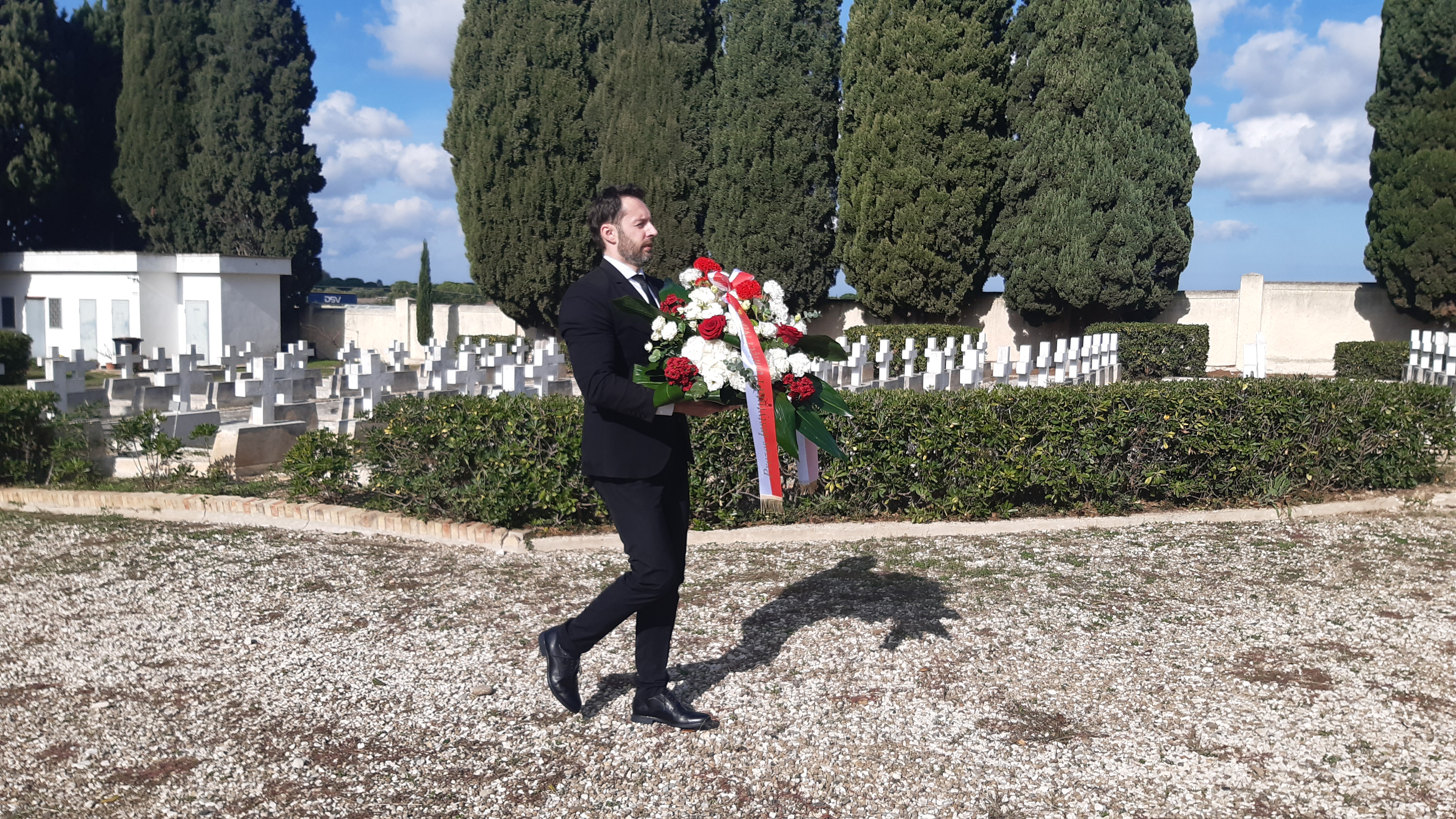
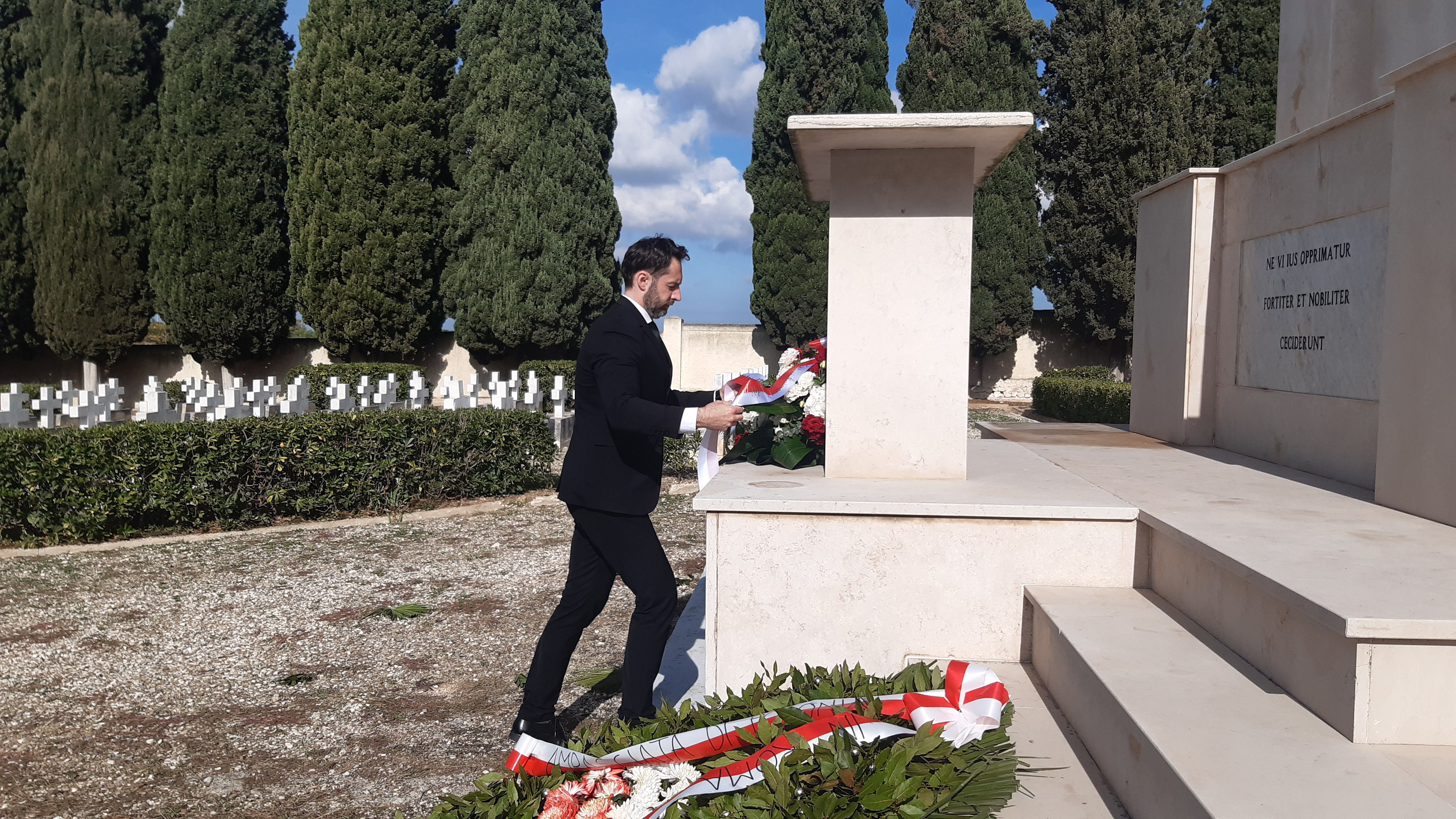
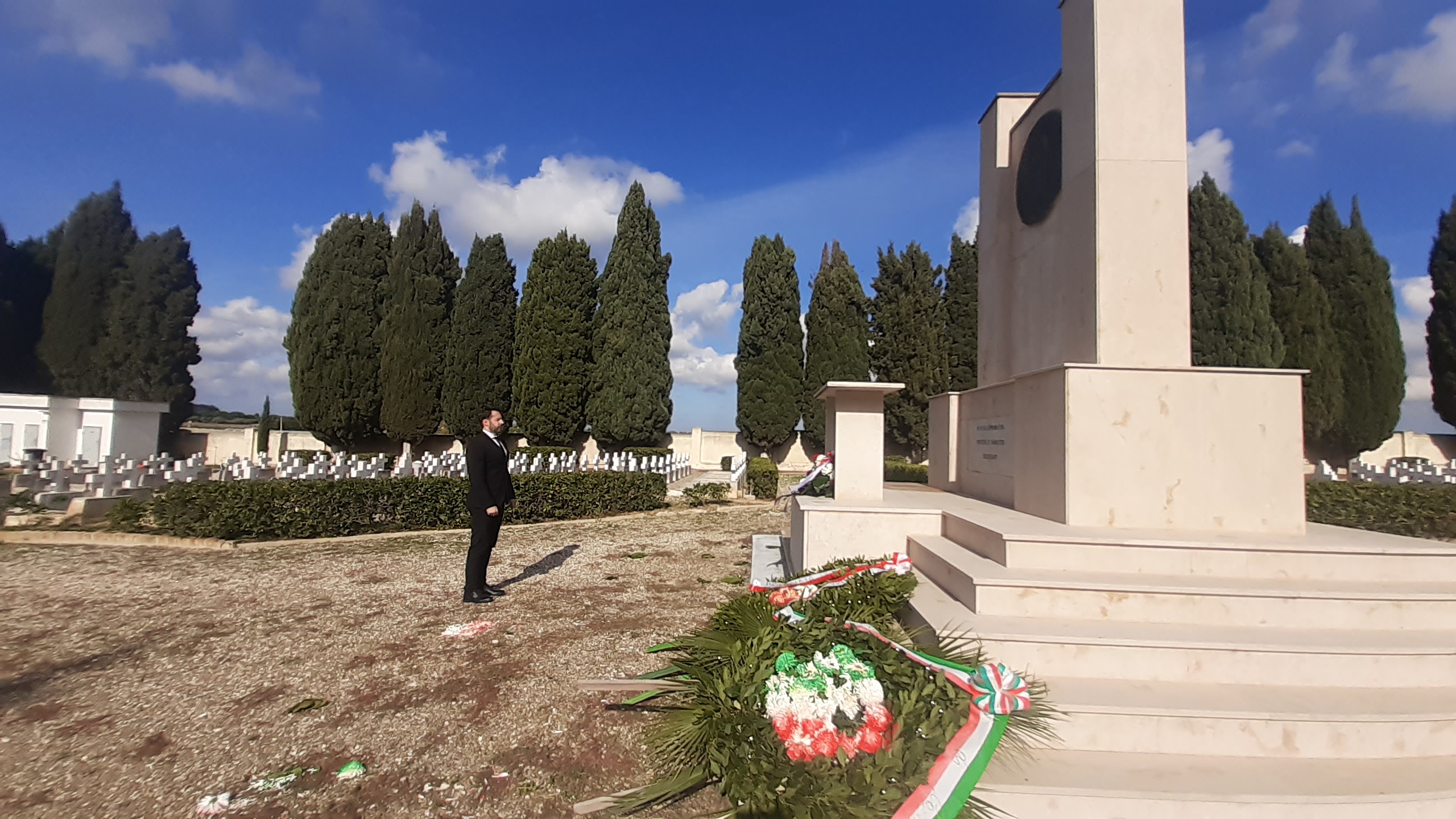
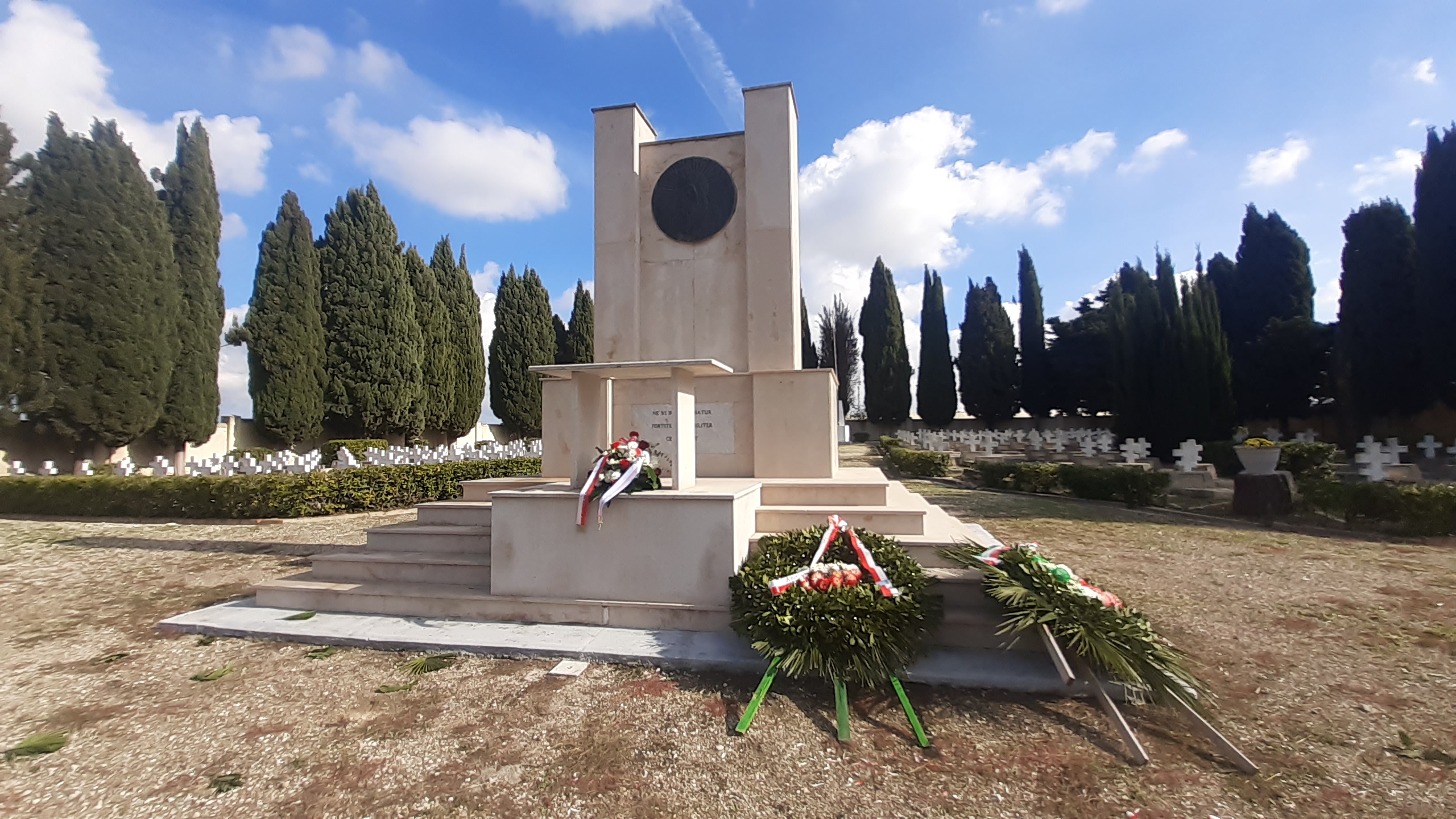
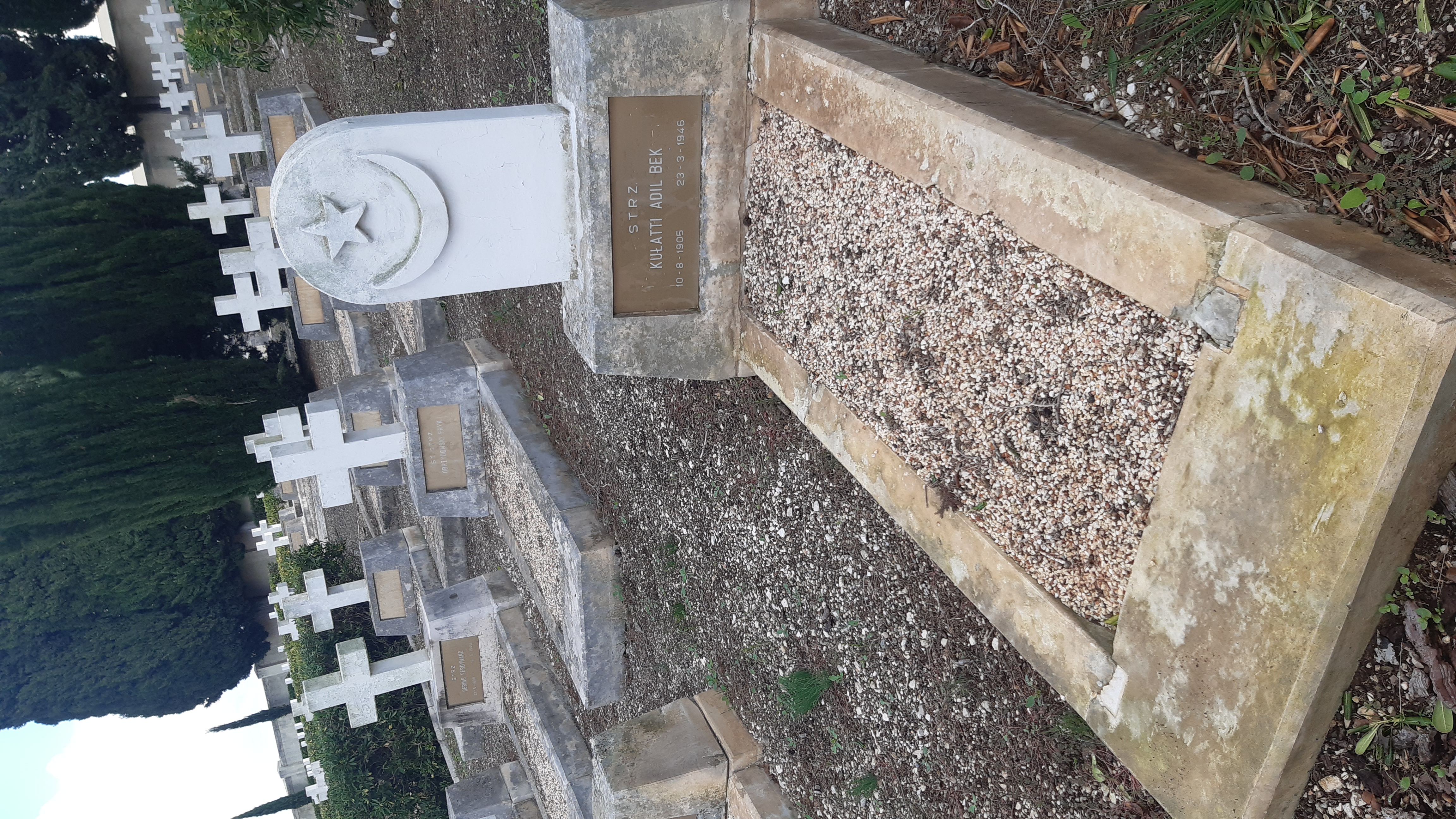
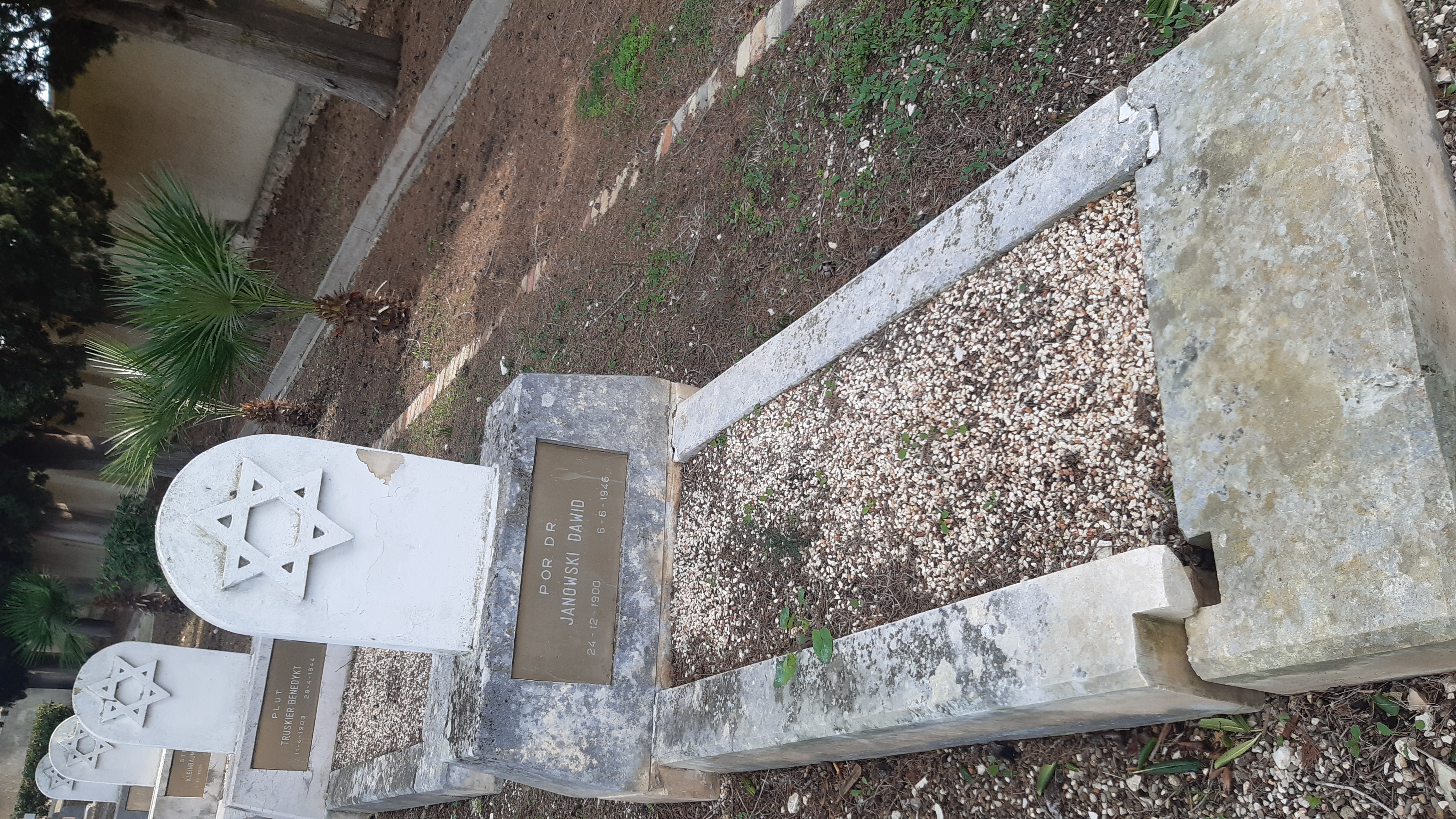
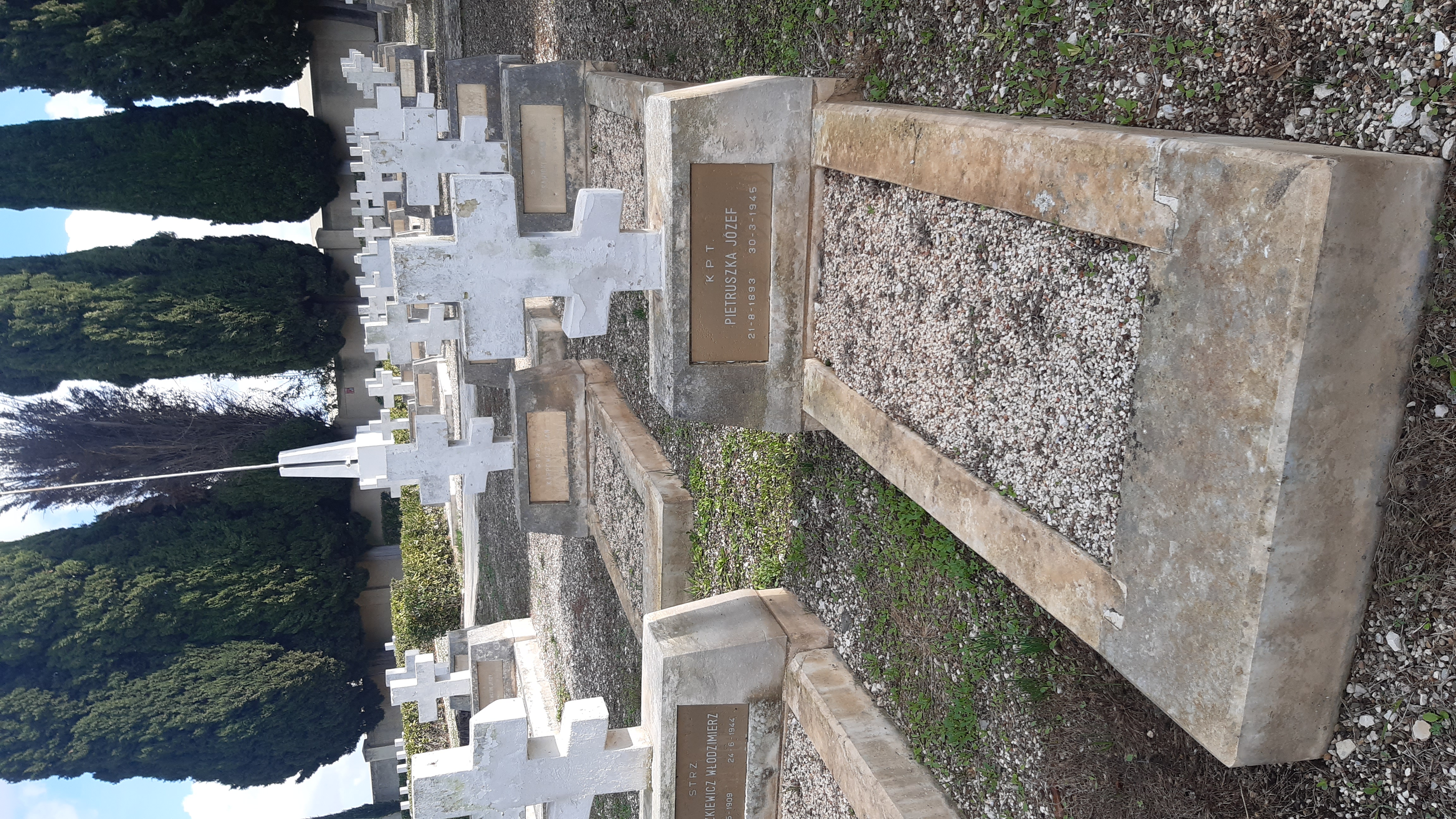
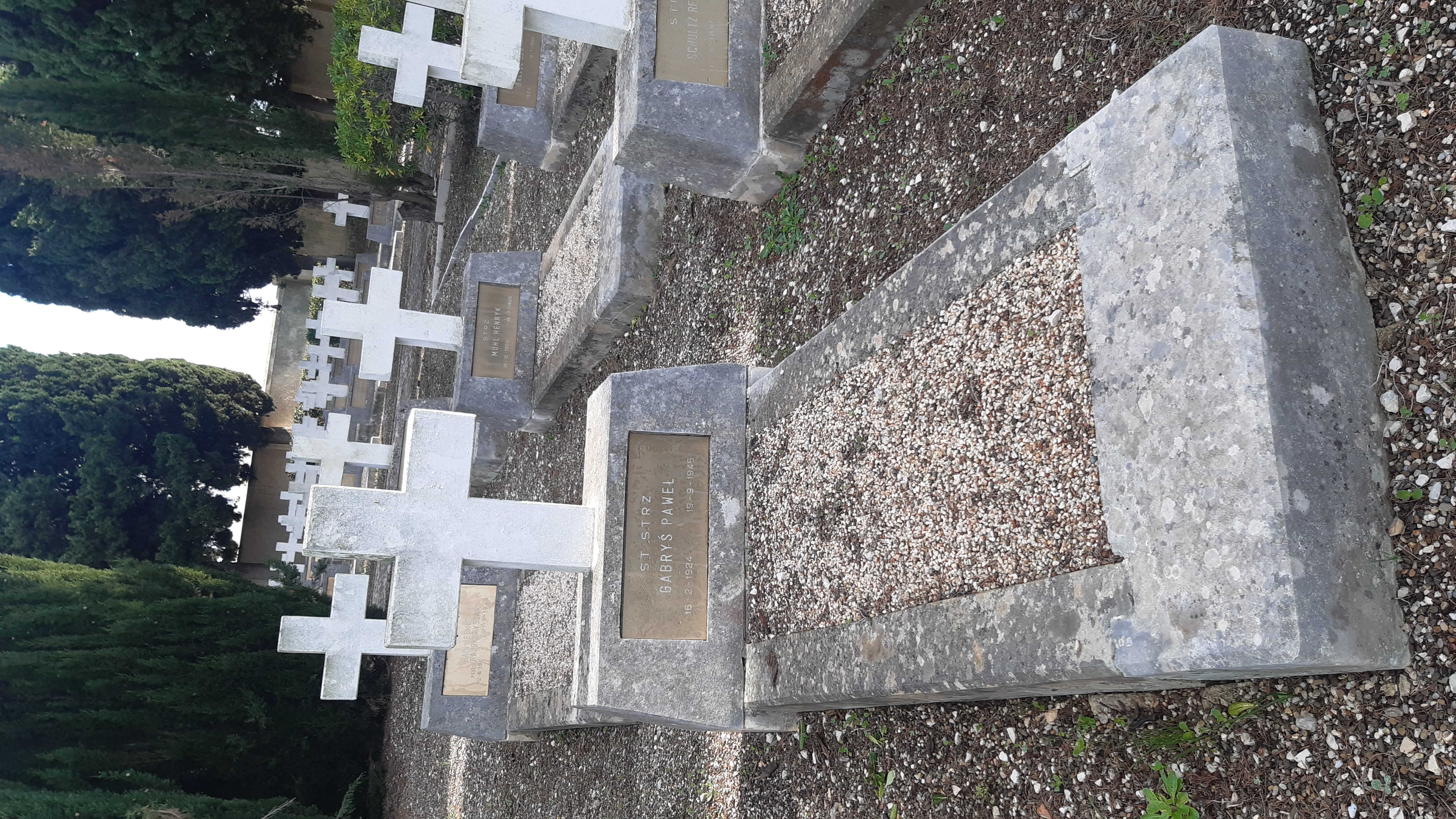
The following day, the IPN delegation visited the Polish Military Cemetery in Casamassima, where they laid flowers at the field altar bearing an image of Our Lady of Mercy from the Gate of Dawn in Vilnius, inscribed with the words: “Not broken by the force of law – they died bravely and nobly.”
The timing of the inauguration was no coincidence, as this year marks the 80th anniversary of the end of the Second World War. During the conflict, Poles played a crucial role in the liberation of numerous Italian cities, particularly as part of the 2nd Polish Corps under the command of General Władysław Anders. Their most notable victory was the capture of Monte Cassino, though Polish soldiers also made a significant contribution to the liberation of cities such as Bologna - which they were the first to enter - and Imola.
The Polish Armed Forces landed in Taranto in December 1943, marking the beginning of the Italian campaign. The first units, including the 3rd Carpathian Rifle Division, were transported from Egypt to the port of Taranto, arriving on 21 December 1943. From there, the 2nd Polish Corps established operational bases in Bari and Brindisi, and a training centre in San Basilio. Following the conclusion of the Italian campaign in 1945, Polish forces performed occupation duties along the Adriatic coast, from Bari in the south to Venice in the north. In total, around 55,000 Polish men and women served in Italy.
Many Polish soldiers gave their lives fighting within General Anders’ 2nd Polish Corps during the Italian campaign (1944–1945). Today, four Polish war cemeteries in Italy - at Monte Cassino, Bologna, Loreto, and Casamassima - commemorate their sacrifice. In total, 2,301 Polish soldiers from the 2nd Corps were killed in action on the Italian front during the Second World War. The overall losses amounted to 11,379, including 2,301 killed, 8,051 wounded, and 1,027 missing or taken prisoner. The heaviest casualties were sustained during the Battle of Monte Cassino, where 923 Polish soldiers lost their lives.