
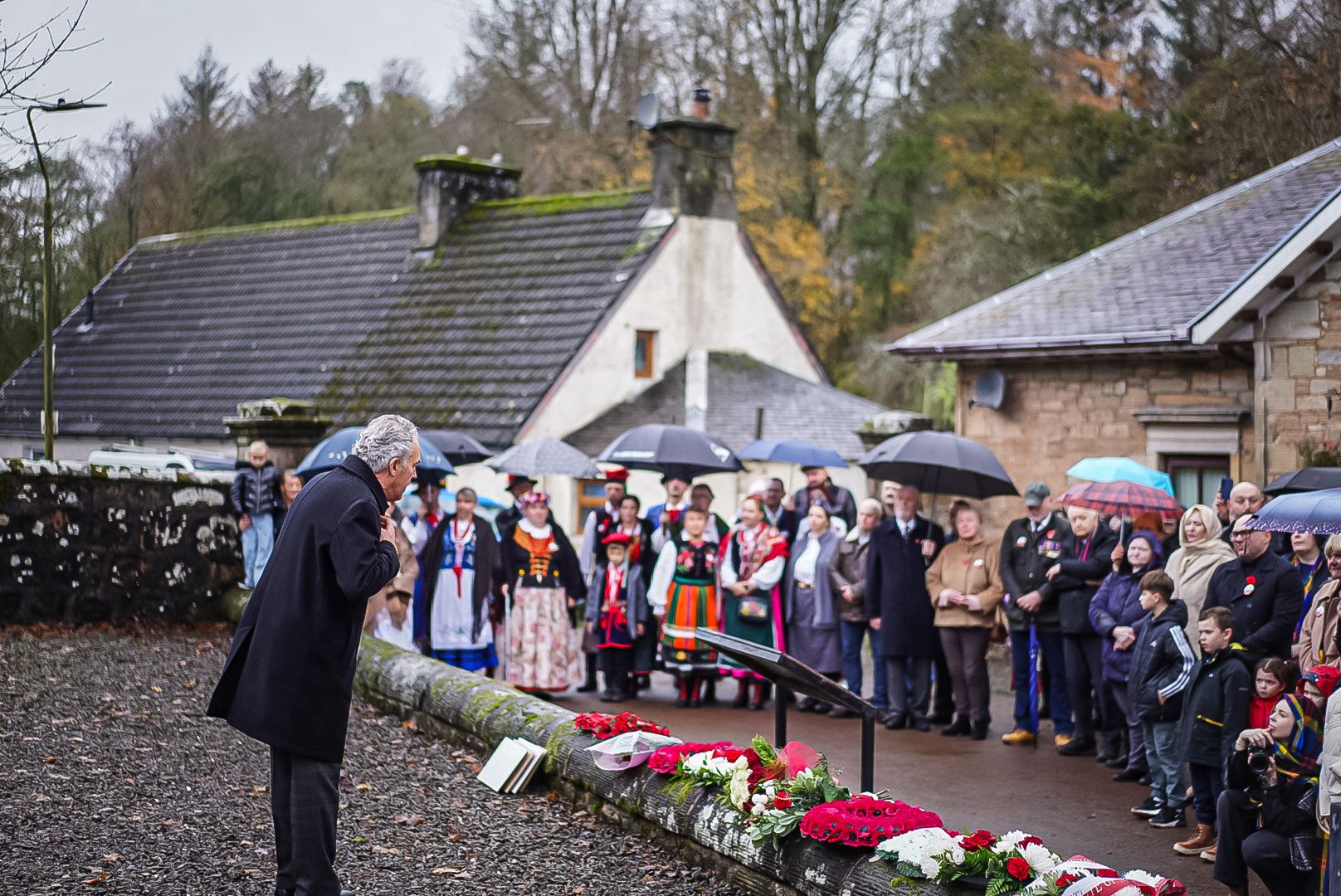
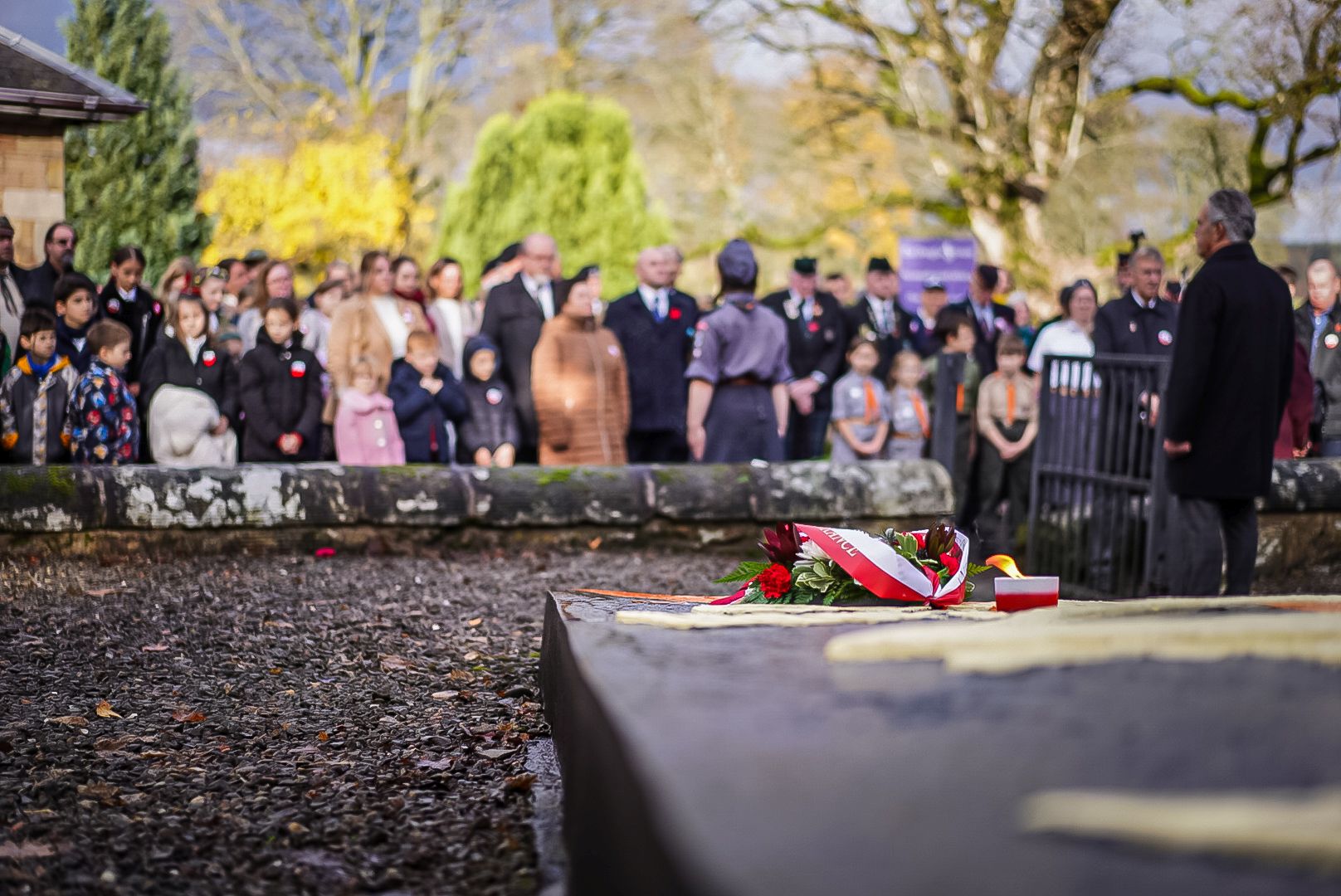
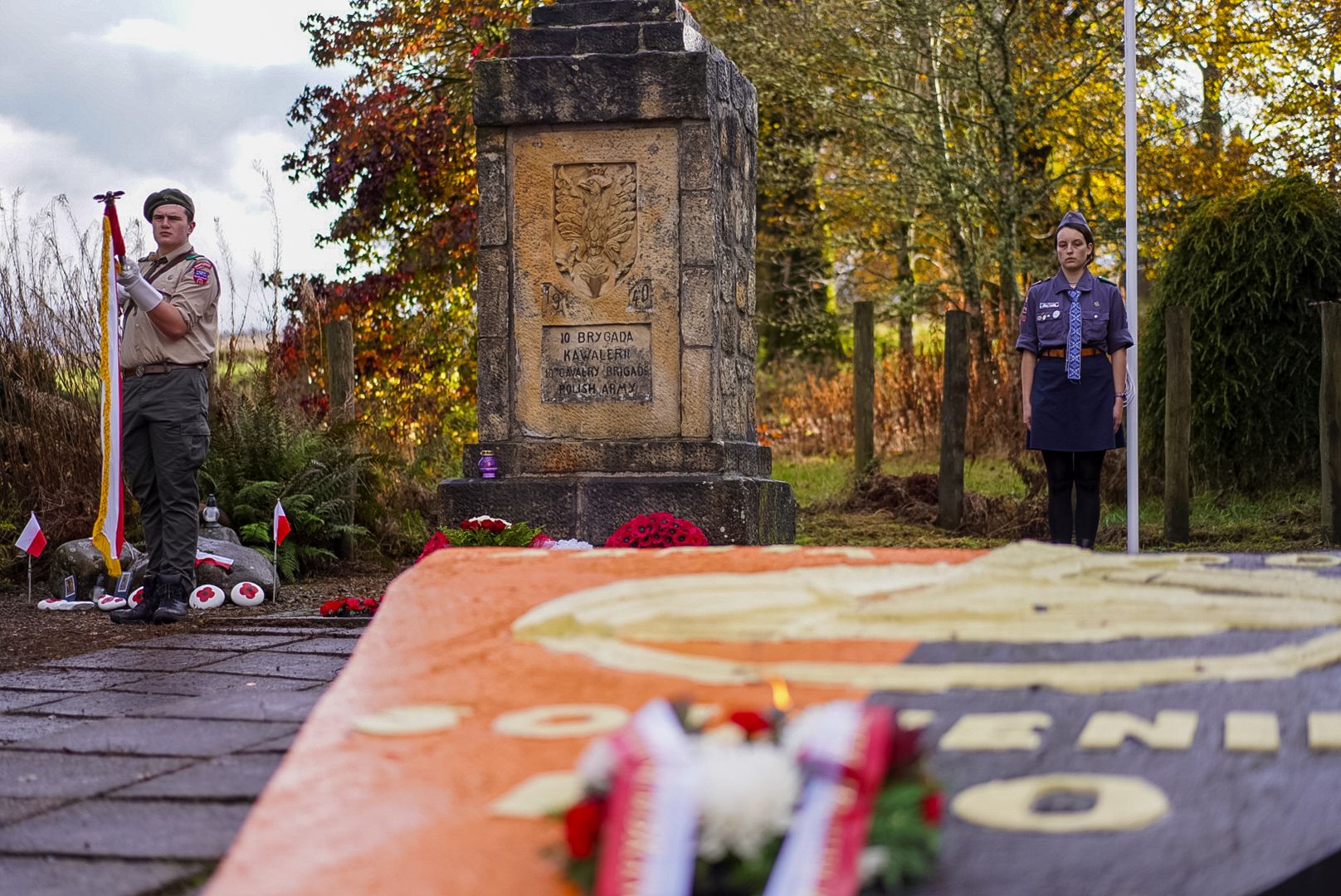
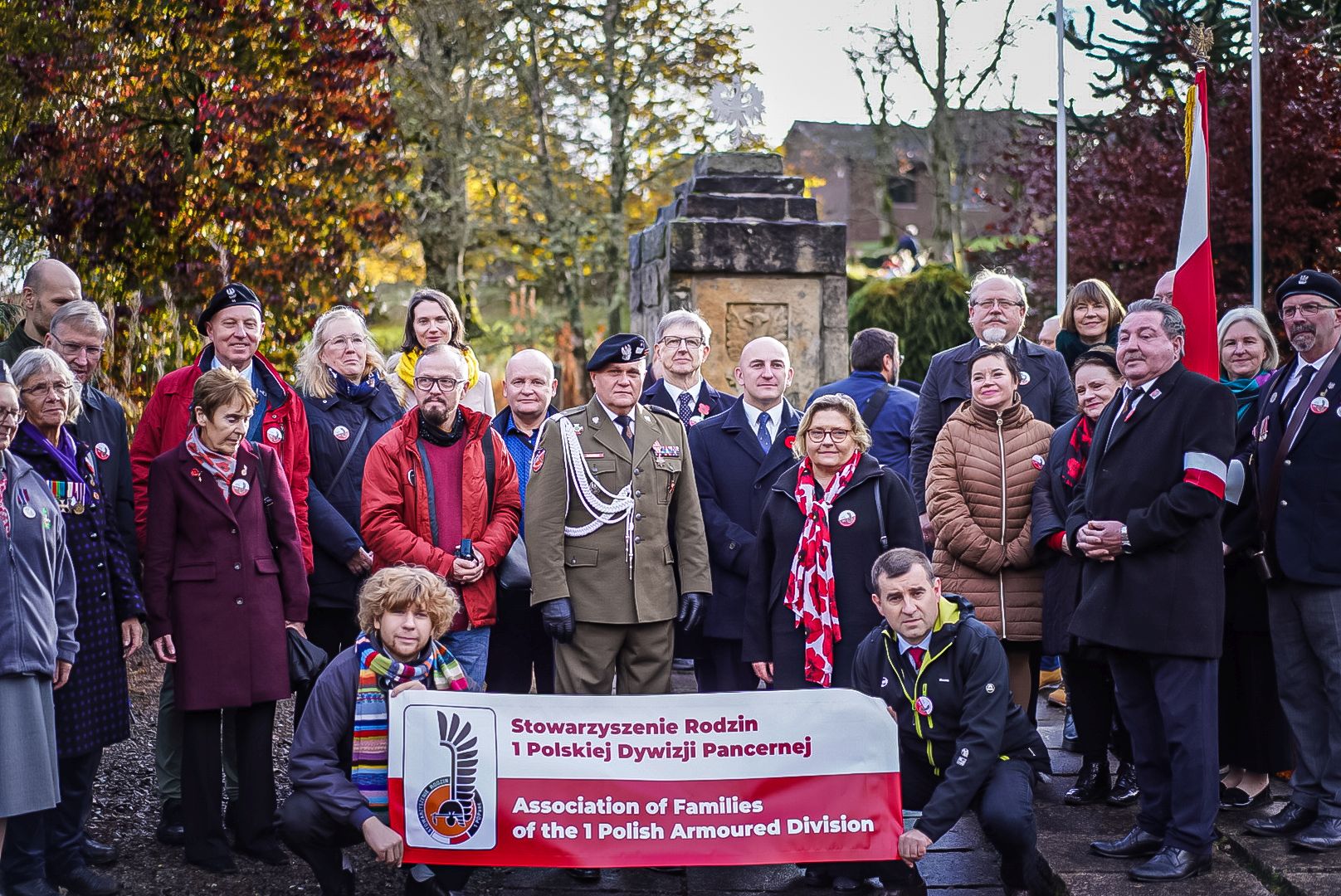
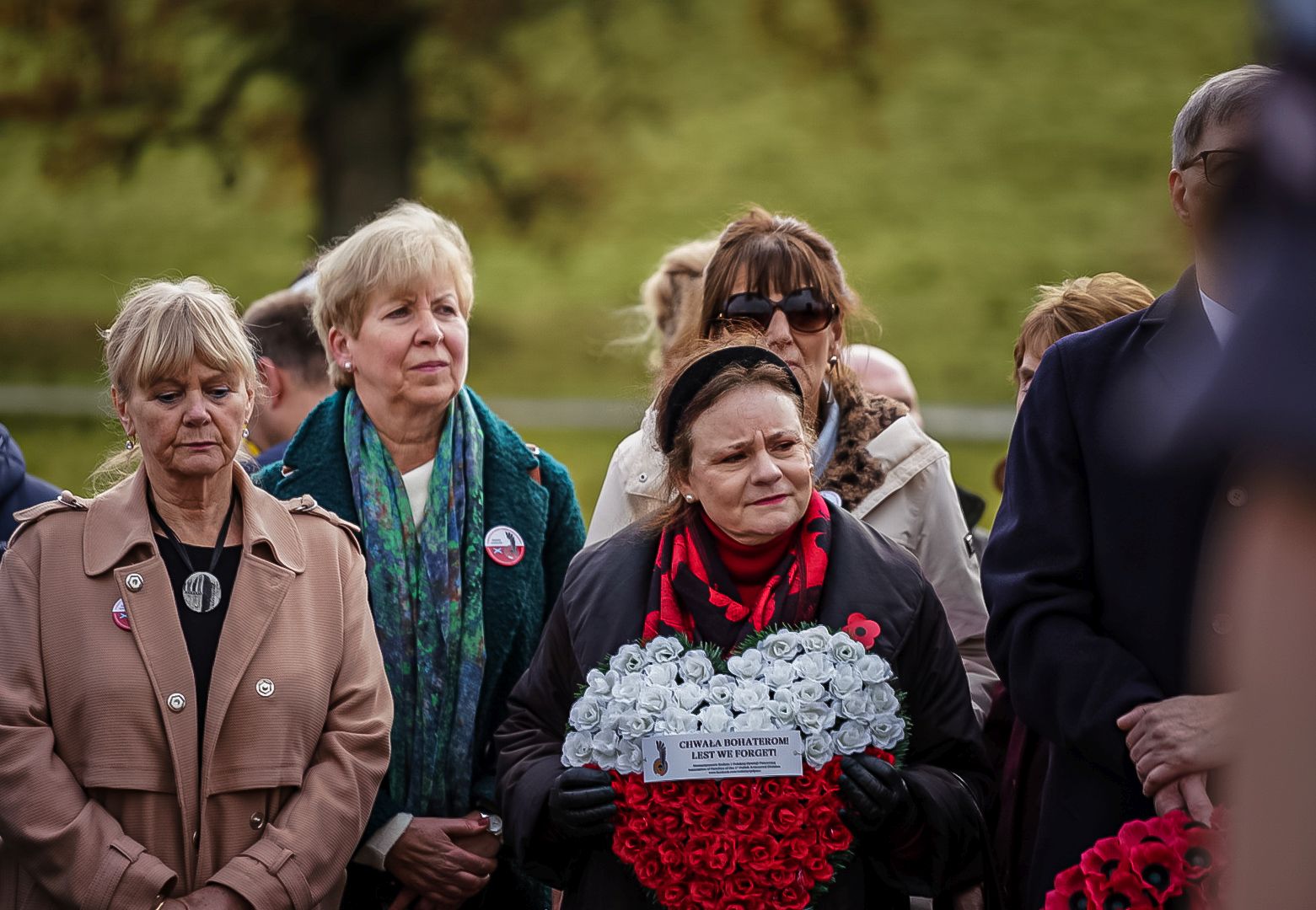
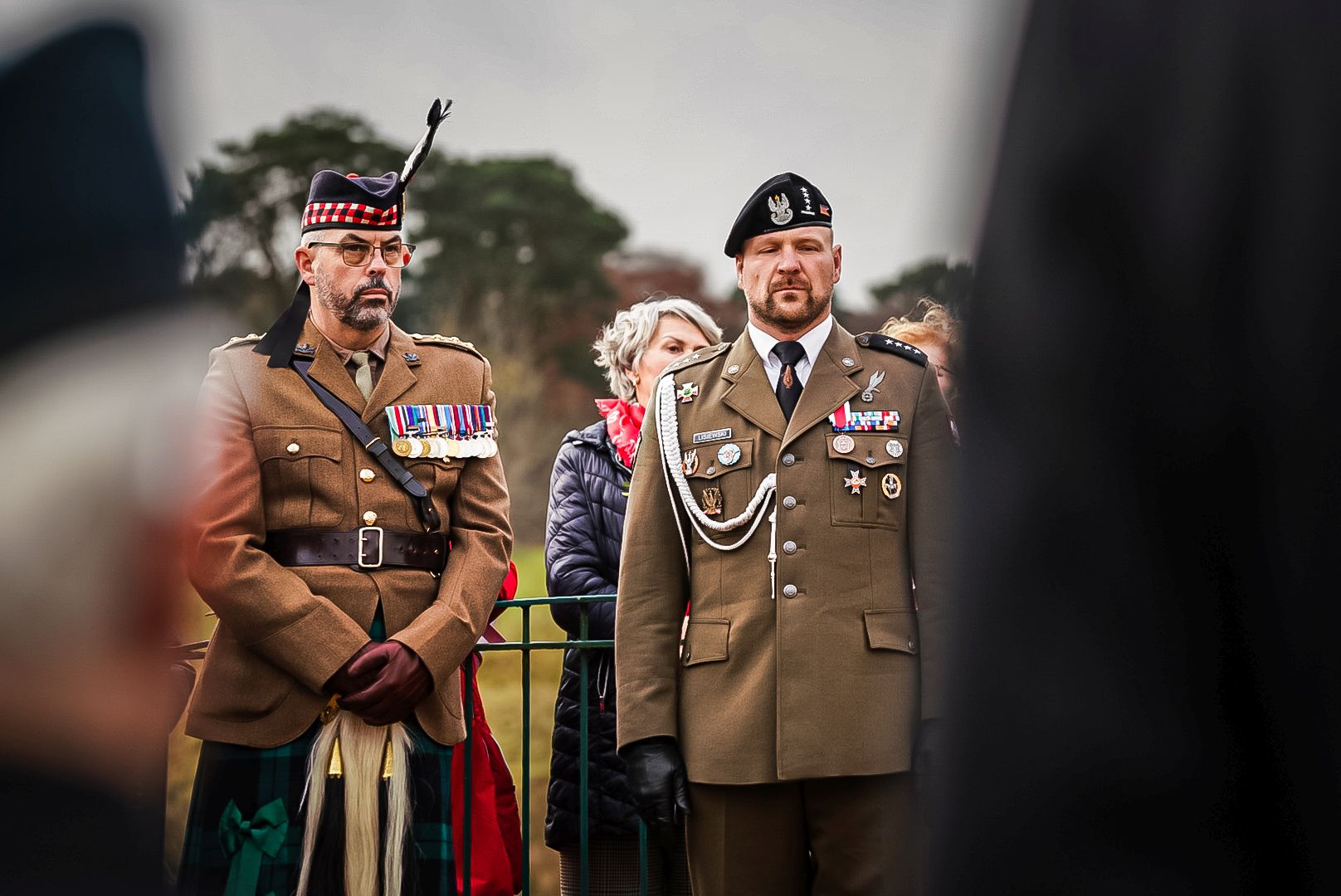
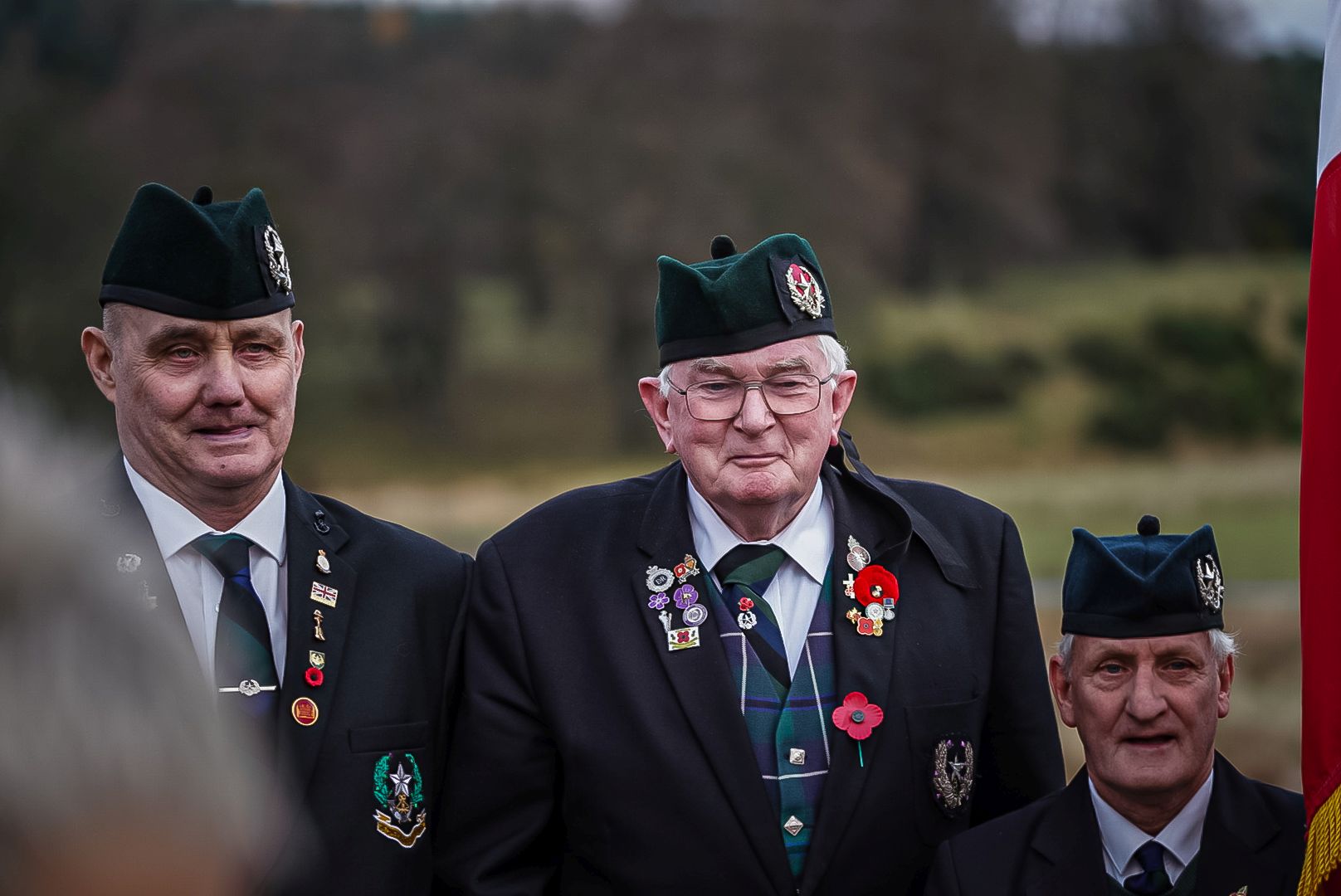
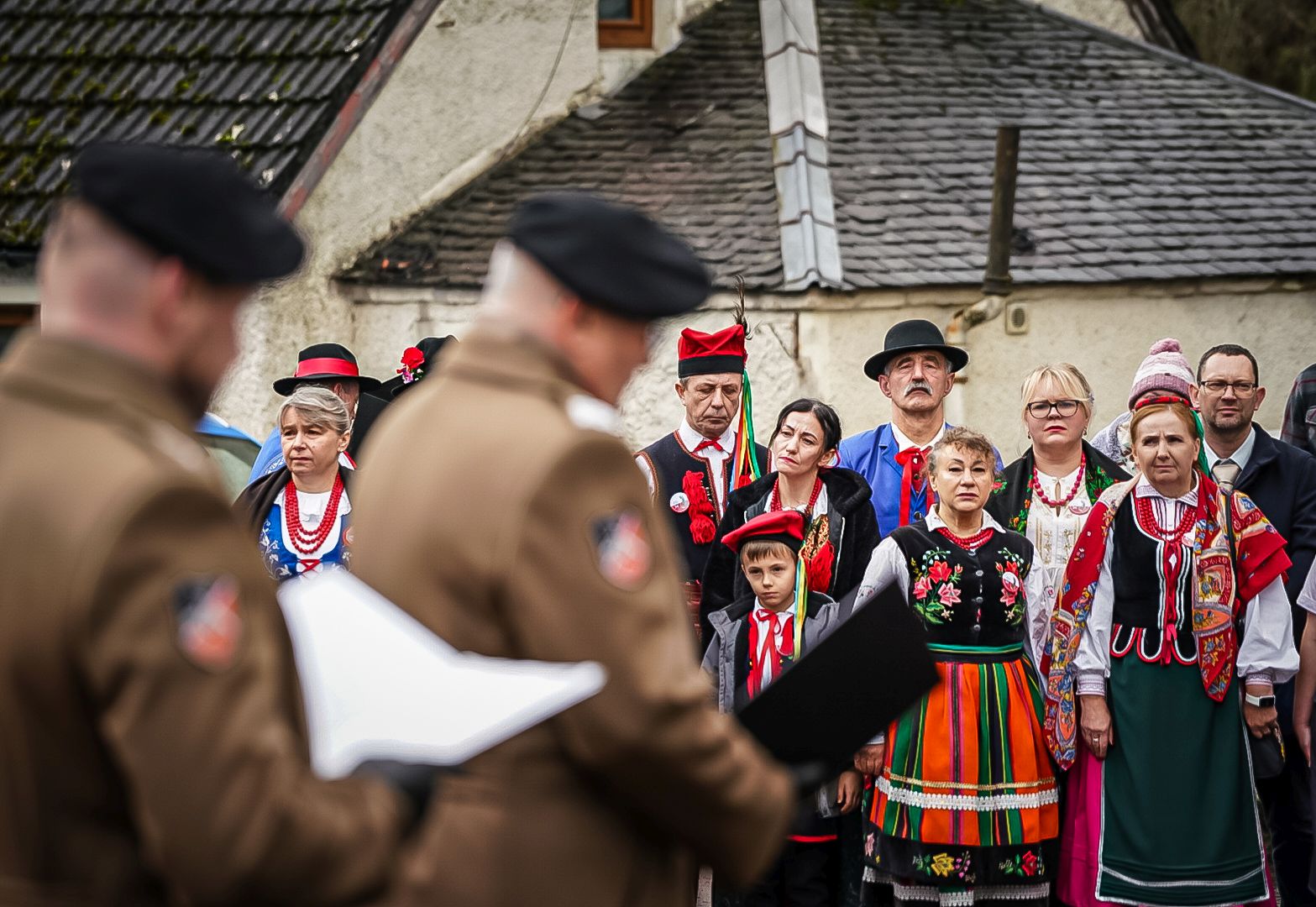
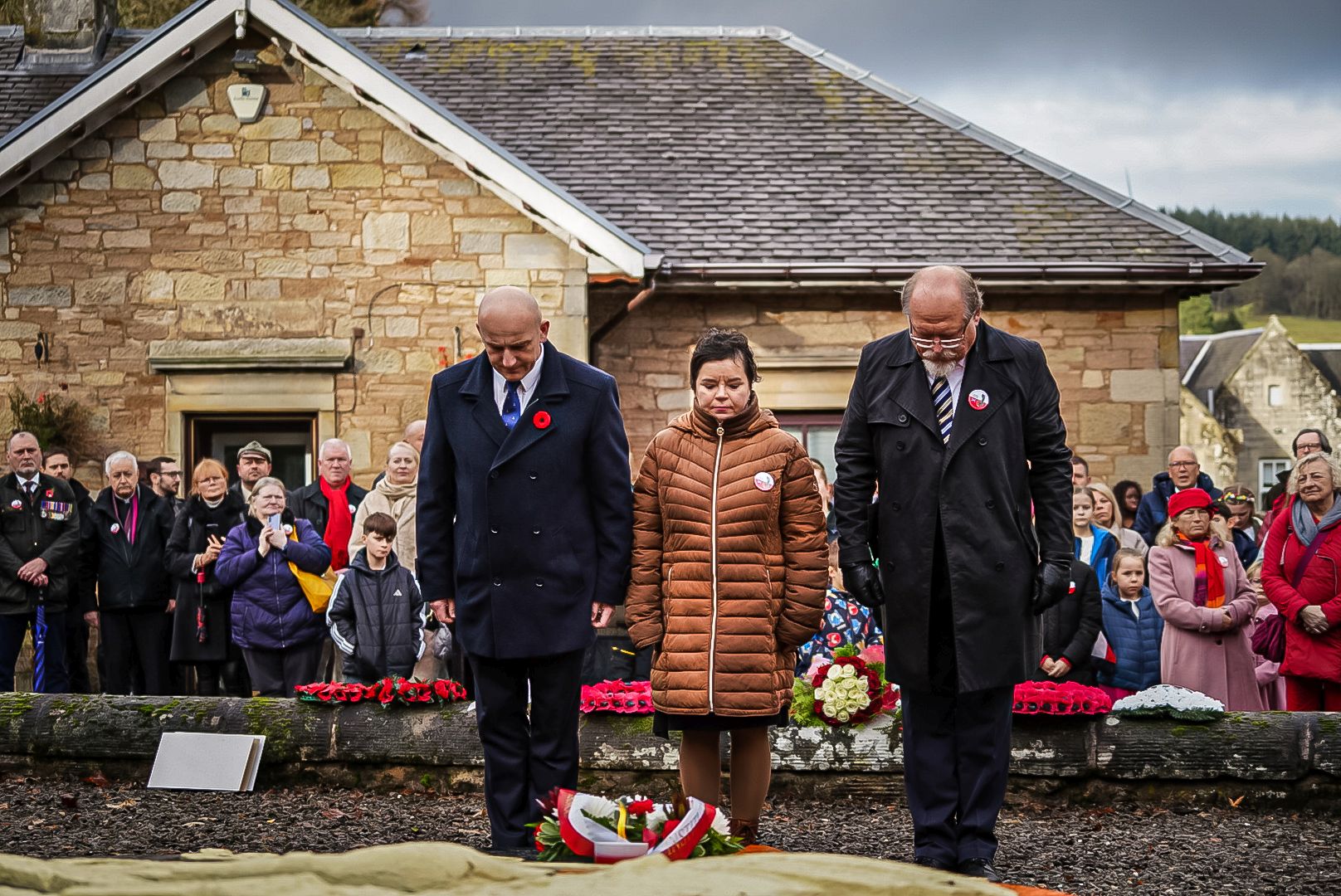
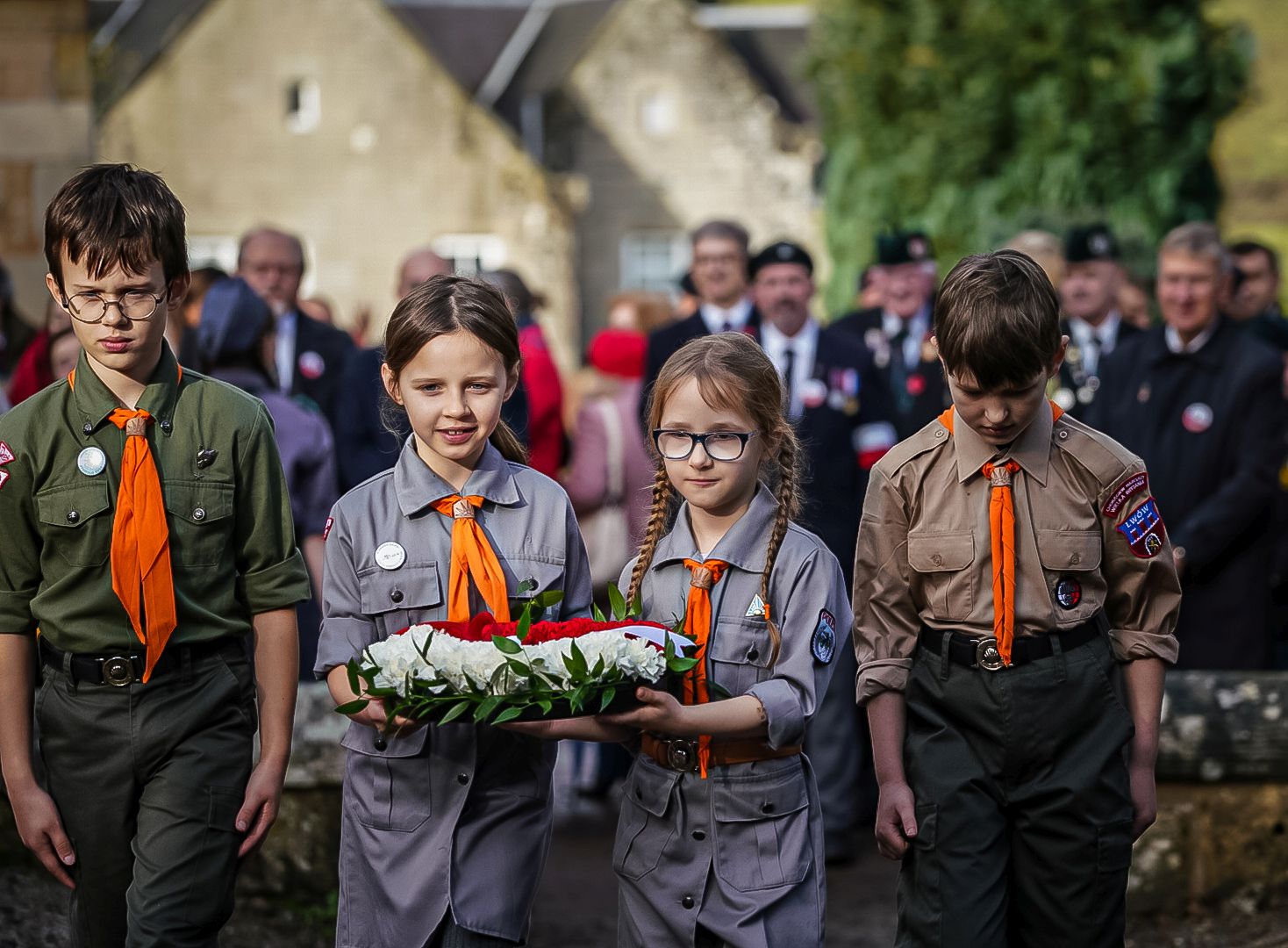
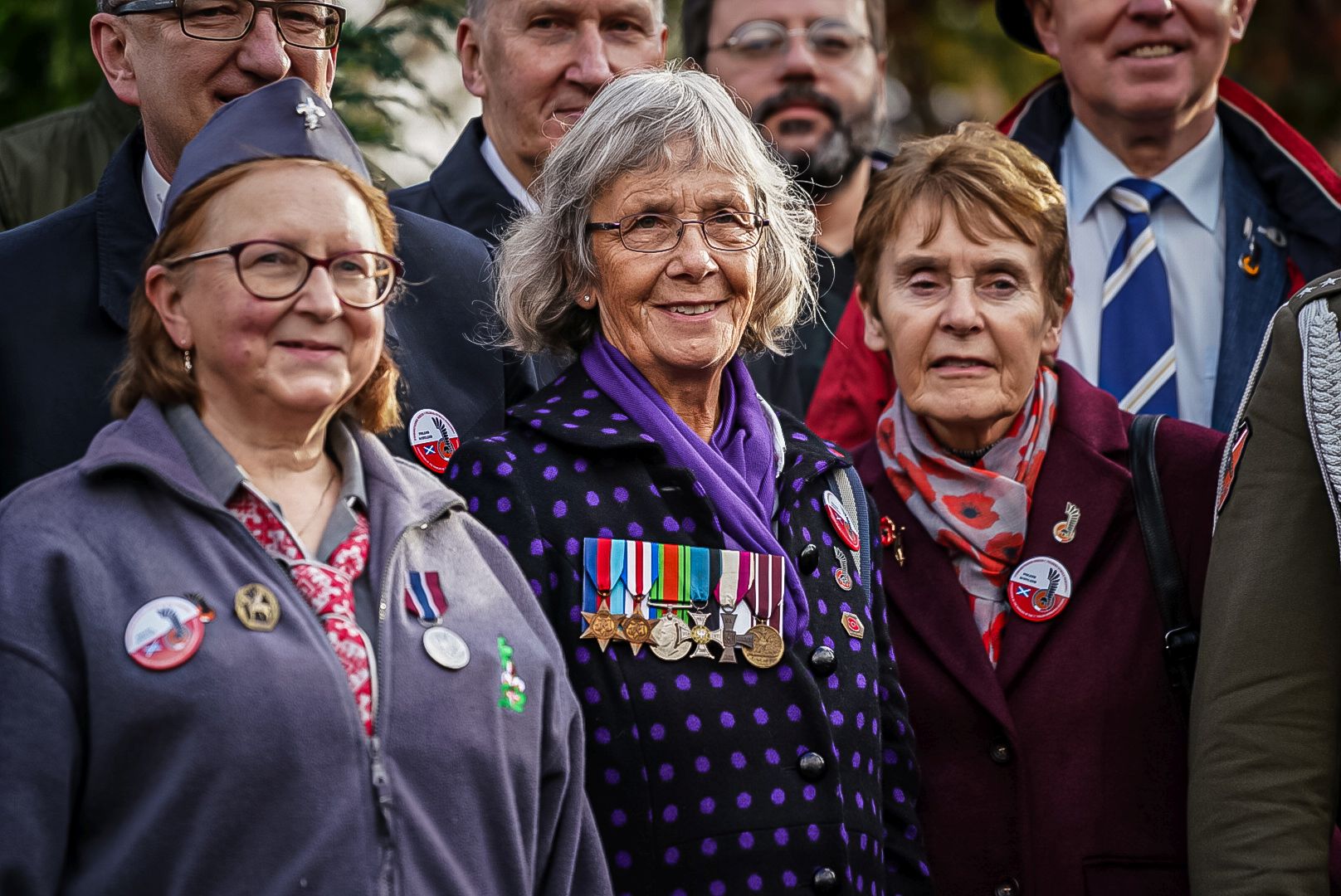
The IPN delegation visiting Scotland commemorated the soldiers of the 10th Armoured Cavalry Brigade of the Polish 1st Armoured Division in the Polish Memorial Garden in Douglas.
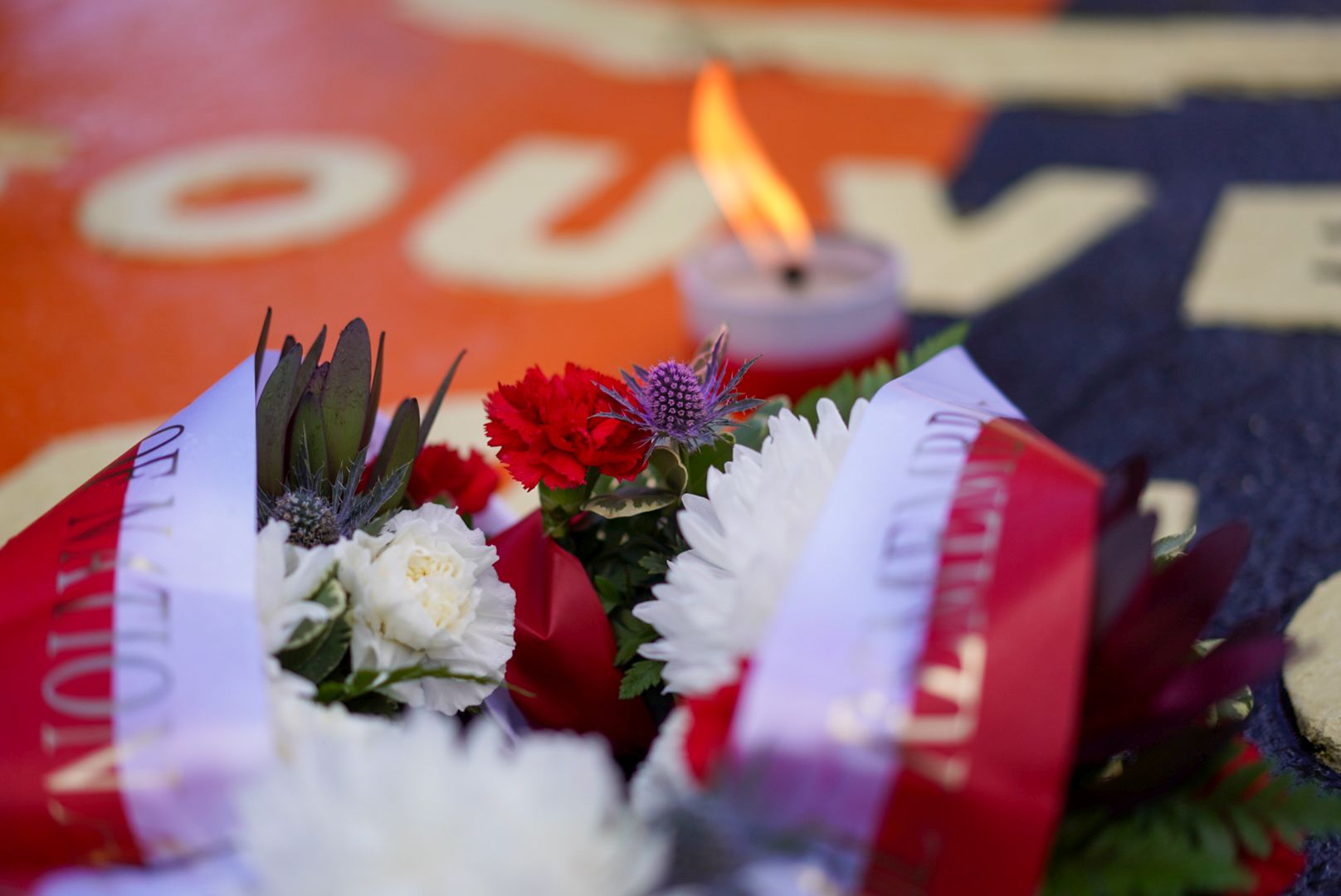
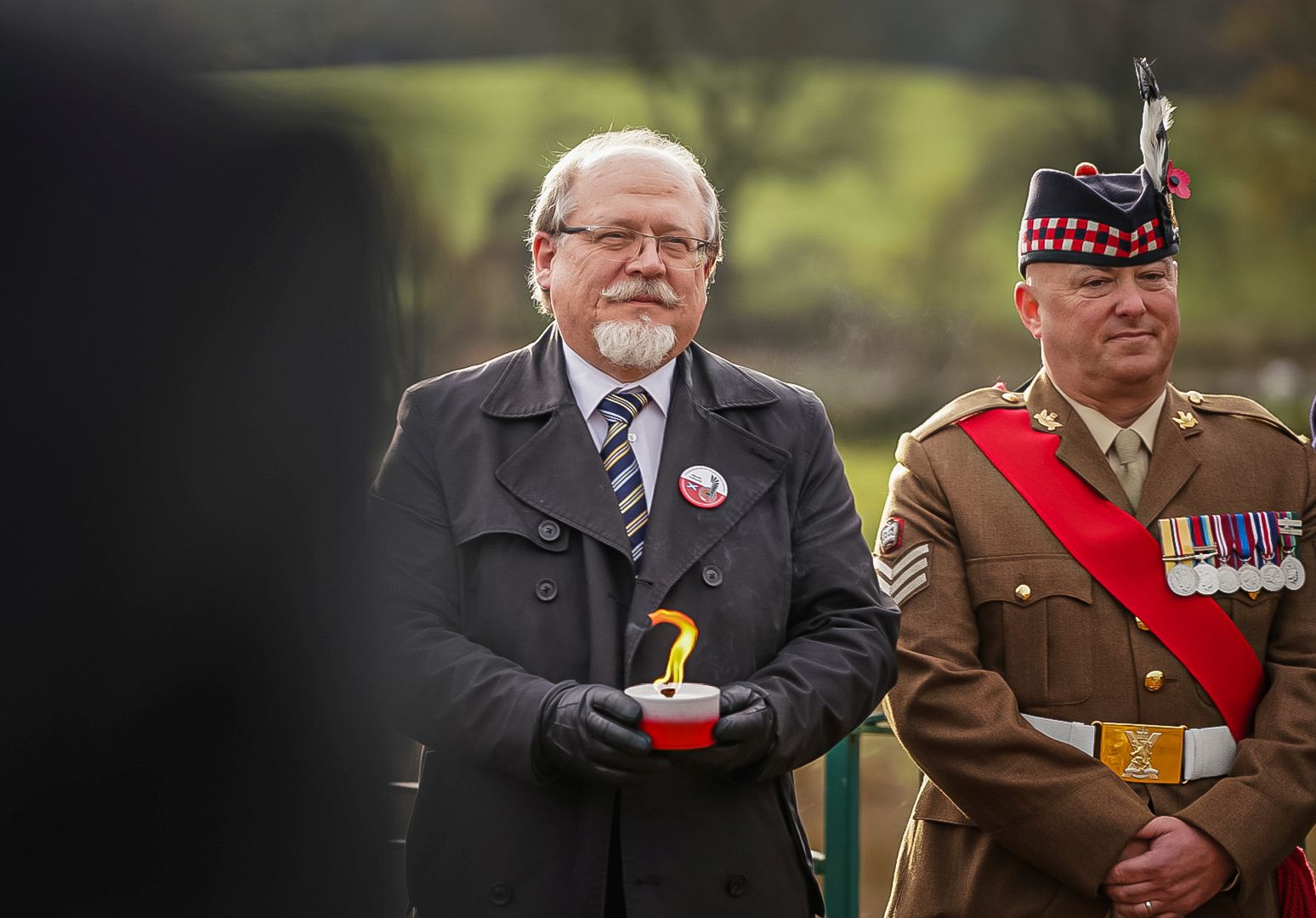
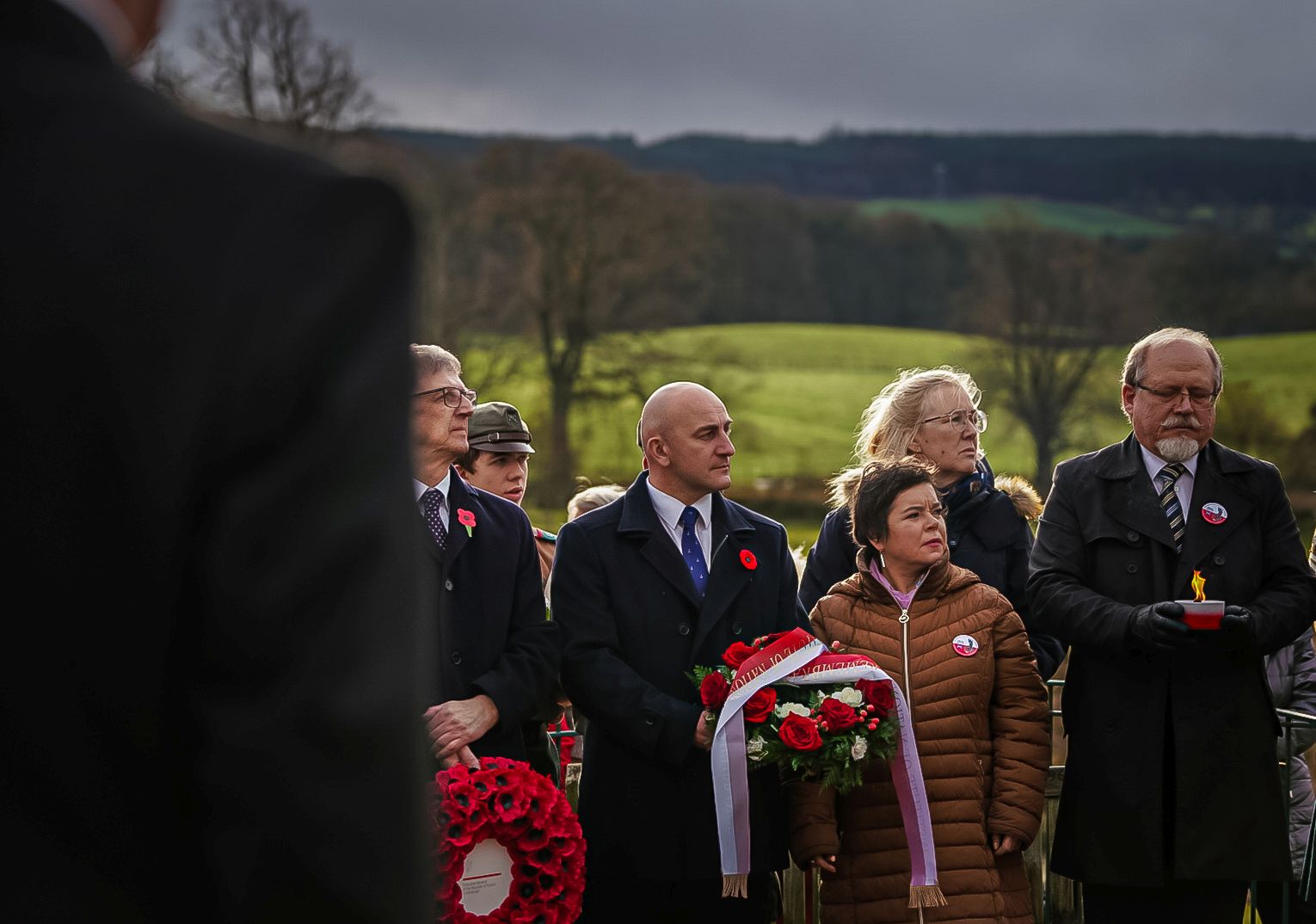
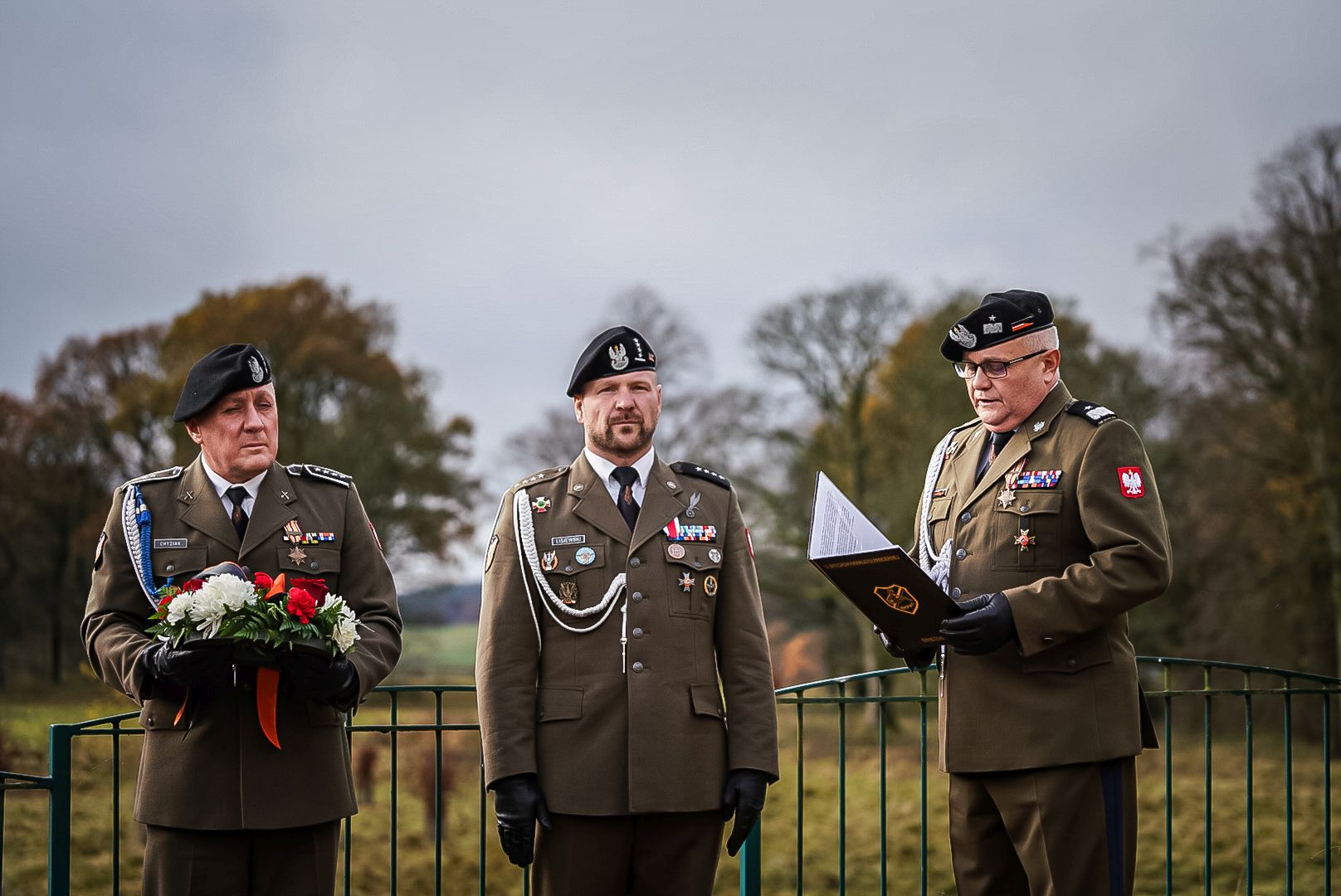
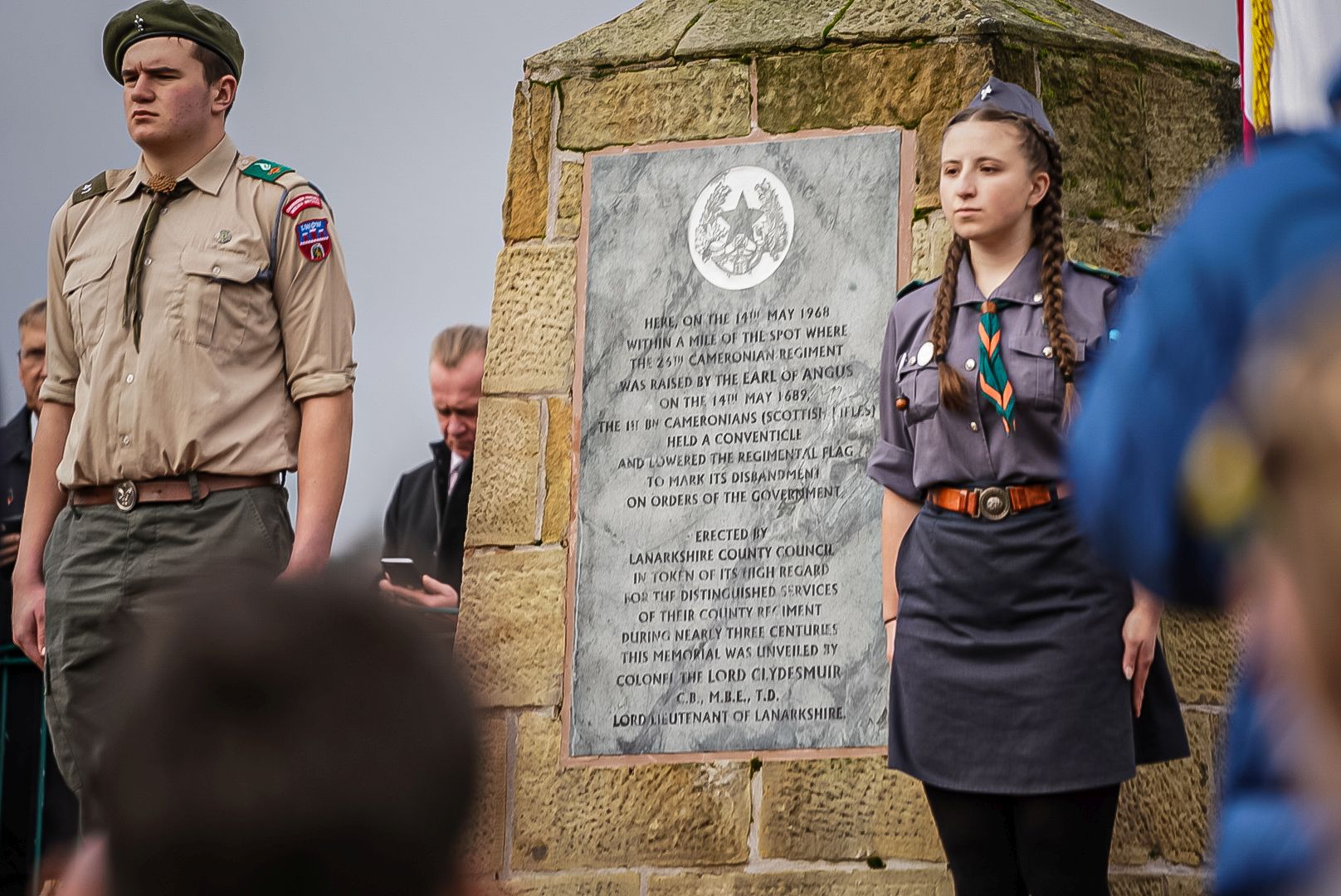
The celebrations began with the laying of flowers at the nearby Cameronian Cairn monument, commemorating the Scottish regiment which fought side by side with the Polish 1st Armoured Division in 1944. This was followed by the main ceremony in the Polish Memorial Garden, where guests were welcomed by Chris Sagan, President of the Sikorski Polish Club. Participants laid wreaths at the monuments to the soldiers of the 10th Armoured Cavalry Brigade.
The war graves of Polish soldiers, the resting places of veterans and civilian refugees, as well as memorial sites scattered across all continents constitute a distinctive element of Poland’s heritage . They do not commemorate wars of conquest or imperial expansion, but rather stand as enduring witnesses to the history of the Polish Nation throughout the nineteenth and twentieth centuries. It is the duty of us all - as a national community - and also the mission of the Institute of National Remembrance to preserve and honour every trace of Poland’s past said Adam Siwek, the Director of the IPN Office of Commemorating the Struggle and Martyrdom.
For years, the Institute has been supporting activities aimed at preserving Polish memorial sites in Scotland. In 2021, the IPN financed the renovation of three monuments dedicated to soldiers of the 10th Armoured Cavalry Brigade, located in the Polish Memorial Garden. Thanks to such activities, these sites will remain a lasting testimony to history and a symbol of Polish-Scottish friendship.
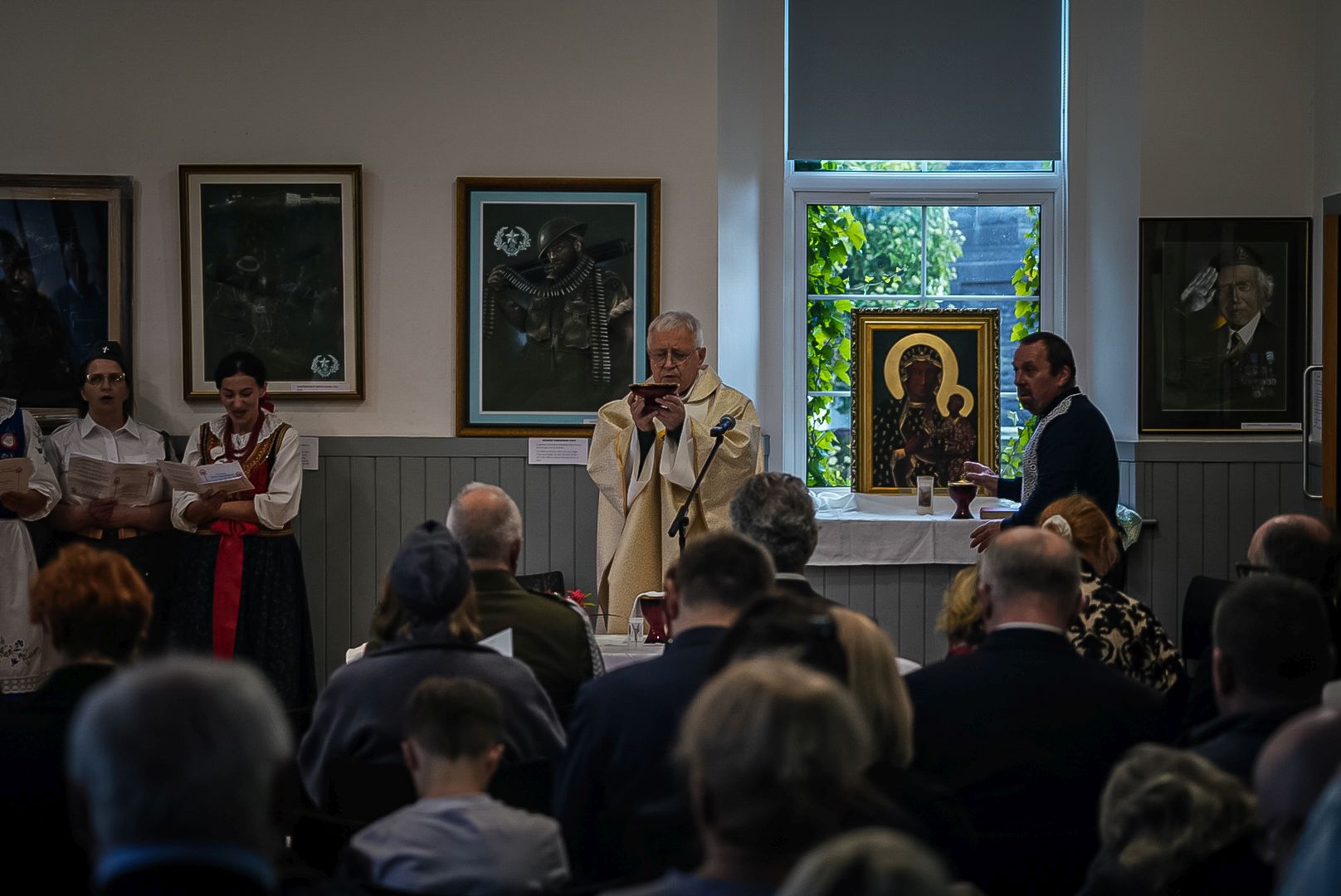
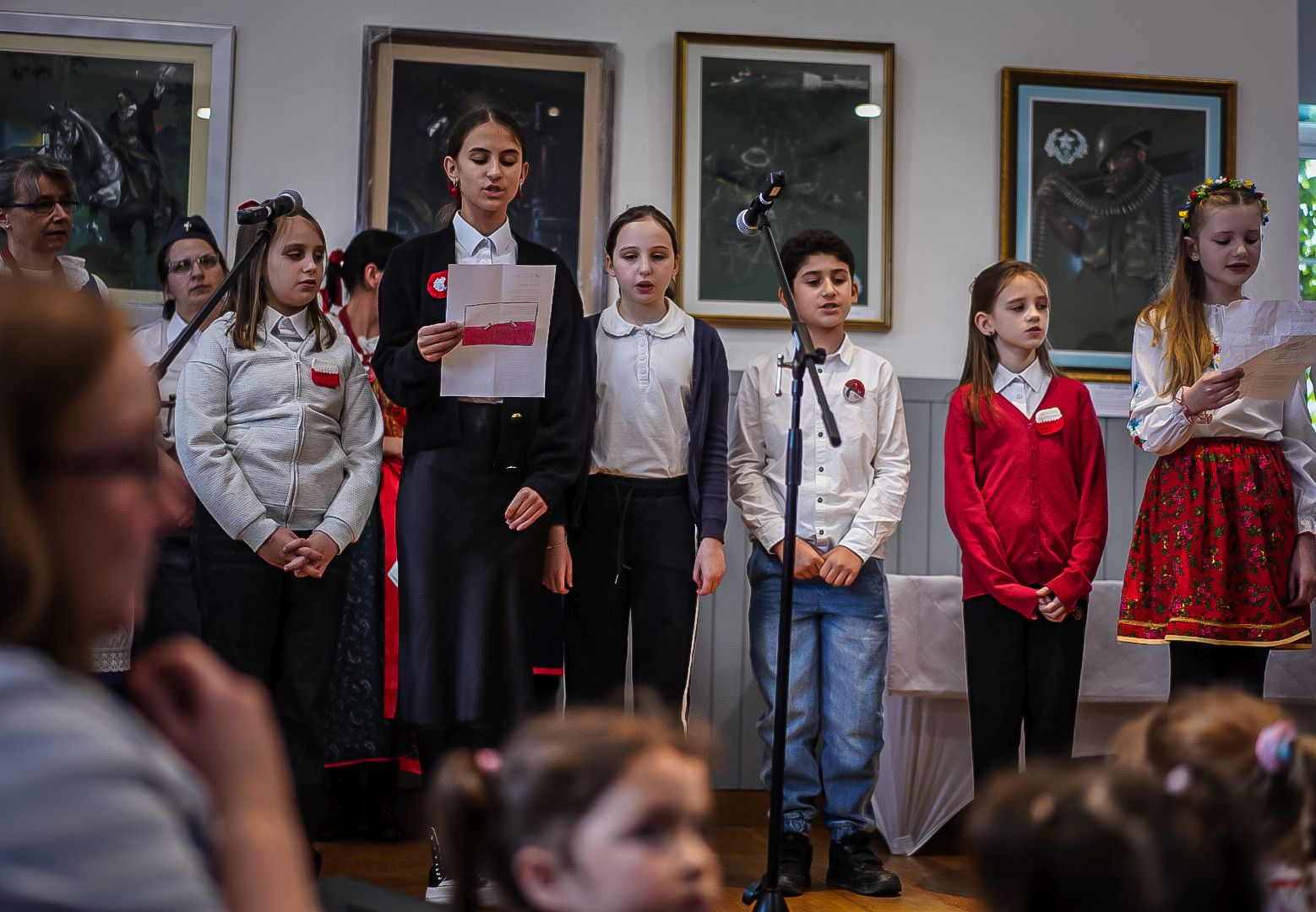
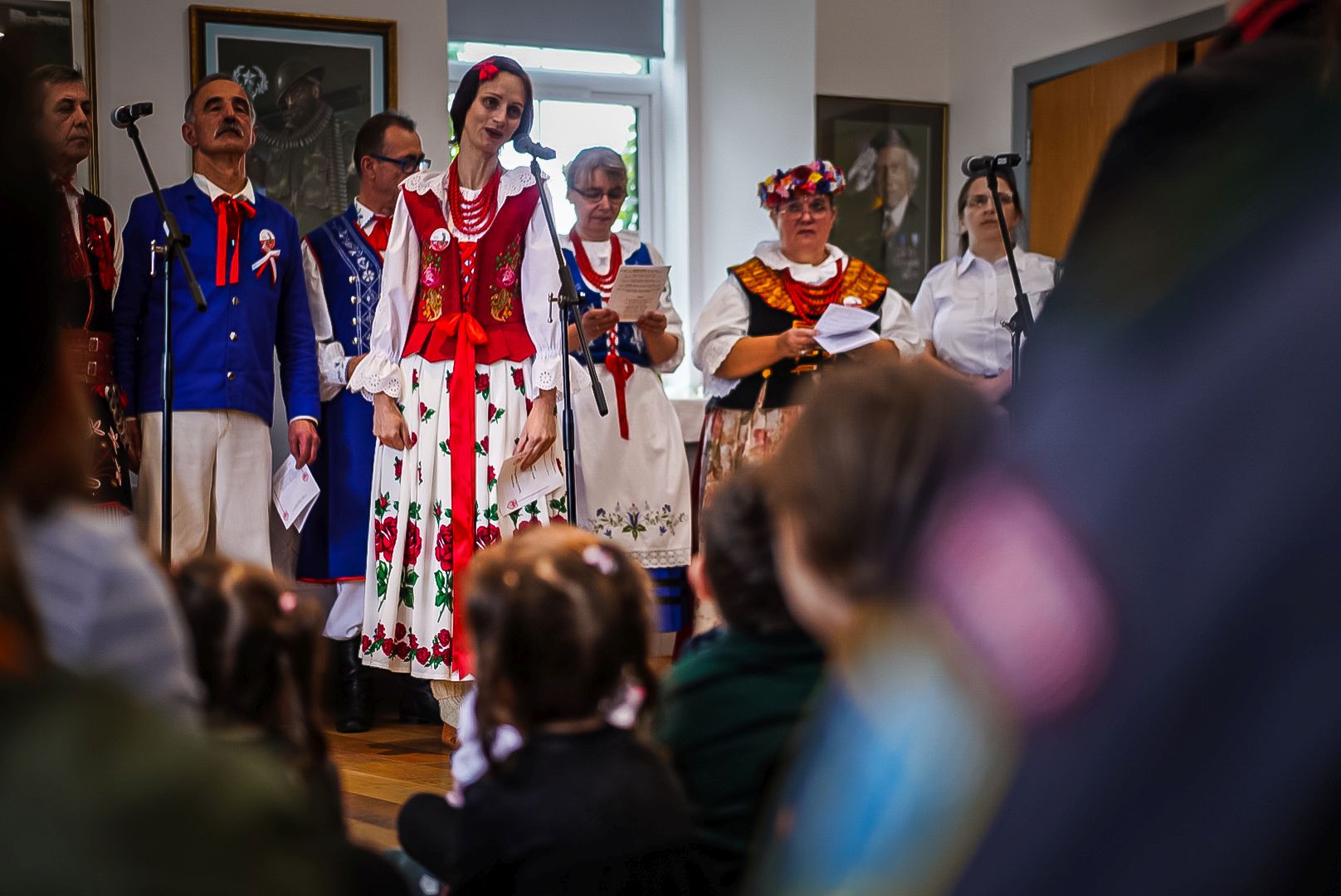
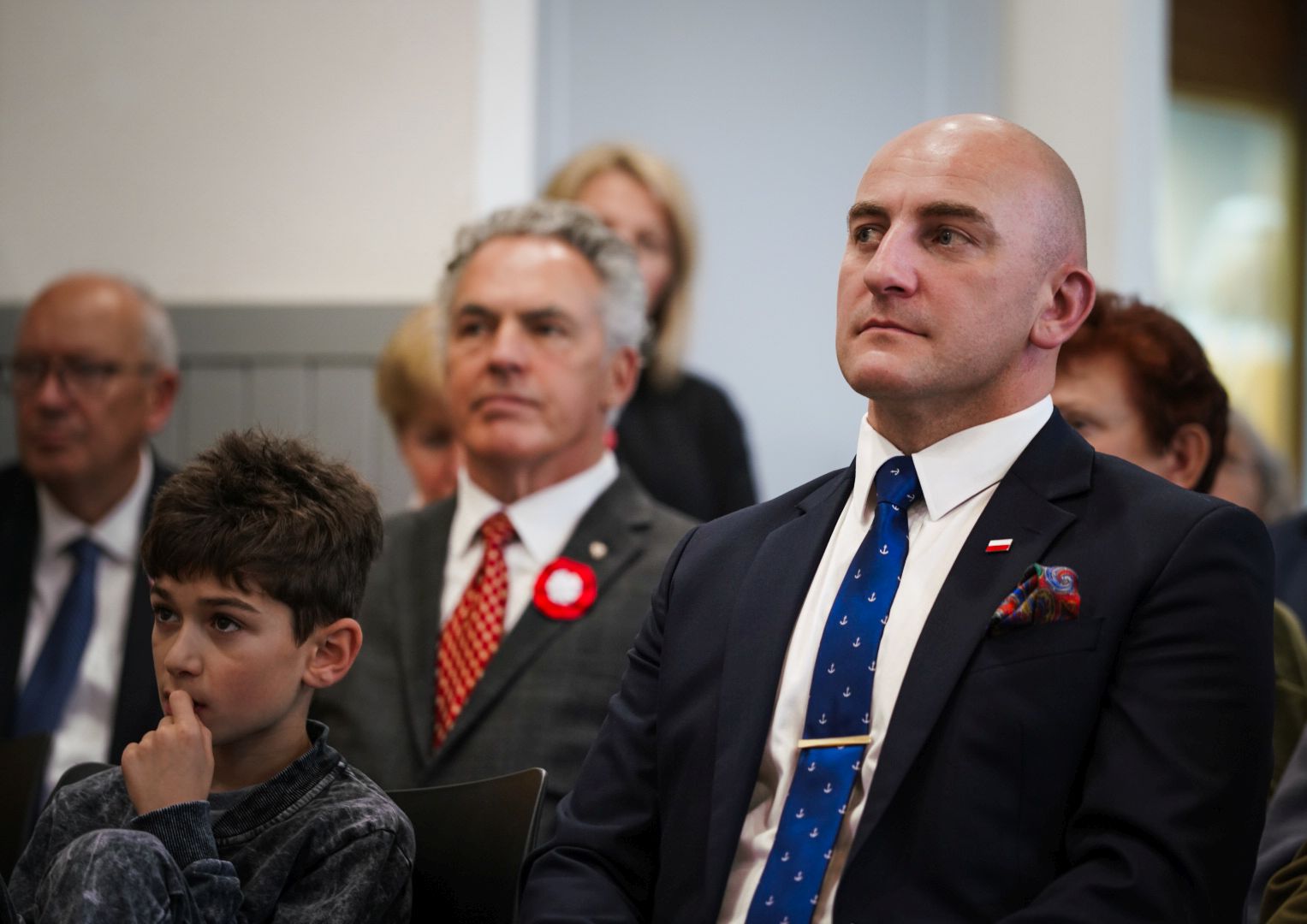
The celebrations in Douglas were attended by the Consul General of the Republic of Poland, Mirosław Sycz, the commander of the 10th Armoured Cavalry Brigade, Brigadier General Mirosław Downar, Karolina Maczek-Skillen, granddaughter of General Stanisław Maczek, representatives of the Polish and Scottish communities, veterans' organisations, local authorities, and Polish diplomats. The even ended with a Holy Mass and a meeting with the Polish community.
***
When France surrendered in June of 1940, Polish military units were evacuated to the United Kingdom. Among them were three armoured divisions, including troops led by General Maczek. Based on the Polish-British treaty of 5 August 1940, Polish Supreme Commander General Władysław Sikorski gave the order on 28 September 1940, to form the 1st Polish Corps. Thus, the Polish army came into existence in Great Britain. In October 1940, Polish soldiers began patrolling the coasts of Scotland in their appointed sections. The 2nd Riflemen Brigade, created in the summer of 1940, which was part of the 1st Polish Corps, was renamed to the 10th Armoured Cavalry Brigade and later incorporated into the Polish 1st Armoured Division.
The 1st Polish Armoured Division, commanded by General Stanisław Maczek, was formed in 1942 in Scotland. In August 1944, following the Normandy landings, it entered combat alongside the Allies. The division distinguished itself in the battles of Falaise, Chambois, and Mont Ormel, closing the so-called “Falaise Pocket,” which contributed to a breakthrough in the Normandy campaign. After that battle, Polish soldiers liberated successive cities in Belgium and the Netherlands, including Ypres, Tielt, Roeselare, and Ghent. In Antwerp and across Flanders, the Polish Division fought fierce battles, while being welcomed with immense gratitude by the local population. The division’s combat trail ended in May 1945 in Wilhelmshaven, Germany, where it accepted the surrender of the garrison and naval base.
More:
A special ceremony at the grave of Colonel Władysław Zgorzelski in Edinburgh