
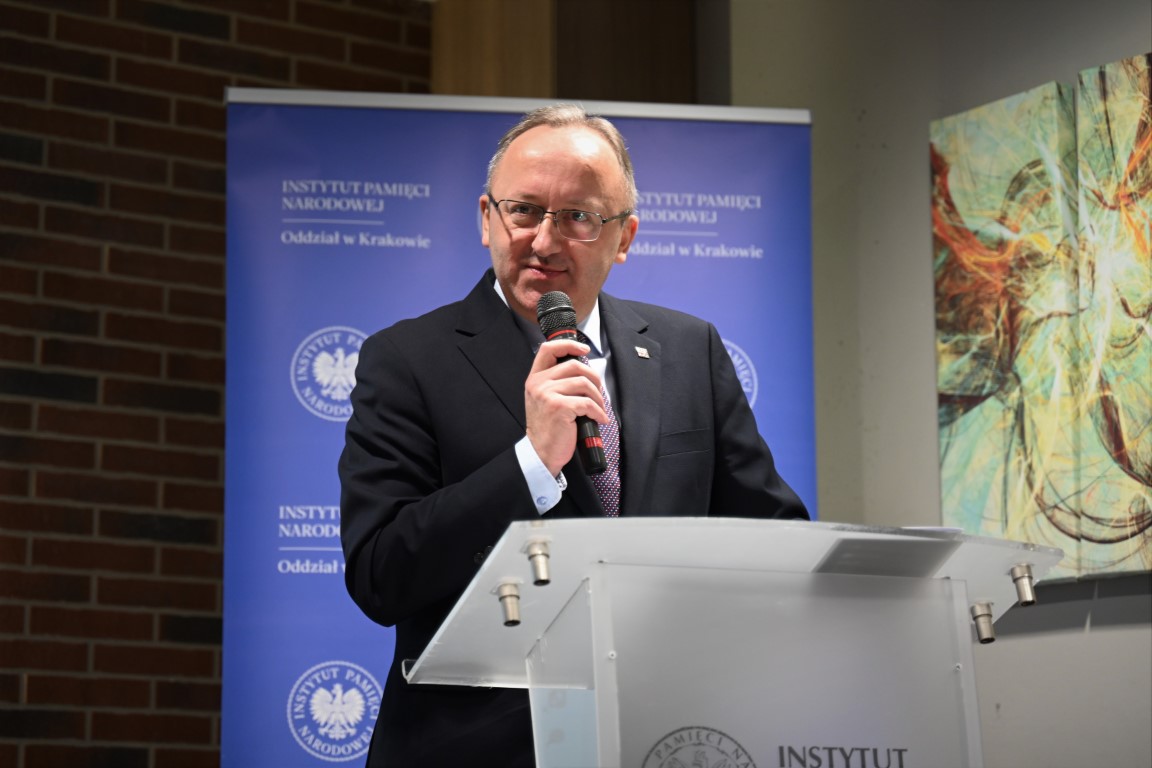
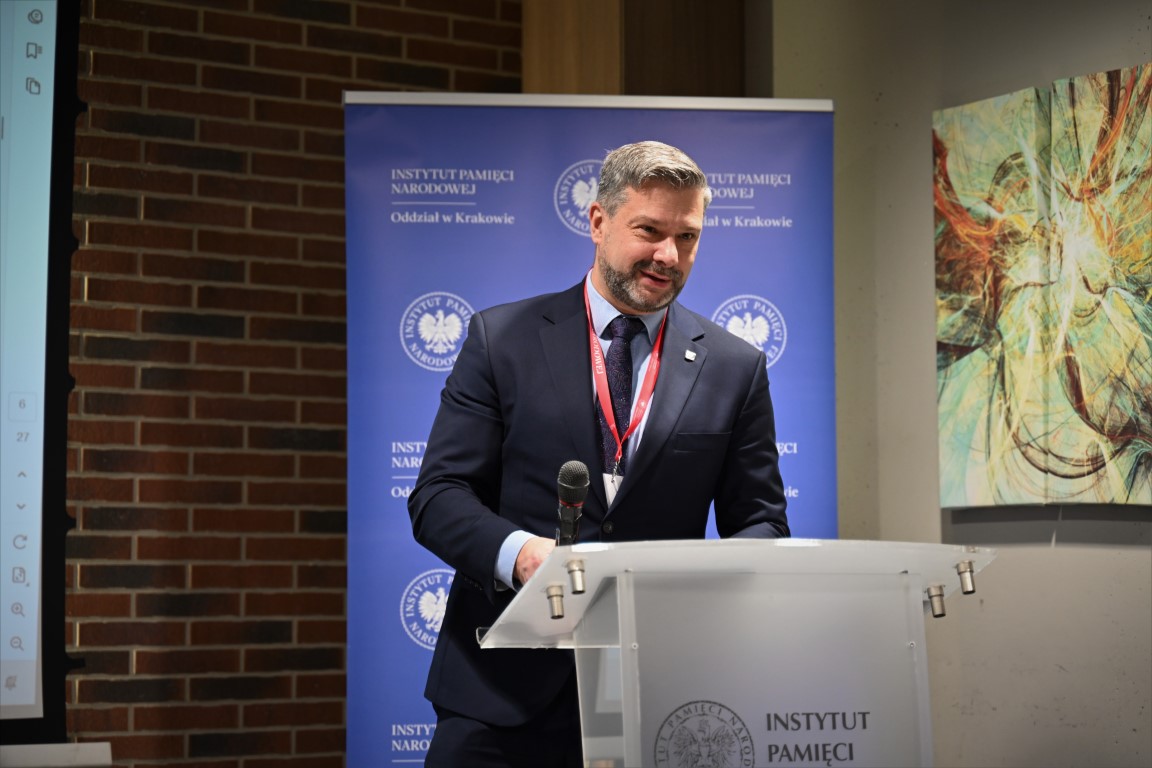
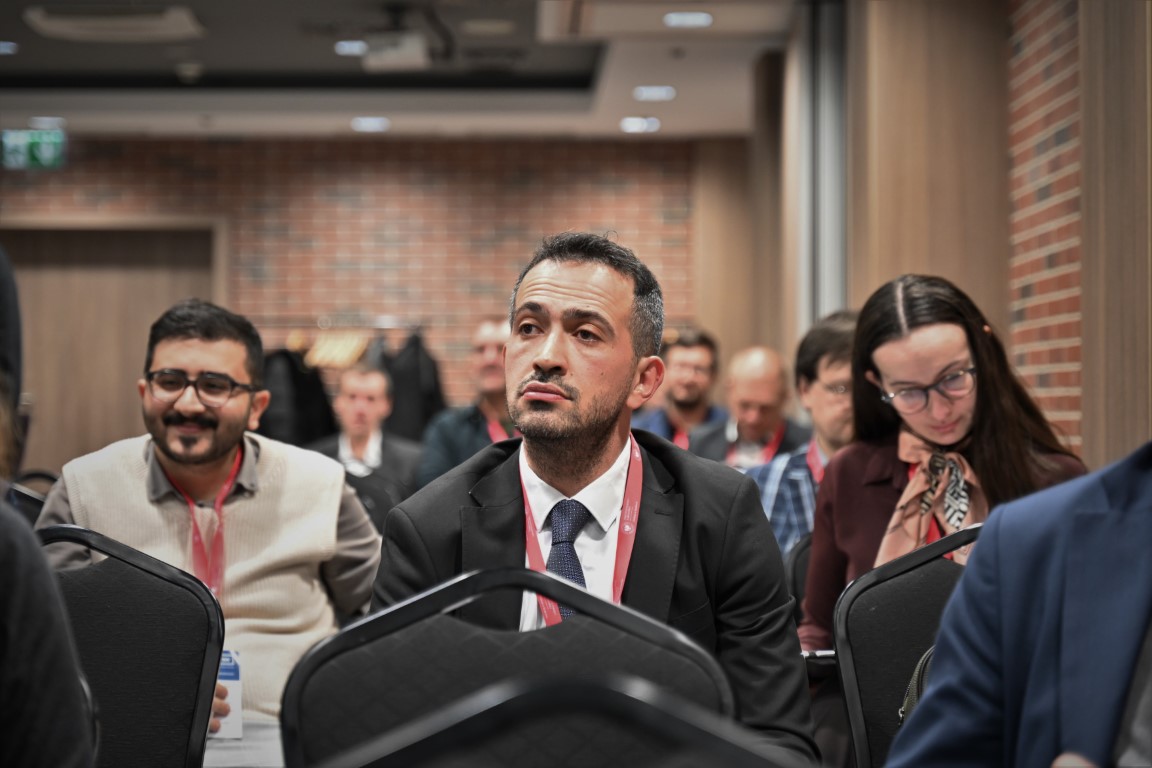
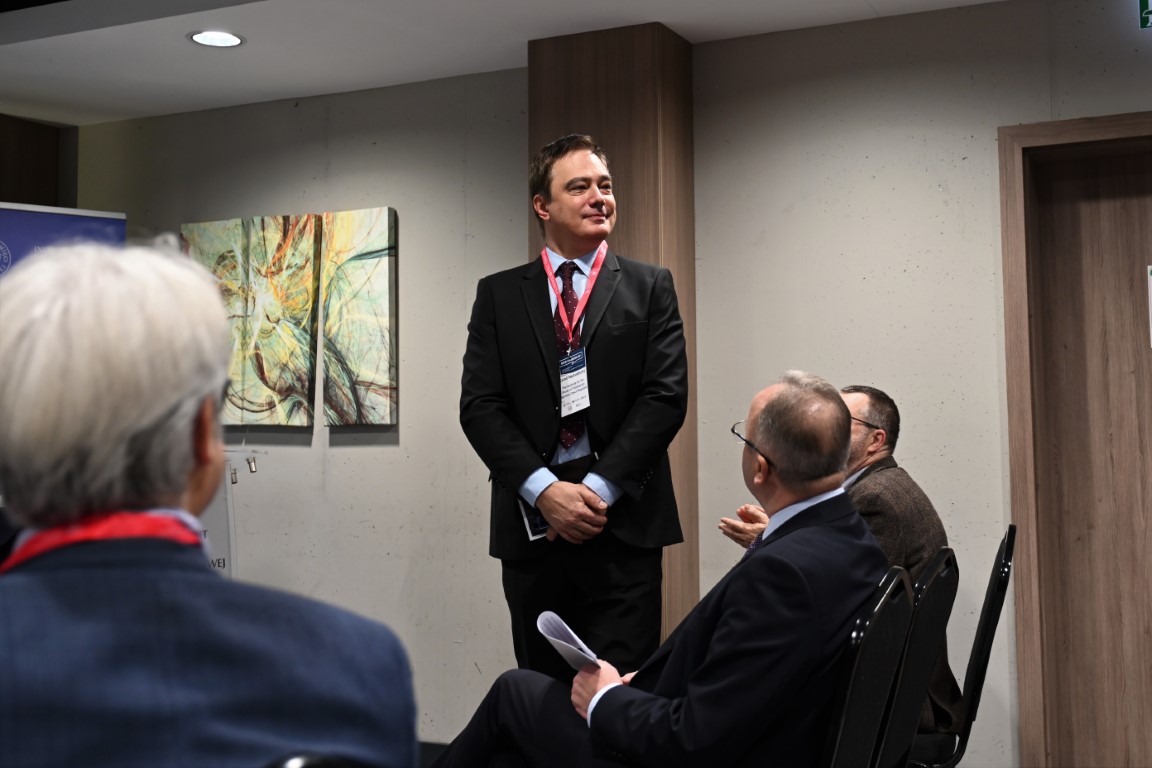
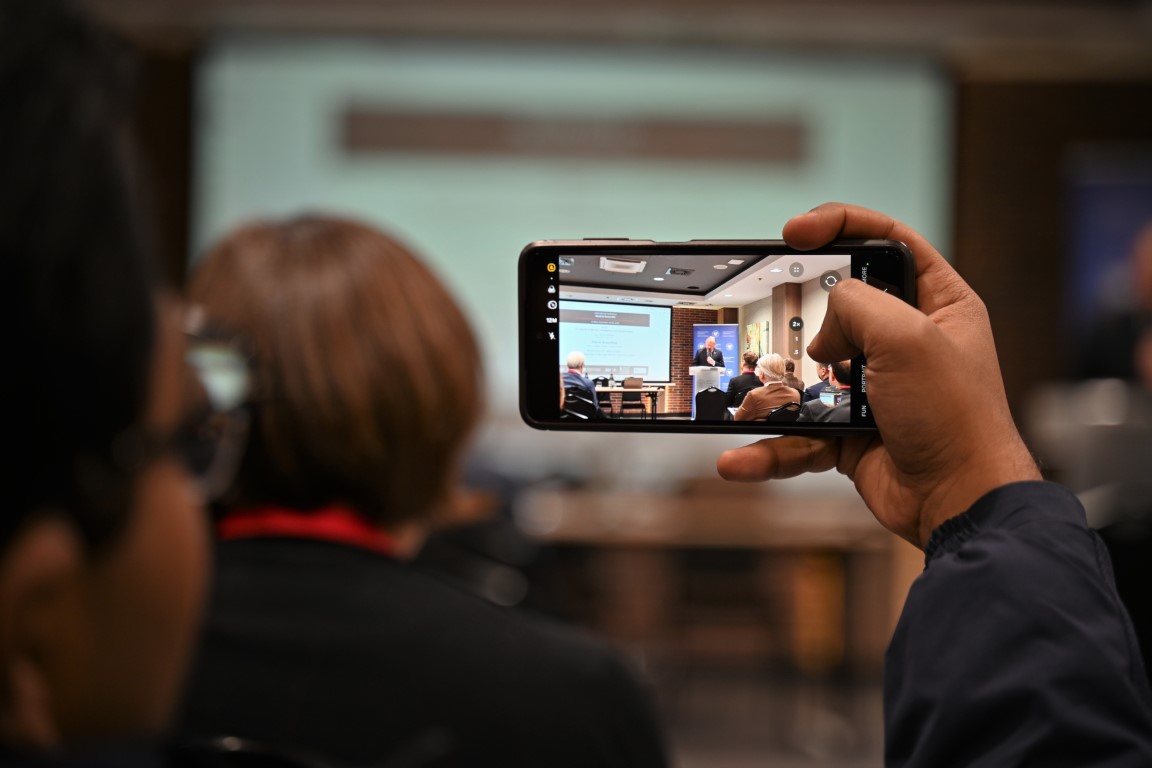
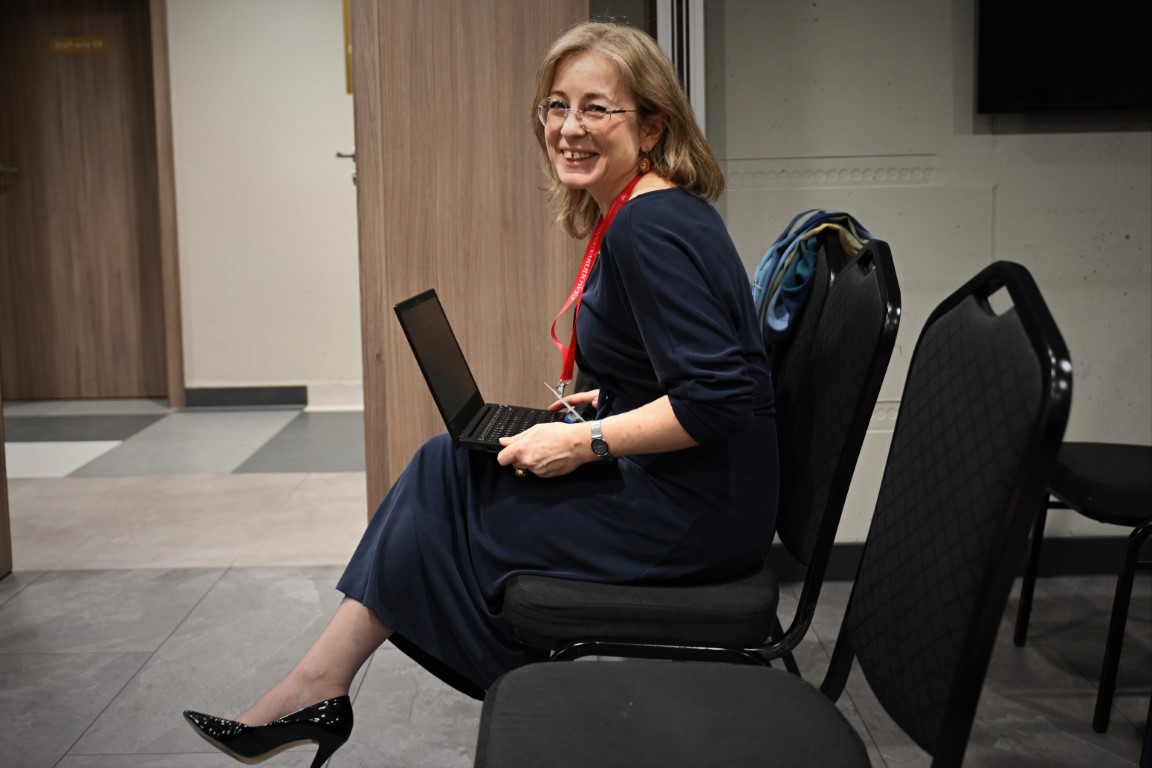
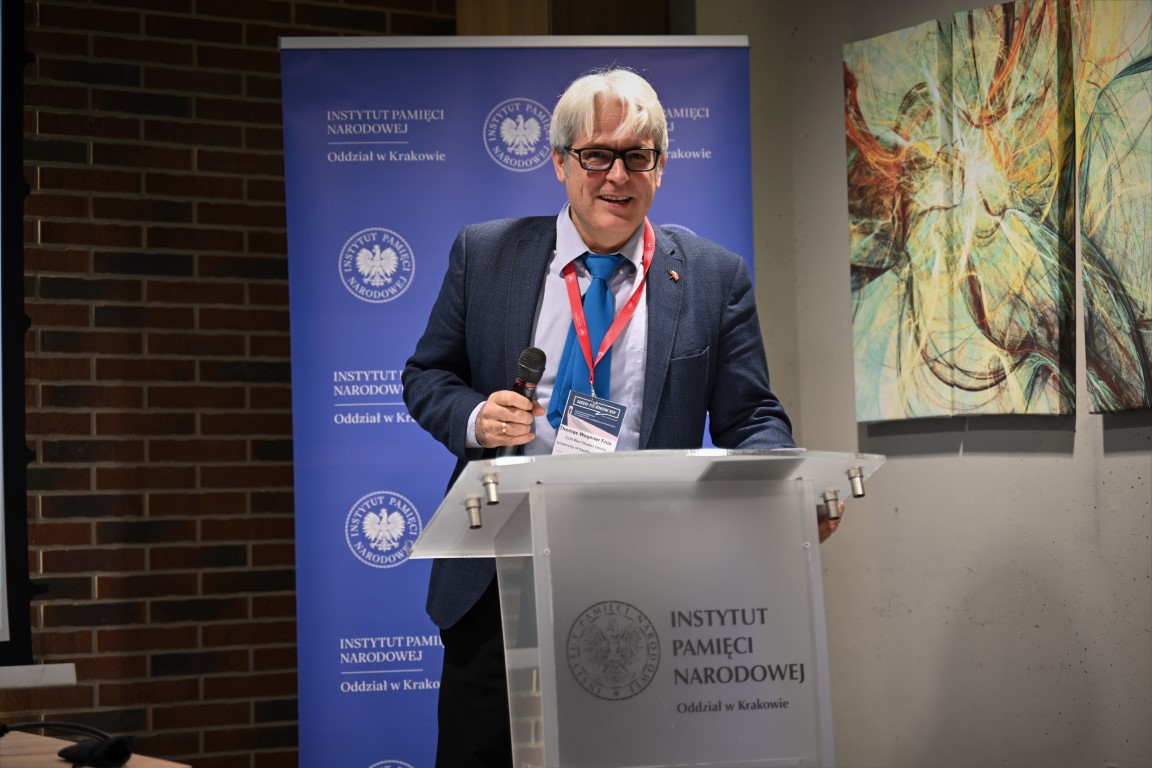
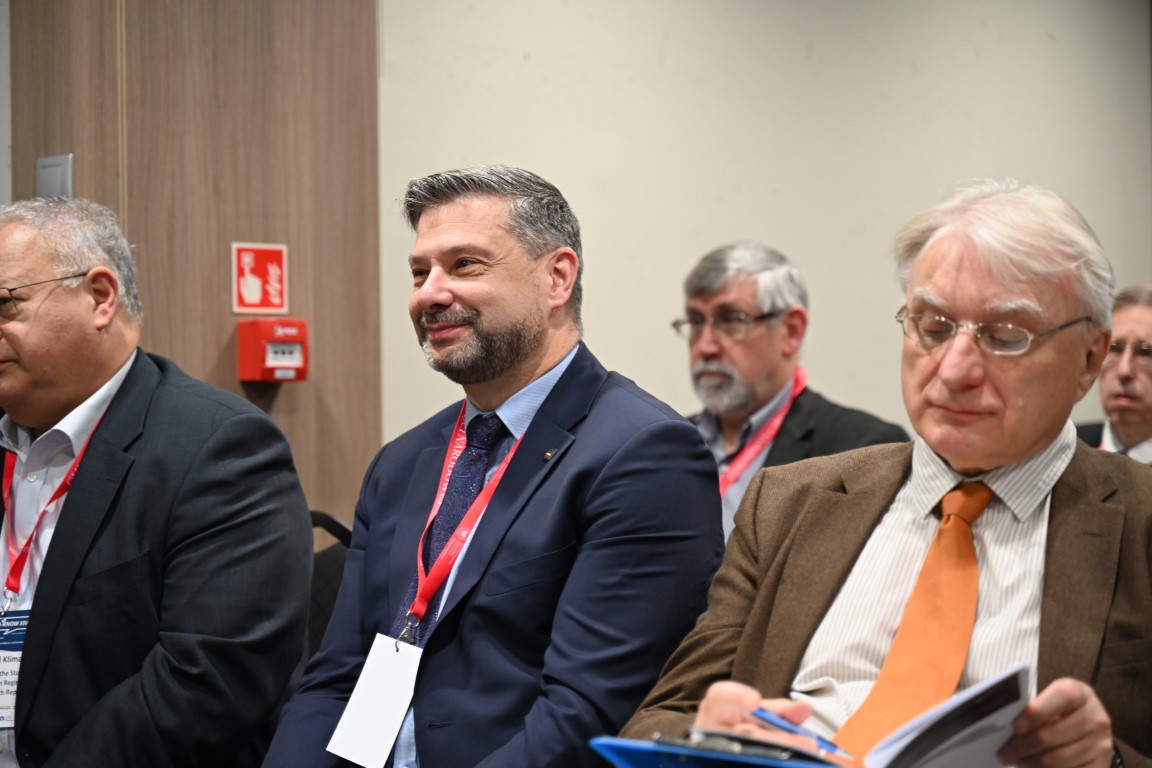
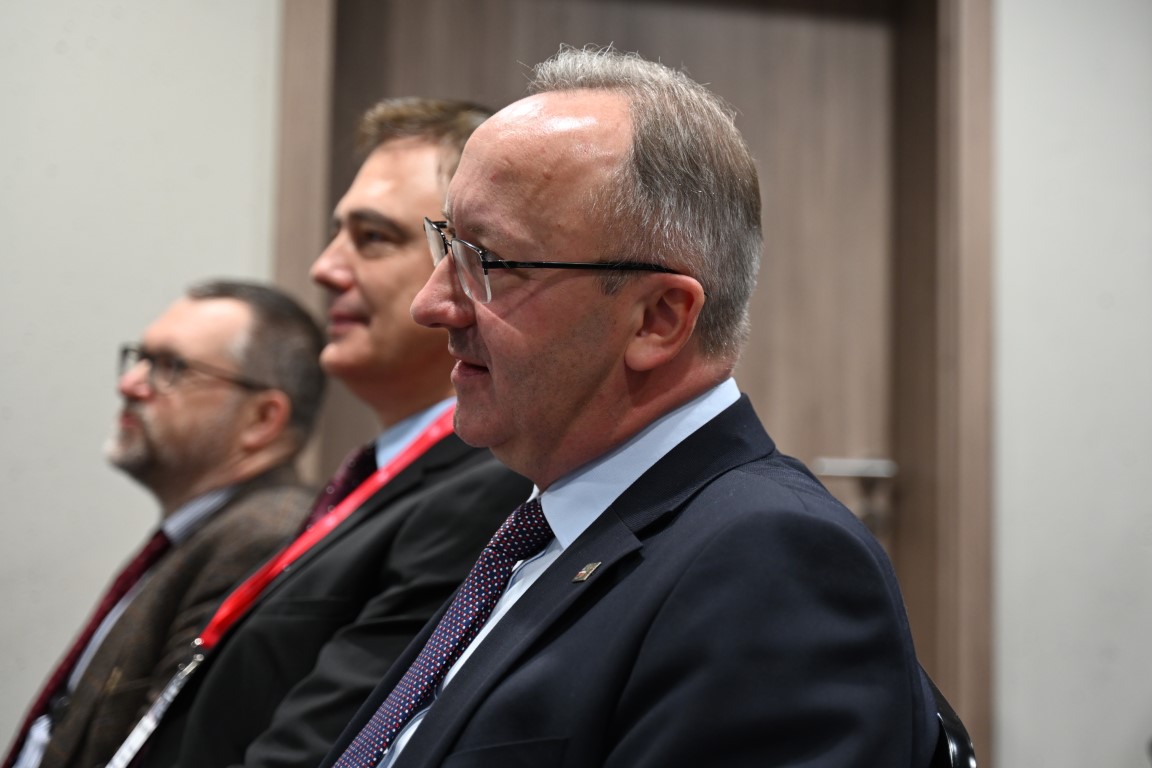
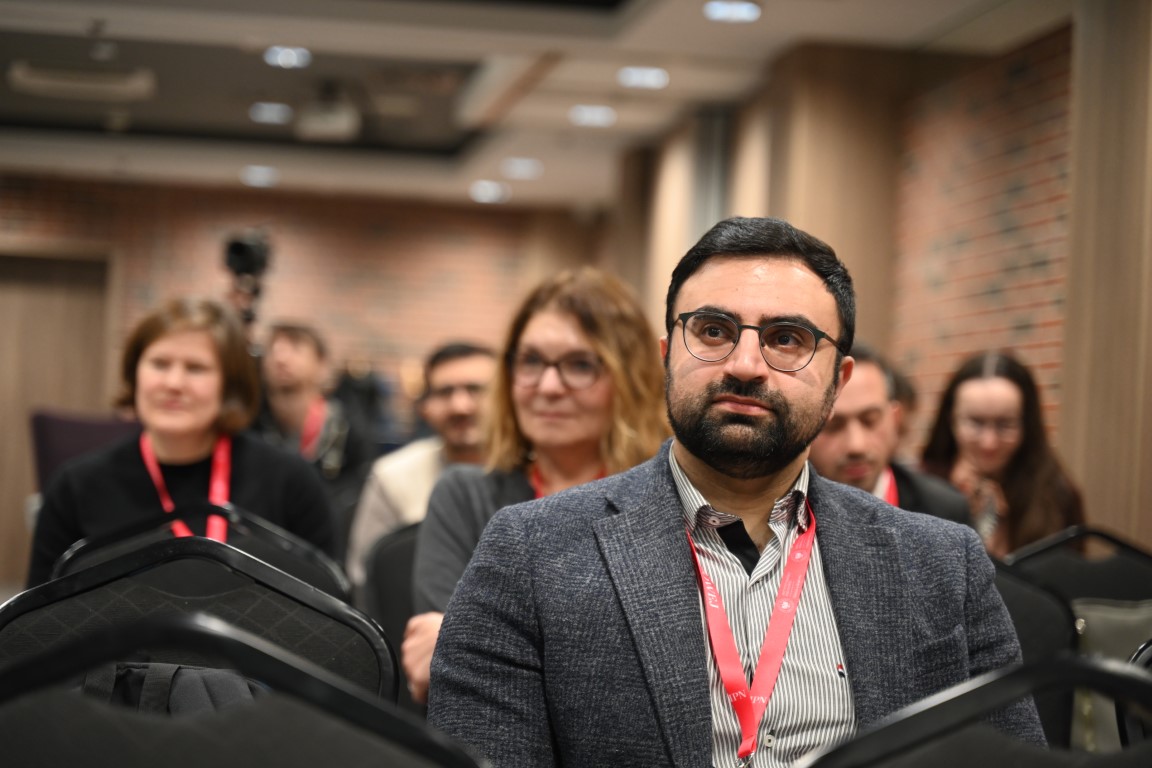
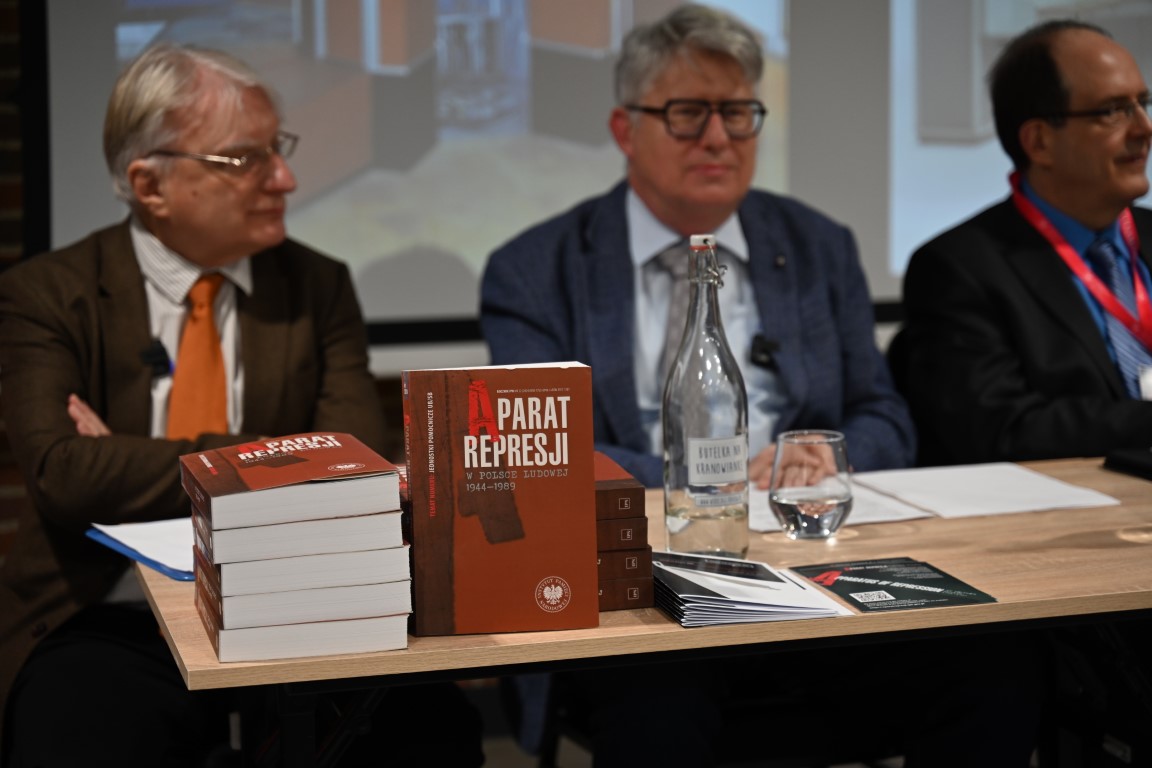
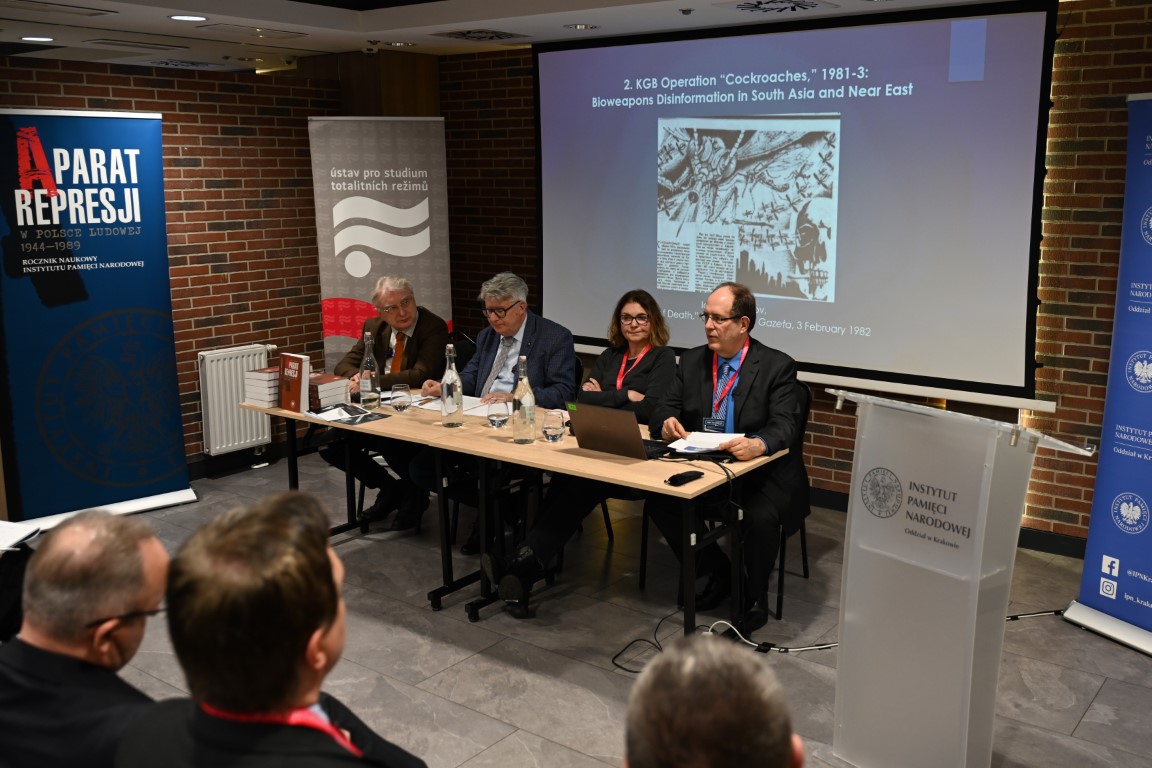
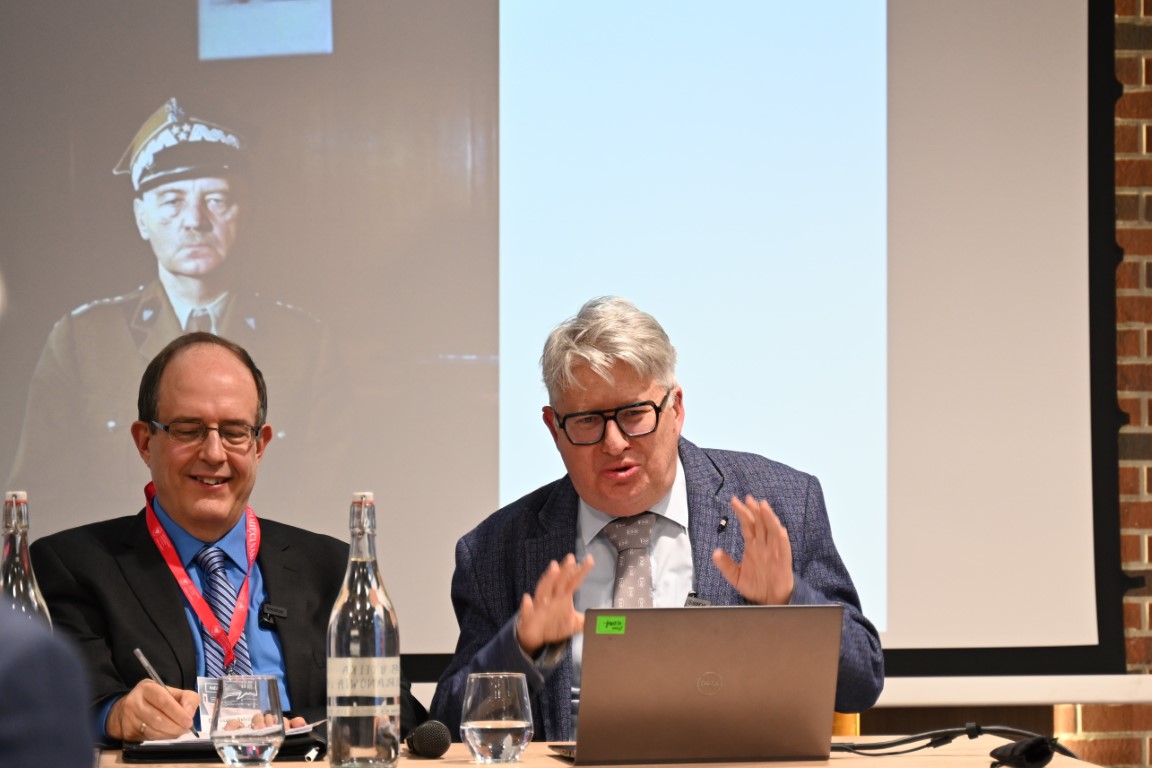
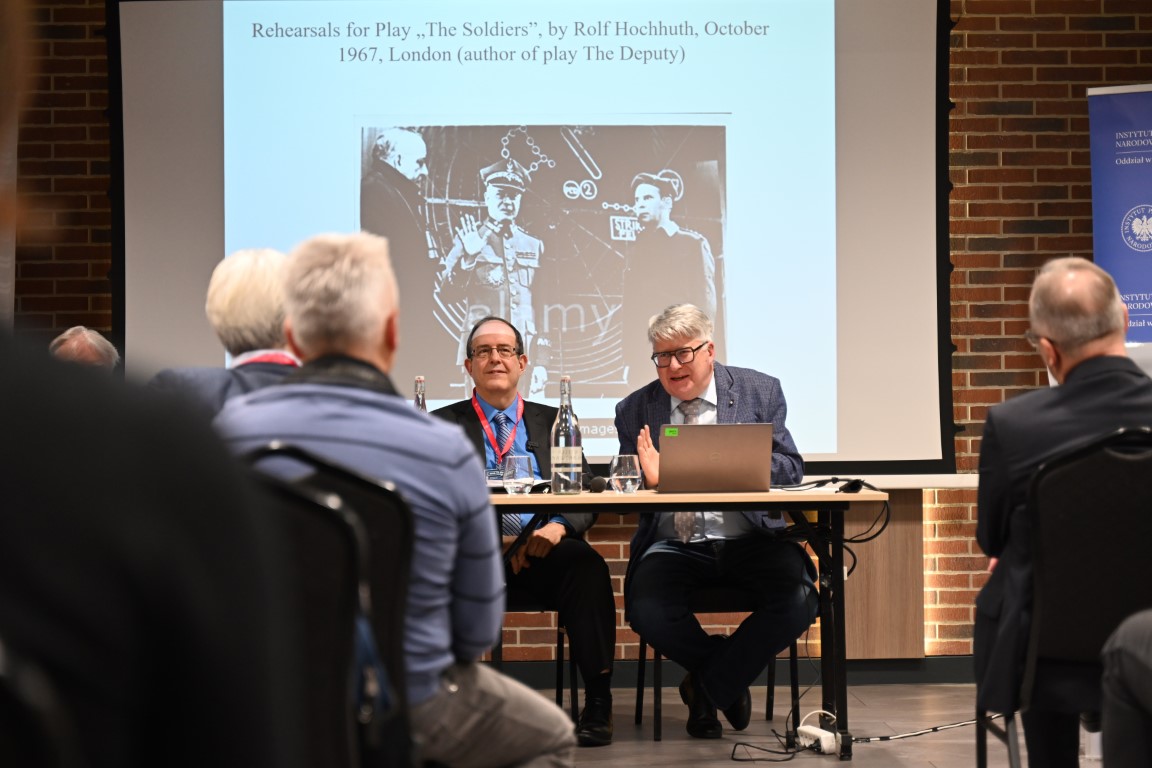
The proceedings of the 14th International Conference in the “Need to Know” series, devoted to the history of intelligence and counterintelligence in the twentieth century, will be held on 26–28 November 2025. On the first day, the conference will take place in the conference hall of the historic seat of the Kraków Branch of the Institute of National Remembrance, the remaining two days will be hosted at the Golden Tulip Kraków-Kazimierz Hotel. The language of the conference is English.
This year’s theme is In a World of Mirrors. Intelligence and Disinformation.”Many still consider the Cold War to be the apogee of both clandestine intelligence warfare and disinformation campaigns. In recent years, however, the topic has regained acute relevance due to widespread suspicions of Russian attempts to influence the politics of European states and countries across the globe by similar means. For scholars of intelligence, security services, and societies at large, the relationship between intelligence agencies and disinformation poses a serious challenge. It is often difficult to answer, the question of when foreign intelligence services disseminate false information and when other actors are, in fact, responsible. The consequences of this dilemma are not merely academic, for they determine whether disinformation should be treated as a special threat by counterintelligence organisations, or whether it ought, instead, to be openly discussed by other societal institutions, or even by individual citizens. During the Cold War, both East and West preferred the former approach, albeit to differing degrees.
Among those who have announced their participation are leading specialists in both contemporary and historical disinformation. Dr Douglas Selvage will speak on disinformation campaigns conducted by the Soviet bloc concerning AIDS. Professor Jacek Tebinka of the University of Gdańsk will revisit the disinformation surrounding the death of General Sikorski. Dr hab. Władysław Bułhak of the Institute of National Remembrance will, drawing on the volume Tajemnice polskiej polityki (Secrets of Polish Politics), based on a selection of Soviet intelligence documents, discuss a specific example of the Institute’s involvement in countering Russian disinformation in the field of international relations. A strong representation of Czech and British perspectives will be provided respectively by the Institute for the Study of Totalitarian Regimes (ÚSTR) in Prague - featuring an anticipated important contribution from renowned Czech journalist and former dissident Michal Klíma - and by the British co-organiser of the conference, King’s College London, whose scholars Peter Busch and Elena Grosfeld will offer substantive insights relating both to the contemporary period and to the experience of the Second World War. Other key researchers of intelligence and counterintelligence who will participate include Prof. Kevin Riehle of Brunel University, Prof. Michael C. Goodman of the UK Ministry of Defence and King’s College London, and Paul Maddrell of Loughborough University, a specialist on STASI intelligence and disinformation.
The event is organised by the Institute of National Remembrance in cooperation with the University of Southern Denmark (Odense, Denmark); the King’s Centre for the Study of Intelligence, King’s College London (United Kingdom); the International Center for Defence and Security (Tallinn, Estonia); and the Ludwig Boltzmann Institute for the Research on Consequences of War (Graz, Austria). An additional partner of this year’s edition is the Institute for the Study of Totalitarian Regimes (ÚSTR) in Prague, Czech Republic.
November 26, 2025
Branch of the Institute of National Remembrance in Krakow
at 3 Czarnieckiego Street
- 17.00–19.30 – Need to Know – Young Researchers Table
Chair: Thomas Wegener Friis (University of Southern Denmark, Denmark)
Katja Højgaard Petersen (University of Southern Denmark, Denmark)- Paula Esposito Almeida (University of São Paulo, Brasil)
The Western European Union as a conduit for Cold War - Anik Rakshit (Bankura University, India)
Pakistani Spies in West Bengal: The Consequences of Biased Intelligence Operations (1947-1952) - Noor Ul Huda Atif (National University of Sciences and Technology, Pakistan)
From Insurgency to Information Warfare: The Evolution of Conflict in Balochistan - Tomasz Krok (Institute of National Remembrance, Poland)
„A diplomatic role — a cover for espionage? The intelligence game against Col. Claude Turner, a former attaché of the British Embassy in communist Poland” - Seymur Ingilabli (University of the National Education Commission, Azerbaijan, Poland)
From Paper to Pixels: Forged Evidence and the Evolution of Disinformation - Discussion
- Paula Esposito Almeida (University of São Paulo, Brasil)
November 27, 2025
Golden Tulip Krakow-Kazimierz Hotel, 28 Krakowska Street
- 8.30–9.00 – Registration
- 9.00–9.30 – Official Opening of the Conference
- 9.30–11.00 – Panel I: In a world of mirrors. Intelligence and Disinformation
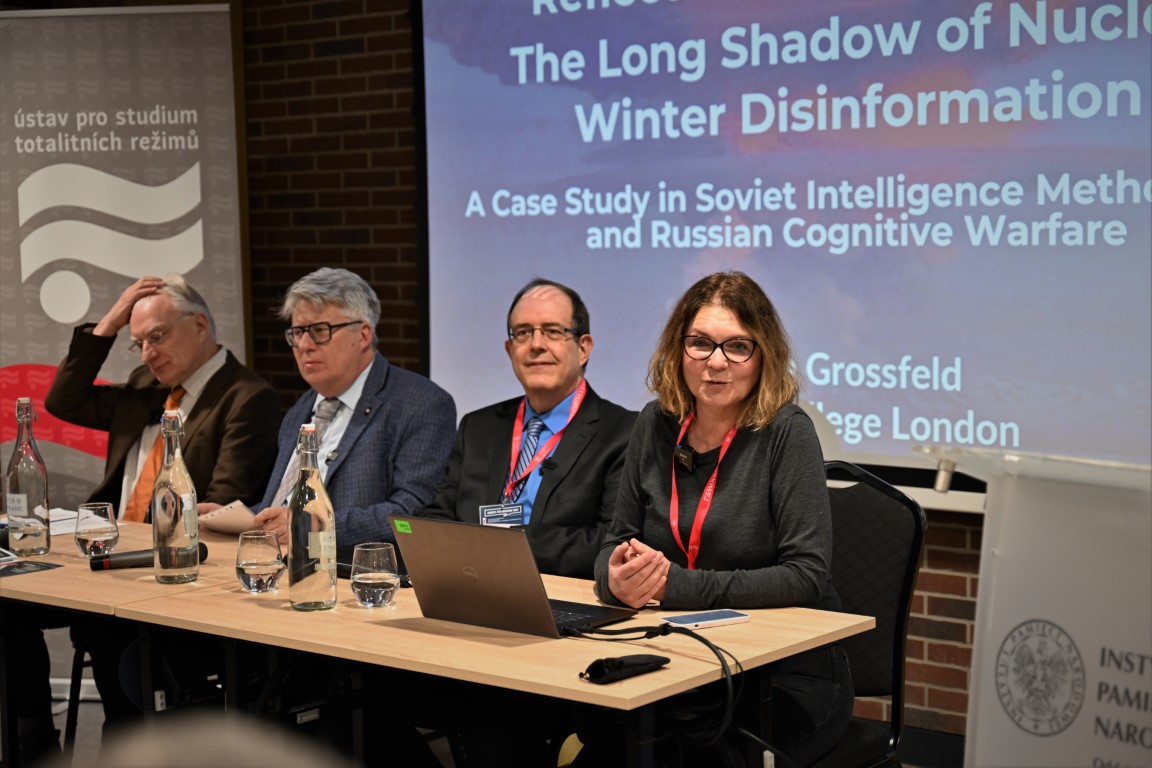
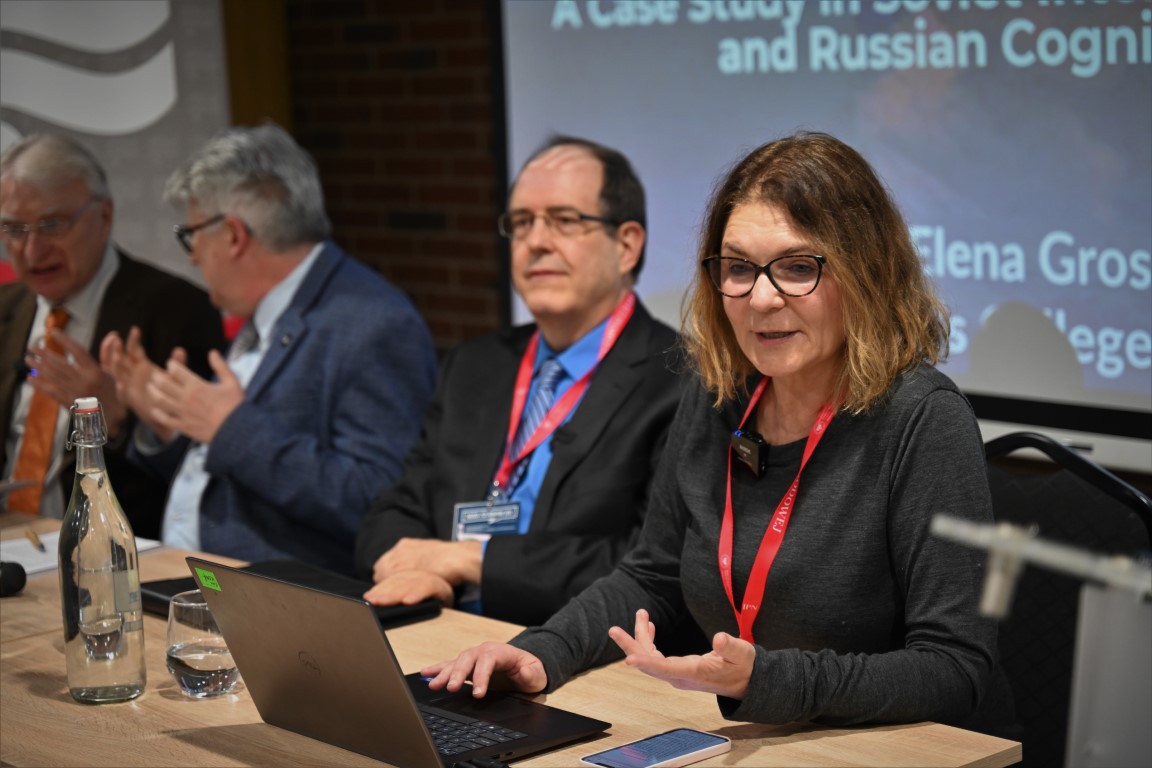
Chair: Bharti Chhibber (University of Delhi, India)- 9.30–9.45 – Elena Grossfeld (King’s College London, Great Britain)
Reflections of Catastrophe: The Long Shadow of Nuclear Winter Disinformation - 9.45–10.00 – Douglas Selvage (independent, Germany/USA)
Cuban Bioweapons Propaganda, U.S. Conspiracy Theories, and the Soviet Bloc’s AIDS Disinformation Campaign, 1983–1989 - 10.00–10.15 – Jacek Tebinka (University of Gdańsk, Poland)
British intelligence and death of general Sikorski. From Goebbels disinformation to Hochhuth’s play - 10.15–11.00 – Discussion
- 11.00–11.30 – Coffee break
- 9.30–9.45 – Elena Grossfeld (King’s College London, Great Britain)
- 11.30–12.45 – Panel II: In the Long Shadow of the WW II
Chair: Sylwia Szyc (Institute of National Remembrance, Poland)- 11.30–11.45 – Peter Busch (King’s College London, Great Britain)
Targeted Listening: German broadcast monitoring and Goebbels’s propaganda ministry in the Second World War - 11.45–12.00 – Vasil Paraskevov (Konstantin Preslavsky University of Shumen, Bulgaria)
Planning Subversion: The British SOE and the Attempt to Engineer Regime Change in Bulgaria, 1940–1941 - 12.00–12.15 – Matteo Giurco (Escuela Española de Historia y Arqueología en Roma (EEHAR-CSIC), Spain)
Game of shadows in a fragile country: disinformation in Cold War Italy. - 12.15–12.45 – Discussion
- 12.45–14.00 – Coffee break / lunch break
- 11.30–11.45 – Peter Busch (King’s College London, Great Britain)
- 14.00–15.30 – Panel III: Soviet Russian Active Measures/Hybrid Warfare
Chair: Daniel Běloušek (Ministry of Defence of the Czech Republic)- 14.00–14.15 – Ivo Juurvee (International Centre for Defense and Security, Estonia)
The last known KGB handbook on active measures from 1989 and some cases of its possible legacy - 14.15–14.30 – Juho Kotakallio (University of Helsinki, Finland)
Finlandization and Soviet Agents of Influence - 14.30–14.45 – Murat Döleker (Ministry of National Education, Turkey)
War Correspondents as a Conduit Utilized by Russia in Its Information Activities - 14.45–15.30 – Discussion
- 15.30–16.00 – Coffee break
- 14.00–14.15 – Ivo Juurvee (International Centre for Defense and Security, Estonia)
- 16.00–17.30 – Panel IV: Countering disinformation
Chair: Kevin Riehle (Brunel University, USA/Great Britain)- 16.00–16.15 – Christian Hergolitsch (Ministry of Defence, Austria)
”Know your adversary!” The challenge of hybrid warfare considering emerging technologies - 16.15–16.30 – Władysław Bułhak (Institute of National Remembrance, University of Warsaw, Poland)
The IPN’s reaction to Russian historical disinformation. The case of gen. Lev Sockov book ”Secrets of Polish politics. Collection of documents 1935–1945” - 16.30–16.45 – Michal Klíma (The Institute for the Study of Totalitarian Regimes, Czech Republic)
Countering disinformation – Czech experience - 16.45–17.30 – Discussion
- 17.30–18.30 – Conference Event
Katharina Steinberg (Leistikowstraße Memorial, Potsdam Germany) – Information on Leistikowstraße Memorial in Potsdam and the book presentation: „Spionagenetzwerke oder Widerstandsgruppen? Studien zur Häftlingsgesellschaft im zentralen Untersuchungsgefängnis der sowjetischen Militärspionageabwehr in Potsdam 1945–1955”. (”Espionage networks or resistance groups? Studies on the prisoner community in the central investigation prison of Soviet military counterintelligence in Potsdam, 1945–1955.”) - 20.00 – Dinner (Invitation only)
- 16.00–16.15 – Christian Hergolitsch (Ministry of Defence, Austria)
November 28, 2025
- 9.30–11.00 – Panel V: Intelligence Studies Methodology. Lessons Learned and to be Learned
Chair: Michael Goodman (King’s College London, Great Britain)- 9.30–9.45 – Oğuz Şahbaz (Recep Tayyip Erdogan University, Turkey)
From Ideological Subversion to Information Confrontation: The Doctrinal Evolution of Russian Active Measures, 1969-2025 - 9.45–10.00 – Ofek Riemer and Elie Podeh (Ben-Gurion University of the Negev, The Hebrew University of Jerusalem, Israel)
The Effectiveness of Coercive Intelligence Disclosure: The Case of Israel Versus the German Scientists in Egypt - 10.00–10.15 – Arkadiusz Nyzio (Jagiellonian University, Poland)
Disposable spies: a proposal for the model - 10.15–11.00 – Discussion
- 11.00–11.30 – Coffee break
- 9.30–9.45 – Oğuz Şahbaz (Recep Tayyip Erdogan University, Turkey)
- 11.30–13.00 – VI Panel: Cold War and Central-European Perspective
Chair: Paul Maddrell (Loughborough University, Great Britain)- 11.30–11.45 – Tomáš Malínek (The Institute for the Study of Totalitarian Regimes, Czech Republic)
”Operation Neptune” (Czechoslovak Desinformation in Germany) - 11.45–12.00 – Dieter Bacher (Ludwig Boltzmann Institute, University of Graz, Austria)
”Between “outlet” and disinformation. GRCAMERA and the use of Austrian journalists by Cold War foreign intelligence” - 12.00–12.15 – Daniel Povolný (The Institute for the Study of Totalitarian Regimes, Czech Republic)
Disinformation surrounding the Prague Spring of 1968 - 12.15–13.00 – Discussion
- 13.00–14.00 – Lunch break / Coffee break
- 11.30–11.45 – Tomáš Malínek (The Institute for the Study of Totalitarian Regimes, Czech Republic)
- 14.00–15.30 – VII Panel: Beyond European Perspective
Chair: Elżbieta Pietrzyk-Dąbrowska (Institute of National Remembrance, Poland)- 14.00–14.15 – János Kemény (Ludovika University of Public Service, Hungary)
A Hungarian Active Measure Operation in Saigon - 14.15–14.30 – Przemysław Gasztold (Institute of National Remembrance, War Studies University, Poland)
Educational Defectors: U.S. and West German Covert Programs Targeting African Students in the 1960s and Soviet Bloc Counterintelligence Responses - 14.30–14.45 – Peter Rendek (The Institute for the Study of Totalitarian Regimes, Czech Republic)
The Kremlin’s „peace efforts” against the backdrop of the Cuban missile crisis, the successful influence operations of Czechoslovak intelligence and the Soviet KGB in Latin America, a view from the archives - 14.45–15.30 – Discussion
- 14.00–14.15 – János Kemény (Ludovika University of Public Service, Hungary)