
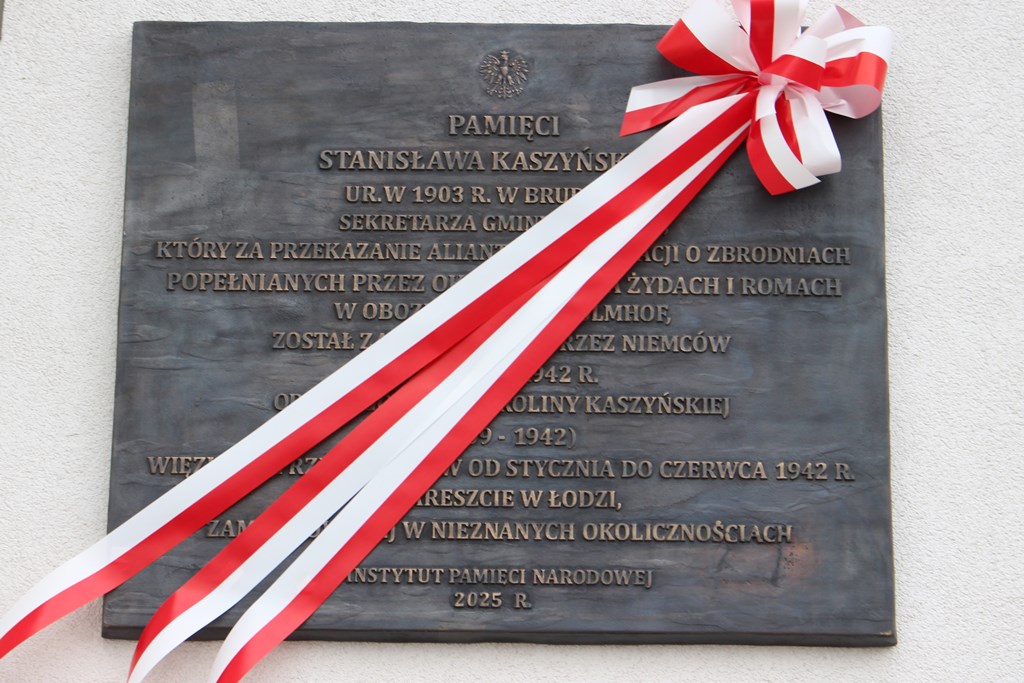
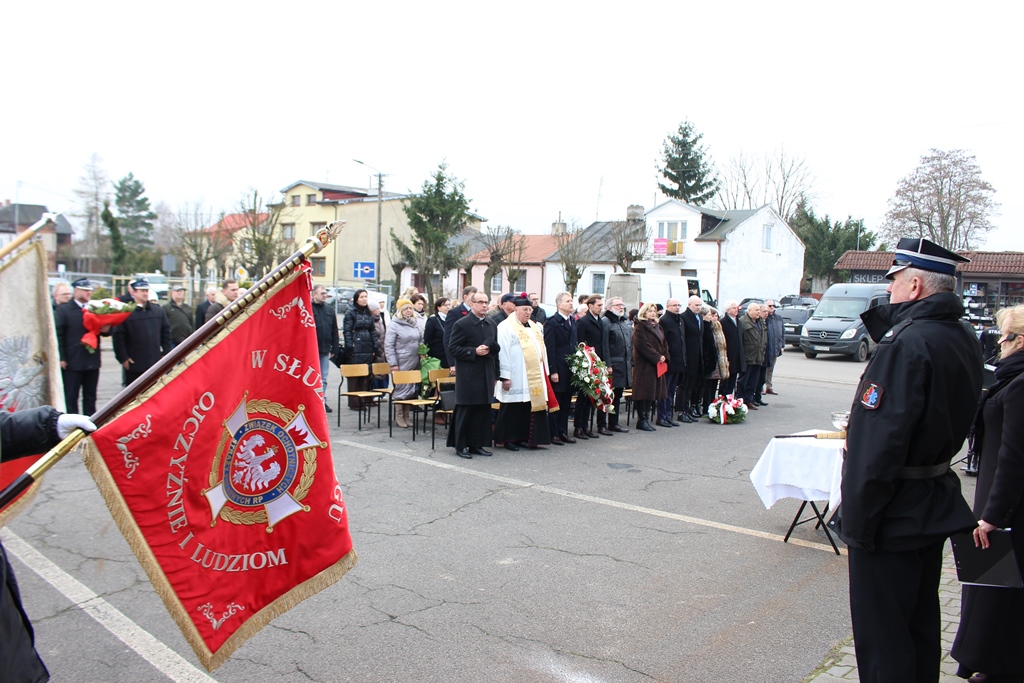
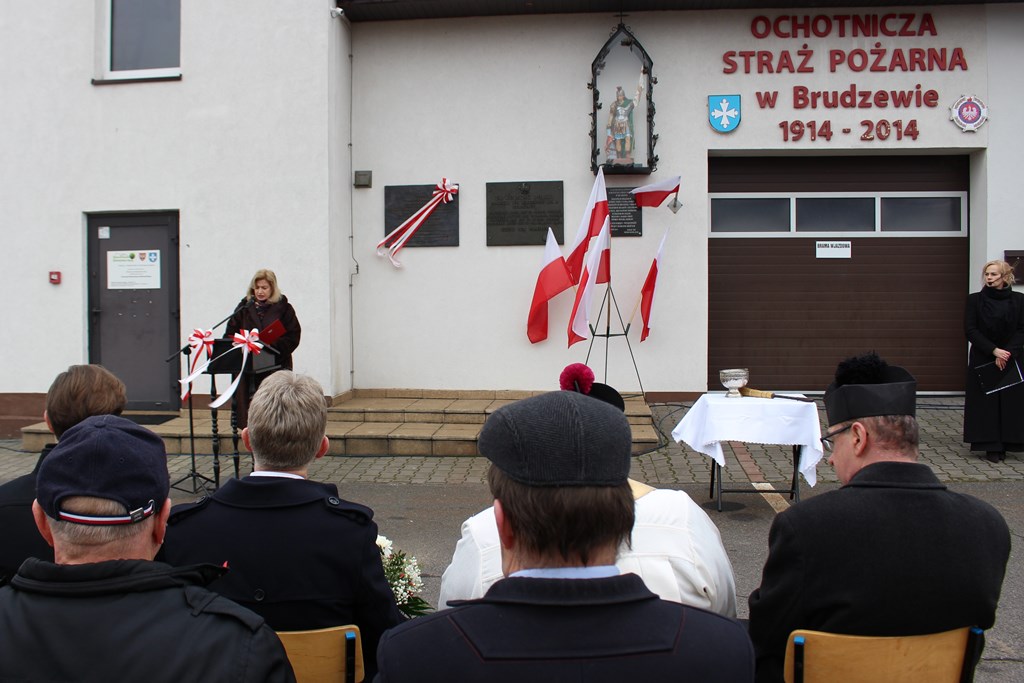
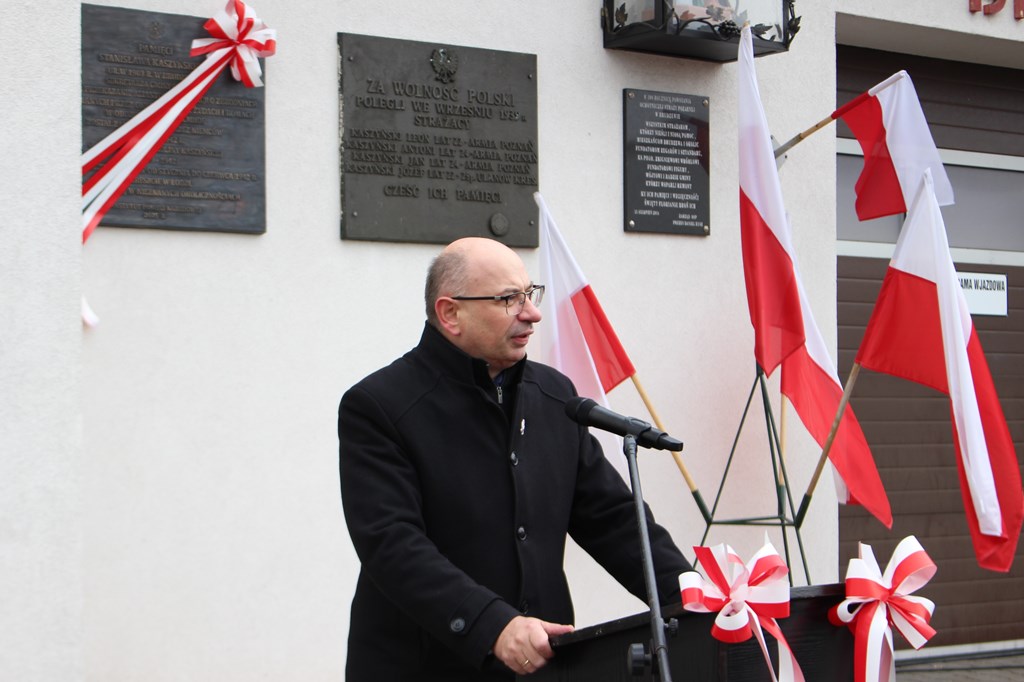
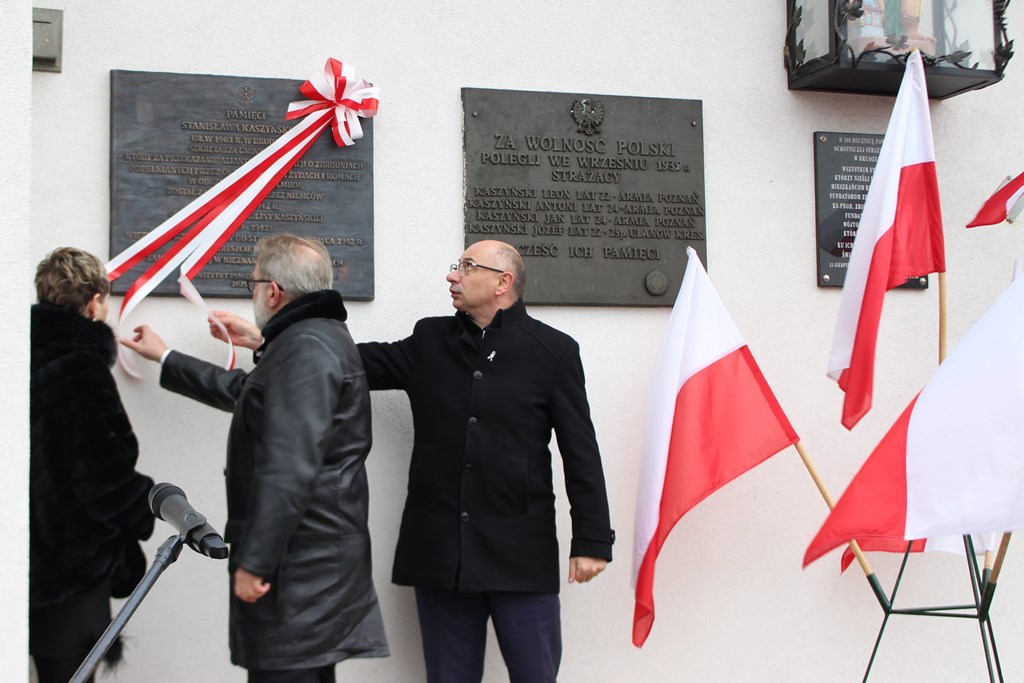
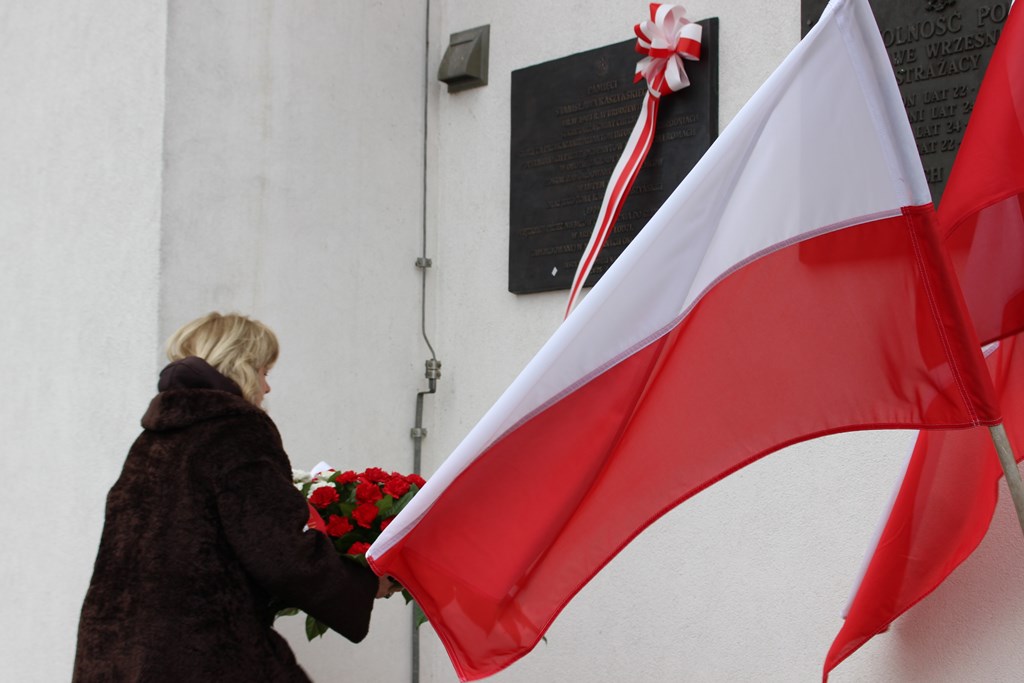
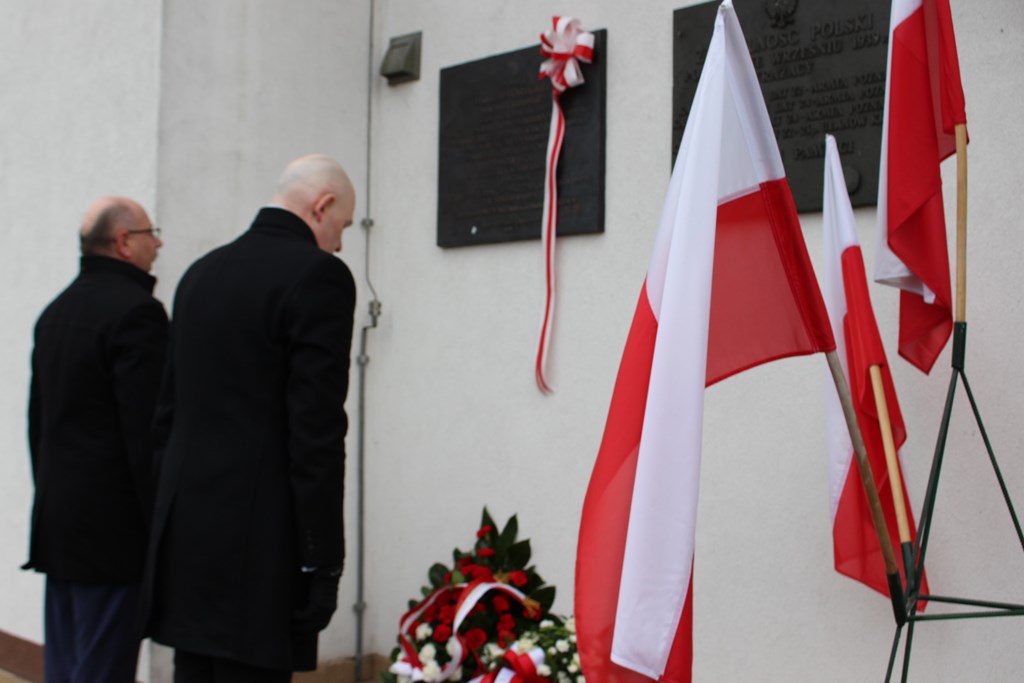
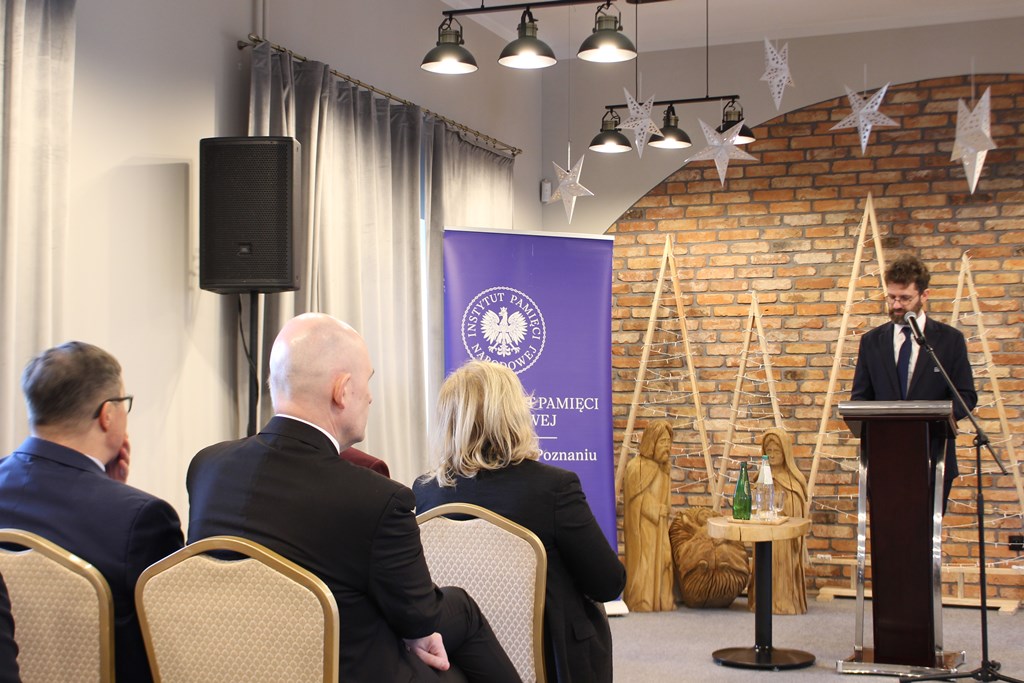
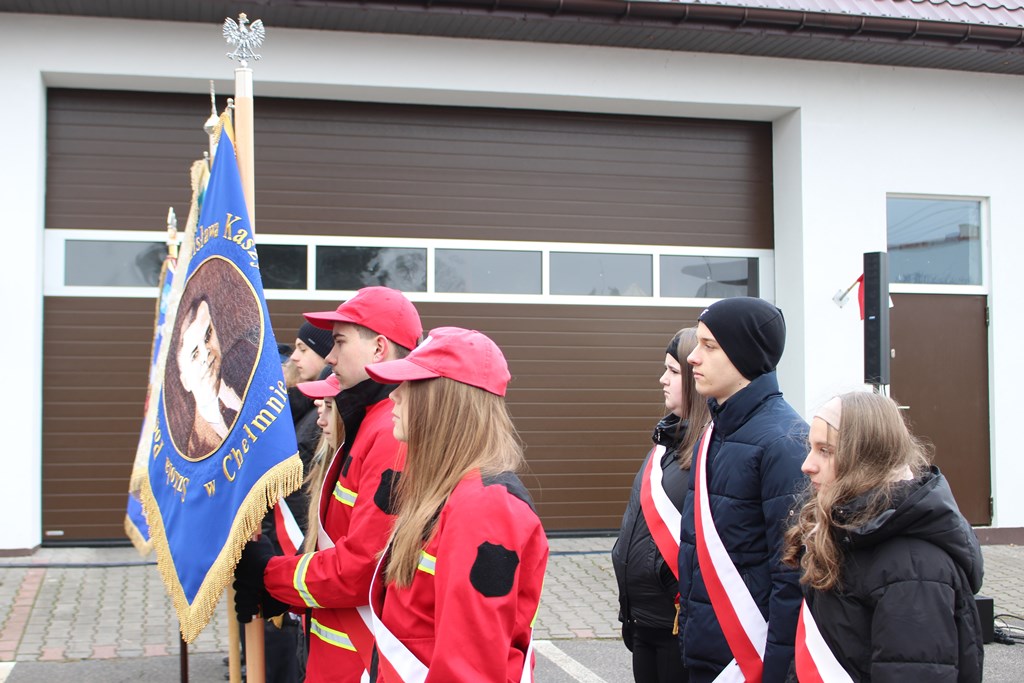
On 22 December 2025, in Brudzew (Greater Poland Voivodeship), a commemorative plaque honouring Stanisław Kaszyński and his wife Karolina was unveiled. The ceremony attended by the IPN Deputy President Mateusz Szpytma, Ph.D, was organised by the Poznań Branch of the IPN.
Stanisław Kaszyński, despite the risk of repression, decided to raise the alarm about the German mass murders carried out in the Chełmno extermination camp. He attempted to inform diplomatic representatives and the International Red Cross, trying to raise awareness of the scale of the German crimes, including the extermination of Jews and Roma.
Undersecretary of State in the Chancellery of the President of the Republic of Poland, Agnieszka Jędrzak, read a letter from Karol Nawrocki, the President of the Republic of Poland.
Some historians today falsely attempt to attribute joint responsibility for German crimes to the so-called Polish-German administration, even though both in the Polish territories incorporated into the Reich and in the General Government, the pre-war local government was completely subordinated to the German authorities. The story of Stanisław Kaszyński shows that in these local structures, which employed some of the former officials of the Second Polish Republic, there was German terror and Polish resistance, wrote President Karol Nawrocki in a letter addressed to the participants of the ceremony.
Deputy President of the IPN, Mateusz Szpytma, Ph.D., also addressed the gathering, recalling the heroic conduct of Stanisław Kaszyński.
”Despite such widespread terror, despite the fact that any opposition meant deportation to a concentration camp or killing on the spot, there were many people who stood up to this evil. They were soldiers of the Union of Armed Struggle, those who formed the Polish Underground State, but also those who individually tried to report about these crimes. One of them was Stanisław Kaszyński”, said Mateusz Szpytma, Ph.D.