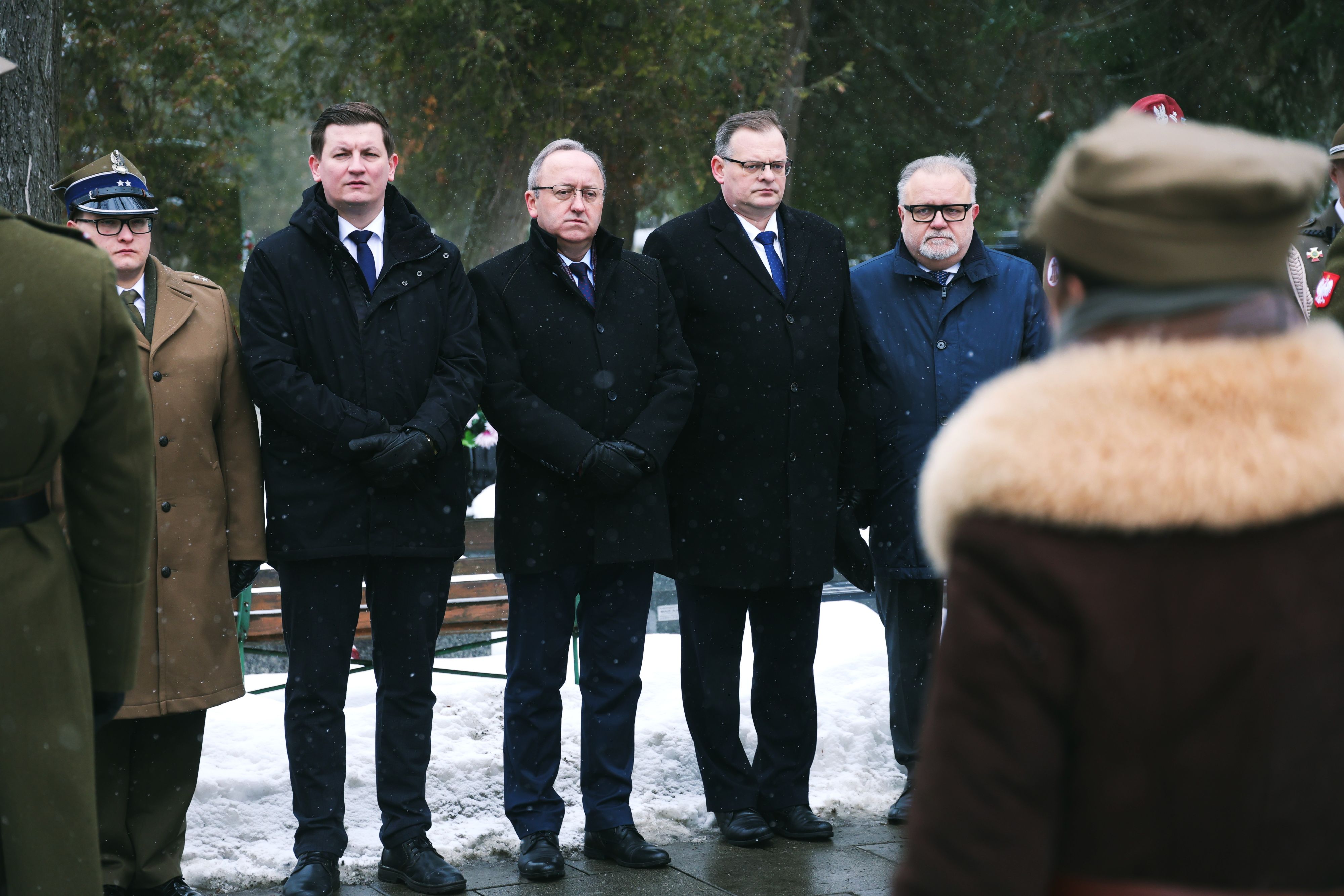
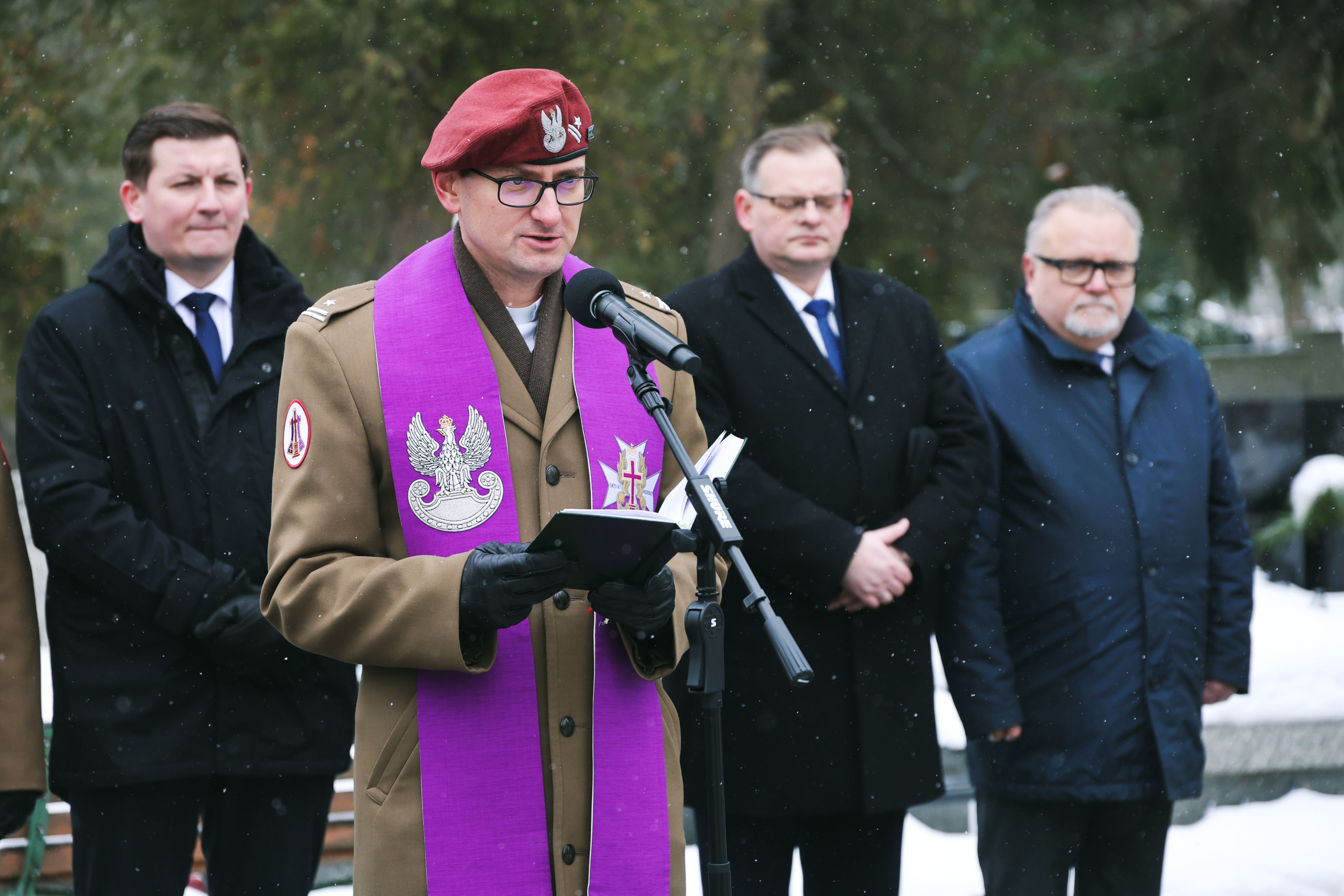
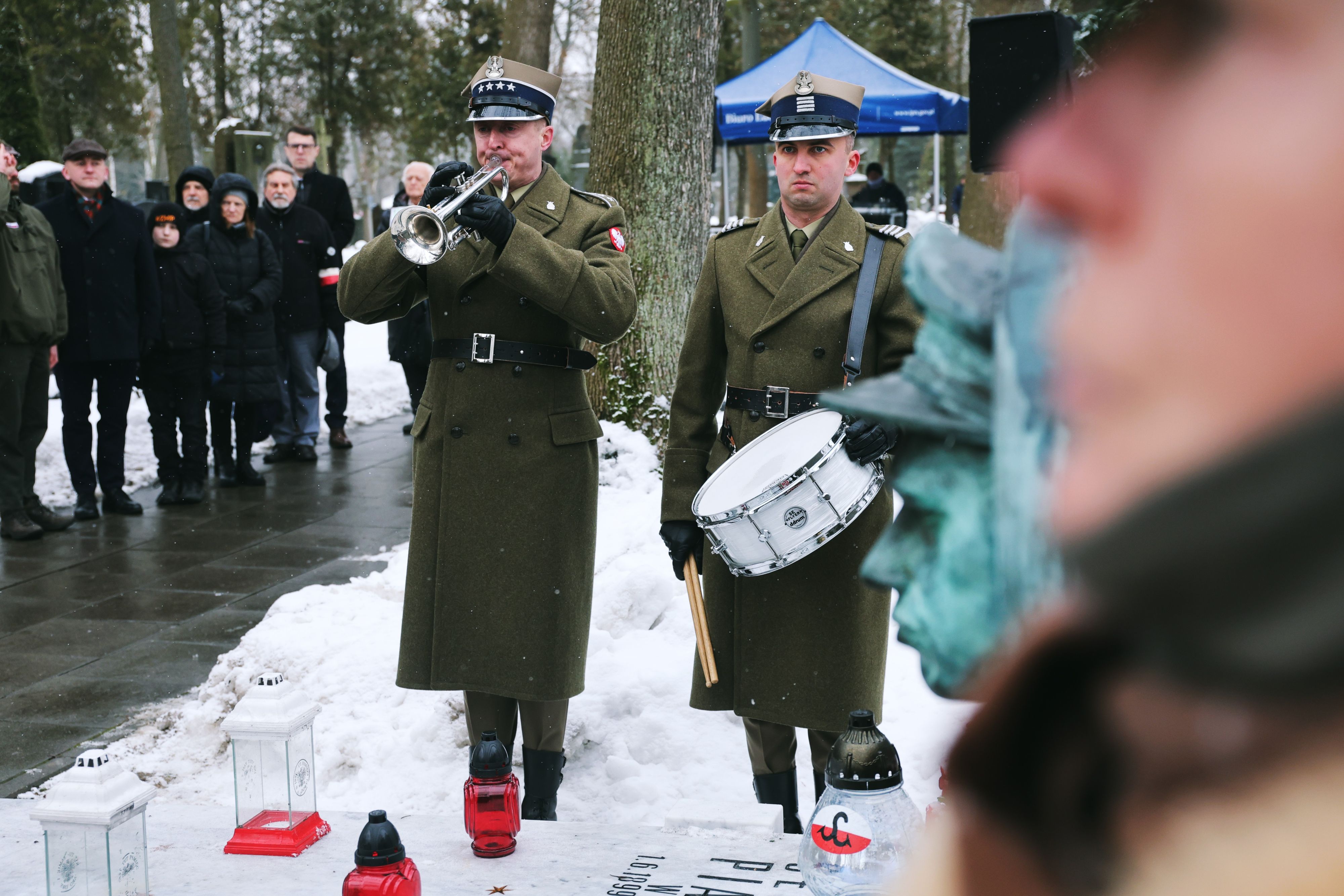
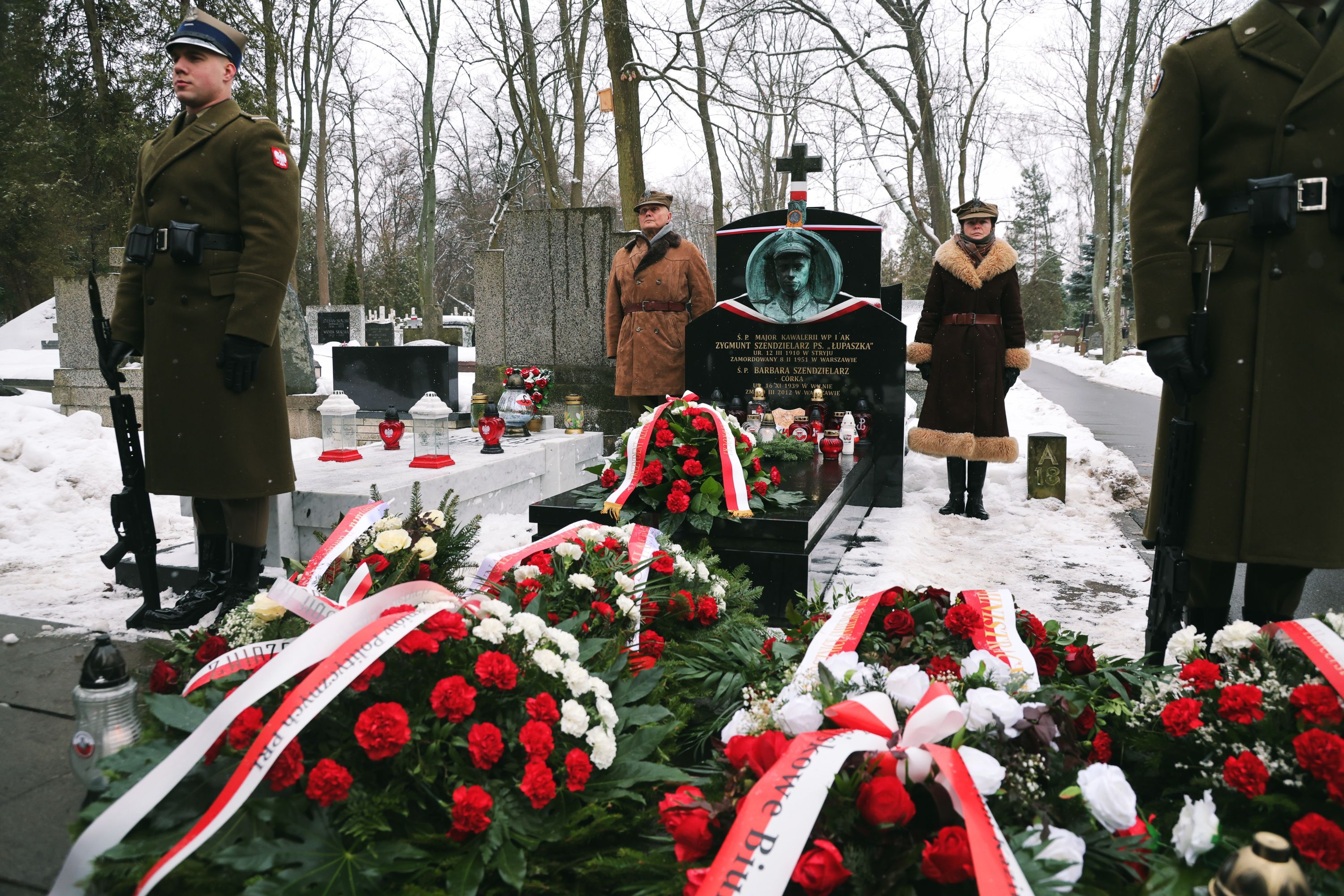
On the 75th anniversary of the death of Major Zygmunt Szendzielarz, Karol Polejowski, Deputy President of the Institute of National Remembrance, laid flowers on his grave at the Powązki Military Cemetery in Warsaw.
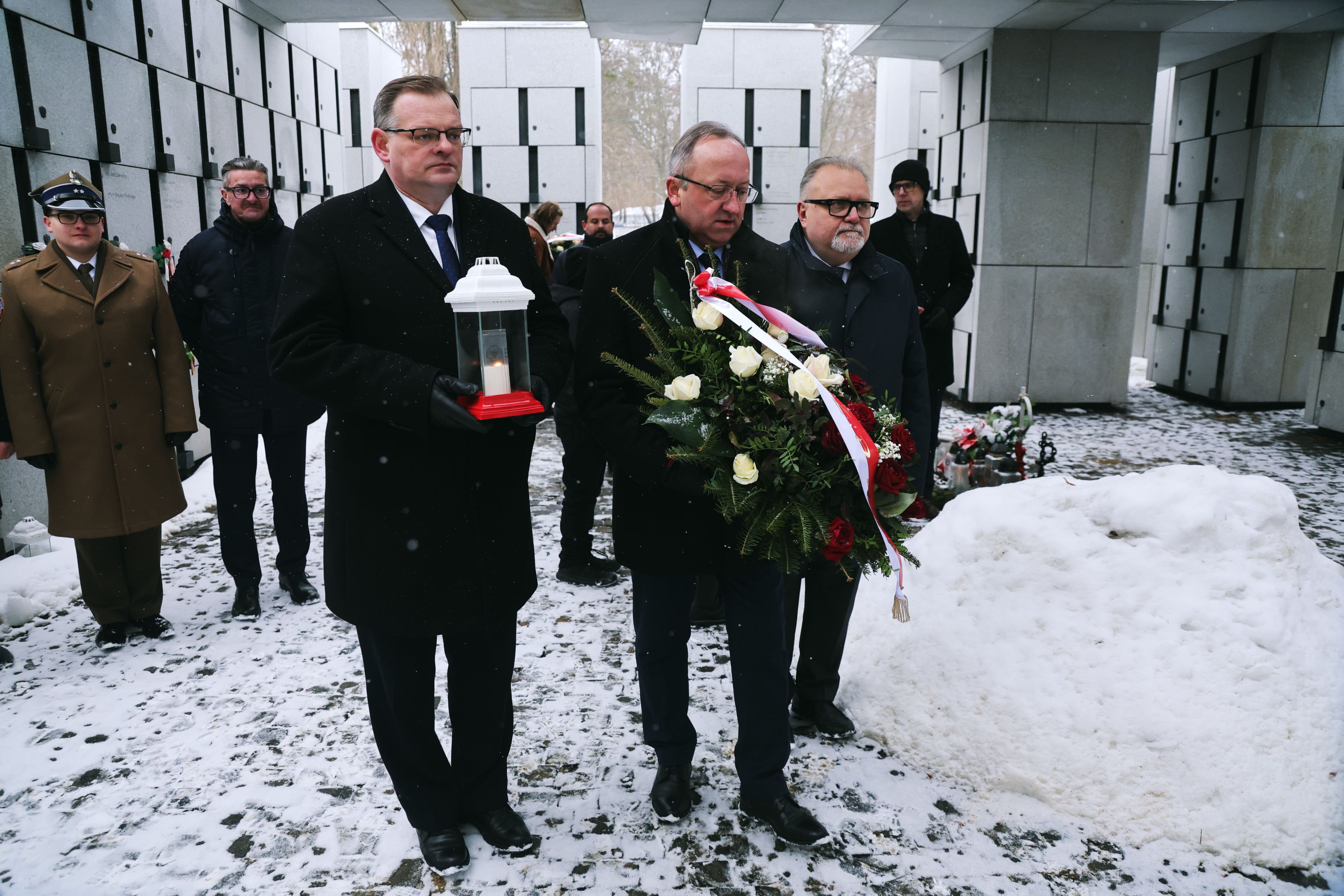
Tribute was also paid at the Pantheon, the Mausoleum of the Cursed Soldiers, where wreaths were laid in honor of the remaining victims who were murdered alongside Zygmunt Szendzielarz.
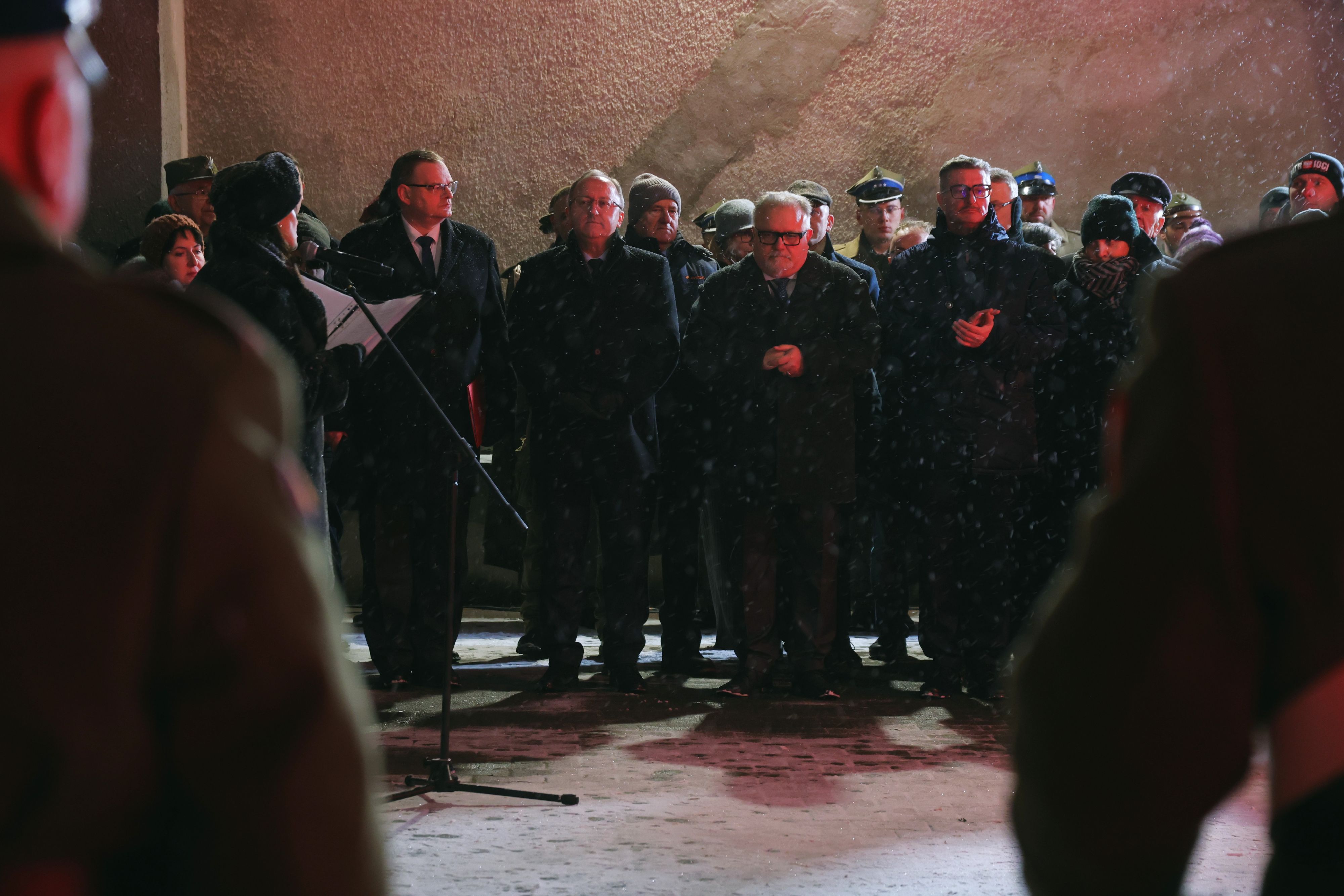
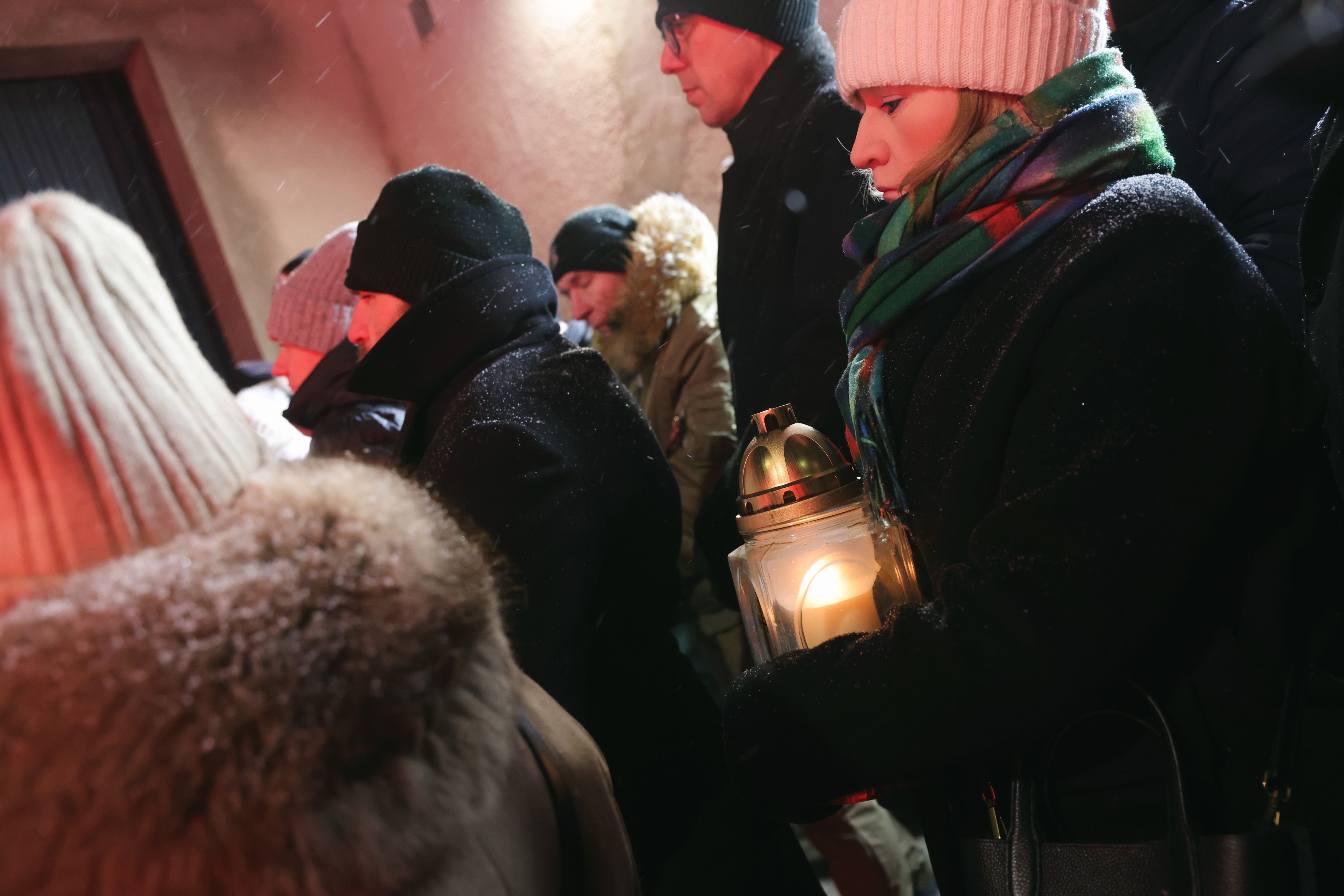
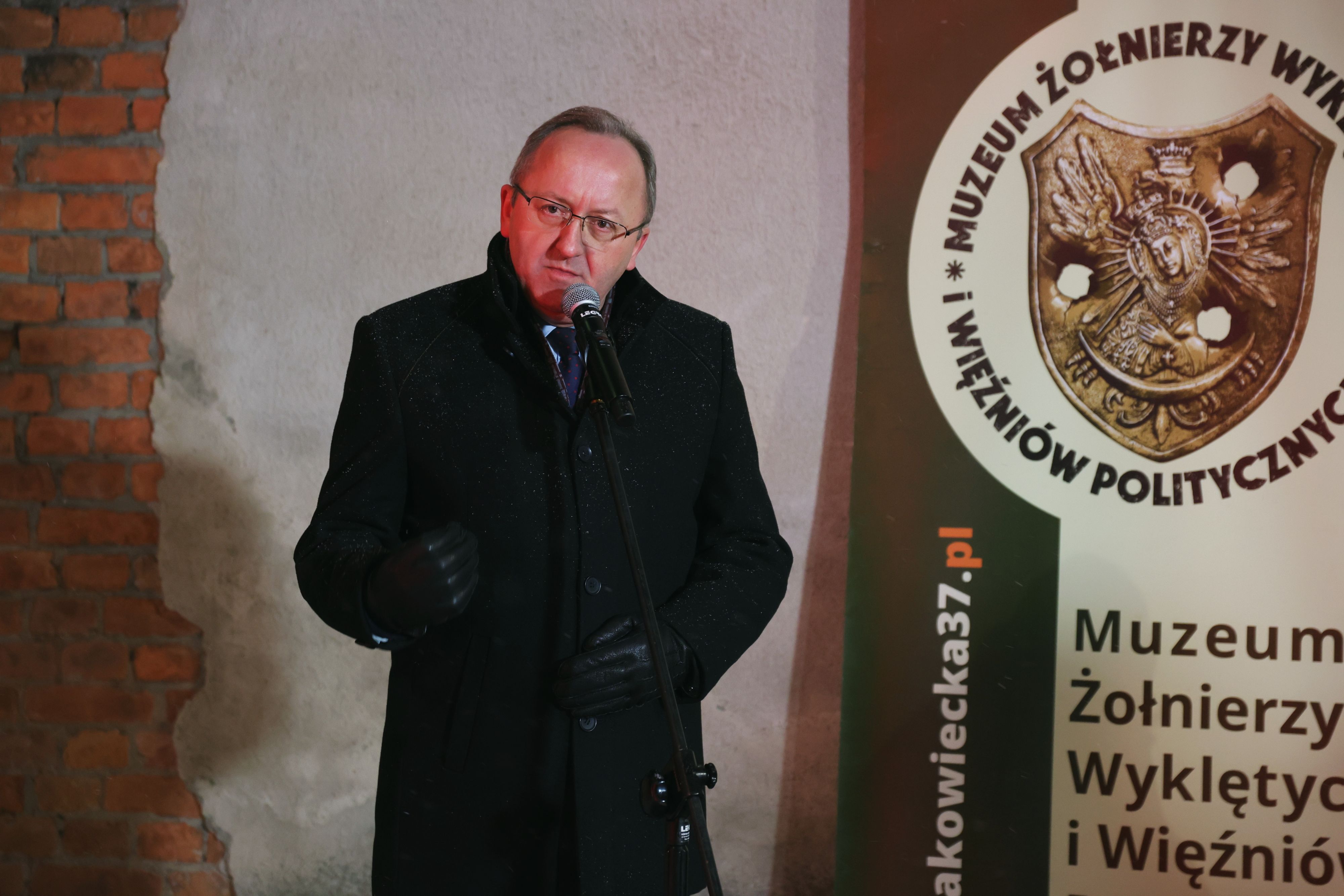
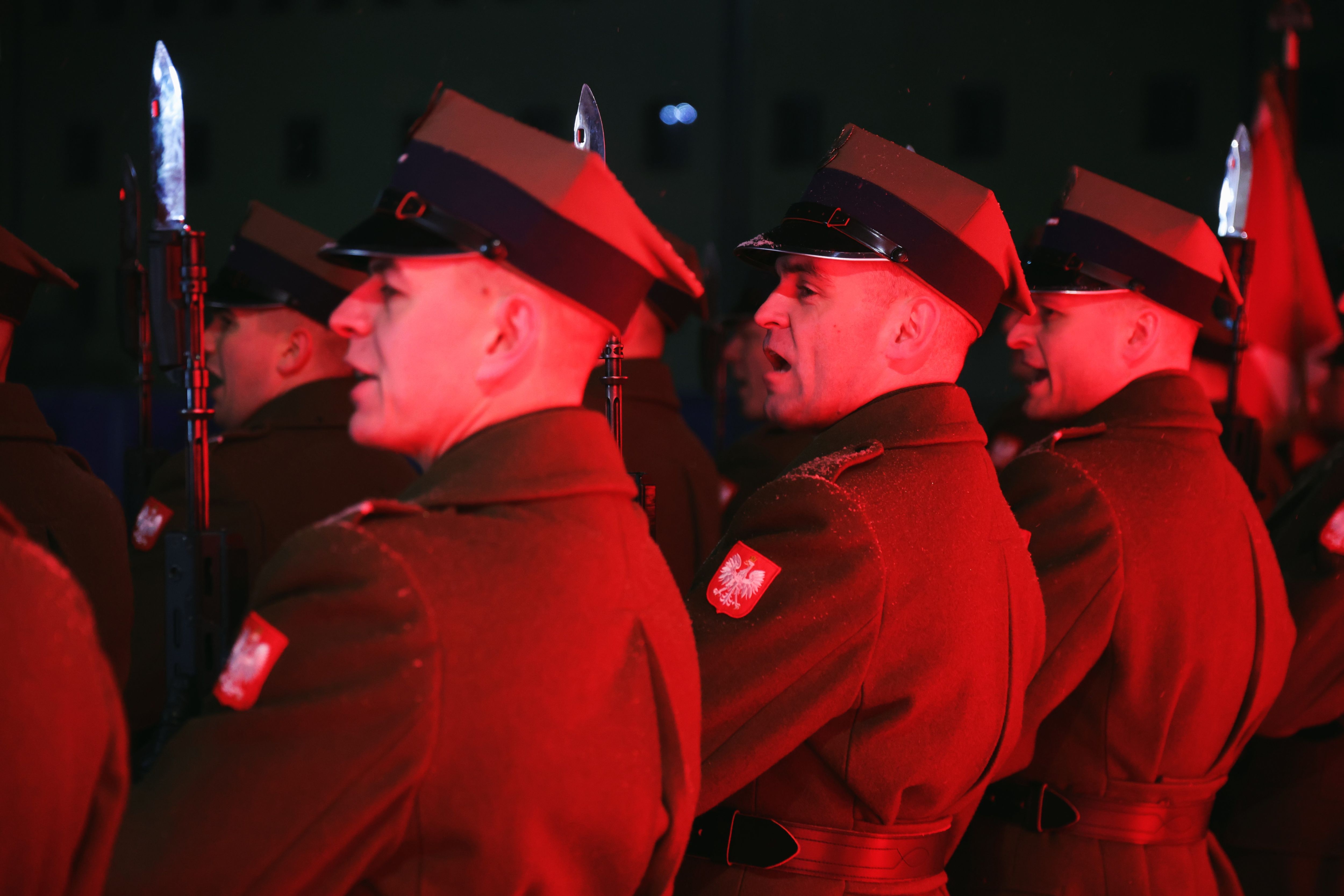
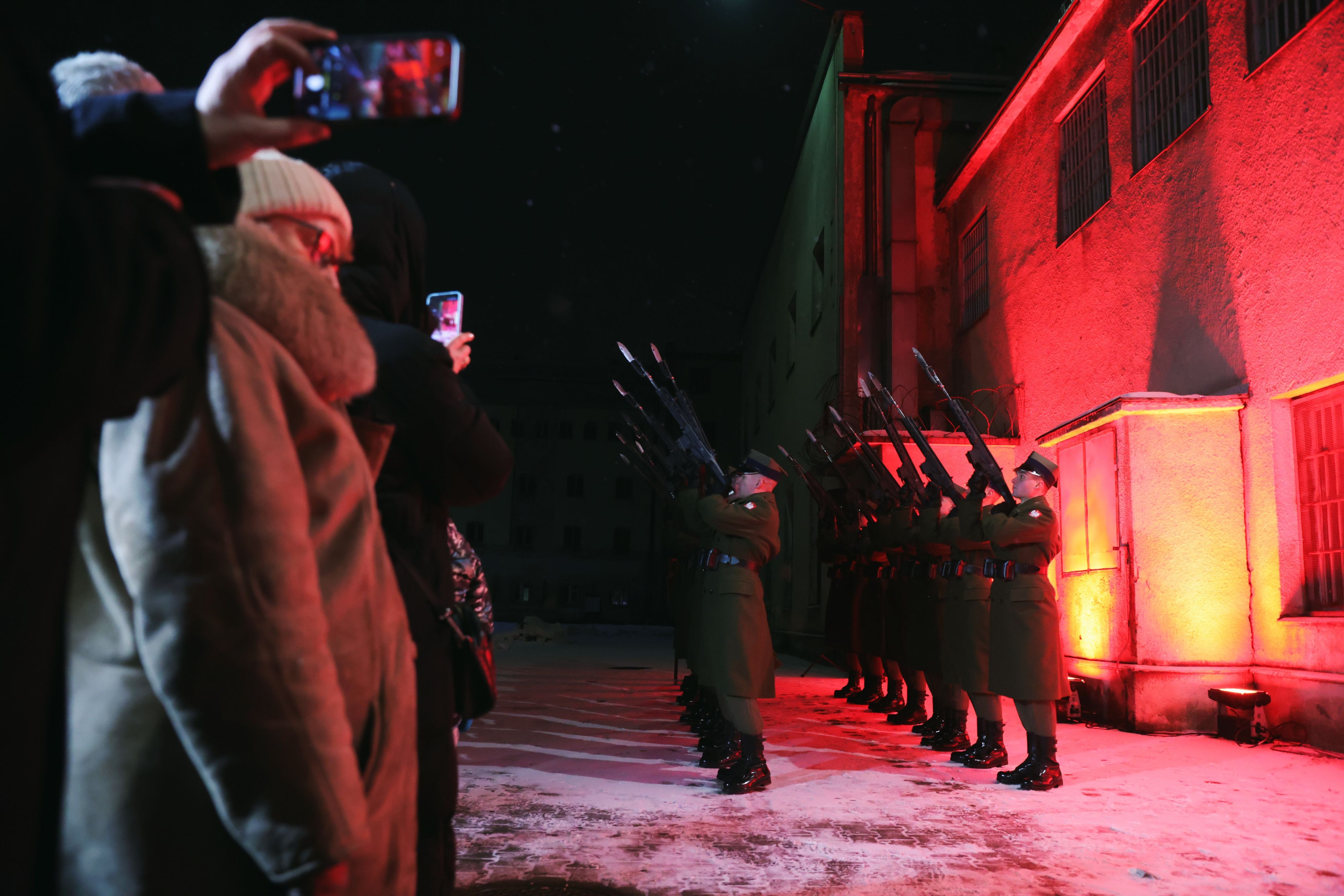
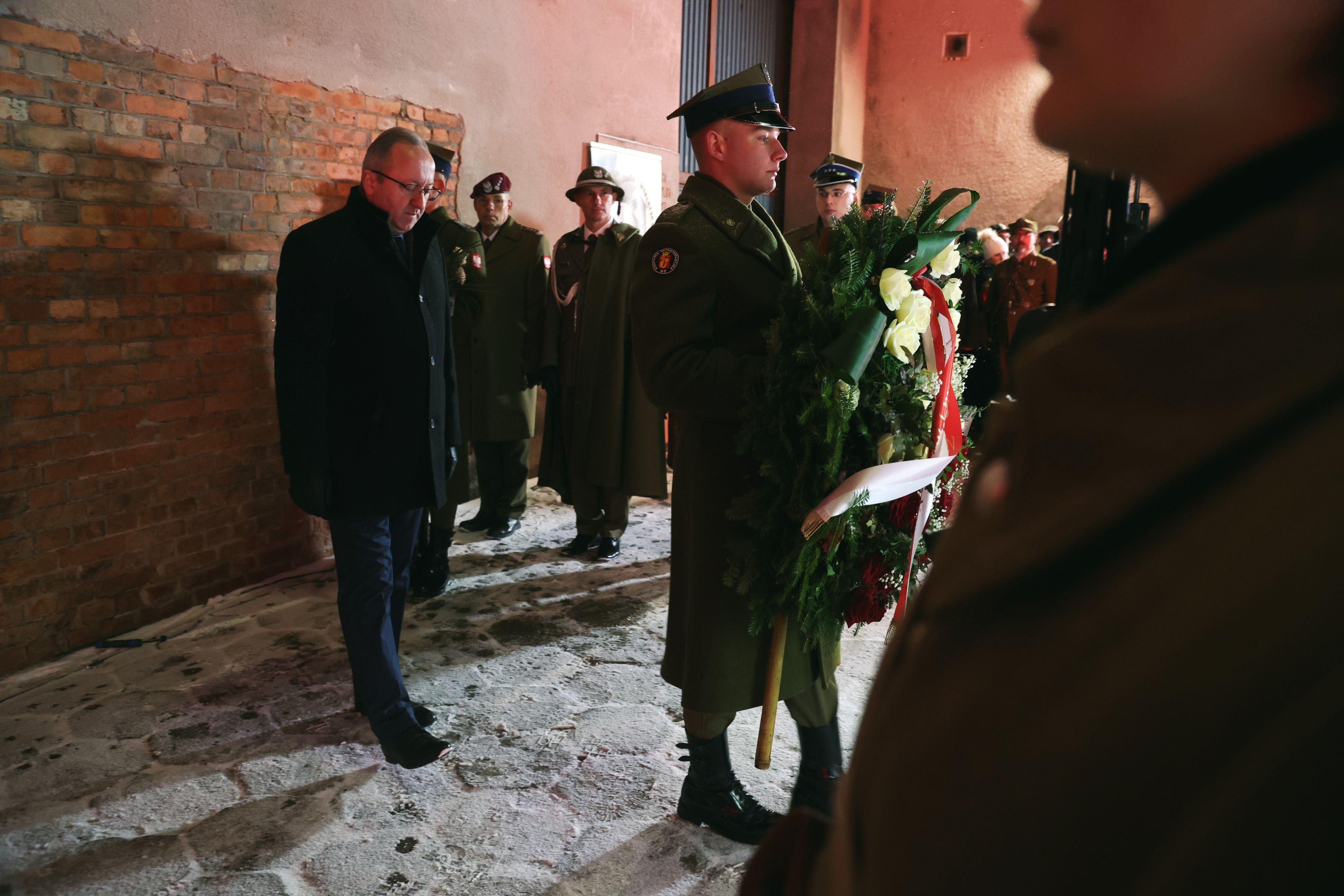
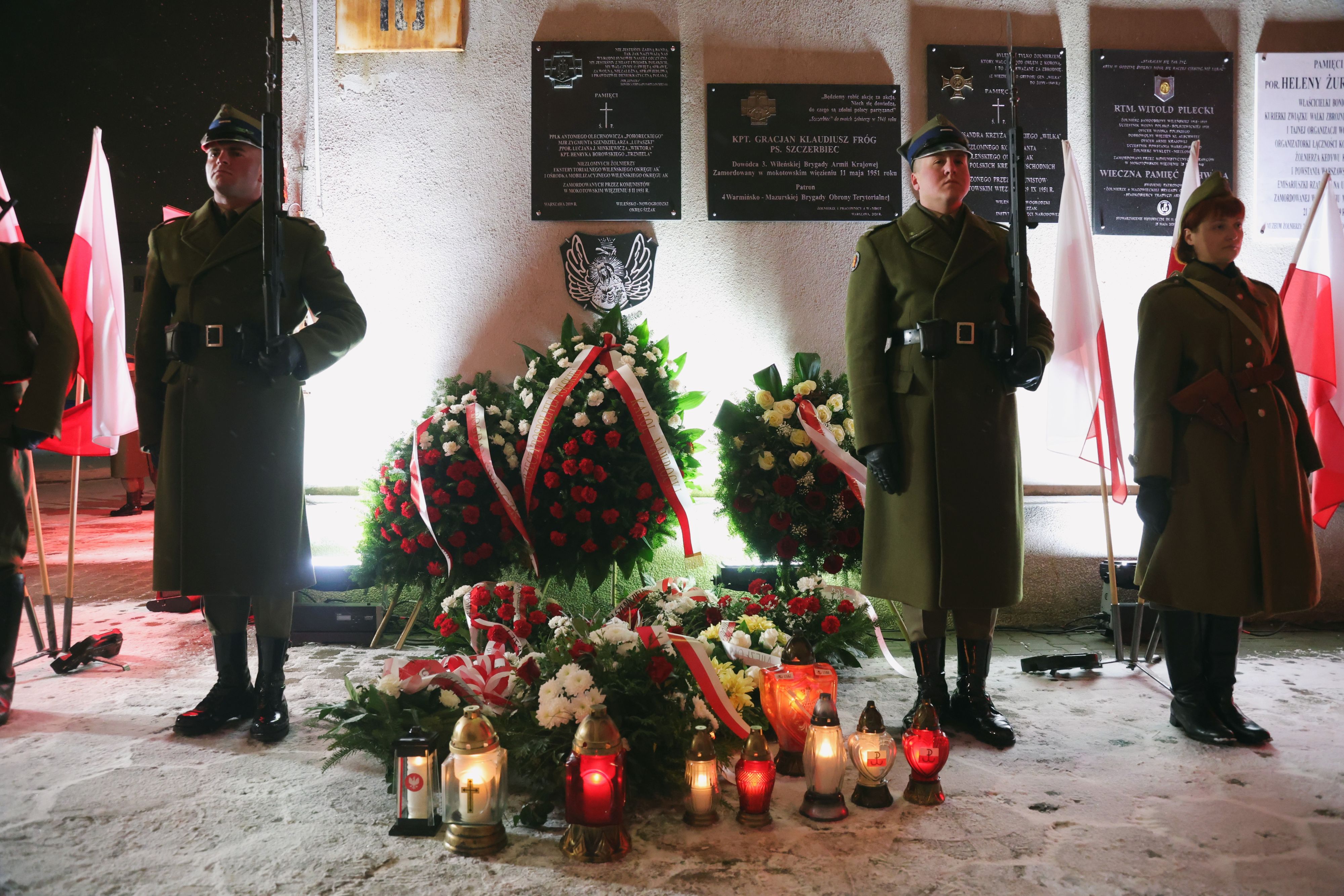
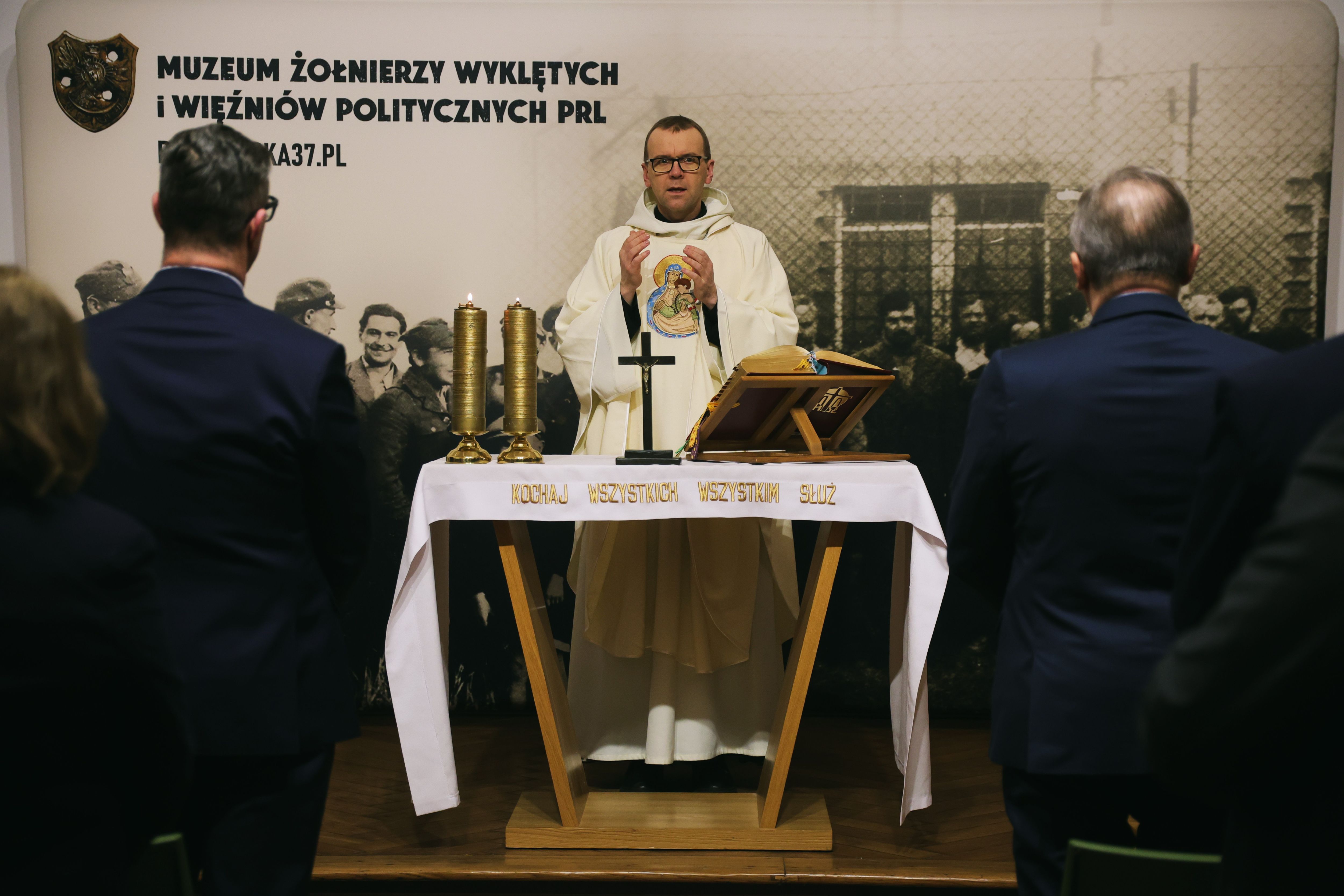
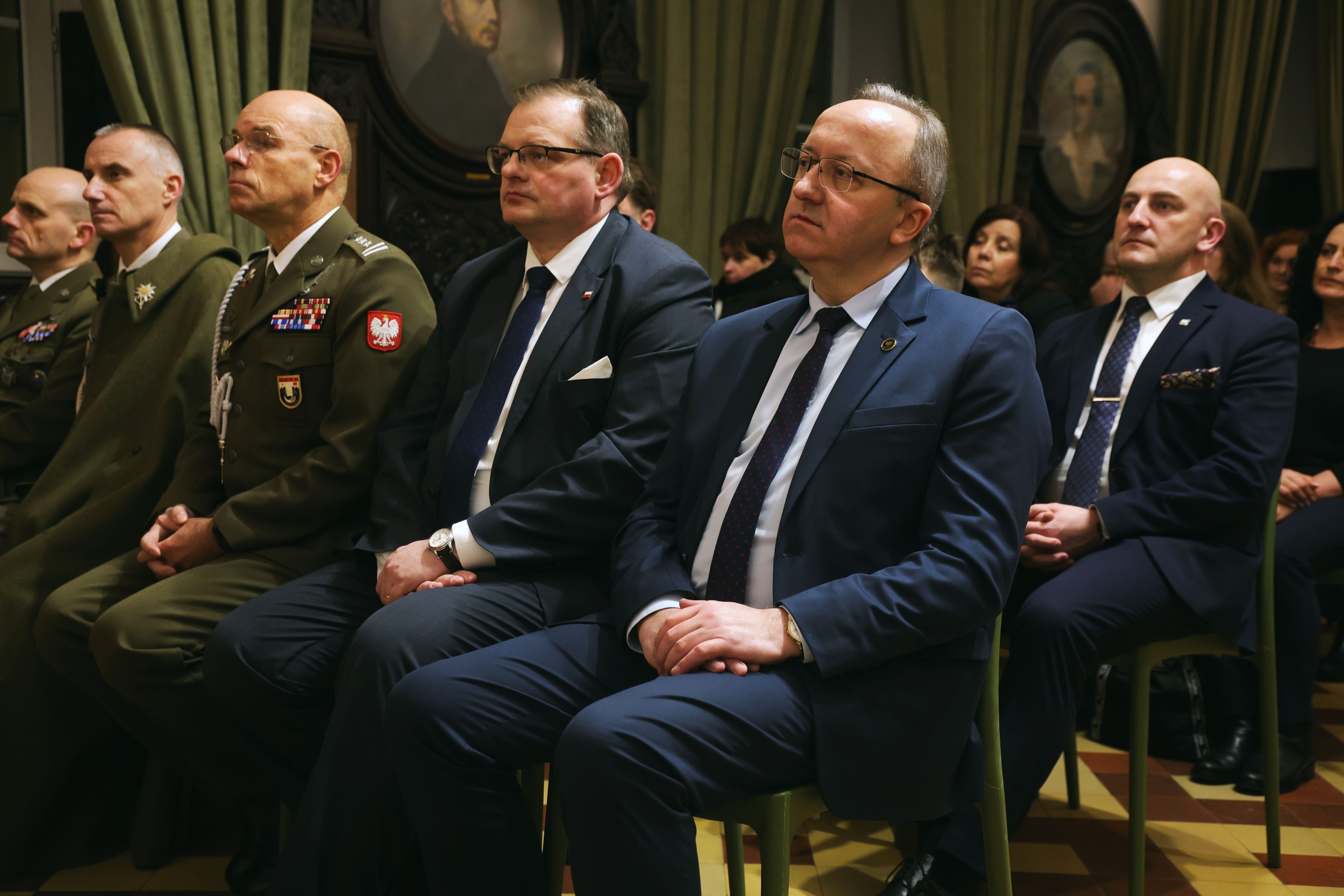
At the Museum of the Cursed Soldiers and Political Prisoners of the Polish People’s Republic, a Roll Call of Remembrance was held, combined with a flower-laying ceremony at the Death Wall, beneath the plaque commemorating Zygmunt Szendzielarz. During the event, Deputy President of the Institute of National Remembrance, Karol Polejowski, delivered a speech in which he emphasized that the end of World War II did not mean the restoration of freedom for the underground soldiers, nor the end of the struggle for the Republic of Poland:
"For Major Zygmunt Szendzielarz, for his superiors, officers, and soldiers, the war that began in 1939 continued. Poland did not regain independence after the defeat of Germany. A new, equally brutal occupier arrived - the Red Army."
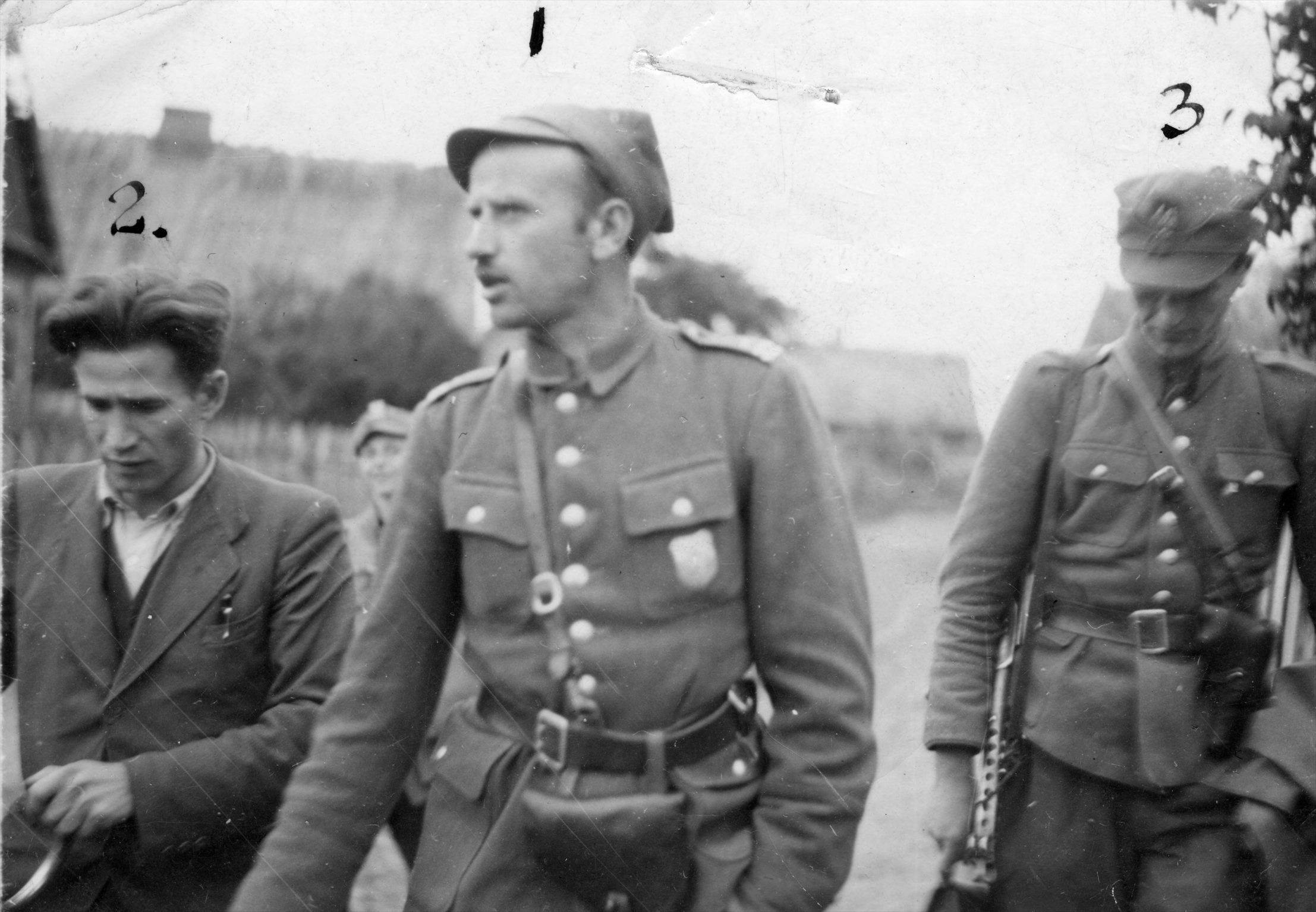
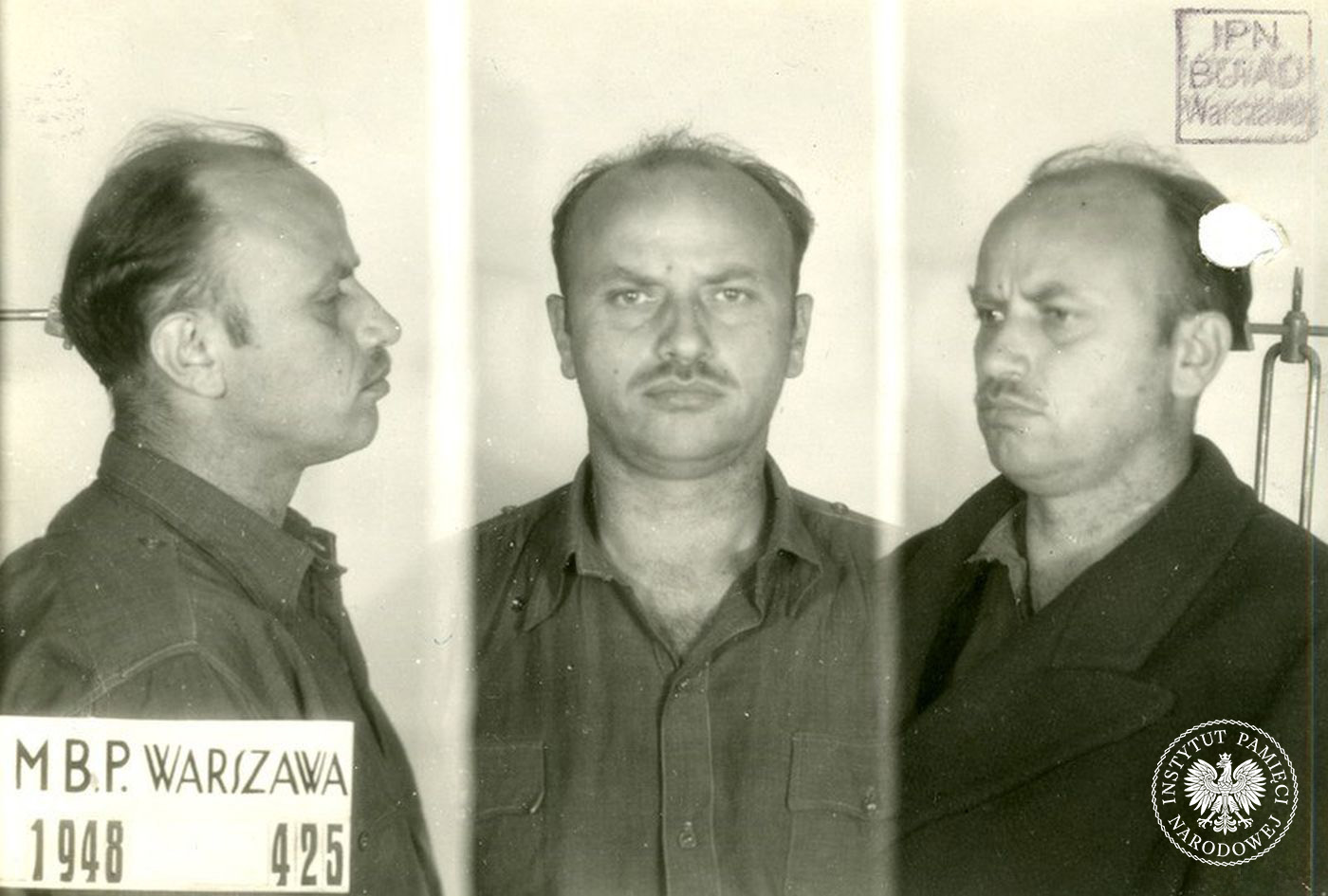
On 30 June 1948, in the southern Poland village of Osielec near Jordanów, officers of the communist Ministry of Public Security arrested Major Zygmunt Szendzielarz, known by his nom de guerre “Łupaszka.” He was one of the most distinguished commanders of both World War II and the postwar Polish underground, and the legendary commander of the 5th Vilnius Brigade of the Home Army.
Zygmunt Szendzielarz was born on 12 March 1910, in Stryi, into a large family of a railway official. After graduating from secondary school in 1929, he volunteered for military service. In 1934, already holding the rank of second lieutenant, he was assigned to the 4th Zaniemen Uhlan Regiment stationed in Vilnius.
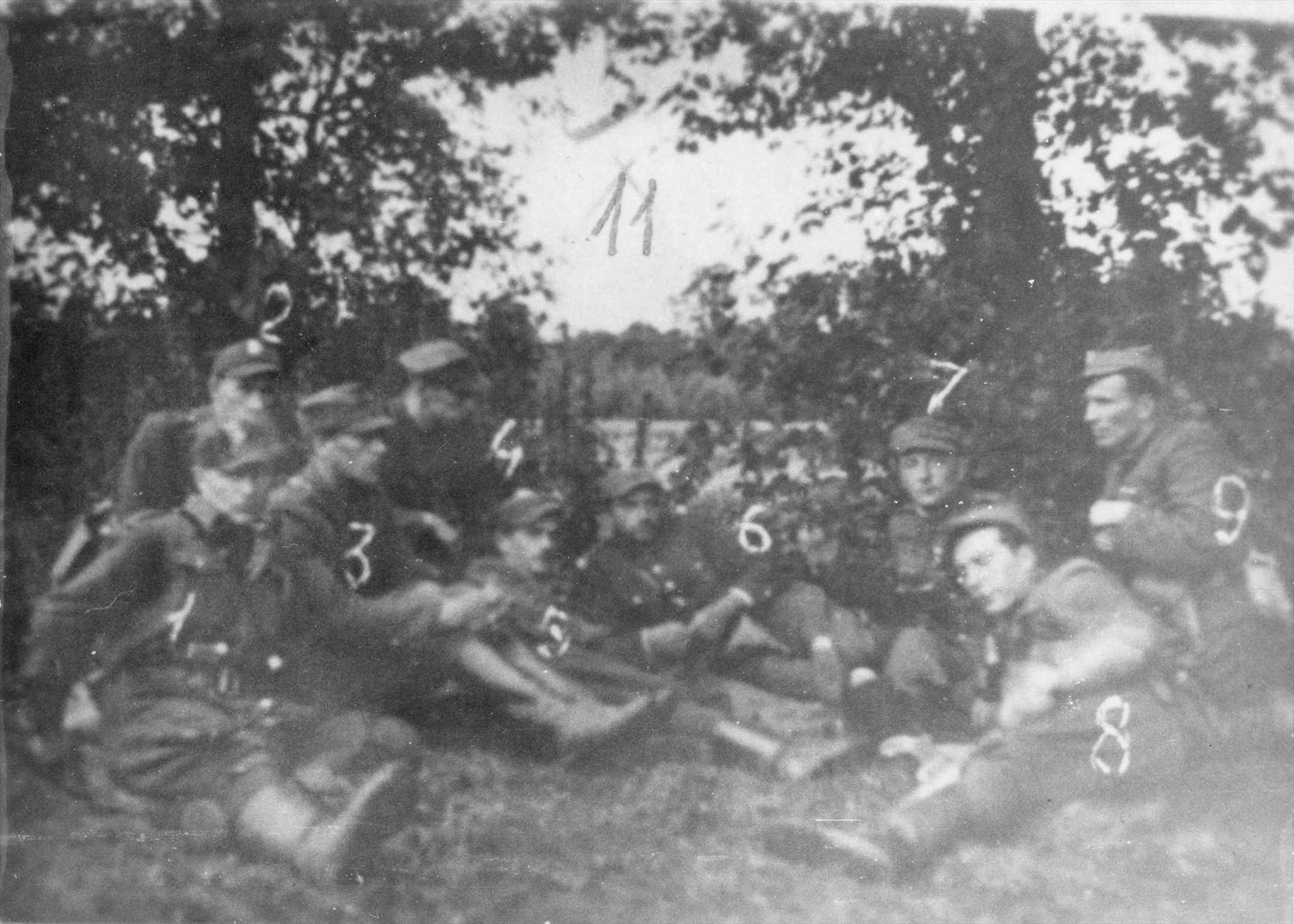
He took part in the September Campaign of 1939, commanding a squadron of his regiment within the Vilnius Cavalry Brigade. After the Soviet invasion of Poland, he was captured while attempting to reach Hungary, but managed to escape from Soviet custody. Unable to leave the country, he returned to Vilnius and soon joined the underground resistance — first within regimental circles, and later in the Union of Armed Struggle / Home Army (ZWZ–AK). It was then that he adopted the nom de guerre “Łupaszka,” honoring Jerzy Dąbrowski, a famed cavalry officer murdered by the Soviets in 1940. In September 1943, by order of the Vilnius District Home Army command, Szendzielarz took over a partisan unit that had just been destroyed by Soviet partisans, who murdered its previous commander. Starting almost from nothing, “Łupaszka” rebuilt the formation, which in January 1944 officially became the 5th Vilnius Brigade of the Home Army. Operating northeast of Vilnius, the unit fought fierce engagements against German forces, Lithuanian collaborationist units, and Soviet partisans. In July 1944, the brigade was surrounded by the Red Army in the Grodno Forest. Seeing no chance of survival as a large formation, “Łupaszka” ordered the brigade disbanded. Small groups attempted to break westward or return to the Vilnius region. He himself reached northeastern Poland and subordinated his men to the Home Army command in Białystok. By early 1945, the rebuilt brigade numbered around 200 soldiers and continued armed resistance against the Red Army, NKVD, communist security services, and militia units. In September 1945, after receiving orders to dissolve the brigade, “Łupaszka” moved to Gdańsk and later, in 1946, once again rebuilt the 5th Vilnius Brigade, operating in northern Poland and linking forces with the 6th Vilnius Brigade. A year later, recognizing the hopeless military situation, he released his soldiers from their oath and attempted to return to civilian life. Forced into hiding, he moved through Upper Silesia, Zakopane, and nearby villages. He was ultimately tracked down and arrested at dawn on 30 June 1948.
Imprisoned at Mokotów Prison in Warsaw, Zygmunt Szendzielarz was sentenced to death in a show trial on 2 November 1950. He was executed on 8 February 1951. His body was buried secretly in an unknown location. For decades, the communist regime attempted to erase his name and discredit his legacy. This changed thanks to the work of the IPN, whose scholars and forensic teams conducted archival research and exhumation works at the so-called “Ł” Section of Warsaw’s Powązki Military Cemetery.
In 2013, the IPN successfully identified the remains of Major Szendzielarz, restoring his identity and historical truth.
In 2016, following IPN’s efforts to document and commemorate the victims of communist terror, Zygmunt Szendzielarz “Łupaszka” was laid to rest with full state honors at the Powązki Military Cemetery - ending decades of silence and symbolic injustice.