
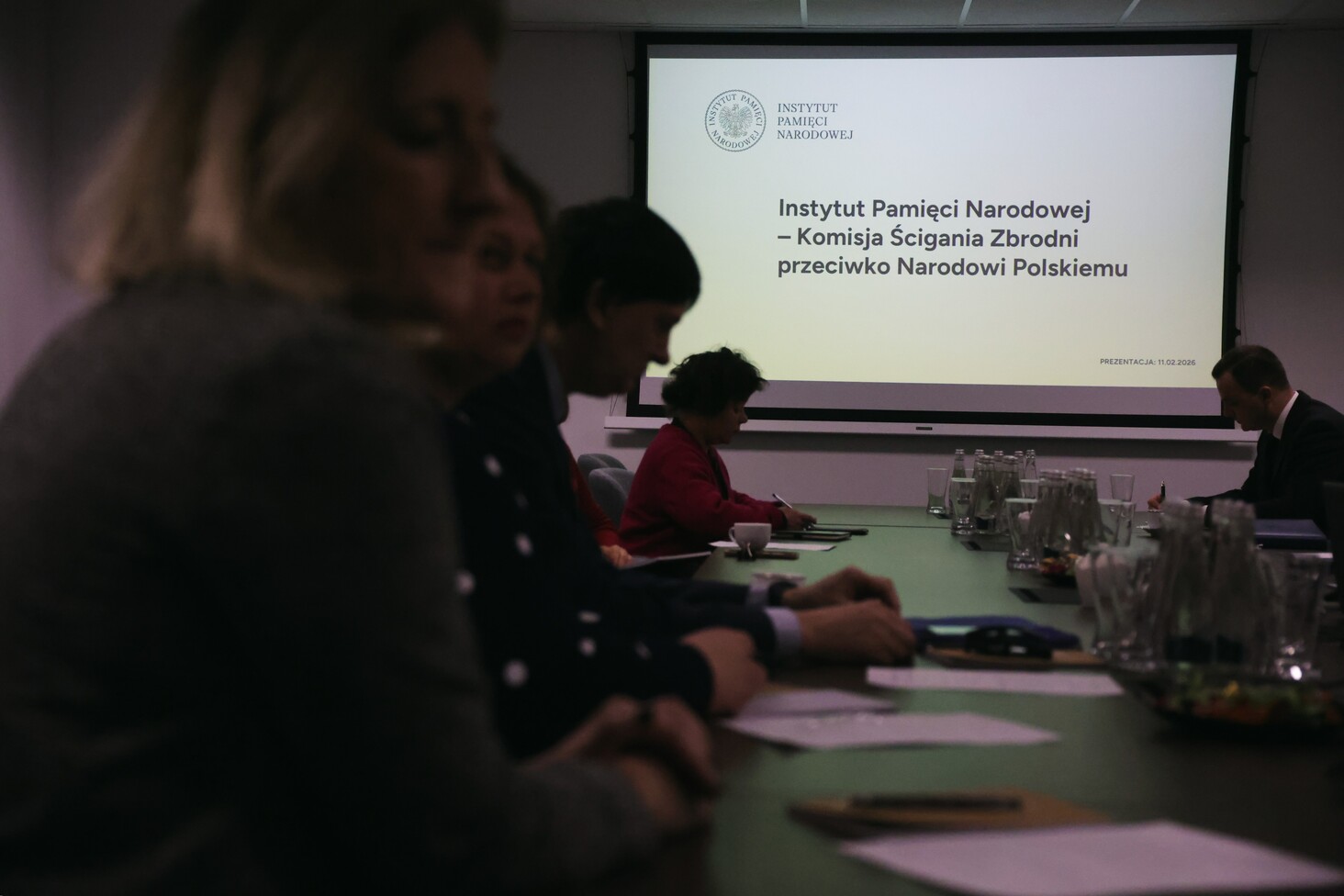
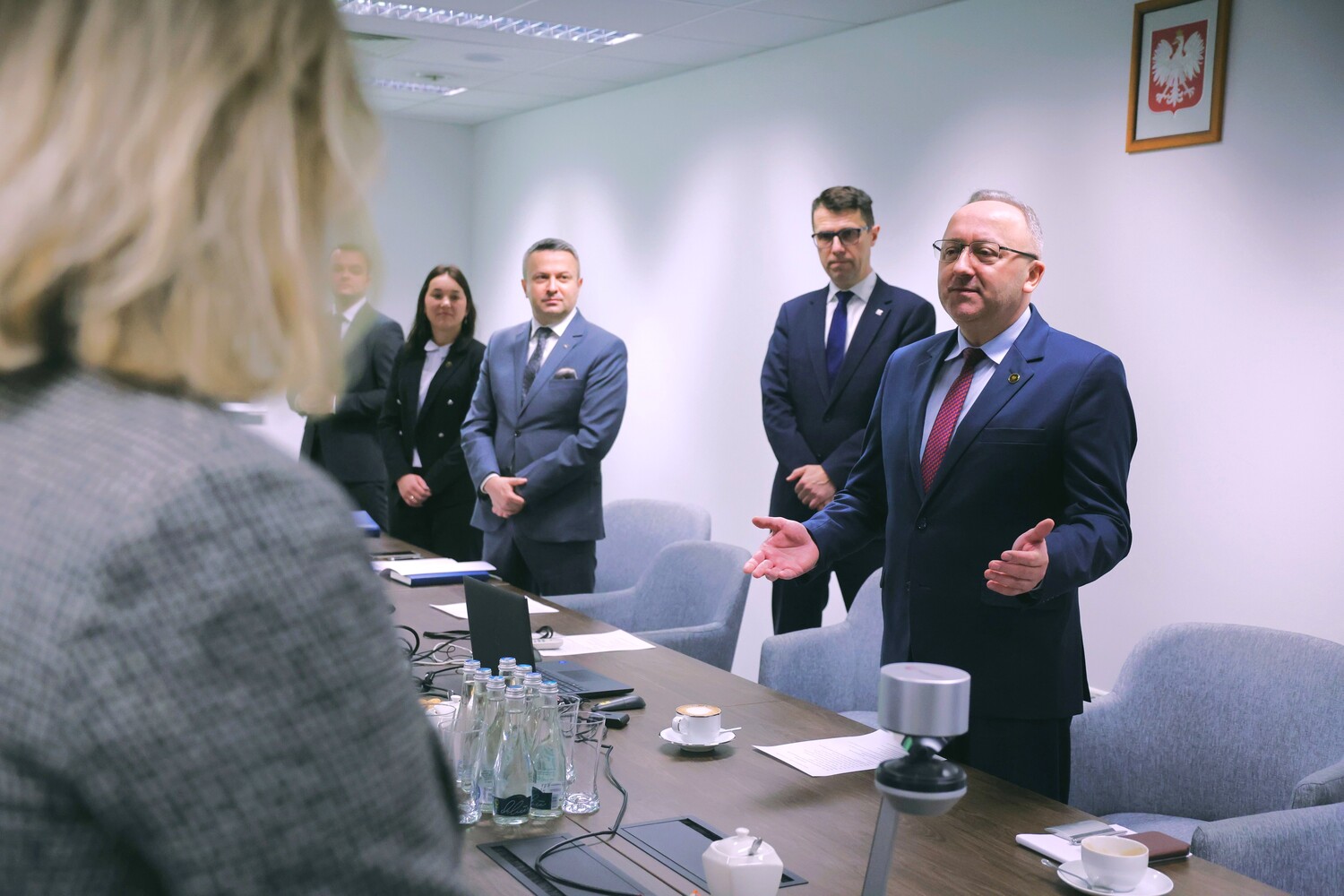
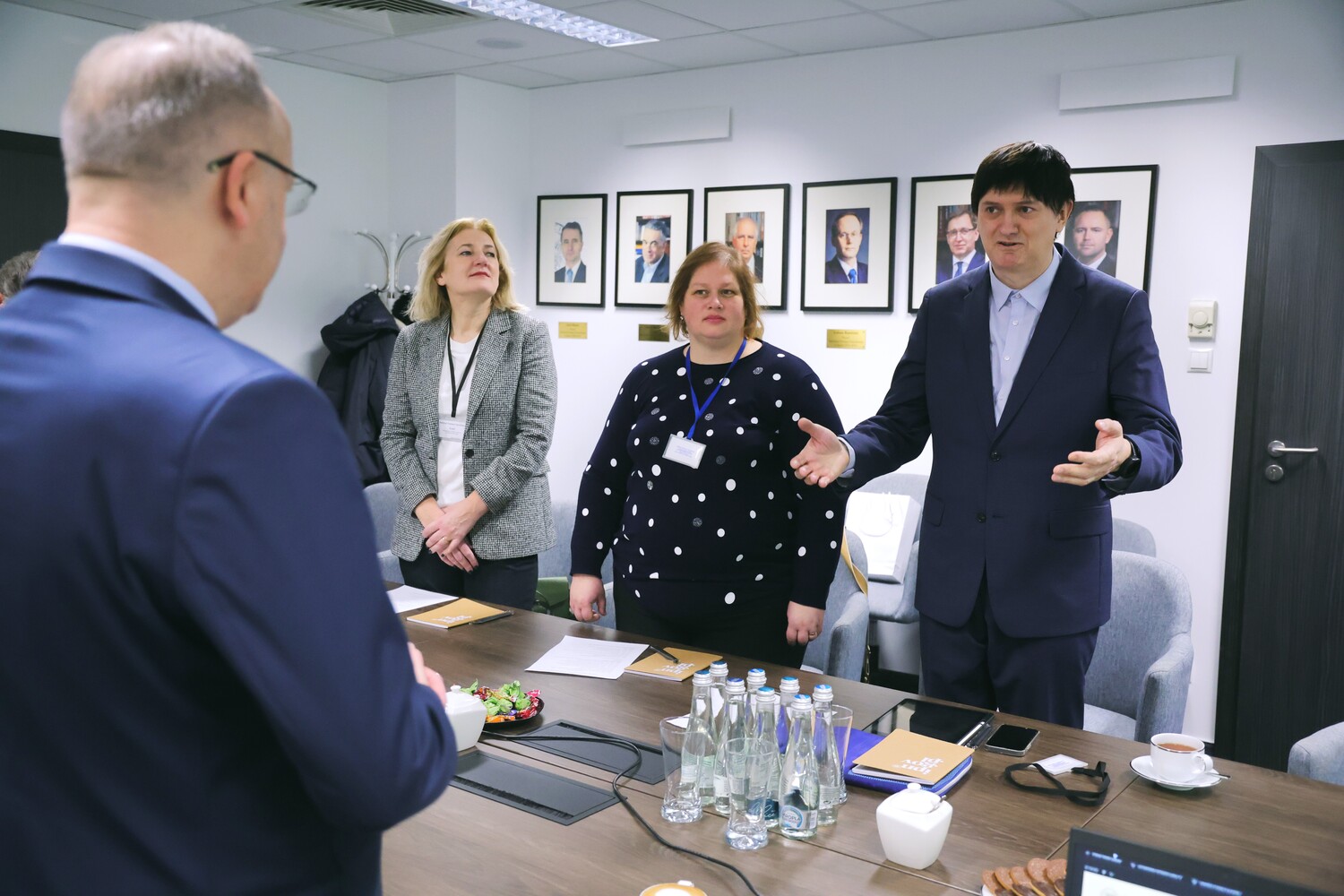
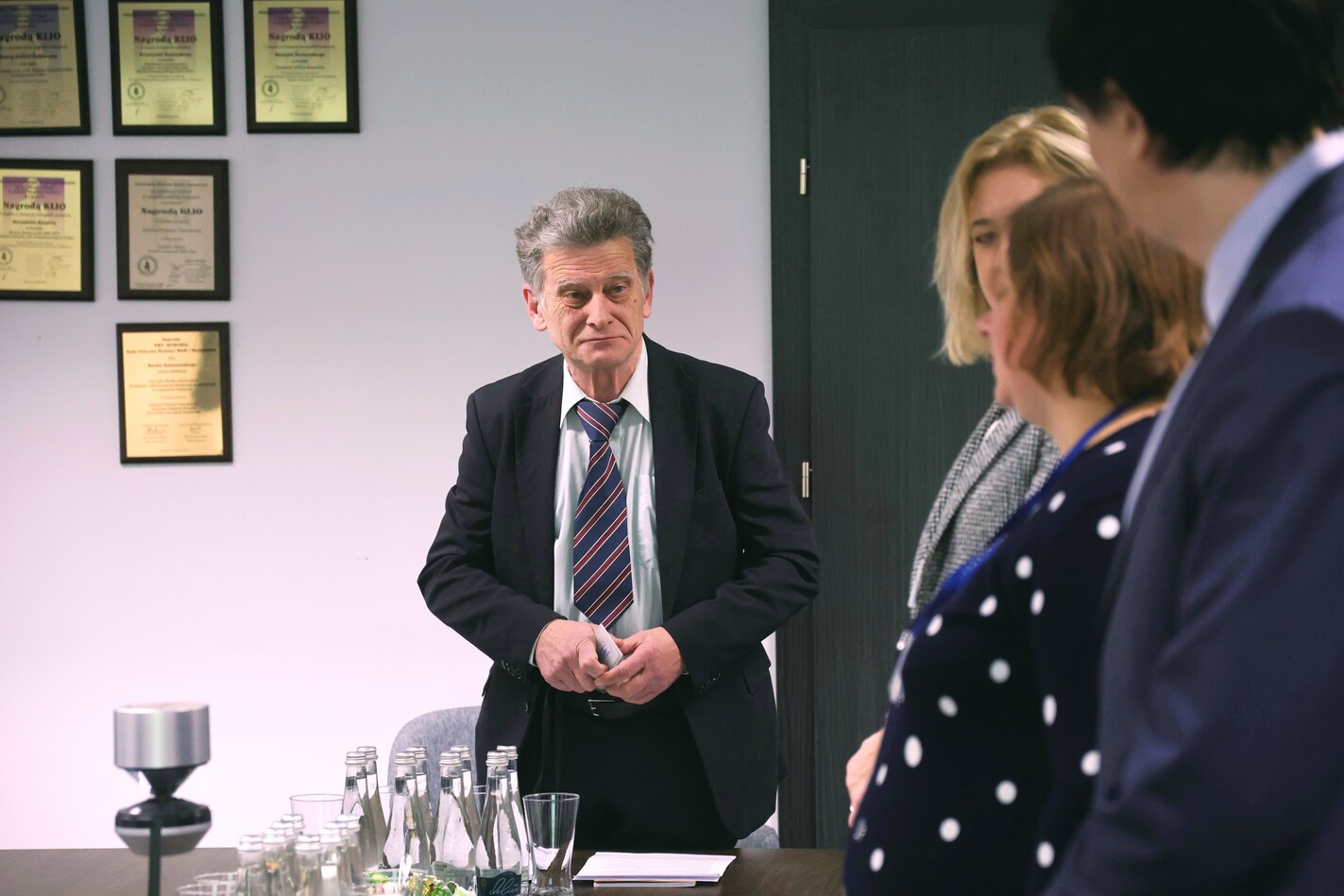
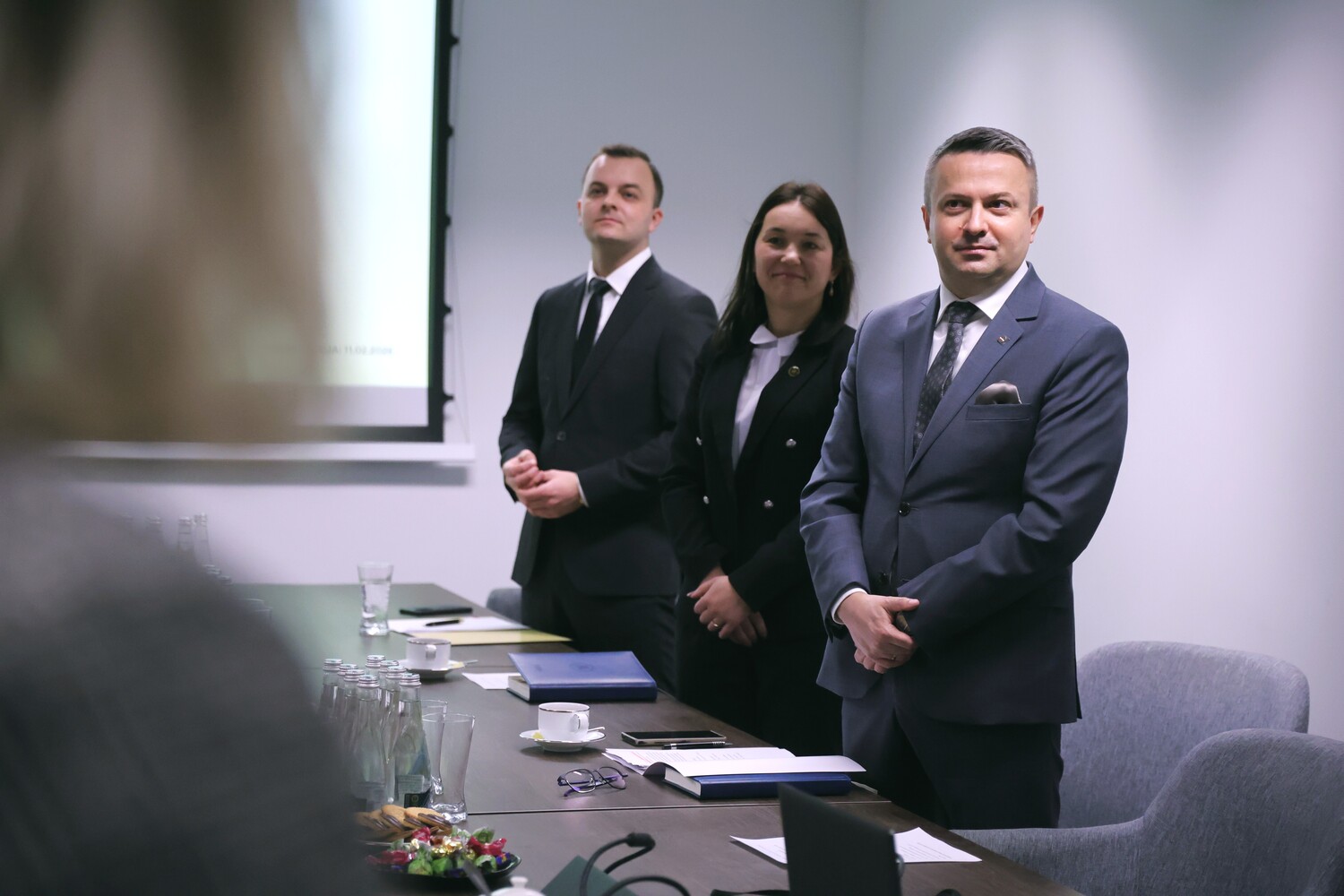
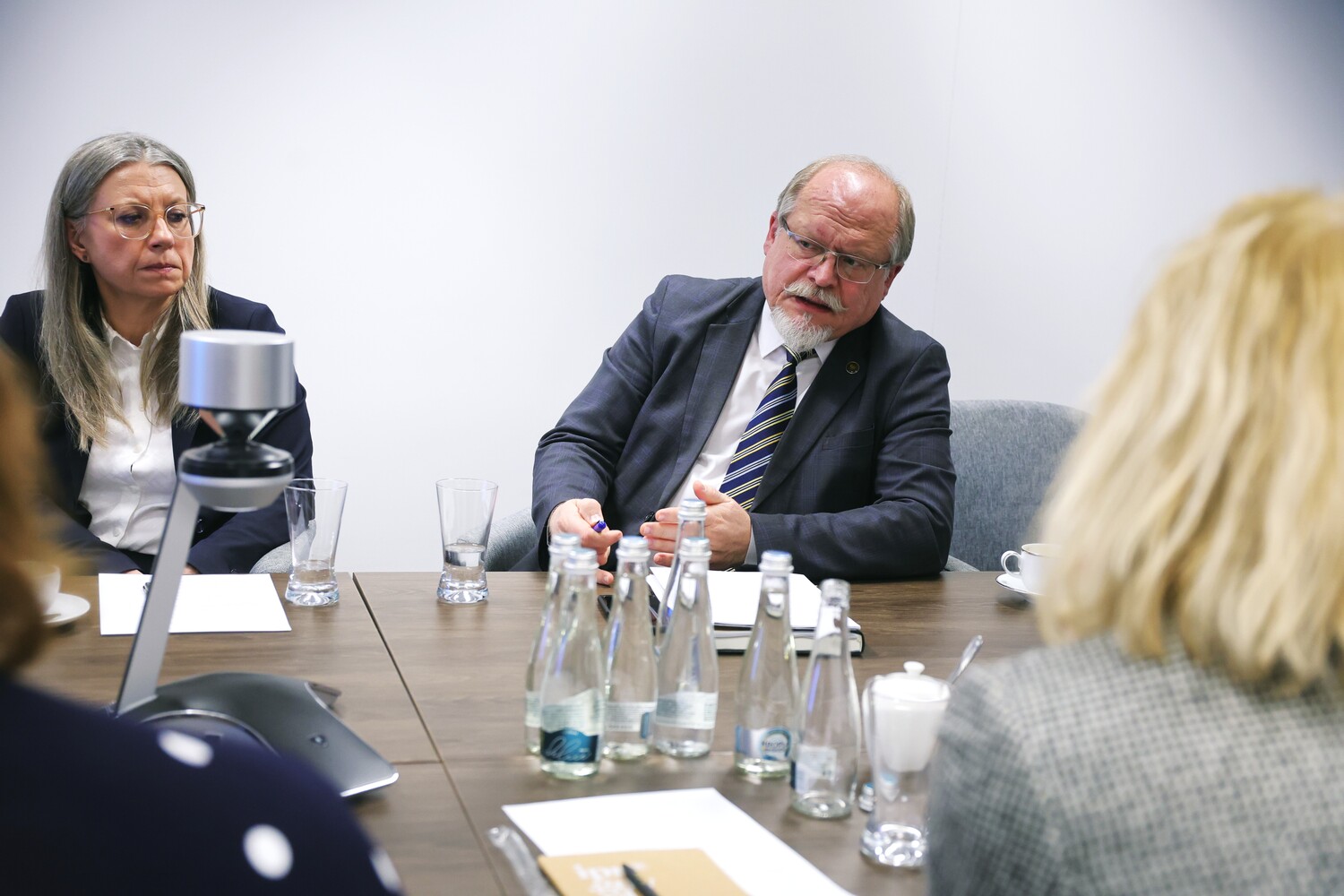
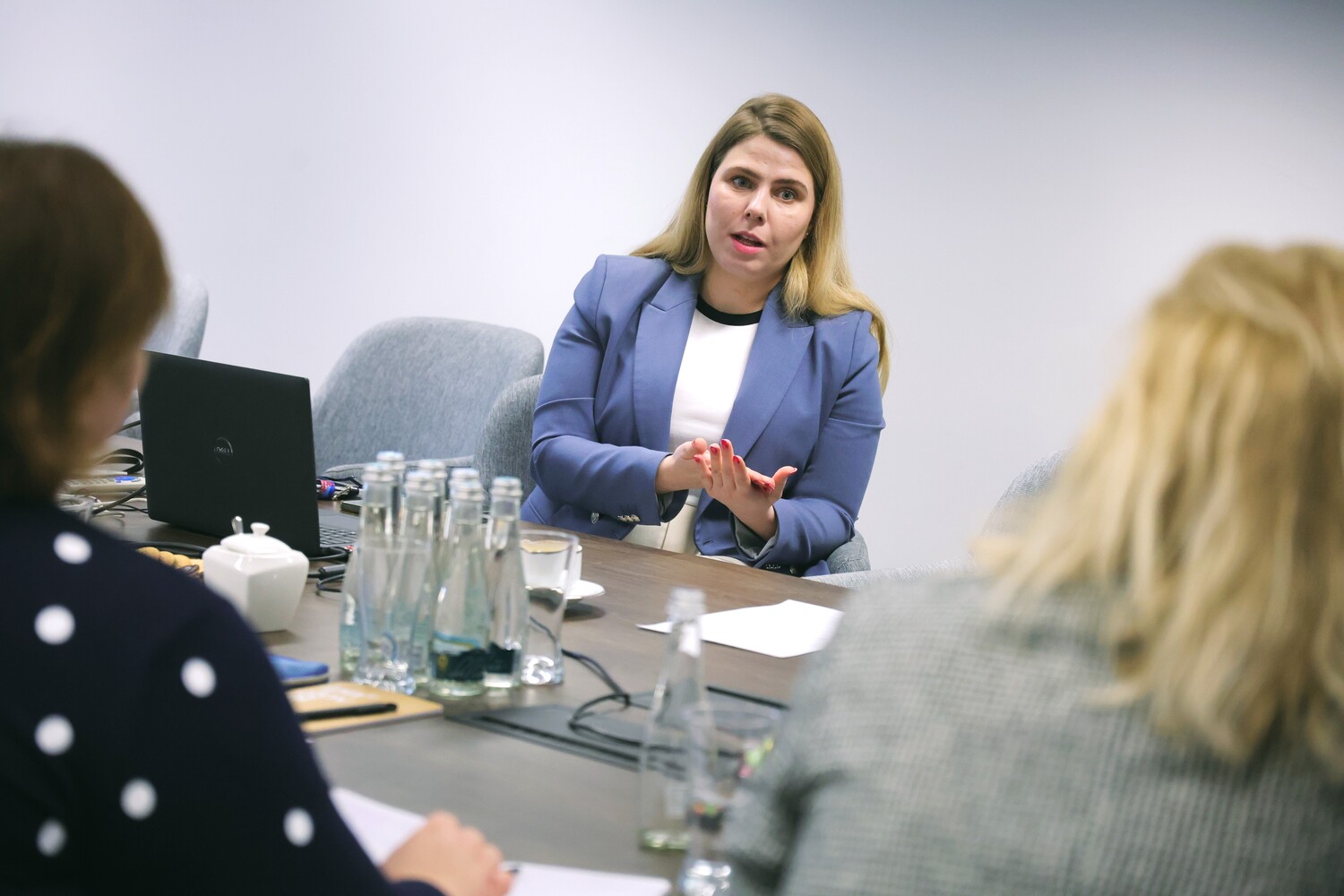
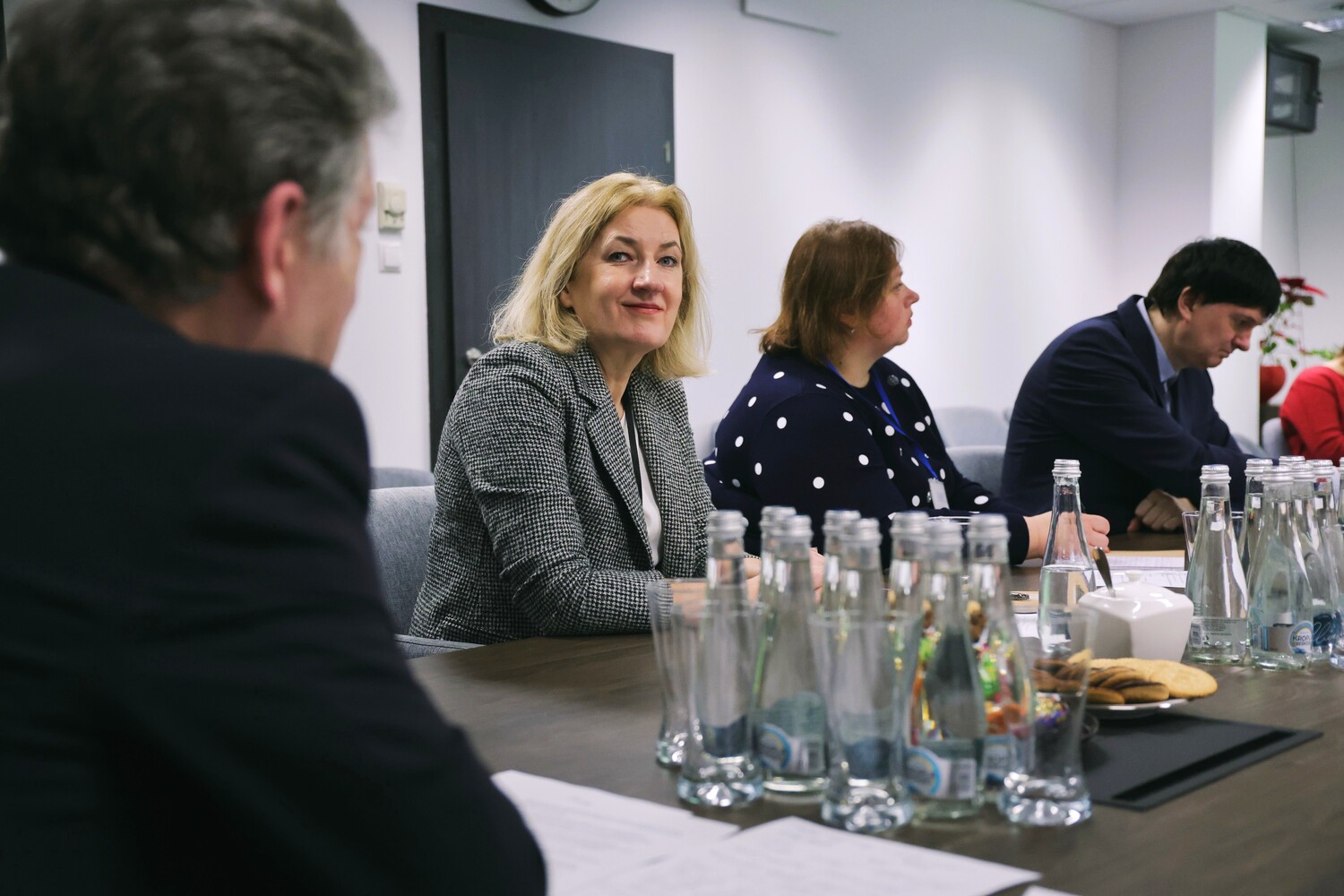
On 11 February 2026, the headquarters of the Institute of National Remembrance hosted a meeting between representatives of the Department of Remembrance of the Genocide and Resistance Research Centre of Lithuania and the Deputy President of the IPN, Prof. Karol Polejowski.
The Lithuanian delegation, headed by Linas Jašinauskas, the Director of the Department of Remembrance, wanted to expand bilateral cooperation in the fields of memory policy, education, commemoration, and decommunization.
Katarzyna Dryńska, the Director of the International Cooperation Office, outlined the structure and activities of the Institute. The work of the IPN Historical Research Office was presented by its Director, Sebastian Pilarski Ph.D., who showcased three publications produced in collaboration with Lithuanian institutions. The guests expressed particular interest in further joint research on Soviet repression and deportations.
Adam Siwek, the Director of the Office for Commemorating the Struggle and Martyrdom, discussed the Office’s activities, including the process of decommunizing public space and initiatives related to the care of veterans’ graves in Lithuania. Adrianna Paradowska, the Deputy Director of the New Technologies Office, spoke about innovative approaches to engaging younger audiences in the process of learning more about Poland’s recent history. She highlighted key projects such as Cyphers Game, Aviators, Warsaw Rising - City of Heroes, the VR short film on the Ulma family titled Testimony of Aid, and the newest initiative, Digital Heroes.
The final speaker, Karol Litwin, the Head of the Educational Projects Division within the National Education Office, presented the Office’s flagship initiatives, including competitions, Oxford-style debates, workshop-based lessons, the Strong with Poland project, and a nationwide board game league. The Lithuaninan guests expressed a clea interest in cooperation in the areas of research, educational initiatives, and new technologies.
The Department of Remembrance organizes and implements activities dedicated to commemorating the residents of Lithuania who suffered under Soviet and Nazi occupation. It also conducts educational initiatives aimed at broadening public awareness of the destructive nature of totalitarian and authoritarian ideologies and the crimes committed by these regimes.
At the afternoon a meeting was held at the Museum of the Cursed Soldiers and Political Prisoners of the Polish People’s Republic.
-
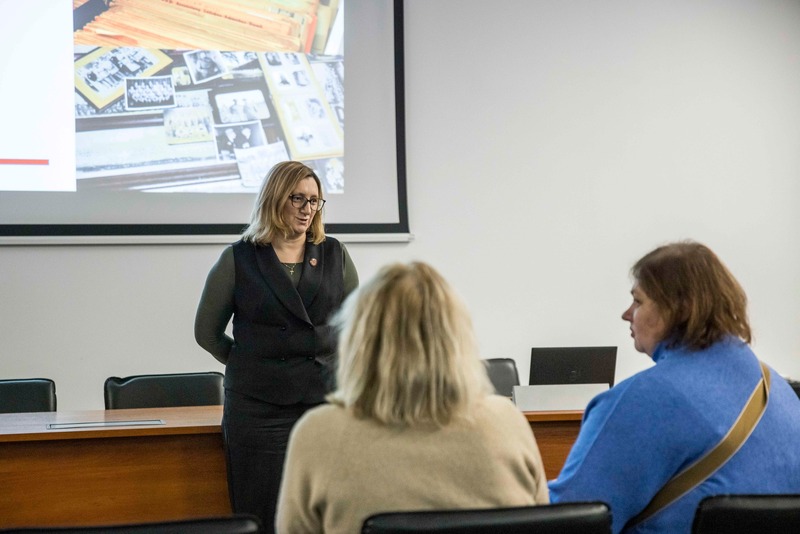
The delegation from Lithuania visit at the IPN Archive on Kłobucka Street in Warsaw; photo: Katarzyna Adamów -
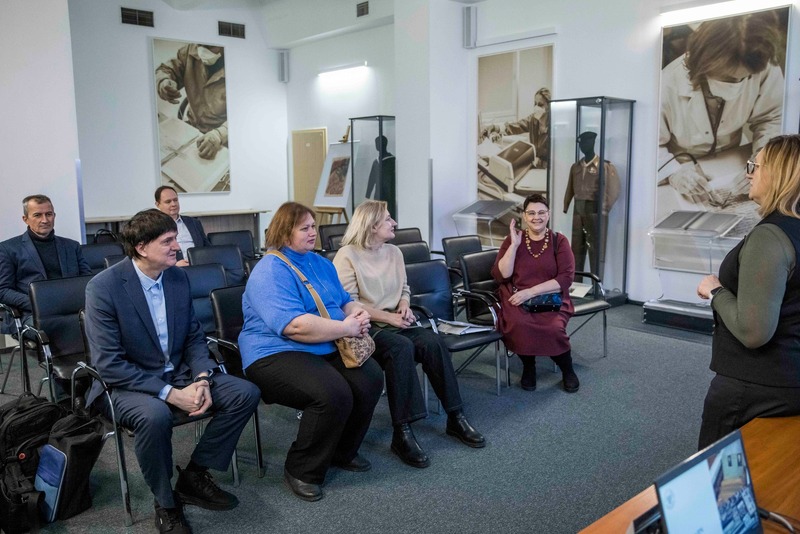
The delegation from Lithuania visit at the IPN Archive on Kłobucka Street in Warsaw; photo: Katarzyna Adamówarchiwum2 -
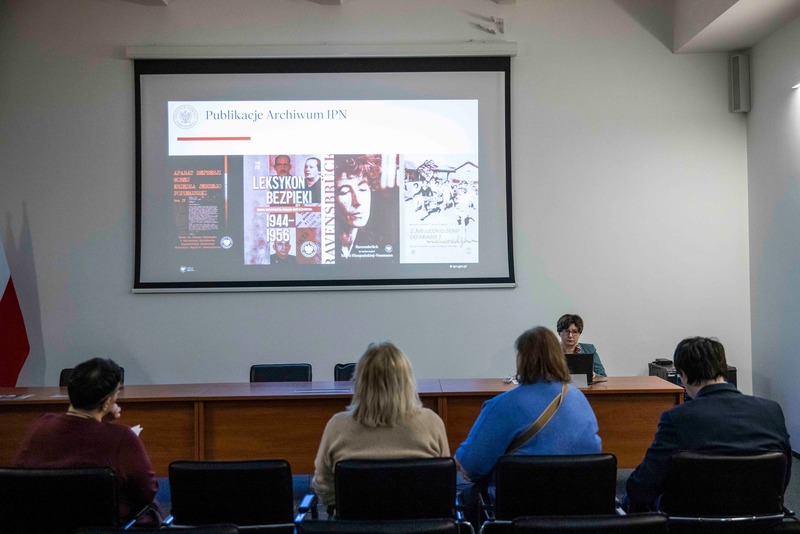
The delegation from Lithuania visit at the IPN Archive on Kłobucka Street in Warsaw; photo: Katarzyna Adamów -
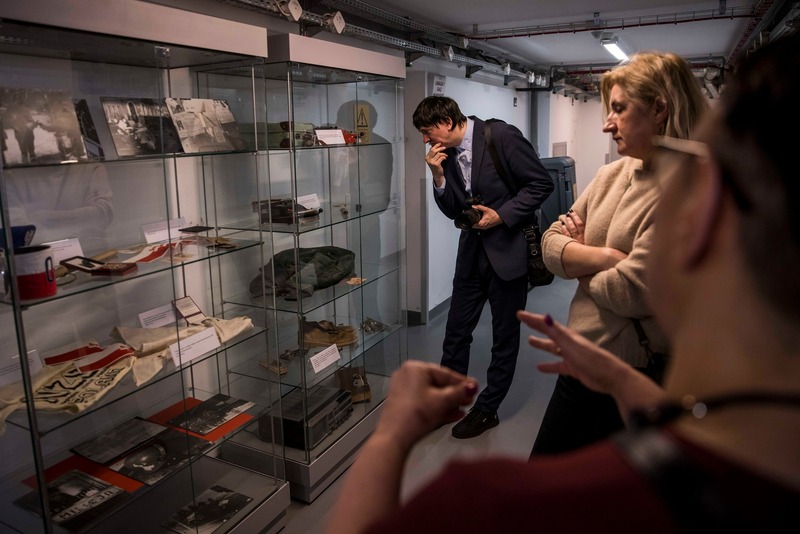
The delegation from Lithuania visit at the IPN Archive on Kłobucka Street in Warsaw; photo: Katarzyna Adamów -
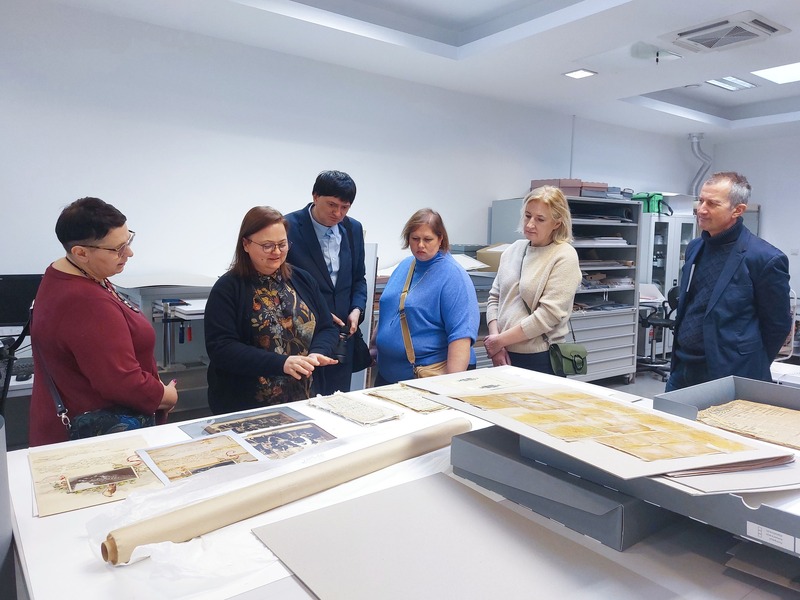
The delegation from Lithuania visit at the IPN Archive on Kłobucka Street in Warsaw; photo: Katarzyna Adamów -
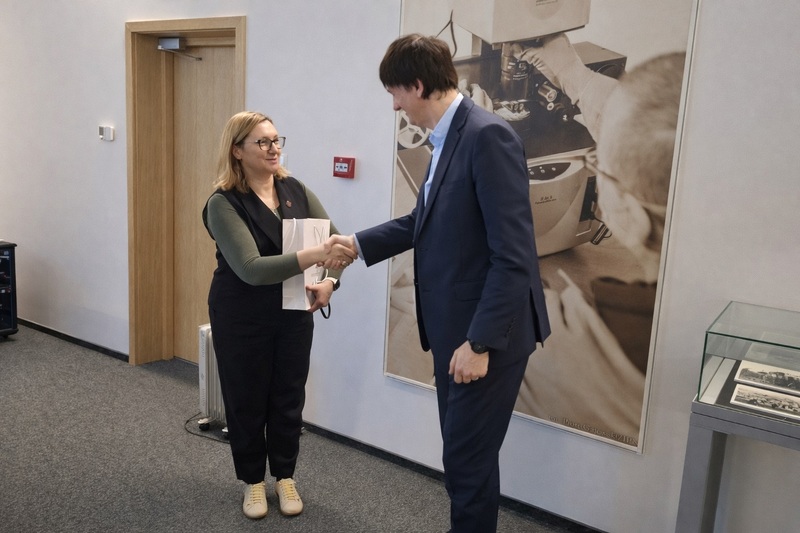
The delegation from Lithuania visit at the IPN Archive on Kłobucka Street in Warsaw; photo: Sławomir Bardski -
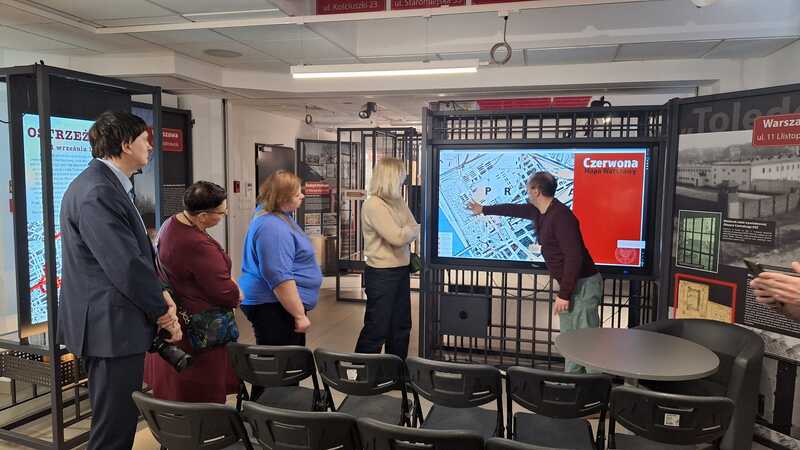
The delegation from Lithuania visit at the Strzelecka 8 Memorial Chamber in Warsaw; photo: Sławomir Bardski
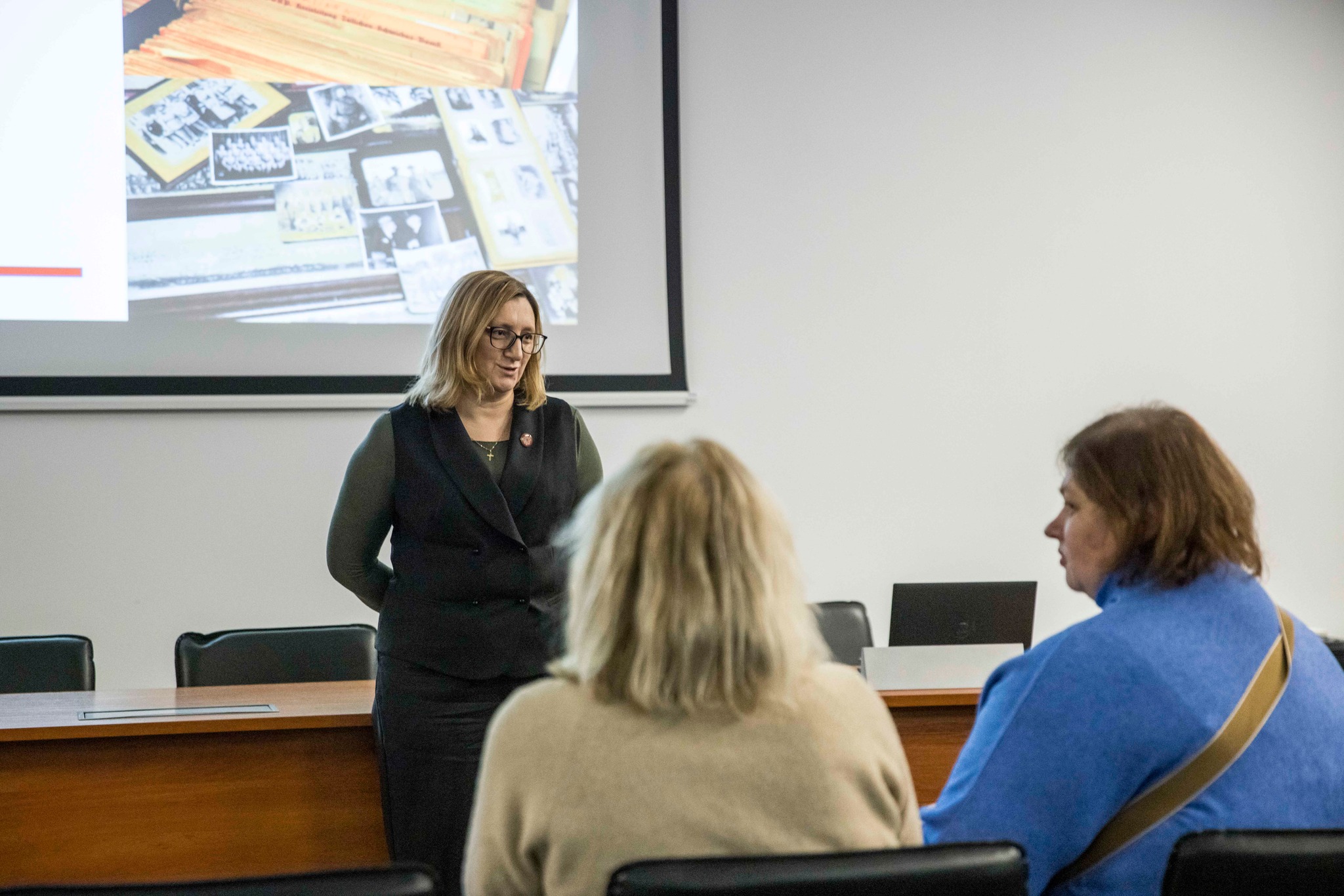
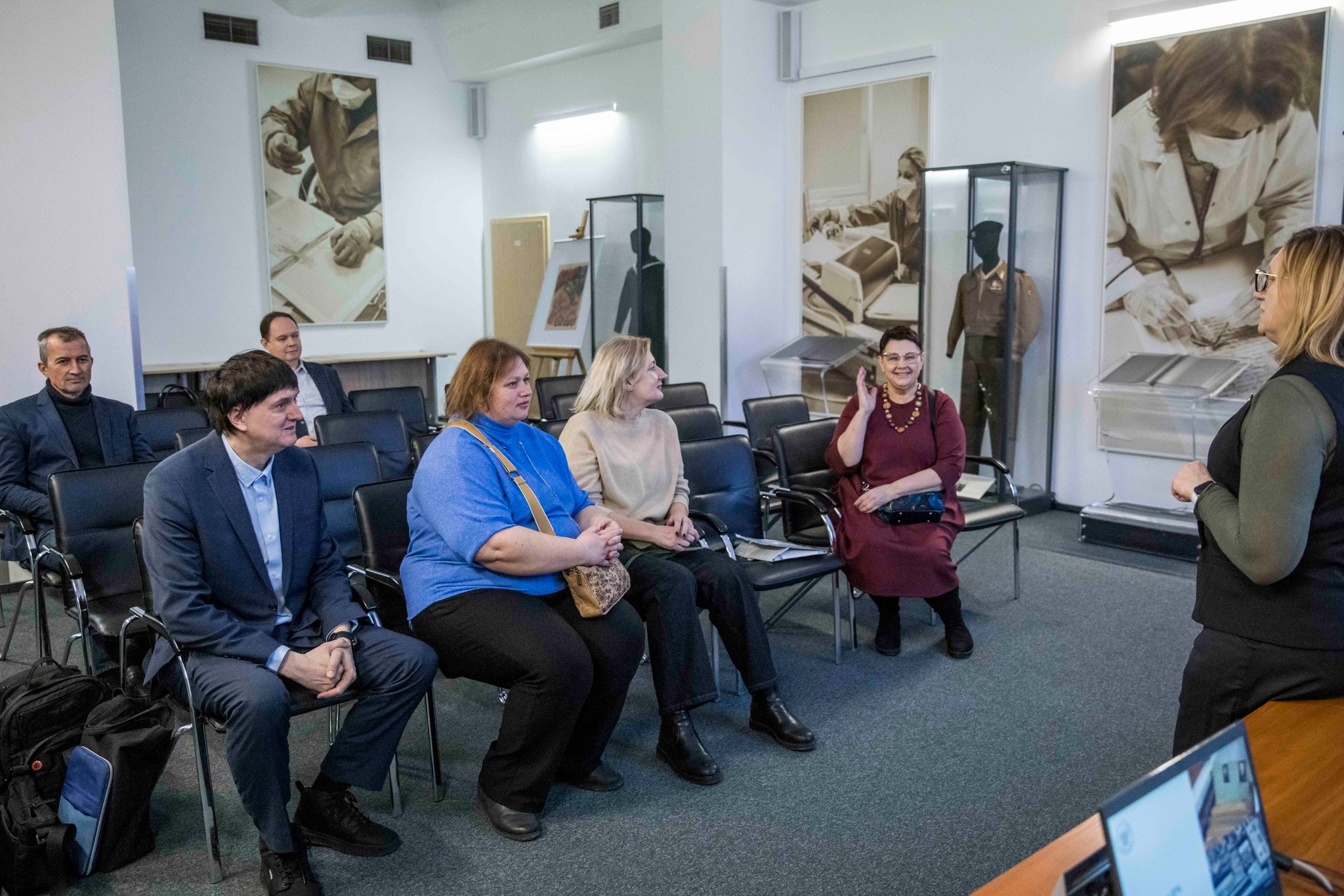
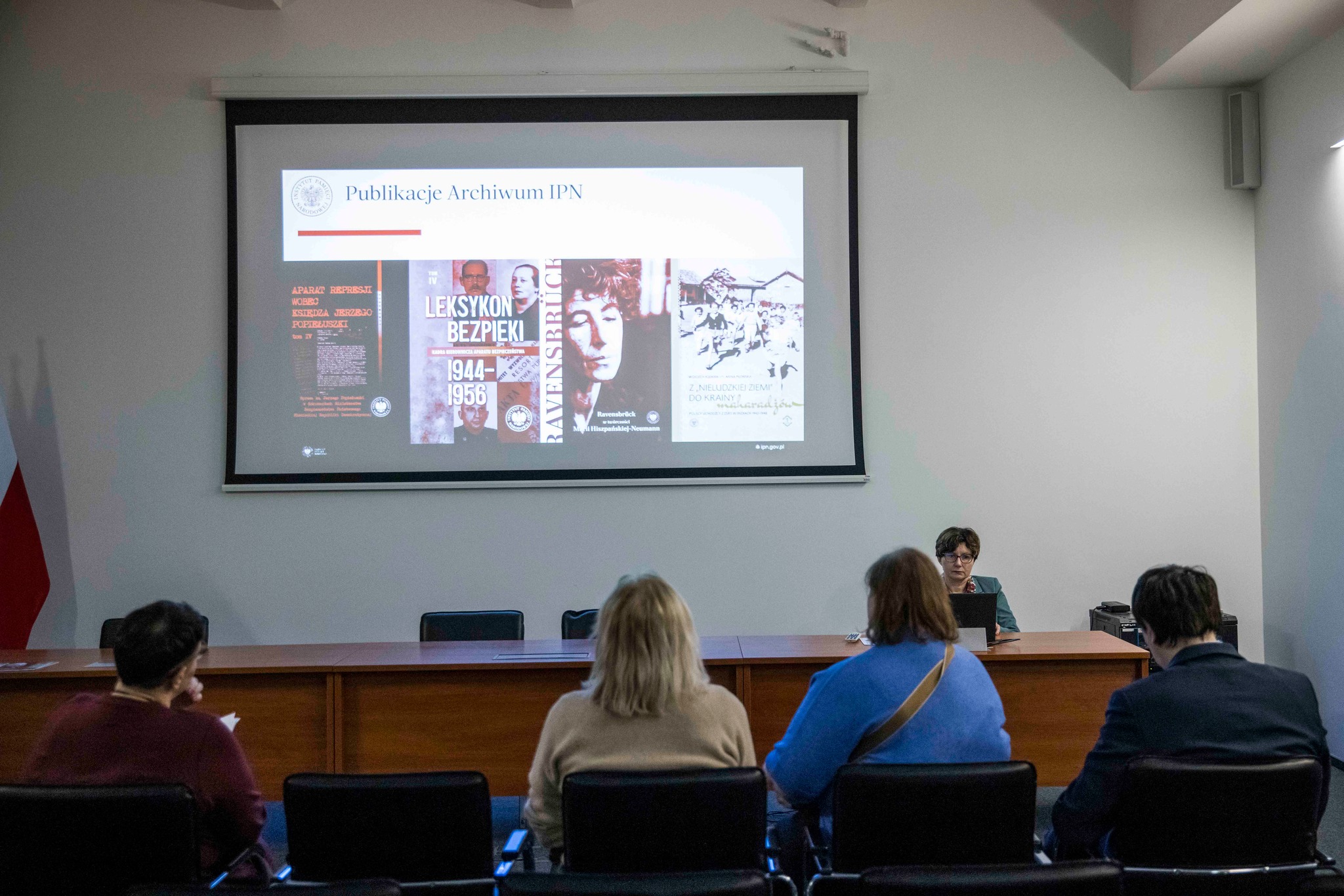
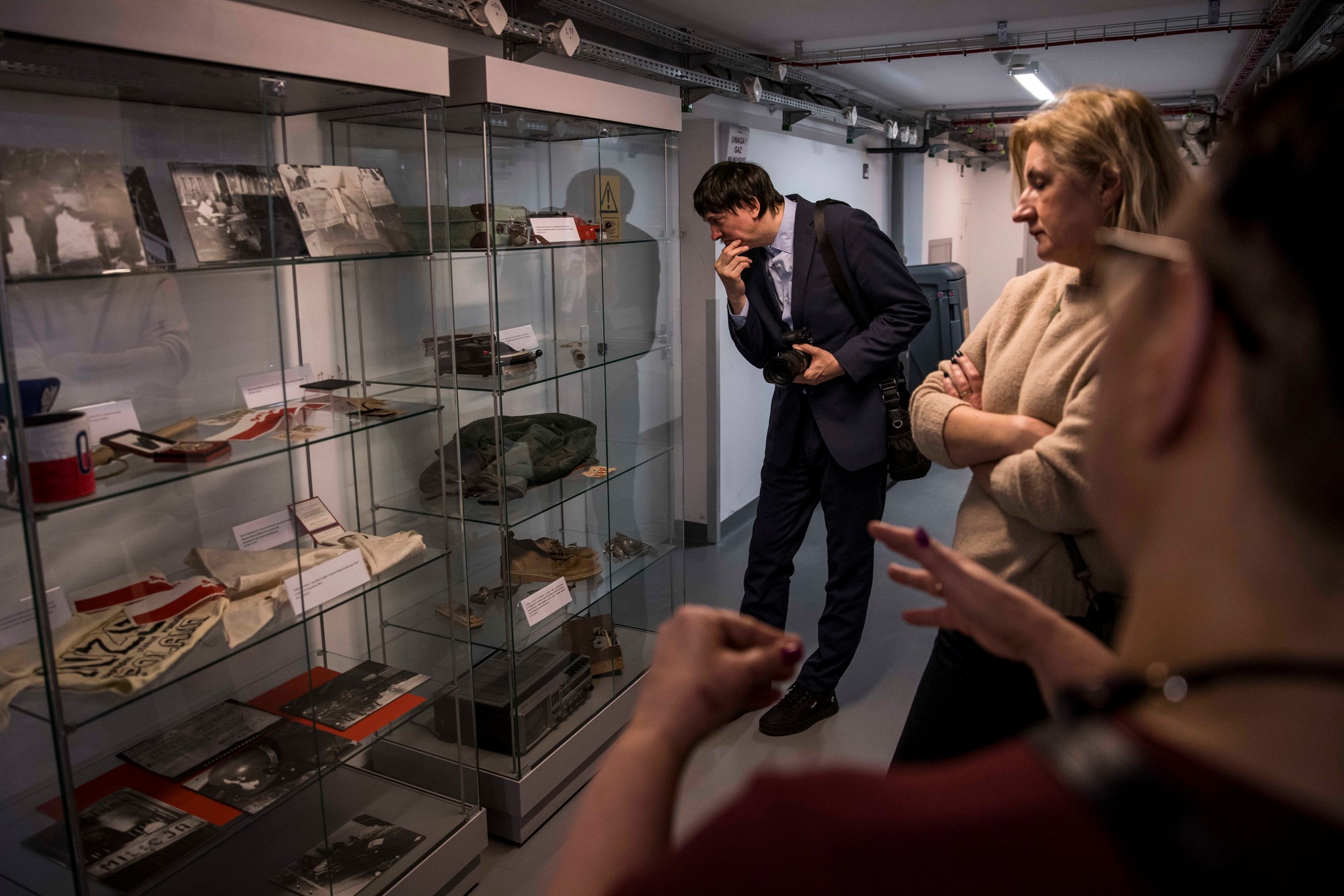
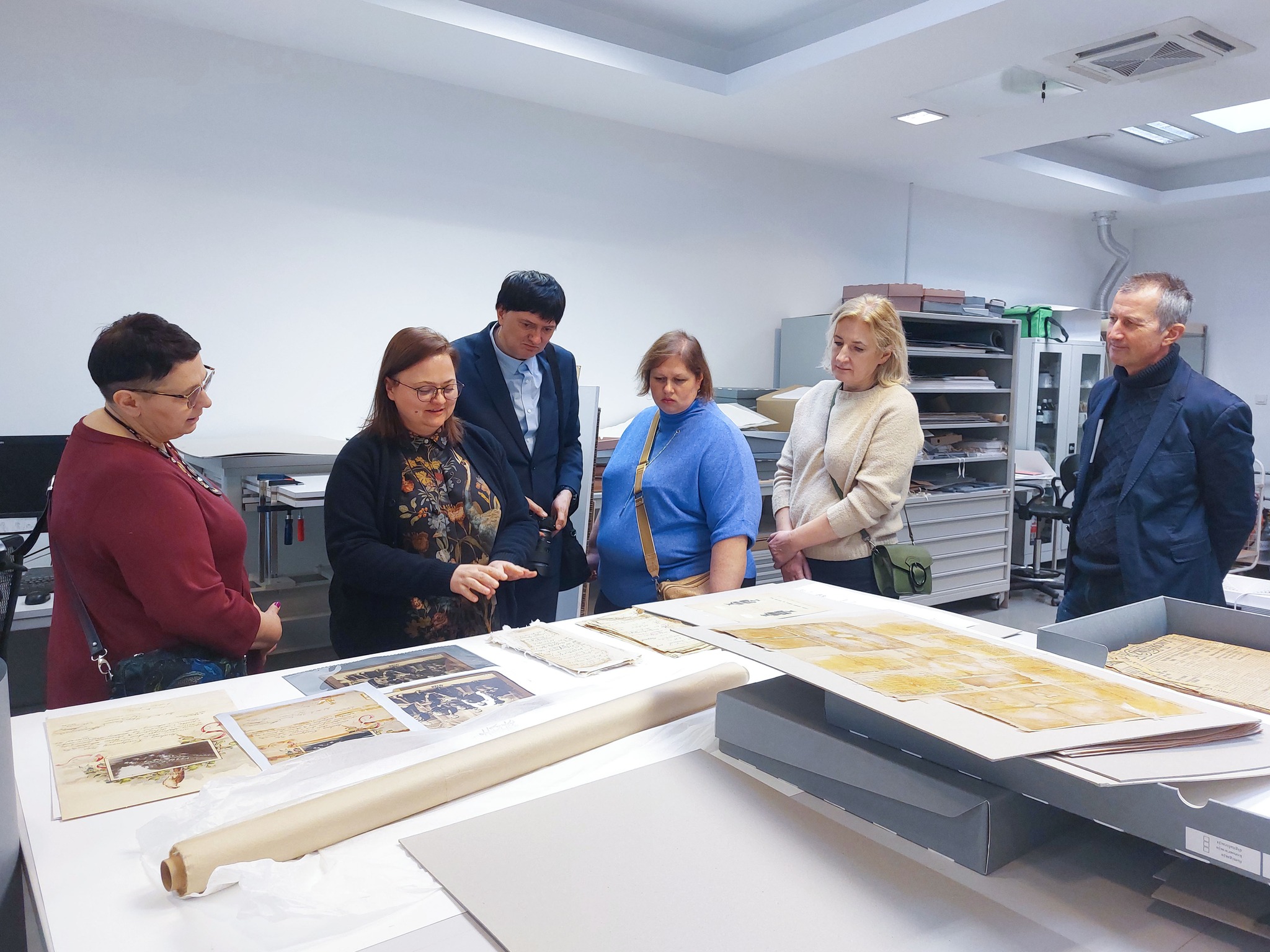
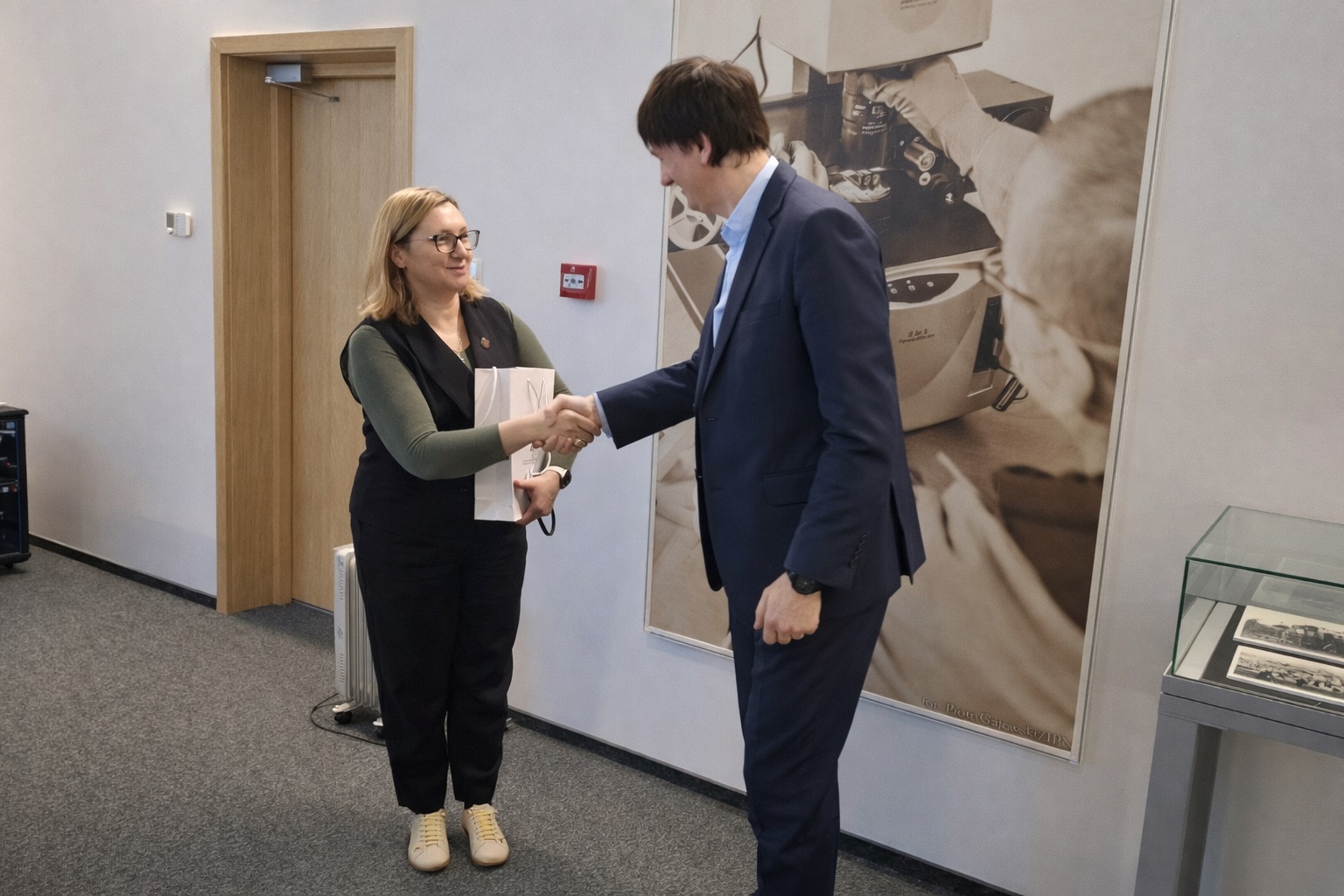
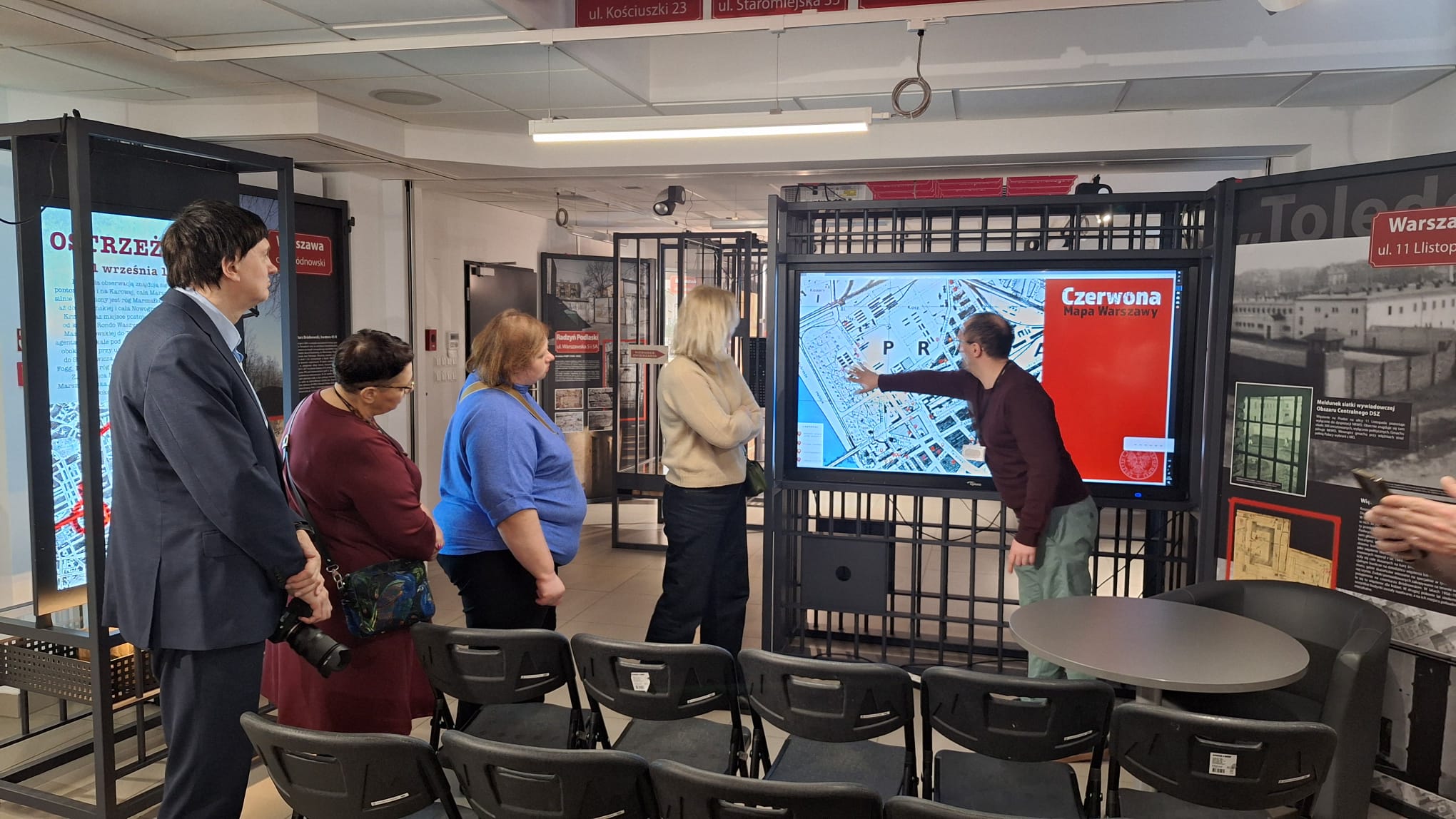
On 12 February, a delegation from the Department of Memory of the Genocide and Resistance Research Centre of Lithuania visited the IPN Archive on Kłobucka Street in Warsaw. The beginning of the meeting was devoted to discussing the Institute’s documentary holdings and the projects carried out by the IPN Archive. The guests then learned about the role of the Cross of Freedom and Solidarity decoration in honoring heroes of the anti-communist opposition. In the next part of the visit, the delegates were invited to tour the storage facilities and workshops. In the records storage area containing files of the former military services of the Polish People’s Republic, the guests could see how valuable archival materials are stored and secured—not only in paper form, but also on non-standard media. The presentation of current work in our document conservation workshop was met with great interest.
After the visit to the IPN Archive, the delegates from Lithuania toured the Strzelecka 8 Memorial Chamber.
The visit was organized by the IPN Office of International Cooperation.