
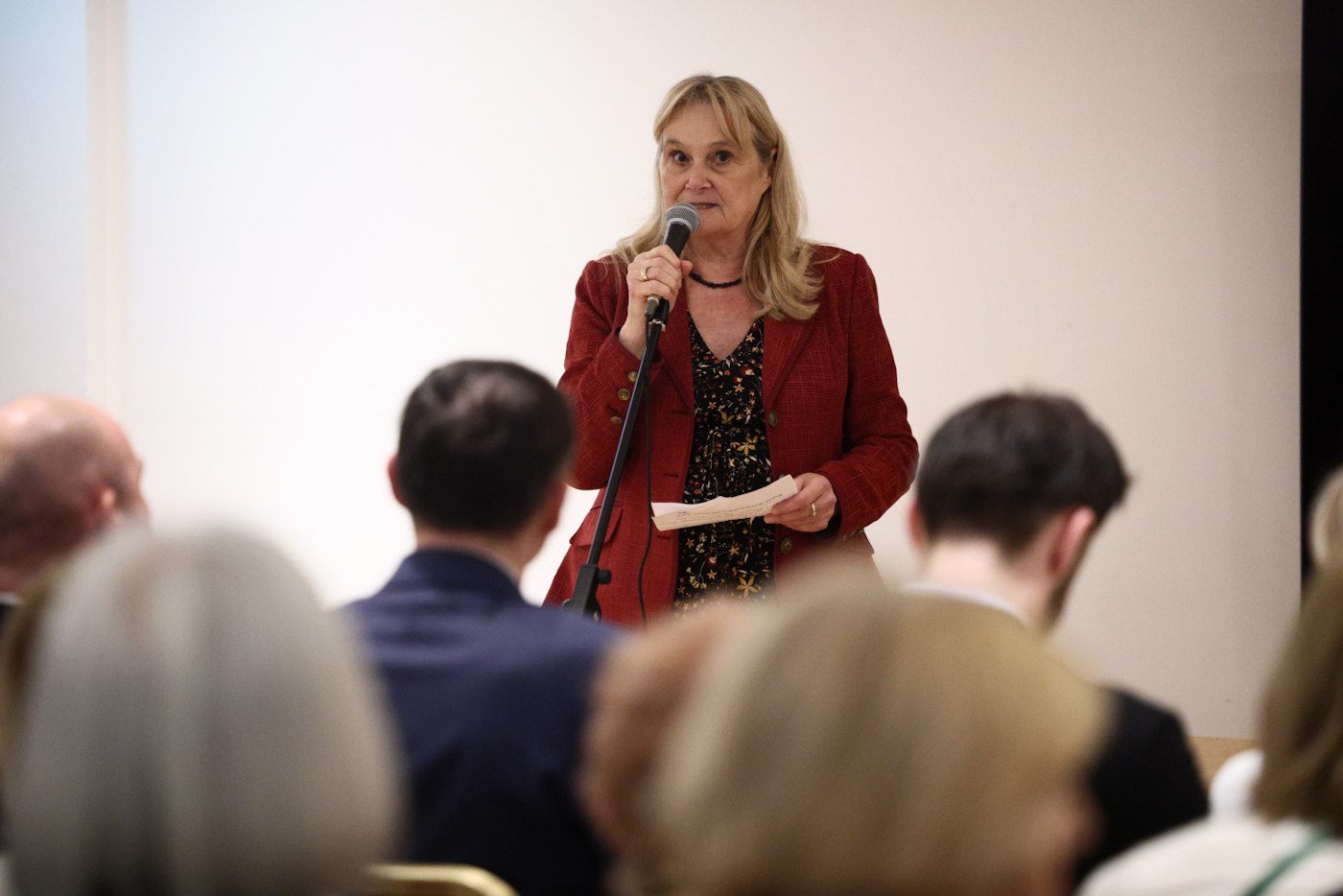
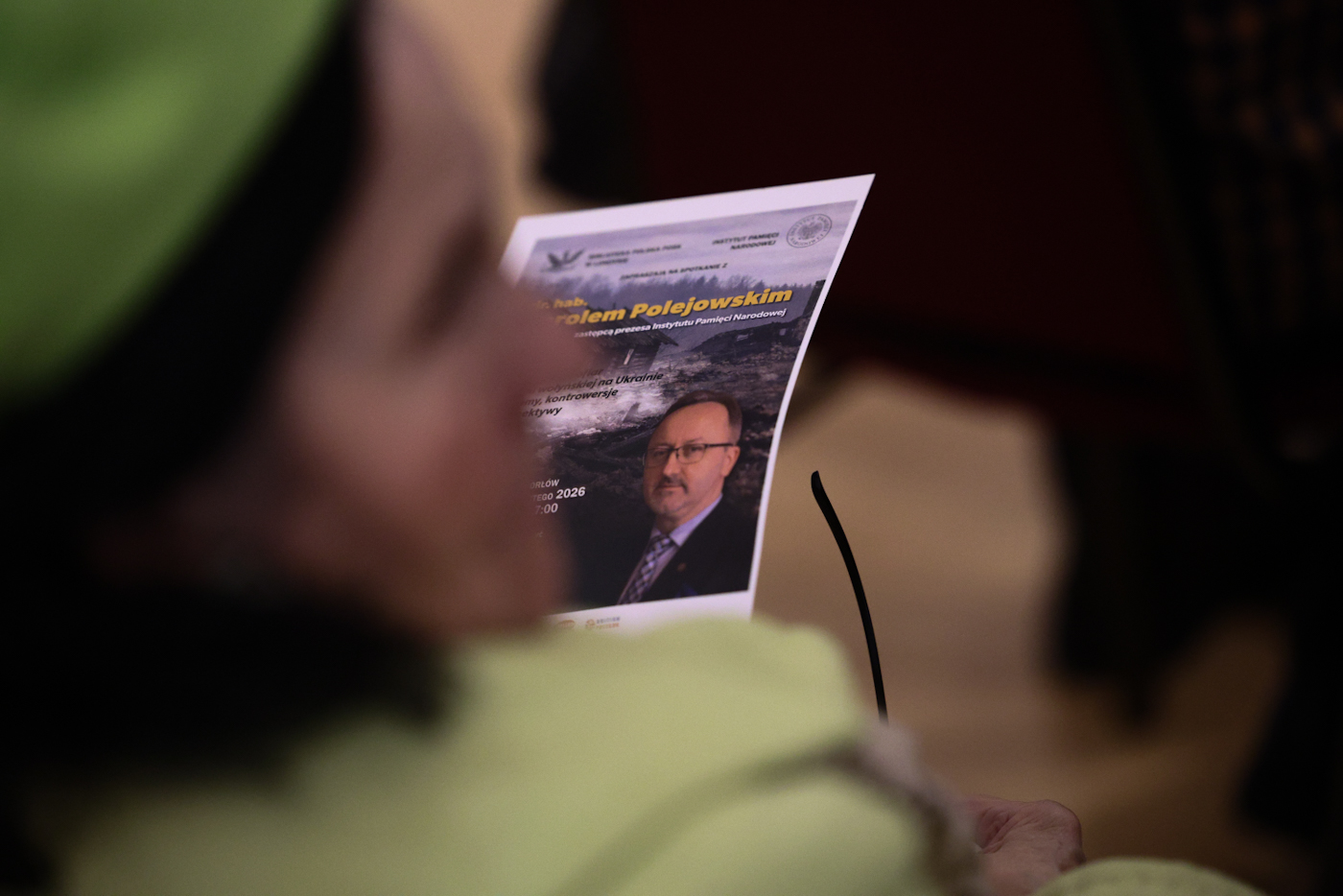
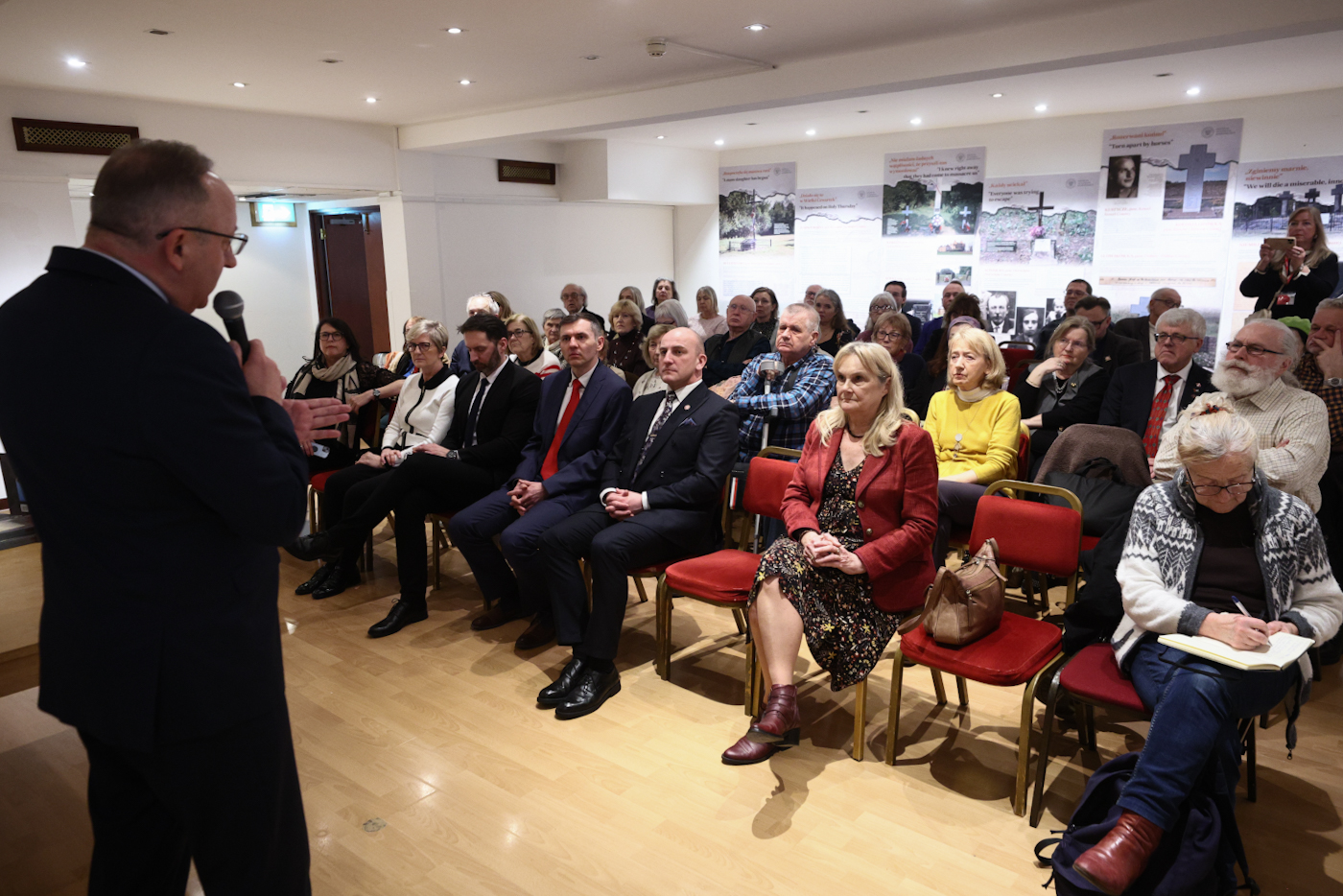
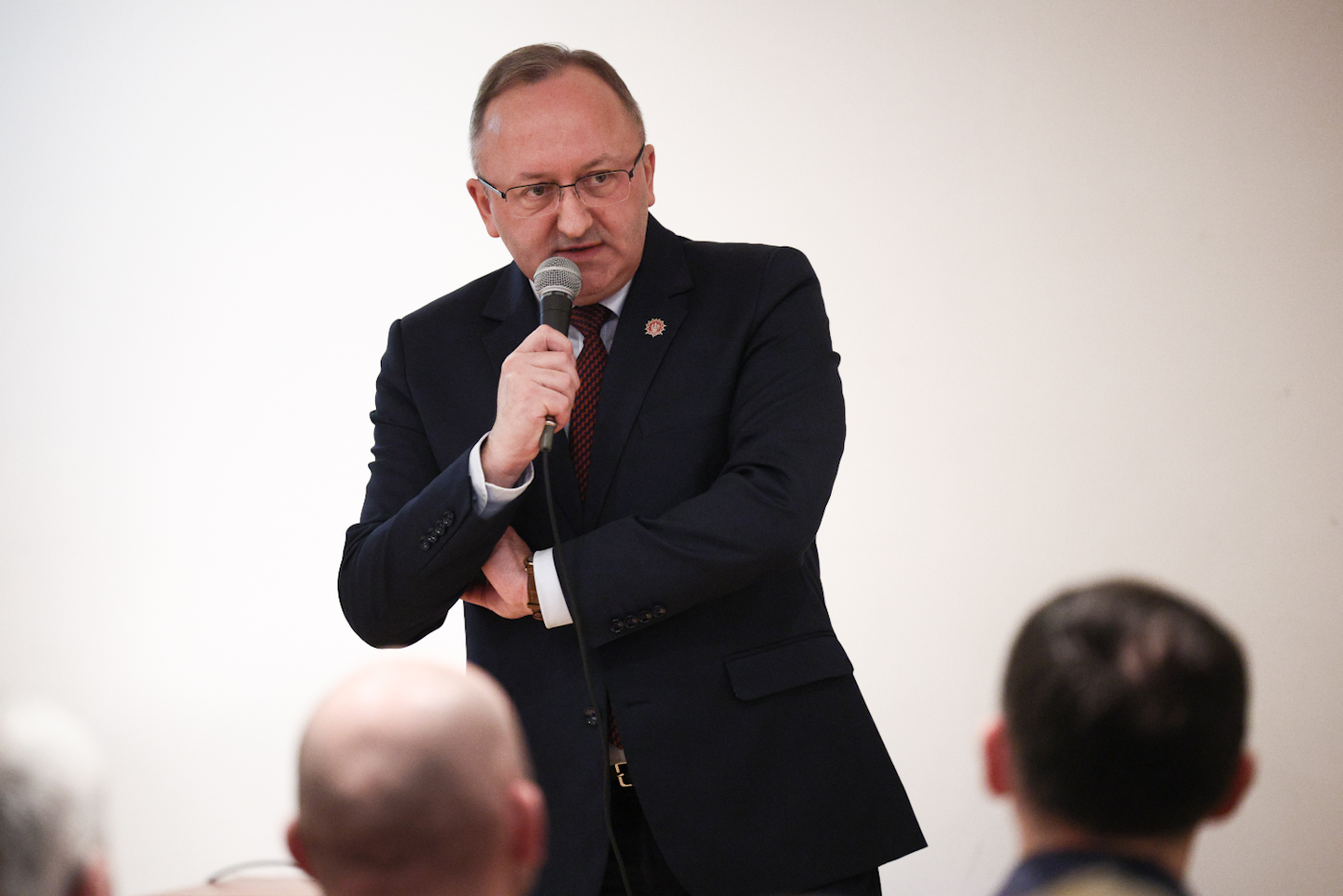
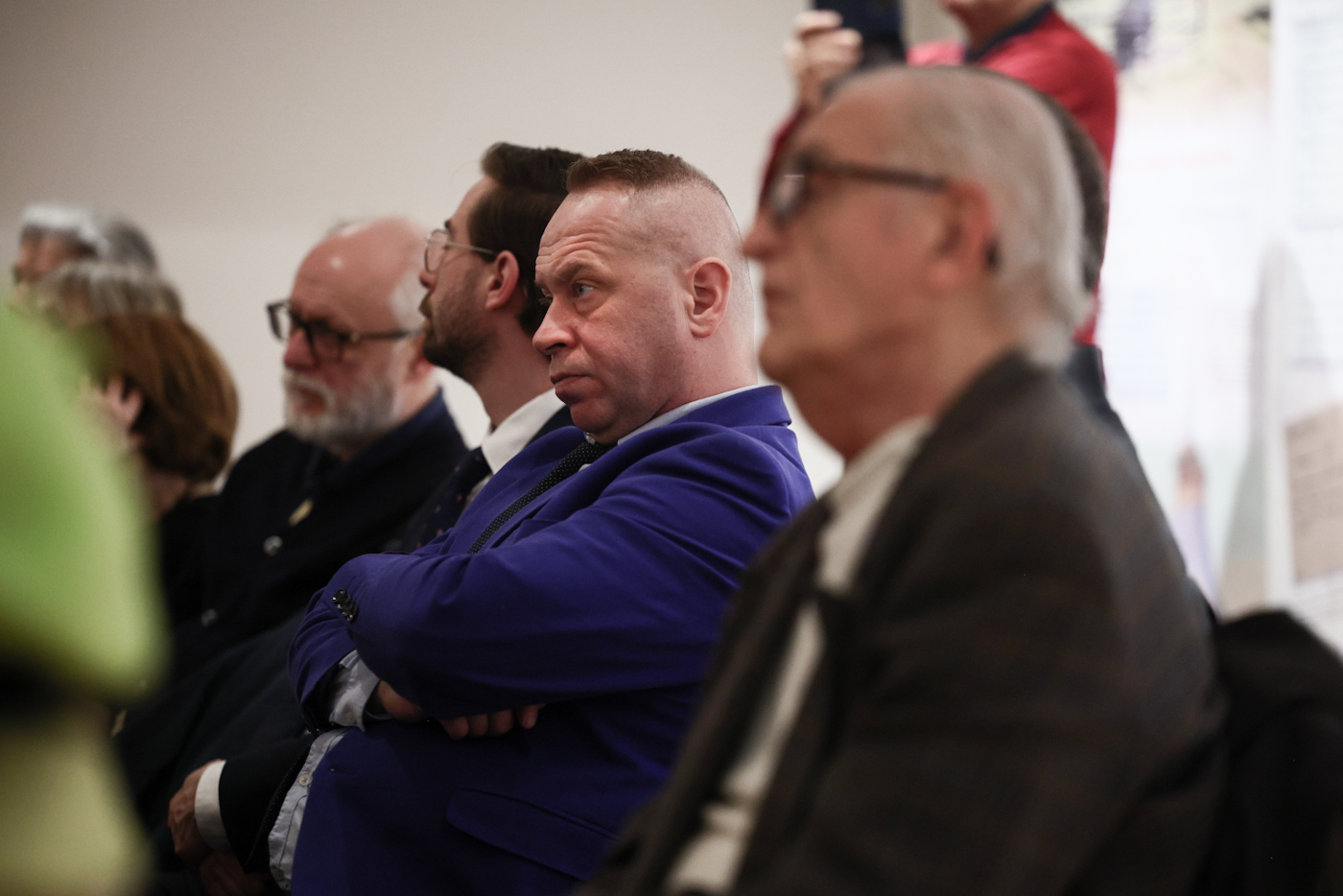
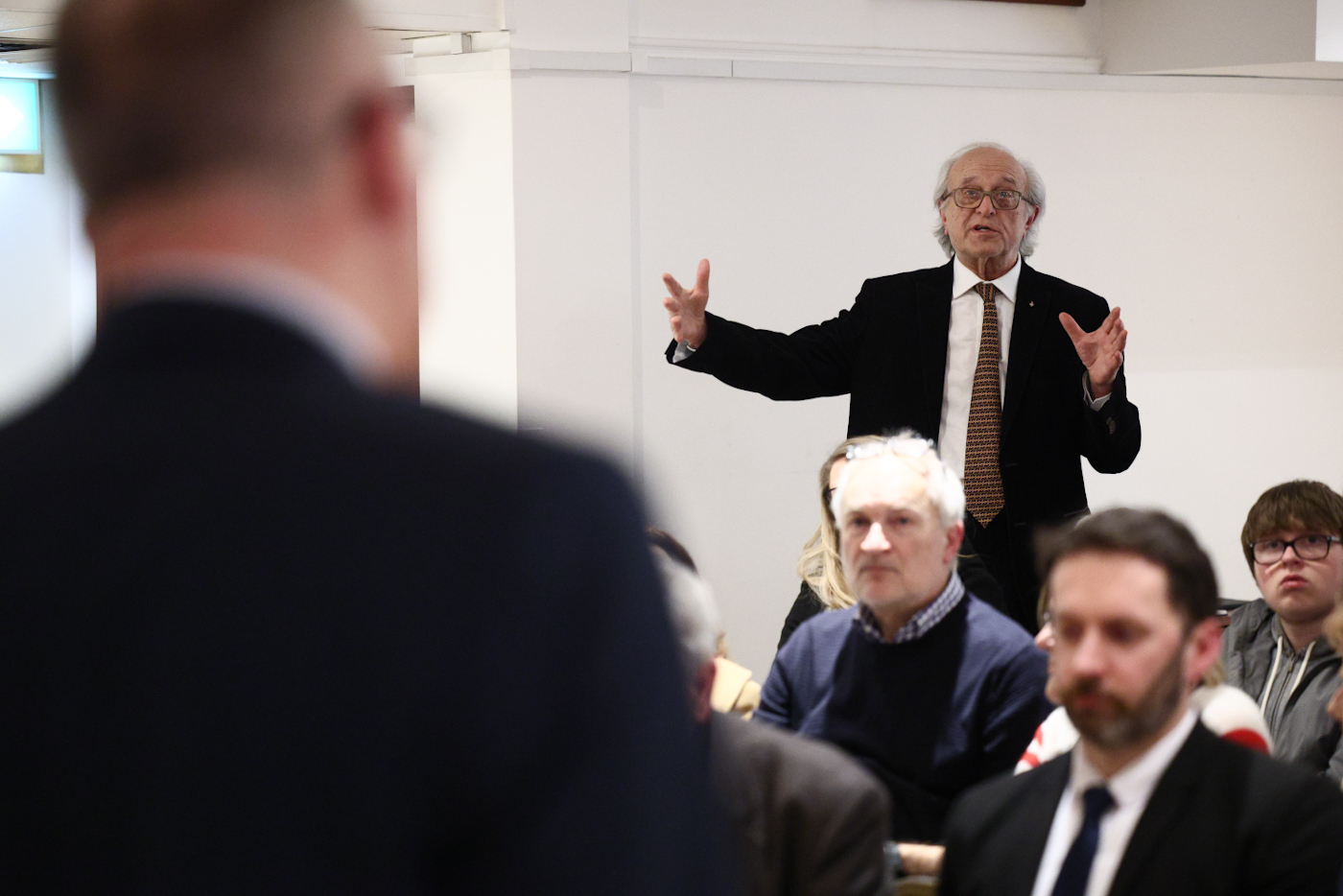
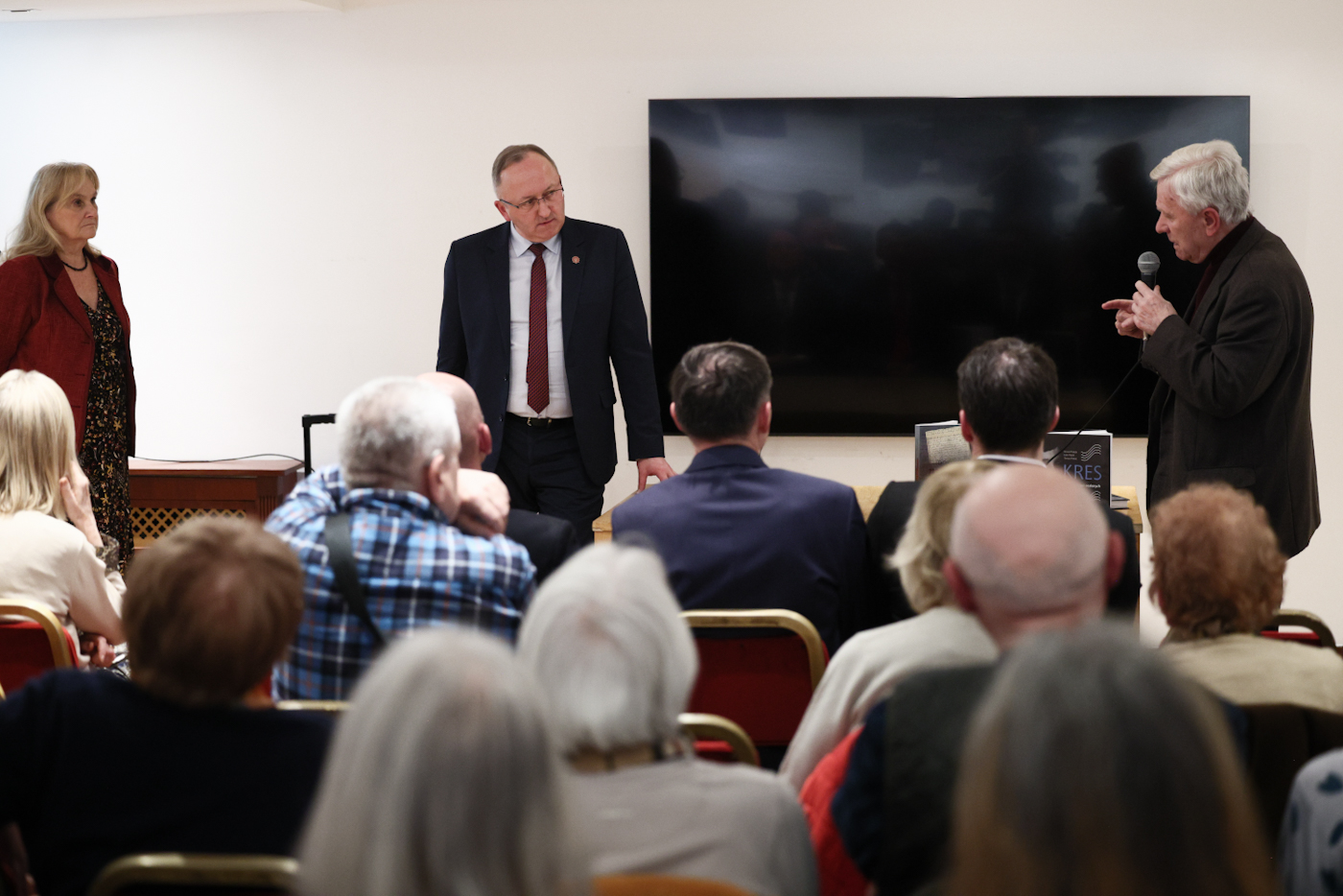
We have a duty to find andgive a dignified burial to the victims of the Volhynia Massacre. On 21–22 February 2026, Dr Karol Polejowski, Deputy President of the Institute of National Remembrance visited London. The central point of his visit was a lecture titled “Searching for the Victims of the Volhynia Massacre in Ukraine: Challenges, Controversies, and Perspectives,” held at the Polish Social and Cultural Association (POSK) Polish Library in London.
“The IPN, as an institution of the Polish State, has both a legal and moral obligation to locate and bury the victims of the Volhynia Massacre. This is one of our most important tasks. We also do this for future generations, so that the memory survives. The last witnesses of those events are passing away, and the falsification of history begins,” emphasised the Institute’s Deputy President, noting the challenges posed by differing narratives surrounding the dramatic events of 1943–1945.
He stressed that the Ukrainian side seeks symmetry, framing the Volhynia Massacre as a mutual conflict. Yet, this was not a Polish-Ukrainian war; it was a planned and systematically carried out act of ethnic cleansing.Karol Polejowski further highlighted that Ukraine’s permission to search for victims in Huta Pieniacka, Ostrówki, and Wola Ostrowiecka offers hope for a systematic resolution of this issue, which is of immense importance to Poles.
“This is the best path towards reconciliation between nations,” he added.
He also called on the Polish community gathered at the POSK Polish Library: “Let us, as Poles, stand in solidarity and unite in the issues which matter the most, just as ‘Solidarity’ taught us in the 1980s. This is our shared mission, one we must carry out together.”
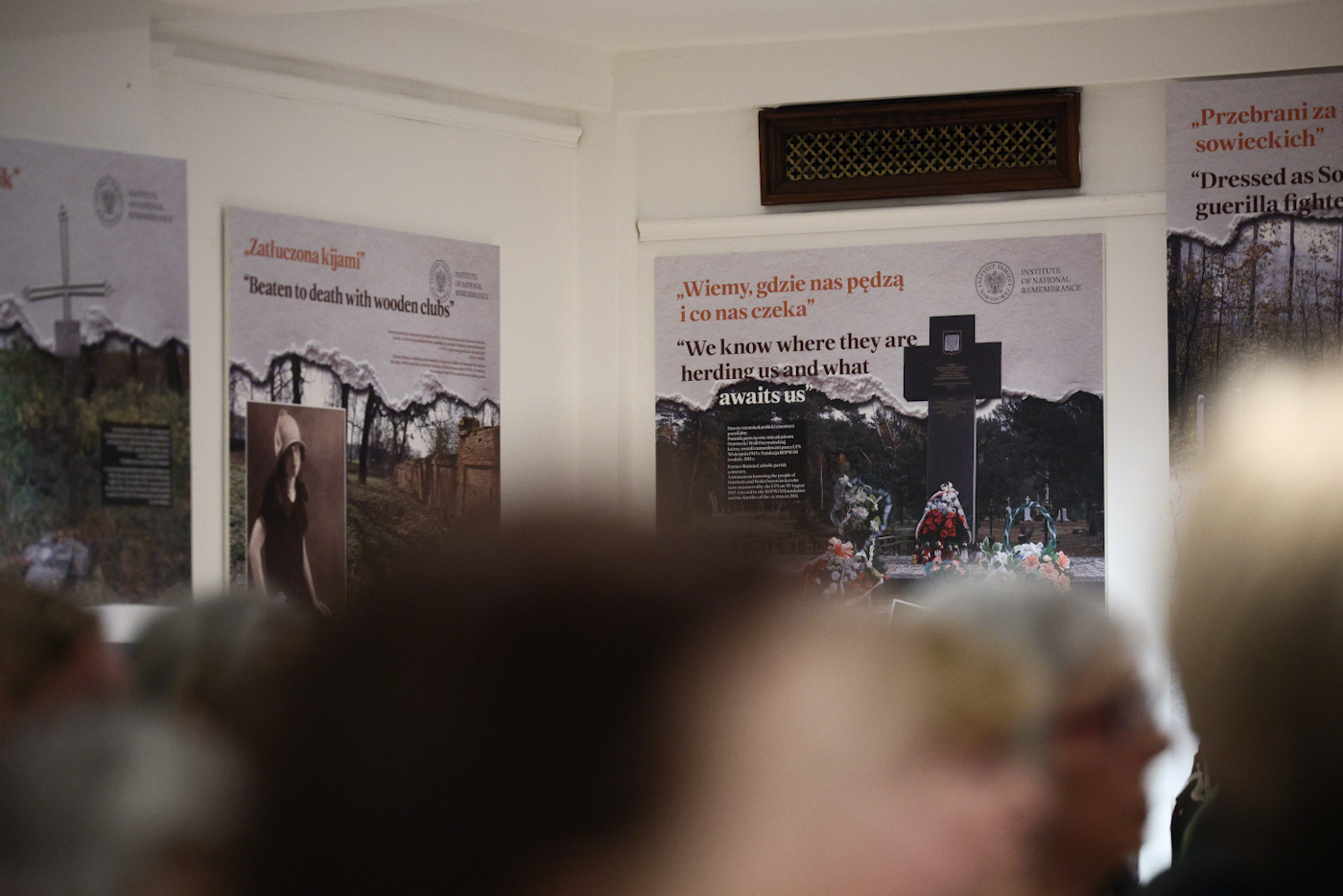
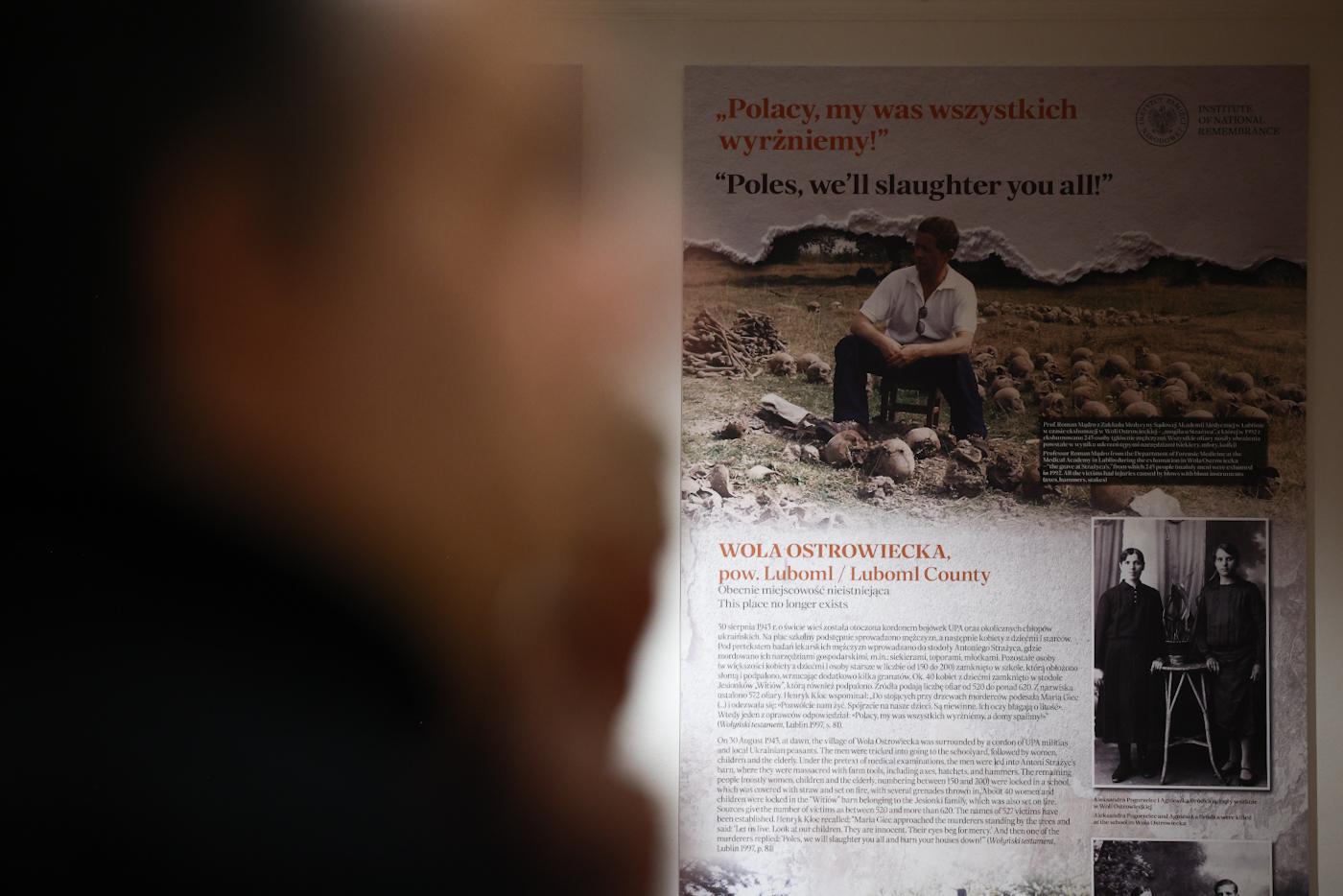
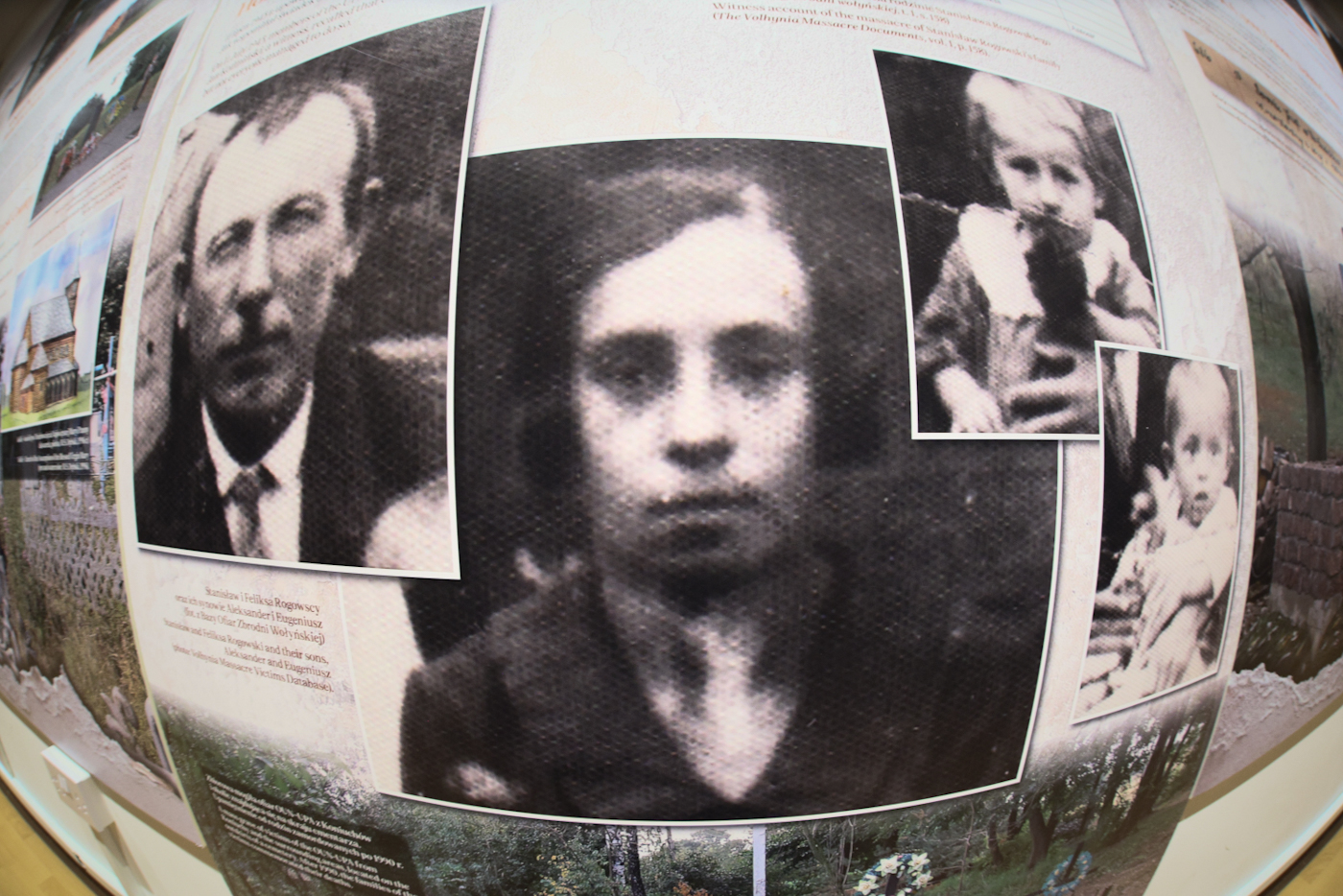
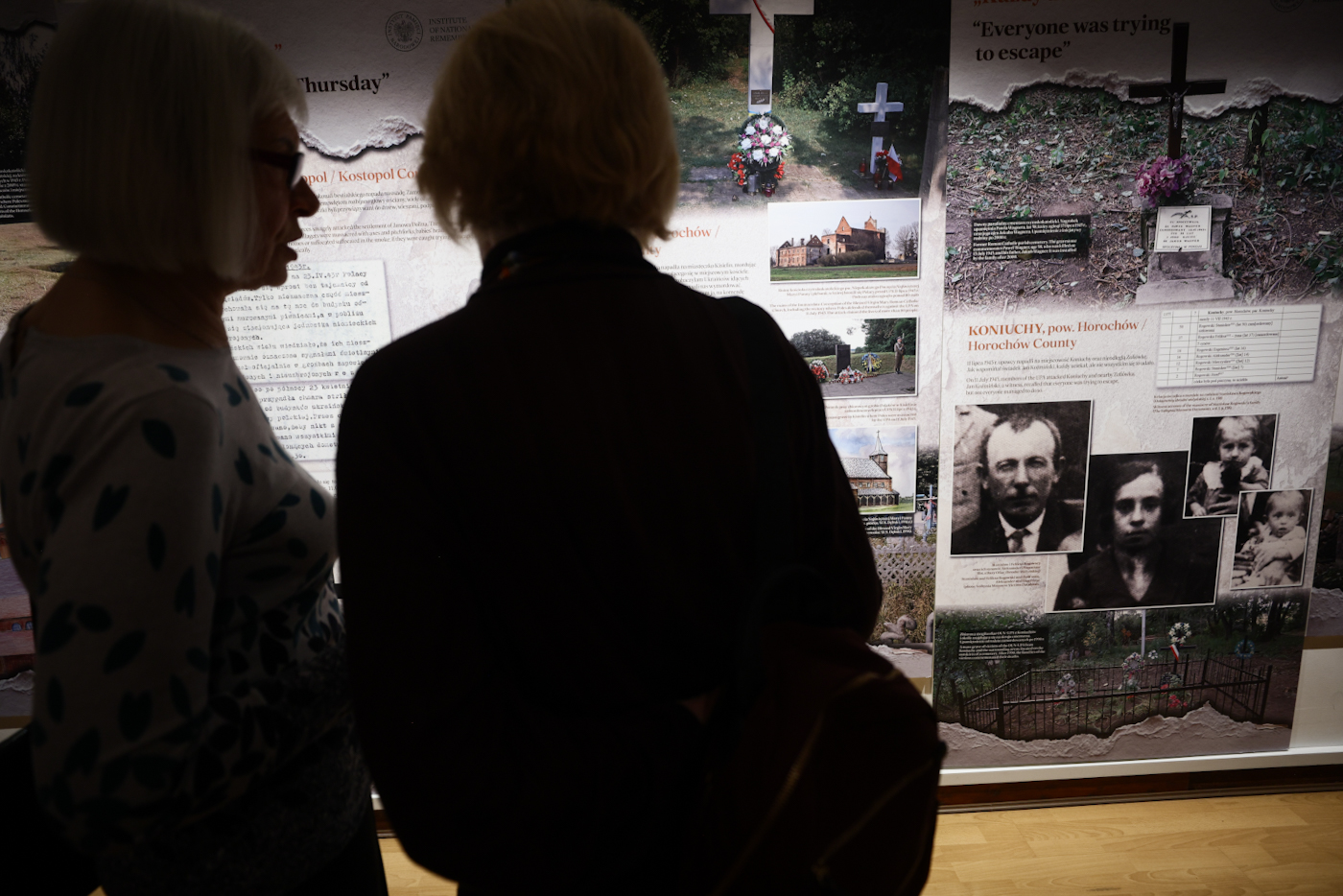
The event also featured an exhibition prepared by the Lublin Branch of the IPN: “Volhynia 1943: Victims, Accounts, and Places of Memory.” It showcased contemporary photographs of monuments, graves, and crosses located in pre-war Volhynian villages - now vanished - or at former Roman Catholic and Orthodox cemeteries. Paweł Sokołowski, the co-author of the exhibition, guided visitors through the display.
The exhibition presents the tragic fate of Poles, including murdered teachers, Catholic priests, and other inhabitants, and is supplemented with source material from the first two volumes of Documents of the Volhynia Crime. Some exhibits also included illustrations of pre-1939 Volhynian churches by Włodzimierz Sławosz Dębski.
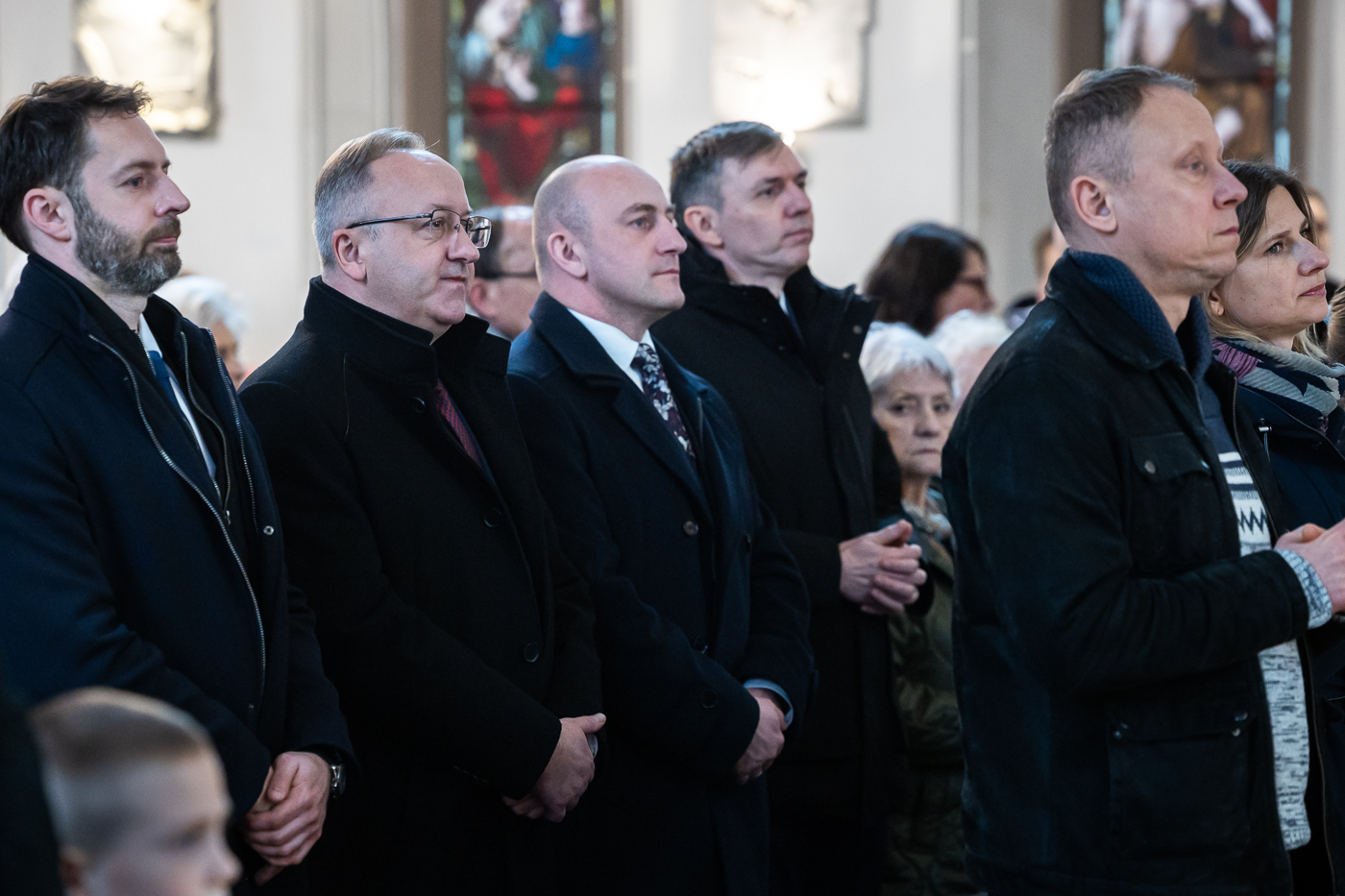
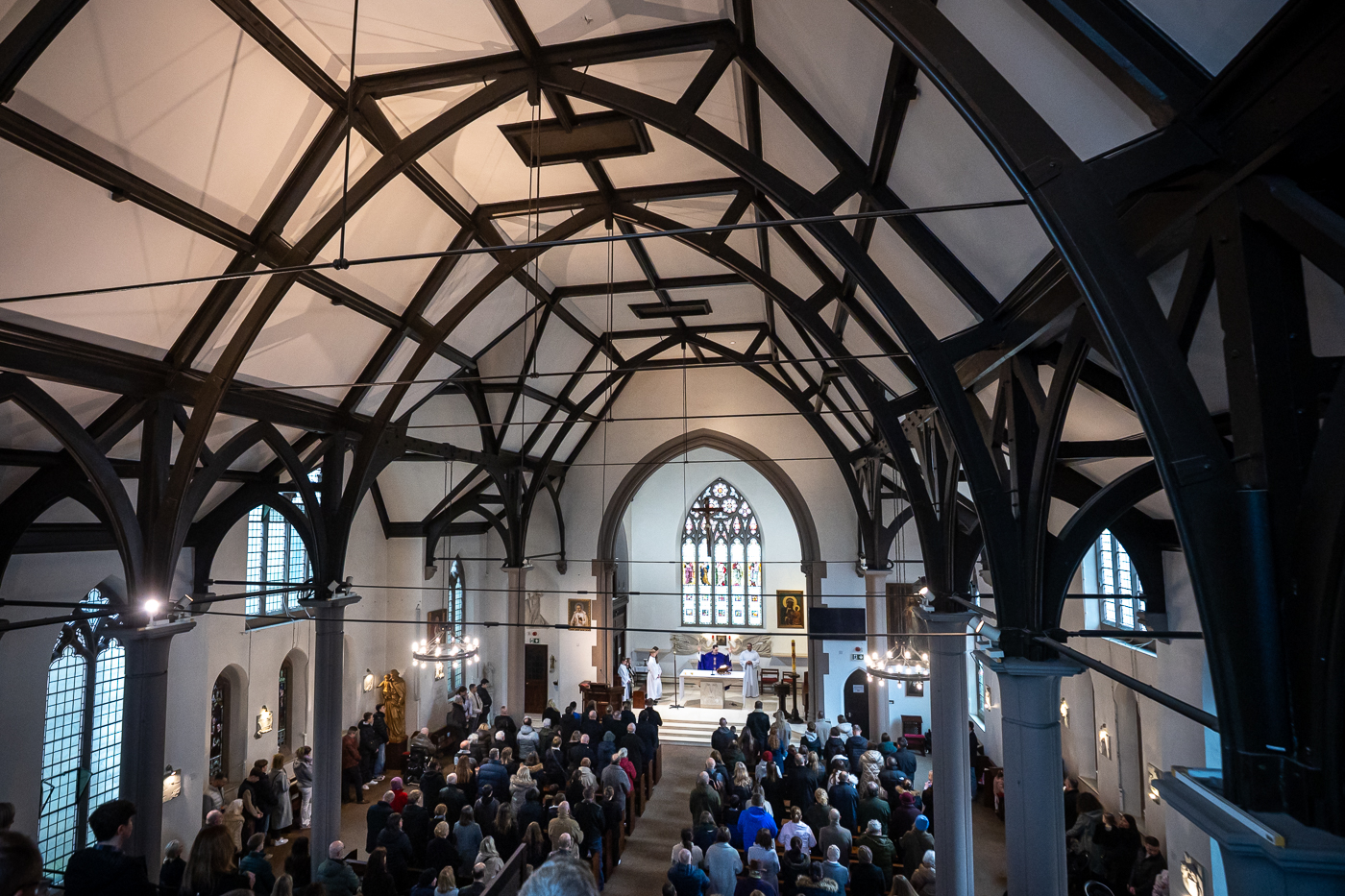
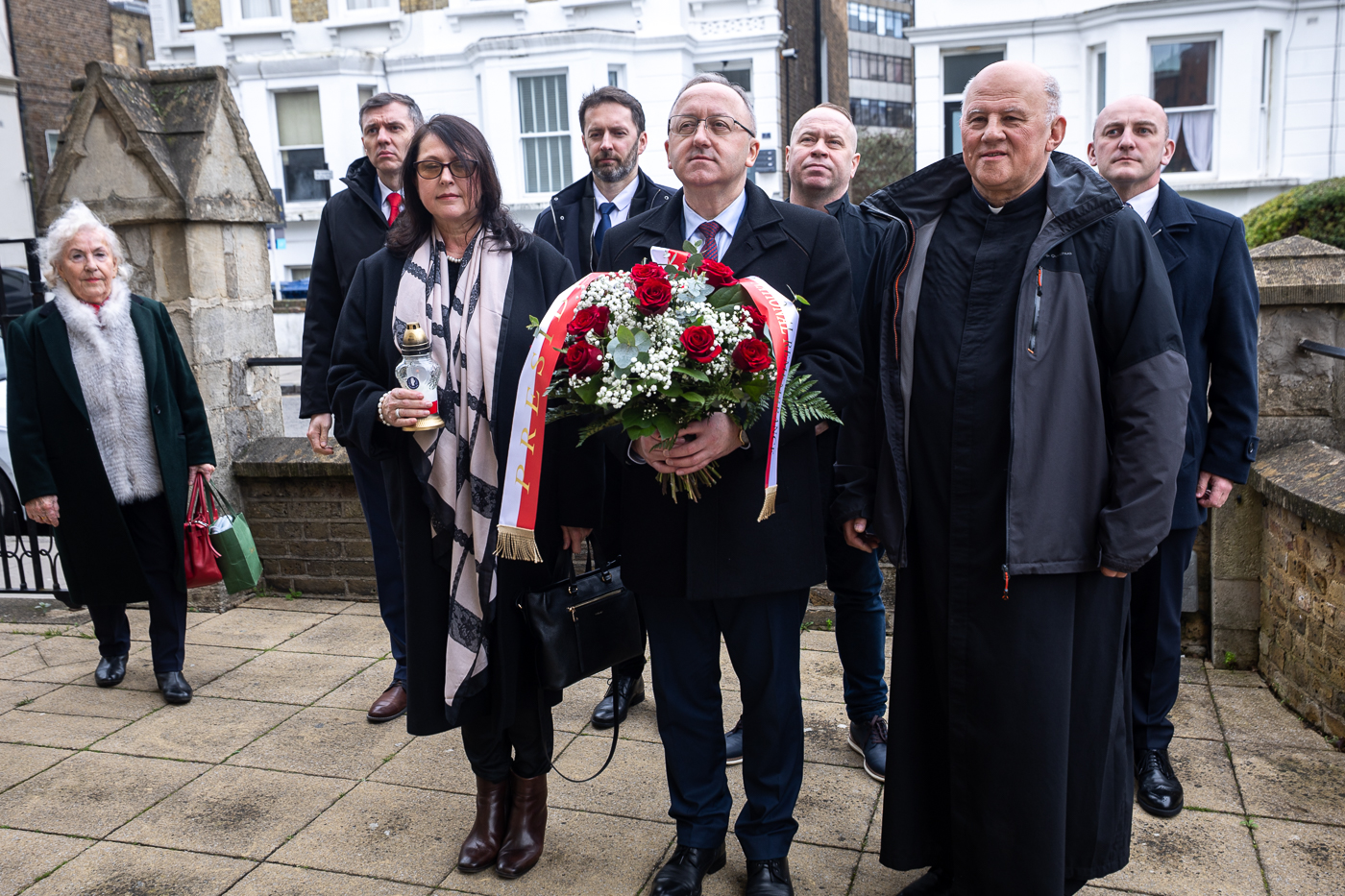
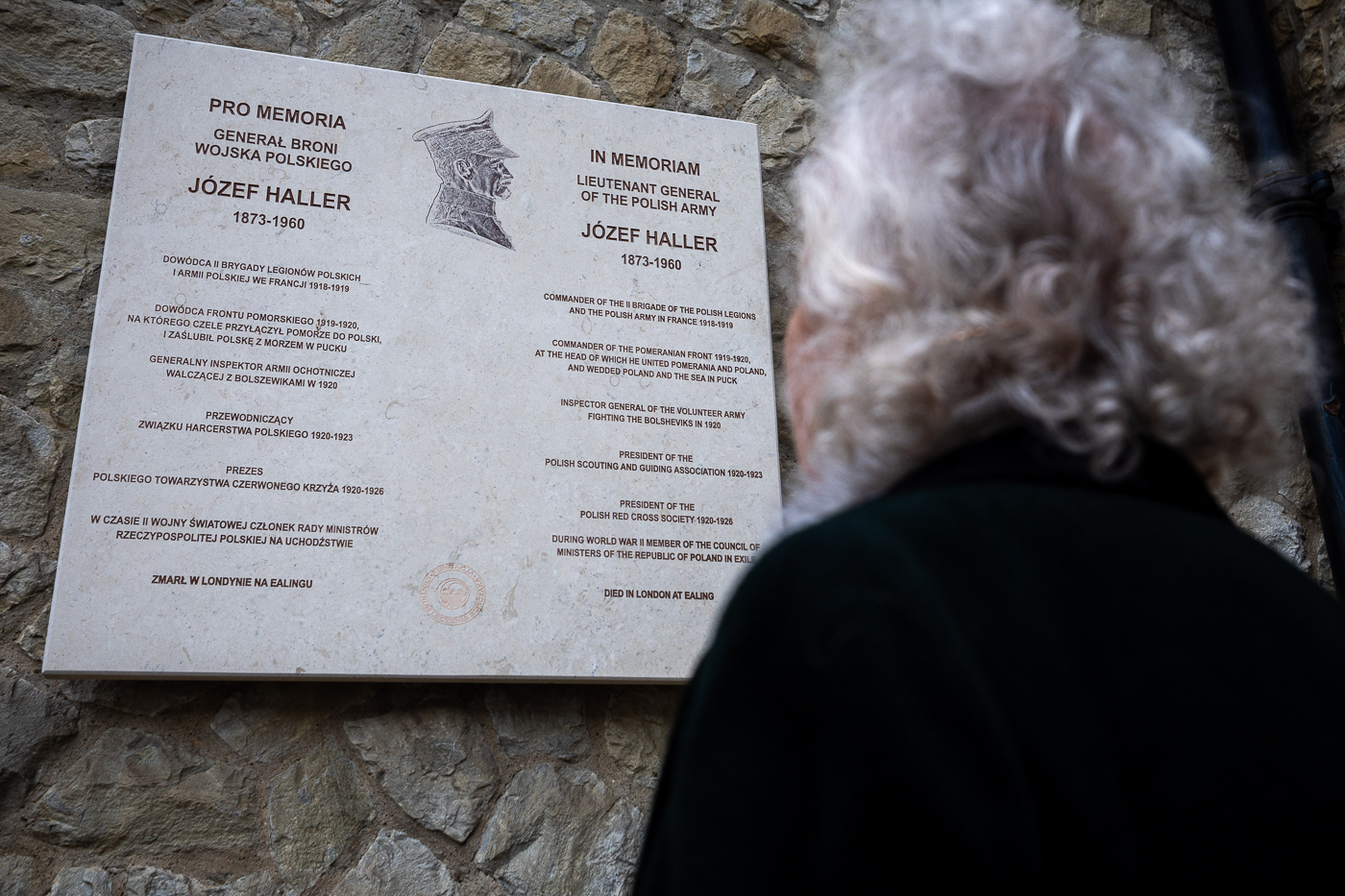
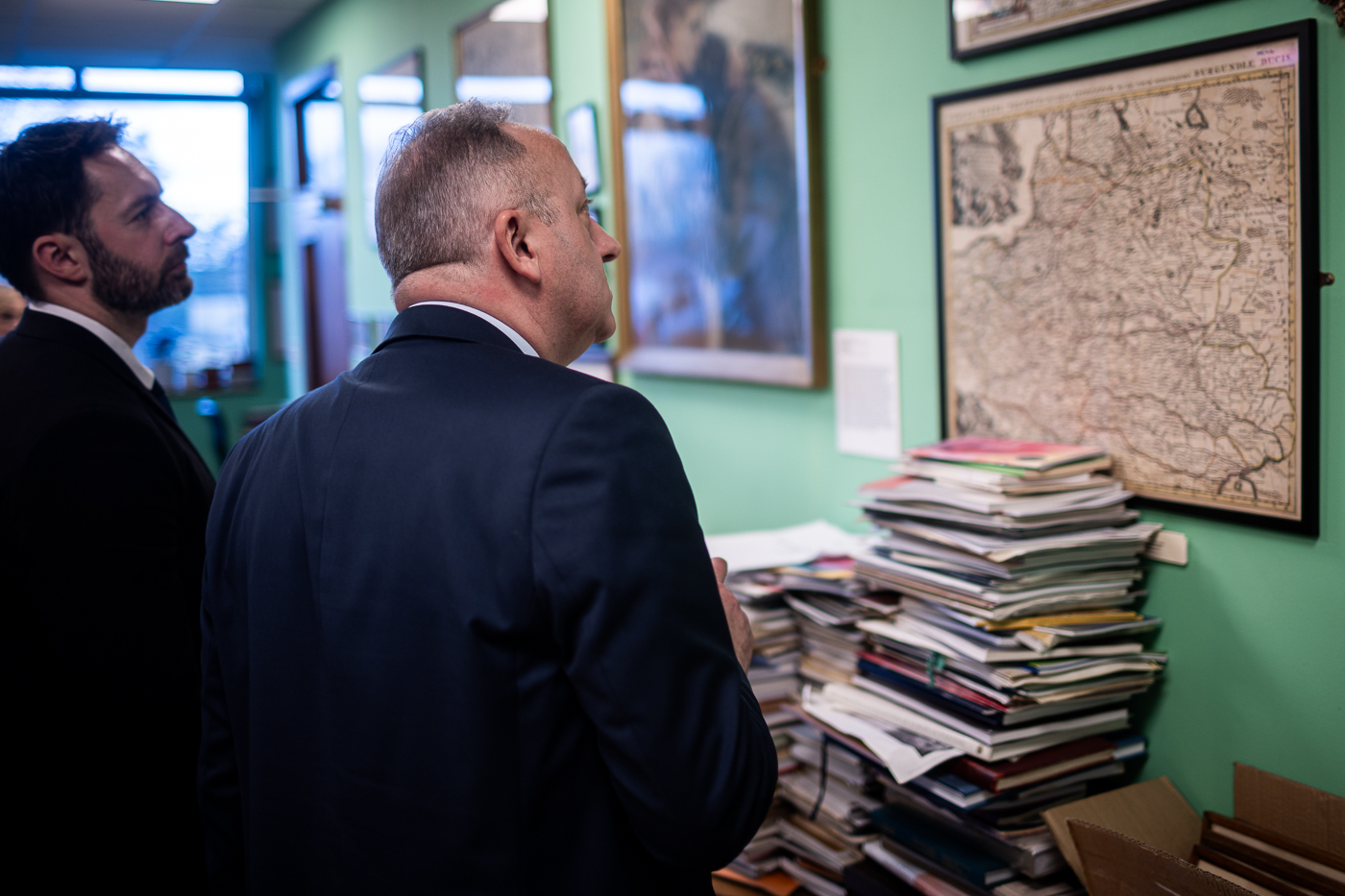
The IPN delegation, including Dr Karol Polejowski; Marek Jedynak, Director of the IPN President’s Office; and Mateusz Marek, Deputy Director of the IPN Office of International Cooperation, attended a Mass at the Polish parish in Ealing and laid flowers at a plaque commemorating Gen. Józef Haller. They also met with representatives of the Polish community: Tomasz Muskus, Bartosz Piasecki, Dobrosława Platt, Director of the POSK Library, and Iwona Golińska, President of the Polish Sue Association.
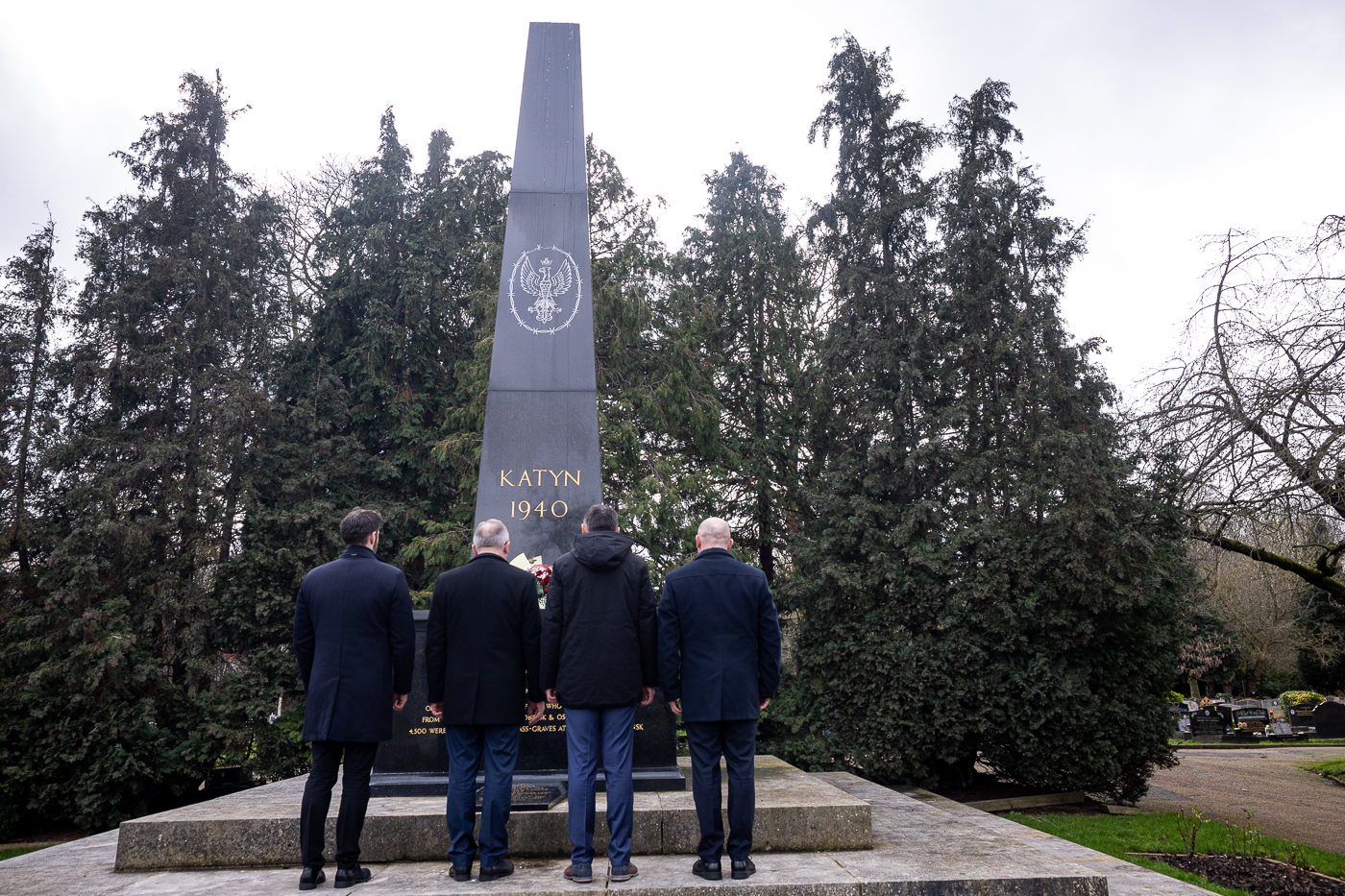
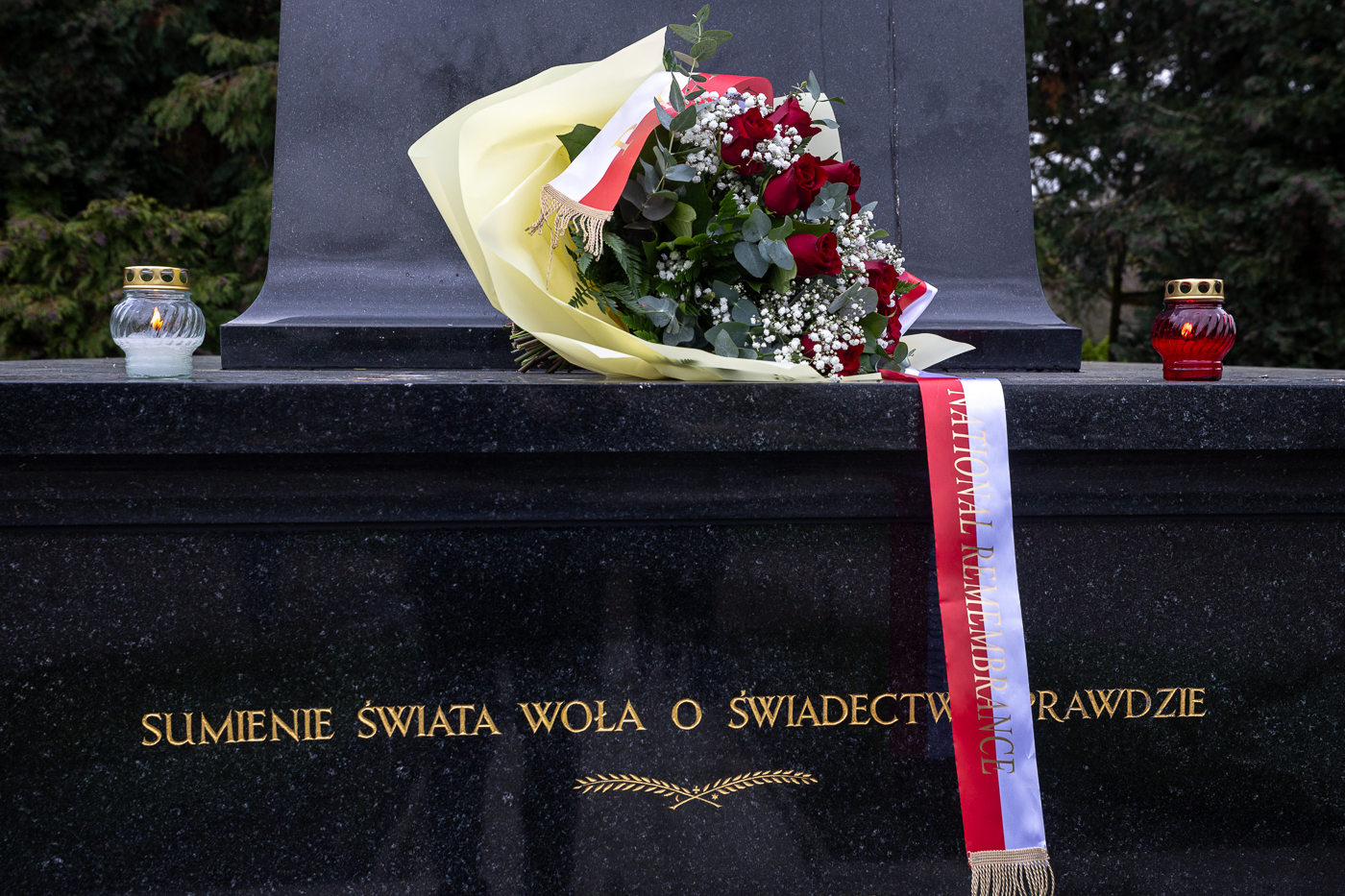
The delegation also visited Gunnersbury Cemetery, the final resting place of many Poles who settled in the United Kingdom after the Second World War. Karol Polejowski laid flowers at the first-ever monument dedicated to the victims of the Katyn Massacre.
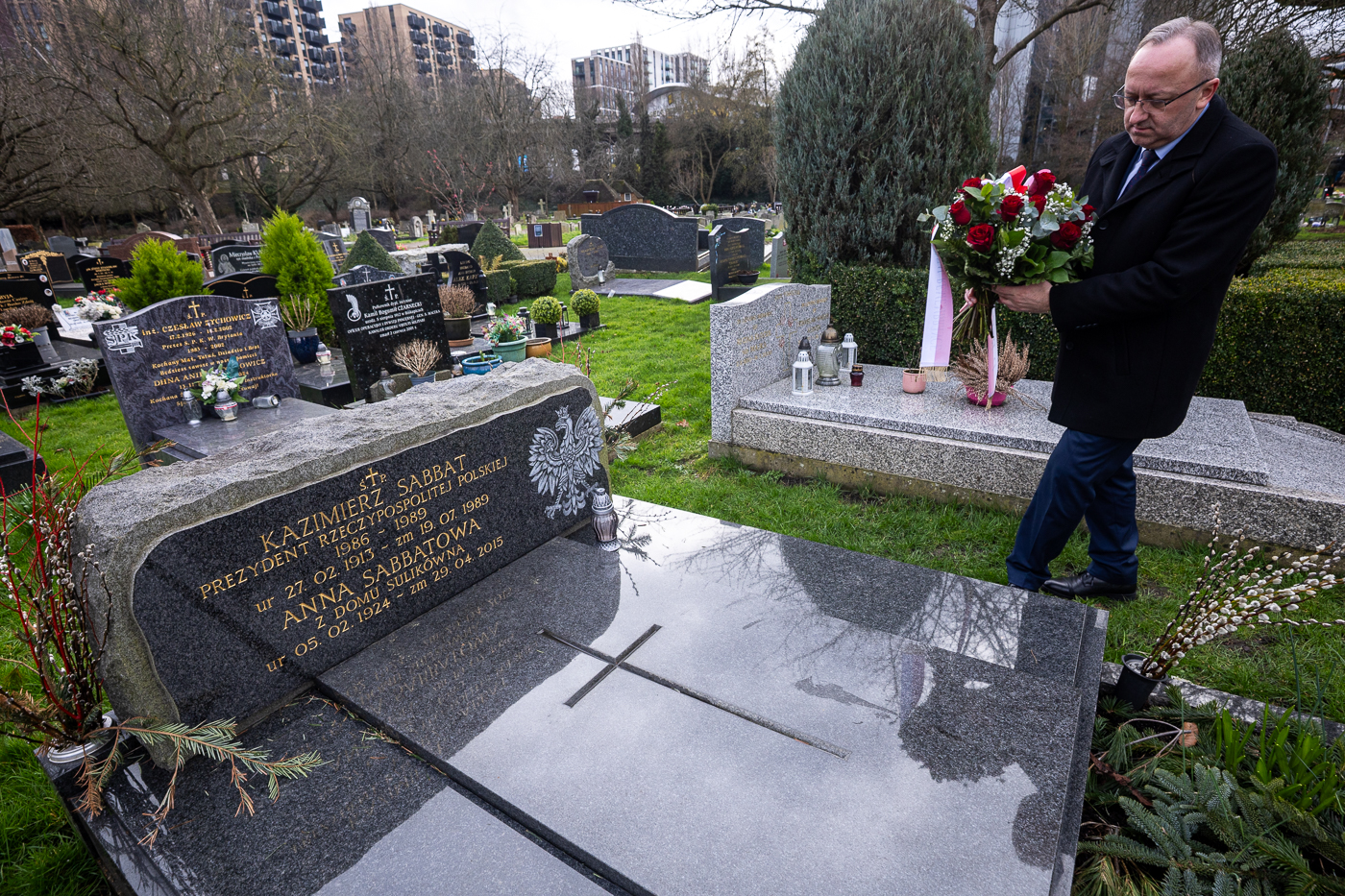
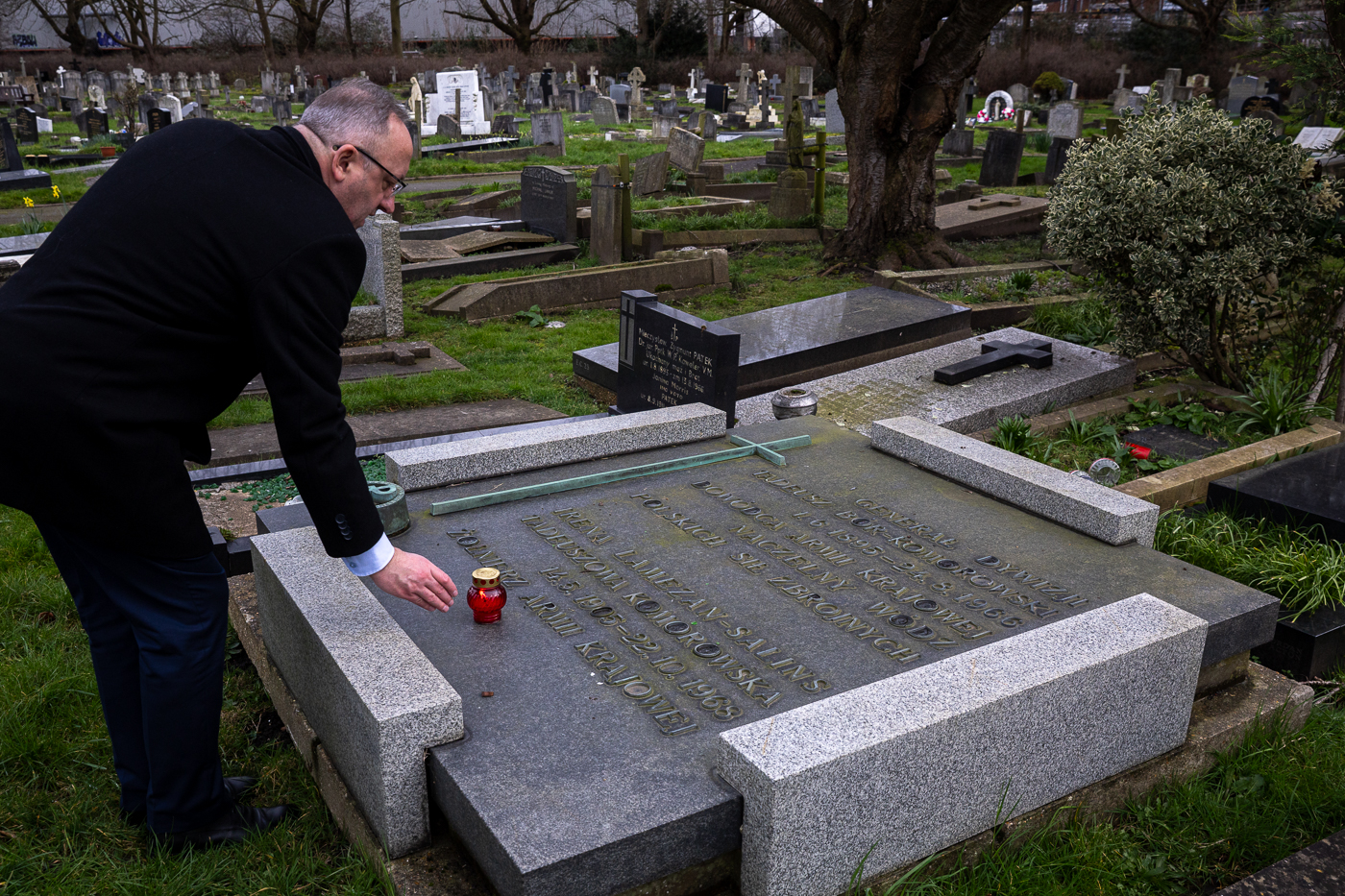
Flowers were also laid at the graves of Kazimierz Sabbat (President of the Republic of Poland in exile, on his 113th birthday, 27 February 2026), Gen. Tadeusz Komorowski “Bór” (Commander of the Home Army), and Maj. Eugeniusz Gedymin Kaszyński “Nurt” (last commander of the 2nd Infantry Regiment of the Home Army), whose remains were originally buried in London and later transferred to Poland in 1993.