
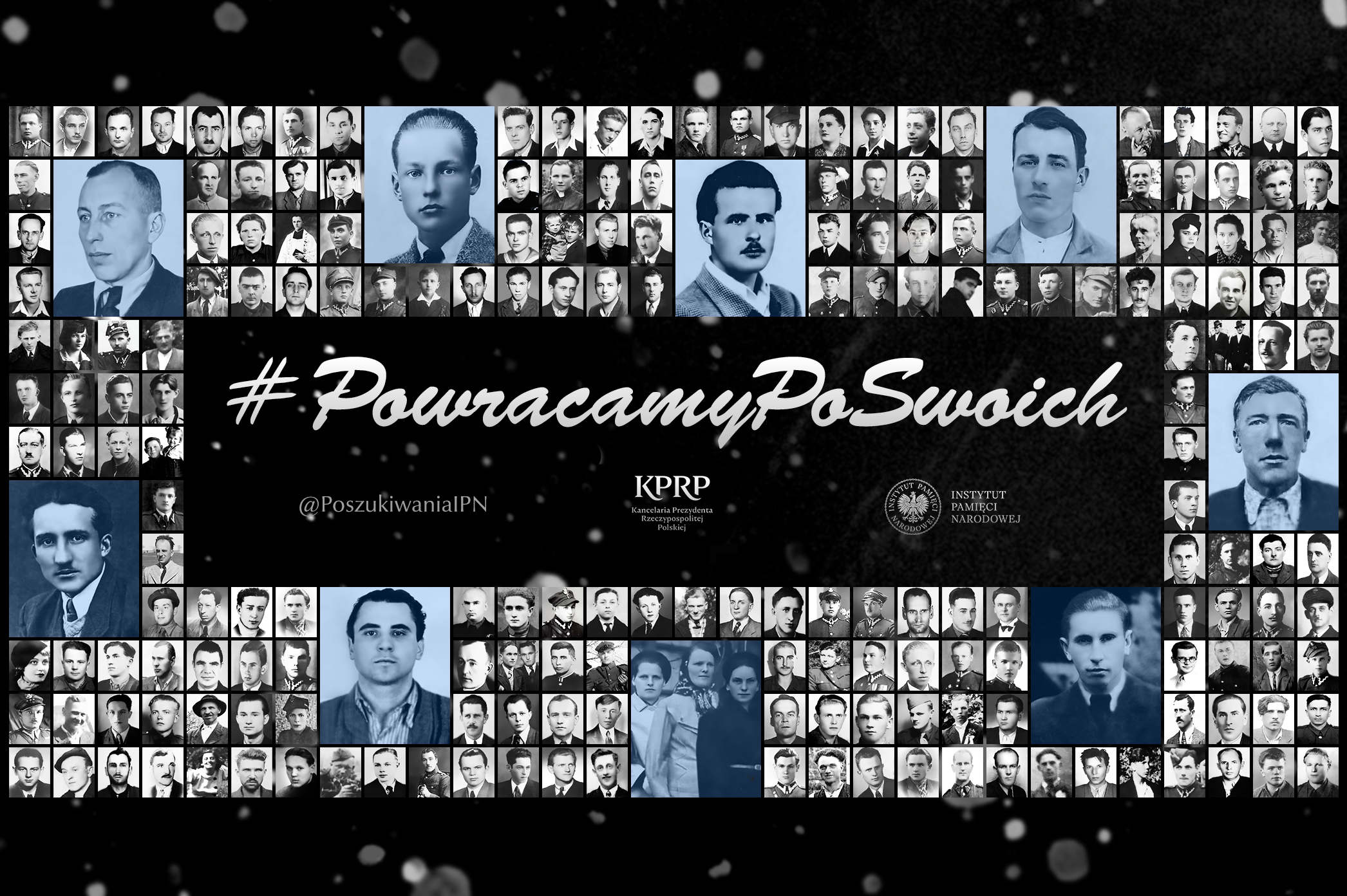
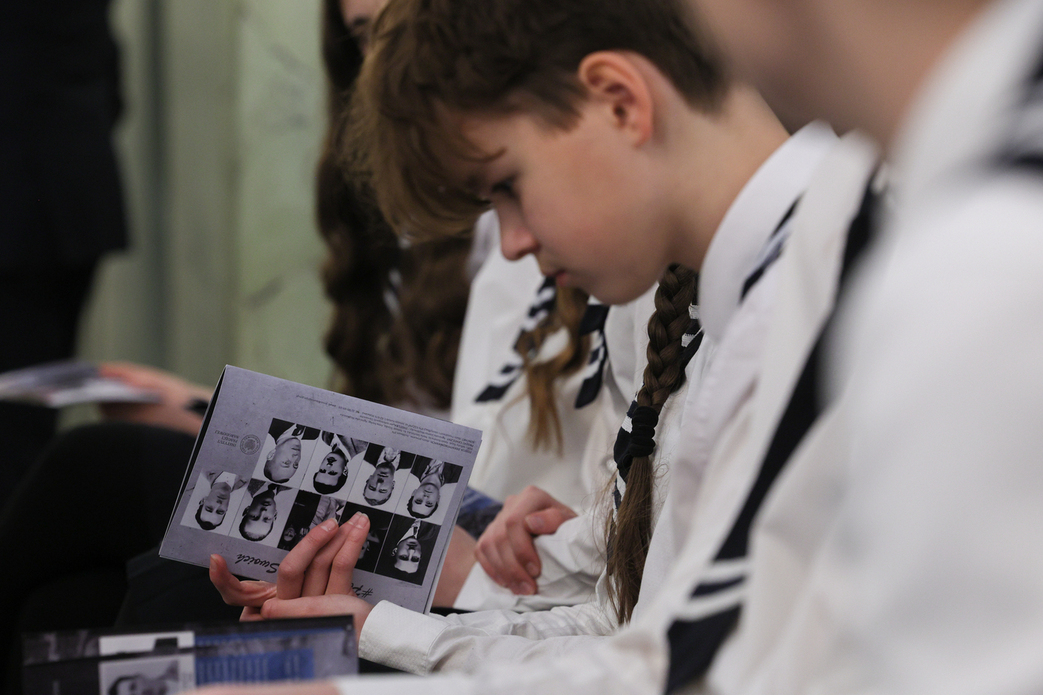
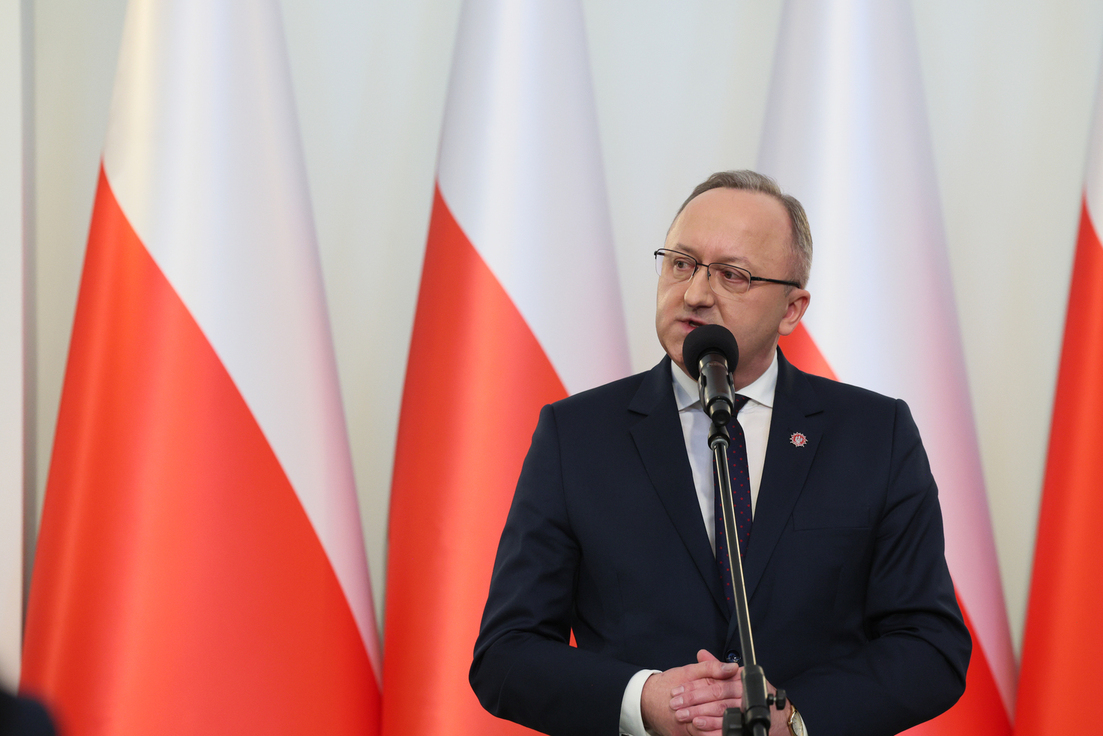
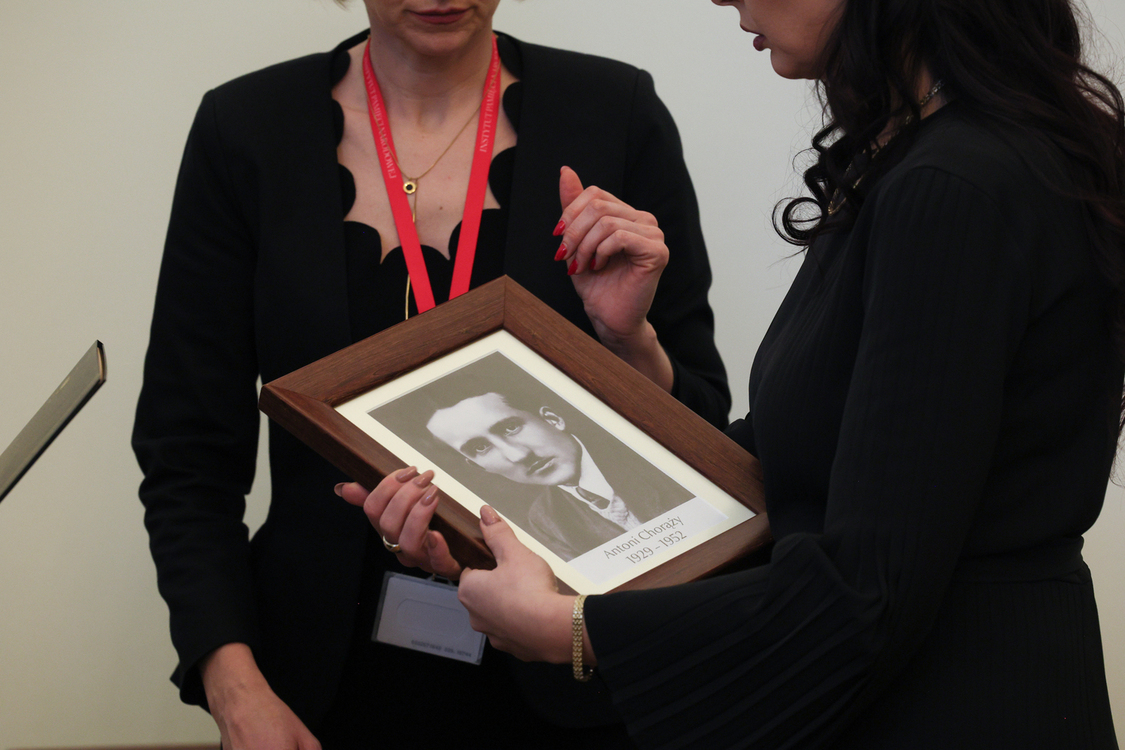
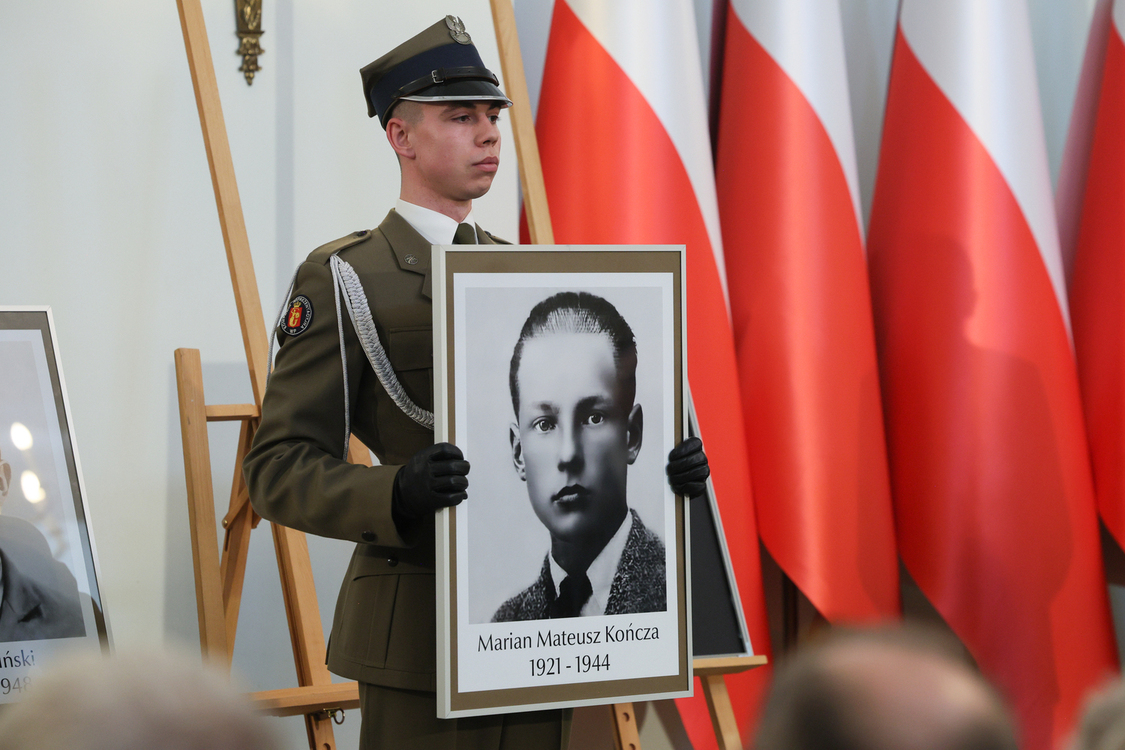
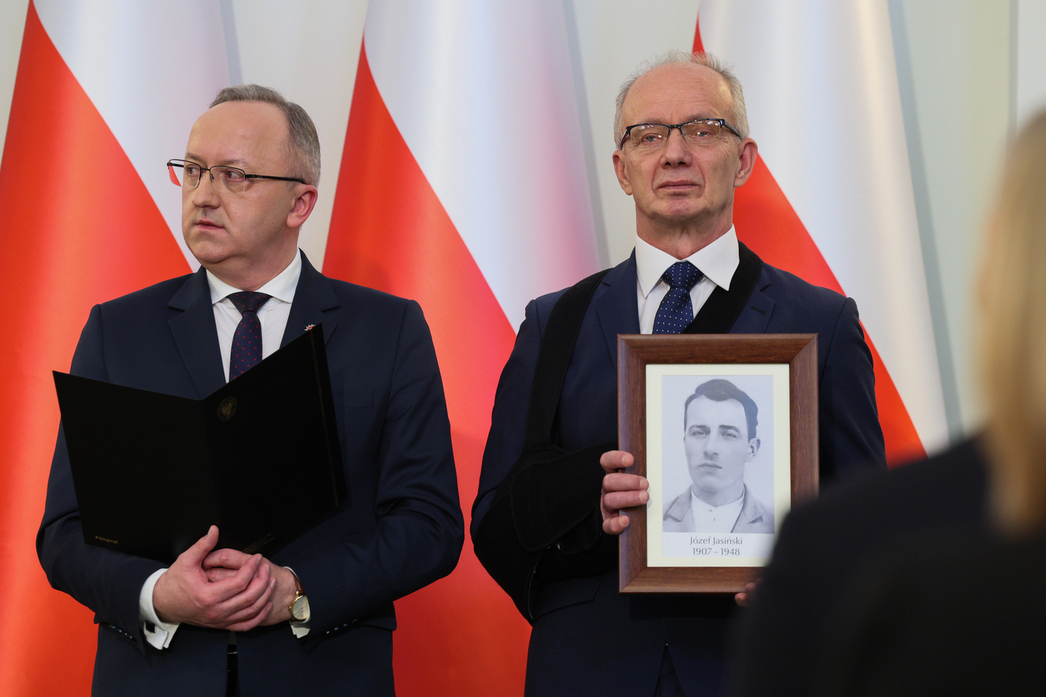
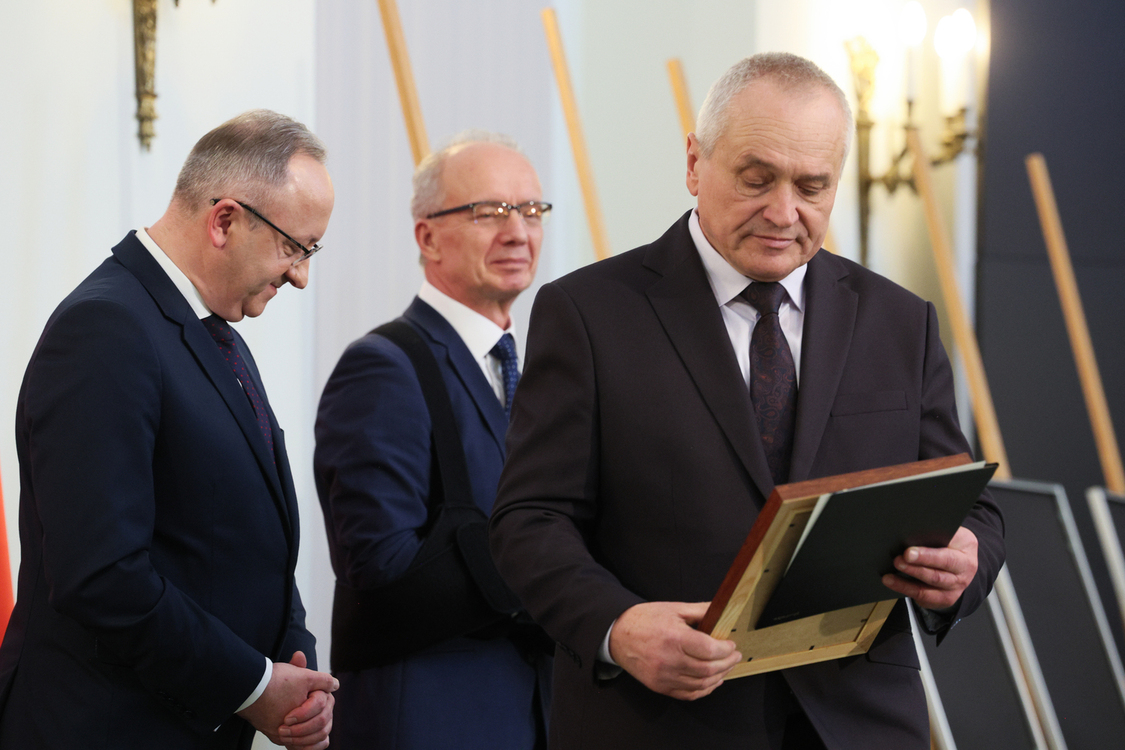
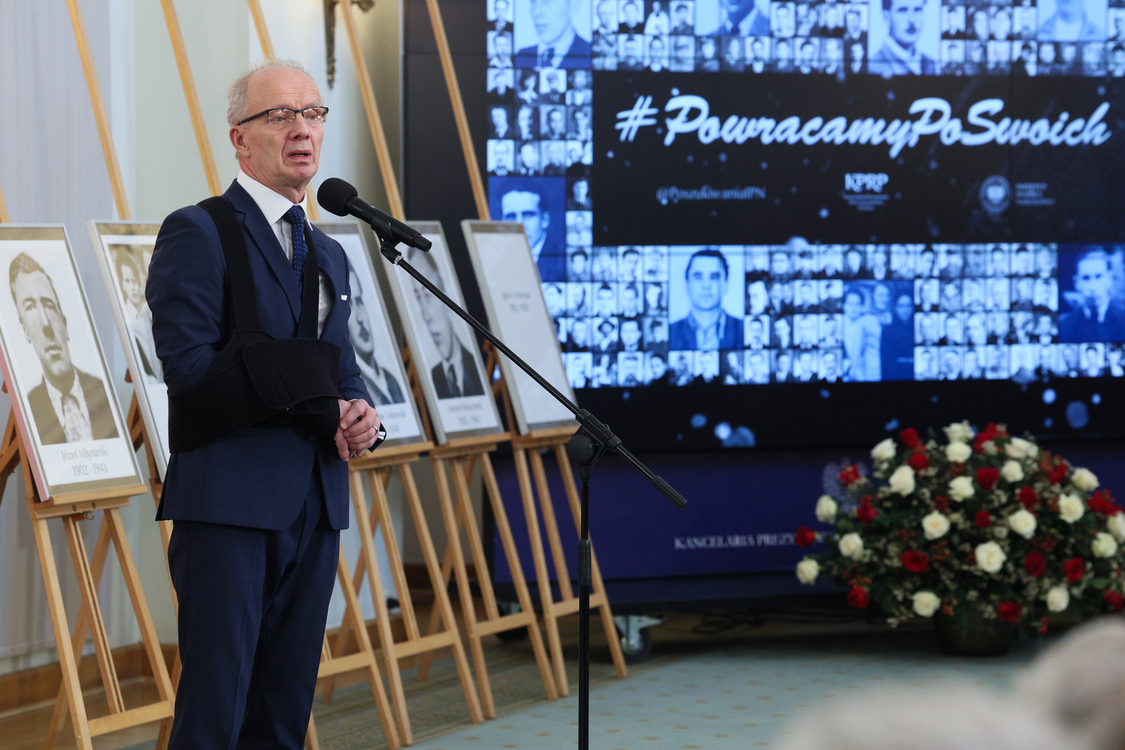
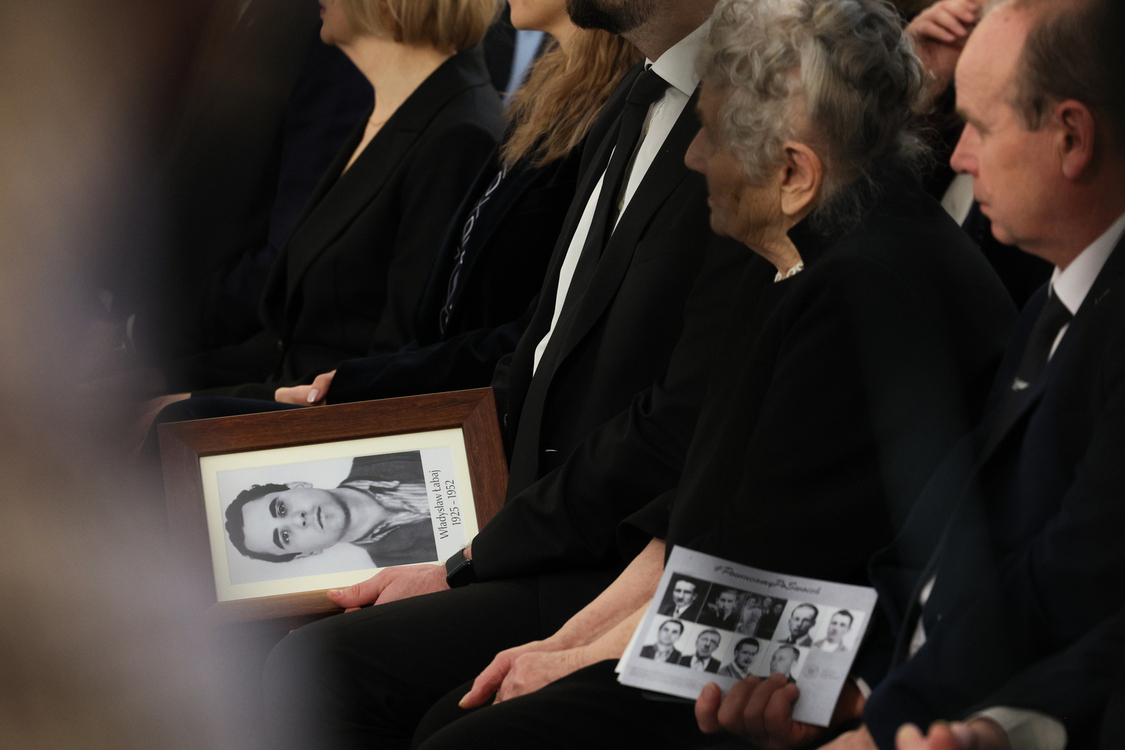
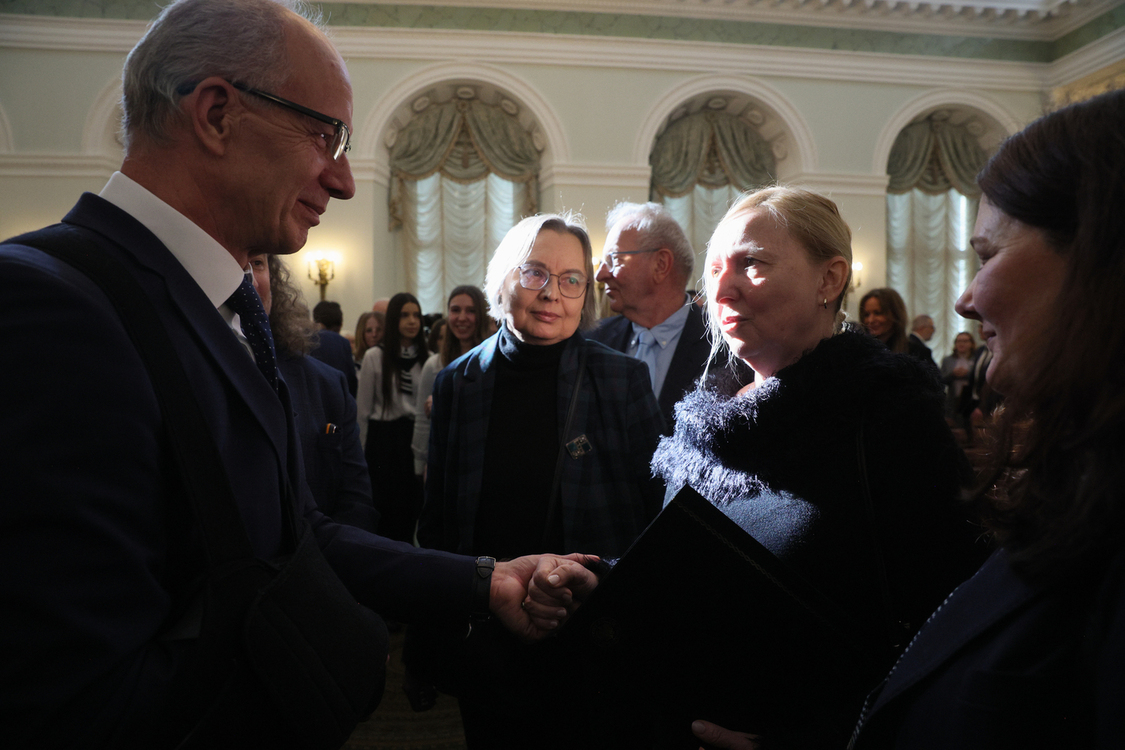
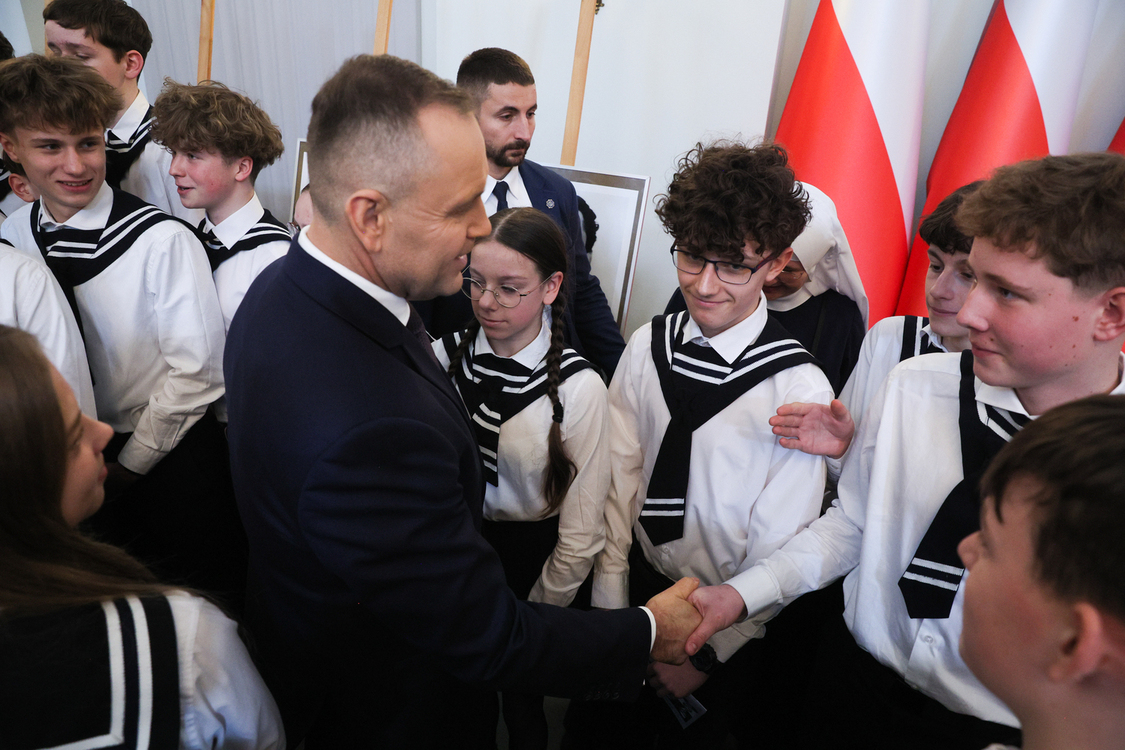
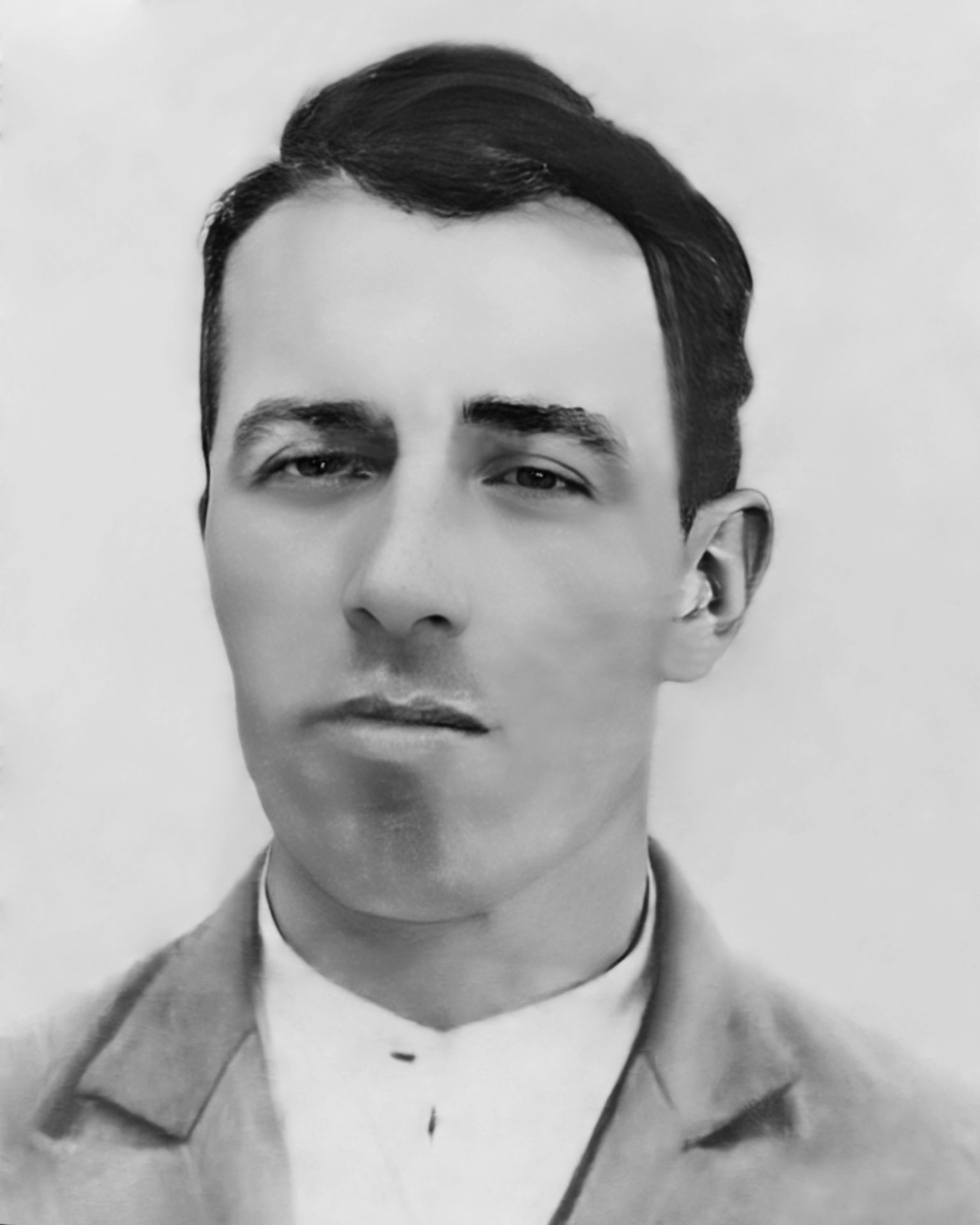
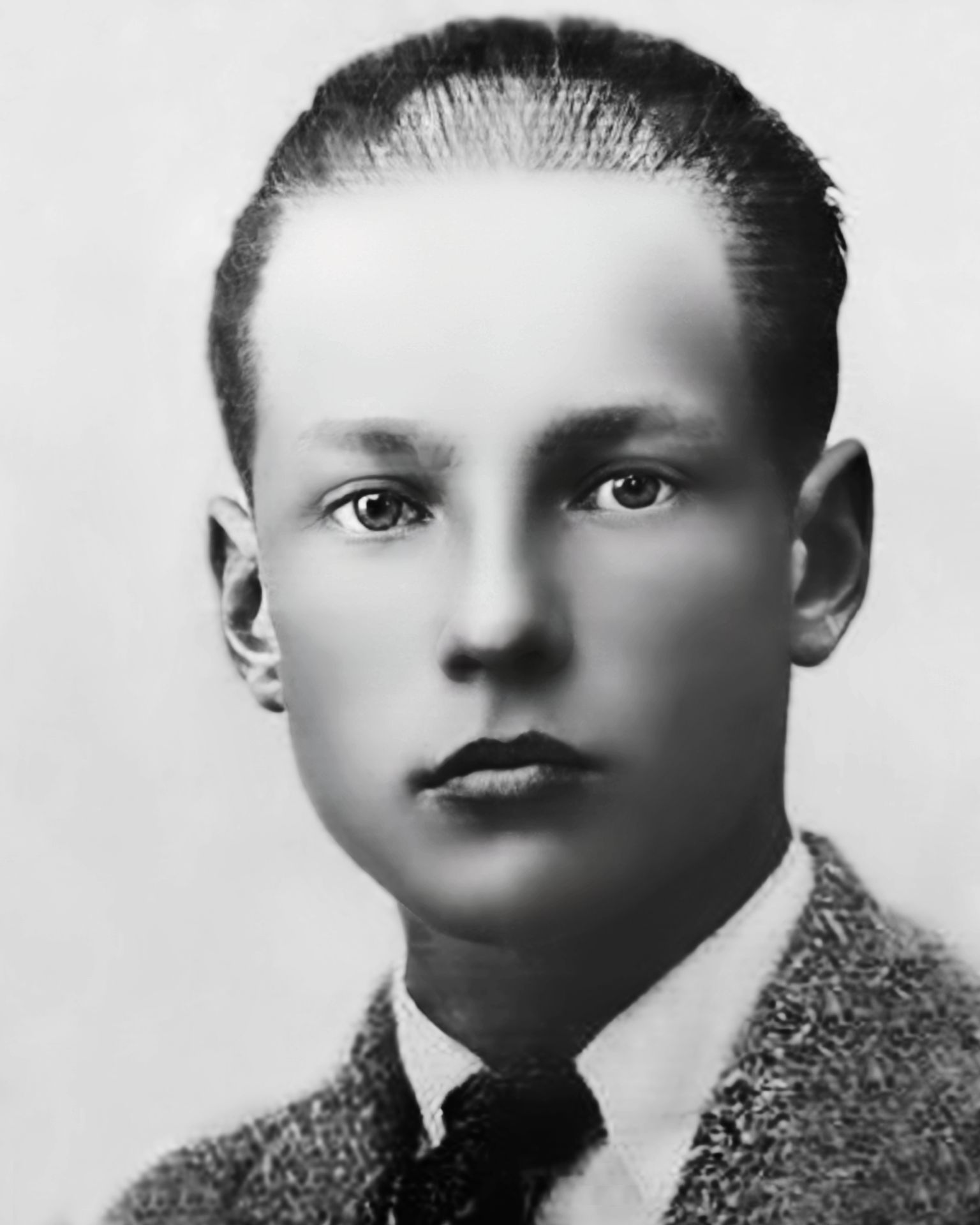
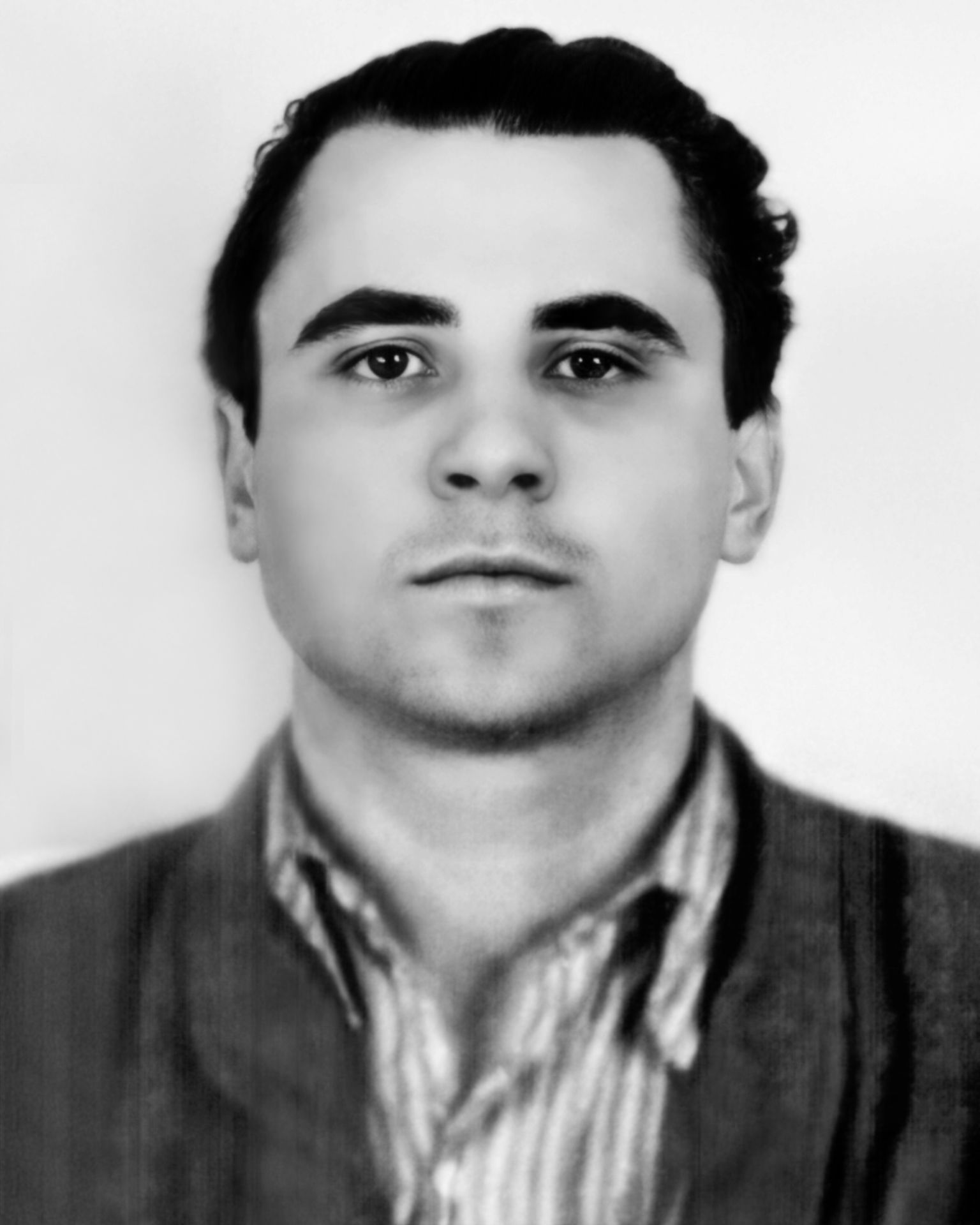
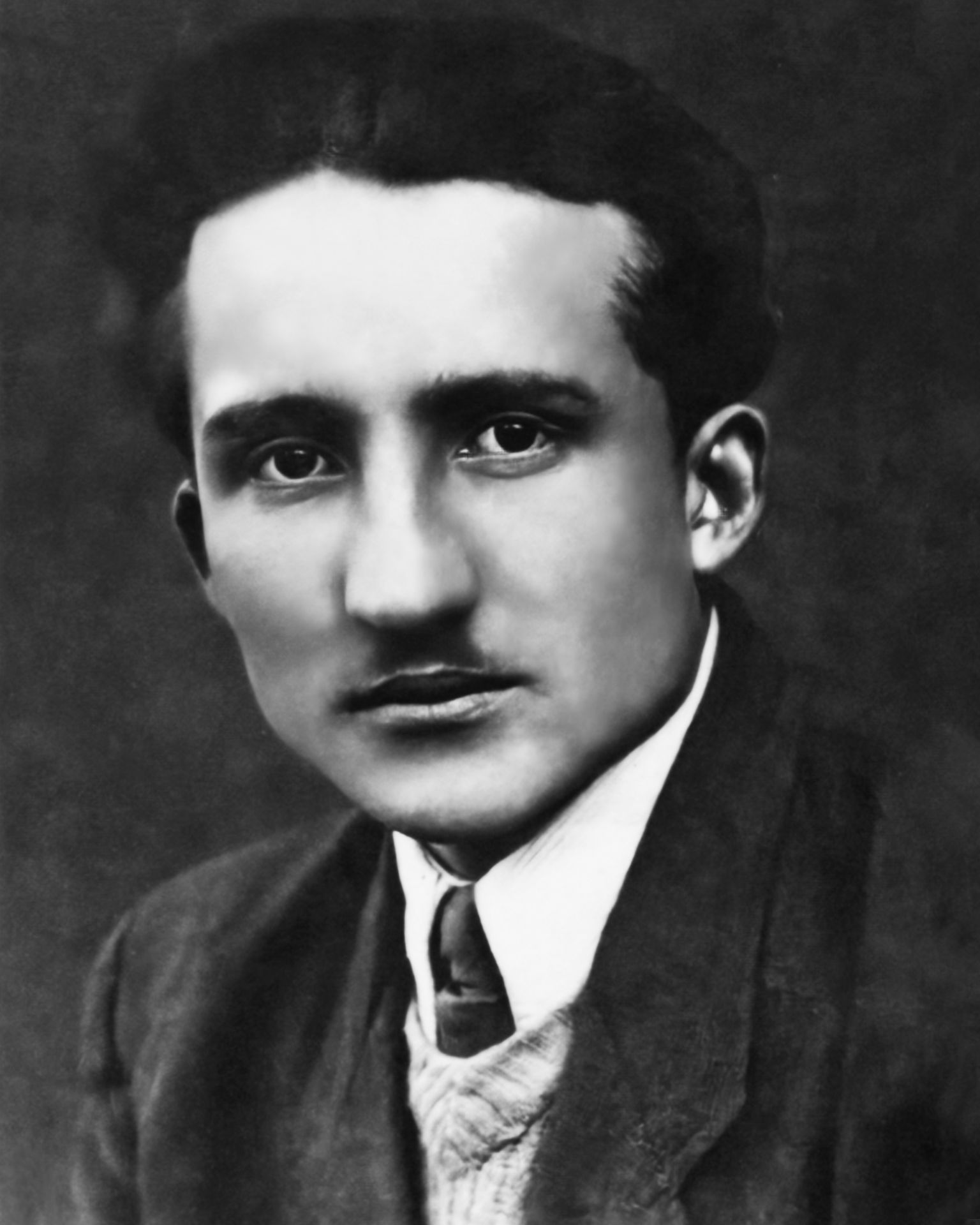
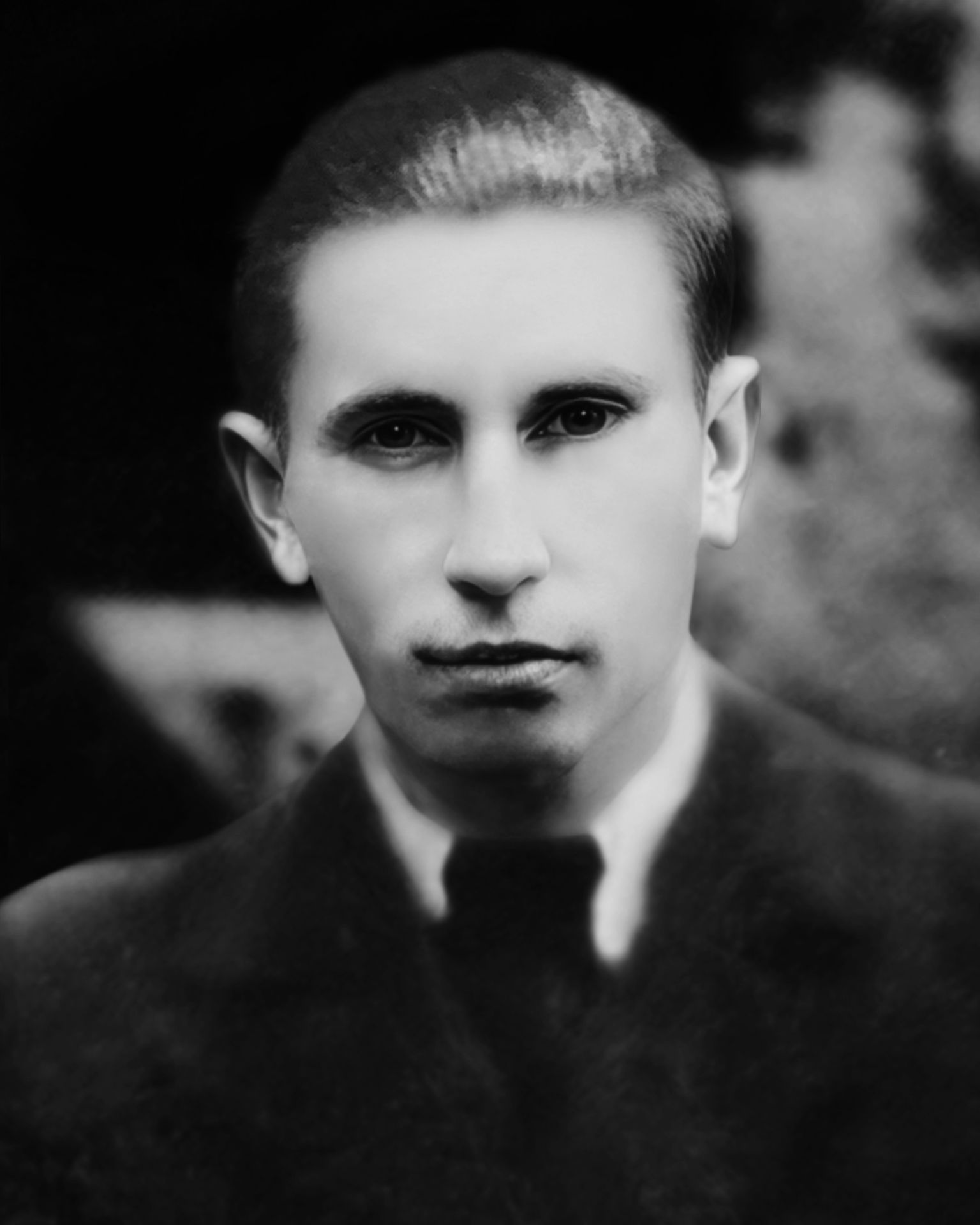
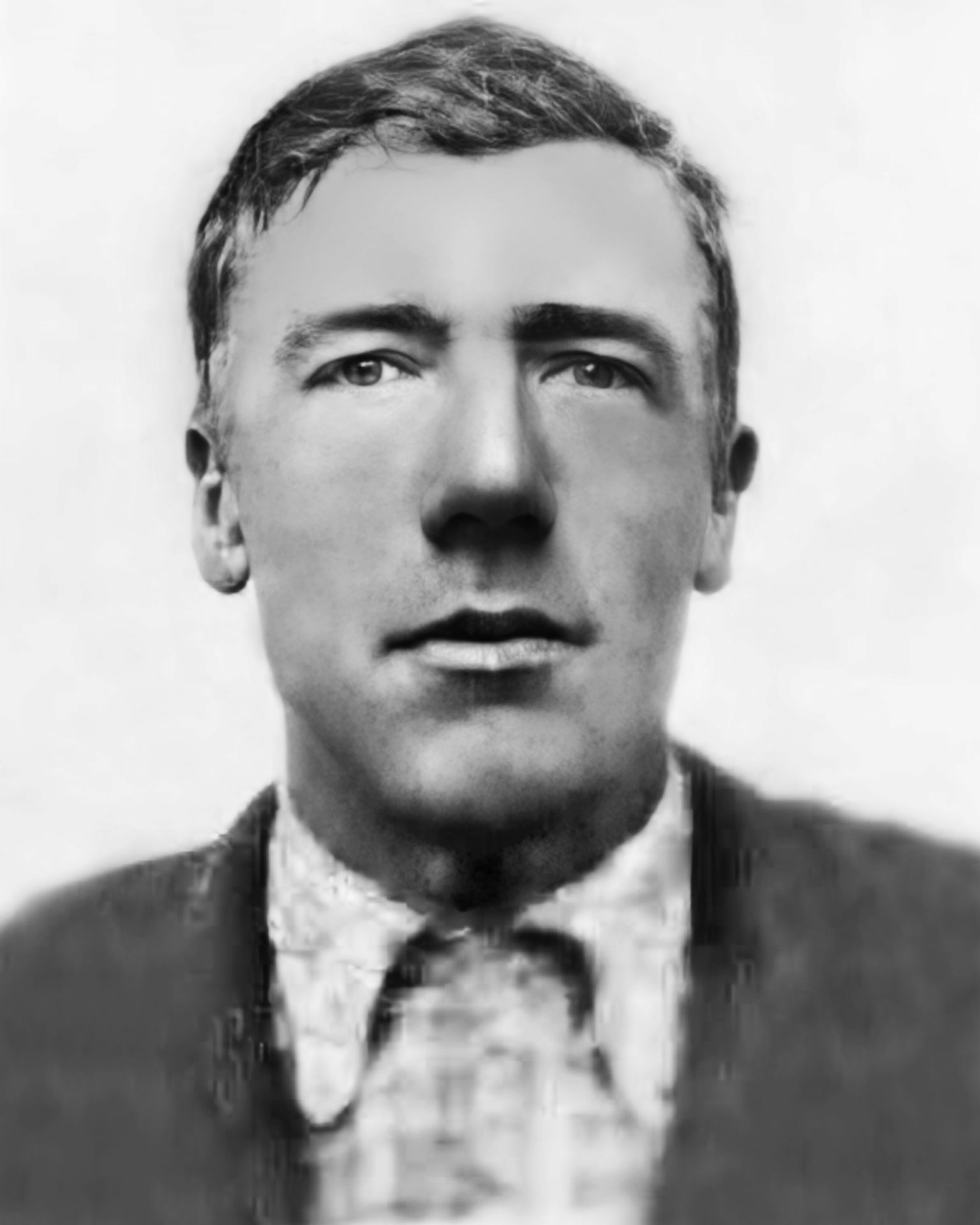
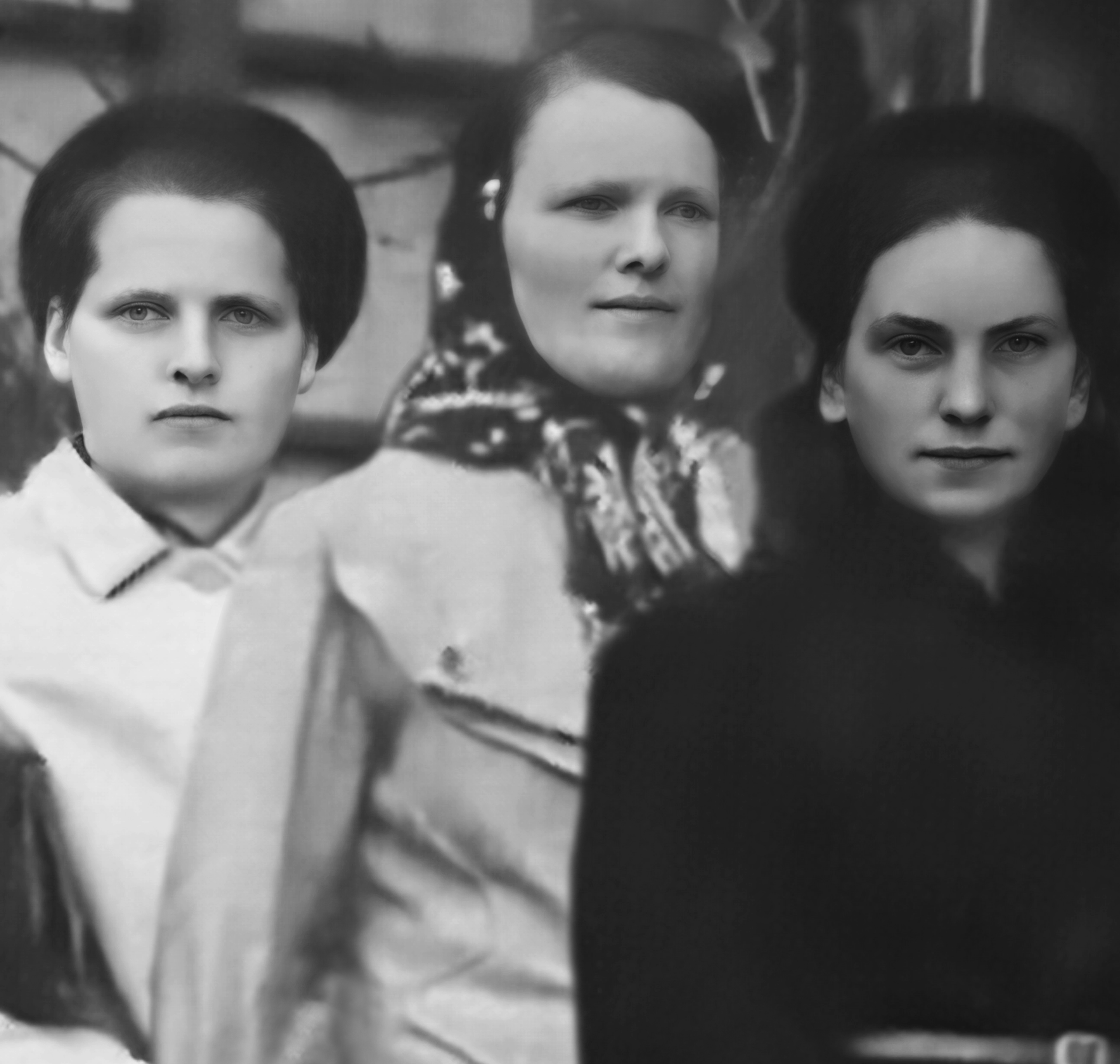
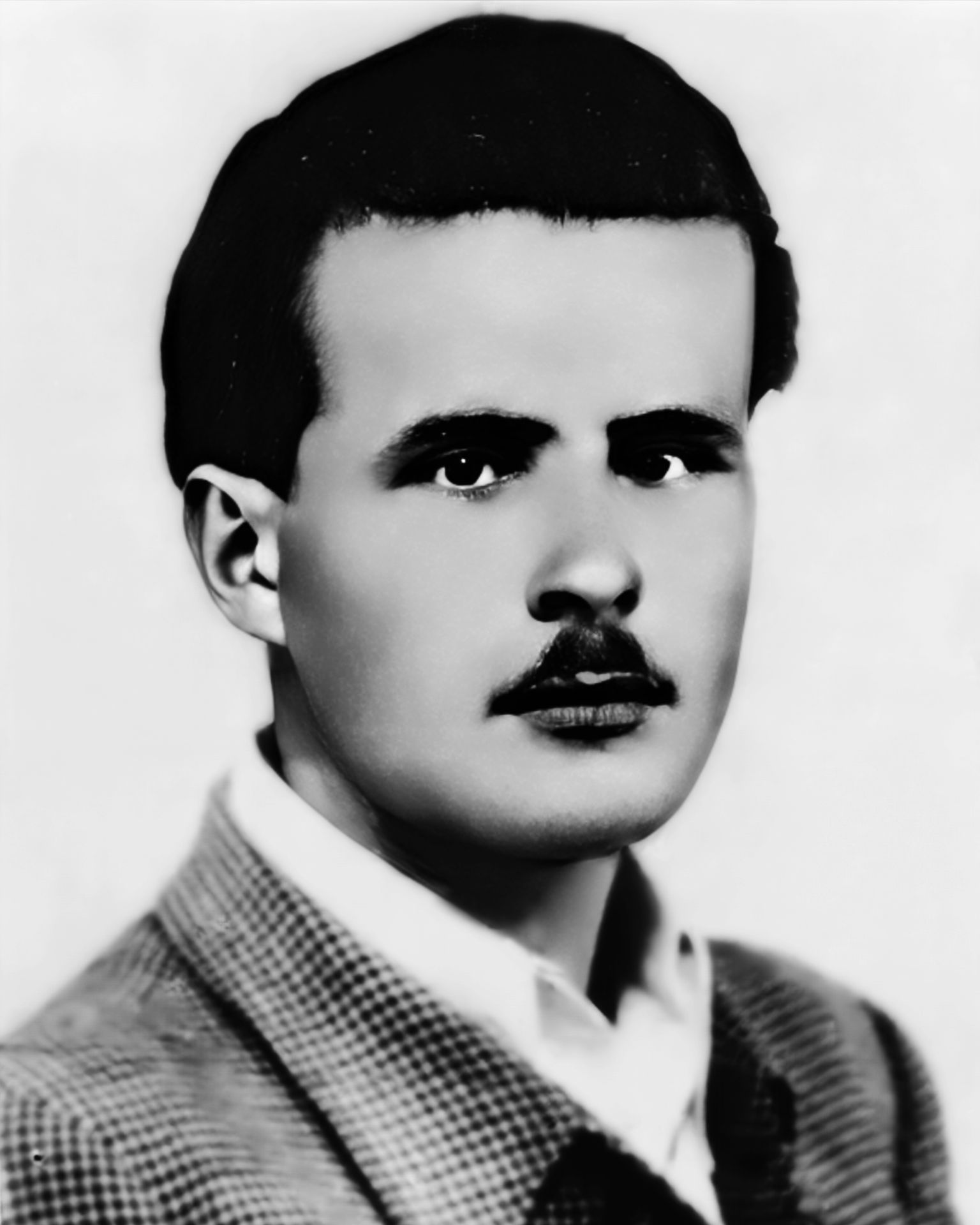
On 26 February 2026, at the Presidential Palace in Warsaw, the names of 16 individuals whose remains were discovered and identified as part of the efforts of the Institute of National Remembrance were announced. The ceremony for the presentation of identification certificates was attended by the President of the Republic of Poland, Karol Nawrocki, as well as the Deputy Presidents of the Institute of National Remembrance: Prof. Karol Polejowski, Mateusz Szpytma, Ph.D. and Prof. Krzysztof Szwagrzyk.
Remains of the victims were discovered, among other places, in Kraków, Gdańsk, Lublin, Rzeszów, Jawornik Ruski, in the Opole and Przemyśl counties, and in Lithuania. These were victims of communist and German terror as well as Ukrainian nationalists.
The President of the Republic of Poland, Karol Nawrocki, emphasized during the ceremony:
— Even if it takes 80 years, the Republic of Poland will always return for its sons. It will return for its sons who are ready to fight for her, ready to defend her, and Poland will never abandon those who serve the Republic.
Among those identified were, among others: a five-member family (parents and two daughters, including one in advanced pregnancy), residents of Opole County who were murdered by the Germans in the winter of 1943 for sheltering over a dozen people of Jewish nationality; a soldier of the Home Army from the Vilnius region, killed in battle against the Red Army near Drużyle (Lithuania); and victims of verdicts issued by communist military courts murdered in Lublin, Rzeszów, and Gdańsk.
Deputy Presidents of the Institute of National Remembrance also addressed the participants during the certificate presentation ceremony. — Our task is to find the victims of totalitarian regimes hidden in nameless pits of death. Those who are still waiting to rest in consecrated soil. This is our duty — emphasized Prof. Karol Polejowski.
Prof. Krzysztof Szwagrzyk, Director of the IPN Office of Search and Identification noted:
— For 14 years now, since December 2012, at the Presidential Palace or at the Belweder Palace, the Institute of National Remembrance has organized cyclical ceremonies of great importance to the Polish state and to millions of Polish citizens — identification conferences at which victims of German, Soviet, communist, and Ukrainian crimes discovered as a result of work carried out by the IPN Office of Search and Identification and our collaborators are called by name. These ceremonies are a kind of report submitted by the Institute of National Remembrance to all Poles — a report showing how the duty of searching, exhumation, and identification is being fulfilled on behalf of the Polish state by the IPN. But they are also a uniquely Polish roll call of remembrance, an unending roll call, where instead of the words “fallen on the field of glory,” we should now add the phrase: “they have been found,” and “they are among us.”
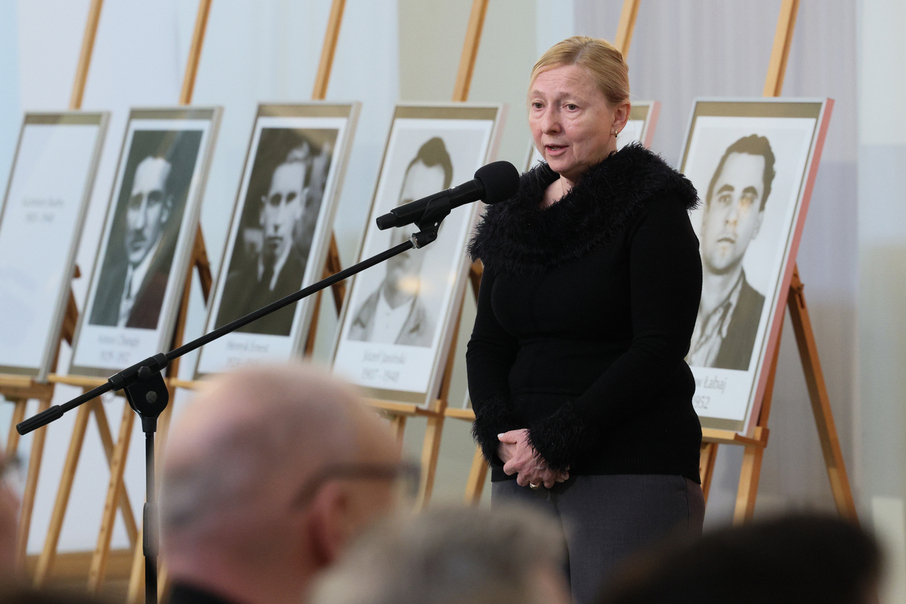
On behalf of the families of the identified victims spoke Elżbieta Maria Kończa, a relative of Marian Mateusz Kończa:
— We will never be able to fully express our gratitude for your effort, dedication, love, and sacrifice shown in searching for our loved ones. For every crumbling document you read… for every rolled-up old map you examined… for every old yellowed letter you read… for every conversation with a potential witness, for every step in forests, basements, ruins… for every handful of earth you sifted… for the support you were for us — the families — we thank you.
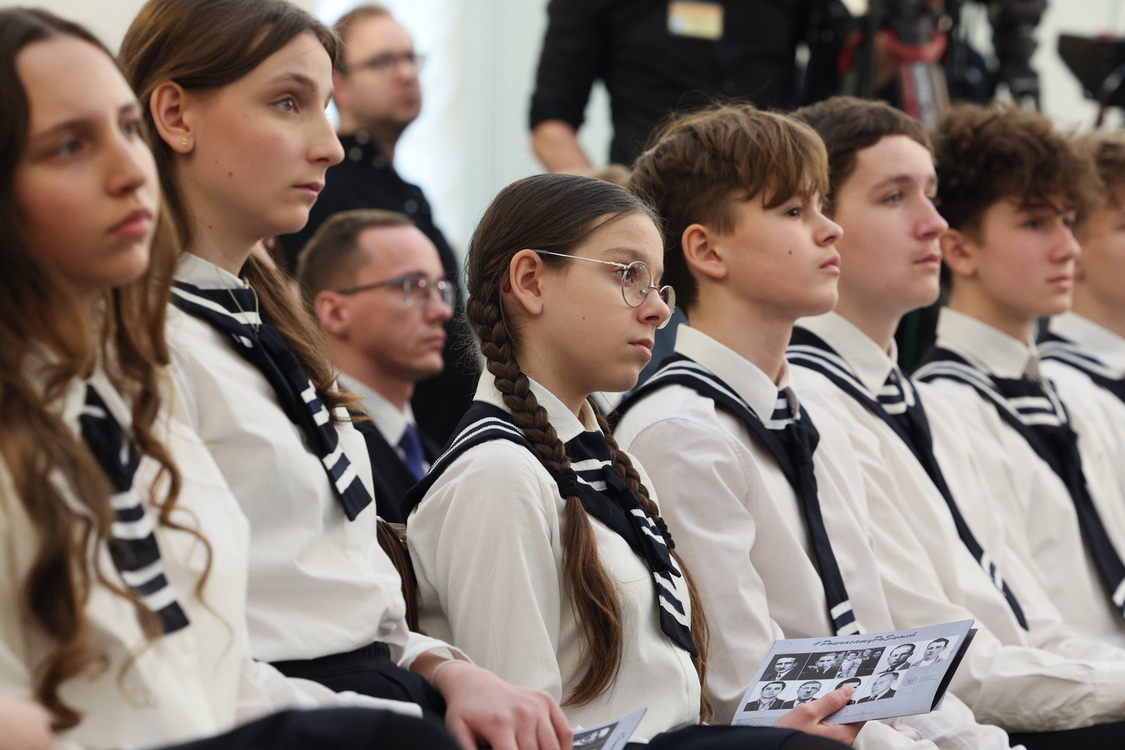
The ceremony of presenting identification certificates was attended by the families of the recovered victims, representatives of the President of the Republic of Poland: Head of the Office of National Security Sławomir Cenckiewicz, Deputy Head of the President’s Office Jarosław Dębowski, Presidential Spokesman Rafał Leśkiewicz, presidential adviser Jan Józef Kasprzyk, as well as representatives of the military, state institutions, veterans’ communities, and the Institute of National Remembrance.
***
Such ceremonies are the culmination of years of efforts on the part of the IPN Office of Search and Identification. The work always begins in the archives, where experts try to locate information on a victim’s fate and burial. Thorough research not only points to the probable location of their grave, but also determines physical characteristics (such as height, build or suffered injuries), the findings reinforced by witness testimonies.
The core of the process, involving archaeology and anthropology experts, is the excavation. It is performed in all kinds of terrain in Poland and abroad: in fields and forests, gardens, urban areas and cemeteries. Once the remains are uncovered, they undergo initial anthropological examination on-site, followed by a thorough one in the lab, and a sample of bone matter is taken to be tested against genetic material provided by victims’ relatives.
A genetic match means that a person’s identity has been confirmed. For the last few years, the IPN has been employing CODIS, a system that the Federal Bureau of Investigation developed to streamline the searching of the genetic material base. Each year, the percentage of people identified using this system has increased.