
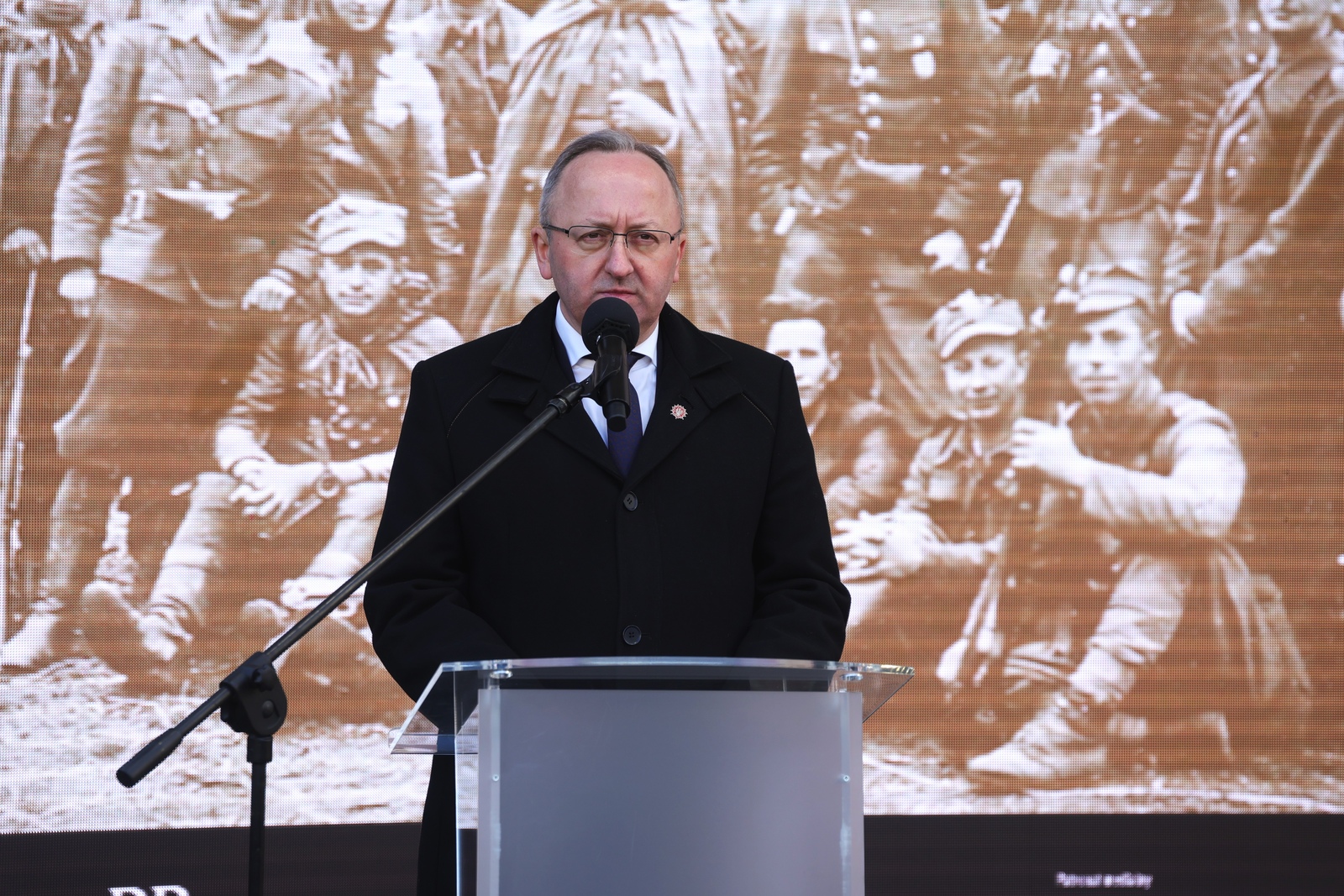
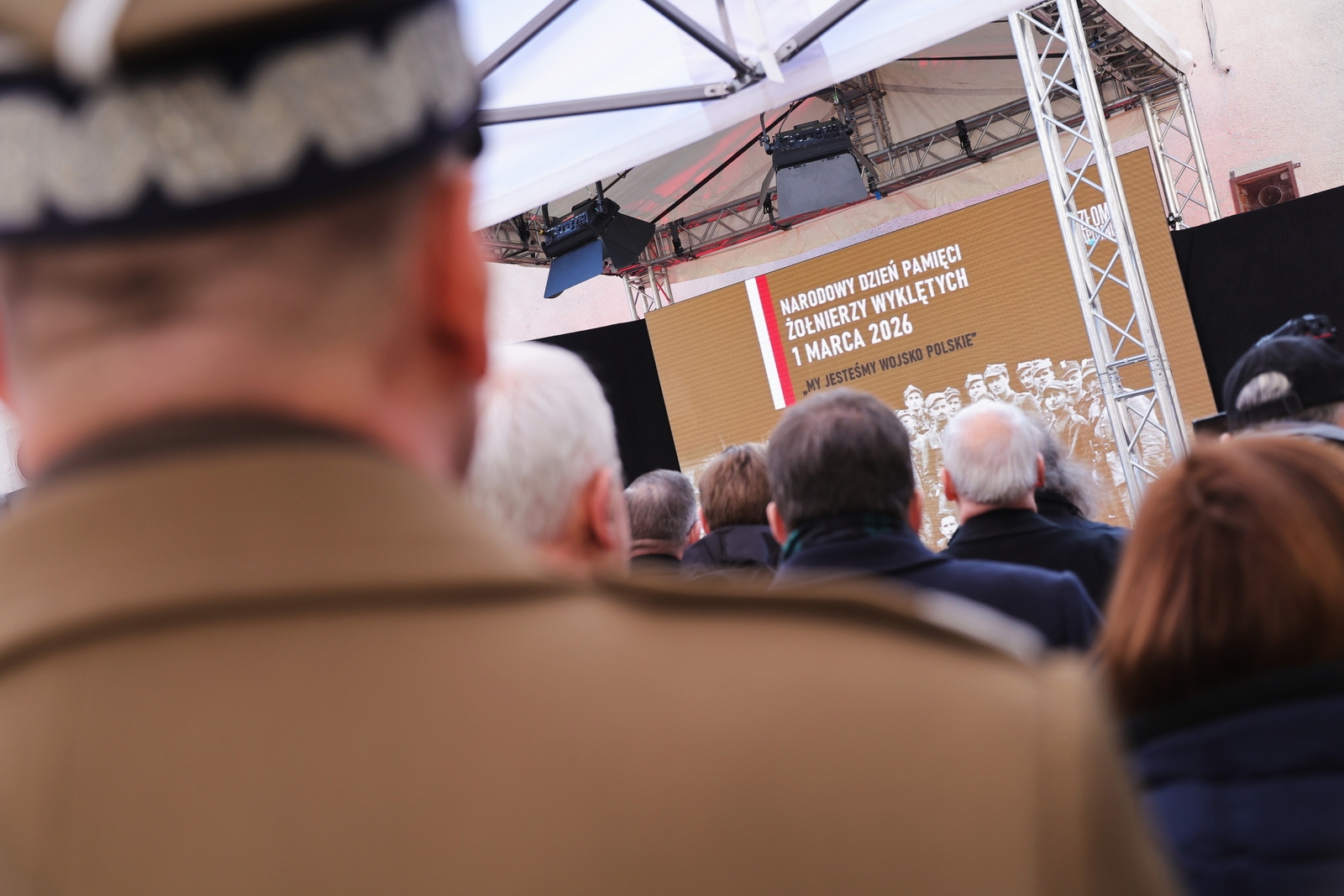
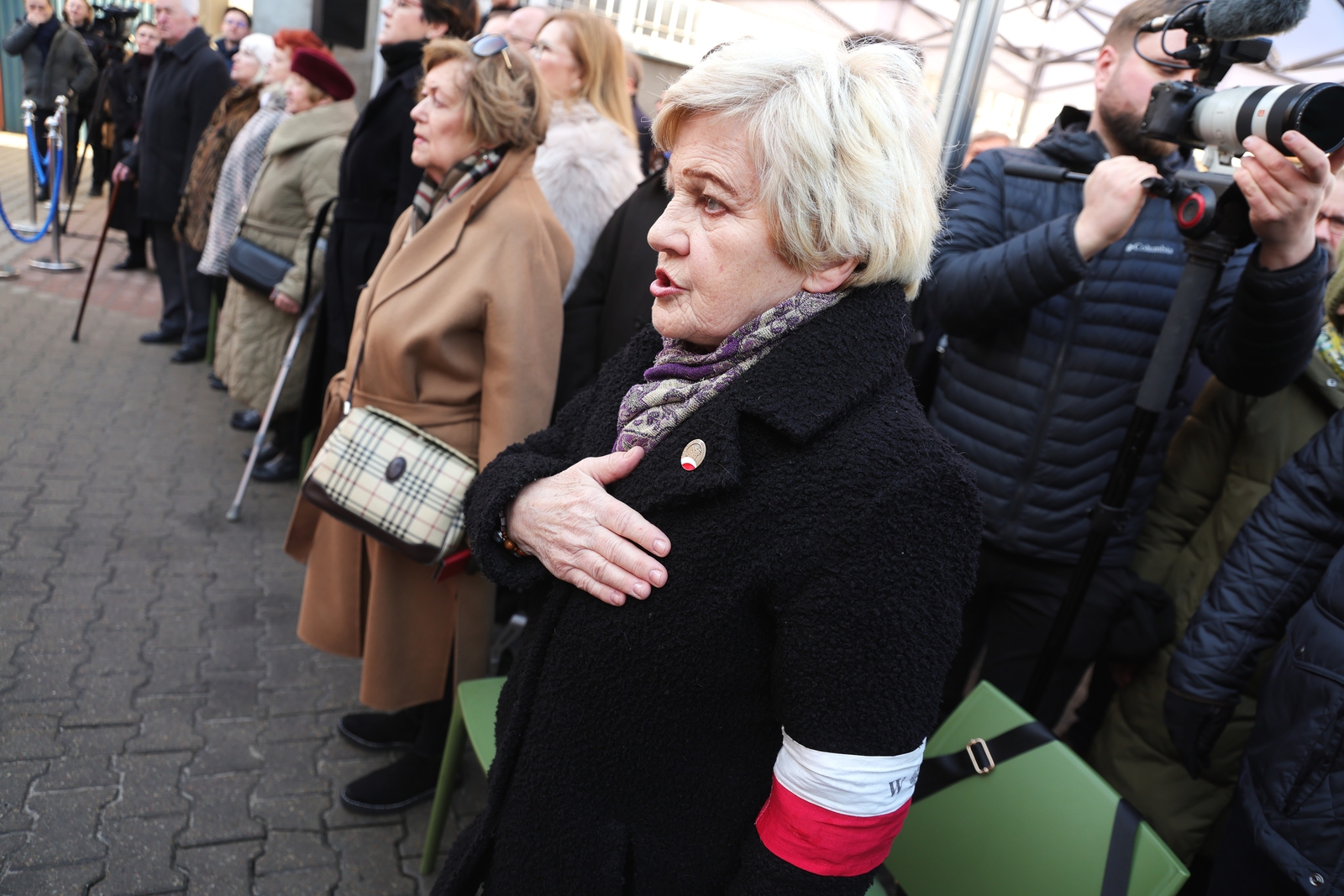
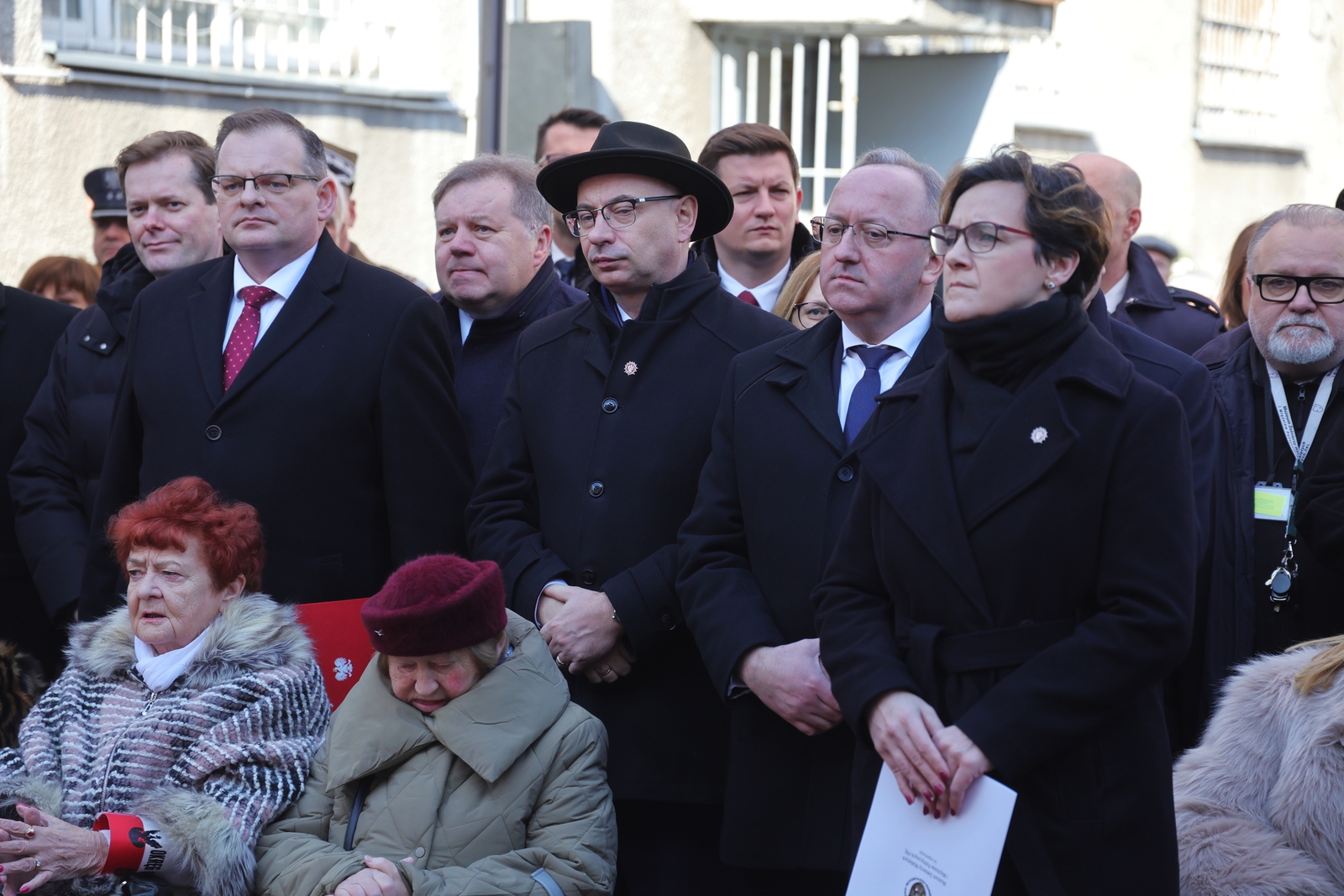
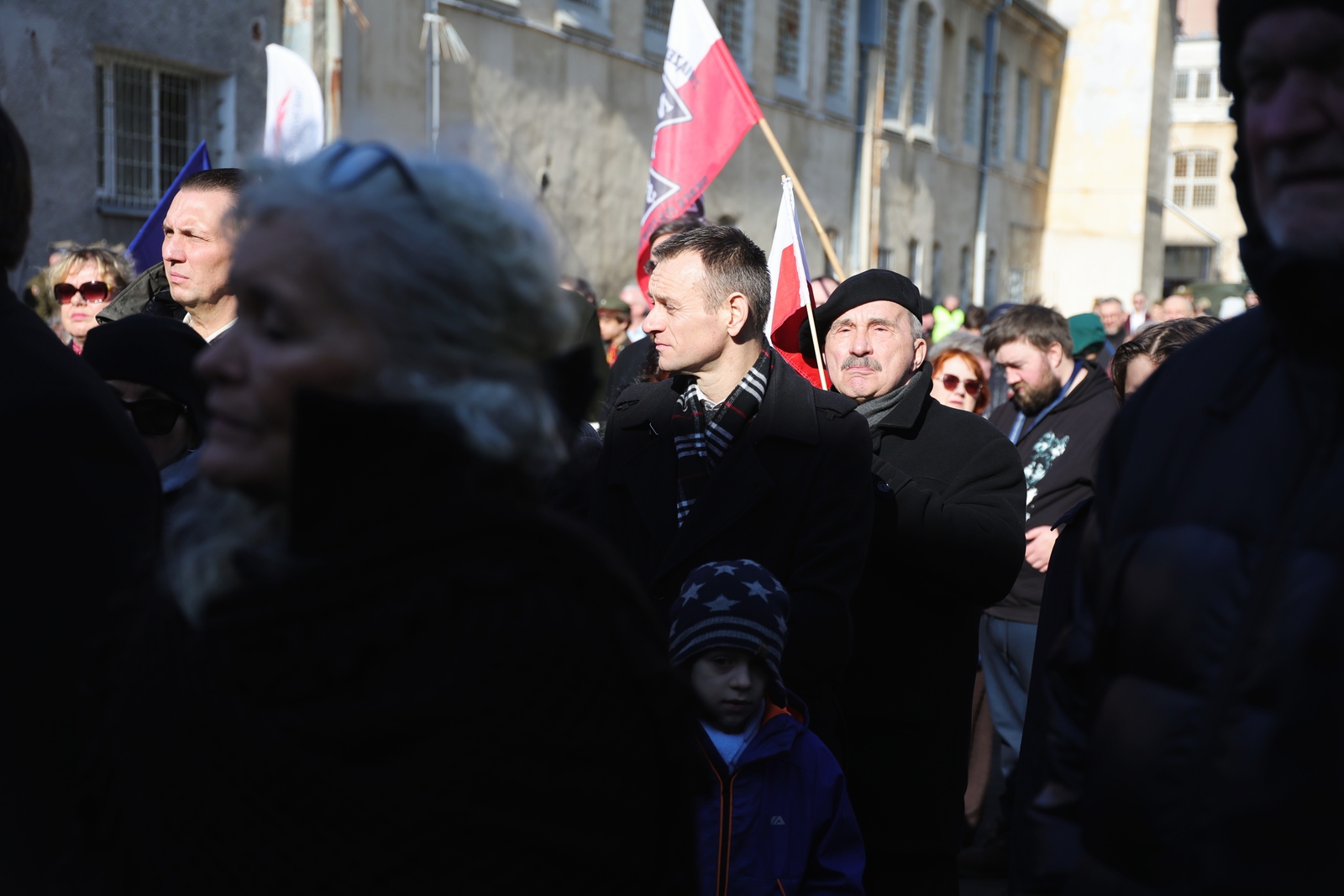
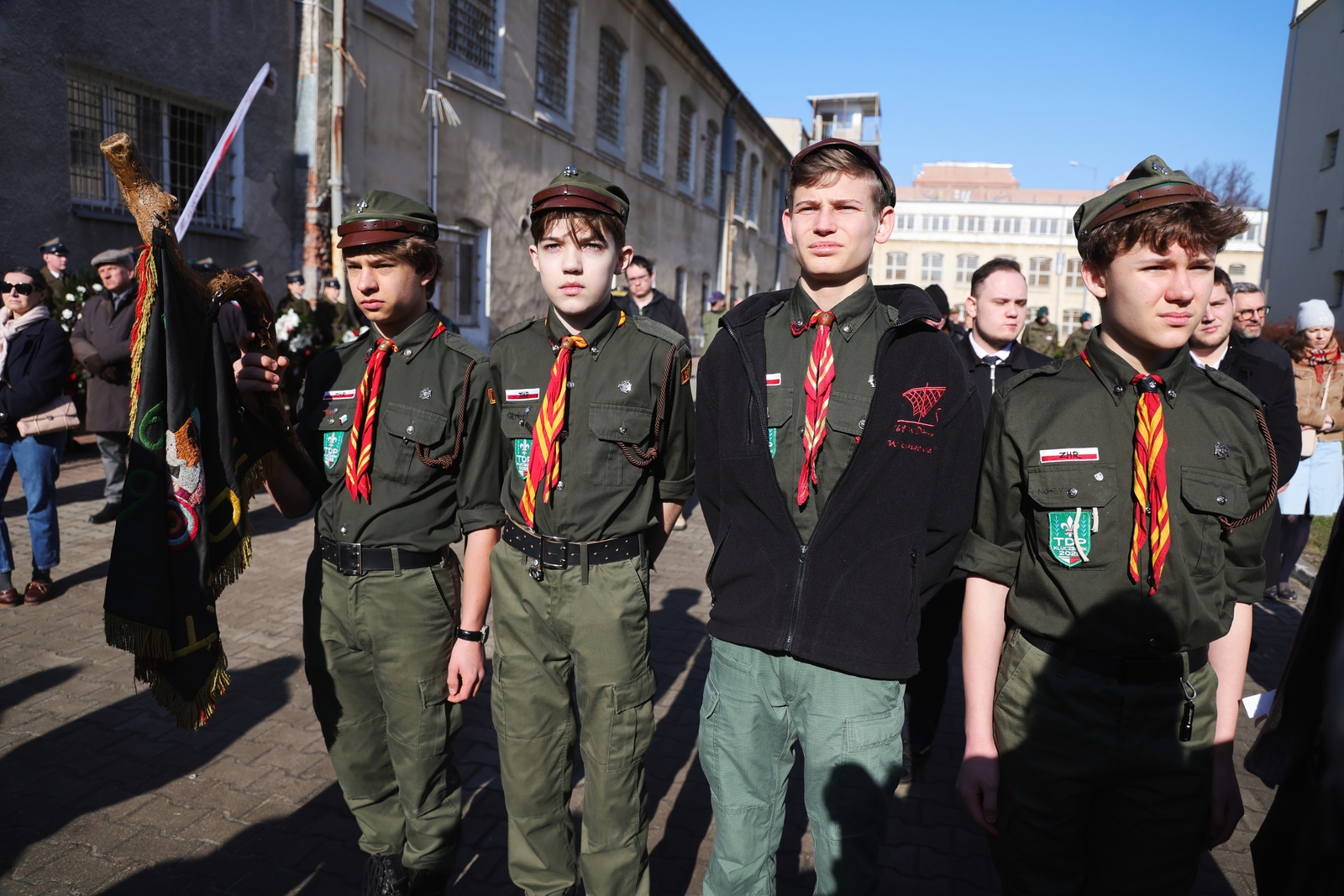
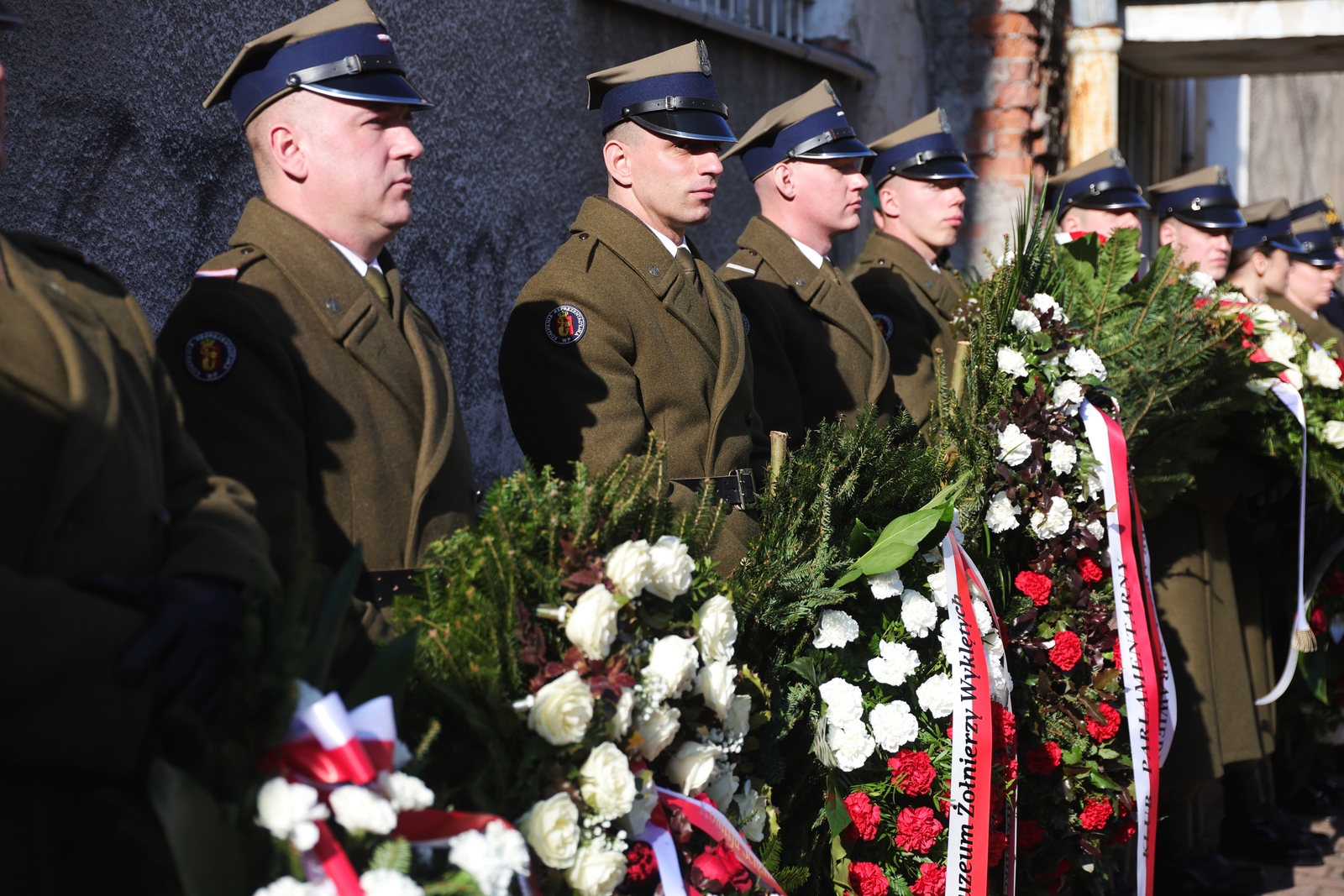
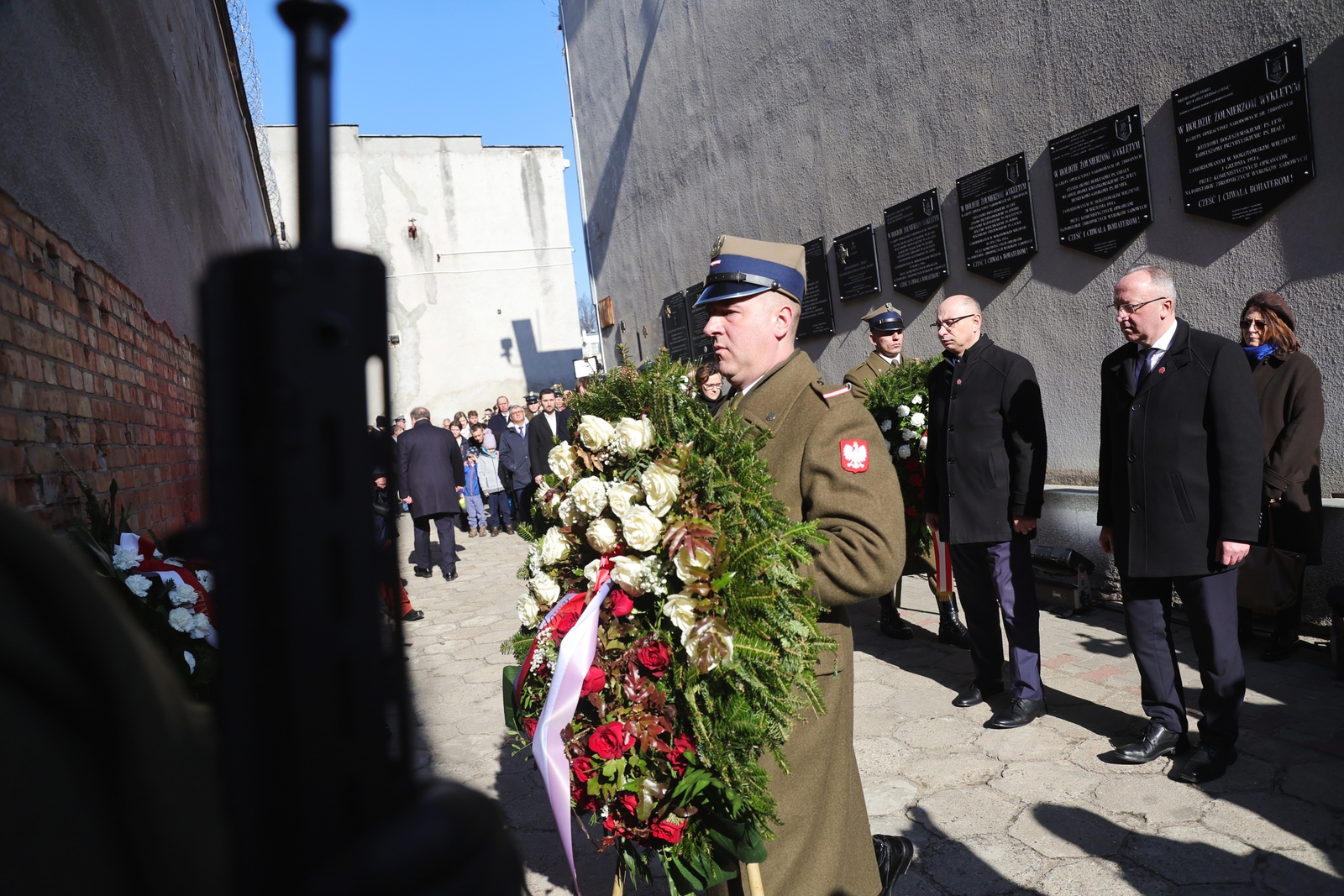
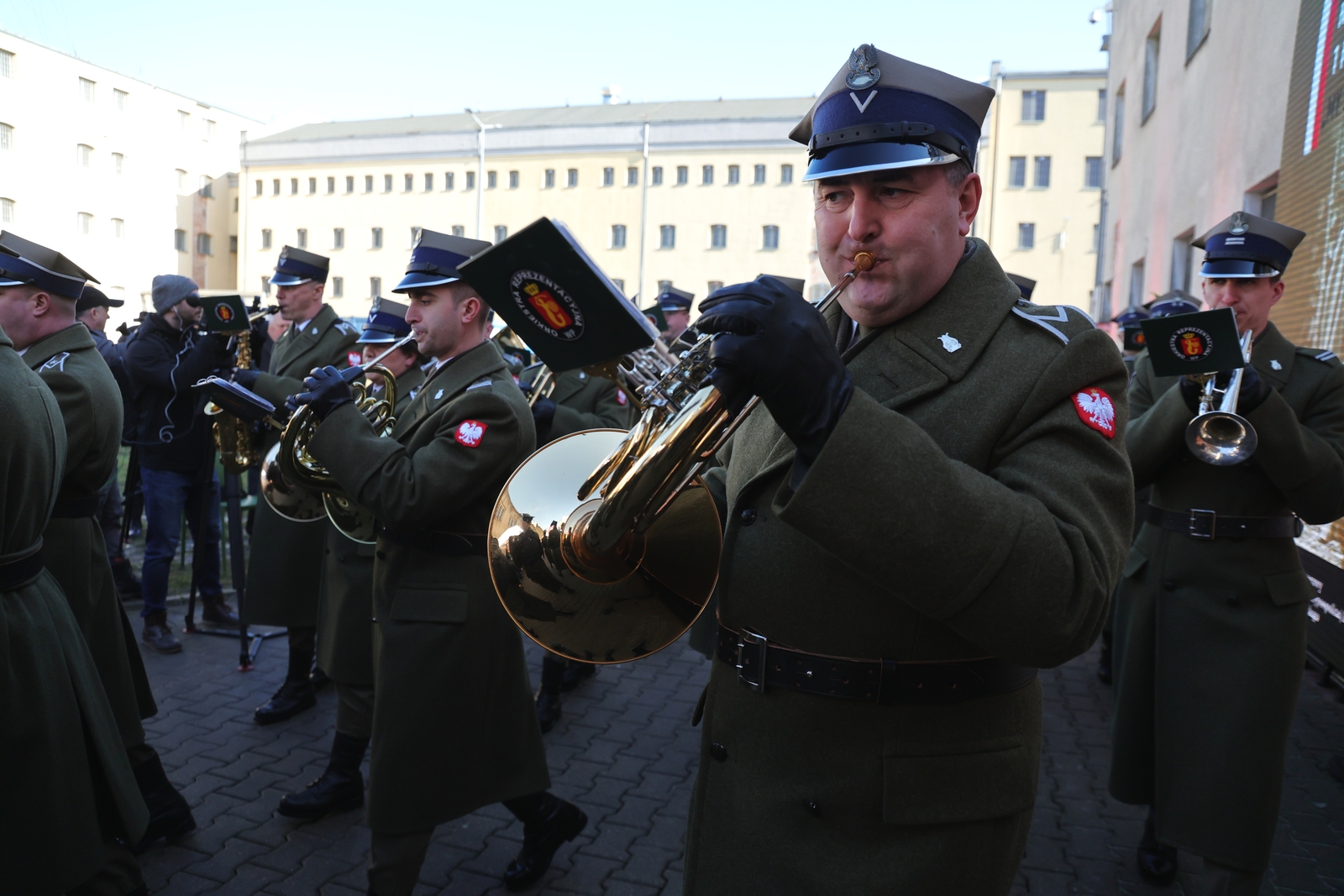
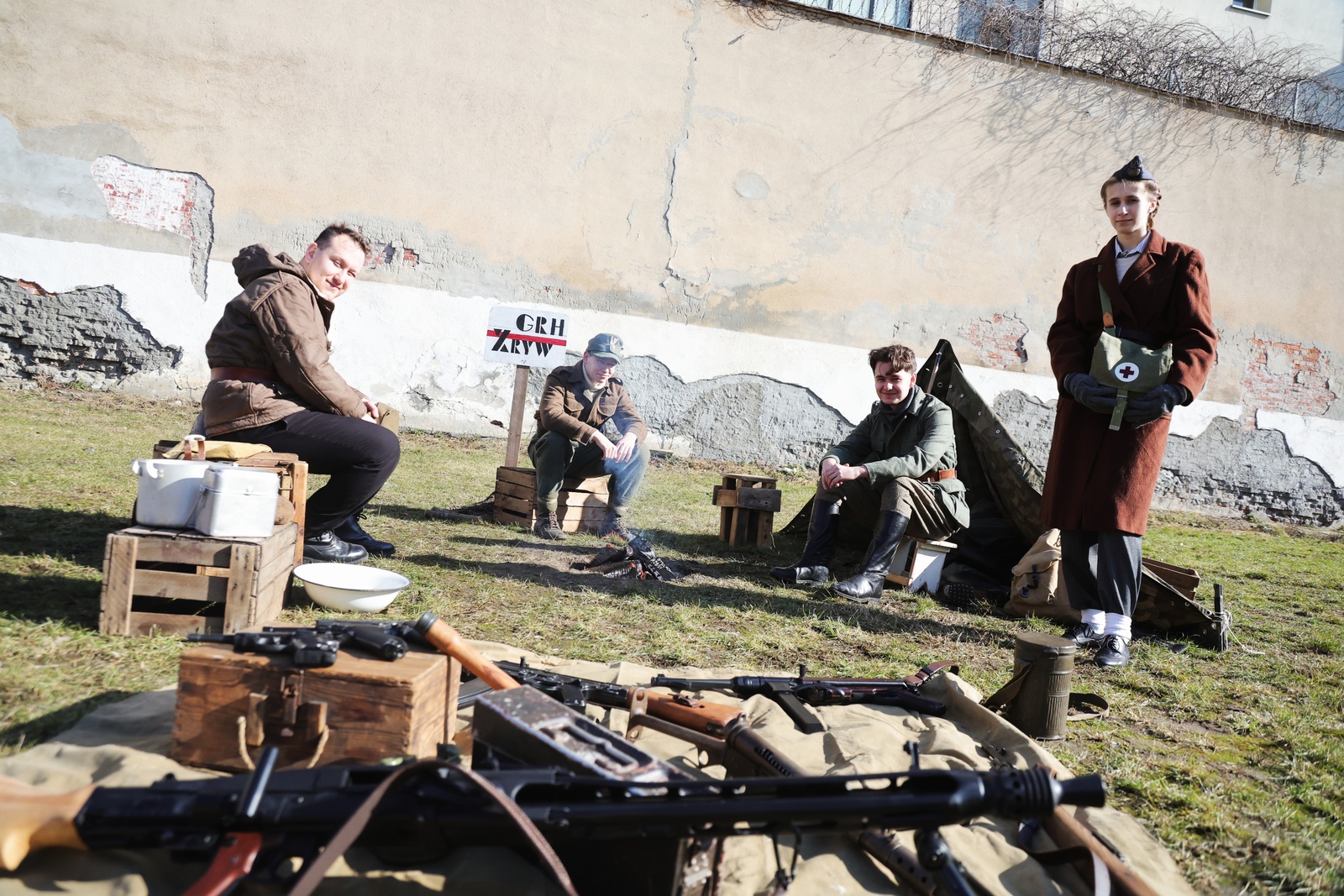
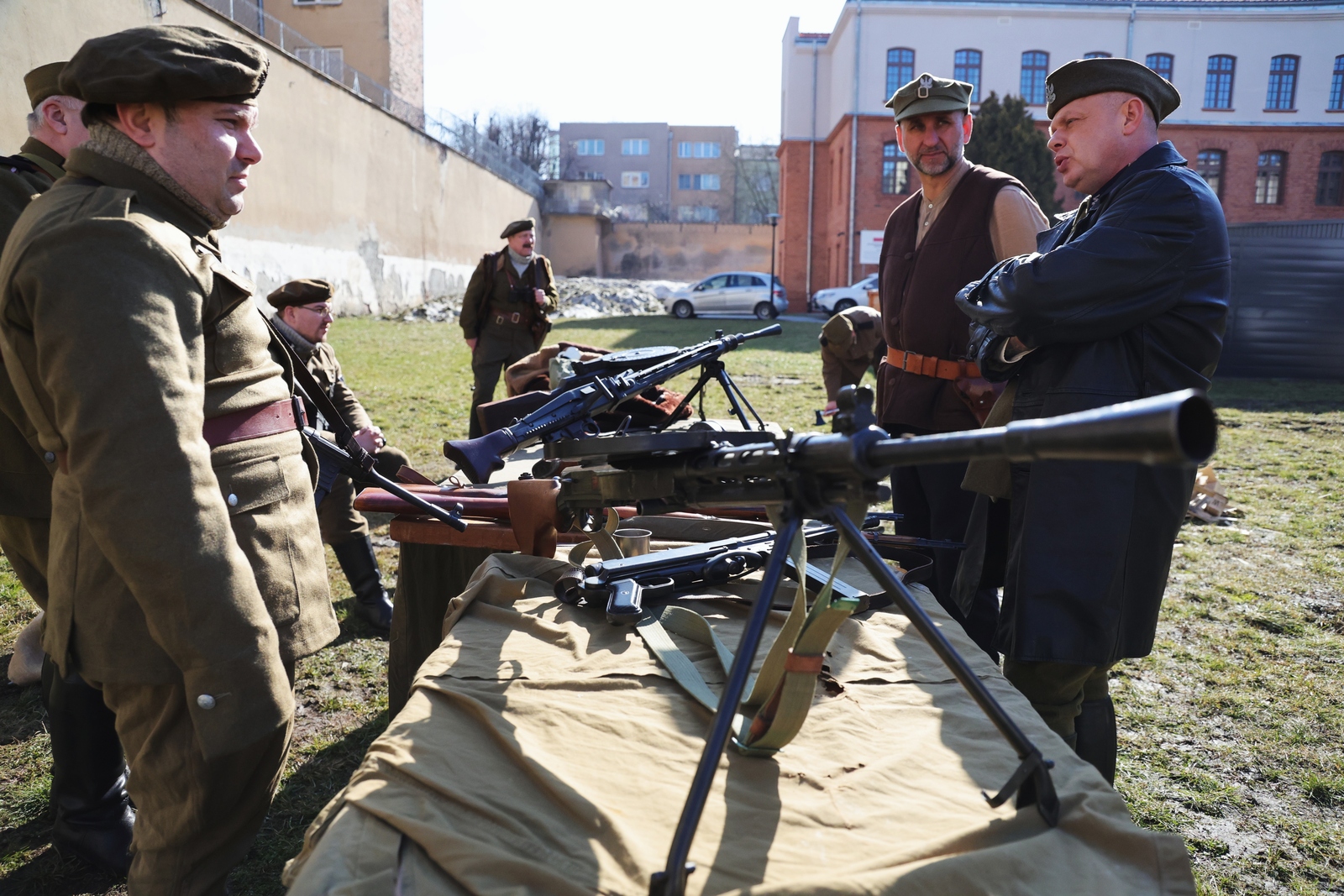
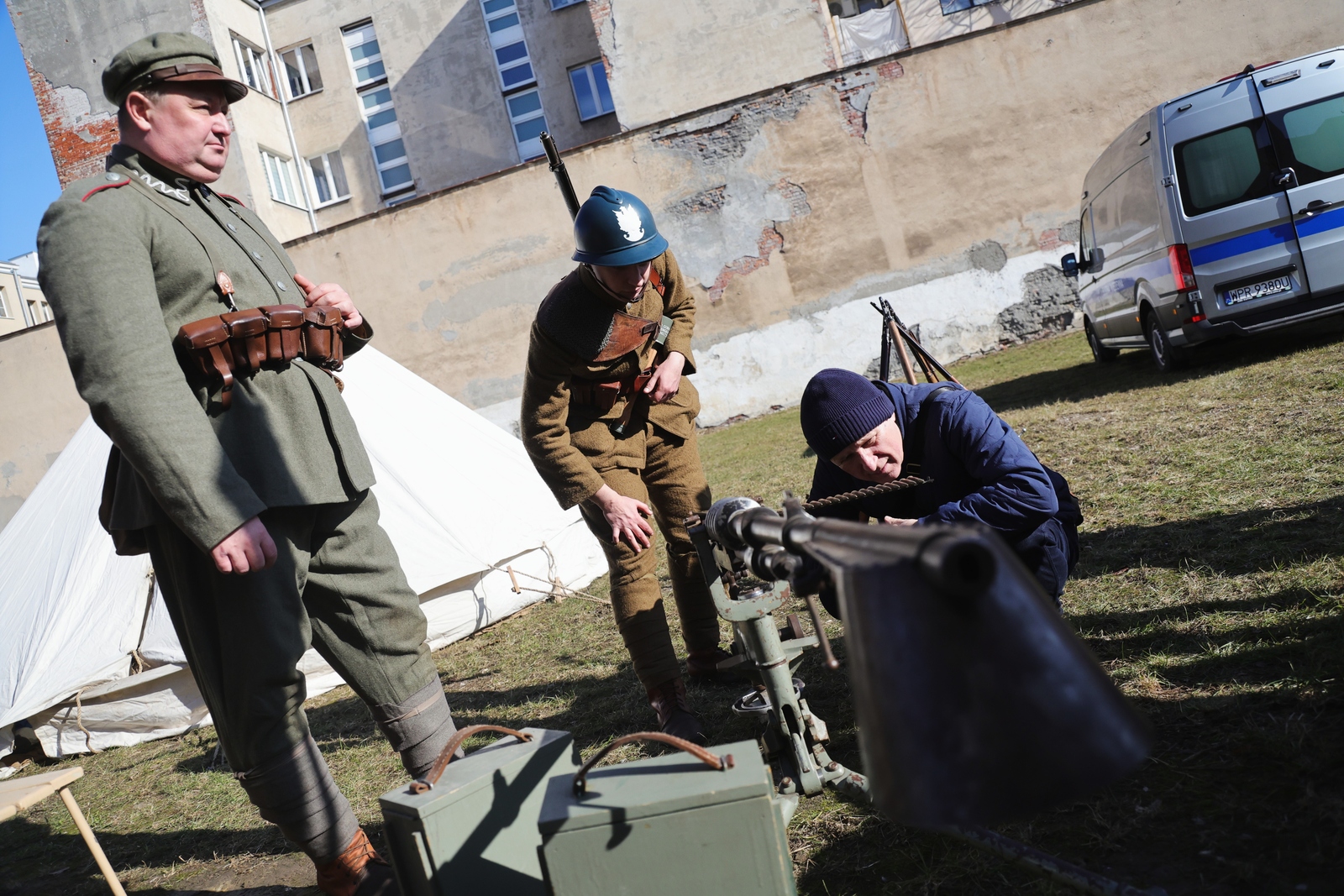
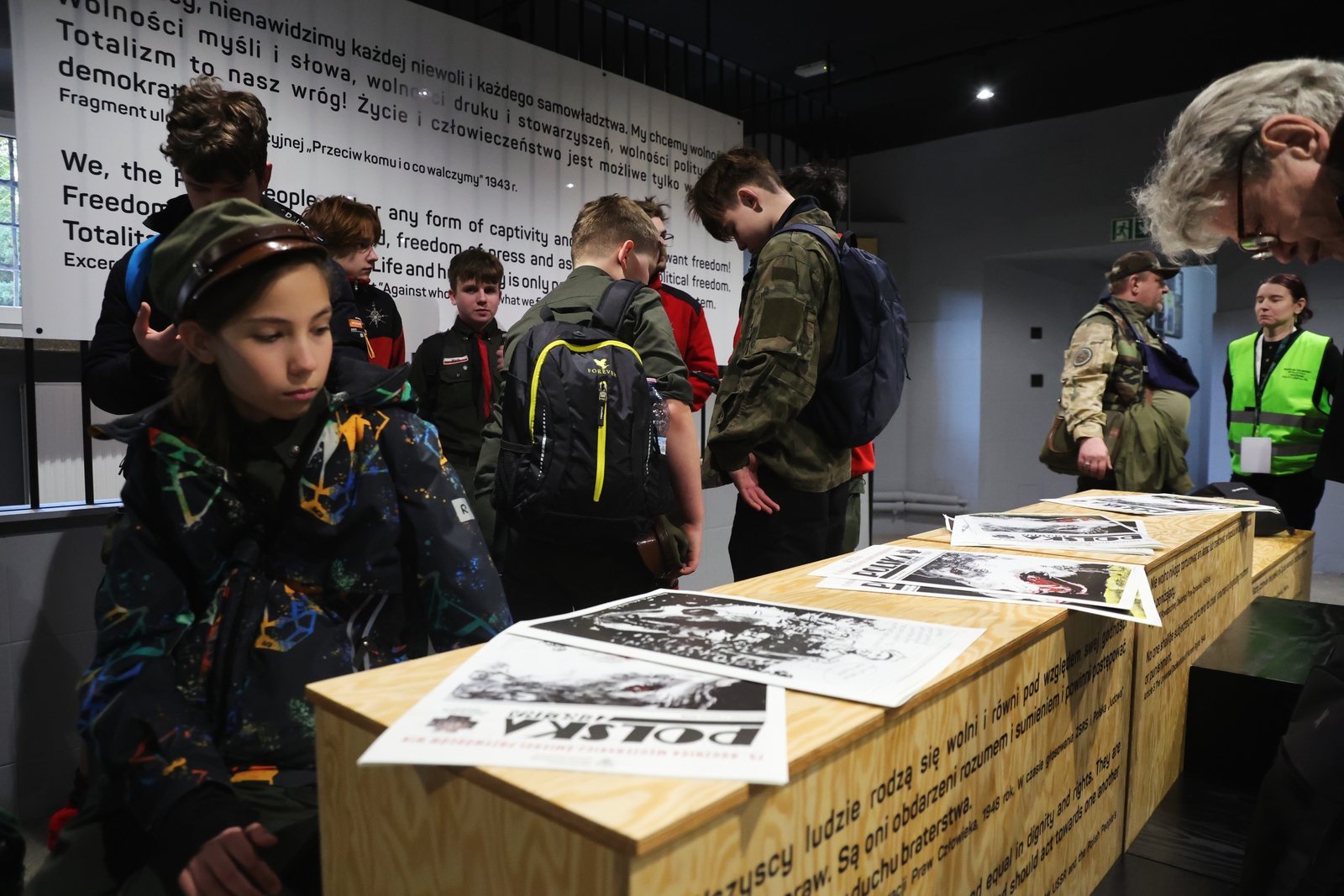
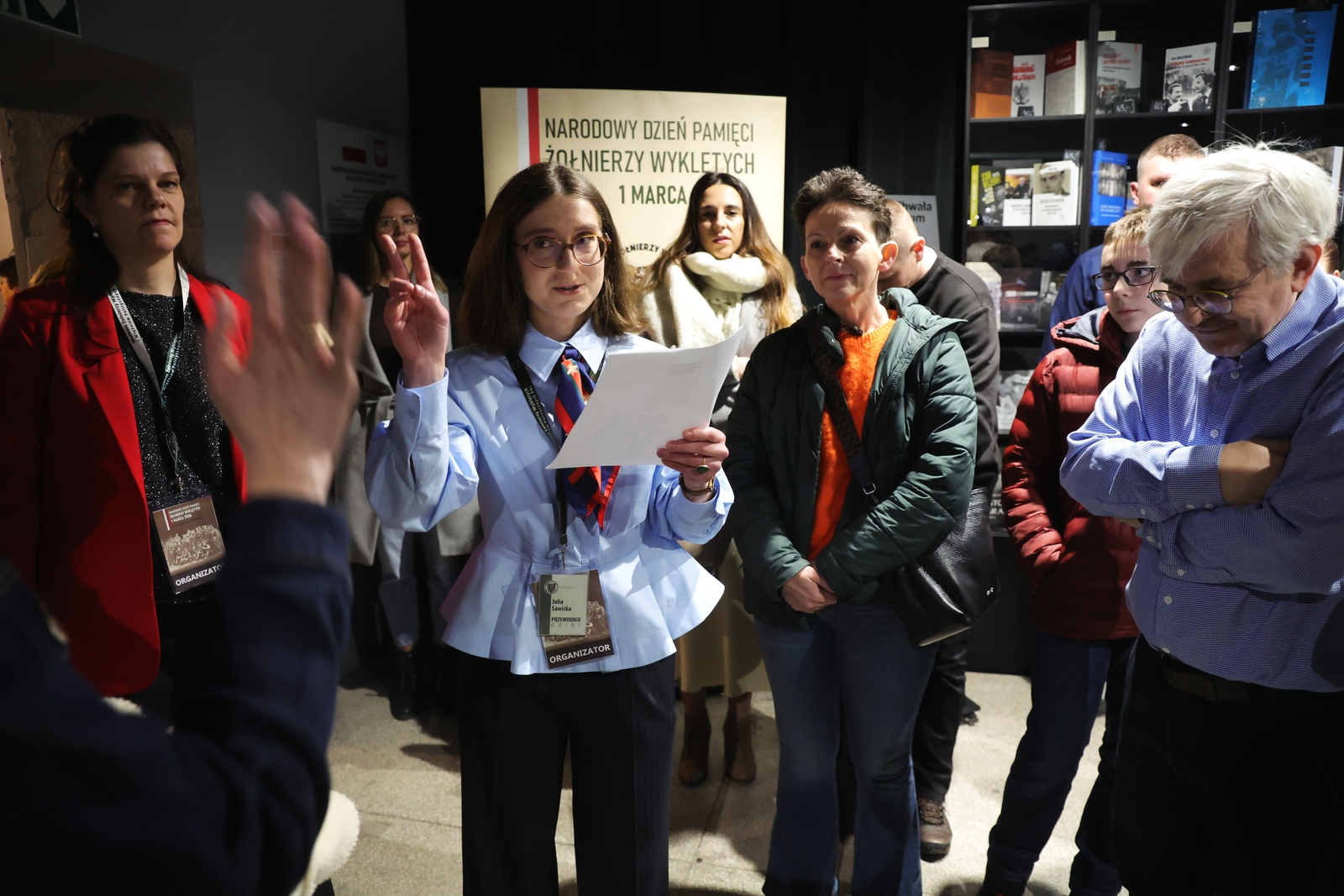
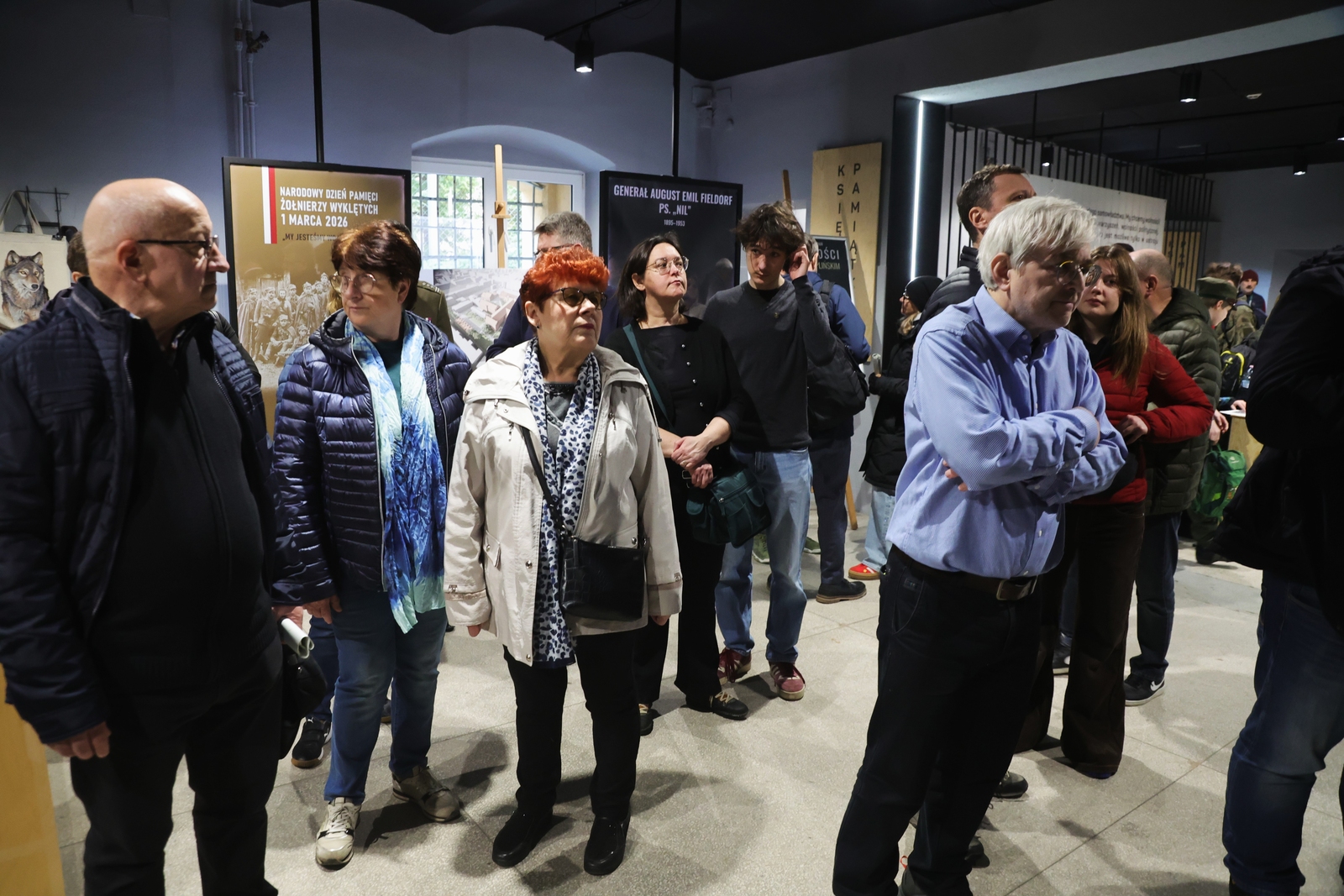
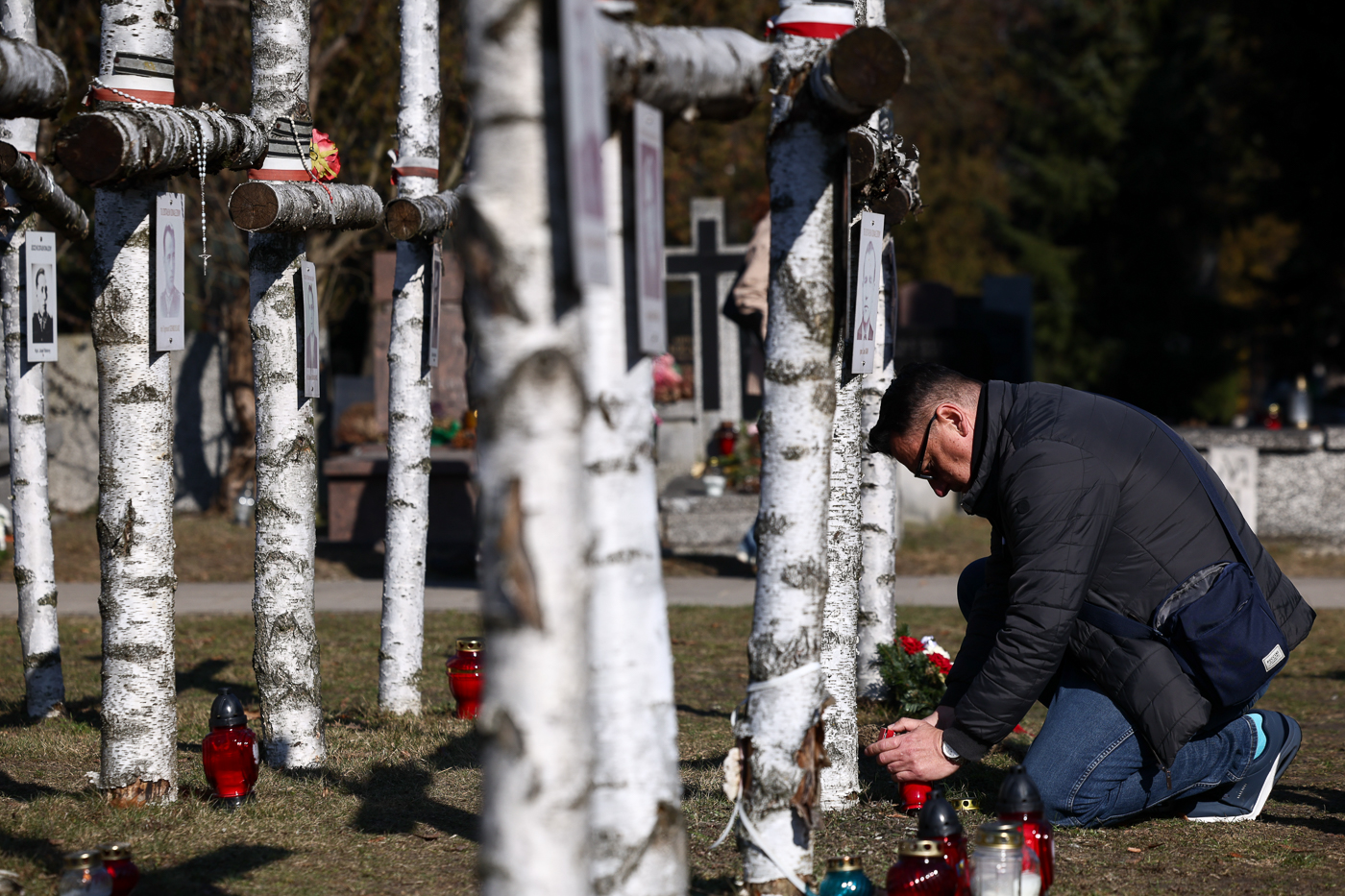
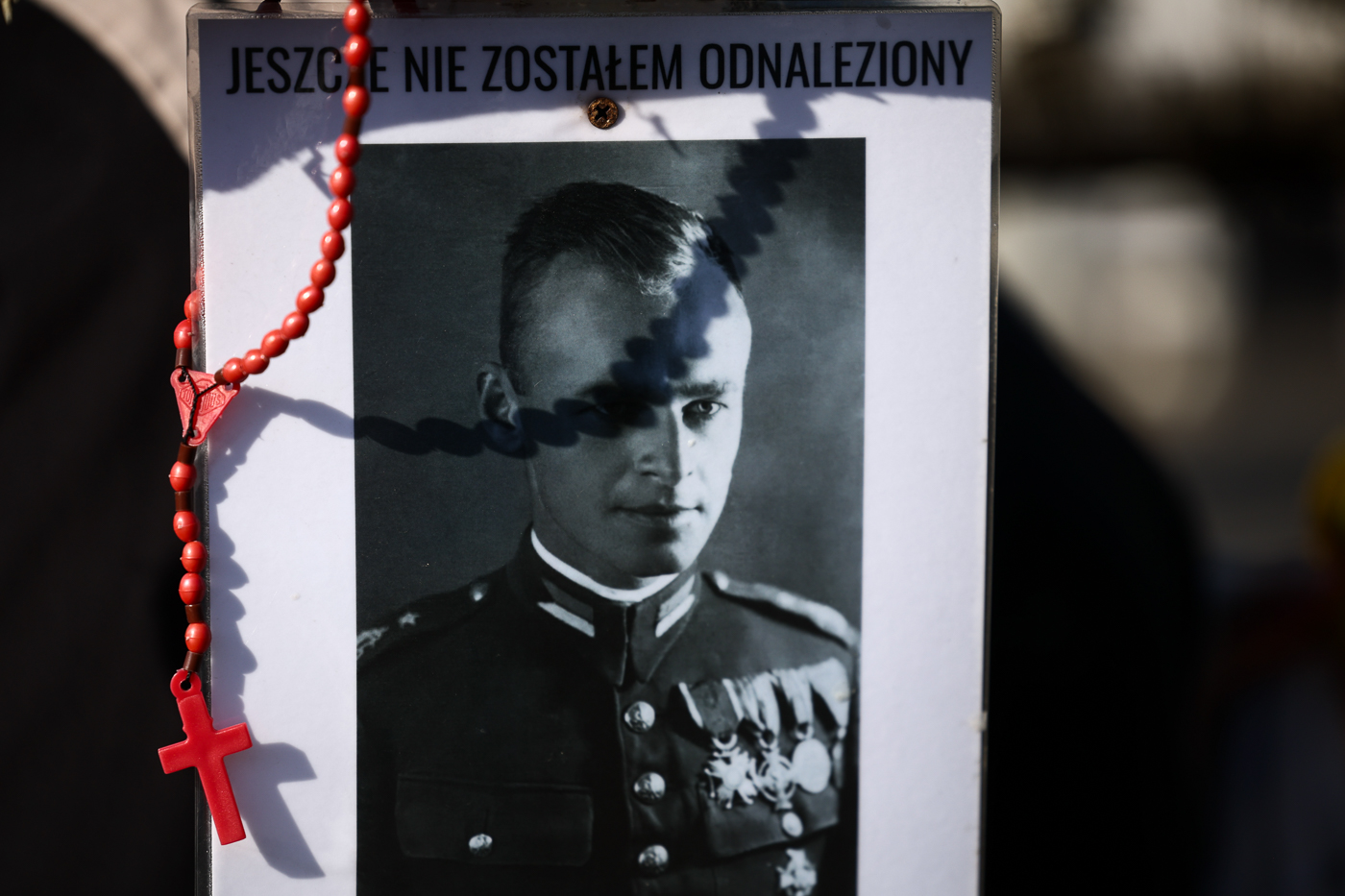
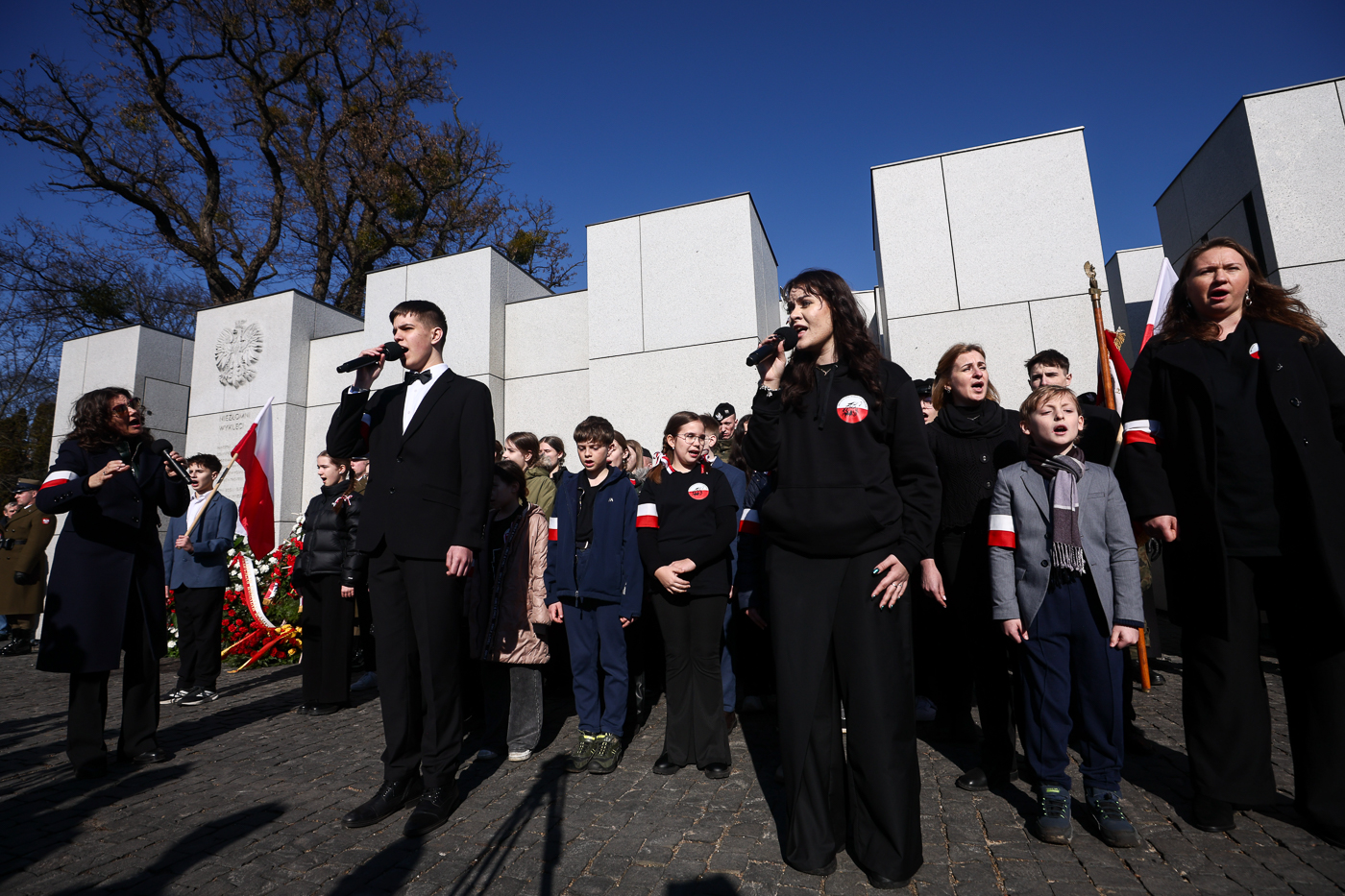
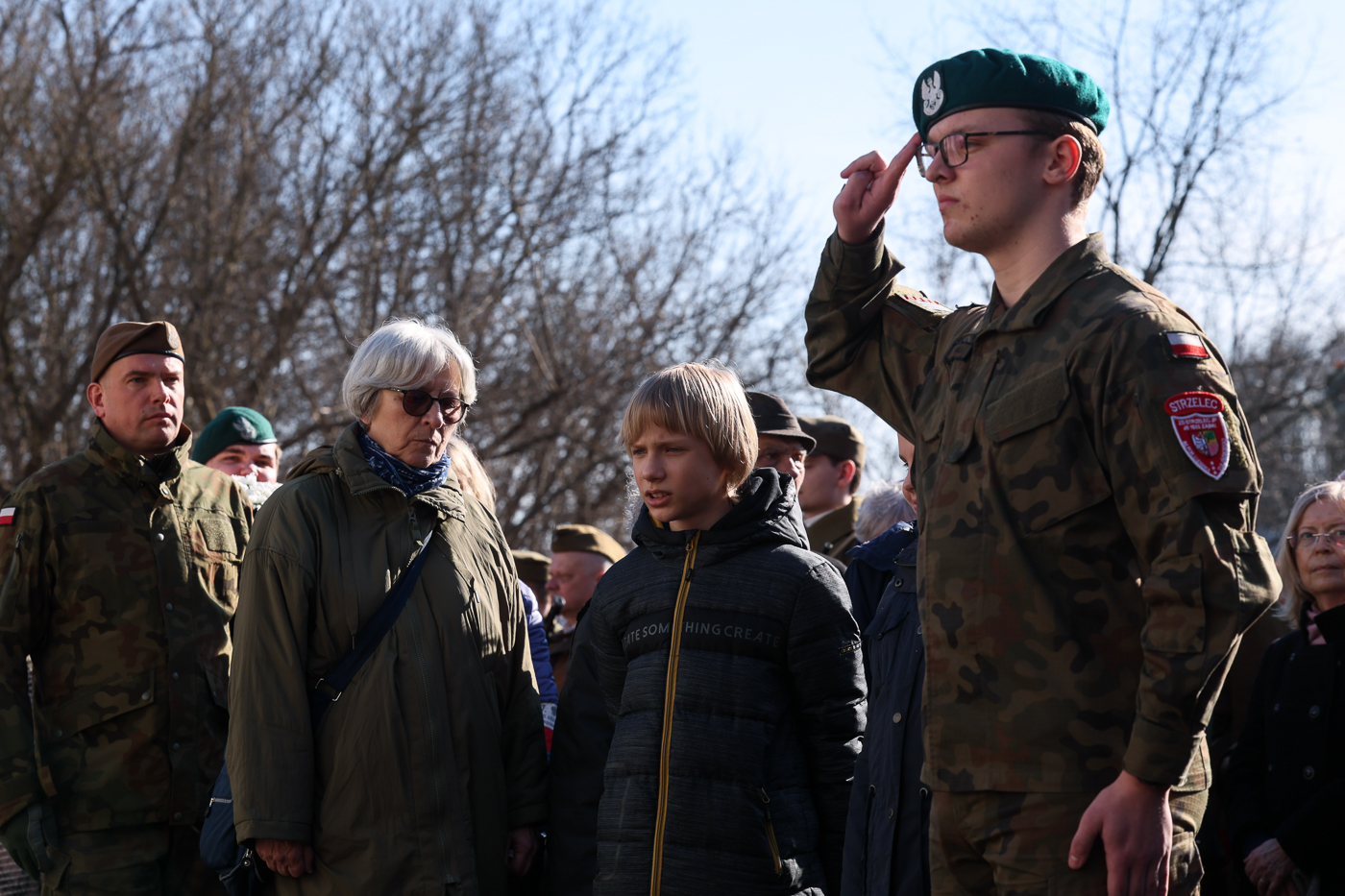
On the National Day of Remembrance of the "Cursed Soldiers", we paid tribute to the soldiers of the post-war anti-communist underground. In Warsaw, heroes of Poland’s struggle for independence were commemorated at the former prison on Rakowiecka Street and at the “Łączka” section of the Powązki Military Cemetery by IPN Deputy Presidents: Karol Polejowski, Mateusz Szpytma, and Krzysztof Szwagrzyk.
On March 1, 1951, following a show trial, leaders of the IV Main Board of the Freedom and Independence Association (WiN) – including President Lt. Col. Łukasz Ciepliński (“Pług”, “Ludwik”) and his closest collaborators: Adam Lazarowicz, Mieczysław Kawalec, Józef Rzepka, Franciszek Błażej, Józef Batory, and Karol Chmiel – were executed in the Warsaw Mokotów prison. Their bodies were buried in unknown locations by the communist authorities.
On the anniversary of their murder, on 1 March 2026, the Museum of Cursed Soldiers and Political Prisoners of the Polish People’s Republic hosted ceremonies to honour the heroes of the post-war anti-communist underground. Adrianna Garnik, the Director of the Museum, hosted, among others, representatives of state authorities and veterans’ organisations, and families of the anti-communist freedom fighters.
The IPN Deputy Head Karol Polejowski reminded the participants that loyalty to Poland, to one’s oath, and to God and the Homeland were the guiding principles for the “Cursed Soldiers”. “May the memory of the Polish soldiers who continued the fight against foreign, anti-Polish communist authorities and the Soviets after 1944 endure in us,” he appealed.
A letter from President Karol Nawrocki was read out by his advisor, Jan Józef Kasprzyk. The President emphasised that the memory of the heroes' lives on, with white-and-red floral tributes laid at their graves and monuments, and candles burning in their honour.“At this special time, we pay solemn tribute to the soldiers and conspirators who fought against the Soviets and their collaborators to their last breath, heroically keeping the oath they made to God and the Republic of Poland,” he wrote.
President Nawrocki added that the integrity and sacrifice of the “Cursed Soldiers” serve as a model for children and youth, shaping the patriotic values of soldiers and law enforcement officers safeguarding our country.
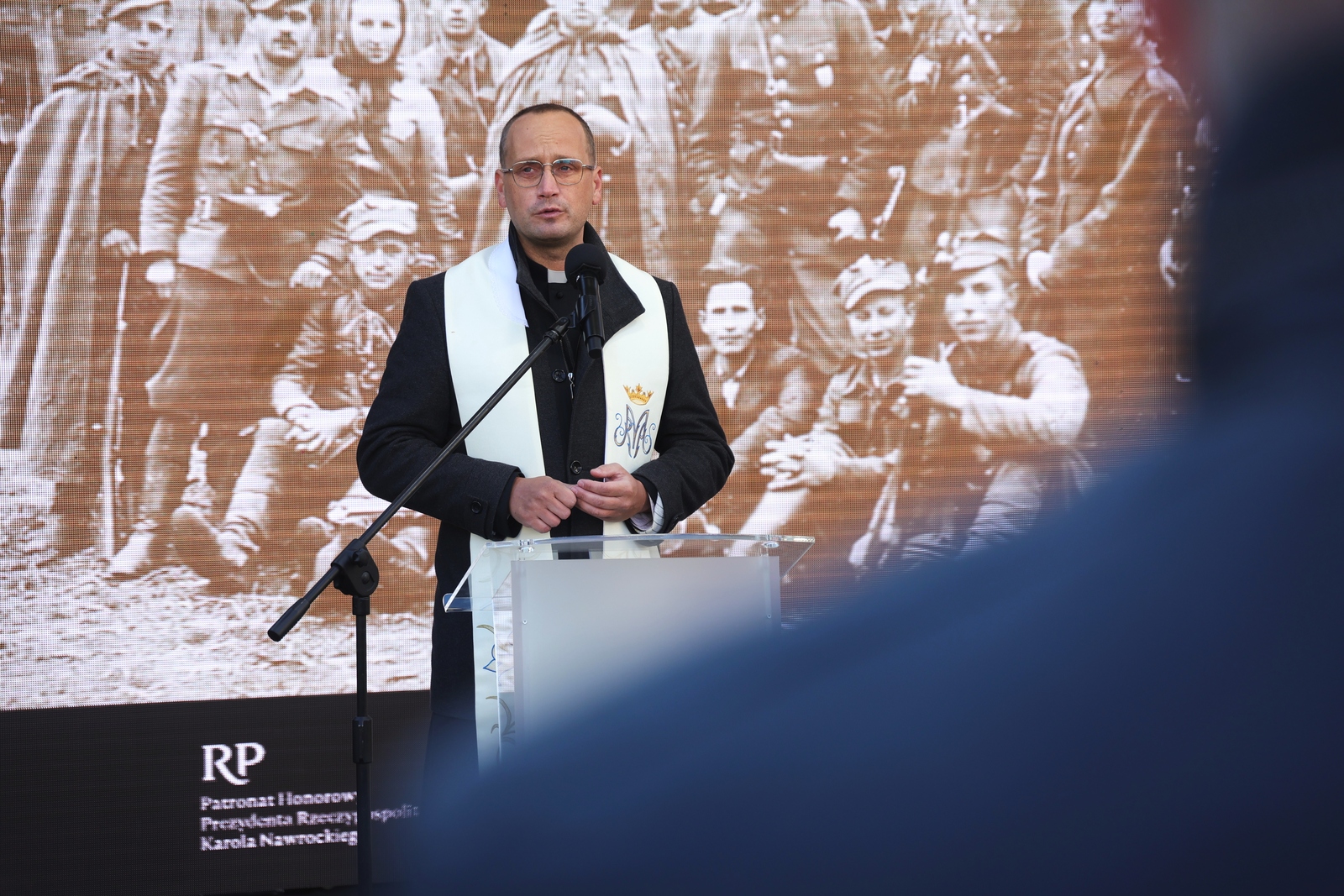
After the official speeches, Fr. Tomasz Trzaska, chaplain of the Museum, said a prayer for the victims. The Roll of Honour was read out, and flowers were laid at the Wall of Death, where members of the independence underground were executed.
***
The end of World War II did not bring Poles freedom. There were a great number of those who could not come to terms with this fact, choosing further unequal struggle and remaining in the underground. The soldiers of the anti-communist independence underground came from various environments: the Home Army, National Armed Forces or Peasants’ Battalions. They had different visions of a future Poland, but they shared a common fate. They knew that if they were arrested, they would face death or years of imprisonment, that perhaps they would never see their loved ones again.
Those who were sentenced to death in the show trials were to be deprived also of the right to their own grave and human remembrance. The murdered were secretly buried in nameless graves, and the families searched for any news about their fate with no avail.
The memory of the Cursed Soldiers was restored only after several dozen years, thanks to the efforts taken by many people: families, former comrades-in-arms, journalists, scientists and social activists. Given the growing interest in the history of the independence underground, there is a need to commemorate thousands of those who paid a high – and sometimes ultimate – price for their stance.
On 9 February 2011, President of Poland Bronisław Komorowski signed the act establishing a new public holiday: Cursed Soldiers National Remembrance Day, celebrated on 1 March. The date proposed by the late Janusz Kurtyka, President of the Institute of National Remembrance, was not accidental. It is an anniversary of the execution of seven members of the 4th General Board of Freedom and Independence: Łukasz Ciepliński, Mieczysław Kawalec, Józef Batory, Adam Lazarowicz, Franciszek Błażej, Karol Chmiel and Józef Rzepka. Every year on 1 March there lectures, discussions, concerts, memorial meetings and patriotic celebrations dedicated to the Cursed Soldiers are held.
The Cursed Soldiers were members of the armed pro-independence underground who, begining with 1944, fought against Soviet occupation and the communist regime imposed by
Moscow. The communists called them ‘bandits’ and ‘fascists’, contorting their history and distorting the objective they were fighting for. The regime was trying to erase the Cursed soldiers from the collective consciousness.
The implementation of Stalin’s actual plans regarding Poland sparked armed resistance, which was a continuation of the struggle for independence which had begun in 1939. The combat trail of most Cursed Soldiers began during the war and continued in the post-war reality, although some of them began their pro-independence fight after the end of the German occupation due to their young age.
After the war 120,000 – 180,000 people were active in the pro-independence underground. Almost half of them recruited from the Home Army (AK), 30,000 – 40,000 were associated with the nationalist circles, and another 30,000 – 40,000 fought in local underground groups.