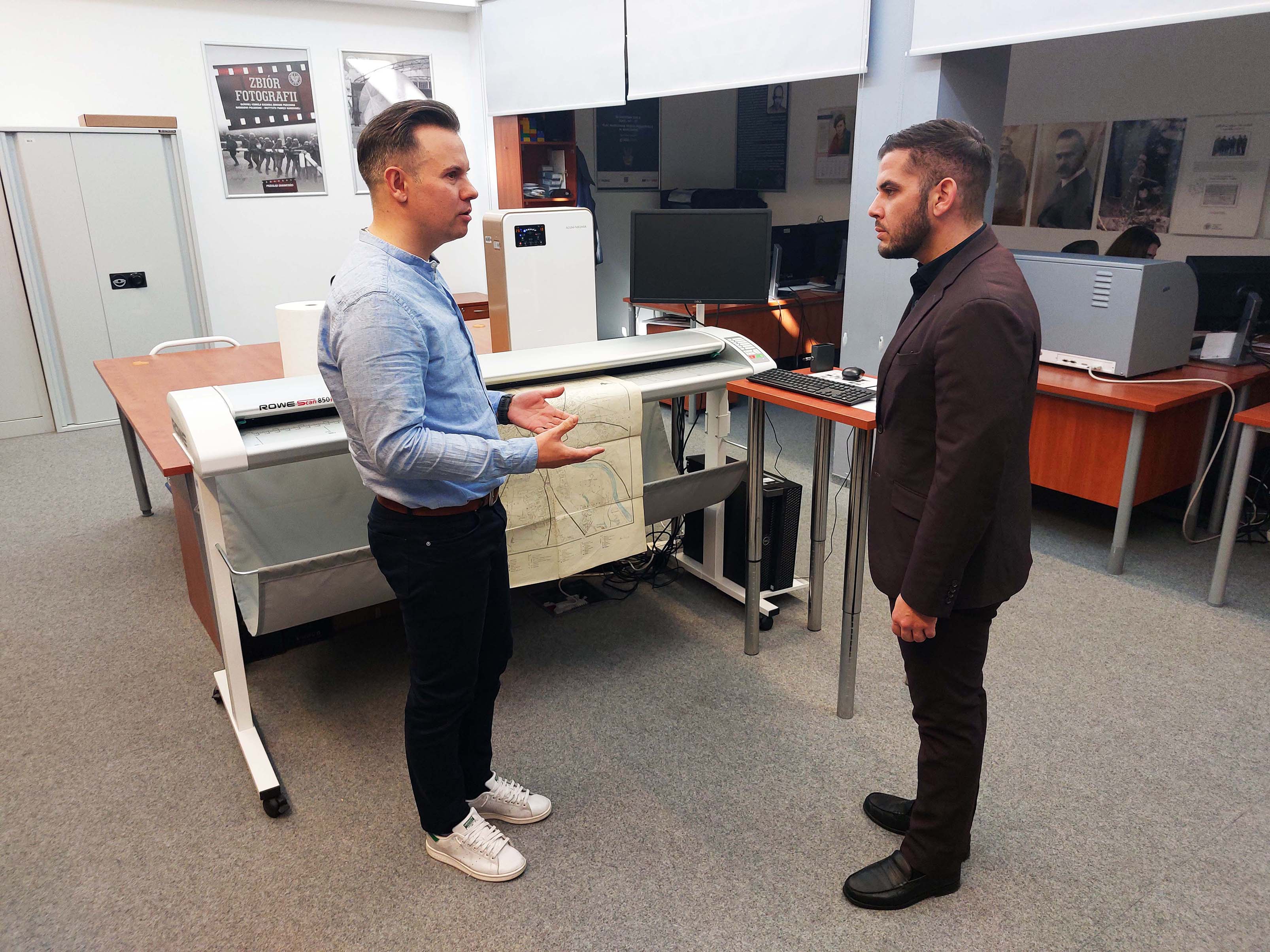
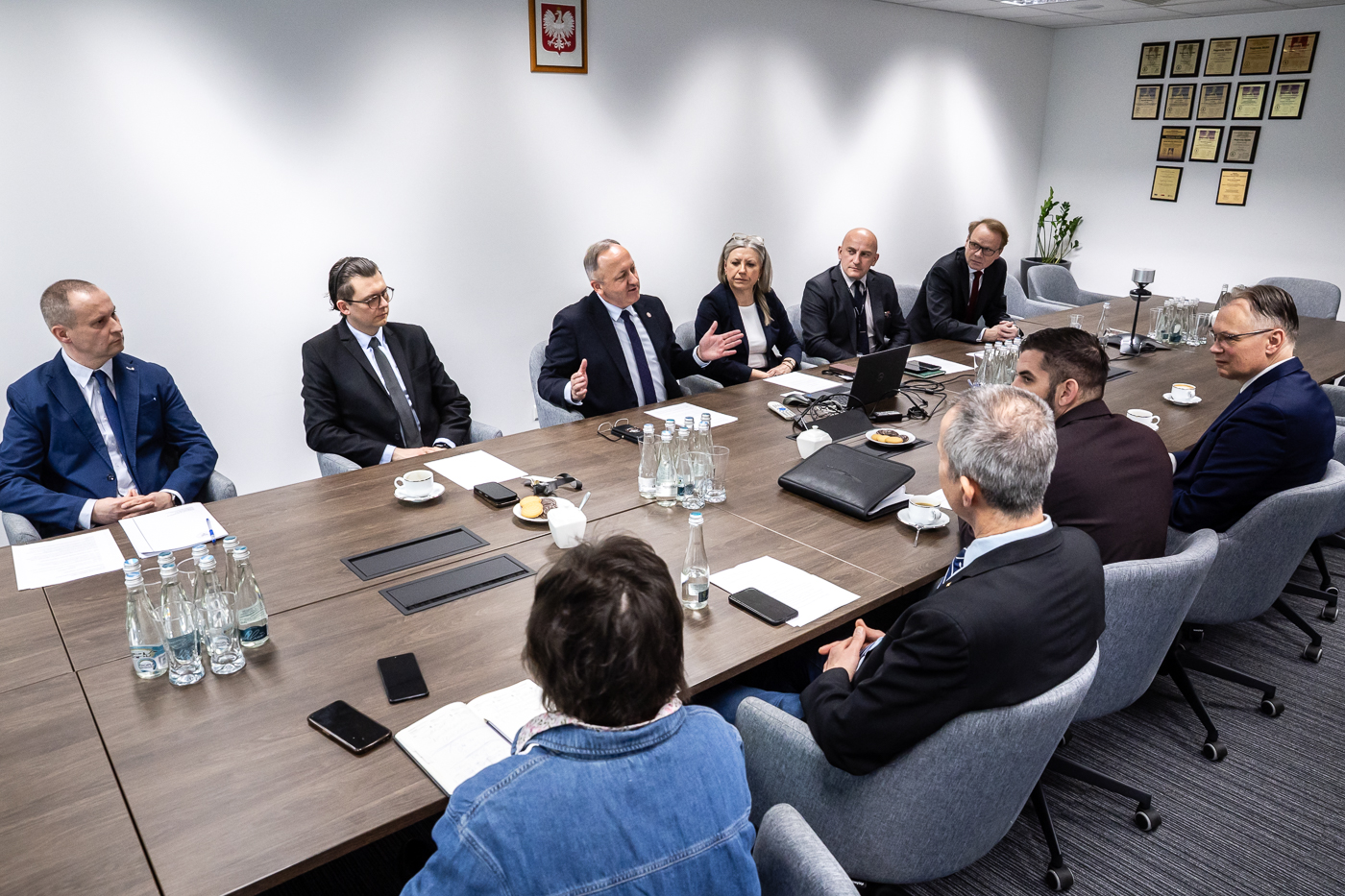
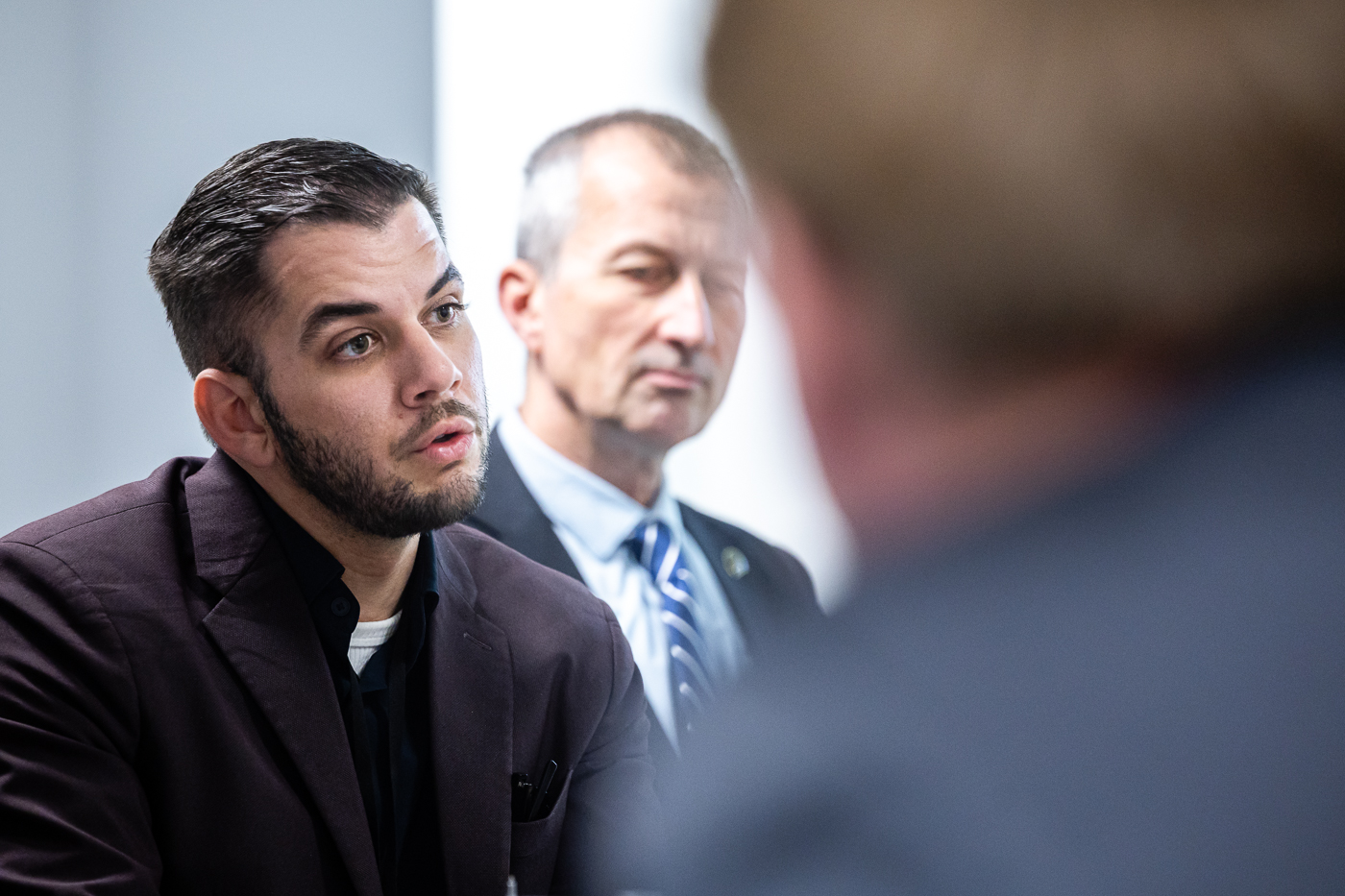
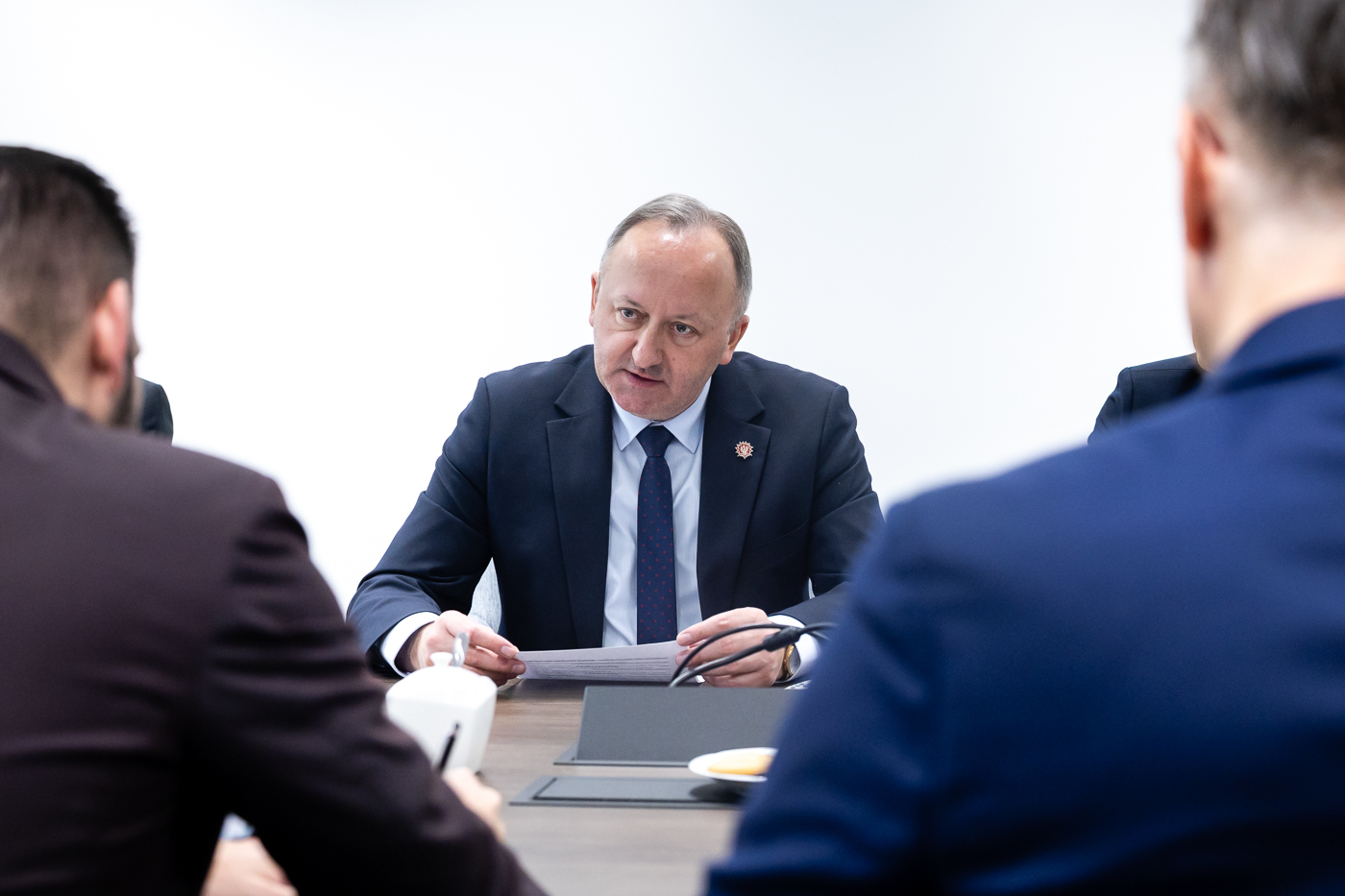
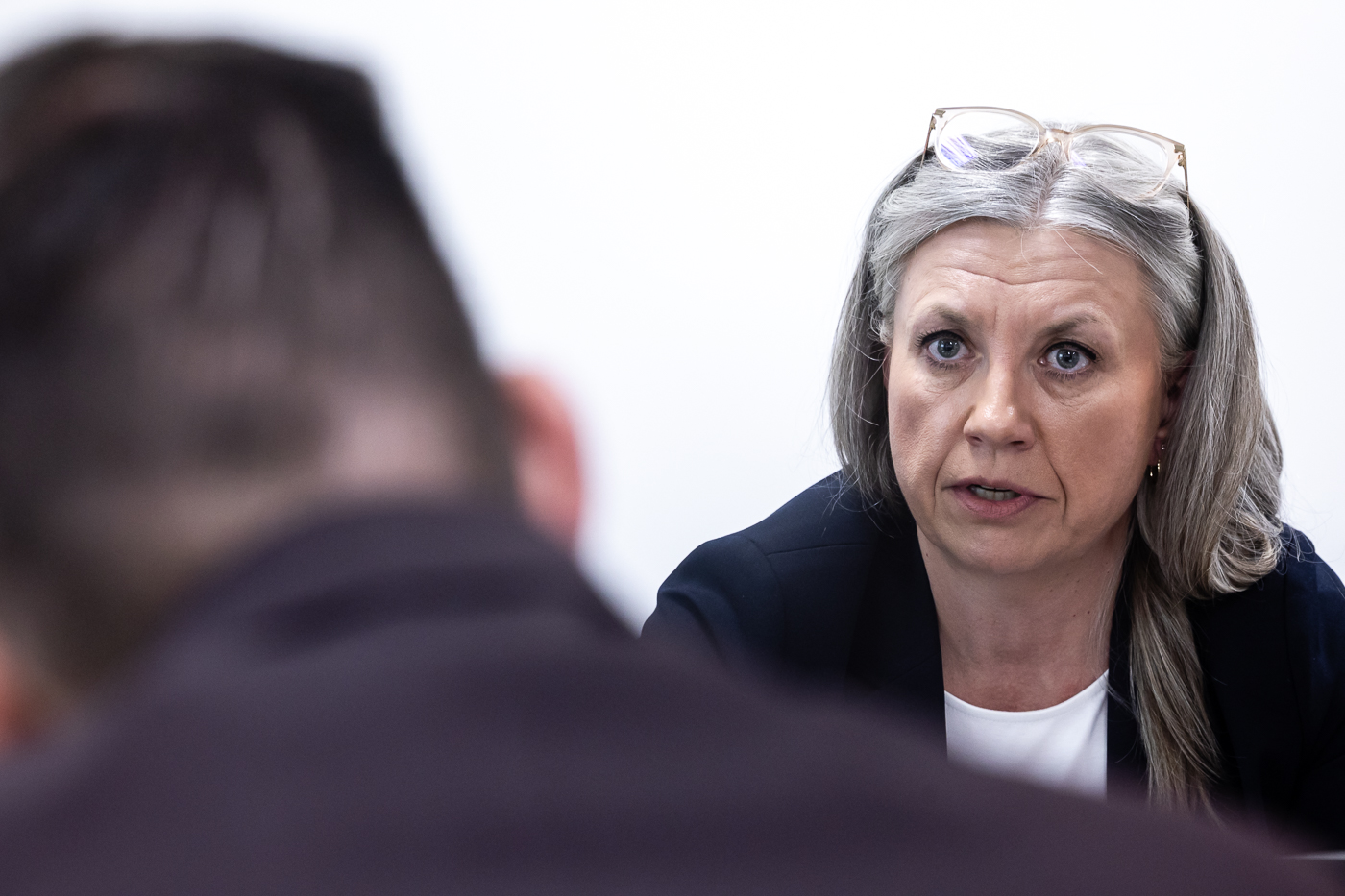
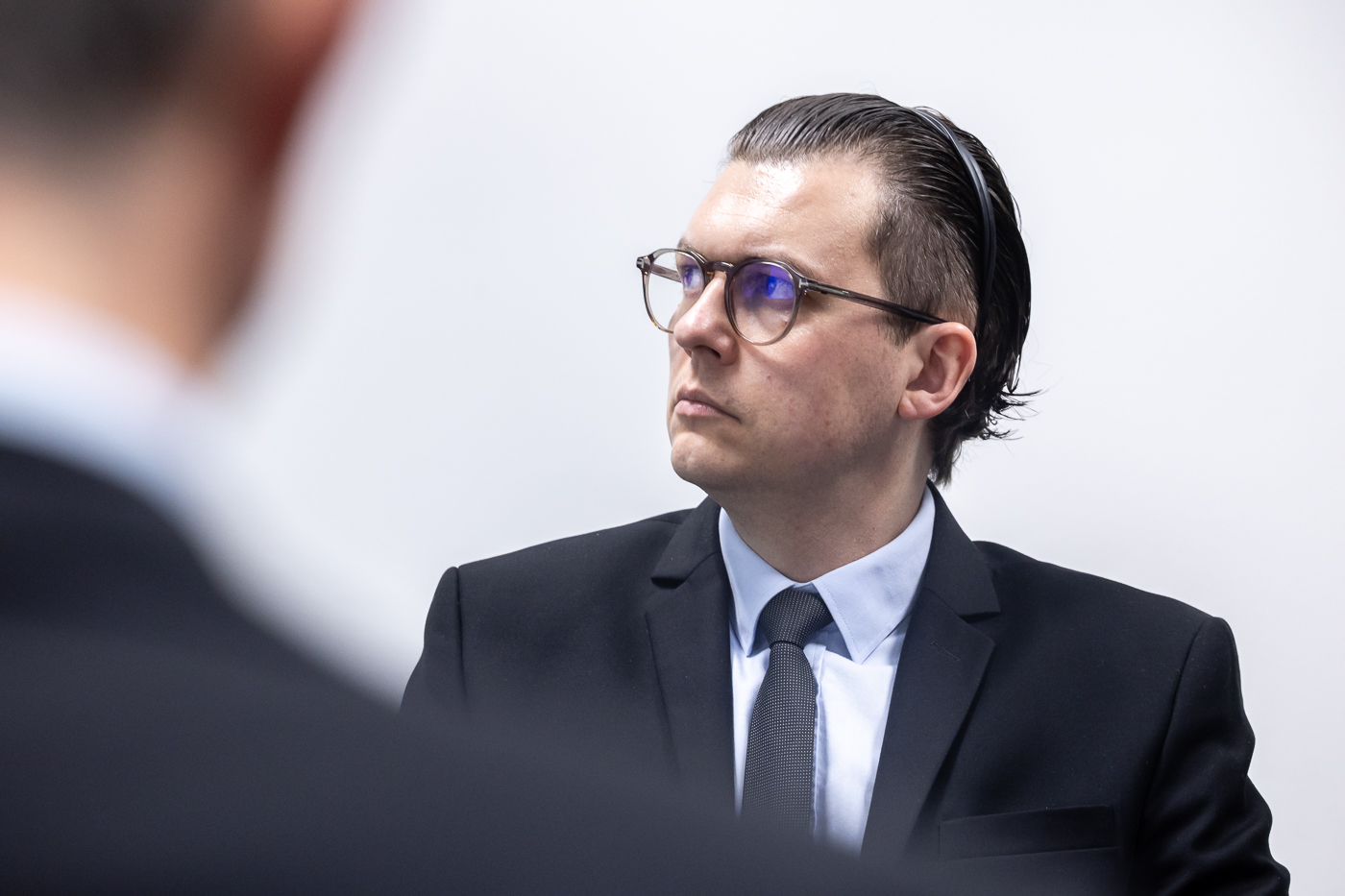
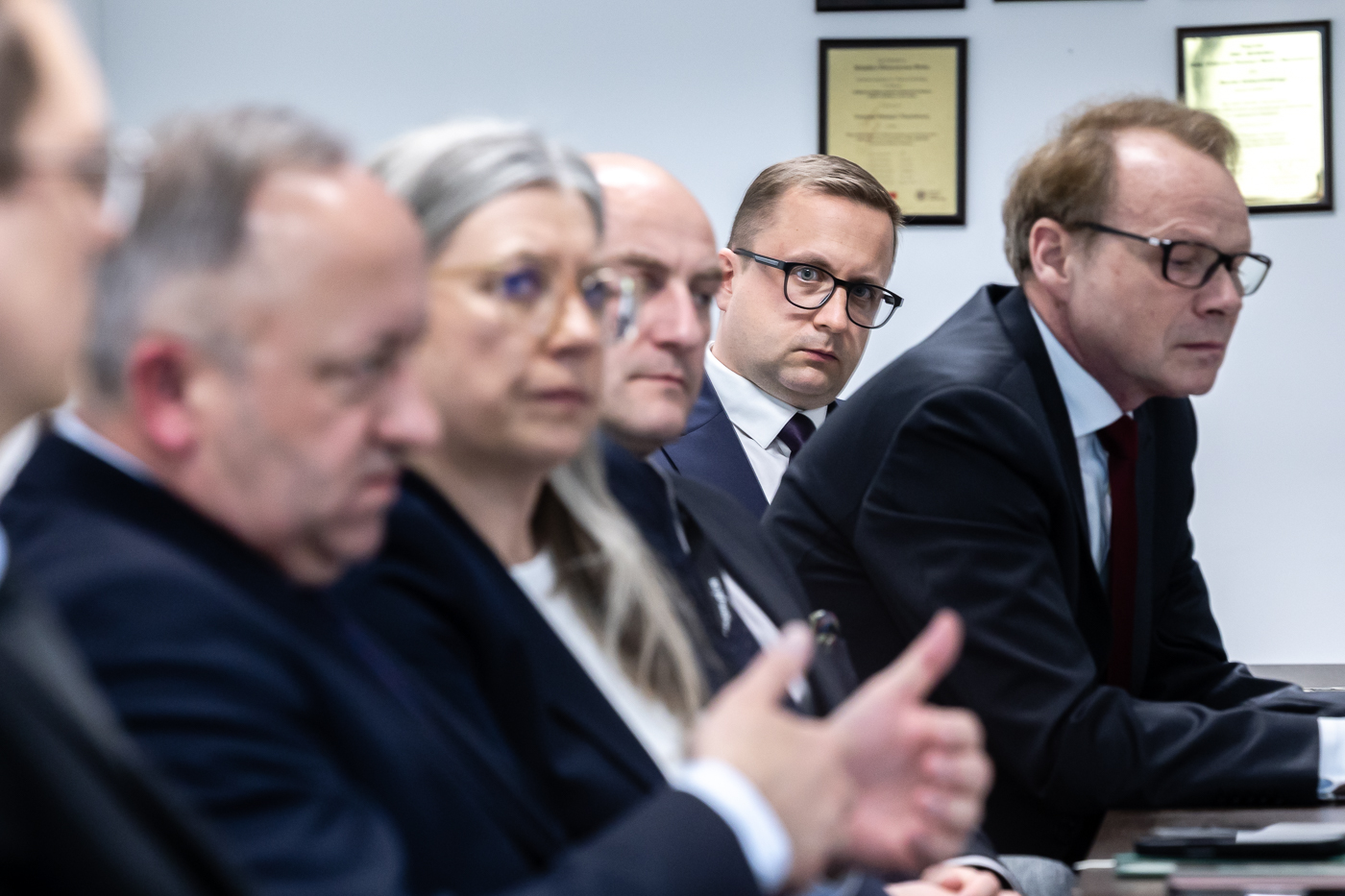
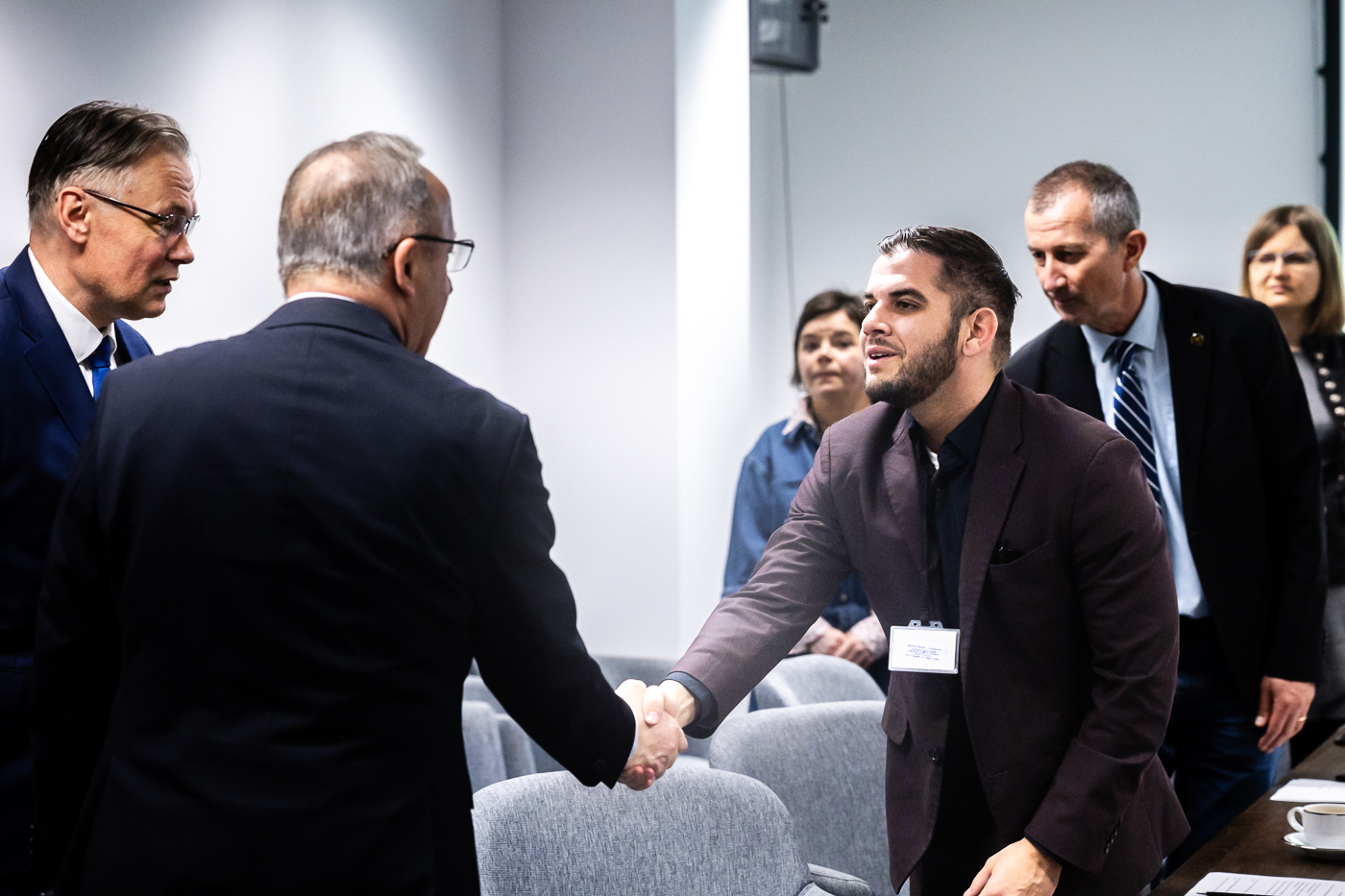
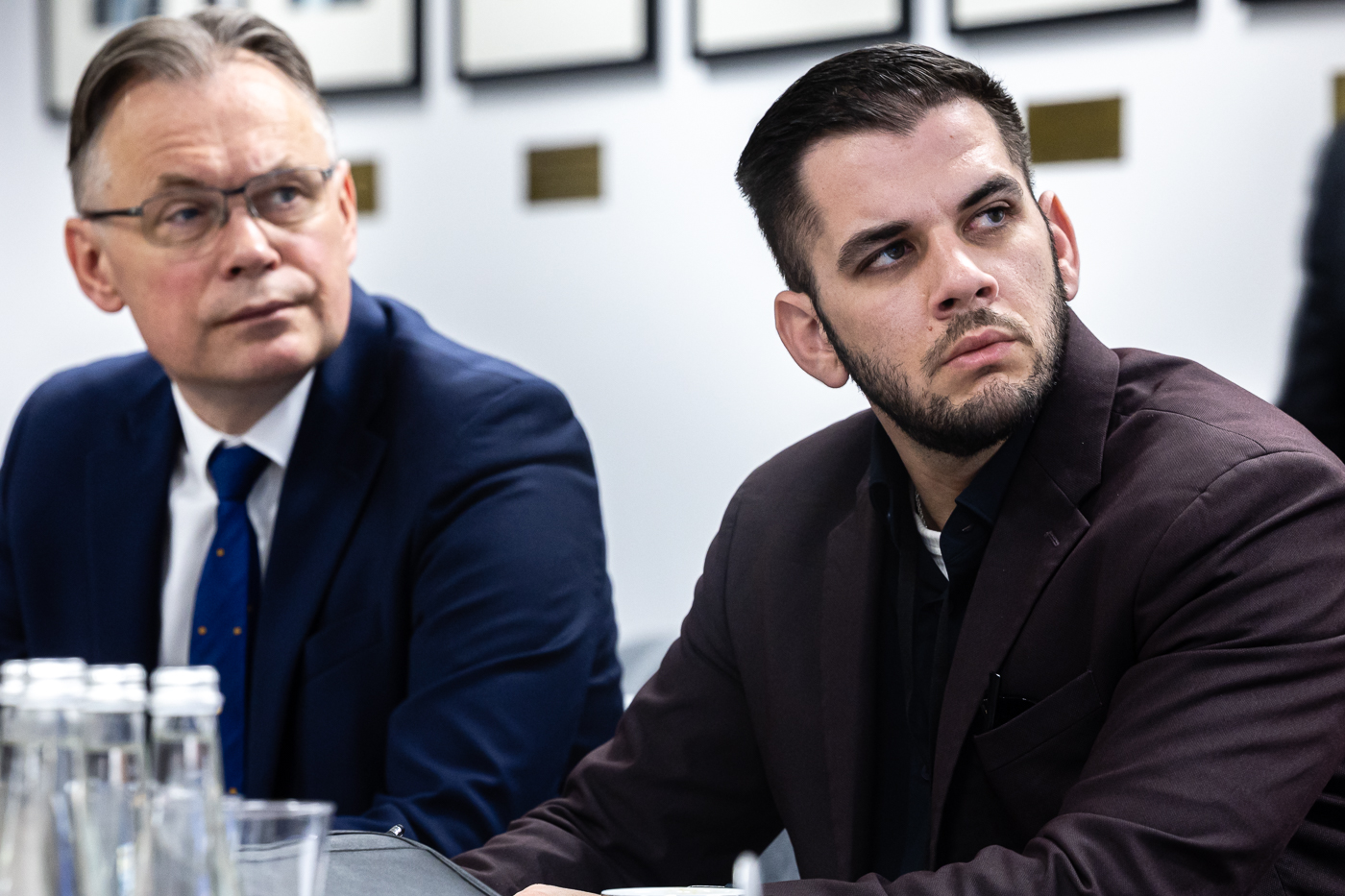
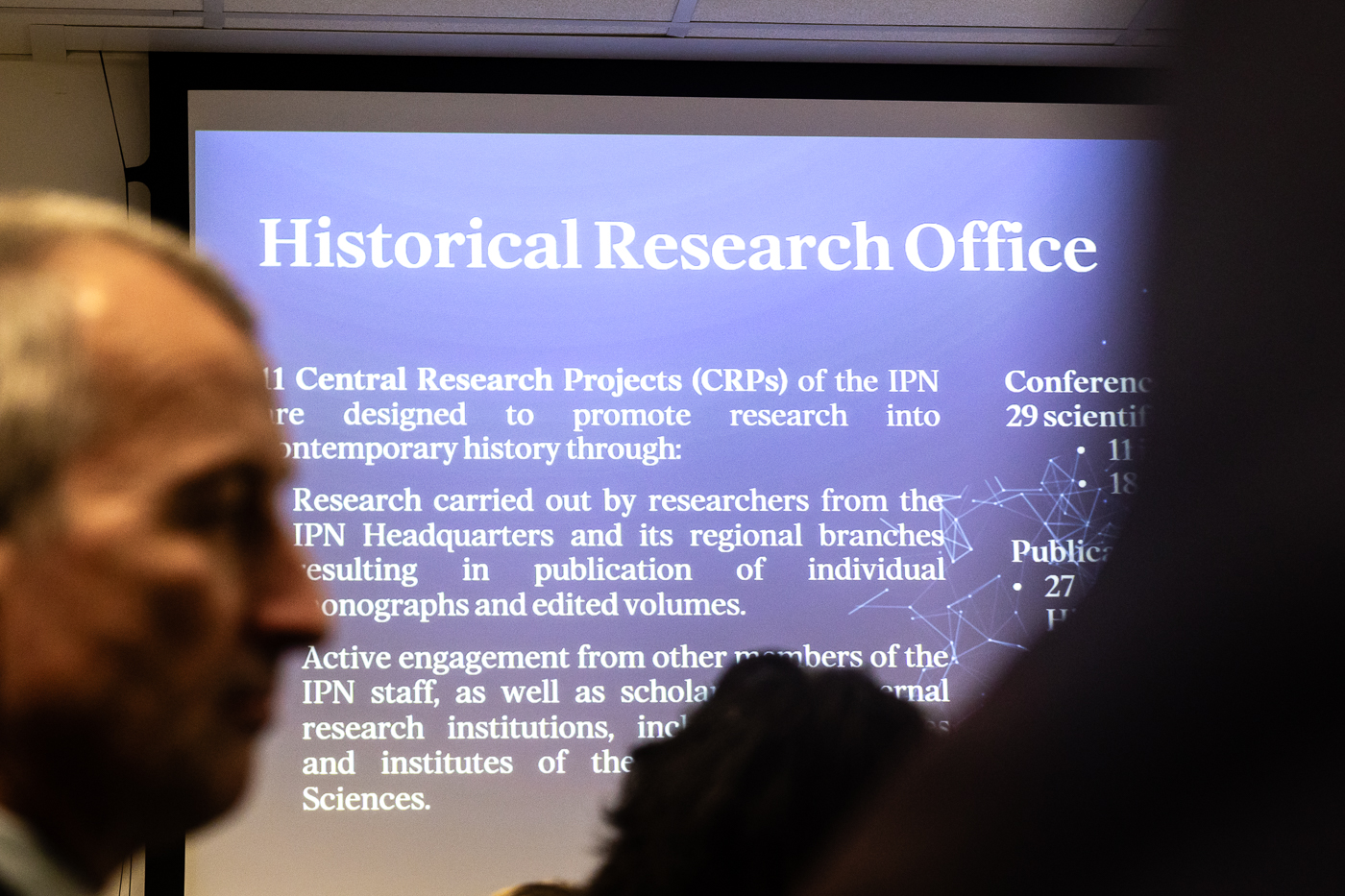
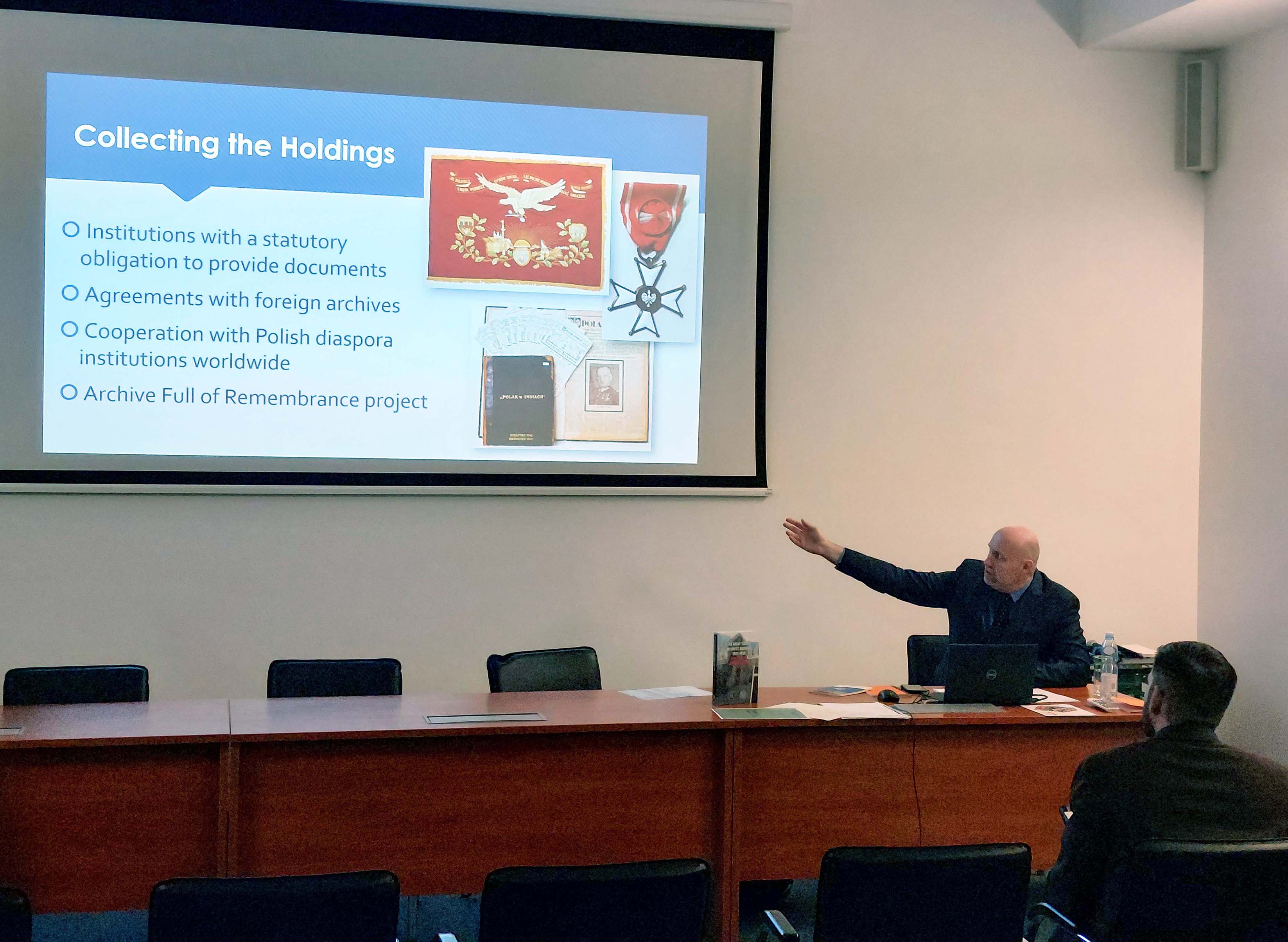
On 18 March 2026, a meeting took place between the Executive Director of the Cuban Freedom March, Alian Alejandro Collazo, and Polish Member of the European Parliament Arkadiusz Mularczyk, along with representatives of the Institute, including the Deputy President Karol Polejowski at the headquarters of the IPN in Warsaw,
Director Collazo expressed interest in how the Institute is organised and how it operates, particularly in relation to efforts to hold former officials of the communist regime accountable. Both sides expressed their willingness to cooperate.
During the meeting, representatives of the Institute presented its structure and activities, outlining the roles of its main departments. These included prosecutorial work related to crimes against the Polish nation, with examples such as investigations into the deaths of Stefan Starzyński, Jerzy Popiełuszko, and Grzegorz Przemyk, as well as cases concerning members of the anti-communist underground and the pacification of the strike at the Wujek Coal Mine.
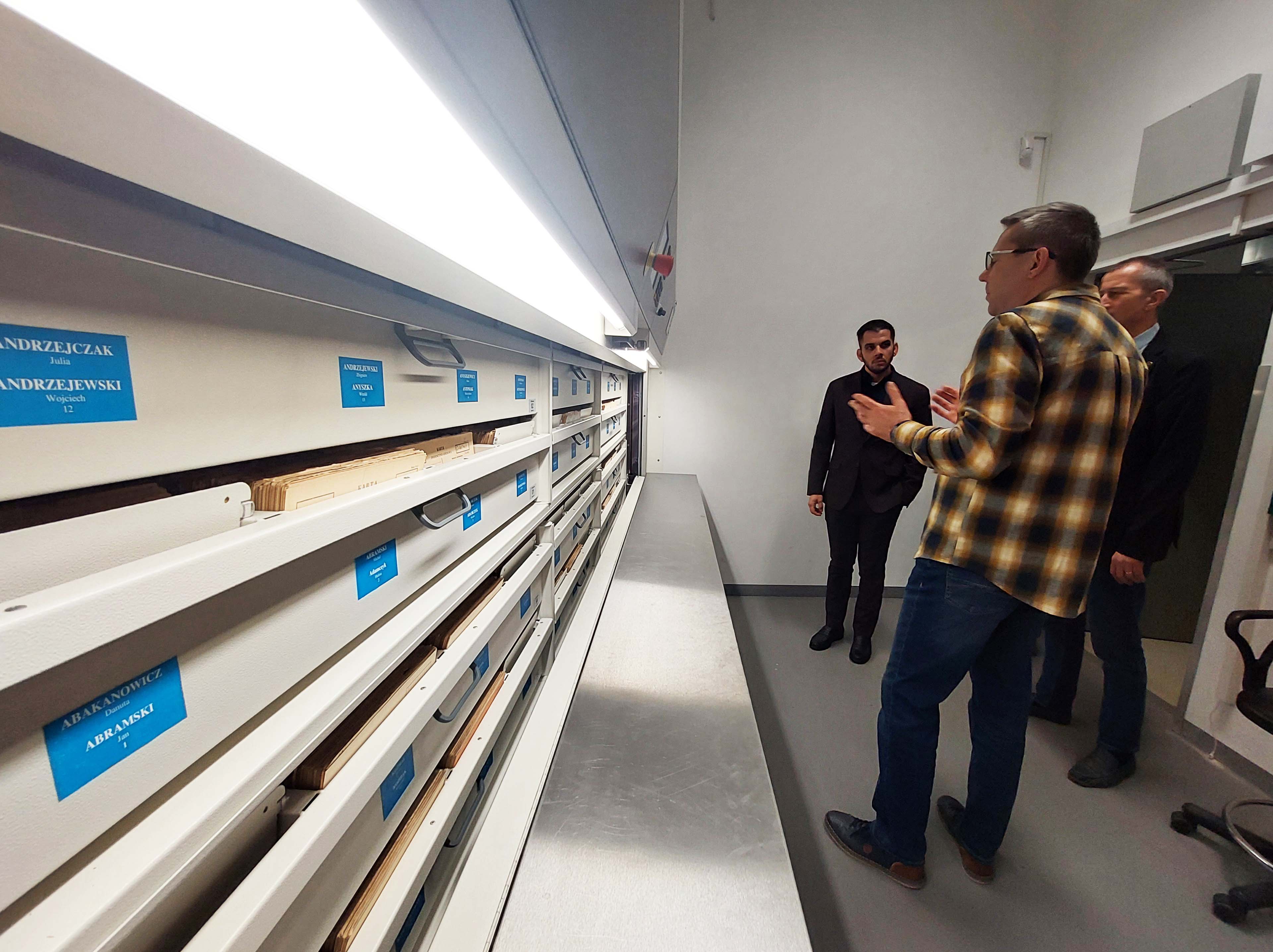
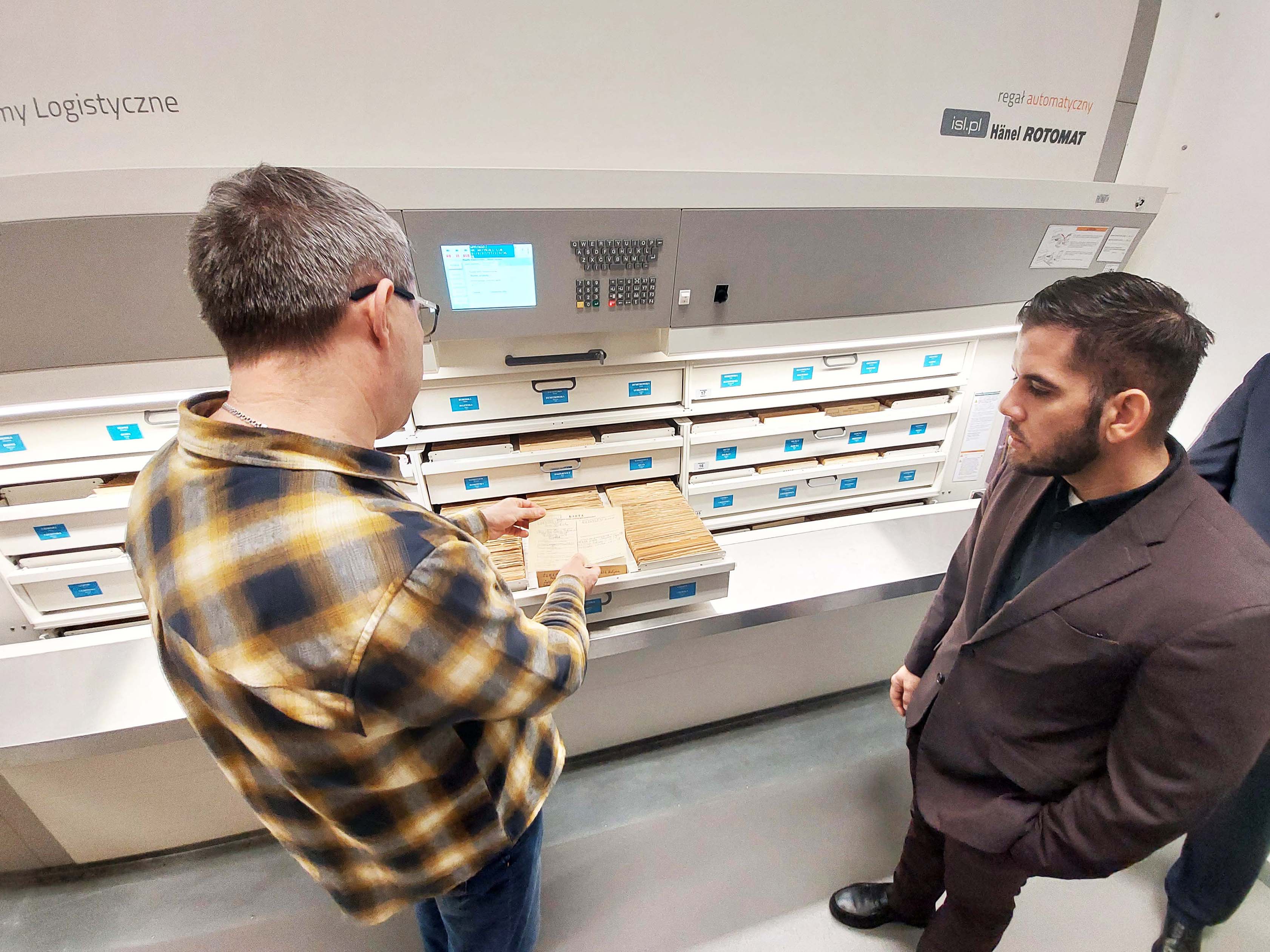
The Institute’s lustration activities were also discussed, focusing on verifying whether public officials truthfully disclosed any collaboration with the communist-era security services. This includes analysing declarations, conducting proceedings, and collecting and cataloguing archival materials related to individuals connected to the former regime.
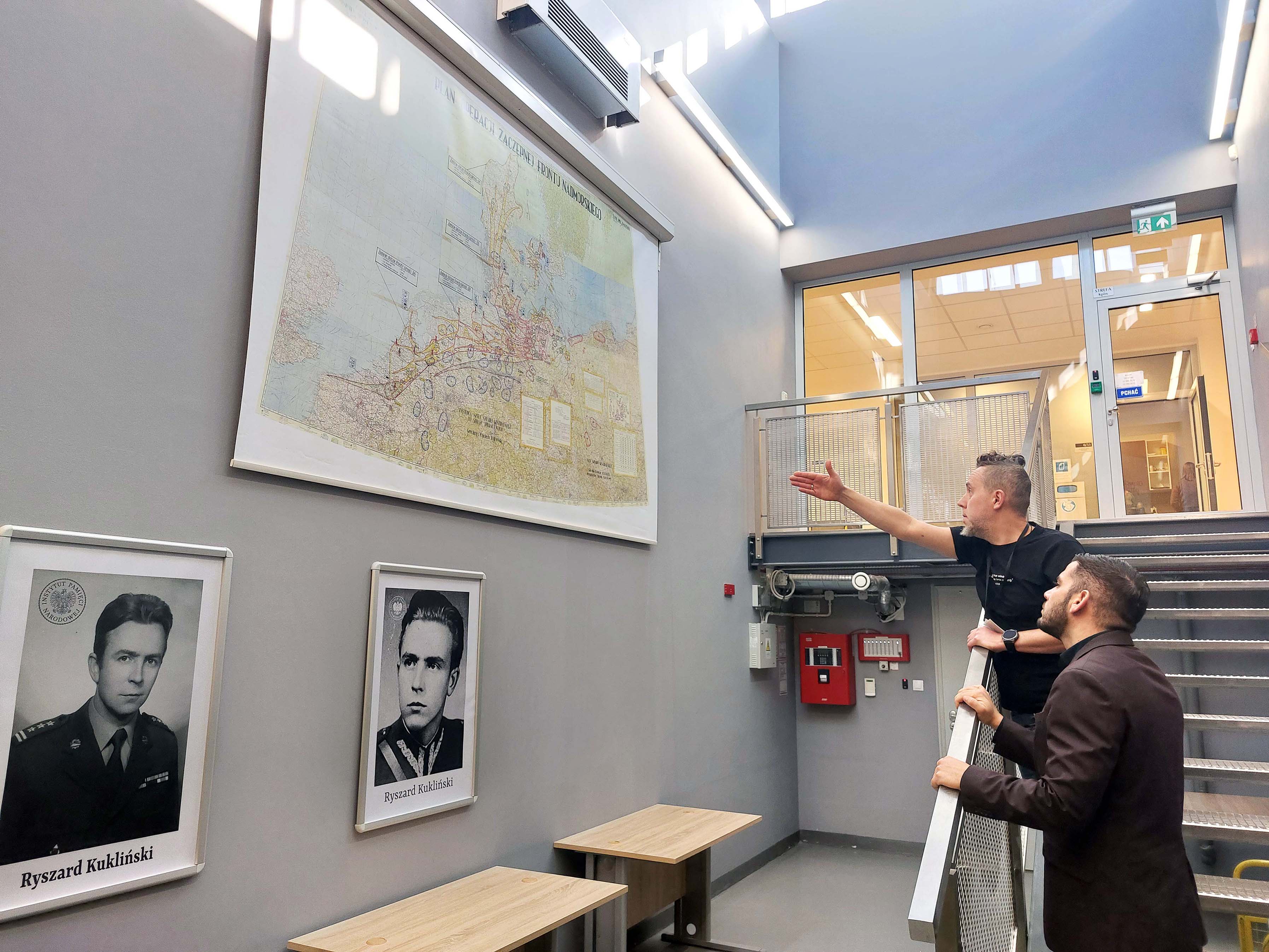
The Institute's research activities were also presented, with particular emphasis on the period of political transformation in Poland. Additionally, representatives of the Office of Search and Identification described efforts to locate and identify victims of past repression, including the use of advanced systems such as CODIS.
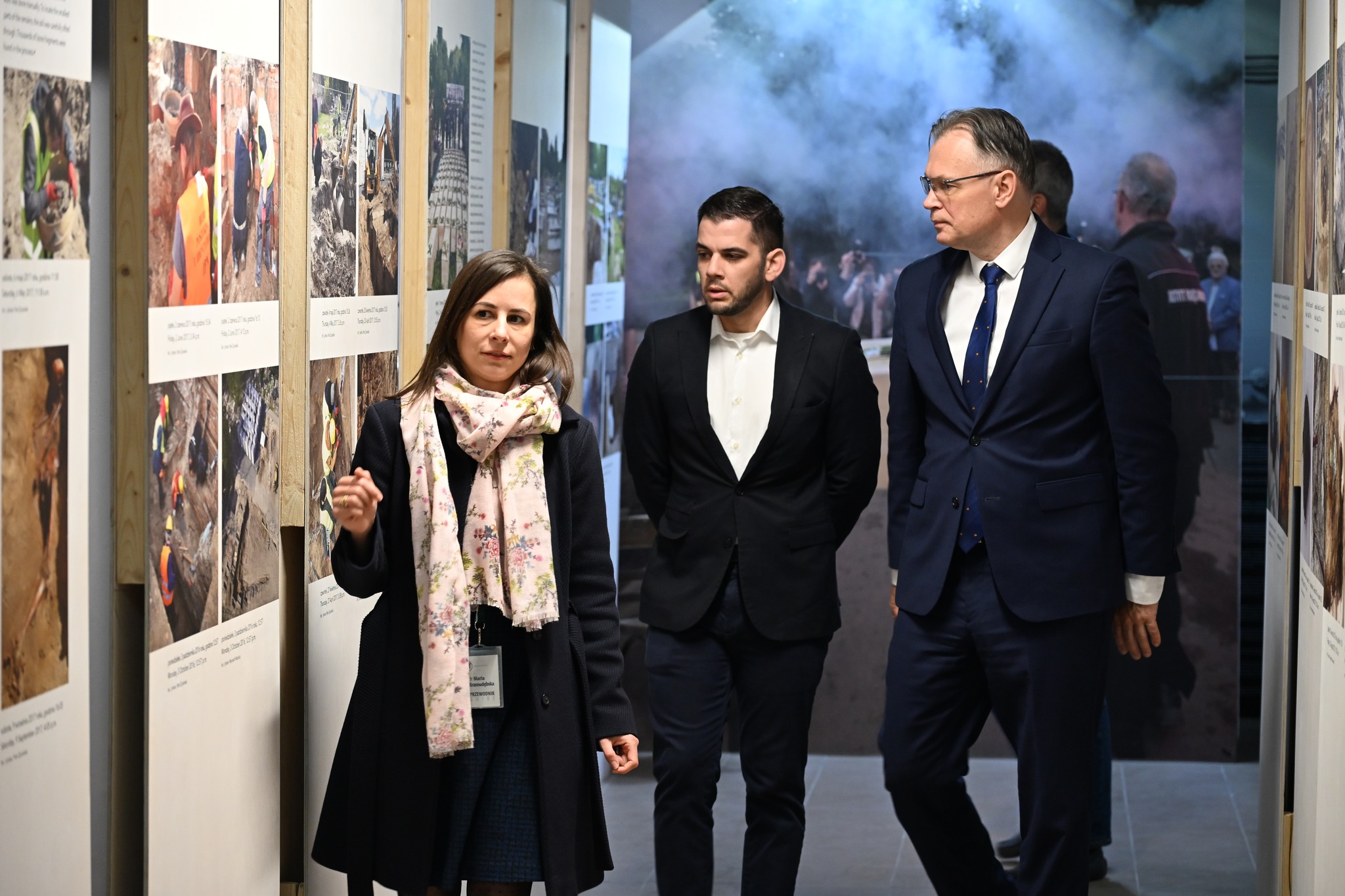
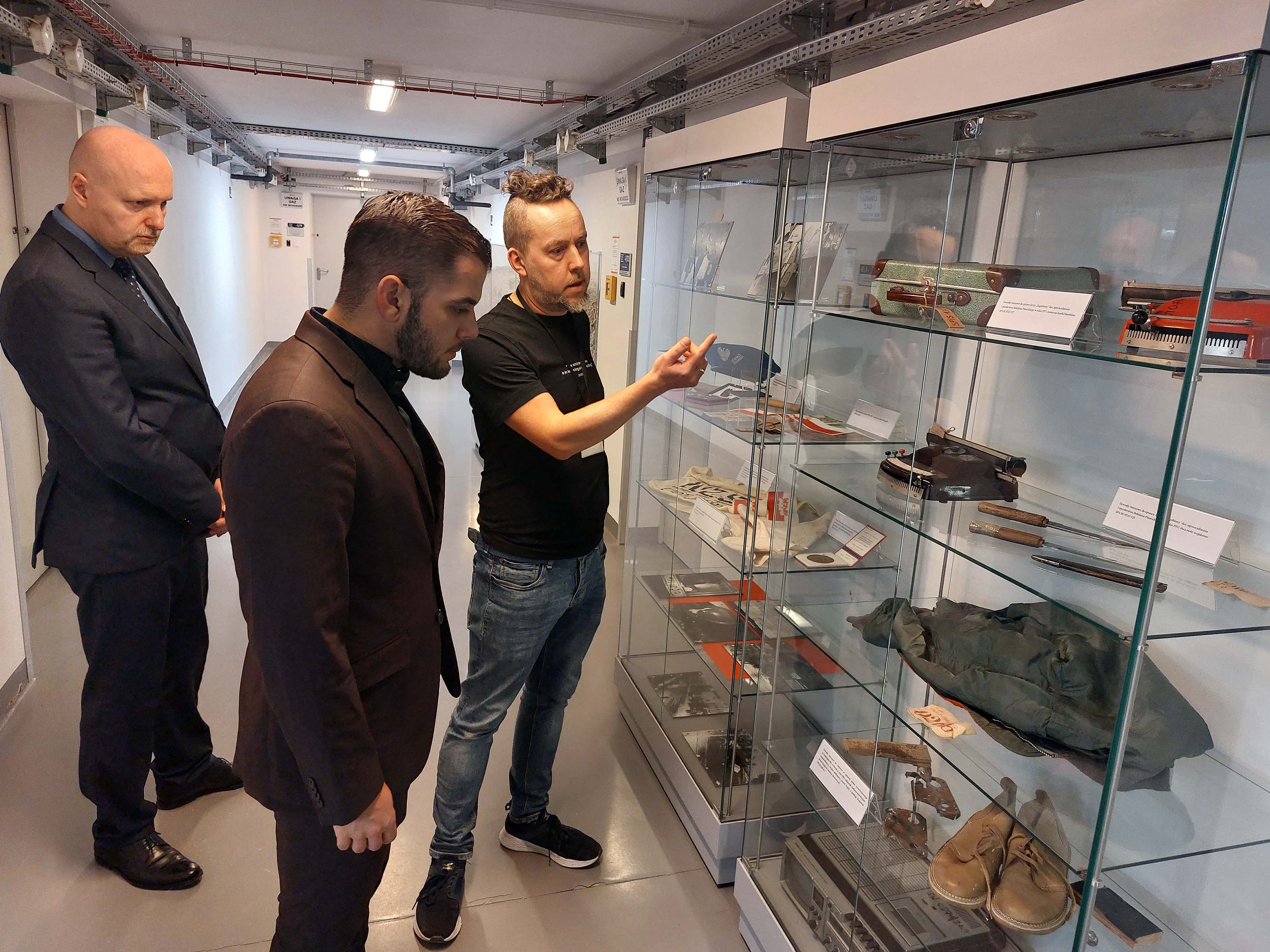
On 19 March, Director Alian Collazo, together with Member of the European Parliament Arkadiusz Mularczyk, visited the IPN Memorial Chamber at Strzelecka 8—a site marked by the tragic history of victims of communist terror. During the visit, the guests became acquainted with the exhibition and testimonies of repression, which remain an important warning for the contemporary world. The meeting provided an opportunity to reflect on the importance of historical memory and the solidarity of nations in defending freedom and human rights.
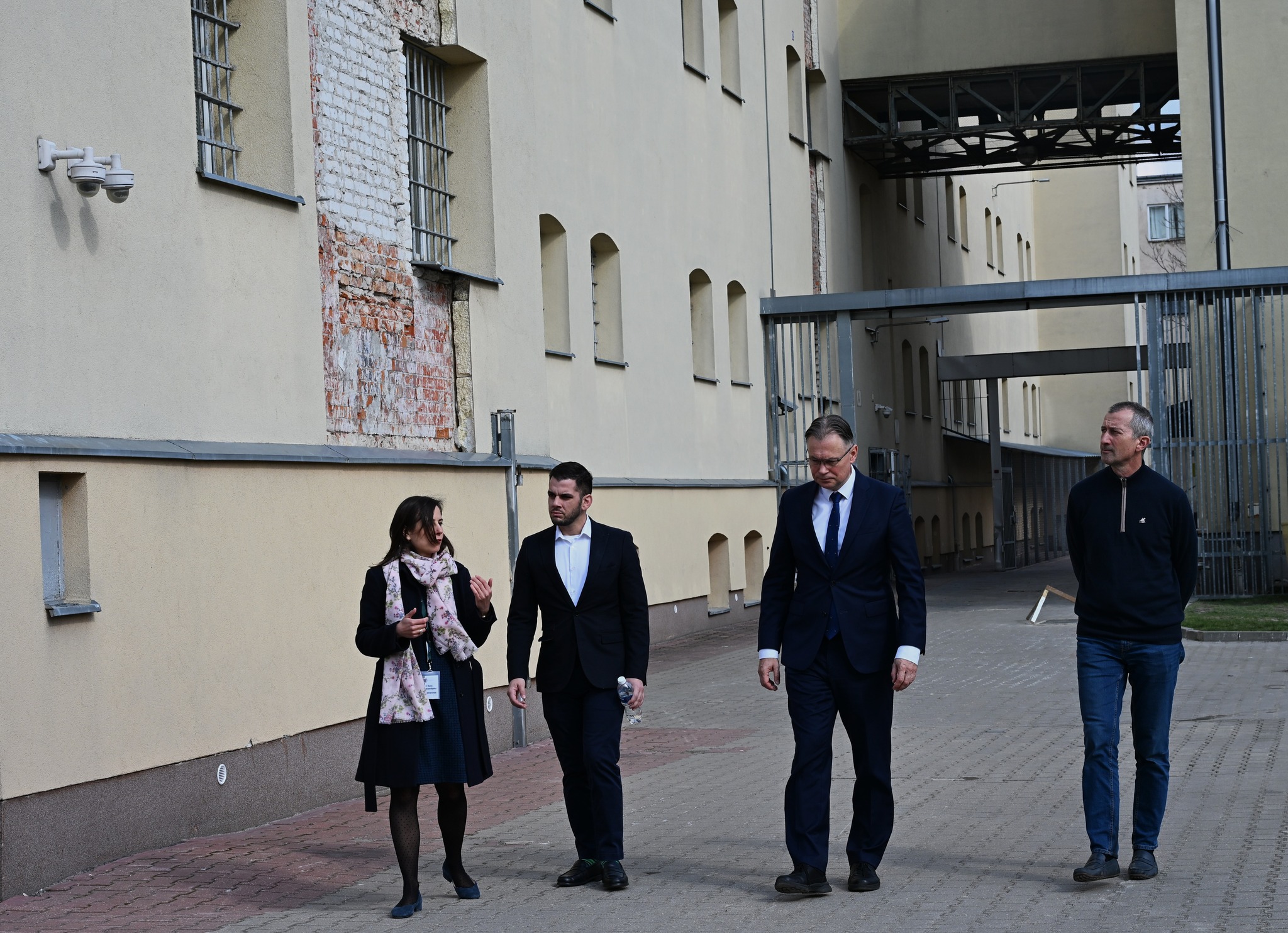
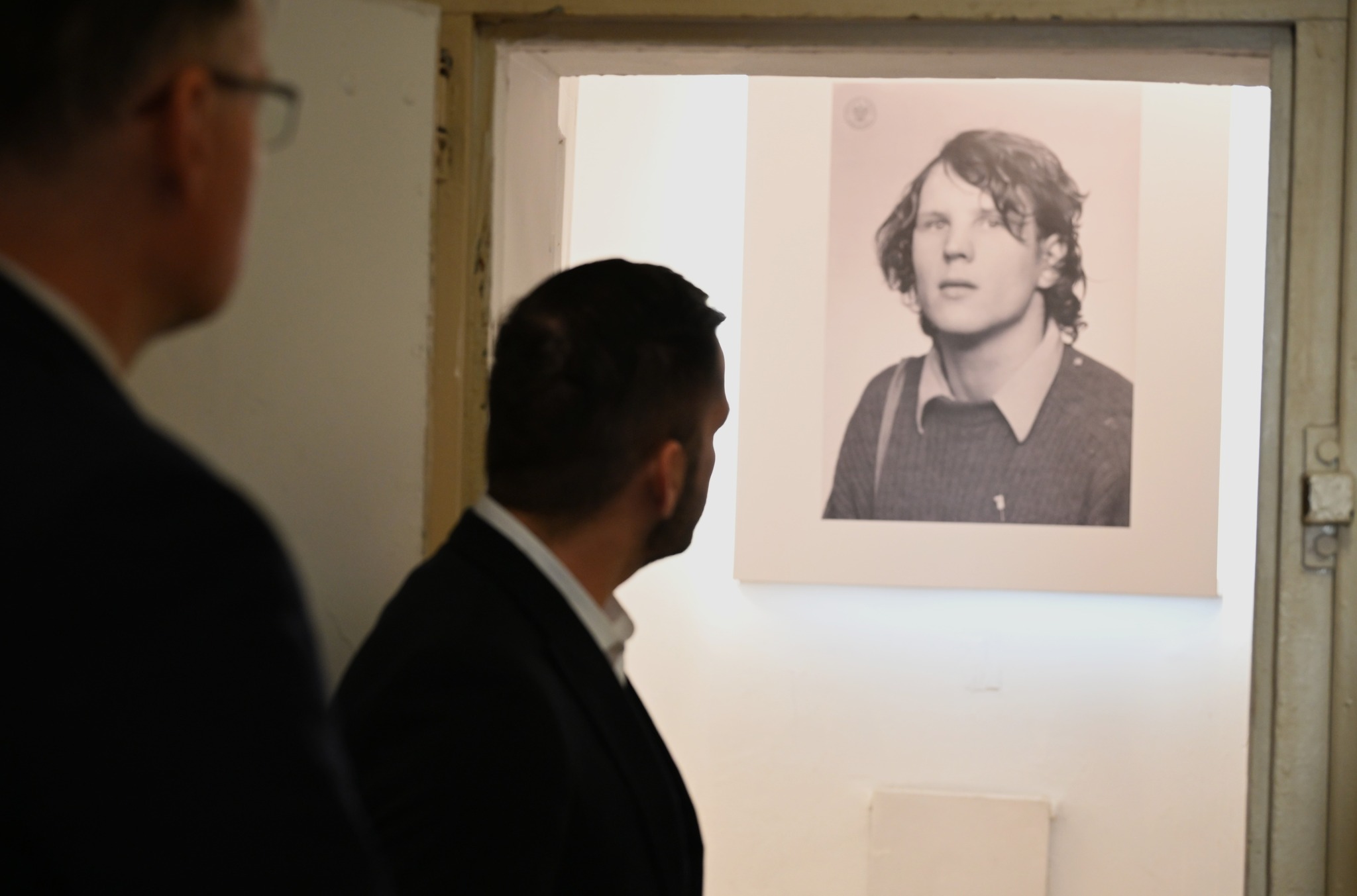
During the visit of Director Alian Collazo and MEP Arkadiusz Mularczyk to the Museum of Cursed Soldiers and Political Prisoners of the Polish People’s Republic, Director Adrianna Garnik presented a historical overview, including the origins of the detention center, its later transformation into a prison, and the changing topographical elements of the entire prison complex over the years. The guests visited two investigation pavilions—Pavilion XI and Pavilion XII—where they were introduced to the methods used during interrogations and shown objects left behind by individuals murdered by the communist authorities.
At the conclusion of his stay in Warsaw, Director Alian Collazo visited the Museum of Blessed Jerzy Popiełuszko. It was a unique opportunity to learn about the history and legacy of one of the most important witnesses to freedom and truth in Poland. The visit took place in an atmosphere of reflection on the importance of courage, solidarity, and fidelity to values that remain relevant today.
-
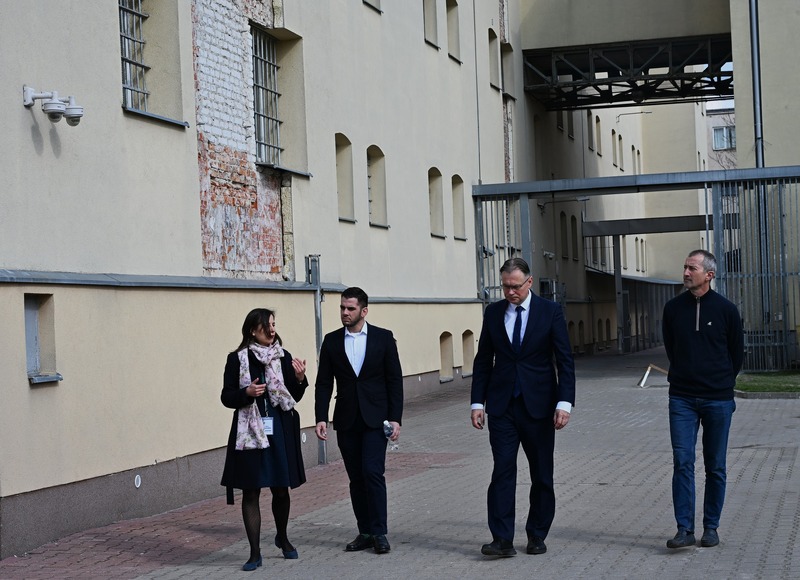
The Executive Director of the Cuban Freedom March visited the Cursed Soldiers Museum, Warsaw 19 March 2026; photo: Michalina Żelazny -
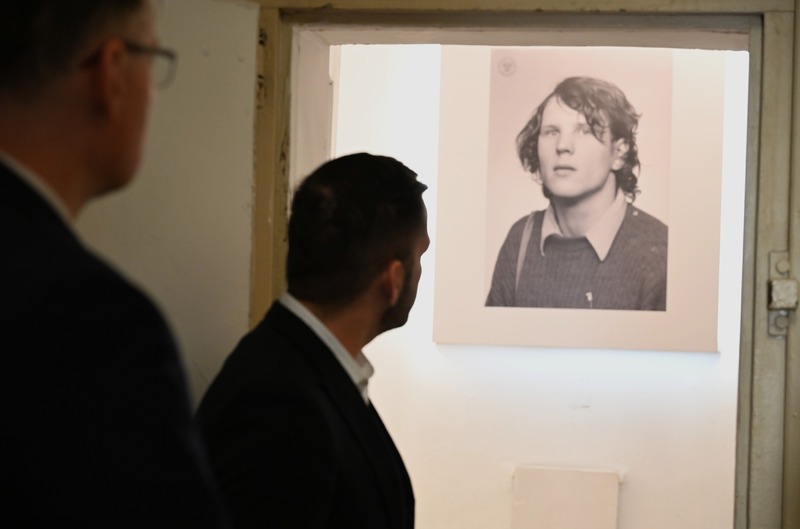
The Executive Director of the Cuban Freedom March visited the Cursed Soldiers Museum, Warsaw 19 March 2026; photo: Michalina Żelazny -
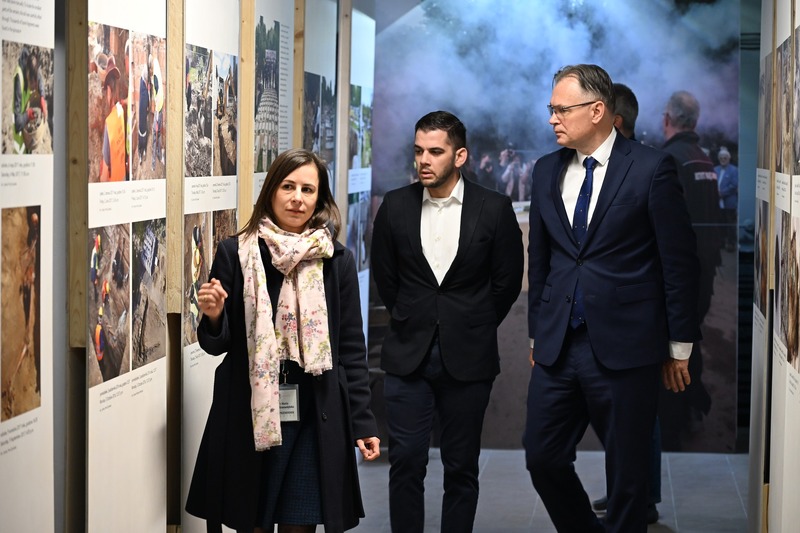
The Executive Director of the Cuban Freedom March visited the Cursed Soldiers Museum, Warsaw 19 March 2026; photo: Michalina Żelazny