
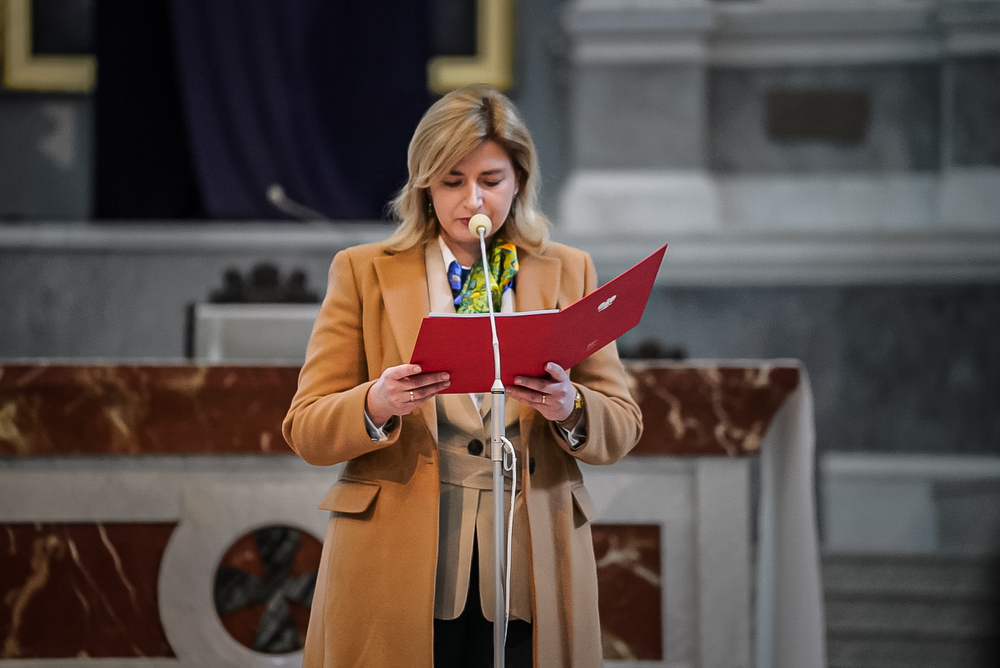
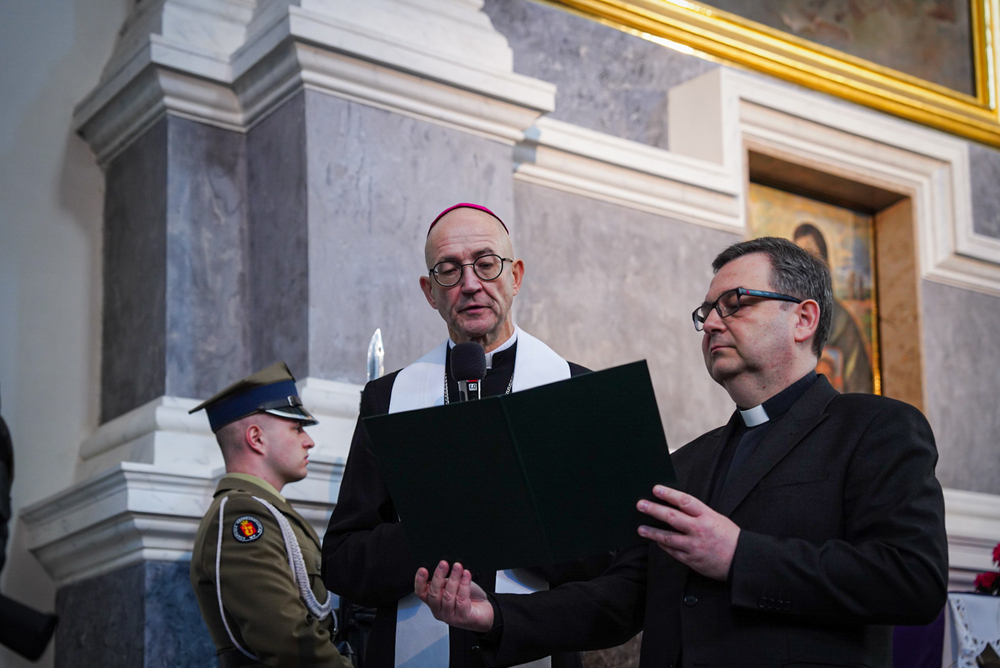
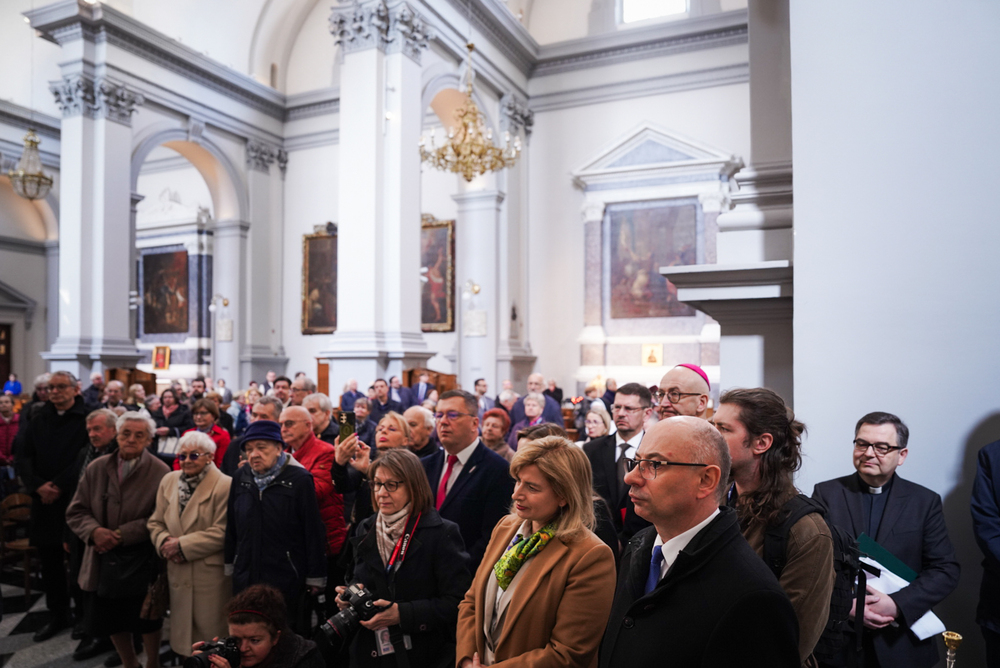
In his letter read out by Undersecretary of State at the Chancellery of the President of the Republic of Poland, Agnieszka Jędrzak, the President of the Republic of Poland, Karol Nawrocki, emphasized:
Monsignor Marceli Godlewski set a remarkable example of mercy: despite the barbaric German terror, he made this church a true refuge for persecuted Jews.
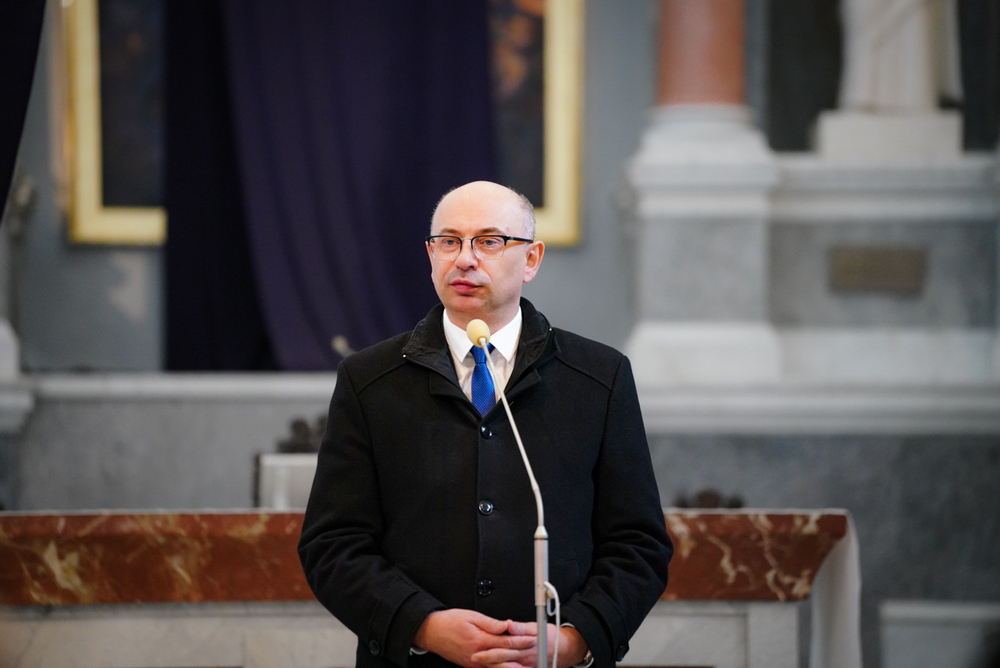
Deputy President of the Institute of National Remembrance, Dr Mateusz Szpytma, recalled the attitude of the clergyman, who during the occupation demonstrated courage and solidarity by organizing aid for those in need and by supporting Jews in hiding. Today, we restore to memory Monsignor Marceli Godlewski and his collaborators – Father Antoni Czarnecki, the other vicars, and the parish secretary Telesfor Wyszykowski. We remember those who were, in part, known. They were known because they helped so many people that their heroism could not remain hidden. Numerous testimonies have been preserved from people who owe their lives to Monsignor Godlewski and his collaborators – he emphasized.
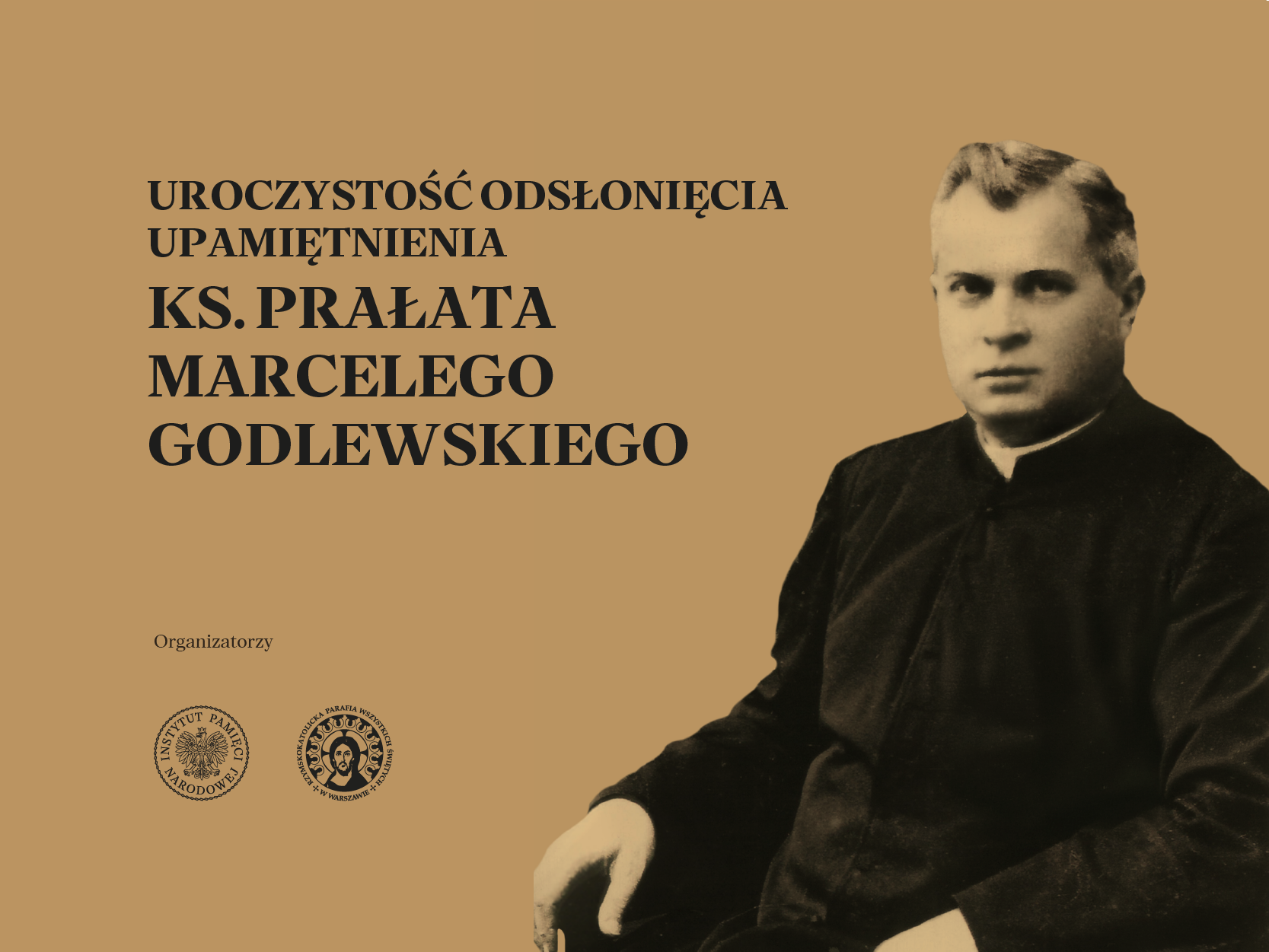
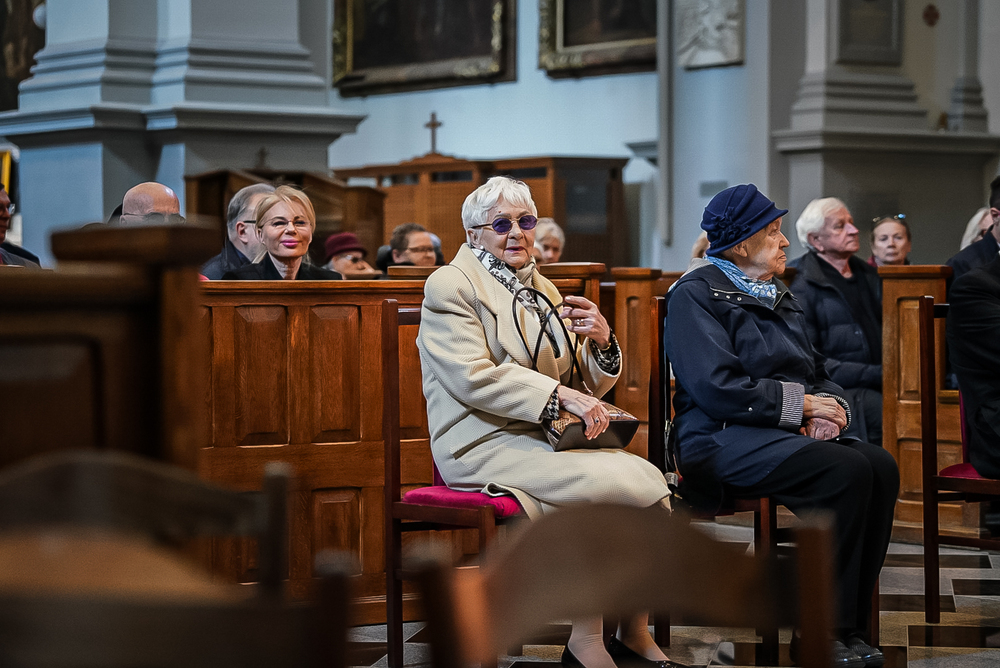
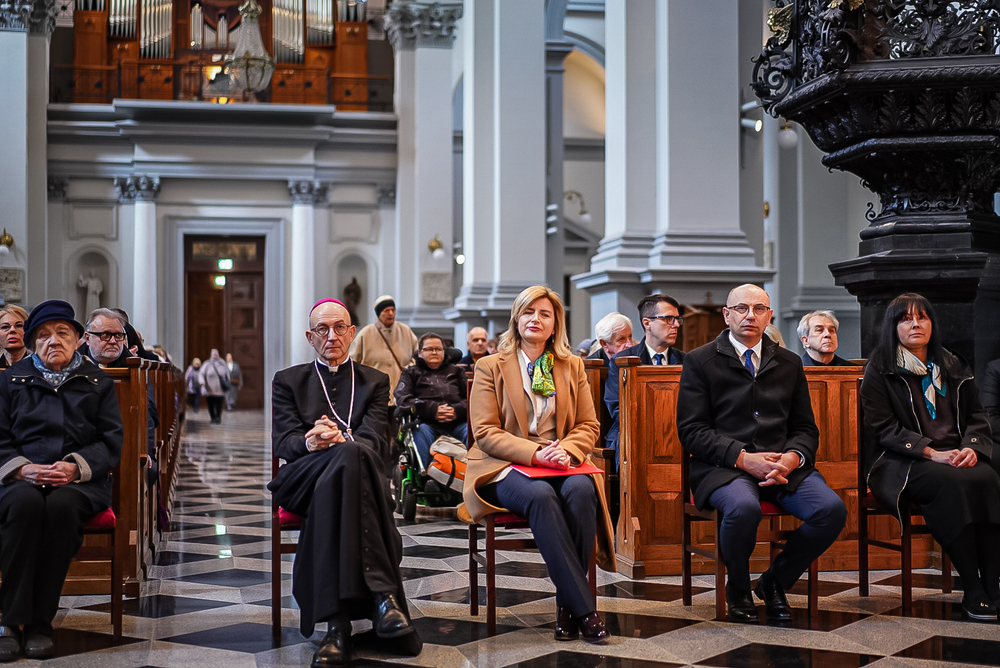
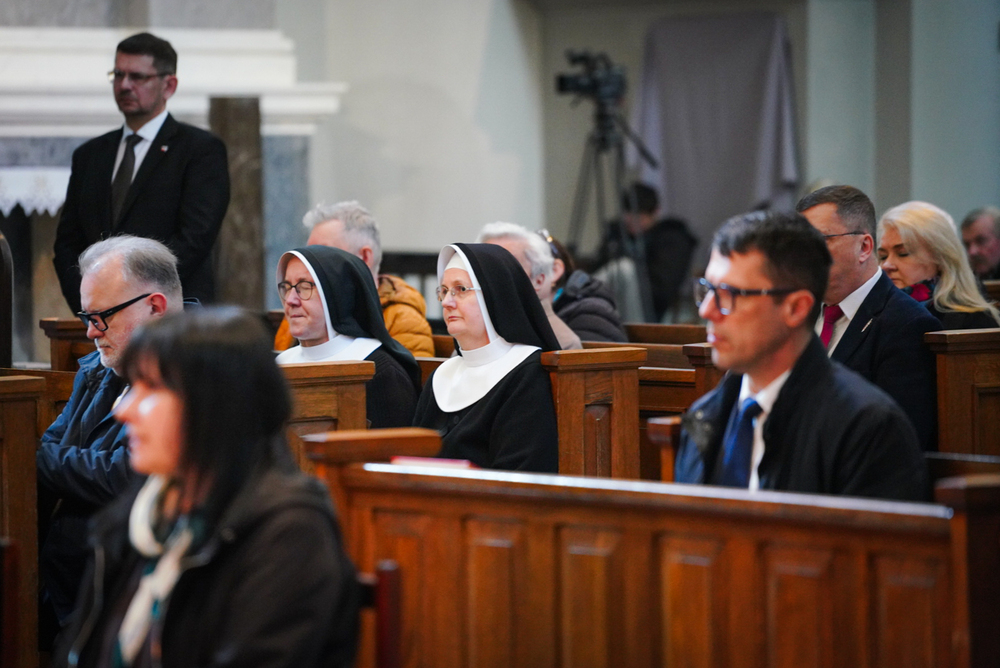
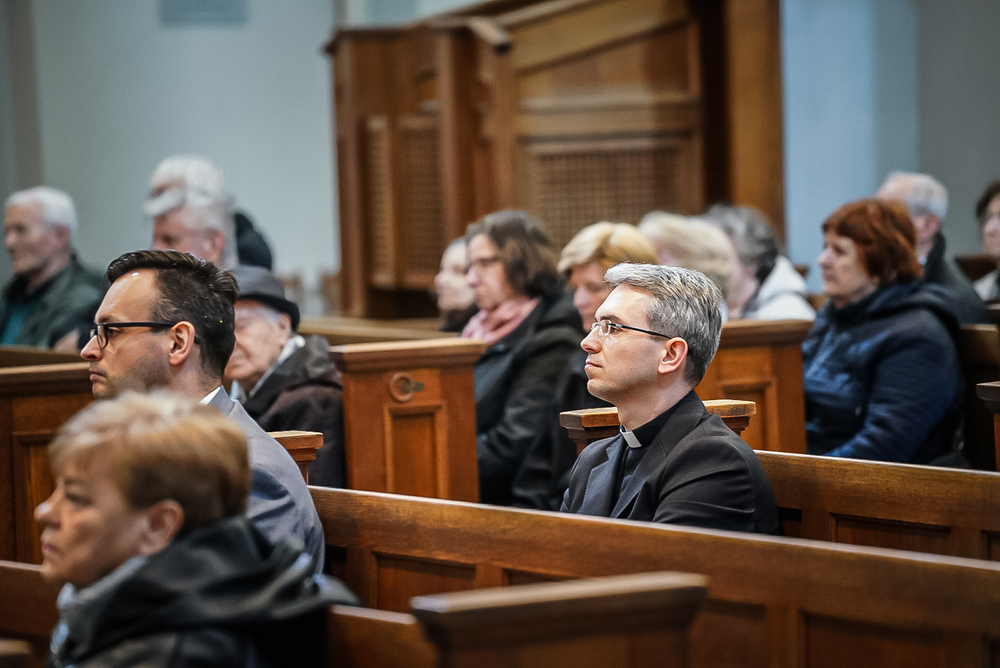
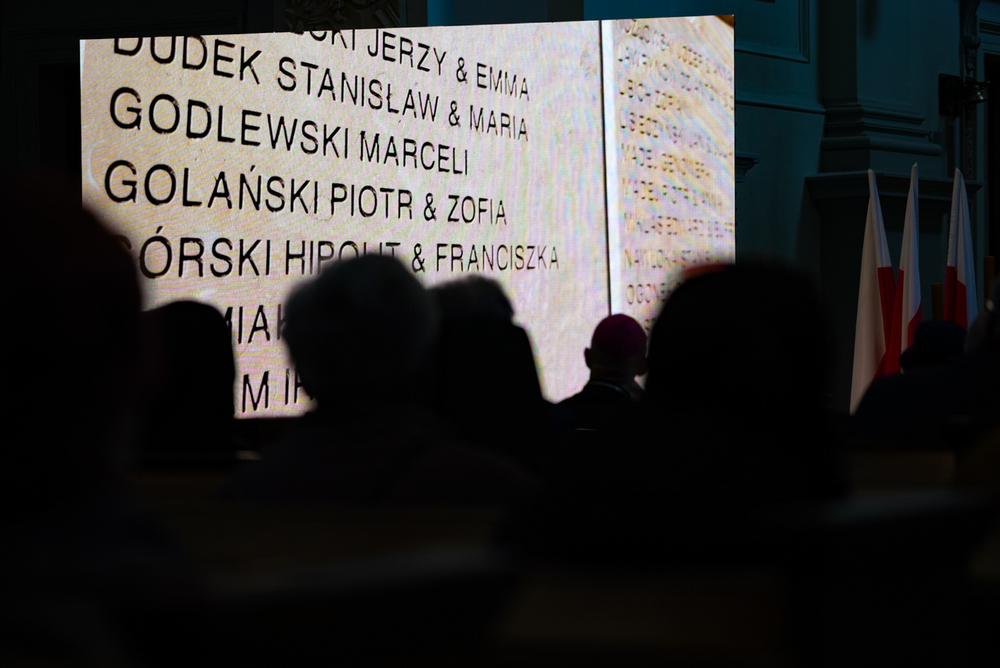
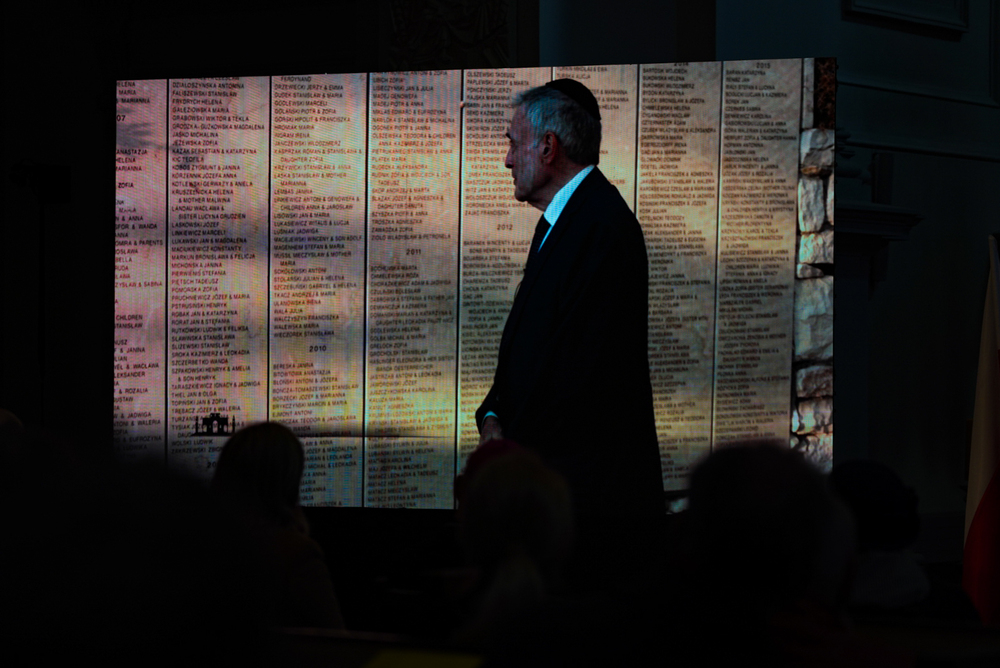
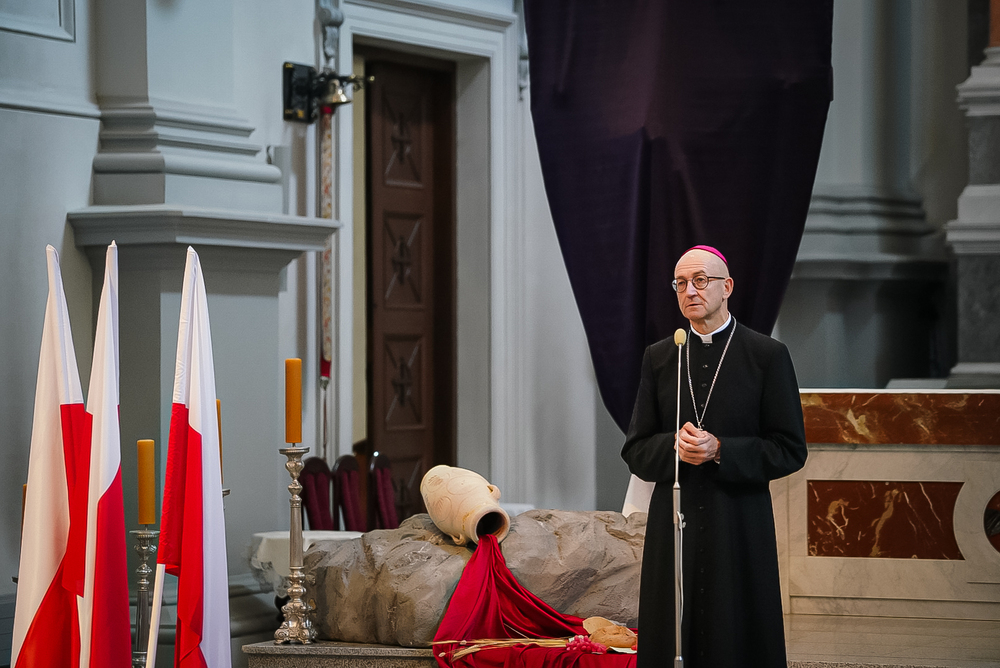
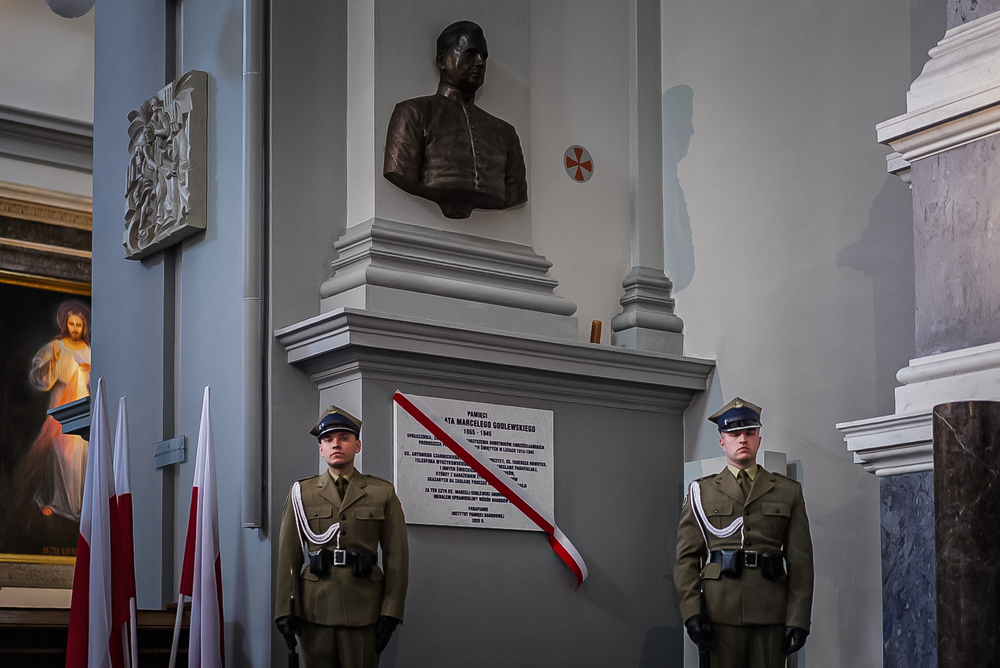
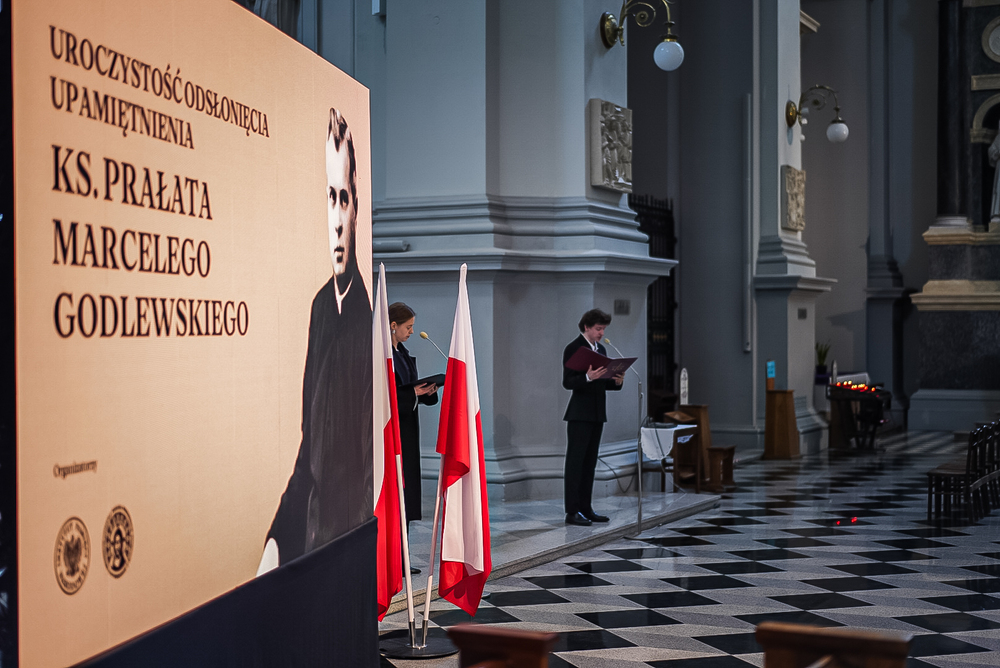
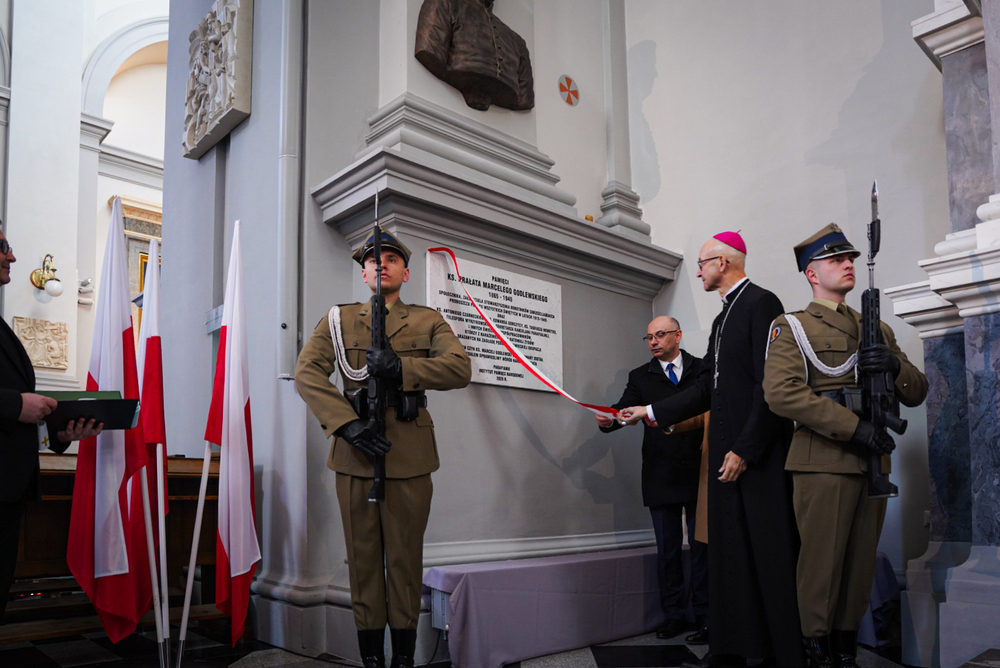
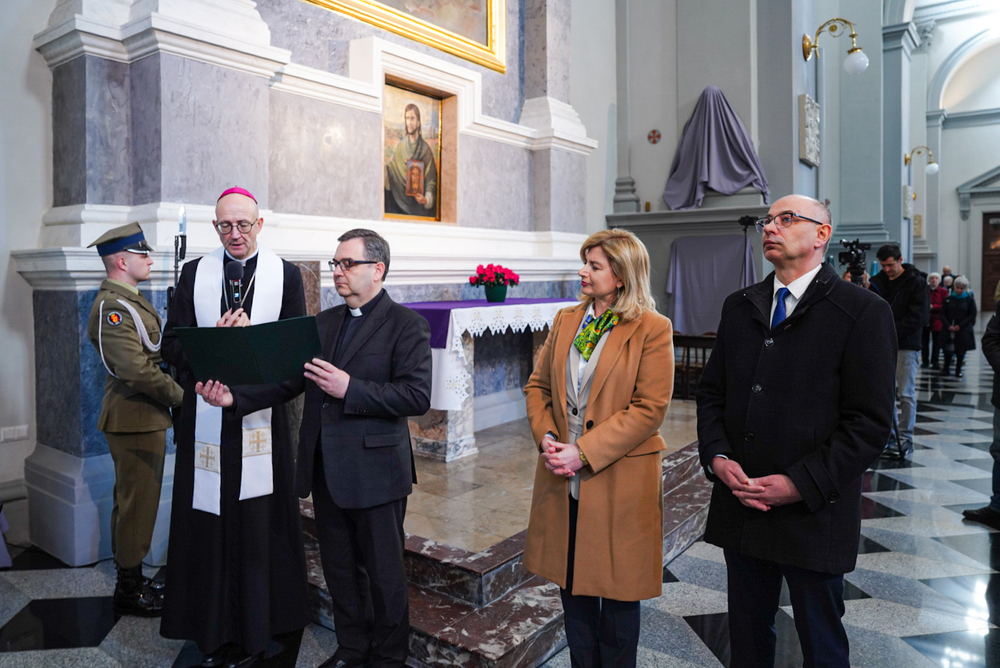
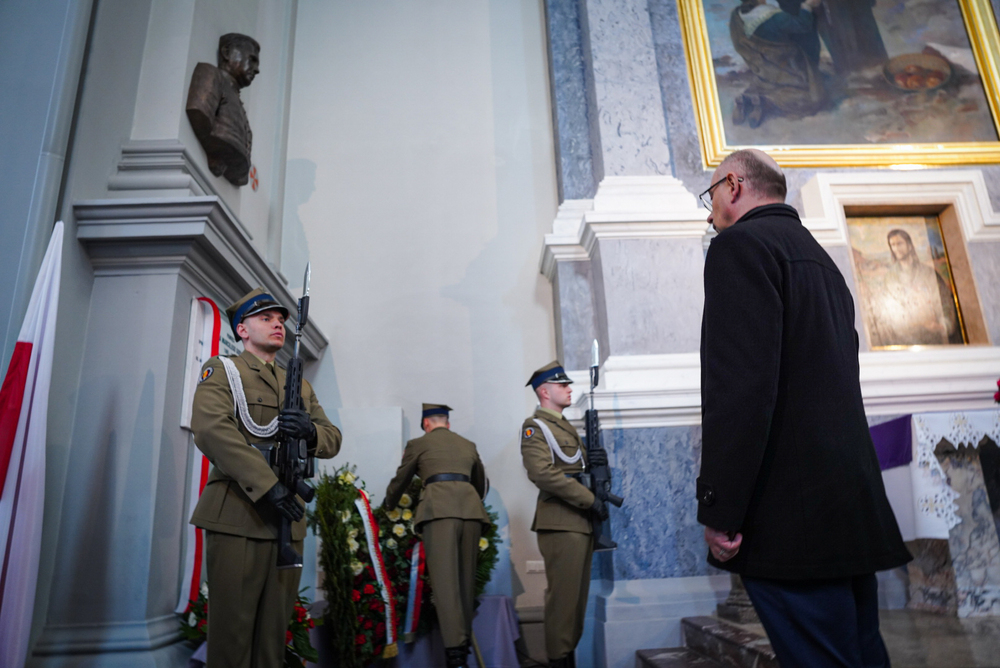
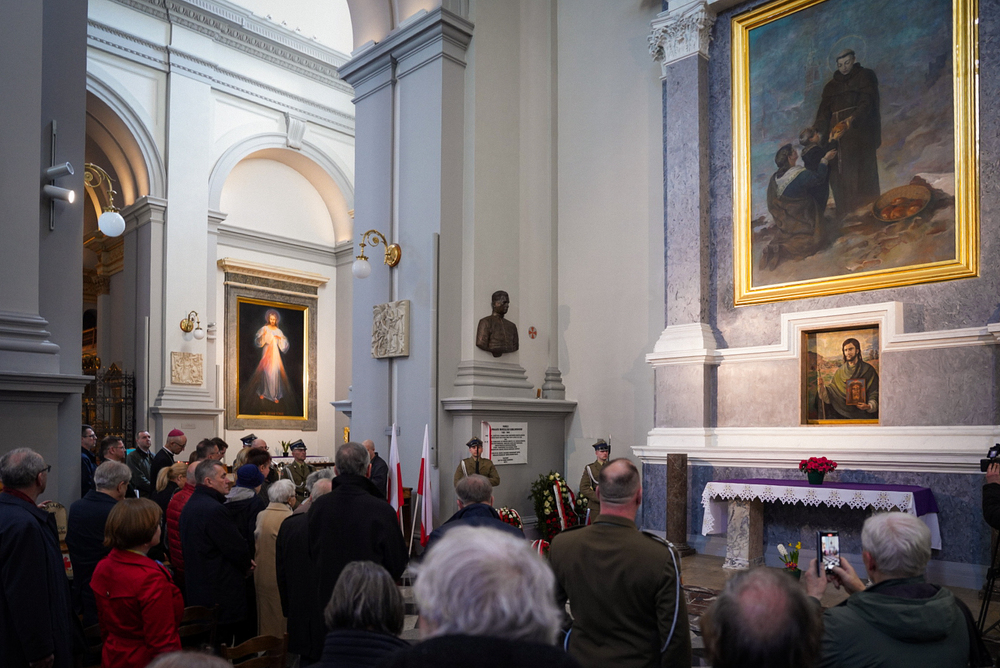
On 24 March 2026, the Institute of National Remembrance organized a ceremony to unveil a memorial dedicated to Monsignor Marceli Godlewski at All Saints Church (Plac Grzybowski 3/5). The ceremony, attended by the Deputy President of the IPN, Mateusz Szpytma, was followed by an academic discussion devoted to the Prelate’s life and work.
The event was organized as part of the National Day of Remembrance of Poles Who Rescued Jews under German Occupation, commemorated on 24 March - a day dedicated to paying tribute to those who, during the German occupation of Poland, risked their lives, despite the threat of death, to aid their Jewish compatriots.
Monsignor Marceli Godlewski was a Roman Catholic priest, prelate, social activist, and political figure associated with the national movement, including the National Committee of Poland and the National League. He was also a pastor to workers and the founder of numerous social initiatives. During World War II, he became known as the “parish priest of the ghetto,” providing aid to the Jewish population; for this, he was posthumously honored with the title of Righteous Among the Nations by Yad Vashem.
Born on 15 January 1865 in Turczyn, he completed his education in Suwałki and at the seminary in Sejny, and later earned a doctorate in theology in Rome. Ordained in 1888, he initially worked as a seminary lecturer before engaging in social activism. He founded the Christian Workers’ Association in 1905 and established the People’s House in Warsaw in 1909, offering support services for workers. He was also active as a publicist and publisher. While promoting social solidarity, he was also associated with nationalist views, including a critical stance toward Jews, which earned him a reputation for antisemitism.
In 1915, he became the parish priest of All Saints Parish in Warsaw, one of the city’s largest, serving in this role for three decades. During the German occupation of Poland, his parish was located within the Warsaw Ghetto. Despite his advanced age, he remained there and organized extensive aid: running a soup kitchen, providing shelter, issuing false baptismal certificates, and cooperating with nuns to rescue Jewish children, including those hidden in an orphanage in Anin.
After the liquidation of the ghetto began in 1942, he was forced to leave and relocated to Anin, where he continued assisting hidden children and supporting the orphanage. His efforts contributed to saving many lives. He died on 25 December 1945 in Anin and was buried at Powązki Cemetery in Warsaw. In 2009, he was posthumously recognized by Yad Vashem as one of the Righteous Among the Nations.