
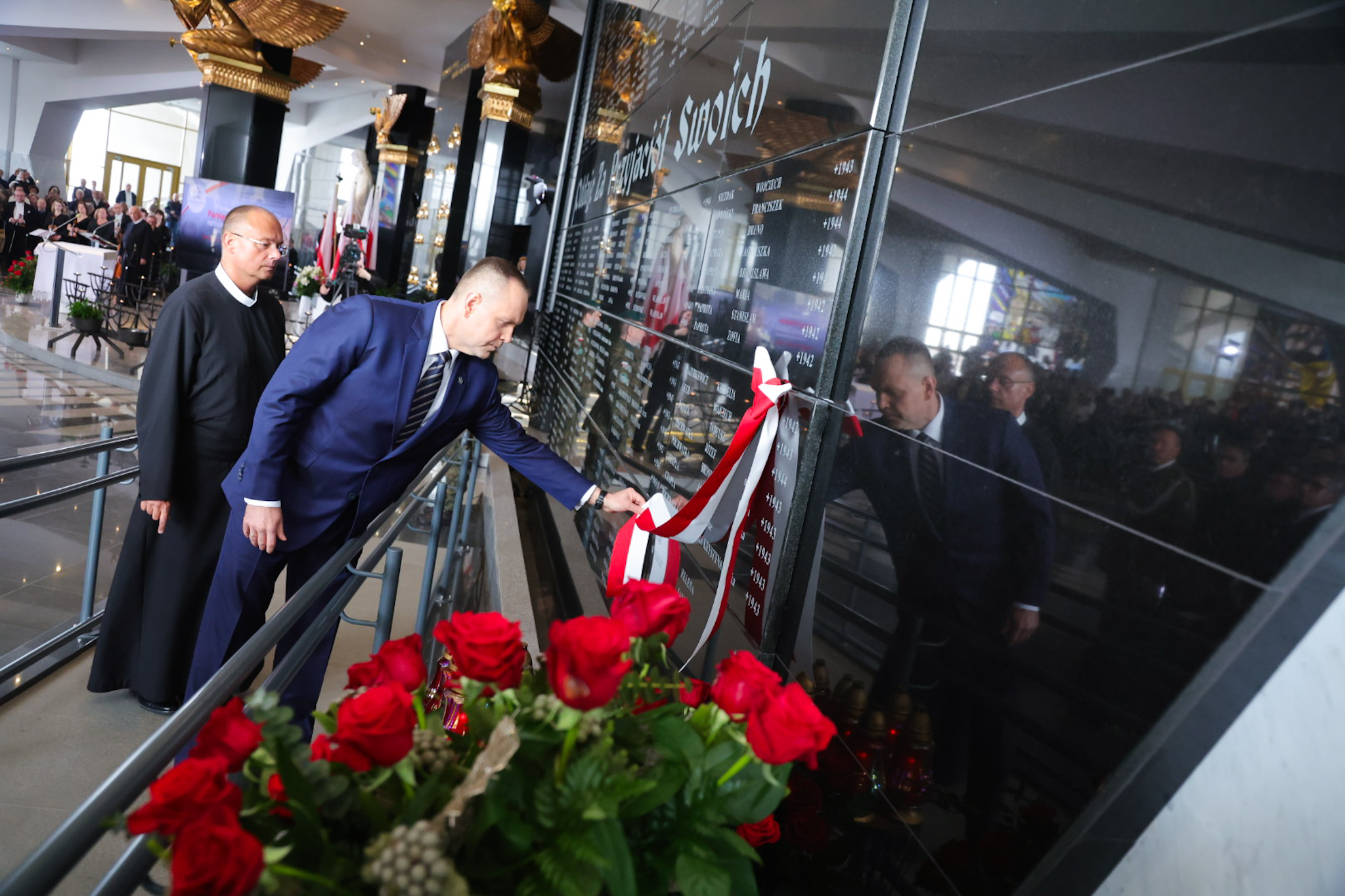
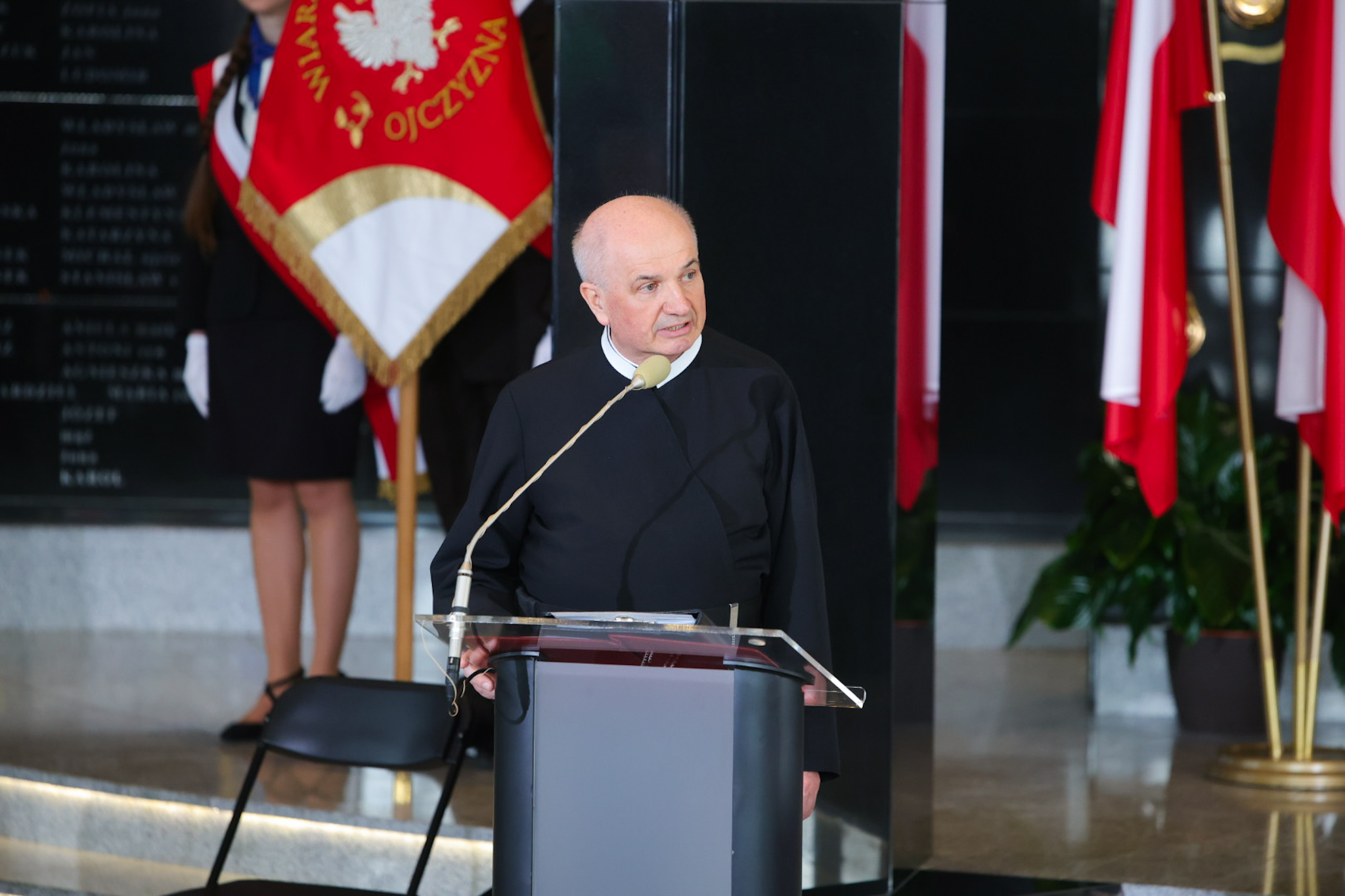
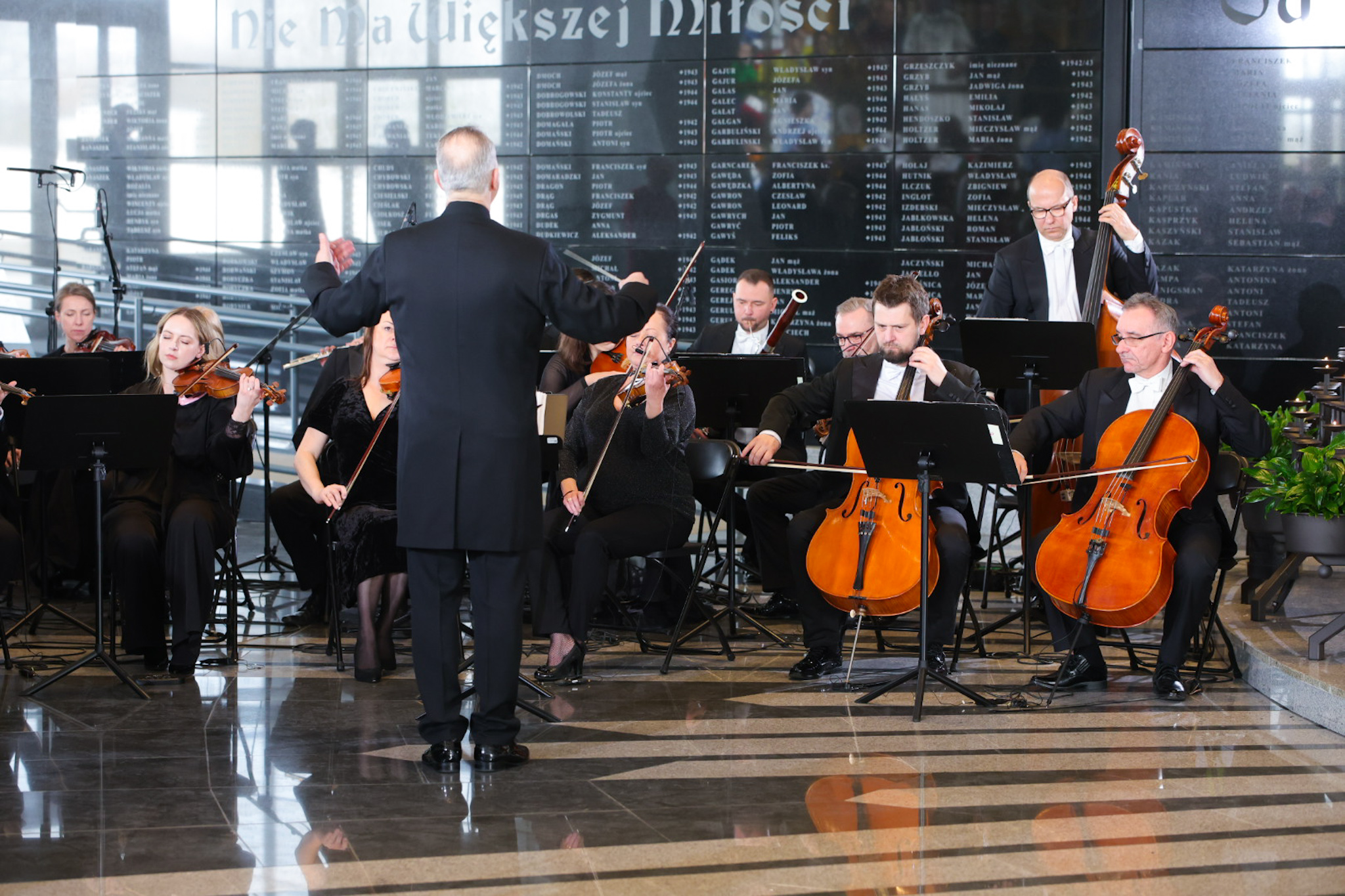
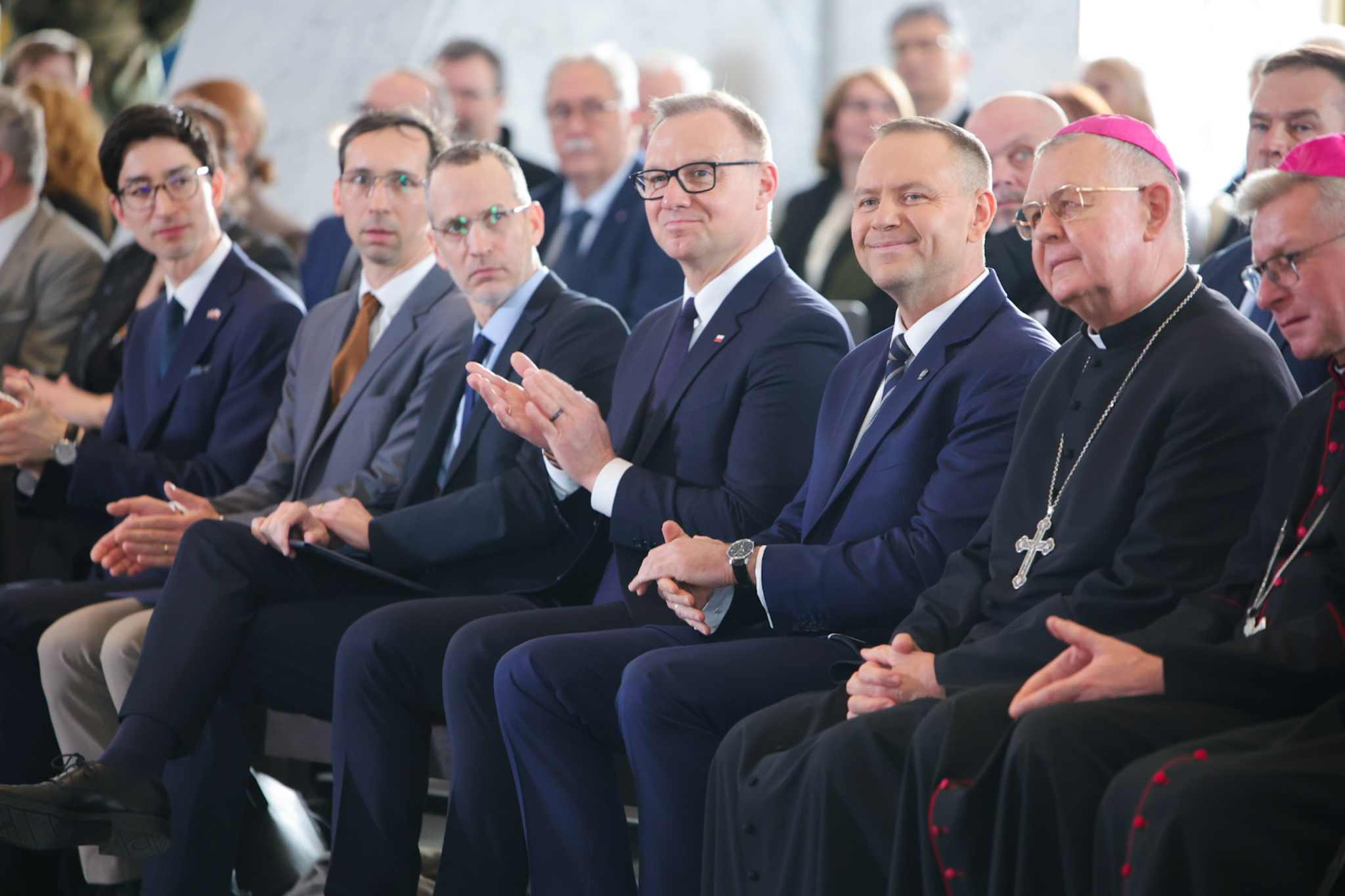
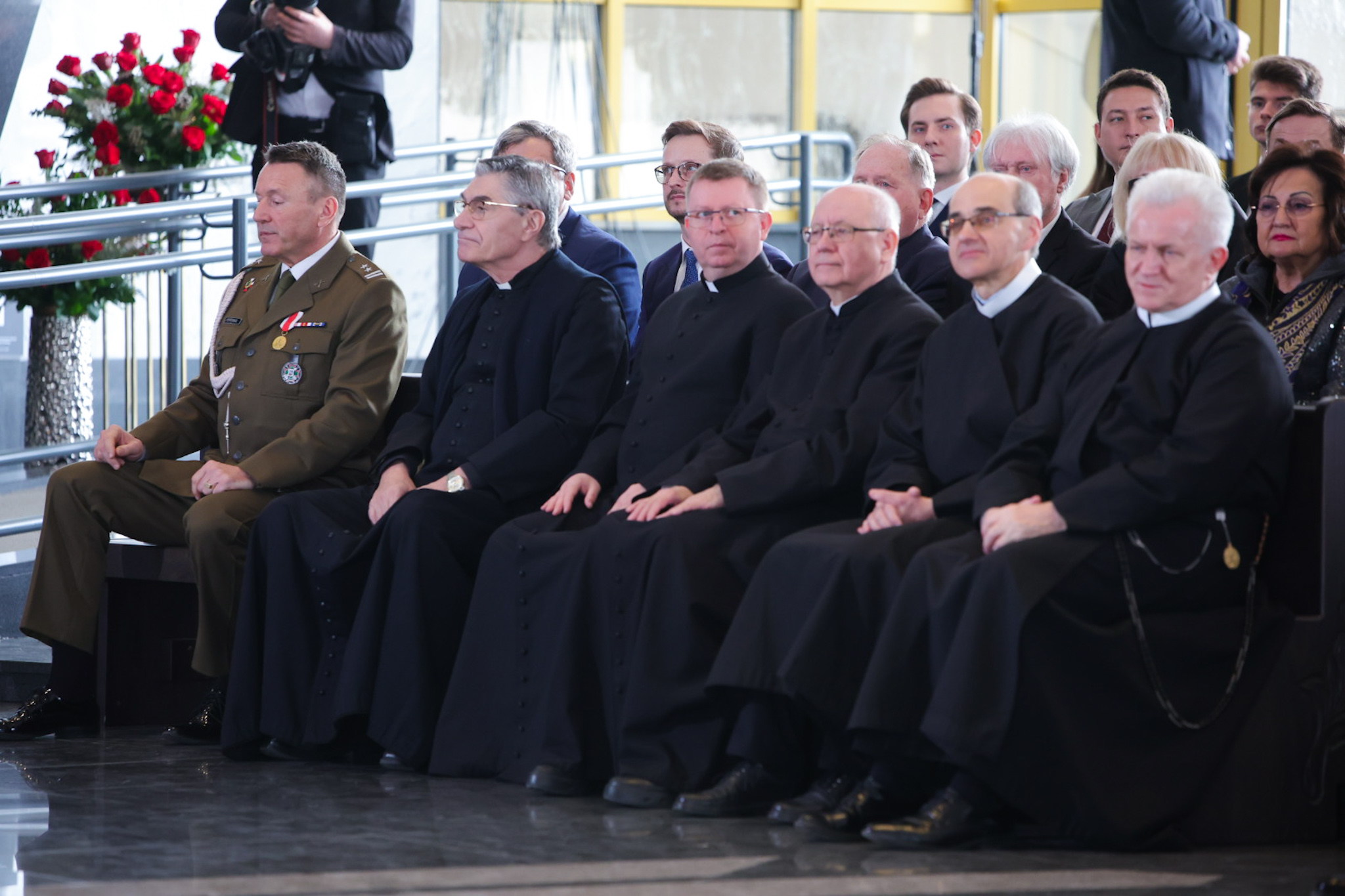
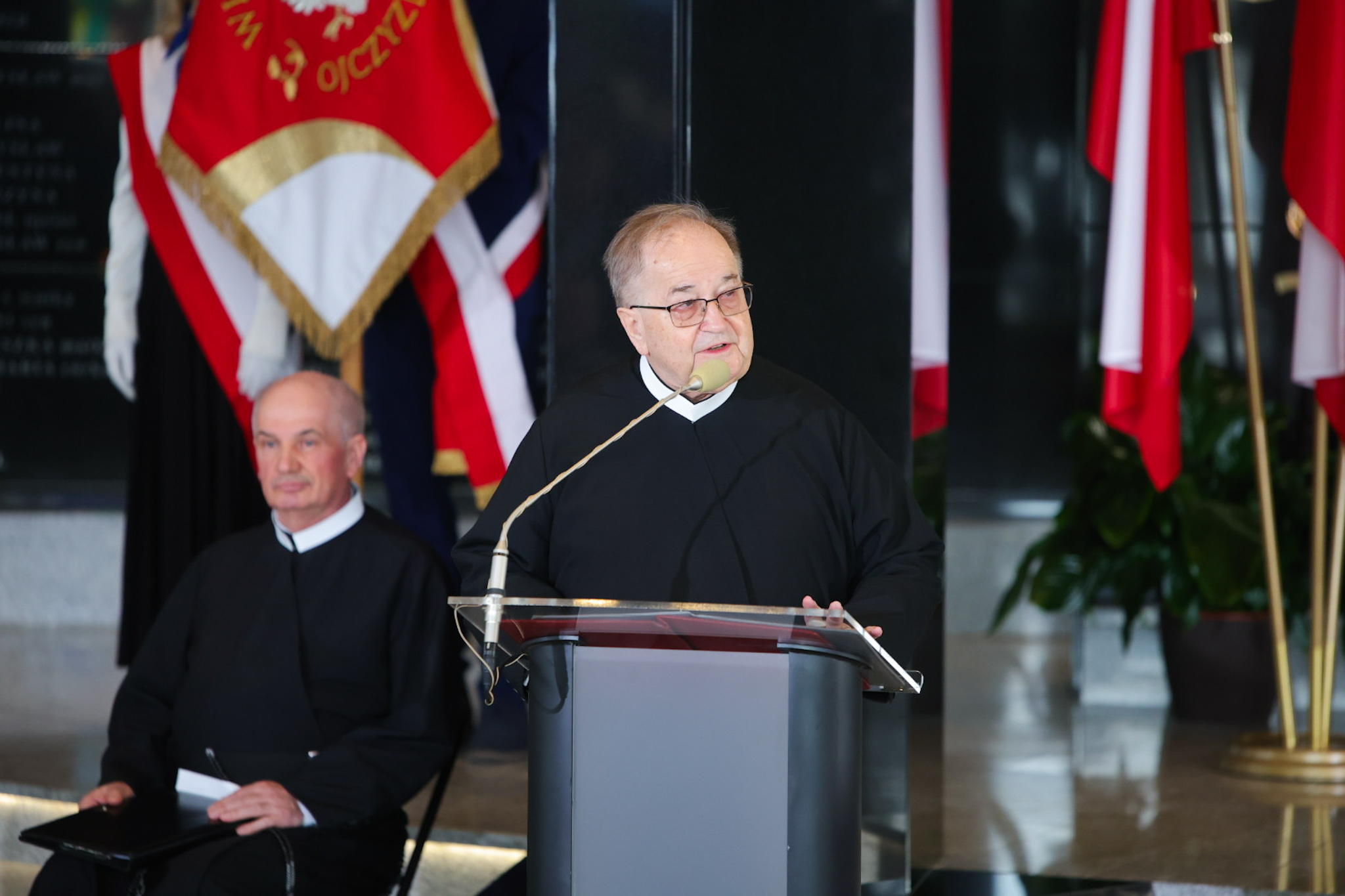
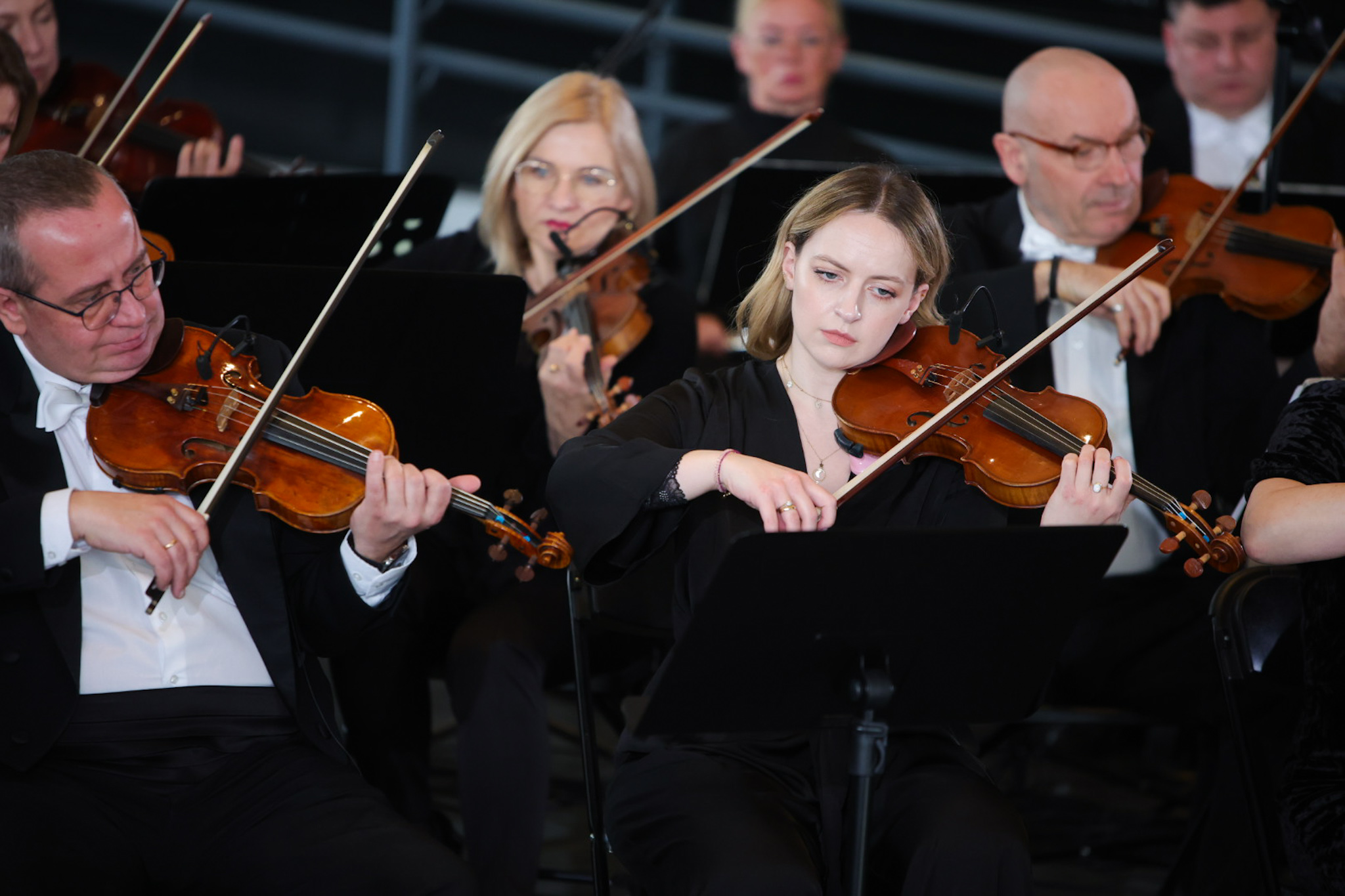
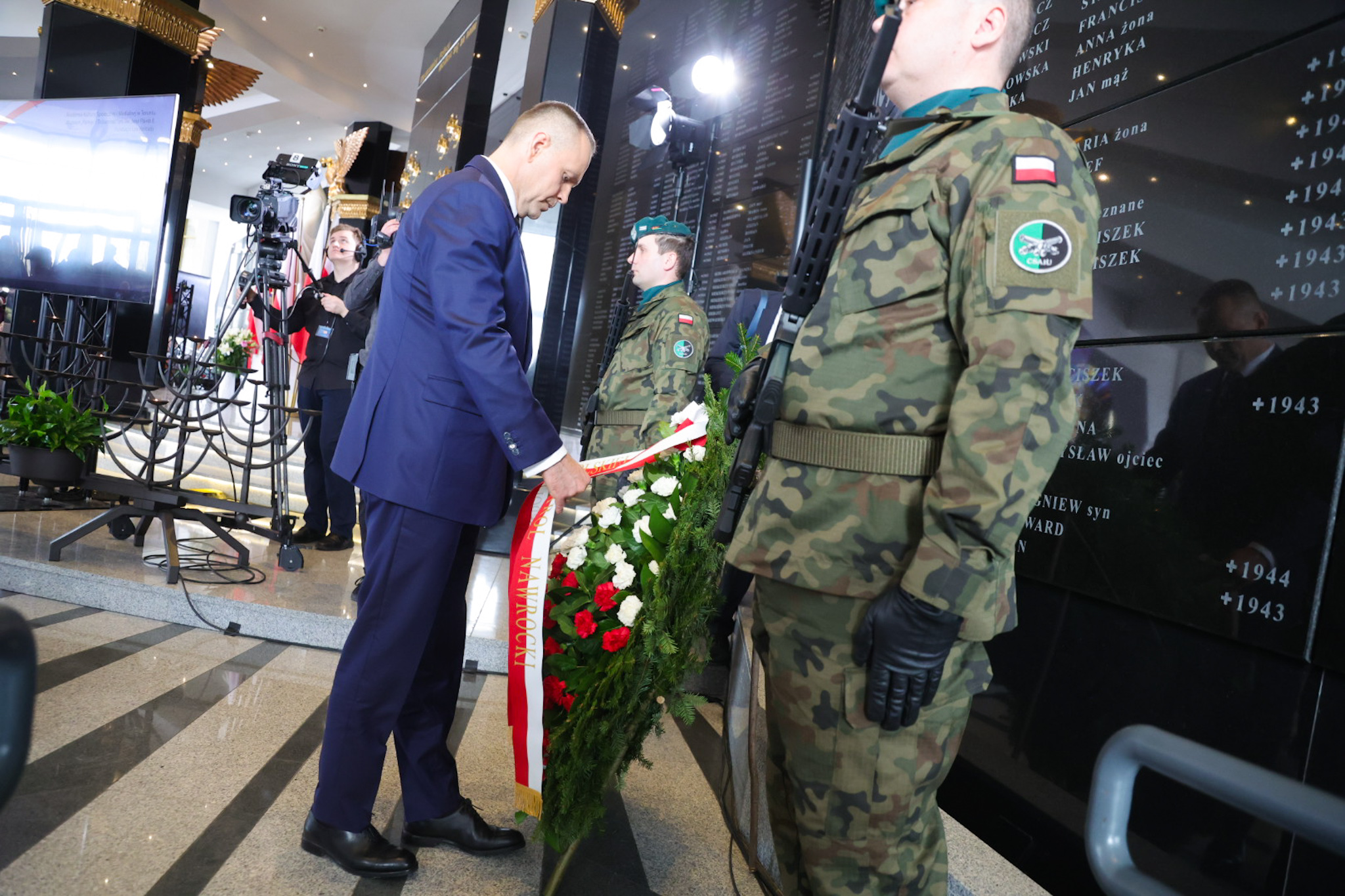
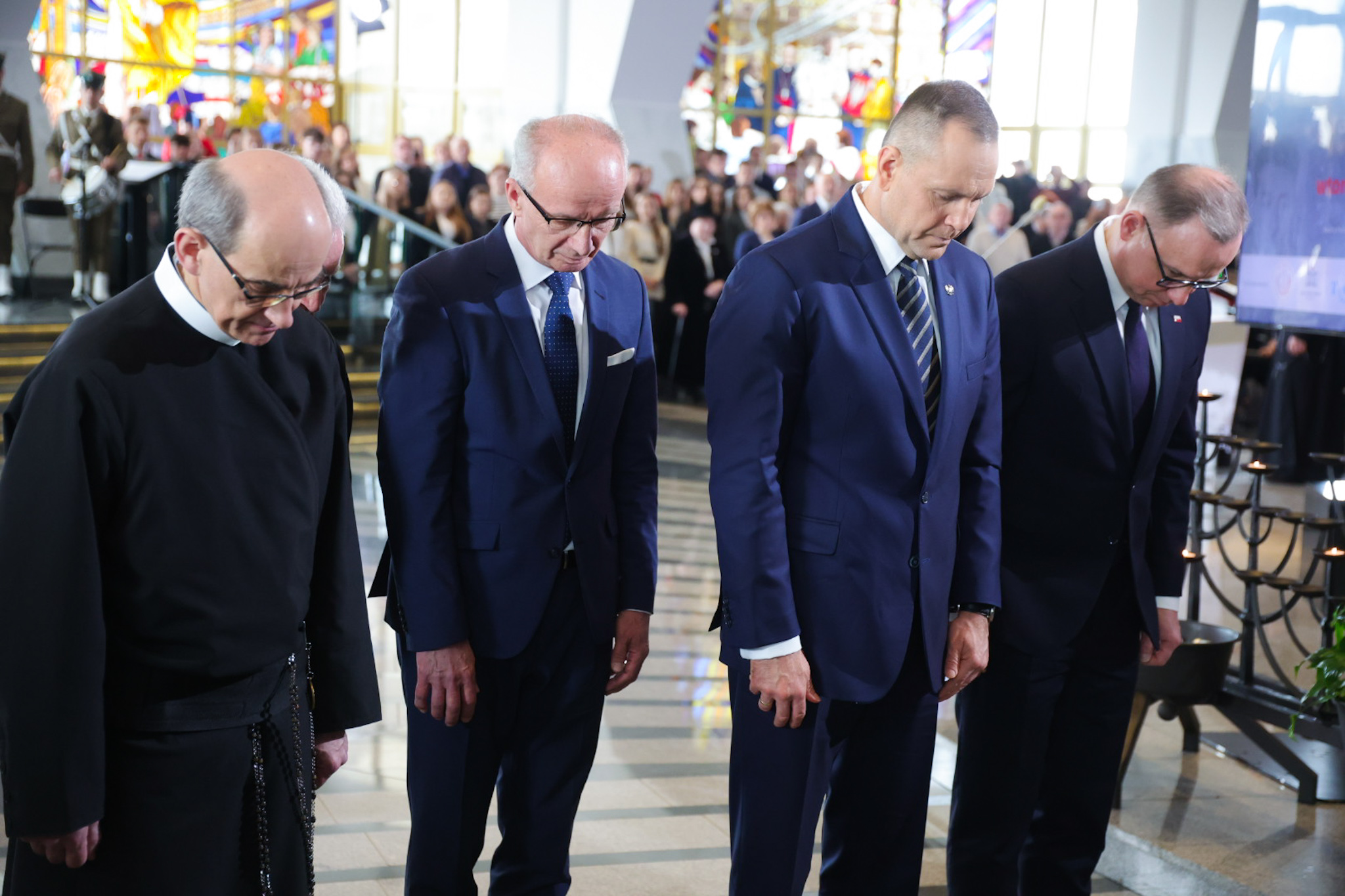
On 24 March 2026, commemorations of the National Day of Remembrance of Poles Who Rescued Jews under German Occupation were held at the Chapel of Remembrance of Polish Martyrs, located within the Sanctuary of the Blessed Virgin Mary Star of the New Evangelization and St. John Paul II in Toruń. The ceremony was attended by the President of the Republic of Poland, Karol Nawrocki. The Institute of National Remembrance was represented by its Deputy President, Dr Krzysztof Szwagrzyk.
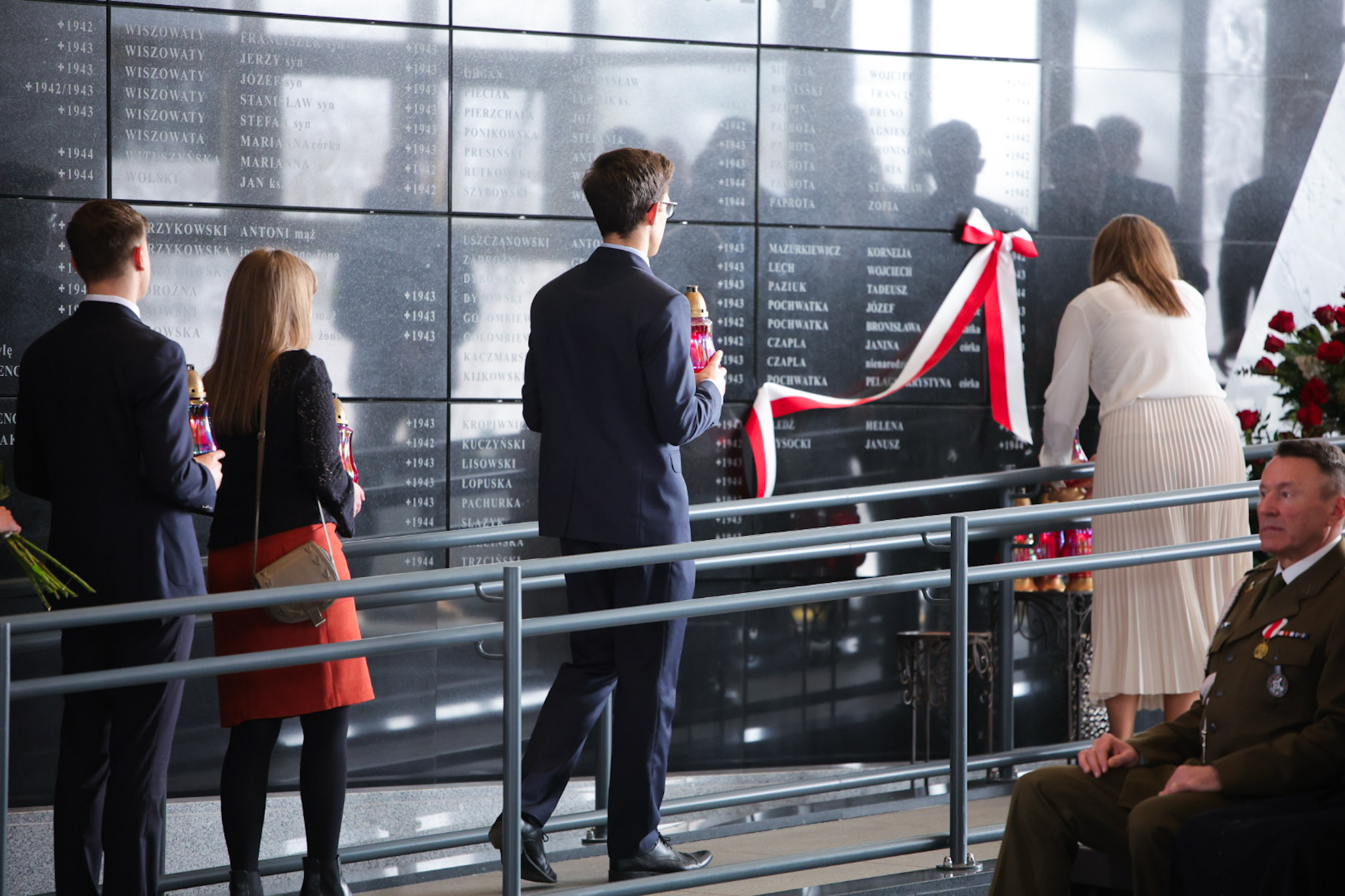
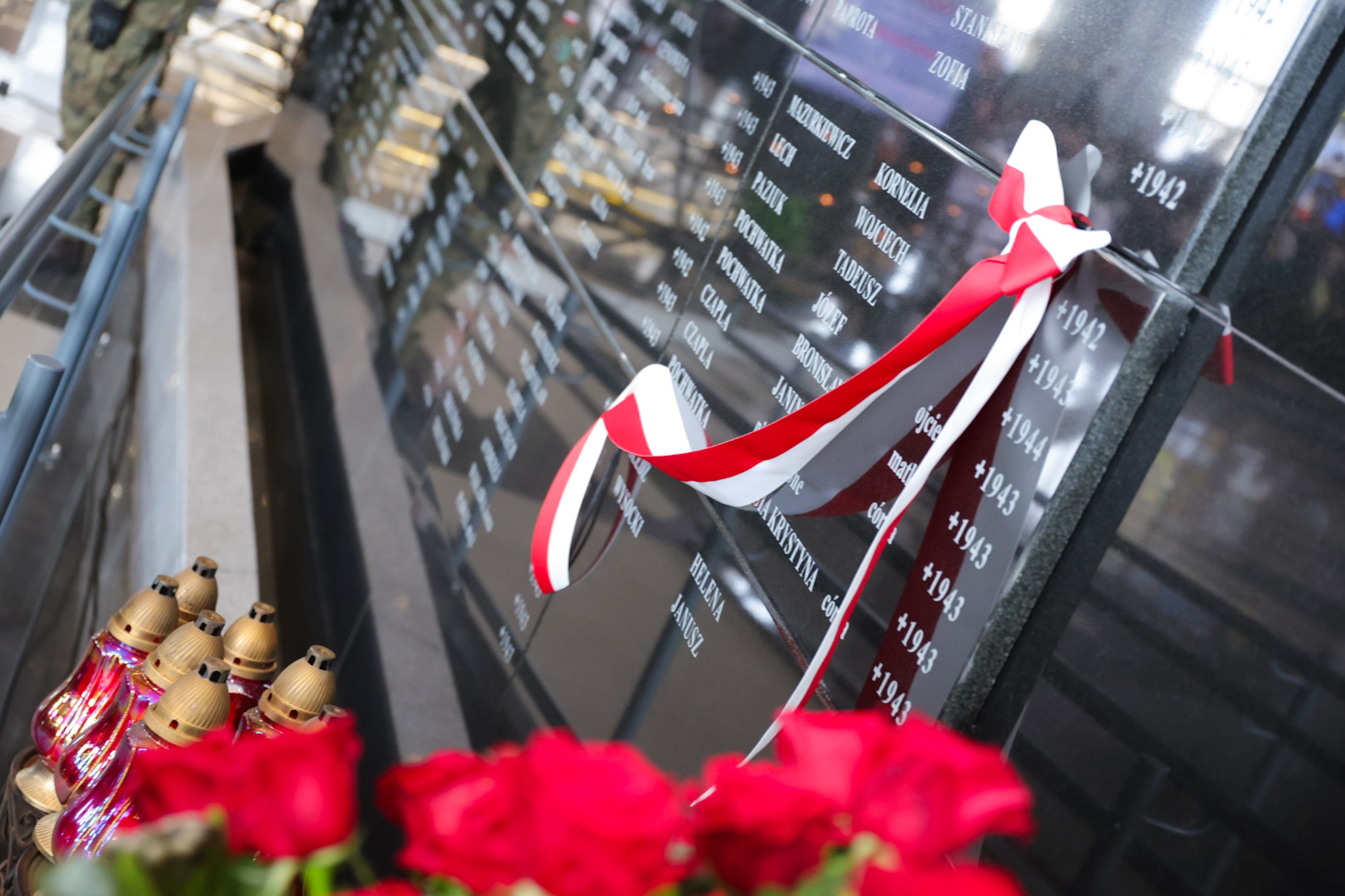
The Chapel of Remembrance is a place of tribute to Poles who, during the Second World War, often at the risk of their own lives and those of their families, extended aid to Jews.Thus far, 1,242 individuals murdered by the Germans for assisting Jews have been commemorated there.
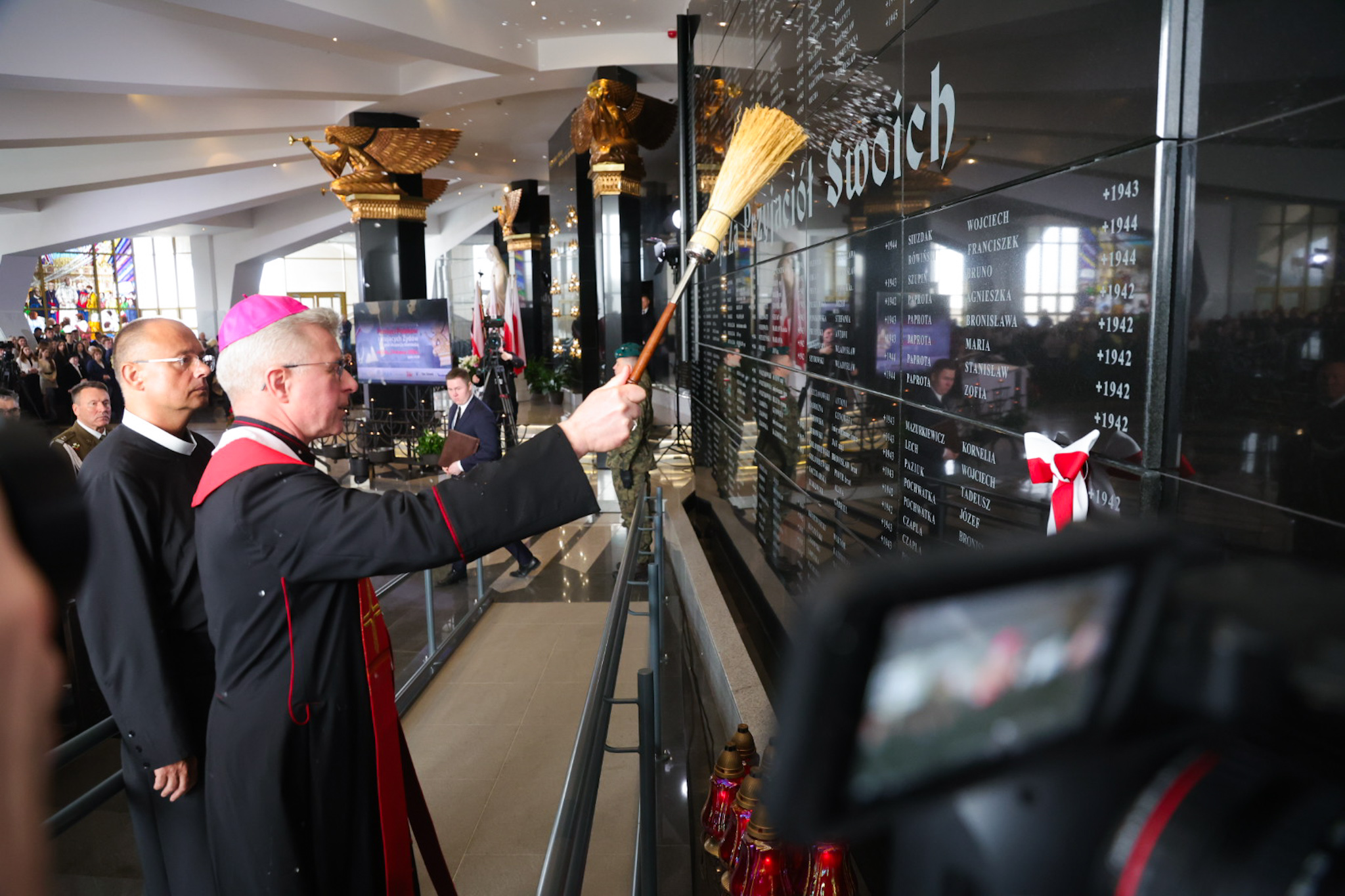
During the ceremony, President Karol Nawrocki unveiled a new plaque bearing the names of Poles who sacrificed their lives to save others. Among those honored was the Pochwatek family, identified and recovered by the Institute of National Remembrance’s Office of Search and Identification: Józef and his wife Bronisława, along with their daughters Janina Czapla (née Pochwatek), who was pregnant, and Pelagia Krystyna. Helena Śledź and Janusz Wysocki were also commemorated. The plaque was consecrated by Bishop Arkadiusz Okroj, Ordinary of the Diocese of Toruń.
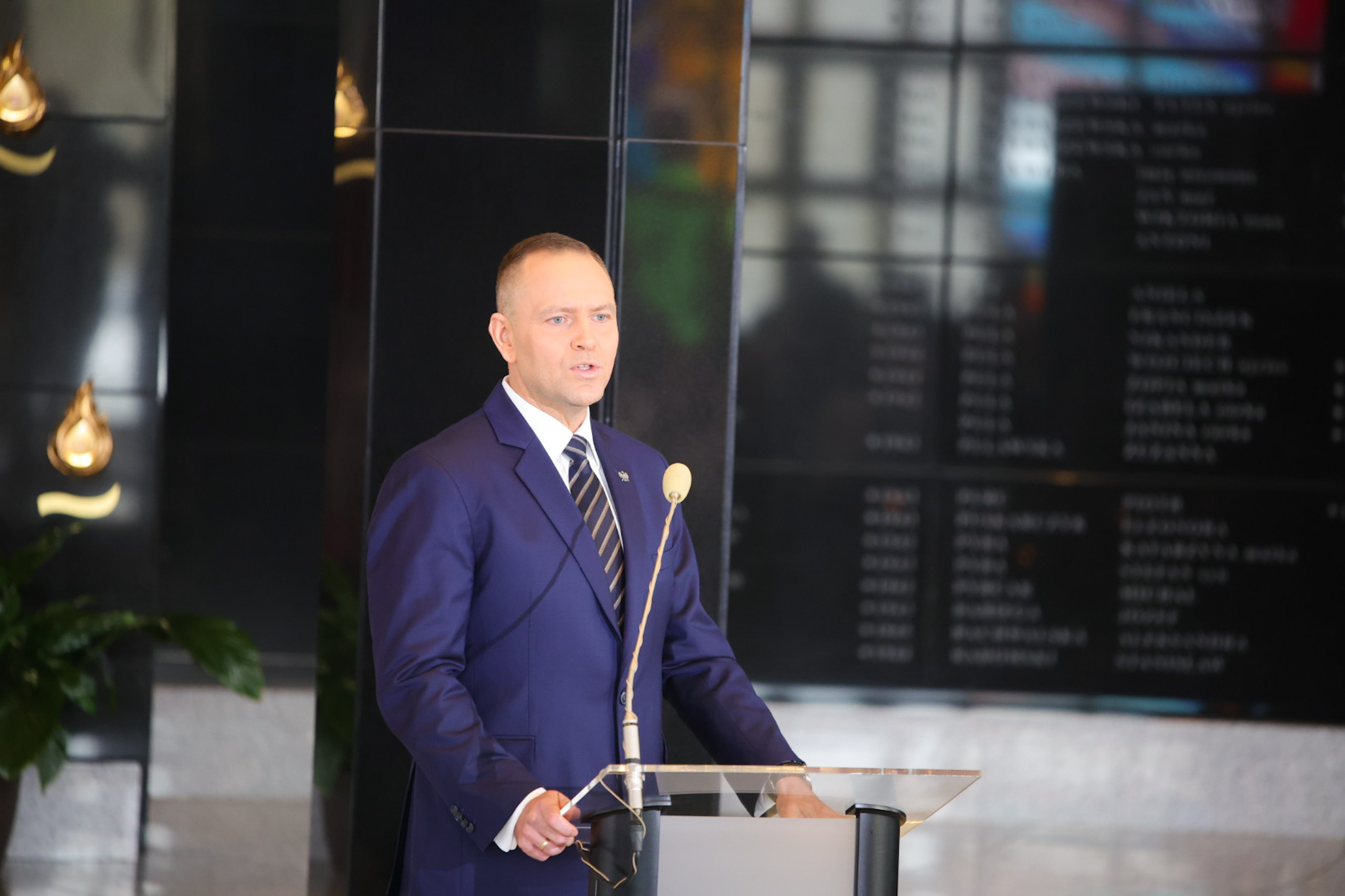
In his address, President Karol Nawrocki highlighted the fact that the Poles who rescued Jews during the war were guided by the Christian values of love and mercy, which enabled them to stand against German brutality and to act with great humanity:
“Poland is proud of them. We are profoundly grateful that they became a tragic, testament to our national community - one open to others, rooted in the values of love and mercy. A community that shows compassion and stands ready to make the ultimate sacrifice for others, while remaining steadfast in defending the values that have shaped us as a nation.”
In a letter read out during the ceremony, Dr Karol Polejowski, Deputy President of the Institute of National Remembrance, highlighted the courage, sacrifice, and moral steadfastness of Poles under German occupation:
“We wish to honor these quiet, unassuming heroes, expressing our remembrance and gratitude for their deeds. The experiences of the Ulma and Pochwatek families, along with those of more than a thousand compatriots commemorated in this Chapel, exemplify what is truly finest in Poland: sensitivity to human suffering, commitment to one’s principles - without which no strong nation can endure - and, ultimately, a willingness to make the ultimate sacrifice.”
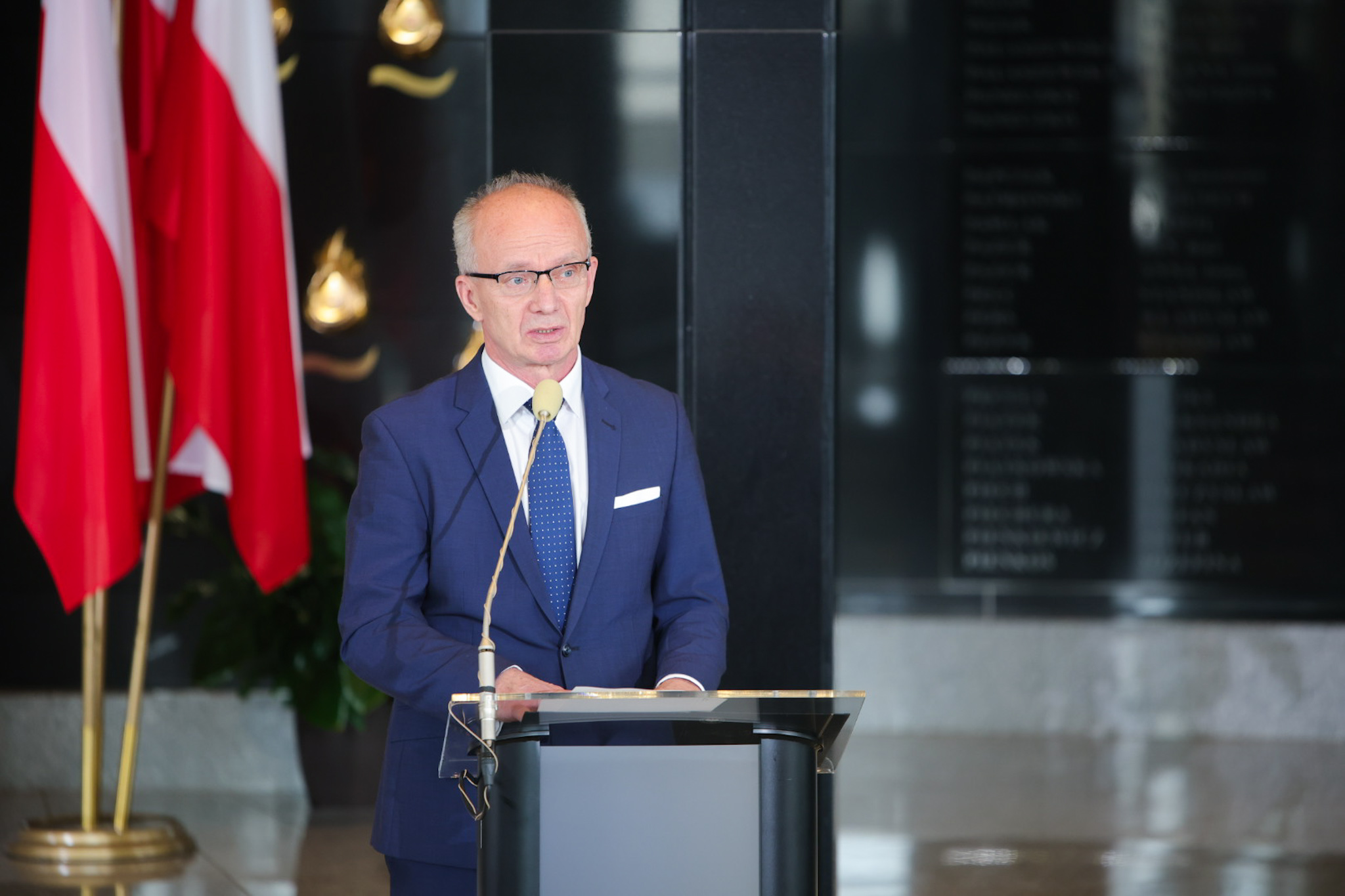
The letter was delivered by Krzysztof Szwagrzyk, who also recalled the circumstances surrounding the discovery of the Pochwatek family:
“On 4 July 2024, we returned to Kolczyn in the Lublin region in search of a mass grave of a Polish family murdered by the Germans for aiding Jews. On that day, in that place, the words of Zbigniew Herbert seemed to speak directly to us, to contemporary Poles of the twenty-first century. In his poem Mr. Cogito on the Need for Precision, he wrote: ‘we must therefore know, count precisely, call them by name, equip them for the journey.’ Today, here in the Chapel of Remembrance in Toruń, we can finally say: we know. In Kolczyn, we found the mass grave of the Pochwatek family. We counted the victims and the objects found with them. As the poet urged - we have named them, called them by name. As we should, we have prepared them for their final journey. We return for our own. Always. We have returned for the Pochwatek family, and we will return for others.”
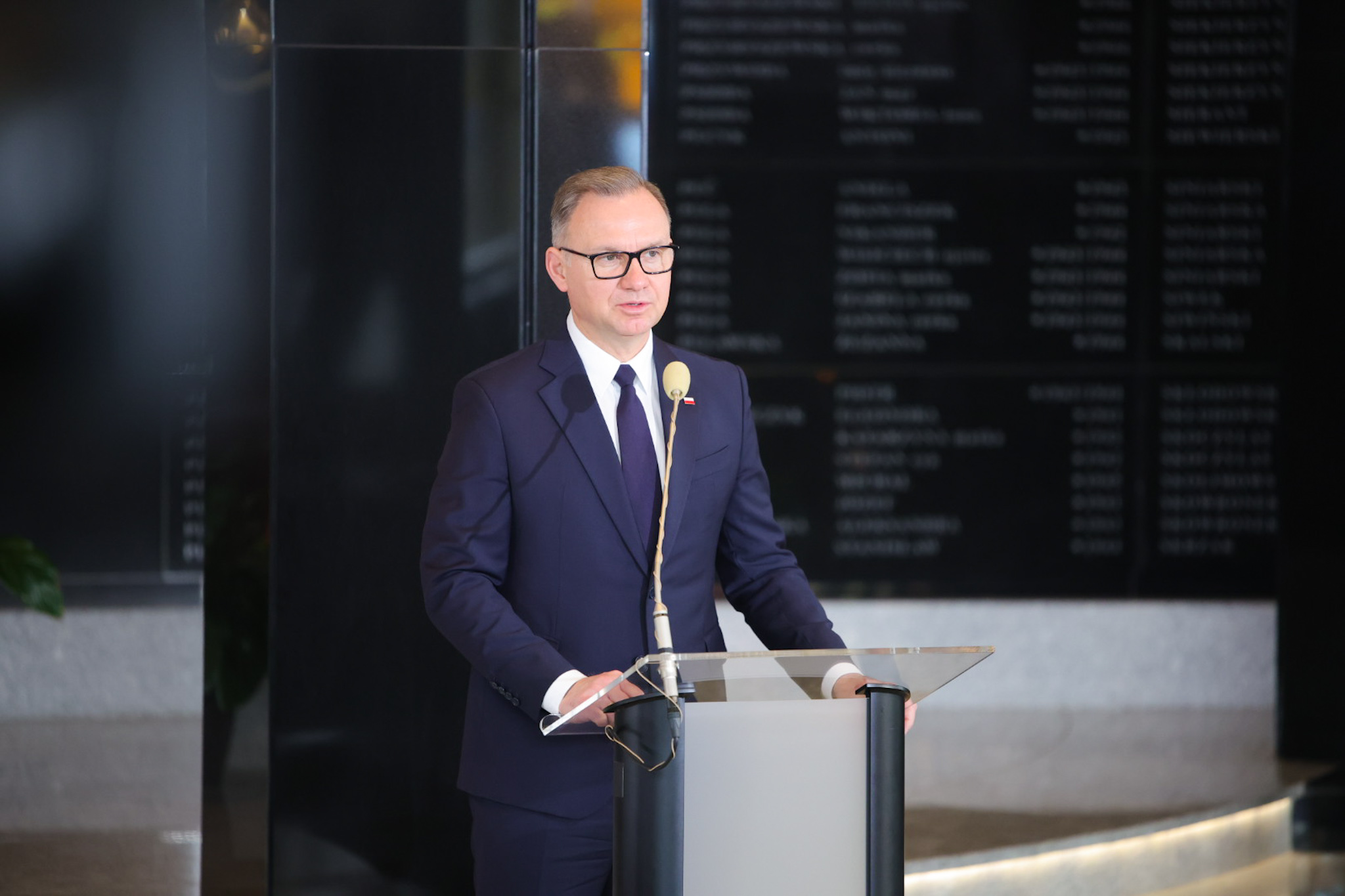
Former President of the Republic of Poland Andrzej Duda, the initiator of this day of remembrance, also spoke, emphasizing the enduring importance of Christian values in Polish history and reflecting on Polish–Jewish relations. He highlighted the extraordinary courage of those who, despite facing the death penalty, chose to shelter Jews, and stressed the importance of bearing faithful witness to history:
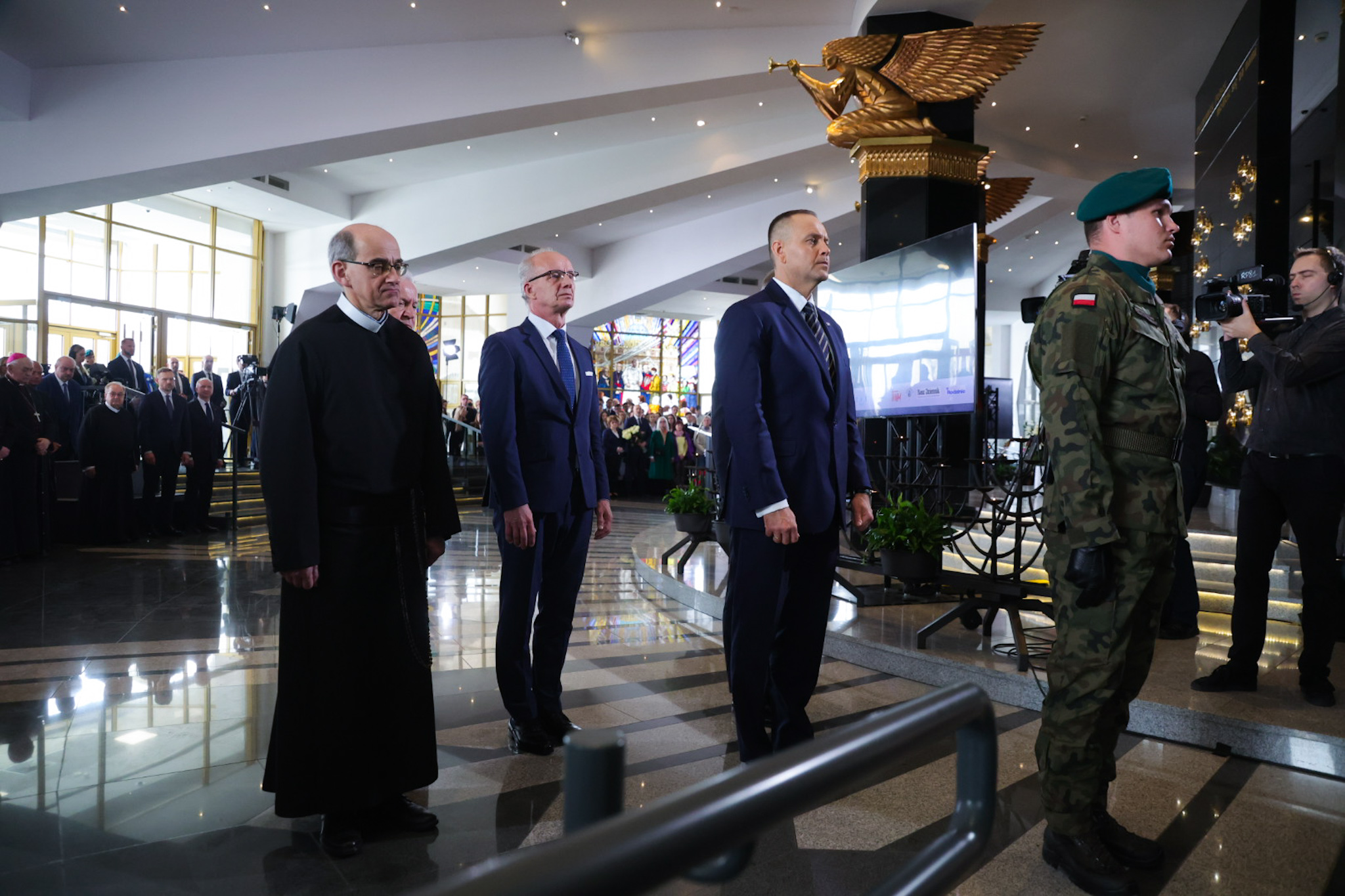
Among those present were the Deputy Ambassador of Israel to Poland, Omer Chechek Katz; the First Secretary for Political Affairs at the British Embassy, Harry Dadswell; Head of the Chancellery of the President Zbigniew Bogucki; Secretary of State Wojciech Kolarski; Director of the Office of National Heritage and Civic Initiatives Marcin Czapliński; Chairman of the Institute of National Remembrance Council, Professor Wojciech Polak; as well as representatives of the Sejm, cultural institutions, and the clergy. The ceremony was held with the honorary participation of the Polish Armed Forces.
The event concluded with the laying of flowers and a solemn tribute to the heroes.