
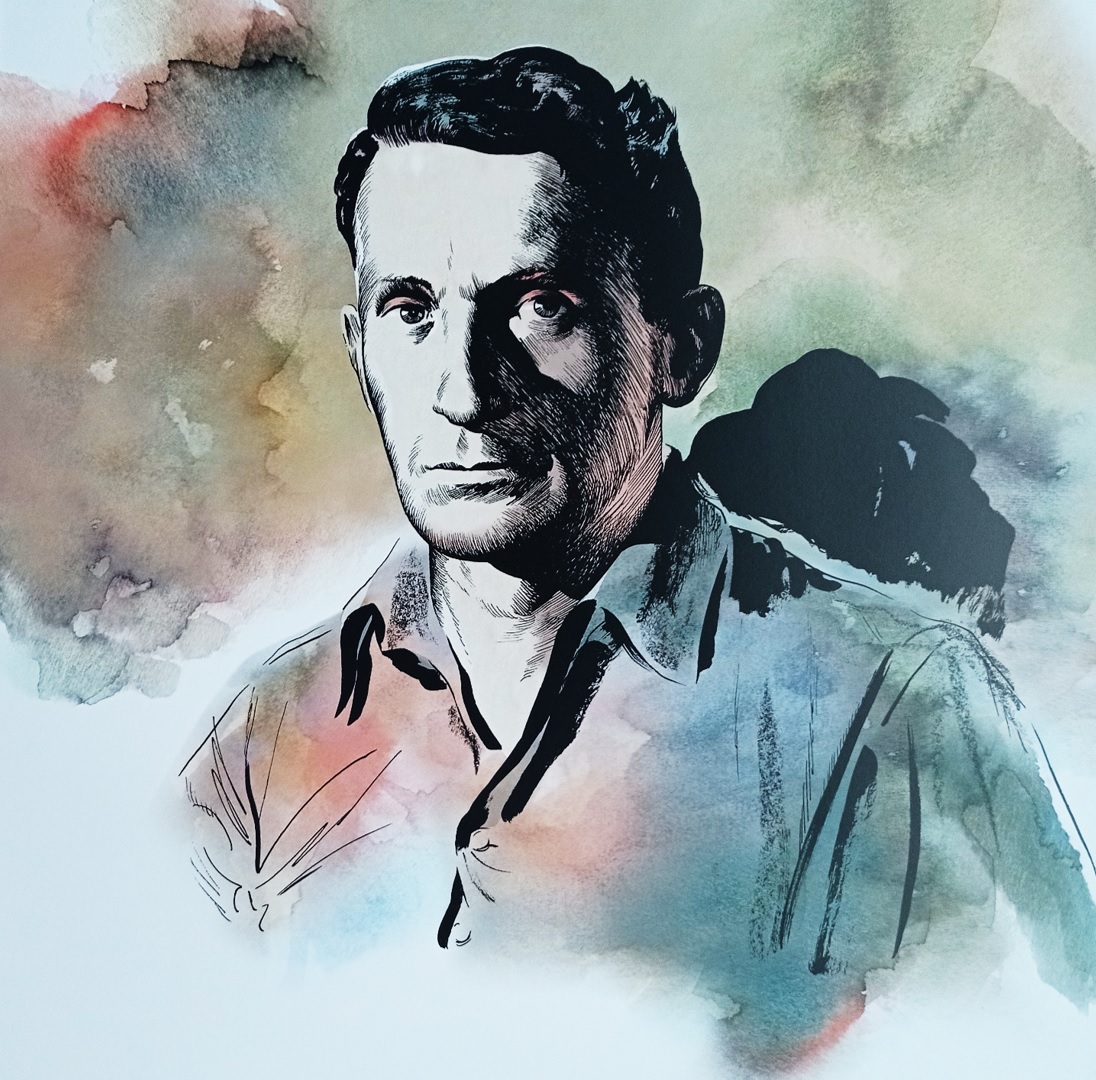
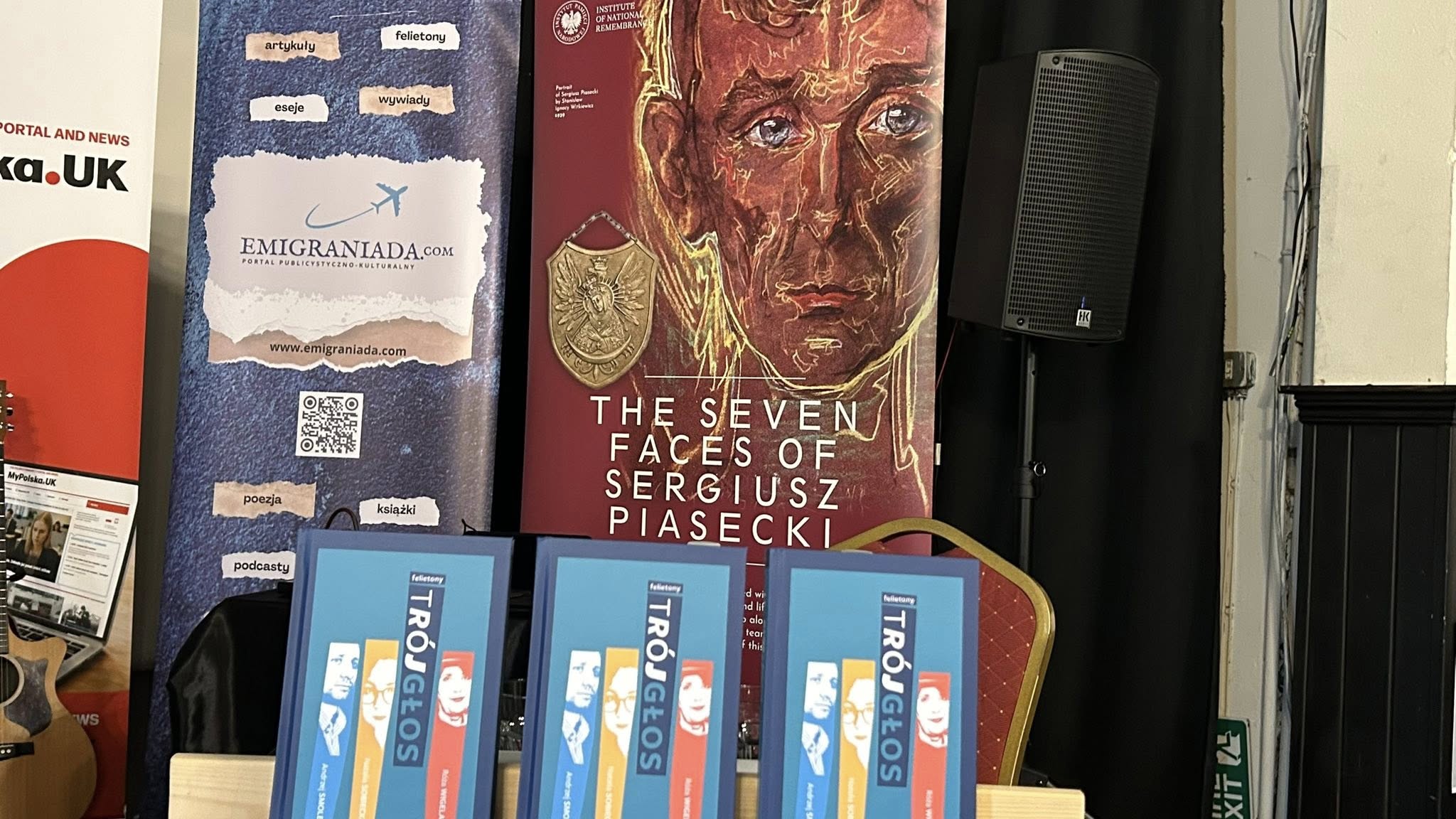
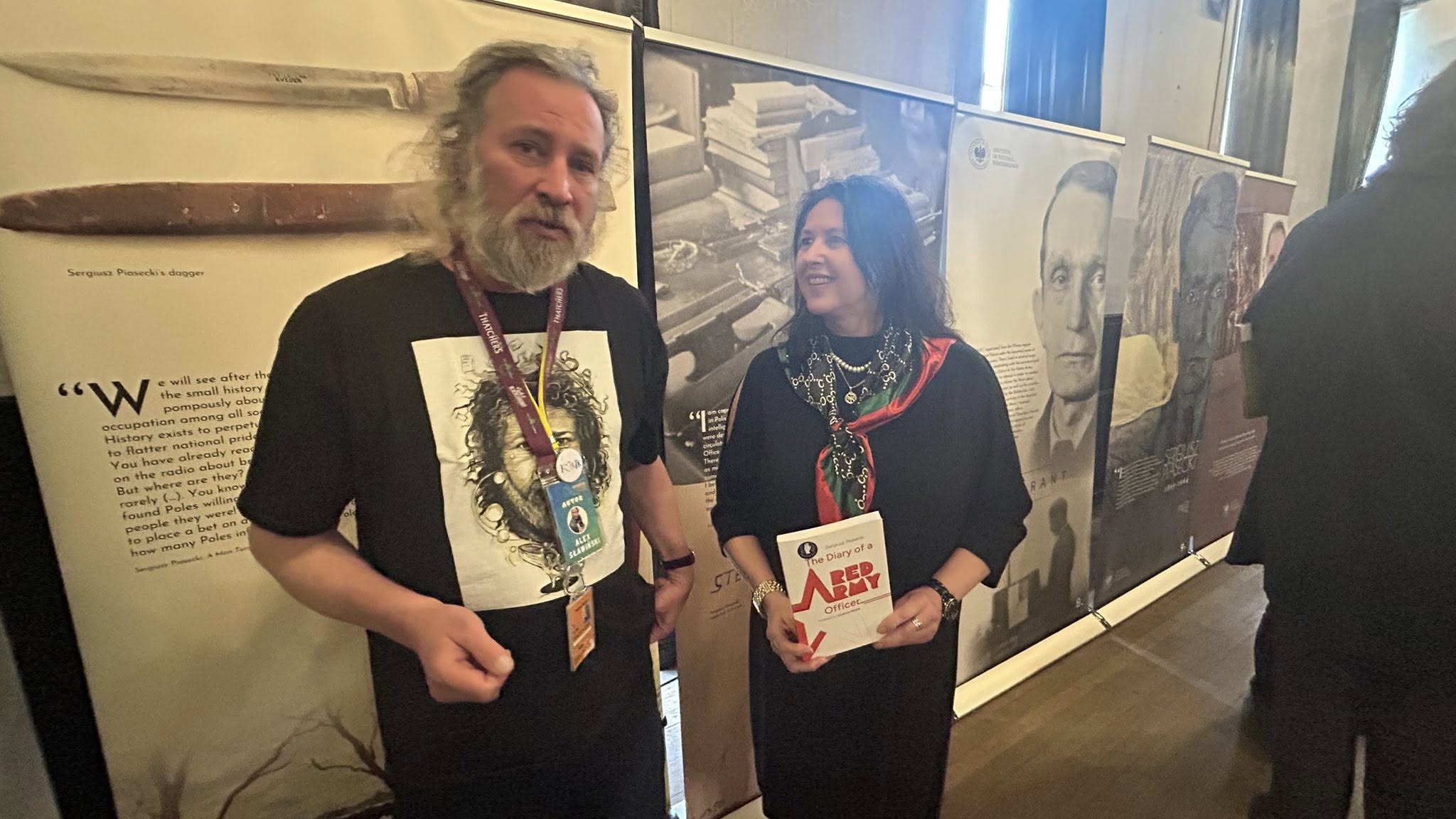
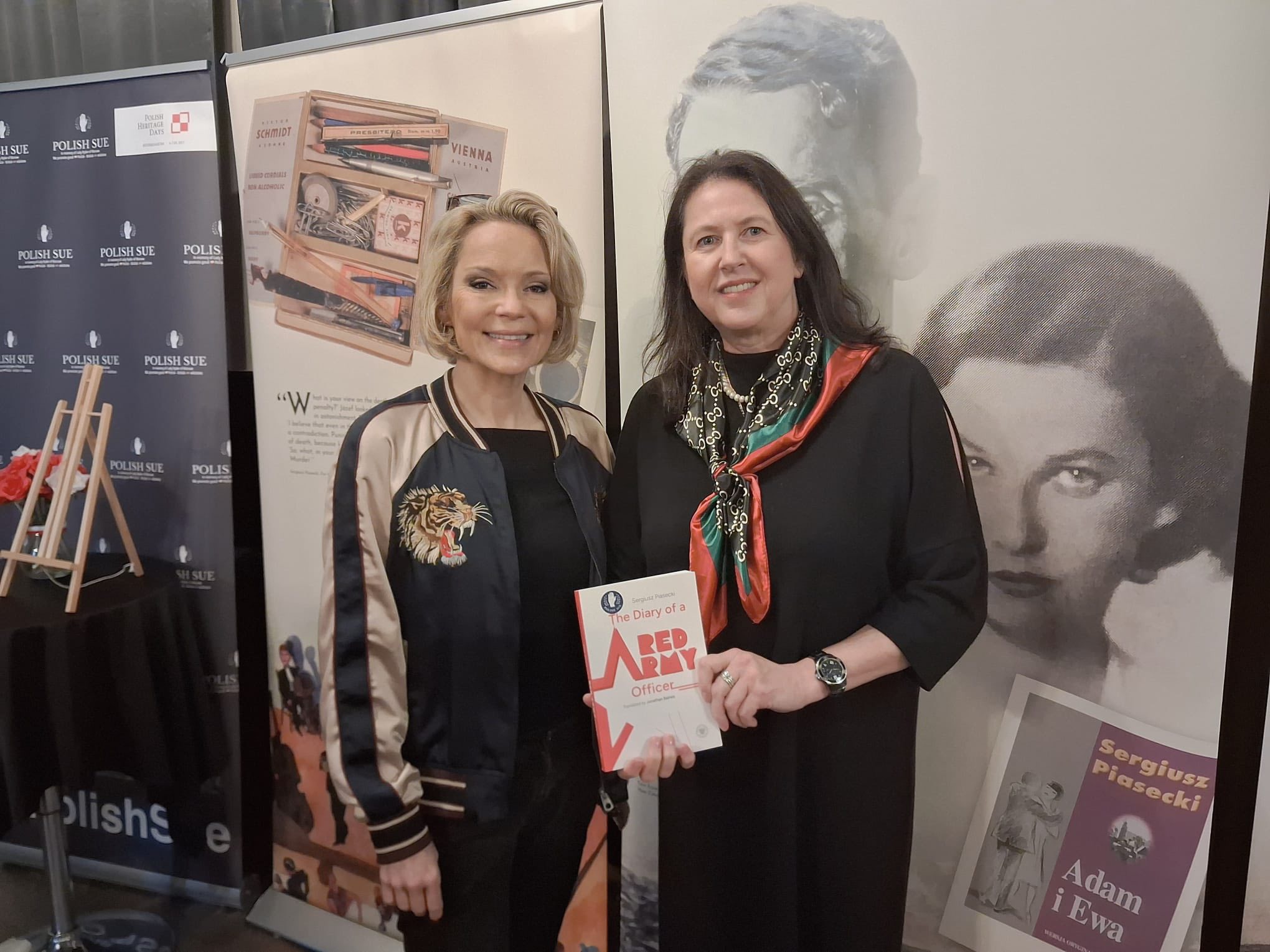
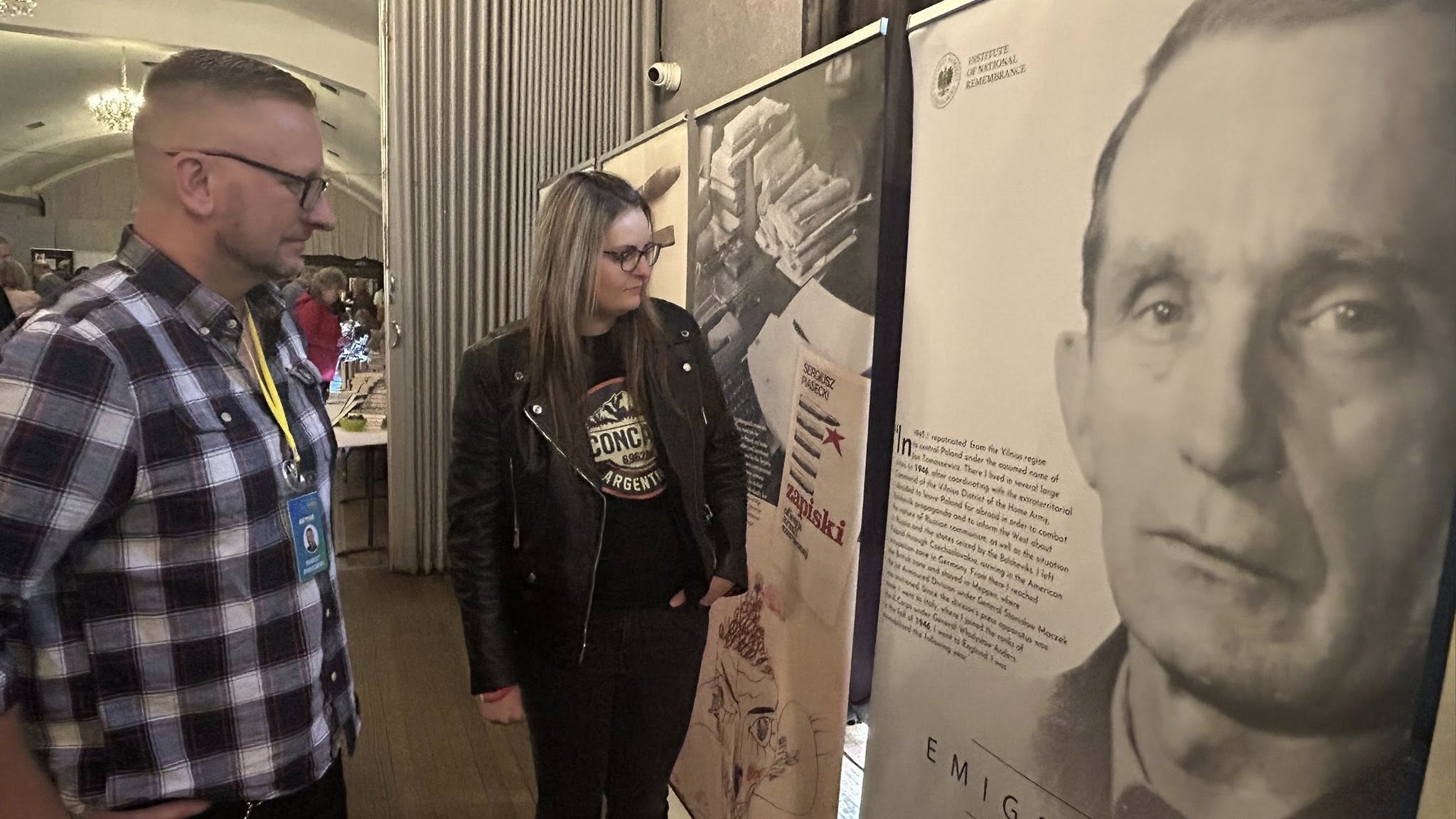
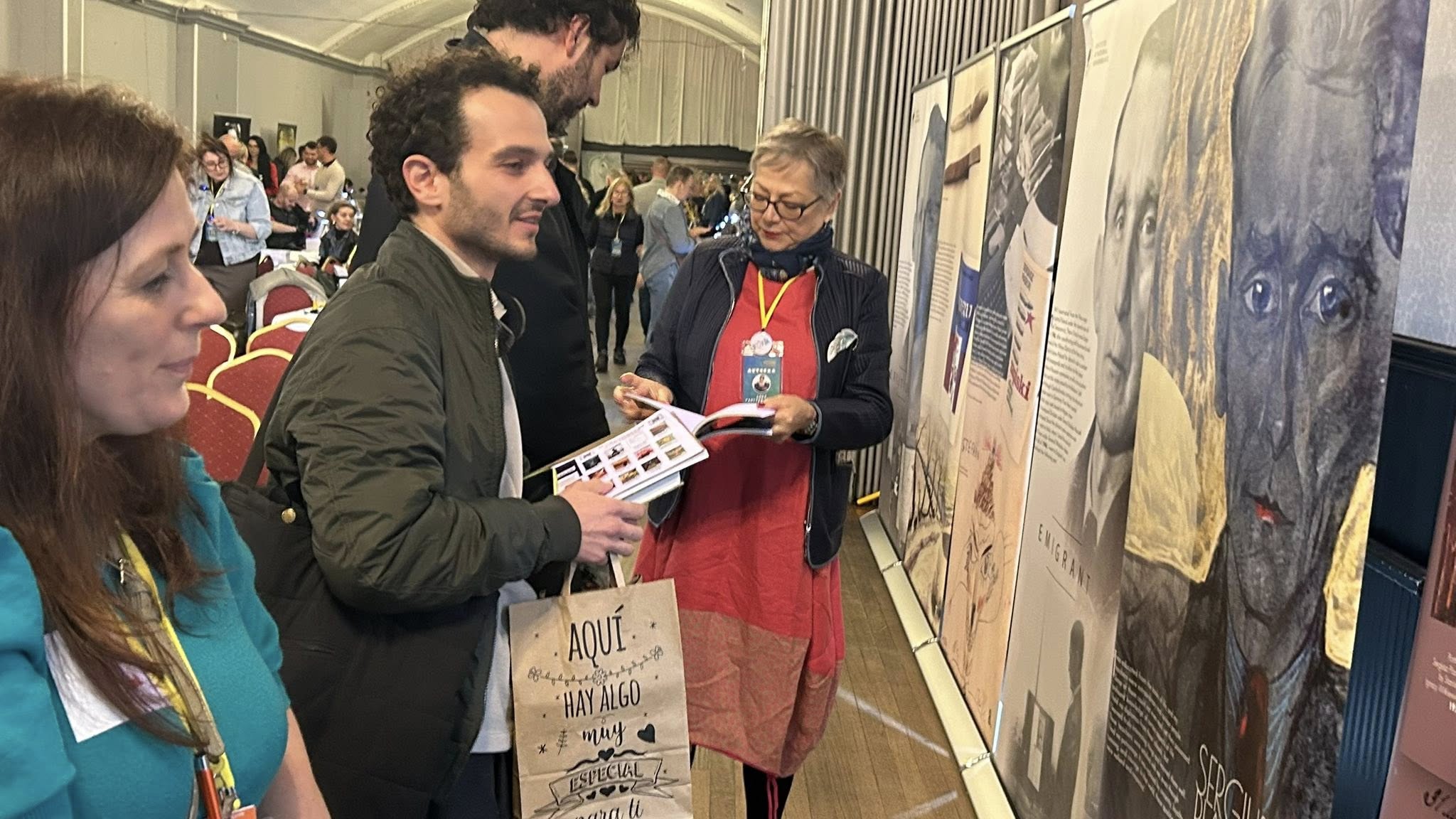
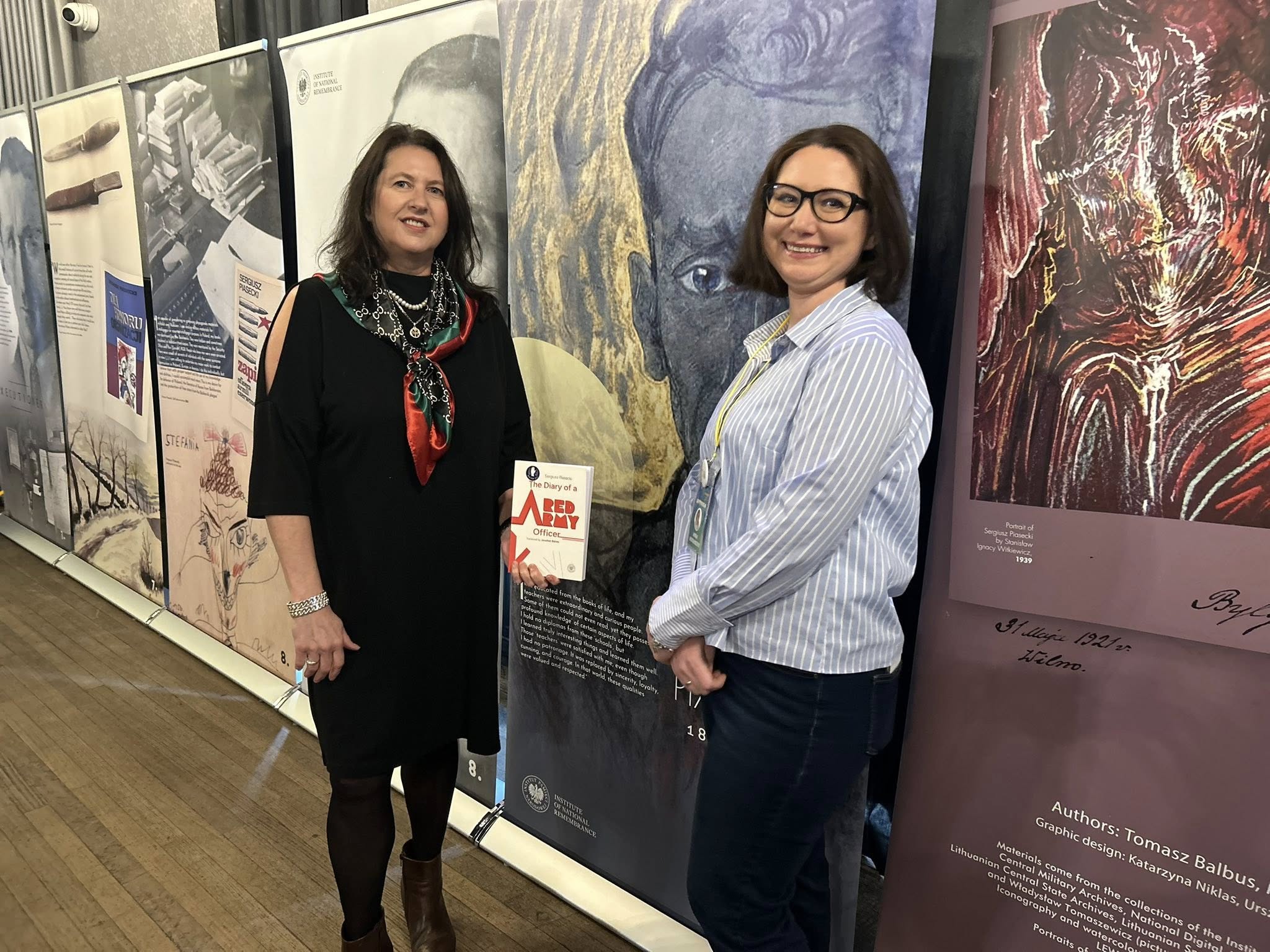
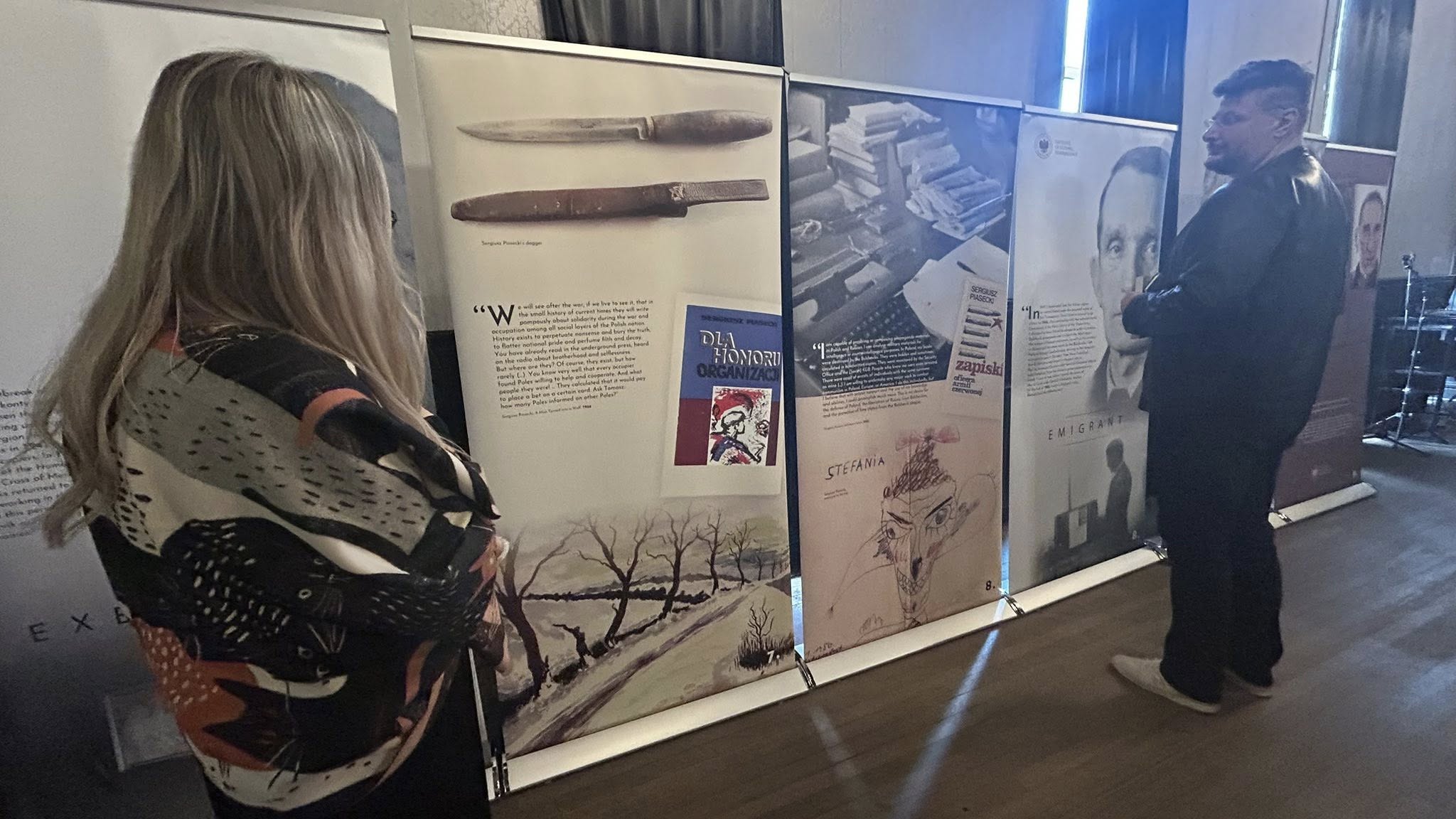
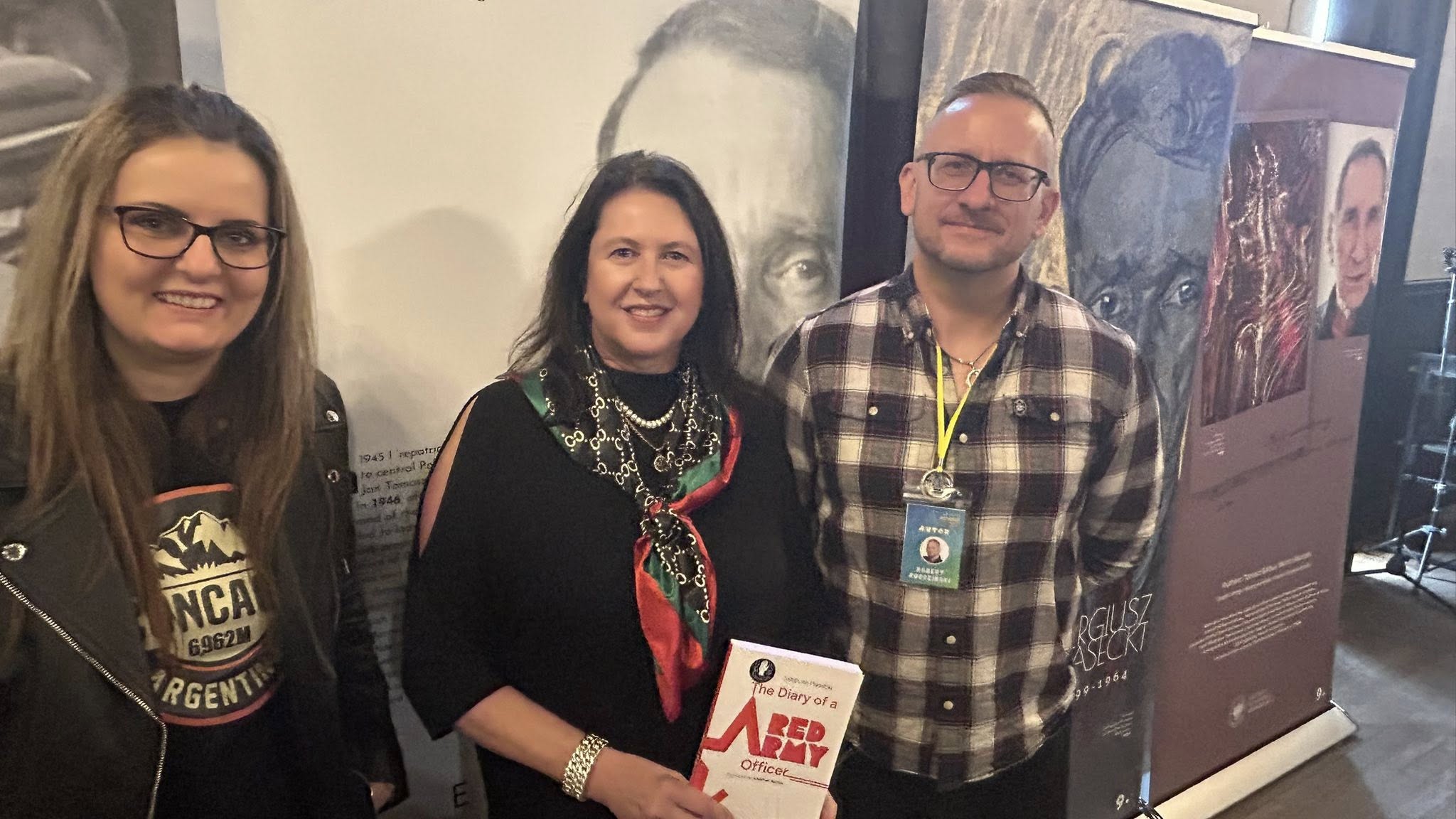
An evocative exhibition, Seven Faces of Sergiusz Piasecki, prepared by the Wrocław Branch of the Institute of National Remembrance was presented in London as part of the Polish diaspora Authors’ Book Fair.
In recognition of his outstanding literary and historical legacy, the Sejm of the Republic of Poland designated 2026 as the Year of Sergiusz Piasecki. The exhibit, previously presented at the National Army Museum, offers a compelling exploration of one of the most complex and controversial figures in twentieth-century Polish history.
The exhibition presents a concise yet comprehensive portrait of Piasecki’s multifaceted life. A soldier, intelligence operative, smuggler, prisoner, writer, and unwavering anti-communist, Piasecki’s biography reflected the dramatic upheavals of his era. Visitors were guided through key episodes that shaped both his life and the wider historical landscape, including the Polish–Bolshevik War, clandestine intelligence operations in the Soviet Union, imprisonment, wartime resistance as a Home Army officer in the Vilnius region, service in the 2nd Polish Corps under General Władysław Anders, and the long years of exile that followed.
Drawing on archival materials from Poland, the United Kingdom, and Lithuania, the exhibition illuminates the richness and contradictions of Piasecki’s experiences. His literary works - deeply rooted in personal history - remain an enduring expression of resistance, independence, and moral complexity. Far from being a passive observer, Piasecki emerged as an active and often defiant participant in history, navigating the blurred boundaries between legality and morality while remaining steadfast in his commitment to freedom and patriotism.
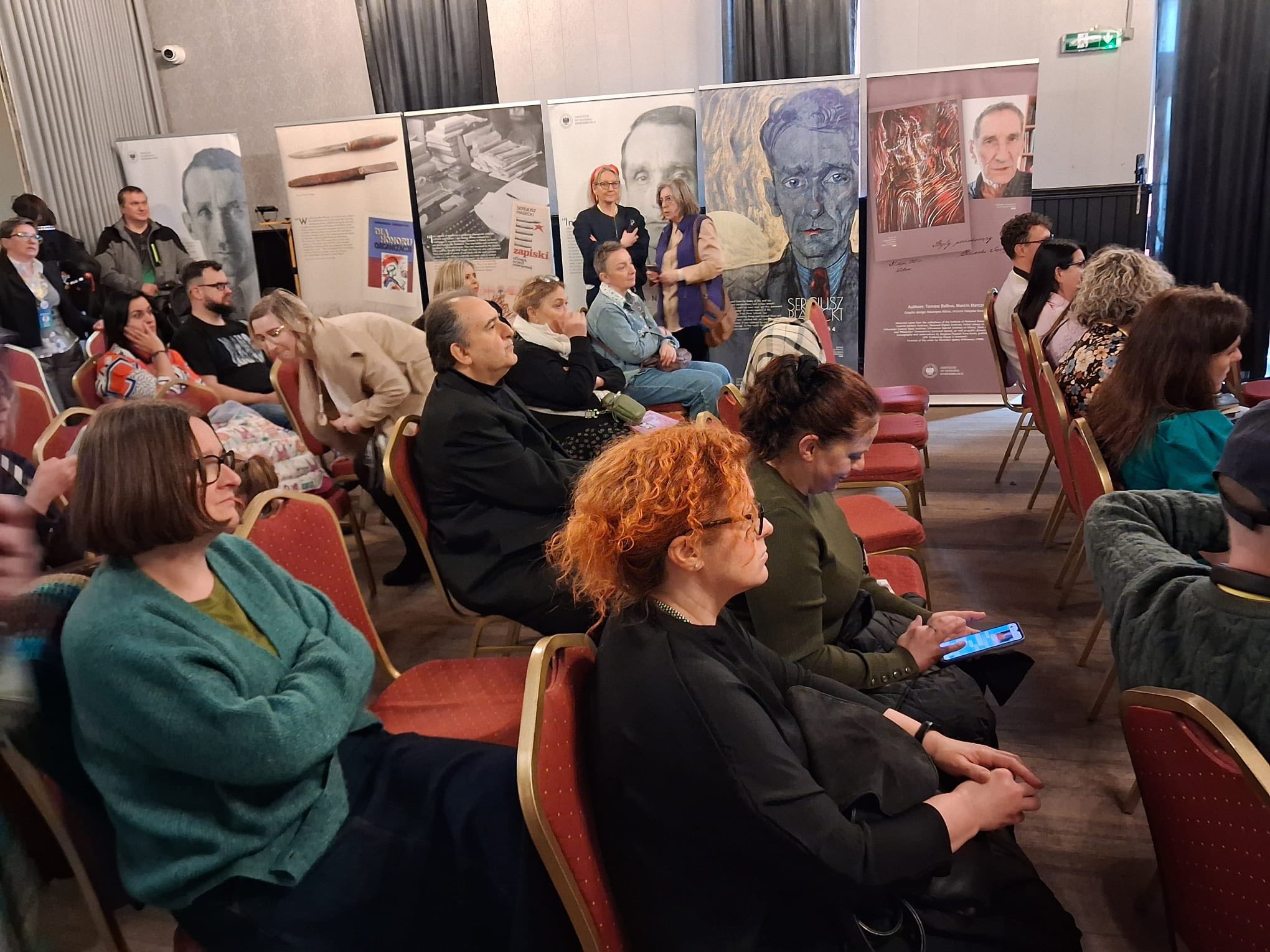
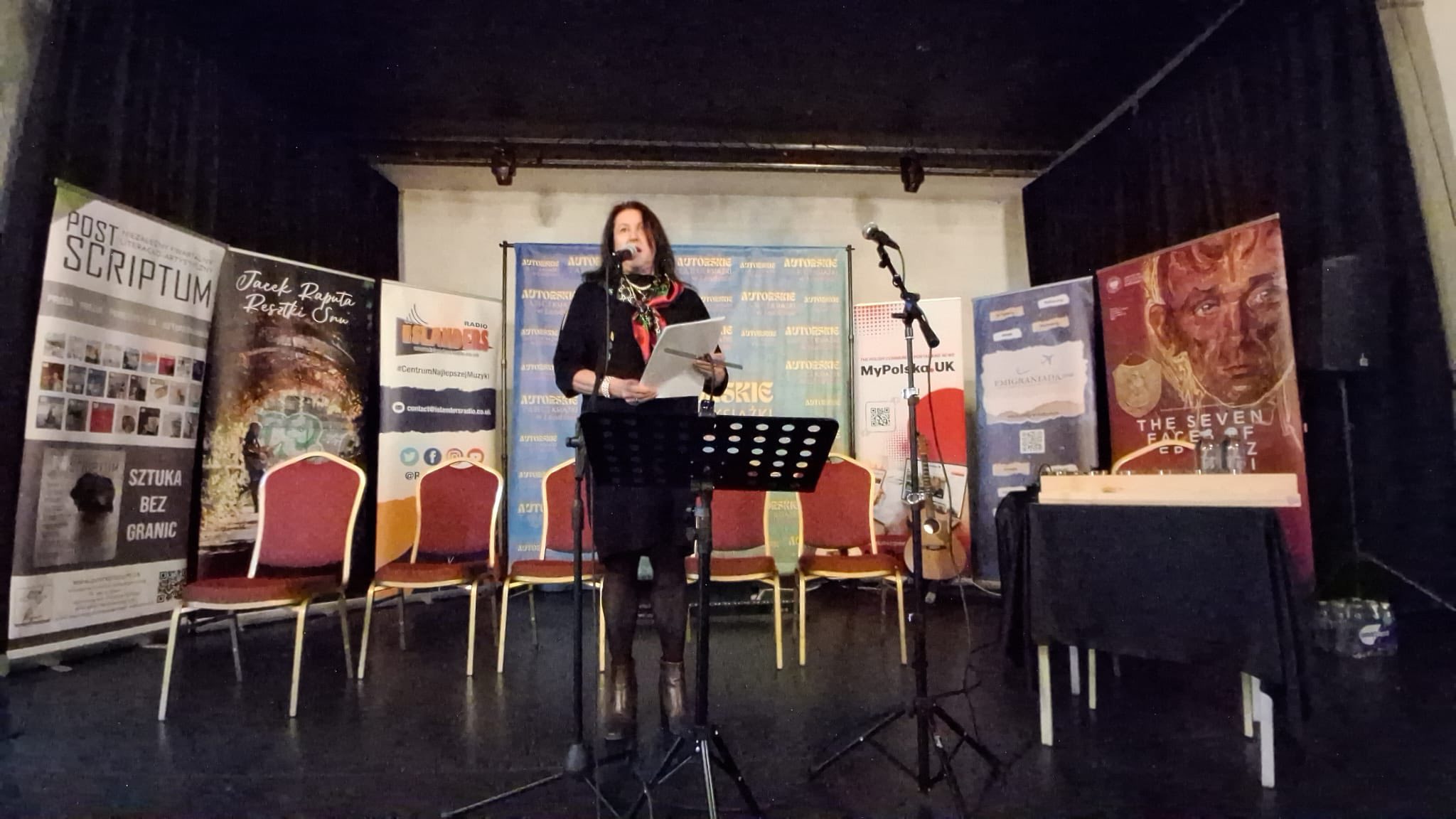
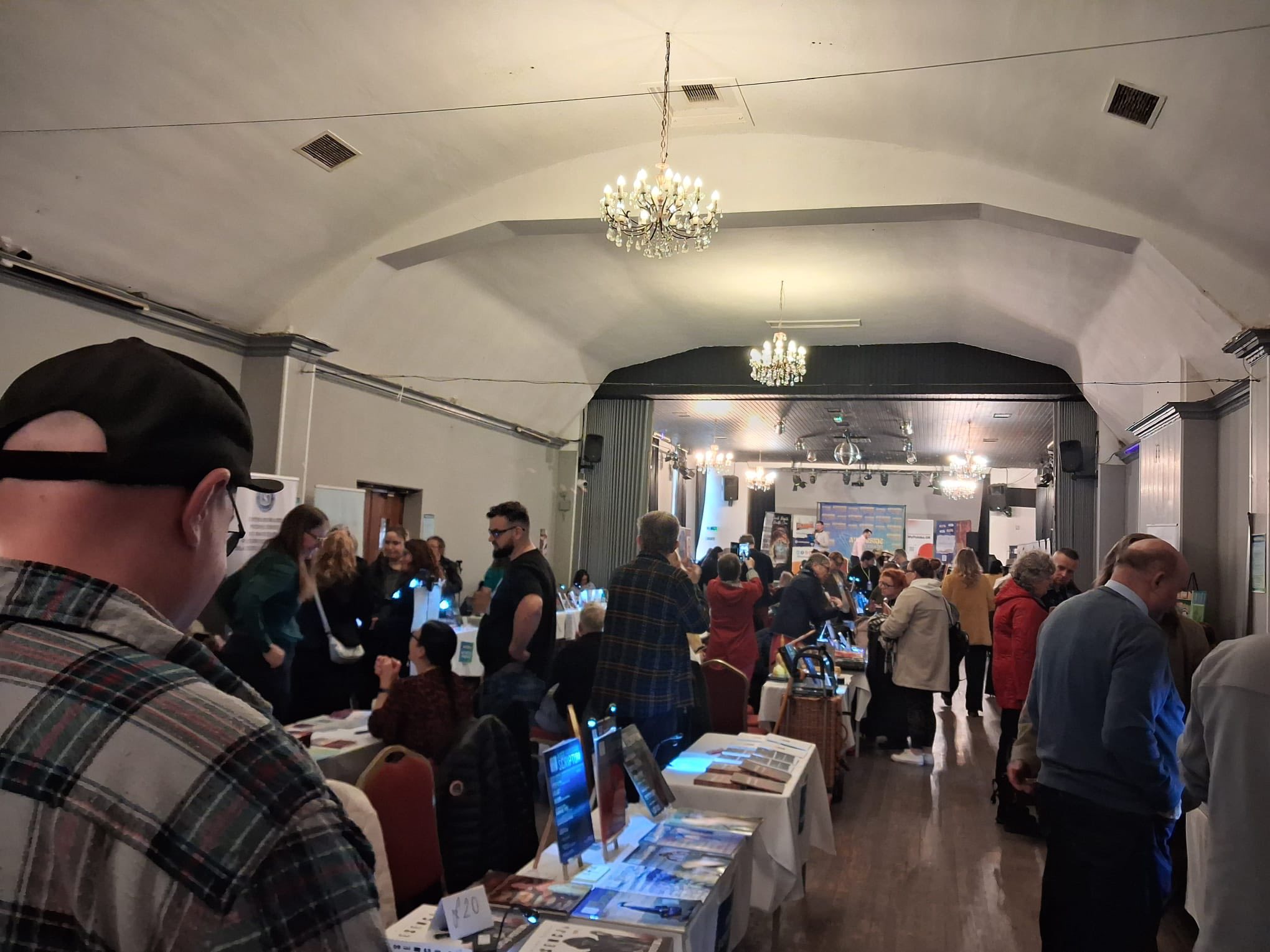
The exhibition was presented at the White Eagle Club in London, a longstanding centre of Polish cultural life in the United Kingdom. As part of the Authors’ Book Fair. The event brought together contemporary Polish émigré writers alongside readers, critics, historians, and cultural commentators. More than a traditional book fair, it served as a vibrant forum for dialogue, a space where Poland’s past and present were revisited and reinterpreted through literature.
The exhibition was inaugurated with a lecture by Iwona Golińska of the Polish Sue Association in which she explored Piasecki’s extraordinary life, his literary achievements, and the enduring importance of historical memory within the Polish diaspora.