
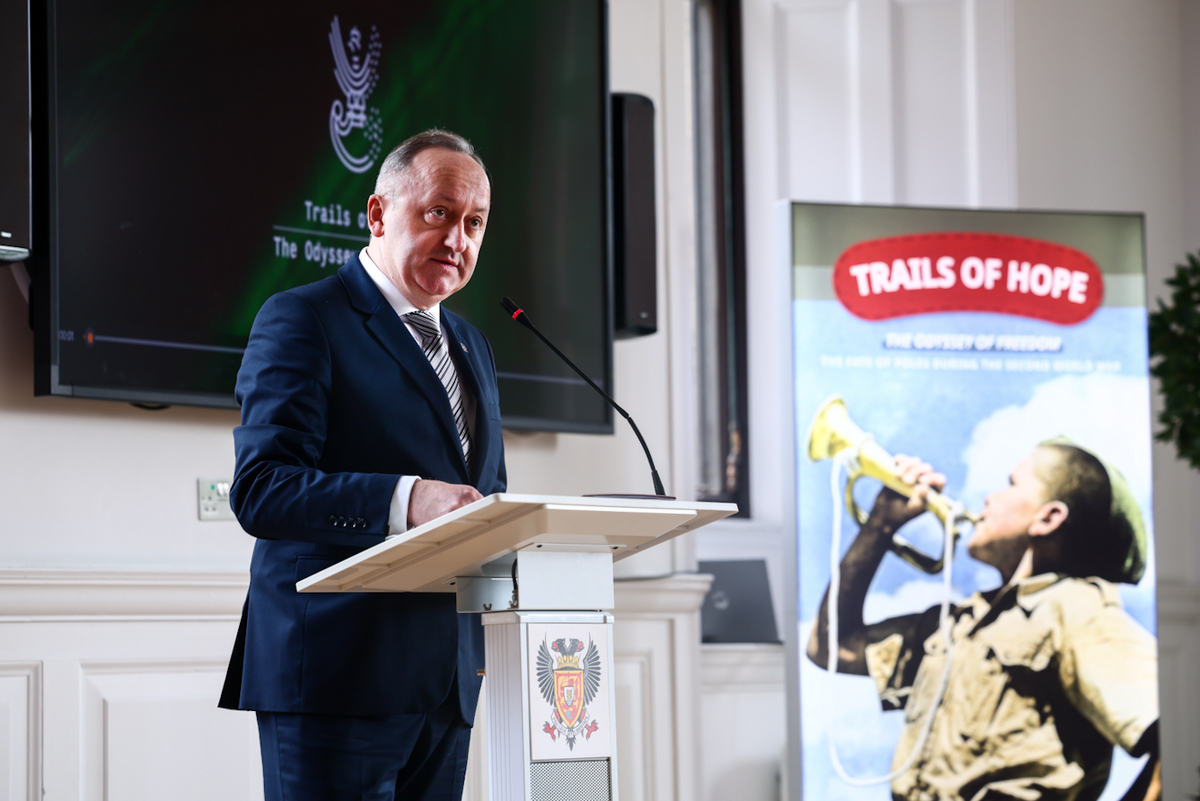
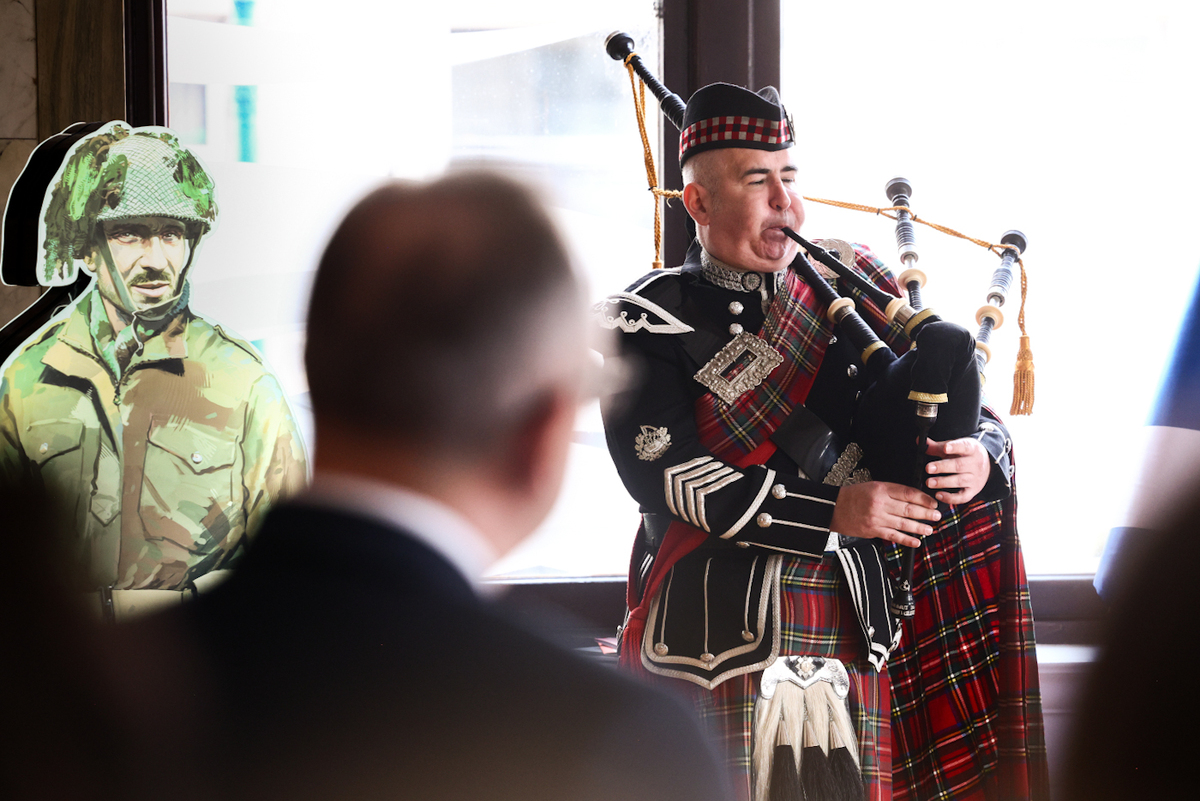
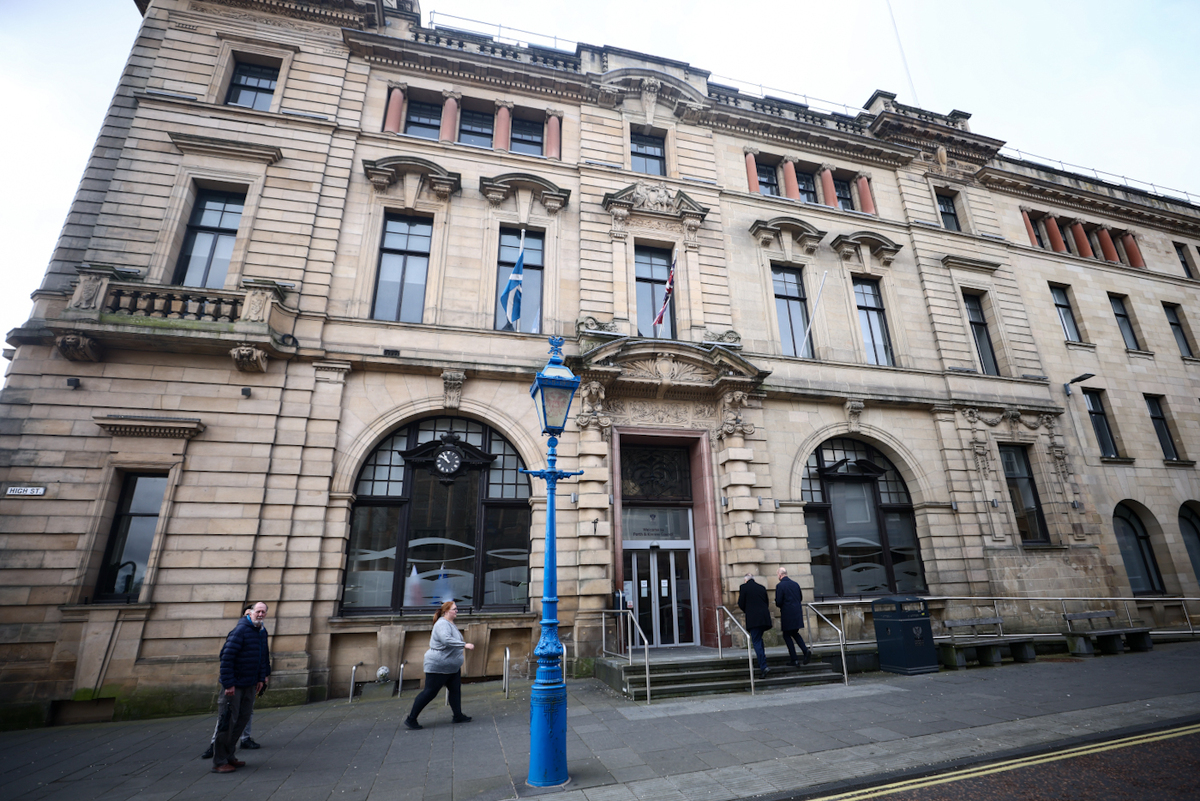
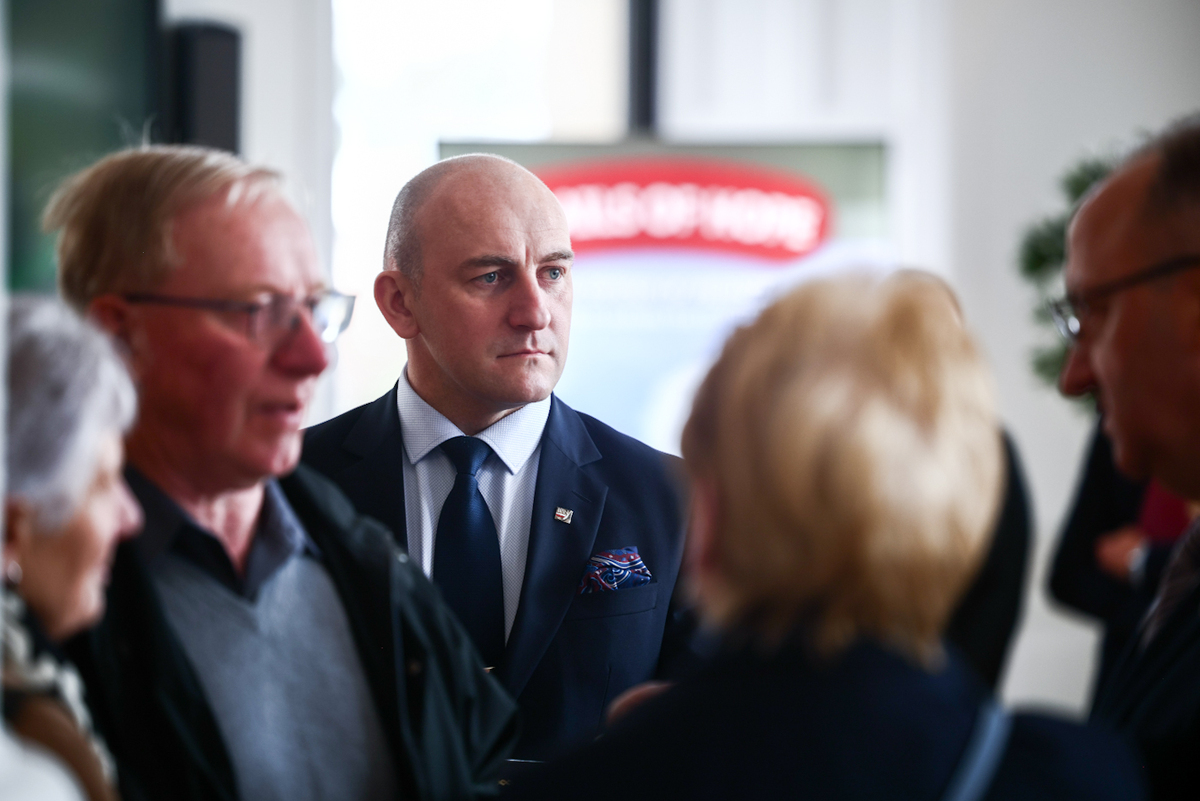
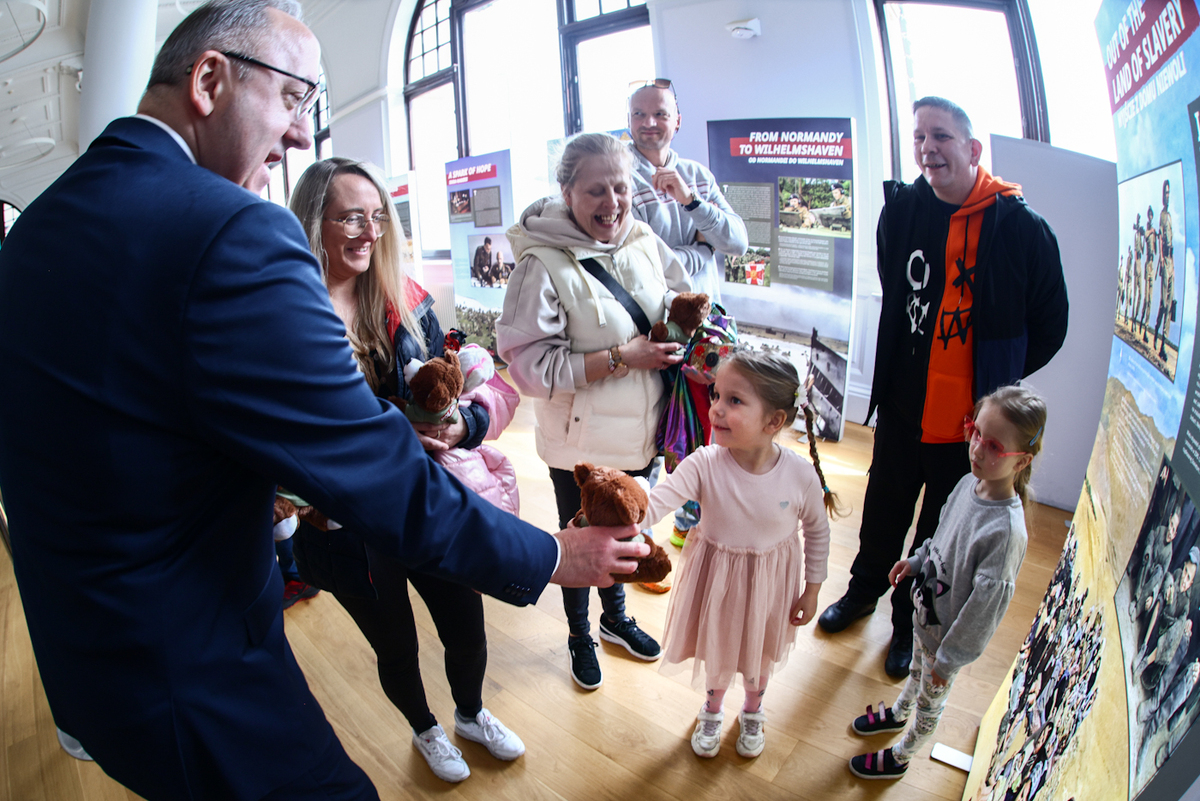
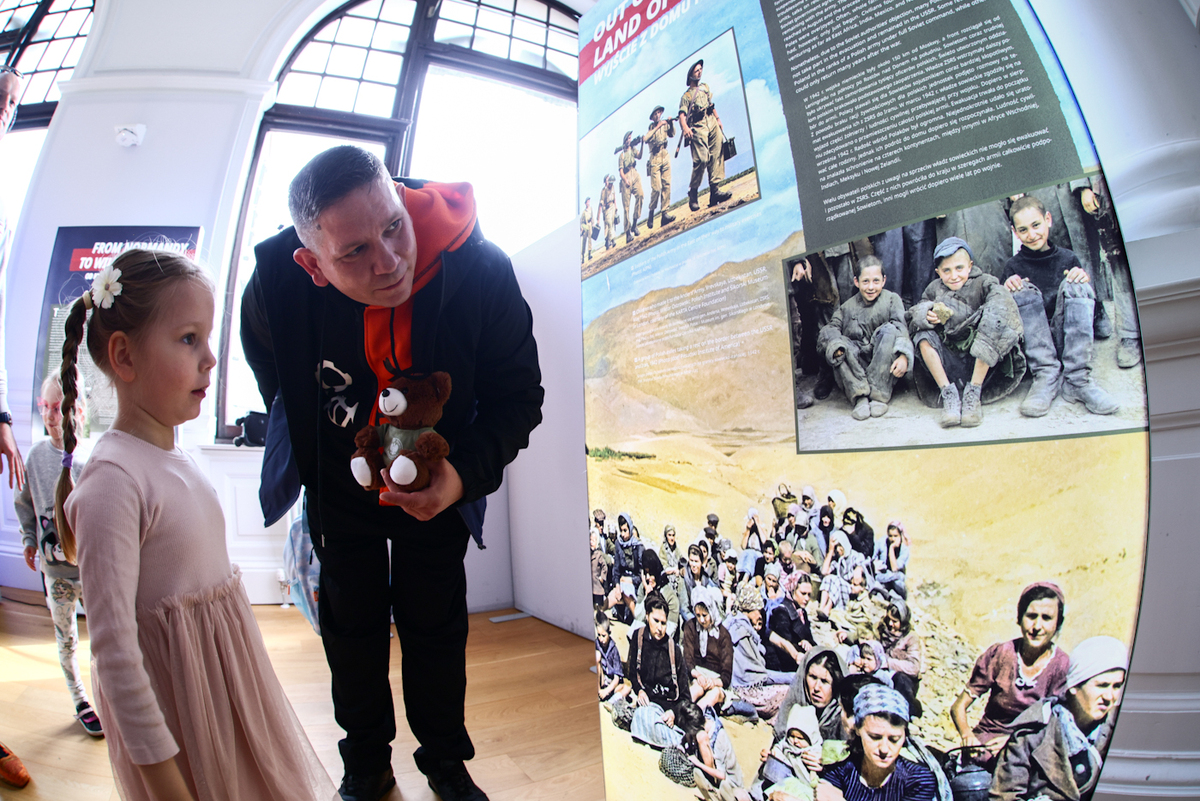
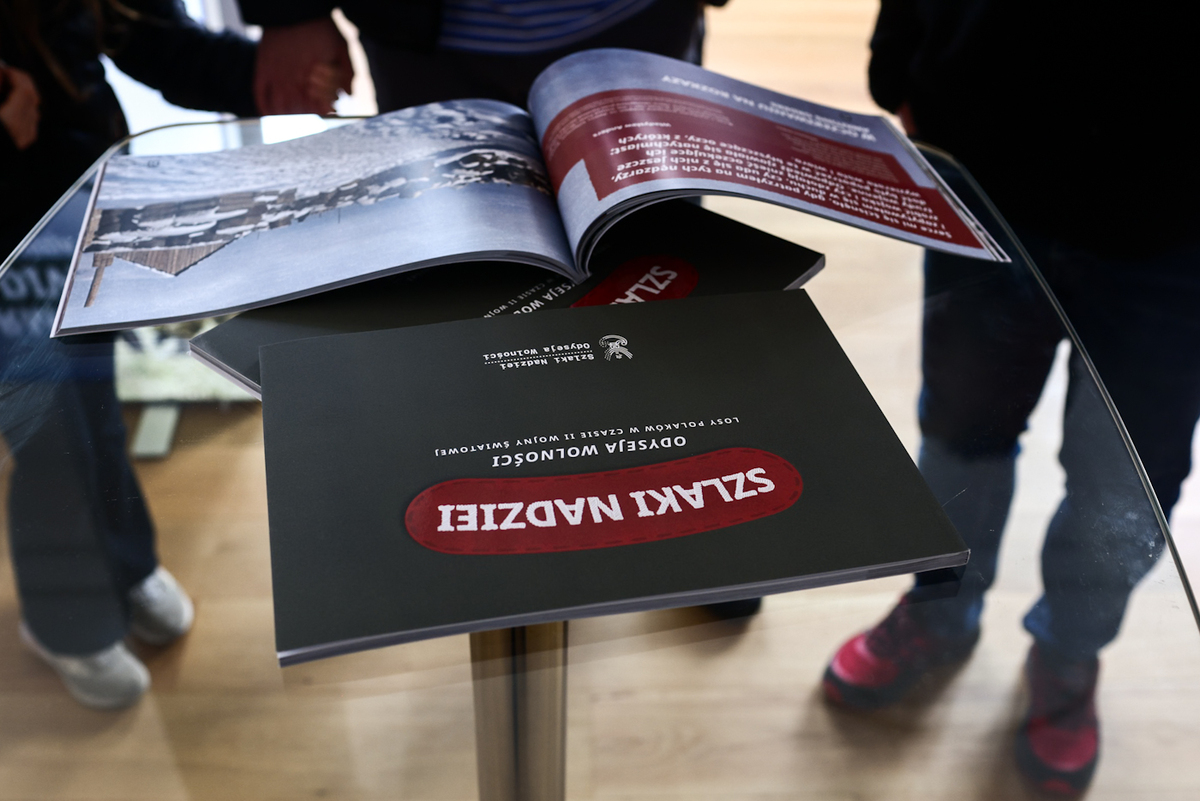
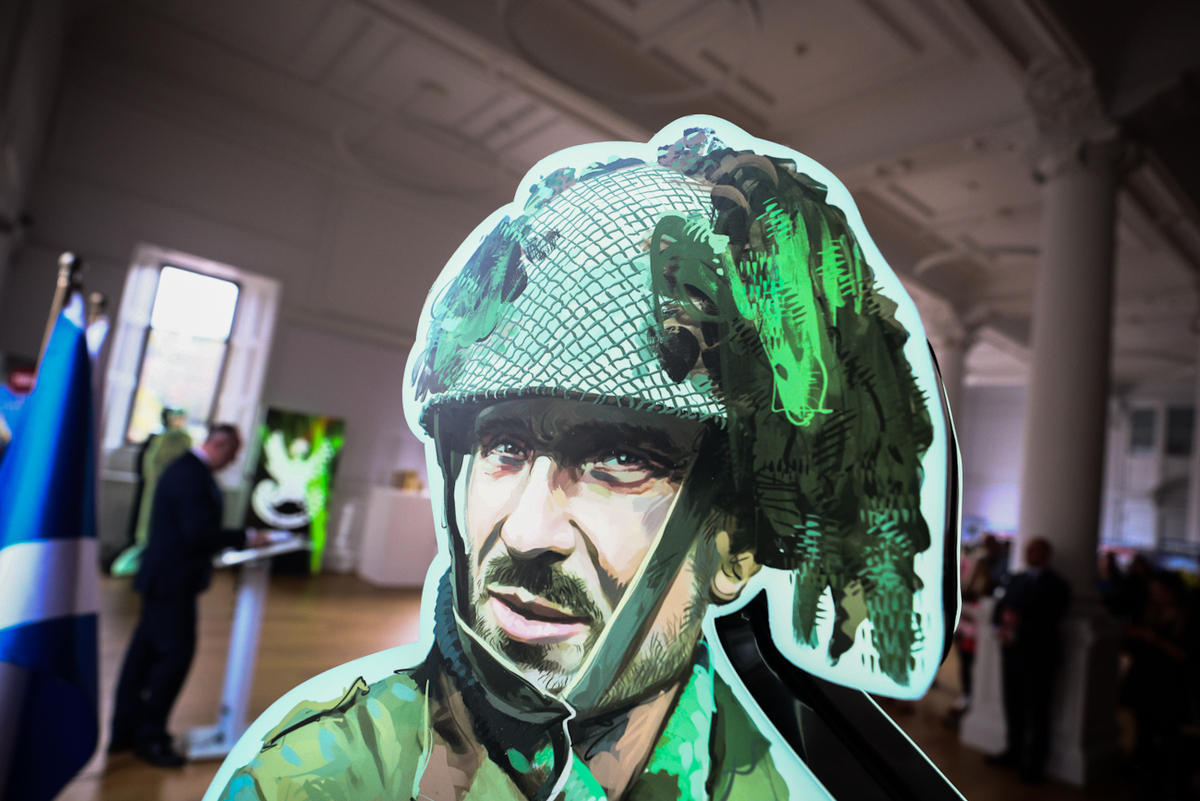
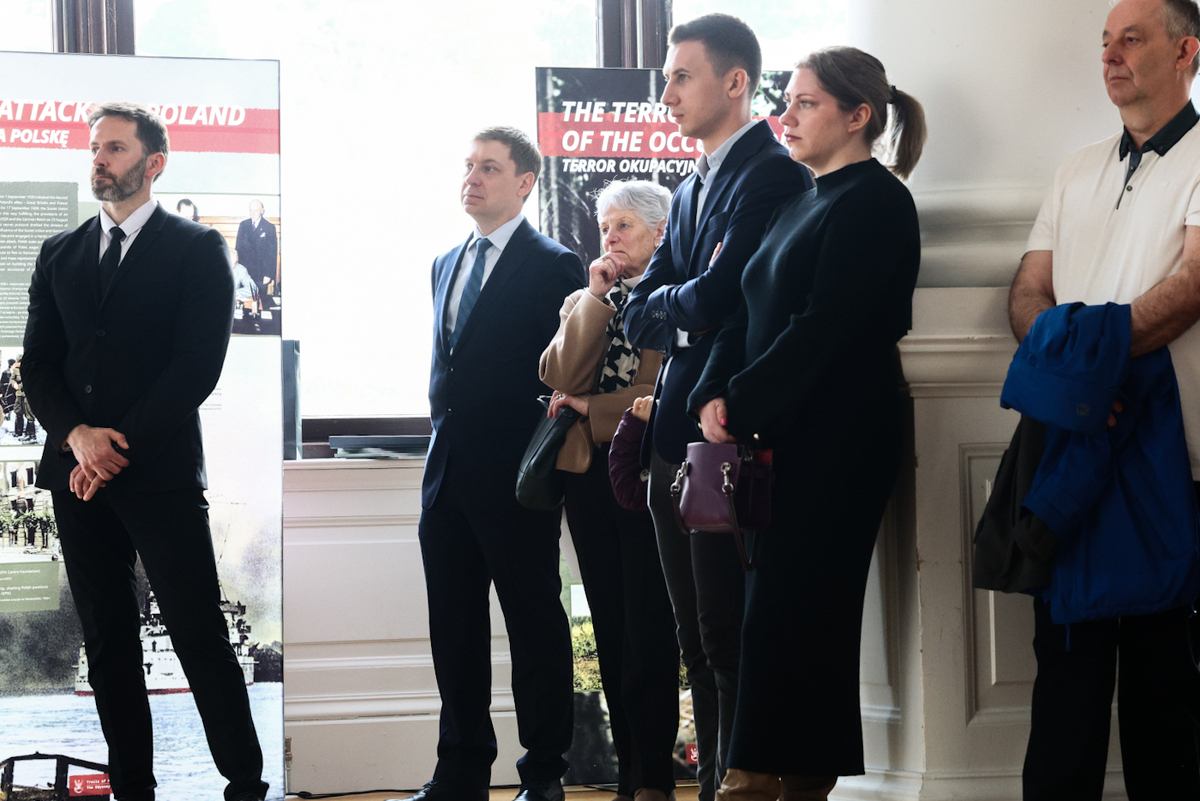
Five weeks after the commemorations of the Clydebank Blitz at Dalbeth, Arkleston, and Old Darnottar cemeteries, and following the opening of the "Trails of Hope. The Odyssey of Freedom" exhibition at the Scottish Parliament on 13 March 2026 and at Clydebank Town Hall on 14 March, the Institute of National Remembrance had the honour of presenting the exhibition, which tells the story of Polish soldiers and civilians during the Second World War, united by the idea of restoring freedom to a world oppressed by Nazi Germany and its allies, in Perth, Scotland's early capital and royal centre.
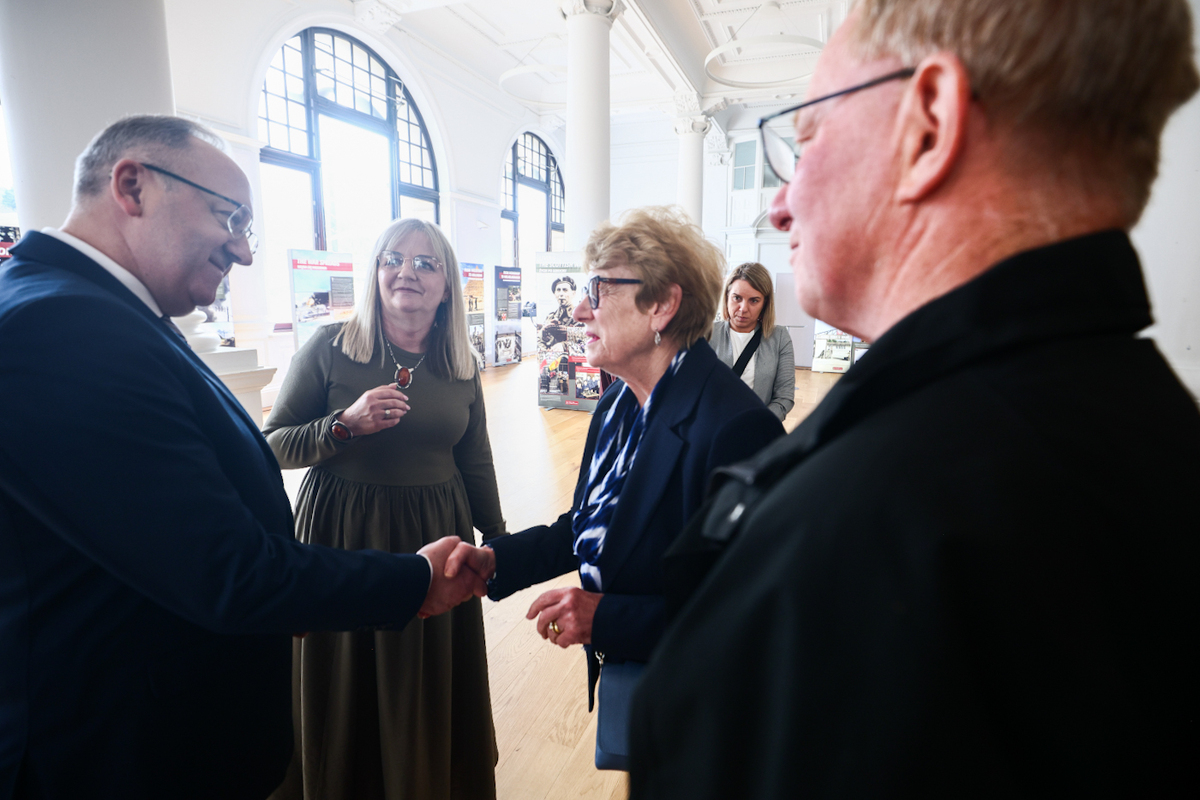
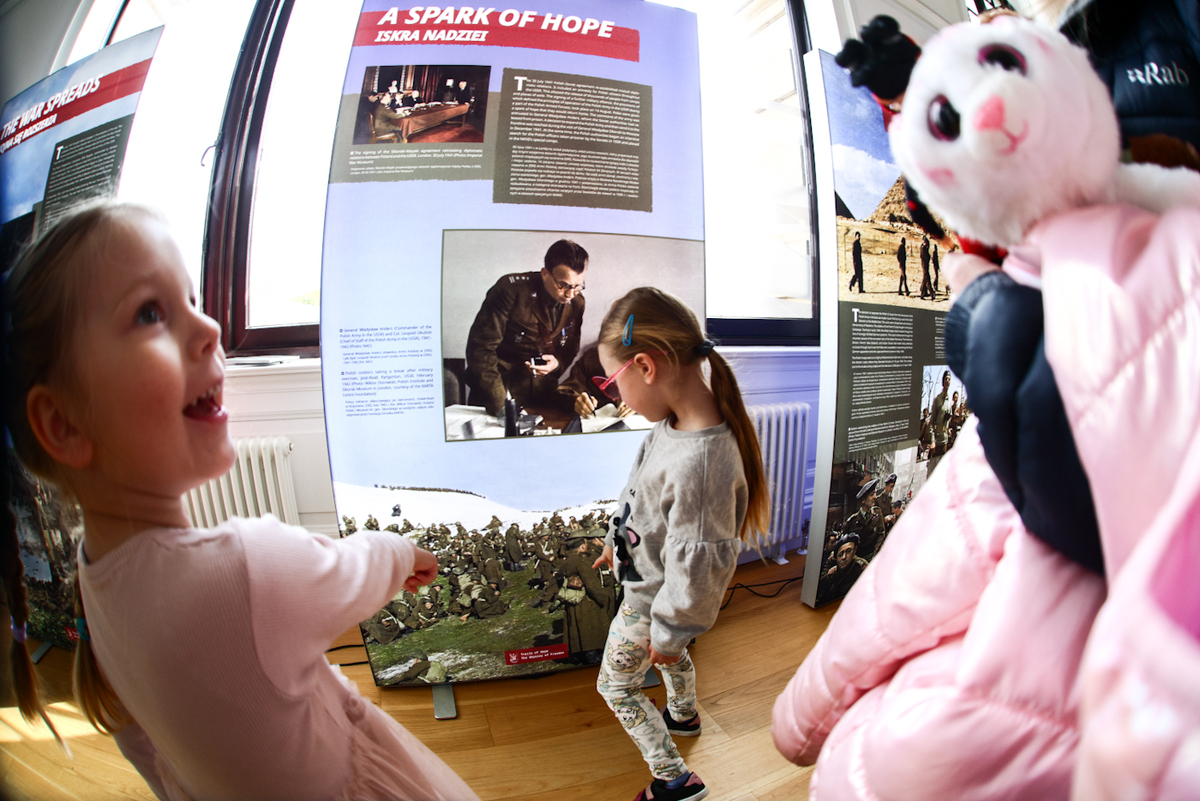
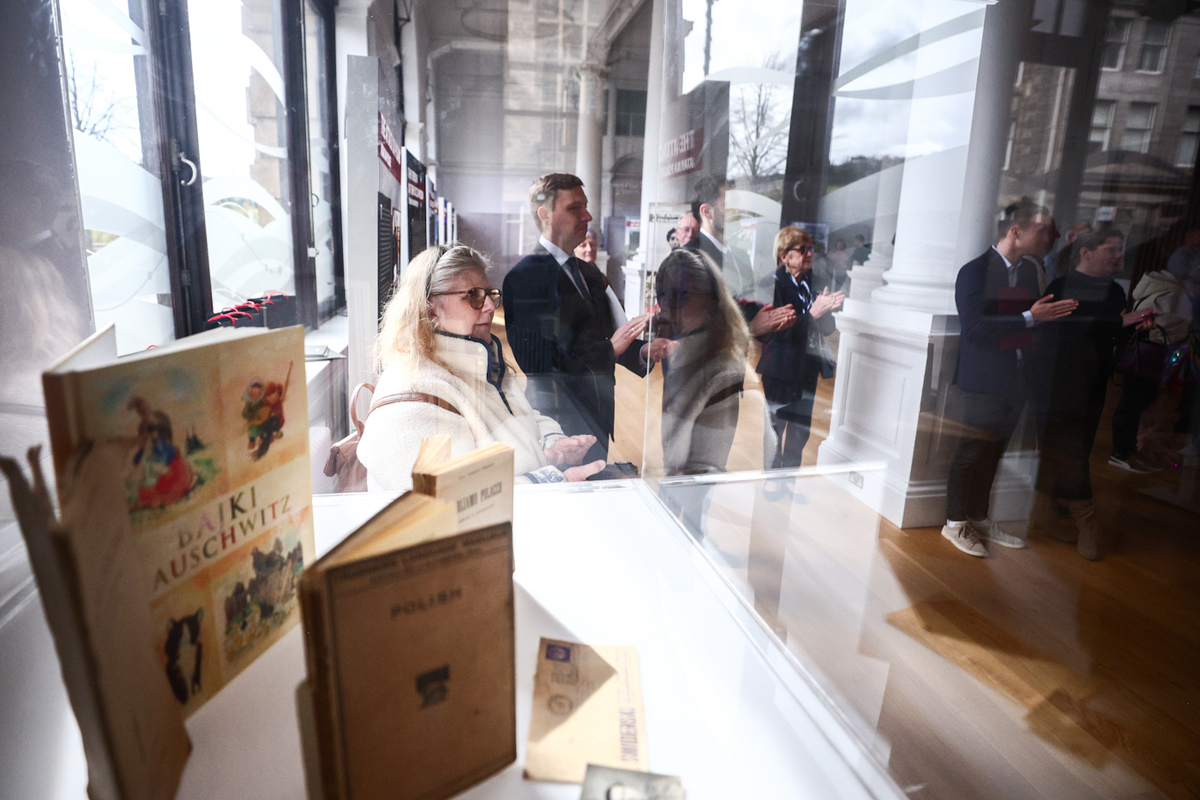
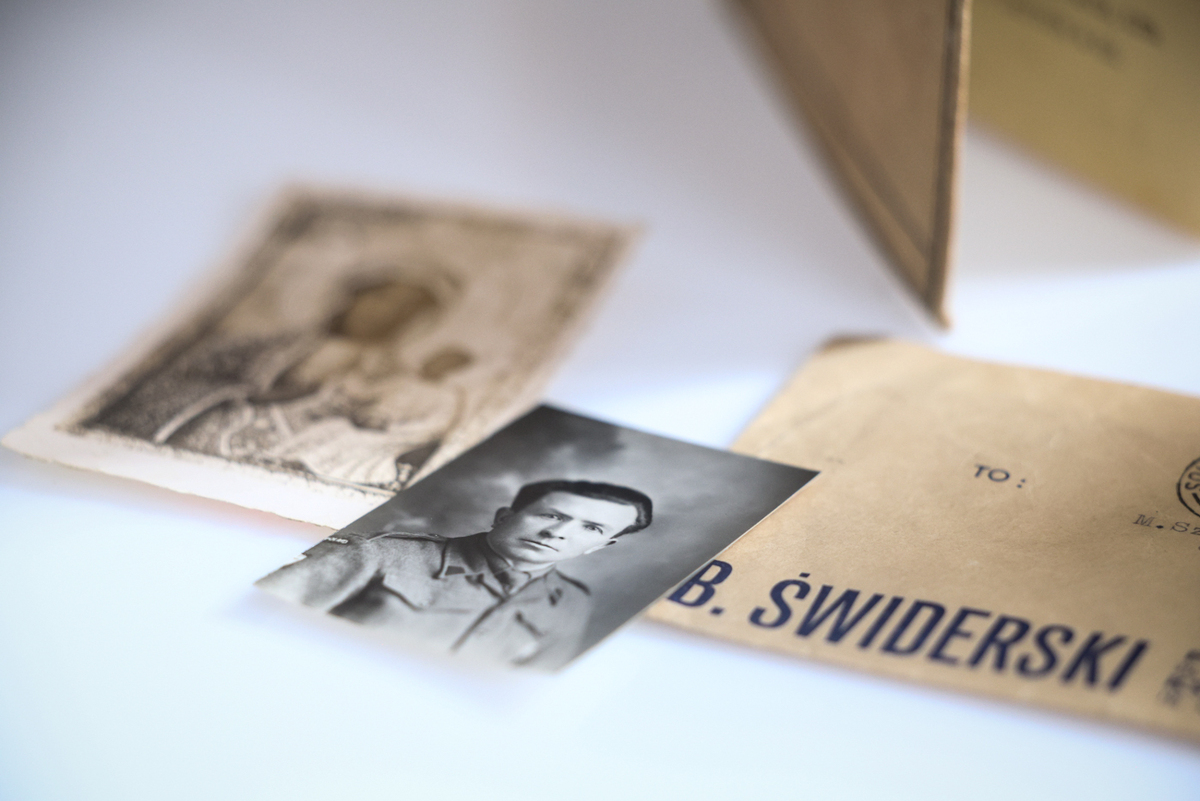
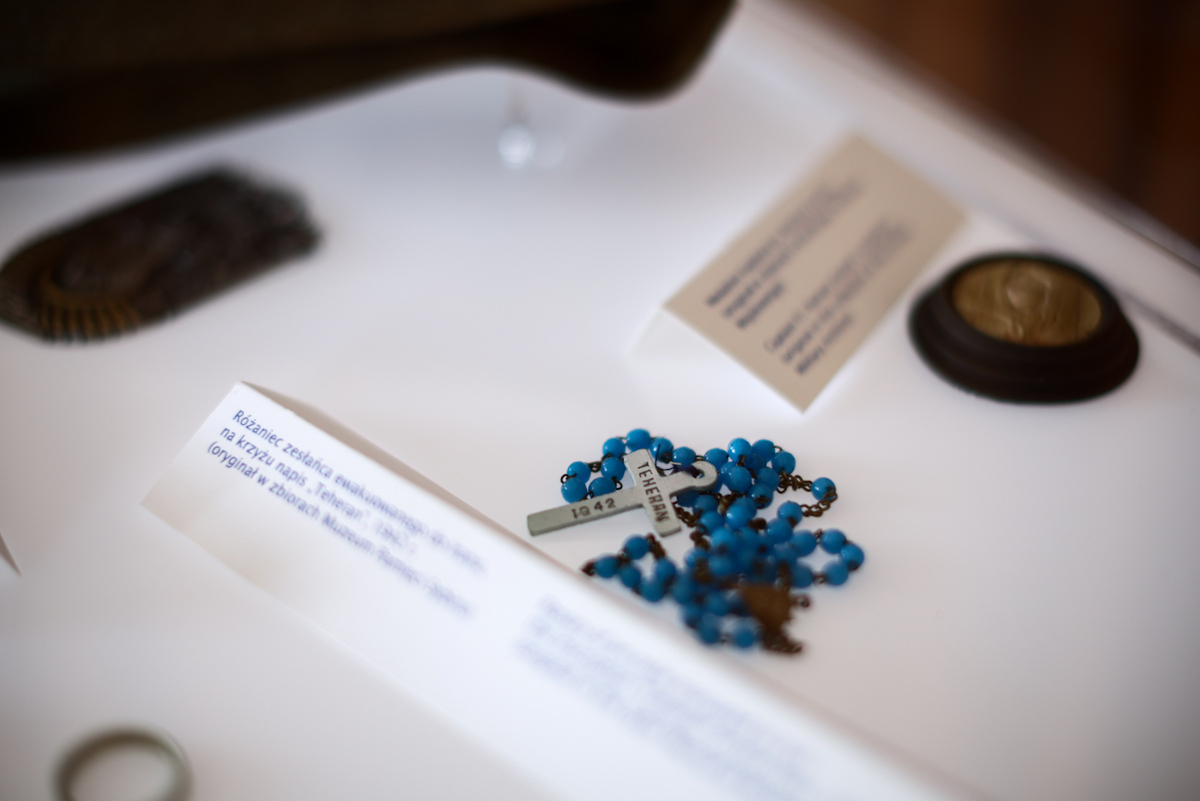
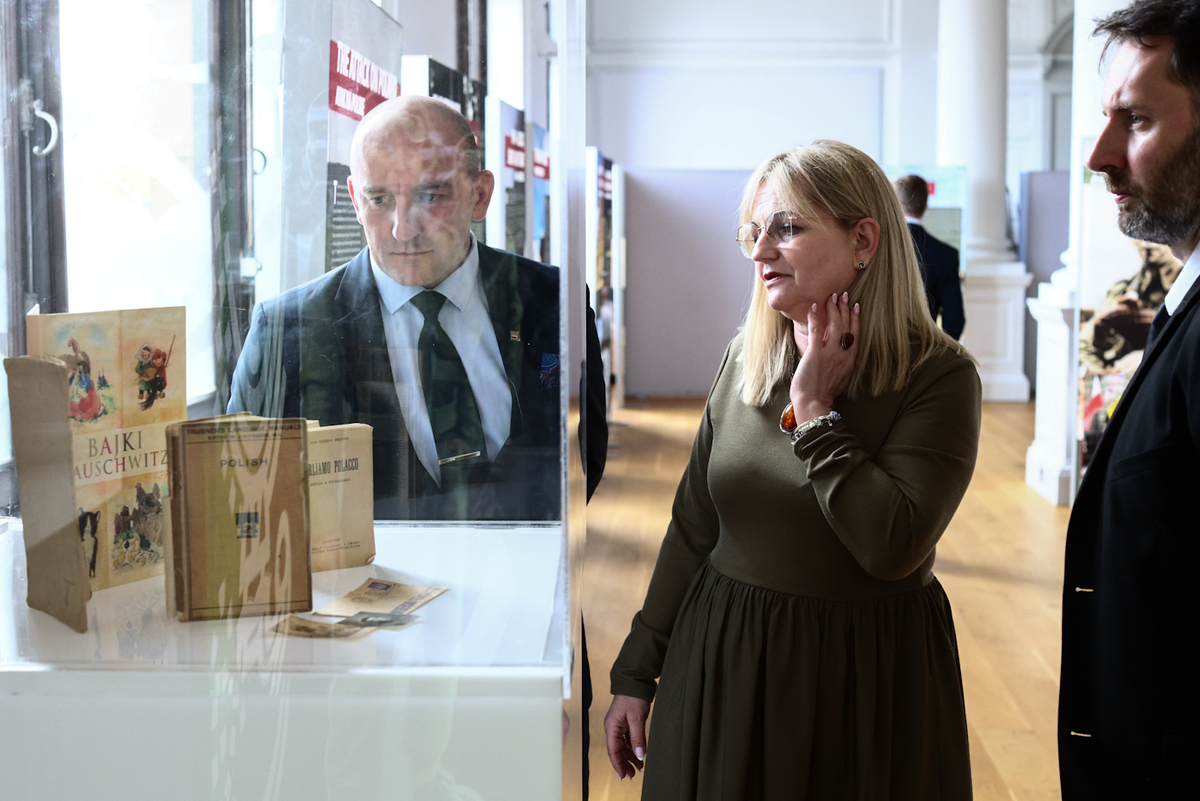
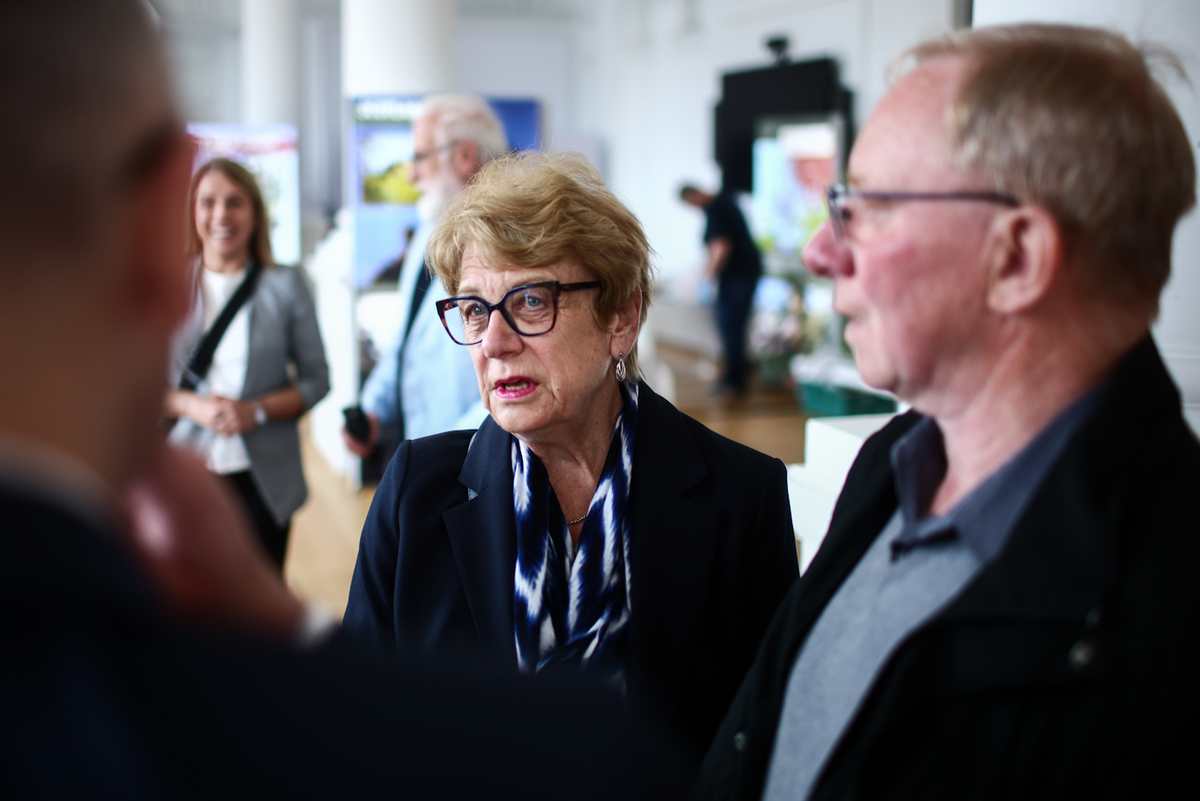
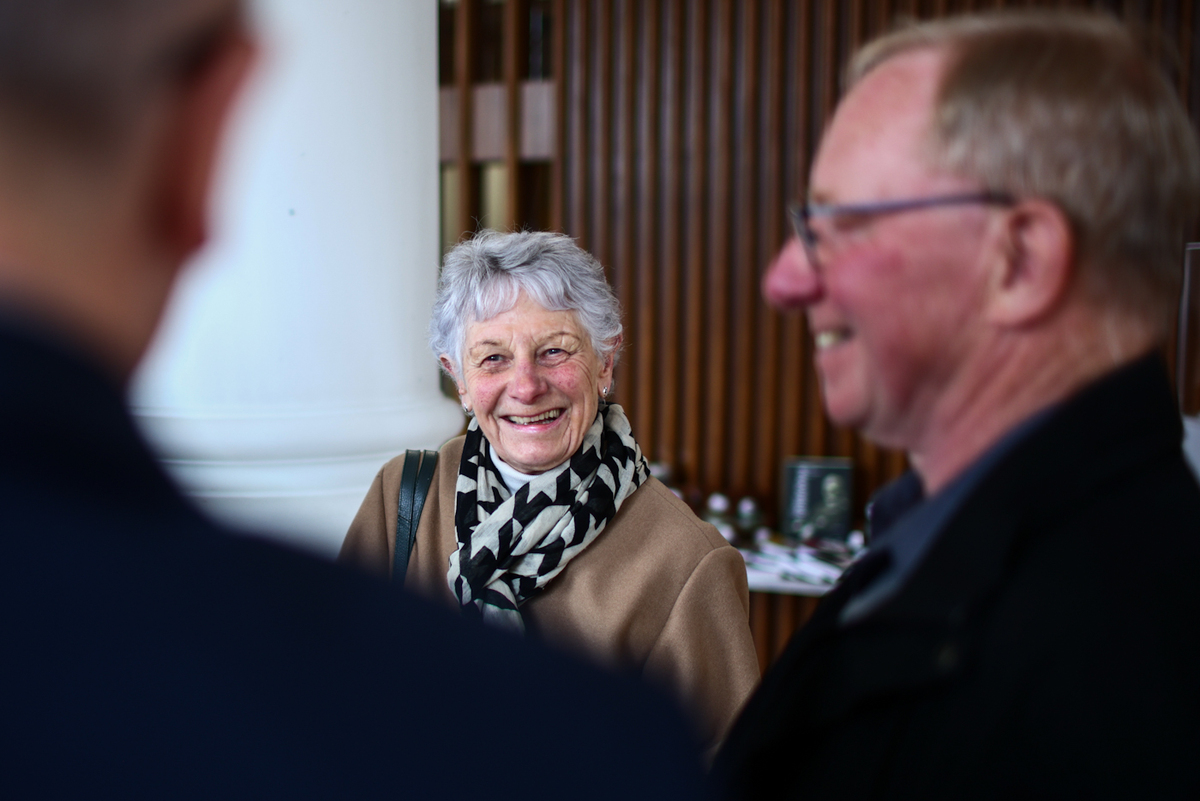
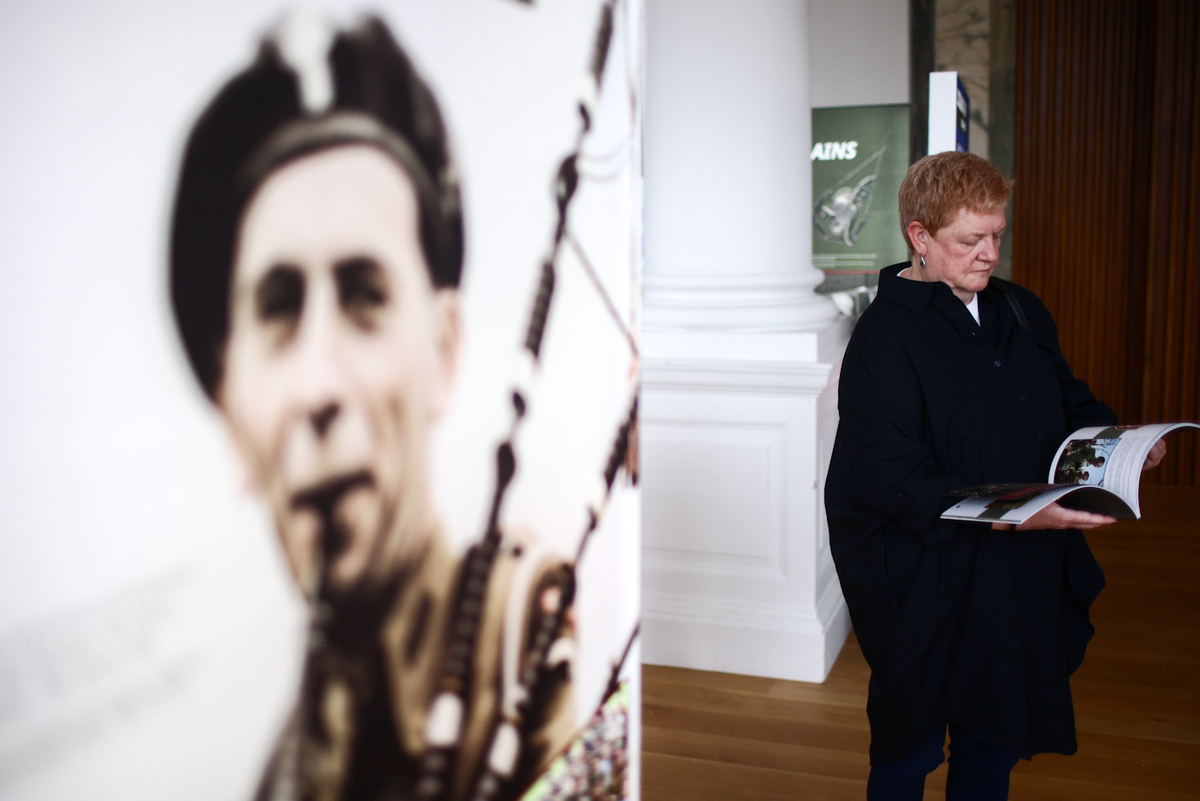
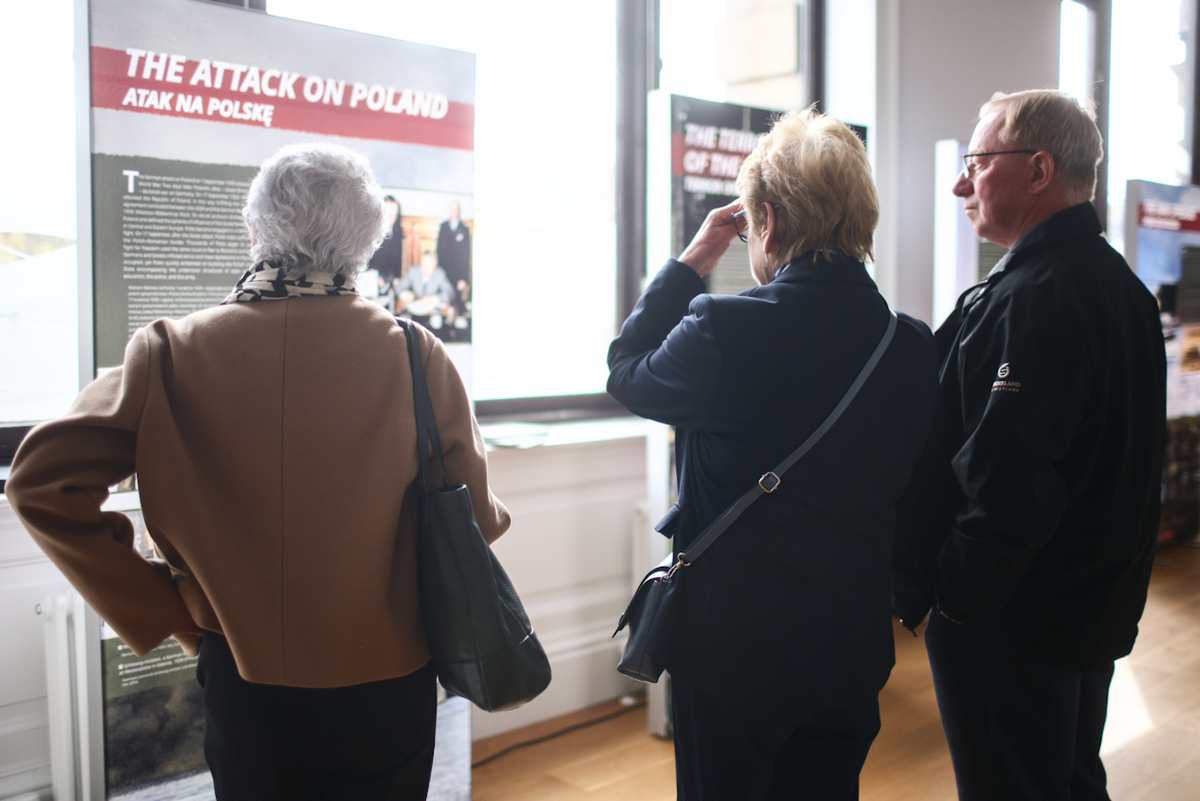
After the official part of the event had concluded, the participants had the opportunity to view the exhibition. The presented materials - photographs, documents, and eyewitness accounts - depict both the tragedy of deportation and the hope that accompanied Poles on their path to freedom.
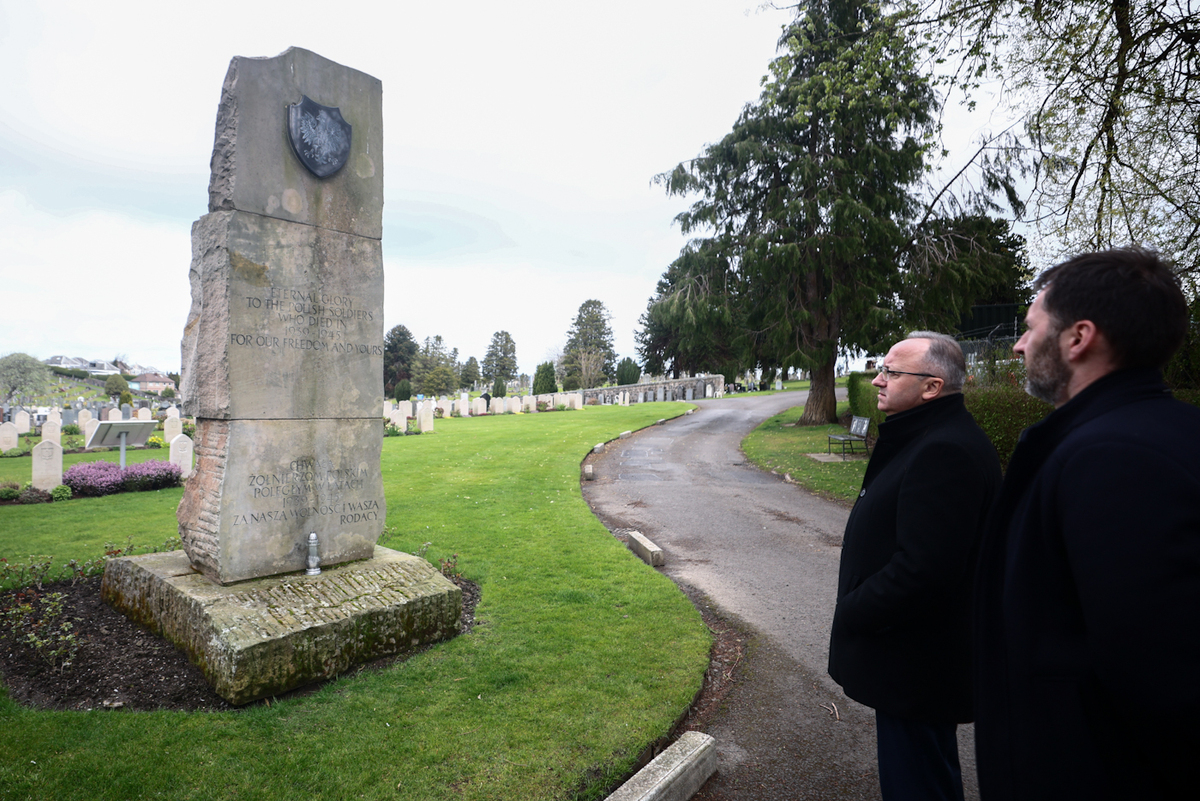
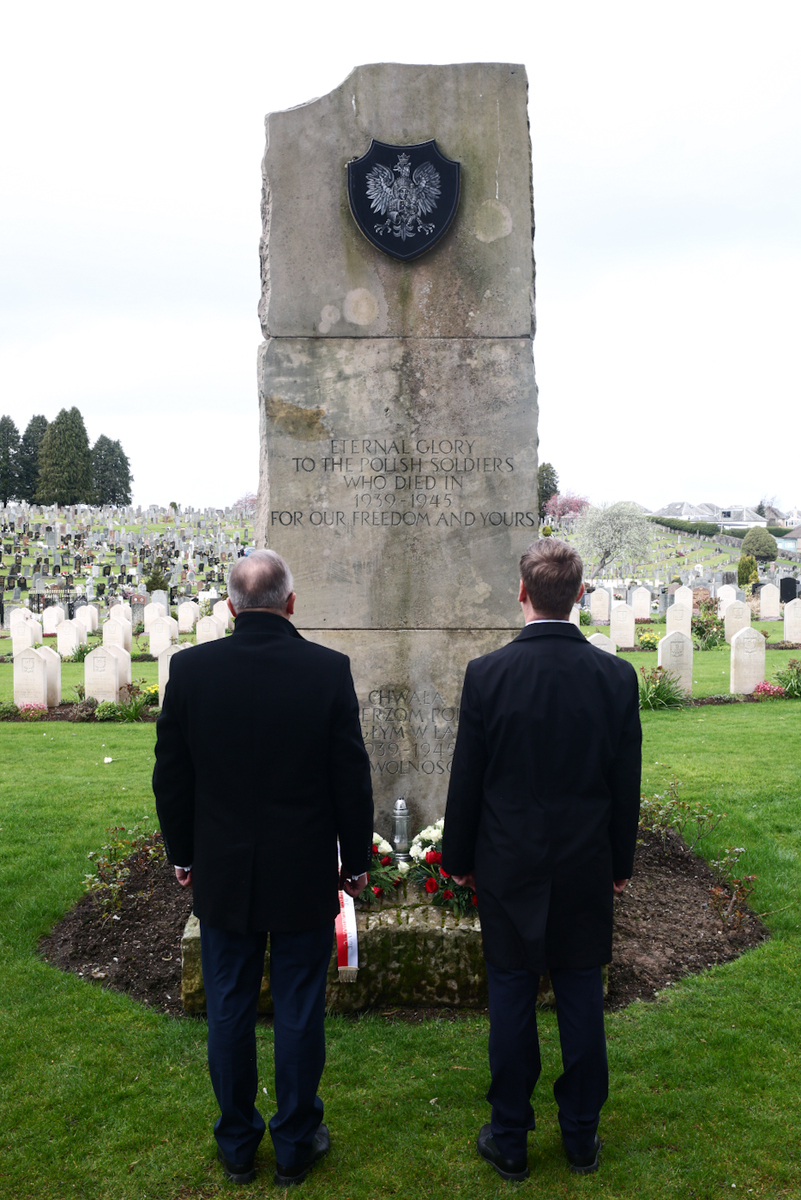
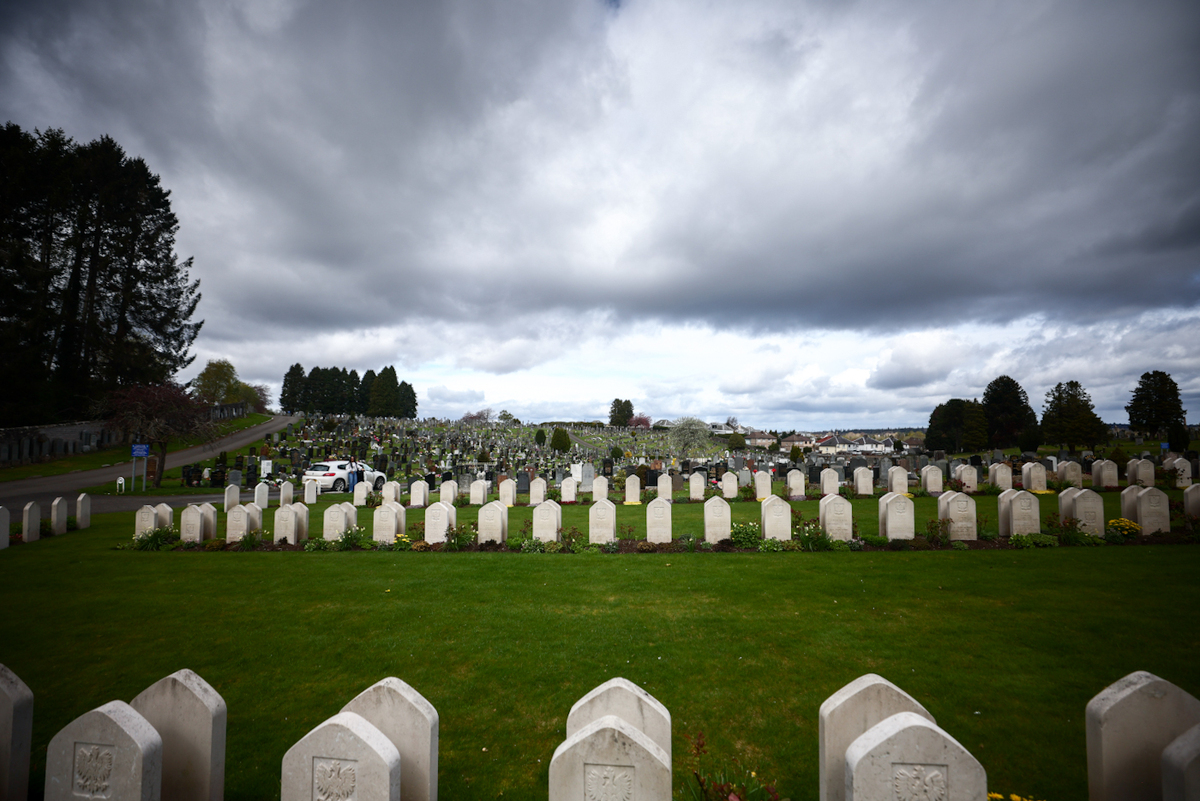
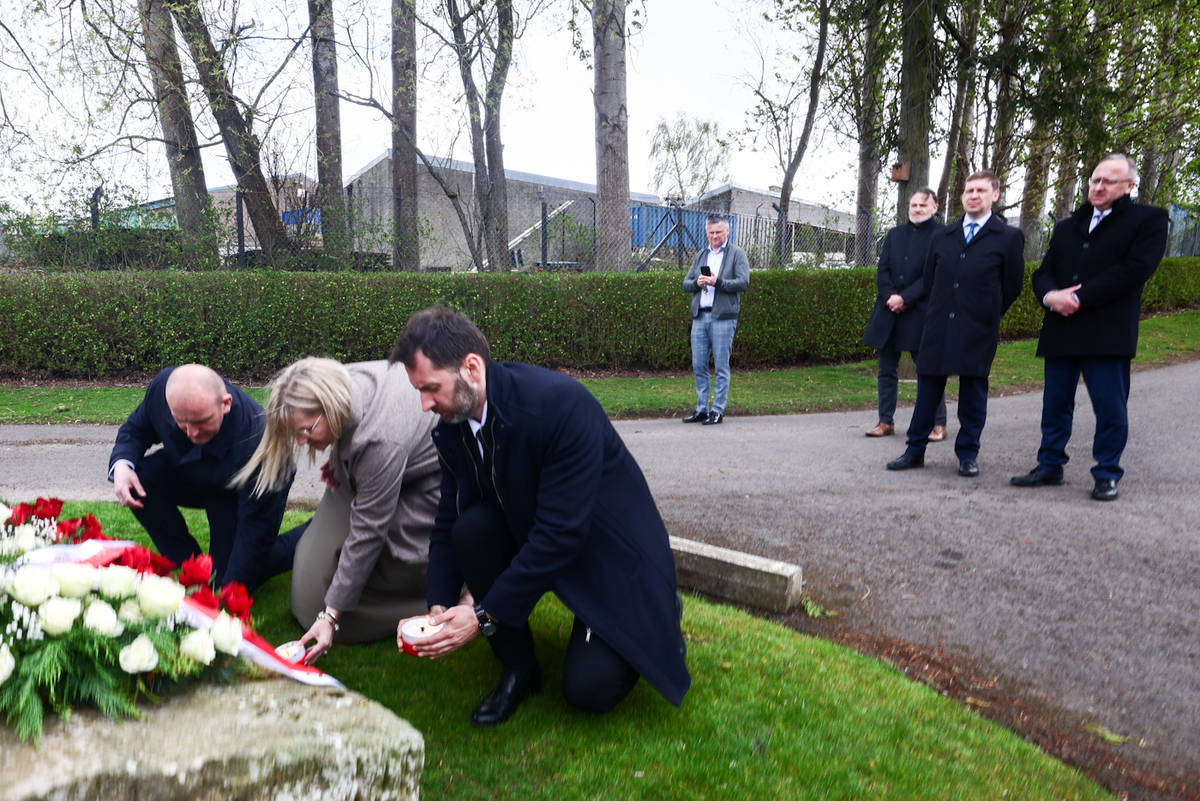
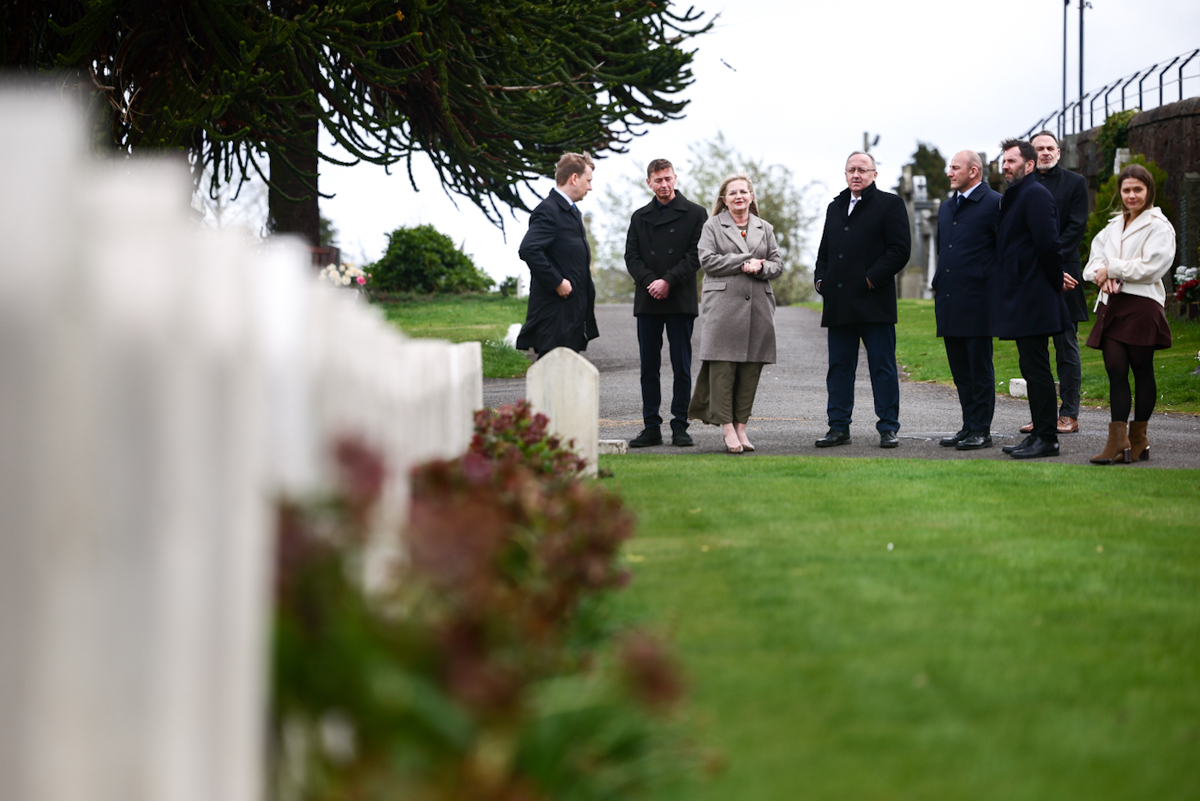
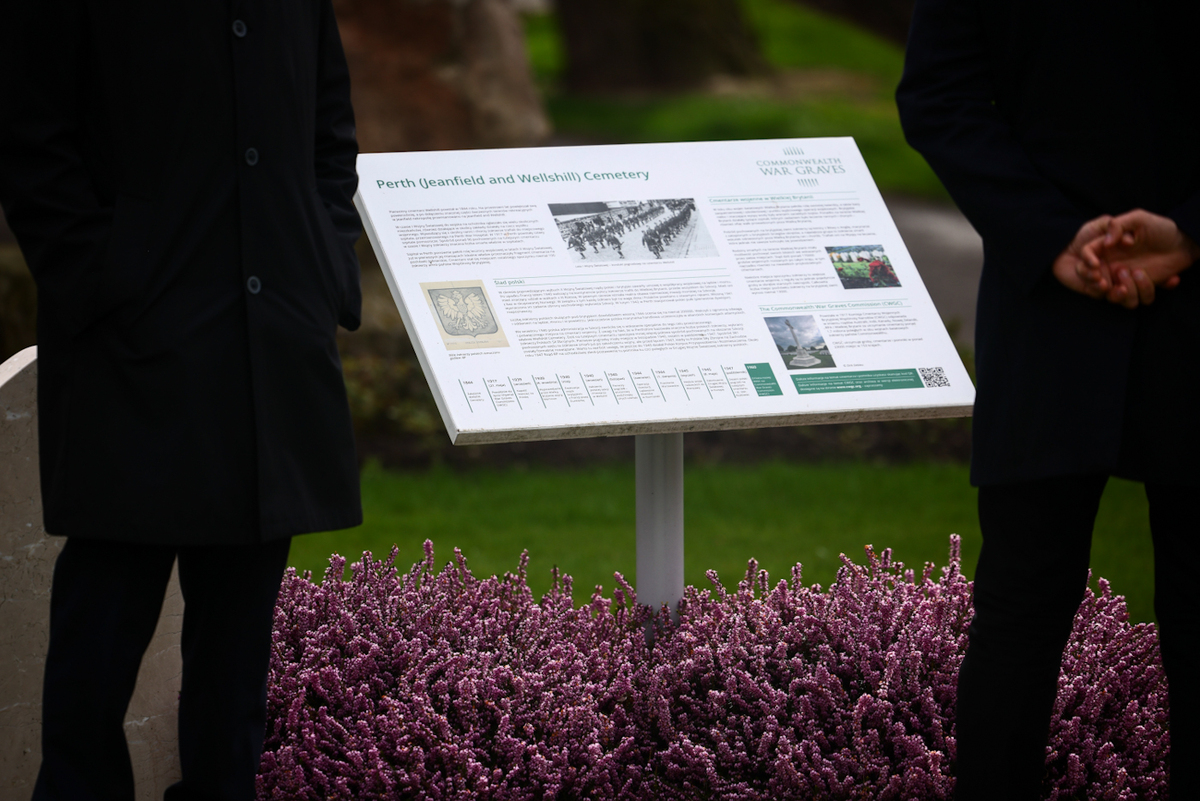
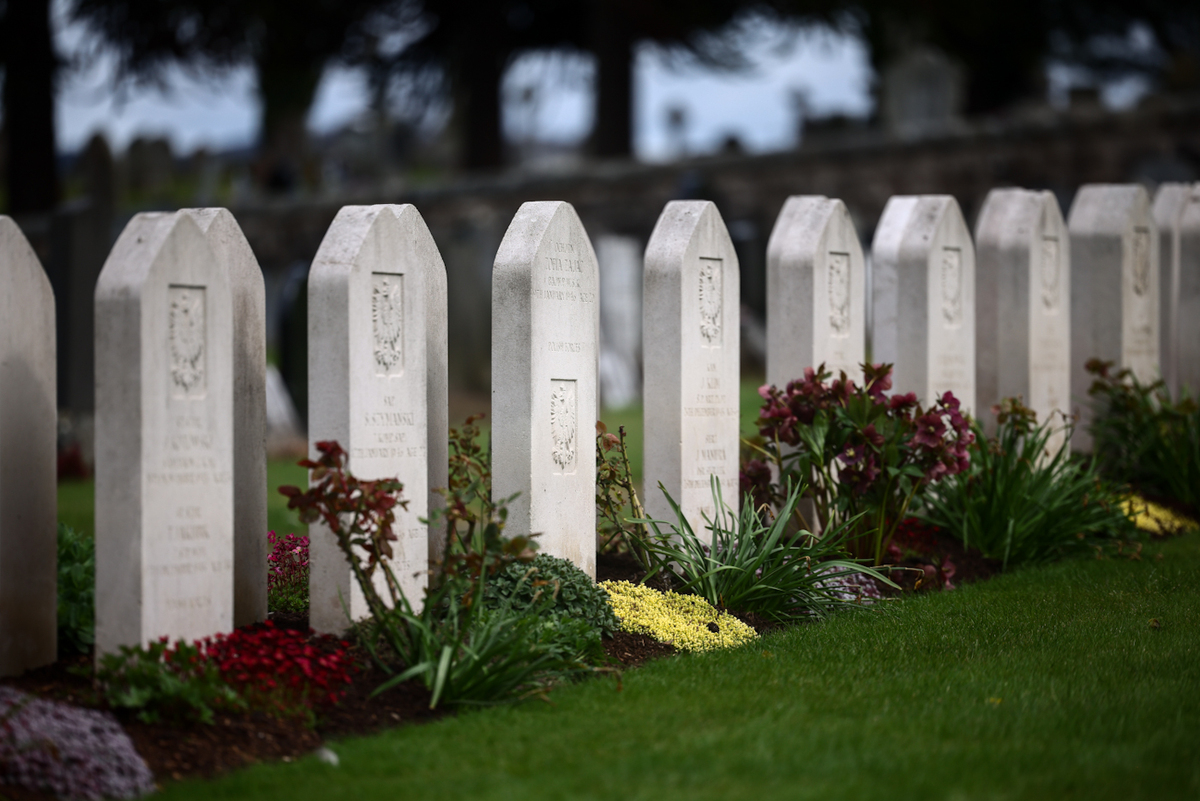
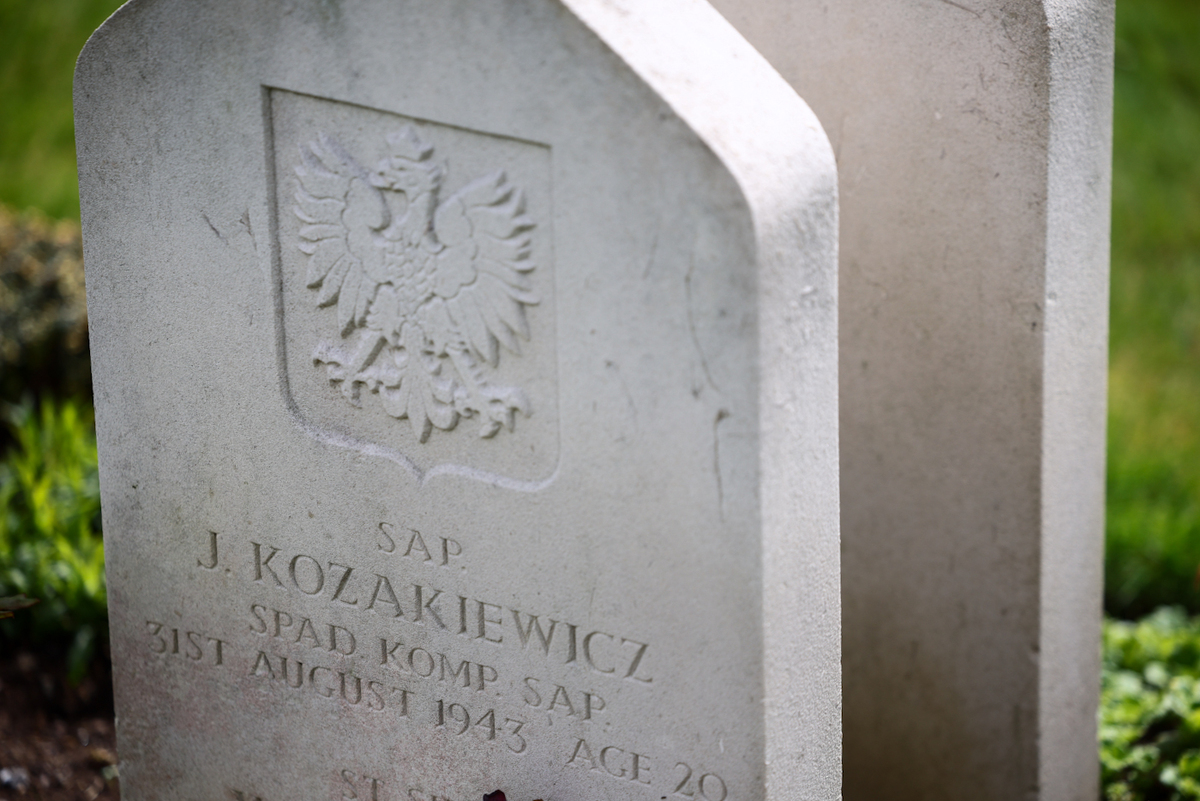
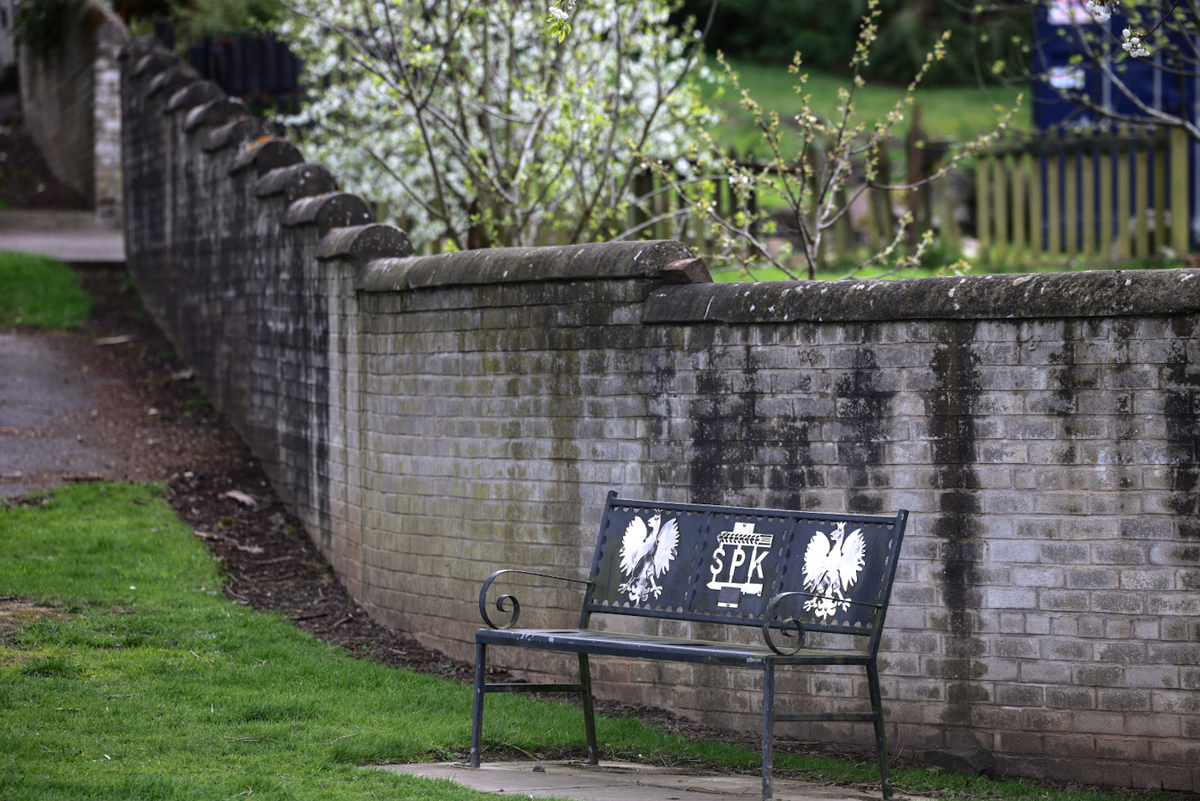
As part of the visit, the delegation paid tribute to Polish soldiers laid to rest in the Polish war graves section of Jeanfield and Wellshill Cemetery, where flowers were laid and candles were lit. More than 350 soldiers serving in various land units of the Polish Armed Forces stationed in Scotland are buried there. The cemetery contains the largest number of Polish war graves in Scotland and is the second largest site of its kind in the entire United Kingdom.
The event in Perth marks another stage in the international presentation of the " Trails of Hope. The Odyssey of Freedom" exhibition, contributing to the promotion of knowledge about the fate of Poles during World War II and strengthening historical ties beyond the country’s borders.
***
On the night of 13-14 March 1941, the Polish destroyer ORP Piorun took part in the defence of Clydebank, protecting the town, port, and shipyard from Luftwaffe air raids. Its crew also helped extinguish fires on nearby vessels and assisted in clearing the devastated city. In 1942, the 1st Armoured Division was formed in Scotland under the command of General Stanisław Maczek; following the Allied landings in France, it went on to fight alongside the Allied forces across France, Belgium, and the Netherlands.
In the aftermath of the war, many Poles were unable to return to their homeland, which remained under Soviet control. Some settled in Perth and Kinross, where their legacy endures. It is reflected at Wellshill Cemetery - the largest Polish military cemetery in Scotland where 366 soldiers, 4 sailors, 9 airmen, 1 nurse, and 1 volunteer have found their final resting place. The first Polish soldier laid to rest in Perth was Officer Cadet Ulrych-Uleński, who died on 18 November 1940; the last was Lieutenant Colonel Gwido Langer.
Since 2022, the exhibition has travelled across nearly every continent - from Kazakhstan and Uzbekistan, through the Caucasus, Palestine, North Africa, and Italy, to the United Kingdom, France, Belgium, and the Netherlands, and further along the routes of Polish civilians from South Africa and Zimbabwe to the United States, Canada, Mexico, and Argentina. It has already been seen by more than one million people worldwide.
Trails of Hope. The Odyssey of Freedom website
Scotland at war
Scotland, owing to its strategic location, played a key role in the battle for the North Atlantic. First, the proximity of the Shetlands to Norway occupied by the Nazis greatly helped the Shetland Bus operation whereby fishing boats enabled threatened Norwegians to escape the Nazis, and supported resistance to the German aggression. Second, every Scottish airfield was part of a complex training and operations network. Third, as during the Great War, during the second world armed conflict, Scapa Flow in the Orkneys served as the principal Royal Navy base. Finally, the shipyards and heavy engineering factories in Glasgow and Clydeside, despite damage done to them by the Luftwaffe, were crucial for the war effort.
In the Second World War, 57,000 Scotsmen, both military men and civilians, lost their lives.
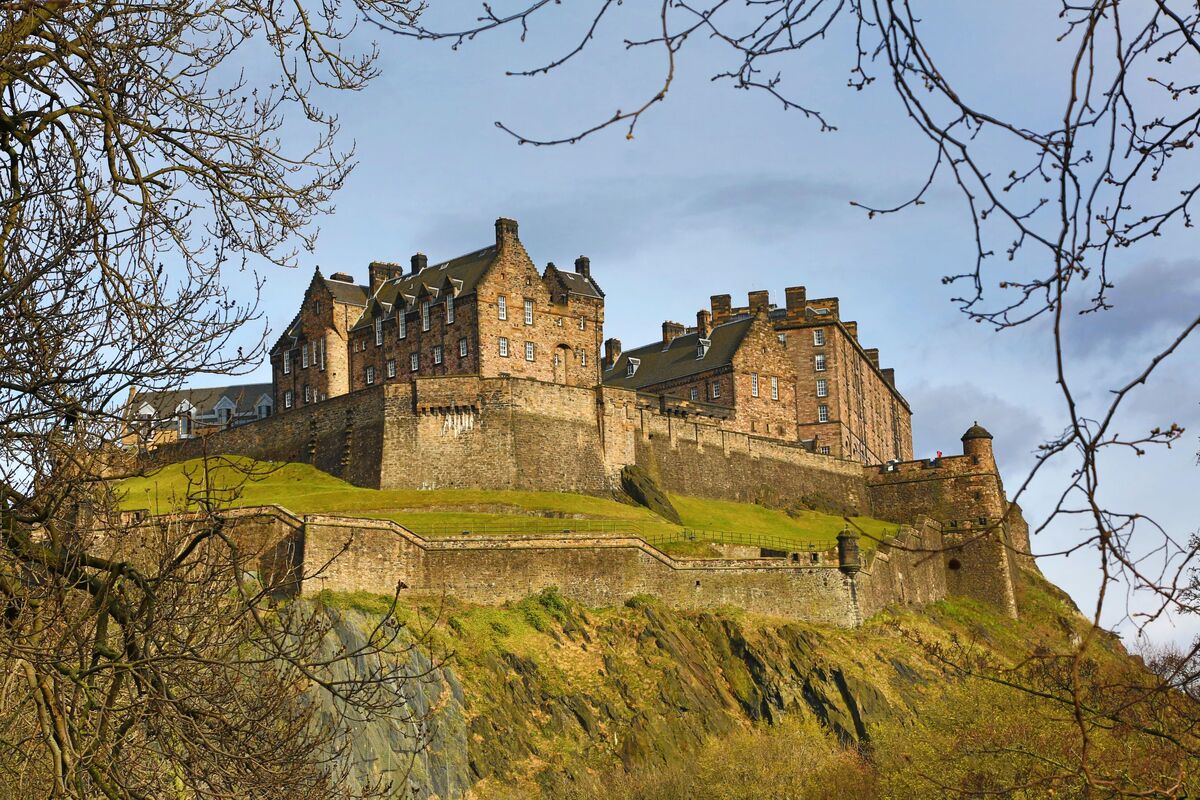
Edinburgh Castle was the seat of the Scottish Command to which the First Polish Corps was subordinate while in Scotland. Administration and logistics needs made many Polish military personnel stay there even after fighting had moved to the Continent in 1944. Hence, Edinburgh became the natural centre of Polish émigré life.
Błyskawica, Burza, Grom
In late August 1939, due to the high risk of destruction in the first days of approaching war, a plan was devised to evacuate three Polish warships.
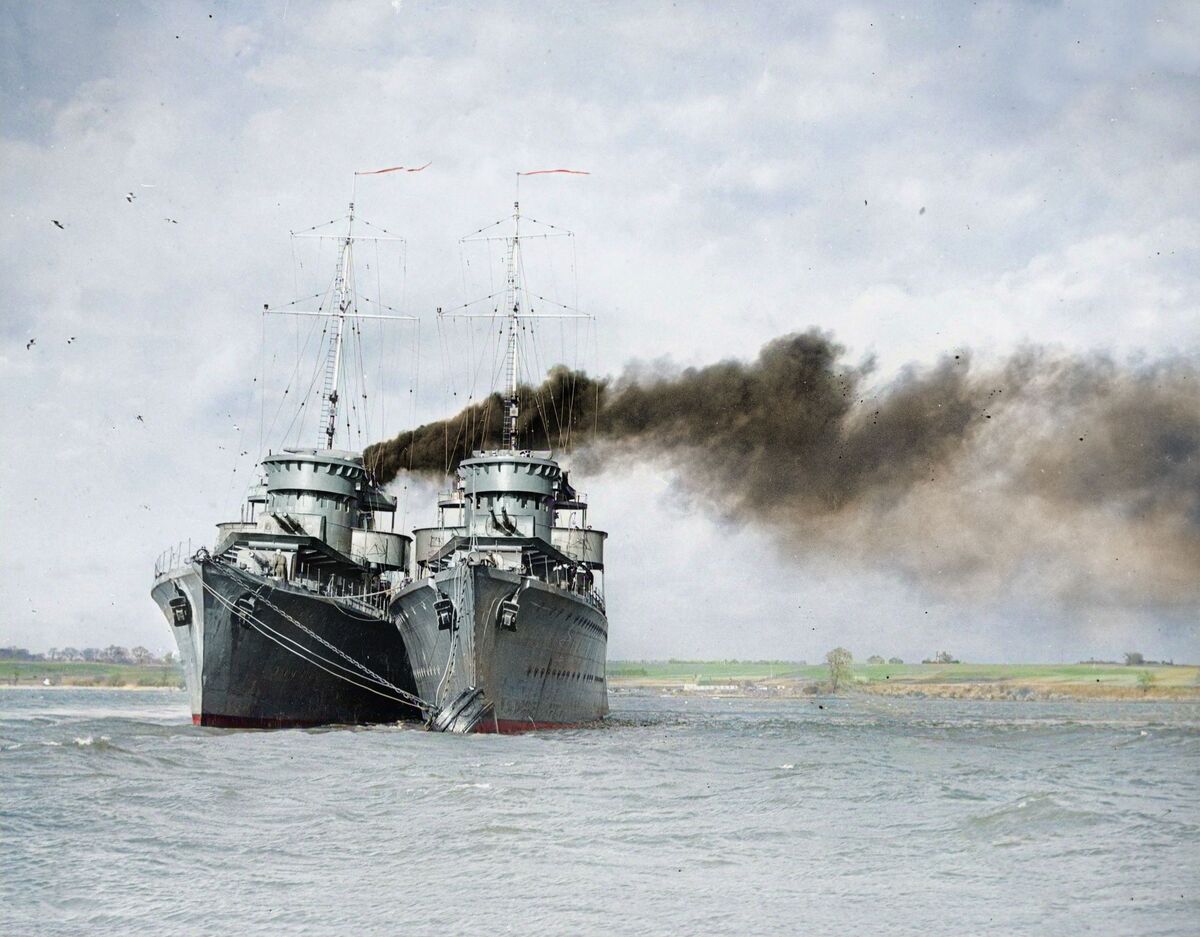
The Polish Destroyer Division consisted of three new ships, built in the 1930s: Burza, Błyskawica and Grom. Under the Polish-British Agreement of 25 August 1939, the destroyers were to sail to British harbours and later operate together with the allies against the Third Reich. Once the war has started, a raid from the Baltic Sea through the Danish Straits would have been impossible. On 1 September 1939, at 5:30 p.m., the ships dropped anchor in the roadstead of Leith, Scotland, and on September 3rd, they moved to Rosyth.
Learning and training
During World War II many soldiers of the Polish Armed Forces were taught and trained in Scotland. They included paratroopers and others to be parachuted over Nazi-occupied Poland to join the resistance forces. There were also training camps for seamen, commandos and soldiers of various military specialties.
-
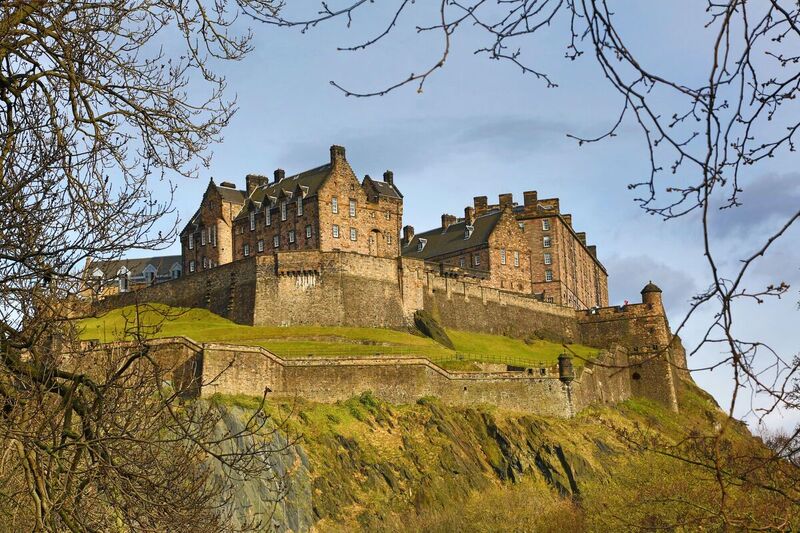
Edinburgh Castle, Scotland (photo: Alamy) -
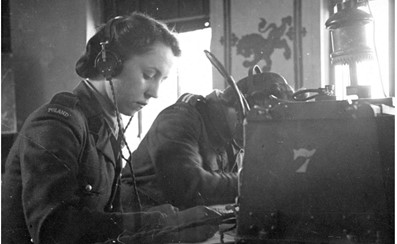
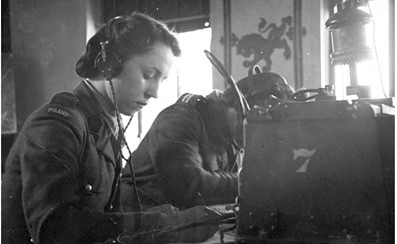
Volunteers of Women's Auxiliary Service working as wireless operators in the Polish Armed Forces, 1940–1944 (photo: AIPN) -
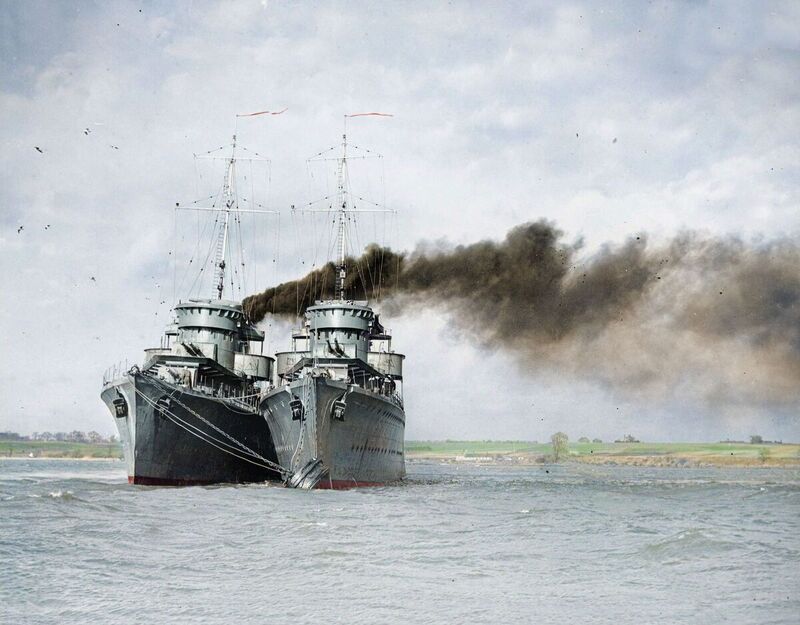
Polish destroyers ORP Grom and ORP Błyskawica after their arrival in Britain, September 1939 (photo: Imperial War Museum) -
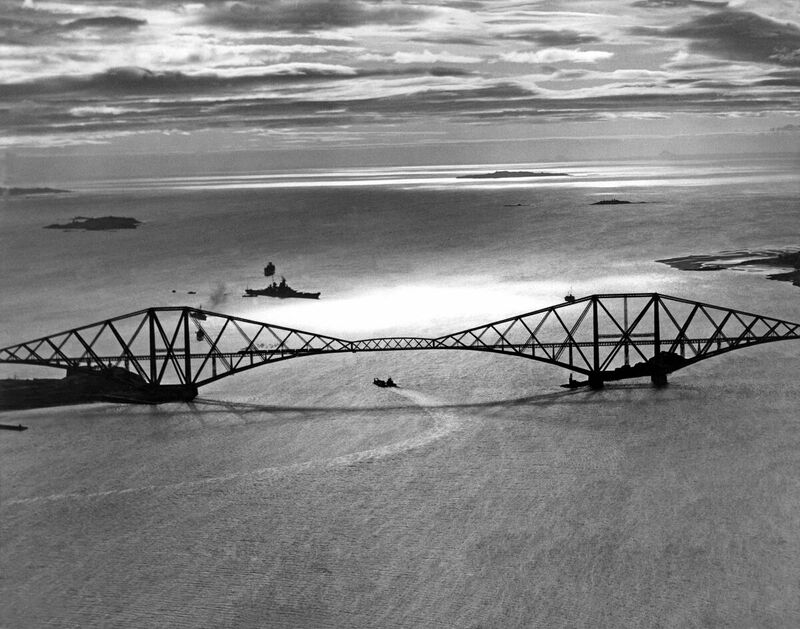
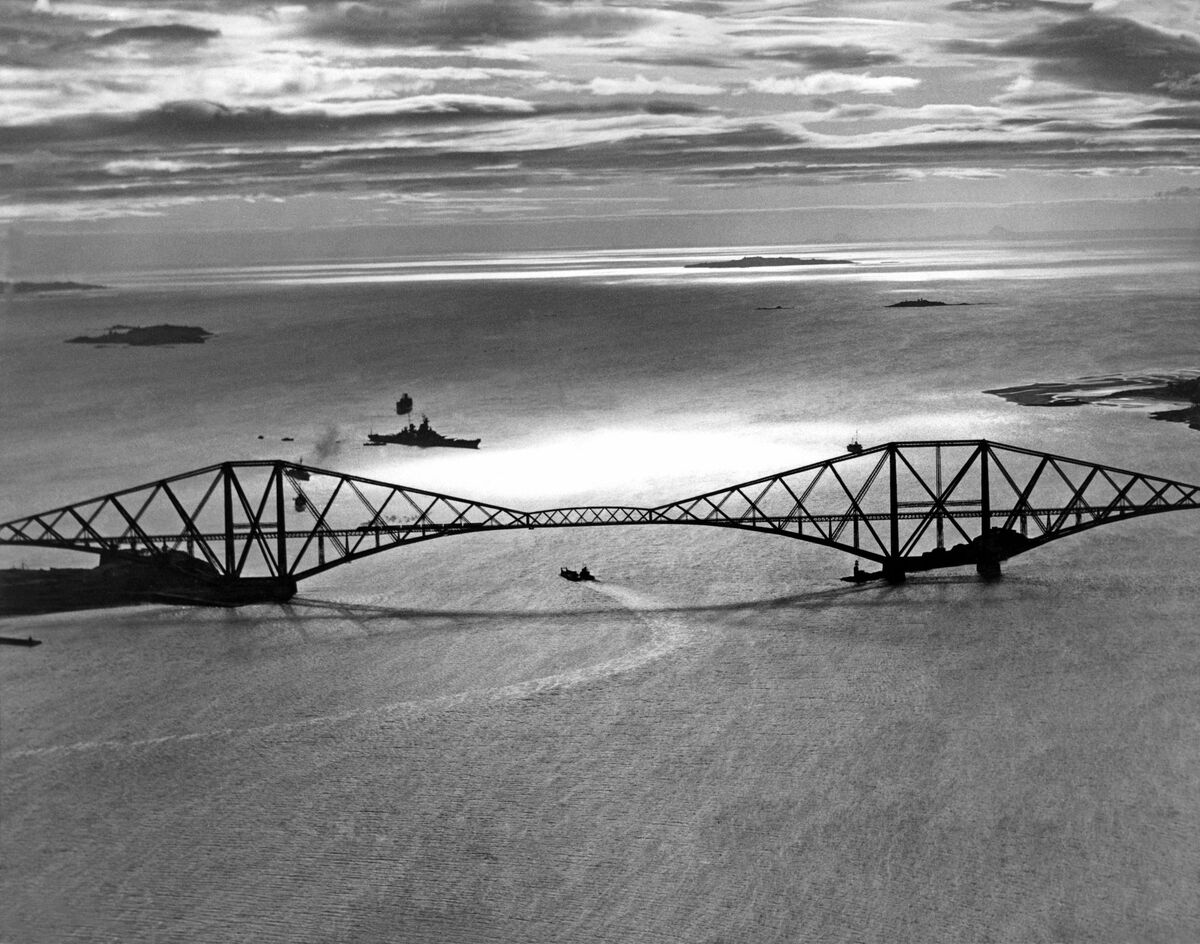
The Forth Bridge at Rosyth Naval Base, 1940s (photo: Alamy) -
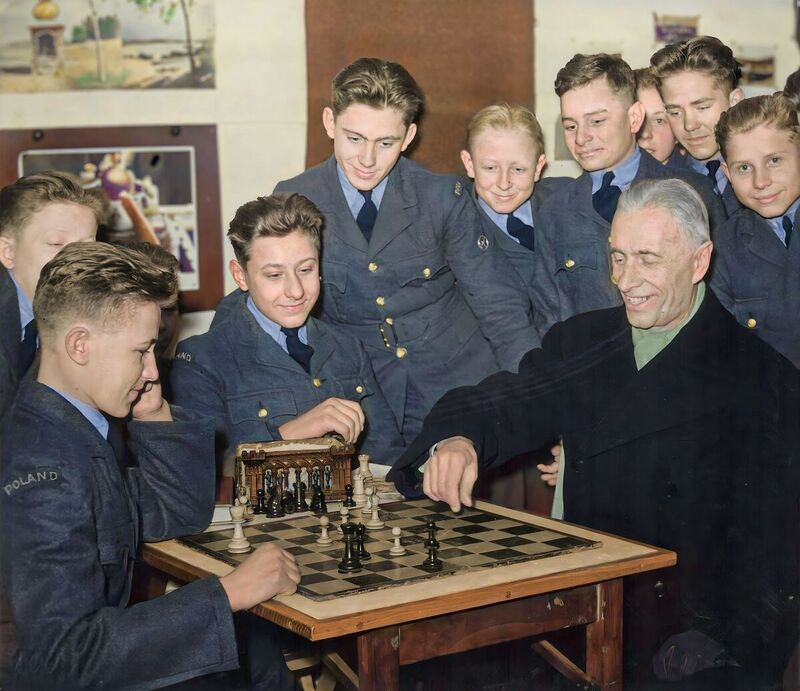
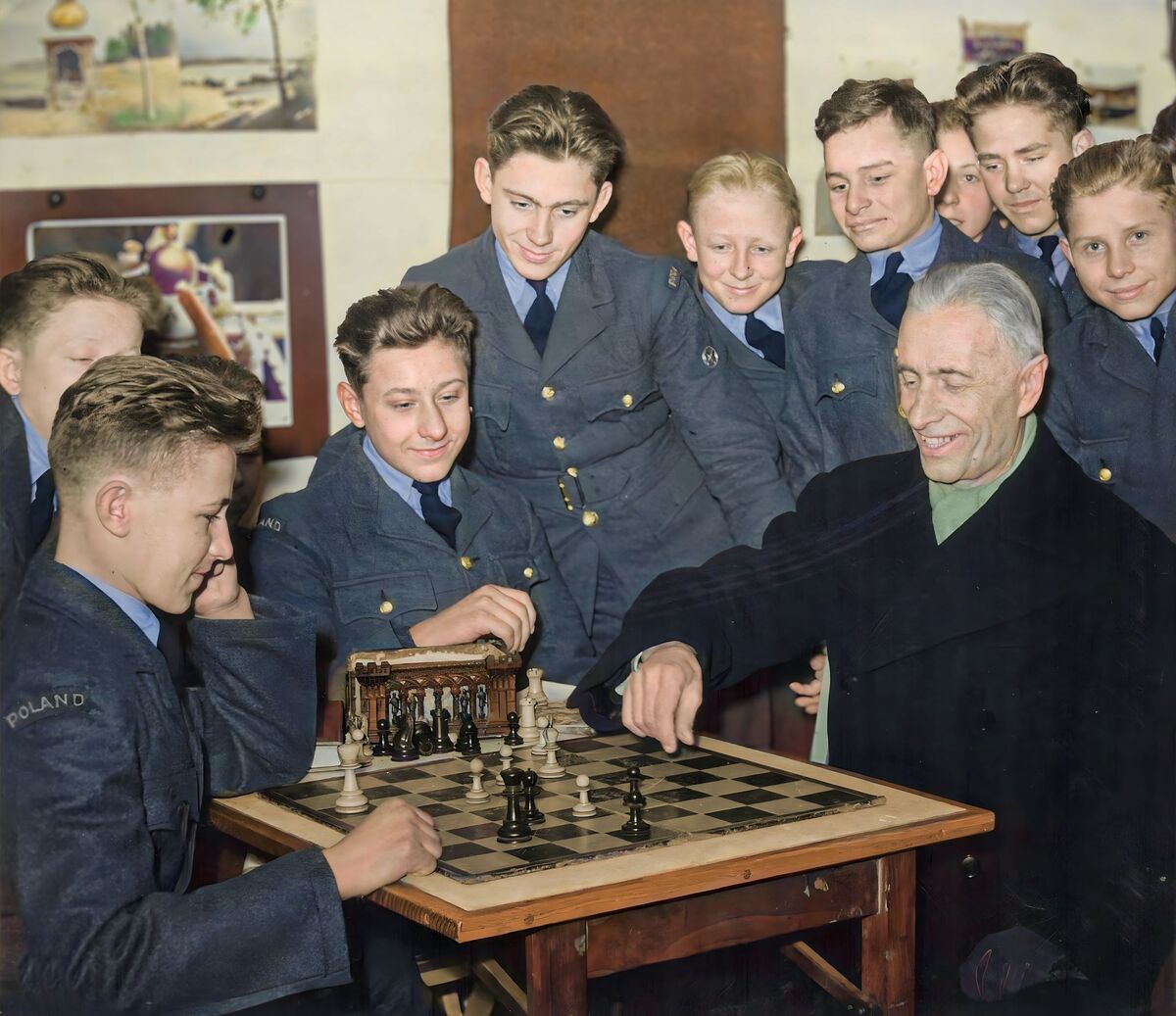
Polish President, Władysław Raczkiewicz, plays chess while visiting a cadet school, Scotland, 1943–1944 (photo: AIPN) -
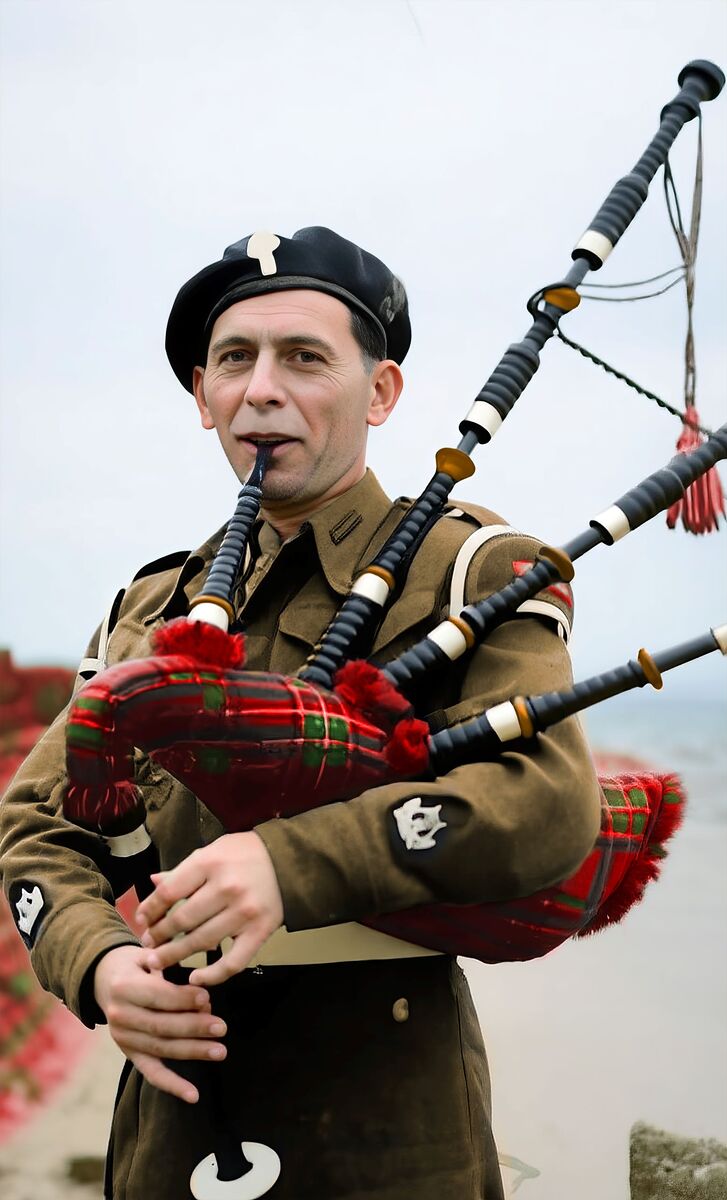
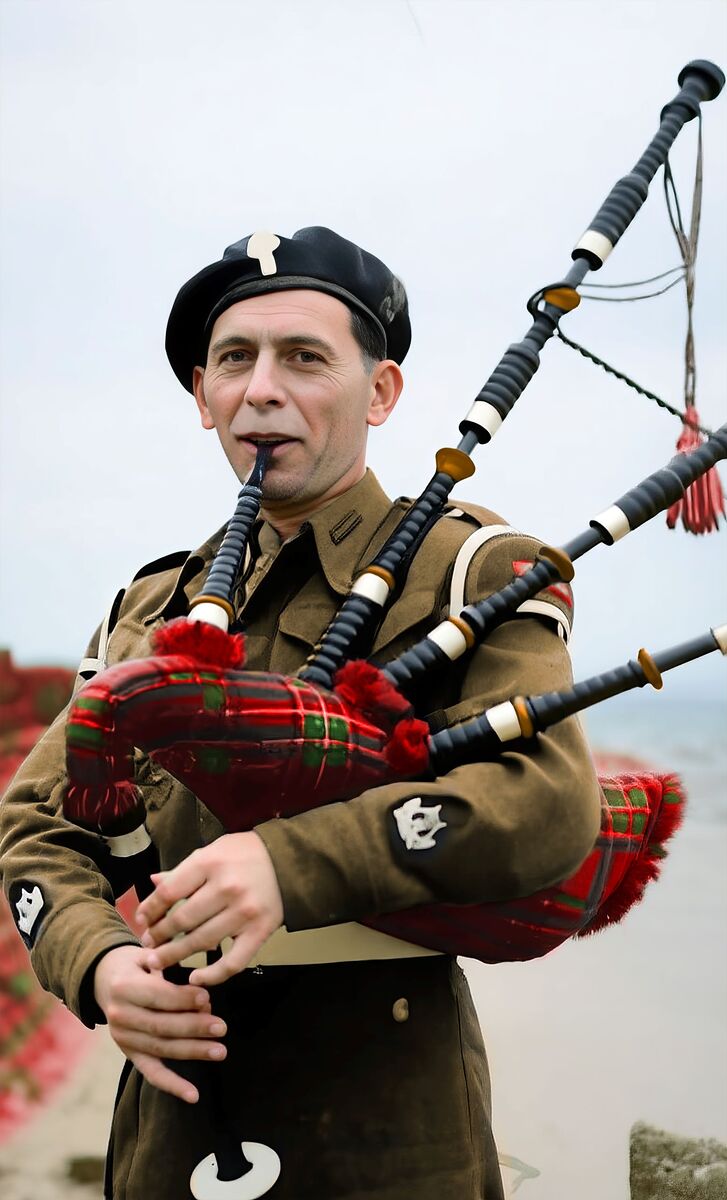
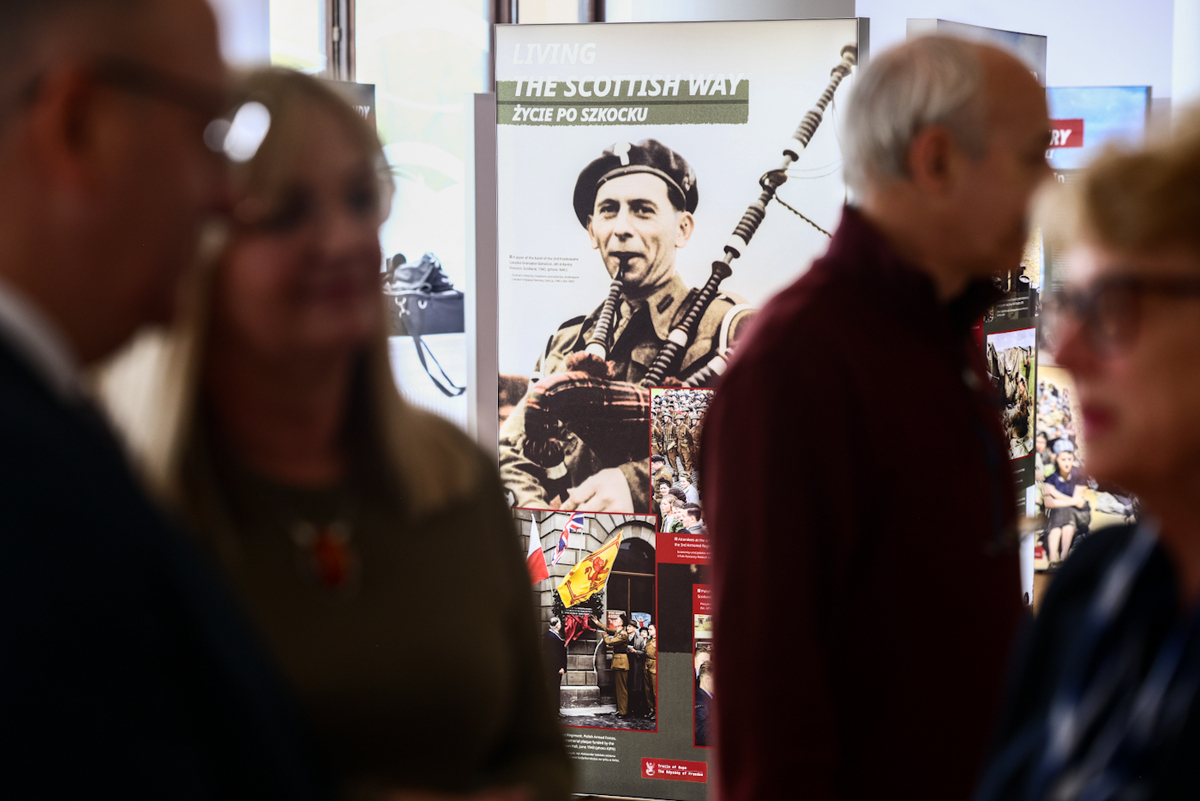
A piper of the band of the 2nd Kratkowane Lwiątka Grenadier Battalion, 4th Infantry Division, Scotland, 1945, (photo: NAC) -
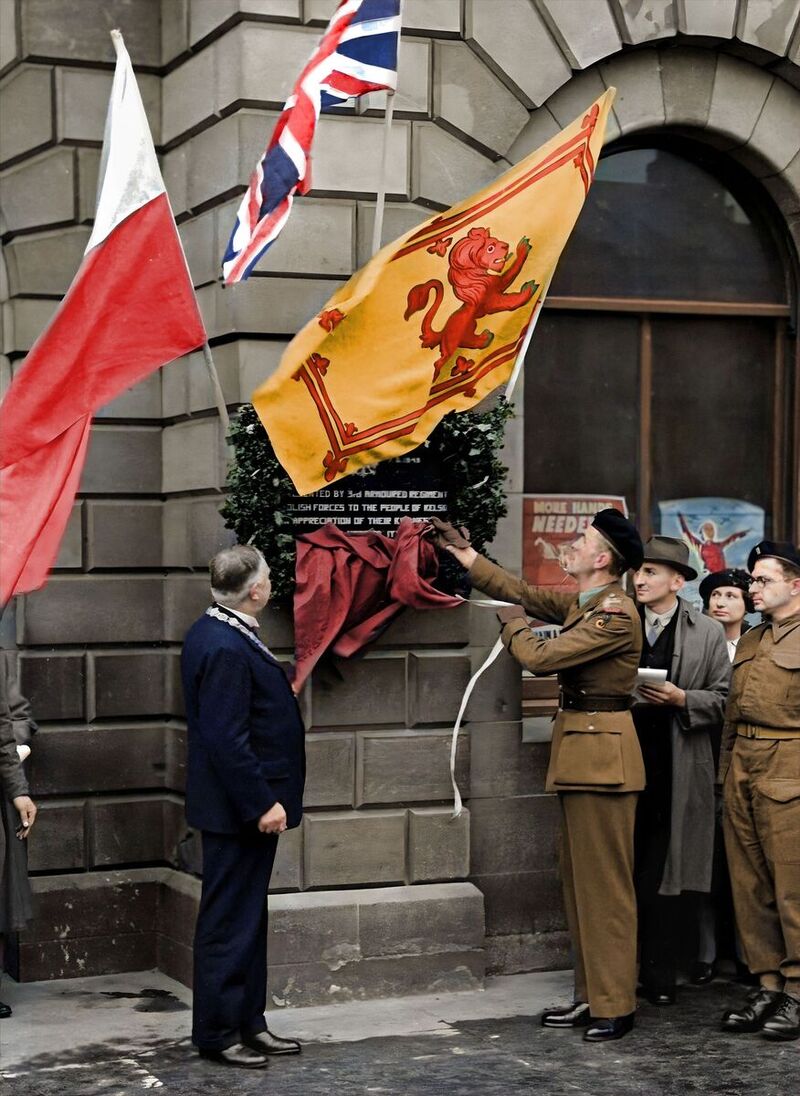
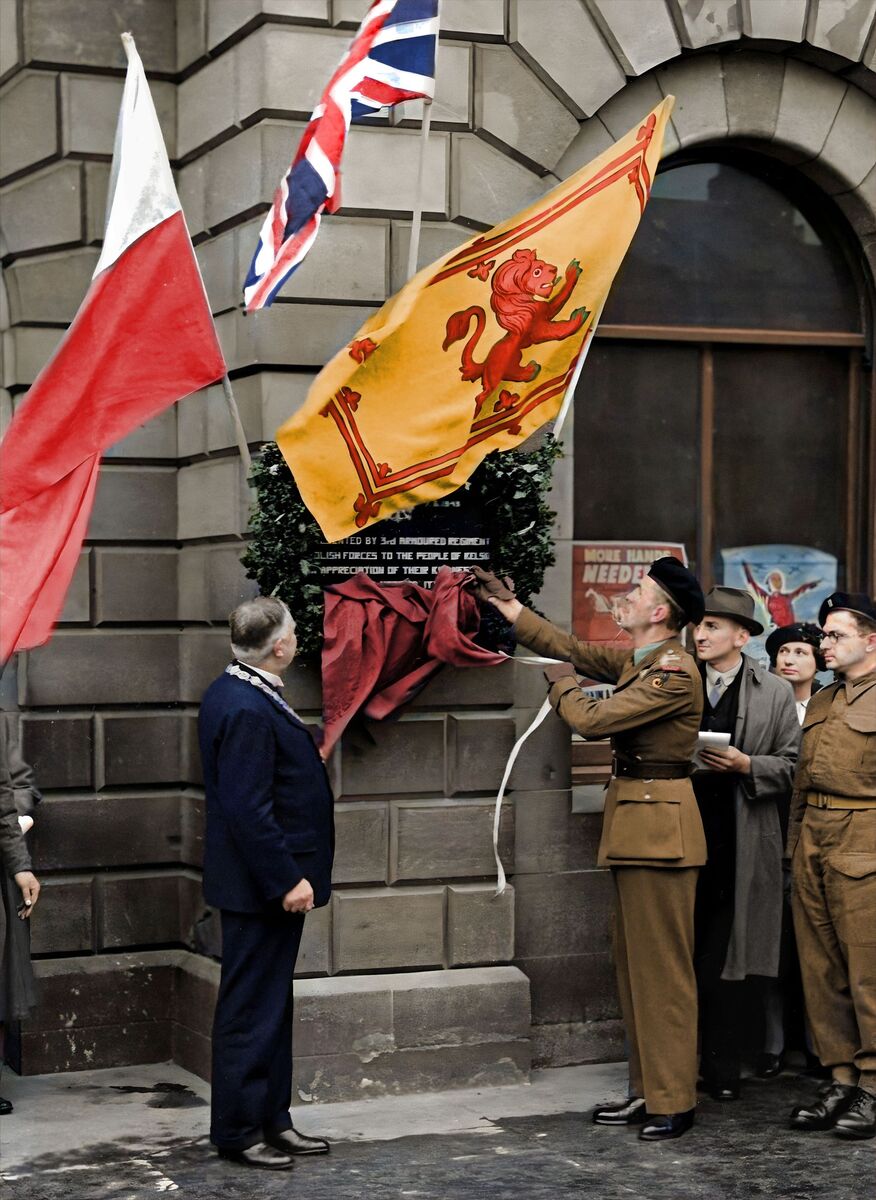
The unveiling of a memorial plaque on the wall of the Kelso Town Hall, funded by the 3rd Armored Regiment, Polish Armed Forces, June 1943 (photo: AIPN) -
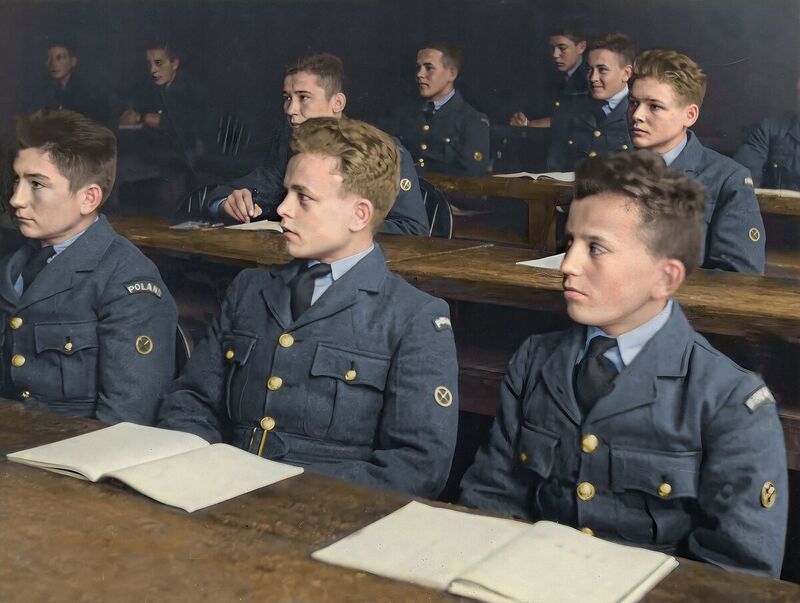
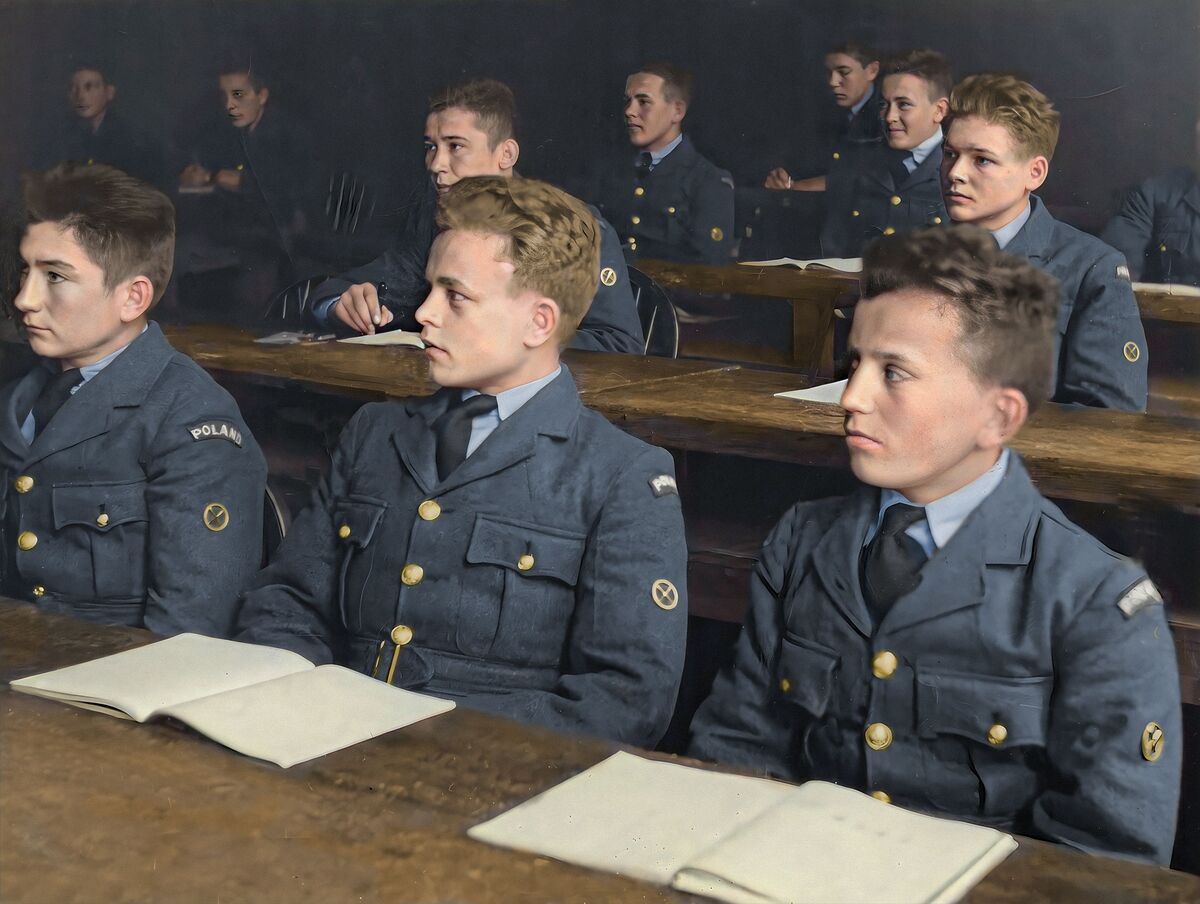
Young cadets, Polish Armed Forces, United Kingdom, 1943–1944 (photo: AIPN) -
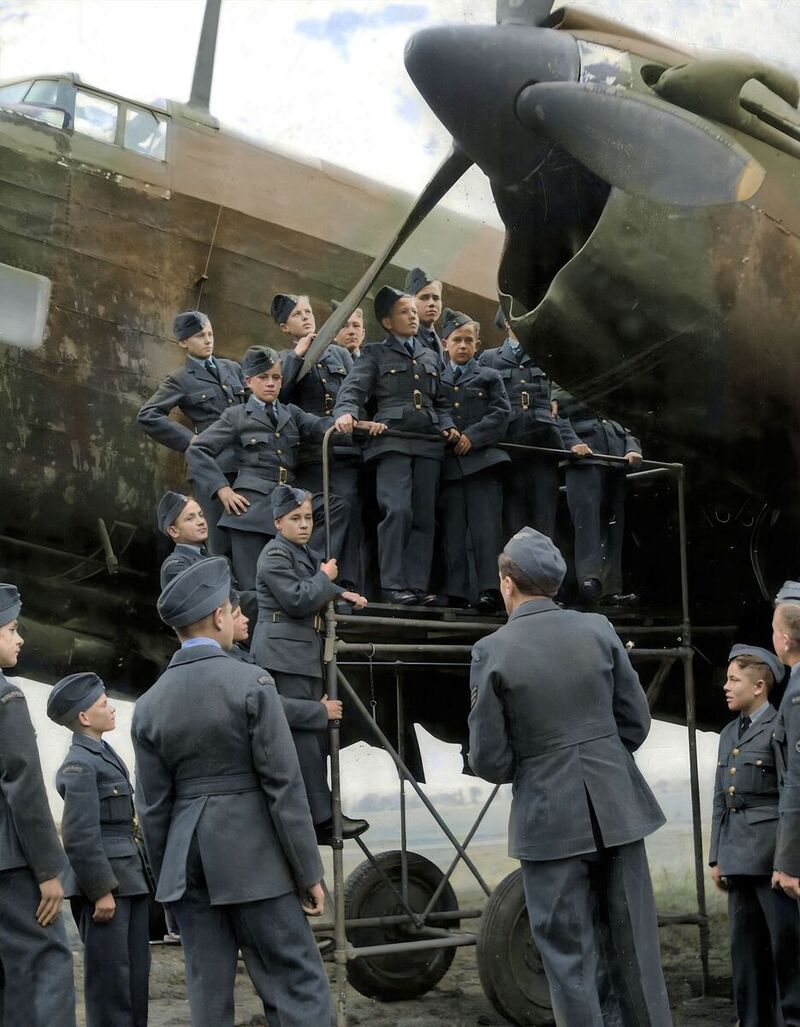
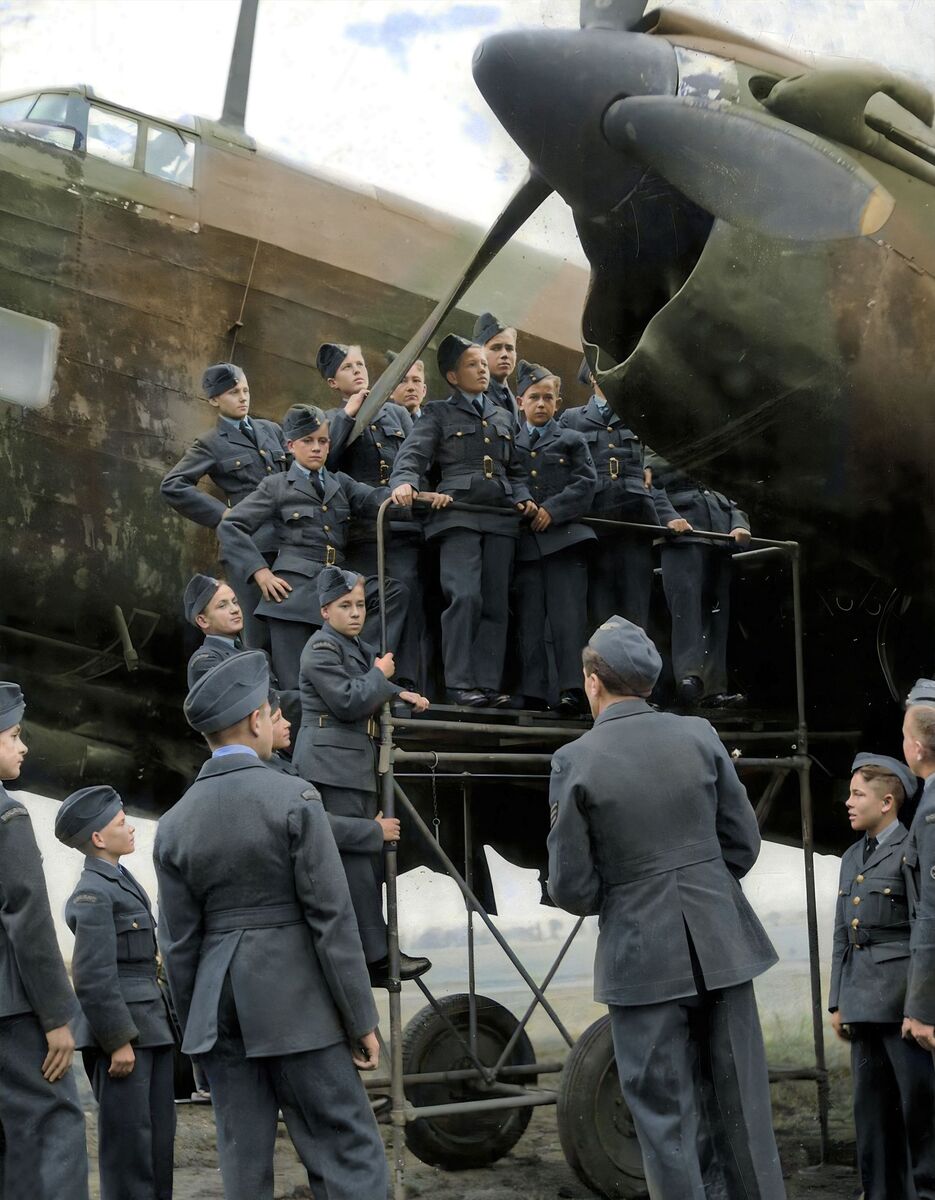
Cadets inspect a British bomber, United Kingdom, 1943–1944 (photo: AIPN).