
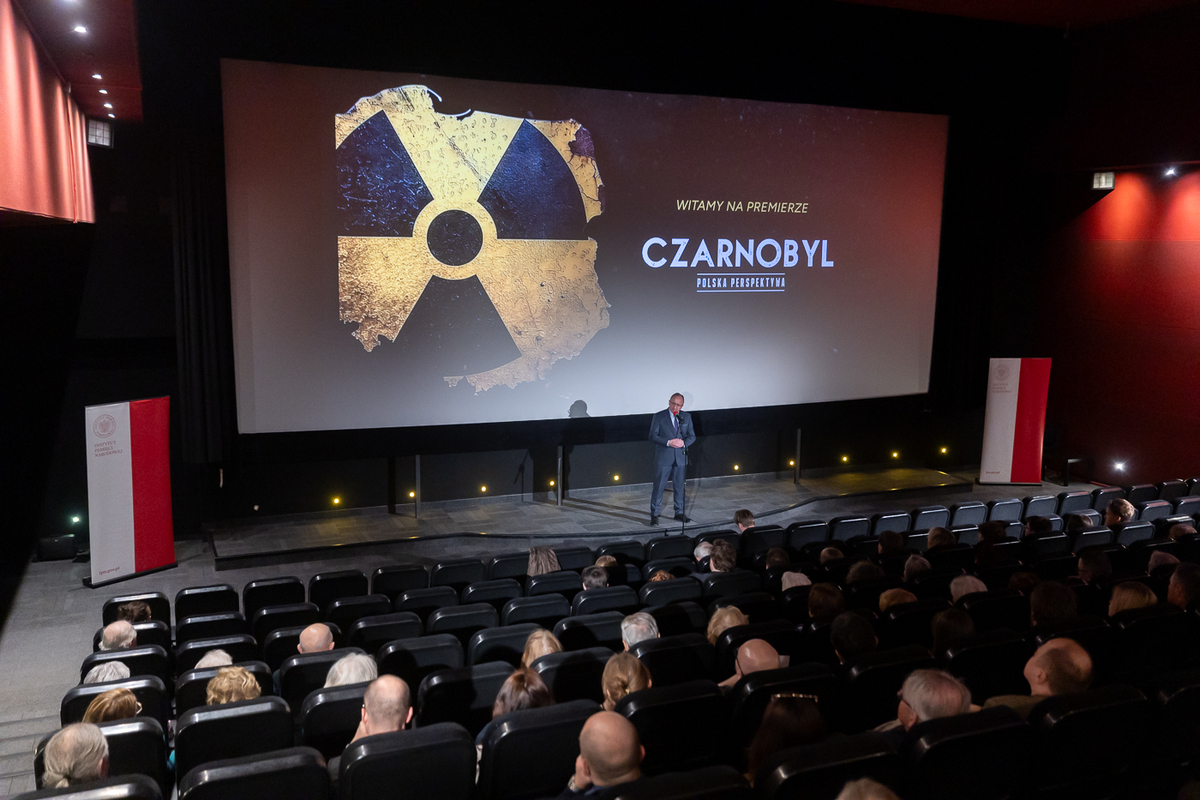
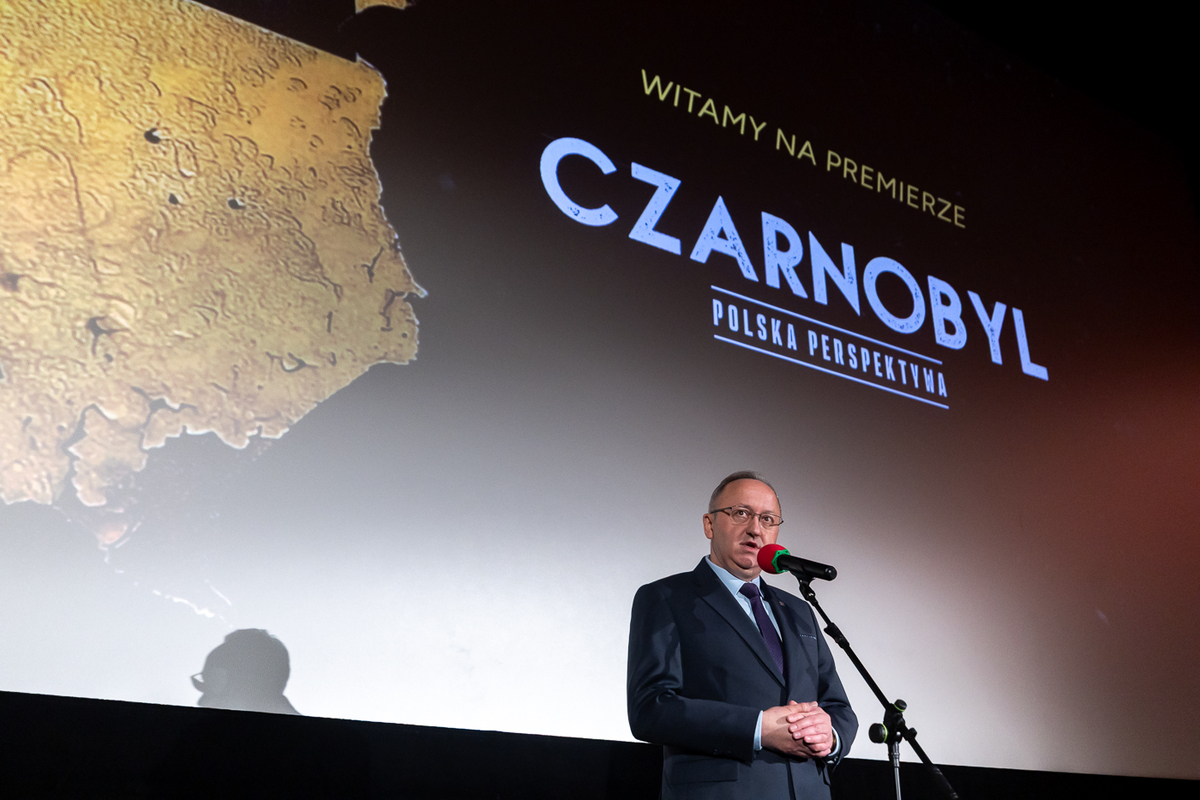

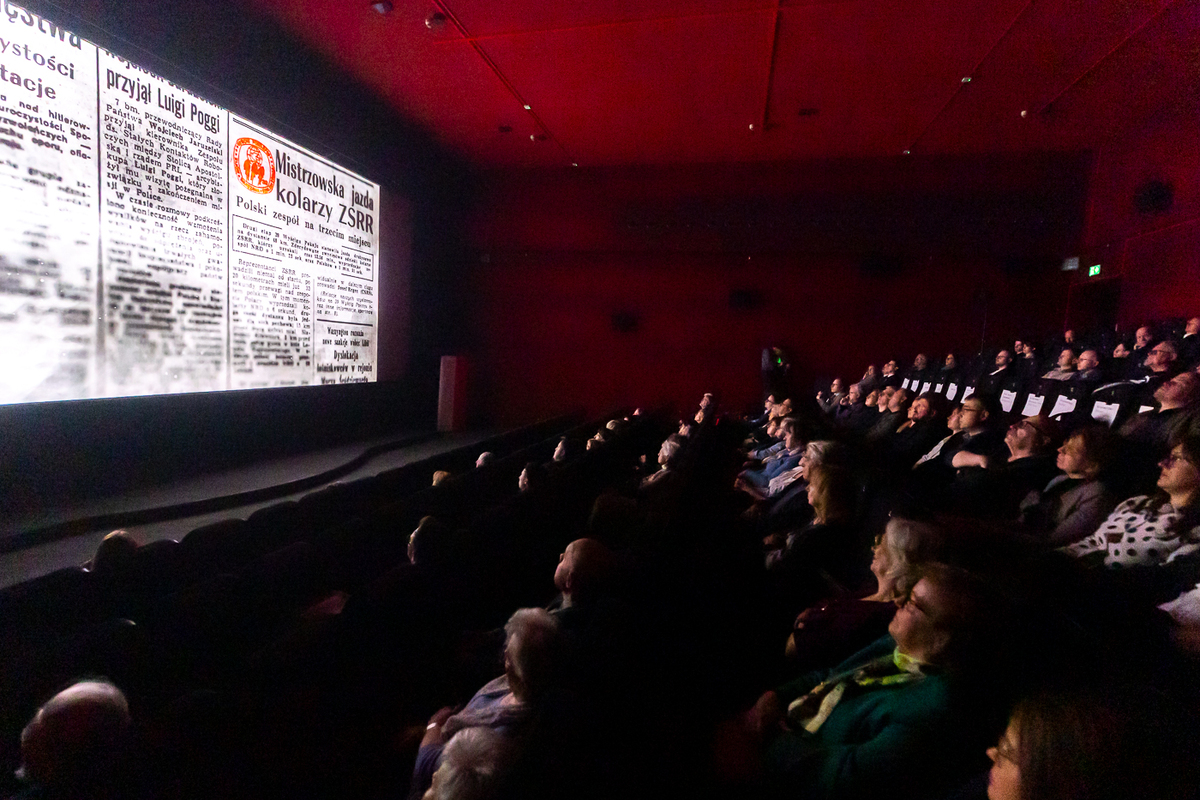
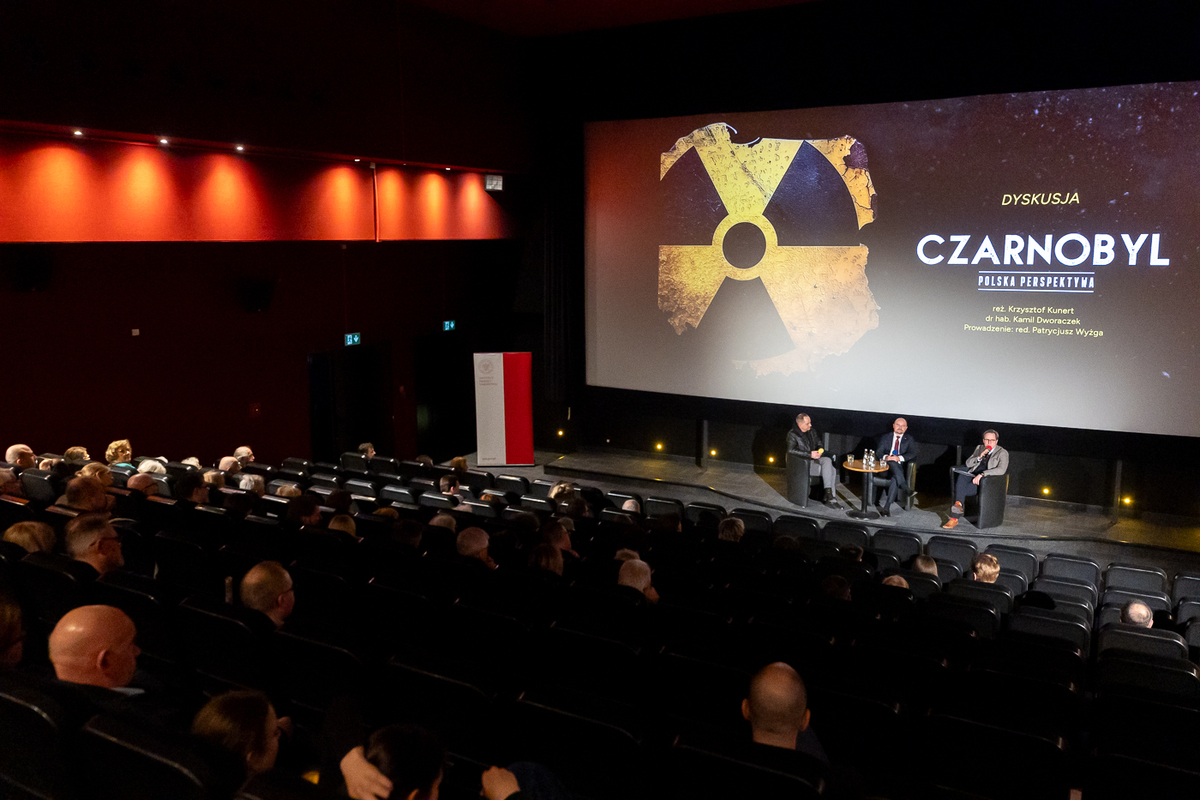
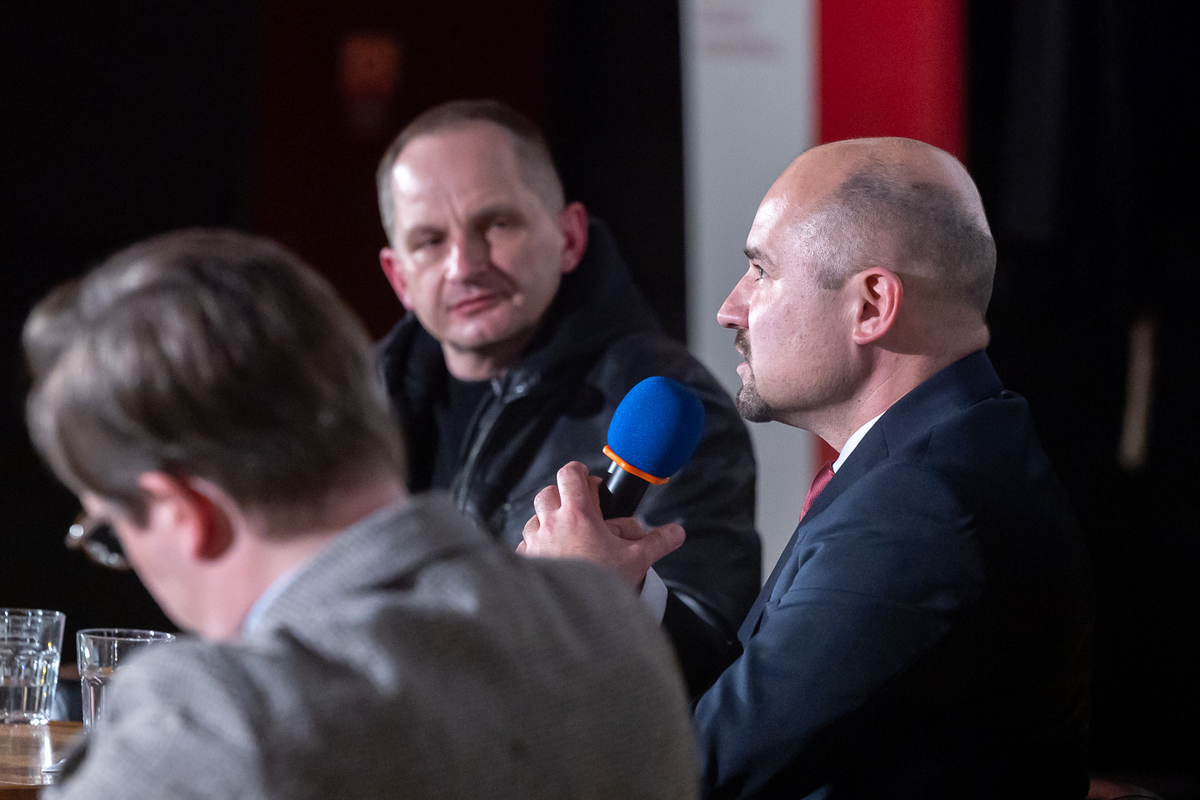
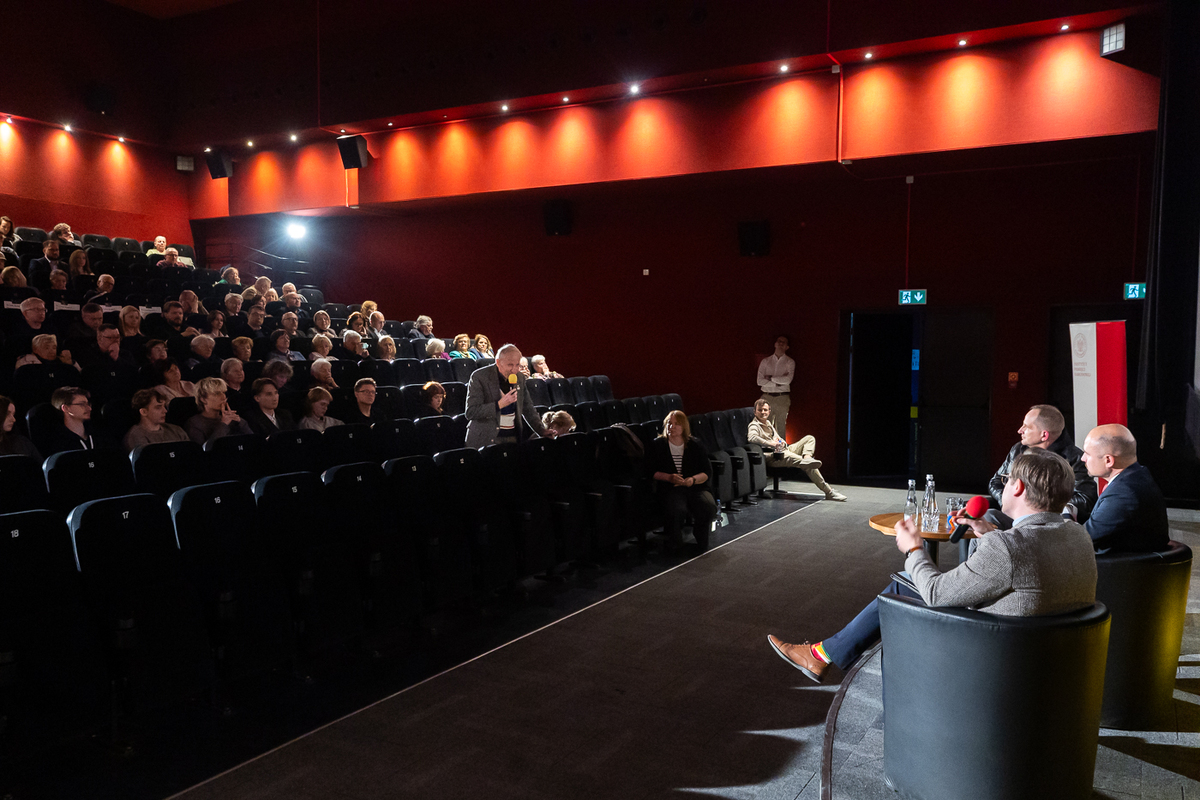
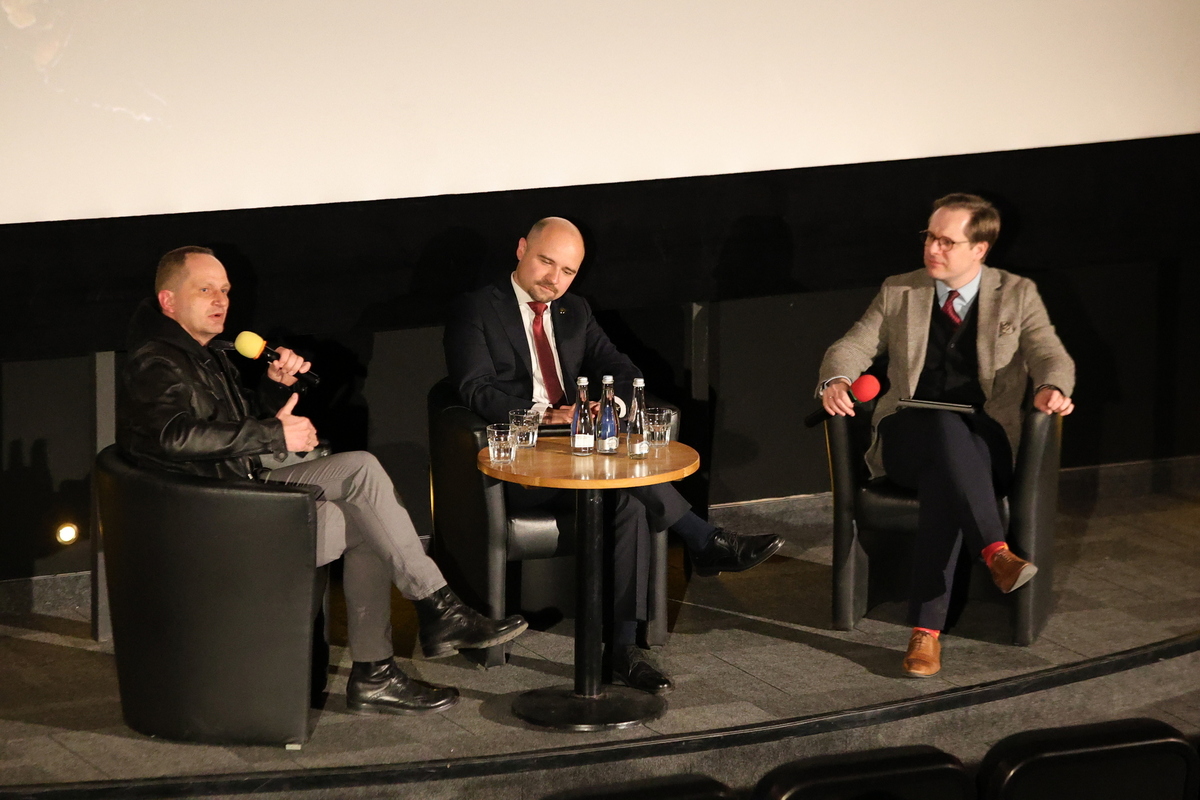
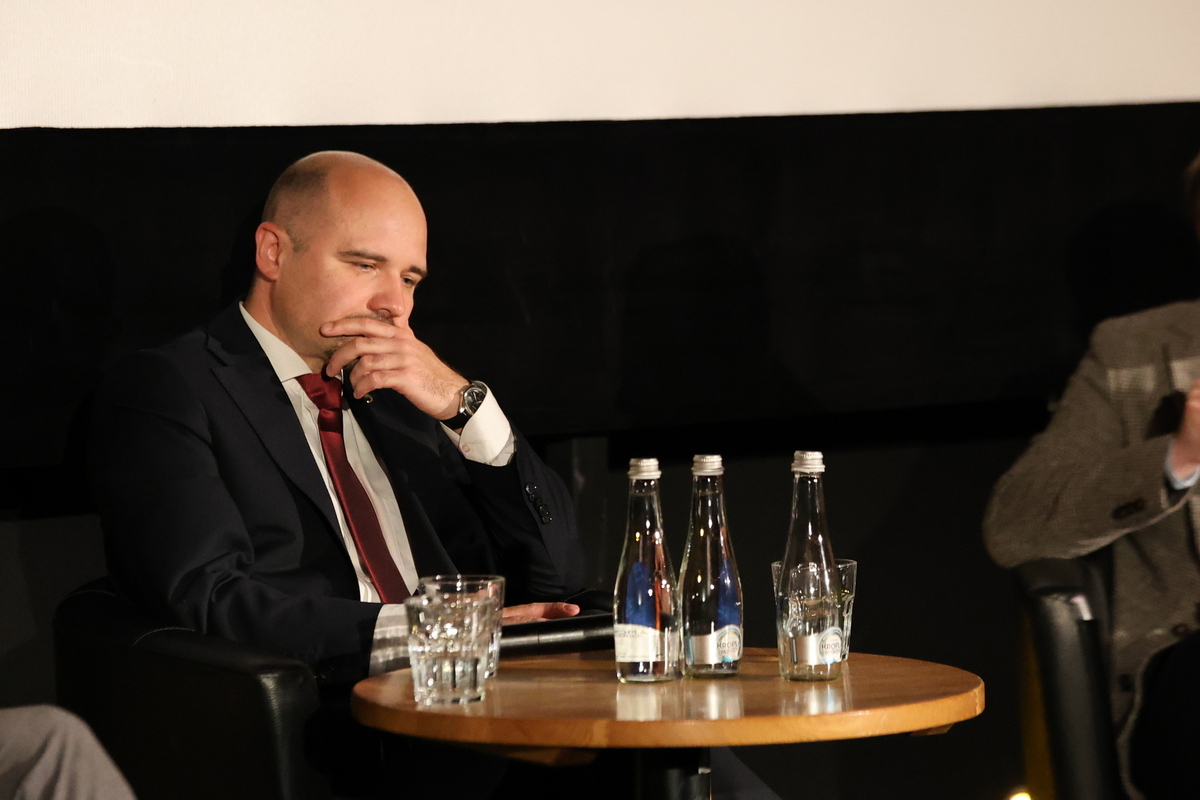
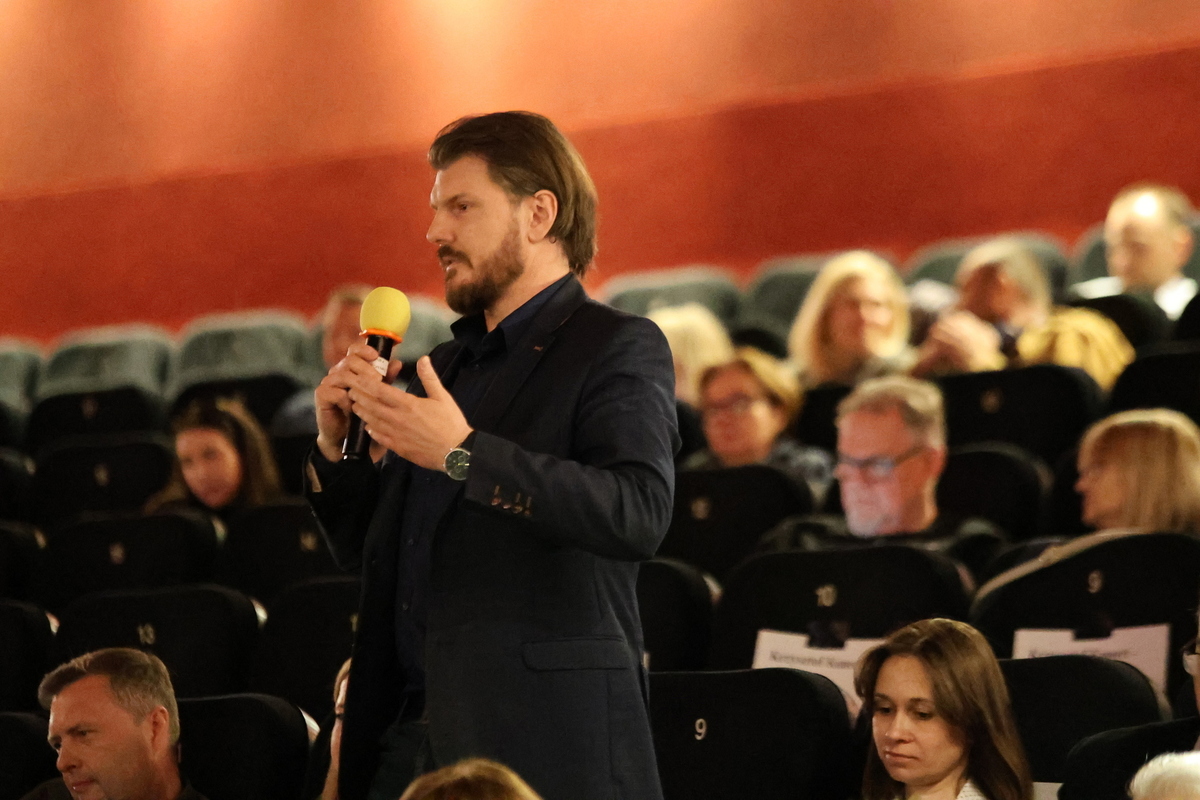

On 24 April 2026, the Atlantic Cinema in Warsaw hosted a screening of the latest documentary by the Institute of National Remembrance, “Chernobyl: A Polish Perspective,” directed by Krzysztof Kunert. The event was attended by the Deputy President of the IPN, Dr Karol Polejowski.
Produced by the IPN’s Wrocław Branch, the film examines and approaches the Chernobyl disaster in a fresh, interdisciplinary, and strikingly relevant way. It combines historical, social, and medical perspectives to better understand both the course of events in 1986 and their long-term consequences.
“I remember the atmosphere of fear that settled over communist Poland at the time. Looking back, it must be clearly emphasized that what was happening in the sphere of information and propaganda reflected the very essence of the communist system. Despite the slogans proclaimed then, it remained a totalitarian system in which information was suppressed and falsehood prevailed,” emphasized Deputy President Polejowski.
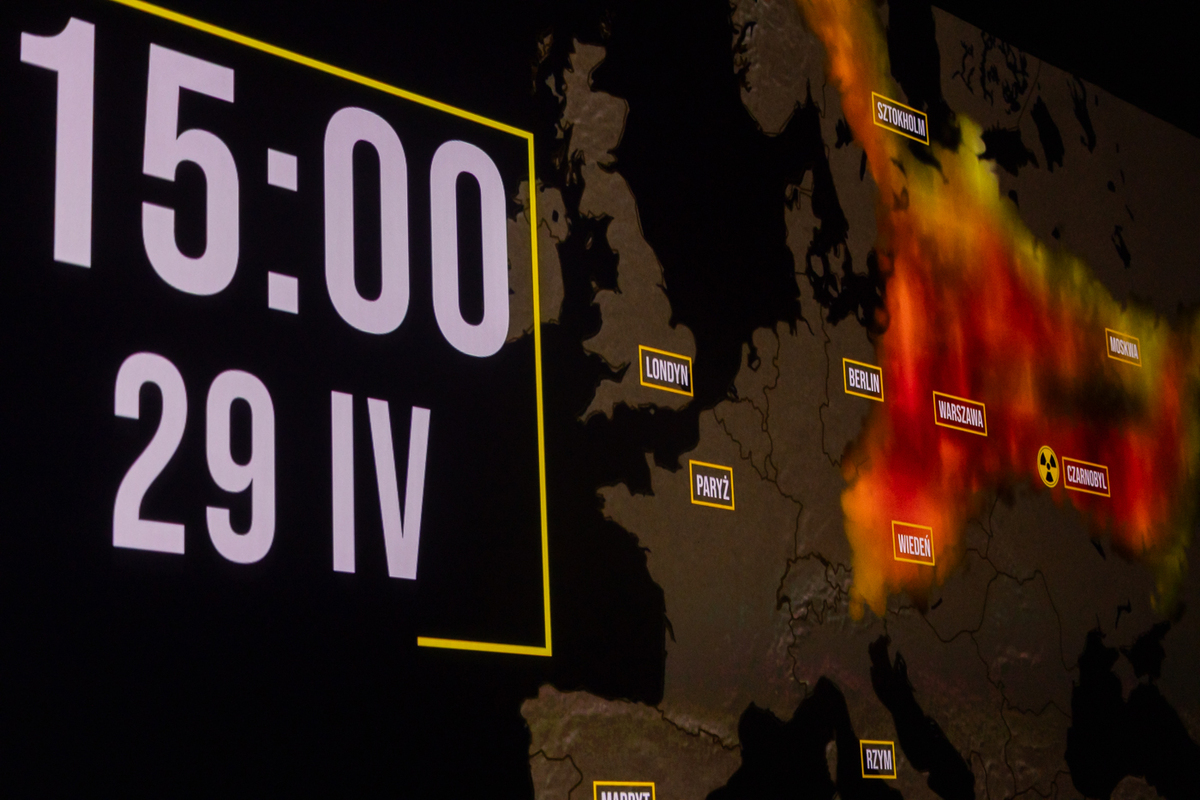
The documentary recalls that the failure of the RBMK-1000 reactor released radioactive elements into the atmosphere with a force comparable to four Hiroshima bombs. Contaminated air quickly reached Scandinavia and then Poland, triggering information chaos and widespread fear. The authorities of the Polish People’s Republic established a special commission, which decided on the mass administration of Lugol’s iodine solution - an unprecedented operation involving 17.5 million people. At the same time, people were deprived of information, which led to protests, including those in Wrocław.
The production required filming in the Chernobyl Exclusion Zone as well as in numerous locations across Poland. The creators successfully drew on a vast range of sources - archival documents, reports, eyewitness accounts, and expert analyses - resulting in a compelling and deeply moving documentary.
The film demonstrates that, even four decades later, Chernobyl remains vivid in the memory of Poles. Fear of the invisible threat influenced public attitudes toward nuclear energy for years and was one of the reasons behind the abandonment of the Żarnowiec Nuclear Power Plant project. At the same time, the documentary highlights a shift in recent years: Poles have largely overcome their fear of nuclear power, and the country has returned to plans to build its own nuclear plant.
Watch the trailer: