×
Search this website for:
04.05.2026

The opening of the IPN "Trails of Hope.The Odyssey of Freedom" exhibition in San Marino
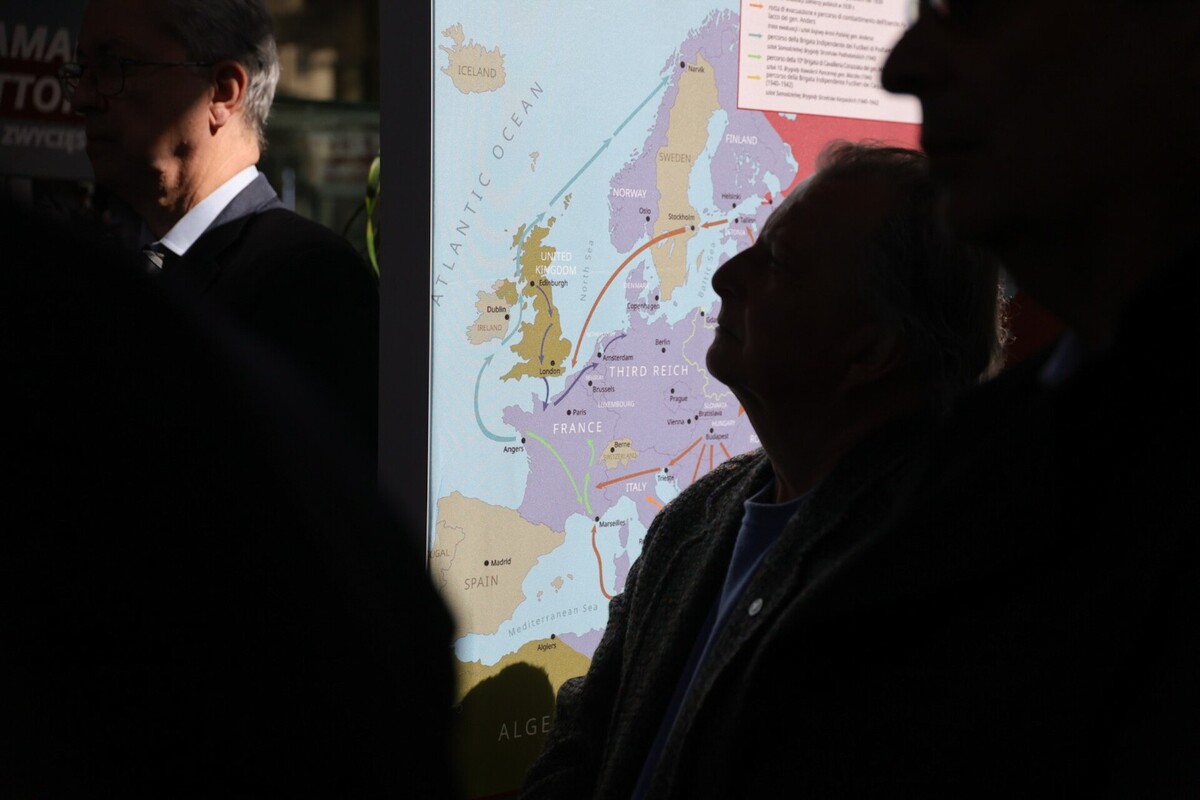
The opening of the IPN "Trails of Hope.The Odyssey of Freedom" exhibition in San Marino
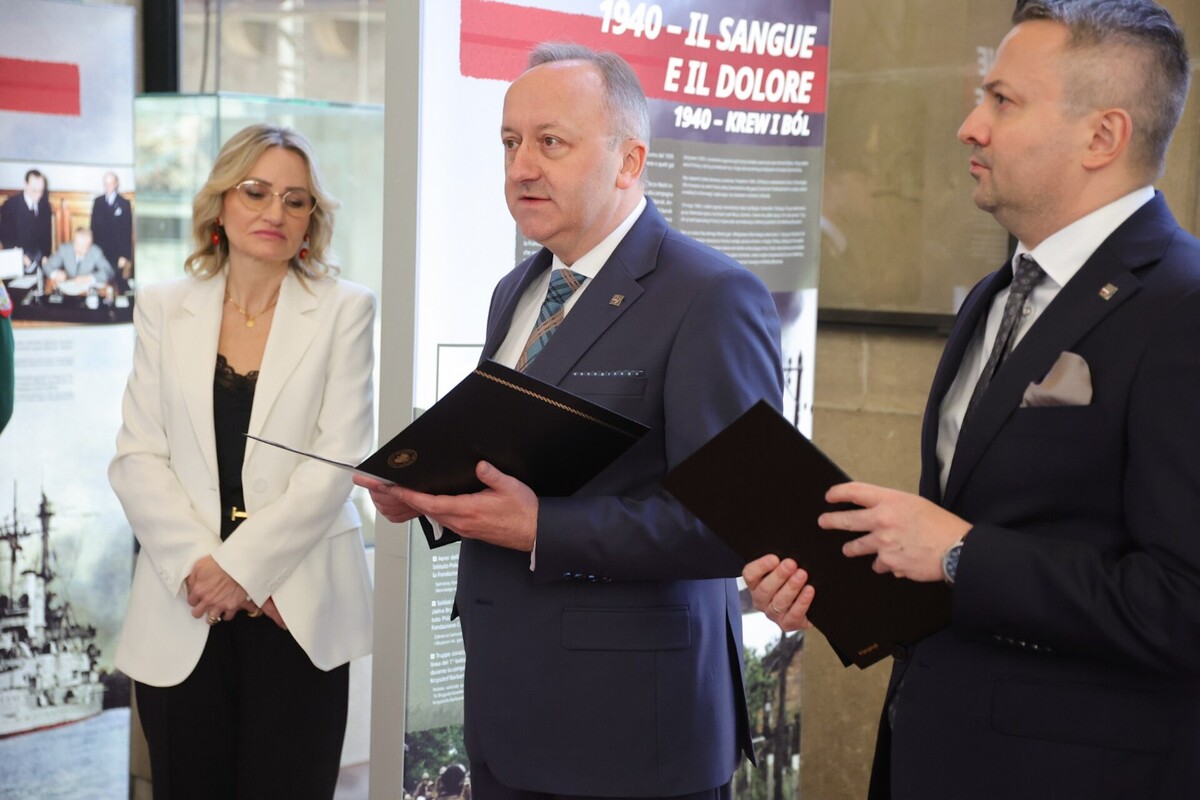
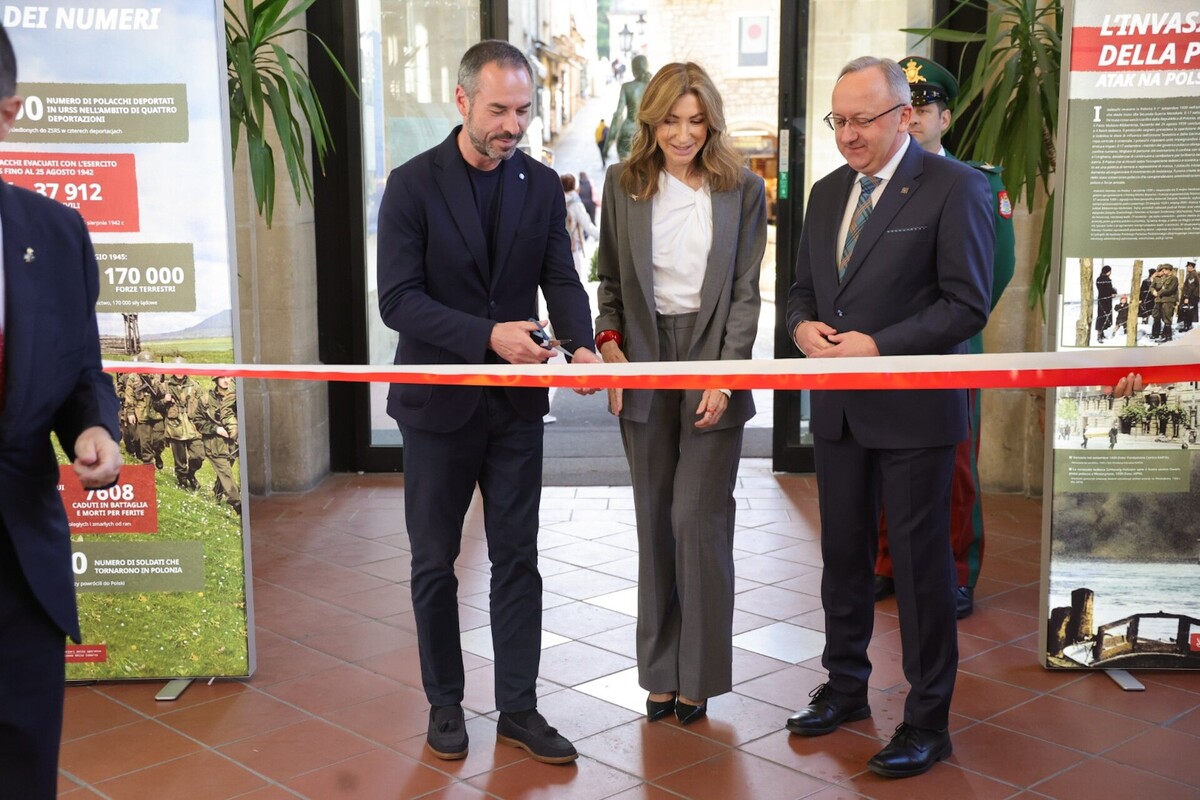
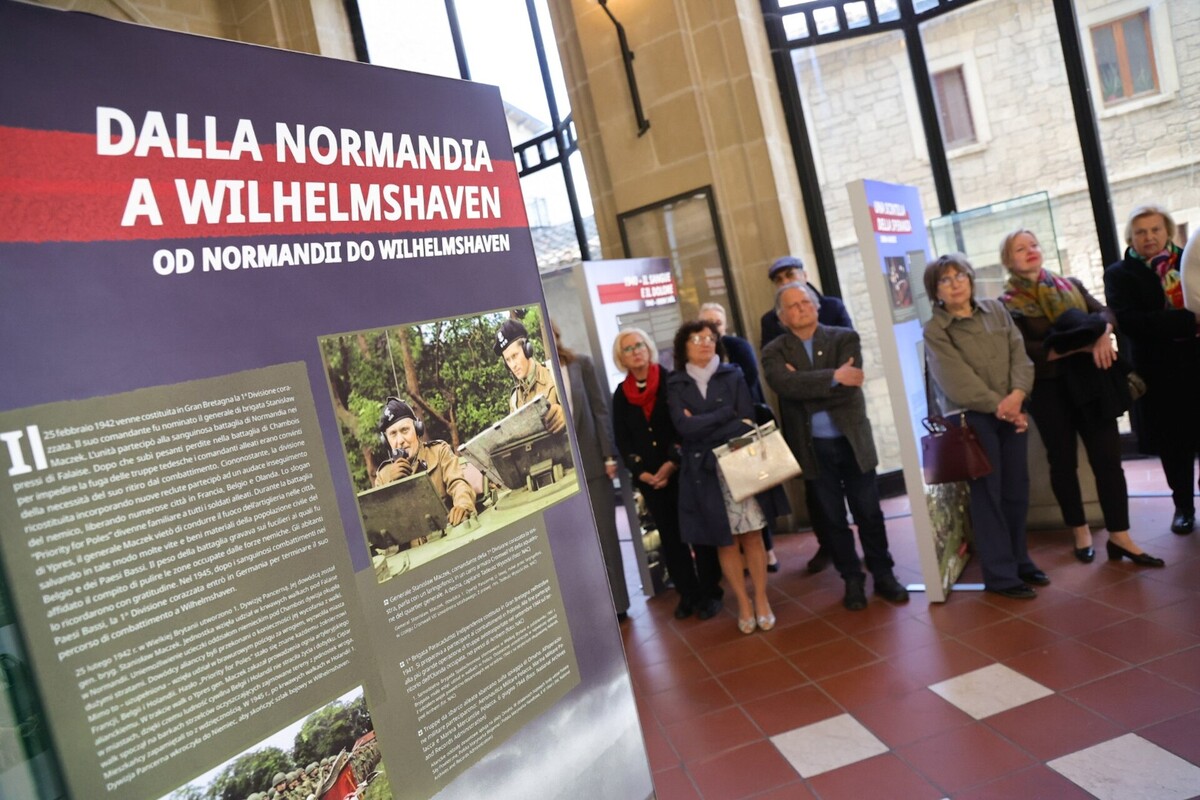
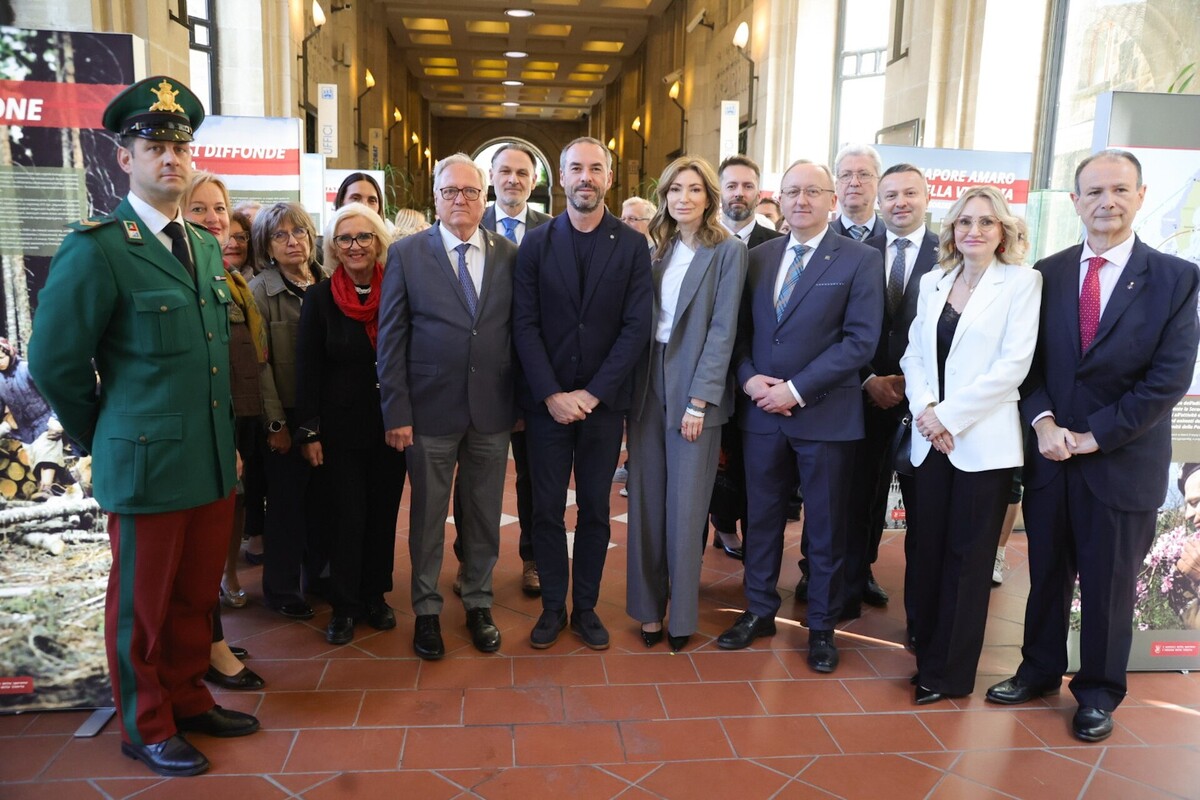
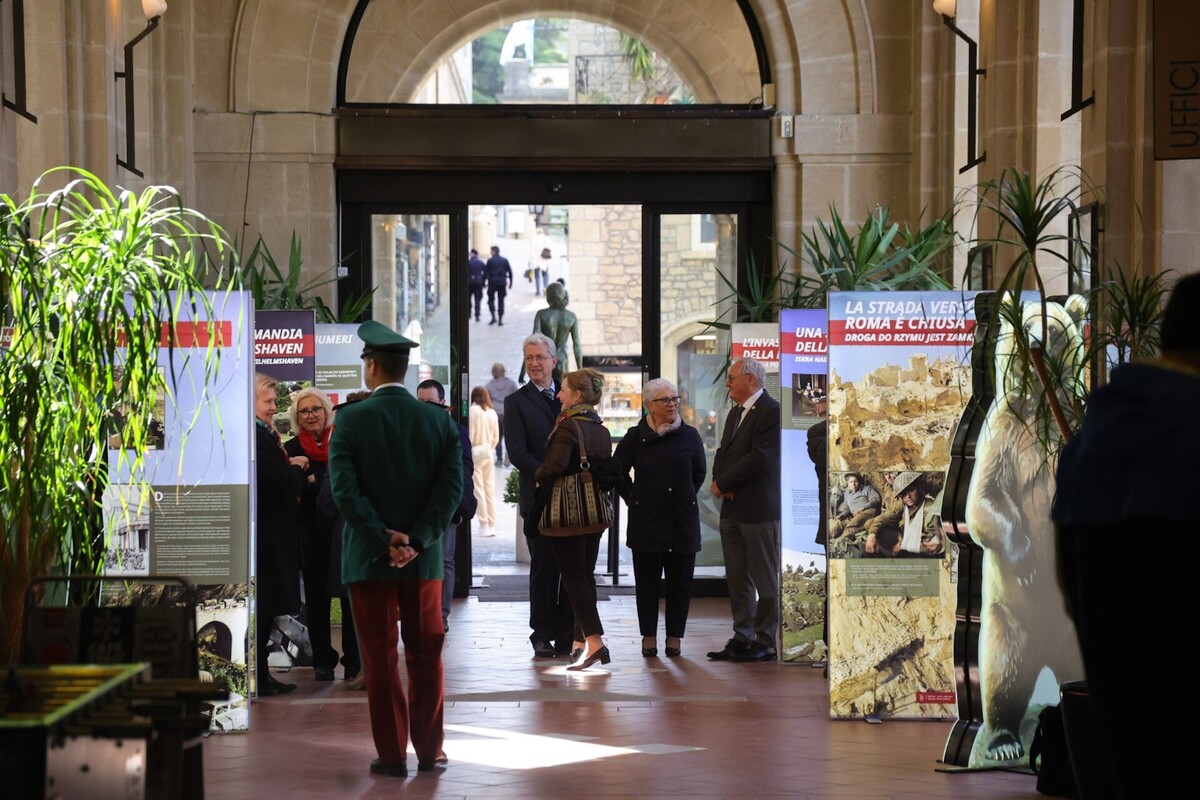
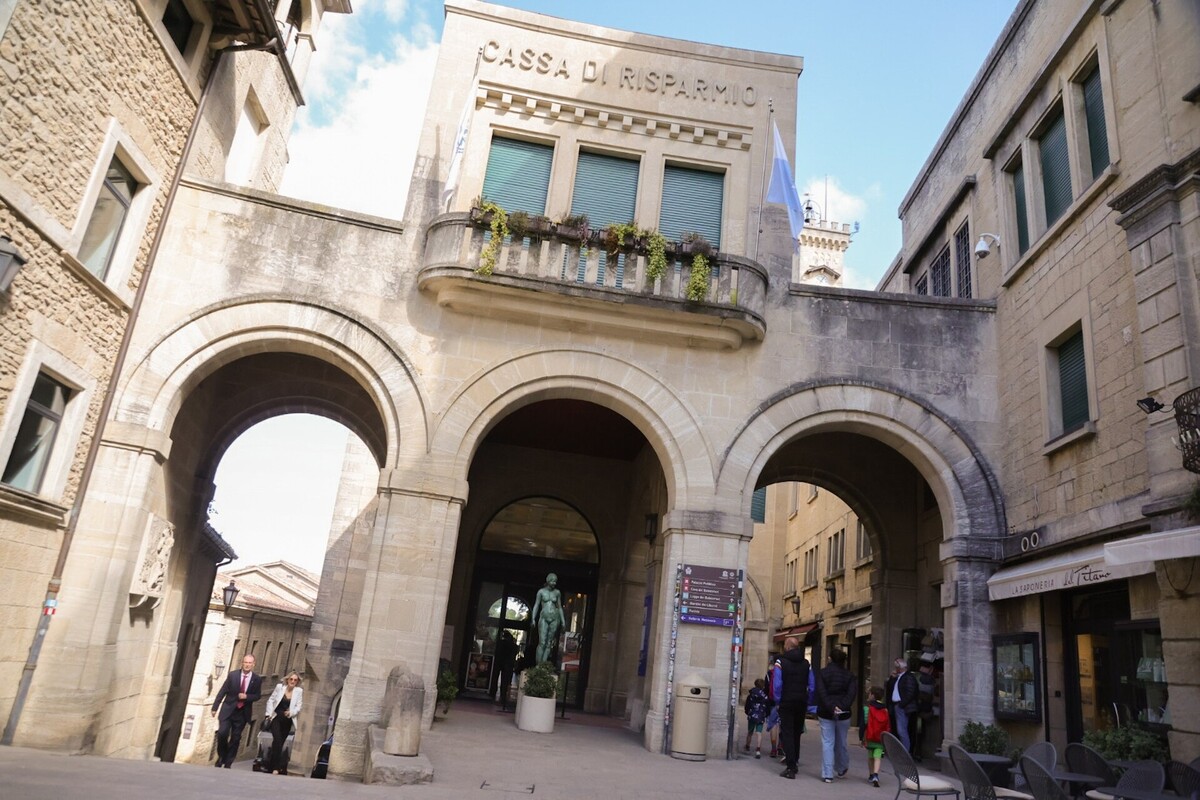
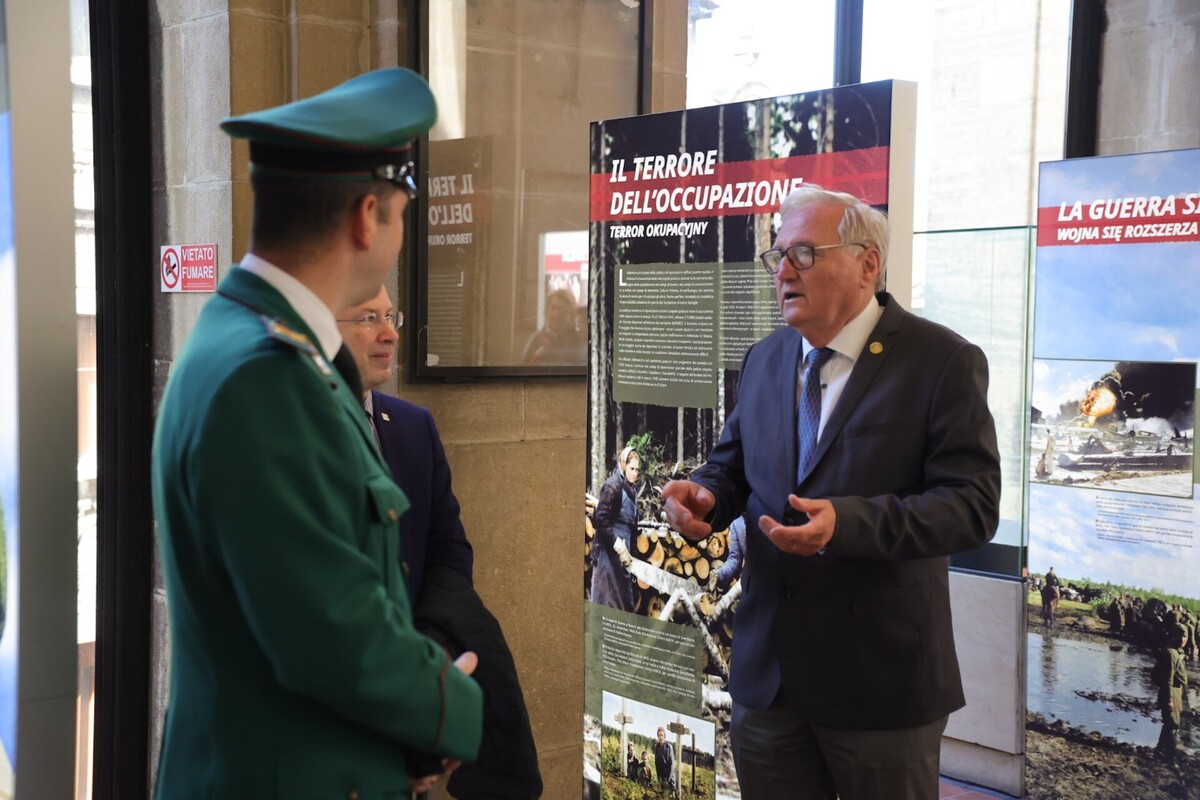
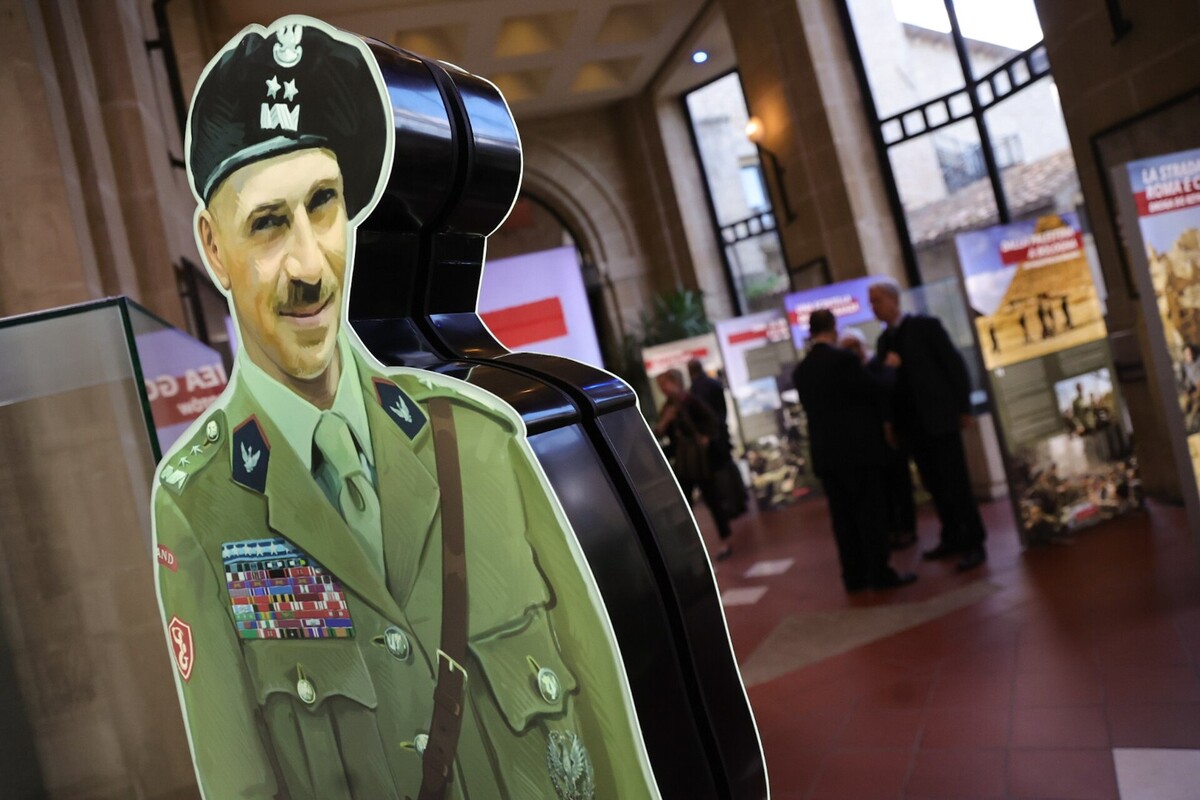
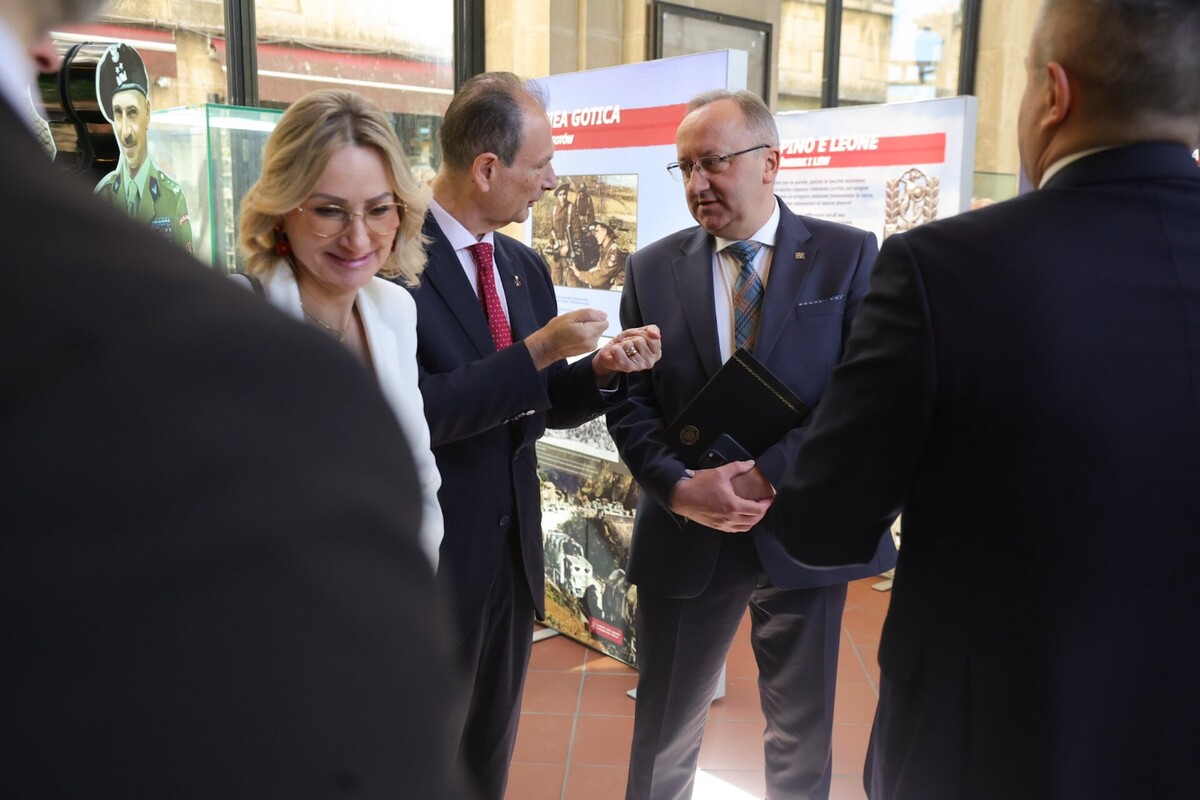
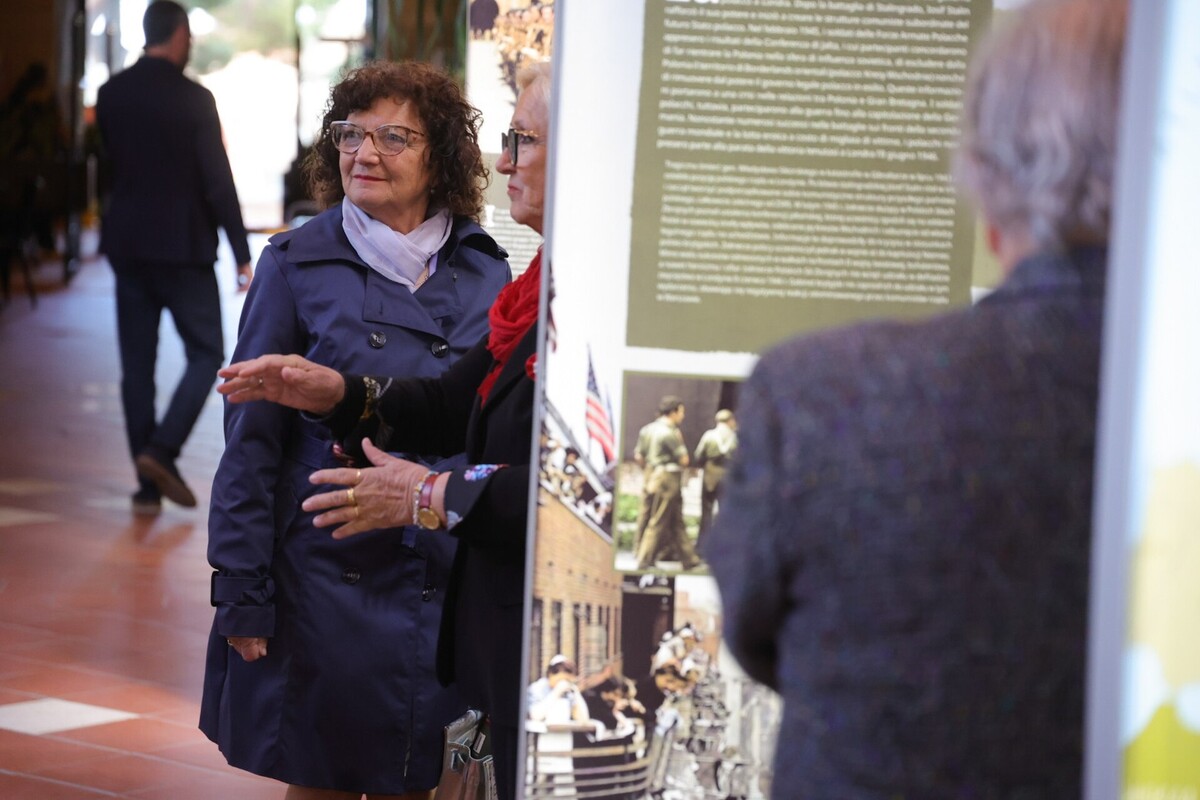
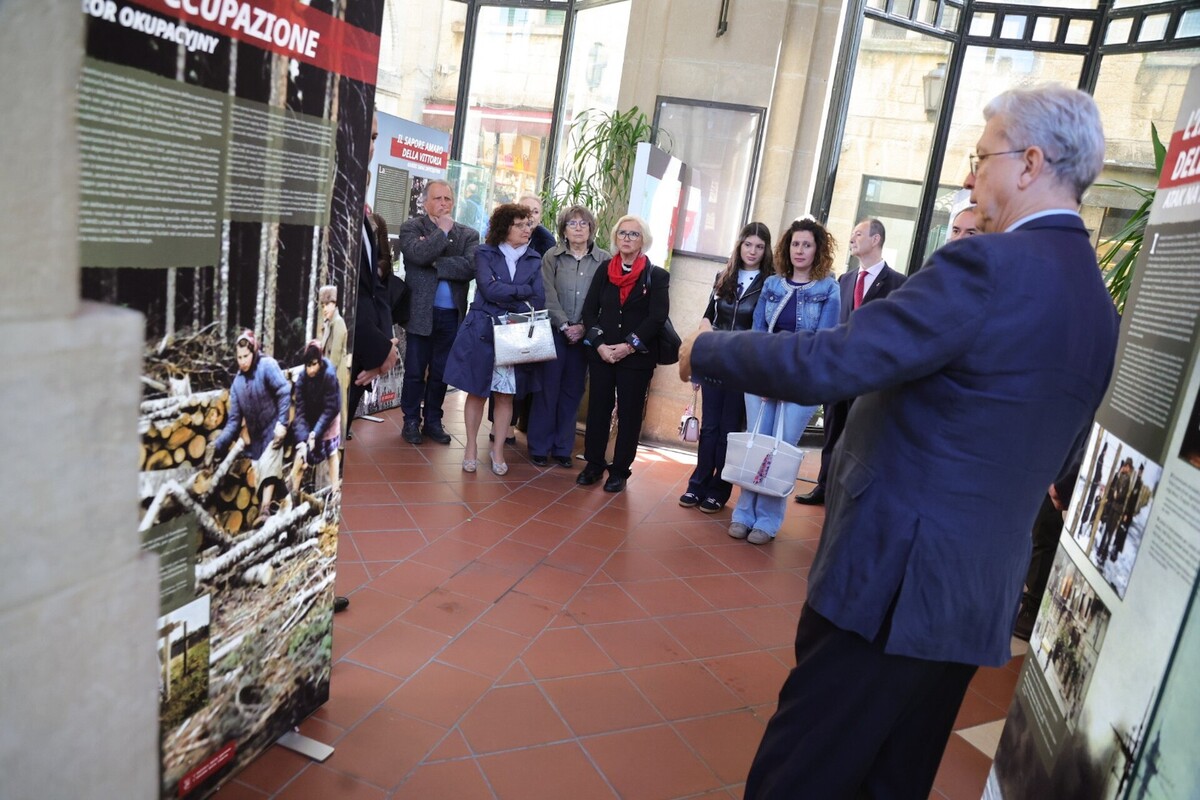

The Institute of National Remembrance opened the "Trails of Hope.The Odyssey of Freedom" exhibition at the Cassa di Risparmio della Repubblica di San Marino on 1 May 2026.
During the opening, the Deputy President of the IPN, Dr Karol Polejowski, presented the history of the II Polish Corps, whose soldiers liberated numerous Italian cities. He also emphasised that preserving the truth about the past and promoting historical knowledge is our shared responsibility.


     “Your presence is a living testimony of remembrance. It is also a call to all generations, present and future, to ensure that the nightmare of World War II never happens again. The exhibition you will see today addresses precisely this theme”, said Karol Polejowski to the audience gathered at the opening.


San Marino lies roughly halfway between Ancona and Bologna, areas where Polish troops fought intense battles in 1944–1945 during the Italian Campaign. The Republic of San Marino remained neutral throughout the Second World War, despite being located in a region heavily affected by military operations. However, its neutrality did not shield it from the realities of war.

The Battle of San Marino took place on 17-20 September 1944, when Allied forces, primarily British and Indian units, fought to remove German troops occupying the surrounding area. The operation formed part of the wider Allied advance against the Gothic Line, the main German defensive position in northern Italy.
It should be clearly distinguished that San Marino was not involved as a belligerent in the conflict. At the same time, northern Italy was under the control of the German-backed Italian Social Republic, which fought on the side of Germany. Soldiers of the II Polish Corps under General Władysław Anders played an important role in the Italian Campaign, including operations in the nearby Marche region.


“Trails of Hope. The Odyssey of Freedom” is an international educational and exhibition project dedicated to commemorating the fate of Poles, both soldiers and civilians, who, together with Anders’ Army, undertook a dramatic journey from the “inhuman land” through the Middle East to Italy, carrying with them the hope of regaining freedom. The initiative was launched in 2021 by Karol Nawrocki, the then President of the IPN.
 
🔎Learn more about "Trails of Hope. The Odyssey of Freedom" here: https://szlakinadziei.ipn.gov.pl/sne


Italy at War

From 1922 Italy was ruled by the fascist government of Benito Mussolini, who gained power through a coup d'état. By the mid-1930s, Mussolini was clearly aiming for dominance in North Africa and the Mediterranean, signing numerous cooperation and alliance agreements with the Third Reich. In 1940, despite considerably outnumbering their opponents, the Italian attack on southern France or Greece was not successful. The defeat in North Africa and the Allied invasion of Sicily led to the collapse of Mussolini's dictatorship. Most of the country's territory was occupied by German troops. On 13 October 1943, the new government of the Kingdom of Italy declared war on the Third Reich and Japan, thus becoming a member of the anti-fascist coalition.

Avalanche

The Allied invasion of Italy began on 10 July 1943 with the landing in Sicily.

The allied countries' landing on the Apennine Peninsula took place in September of the same year at three locations: near the city of Salerno (south of Naples), from the sea near the city of Taranto, and in Calabria in the Reggio di Calabria area.

Directly involved in the operation code-named “Avalanche” were the Polish ships ORP “Piorun”, ORP “Ślązak”, ORP “Krakowiak” and the submarine ORP “Dzik”, as well as the ships MS “Batory”, MS “Sobieski”, SS “Kościuszko” and SS “Narvik” transporting soldiers, armaments and equipment.

Transports of the Polish II Corps together with British troops arrived in Italy from Egypt from late December 1943 to early May 1944 and landed in Taranto and Naples.

The Road to Rome is closed

Along the Garigliano, Rapido, Sangro rivers, a German defence line called the Gustav Line stretched for 130 km. Mount Cassino rises above the Liri river valley, between Rome and Naples. Its strategic location on an important road meant that the Benedictine monastery built on it was included by the Germans in their defence system. The Allies had been attempting to capture the hill since January 1944, each successive assault ending in failure. The landing at Anzio (behind the German defence line) also failed to produce the expected results.

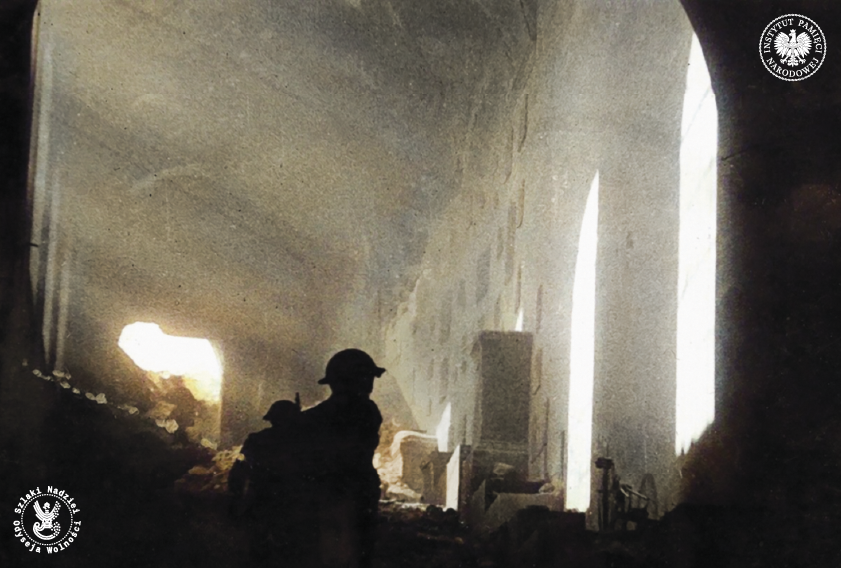
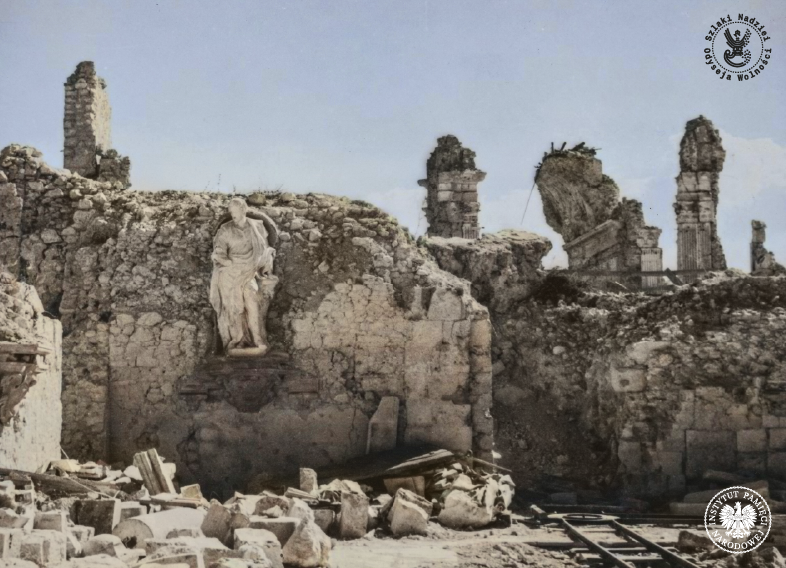
On 15 February 1944, the monastery on Monte Cassino was bombed and the Germans used the ruins for further defence. In early May 1944, the fourth assault on the hill began. The main force was the Polish II Corps.

The Decisive Strike

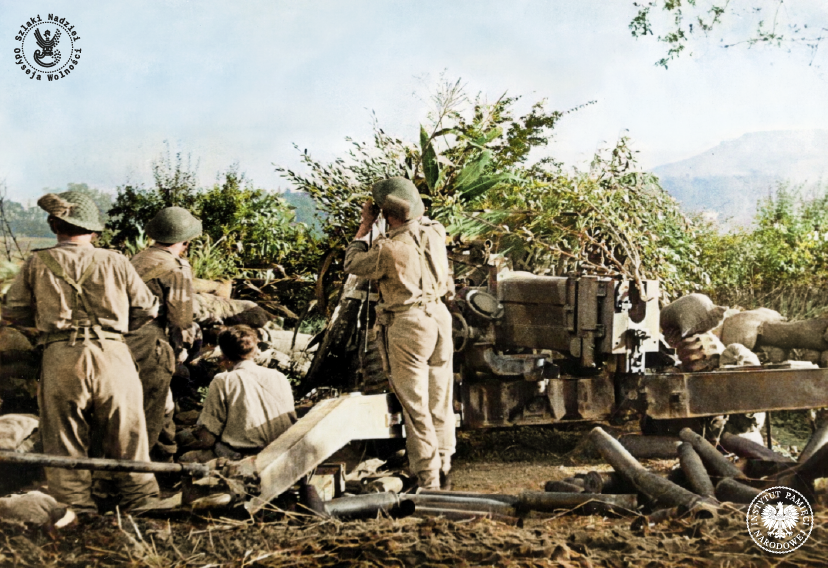
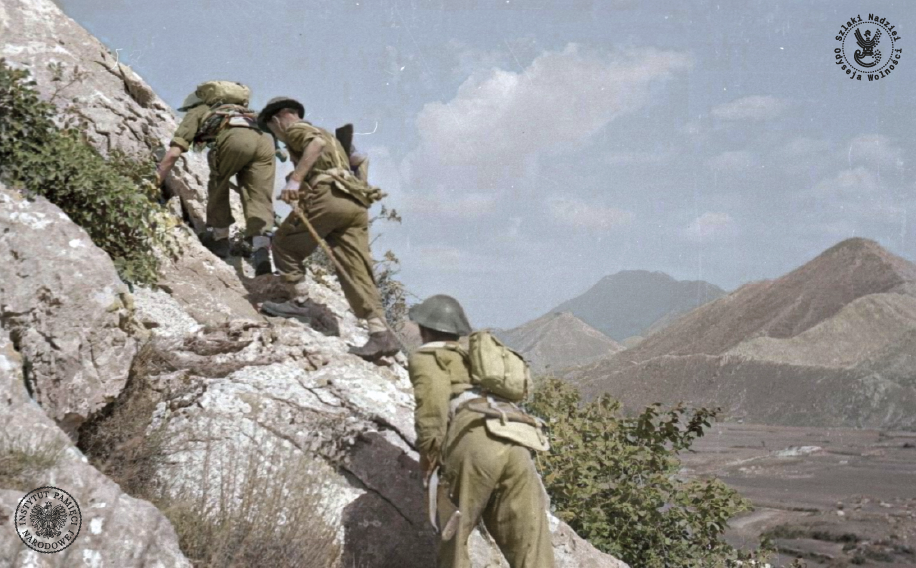
The German positions at Monte Cassino consisted of two defensive rings connected in the shape of the number eight. The attack by Allied forces began on 12 May 1944. The soldiers launched a night attack in a mined, almost unprotected area, full of barbed wire and obstacles, under German fire from bunkers, artillery positions and mortars, which could not be destroyed by the hourly fire of more than 1,000 Allied guns. It was only the second attack that brought a breakthrough and “Phantom Ridge”, Sant’Angelo (593), “Monte Castellone” and “Massa Albaneta” were captured and held. On 17 May, at the end of the day, the Poles broke through the northern edge of the defensive ring. Bunker after bunker were captured and German counterattacks were repelled.

Thanks to the coordinated actions of all Allied forces at Cassino, the Germans, fearing encirclement in the monastery, began to retreat. On the morning of 18 May, a patrol of the 12th Podolian Lancers Regiment under the command of Second Lieutenant Kazimierz Gurbiel entered the ruins of the monastery.

Piedimonte San Germano

After breaking through the German defences on the Gustav Line in the Monte Cassino area, the Polish troops launched an attack near the village of Piedimonte San Germano, located to the north-west of the monastery hill. The village was part of the additional German defence known as the Hitler line - from Monte Cairo via Piedimonte, Pontecorvo, San Olivia to Terracina.

The Gothic Line

After the Battle of Monte Cassino and the Allied invasion of Rome, the Allied forces headed to northern Italy, where the Germans built a fortification line covering the Po River valley. Artillery and machine gun bunkers, minefields and abatis were deployed over a length of 320 km and a depth of 30 km (from Pesaro on the Adriatic Sea to Massa on the Ligurian Sea).

The task of the Polish II Corps was to capture Ancona. The port would allow the Allies to shorten supply lines for troops fighting in northern Italy.

The Polish II Corps began operations over the Adriatic Sea from 15 June 1944. German divisions resisted in successive positions, taking advantage of the flowing rivers. In early July 1944 the Poles captured Loreto, Recanati, Osimo, Castelfidardo and San Pietro Hill and approached Ancona.

The Poles made three strikes against German positions on 20-22 May 1944. However, it was not possible to break the enemy lines, only local successes were achieved. During the night of 24-25 May, the Germans, threatened with being outflanked, began to retreat. The abandoned Piedimonte san Germano was taken by Polish troops on the morning of 25 May.


Subscribe to our newsletter

Sign up for a fresh look at history: stay up to date with the latest events, get new texts by our researchers, follow the IPN’s projects