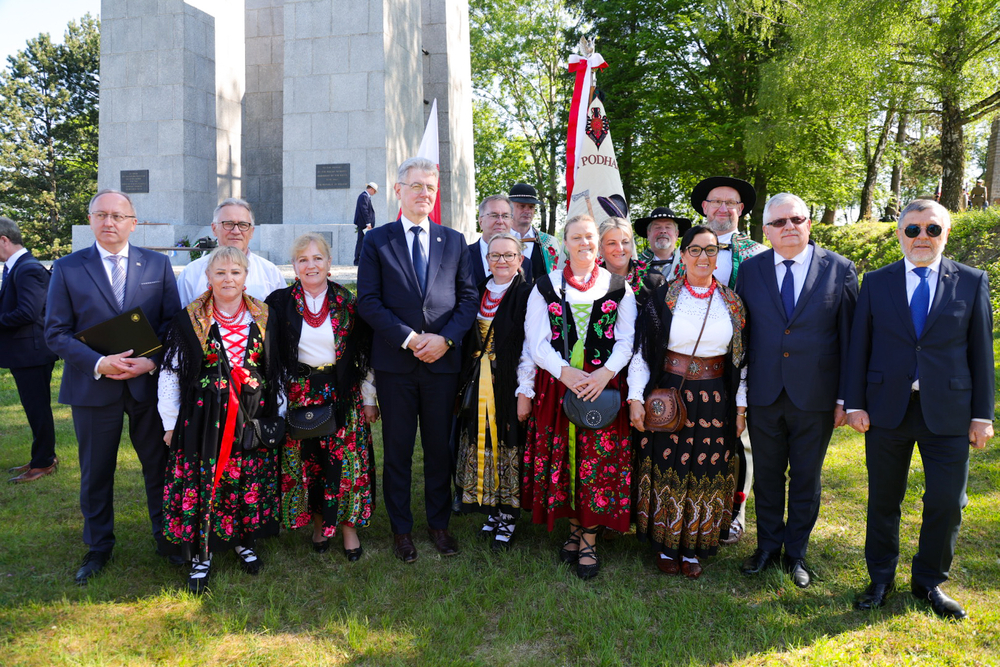
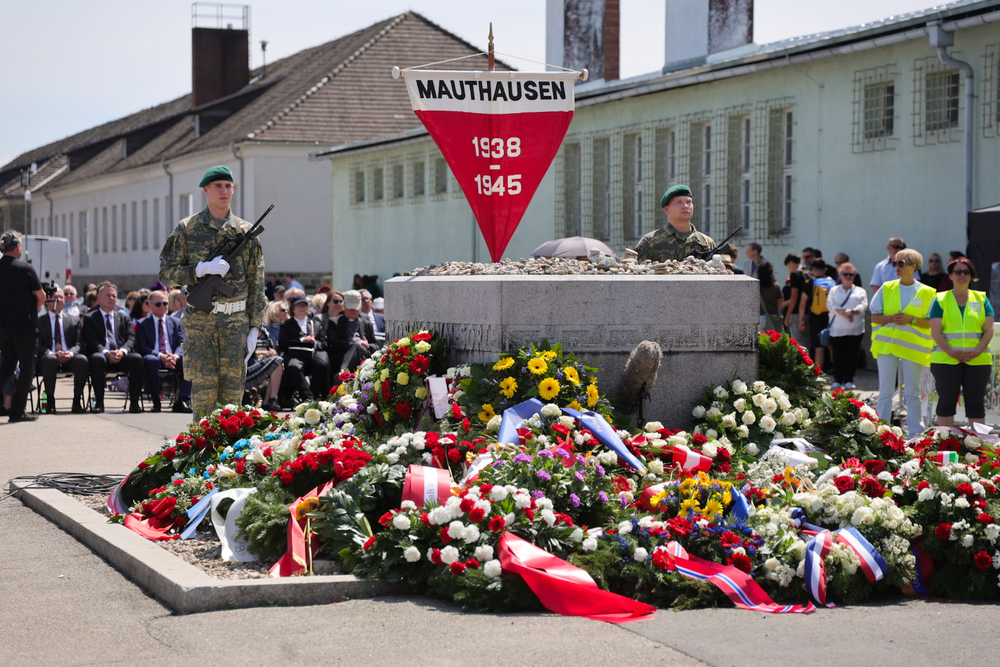
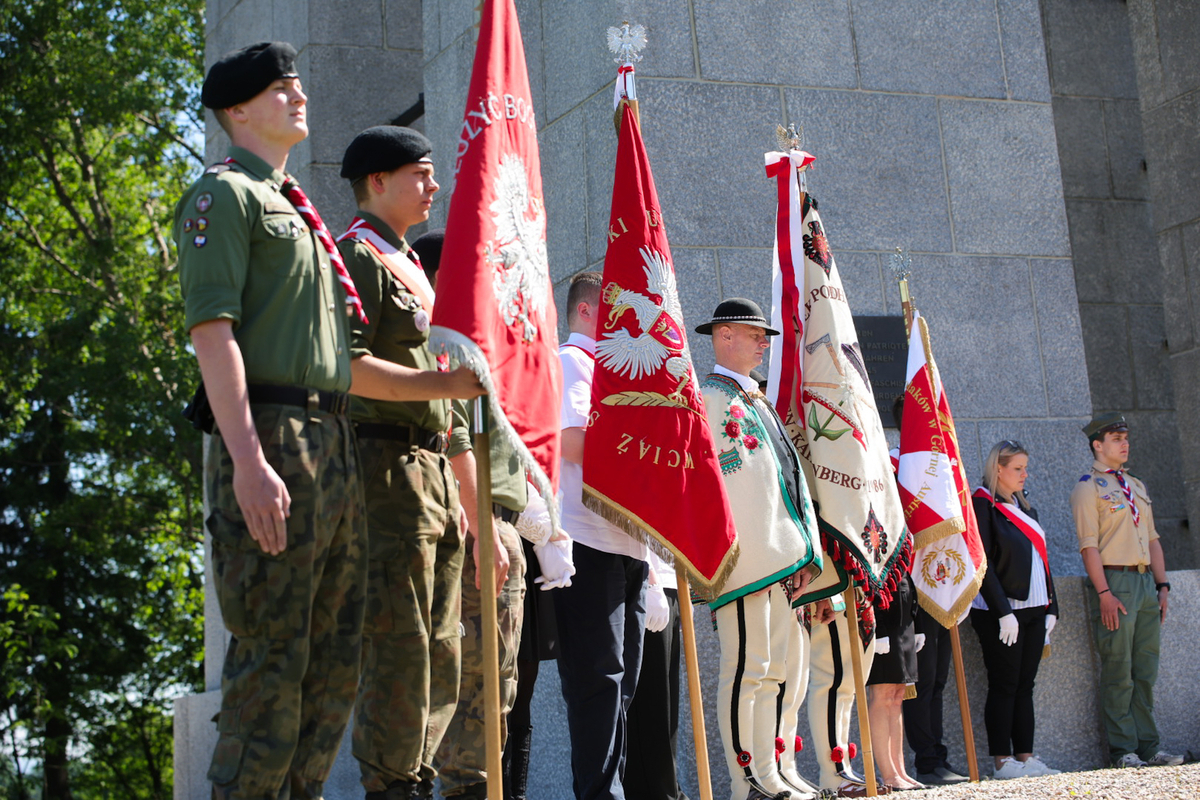
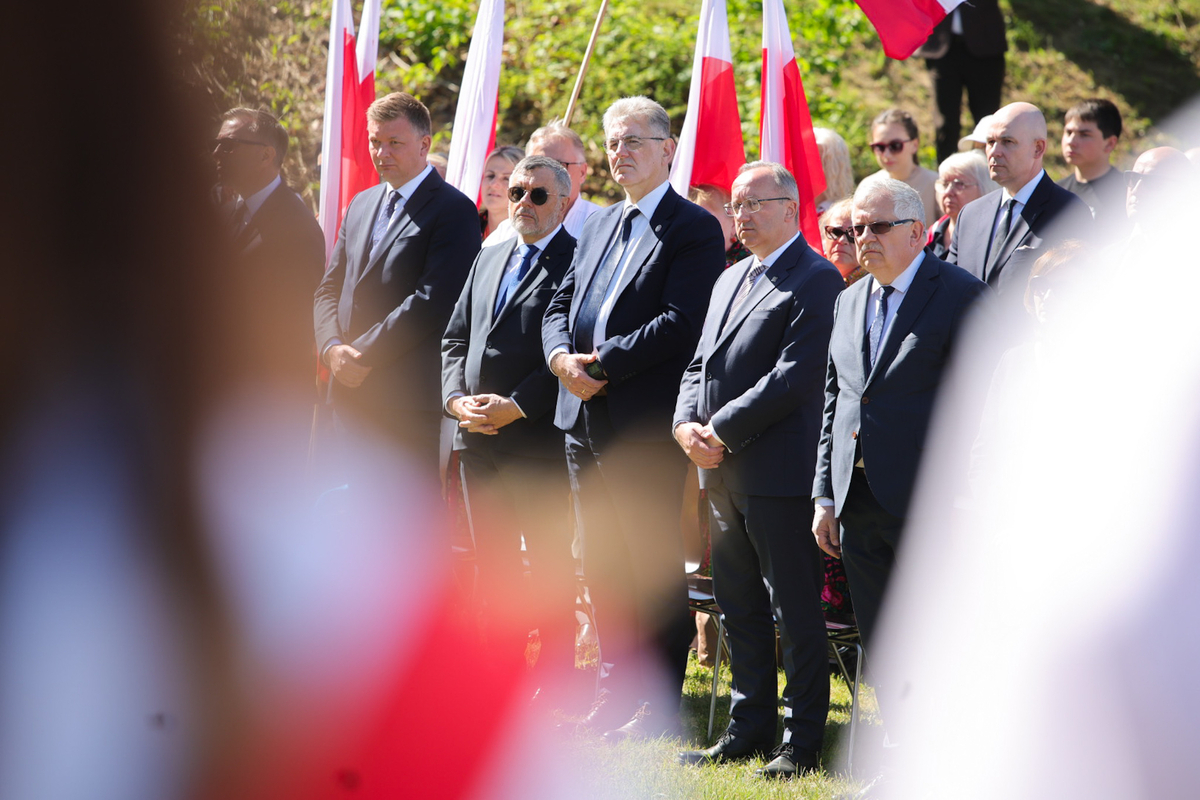
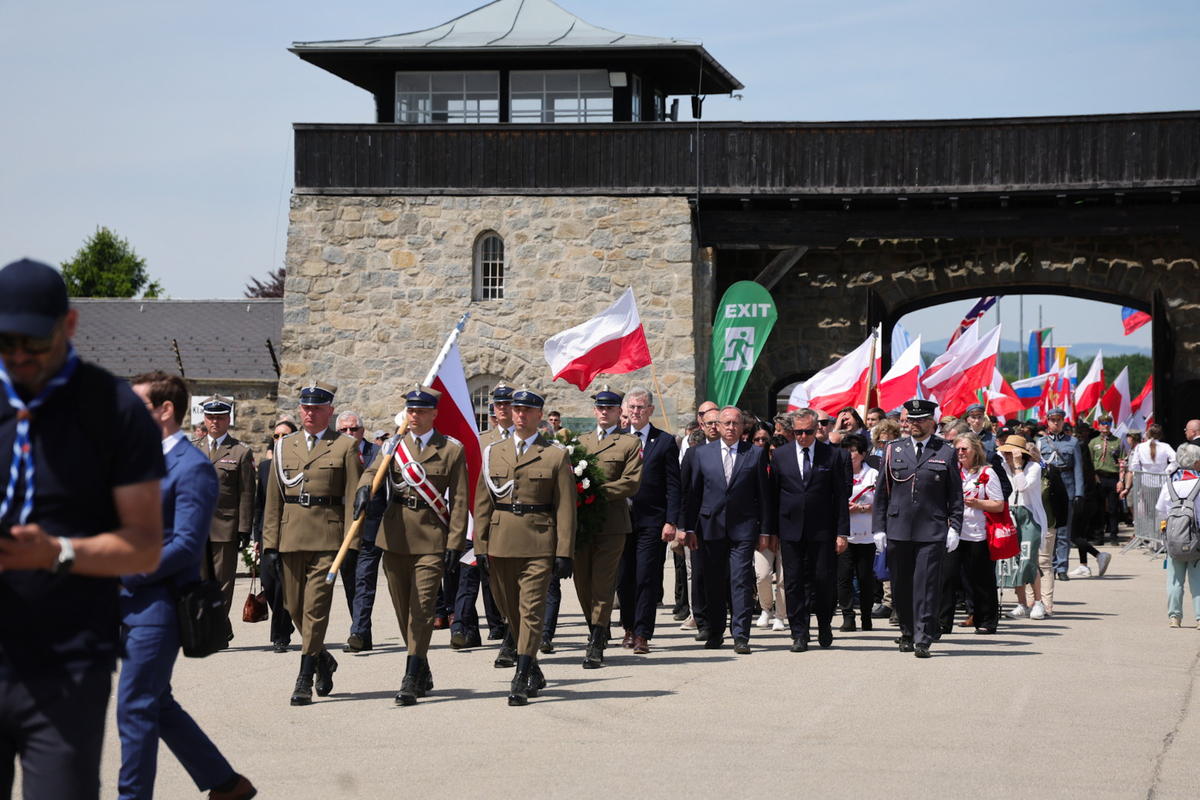
On 10 May 2026, international commemorative ceremonies honouring the victims of the German concentration camp were held at the Memorial Site of KL Mauthausen. The event formed part of the commemorations marking the 81st anniversary of the liberation of prisoners from the Mauthausen-Gusen concentration camp system in Austria. The ceremonies were attended by representatives the Institute of National Remembrance, including its Deputy President, Dr Karol Polejowski.
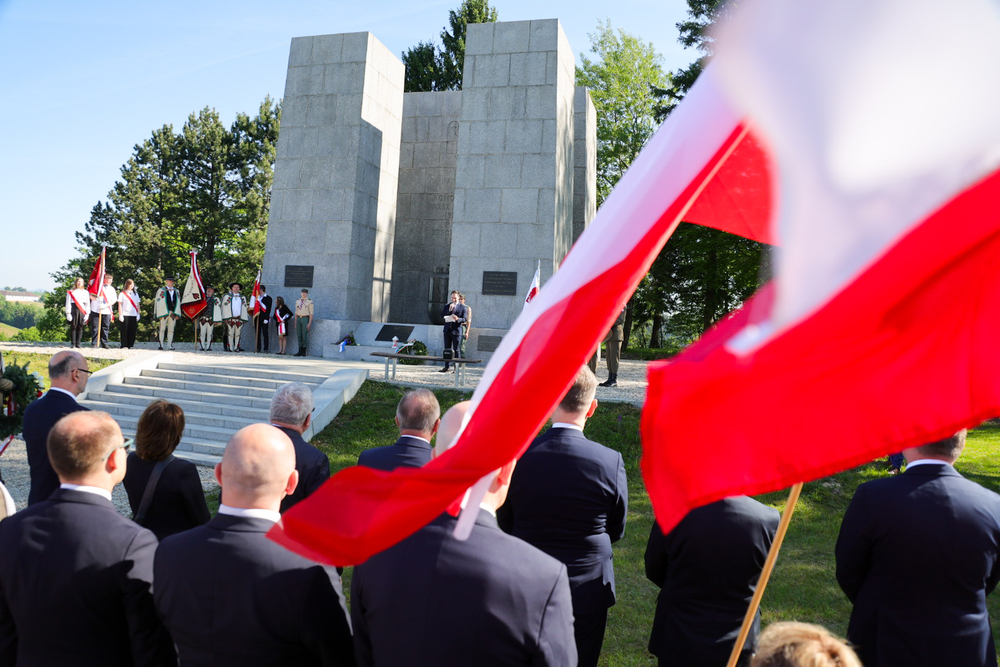
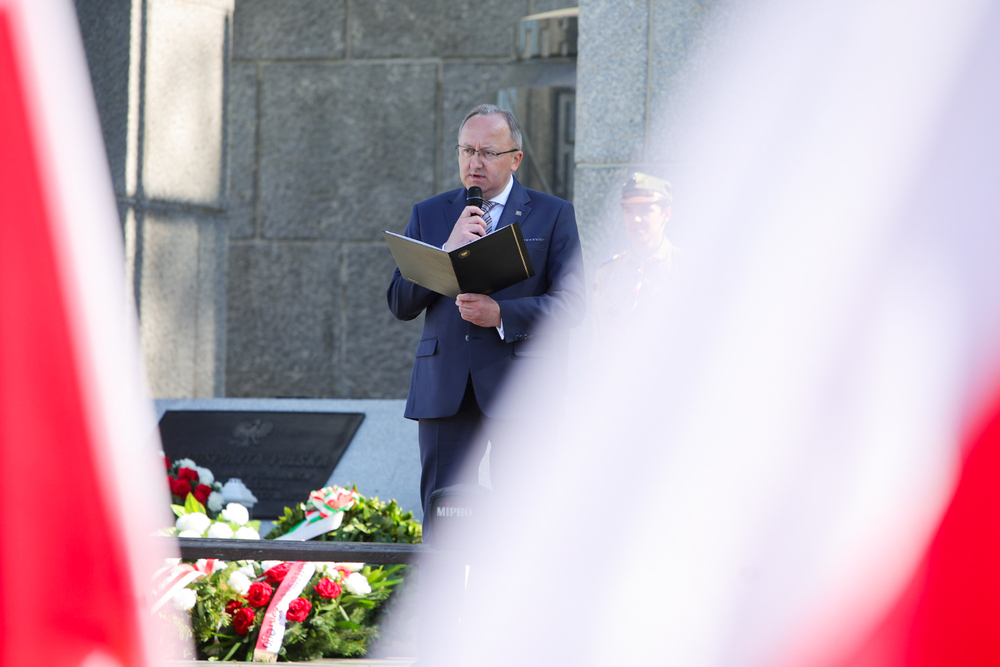
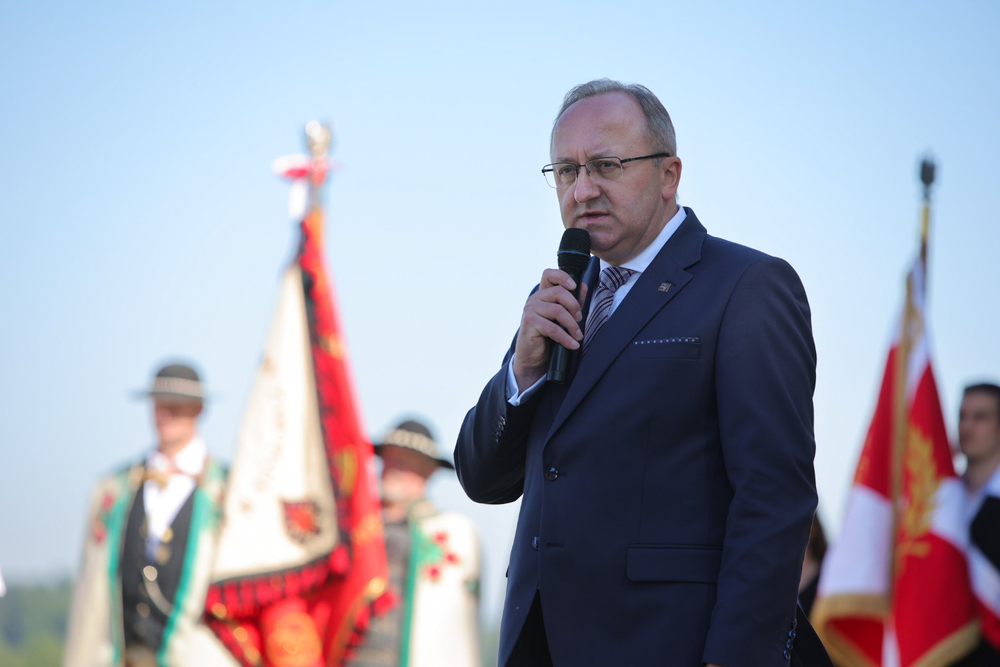
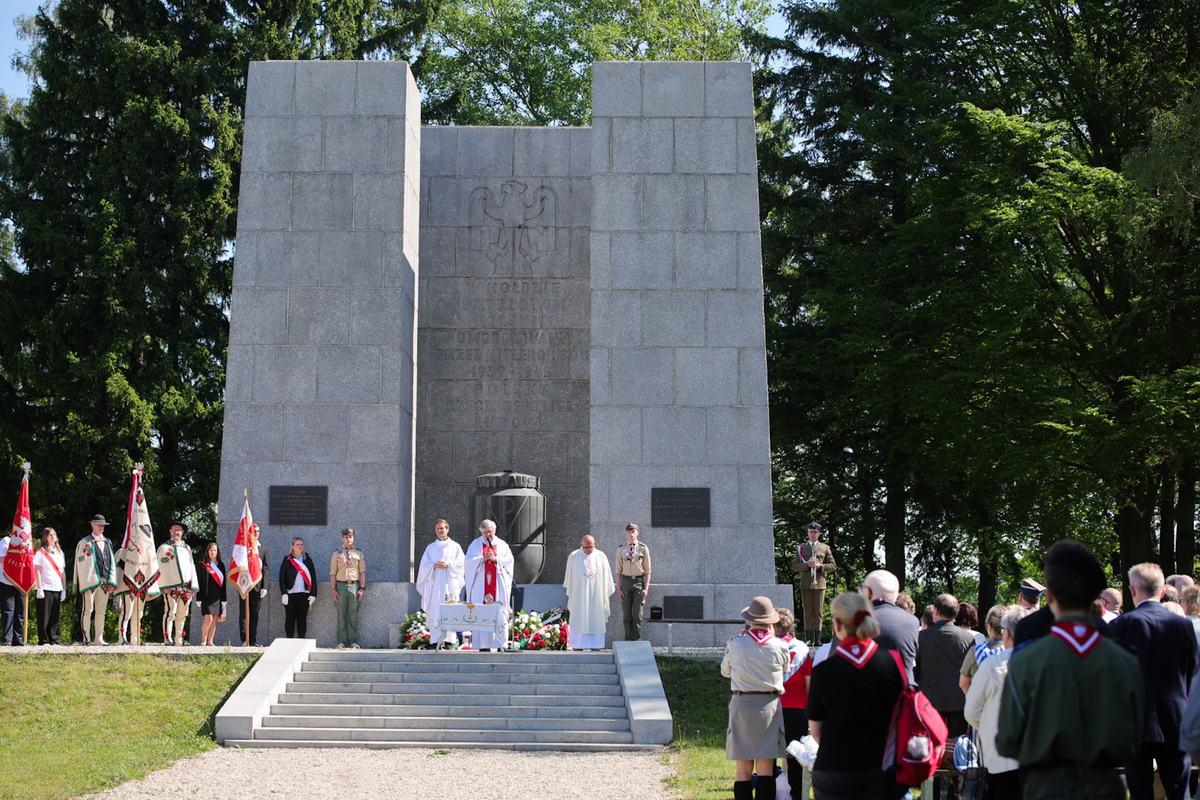
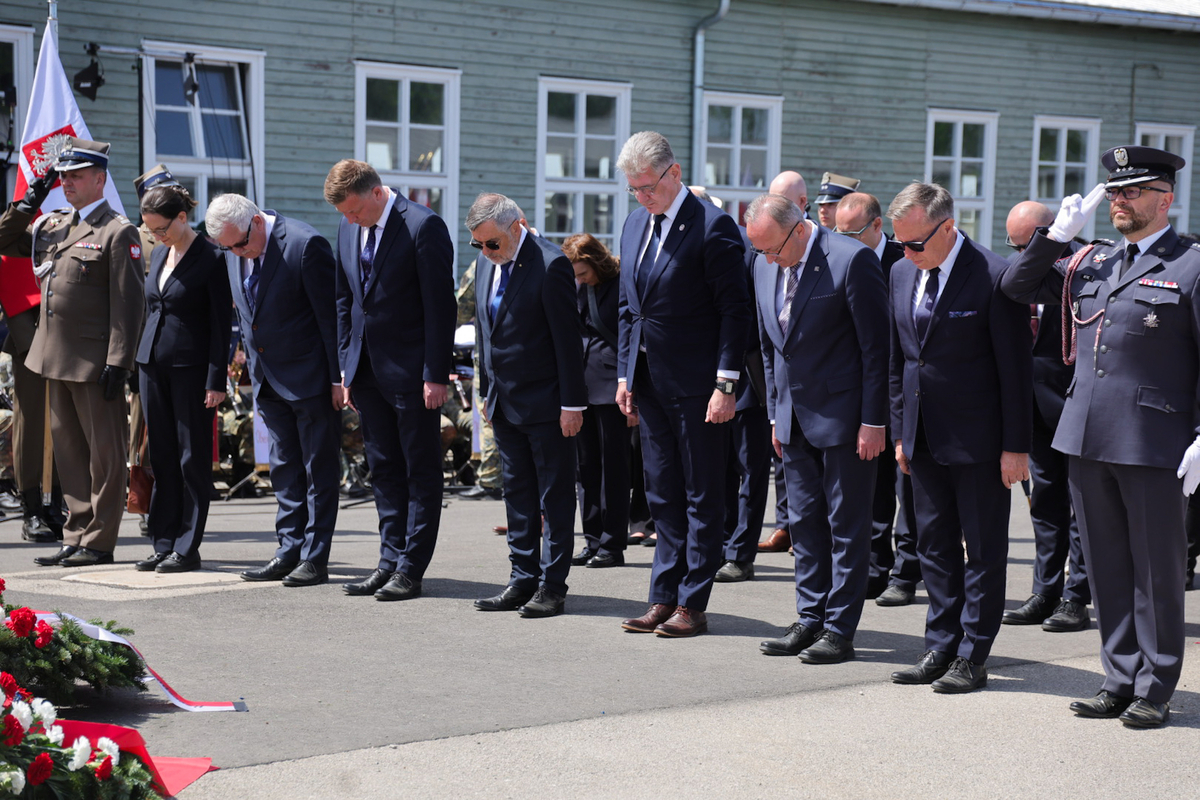
A ceremony was held at the Polish memorial in the presence of representatives of state authorities, the Institute of National Remembrance, and the Office for War Veterans and Victims of Oppression. During his address as part of the ceremony, Dr Karol Polejowski noted:
The granite blocks they carried — also on those “Stairs of Death,” which bear witness to unimaginable cruelty — became for future generations the foundation of national memory. Today, we Poles, build our future on that foundation.
Dr Polejowski’s address was framed around a motif drawn from a poem by Włodzimierz Wnuk — an artist who managed to survive the horrors of Gusen. The poem opens with the words, “We are like living stones,” and concludes with a stanza that inspires hope for enduring remembrance:
“And upon us, as upon a rock,
a splendid structure will rise,
like a bright lightning in the darkness,
like a monument of eternal glory."
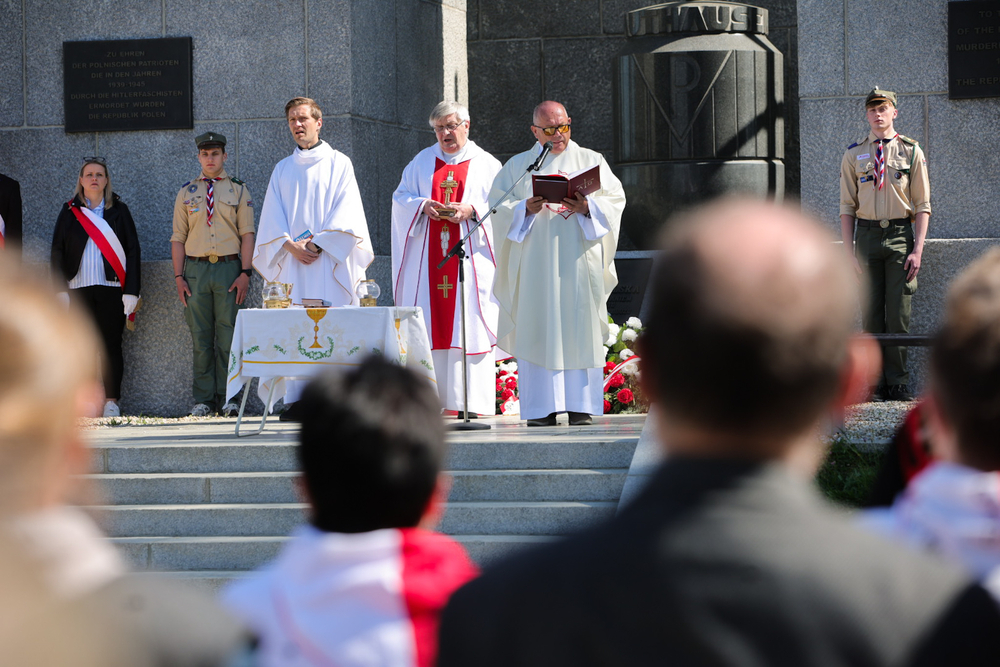
Following the ceremony, a Holy Mass was celebrated in memory of the Poles murdered in German extermination camps.
The central ceremonies were held at the KL Mauthausen Memorial Site. Delegations from numerous countries paid tribute to the victims of the former German concentration camp.
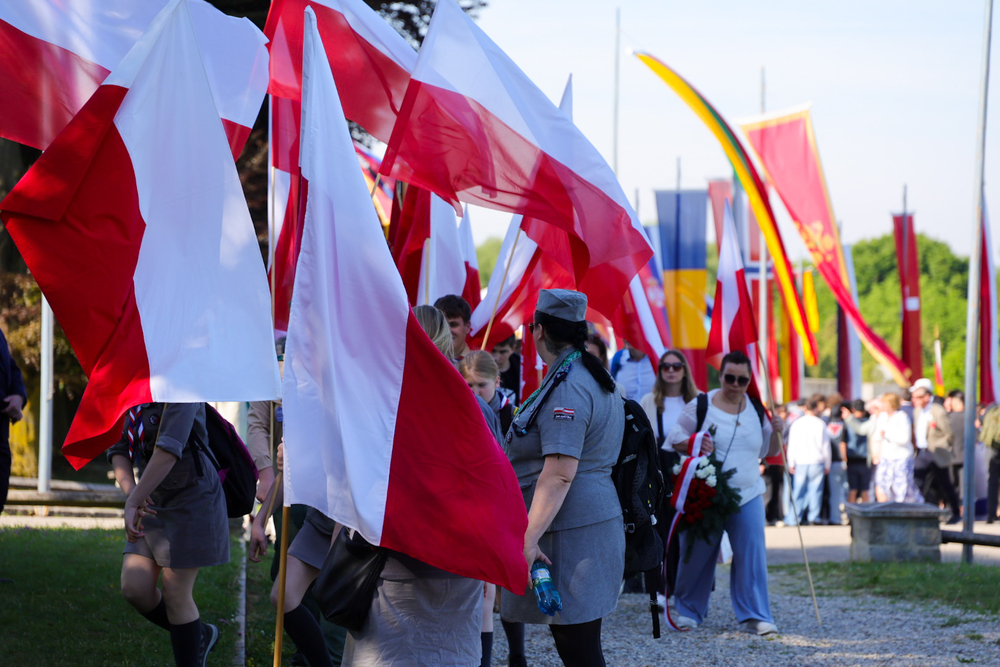
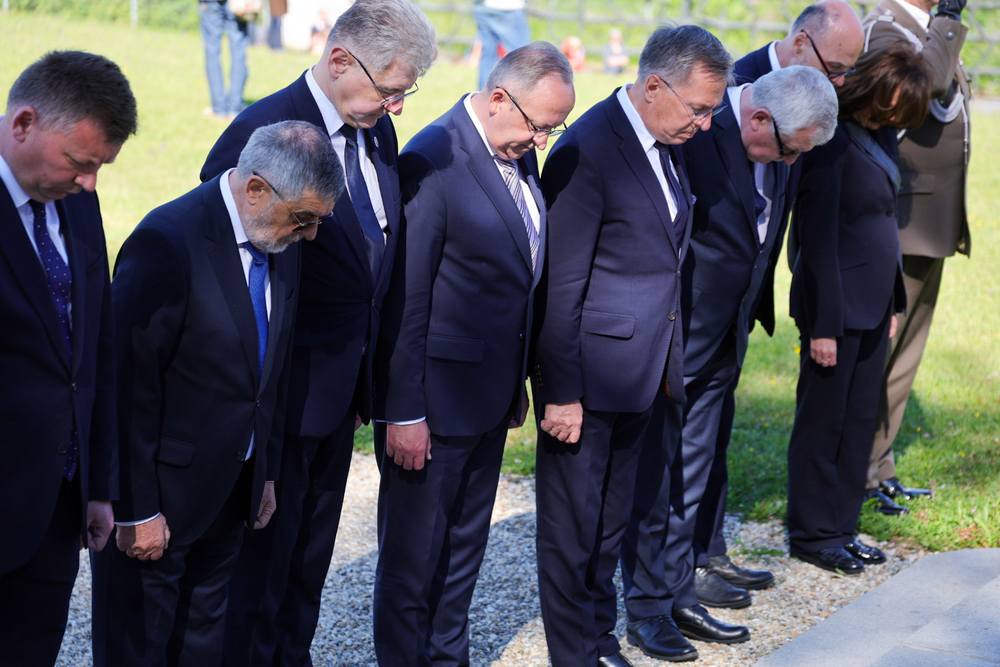
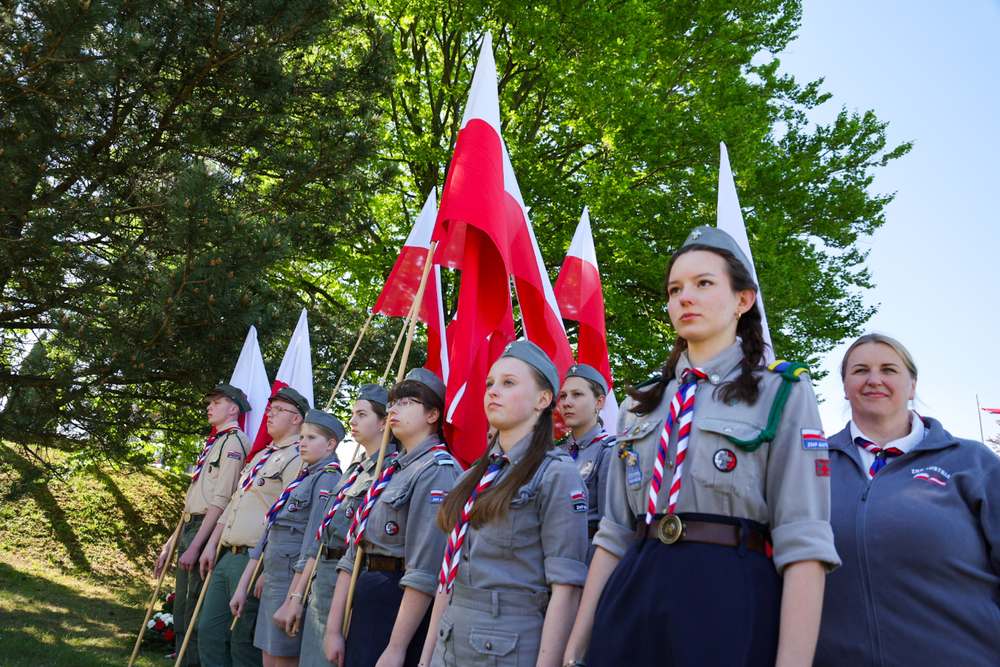
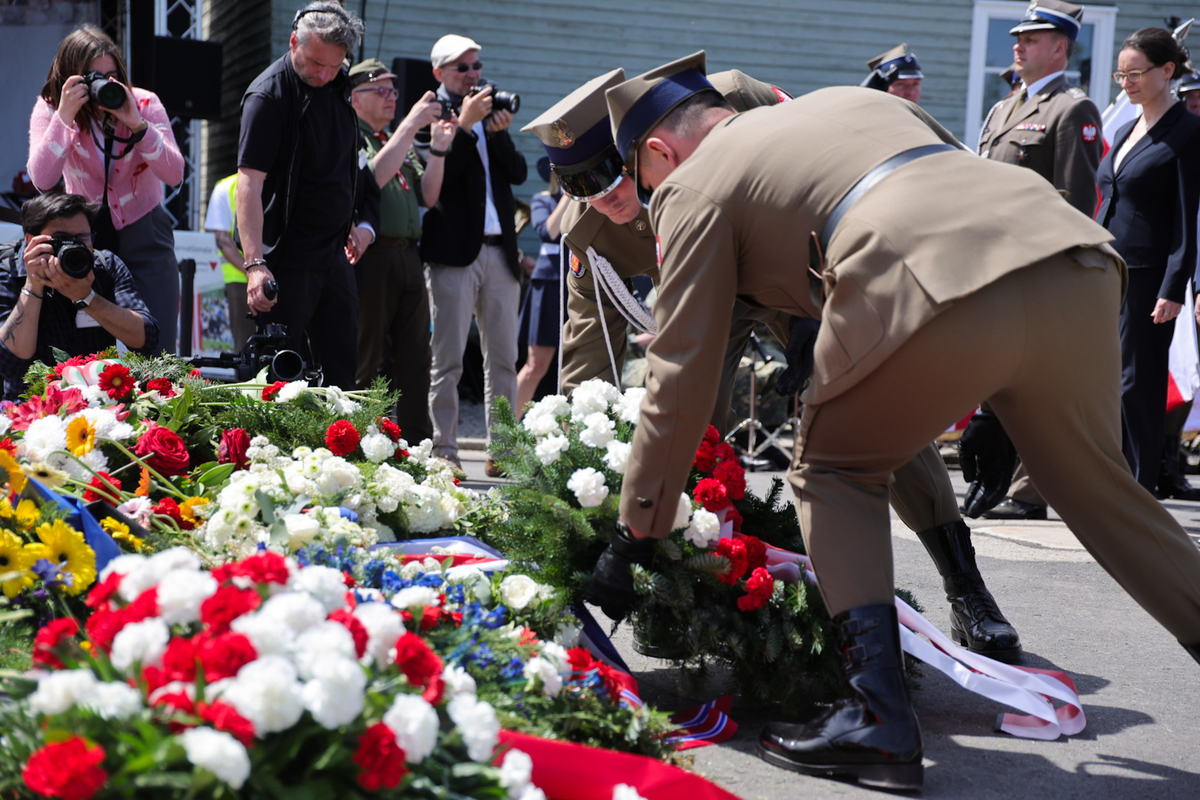
The event was attended by representatives of the families of Polish victims, state and civic delegations, young people, and members of the scouting movement. The Polish delegation, including representatives of the Institute of National Remembrance, laid flowers at the main monument commemorating the victims of KL Mauthausen, located on the grounds of the former camp roll-call square.
The IPN Office of Commemorating the Struggle and Martyrdom carried out restoration and conservation works on the monument dedicated to the Polish victims of German crimes murdered within the Mauthausen concentration camp complex.
KL Mauthausen was established in August 1938, when the first prisoners from KL Dachau were brought to the area surrounding the Wiener Graben quarries. It was precisely the proximity of these quarries that led the SS to locate the camp there. Together with KL Gusen, Mauthausen would become one of the harshest sites of extermination for citizens of 28 nationalities, the majority of them Poles. The prisoners’ principal task was the extraction of stone, as the quarry yielded some of the finest granite in Europe.
The regime of brutal forced labour also served a political purpose: the systematic extermination of prisoners. KL Mauthausen and the neighbouring KL Gusen were classified as Category III camps - the harshest category within the Nazi camp system. Deportation there amounted to an unofficial death sentence. An “asocial” political prisoner - the term used by the Germans to describe, among others, many leading representatives of the Polish intelligentsia - was deemed by the SS beyond “rehabilitation” and expected to survive no more than three months. This grim statistic exacted a devastating human toll. From the establishment of the camp until its liberation in May 1945, more than 190,000 people passed through the entire Mauthausen-Gusen camp system, which comprised approximately 100 sub-camps. Of these, around 90,000 died or were murdered. Poles constituted the largest group among the victims.
At the foot of KL Mauthausen lies the town from which the camp derived its name. Since the construction of the camp in 1938, this picturesque location has been associated with the atrocities committed there. In the town square stands a distinctive life-sized sculpture of a doe carved from granite sourced from the nearby quarries. The sculpture is linked to a remarkable story.
The doe was sculpted by Stanisław Krzekotowski (1921–1996), a Polish prisoner of German concentration camps located in Germany and present-day Austria. A gifted artist and master stonemason from Poznań, Krzekotowski was arrested by the German occupation authorities on 20 April 1940 and imprisoned in the Fort VII concentration camp in Poznań, in occupied Poland (KL Posen). From Poznań he was transferred to KL Dachau in Germany and subsequently to the concentration camps of Mauthausen and Gusen in Austria, where he was subjected to slave labour in the local quarries.