
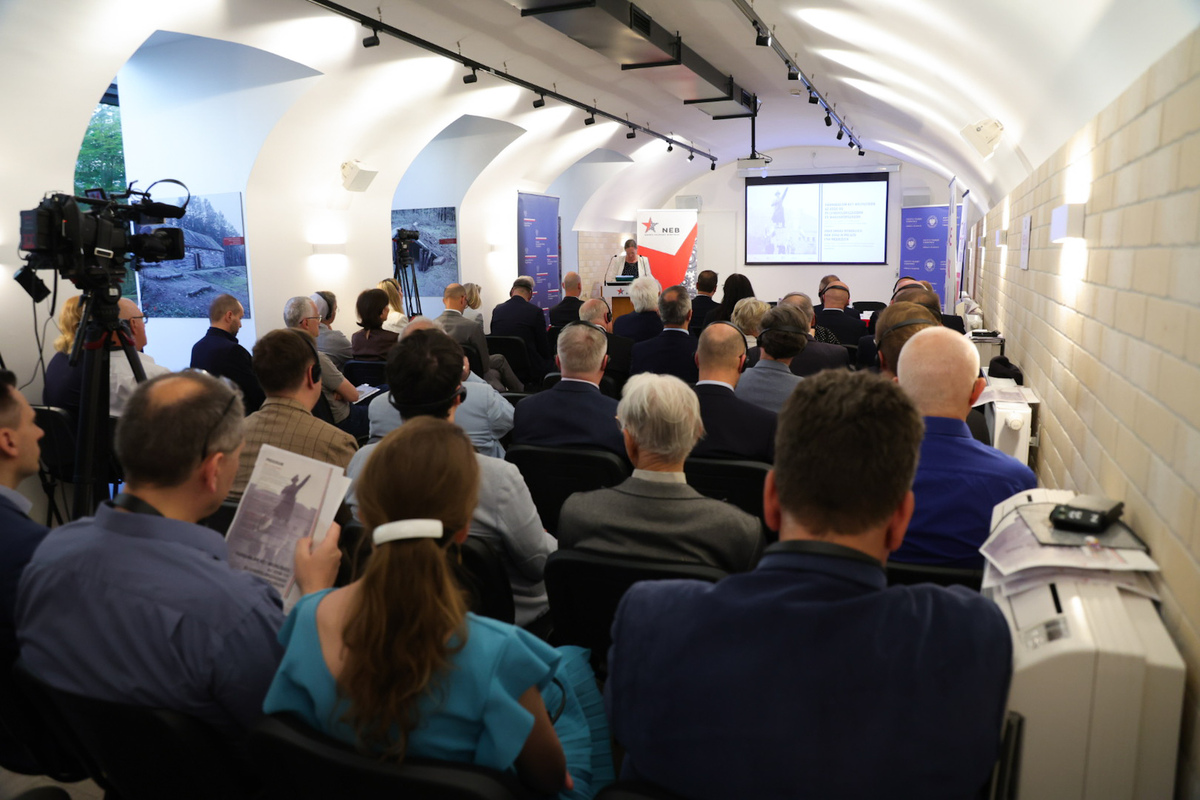
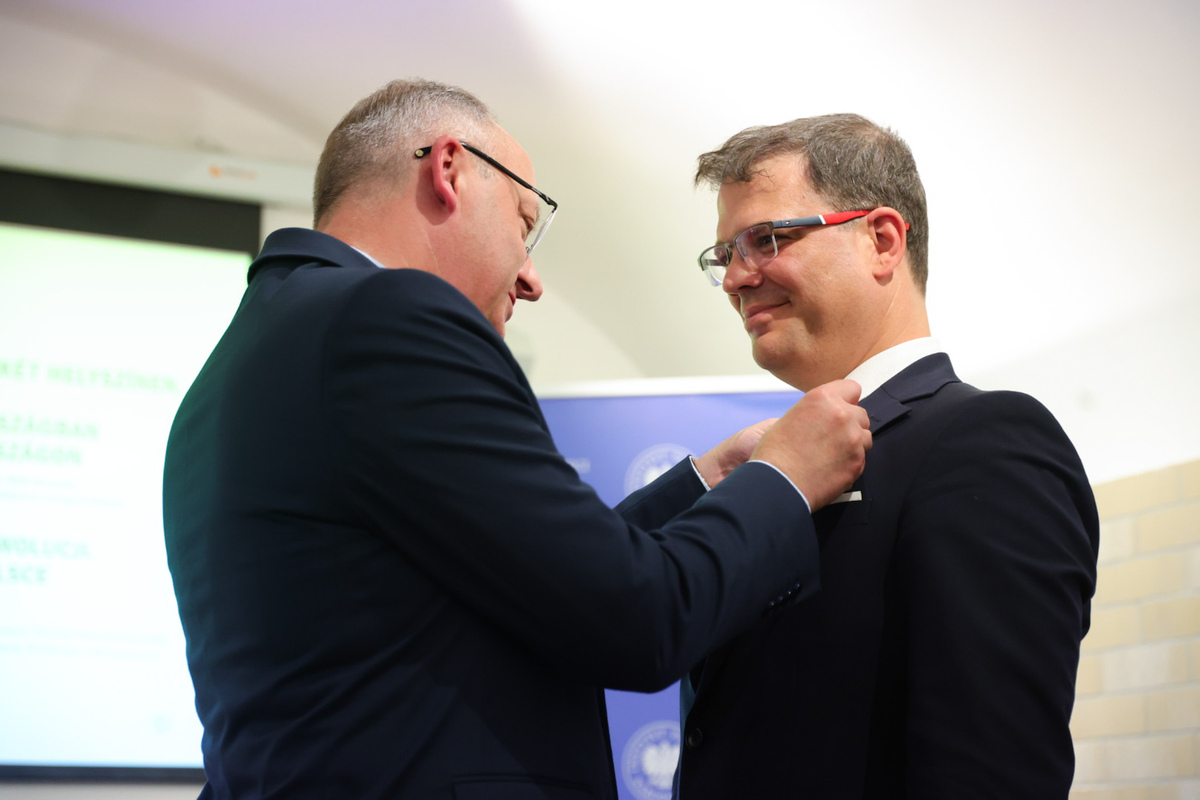
On 28–29 May 2026, Budapest was hosting the international conference “Two Paths of Revolution. The Year 1956 in Poland and Hungary,” with the participation of the Deputy President of the IPN, Karol Polejowski.
The conference presented the events of 1956 in a broad historical and comparative perspective, focusing on the Poznań revolt in Poland and the Hungarian Revolution in Budapest. Both uprisings were examined as defining moments of resistance against communist rule and Soviet domination in Central and Eastern Europe.
In both Poland and Hungary, the year 1956 was shaped by growing social unrest, economic hardship, political repression, and demands for greater national sovereignty. Workers and students played a crucial role in both movements, calling for political reform, civil liberties, and an end to Stalinist terror. While Poland experienced a period of political transformation during the so-called Polish October of 1956, Hungary’s revolution evolved into an armed national uprising that was brutally crushed by Soviet military intervention in November 1956.
The conference also highlighted the exceptional solidarity between Poles and Hungarians during the revolution, including the humanitarian aid and blood donations sent from Poland to Hungary after the outbreak of fighting in Budapest.
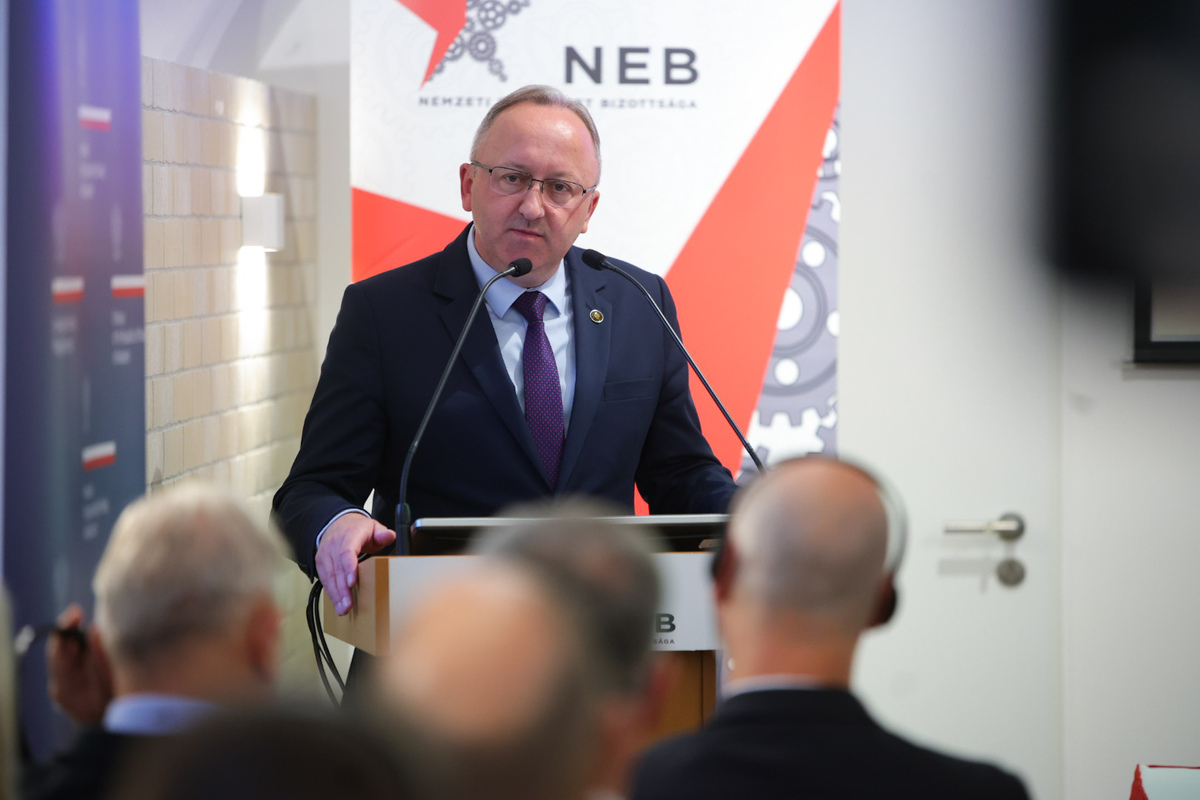
During the opening ceremony, Karol Polejowski stressed the importance of remembering those who sacrificed their lives in the struggle for freedom: Very often, people emphasise the centuries-old cordial relations between Poles and Hungarians. But despite the fact that these ties date back to the Middle Ages, we always return to the 19th and 20th centuries. To the Hungarian struggle for freedom in 1848–49 and the participation of Poles in that fight. To the Hungarian assistance given to Poland during the Bolshevik invasion in 1920. The fact that Hungarian troops stationed on Polish territory during WW2 were not regarded by Poles as occupation forces. On the contrary, Hungarian commanders closely cooperated with the Home Army and the Polish anti-German resistance movement. And of course, to 1956, when this Polish-Hungarian brotherhood reached its fullest and most mature expression.
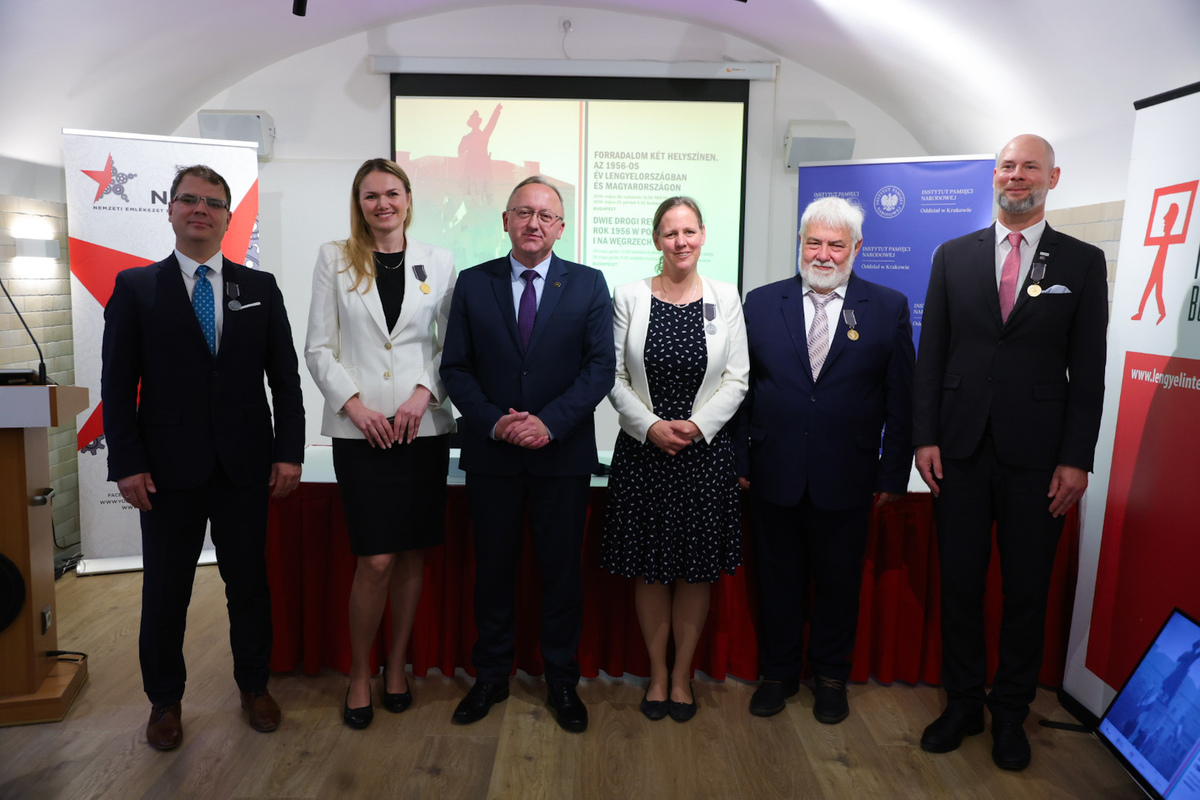
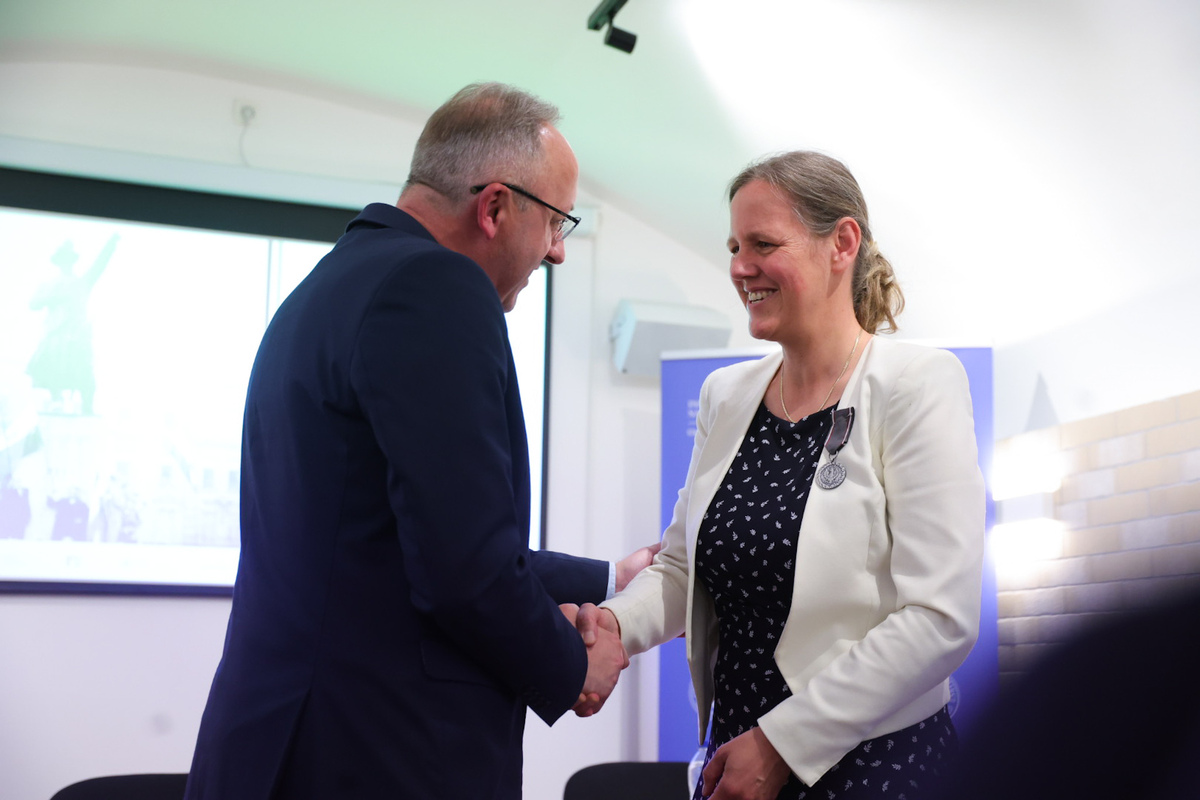
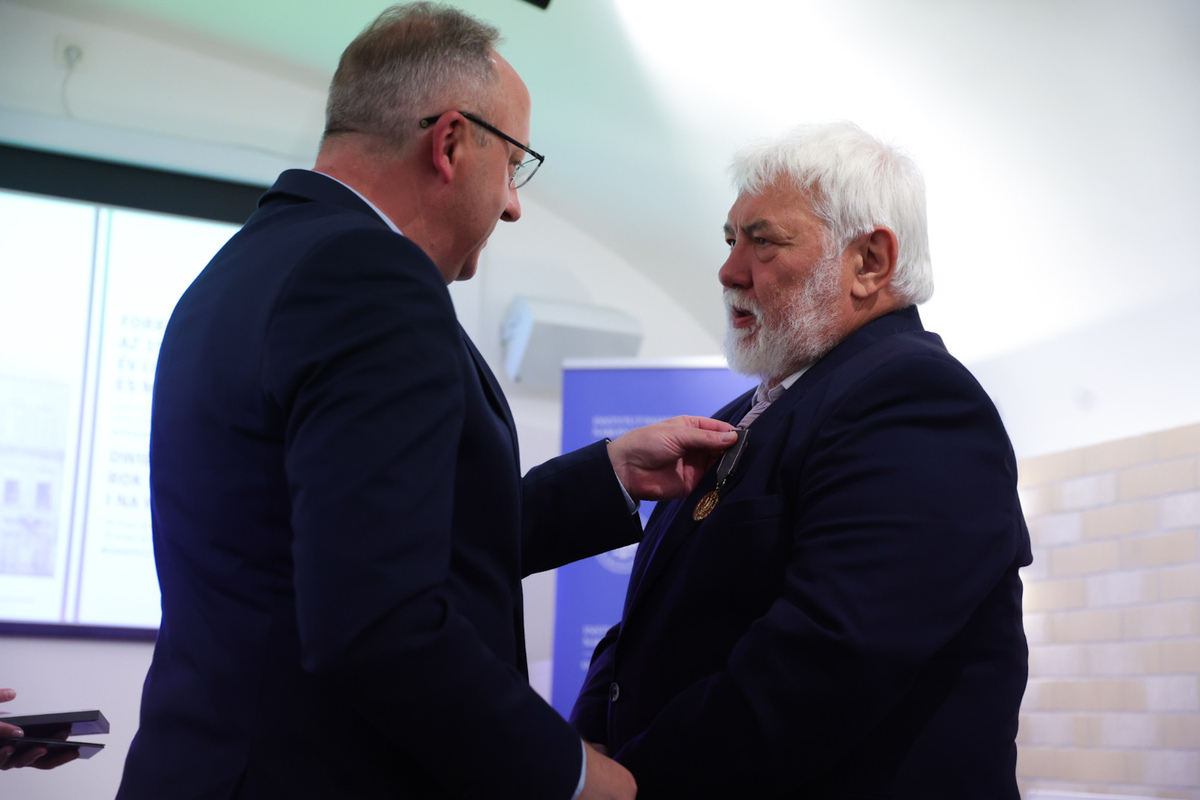
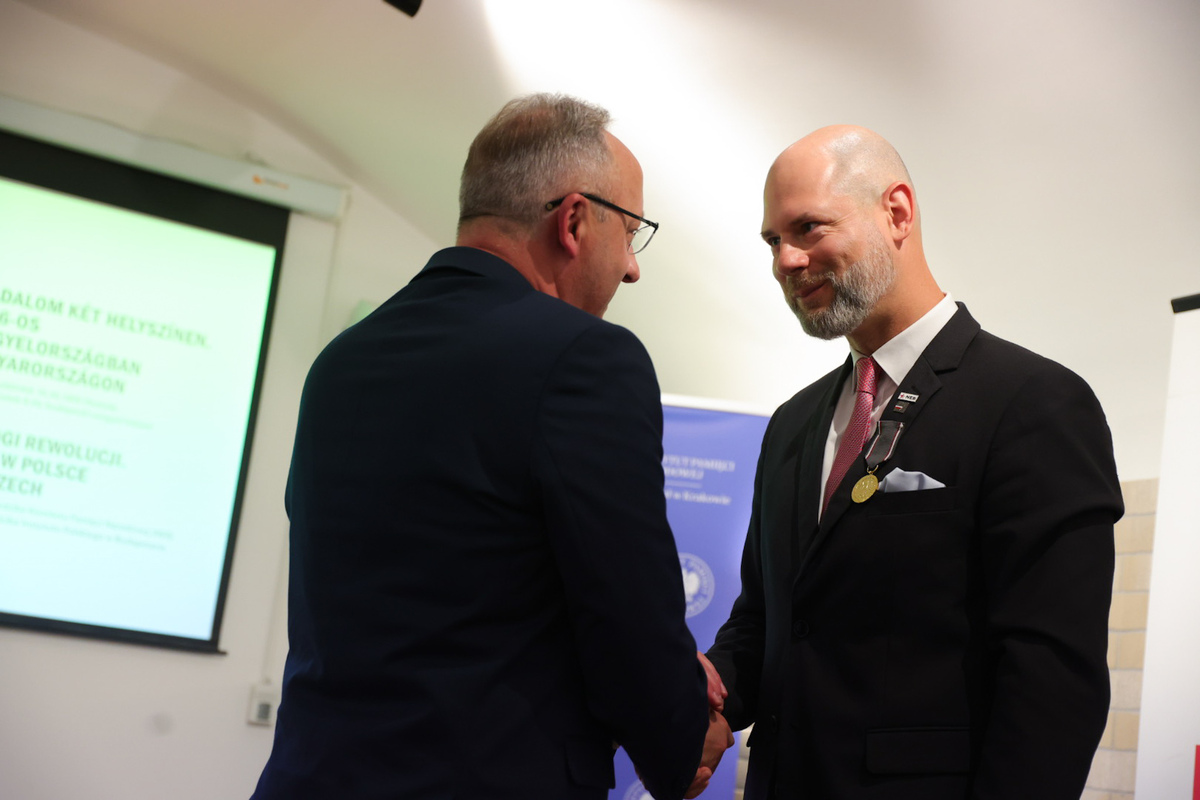
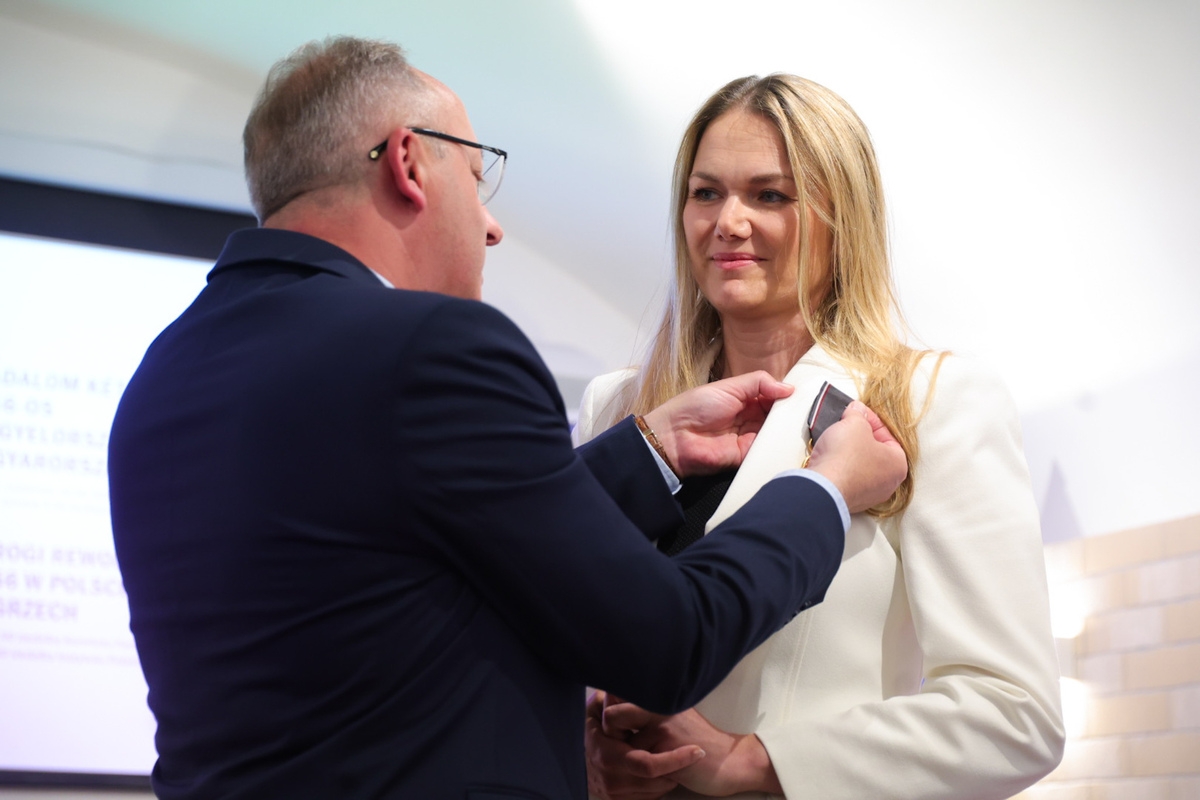
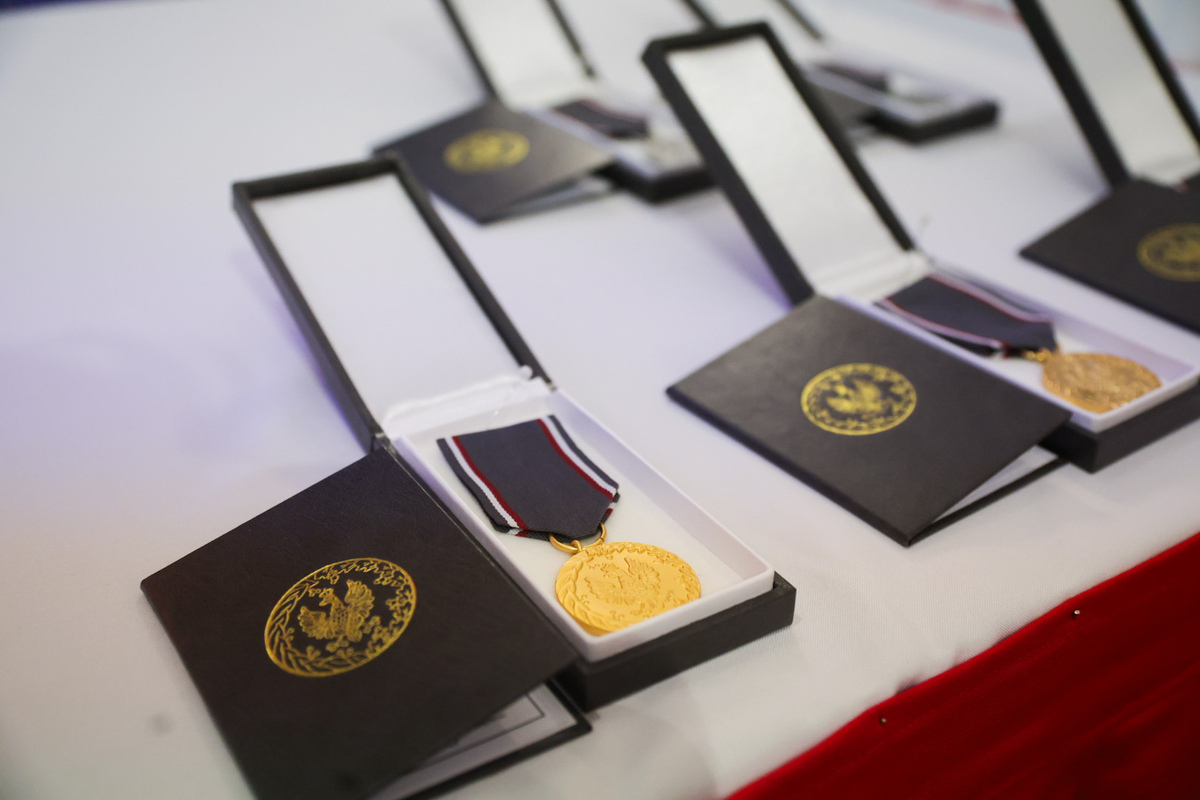
During the event, Reipublicae Memoriae Meritum medals were awarded to: Dominika Teske, Ádám Dergán, Imre Molnár (golden medals) and Réka Földváryné Kiss, Áron Máthé (silver medals). The medals were awarded for outstanding contributions to preserving the history of the Polish nation and supporting the educational and scholarly activities of the IPN.