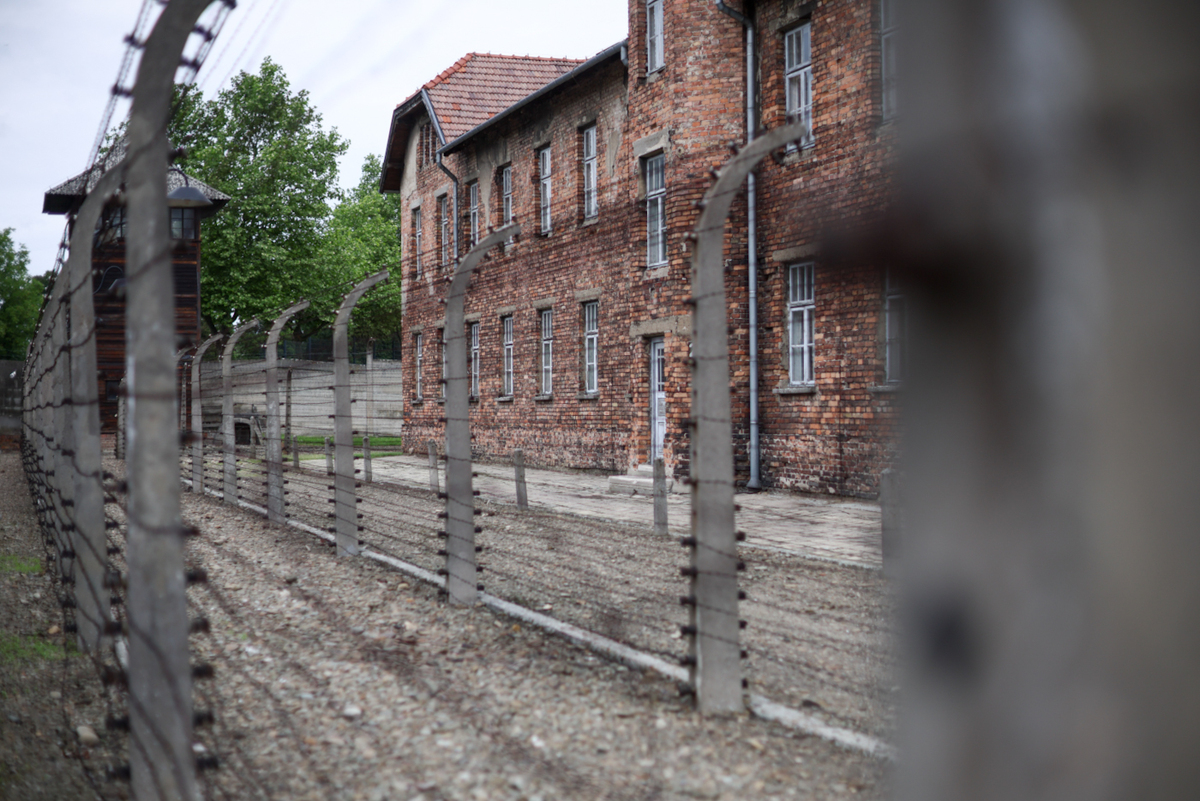
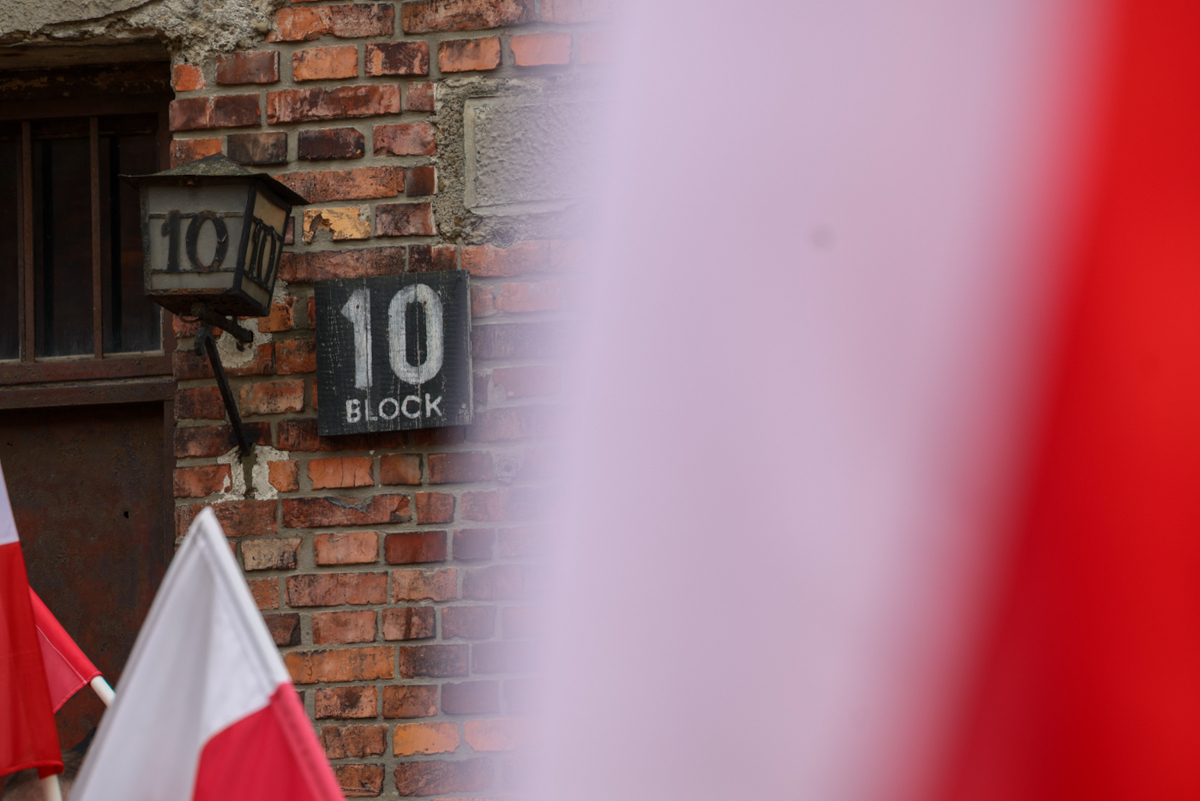
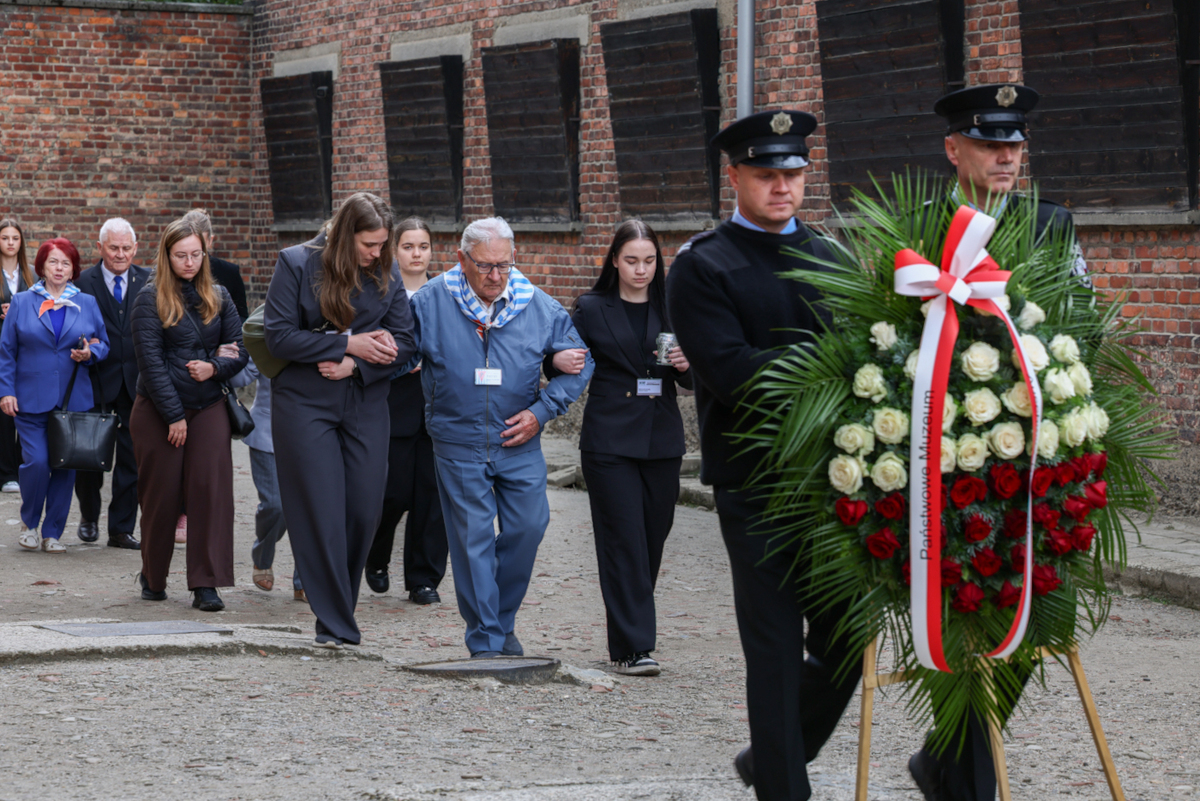
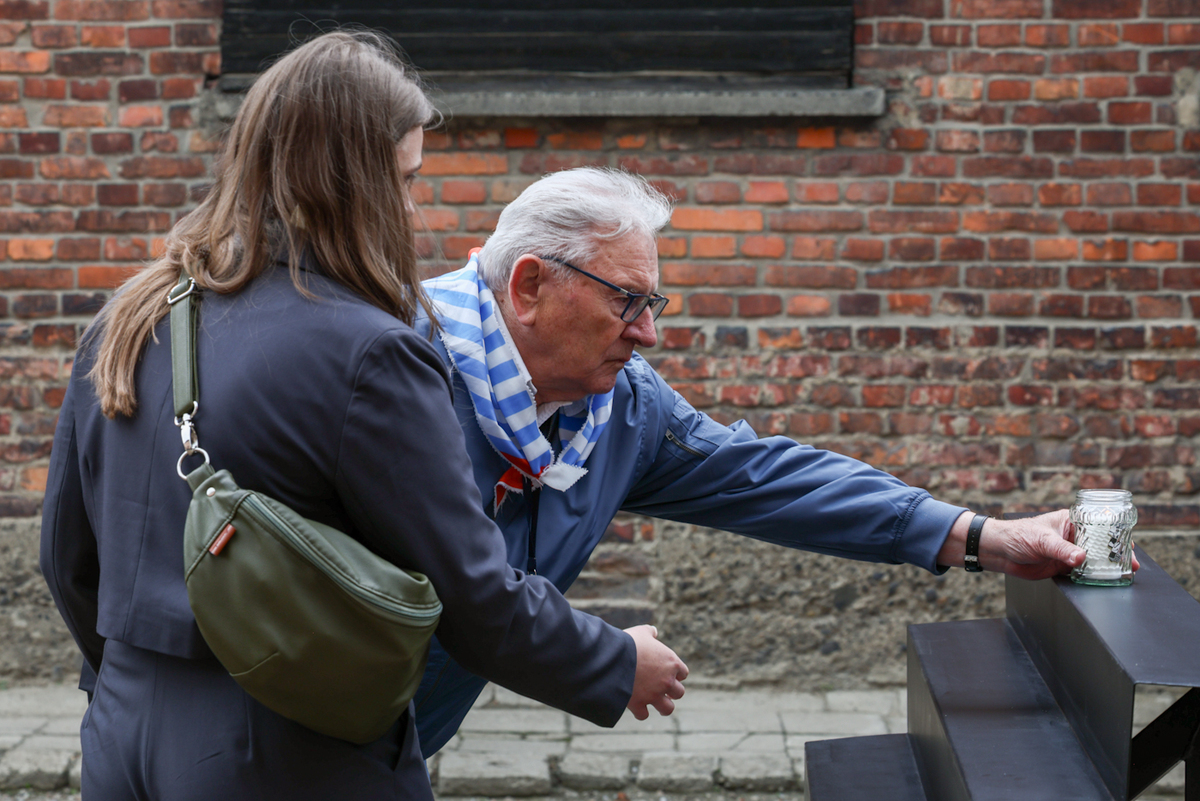
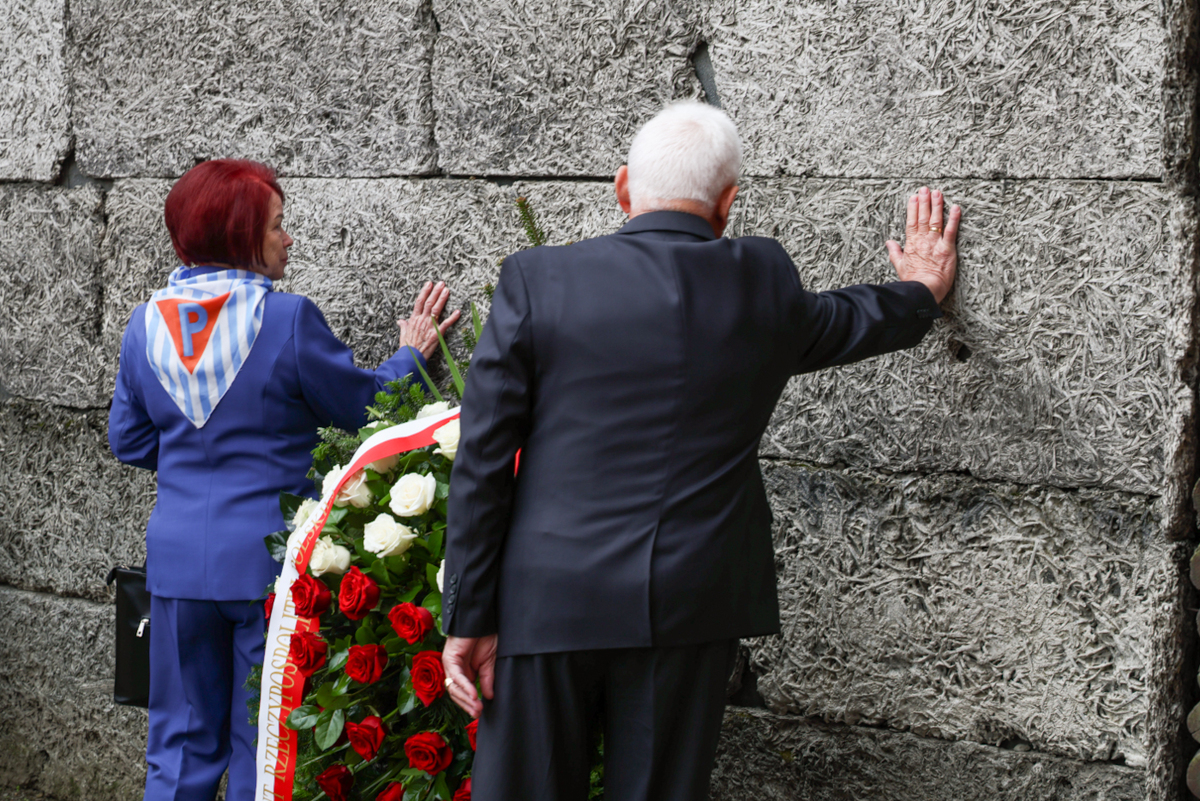
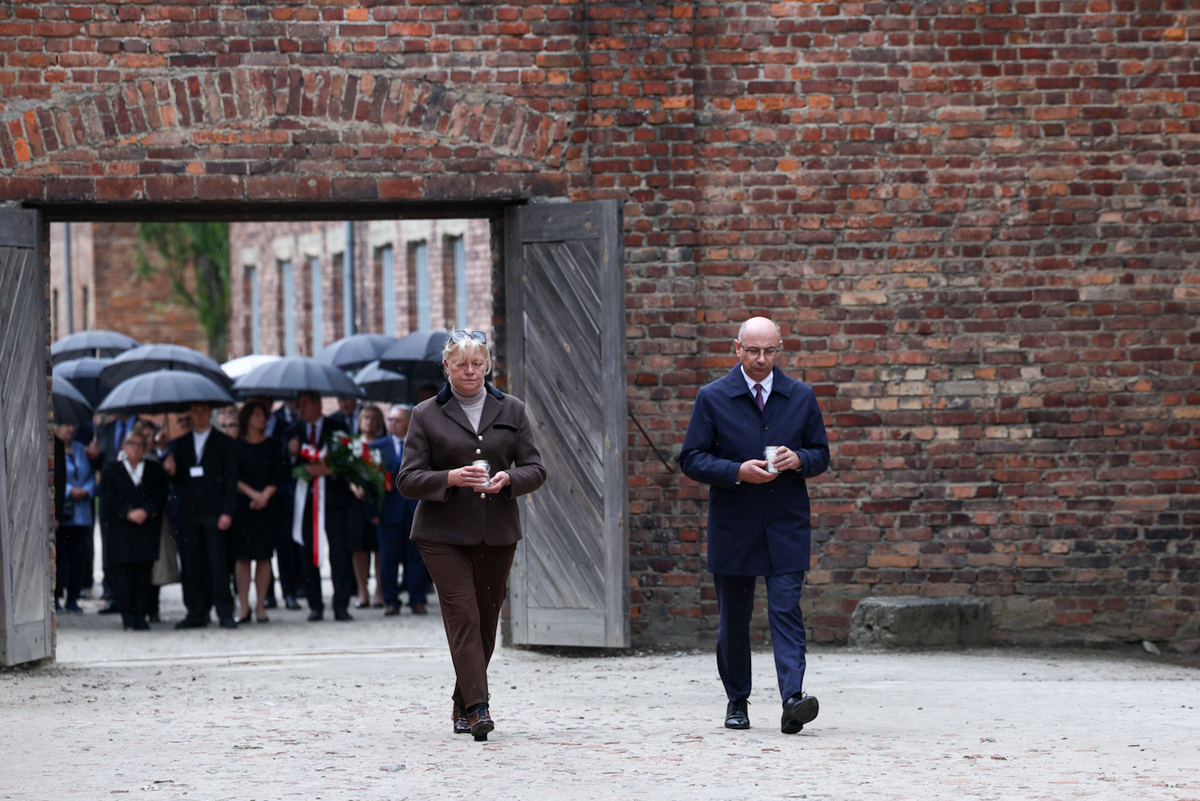
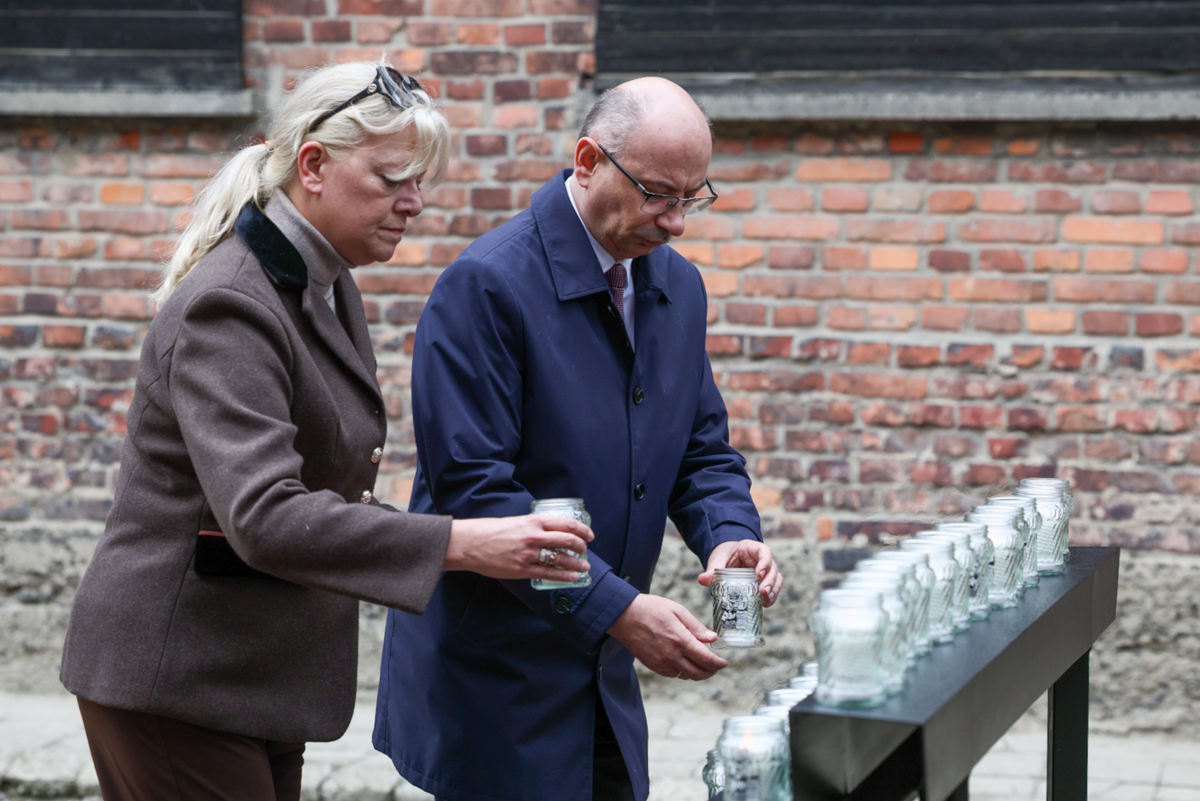
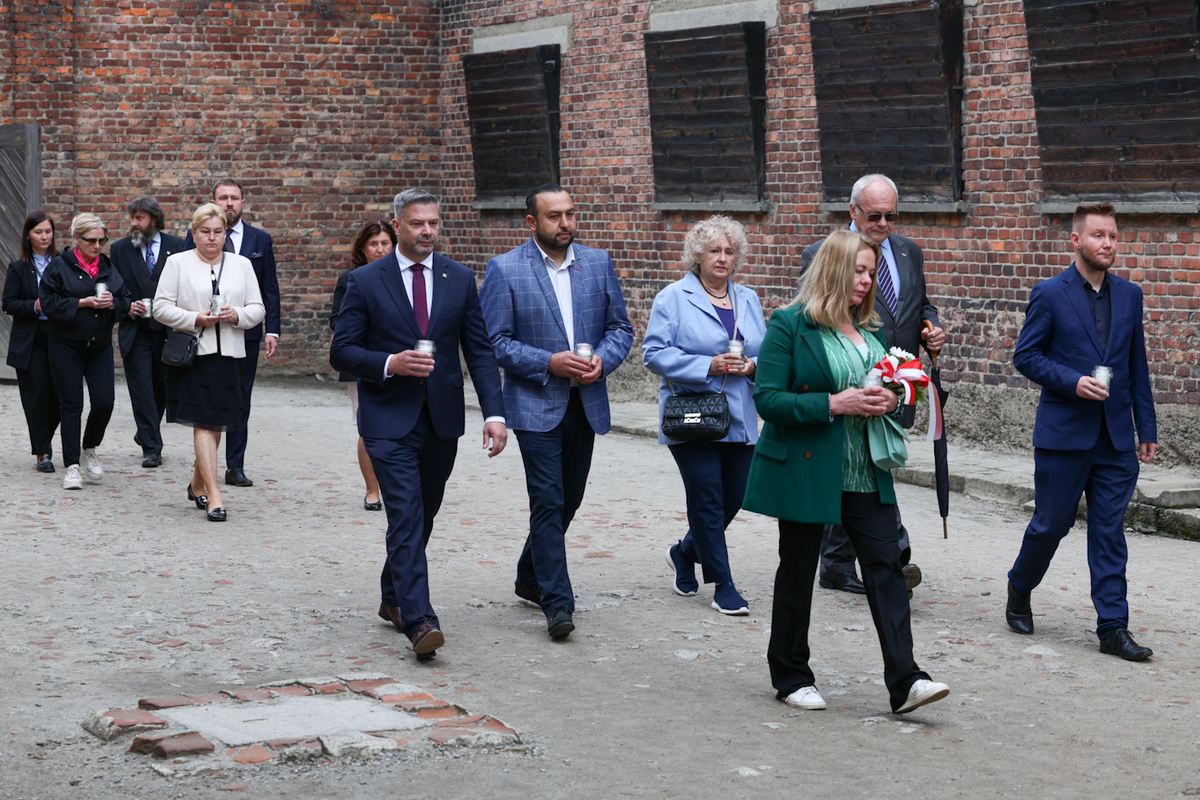
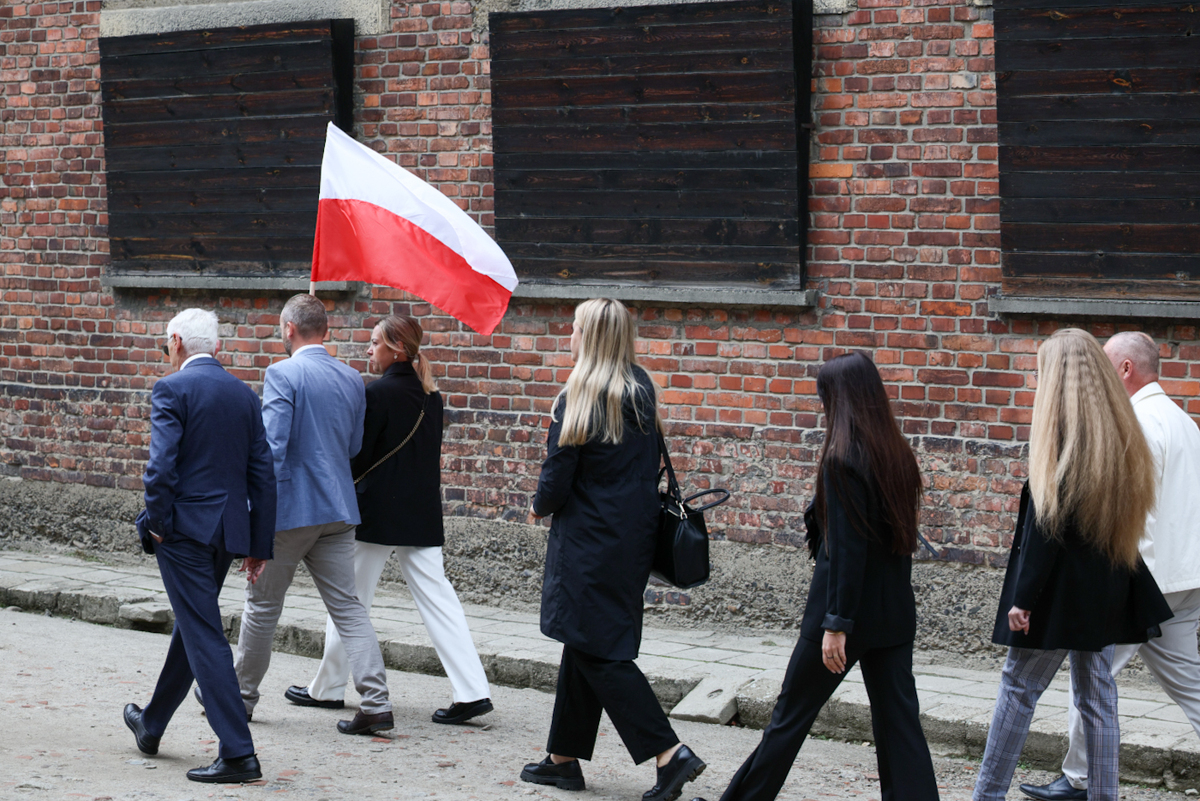
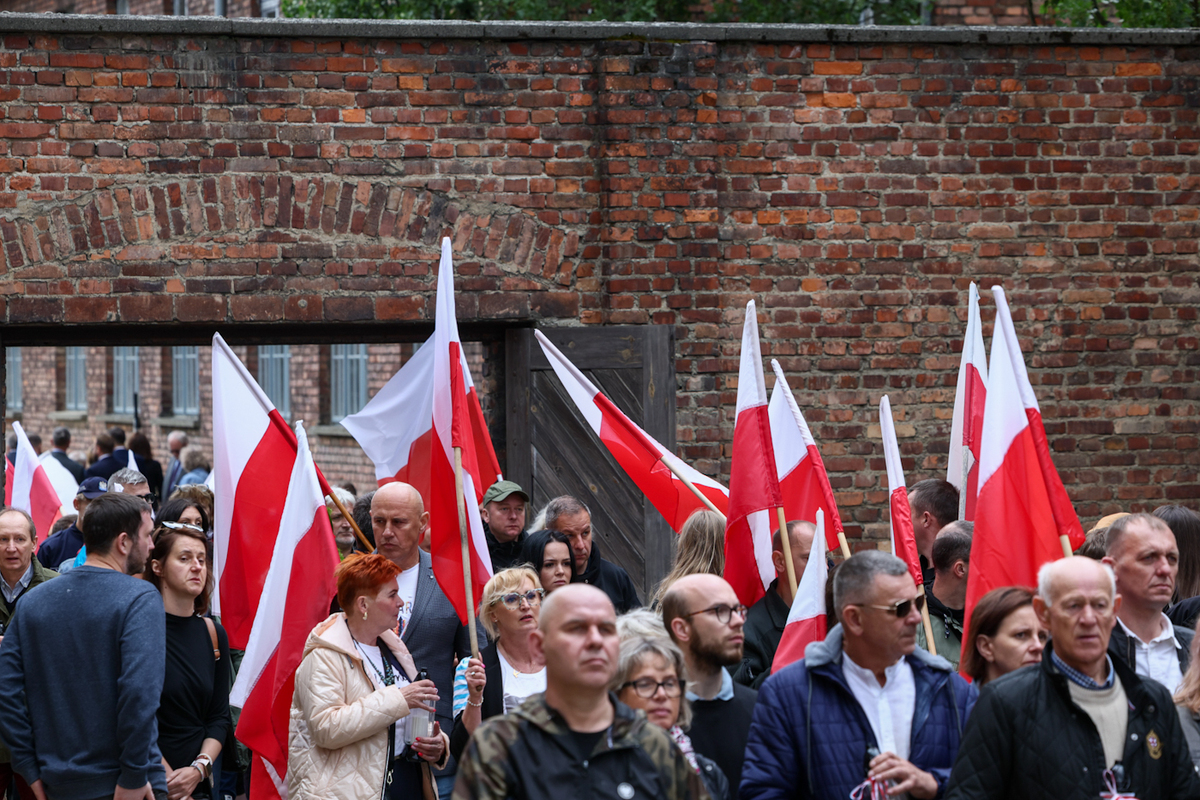
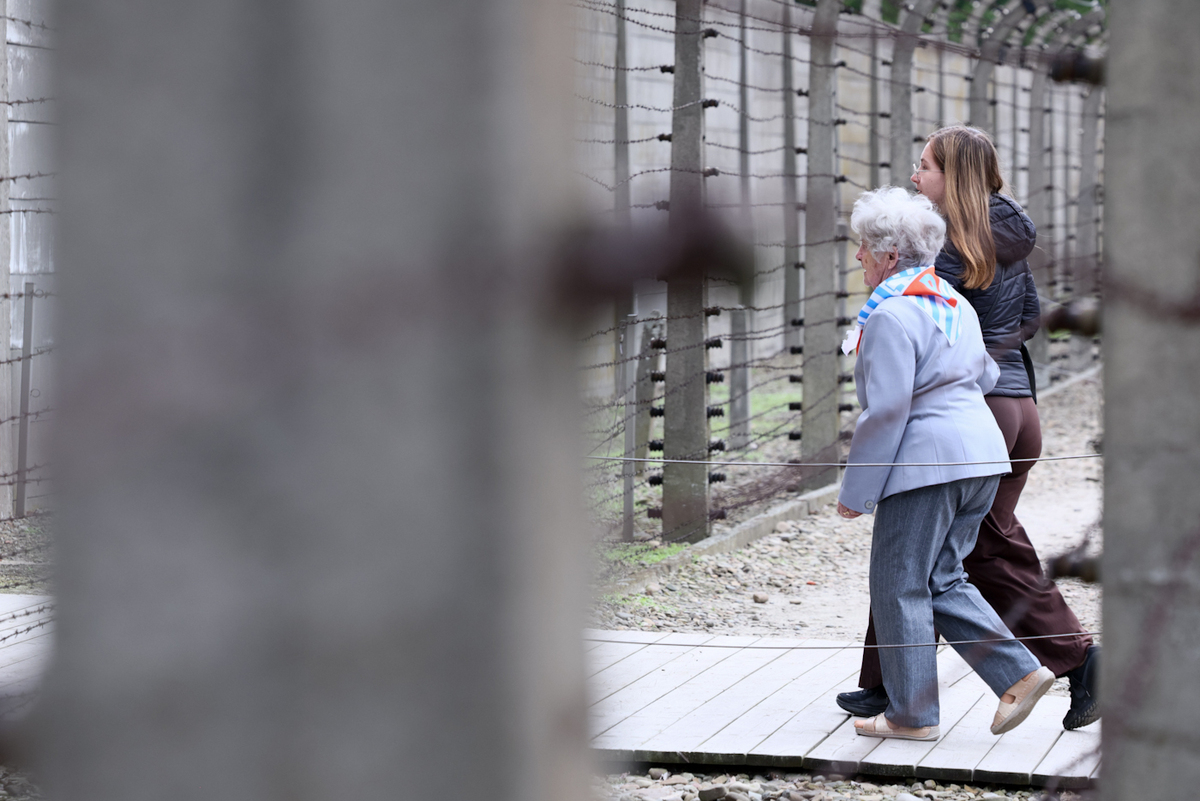
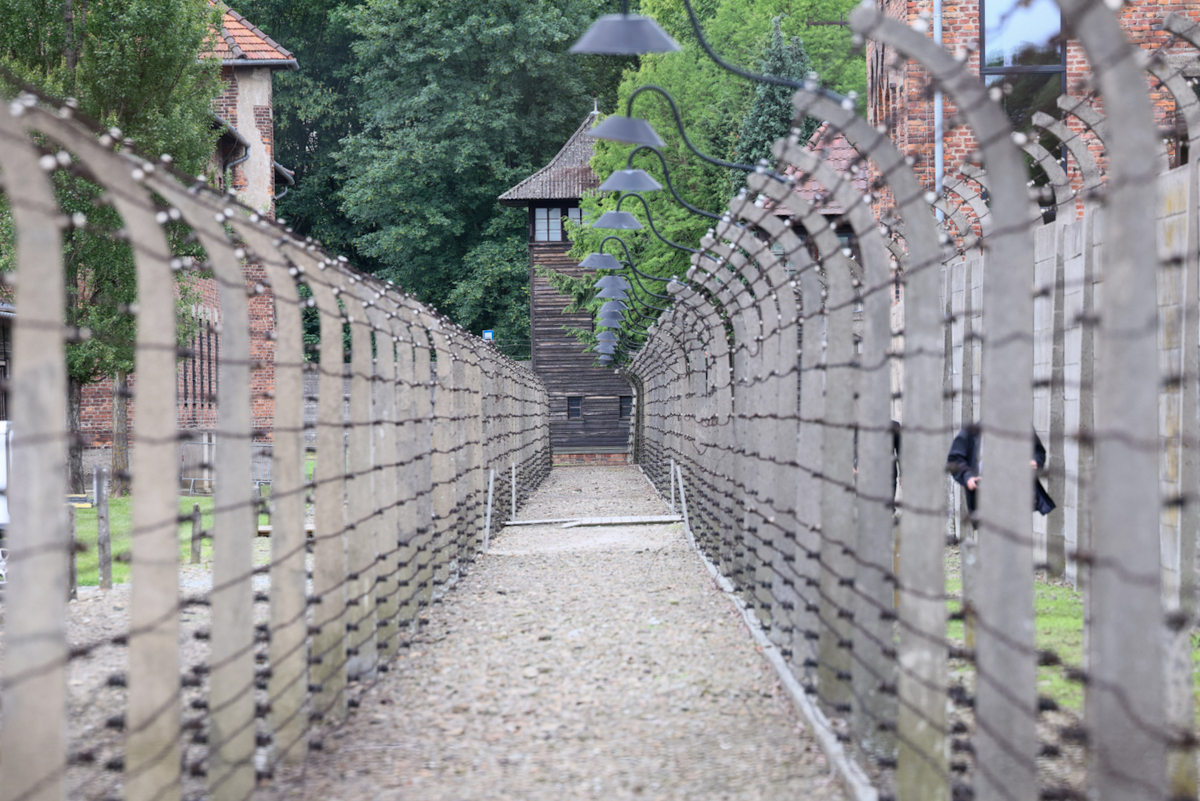
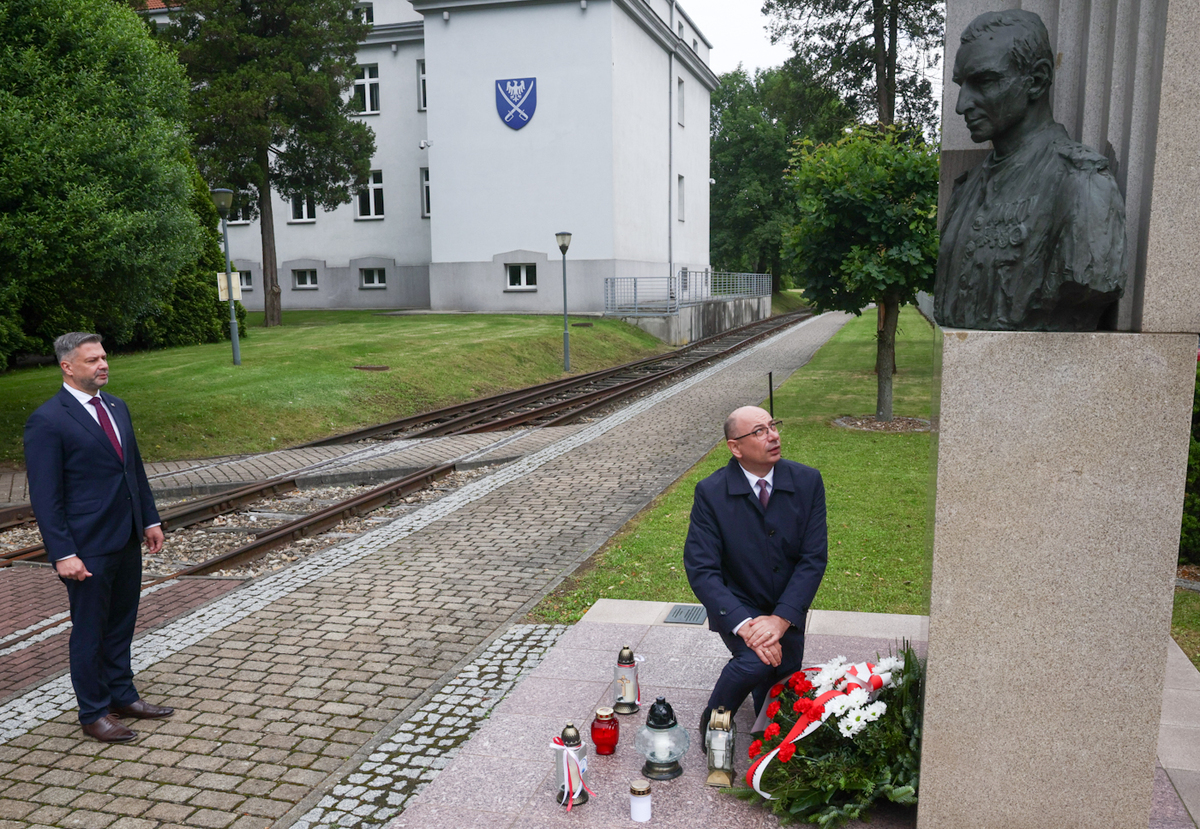
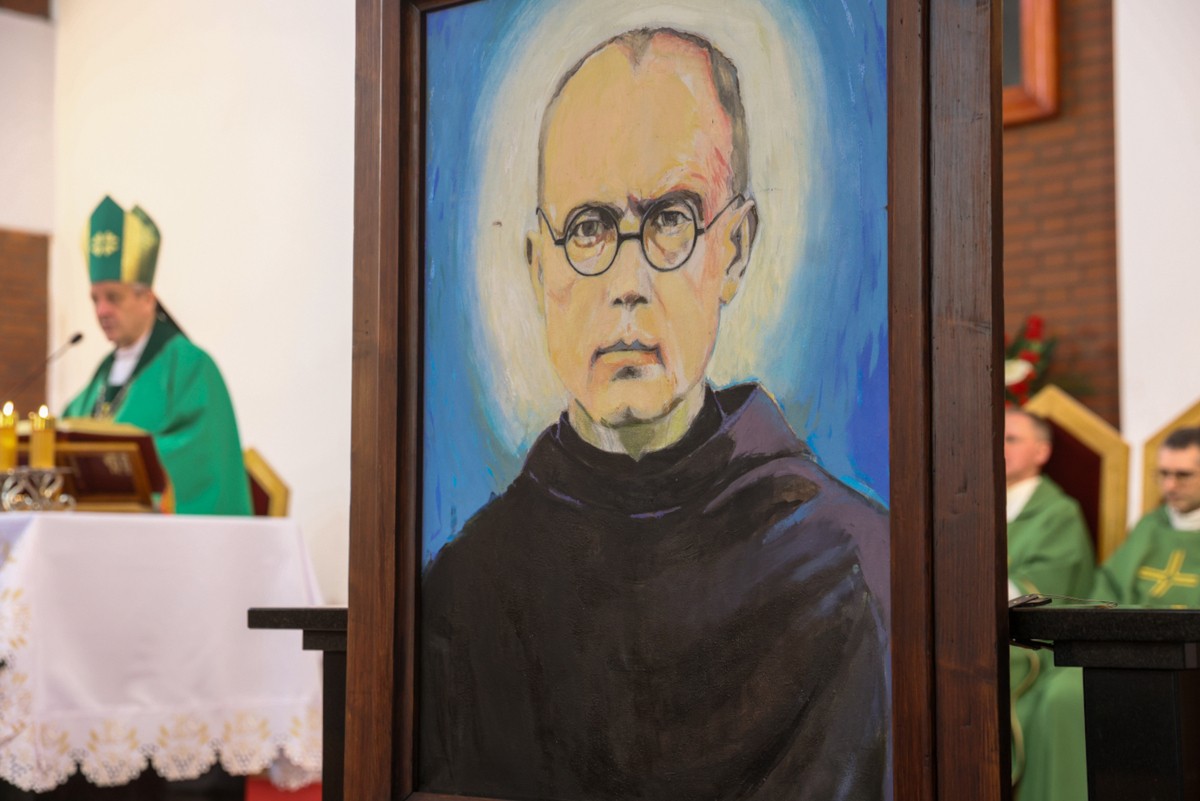
On June 14, 2026, the anniversary of the first mass transport of Poles to the Auschwitz concentration camp, commemorations marking the National Day of Remembrance for Victims of German Nazi Concentration and Extermination Camps took place. The ceremonies honoring the victims of the criminal system of the Third Reich were attended by Dr Mateusz Szpytma, Deputy President of the Institute of National Remembrance, and Dr Filip Musiał, Director of the IPN Branch in Cracow.
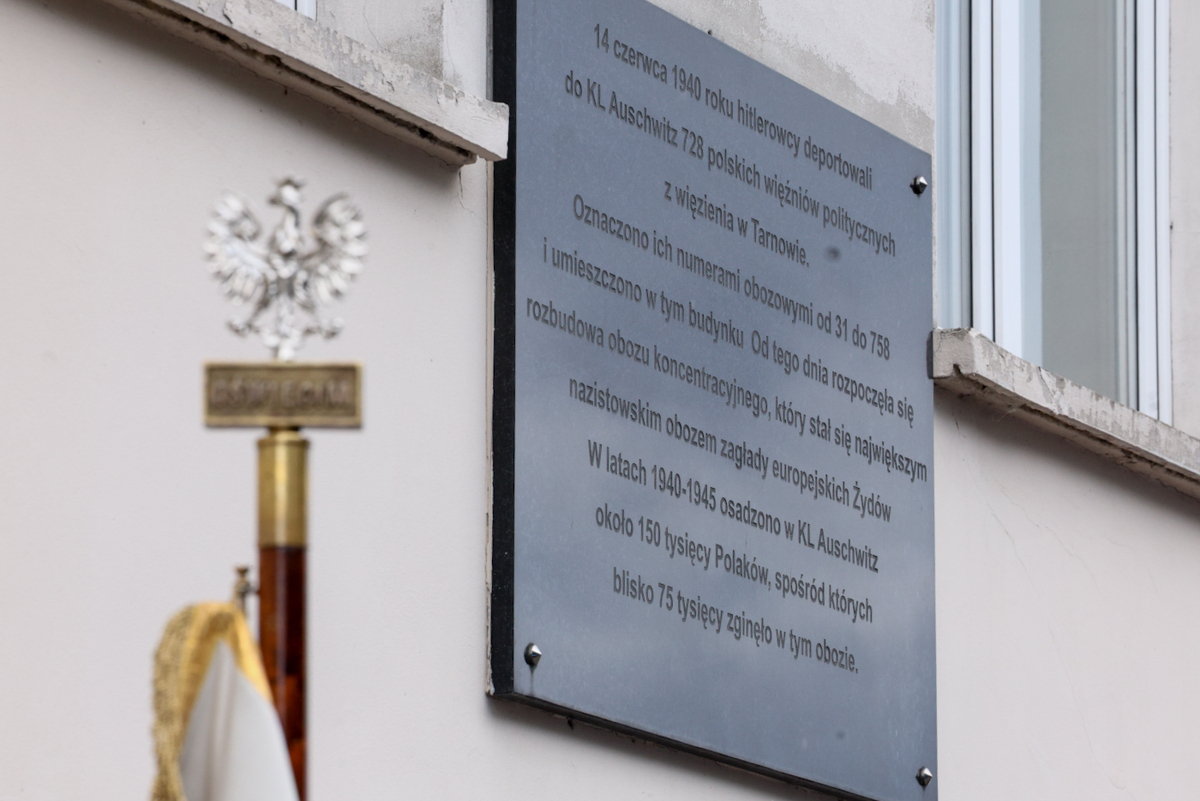
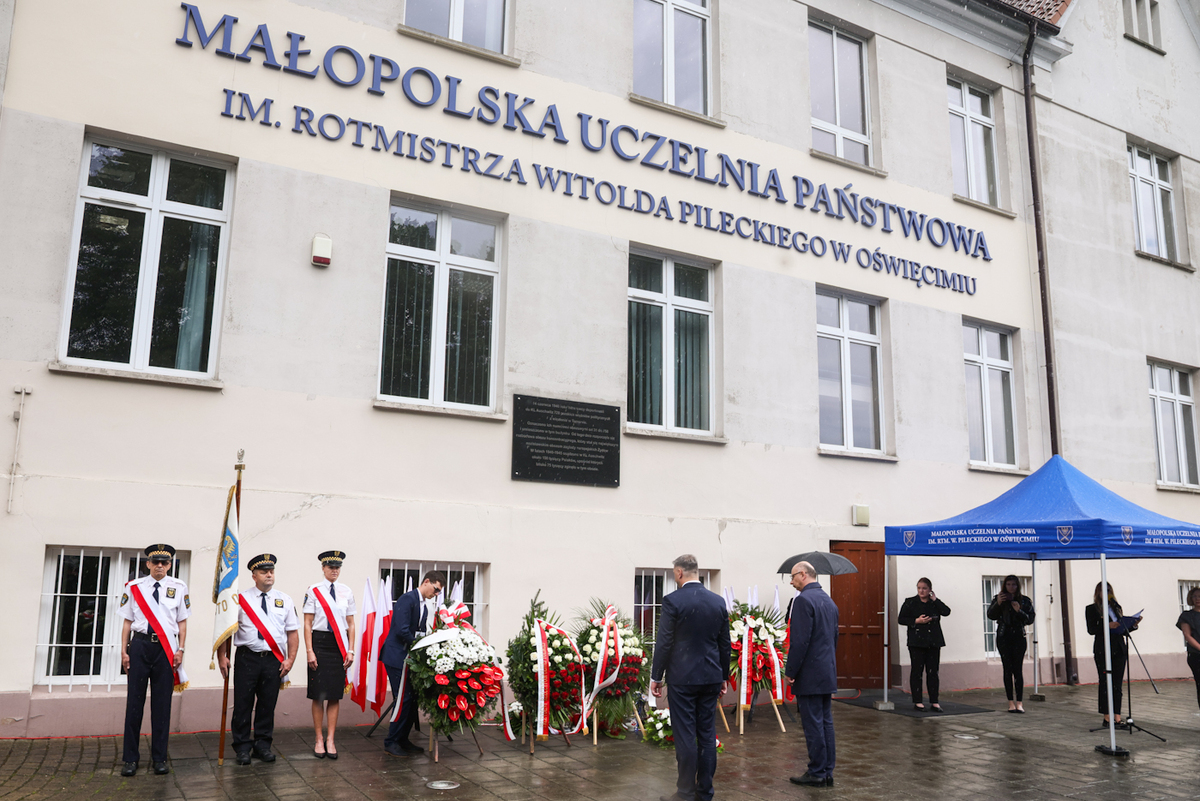
The commemorations began at the Death Wall on the grounds of the former Auschwitz I camp, where tribute was paid to the victims of German terror. The participants then laid flowers beneath a plaque commemorating the deportation of the first Poles to Auschwitz, located at the Małopolska State University in Oświęcim, named after Captain Witold Pilecki.
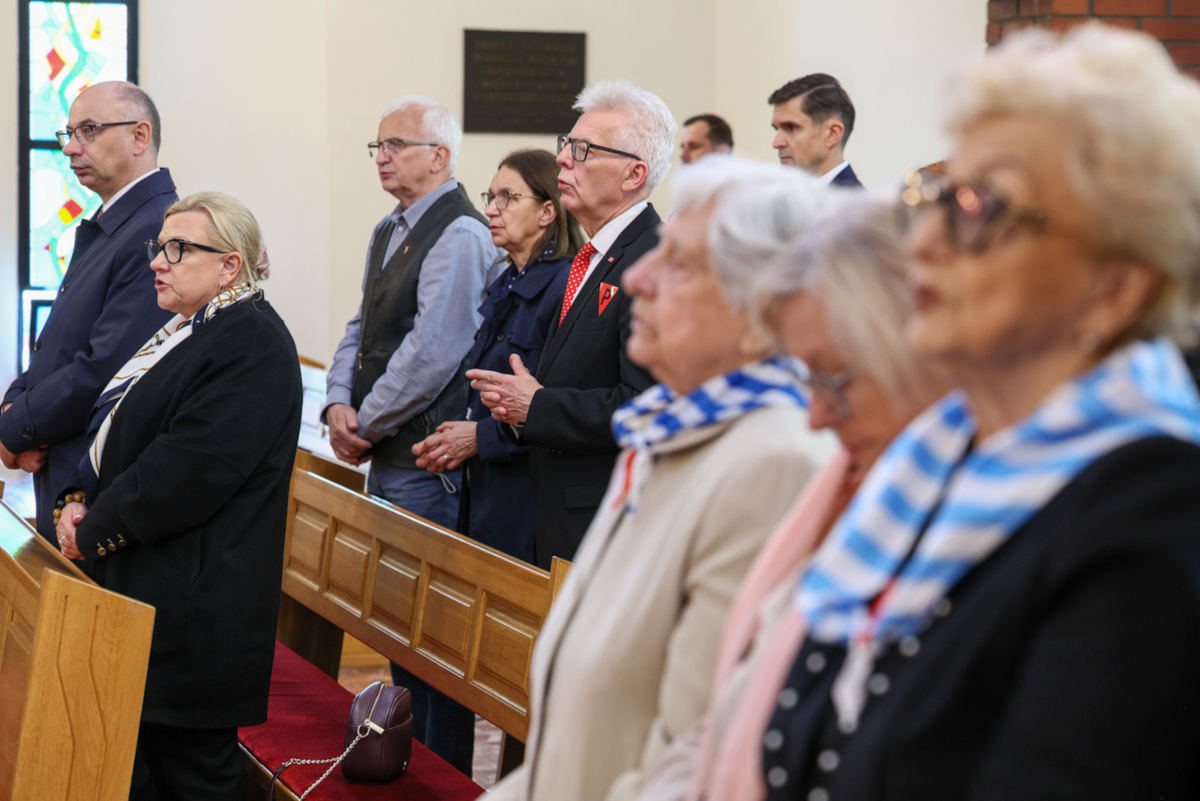
The ceremony concluded with a Holy Mass celebrated at the Franciscan Monastery in Harmęże. After the service, the participants had the opportunity to visit the exhibition “Memory Negatives: Labyrinths” (Klisze Pamięci. Labirynty) by Marian Kołodziej, dedicated to the experiences of prisoners of the German concentration and extermination camp -Auschwitz.
The ceremony was attended by survivors, official delegations of state and local authorities, and members of the clergy.
German Death Factory
On June 14, 1940, the first mass transport of Poles departed to KL Auschwitz. The Germans brought 728 political prisoners from the prison in Tarnów. Poles thus became the first prisoners of the German death camp. Every year on this date, Poland celebrates the National Day of Remembrance for Victims of German Nazi Concentration and Extermination Camps.
June 14, 1940, is regarded as the beginning of the operation of the German extermination camp in Oświęcim. In the first transport of prisoners (who received camp numbers 31 to 758), a large group consisted of people who had attempted to reach the Polish Armed Forces being formed in France. Alongside them were the organizers of escape and transit networks.
Some prisoners had been arrested during the genocidal AB Action (German: Außerordentliche Befriedungsaktion – Extraordinary Pacification Action), carried out by the Germans in the General Government in 1940. This was a continuation of the extermination of Poles that the German occupiers had begun in September 1939 through the Intelligenzaktion on occupied Polish territories.
The transport to KL Auschwitz also included those arrested during street roundups, members of political, underground, and social organizations, state officials, scouts, high-school graduates, and other representatives of the Polish intelligentsia. A small group of Polish Jews was also brought to KL Auschwitz on 14 June 1940.
During roll call, the prisoners heard the following words from the camp’s deputy commandant, SS-Hauptsturmführer Karl Fritzsch:
“You have come here not to a sanatorium, but to a German concentration camp from which there is no other way out than through the chimney. Those who dont like this may throw themselves onto the electrified fence straight away. Jewish prisoners can expect to survive no more than two weeks, priests no longer than a month, and all others no more than three months.”
A total of 239 people from the first transport survived the hell of KL Auschwitz. Some were released after several months, while others remained imprisoned there for more than four years.
More inforation about the first transport to Aschwitz here