
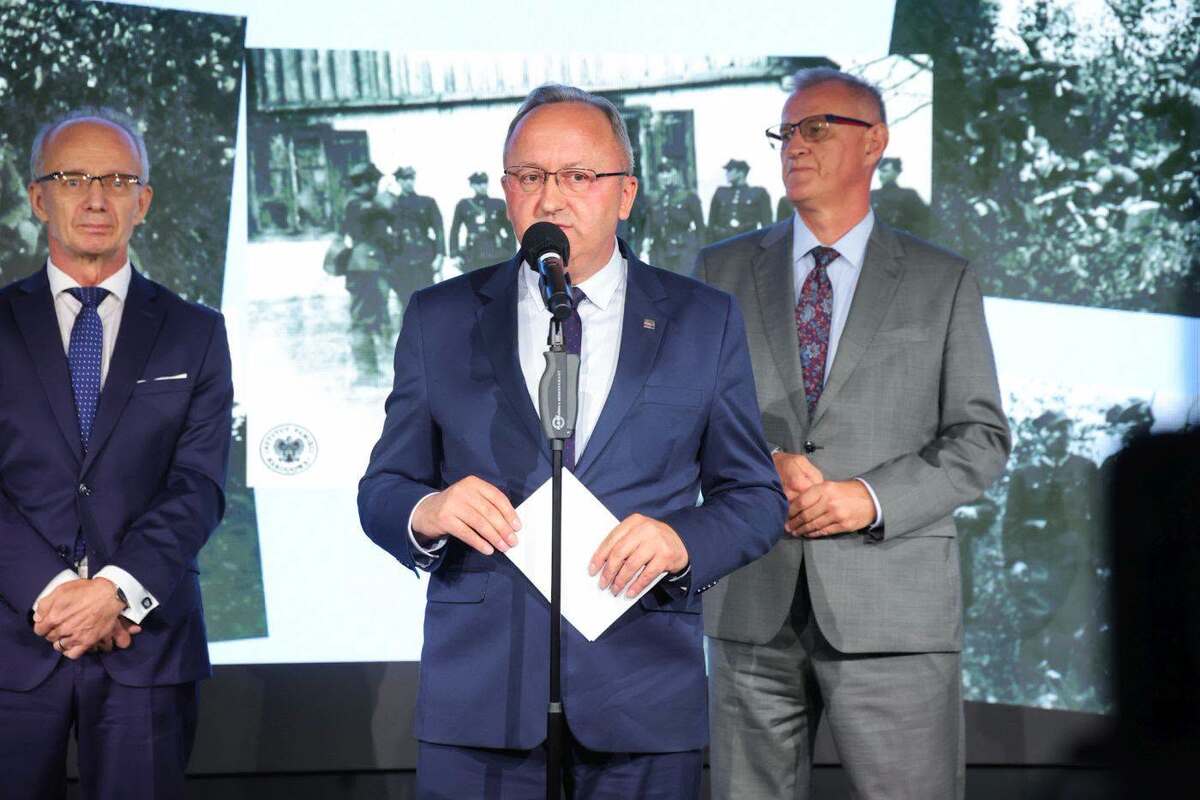

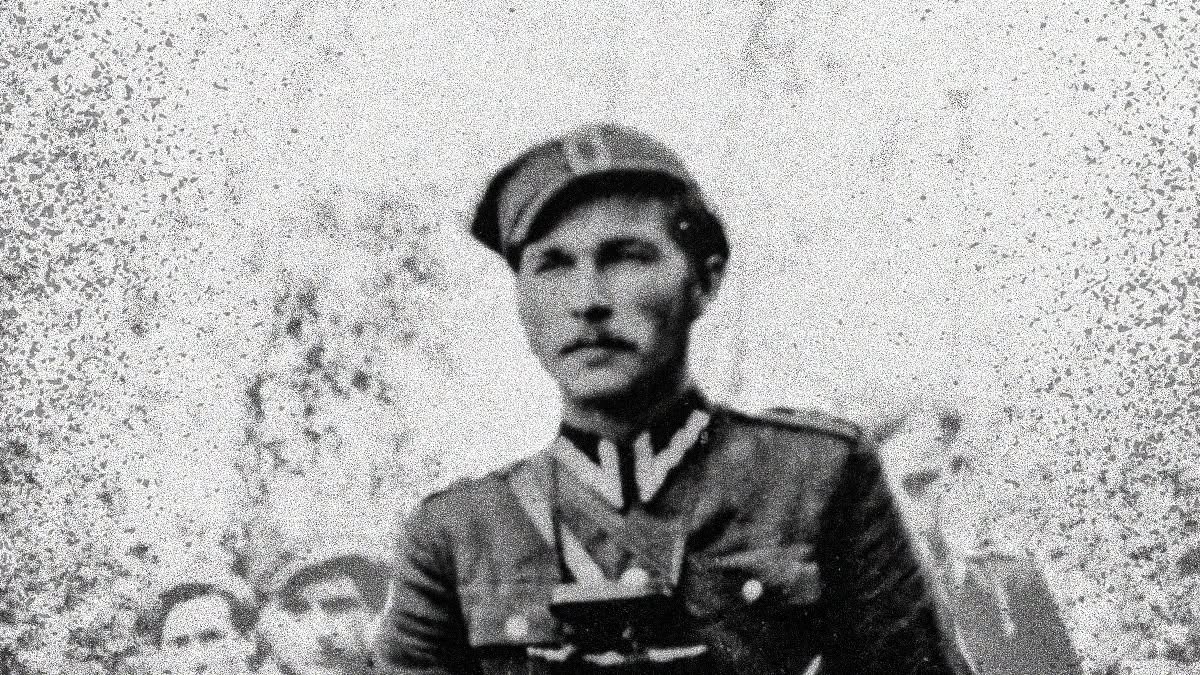
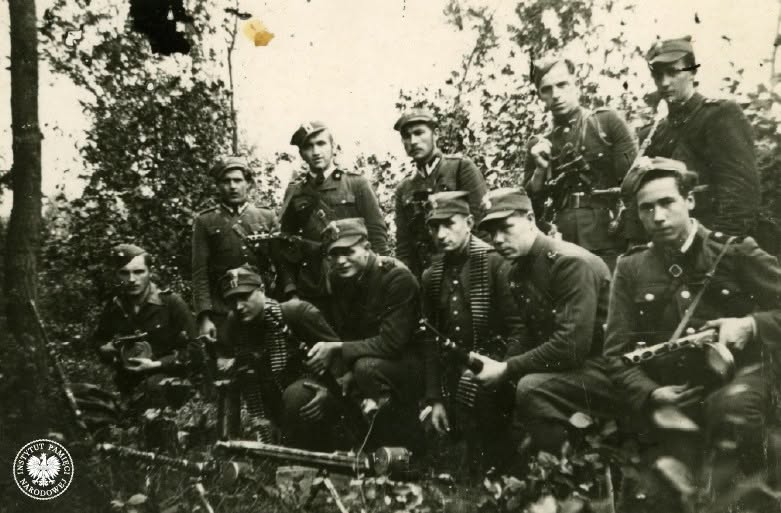
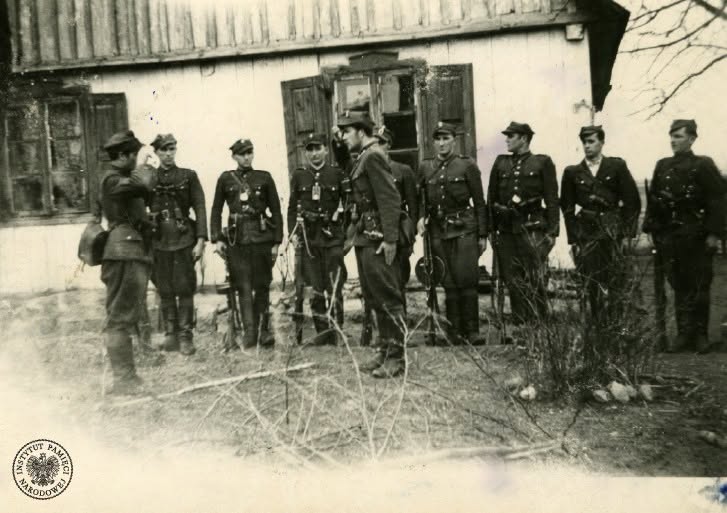
The IPN has identified the remains of Mieczysław Dziemieszkiewicz "Rój", a soldier of the National Military Union (Narodowe Zjednoczenie Wojskowe, NZW) and one of the best-known commanders of Poland's post-war anti-communist independence underground. The identification was announced on 24 July 2026 during a press conference at the IPN’s Central History Point.
As the IPN Deputy President Karol Polejowski said during the announcement:
"We have found 'Rój'. After decades of searching, we have restored not only his name, but also the truth about one of the commanders of the anti-communist independence underground."
And in Rój's own words: "I consider the struggle for a Great Poland to be my greatest duty. I will die before I betray."
The identification of "Rój" is another step in restoring the identities of the victims of communist terror, returning their names, their stories, and their rightful place in Poland's history.
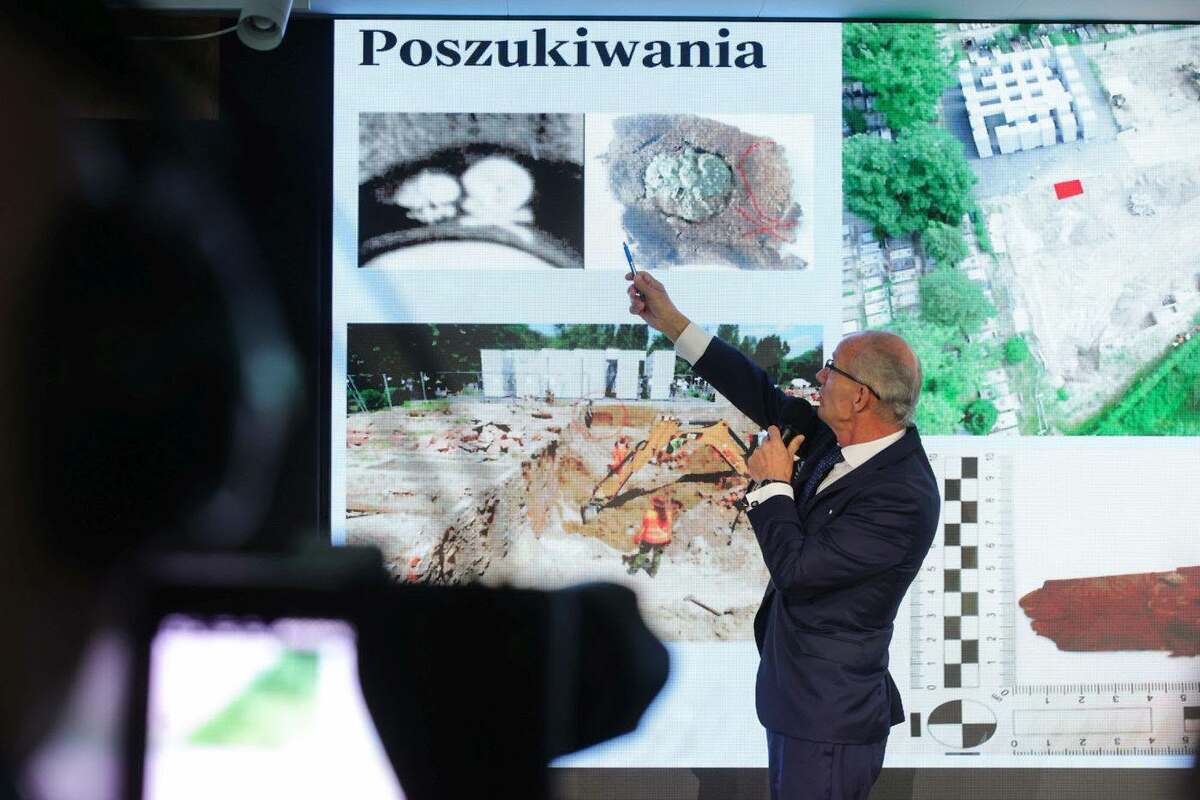
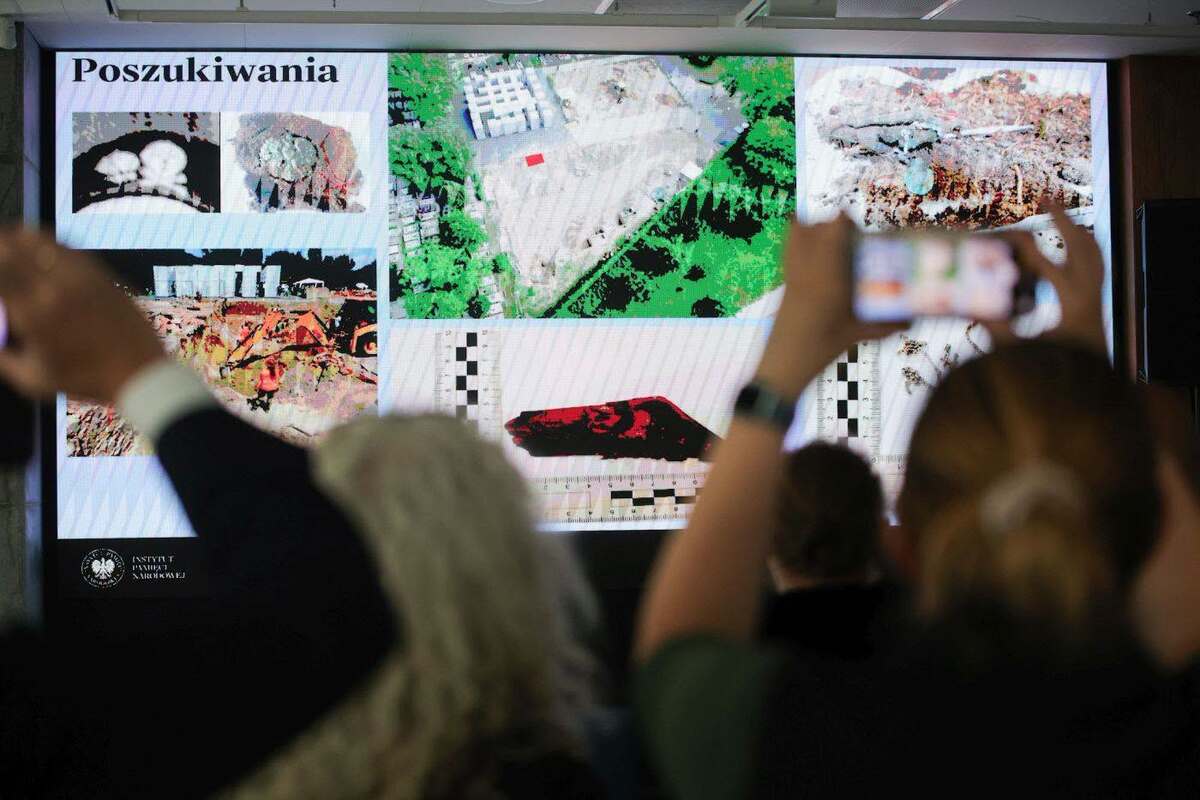
The identification is the result of many years of work carried out by the IPN. It was preceded by extensive archival and investigative research, the analysis of forensic evidence, archaeological excavations, and advanced DNA testing conducted by experts from the Pomeranian Medical University in Szczecin. A decisive breakthrough came after the discovery of a military eagle insignia during the exhumation of human remains at the "Ł" section of Warsaw's Powązki Cemetery.
Following conservation, the artefact was found to closely resemble the eagle visible on the black beret worn by "Rój" in post-mortem photographs taken by the communist security authorities in 1951. This discovery prompted prosecutors to broaden the scope of the genetic investigation. The identity was ultimately confirmed through additional comparative DNA samples obtained from the exhumed remains of Dziemieszkiewicz's mother and sister.
Mieczysław Dziemieszkiewicz was killed during the night of 13-14 April 1951 in the village of Szyszki near Pułtusk during an operation conducted by the Internal Security Corps (KBW), the Security Office (UB), and the Citizens' Militia (MO). Following his death, his body was subjected to forensic examination, photographed, shown to members of his family for identification, and transferred to Warsaw. Like many members of the anti-communist underground, he was buried in secret. For seventy-five years, neither the place nor the circumstances of his burial were known.
Dziemieszkiewicz belonged to the generation of Polish soldiers who, after the defeat of Nazi Germany, did not accept the Soviet domination imposed on Poland. Following the death of his elder brother Roman, an officer of the National Armed Forces (NSZ) killed by the Red Army in 1945, he deserted the communist-controlled Polish Army and joined the underground. Operating in northern Mazovia, he became commander of one of the longest-lasting partisan units of the National Military Union. Despite successive amnesties and increasingly extensive operations carried out by the communist security apparatus, his unit continued its activities until 1951.
The identification of "Rój" constitutes another important milestone in the long-term work of the Institute of National Remembrance to locate and identify victims of communist repression. Since archaeological investigations began at the "Ł" section of Powązki Military Cemetery, the Institute has recovered the remains of nearly eighty victims from this site alone. Through the combined efforts of historians, prosecutors, archaeologists, anthropologists, and forensic geneticists, hundreds of victims of Nazi German and communist terror have been identified across Poland, restoring their names, biographies, and rightful place in the history of the Polish struggle for independence.
Each identification represents not only the conclusion of a complex scientific and investigative process, but also the fulfilment of one of the Institute's fundamental missions: to recover the victims of totalitarian regimes, establish the historical truth, and restore the dignity that decades of communist repression sought to deny them.